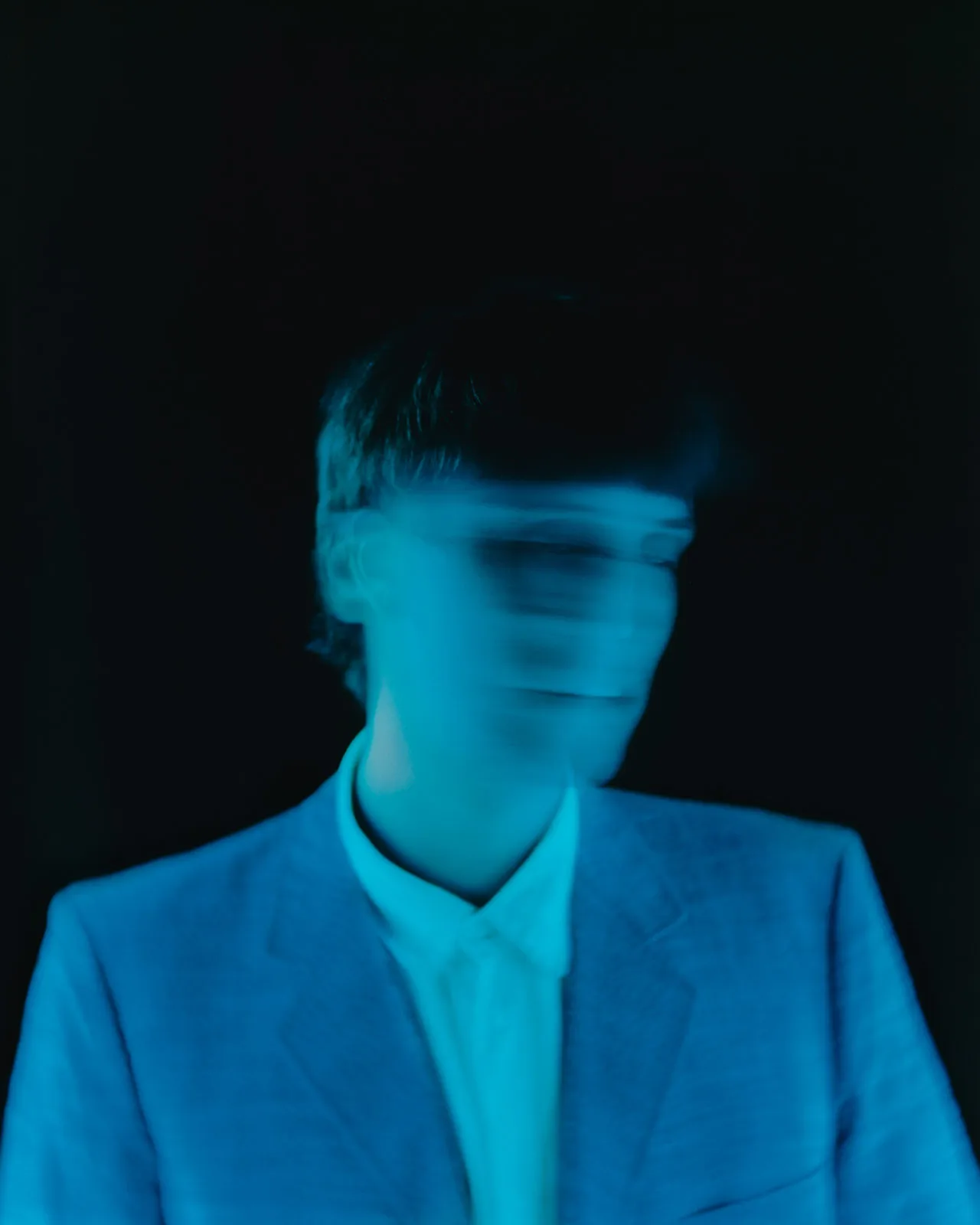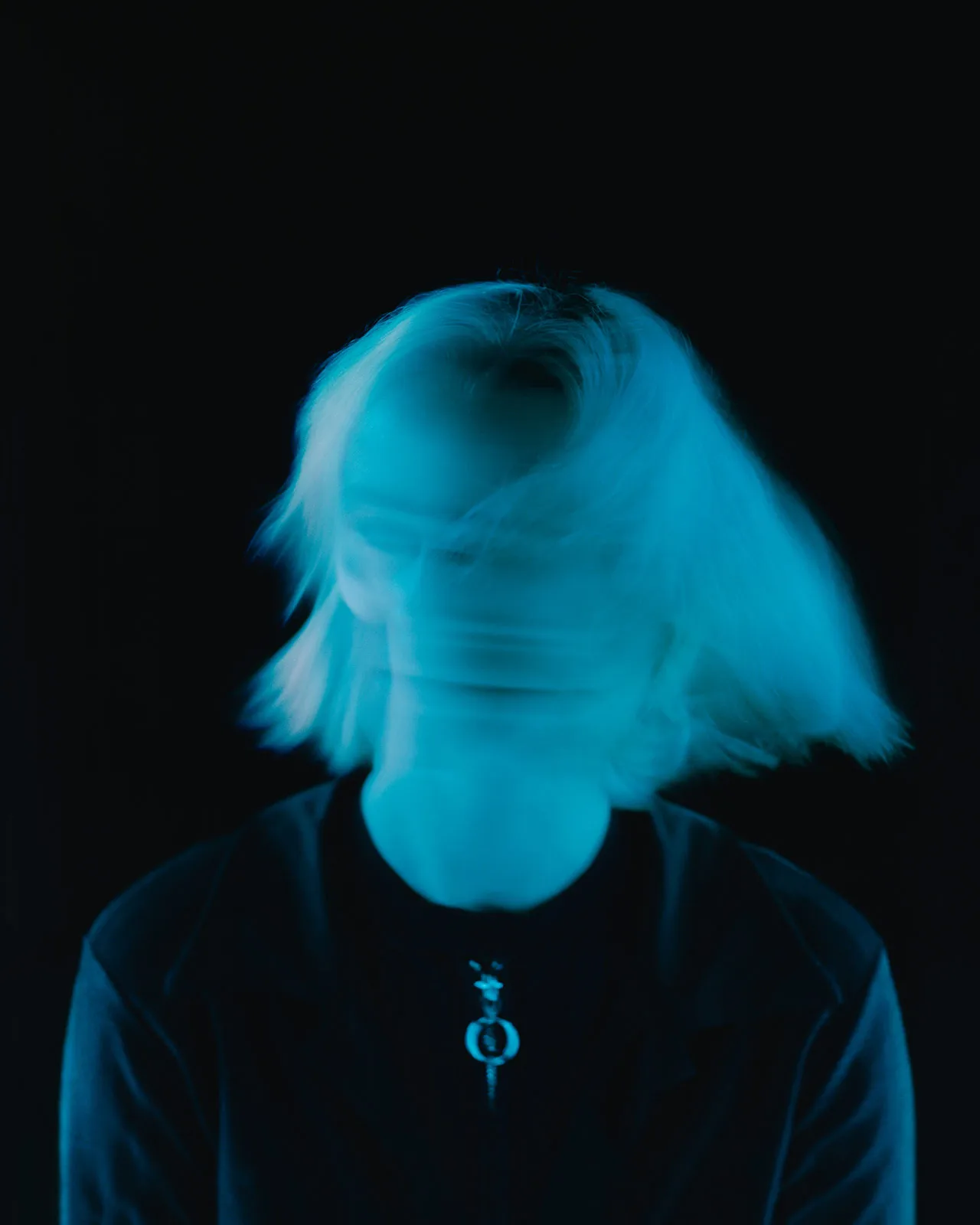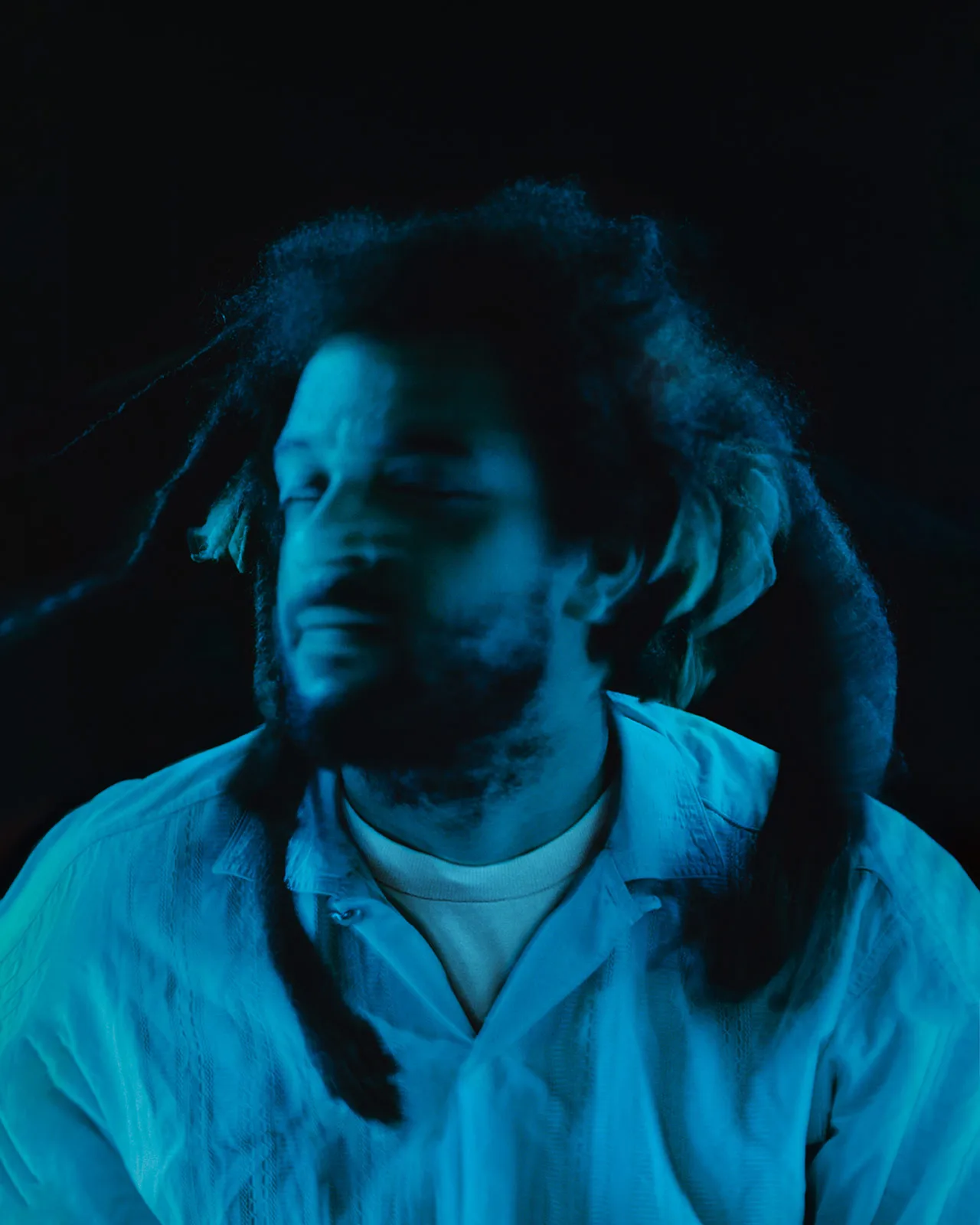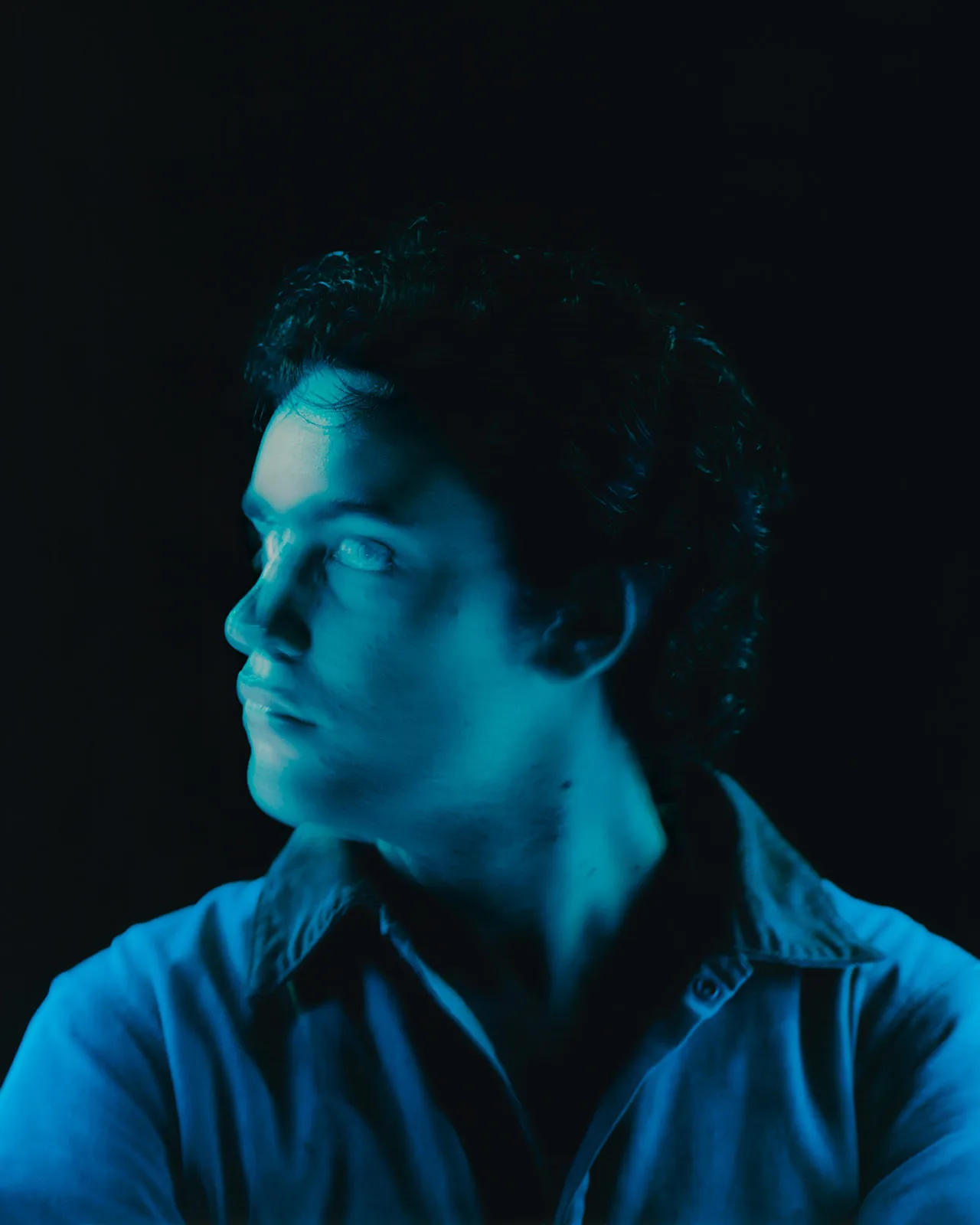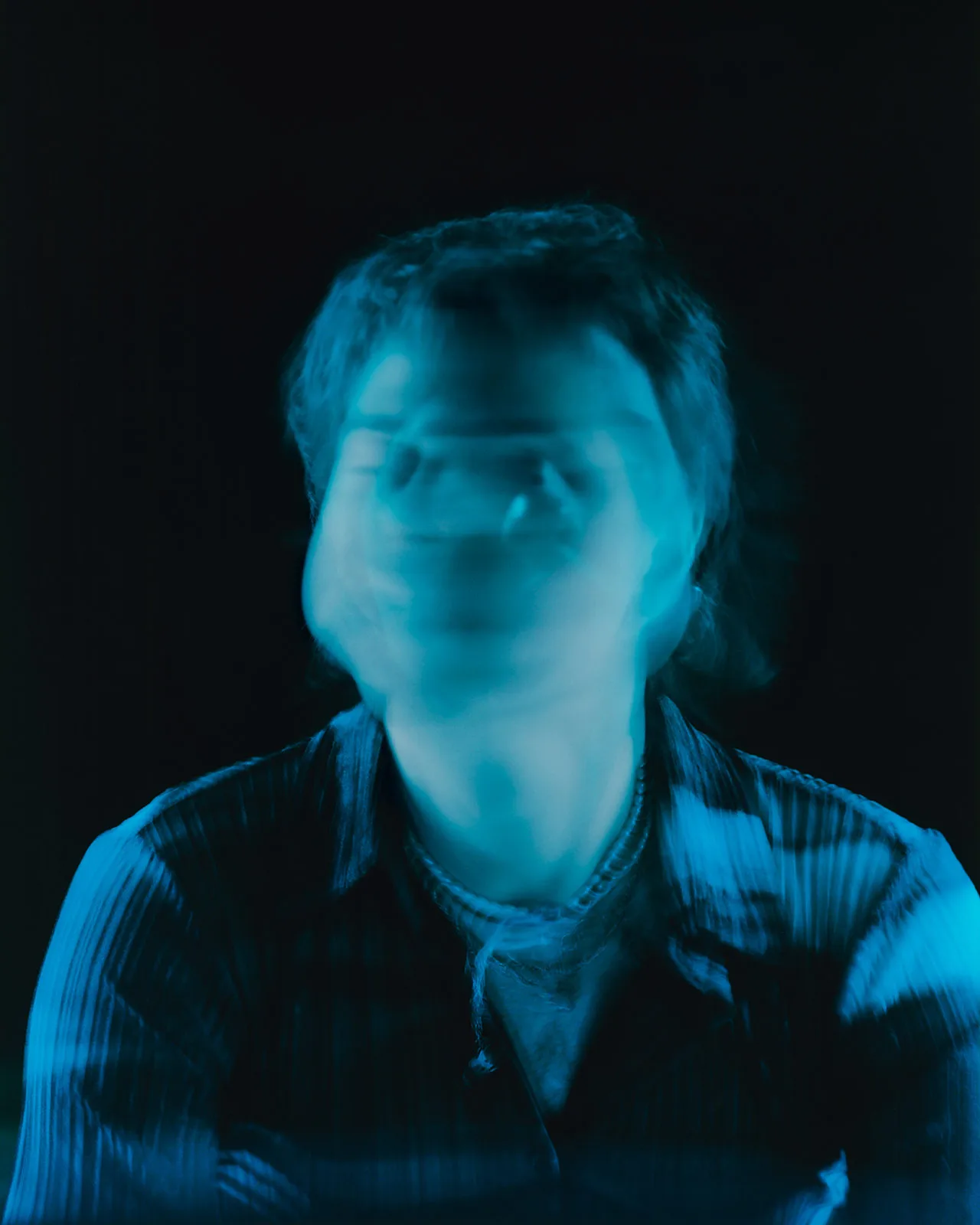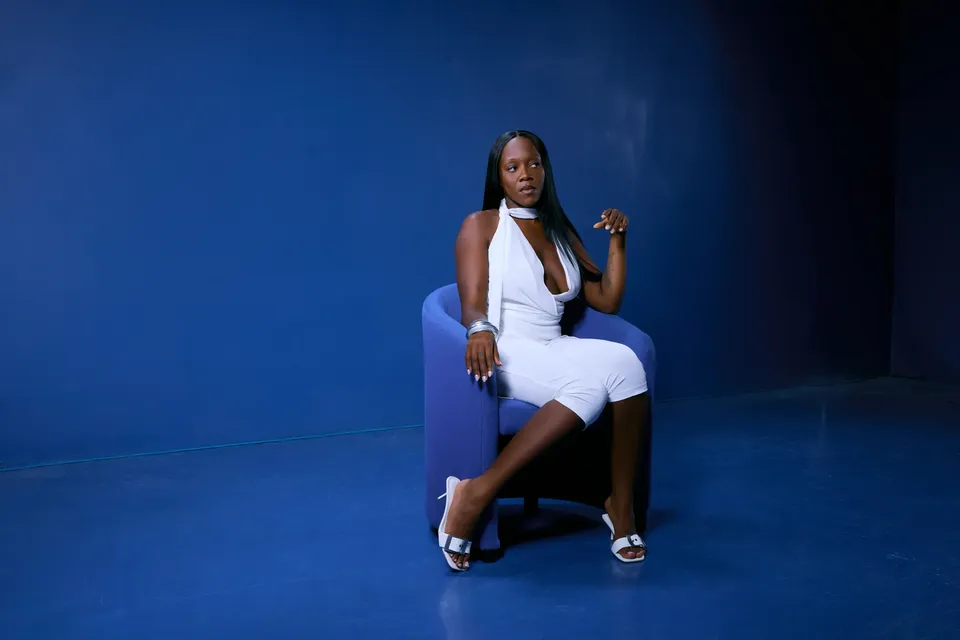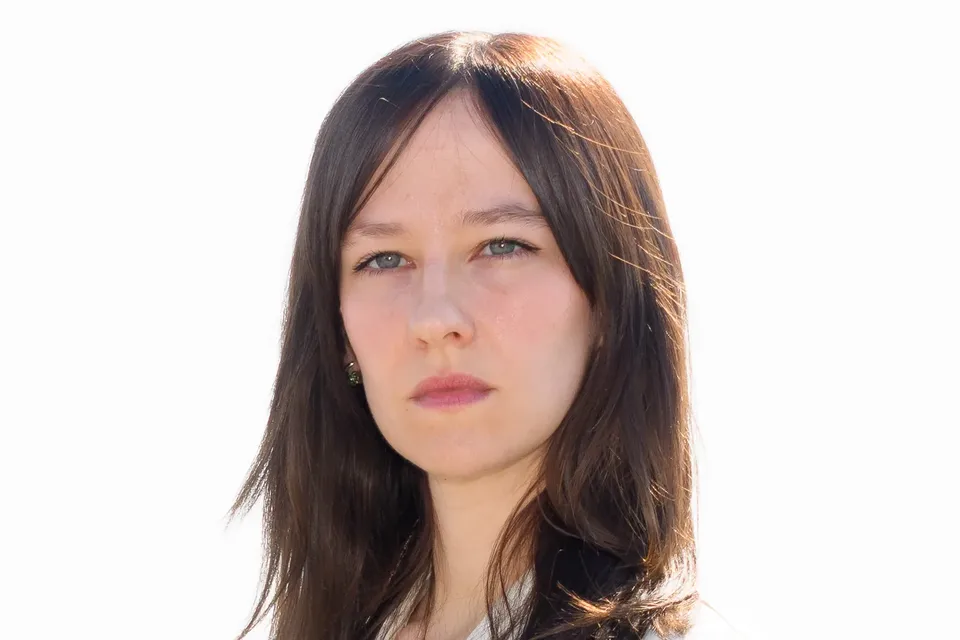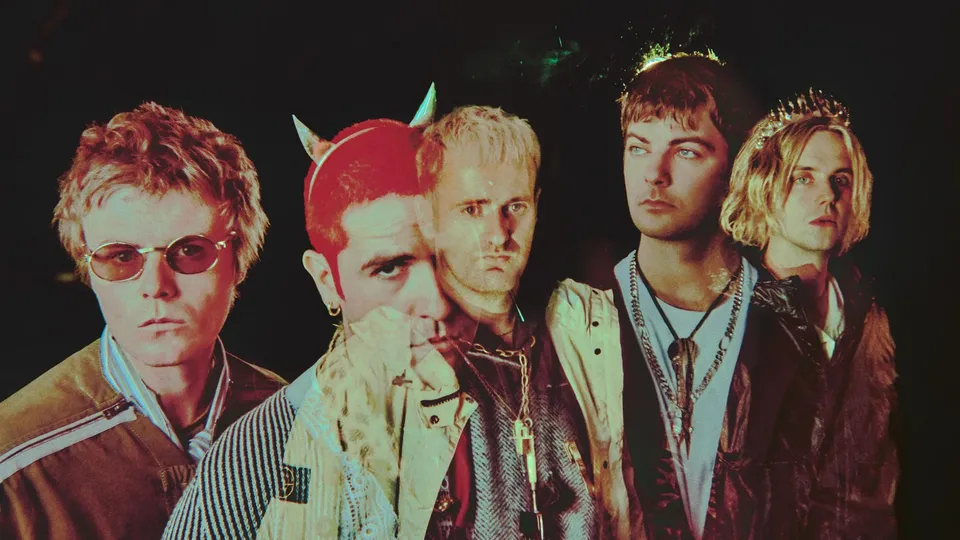
While crate digging through the back catalogue of Facebook to research for this interview, I see not a huge amount from Nukuluk. But there is a video of Syd Nukuluk, the frontman, wandering through Venice looking rather forlorn. Their suggestively-dubbed Disaster Pop EP has just been released, and the tracks are a spliced-up, disjunctive collection of 808s, found sounds, smooth (and harsh) vocals, and 45-at-33 style keys. Despite the polished sound, there is undeniable rawness to each track. Armed with the Venice video and a few listens of the EP, once more unto the breach I log onto Zoom with the disastrous poppers.
On March the third you posted on Facebook that Syd Nukuluk had fallen into a COVID-free Venice parallel universe. Please elaborate.
Syd: That was killing off a solo career basically, but Monica and I released the tape in 2020, and Partial Observer was one of the songs on that tape. We’d already been playing together for a while and we thought we’d release that video and be like 'here’s the end of that solo thing. And now it’s Nukuluk and it’s all of us and we’re all working together.’
I saw that the video was clearly in Venice, and it was clearly Syd, but I was also thinking: is this how you kick someone out? Or, even worse, is this how you get rid of someone who got cancelled? Did this guy do something really bad and all the band could do was say, ‘he’s in Venice now’? Is that where cancellations go? Anyway, in the same post you mentioned that, hereafter, you’re operating as a collective. In fact, I see the word ‘collective’ never far off whenever you’re mentioned. So how does operation now differ from before?
Olivia: There’s more of us now.
Louis: There’s all of us writing music together, because we’re all writing songs on our own and bringing them to the rehearsal space and then collaborating on it. But it’s weird, because it’s all within the Nukuluk world somehow. I guess we’re all into the same genres and have similar influences. Maybe some lean into a different genre more than others, but the genre-bending aspect of it creates a kind of Nukuluk feel.
Syd: It also goes beyond music – Mateo’s a filmmaker, and so am I. I think particularly with the Feel So video, Mateo directed it, and we co-made it with our friends. We definitely see our skills beyond making tracks as a reason we’re a collective.
Louis: There’s all of us writing music together, because we’re all writing songs on our own and bringing them to the rehearsal space and then collaborating on it. But it’s weird, because it’s all within the Nukuluk world somehow. I guess we’re all into the same genres and have similar influences. Maybe some lean into a different genre more than others, but the genre-bending aspect of it creates a kind of Nukuluk feel.
Syd: It also goes beyond music – Mateo’s a filmmaker, and so am I. I think particularly with the Feel So video, Mateo directed it, and we co-made it with our friends. We definitely see our skills beyond making tracks as a reason we’re a collective.
So why is collectivism so integral to the identity of Nukuluk? And how is it different from being in a band or group?
Syd: I think if you say that you’re a band, it implies that you’re just there to make music. Band just sounds quite trad I guess? We’re trying to be as flexible as possible, so it doesn’t sound like we went in with an intention when we made music. I think that’s a lot to do with how we approach making stuff together.
Monica: A band is so hierarchical, especially with – I’m thinking about the vocals here – my relationship to Syd sharing the vocals. I don’t think I’ve ever seen anyone be that willing to share the mic. Normally, there’s a front man, he sings all the main melodies, that’s how it goes. But with Nukuluk there’s a dimension of collaboration and sacrifice; being willing to sit out on this one and lead on that one. And I think that’s what makes the music exciting – the fact that we’re willing to do that for one another is valuable in a collective.
Louis: There’s a nice aspect of giving and taking, and just sharing the music and the visuals. There’s not as much pressure because you know somebody’s got an idea, and you can take a backseat. The idea of giving and taking and sharing is very comforting. It makes it way more enjoyable and a lot more fun. It can definitely be challenging working together, but we’ve all got the same trajectory, so it just makes a lot of sense and seems to work quite naturally.
Syd: I’d also say there’s an element of skill sharing involved. We’ve all taught each other different things. Right when this project was starting, me and Louis were doing virtual Ableton sessions because he was a Logic boy, and I was like come to the dark side! We were making tunes remotely and sharing our methodologies with each other. It's a very similar thing I’ve had with video stuff from.
Mateo: he introduced me to making videos. We all learn a new thing and then share it and try and incorporate it into our processes.
Louis: When you create a world out of one bit of processed audio, we all understand what the Nukuluk world is, and when it fits into that, then you can just write around it. Even though we have different influences, as long as it’s in that world, which is such a broad utopia we’ve created, it’s very fun to produce in.
Monica: A band is so hierarchical, especially with – I’m thinking about the vocals here – my relationship to Syd sharing the vocals. I don’t think I’ve ever seen anyone be that willing to share the mic. Normally, there’s a front man, he sings all the main melodies, that’s how it goes. But with Nukuluk there’s a dimension of collaboration and sacrifice; being willing to sit out on this one and lead on that one. And I think that’s what makes the music exciting – the fact that we’re willing to do that for one another is valuable in a collective.
Louis: There’s a nice aspect of giving and taking, and just sharing the music and the visuals. There’s not as much pressure because you know somebody’s got an idea, and you can take a backseat. The idea of giving and taking and sharing is very comforting. It makes it way more enjoyable and a lot more fun. It can definitely be challenging working together, but we’ve all got the same trajectory, so it just makes a lot of sense and seems to work quite naturally.
Syd: I’d also say there’s an element of skill sharing involved. We’ve all taught each other different things. Right when this project was starting, me and Louis were doing virtual Ableton sessions because he was a Logic boy, and I was like come to the dark side! We were making tunes remotely and sharing our methodologies with each other. It's a very similar thing I’ve had with video stuff from.
Mateo: he introduced me to making videos. We all learn a new thing and then share it and try and incorporate it into our processes.
Louis: When you create a world out of one bit of processed audio, we all understand what the Nukuluk world is, and when it fits into that, then you can just write around it. Even though we have different influences, as long as it’s in that world, which is such a broad utopia we’ve created, it’s very fun to produce in.
Is it a utopia?
Mateo: You’ve got to drink the Kool-Aid mate.
Syd: It’s a bit dark sometimes.
Olivia: [On stage] there’s also the tension of maybe getting it wrong and something could go terribly wrong at any moment, because of how much everyone’s doing, but that gives you so much adrenaline and I think audiences can really feel that.
Syd: It’s a bit dark sometimes.
Olivia: [On stage] there’s also the tension of maybe getting it wrong and something could go terribly wrong at any moment, because of how much everyone’s doing, but that gives you so much adrenaline and I think audiences can really feel that.
Speaking of this world, what is Disaster Pop, and what makes it so disastrous?
Syd: For the track Disaster Pop, that’s because that track is about this youthful idea that I’d rather be emotionally devastated than not have any emotions – I’d rather be really hurt by a situation than be cold and not affected. A lot of the songs have this emotional intensity on this EP. A lot of it is about this period of life which Monika and I were in at that time, where I thought, these things are really intense, but I kind of like it, and I’d rather celebrate that it hurts.Rather than making it all melancholy, [I’d rather] follow the idea of suffering and make it a really fun, playful beat which has that element of angst to it. That felt really authentic, I guess.
Olivia: My cat died in Summer and I was crying in Syd’s kitchen, and he said, oh, but isn’t it nice that you could feel this much respect for this? I guess that’s kind of the same thing as that song. It didn’t help me – I felt a bit angry at [Syd] at the beginning - but after a bit, I thought yeah, that was quite emo.
Monica: The Pop element of our music is something Syd and I wrestled with a lot together as people. Where we are and what we’re doing with the project is just not a coincidence, because everyone [in the band] is a great musician, and Syd has always done a lot of experimental music, but when I met him, he was at the crossroad of thinking about what kind of music he wants to make next. We decided - but without really deciding - mostly by fighting over structures, eventually with Louis as well. We decided to make pop music because I like songs that feel good. There’s the disaster element and there’s a whole emotional ethos of how it’s written and what it evokes. But the pop element is also something that’s very mouldable in how we approach music and how accessible we want to make a song, given that the whole field of experimentation is open to us.
Louis: Making popular music is quite a scary thing, and whatever you make is going to be, in an artistic way, a reflection of yourself: the window into your psyche. There’s also an argument to be made that it’s such a terrifying thing to make something that is bopable and danceable. What is Future Trip Hop? Obviously Trip Hop still continues, but for me it’s situated in the Portishead and Massive Attack thing of the 90s. It’s not stuck in time, but it feels almost vintage at this point. How do you negotiate that with the future?
Syd: I think Trip Hop ended and was kind of unrealised in that way. To me what Trip Hop means is, for example, Hip-hop sampling methodology mixed with Rock music ideas, basically, and Electronica, and everything in between. For a decade there was this incredible innovation in that field, and then it slightly plateaued a bit in my opinion. Beyond those classic artists, I don’t think shit went much further. I think Future Trip Hop is used in our press release because we’re now combining modern Hip Hop with modern Indie or modern Rock ideas, and the result is very, very different I think to that Massive Attack sound. In terms of that ambition of genre fusion and sampling methods with a full band playing live, it’s more the methodology than the song.
Olivia: My cat died in Summer and I was crying in Syd’s kitchen, and he said, oh, but isn’t it nice that you could feel this much respect for this? I guess that’s kind of the same thing as that song. It didn’t help me – I felt a bit angry at [Syd] at the beginning - but after a bit, I thought yeah, that was quite emo.
Monica: The Pop element of our music is something Syd and I wrestled with a lot together as people. Where we are and what we’re doing with the project is just not a coincidence, because everyone [in the band] is a great musician, and Syd has always done a lot of experimental music, but when I met him, he was at the crossroad of thinking about what kind of music he wants to make next. We decided - but without really deciding - mostly by fighting over structures, eventually with Louis as well. We decided to make pop music because I like songs that feel good. There’s the disaster element and there’s a whole emotional ethos of how it’s written and what it evokes. But the pop element is also something that’s very mouldable in how we approach music and how accessible we want to make a song, given that the whole field of experimentation is open to us.
Louis: Making popular music is quite a scary thing, and whatever you make is going to be, in an artistic way, a reflection of yourself: the window into your psyche. There’s also an argument to be made that it’s such a terrifying thing to make something that is bopable and danceable. What is Future Trip Hop? Obviously Trip Hop still continues, but for me it’s situated in the Portishead and Massive Attack thing of the 90s. It’s not stuck in time, but it feels almost vintage at this point. How do you negotiate that with the future?
Syd: I think Trip Hop ended and was kind of unrealised in that way. To me what Trip Hop means is, for example, Hip-hop sampling methodology mixed with Rock music ideas, basically, and Electronica, and everything in between. For a decade there was this incredible innovation in that field, and then it slightly plateaued a bit in my opinion. Beyond those classic artists, I don’t think shit went much further. I think Future Trip Hop is used in our press release because we’re now combining modern Hip Hop with modern Indie or modern Rock ideas, and the result is very, very different I think to that Massive Attack sound. In terms of that ambition of genre fusion and sampling methods with a full band playing live, it’s more the methodology than the song.
Abrasive Hip Hop, for lack of a better term, has been exploding more or less since Death Grips released the Exmilitary tape back in 2011. Acts like Ho99o9 and London’s 404 Guild immediately come to mind for me as the forerunners in the game right now. So where do you situate yourself in this zone?
Monica: A lot of the abrasiveness comes from another influence which hasn’t been discussed. It just comes from the do it yourself, punk thing. It just happened in the studio. I started making music with Syd, and that’s how my delivery just happened to be. Unlike a more metal vocalist like MC Ride [of Death Grips], I push and I break my voice. On the vocal side, it’s a happenstance, but a happy happenstance.
Maybe it’s more of a production thing, but I really don’t see myself in any of the British vocalists. There’s something about the smoothness that the British vocalists are trying to put in everything that I find literally revolting. So vocally, that’s where I place myself: not really Death Grips, just the intensity. But that’s just the emotional intensity of literal life with less technical control.
Syd: My parents were punks, and the shit I grew up listening to was punk, and my first bands were punk bands and I love that shit. But today I think it doesn’t feel like it has any poignancy. I guess that Death Grips, Danny Brown, and parts of JPEGMAFIA personally feel like a far more natural way to have some rage about shit musically. We don’t really sound like any of them musically, but it’s more of an exciting way to shout than to go to a guitar show and jump up and down – which I still like doing – but this makes more sense if you’re addressing the world today.
Maybe it’s more of a production thing, but I really don’t see myself in any of the British vocalists. There’s something about the smoothness that the British vocalists are trying to put in everything that I find literally revolting. So vocally, that’s where I place myself: not really Death Grips, just the intensity. But that’s just the emotional intensity of literal life with less technical control.
Syd: My parents were punks, and the shit I grew up listening to was punk, and my first bands were punk bands and I love that shit. But today I think it doesn’t feel like it has any poignancy. I guess that Death Grips, Danny Brown, and parts of JPEGMAFIA personally feel like a far more natural way to have some rage about shit musically. We don’t really sound like any of them musically, but it’s more of an exciting way to shout than to go to a guitar show and jump up and down – which I still like doing – but this makes more sense if you’re addressing the world today.
Listening to Disaster Pop, I oddly thought back to a story about Jamie XX’s I Know There’s Gonna Be (Good Times), in which Jamie had Popcaan and Young Thug record their vocals completely separately over the whole song. Then he spliced, chopped, and changed, to get the song he wanted. At various points in Disaster Pop, most strongly in Feel So, it feels a similar way, as if you’re vocalists in different worlds. There’s a disjunct. Could you tell me a bit more about it?
Syd: We’re generally addressing the same subject matter because one of us will write lyrics first, and then we’ll talk about it and ask, What is the sonic world? What are we trying to address? But because we have different styles, we’re generally looking at the same thing from different angles. So often, I’m a bit melancholic and observing the situation and a bit apathetically commenting on it. And then when Monika comes in, he’s often confronting it. It’s like an observation and then an engagement. I think that’s a really fun way to explore or a story. I think that’s a big part of how we conceptualise things.
Monica: For Feel So, in particular, it was just mad getting what Syd had written for the melody and what I thought it was conveying. I just really wanted to do the things that I’m doing on it. And I guess that’s how it often works, right? I back Syd as an artist and he backs me, so I put a lot of energy into making an actuality of the things that he makes me feel, and he puts a lot of trust in making me feel that they’re going to be good. And that’s why there’s this splicy element, because we’re just different people that are accepting being on the same track for the good of the music. That’s so big. That goes back to what we were saying about the collectivism and all the similarities and the differences between us.
Monica: For Feel So, in particular, it was just mad getting what Syd had written for the melody and what I thought it was conveying. I just really wanted to do the things that I’m doing on it. And I guess that’s how it often works, right? I back Syd as an artist and he backs me, so I put a lot of energy into making an actuality of the things that he makes me feel, and he puts a lot of trust in making me feel that they’re going to be good. And that’s why there’s this splicy element, because we’re just different people that are accepting being on the same track for the good of the music. That’s so big. That goes back to what we were saying about the collectivism and all the similarities and the differences between us.