“I think I would make a terrible diplomat,” laughs Monique Fei. Right before we were to meet on a Friday night, the designer emailed me in haste saying she was rushing back to her studio at the end of the work day. An hour later, I found her at her desk surrounded with bric-a-brac of her work draped everywhere amidst a shock of bright yellow sunflowers – as the thirty-one-year-old fiddled with a fragment of latex wrapped around her finger. Amidst an unprecedentedly hot Euro summer, Fei looks like she’s at home, close to her latex garments which await her caress like beloved creatures in a backroom behind her. “It’s really like having pets,” she smiles.
Ten years earlier, fresh from a bachelor’s degree in art history in France, Fei entered the offices of the French Consulate in Shanghai. Learning Mandarin from the age of twelve, she giggles when she hears I had mostly forgotten all the Mandarin I struggled to learn within a year in university. Therefore, one would think she was serendipitously preparing for this job – while also dreaming of being an auctioneer at Sotheby’s.
It was a bubble in Shanghai when she walked in during the late 2010s with extremely creative people trying hard to make things happen, she recalls. As a culture worker she was constantly surrounded with brilliant artists and their practices as her days were interspersed with eclectic streetstyle – which spurred her desire towards a distinct persona of her own by wearing latex. “It’s so expensive and I didn’t know where to get it,” she says, “It also comes with the baggage of sexuality and you introspect for a bit, am I this person?” It wouldn’t be until a friend hosting the closing party of a club became aware of her frustrated desires to conjure a latex garment into being, that she asked Fei to make latex masks for the guests.
“Then she handed me a bottle of liquid latex,” laughs Fei holding up another liquid latex bottle which has since then become integral to her work, “I literally didn’t know what to do. The masks I finally made were terrible but it started an experimental approach to making.”
Perhaps one is wont to disagree with Fei looking at the sculptural gimp mask replicas she created from a leather variation, emulating their shining buckles and clasps in translucent latex. What she achieved was a play between visibility and opacity which continues in her clothes today when one sees Rosalía in Fei’s smoky grey tube dress revealing pink briefs or Chappell Roan emerging on the stage of the Governor’s Ball as a latex-wearing Statue of Liberty complete with a deconstructed studded assless underskirt – smoking the dudebro blunt. It was a direct affront to conservative eyes who have historically relegated latex to costumes for the degenerate, prosecuting John Sutcliffe for obscenity for his designs and writing on leather and rubber, even if it is masked police forces meeting masked queer bodies in a club raid.
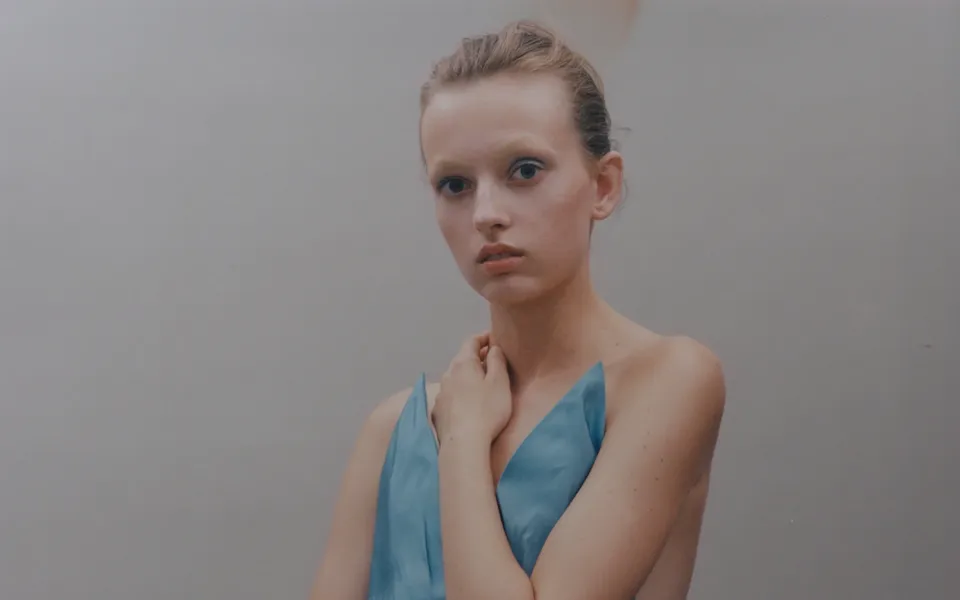
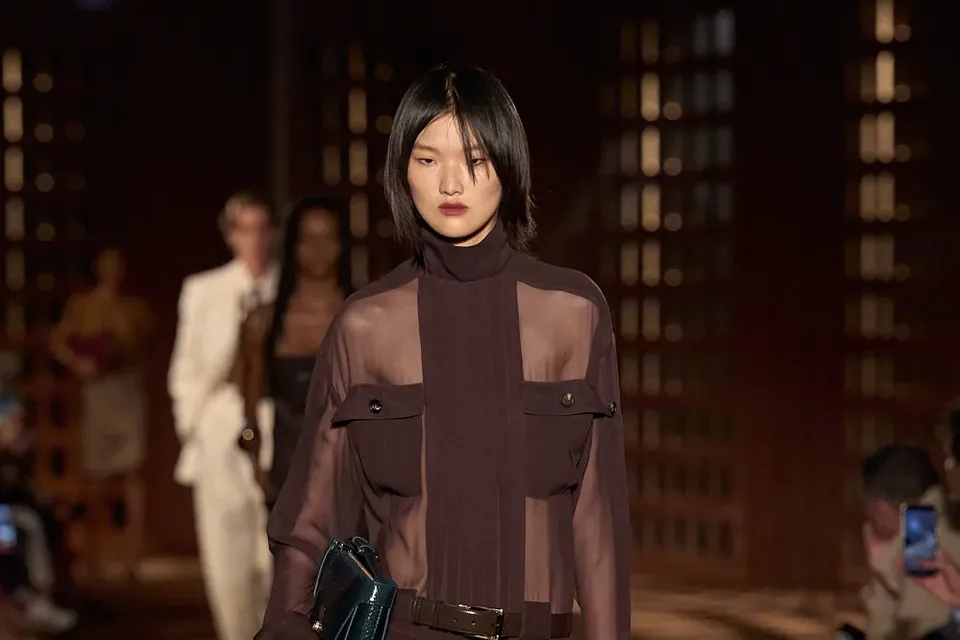
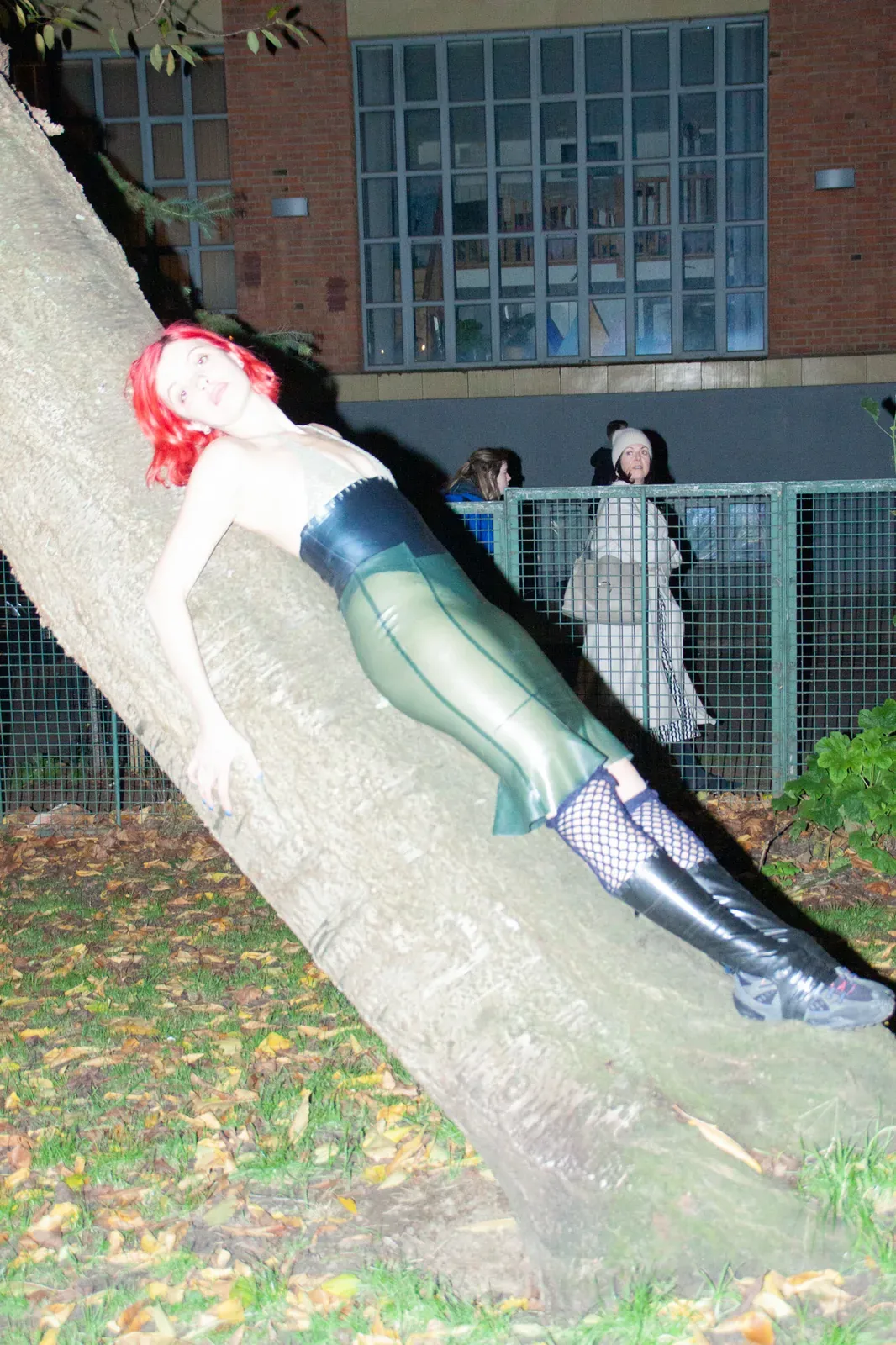
Hugging model Lily McMenamy is a nude illusion bodysuit with a knitted hole for the heart, echoing Frida Kahlo’s bleeding heart made nonchalantly sexual as Fei turns outerwear into second skin. Bringing out a book on Swiss artist Heidi Bucher from within her studio, Fei shows me her monumental installations of brown latex layered with silhouettes of doors and windows where lived-in space becomes an extension of the skin like the remnants of an embryotic pod holding a throbbing world within. “To have a fetish is to accept that an object can be an extension of you – and an enhancement of your organic self,” our friend and writer and curator Anastasiia Fedorova would pen down for the show notes of Fei’s 2024 collection set at the non-place of a gas station where office sirens clocked in wearing latex fishnet socks and the casual billionaire looked for easy game as he smoked in a leather jacket.
For Fei it is about reimagining the everyday wear as latex where even a pantyhose worn by Little Eddie could be made out of the sleek material. Associating promiscuity with the figure of the spinster was something Fei started thinking about while coming upon a community of ayis or older women during her walks in the park in Shanghai. “In France ageing is made to feel like the end of time and individualism,” she notes, “Whereas the ayis were going on holidays without their husbands and doing beauty pageants.” One thing led to another and she was soon publishing a small independent magazine filled with humorous interviews of the ayis on their secrets of love or life hacks, which blew up in China. The magazine would incidentally end up on her application to the Knitwear department of Central Saint Martins submitted on a whim – after the deadline – when she found out she wasn’t getting into a cultural diplomacy Master’s.
Going through Fei’s posts during her CSM days is to encounter a chaos-filled acid trip of visuals as she and her friends experimented with materials with fierce vivacity as Fei used shibari to reimagine crochet into neurons transmitting sensuality. It turned into soft armour in her graduate collection as she poured latex on woollen skirts creating sculptural bodies like Sir Allen Jones, playing on sexualised womanhood while also throwing open the permission to be hypersexual to older women who stare defiantly as they crochet in a bralette in her lookbook.
Fei seems to be going back to old witches in fairytales as she considers the familiar act of spinning, wondering how she could weave her own yarn like those figures – often old and loathed for their mystic power. It led her to fishing out fluff from washing machines of friends and laundry services, embedded with dirt, hair and nails – all fragments of the body – as she wove them into a garment, as literal second skin. In fairytales, body parts acquire talismanic importance like Rapunzel’s hair which becomes emblematic of romantic love and in her collaboration with artist Leo Costelloe, Fei adds a lock of human hair to a series of shell necklaces – like Victorians once did as a tangible remnant of everlasting love bordering on obsession, but also mourning.
However, she also debases such idealistic imaginations of love particularly through reworking the polka dot dress of the fifties tradwife by making it firmly fitted to the body – a layer of latex which takes agency in revealing more than it conceals, its heart laid bare. “As women our bodies change a lot, as I feel every time when I’m on my period,” she adds, “I like how latex adapts to bodies and I can put the same piece on most of my friends – and it takes a character of its own.”
In Fei’s world latex becomes a playground of illusion where she prints knitwear patterns on the substance or a trompe-l’oeil illusion to make it appear like dyed fabric. “The way I approach the material probably comes from my textile background as well,” she adds. It’s this playfulness she looks forward to within her studio as well as in works by other fellow latex designers like London-based Harri KS whose early designs of interpreting the sculptural body through a dog’s-eye view fascinated her. “That’s so fun,” she exclaims, “I started out by making everything as a bit of a joke and one day if I don’t have fun, that means it’s time to stop.”
London is home to Fei but Paris is where she wants to do her upcoming show. “Paris is very much one way,” she notes echoing the frustrations of Paris-based design duo Hannah Rose Dalton and Steven Bhaskaran of Matières Fécales who she ran into years ago at a club in Paris. “Their presence was so inspiring and later I did a mermaid tail for Rose when she did a shoot for The Face,” she says, “I feel in Paris people can’t see beauty anywhere else, so it’d be good to shock them.”
Even then, Fei doesn’t believe latex is for everyone as she fits in three custom orders over the week and travels from New York to Pennsylvania to create a custom look for Roan. “I don’t think latex belongs to everyday life either and it requires specific care that maybe people with a fetish for the material can provide,” she adds, “One day I see myself lending out my archive and taking care of it with the borrowers as well. I don’t see myself as producing all the time. It’s good to make custom work as suddenly you have the budget and it’s personalised. It’s what currently keeps the excitement going.”

Chappell Roan New York
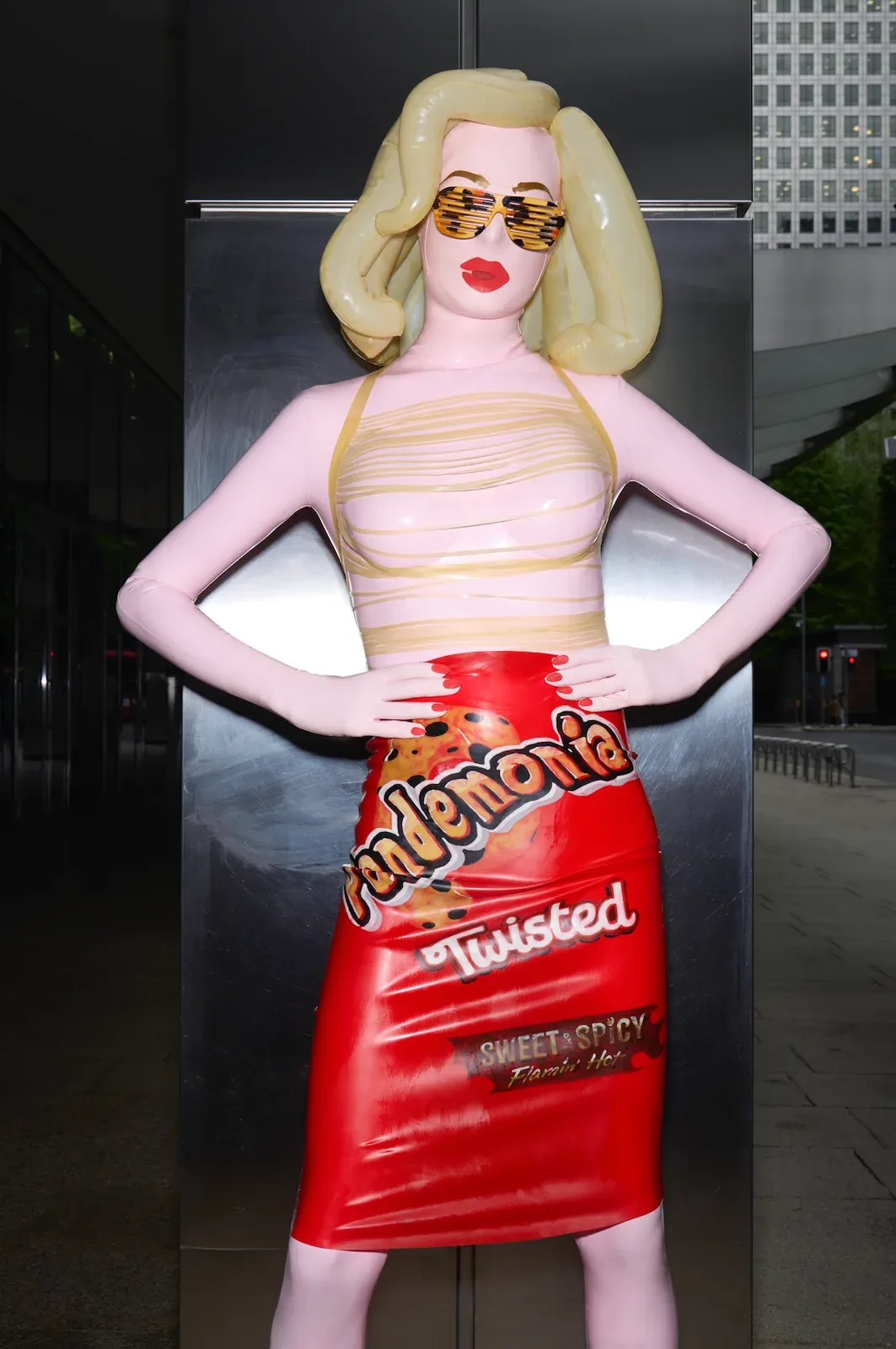
Pandemonia in custom Monique Fei
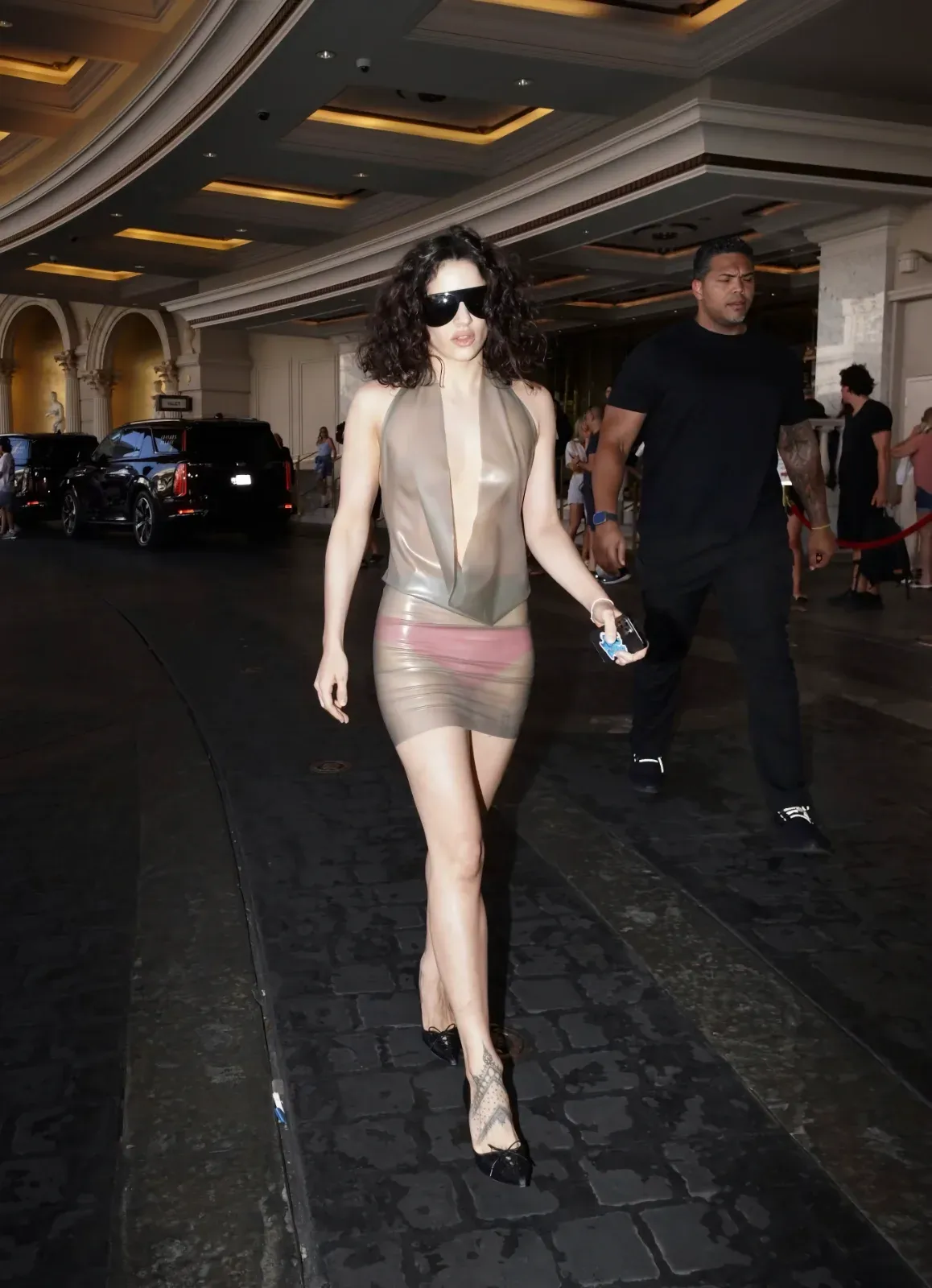
Rosalía
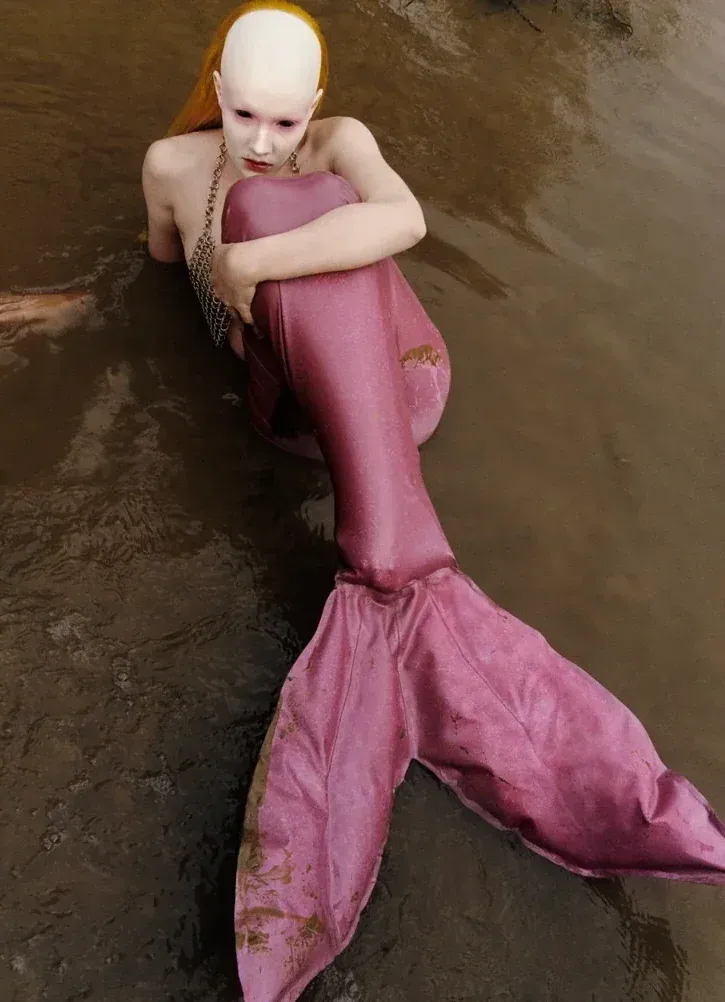
Matières Fécales
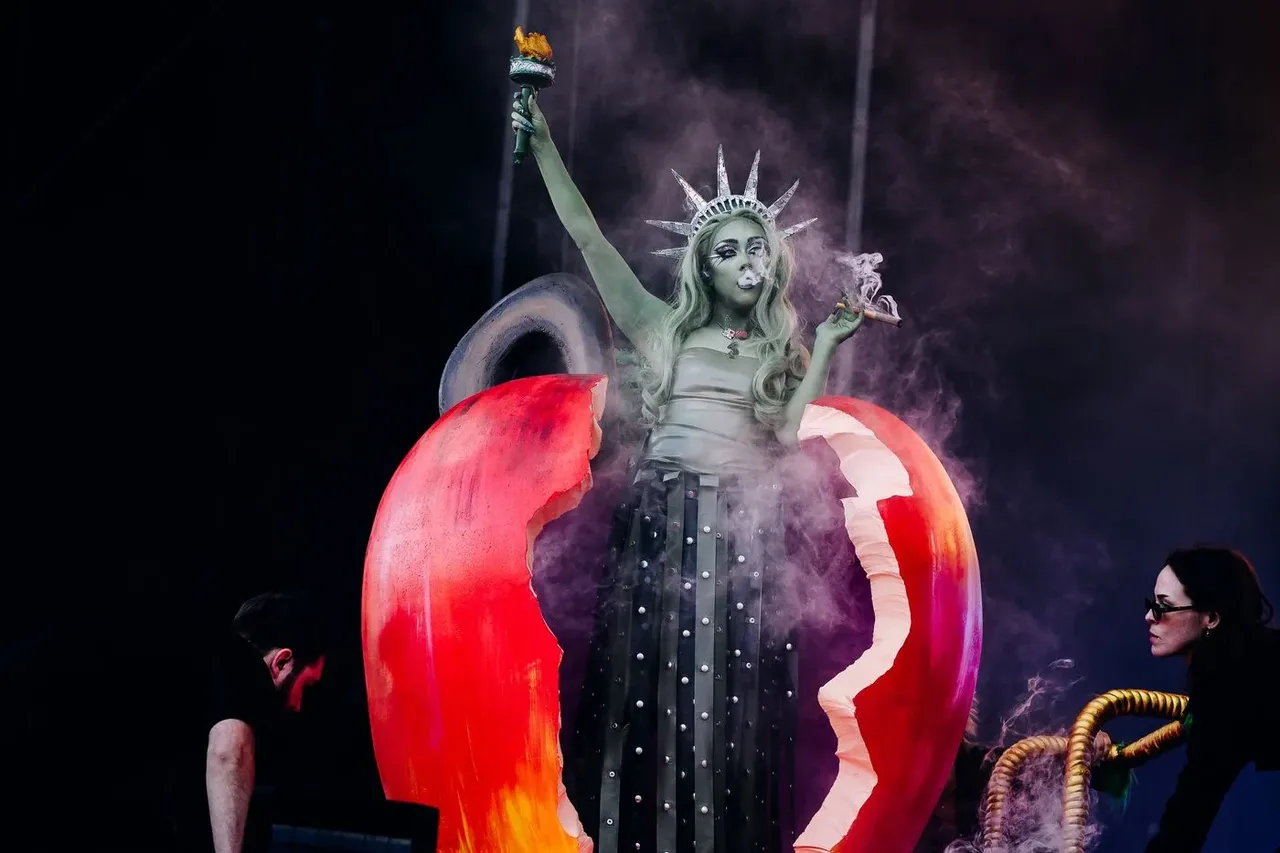
Chappell Roan Governor Ball
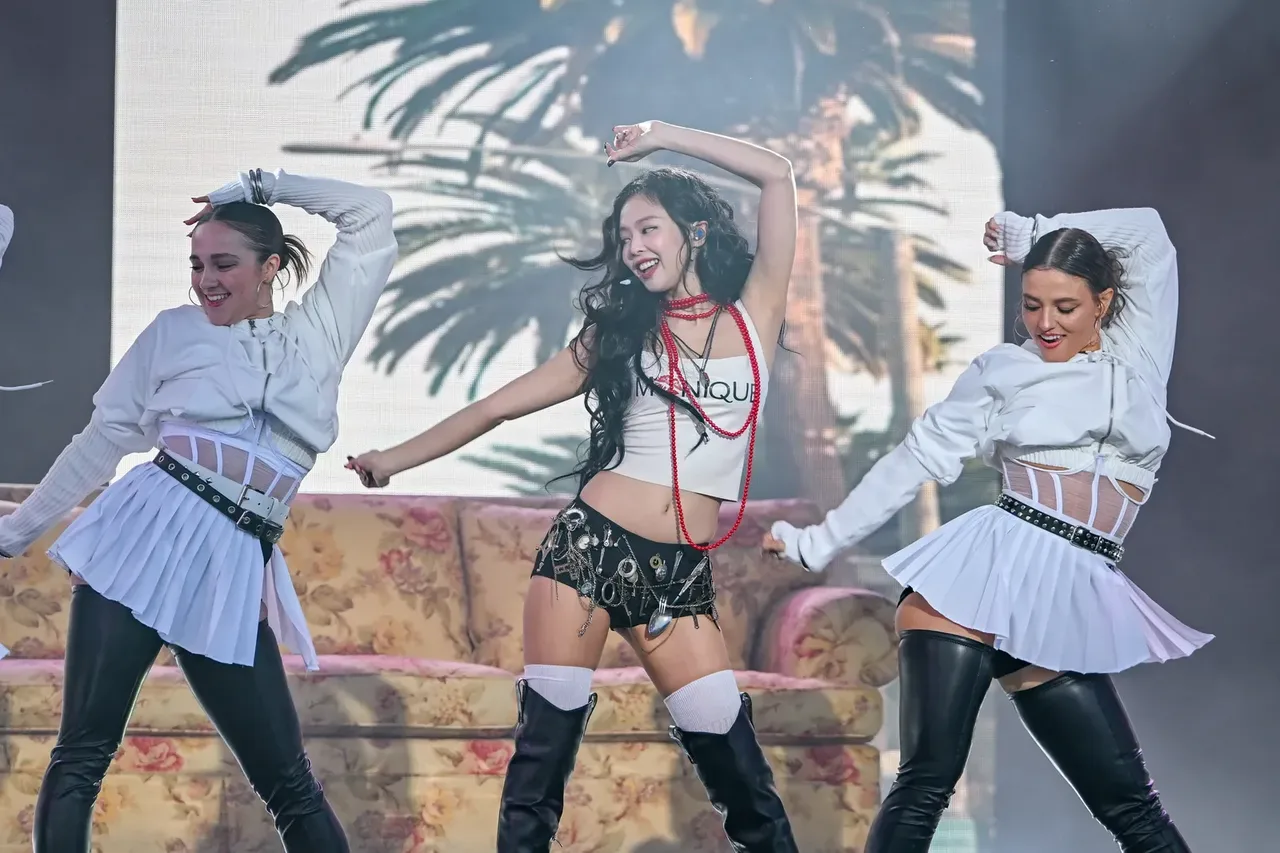
Jennie
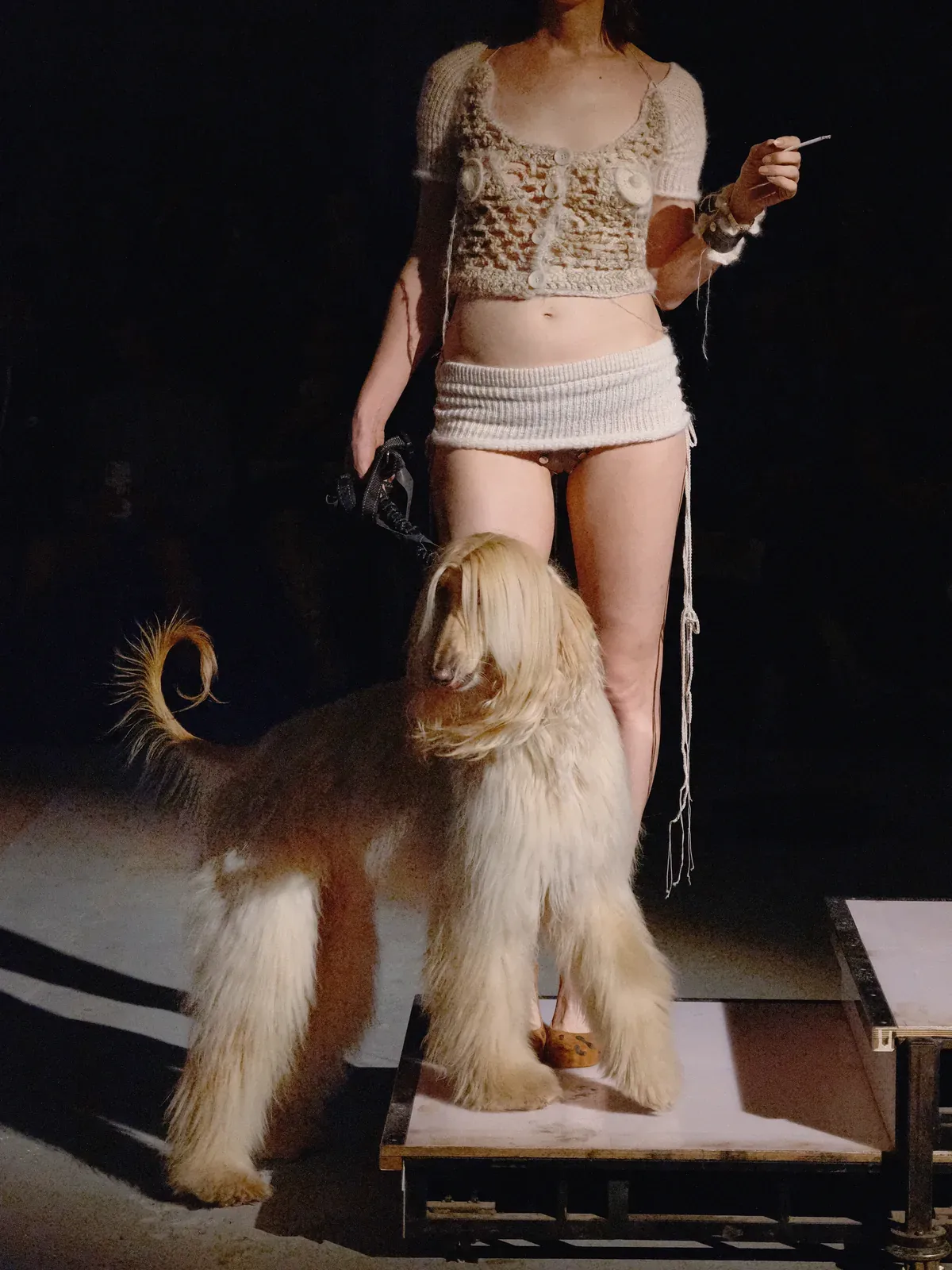
Monique Chic Show photo Camille Mompach
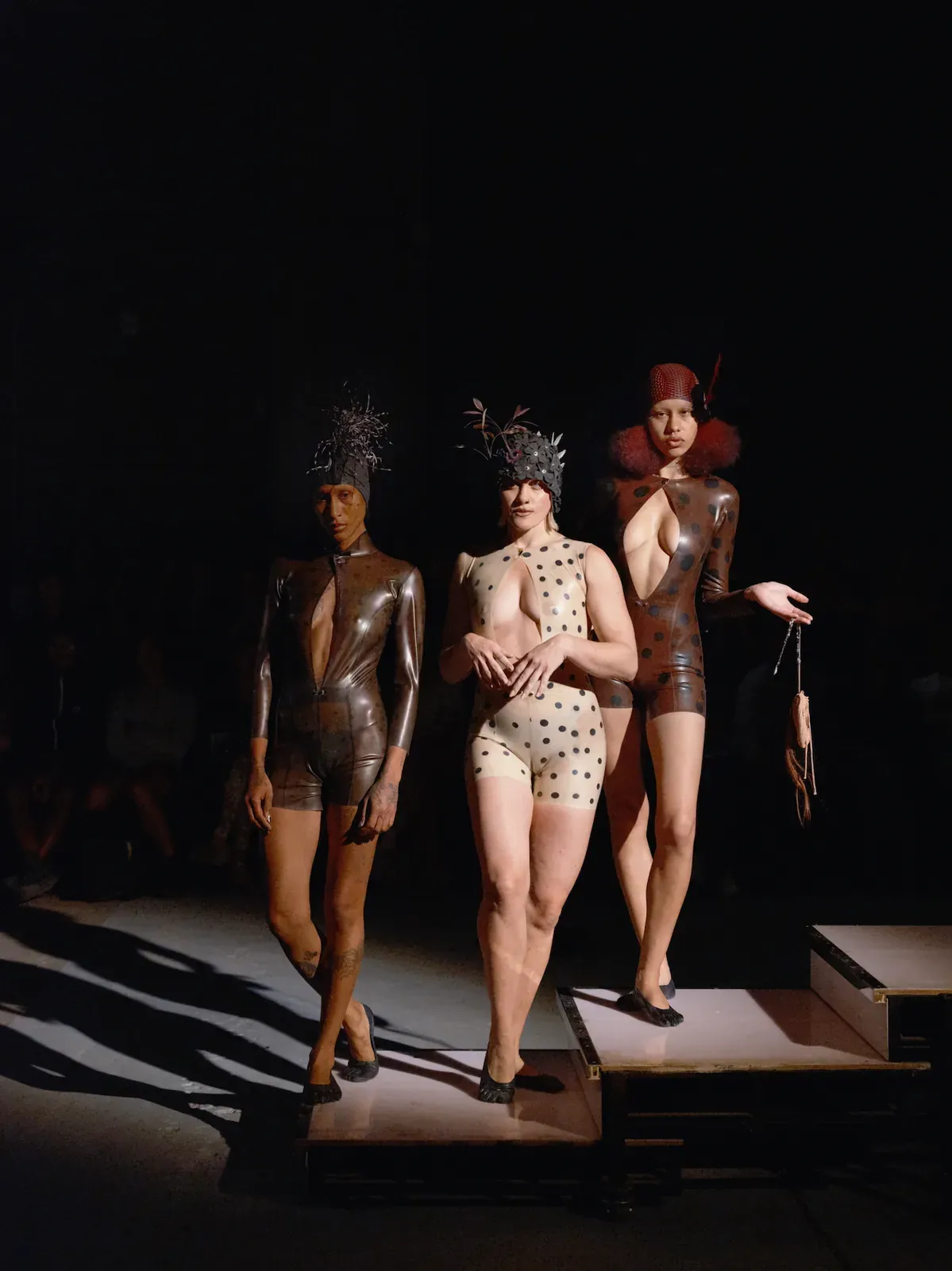
Monique Chic Show photo Camille Mompach
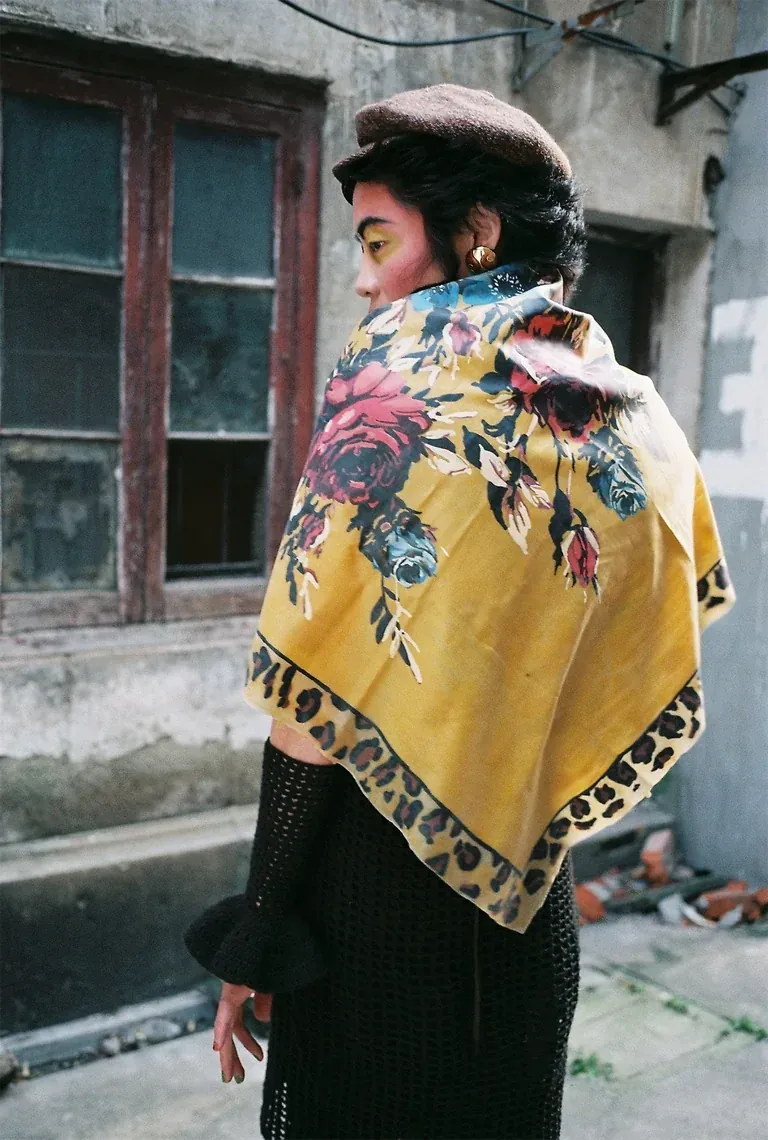
Mimei editorial shot by Elsa Bouillot
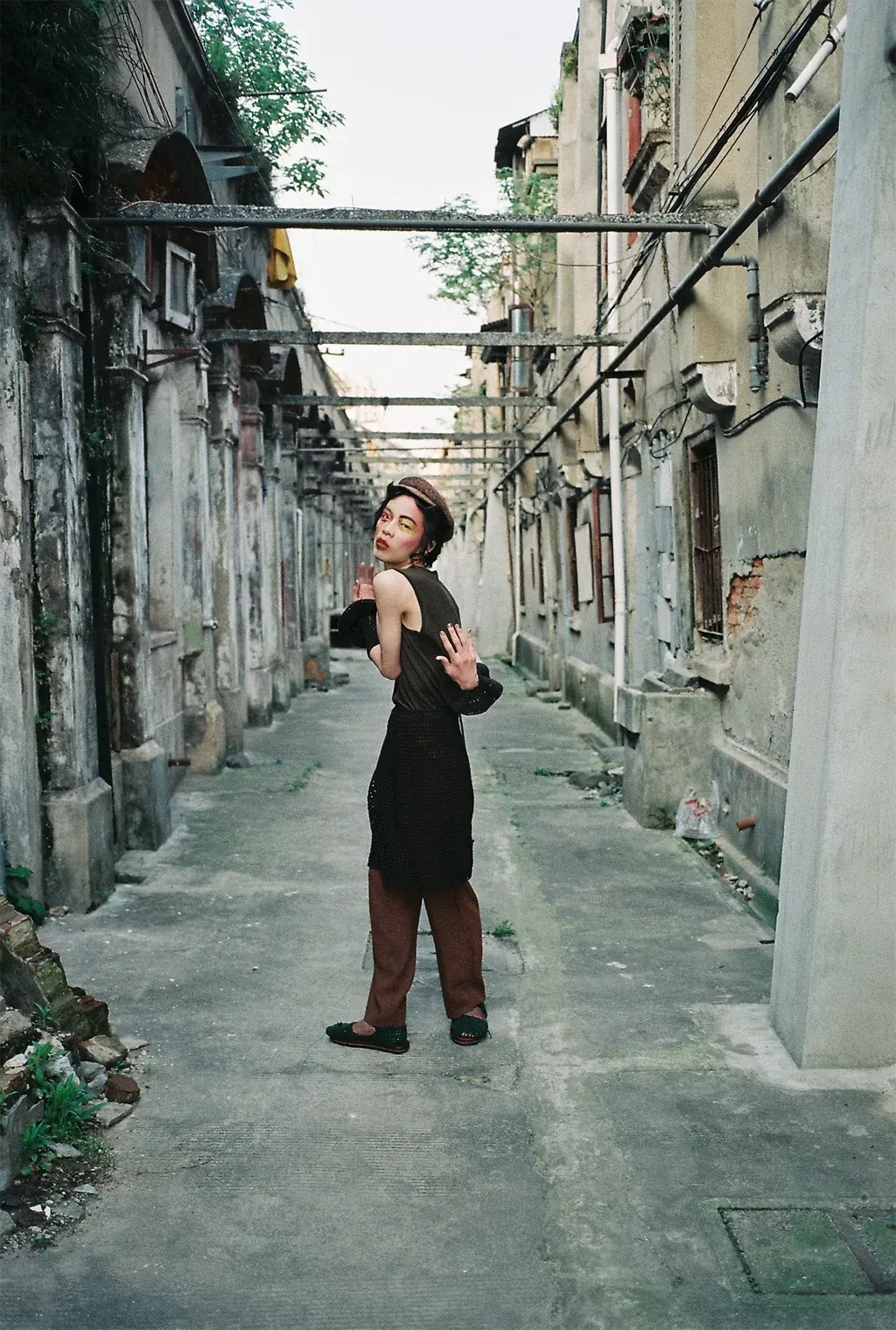
Mimei editorial shot by Elsa Bouillot
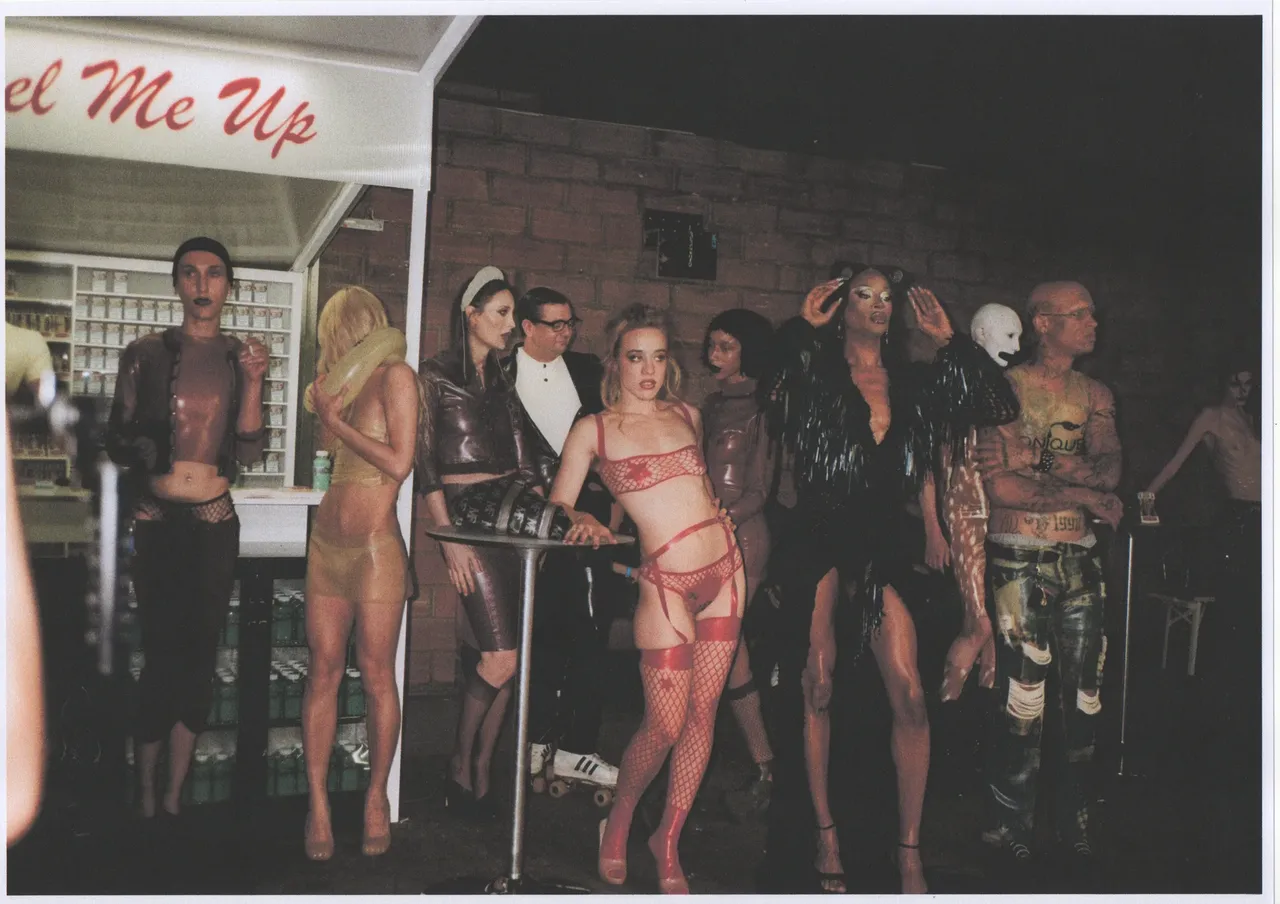
Monique Fuel Photo by Juliette Lepineau
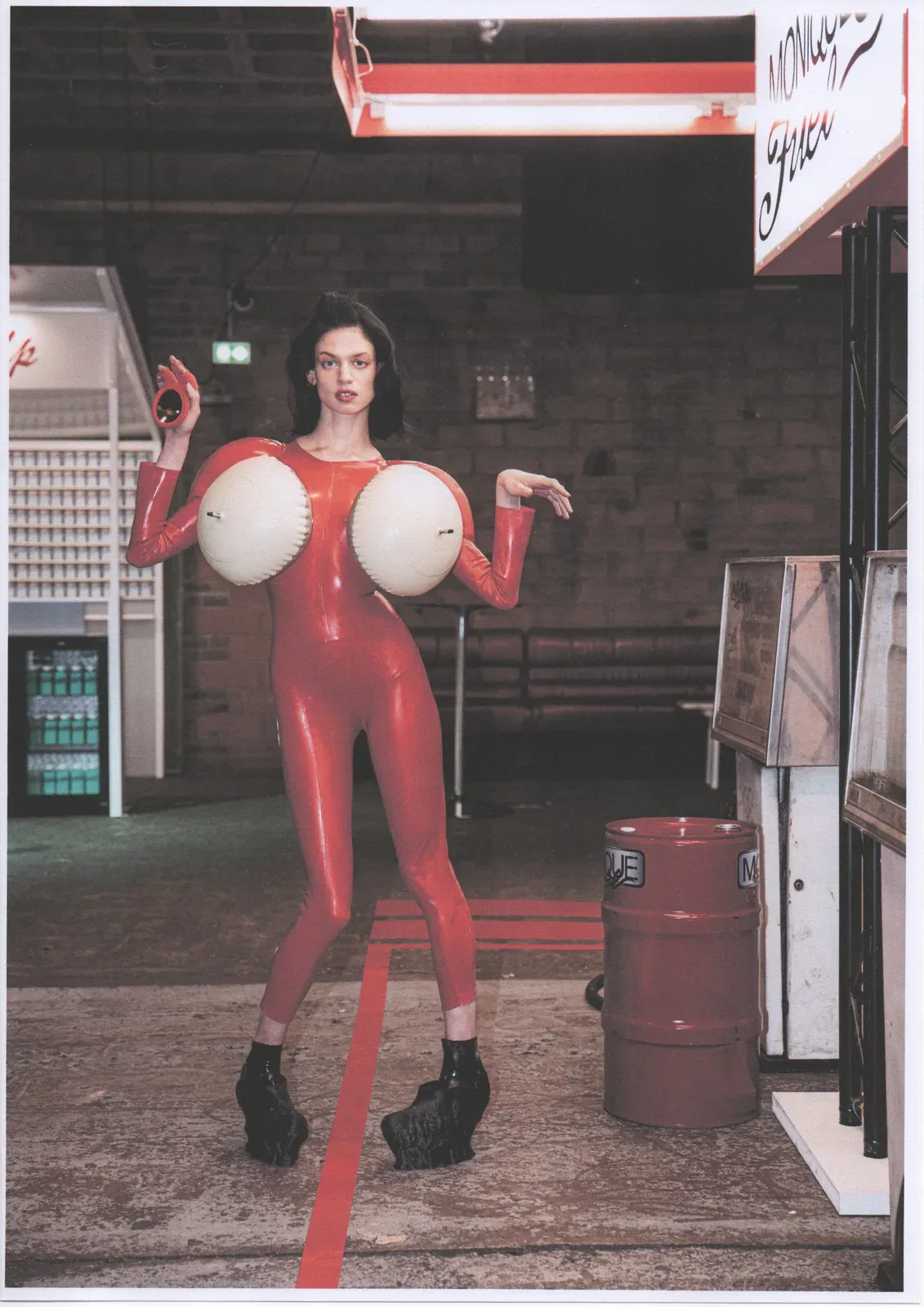
Monique Fuel Photo by Chisom Ibe
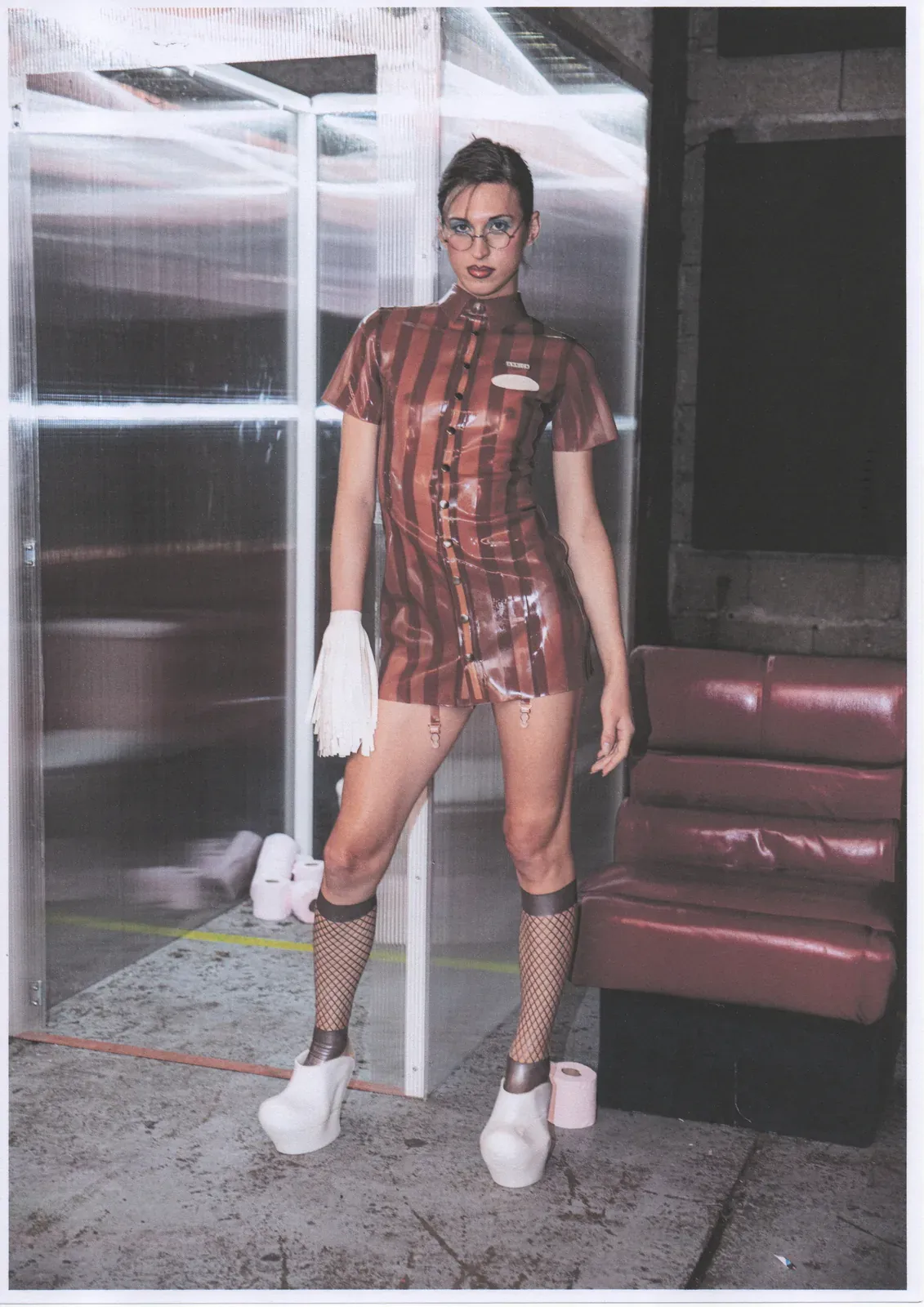
Monique Fuel Photo by Chisom Ibe
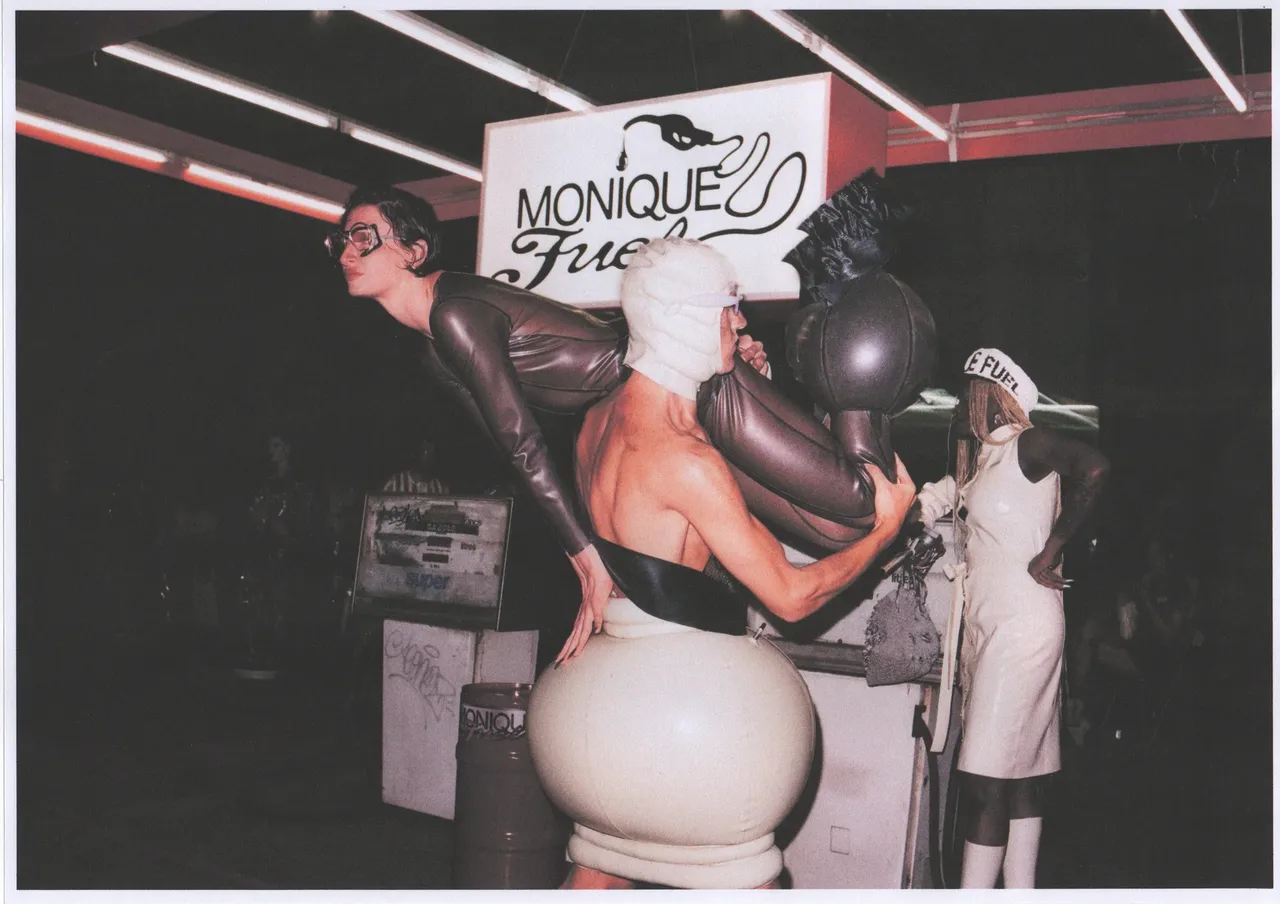
Monique Fuel Photo by Maxime Ballesteros
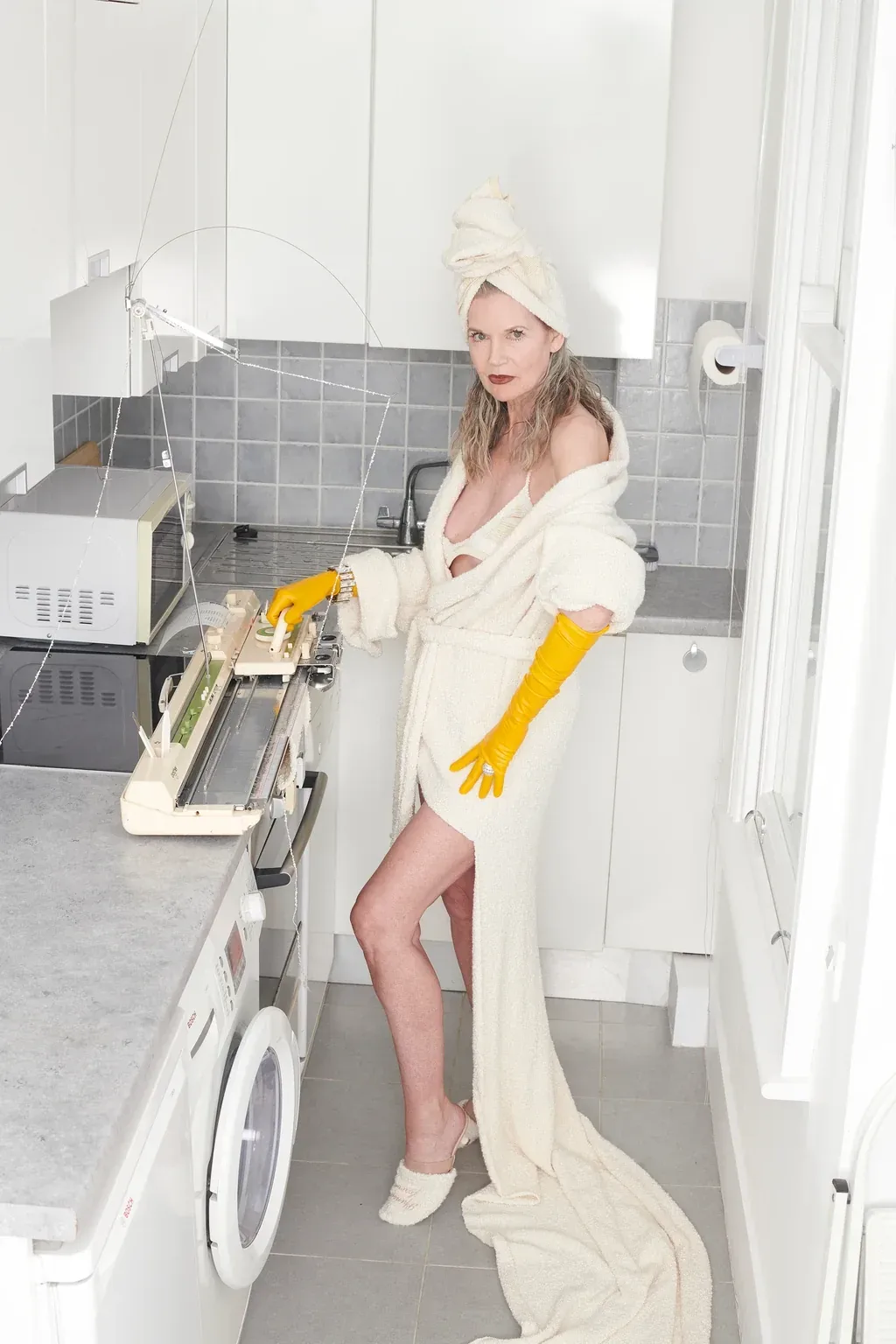
spinster forever shot by Raphael Bliss
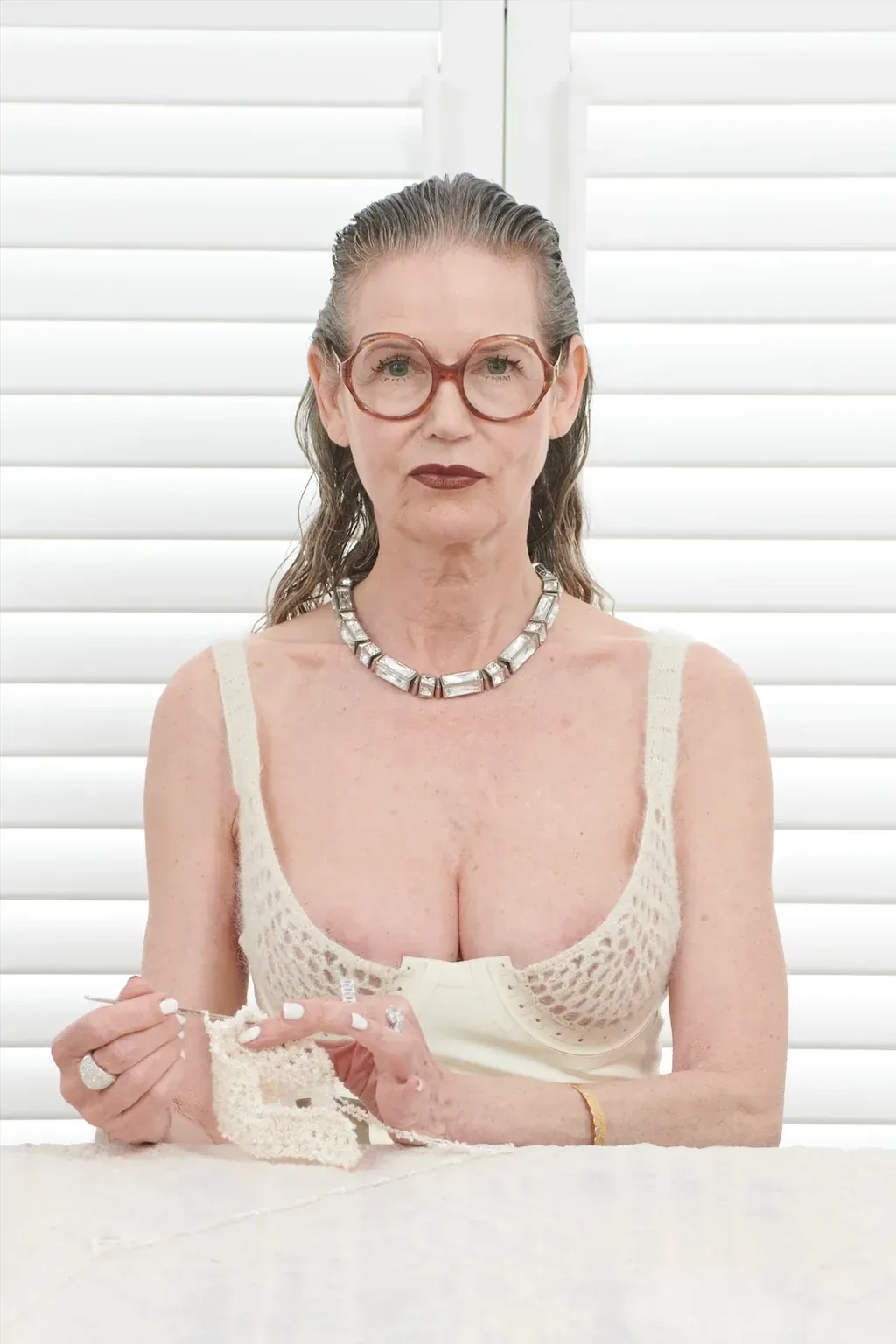
spinster forever shot by Raphael Bliss
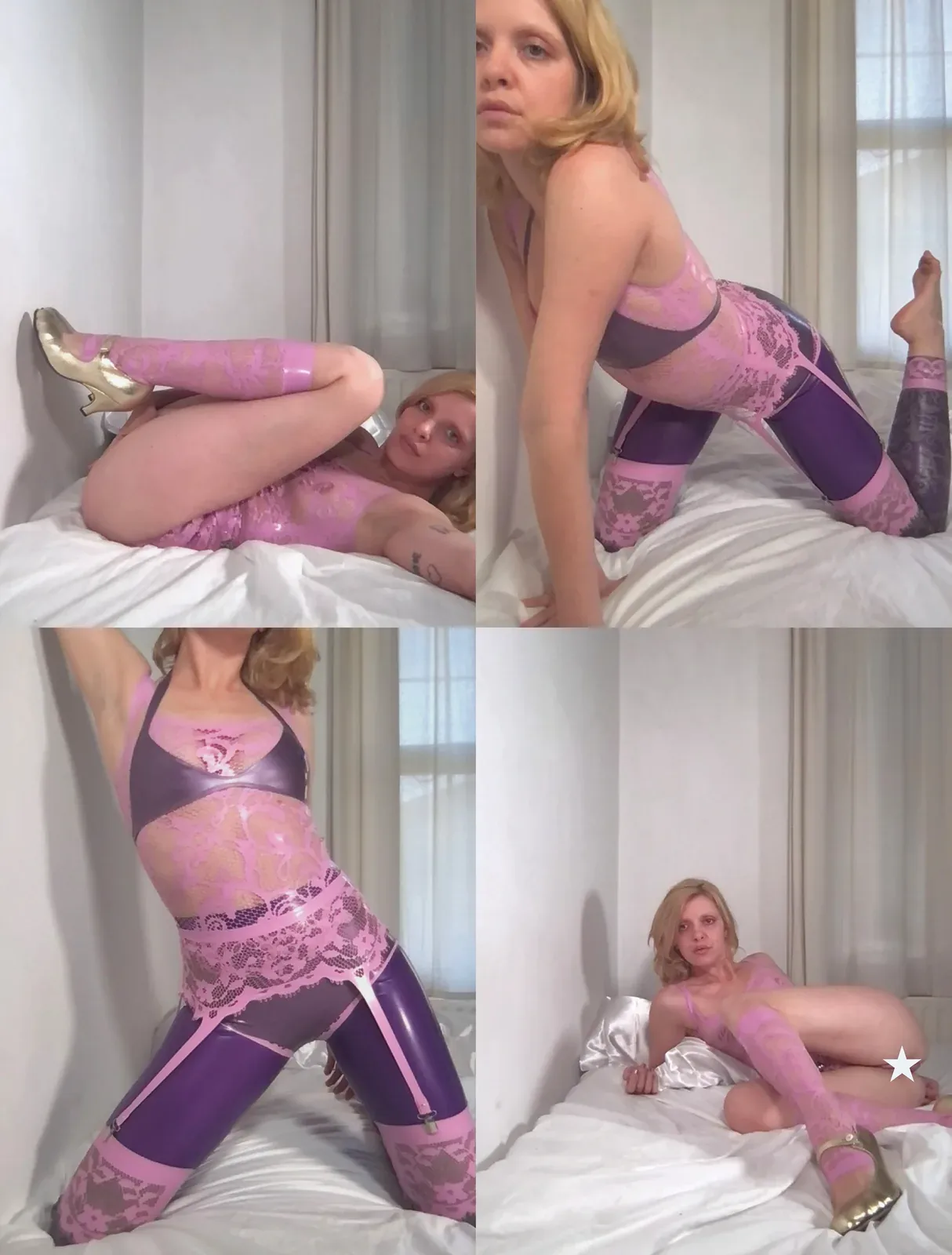
Woke up like lace shot by Chisom Ibe
Woke up like lace shot by Chisom Ibe

Woke up like lace shot by Chisom Ibe

Woke up like lace shot by Chisom Ibe