Whenever we’re asked where we’ve unexpectedly discovered an interesting fashion scene or which city we’d recommend visiting at least once in your life, the answer is always the same: Tbilisi. We are more than aware of how much the capital of Georgia has to offer in so many different ways, thanks to our previous visits, during which we fell in love with the creative scene of a place we couldn’t return to for a couple of years because of political issues that you wouldn’t expect to affect the arts and fashion, but sadly do. Luckily for us, and for everyone else, the Mercedes-Benz Fashion Week Tbilisi team, led by the powerful Sofia Tchkonia, has that strong and passionate Georgian spirit that has allowed them to restart the engine this year, presenting their second season since the break and providing a home for up-and-coming and established brands to present their universes with confidence and freedom.
Georgia is one of the best countries on earth, and Tbilisi is one of the best cities. The different opportunities we’ve had to visit and discover new sides of it have done nothing but reinforce this idea. We’ve come into contact not only with its most touristy and eye-catching side, but have also discovered what everyday life is like, how the character of its people can turn anything into a celebration, and how its culture, from food and wine to music and dance, brings people together through a shared vision of the world, a sense of community and strong emotional bonds, inviting everyone to be part of it. That’s why, when we last went there a couple of years ago, in the midst of a tense political situation that threatened to affect the very reason we had discovered the country in the first place, Mercedes-Benz Fashion Week, our hearts broke. We knew that the efforts and dreams of the local creative industry were not strong enough to stand against those in power, who sadly stood on the wrong side of history.
Knowing the Mercedes-Benz Fashion Week team as well as we do, it was clear that this forced pause was not going to be permanent and that they would find a way to stand up once again and welcome the international crowd that had been waiting for them. Even if the main event had to be put on hold for a couple of seasons, the support and nurturing of local designers and artists never ceased, especially through the ongoing work at Factory Tbilisi, the venue that hosts Fashion Week and the most important cultural hub in the city. It is a vast complex that is home to an education centre, multiple workshops, venues for different types of artistic events and even a theatre. So, even if we couldn’t be there to witness it, we knew the industry had kept moving, which was a true relief.
Last May marked the first season of this return, and we could once again enjoy the wonders of the Georgian creative scene. Now, this November, we had the opportunity to return for the S/S 2027 season, with a promising programme that included fashion shows and presentations from brands we hadn’t seen before, as well as the return of some of our previous favourites, whom we couldn’t wait to see again. But, as always, before the garments and runways command our attention during the afternoons and evenings of the four-day Fashion Week, the mornings are dedicated to enjoying some of the best meals in amazing restaurants and discovering a different cultural side of the country. We had the chance to visit art exhibitions, tour the Georgian National Museum and discover the National Gallery, but one moment that took our breath away, and that everyone was talking about for the rest of the trip, was our visit to the Sukhishvili National Ballet.
Given that it’s Georgia’s first state dance company, it wouldn’t be surprising if you had come across some of their videos on social media, where every post goes viral for obvious reasons. We had seen them perform before, from a distance and in a theatre, but this time we were taken into the heart of their practice: their rehearsal room. Standing in front of the mirrors the dancers use to monitor themselves, and watching the performers jump, fly and spin just centimetres away from us, was an experience we will never forget.
This ballet defies any preconceptions you might have based on the word itself. The dancers can be as delicate and light as traditional ballet performers, but they combine these soft movements with some of the most powerful and sharp choreography we’ve ever seen. The men jump, fall and spin endlessly on their knees, fight with swords and shields, and dance with bottles of wine balanced on their heads. The women fly around at incredible speed, perform intense and hypnotising footwork with the lightness of a feather, and combine sweet expressions with entrancing, defiant gazes. All of this is accompanied by live music played on traditional Georgian instruments. It is hard to find the words to describe it. We still feel the ground moving beneath our feet.
This performative spirit seemed to spread to the fashion week and the presentations of some of the brands showing their collections. Alongside traditional fashion shows, we could enjoy and appreciate the garments in settings quite different from the usual.
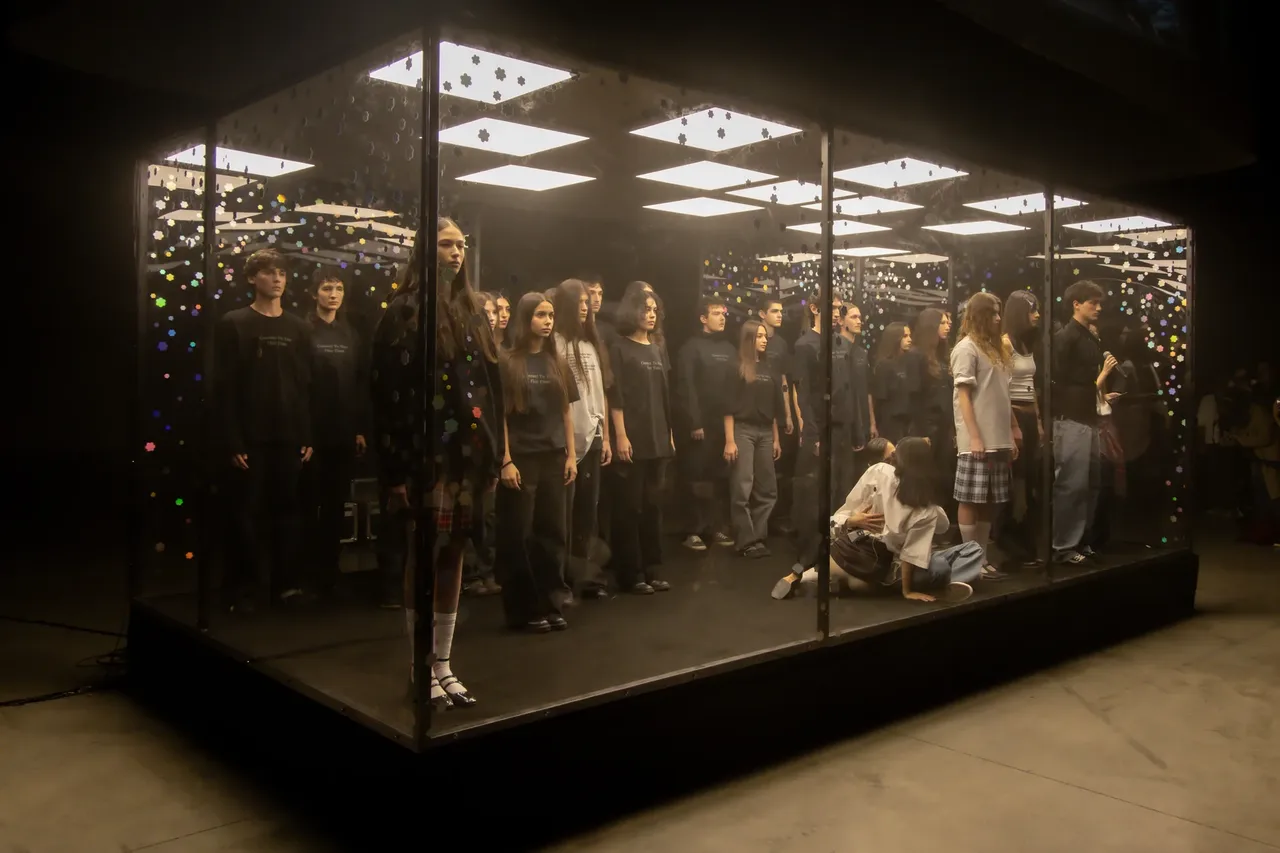
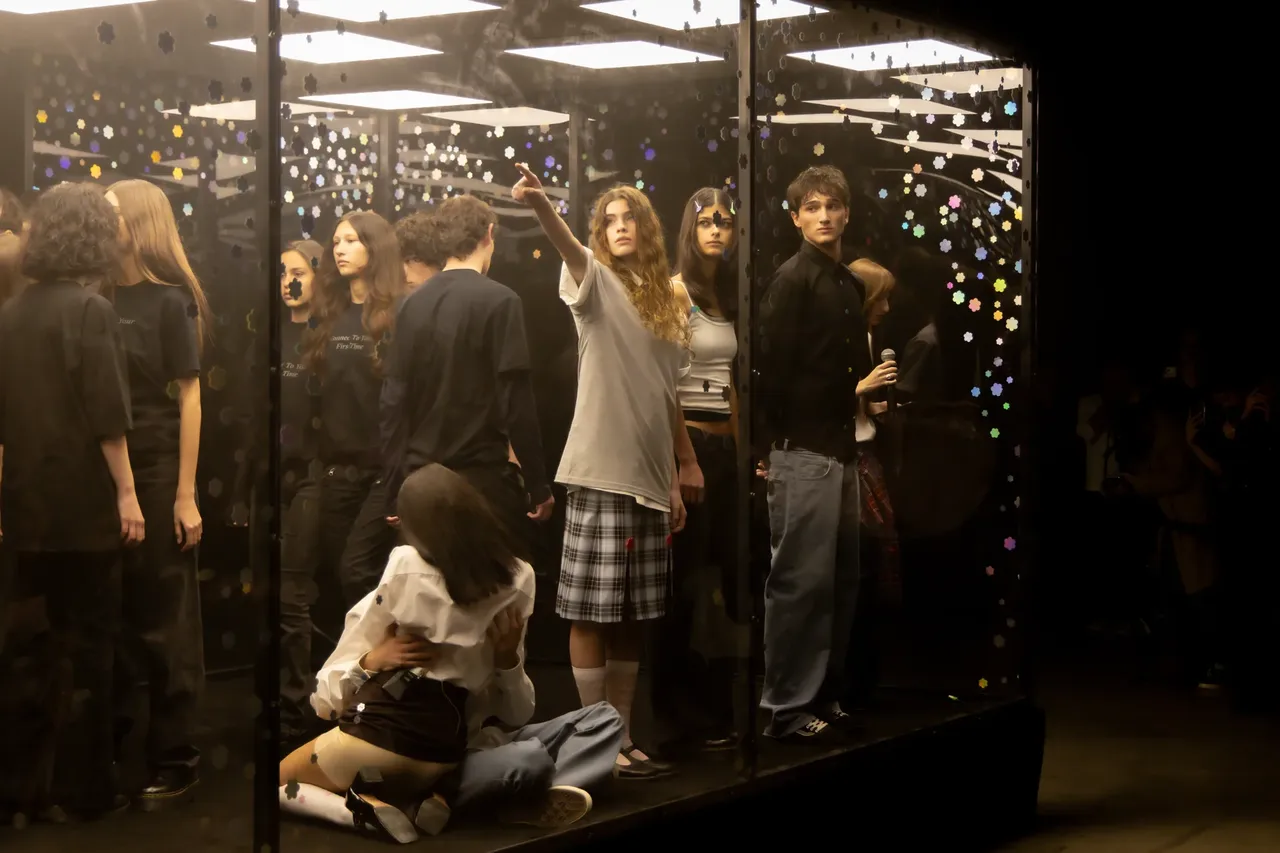
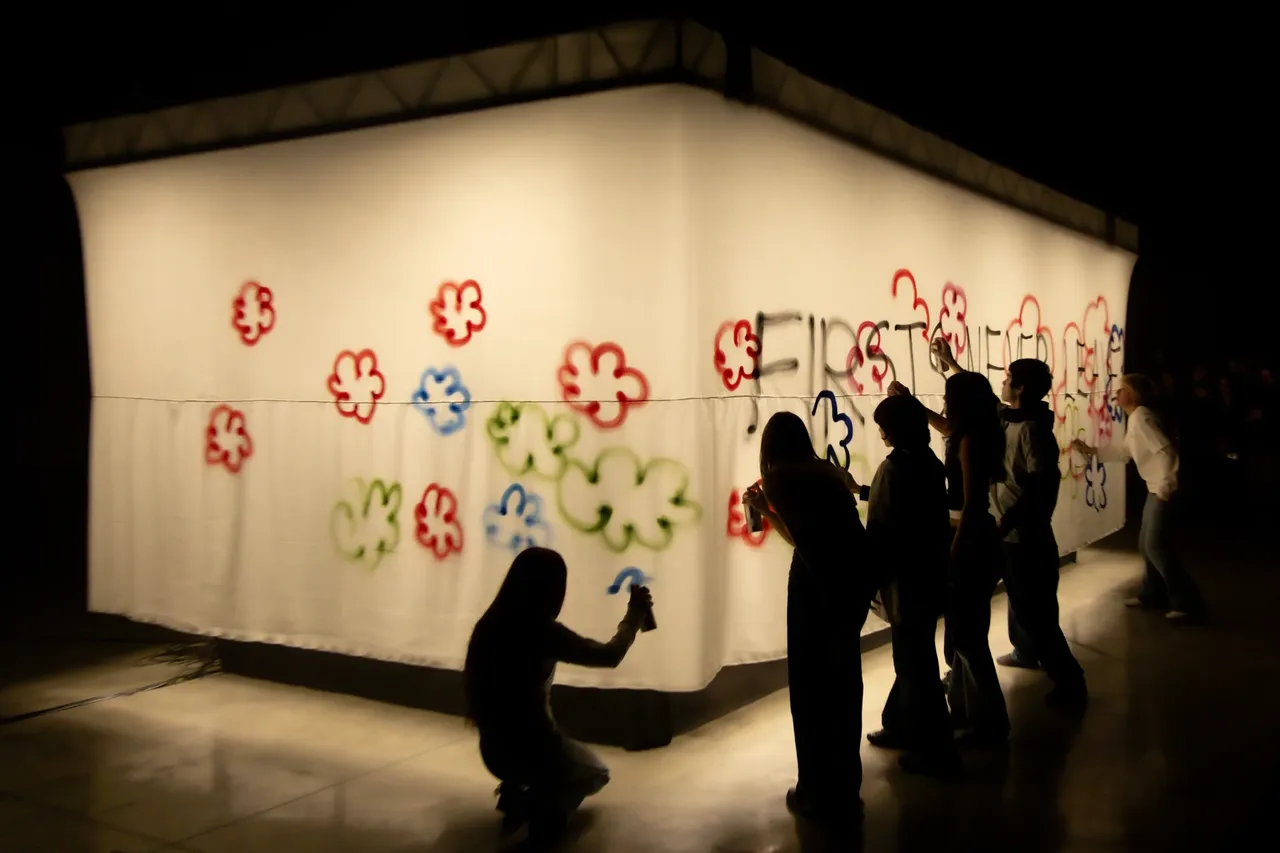
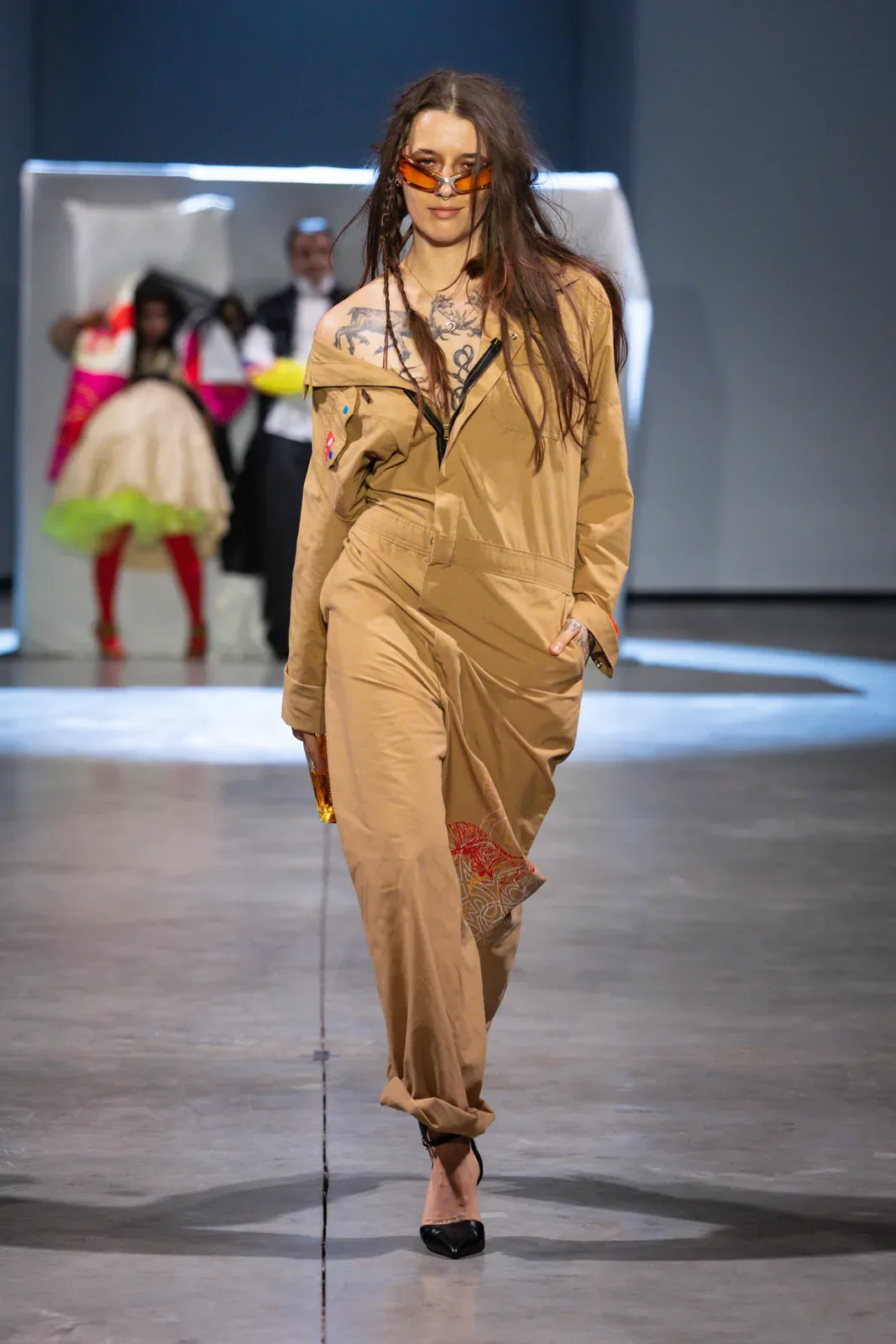
One of the brands we were looking forward to seeing again was Reckless, the young collective that always allows us to discover the more rebellious and unique side of Georgian youth, known for making its shows stand out from the rest. On this occasion, the display took place inside a sort of transparent box, where the characters in a story revolving around first times interacted with each other in intriguing ways, while two of them passionately kissed non-stop. Statement T-shirts, distressed and altered uniforms, and flower stickers known as Chutkvavila, created by artist Nika Sakhanberidze and turned into a symbol of youth across the city, all helped create an atmosphere straight out of a music video, with kids painting graffiti that read, “firsts never leave”. It was an homage to “the moments that marked us. The ones we didn’t see coming. The ones we still think about”, as the brand itself puts it.
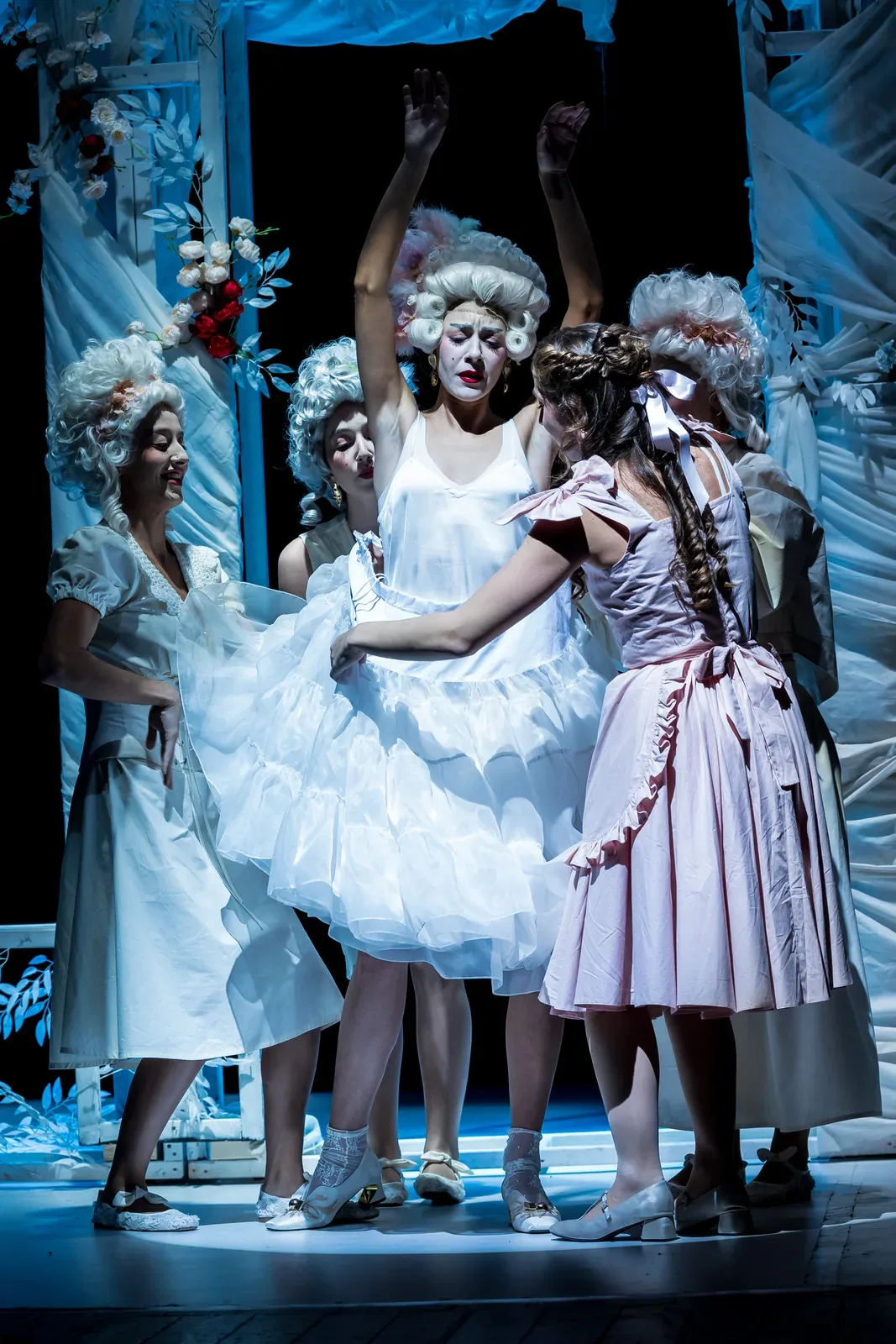
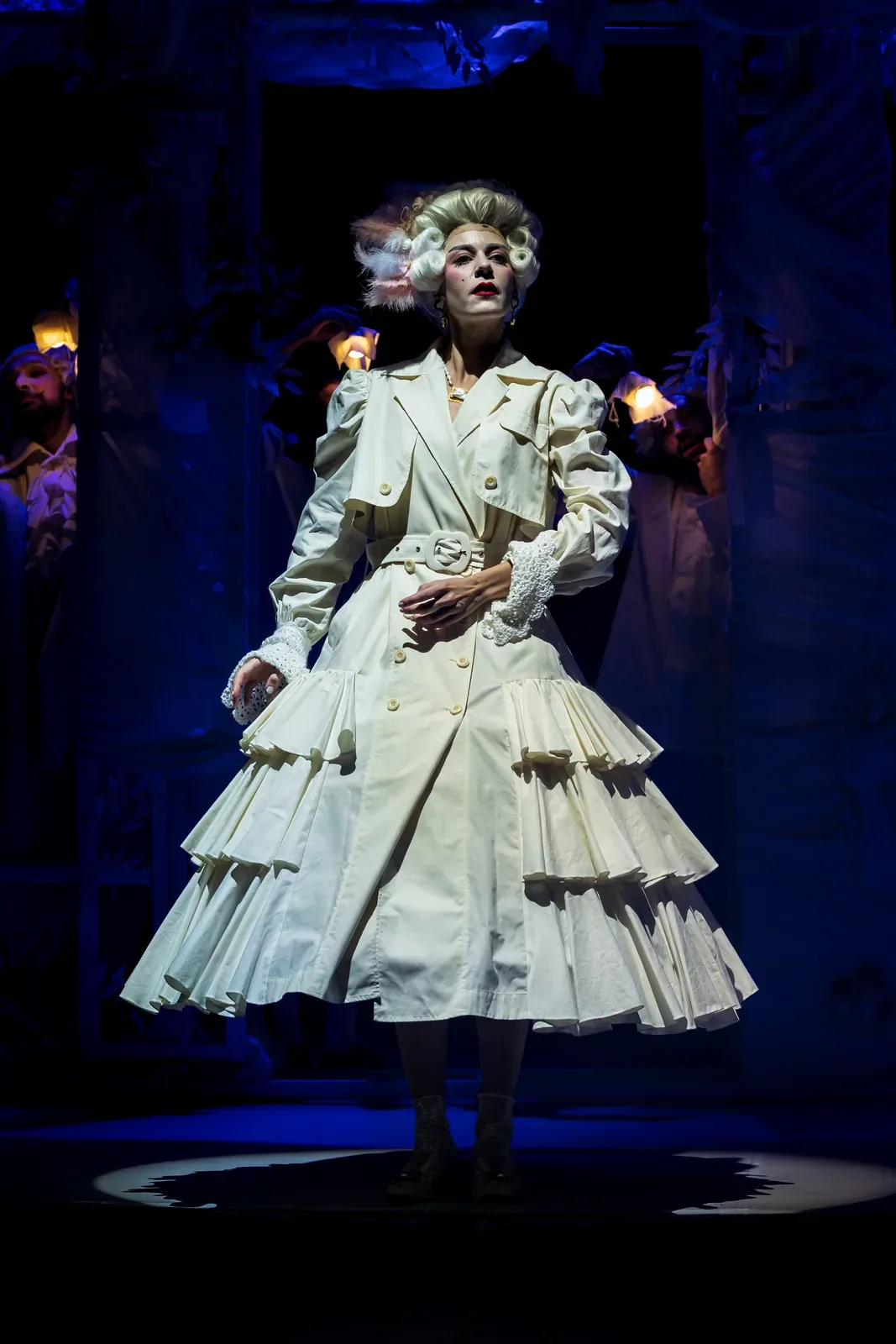
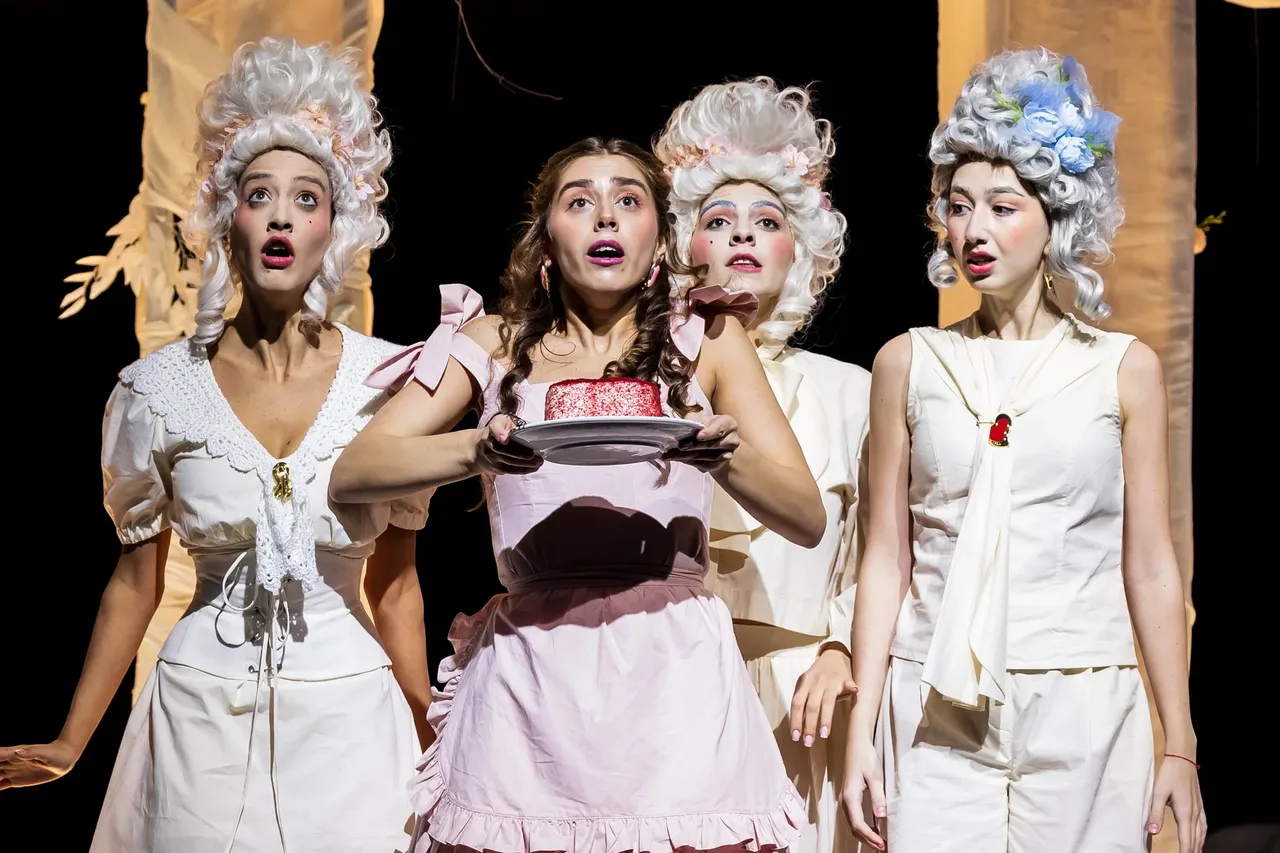
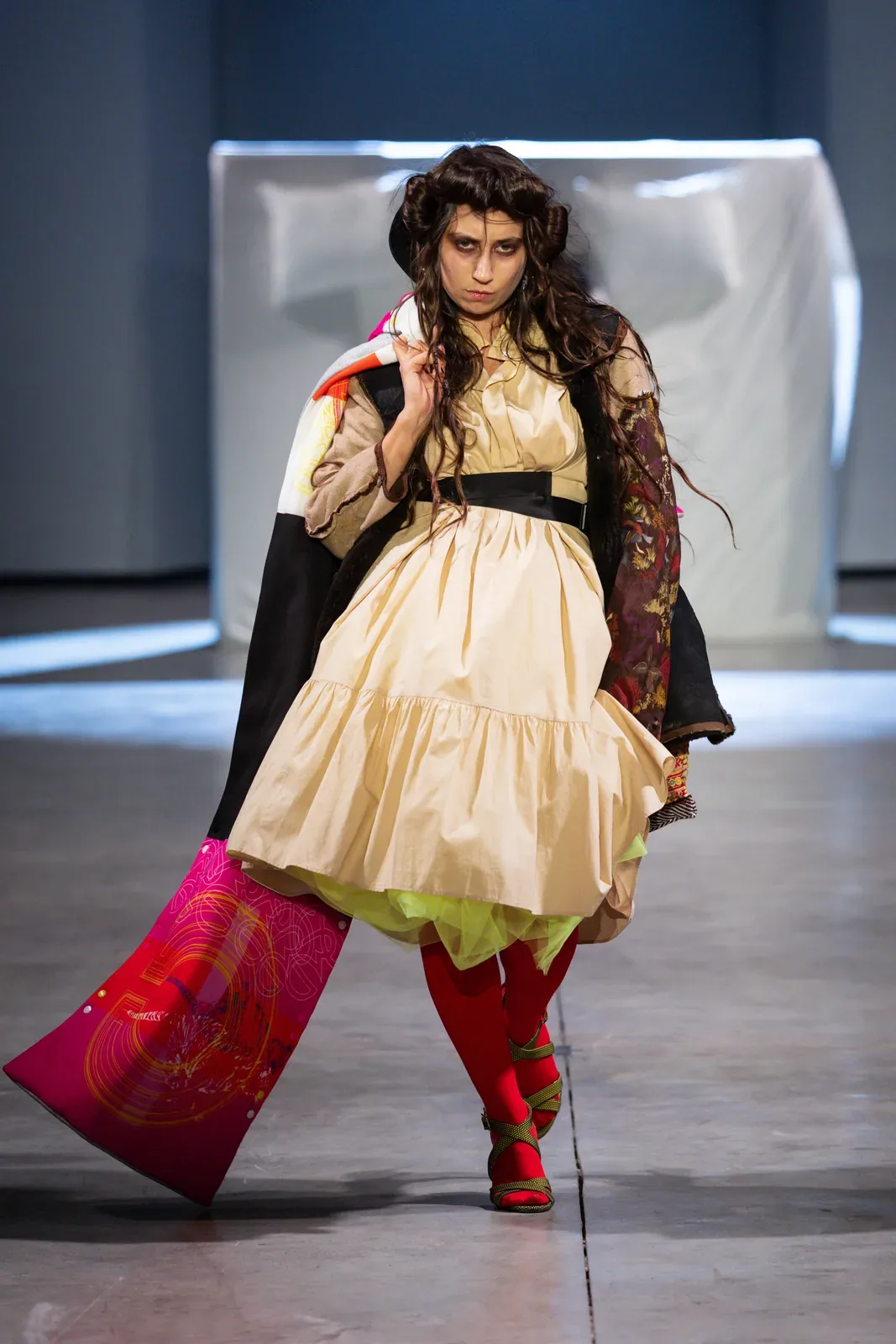
From the rebelliousness of youth, we jumped into the classical world that LIYA had prepared for us, with a rendition of The Marriage of Figaro as its show. The presentation took place in one of Factory Tbilisi’s venues, a beautiful and very distinctive theatre. The stage was filled with professional actors who, while wearing the delicate yet opulent pieces from the collection, entertained the crowd with a staging that managed, in around twenty minutes, to engage us all in both the story being told and the garments being presented. Inspired by the aesthetics of the late 18th century, the period in which the play takes place, the collection’s sumptuous and voluminous designs were balanced by the more functional and wearable pieces needed in the 21st century, with dresses, shirts and outerwear that could work just as well on stage as in real life.
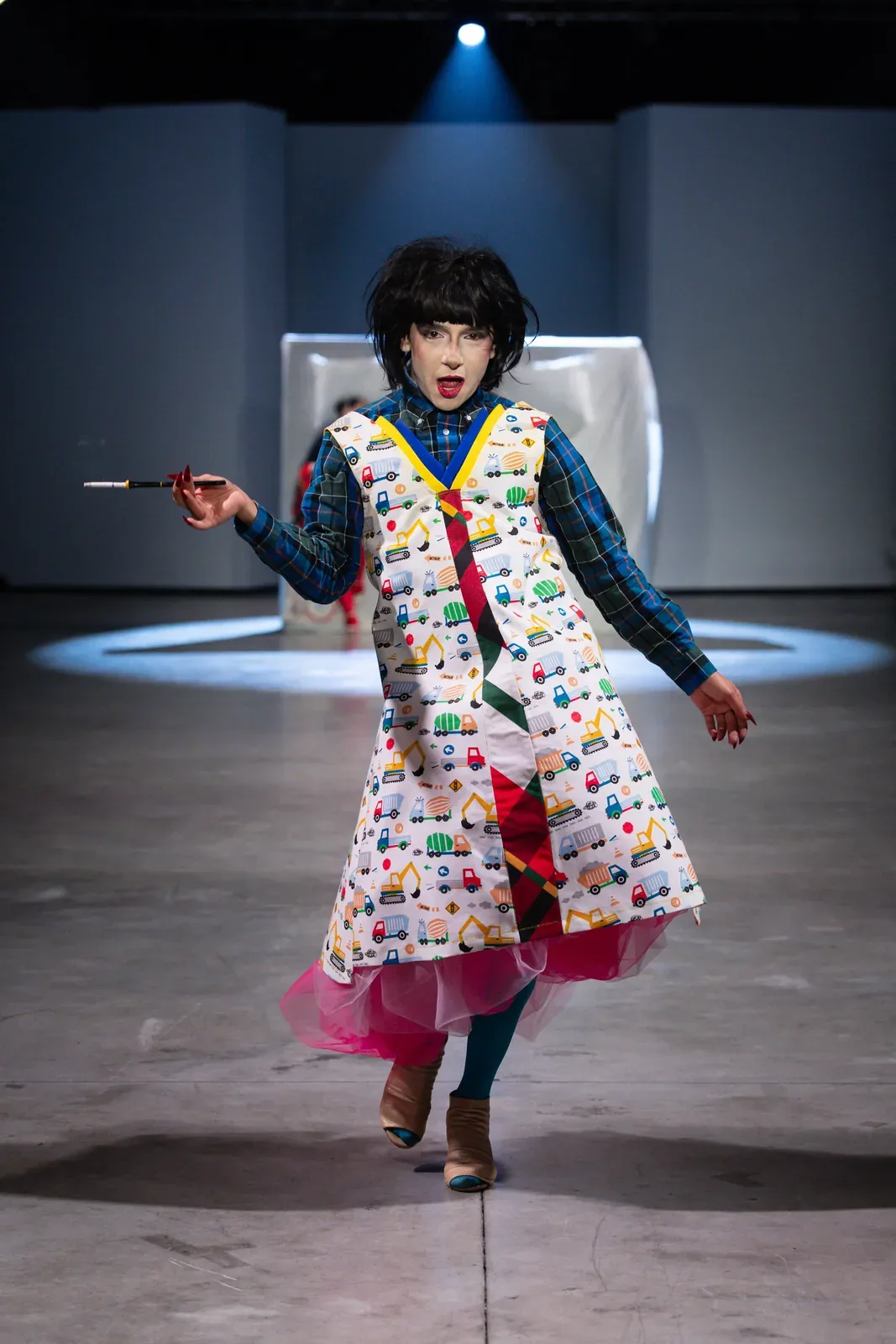
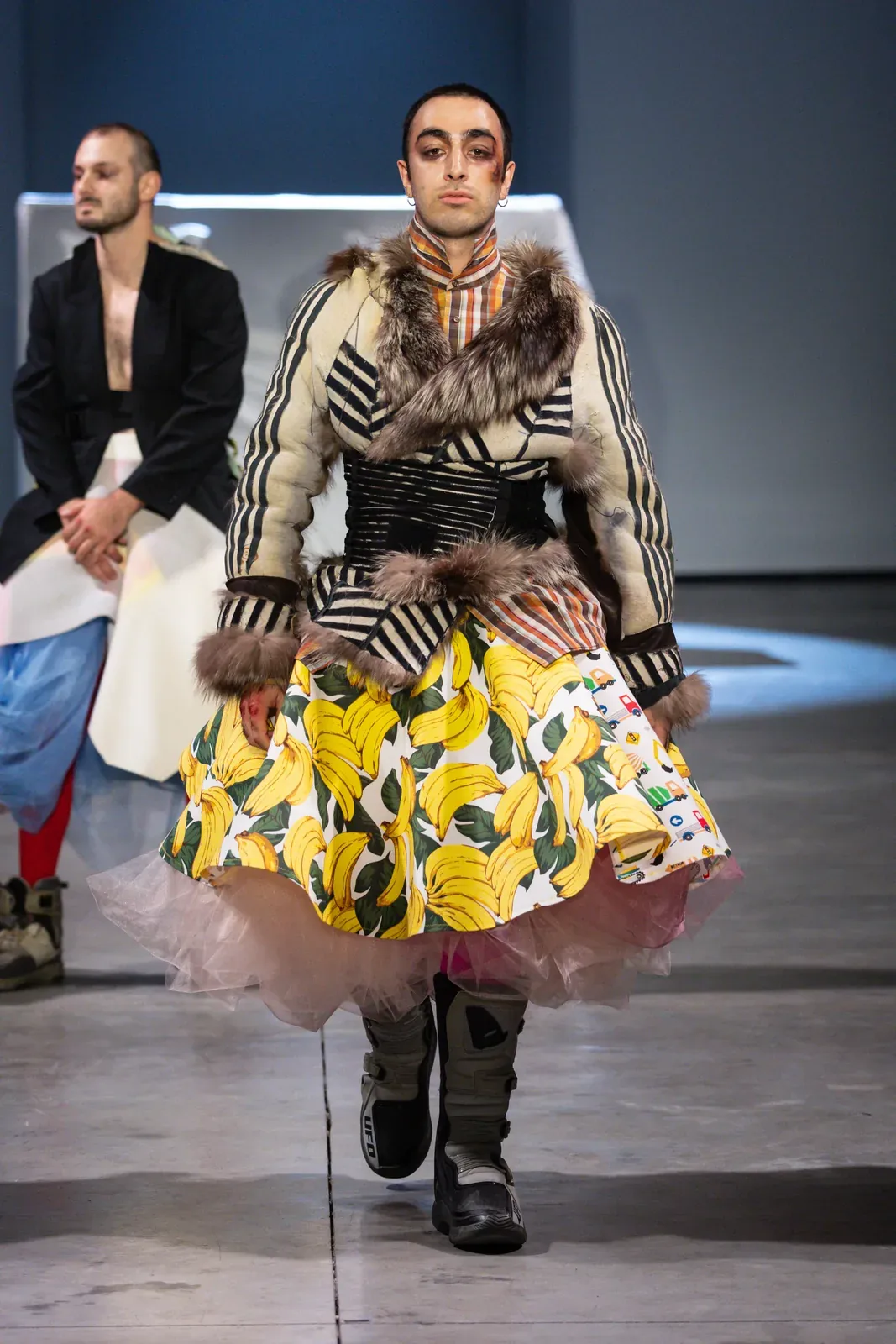
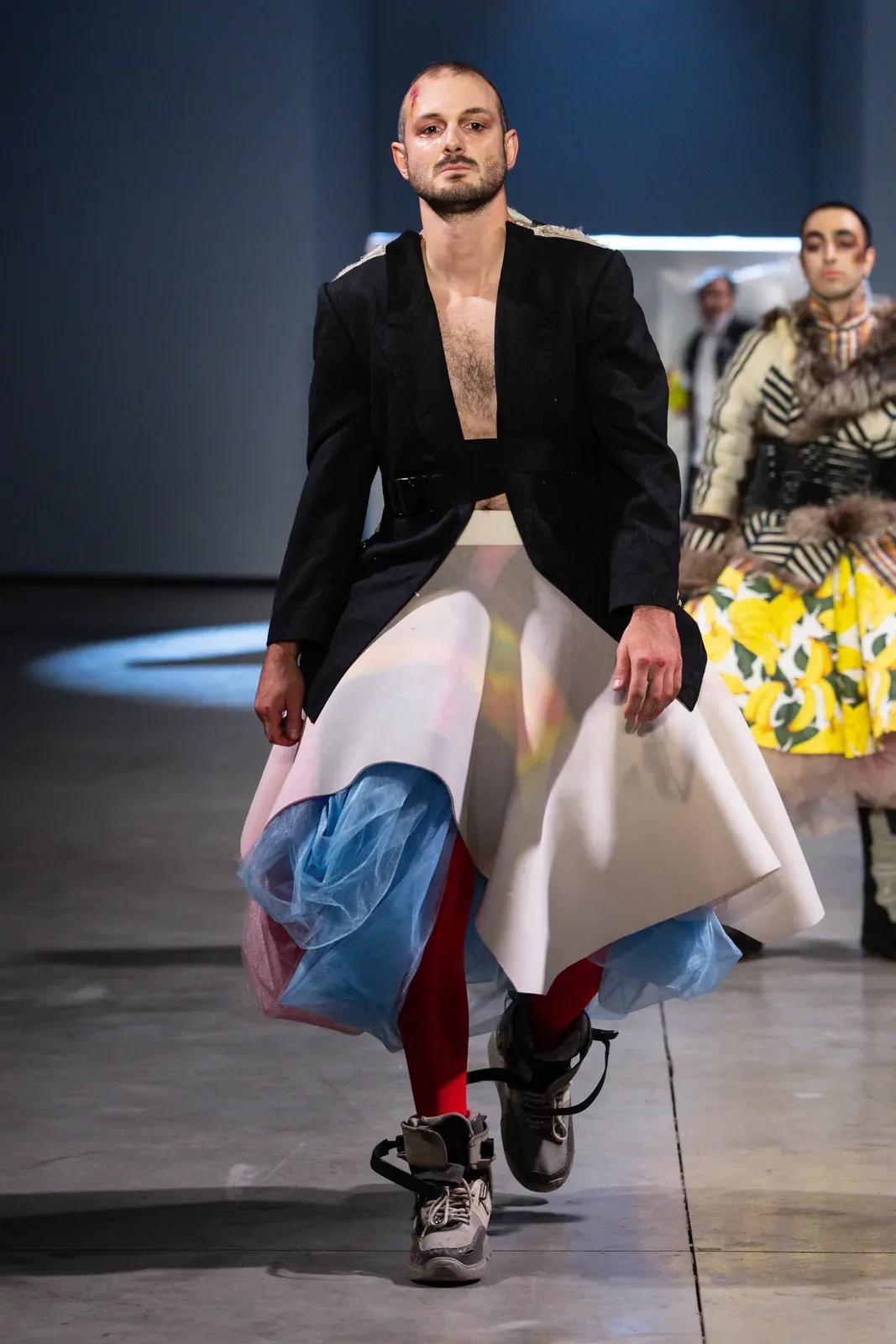
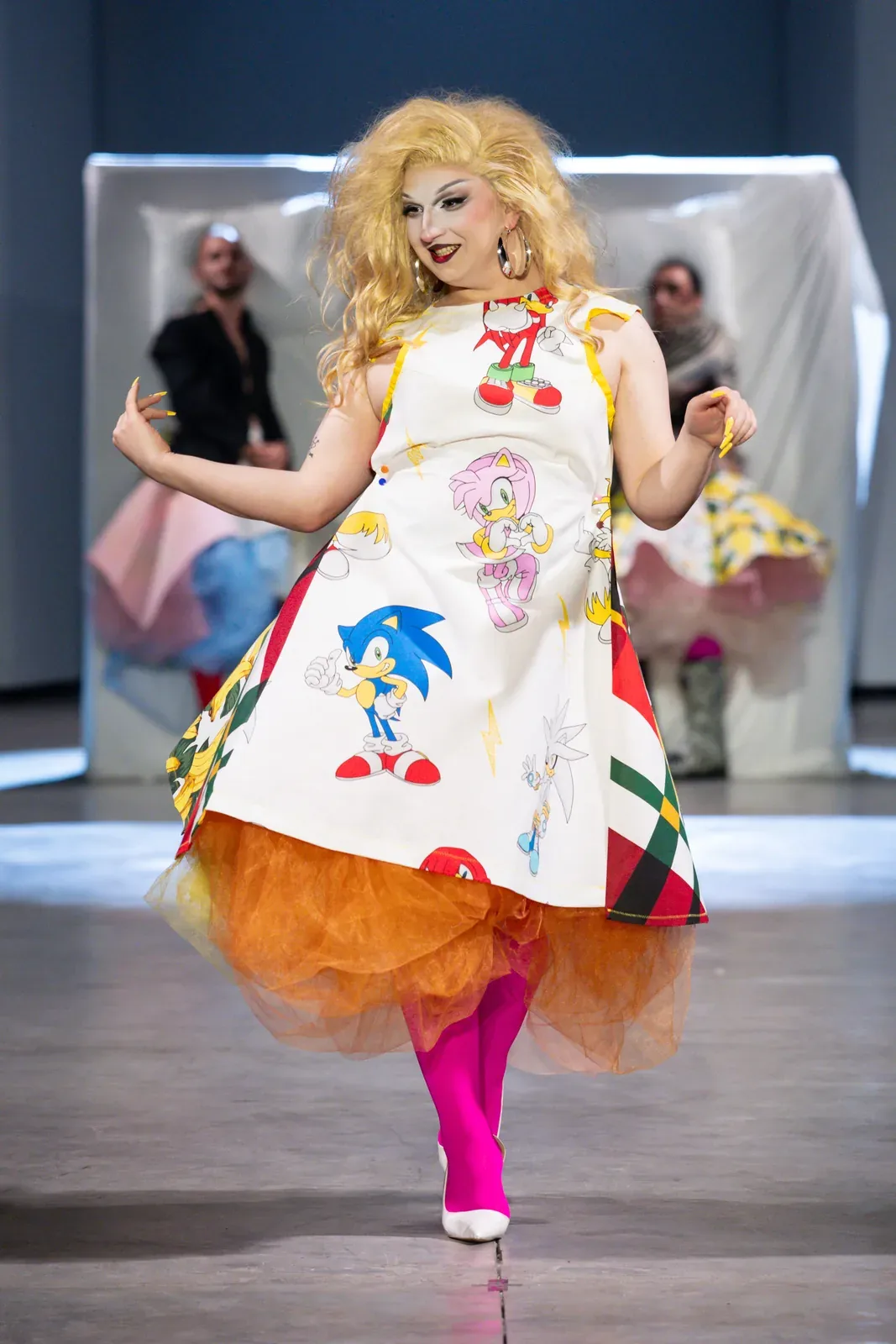
Presented in a fashion runway format but with the spontaneous, dramatic and extravagant spirit of a drag ball, TAMRA’s show left no one indifferent. Every element stood out, from the perfect, varied and hyped music selection to the unique characters wearing her creations. Pop culture references, recognisable archetypes and even some familiar faces, like George Keburia, who for once took on the role of a model instead of a designer, came together to present a story with clear queer inspirations. The colourful garments, challenging silhouettes and overall liberating atmosphere reflected the spirit of a brand whose purpose is to “make room for those who have never felt at home within society’s norms (...) For those who turn life into an ongoing performance, the runway becomes its extension.”
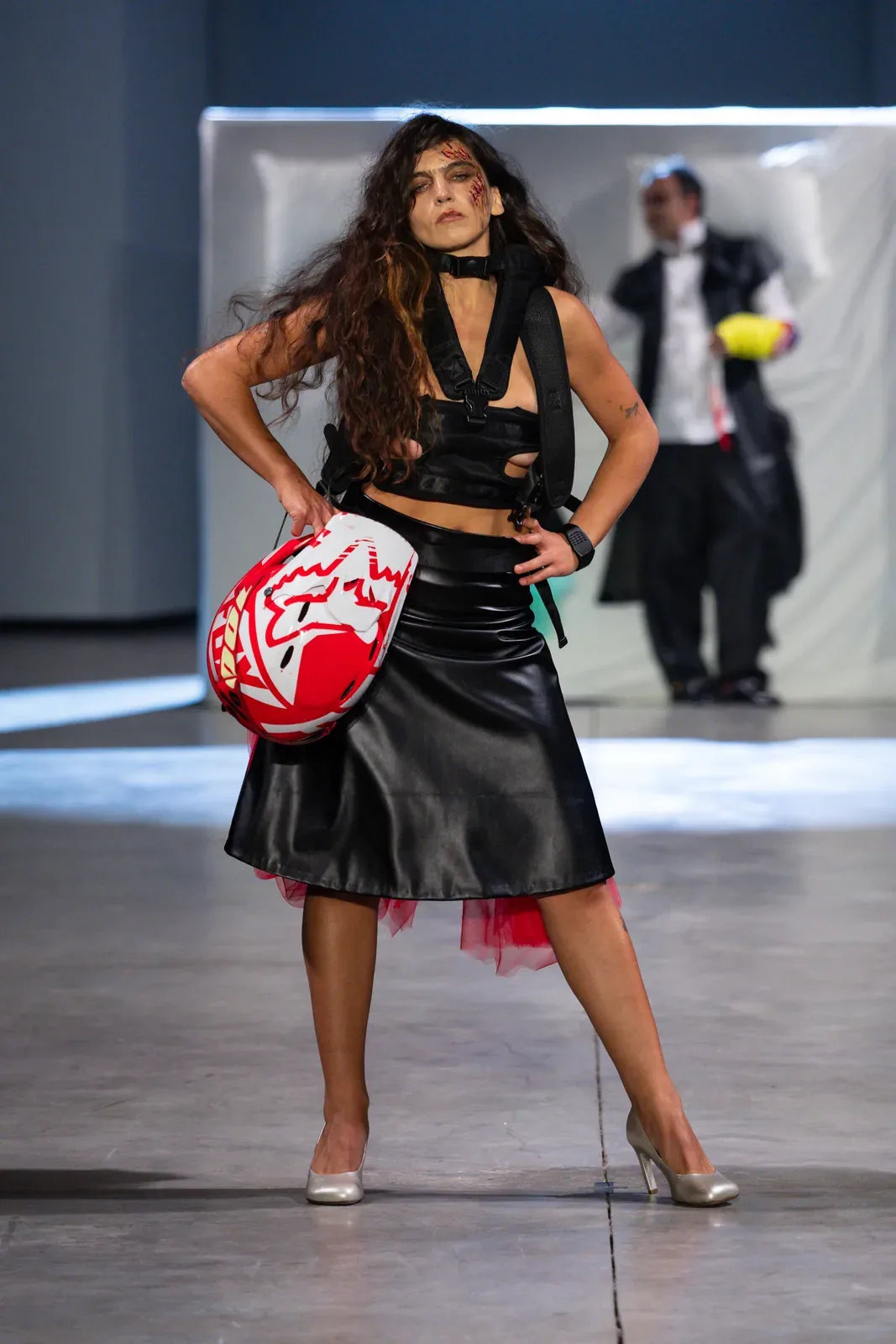
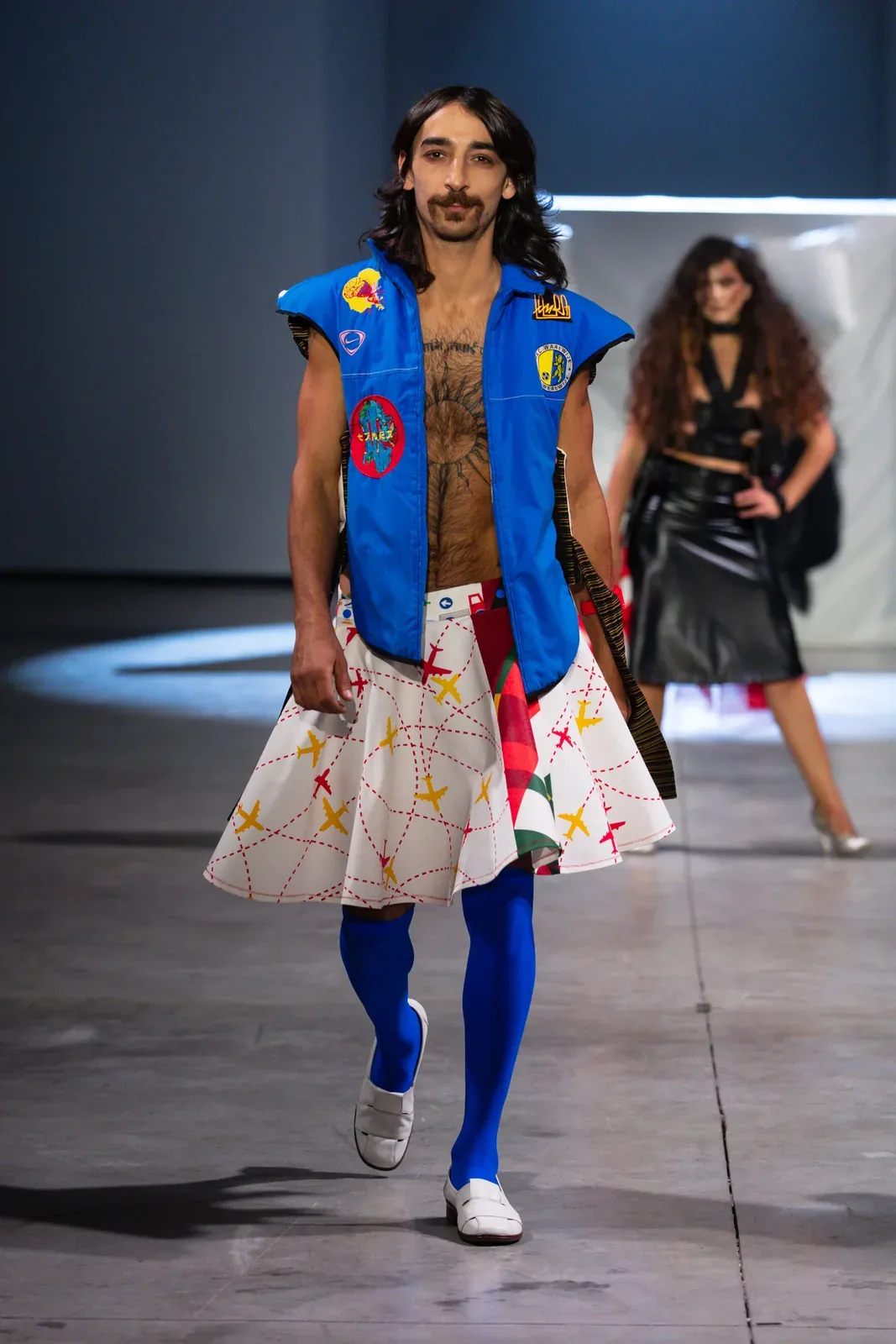
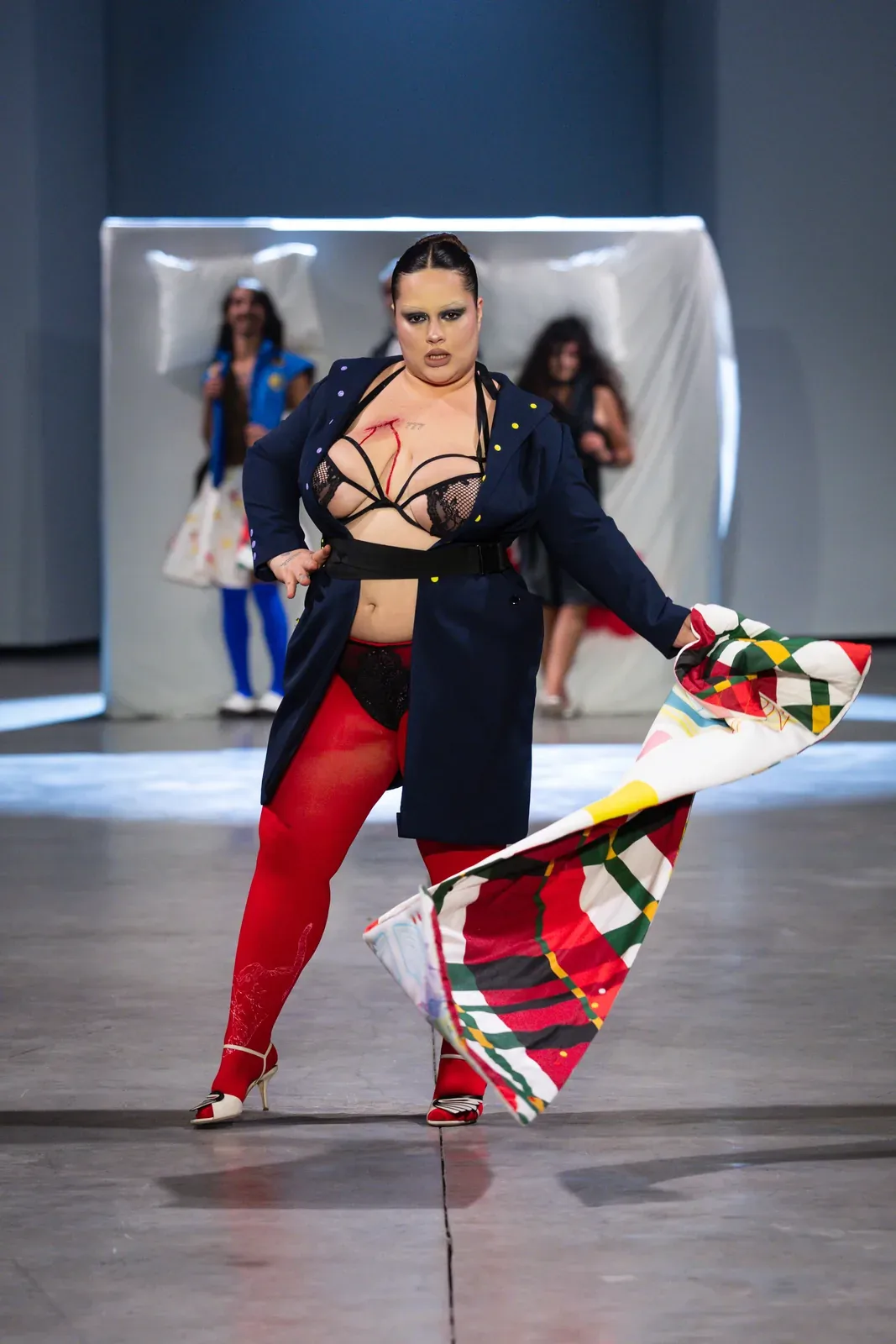
Now we return to the usual fashion show format and some of our favourite collections from this season. There were collections we liked at both ends of the colour spectrum, from those that were almost entirely black to others where pastels predominated.
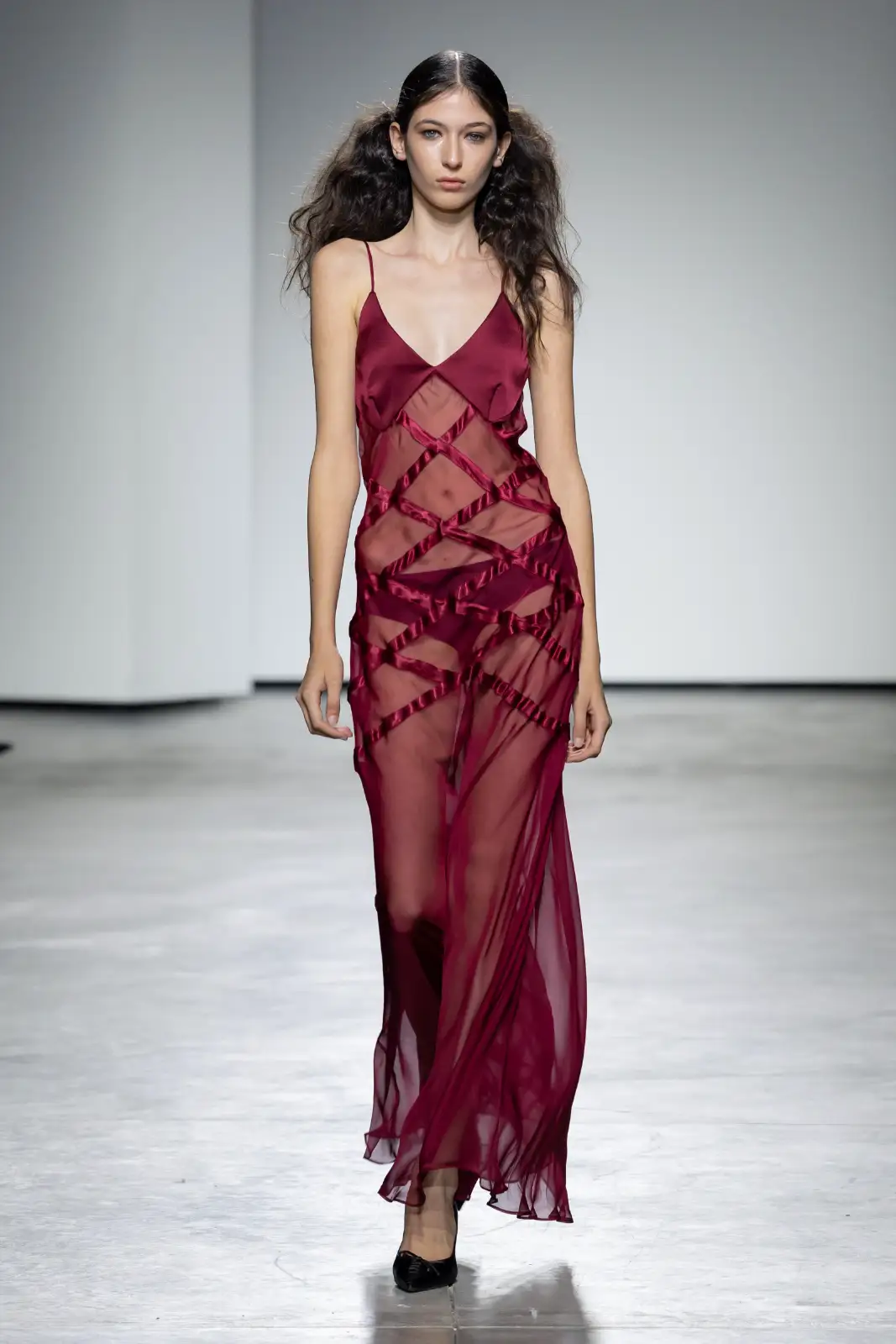
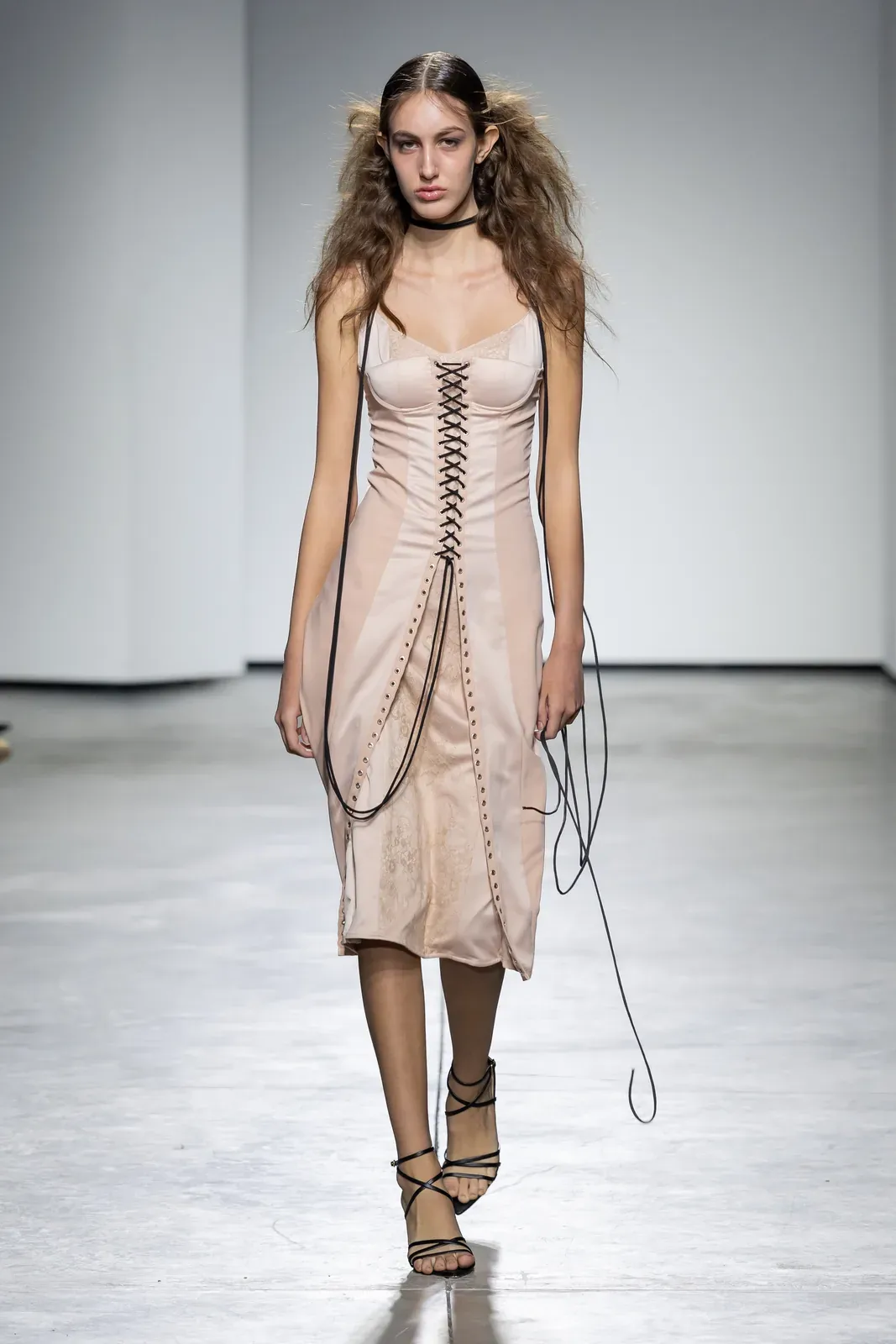
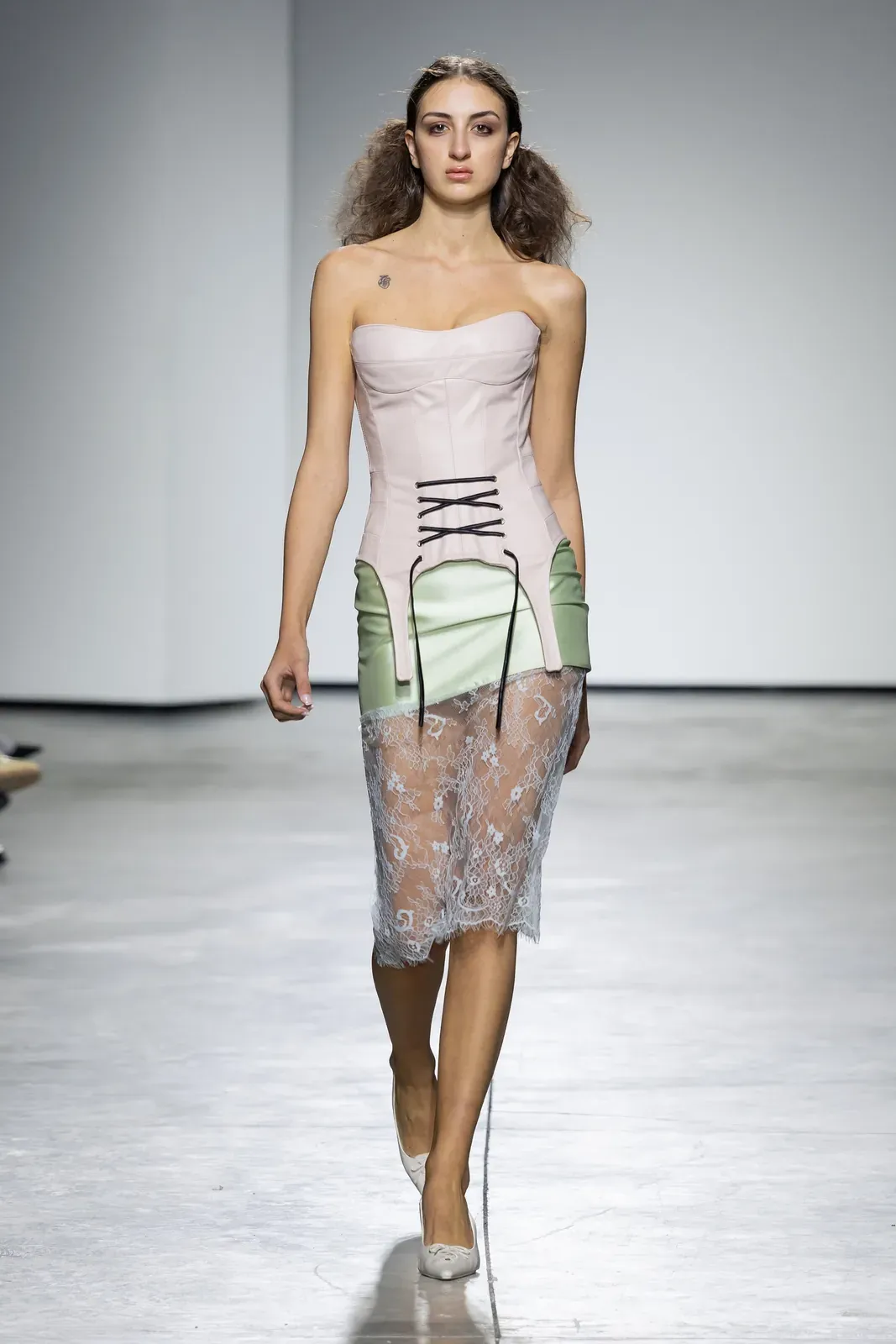
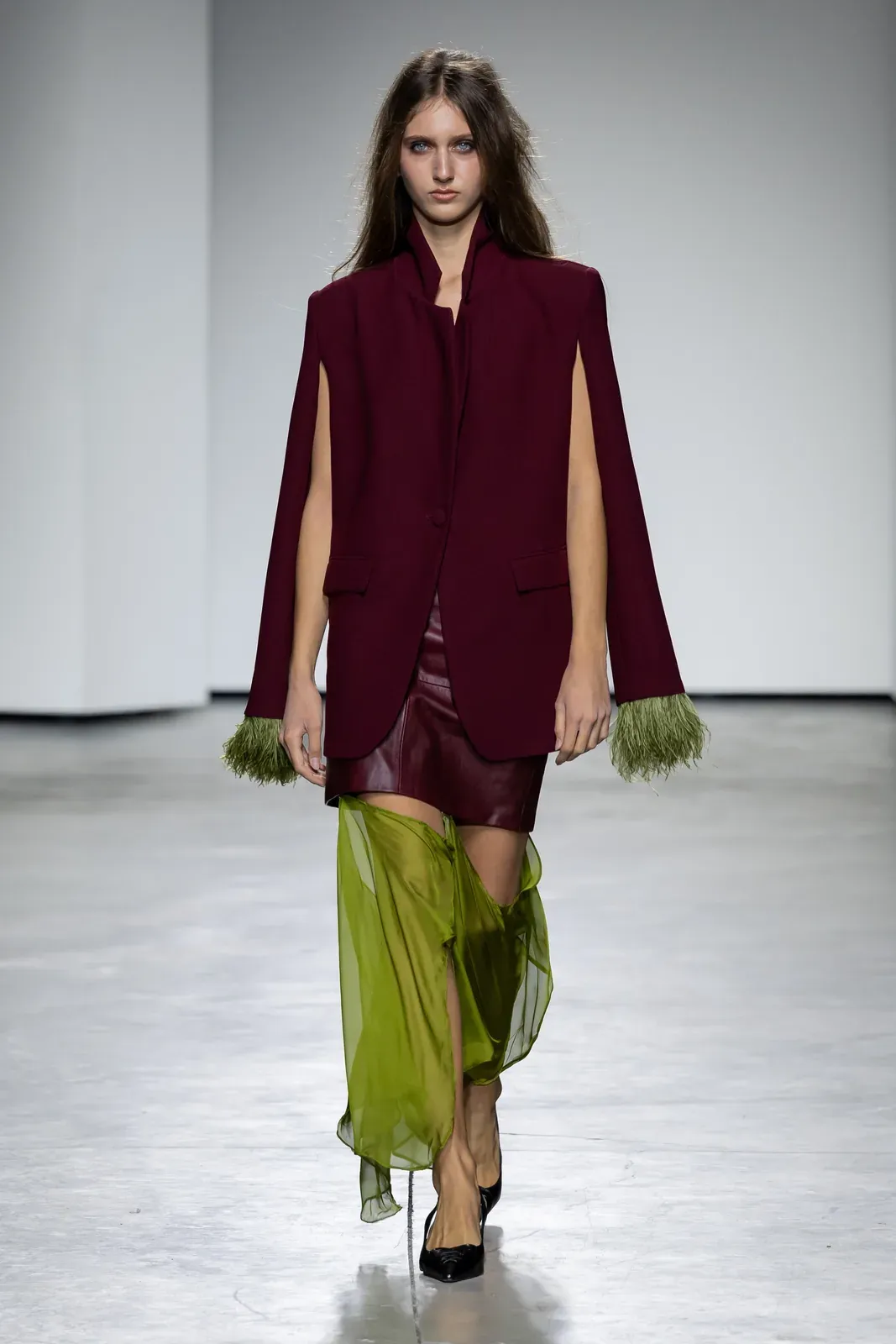
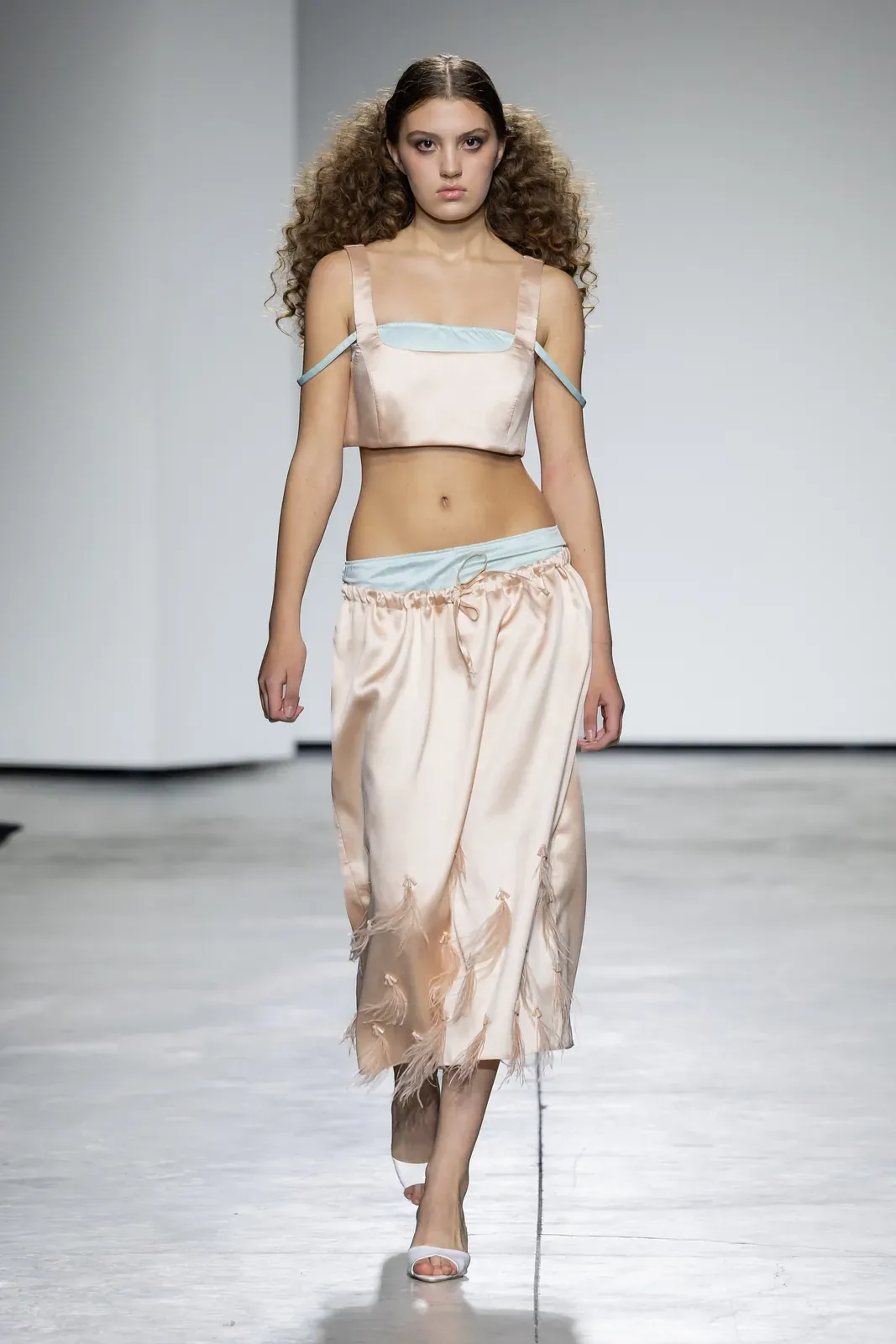
We start with the elegant and mostly bright world of Uventa, a brand arriving directly from Azerbaijan onto the Georgian runways and reinforcing its aim to establish international connections with other fashion markets and expand its horizons. For this season, Khayala Asadova, the brand’s founder, wanted to offer a collection that could reflect the many facets and roles of a woman, creating a complete wardrobe that could accompany her throughout her life. The more casual looks are infused with lingerie-inspired details that elevate them, while the more elegant ones rely on tailoring and striking materials to embody power and presence. The delicate looks in pastel tones caught our attention the most. They looked tender and soft, standing out among the rest of the collection.
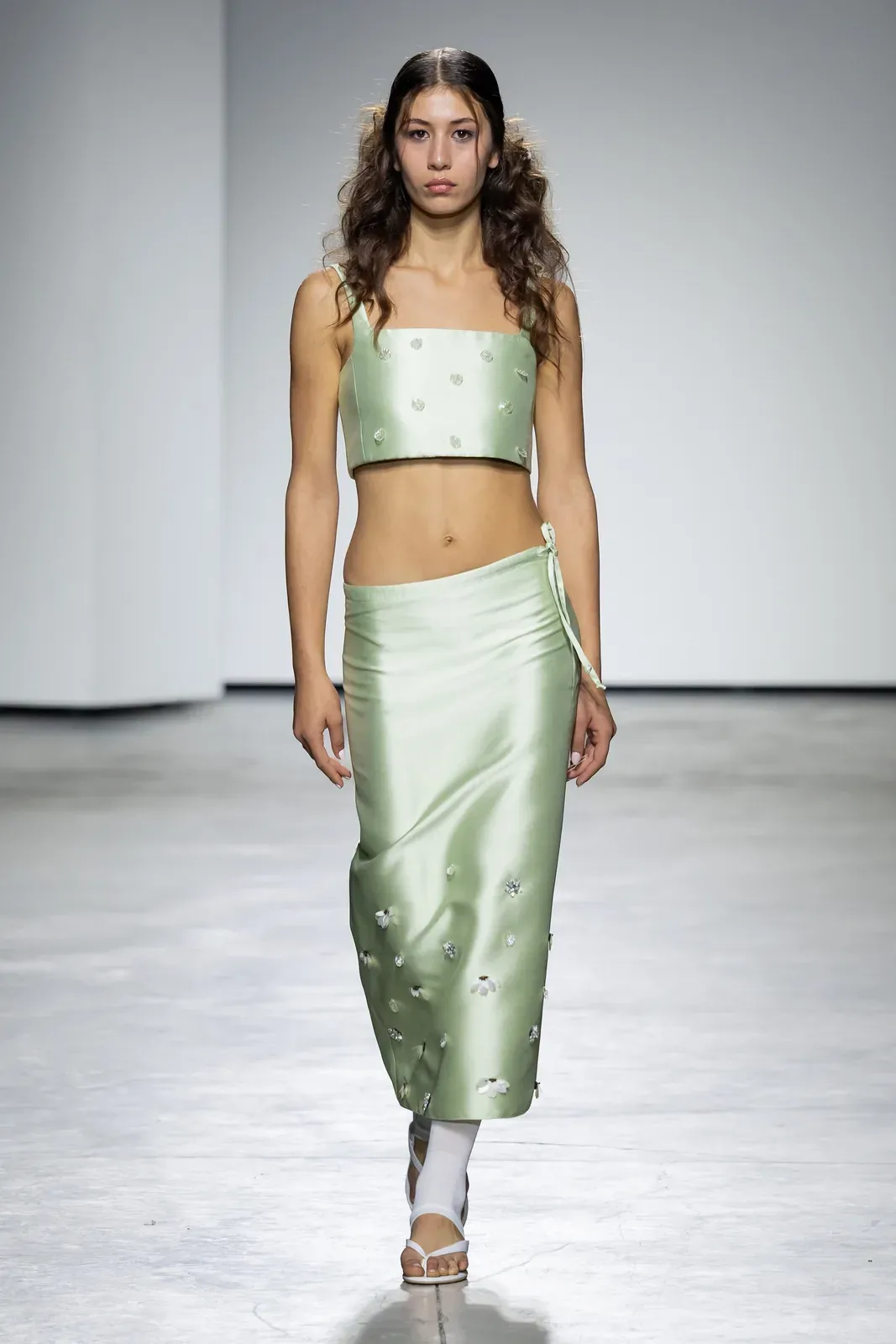
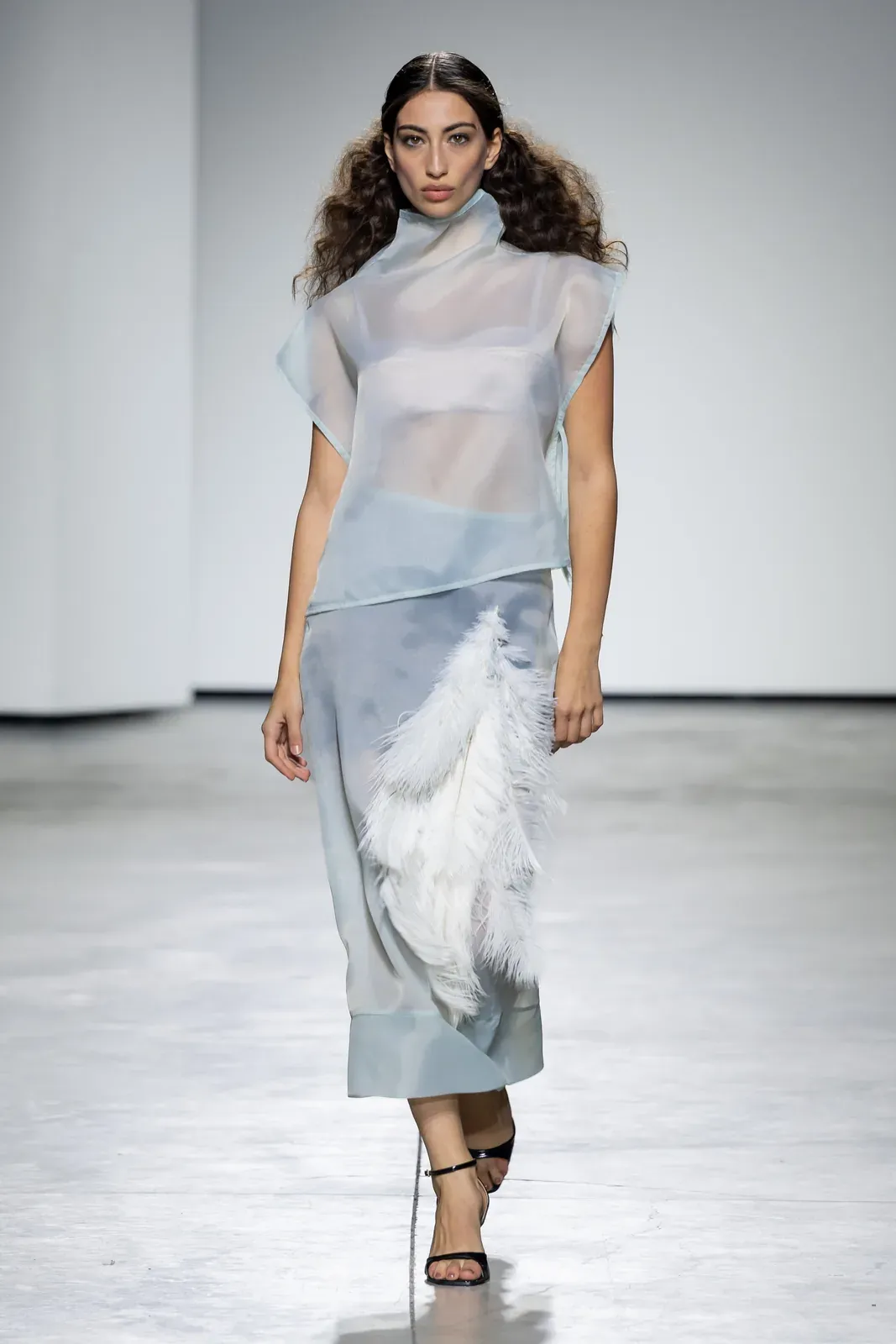
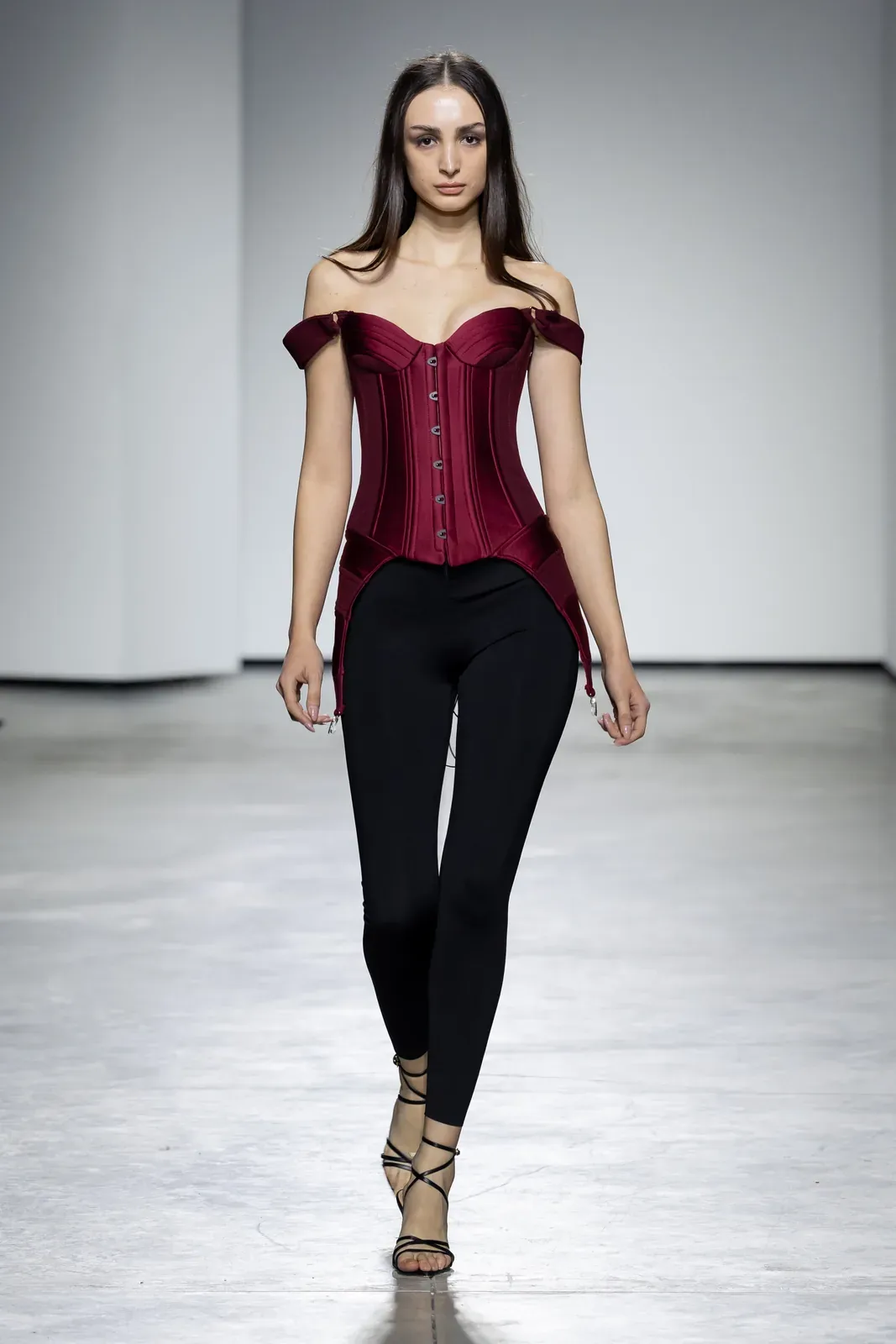
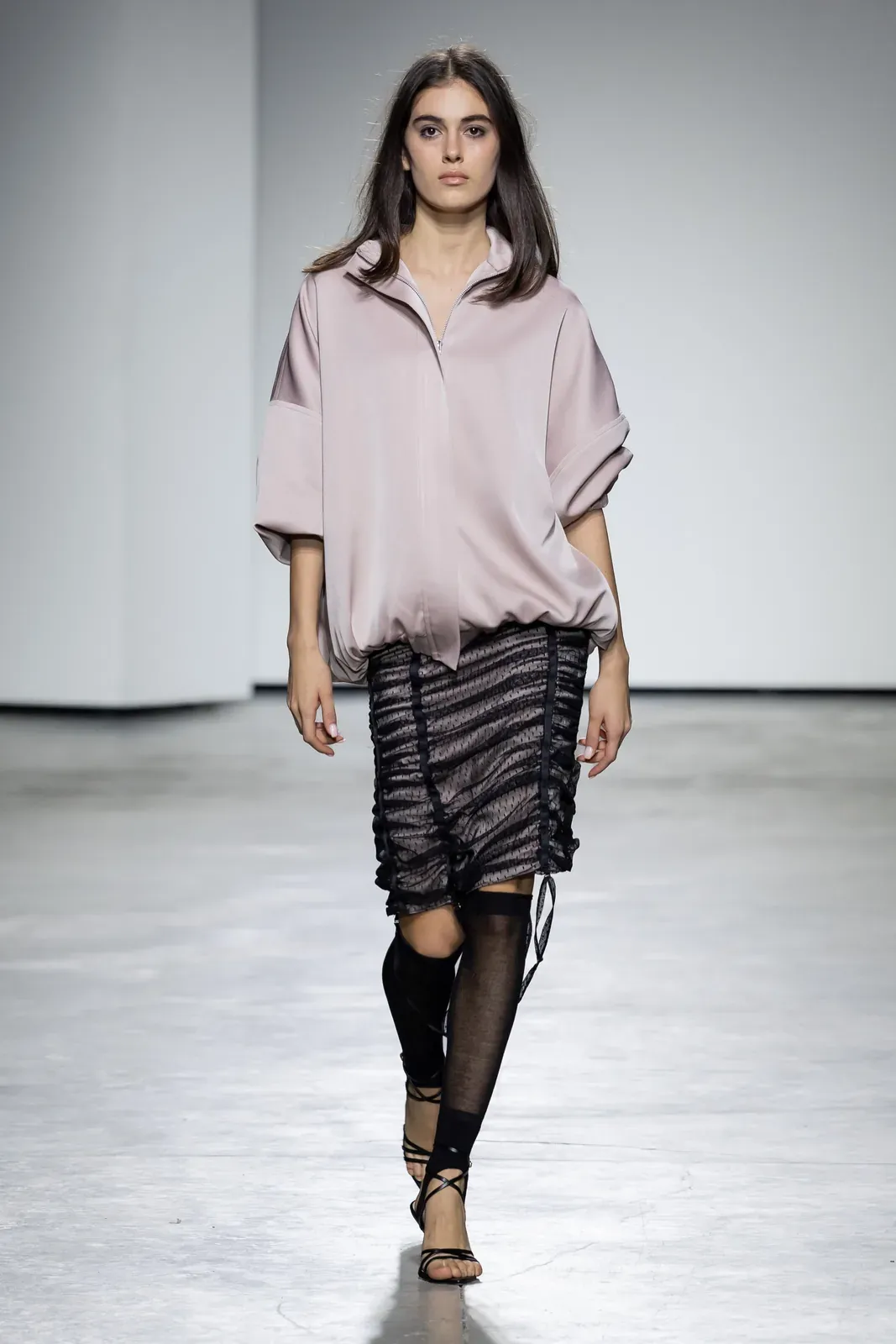
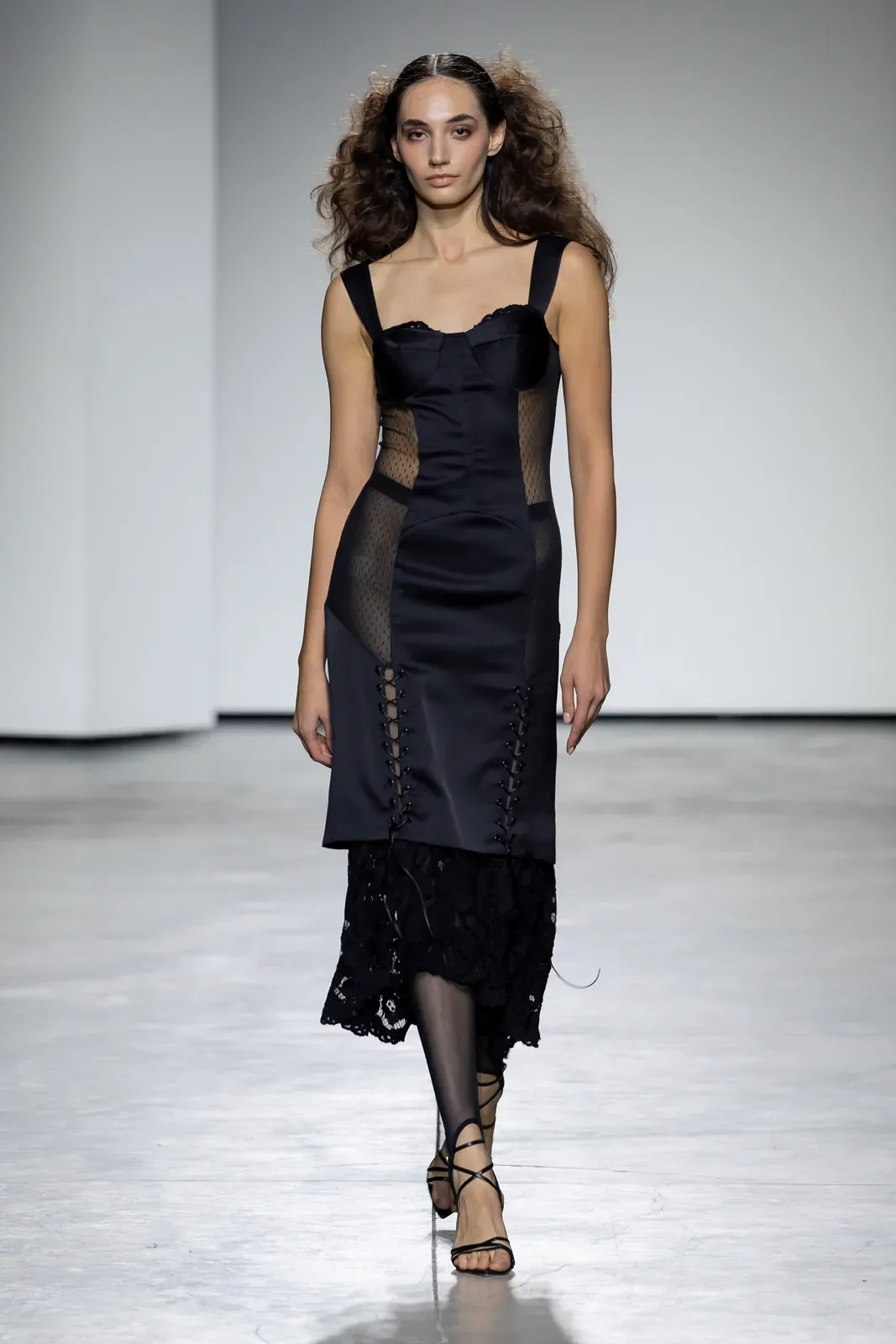
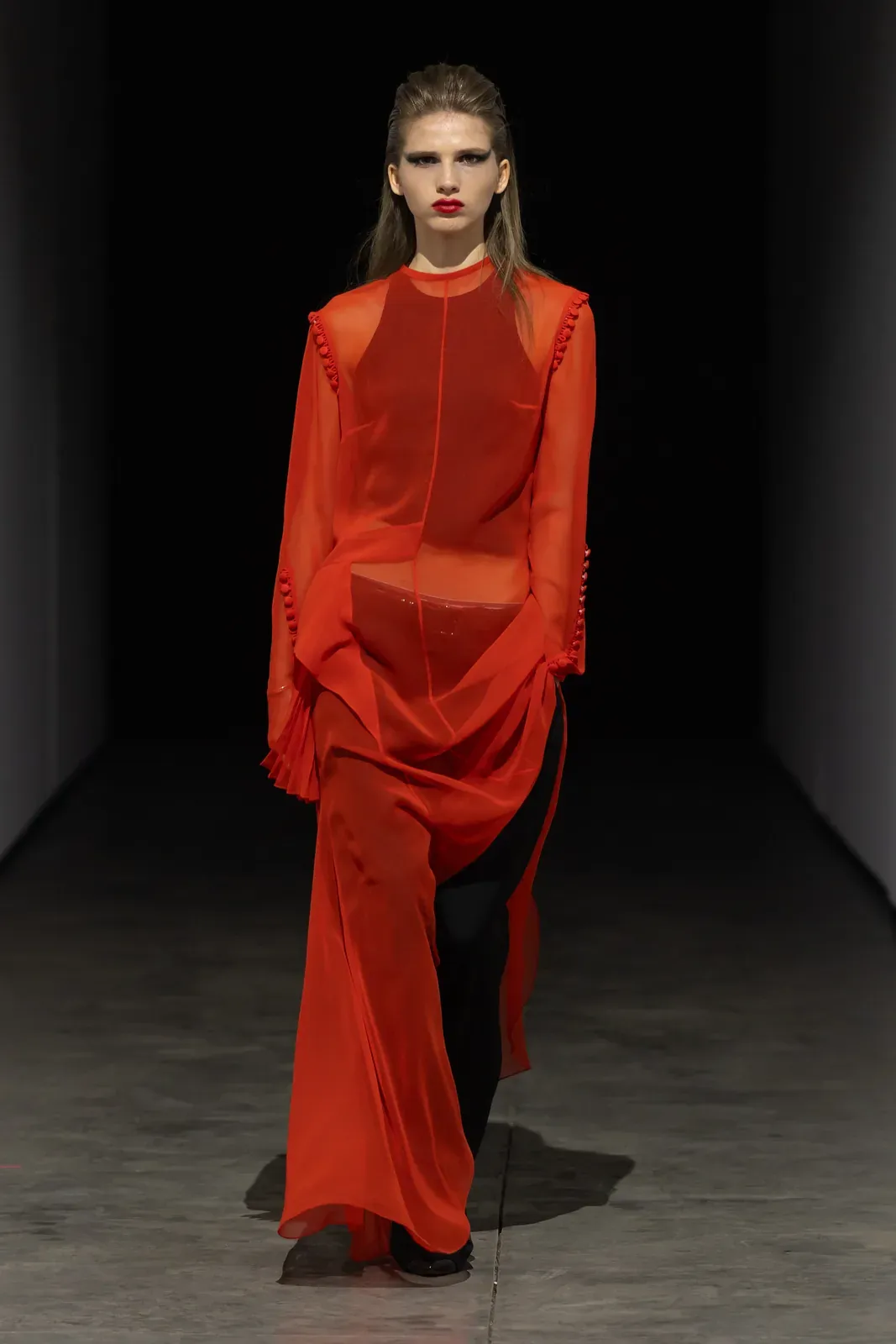
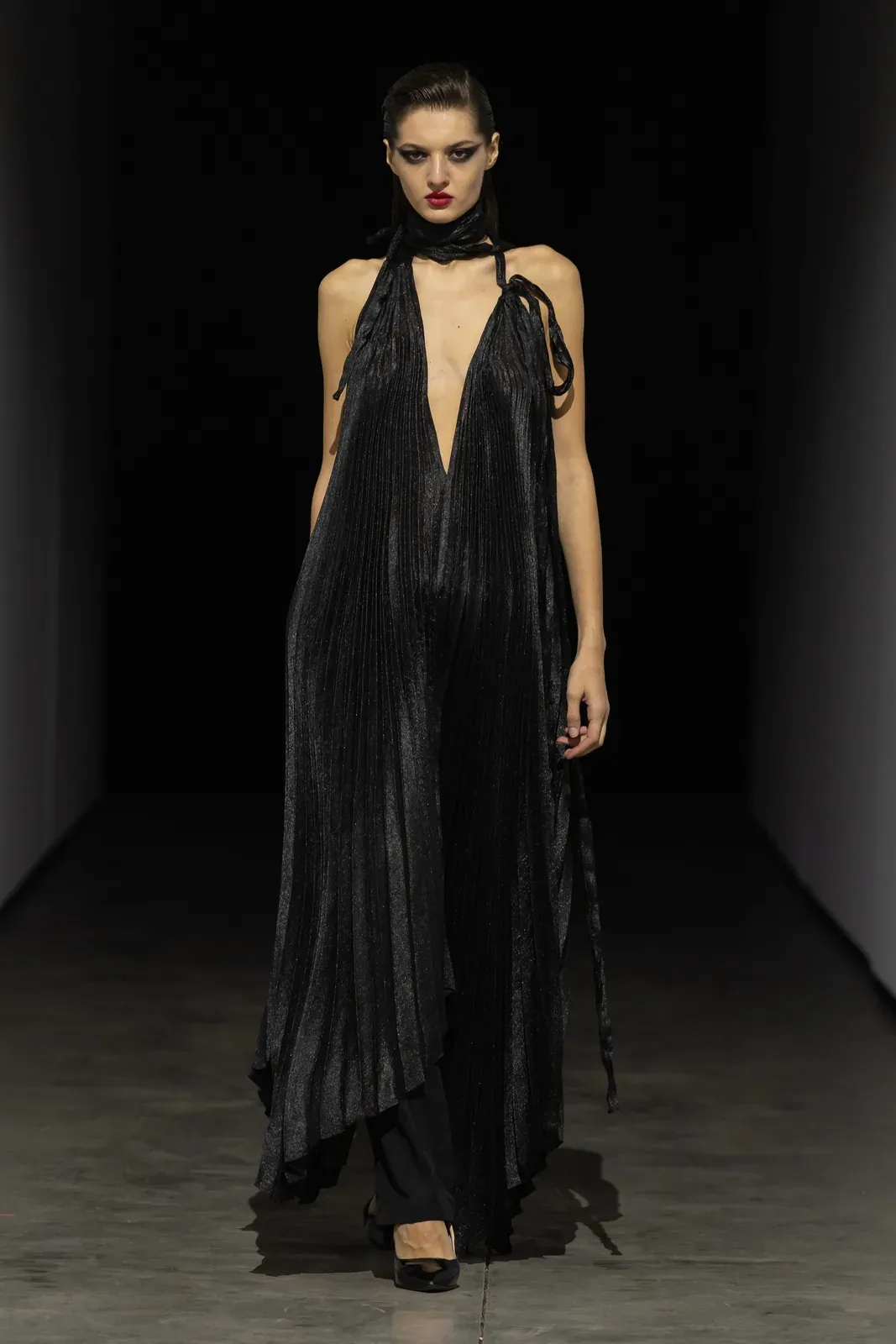
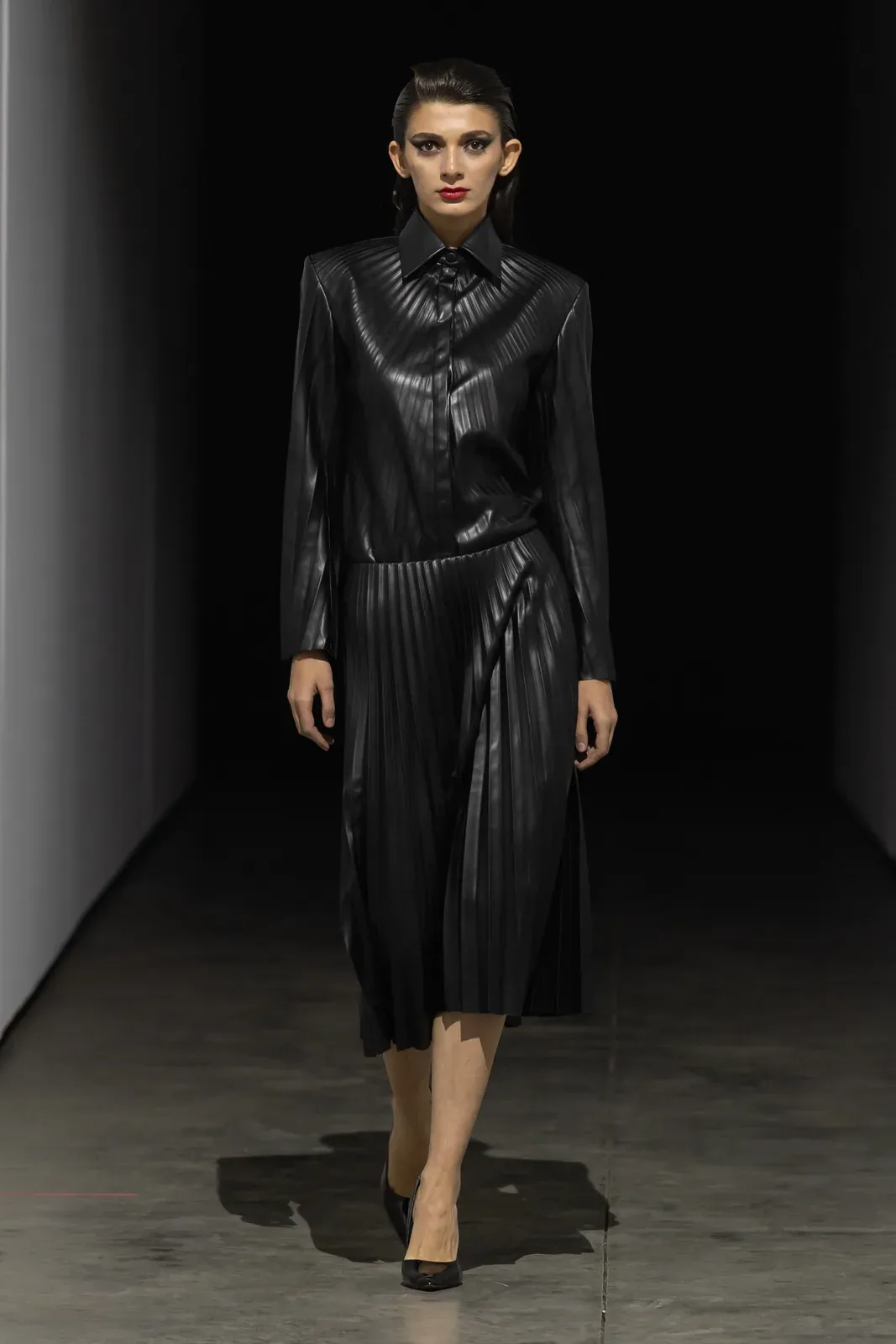
We move on to the contrasting collections by Dvali and Numen, in which, unlike in Uventa’s collection, black and white were the main characters, leaving no room for colour, and we didn’t miss it. At Dvali, we found a collision between dark romanticism and grunge, reflected in the combination of polished, often tailoring-inspired garments and sleek construction with the more dishevelled, raw and moody character of the styling and the models’ attitude as they walked the runway. Numen was similarly dark. Although white featured more prominently, the collection was no less dramatic, with theatrical silhouettes navigating between the precise, rigid geometric shapes created by solid fabrics and the flowing, more delicate qualities of intricate crochet patterns and draped fabrics moulding the body.
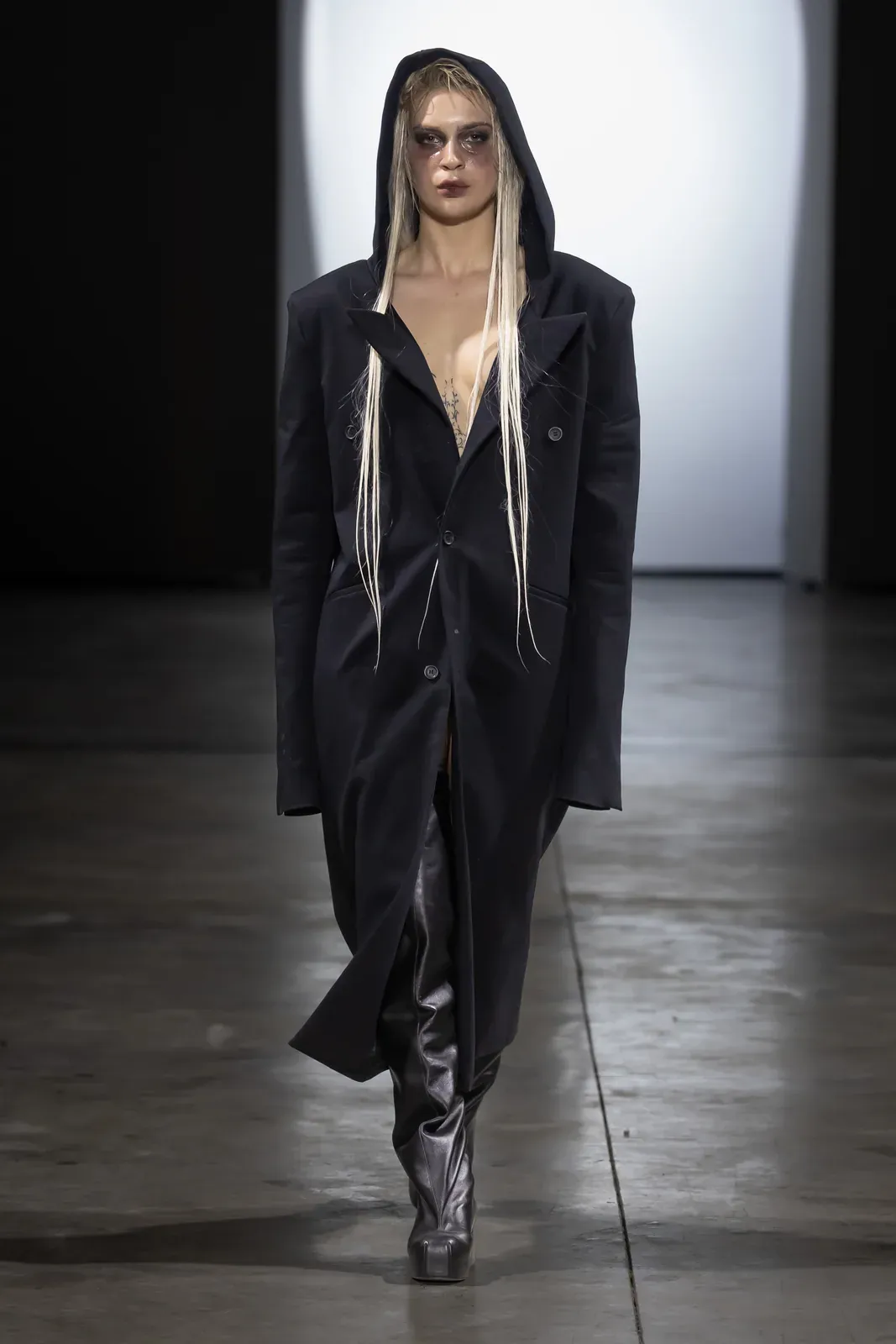
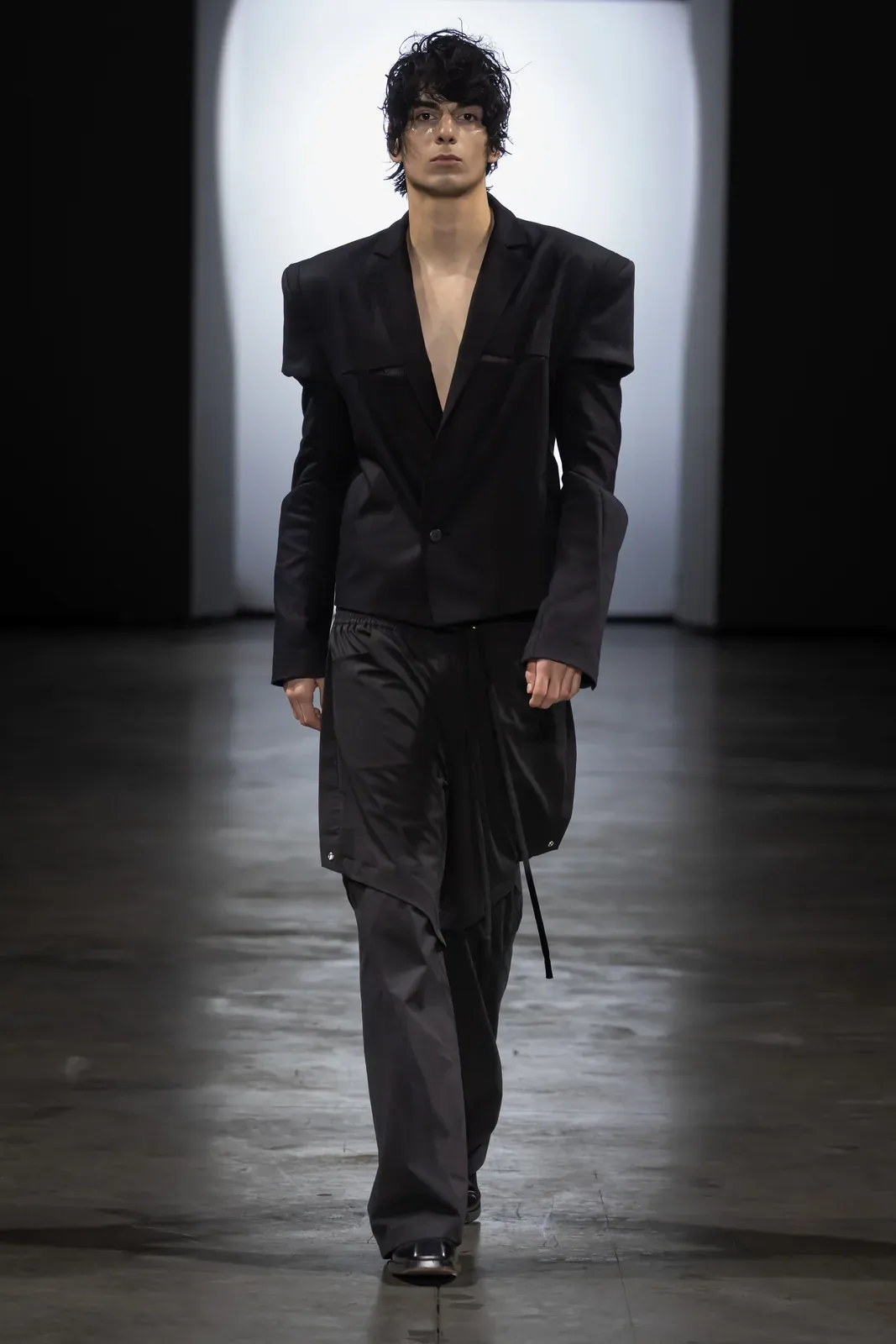
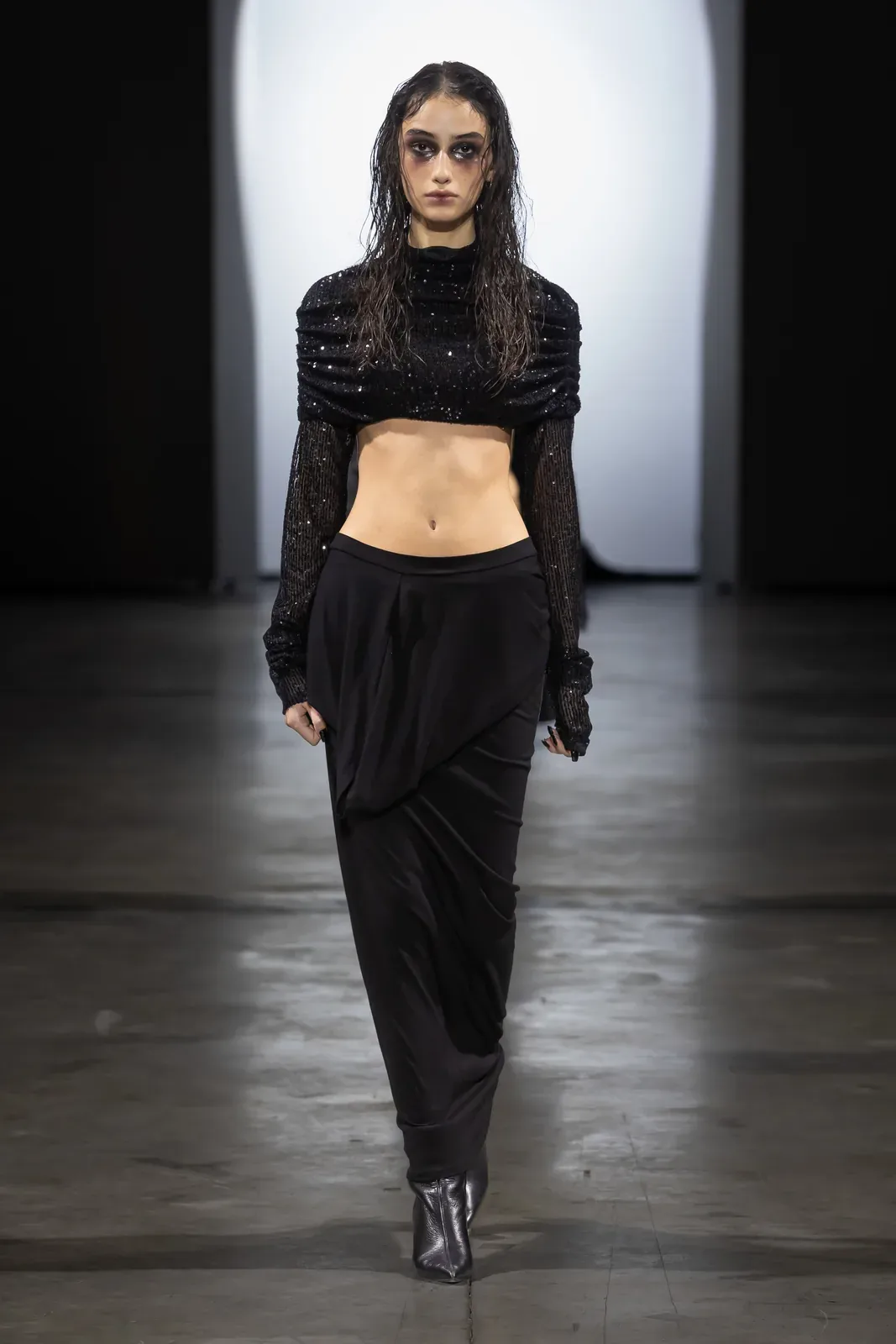
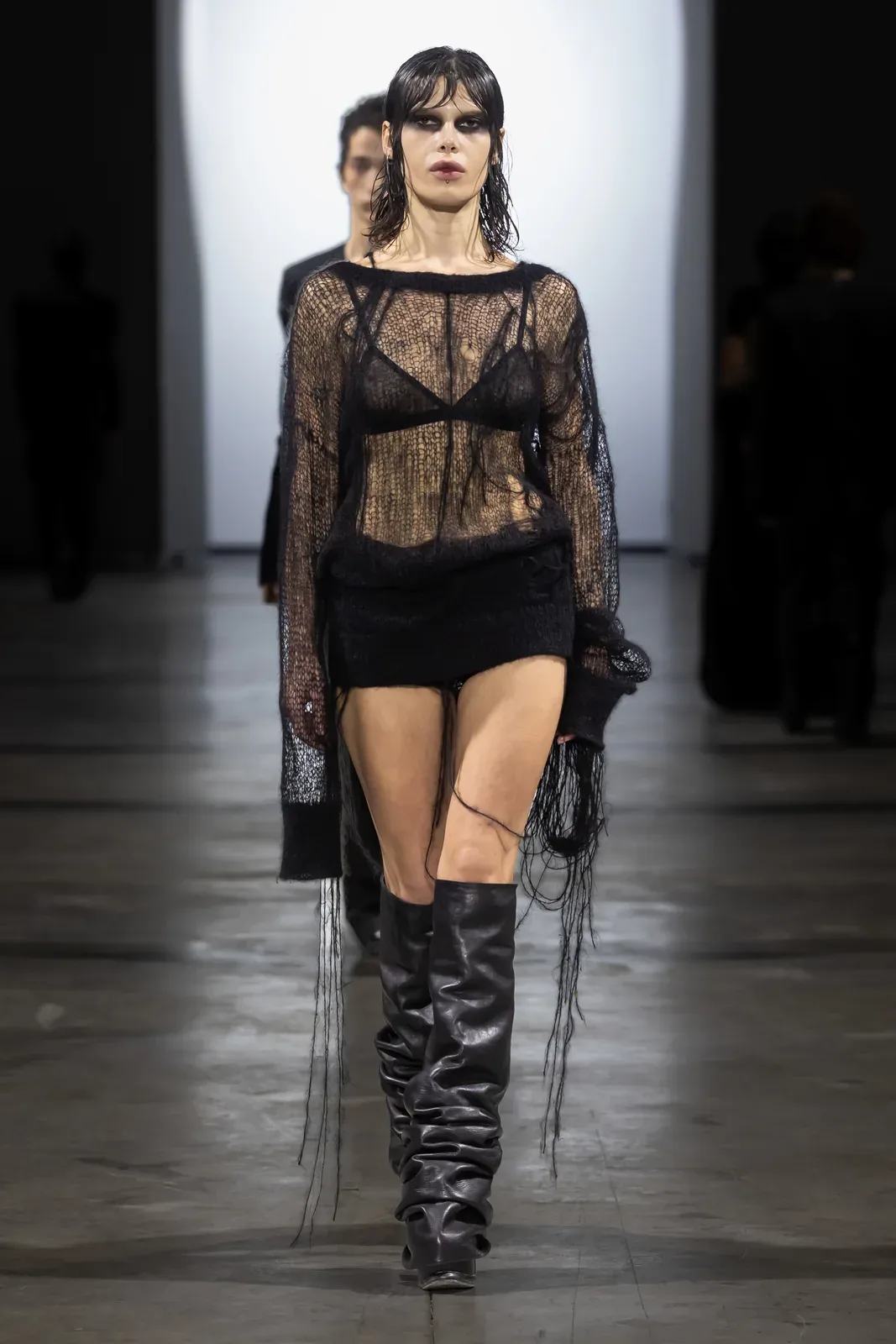
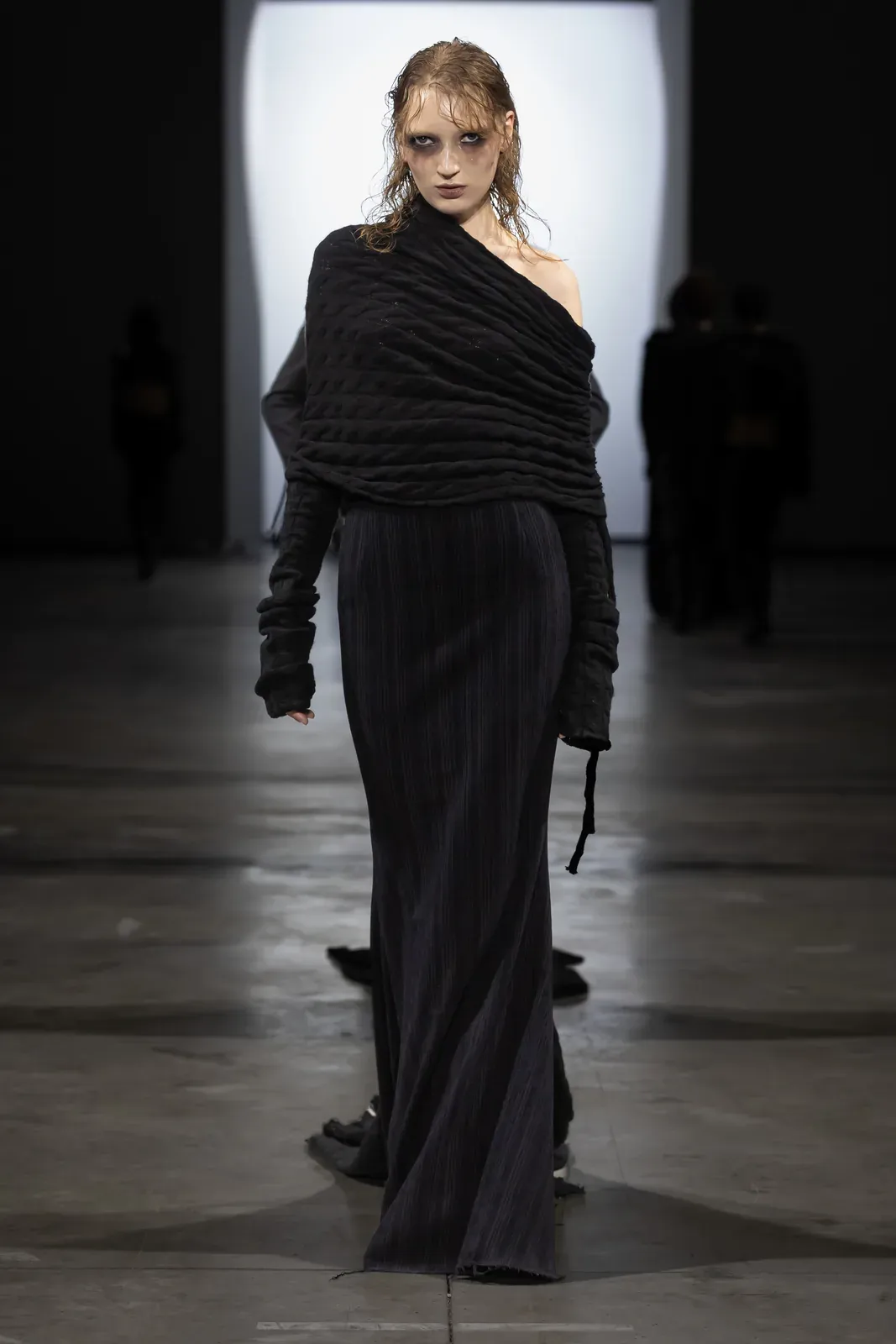
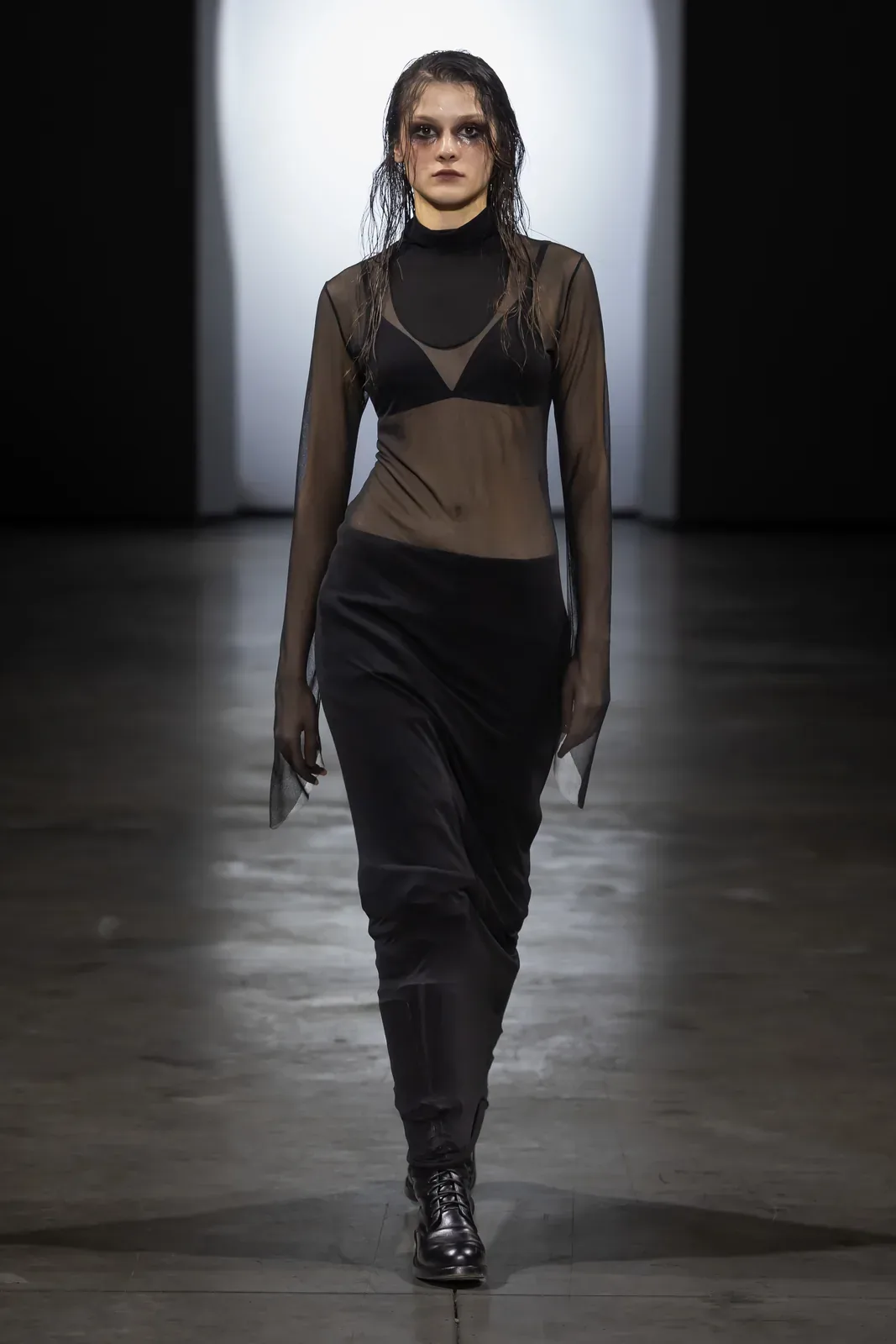
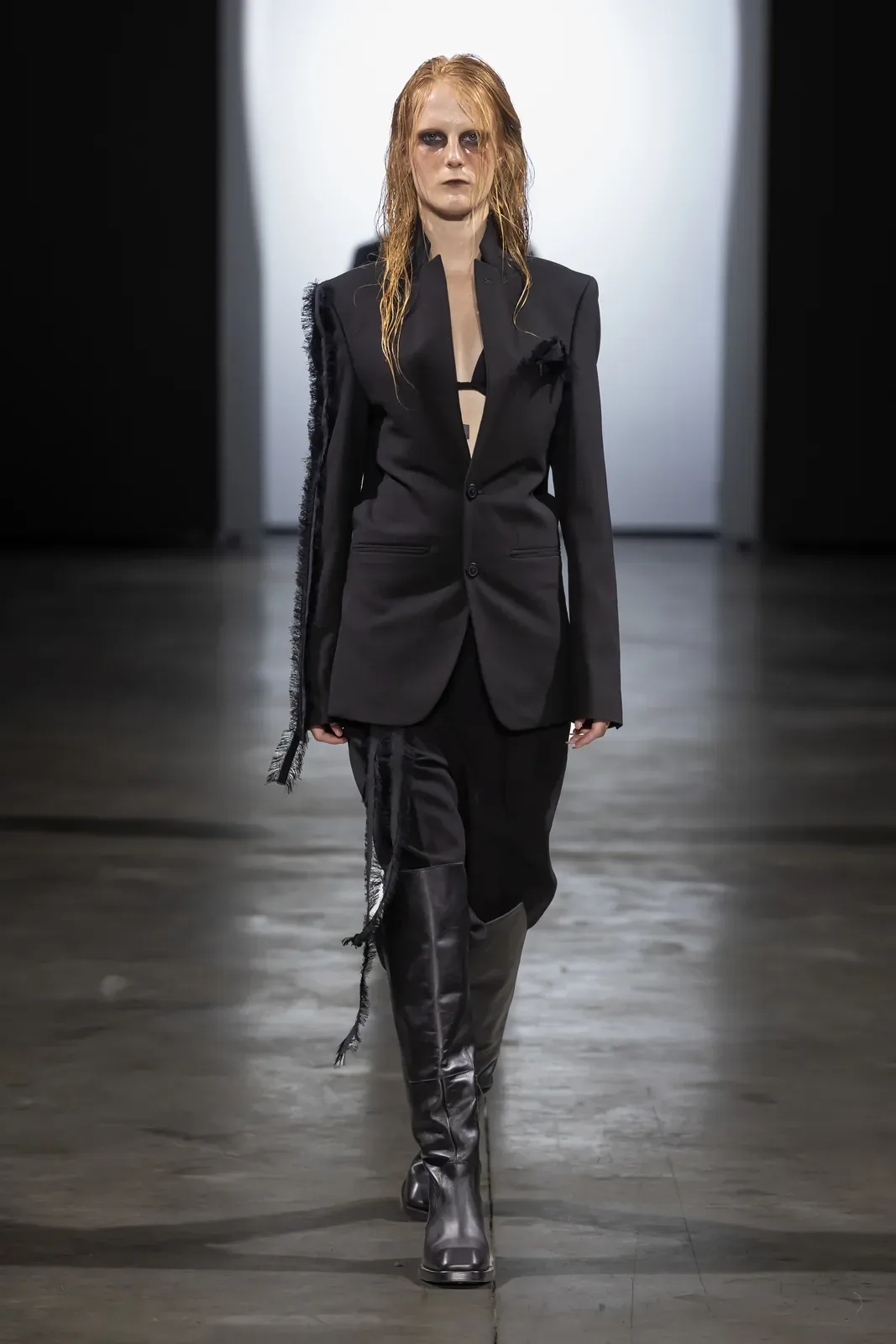
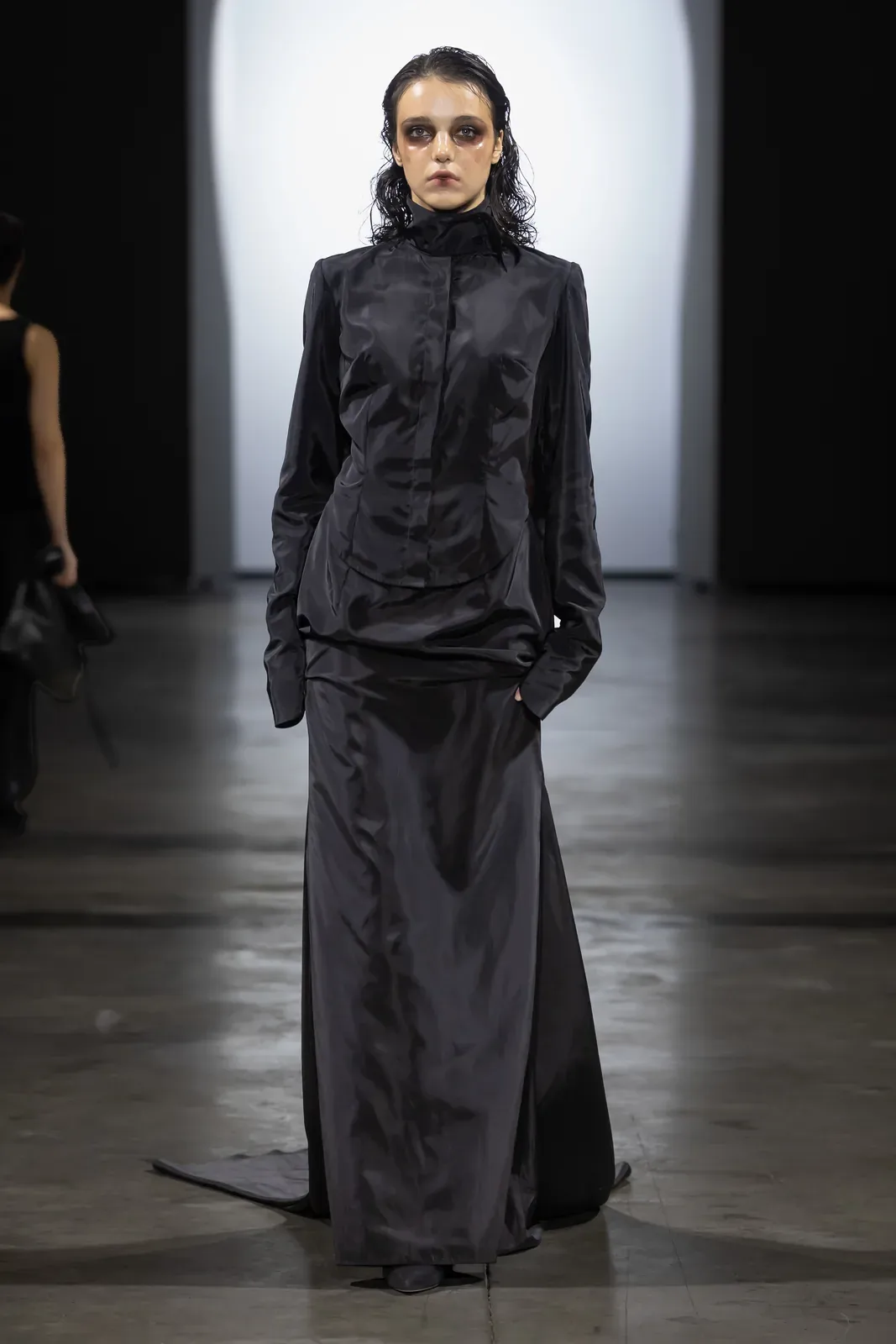
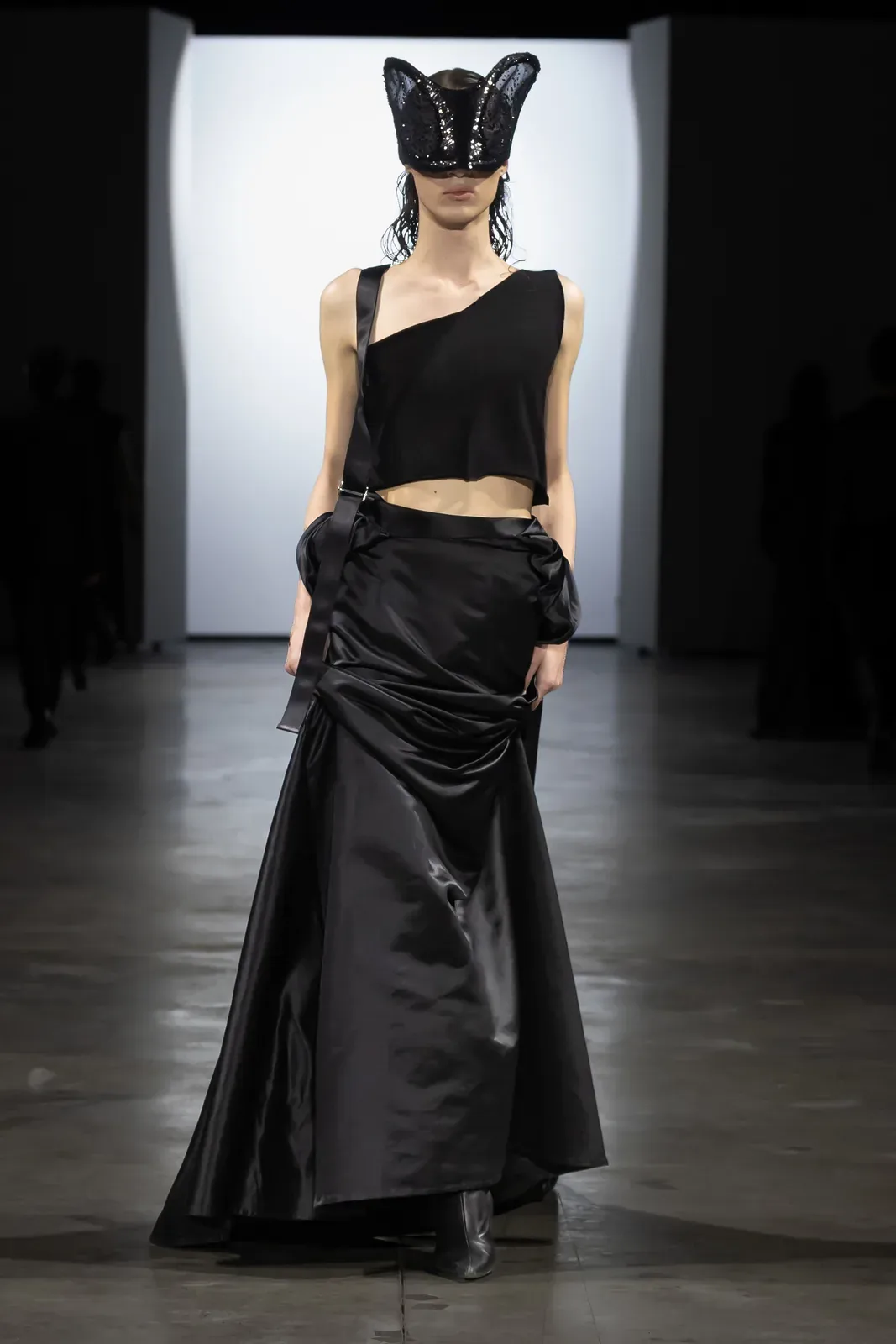
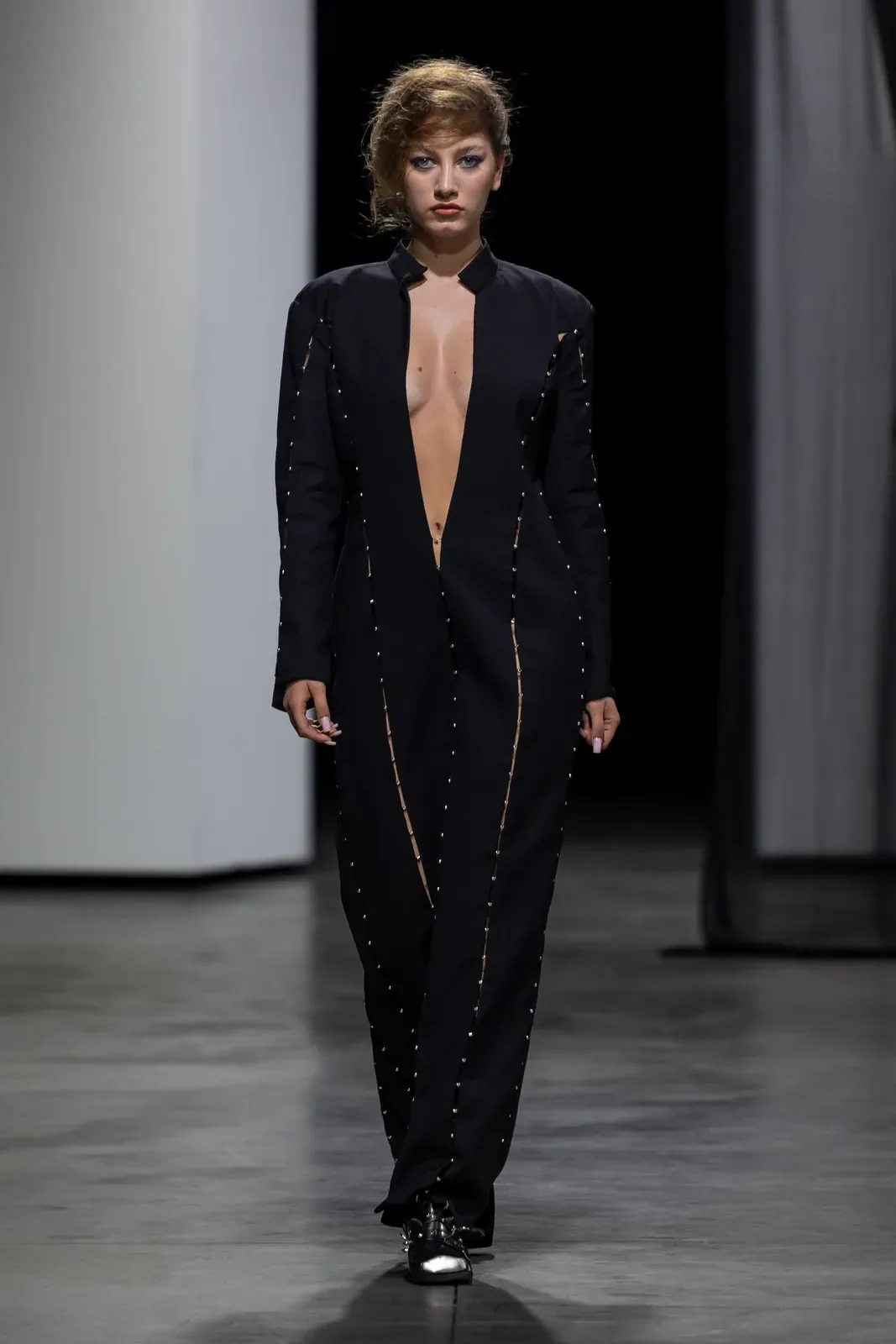
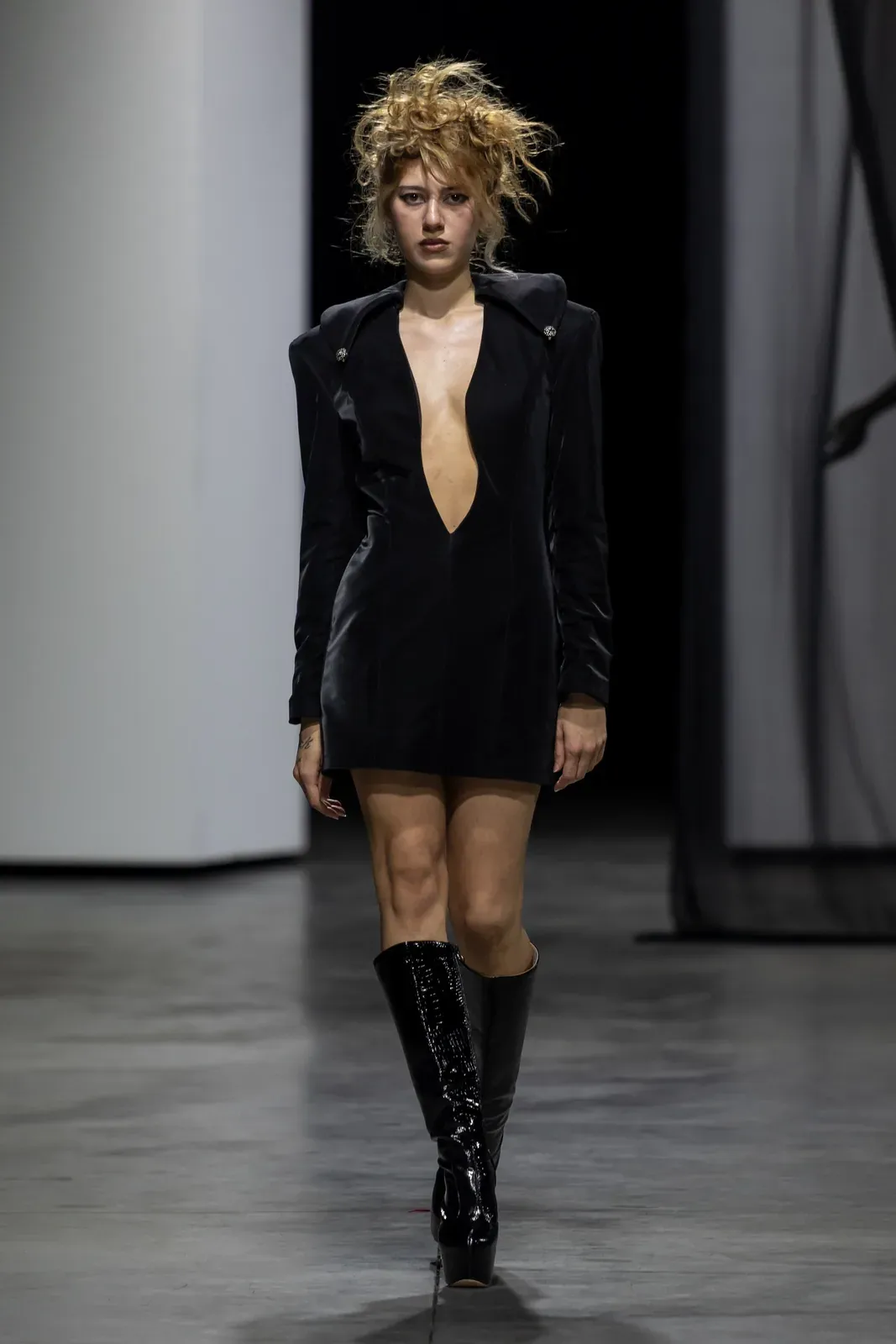
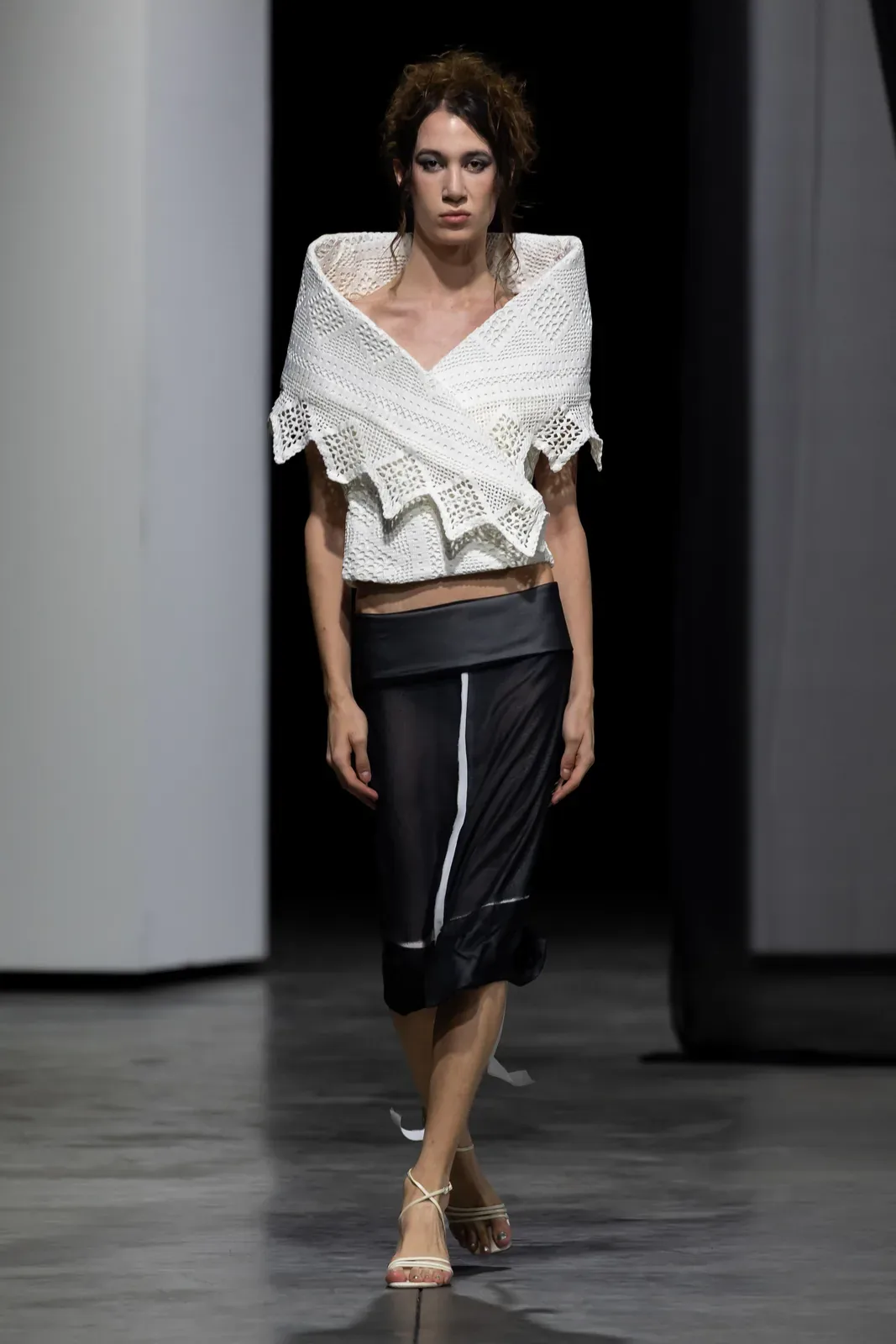
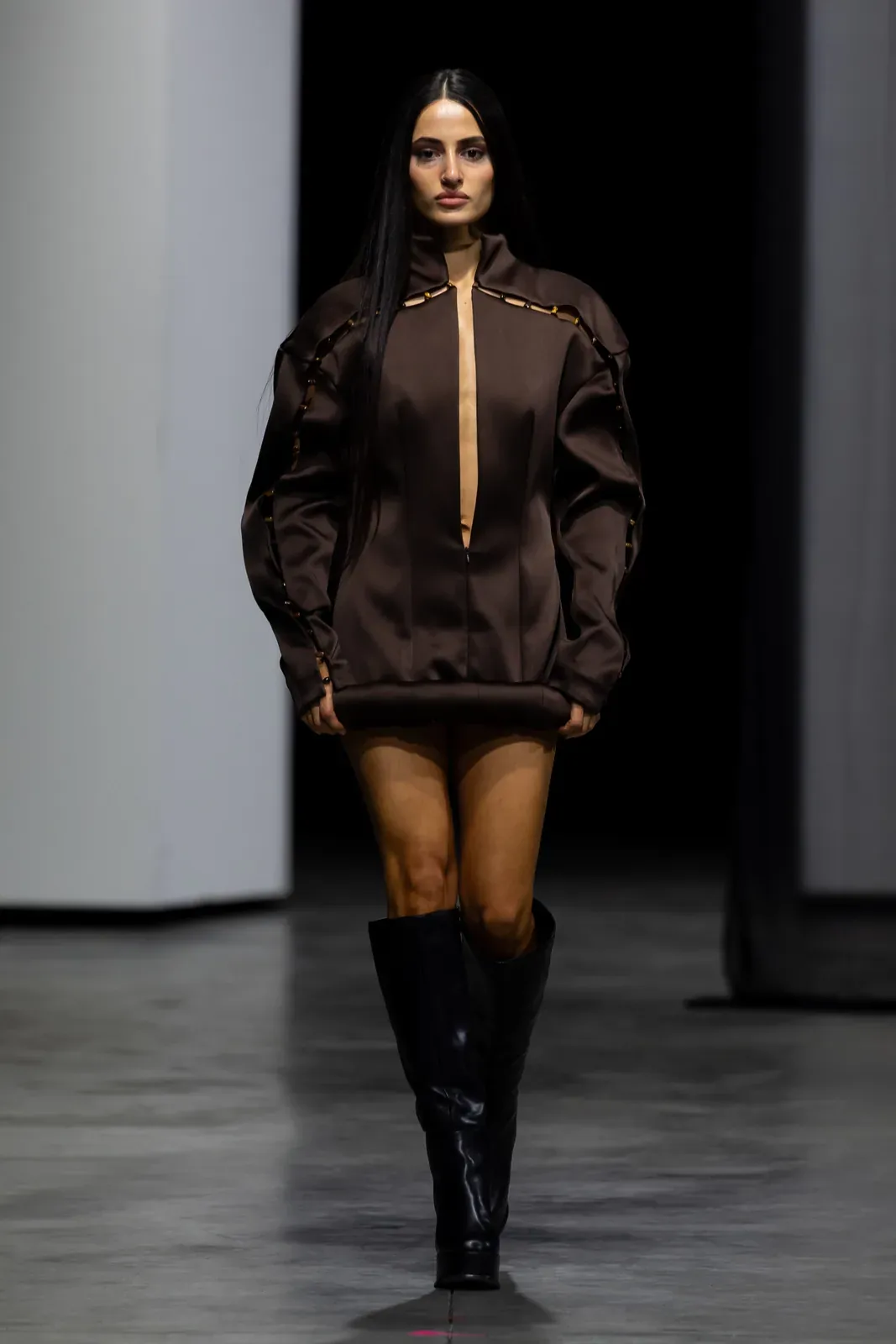
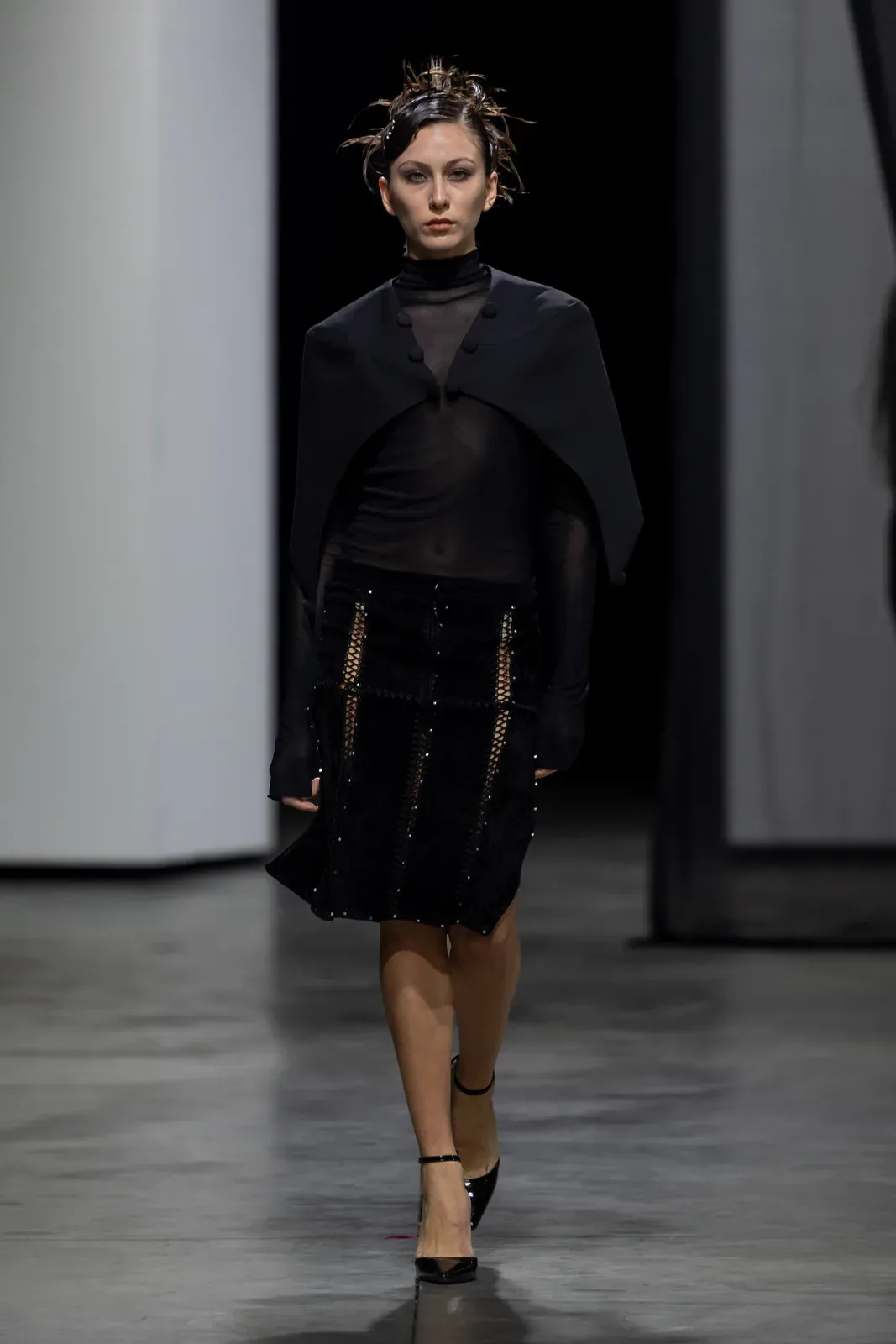
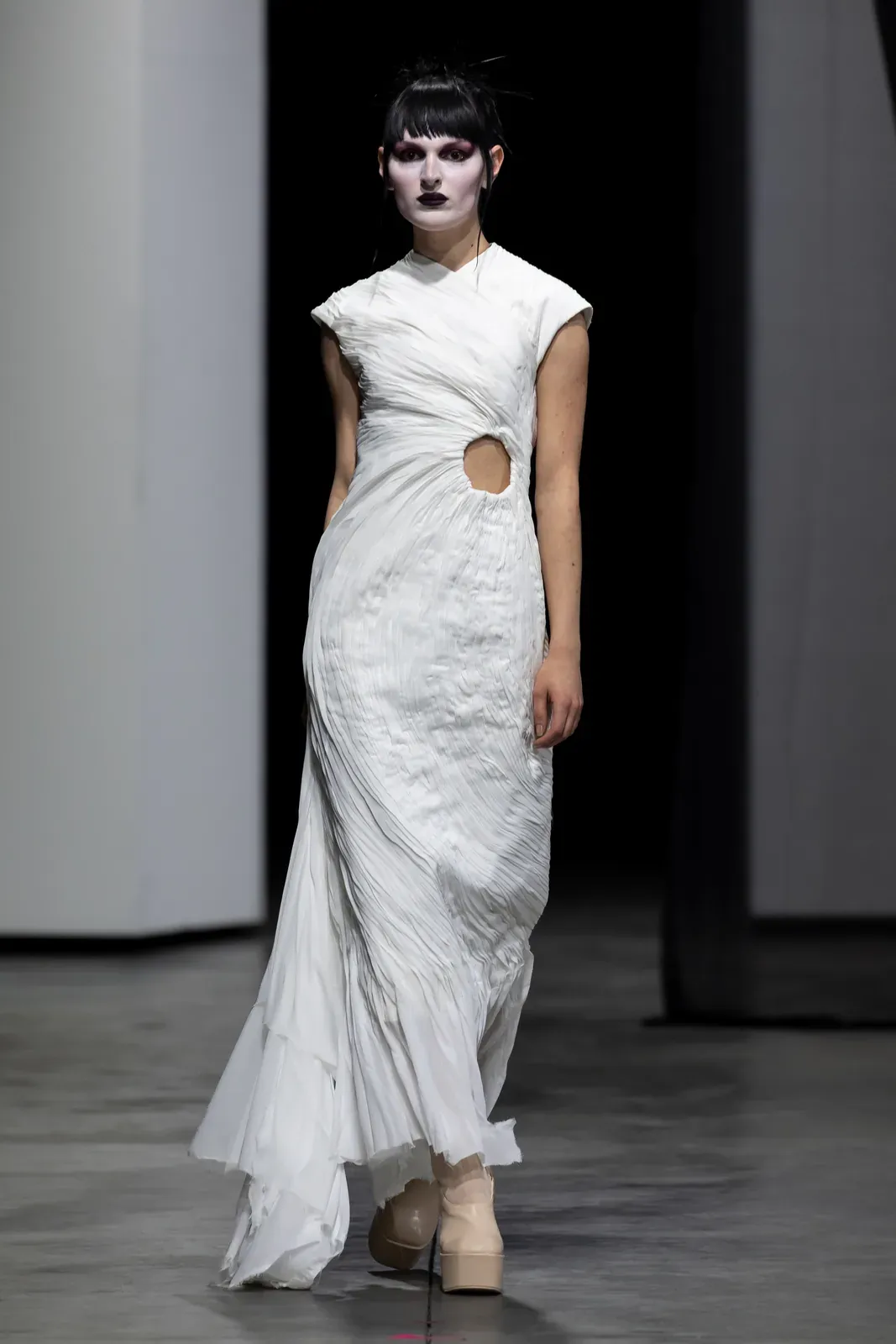
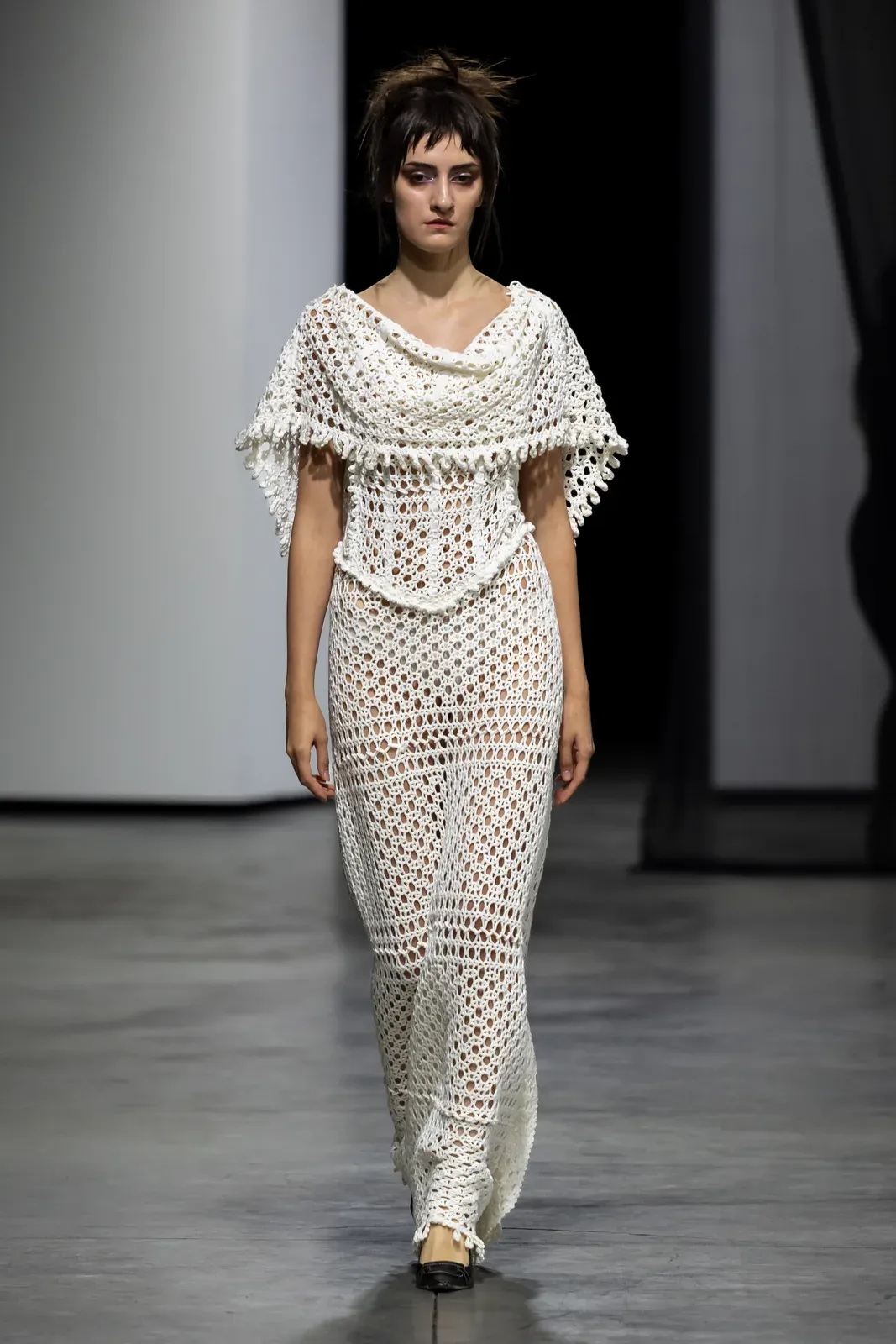
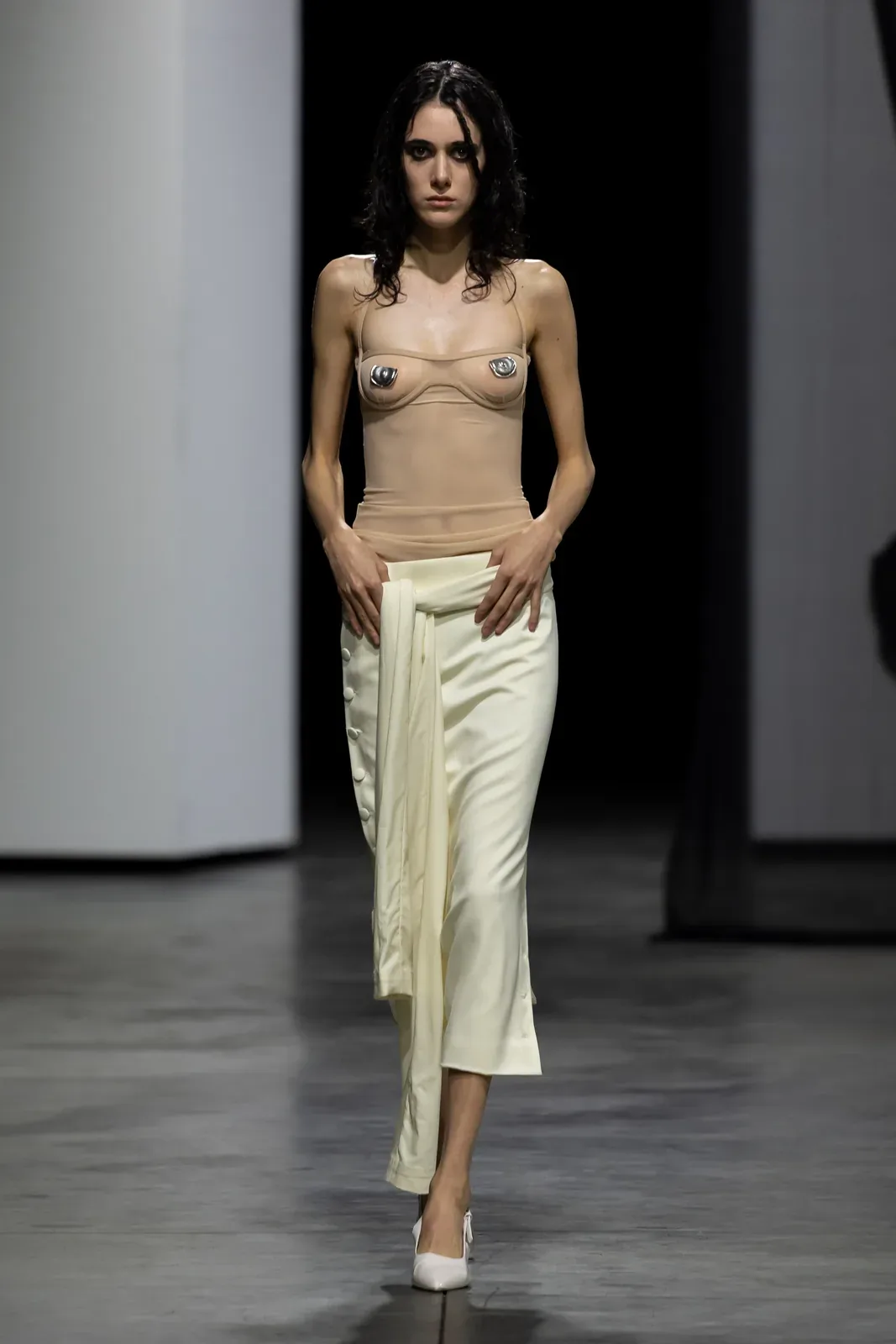
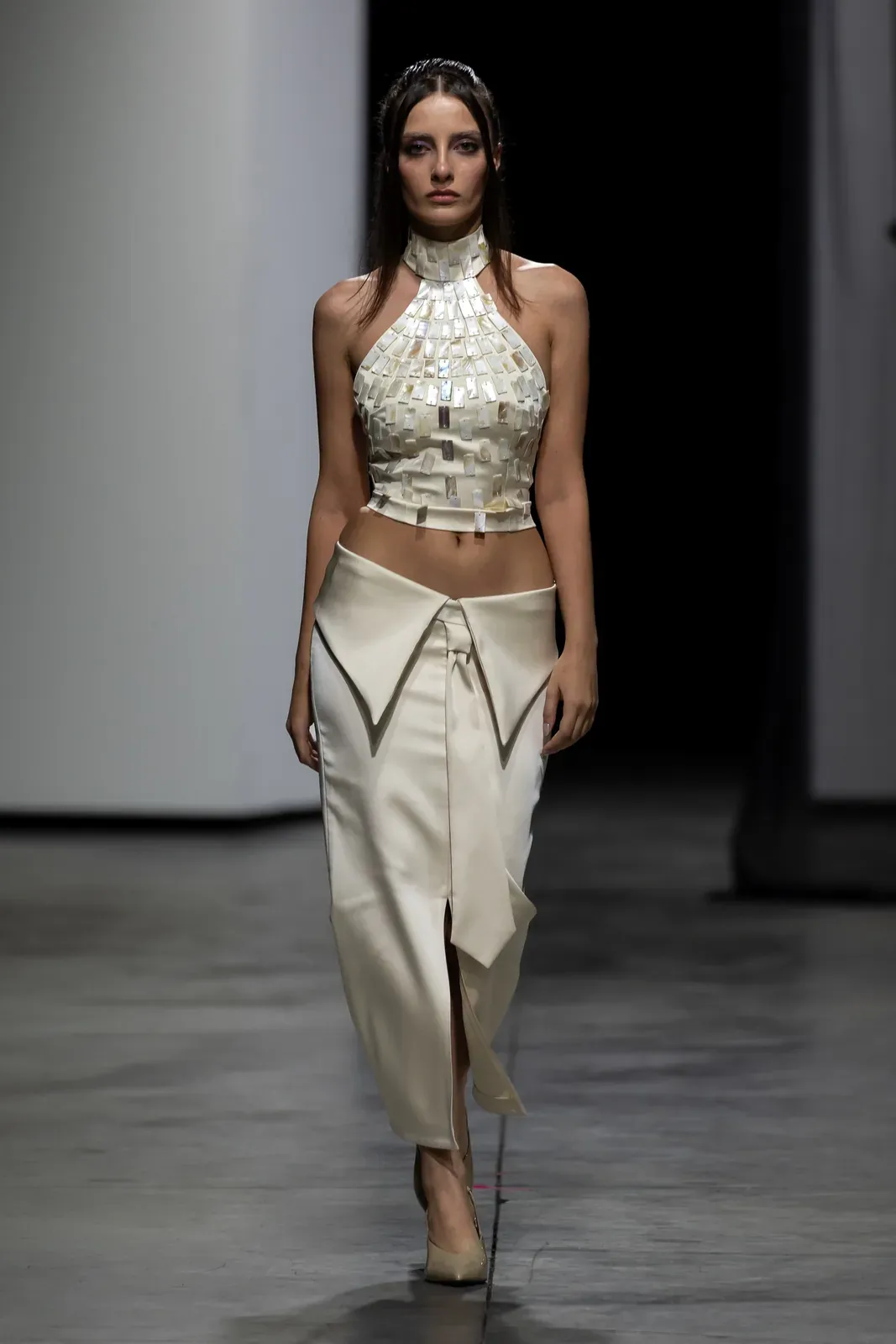
After seeing all the shows and getting a sense of the character and vibe of Tbilisi’s fashion crowd, we could see which two brands were held in the highest regard by the audience. The crowd was a very special one, considering the enthusiasm with which they eagerly awaited every runway and every brand, no matter how big or small. Both brands were familiar to us, and we agreed with the general consensus.
The first is Aka Prodiashvili. We still remember the unforgettable European Union dress presented a couple of years ago, during our last visit to Tbilisi, amid all the political tension surrounding Georgia’s bid to join the European Union. So, naturally, we were looking forward to seeing what Aka would present this time. The setting resembled an airport security checkpoint, where passengers are subjected to thorough body scans, serving as a metaphor for the intense surveillance that has become part of everyday life, especially in the designer’s own experience as part of the queer community in a country that has yet to provide the freedom and space needed for them. In this sense, all the looks blur the lines of gender and of what is considered correct or the norm. A model wearing a gag ball and another model simply holding her dress with her hands as the straps slipped off her shoulders: both acts, one more evident and the other more subtle, defy the establishment with the same clarity.
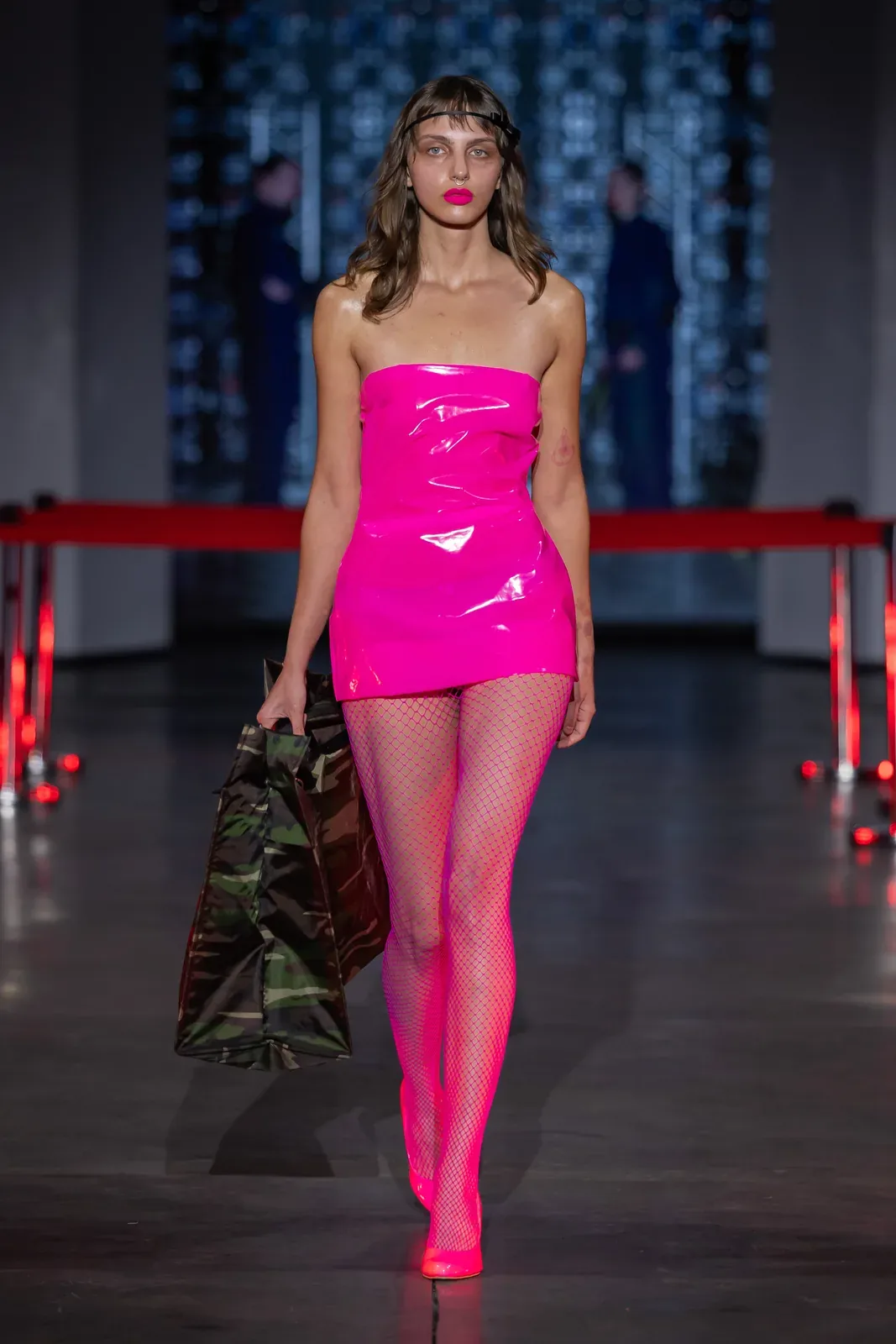
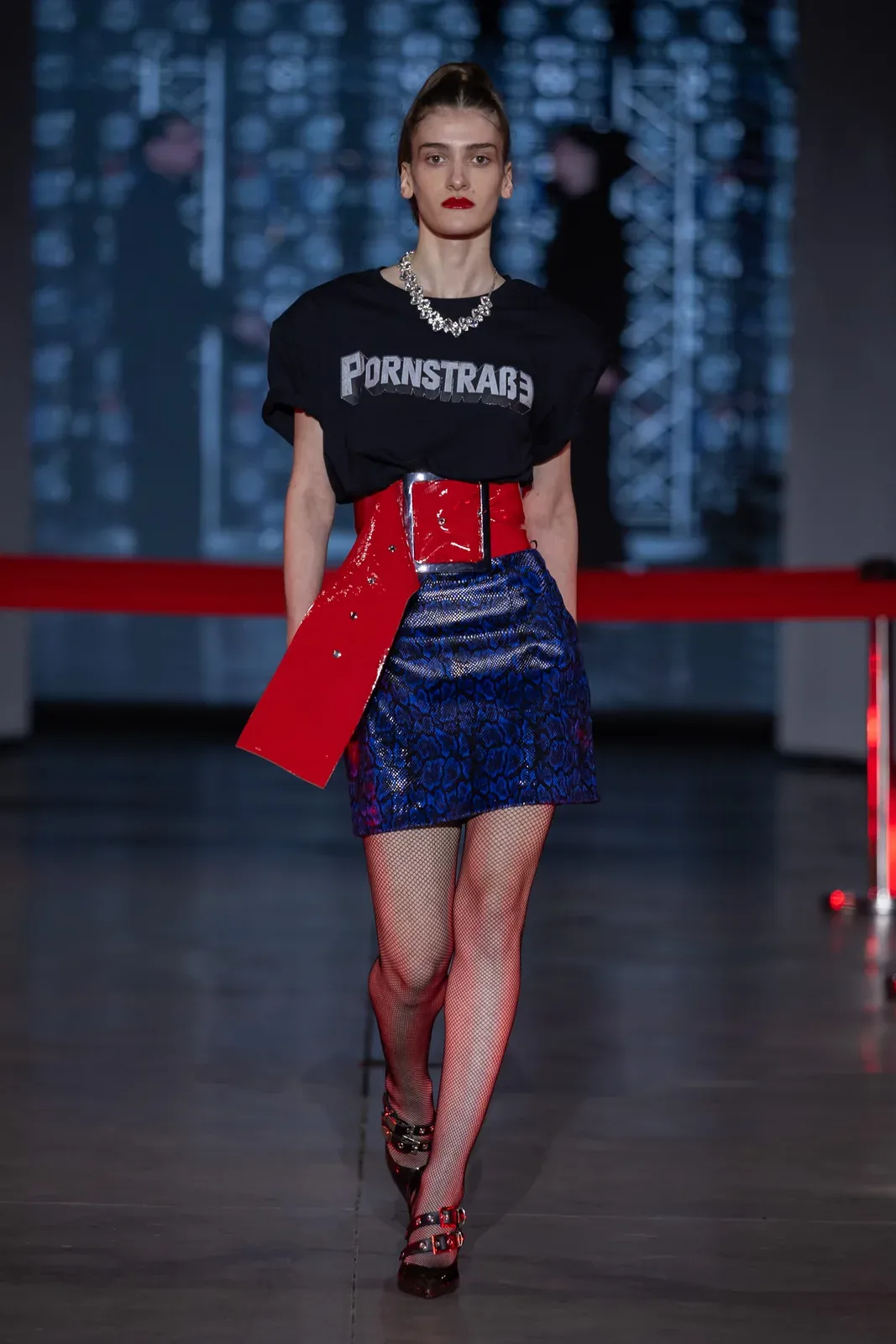
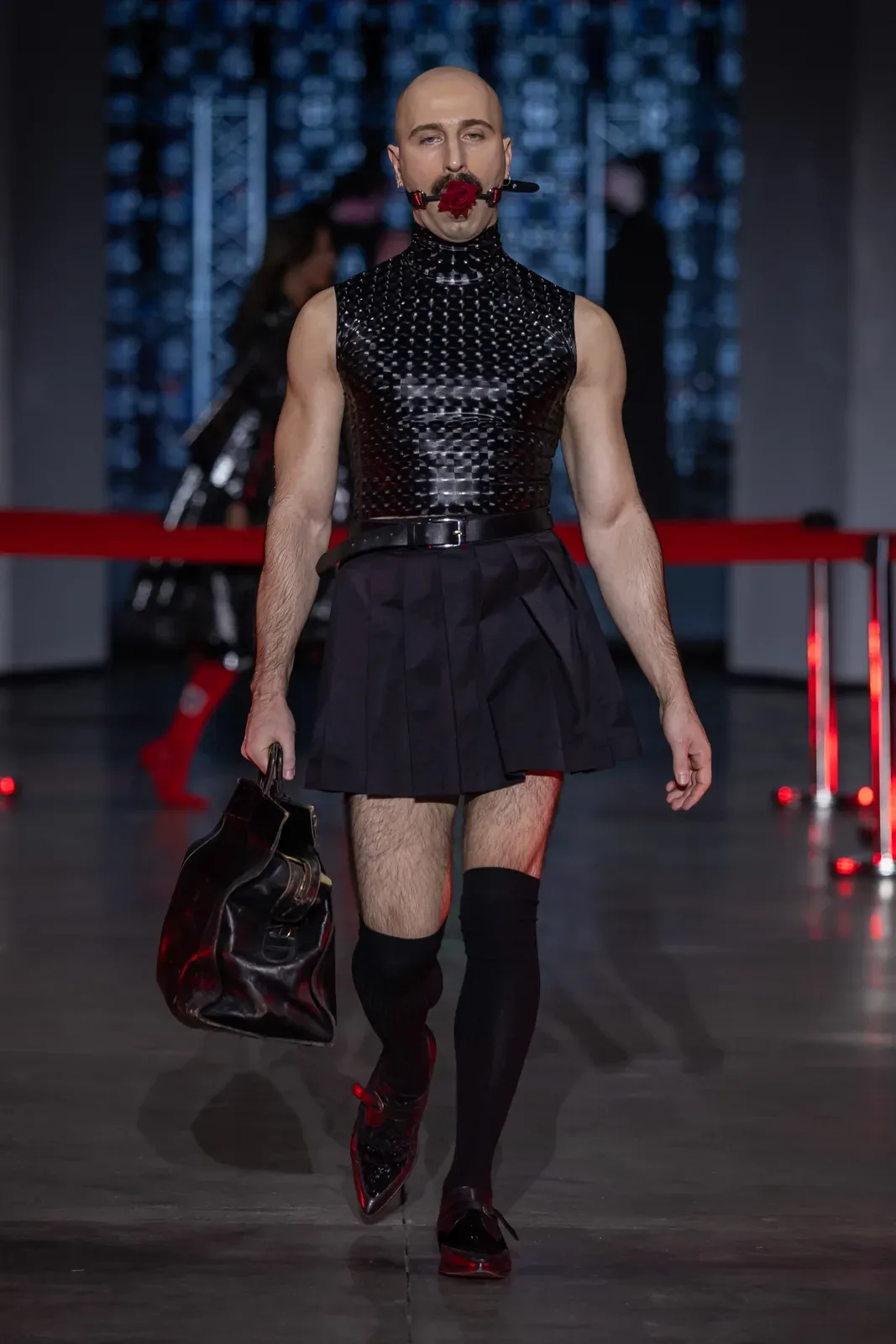
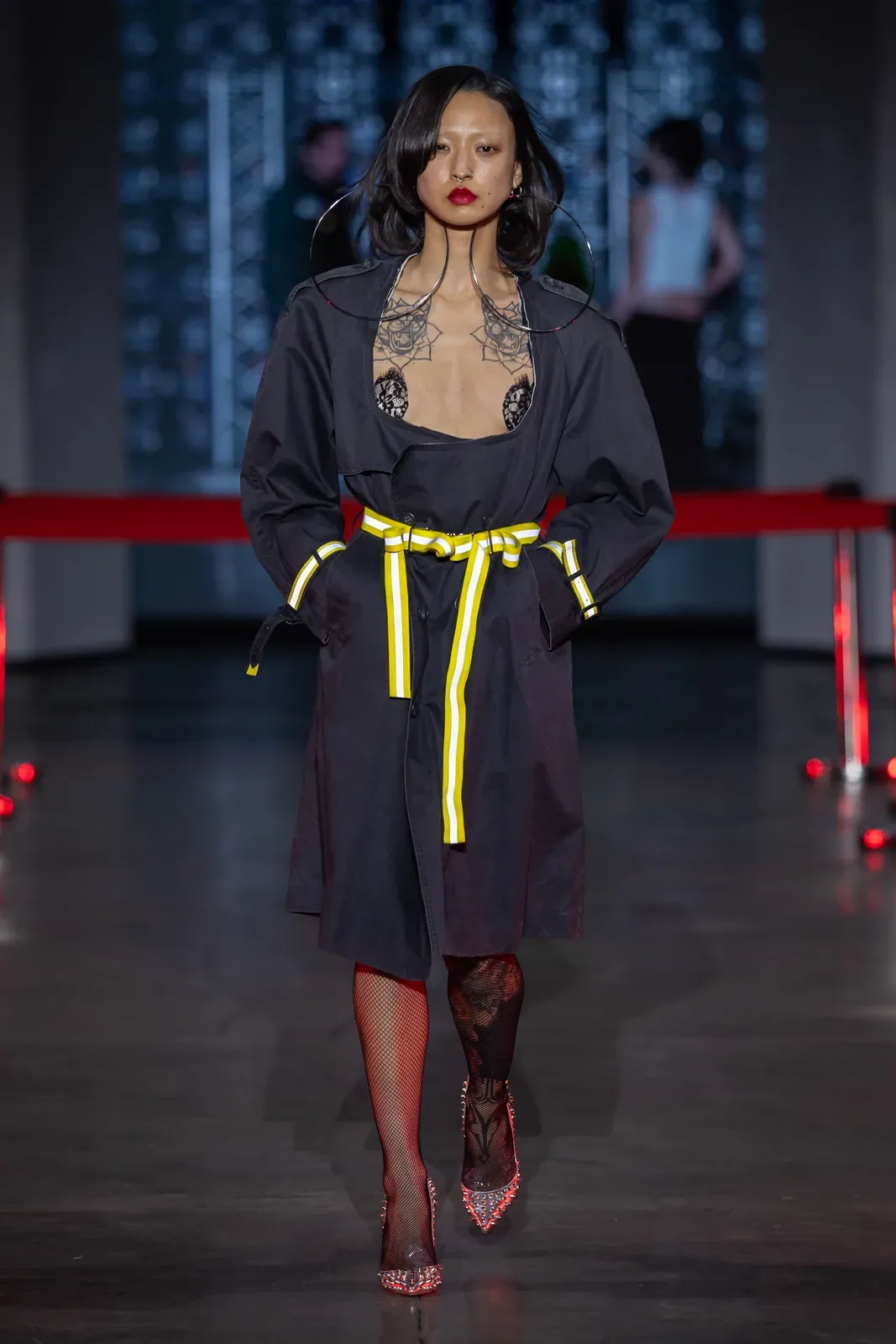
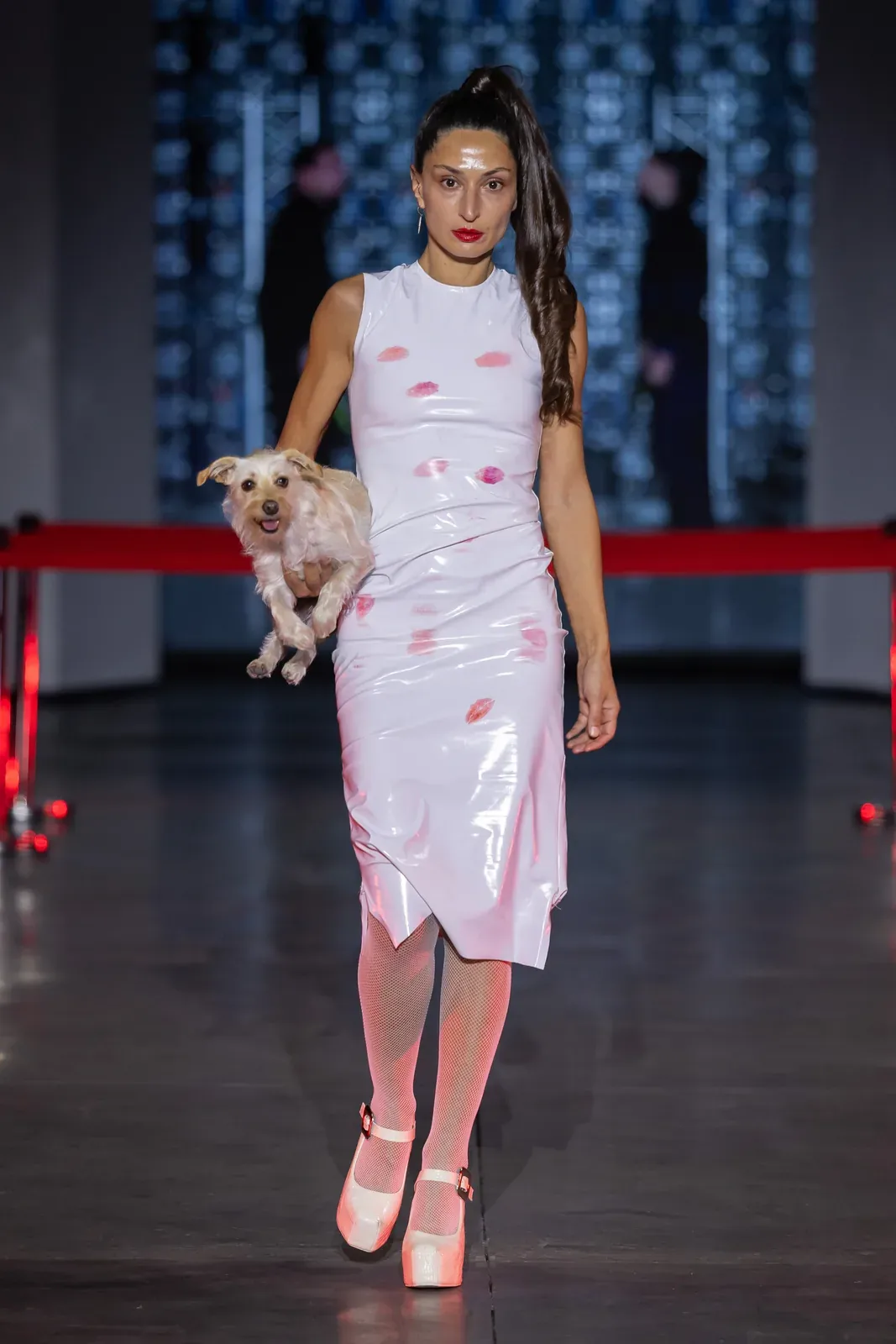
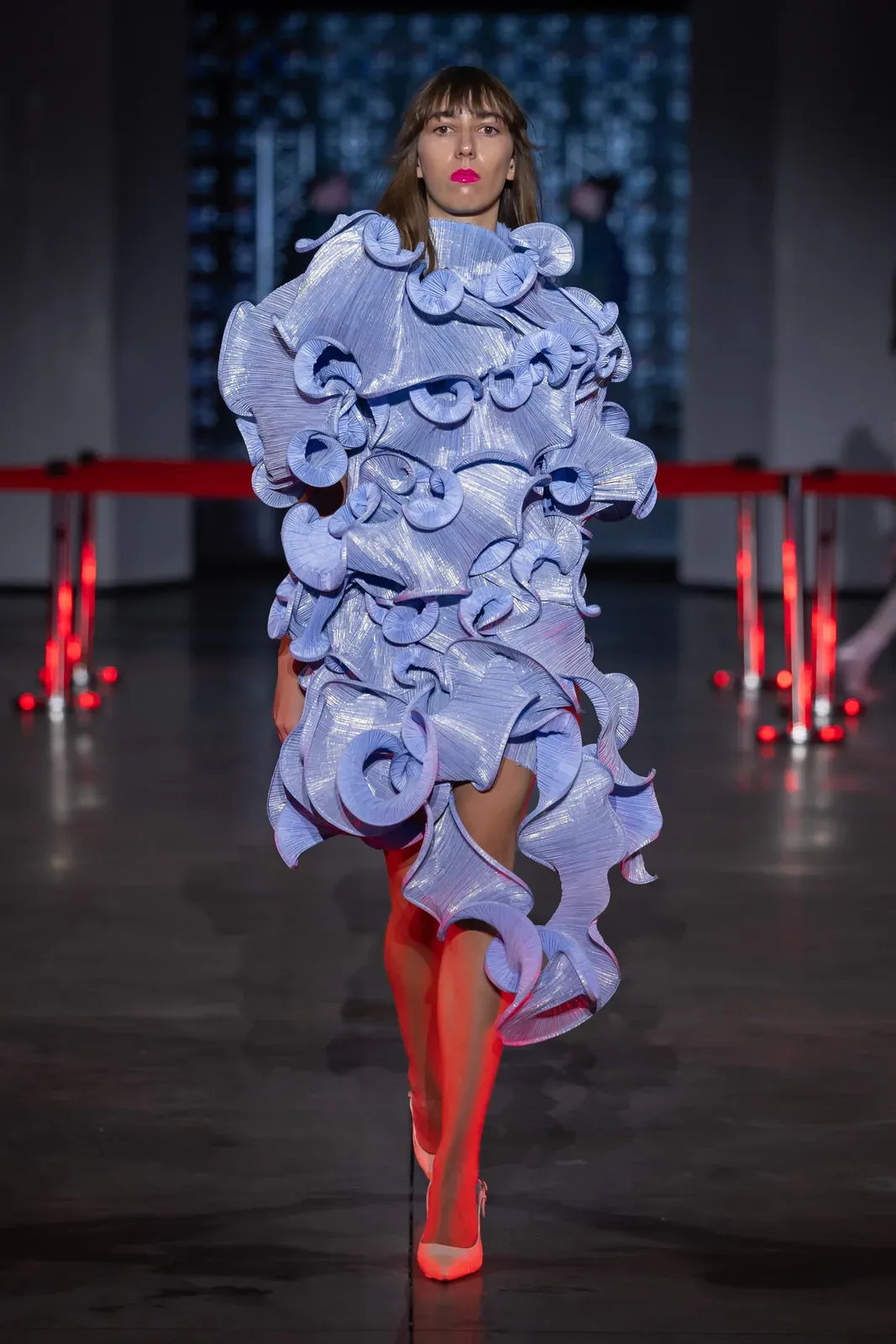
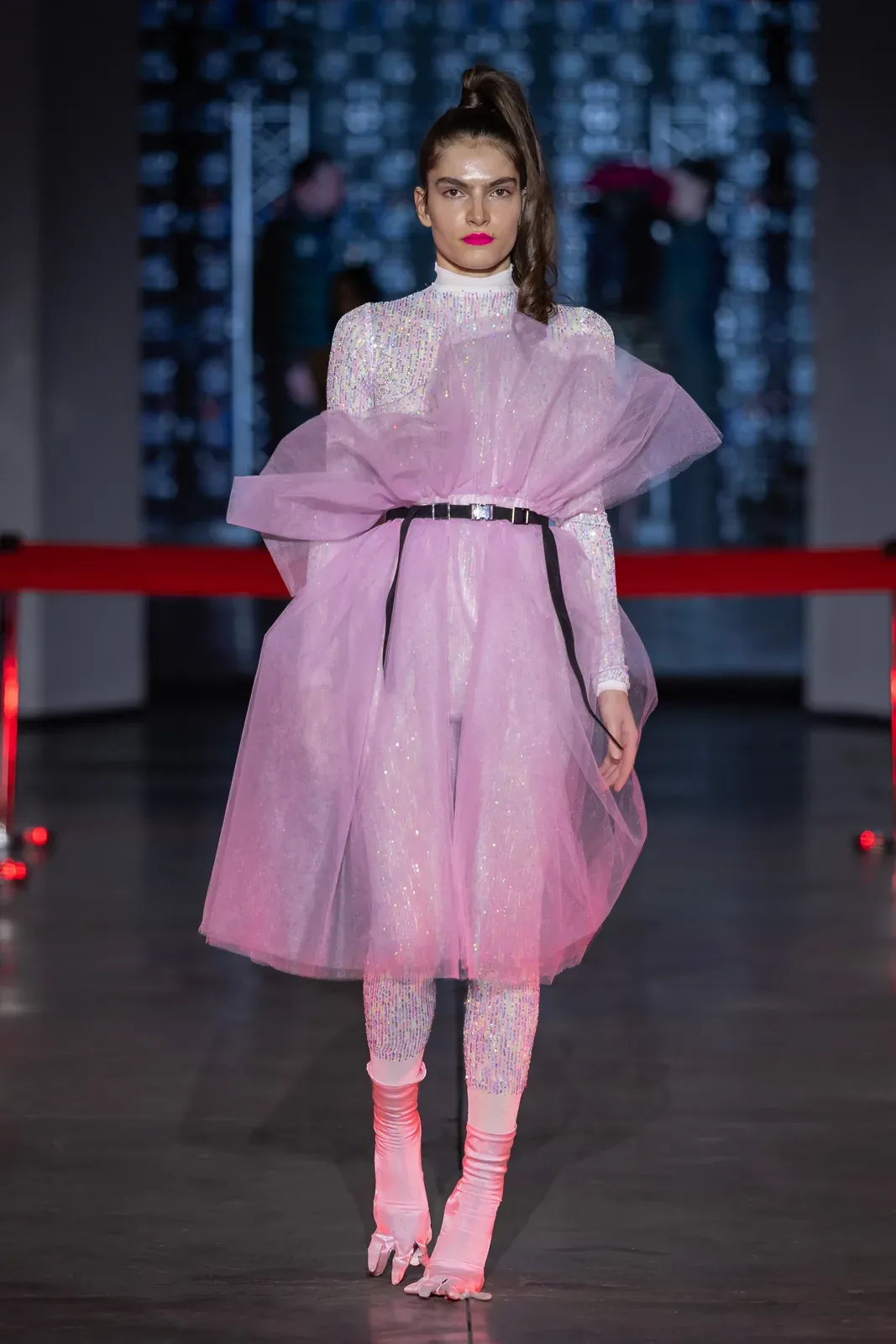
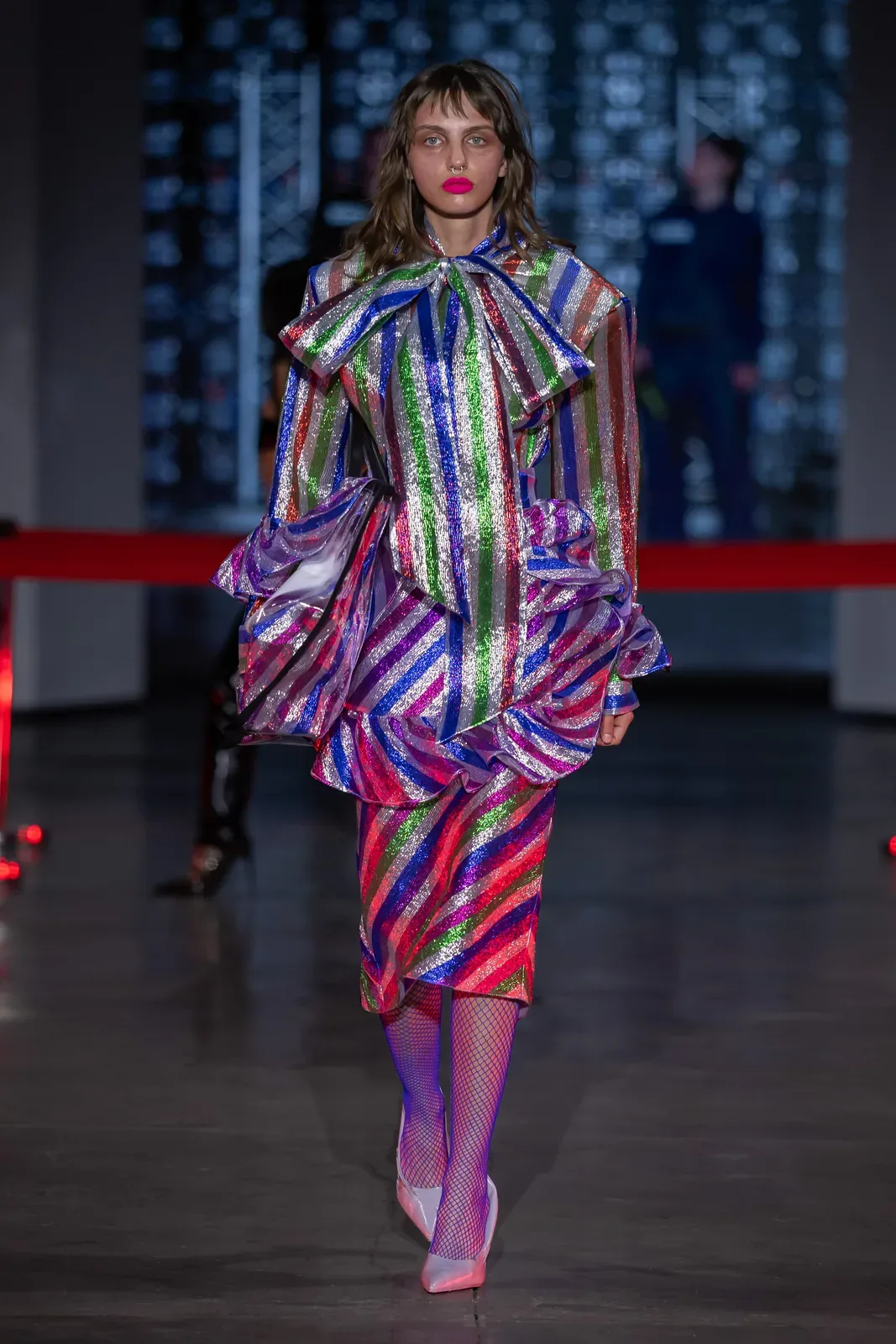
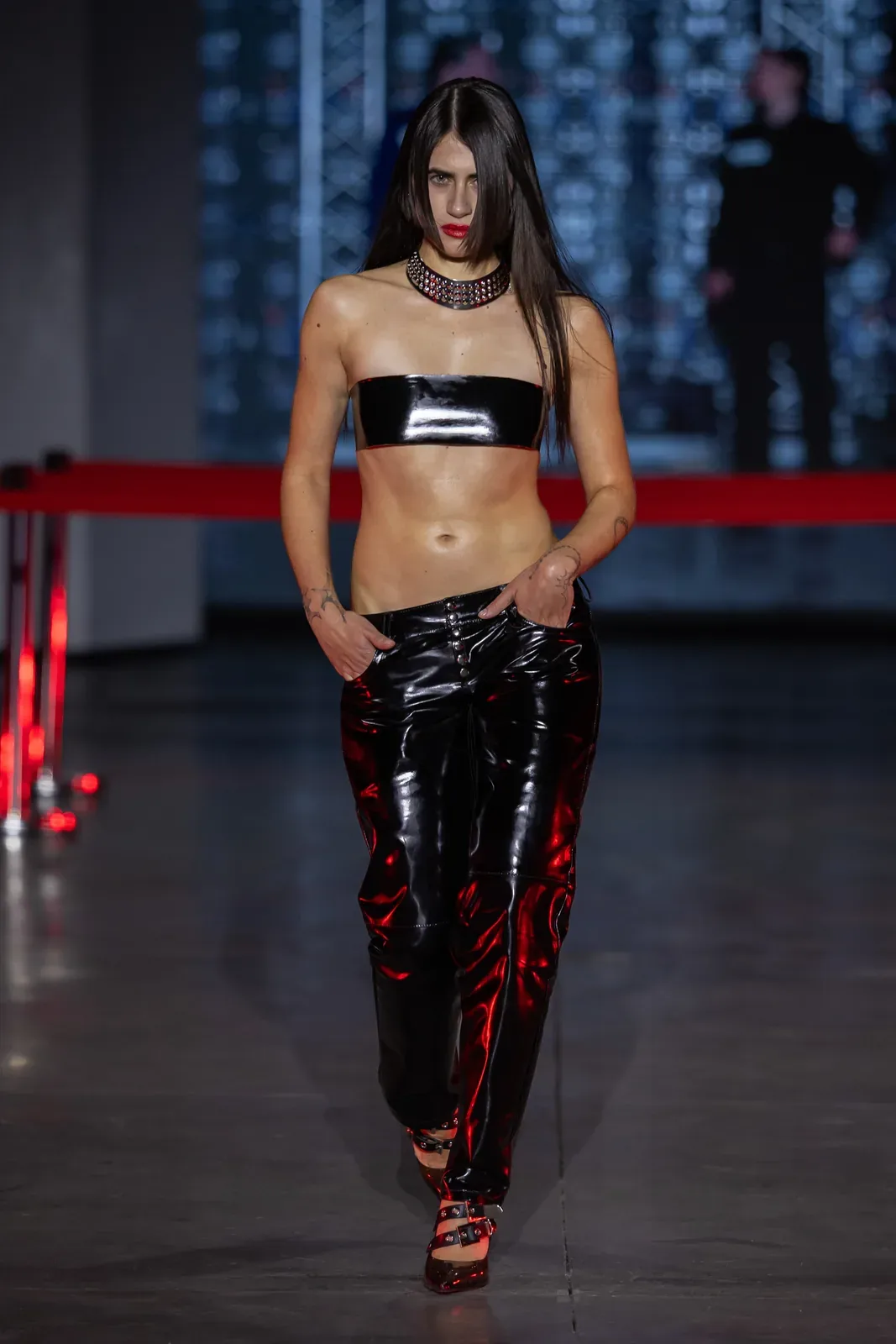
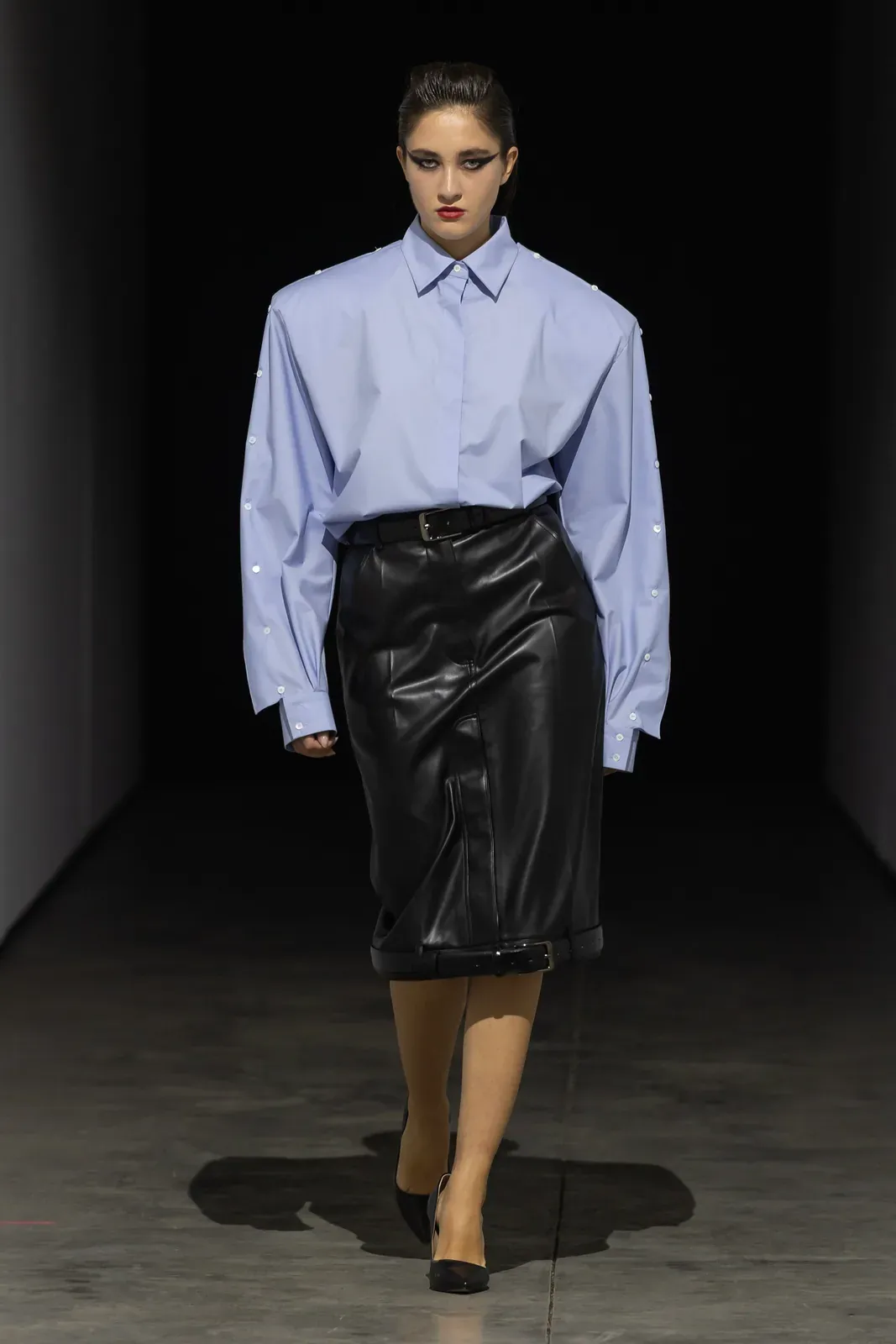
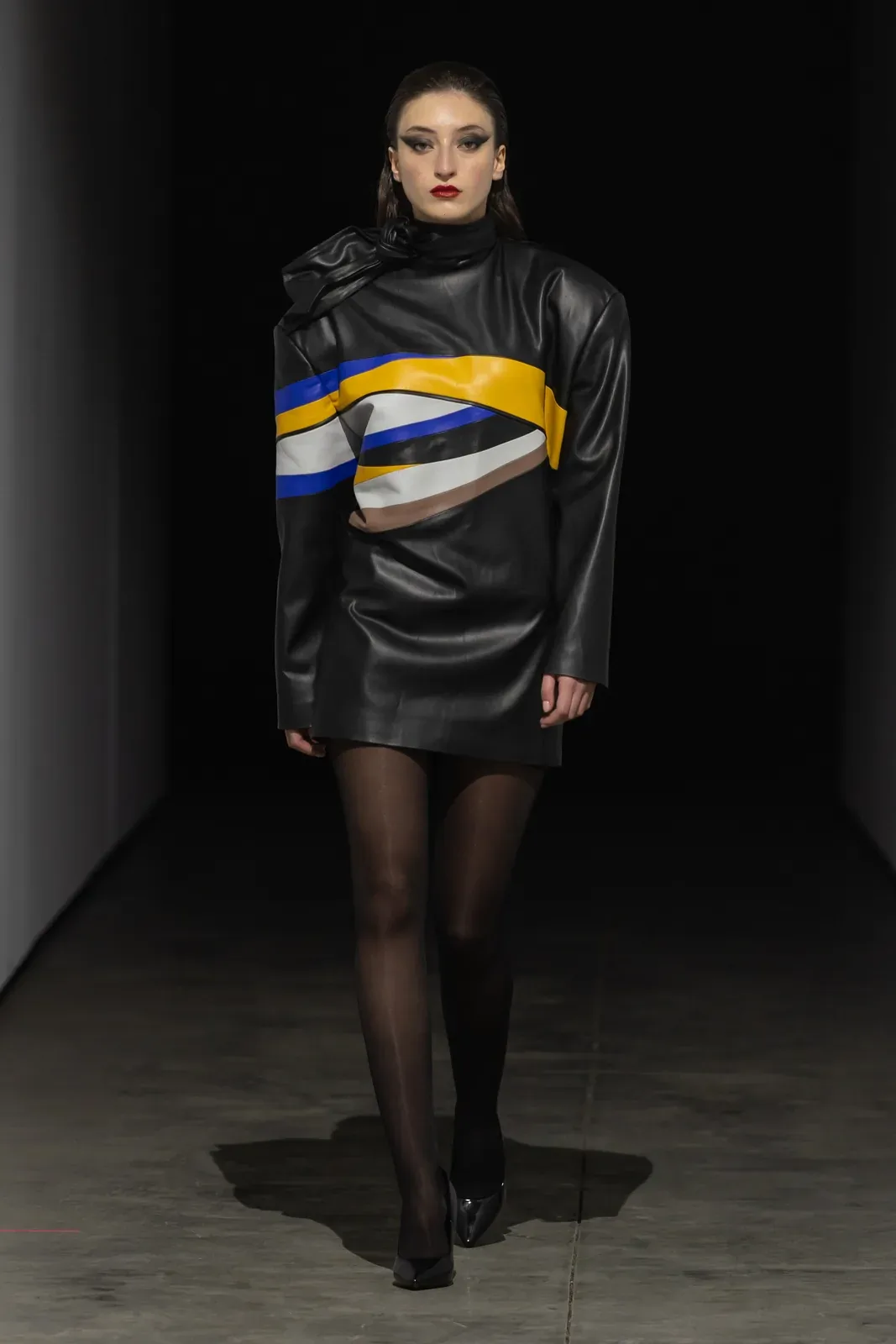
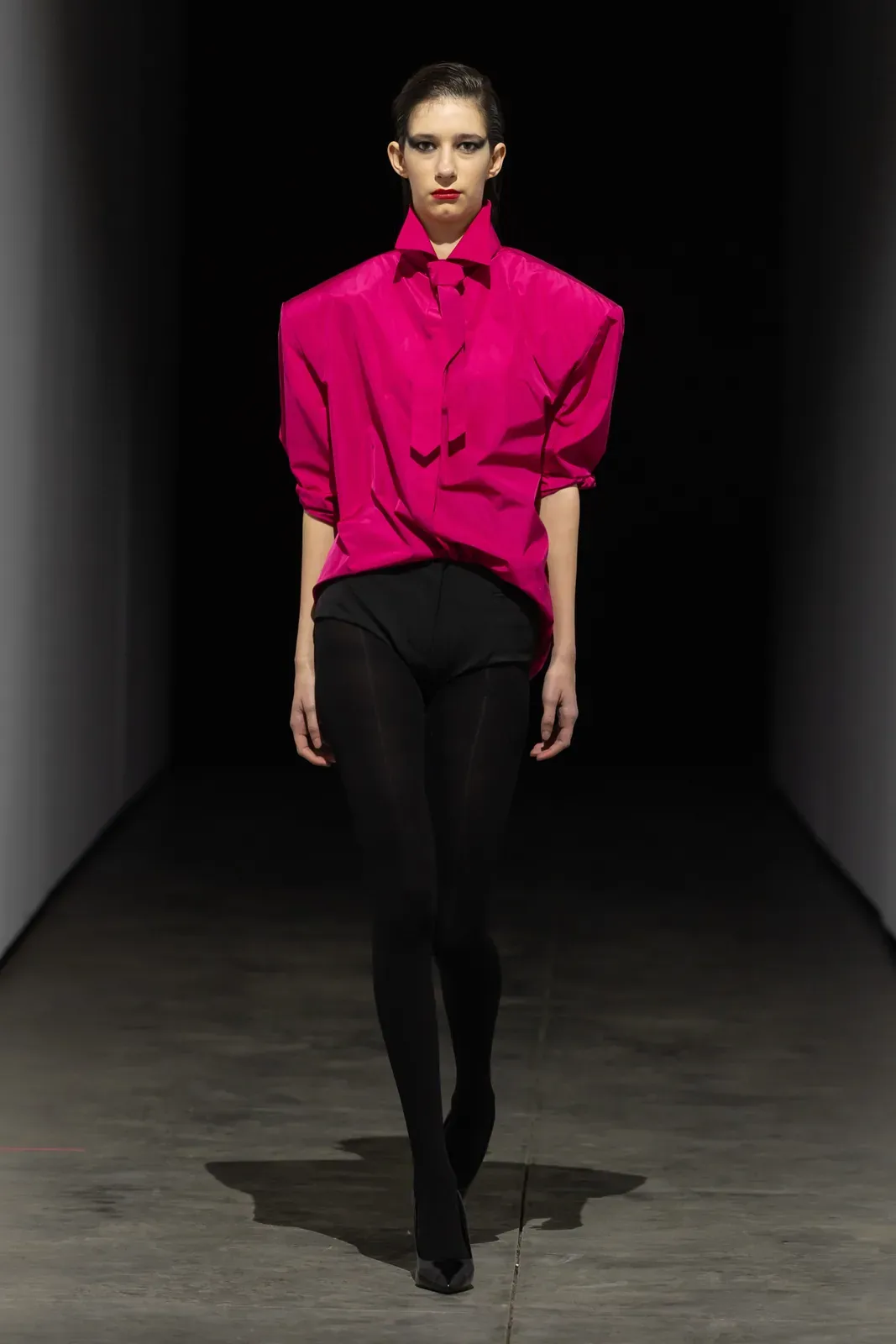
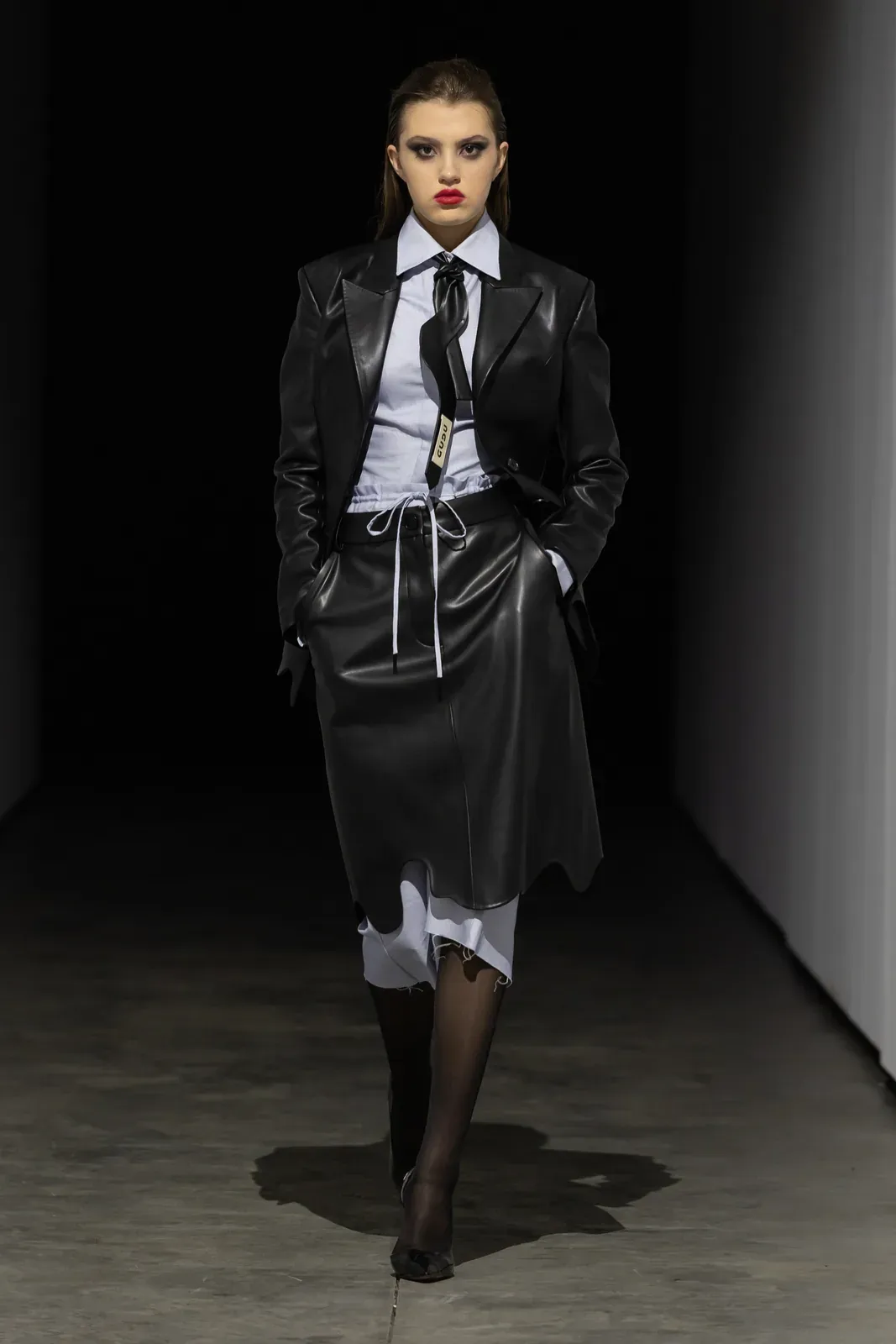
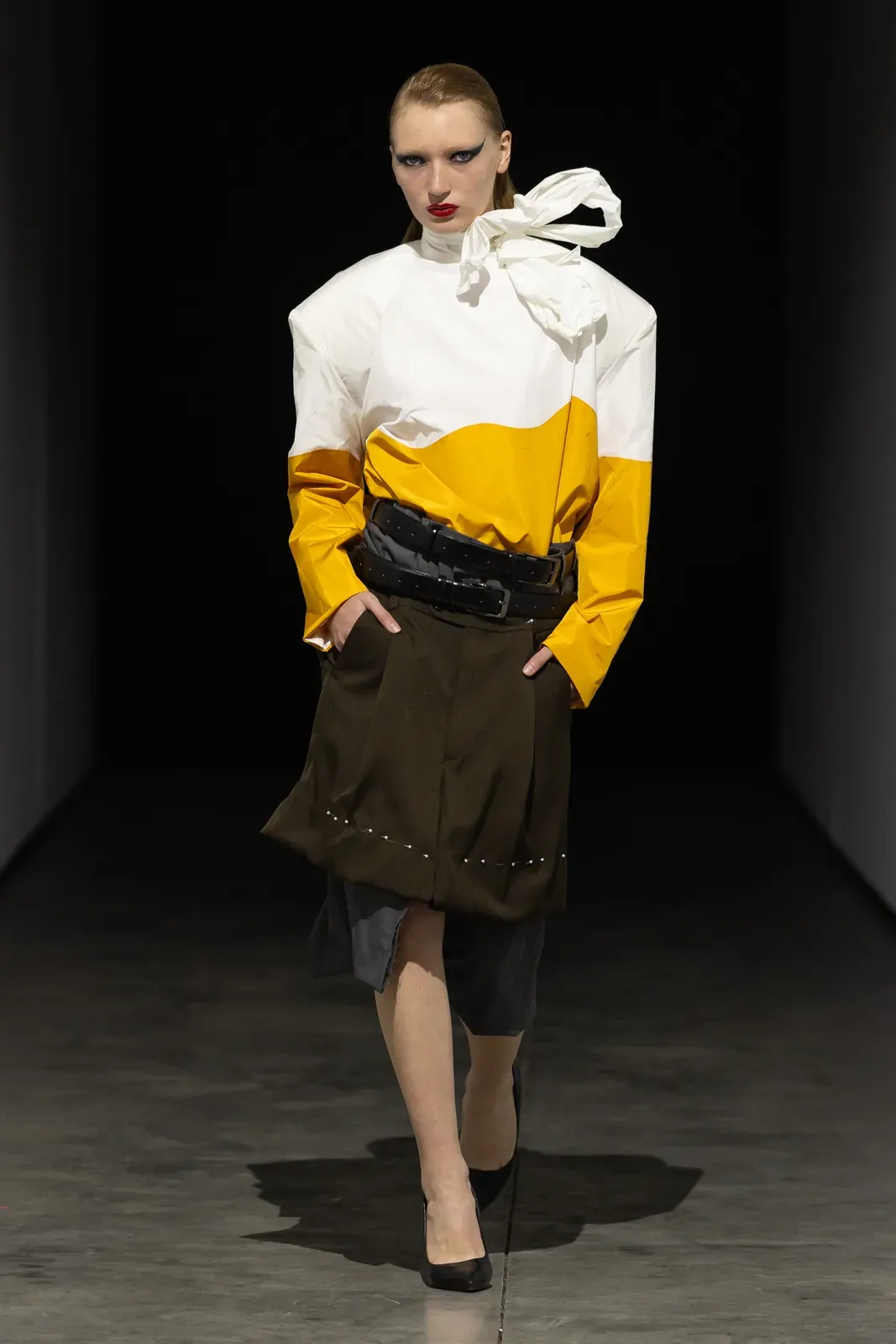
And last but clearly not least, we have GUDU, a highly respected Georgian brand led by Lasha Mdinaradze, which presented a collection that, according to what we heard people saying after the show, felt as though it could have been presented at a bigger fashion week and fit just as well. We agree with that opinion. A theme we’ve come to realise was very present throughout the Georgian collections this season, the dynamic between the masculine and the feminine and the contrasting meanings that can emerge from their sometimes opposing, sometimes complementary qualities, was also the main focus of GUDU, paired with silhouettes that reflect both sides. Black shares the spotlight with bright pink, oversized garments sit alongside fitted, tailored and bodycon pieces, while strong lines meet and converge rather than clash.
Every Friday, METAL Weekly gathers the week's stories. Subscribe.