Derek Barbolla, founder and creative director of Cercle, doesn’t speak about the project in terms of scale first, even now, with its most ambitious festival yet just weeks away.
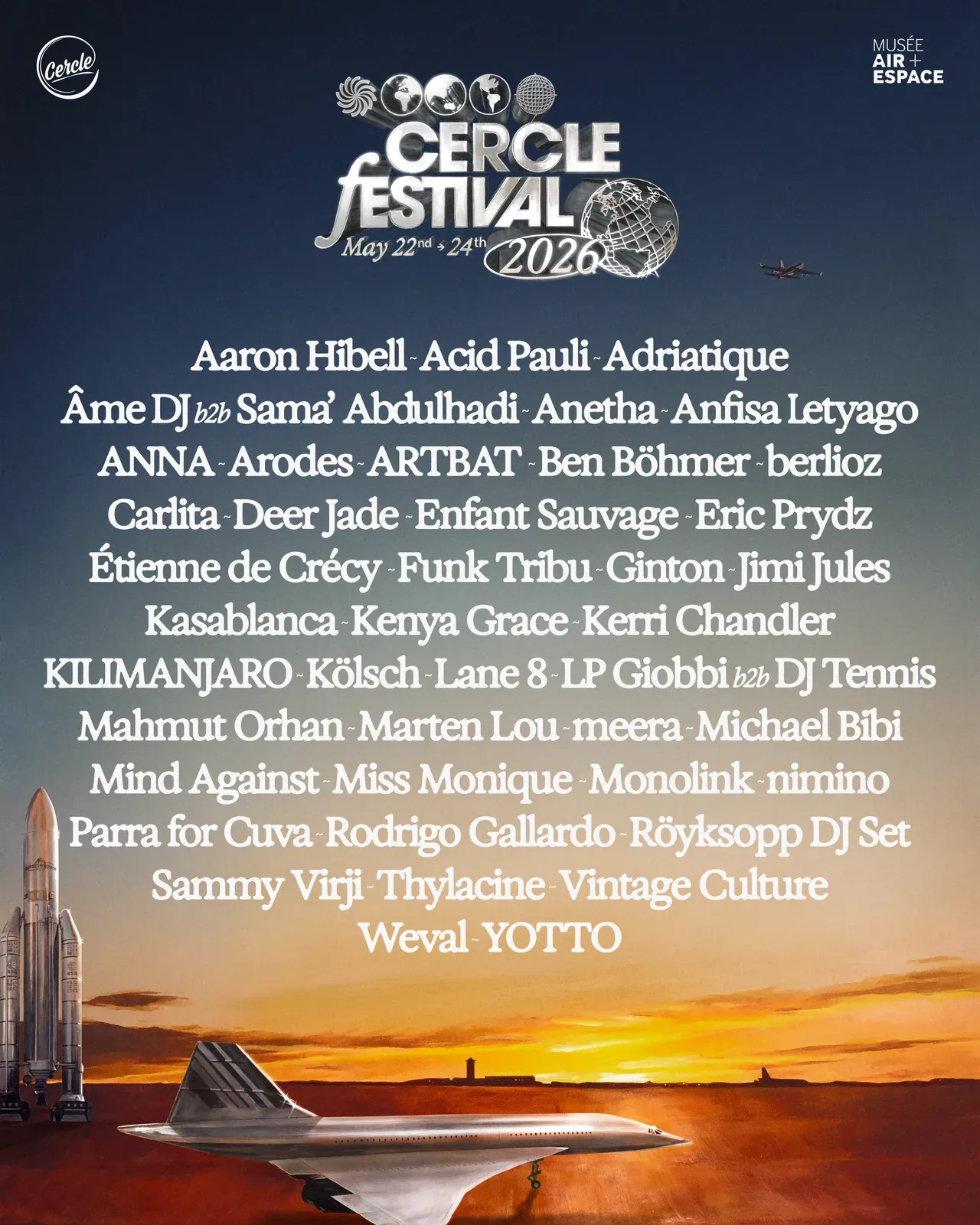
At the National Air and Space Museum, where rockets and aircraft become part of the story, his focus stays on something less obvious: how a place can shape the way music is felt. With three days, over forty artists and a lineup that moves across genres and generations, the idea is never to stay still. It’s about creating a journey that shifts, surprises and keeps the audience inside it from start to finish.
That mindset carries into the way he works, constantly moving between time zones and conversations as Cercle approaches its tenth anniversary. “My typical day is, first and foremost, never typical,” he says, half-laughing, before describing the pressure, the last-minute challenges, the moments that don’t go to plan. Still, what stays with him is something simpler, almost stubbornly so: “We do this work to move people… to make life a little nicer.” Maybe that’s where it all begins, not with the scale, but with the intent behind it.
Derek, first of all, thank you for taking the time to speak with us in such a busy moment. Cercle Festival at the National Air and Space Museum is around the corner. What does a typical day look like for you at this stage?
Busy, a lot of pressure, but incredibly exciting! My work on the artistic direction for the festival has been wrapped since December, both artistically and visually (i.e., scenography), so right now it’s mainly the production and communication teams who are entering their most intense phase.
As for me, my typical day is, first and foremost, never typical (laughs). A big part of my time right now is dedicated to Cercle’s ten-year anniversary and the preparation of a very special project we’re creating for the occasion. The only thing that I can say right now is that a single day of work often involves switching from one language to another and navigating multiple time zones. I also have a lot going on with the curation of our label, Cercle Records. We received some very good demos over the last few weeks…
As for me, my typical day is, first and foremost, never typical (laughs). A big part of my time right now is dedicated to Cercle’s ten-year anniversary and the preparation of a very special project we’re creating for the occasion. The only thing that I can say right now is that a single day of work often involves switching from one language to another and navigating multiple time zones. I also have a lot going on with the curation of our label, Cercle Records. We received some very good demos over the last few weeks…
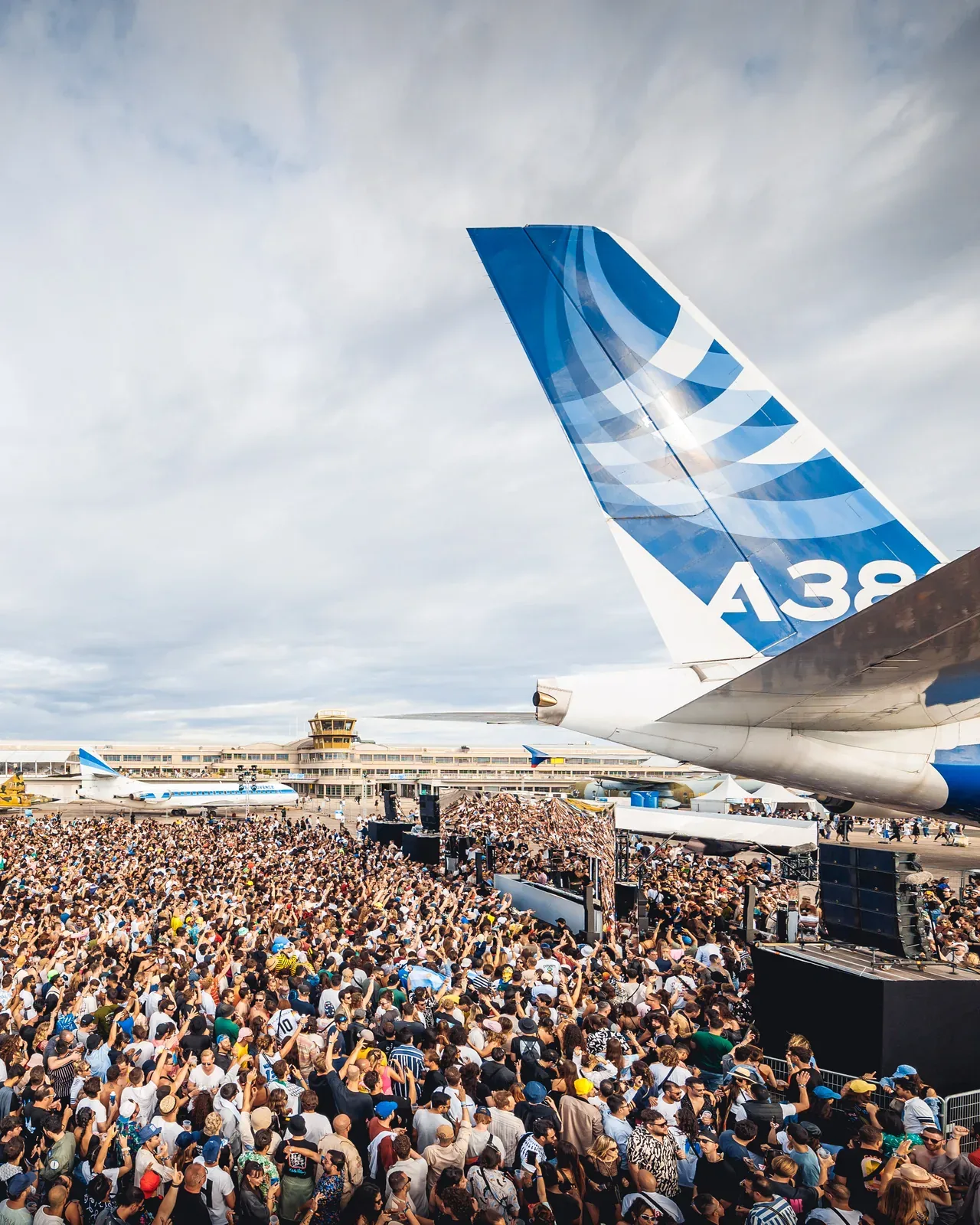
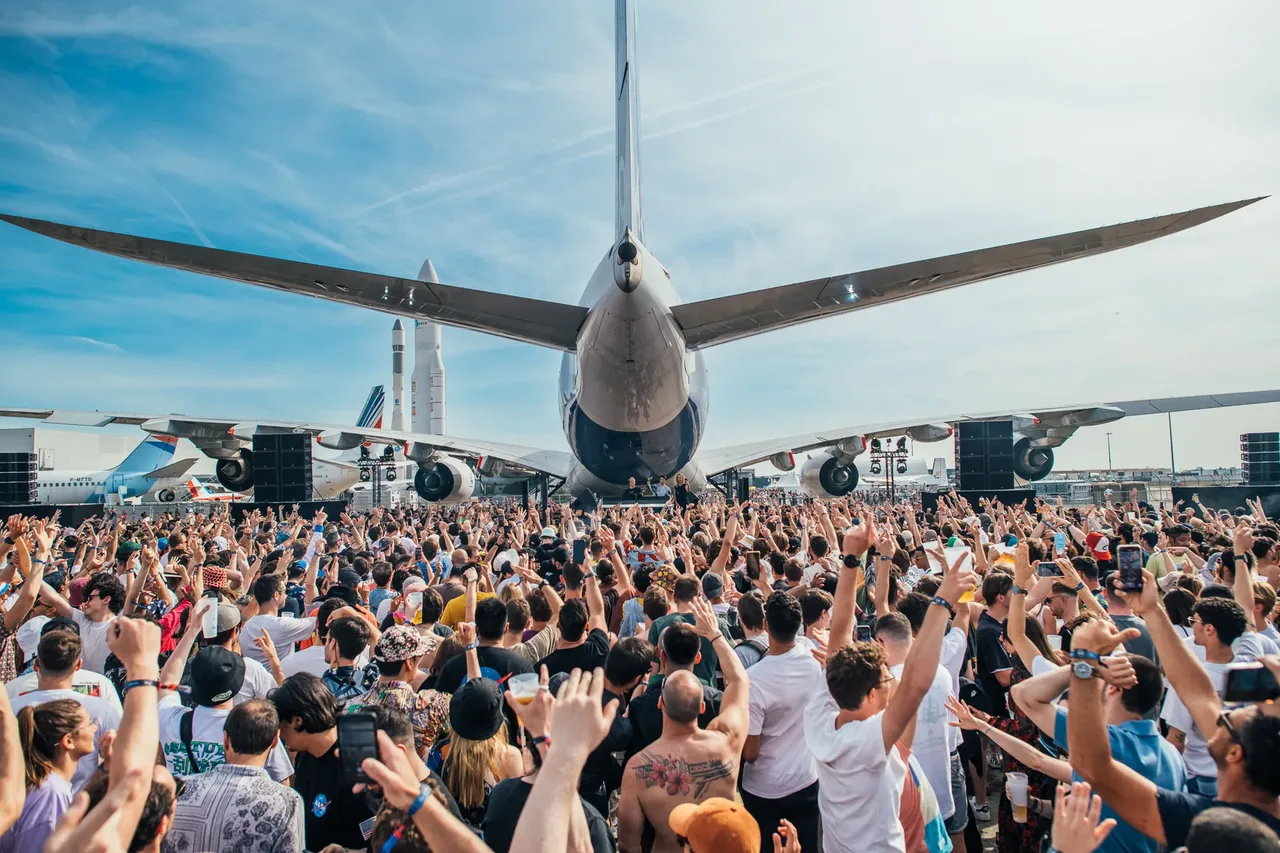
Cercle Festival unfolds among rockets, Concorde aircraft and the A380 at the National Air and Space Museum. When you’re working with a setting that iconic, how much does the space influence the way you design the festival?
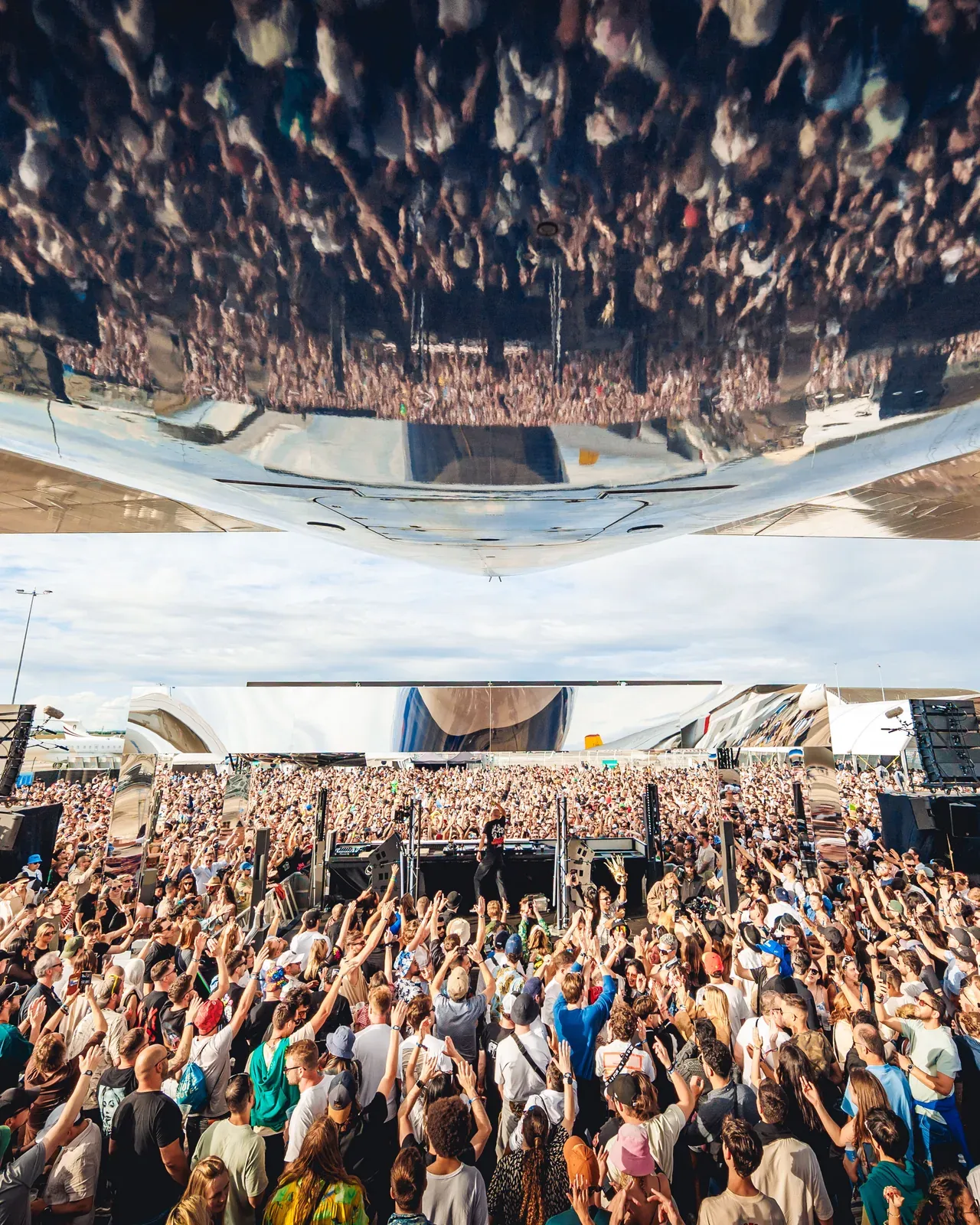
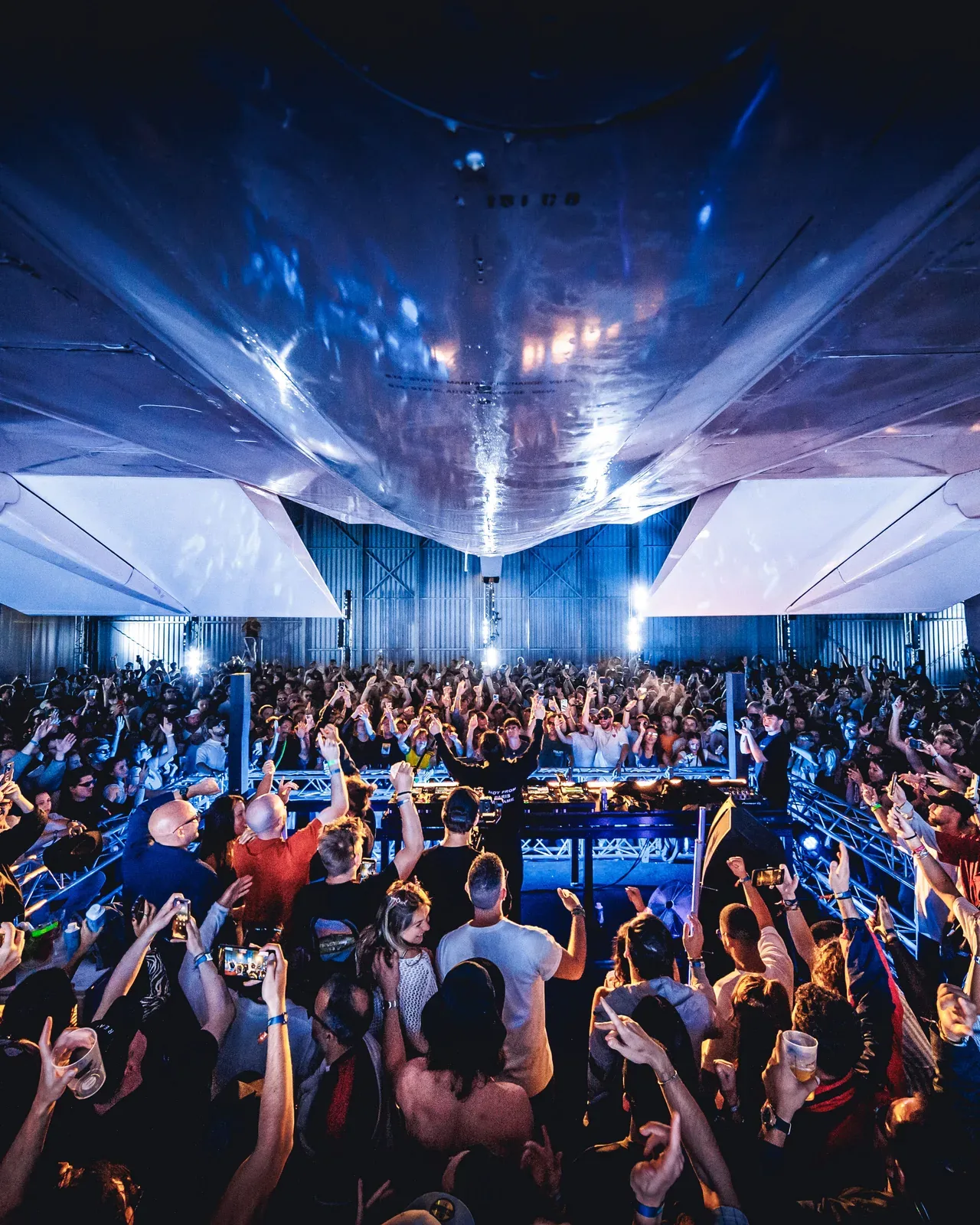
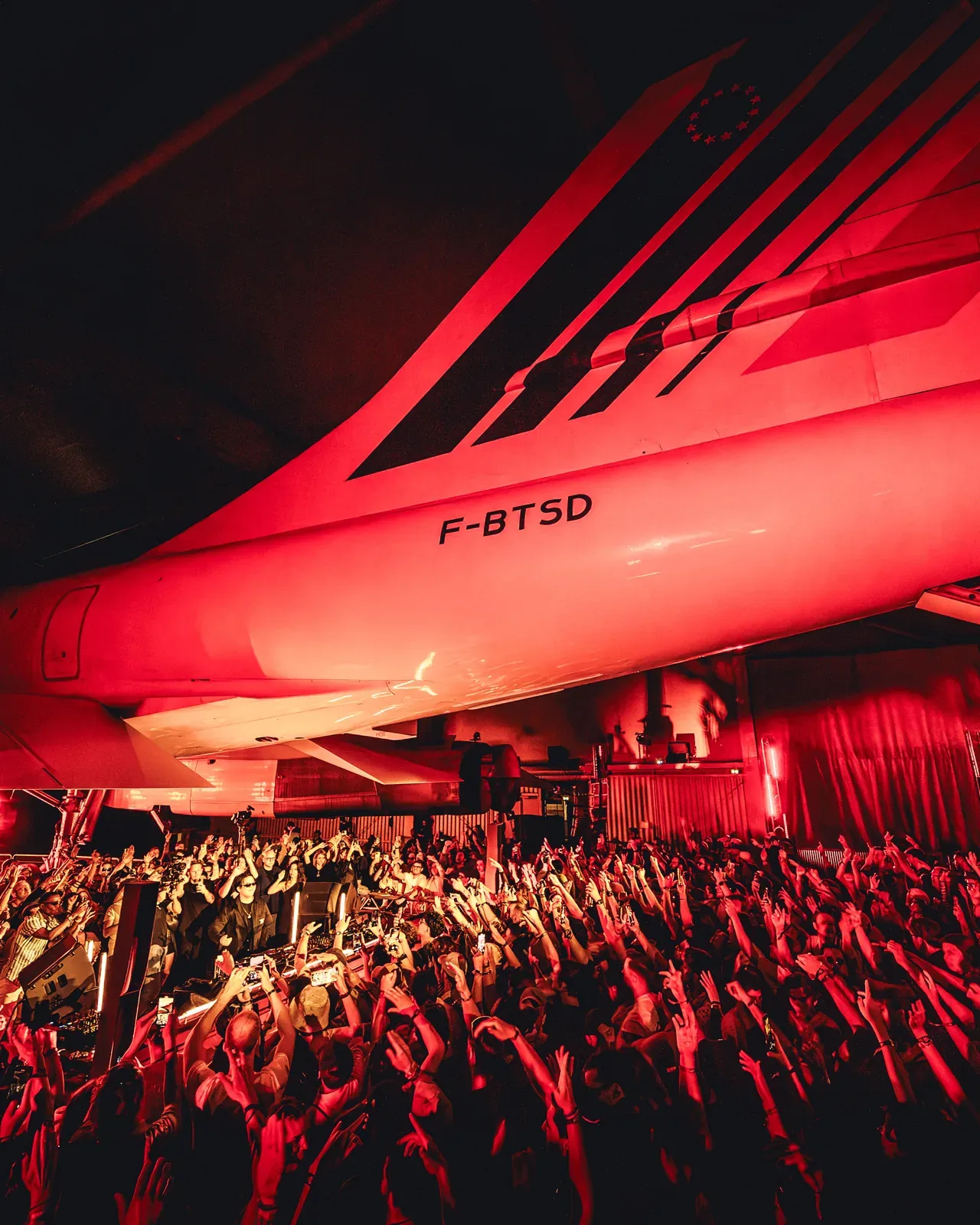
The venue totally influences the way we design the festival! It’s even part of the design. When we first did a Cercle Show at the National Air and Space Museum in 2017 with Pan-Pot, I immediately felt that we could dream much bigger there. And five years later, here we were, launching Cercle Festival in this iconic location. Most festivals take place in a field, a wide open, blank space where everything has to be built from scratch. For us, the scenography starts with the venue itself. Very few people have ever seen a rocket or a Concorde from that close.
Then, the magic of our scenography teams comes in. Everything is designed to immerse the audience in the space and in the world of aviation and space. We always push the experience further and make it more and more immersive. The Concorde stage will also evolve this year to celebrate the fiftieth anniversary of its first commercial takeoff in 1976.
Then, the magic of our scenography teams comes in. Everything is designed to immerse the audience in the space and in the world of aviation and space. We always push the experience further and make it more and more immersive. The Concorde stage will also evolve this year to celebrate the fiftieth anniversary of its first commercial takeoff in 1976.
The lineup is very ambitious: forty-four artists from nineteen different countries across three days. How far in advance do you start building a programme like this, and how does that process unfold over time?
We put so much thought and love into this lineup. We began working on it as early as June 2025. More than just stacking names, the idea was to create a real journey, something that evolves and is surprising from beginning to end. I don’t like it that much when one stage equals one type of music, for example, a ‘techno stage’ or a ‘tech house stage’ all day long; I like it way more when it evolves, when there are contrasts, changes. I find this way more exciting for the audience, and I’m incredibly happy with the result.
Very early on, we opened the conversation to the whole Cercle team and asked everyone to share ideas. That was really valuable because the team is very passionate and knowledgeable about electronic music. Then, alongside my dear curator colleagues Clément Meyere and Claire Miller, we tried to imagine a lineup that feels deeply connected to what Cercle is. We wanted to bring together artists who have a special place in our story, like Ben Böhmer, Monolink, Mind Against, Kölsch, Miss Monique, Adriatique, ARTBAT — they all feel like family. And we also wanted to work with many other artists, making space for different energies and new musical directions.
What excites me this year is that the audience will get to experience a much wider range of genres, from the retro-futuristic vibes of Funk Tribu to UK garage and higher BPMs with the amazing Sammy Virji, techno with Anetha, but also beautiful jazzy moments with Berlioz. And having Michael Bibi and Lane 8 on the lineup feels very special, especially since they both play so rarely in Paris.
Very early on, we opened the conversation to the whole Cercle team and asked everyone to share ideas. That was really valuable because the team is very passionate and knowledgeable about electronic music. Then, alongside my dear curator colleagues Clément Meyere and Claire Miller, we tried to imagine a lineup that feels deeply connected to what Cercle is. We wanted to bring together artists who have a special place in our story, like Ben Böhmer, Monolink, Mind Against, Kölsch, Miss Monique, Adriatique, ARTBAT — they all feel like family. And we also wanted to work with many other artists, making space for different energies and new musical directions.
What excites me this year is that the audience will get to experience a much wider range of genres, from the retro-futuristic vibes of Funk Tribu to UK garage and higher BPMs with the amazing Sammy Virji, techno with Anetha, but also beautiful jazzy moments with Berlioz. And having Michael Bibi and Lane 8 on the lineup feels very special, especially since they both play so rarely in Paris.
“Most festivals take place in a field, a wide open, blank space where everything has to be built from scratch. For us, the scenography starts with the venue itself.”
Looking at the lineup, there’s an interesting dialogue between generations of electronic music — artists like Eric Prydz, Röyksopp or Kerri Chandler alongside names such as Sammy Virji, nimino or Funk Tribu, as you just mentioned. When you’re building a programme like this, how do you think about that balance between established figures and the artists shaping the next wave?
I’m glad you realised that dialogue! It’s such a privilege to work with artists like Röyksopp, Eric Prydz or Kerri Chandler. I’m a huge fan of their work. And for artists like Sammy Virji, nimino or Funk Tribu, I’ve spent so much time listening to their sets, and I was genuinely very excited about what they could bring to the festival. We didn’t think about it as a balance between generations; it was more about gathering artists we truly love and admire in one place.
The lineup has been out for a few months now. How has the audience response been?
The response has been so amazing, and I’m grateful for all the positive feedback. At a time when there’s often a lot of negativity on social media, it honestly feels great to see people so happy and excited about it! That’s exactly why we work so hard on these events, to make people happy and dance.
At the time, you also highlighted the presence of French artists such as Anetha, Enfant Sauvage, Thylacine, Marten Lou and Étienne de Crécy. How important was it for you to showcase that French scene in a festival that attracts such a global audience?
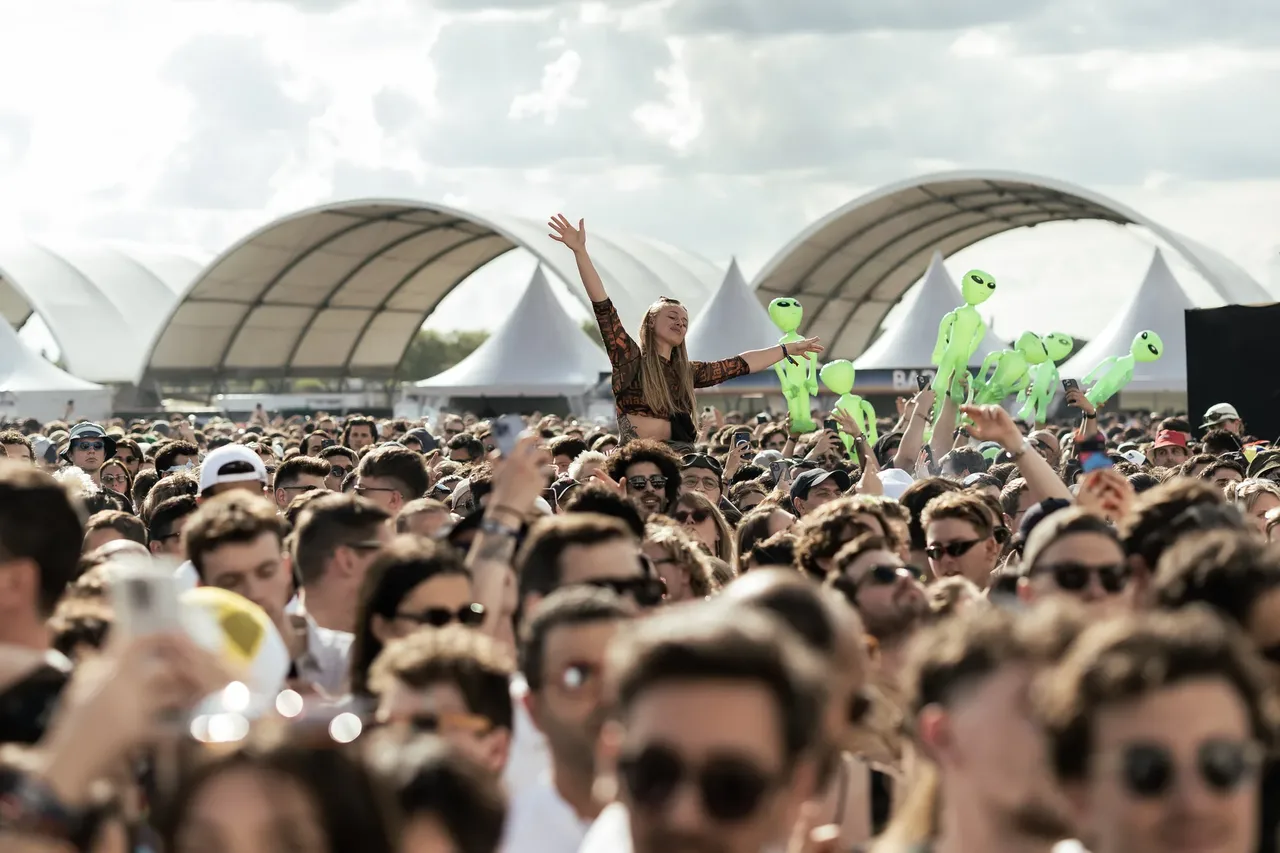
It’s very important for us, and even if our project is now pretty international (more than fifty per cent of Cercle Festival attendees come from abroad), I feel we must stay true to our French roots. I listen to artists from everywhere, and the French scene is also exceptional. So I’m really happy that, through the festival, we can also introduce some of our local gems to our dear audience.
This year also marks the tenth anniversary of Cercle. Looking back at the very beginning, before the viral performances and the extraordinary locations, what was the initial idea behind the project?
When Cercle began, the visual side of electronic music wasn’t really being explored the way it is now. DJ sets were mostly tied to dark clubs, nightlife, and a more underground aesthetic. But for me, it was always a kind of music that could also connect beautifully with nature, with sunsets, with landscapes, with something more contemplative. At the same time, I’ve always been passionate about music, travel and cinema. Cercle came from the desire to bring those three worlds together into one project.
When you look at the timeline of Cercle, from the first show in 2016 to hundreds of events around the world and performances in UNESCO heritage sites, which moment truly changed the scale of the project for you?
One day, back in 2016, I filled out the contact form for the Eiffel Tower and asked if we could come and film a show there. They said yes. That was really the moment when everything started to accelerate. The video performed incredibly well, and the very next day, we began receiving calls from majors, artists, and tourism boards. Quite quickly, we started to be seen differently by the industry. But I think we understood the scale of it most clearly through the comments under our YouTube videos. Seeing people from all over the world watching Cercle, sending us so much love, almost from the very beginning of the project, was kind of crazy.
How many people are actually involved behind the scenes, and how do production, set design and artistic direction come together to create those immersive experiences?
It depends on each project. The festival gathers more than five hundred people working onsite! It’s like a mini city. Some shows may require a small team of five to ten people working on it for a few months, and other big projects like Cercle Odyssey can require thousands of people — literally! Often, the biggest challenge is adapting to extreme or unconventional environments, whether it’s a historical monument, a remote natural site, or a place not originally designed for large-scale events. What makes it work is that all these teams are in constant dialogue. Creative ideas are shaped by technical constraints, and constraints often inspire new creative solutions. That tension is actually where the identity of Cercle comes from: finding the balance between ambition, precision, and respect for the location.
In ten years, Cercle has evolved far beyond a series of concerts, with shows, a festival, a record label and immersive formats. At what point did you realise the project was becoming a broader cultural ecosystem?
I don’t think there was one specific moment when I realised it, because in many ways, it was always an artistic evolution. Cercle Shows, Cercle Festival, Cercle Records and Cercle Odyssey — each format feeds into the others, and every project both benefits from and contributes to the rest. For instance, when we create a Cercle Show, we often invite the artist to compose a track for Cercle Records inspired by the location itself. And it leads to truly special results, like Cappadocia by Ben Böhmer and Romain Garcia, created around the Cercle Show filmed in a hot-air balloon in Cappadocia, which recently went gold. Another example, we used some footage of Cercle shows inside Cercle Odyssey (The Blaze or WhoMadeWho, for example), which was kind of a crazy ‘inception’.
“When Cercle began, the visual side of electronic music wasn’t really being explored the way it is now. DJ sets were mostly tied to dark clubs, nightlife, and a more underground aesthetic.”
In a recent interview, you mentioned that every project teaches you something new and pushes you to raise the bar even higher. After ten years of Cercle, what would you say is the most important lesson you’ve learned about creating meaningful cultural moments?
Surround yourself with the right people. Passionate, talented, respectful and kind people, that’s the most important thing. We do this work to move people, to promote artists and the beautiful world we live in, to bring something meaningful and positive to others. We’re not saving lives, far from it, but I do like to think that, in our own way, we can help make life a little nicer. And you can’t do that if you’re surrounded by people with the wrong intentions.
From the outside, Cercle often appears as a succession of beautiful moments, including breathtaking locations and powerful visuals. But building something like this must also involve difficult decisions and unexpected challenges. Can you remember a particularly complex situation you had to face along the way?
Well, it is a succession of beautiful moments and crazy memories (laughs). But it’s true, there hasn’t been a single show where we didn’t face some kind of challenge. With every live broadcast, we’ve had at least one issue with the stream, the sound, electricity, the weather being too cold or too hot, or the internet, for example — always an issue! But the most important thing for us is that people don’t realise it, and that we fix it under the radar.
Talking about one that could not be fixed under the radar, I remember one show, in the early days of Cercle, where the recording and the live stream simply stopped in the middle of the show because of a storm. At that point, we had to go to the artist and their manager and ask if they’d be willing to start again from the beginning, and thankfully, they kindly agreed. The funniest part is that it was a show with an audience. So I had to go on stage, and literally tell everyone that the set was going to restart from scratch… and the audience actually took it really well, so we restarted the show!
Talking about one that could not be fixed under the radar, I remember one show, in the early days of Cercle, where the recording and the live stream simply stopped in the middle of the show because of a storm. At that point, we had to go to the artist and their manager and ask if they’d be willing to start again from the beginning, and thankfully, they kindly agreed. The funniest part is that it was a show with an audience. So I had to go on stage, and literally tell everyone that the set was going to restart from scratch… and the audience actually took it really well, so we restarted the show!
A few days ago, you shared a story about DJ Miss Monique, saying: “Back in 2018, I was at ADE when an artist came over to introduce herself. She was in the early days of her career: incredibly motivated, genuinely kind, and a little shy. I had no idea I was meeting the future Miss Monique.” After a cancelled appearance in the past, this year she will finally perform at Cercle Festival. What does it feel like to see an artist’s journey come full circle like that?
It’s so fulfilling, it’s a great feeling, honestly. Every time I see Miss Monique somewhere around the world, at a show or at a festival where she’s playing, I’m always smiling and happy. She’s such a great artist and human being. When we had to cancel her performance at Cercle Festival because a massive storm was coming, it was such a frustrating moment. At the same time, we were already working on the Cercle Show at the Biosphere Museum in Canada, and we had just received the authorisations. So a few days after the festival, I asked her if she wanted to do that show because I was still frustrated that I hadn’t been able to see her perform.
Moments like this reveal a much more human side of the industry. Over the years, you must have built many personal relationships with artists. How important are those connections for you, and is there a real sense of camaraderie behind the scenes?
It’s very important, of course. With some artists, we’ve shared such intense and unforgettable experiences that they create a bond. Most of the time, we had never even met before the show, and we ended up crying together afterwards, just because the pressure finally drops, and we all realise that what we imagined actually happened. Sometimes, we travel with the artist for many days in remote places and hard conditions (such as in Lapland, for example, for the Northern Lights show with Sofiane Pamart).
What I like the most about that is when we can collaborate on a project, and not just simply ‘book’ an artist. When it’s actually more than a booking. For example, for the Odyssey shows, we had the ability to sit down with some artists and think of the show together. Most of the time, when this happens, the show is more intense, more meaningful, and the audience, indirectly, always feels it.
We are in a time where everything is going so fast, a song can be produced in a few hours on a plane… So I like it when we take the time to work on a show. As my father always said to me when I was younger, to achieve a successful project, it is ninety-five per cent hard work, the rest is a bit of luck, a bit of talent, and a bit of audacity, but it’s mainly and before all, work work work.
What I like the most about that is when we can collaborate on a project, and not just simply ‘book’ an artist. When it’s actually more than a booking. For example, for the Odyssey shows, we had the ability to sit down with some artists and think of the show together. Most of the time, when this happens, the show is more intense, more meaningful, and the audience, indirectly, always feels it.
We are in a time where everything is going so fast, a song can be produced in a few hours on a plane… So I like it when we take the time to work on a show. As my father always said to me when I was younger, to achieve a successful project, it is ninety-five per cent hard work, the rest is a bit of luck, a bit of talent, and a bit of audacity, but it’s mainly and before all, work work work.
When you start imagining a project like this, what usually comes first: the place, the artist, or the idea of the experience you want to create there?
It almost always starts with the place. Depending on the kind of atmosphere or emotion we want to create, we first need to find the location that can carry it. A sandy beach doesn’t give you the same feeling as an industrial building. The place defines the energy of the show. And from there, we start thinking about the perfect musical match, which artist can step into that space and make it their own through their music.
For every Cercle Show, we’re looking for the right balance between the artist, the place and the audience. So when a location is confirmed, we don’t send it to every artist we’d love to work with. We think thoroughly about who fits best and who can connect with that experience in the most natural way.
For every Cercle Show, we’re looking for the right balance between the artist, the place and the audience. So when a location is confirmed, we don’t send it to every artist we’d love to work with. We think thoroughly about who fits best and who can connect with that experience in the most natural way.
Looking ahead to the next ten years, what is the dream you still hope to achieve with Cercle?
The ultimate dream, I think it would have been to do a show in space. But for obvious environmental reasons, that’s not something that will ever happen. In a way, though, that dream has still come a little bit to life, since Sophie Adenot, the second French woman astronaut to travel to the ISS, will symbolically open Cercle Festival from the International Space Station, four hundred kilometres above Earth. Or let me give you another dreamy one: maybe a show underwater… Who knows :)