Let’s start with a confession: despite having gone to Dekmantel for the last nine years (most of which as a music writer), I just googled the right words to describe it. Sure, Dekmantel is an electronic music festival set in and around Amsterdam. But what are its adjectives? Is it reverent or irreverent? Unsh-unsh-unsh or ecstatic house? Smoke machines, flashing lights or sunny fields? Should you wear your Margiela Tabis, battered Asics or go barefoot?
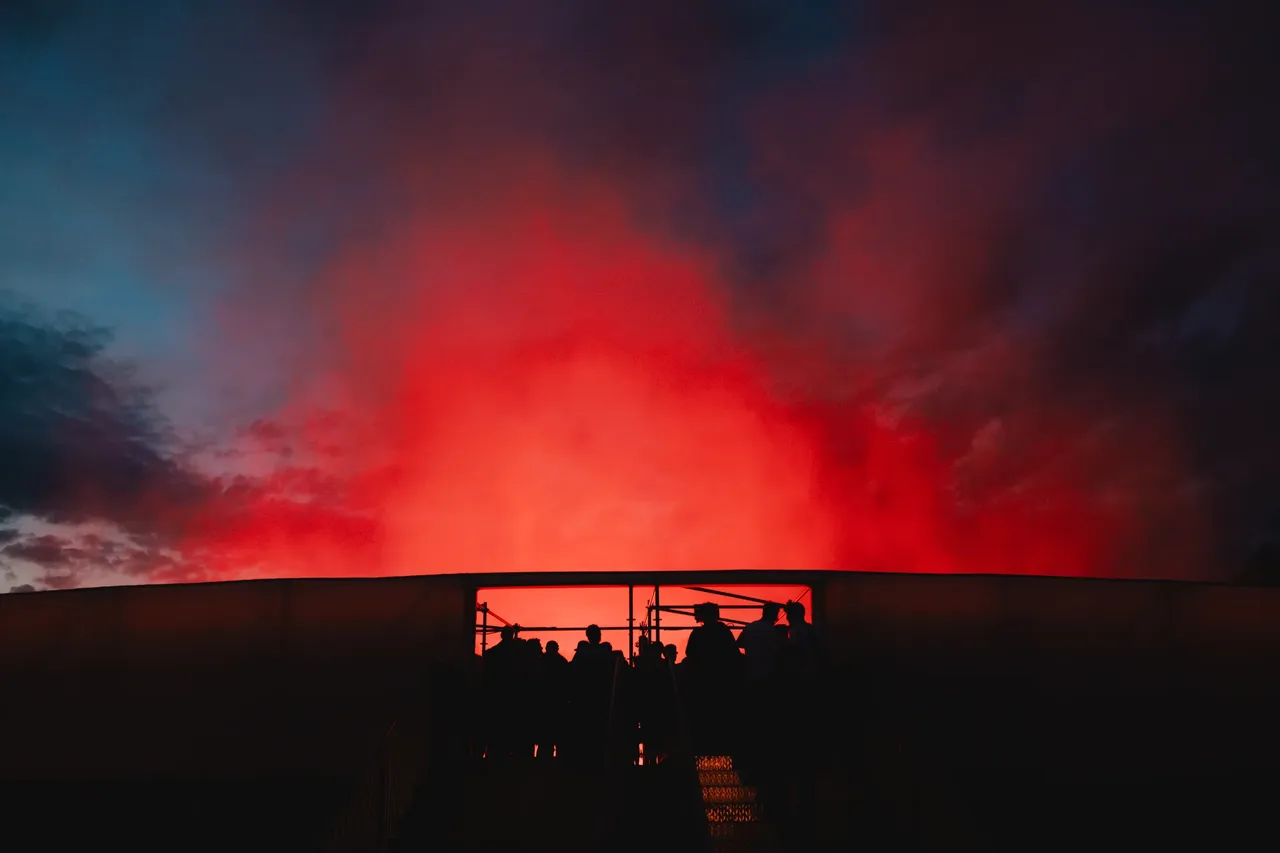
The festival simply means different things to different people. That’s intentional: “I think the difficulty in describing Dekmantel is actually quite fundamental to what we’re trying to do. We’ve never wanted to tell people exactly what they should take from it,” explains Dekmantel’s co-founder, Casper Tielrooij. Obviously there’s diversity to be found in the official fringe programme: all the befores and afters happening in five venues across the city. You can attend a free workshop on how to run a club or a panel talk on dancefloor activism. You can pull an all-nighter between festival days at a garage-turned-club in Amsterdam Noord. But Dekmantel’s lack of prescription becomes most evident when all these sounds, visitors and experiences mix on the festival grounds. For three days, this small patch of forest becomes its own ecosystem: a place for early birds and night owls.
Speaking of the ecosystem, did you know you can pick blackberries at a bush near the entrance? They made a good breakfast for the festival’s new morning part: Dekmantel at Dawn. Tielrooij gives an introductory talk as the festival around us slowly comes to life with its first visitors, like it’s drawing its first breath of the day (those were, erm, regular blackberries… probably). He explains he wanted to expand the programme for all the early birds keen to catch an earworm. “The stages are already here. Why not give the people more music?” he asks our semicircle of music writers. Everyone nods in agreement.
Having aged into somewhat of a sensible morning person (I attended my first Dekmantel spontaneously after pulling an all-nighter at an illegal rave), I must admit: Dekmantel at Dawn is a vibe. It’s nice to ease into a festival, sipping a complimentary mimosa and dipping your Asics-clad toe into the first musical acts, or simply grounding yourself on the festival grounds before chaos and debauchery ensue. Programming-wise, Dekmantel at Dawn is more a listening experience than a clubby one. Over at the Greenhouse, RA hosts a panel talk with Saul Williams and James Massiah. Both artists are poets and musicians, speaking passionately about the political power of words well said.
At the Selectors stage, DJ Sprinkles — a figurehead of New York’s queer dance music scene — plays her Deeperama set: floaty melodies and ambient beats made for deep listening. Most people are relaxing under the spruce trees; some sway romantically like a high school prom slow-dance. Later that weekend, Eris Drew presents her Mystery of the Motherbeat. The Motherbeat, she once told us, revealed itself during a psychedelic experience, “listening to the air conditioner, hearing the party in the air conditioner and weirdly hearing the air conditioner in the party,” which made her realise that everything is interconnected, and that techno, fundamentally, has always been here. It’s an animist way of looking at life and music, and you can feel it in the way she plays. Like all her sets, this one’s on vinyl.
Front left by the speakers, completely immersed, is Maya Bouldry-Morrison; you might know her as Octo Octa, Eris’s partner (and no +1 here — they’ll play the Loop together later that day and she’ll close the weekend with an unhinged DnB set of her own). Eris drops the needle, works the mixer and pulls off rewinds that must take solid technical know-how. But it also feels intuitive. She sometimes closes her eyes before letting go of a record, as if she’s literally feeling the music. The bass is deep and convulsing, Dopplering through the field; the vocals are silky soft. We’re all feeling the music, and this really isn’t just a listening experience. It’s a dancing one.
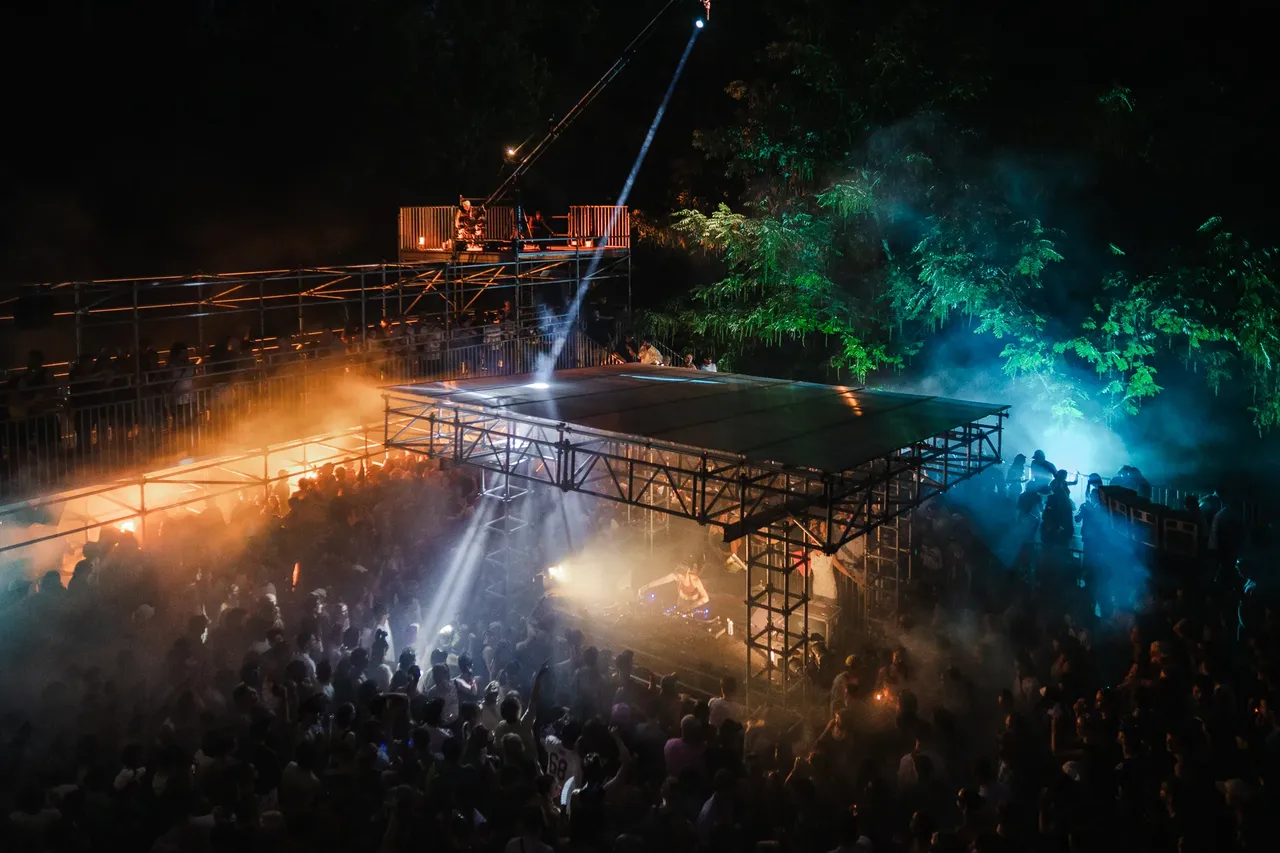
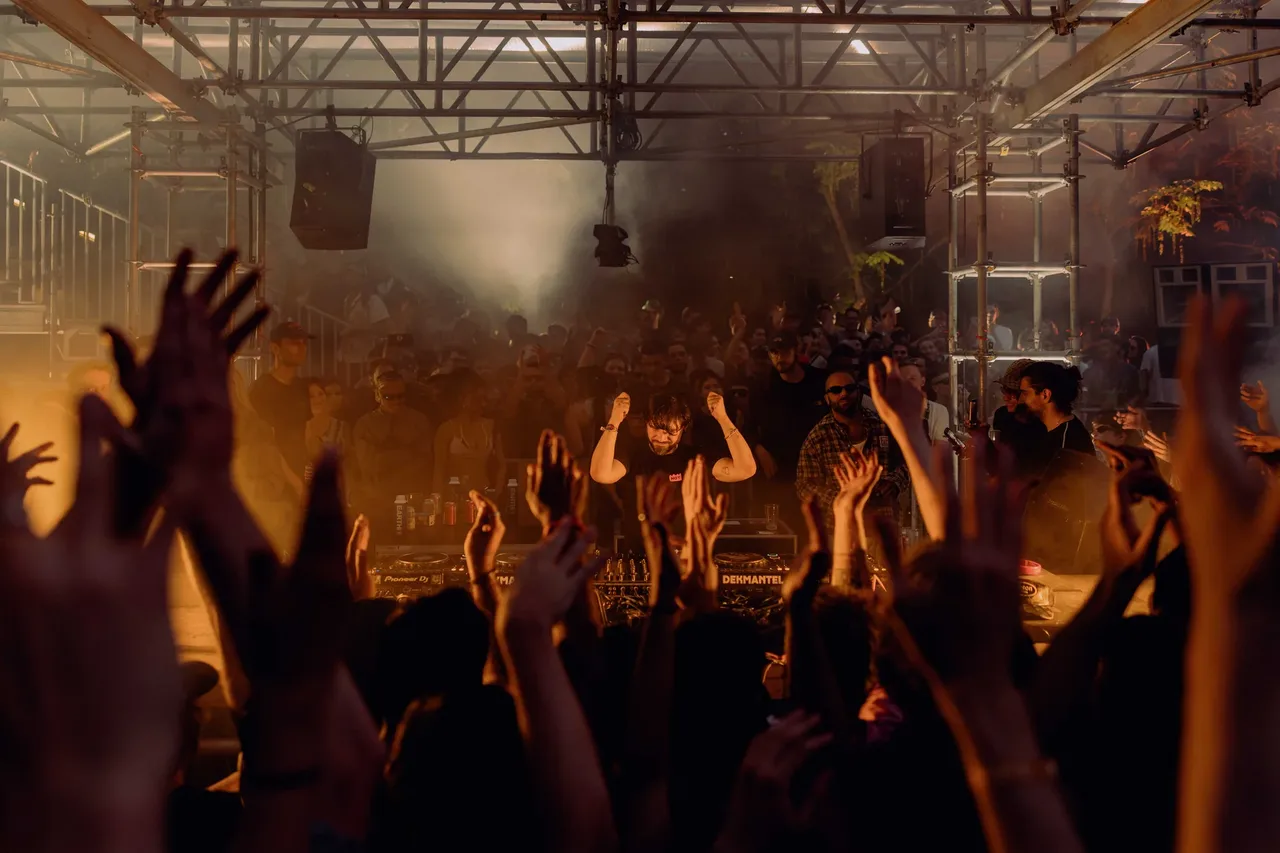
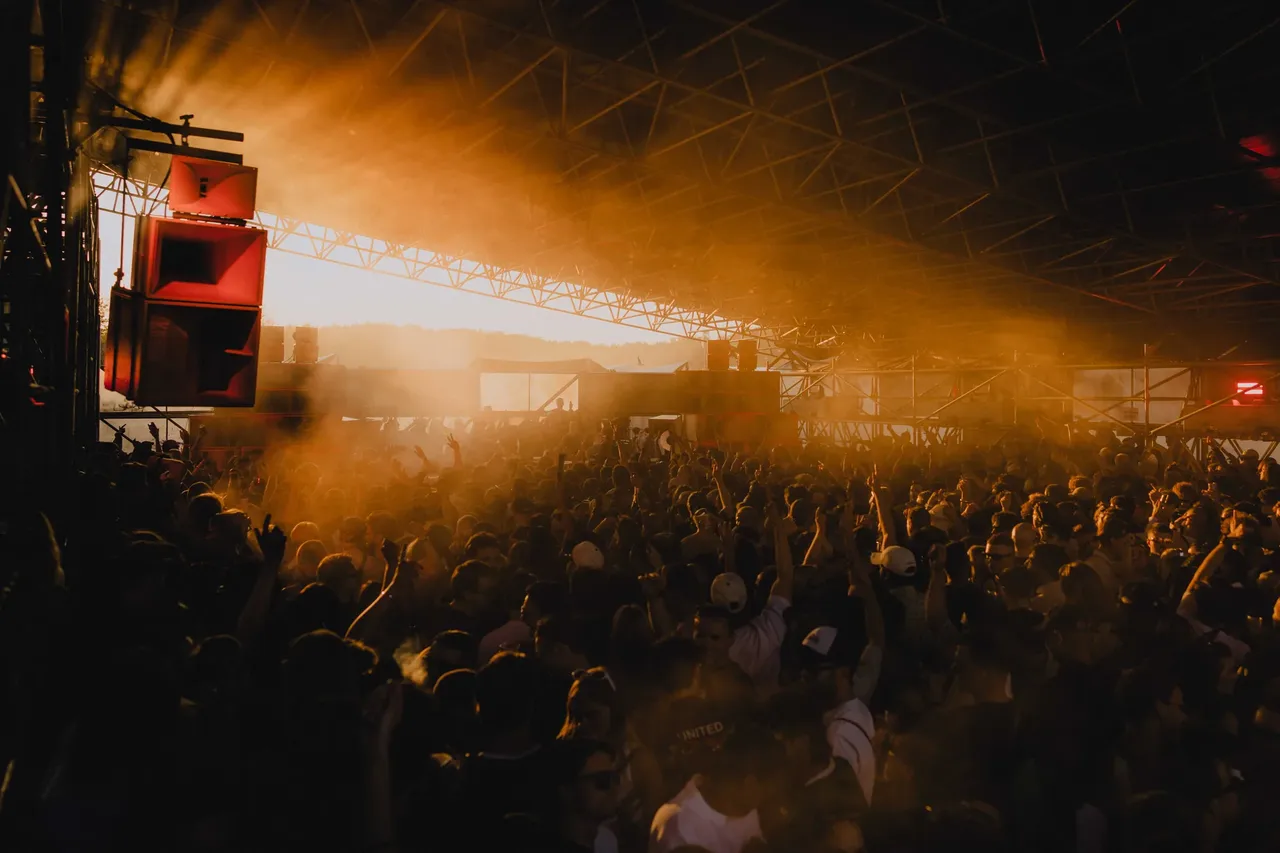
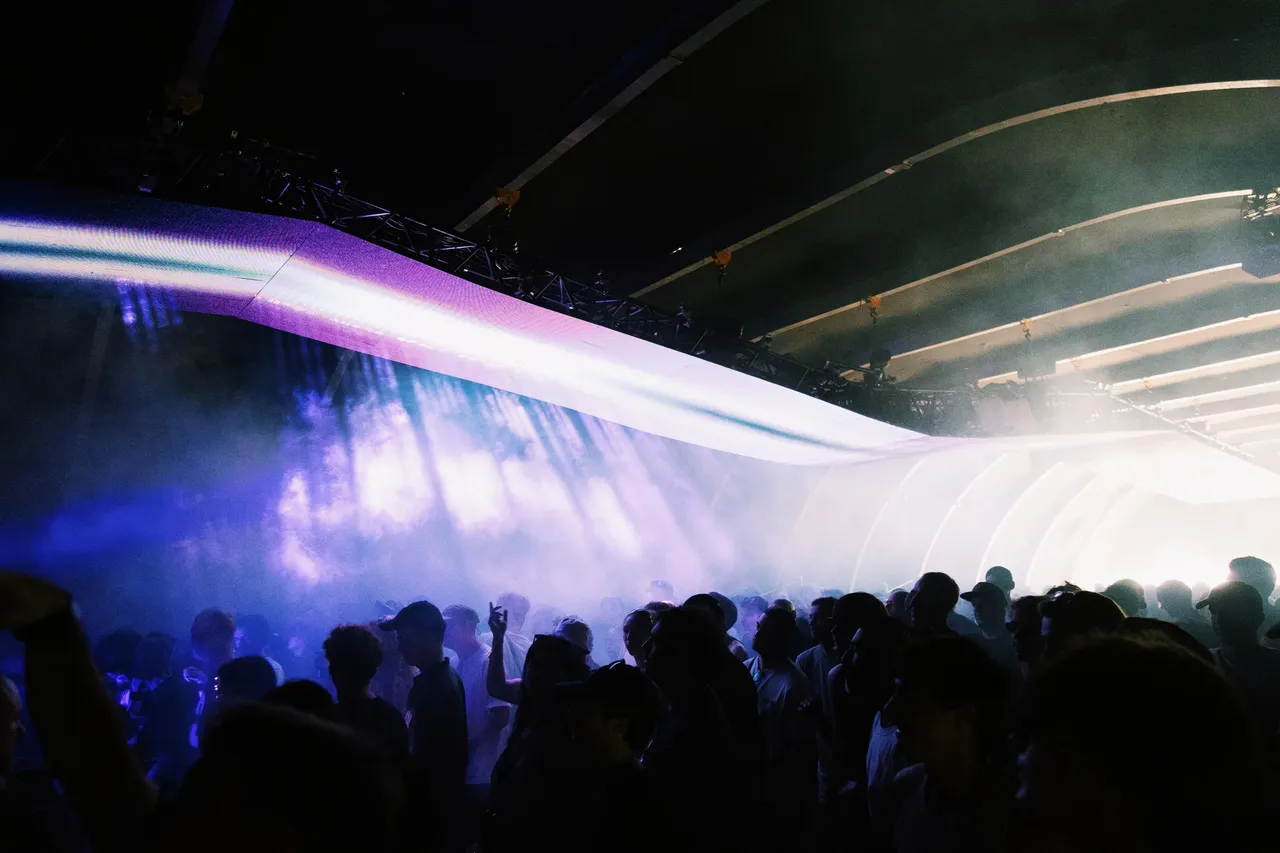
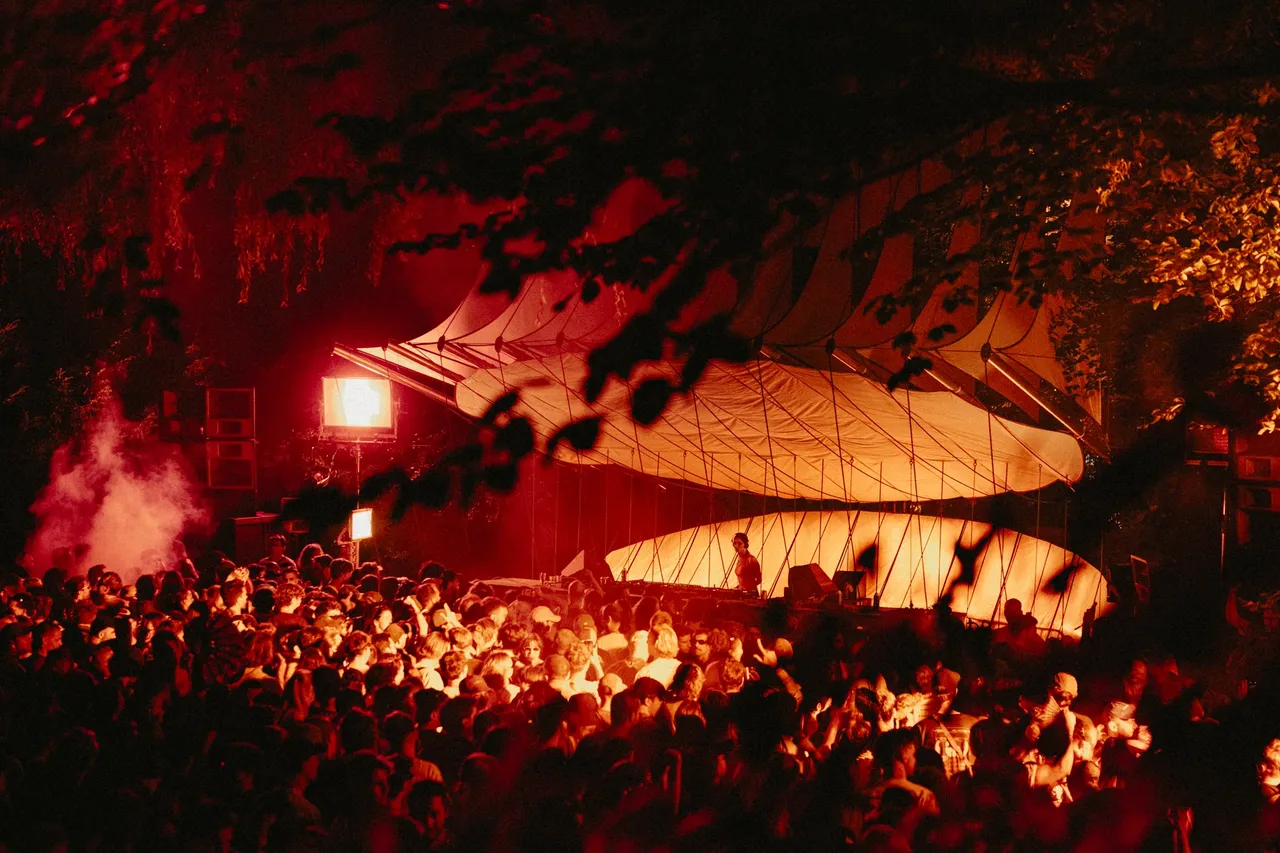
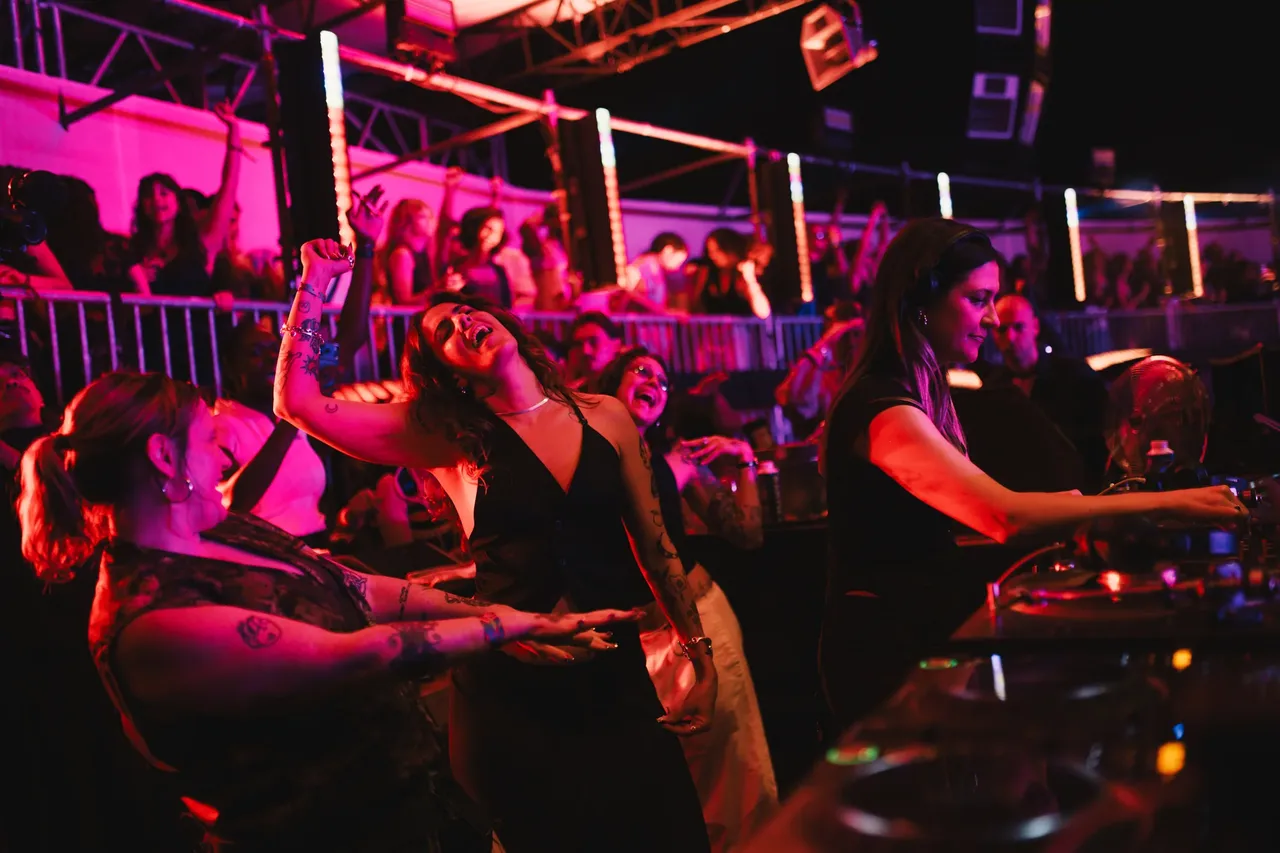
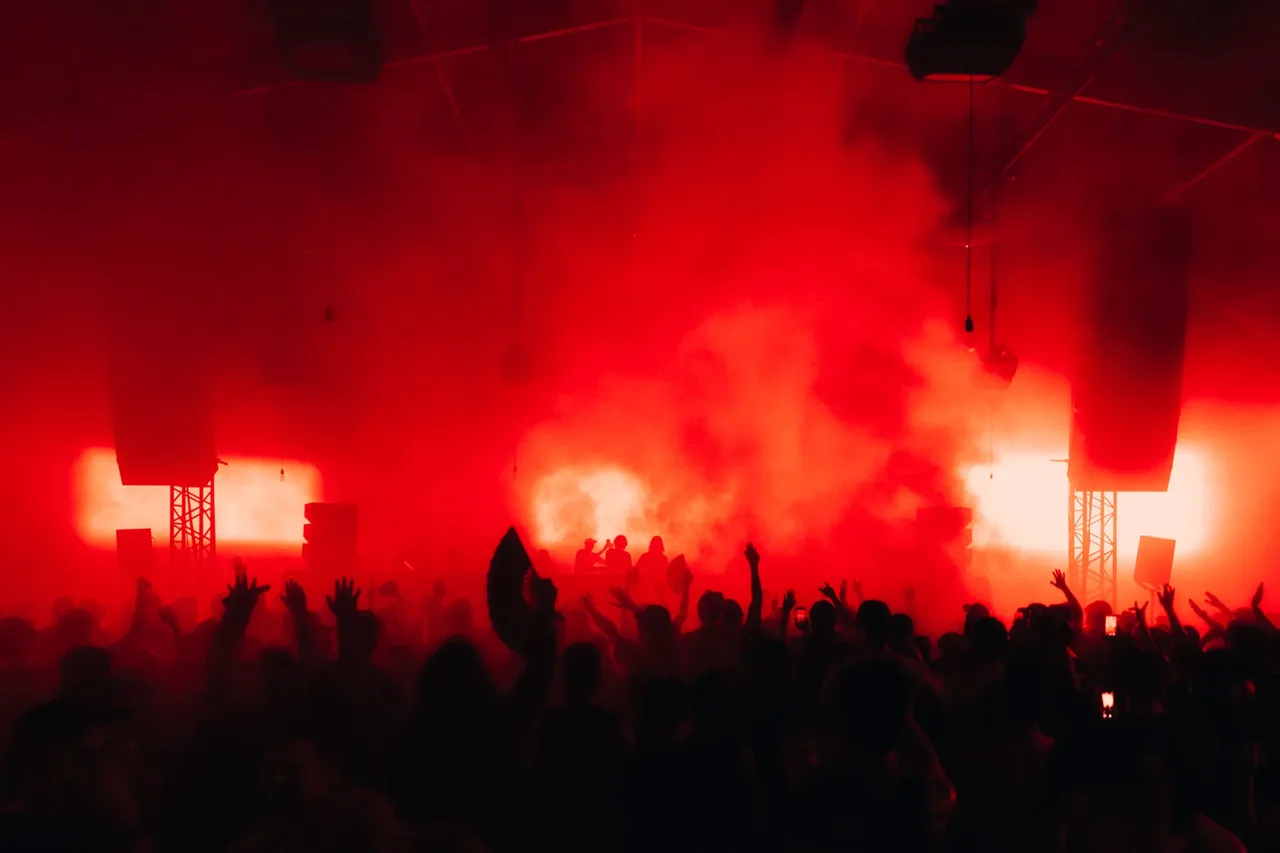
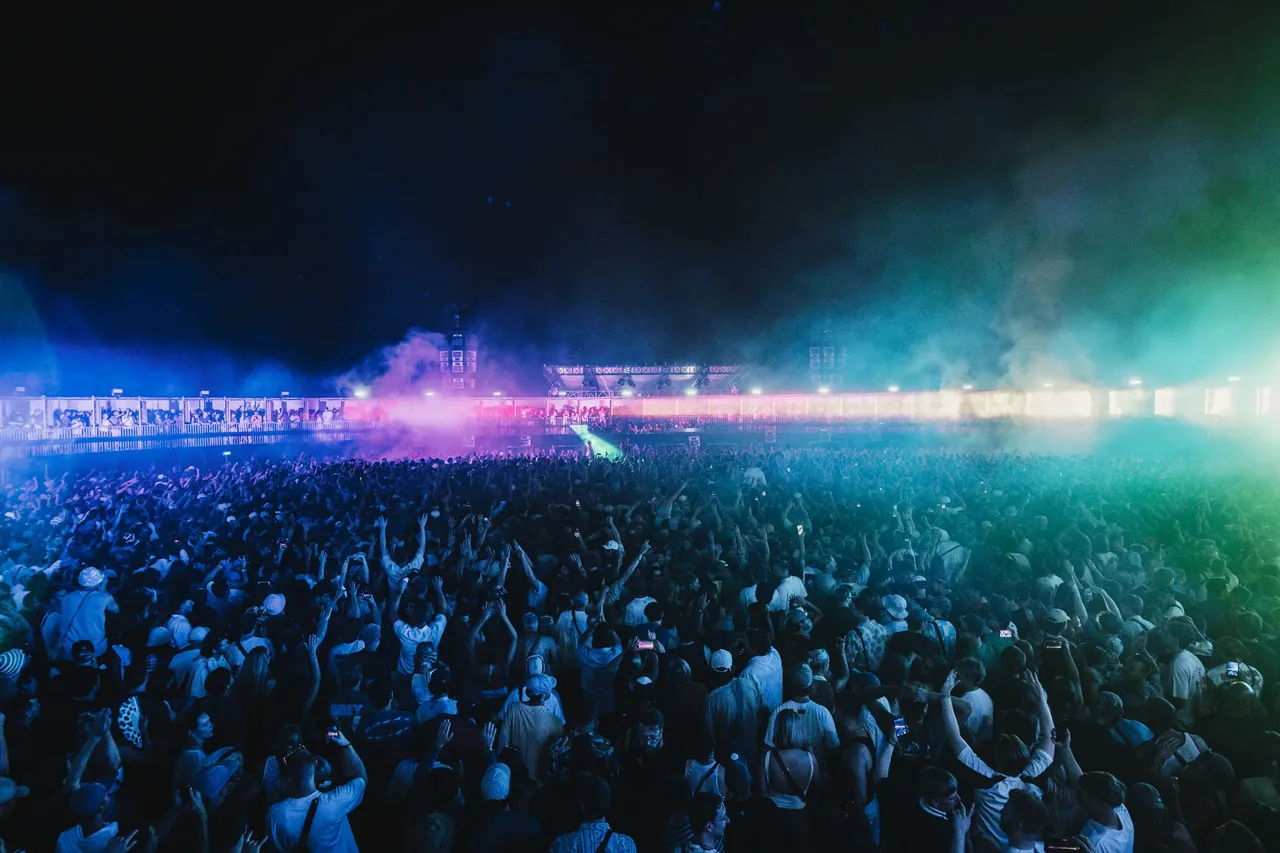
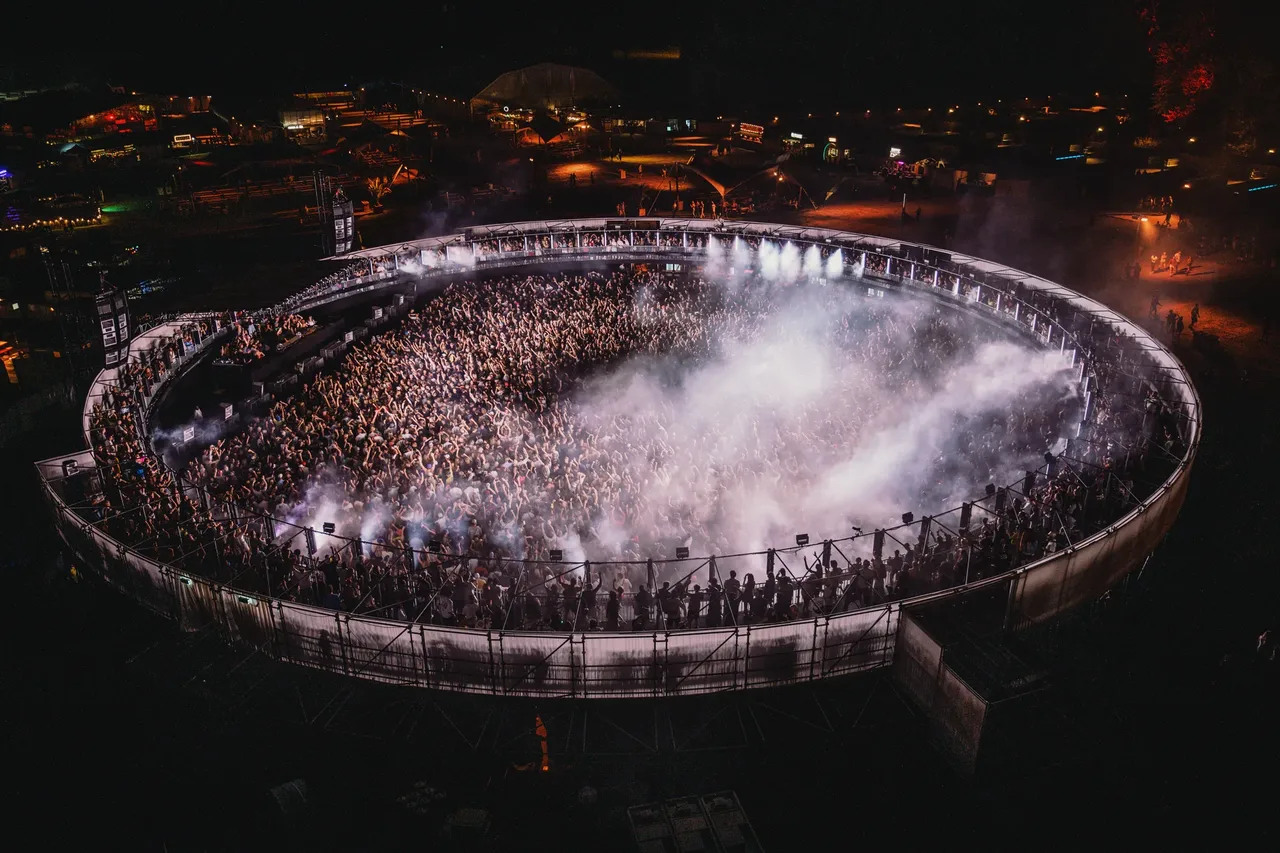
This year, Dekmantel’s forest grounds are home to seven stages, each with distinct programming and ambience. For example: the Greenhouse is a tent-like dome with world music, live acts and floral arrangements befitting an it-couple’s wedding, perfect for live acts, while UFO I is a huge hangar-like tent with flashing lights, smoke machines and old-school techno. Dekmantel’s set designer tells us that the musical lineup dictates the design of each stage. He’s also keen on breaking down the hierarchy or distance between the crowd and the DJ because the best DJs play with their crowd’s energy. Some of Dekmantel’s staging “tricks” include elevating the booth as little as possible or building scaffold-like tiers so you can dance behind or above the booth. This way, a set isn’t really a broadcast, more a feedback loop.
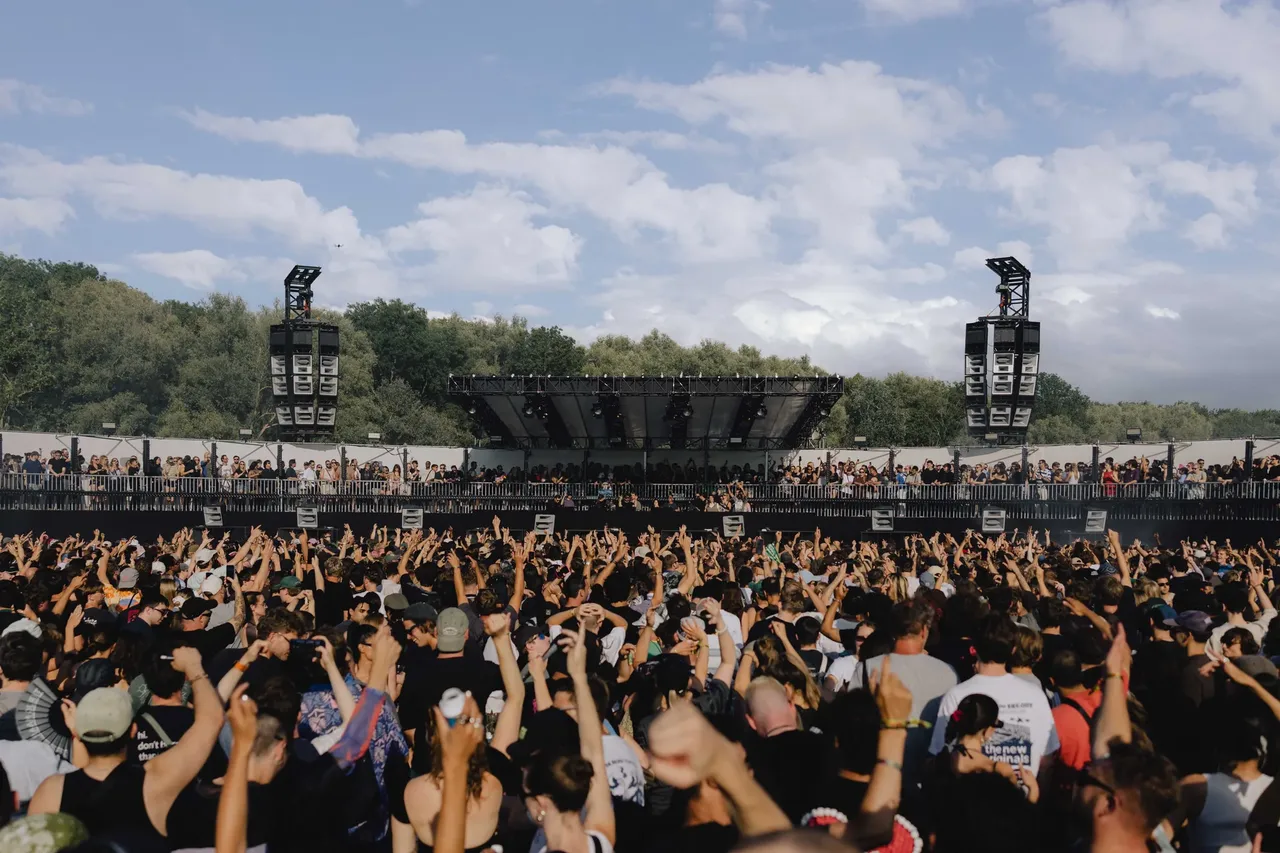
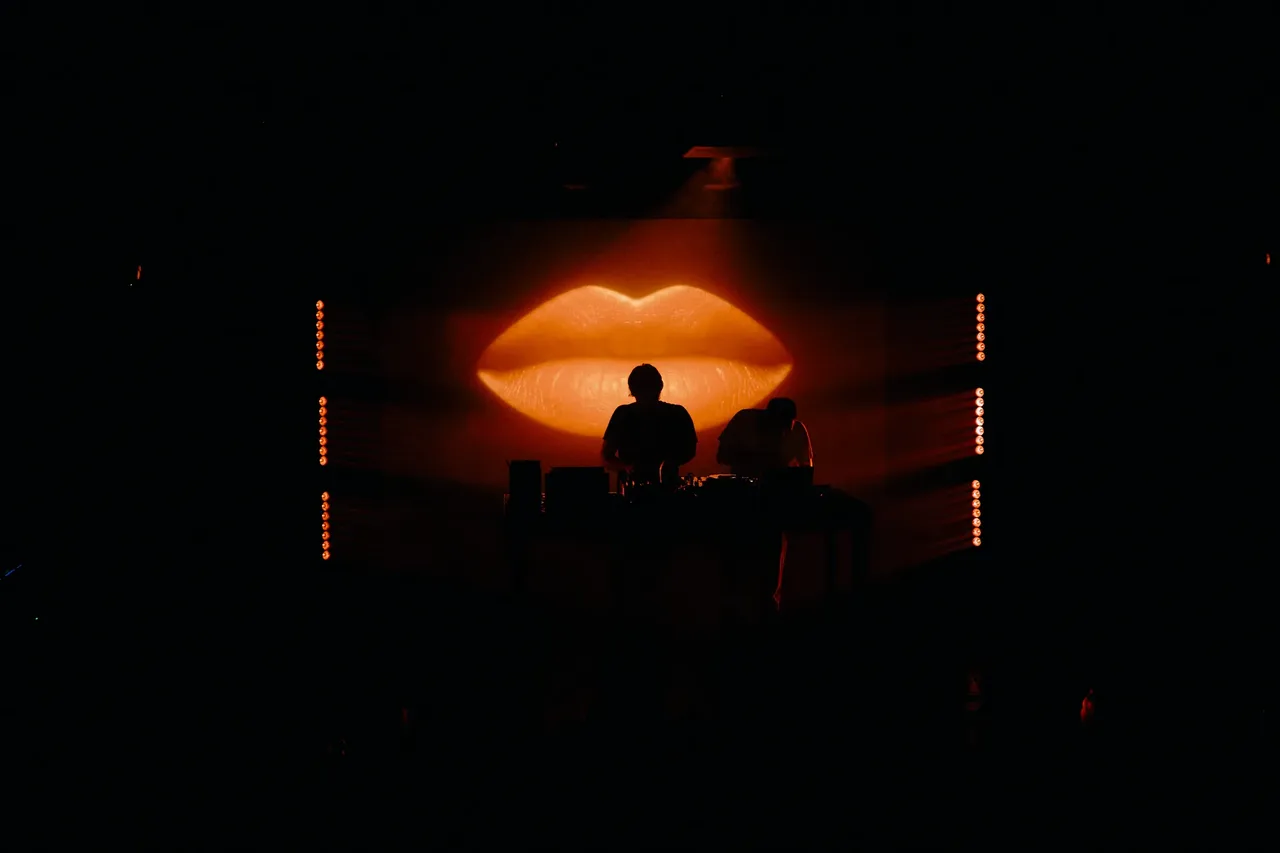
Perhaps not-so-coincidentally, The Loop is also Dekmantel’s main stage. And the act everyone is most intrigued to see there? RHR and Skrillex. Part of the “Dekmantel family,” RHR is a Brazilian artist who does techno, dancehall, baile funk and plenty of unexpected twists and turns. Skrillex, as you might know, started as a screamo kid with a great voice, tight denim and a fringe, became a Grammy-winning dubstep superstar (brostep, to be precise) and is now somehow playing at Dekmantel. The whole festival is here and dancing: Gen Z emo kids, the all-black techno crowd, lads in white sneakers and girls in mini-dresses and makeup. The music is as hard to capture as the duo themselves. There are obvious bangers like Skrillex’s own Rumble. But mostly, it feels rich and complex, with a deep bass layered under melodic synths and vocals, more niche perfume than Paco Rabanne.
Catching our breath, we wander across the massive field to the next stage. The Nest is a half-tent with a custom-built, mostly wooden sound system – Krackfree – perfect for the bass-heavy energy here. T.NO dials up the festive vibes with infectious rhythms and some insane percussion that makes everyone go bounce-bounce-bounce. Cheyanne Hudson delivers bouncy bass and plenty of chanting or rapping vocals. Mid-set, my Oura ring notified me that: “You’ve reached your activity goal.”
Different stage, different vibe, similarly iconic: UR presents Depth Charge, featuring Saul Williams. Let’s talk techno history. Underground Resistance was founded in Detroit in 1989 by Jeff Mills and Mike Banks — not just as a label but a space of Black and marginal resistance where techno was (and still is) political. Members have shifted over the decades; UR’s approach and mission remain. Their performance at Dekmantel feels rhythmic and emotional — reflective rather than escapist. It’s nearly impossible to see the mixing from within the crowd, but the technicality must be insane. Meanwhile, Saul Williams’ poetry is giving everyone goosebumps.
Just a few steps over (but remarkably soundproofed so the noise doesn’t overlap), we head back to the Selectors stage. On Saturday, it’s closed by Mad Miran and Quest, dropping early 2000s breakbeats, plingy plongy party techno (surely that’s what it’s called), insane drums, a track that is apparently called House Fucker and a general fervent energy as dancers stumble past low-hanging fern branches to get closer to the speakers. On Saturday, Aurora Halal is set to close Selectors. If you’re familiar with her (a techno DJ who regularly plays Berghain) and are starting to learn a thing or two about Selectors (a spruce-lined forest stage with mostly ambient and ecstatic house), this might feel strange. But that’s exactly the kind of plot twist Dekmantel likes to serve. Having only heard Aurora Halal in grimy basements, her music hits different here. It’s still techno, still banging, but with a dreamier, psychedelic layer that befits the dusk.
Truthfully, that barely scratched it. The field notes on my iPhone read like a Ulysses of incoherent scribbles: “Steffi: like we’re back in De School,” “Batu: busy, busy, busy,” or simply “The Bug!!!” But we’re more than a thousand words in. Somewhere between UFO II and the Nest, I caught a snippet of conversation. A girl with a thick American accent turned to her friend: “There’s so much choice, man!” That sums it up.