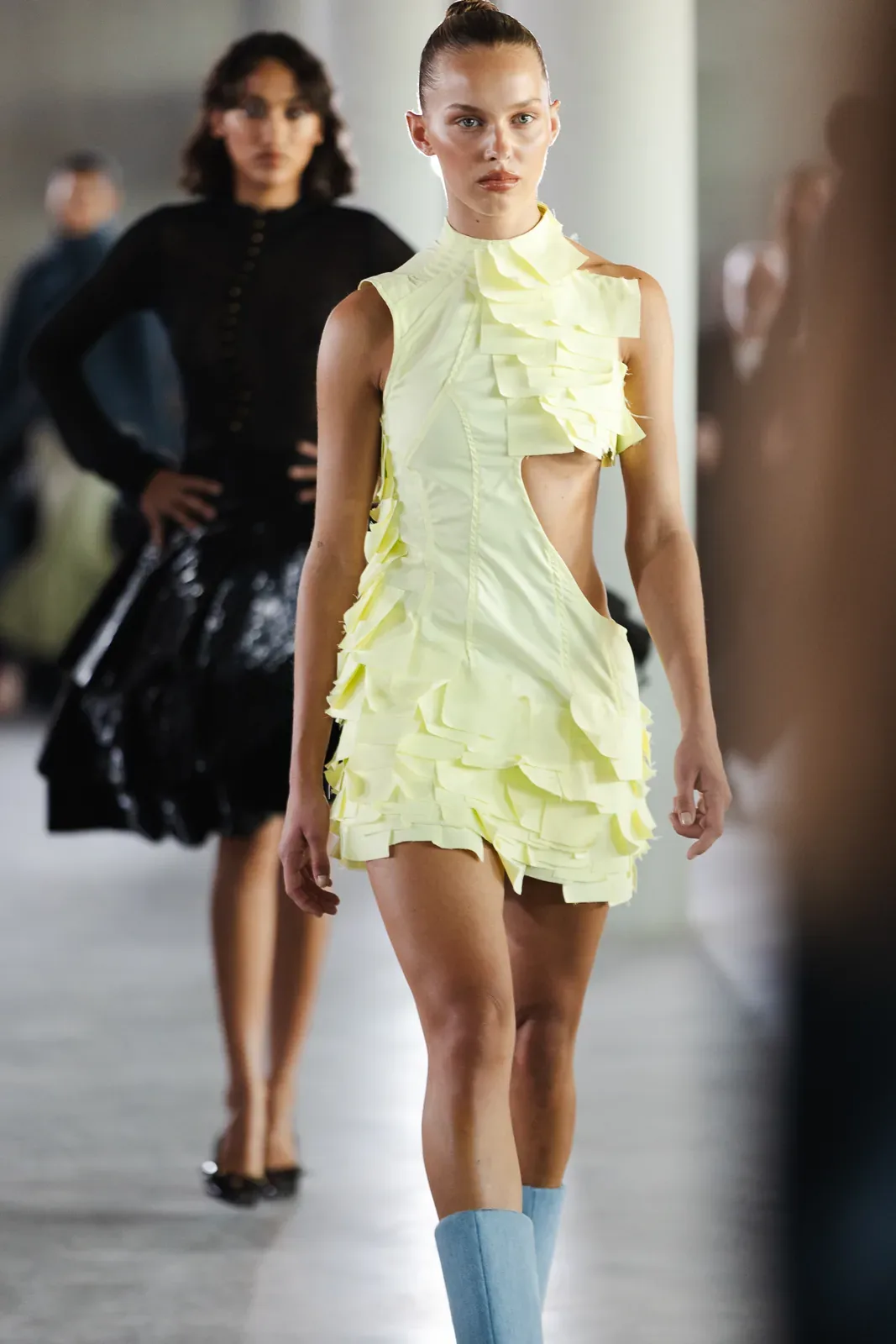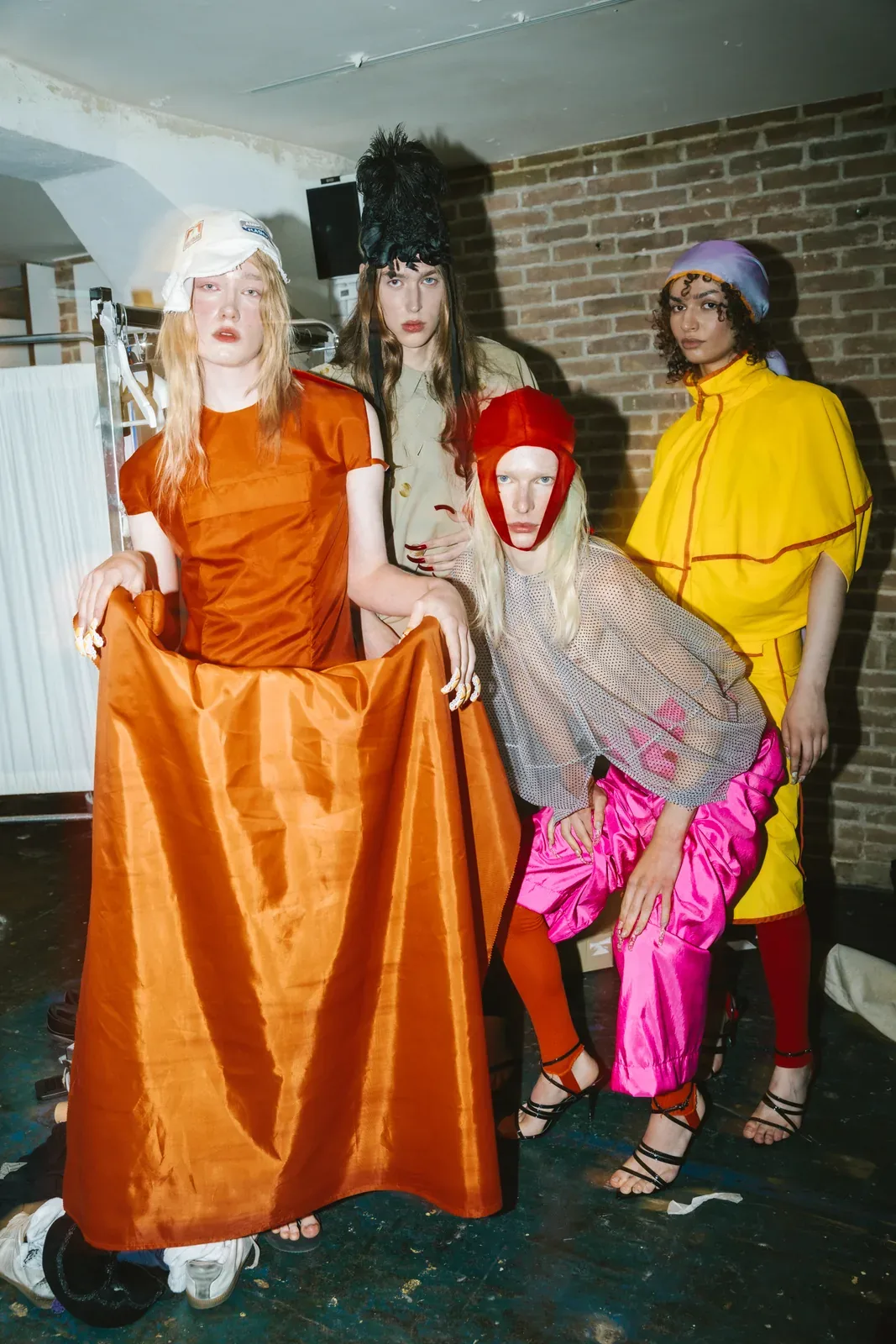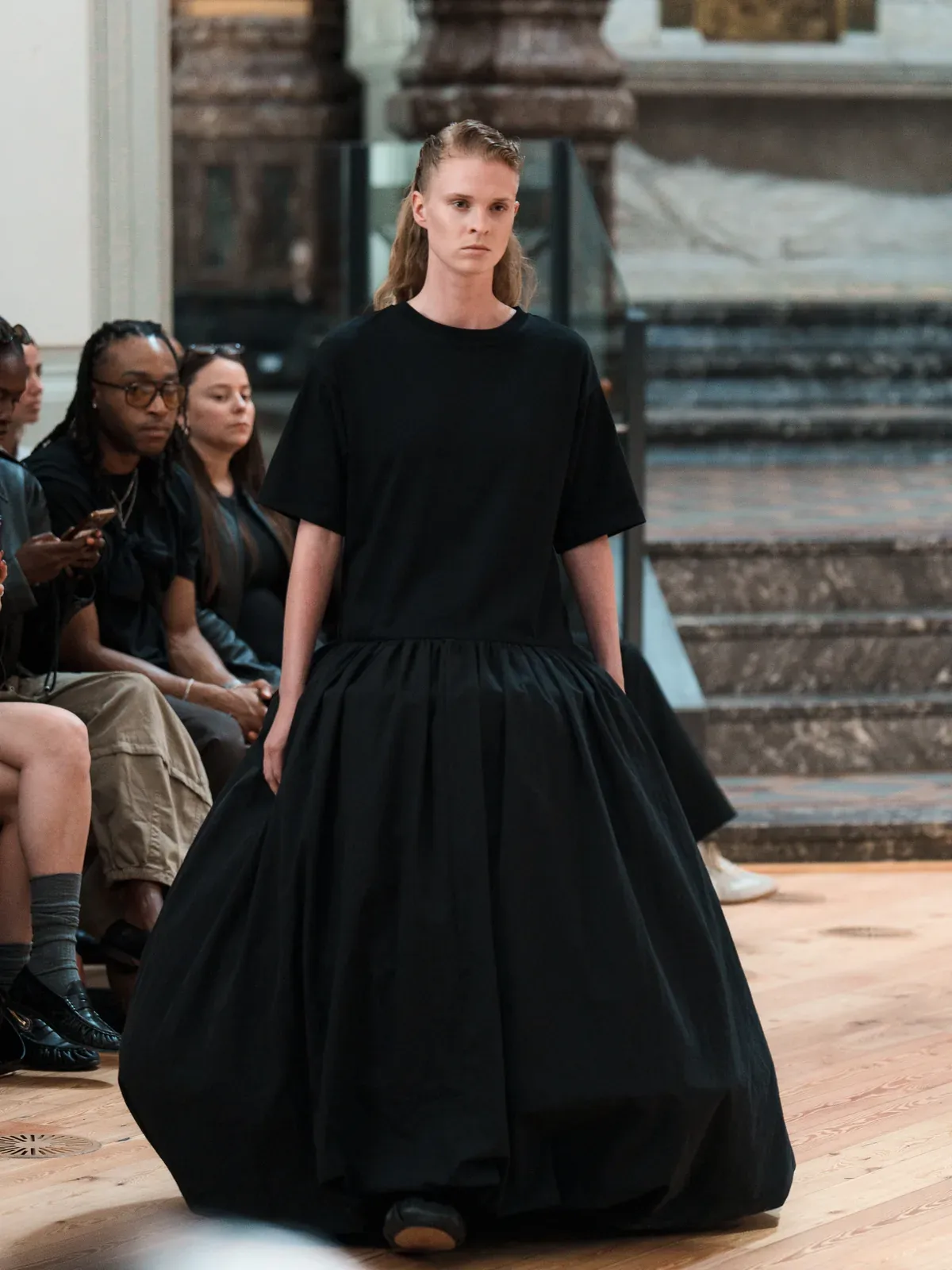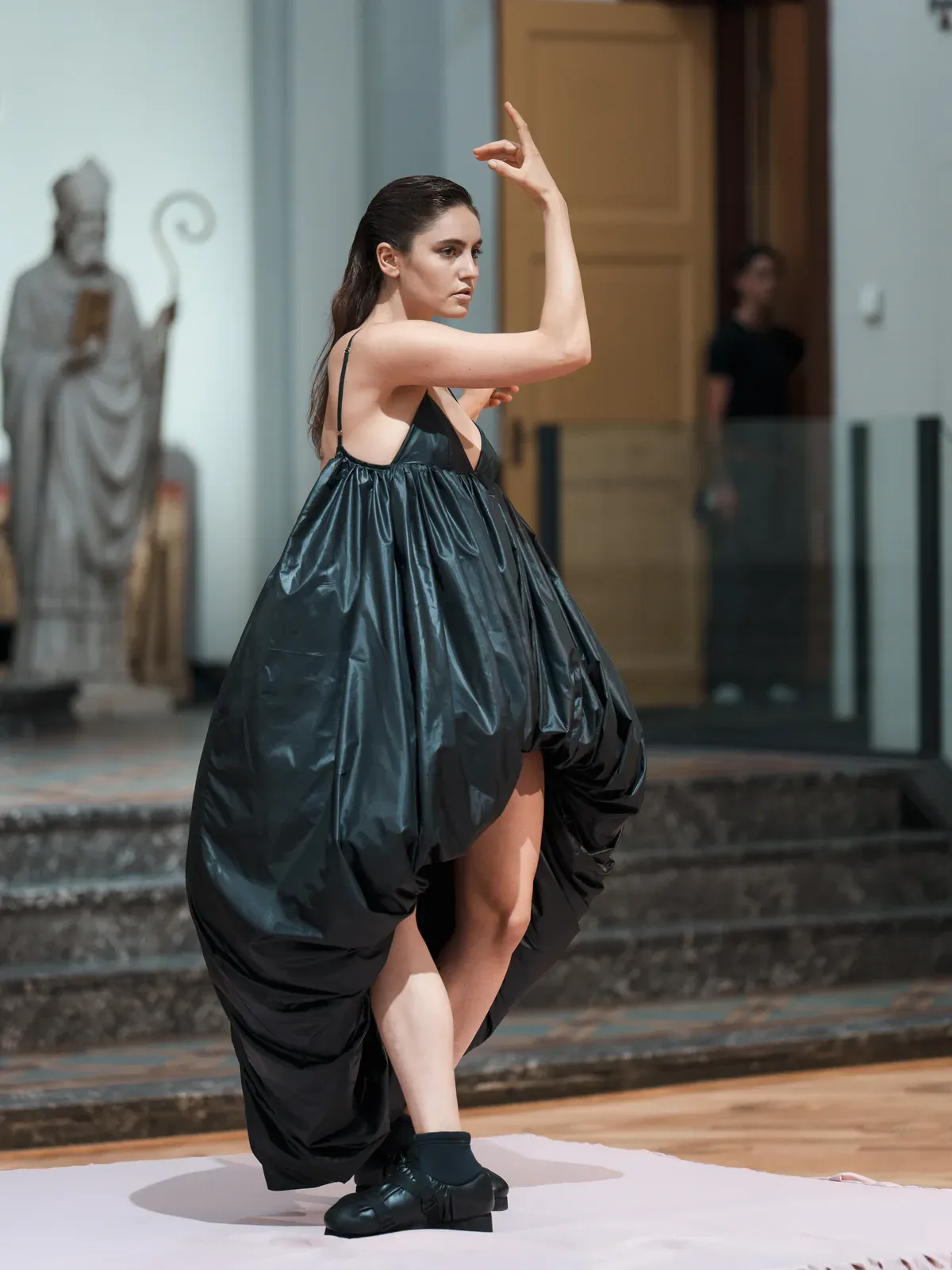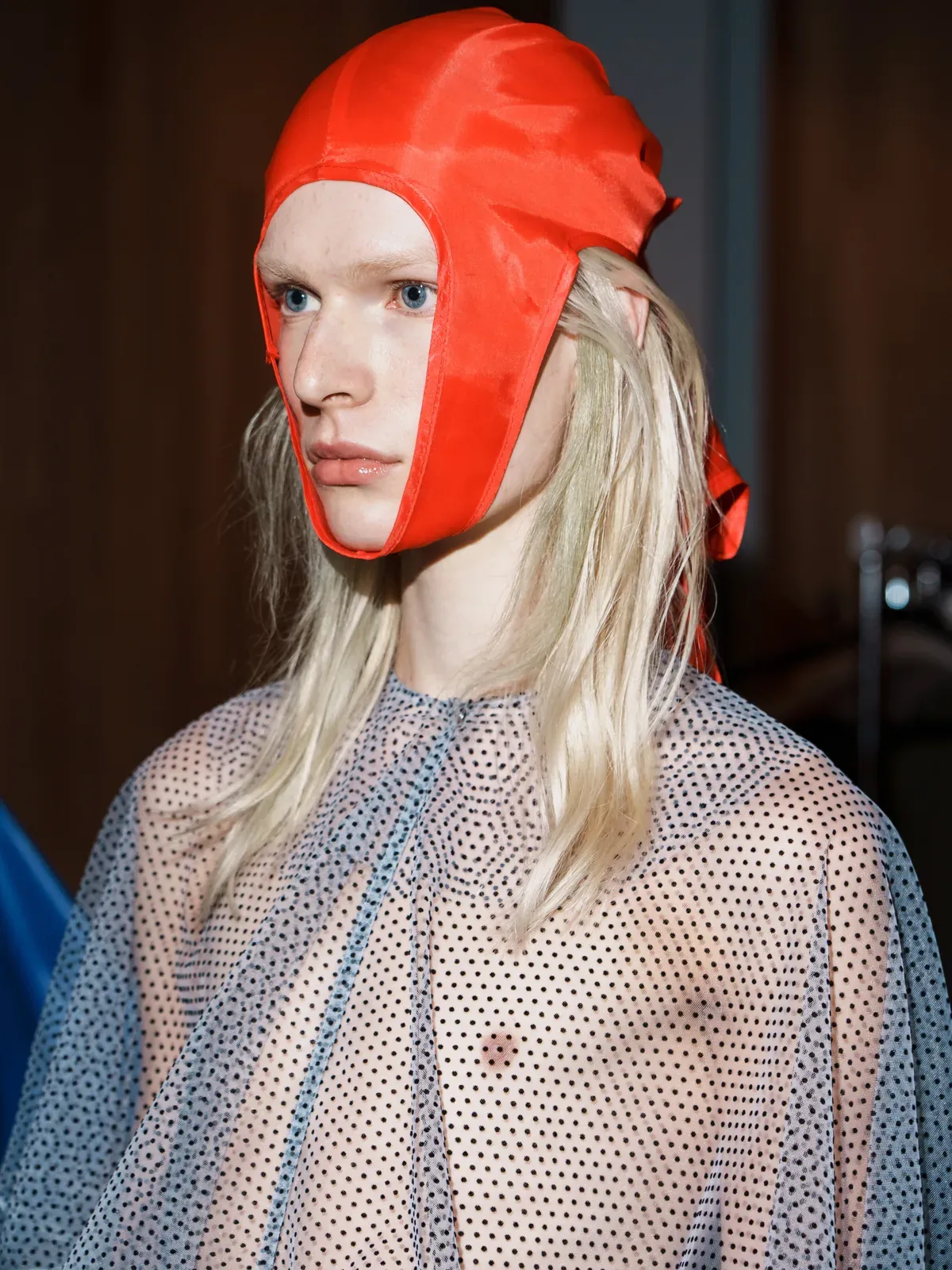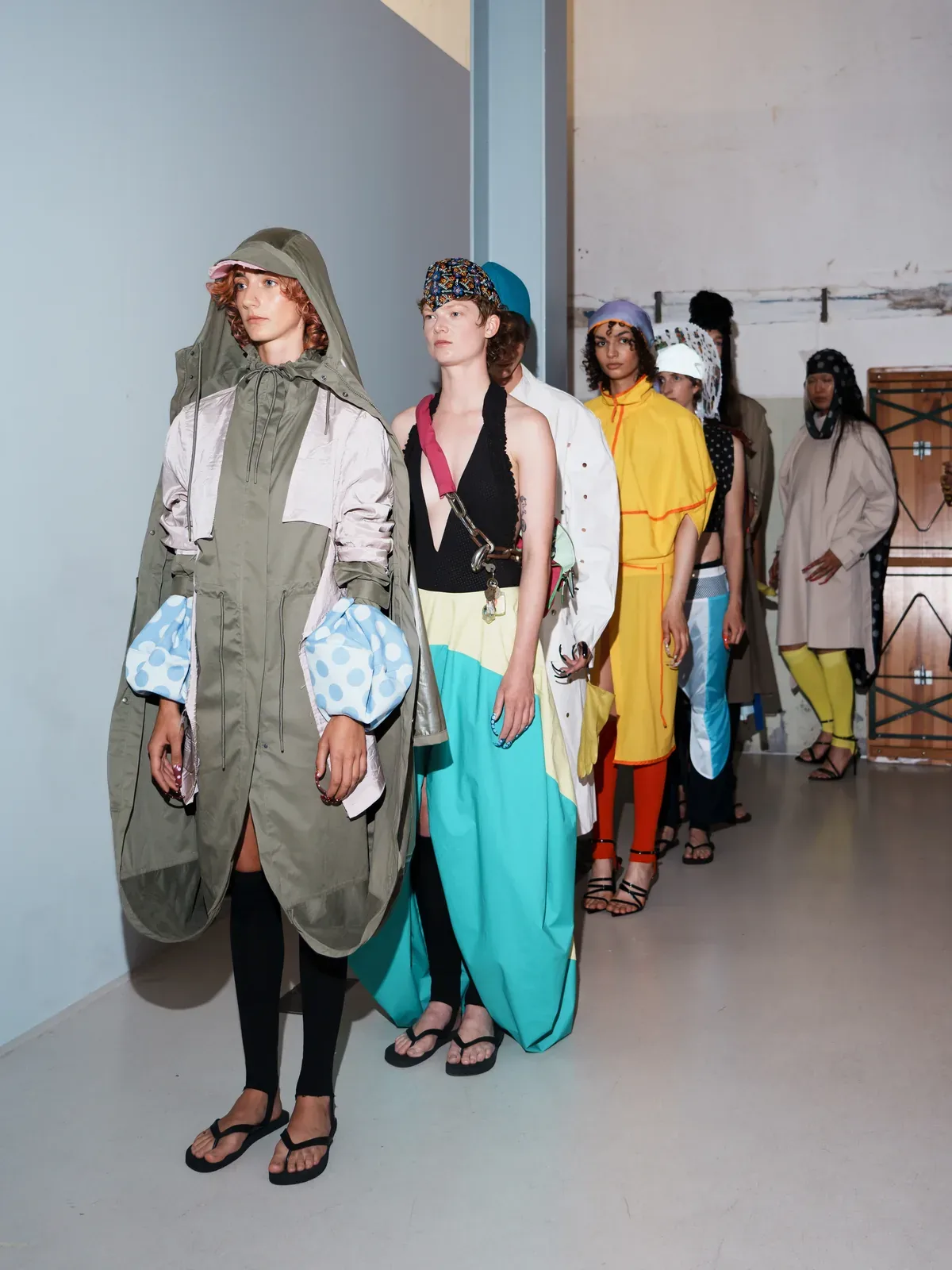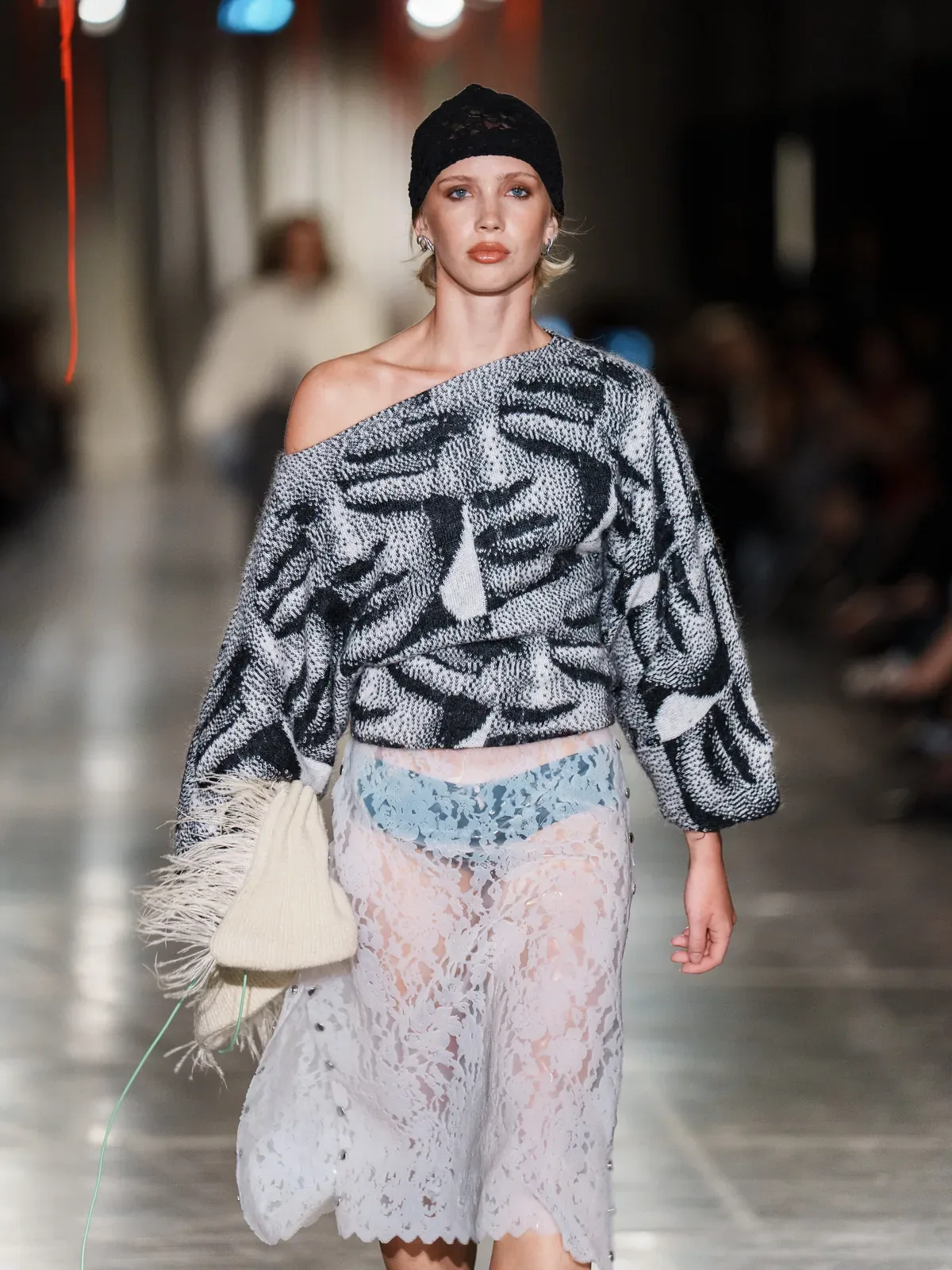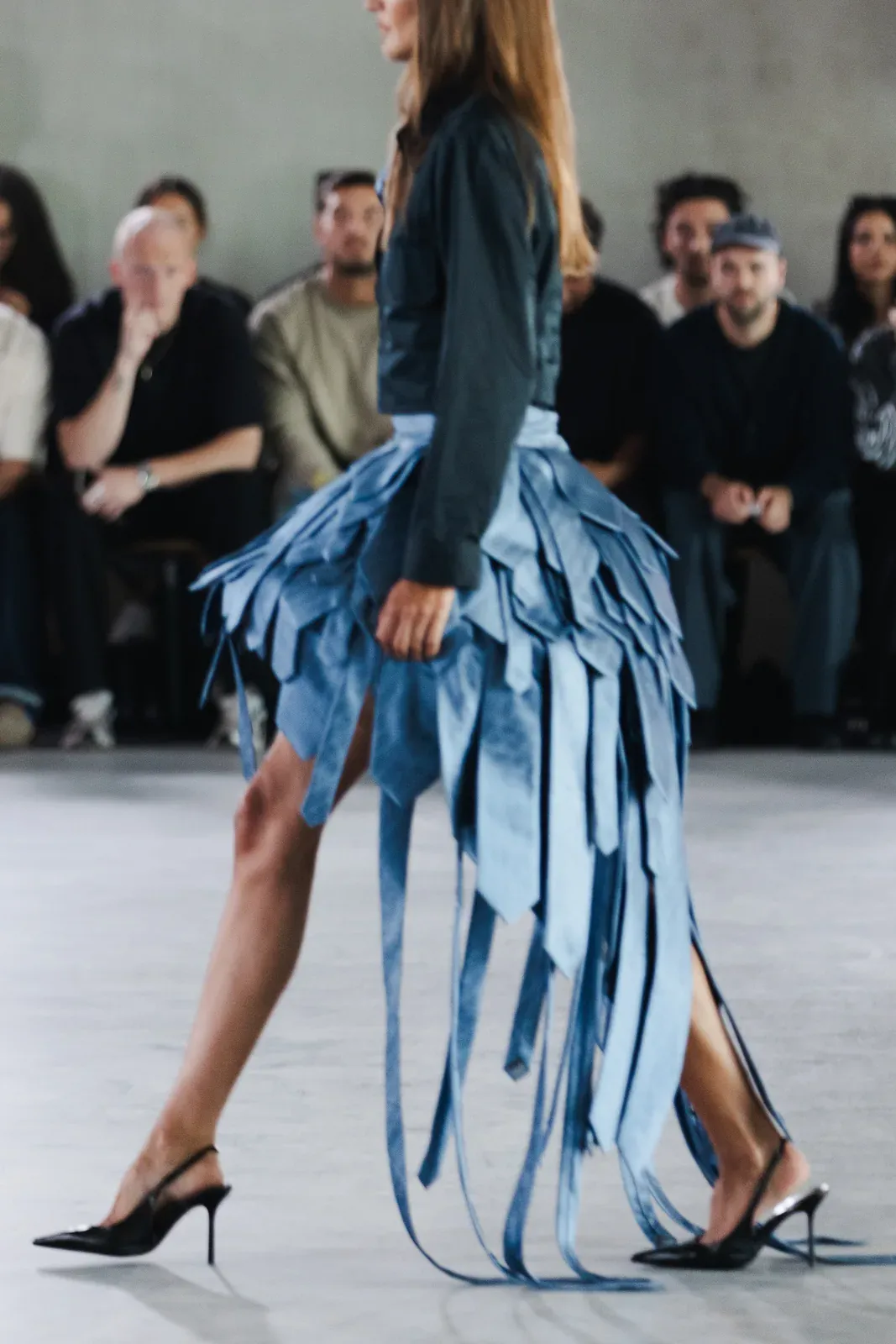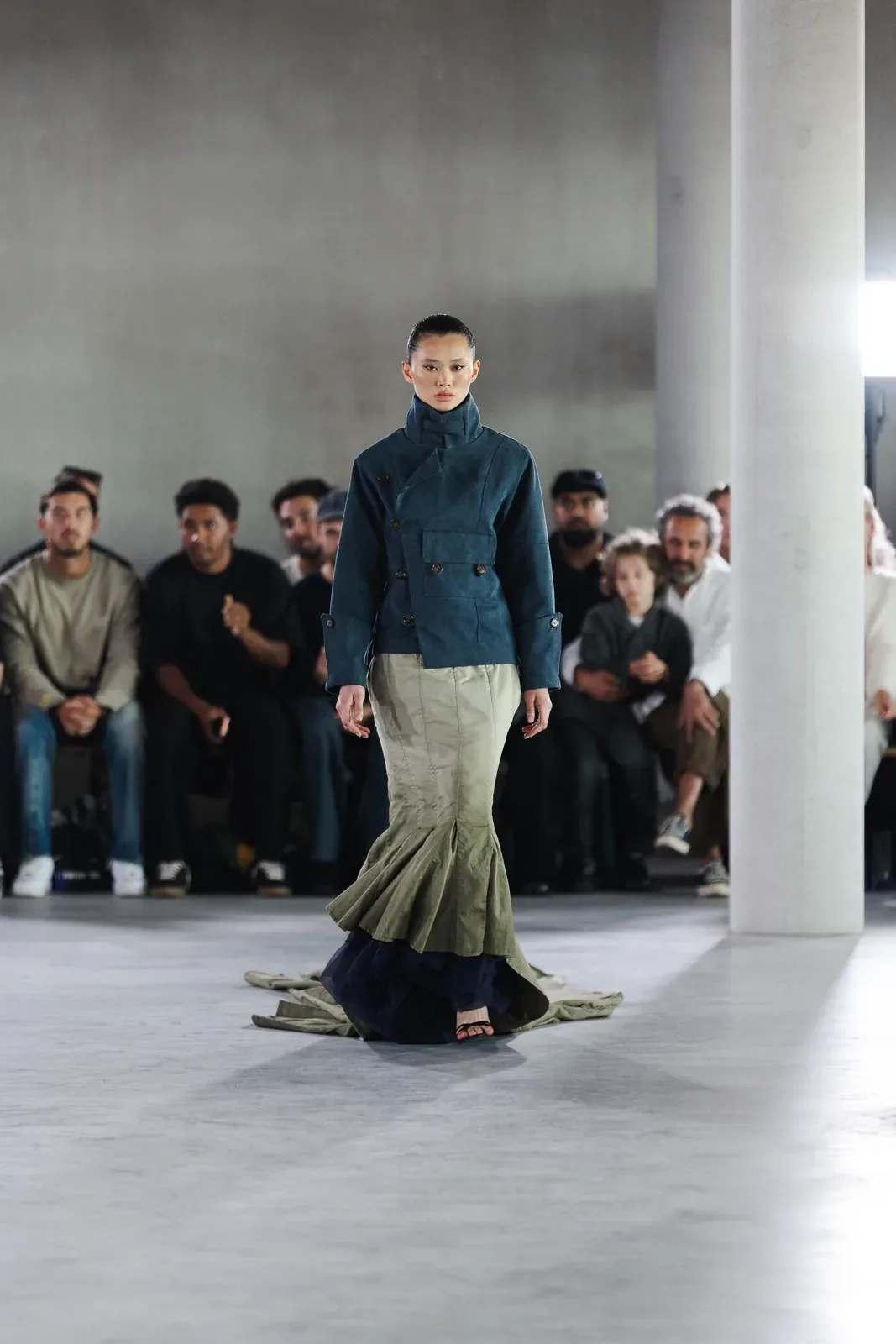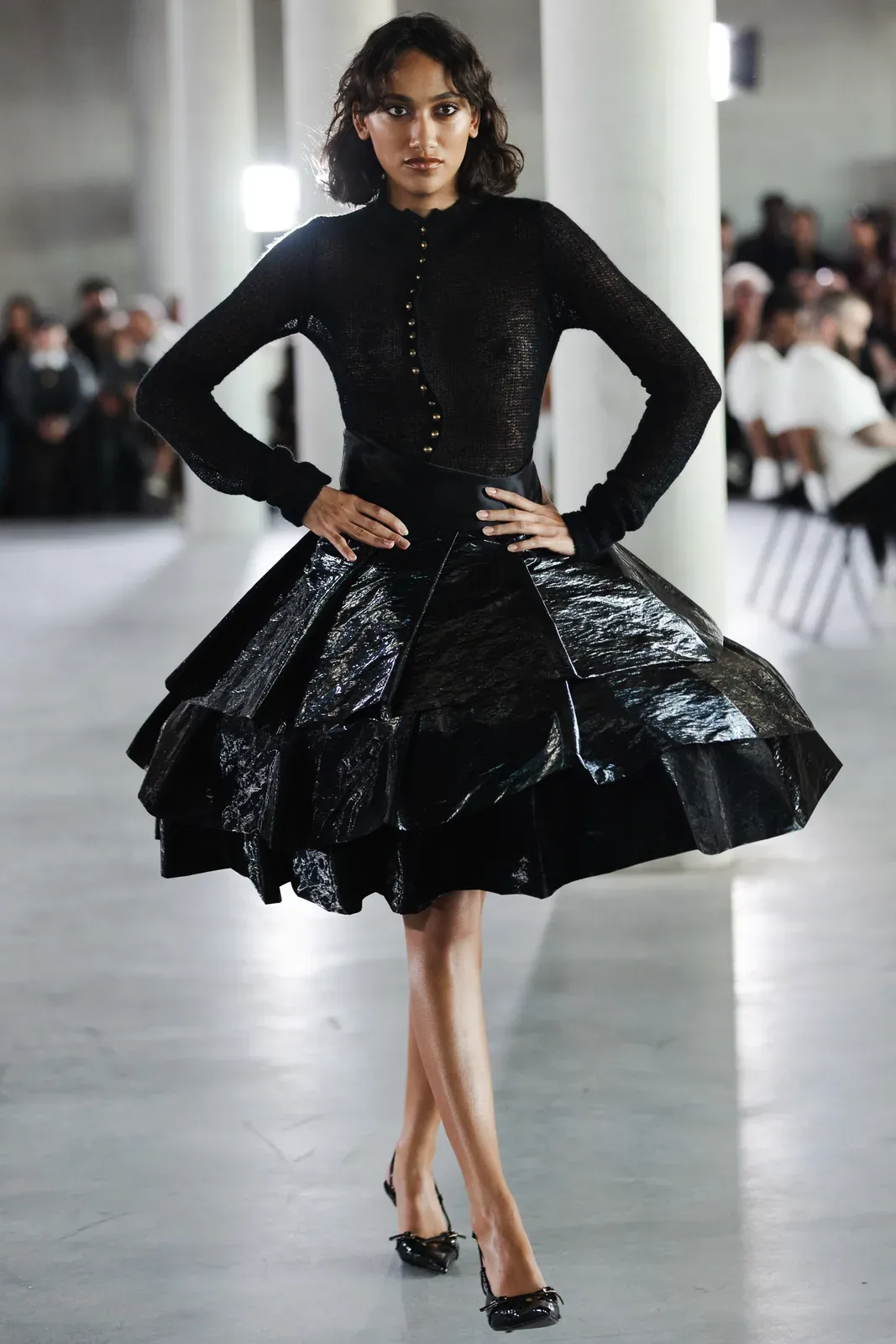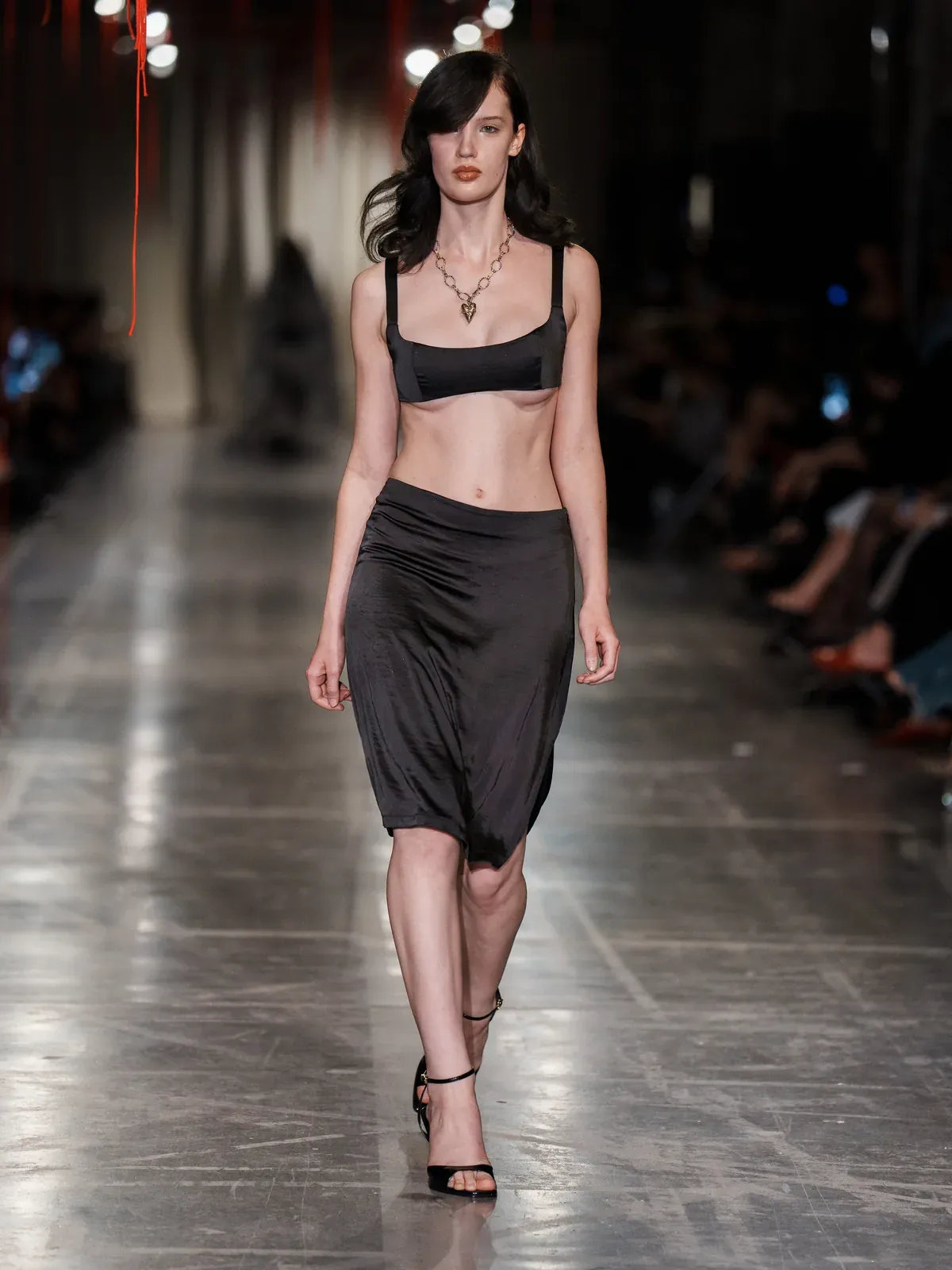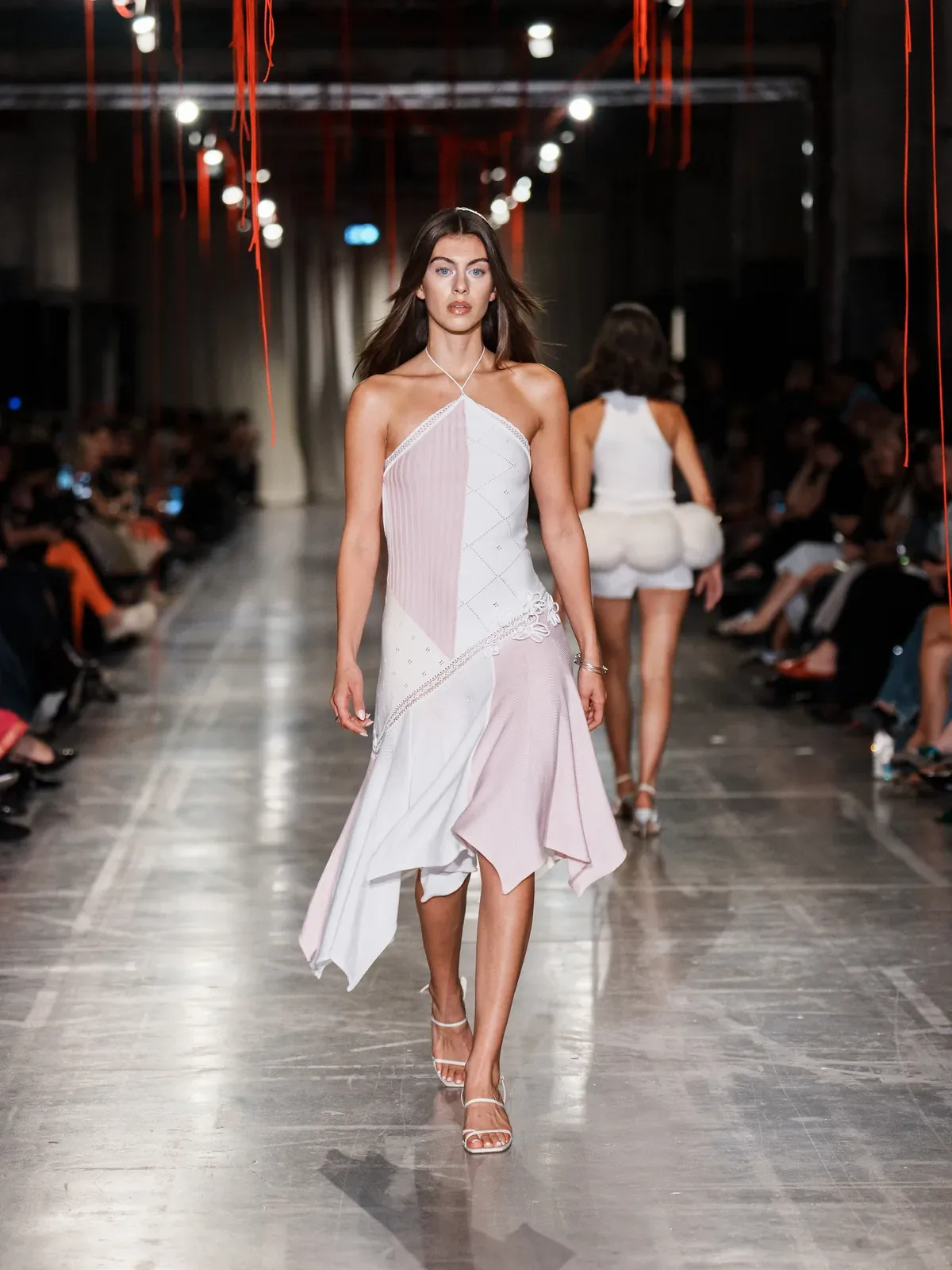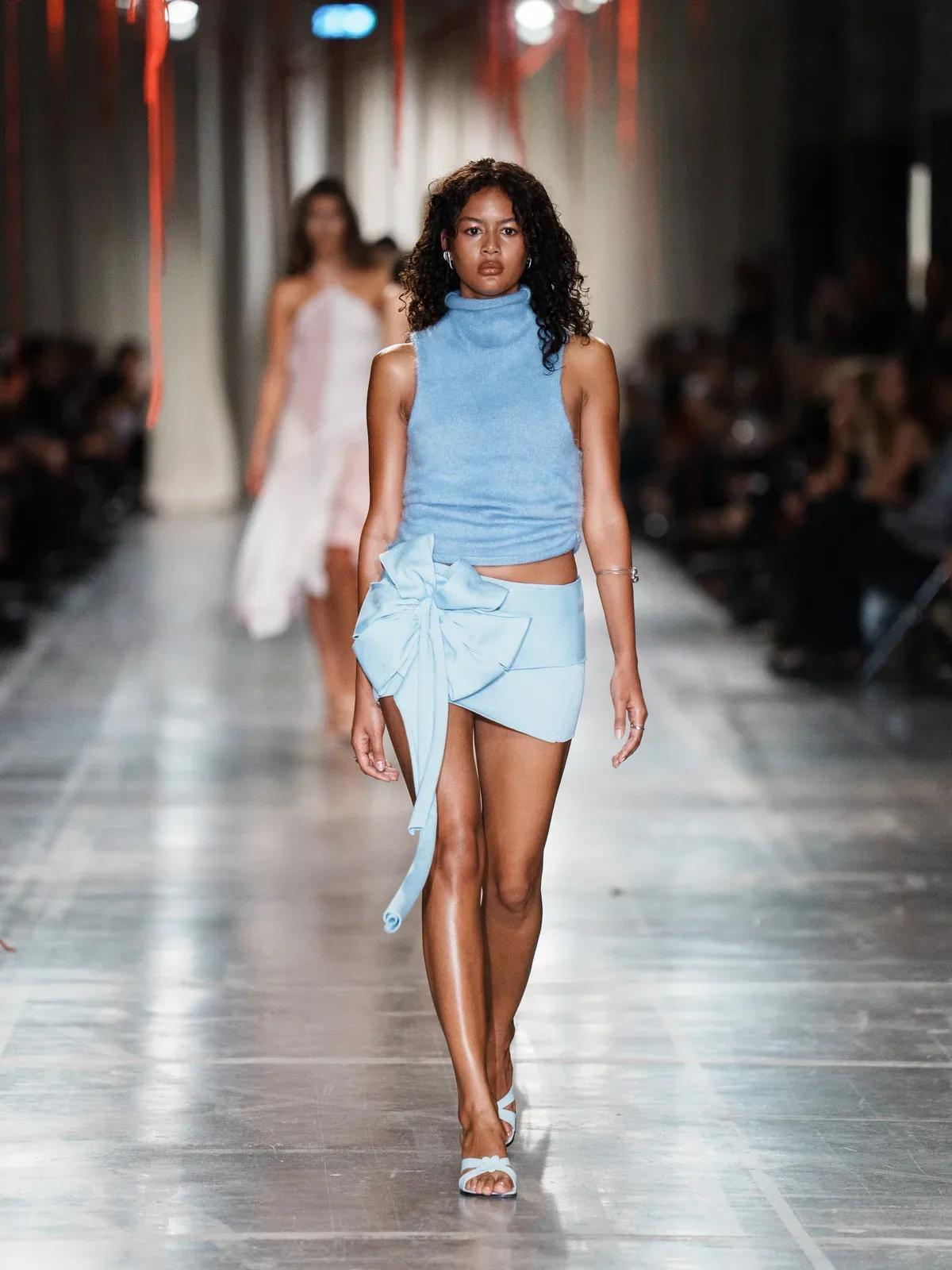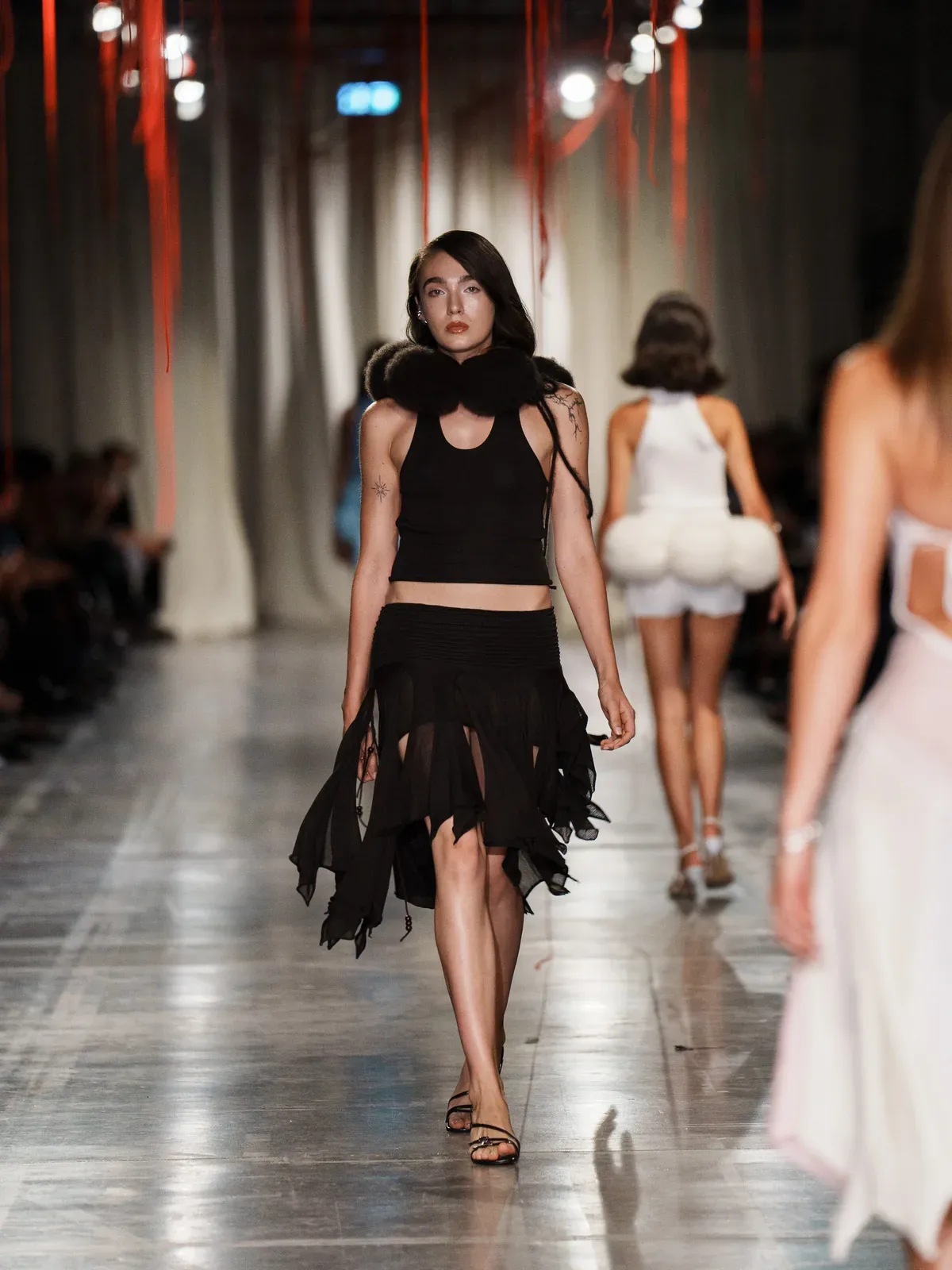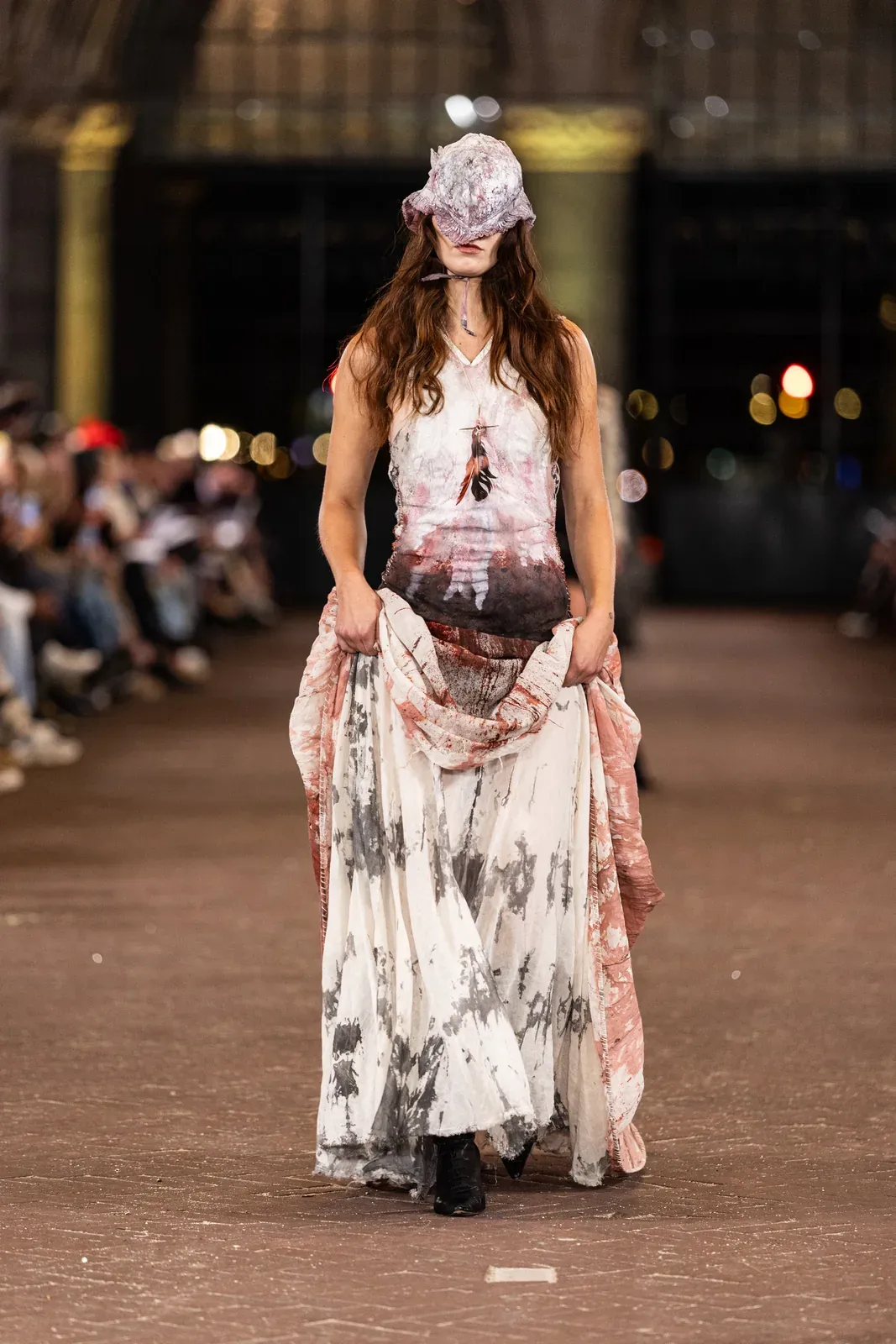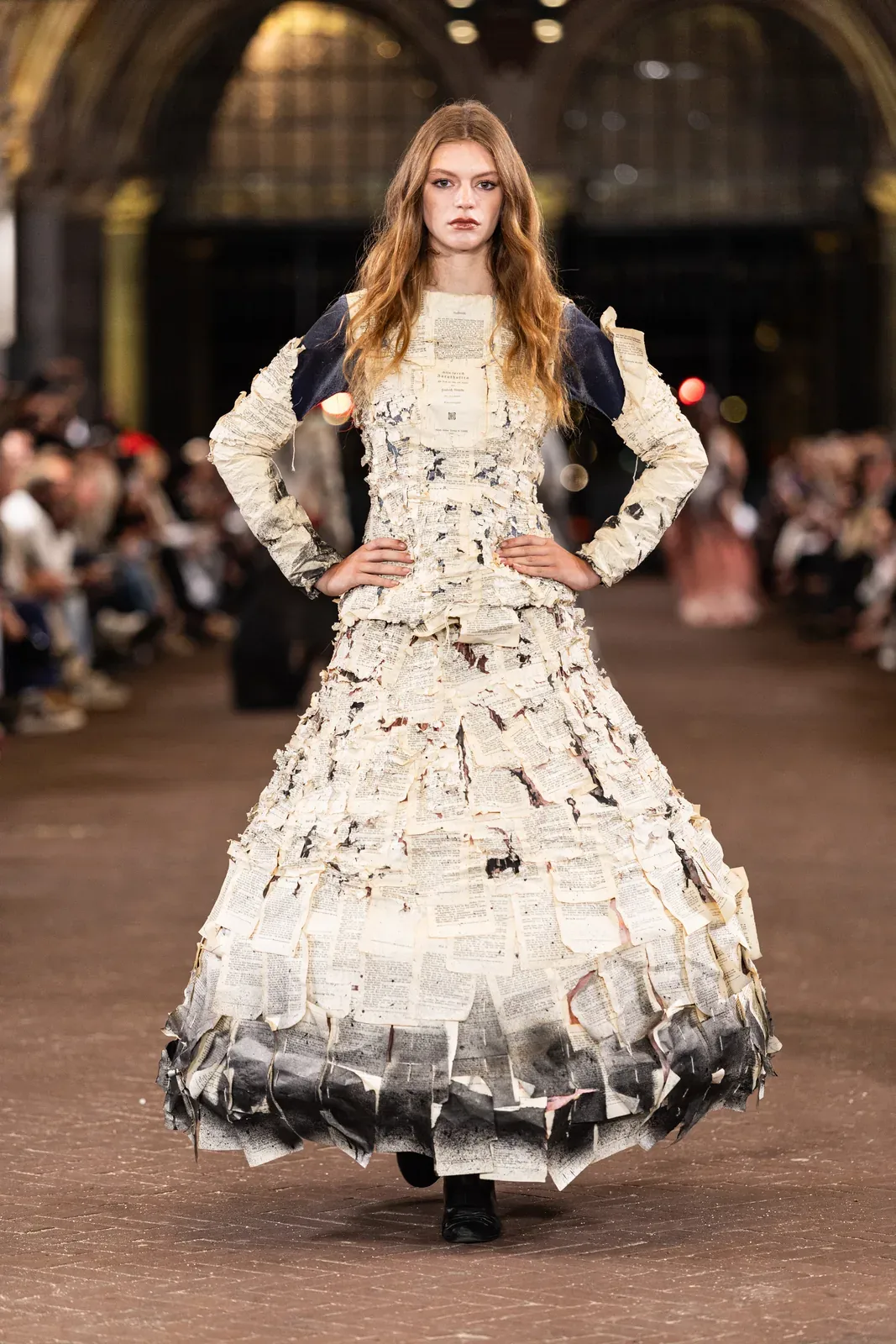
We’ve been keeping a close eye on Amsterdam’s creative scene for a while. The Netherlands' capital is packed with people working on interesting projects and proposals in art, music, design and, of course, fashion, all of them, always connected somehow. Amsterdam Fashion Week has become an event that could potentially give all of this background a stronger framework while making its local fashion scene go from a hidden gem to an internationally acclaimed source of innovative garments and concepts. We were just at the latest edition, and after witnessing what it has to offer, we are ready to share the rundown of how it all went and our afterthoughts.
In understanding what the city already does well and creating more opportunities for the different communities to meet lies the future of this event, and we discussed this with Amsterdam Fashion Week director Danie Bles exactly a year ago. She spoke about Amsterdam developing an identity of its own and being realistic about what Amsterdam could bring to the international calendar. Paris and Milan were never the models she wanted to follow, as she described a scene stretching from street to couture, where young designers could sit alongside more established names and fashion could remain connected to the culture surrounding it. A year later, that direction feels increasingly clear.
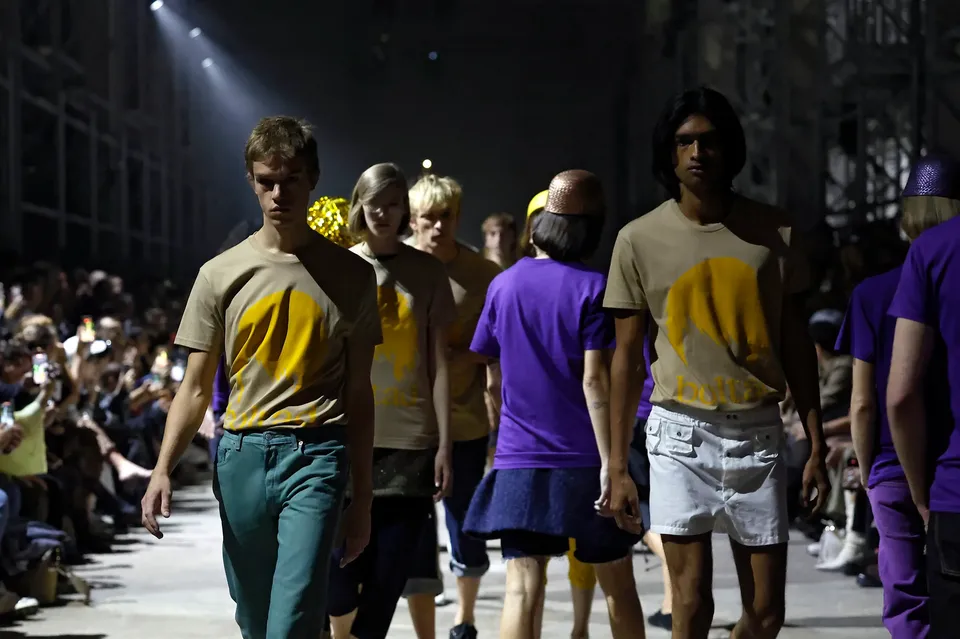
Camiel Fortgens provided one of the best examples this season by taking over an Albert Heijn supermarket after opening hours. Anyone who has lived in the Netherlands will understand how deeply AH belongs to everyday Dutch life. Its blue bags protect bicycle seats from the rain, its logo follows you through almost every neighbourhood, and everyone has their own particular relationship with it.
Fortgens has become one of the most interesting names in the Dutch scene, and the supermarket worked perfectly with his approach. Cotton shirts and denim appeared alongside bombers and outerwear, with raw finishes and exposed construction quietly disrupting familiar garments. Models wandered through the aisles carrying baskets before returning with extra layers, almost as if some time had passed during their shopping trip. It was clever and funny, while still leaving enough room for the clothes to do their job.
That connection with everyday Dutch culture also appeared in Pablo Salvador Willemars’ work, one of the names we left Amsterdam wanting to follow more closely. Nat bij regen used the unavoidable Dutch rain as a starting point, bringing local references into a fresh and contemporary proposal with particularly strong styling. Made entirely from existing materials, the collection showed how Dutch identity can be revisited with humour and a very personal point of view.
Ruben Jurriën went considerably louder with Maak Nederland weer Gezellig!, a title that already tells you plenty about the mood. Dutch craft and childhood memories entered his colourful universe, with his childhood plushie Toetie transformed into a superhero appearing across the collection. Even giant wheels of Beemster cheese made their way into the aftermath of the show. Underneath the humour was a sincere message about kindness and connection, giving all that visual excess enough warmth to keep it from becoming pure spectacle.
Seeing these very different designers work with recognisably Dutch references reinforced something we already suspected before arriving. Local identity can become one of AFW’s strongest tools as the week grows internationally. The most memorable moments felt closely connected to their context and to the city around them. Amsterdam became part of the story through something as mundane as a supermarket or references that require a little more knowledge of Dutch culture to fully understand. That specificity gives the week much of its personality.
The programme also gave space to designers at very different points in their careers. Dolly Sports made its official AFW debut after Eline Starink began the Amsterdam label in 2020, bringing its playful sportswear universe onto the schedule. Fortanier also entered the official programme for the first time.
Tess van Zalinge arrived at a completely different milestone, celebrating ten years since her AFW debut. For the occasion, she gave her archive to Evy Cornelie, Dirkje Lemmink and Simone van Ommen, allowing them to pull apart a decade of work and rebuild it with complete creative freedom. The result was messy in the best possible sense, full of unexpected combinations and archive pieces given completely different lives.
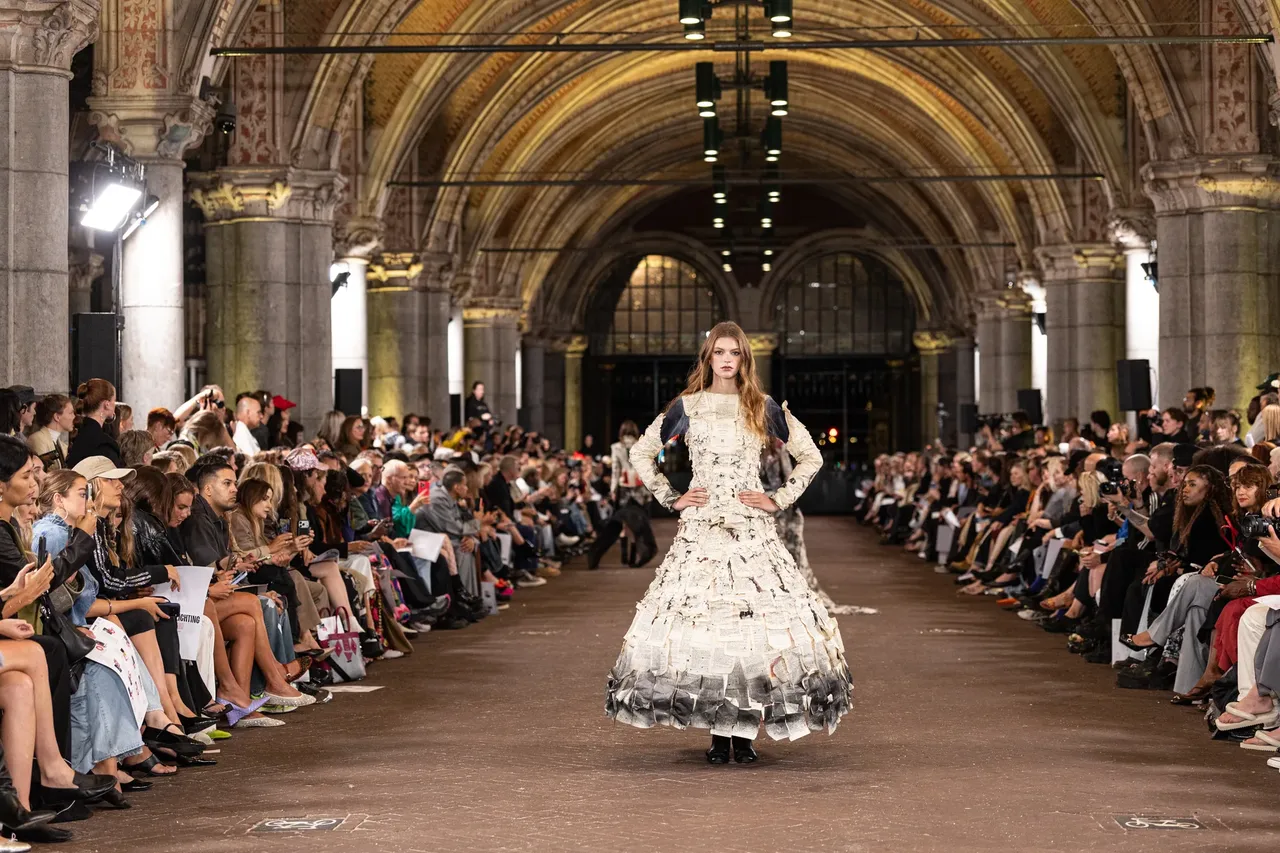
We know a little about anniversaries ourselves this year, and another twentieth birthday brought an important part of the Dutch fashion ecosystem into focus. Lichting has spent two decades introducing graduates from the country’s fashion academies to the professional industry, making it an essential platform for understanding AFW’s commitment to young talent. Its anniversary exhibition at The HUB looked back at the designers who have passed through it, while the latest generation took over the Rijksmuseum for the 2026 competition.
The list of previous participants makes the impact easier to understand. Some have gone on to work for international houses, while others have built independent labels or moved across different creative disciplines. Last year’s winner, Youngjin Choe also returned with Shadow Stepping, developing the darker and more sculptural language we first encountered through Lichting. Watching that progression alongside the new graduates gave the evening a sense of continuity that these emerging talent competitions do not always manage to achieve.
Young talent is clearly one of Amsterdam’s strengths, and keeping those designers connected to the industry after graduation will be just as important as discovering them. A place on the calendar can create visibility, while photographers and publications can help that work travel further. The next question is how those designers build sustainable careers from that attention. AFW is well positioned to become part of that process, especially if it continues strengthening the relationships between emerging talent and the international industry coming to Amsterdam.
This is also why we would like to see AFW keep exploring everything that can happen around a runway. Shows will always be important, but the potential of this week goes much further. Store activations and industry conversations can give people more reasons to move through Amsterdam between collections, opening different doors into the programme. The city already has the audience and the creative energy, and giving those encounters more structure could make the entire week considerably more valuable for both local participants and international visitors.
We saw glimpses of that throughout the programme. Bibi van der Velden brought Jewels on Wheels to Rosewood Amsterdam after a summer travelling through Europe, housing the jewellery salon inside a converted vintage Citroën van. Extreme Cashmere activated its Amsterdam space too, already one of the city’s most beautiful stores and exactly the kind of place that can become part of the AFW experience. These smaller moments help fashion spread through the city and make the programme feel alive beyond the scheduled shows.
The HUB is central to that possibility. Open to the public during AFW, it brings independent brands into the same space as talks and workshops, creating a meeting point that feels close to the way Amsterdam actually works. Bles told us last year that she wanted to develop it further as an activation point, with visitors able to spend time there and discover people they might otherwise never encounter. After another edition, its potential feels even more obvious.
Amsterdam already knows how to turn a creative event into an international meeting point. Amsterdam Dance Event operates on a completely different scale, of course, but its impact goes far beyond its programme of parties. For several days, the music industry comes to the city to exchange ideas and build relationships, with meetings happening everywhere. Fashion can learn from that ability to connect people. AFW has the right city for it, and developing that role could give the week a much clearer international position.
This edition already showed signs of that opening. International publications became part of the programme through different collaborations, with Highsnobiety joining AFW for the opening dinner and Puss Puss Magazine working with Wandler on its own activation. These connections bring different audiences into contact with Amsterdam. Their real impact can become even greater when they lead to relationships that continue throughout the year and give the local scene more international visibility.
There is enormous potential, too, in the international brands that have increasingly made Amsterdam part of their European strategy. New flagships and concept spaces have appeared across the city, yet their relationship with Fashion Week could become much stronger. Their stores could become meeting points through talks or creative collaborations, bringing established companies into direct contact with Dutch talent.
The possibilities extend to panels with people who actually understand how this industry works, bringing expertise into the week alongside the collections. Amsterdam is exceptionally well connected geographically and culturally, and AFW can use that position to become a place where people come to exchange ideas as much as discover clothes. The programme already moves in this direction. Giving these conversations greater international weight could attract people who might currently visit Amsterdam for other creative events but have yet to place Fashion Week firmly on their calendars.
Across the rest of the programme, different formats continued to make the week feel broader than a succession of collections. Atelier Reservé marked ten years with Breaking the Loop, continuing its work with repurposed garments and deadstock. Tjeerd Marie took office culture as the starting point for Employee of the Month!, turning workplace exhaustion into a theatrical presentation full of corporate absurdity.
The Patchwork Family took that freedom all the way to Paradiso for its fifth anniversary. Its Grand Family Affair brought fashion into the collective’s world of queer performance and nightlife, with the kind of chaos that belonged perfectly in that setting. This is another area where Amsterdam has a real advantage. Fashion here already shares audiences with the city’s club culture, so AFW can give those communities visibility within its programme while allowing them to retain the energy that made them interesting in the first place.
Moving between locations became part of experiencing the week itself. Albert Heijn could belong to Camiel Fortgens; Paradiso became The Patchwork Family’s playground, while the historic Rijksmuseum passage gave Lichting a completely different setting. Amsterdam’s scale helps enormously here. Getting from one side of the programme to another remains manageable, and every change of venue offers another glimpse of the city.
Of course, we also noticed plenty of room for growth. Stronger connections with international press and buyers could give the local scene greater reach while keeping its character visible. When we spoke with Bles a year ago, she described AFW as a fashion week with international potential and “its own face”, an idea that feels even more relevant now. Amsterdam has the talent and a creative community people want to discover. There is plenty still to come, and we will be here following every step closely.