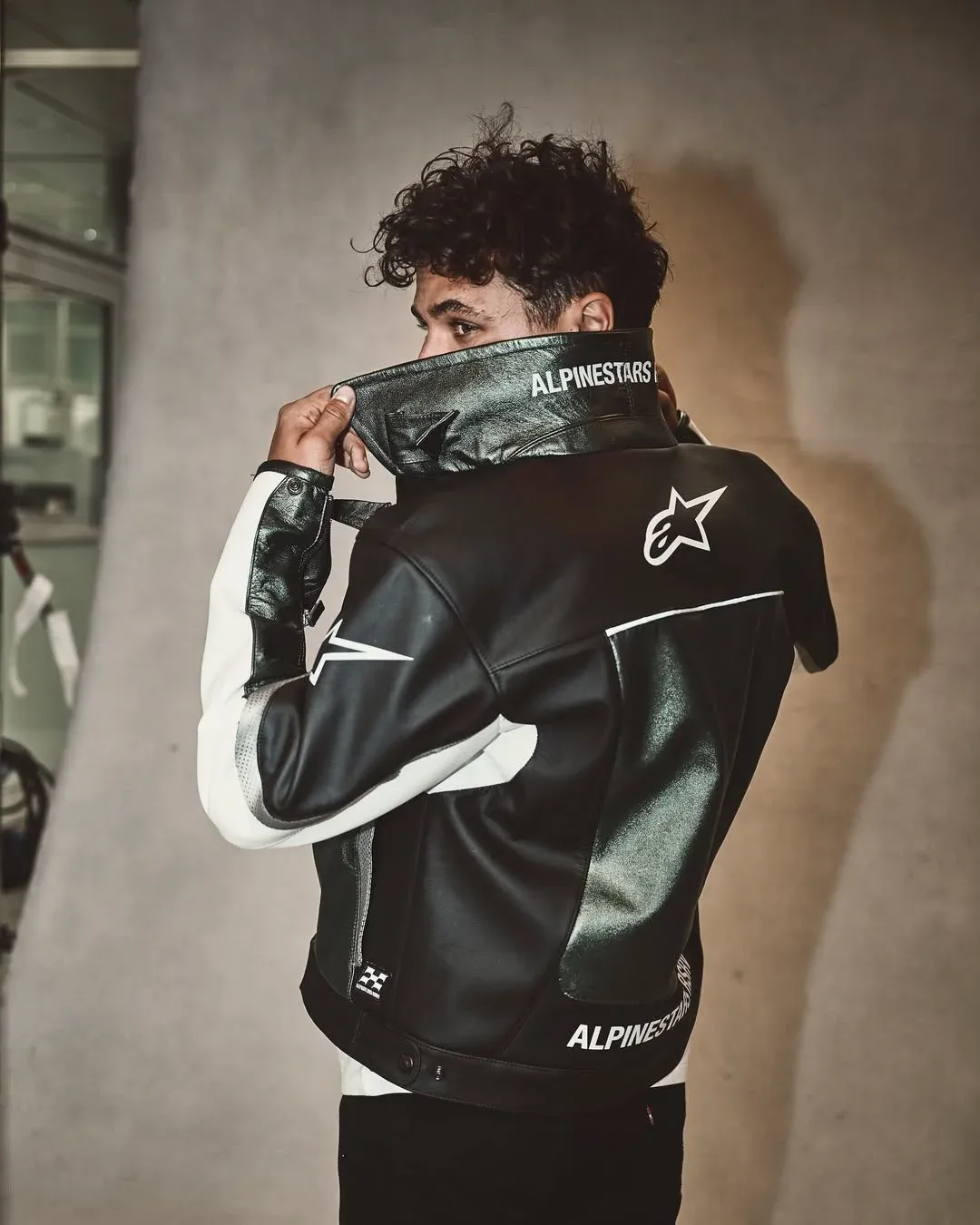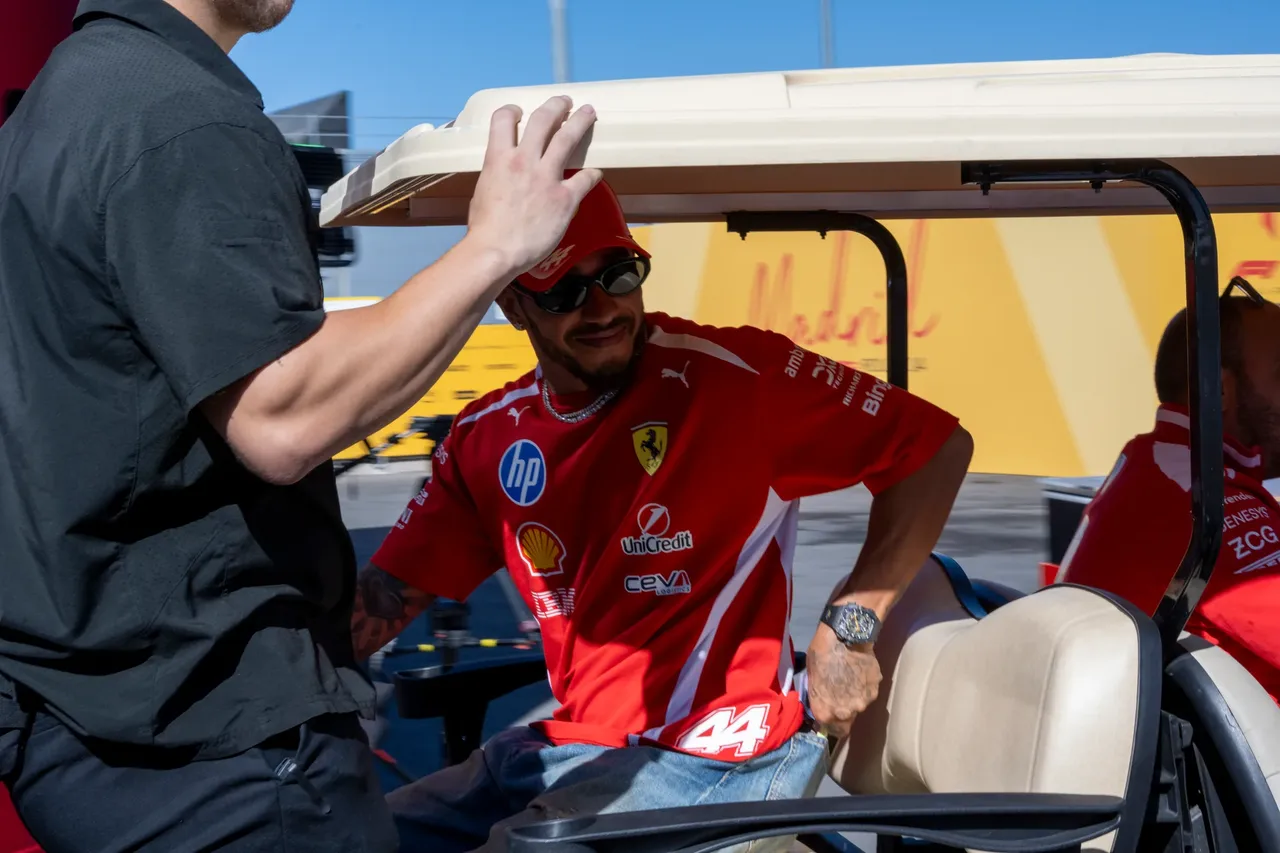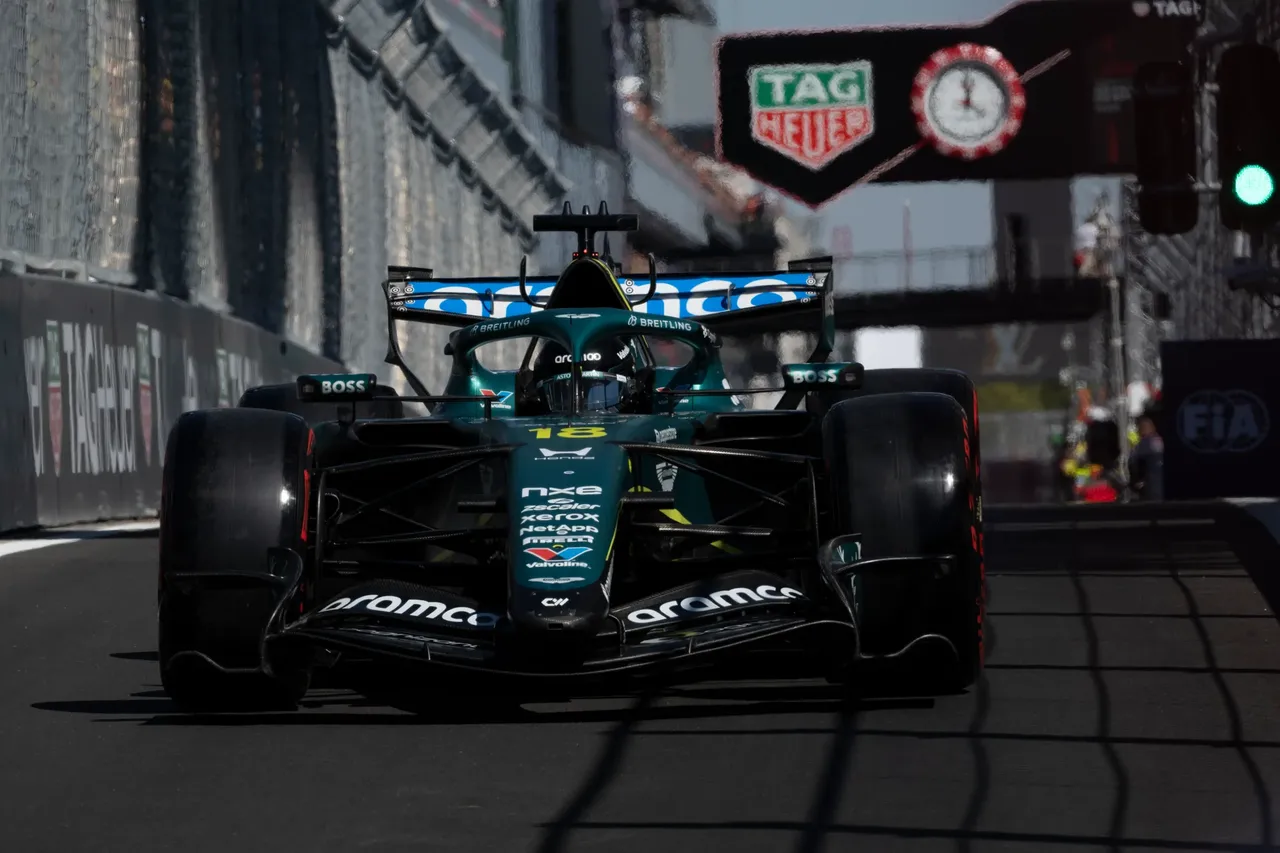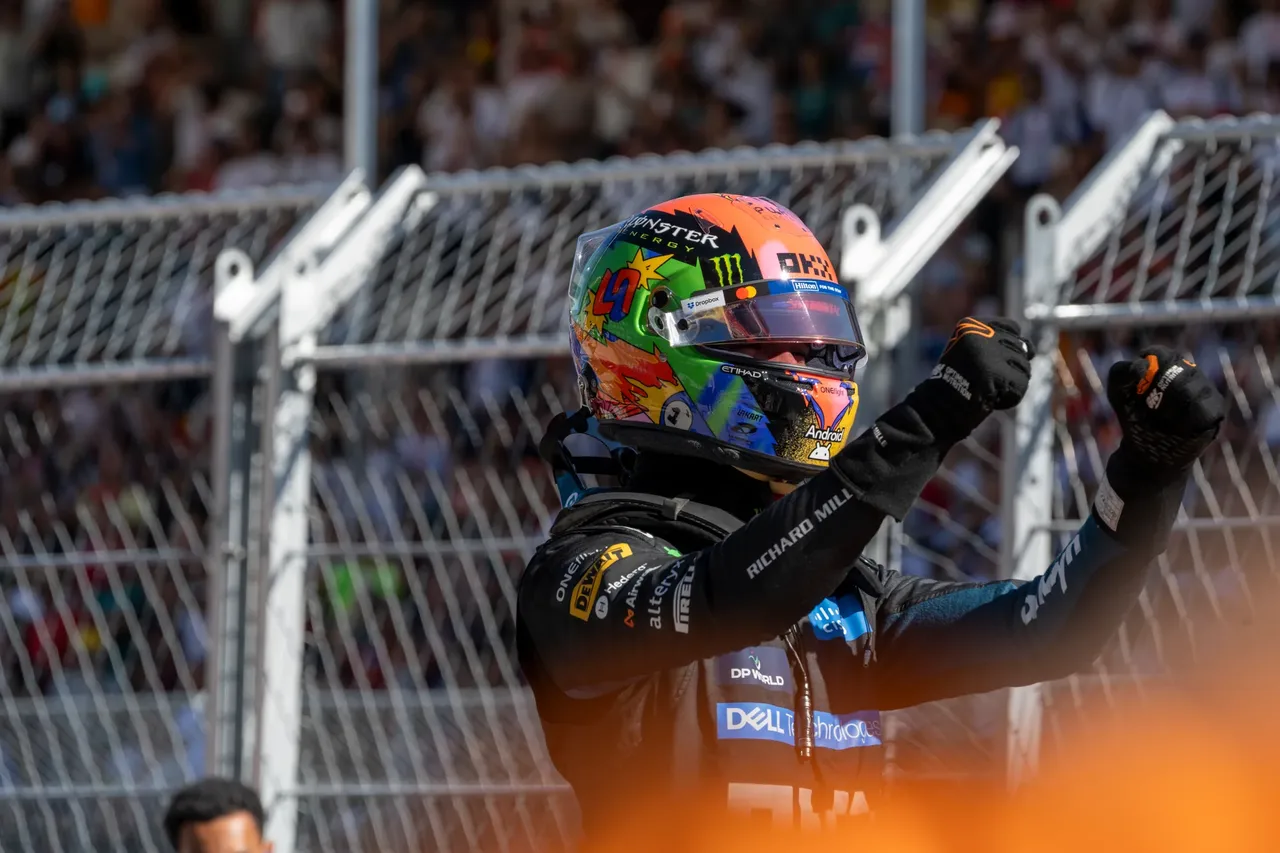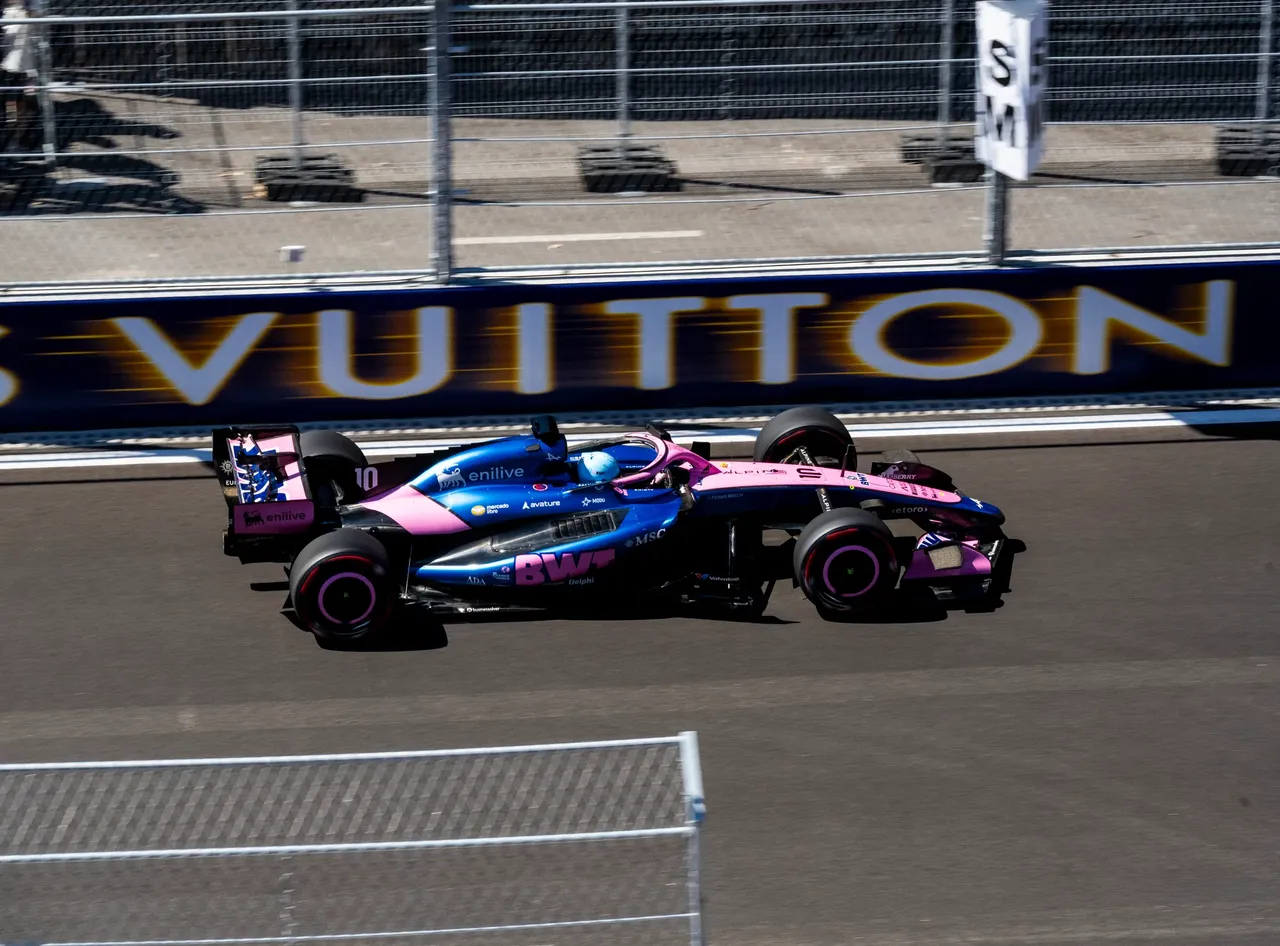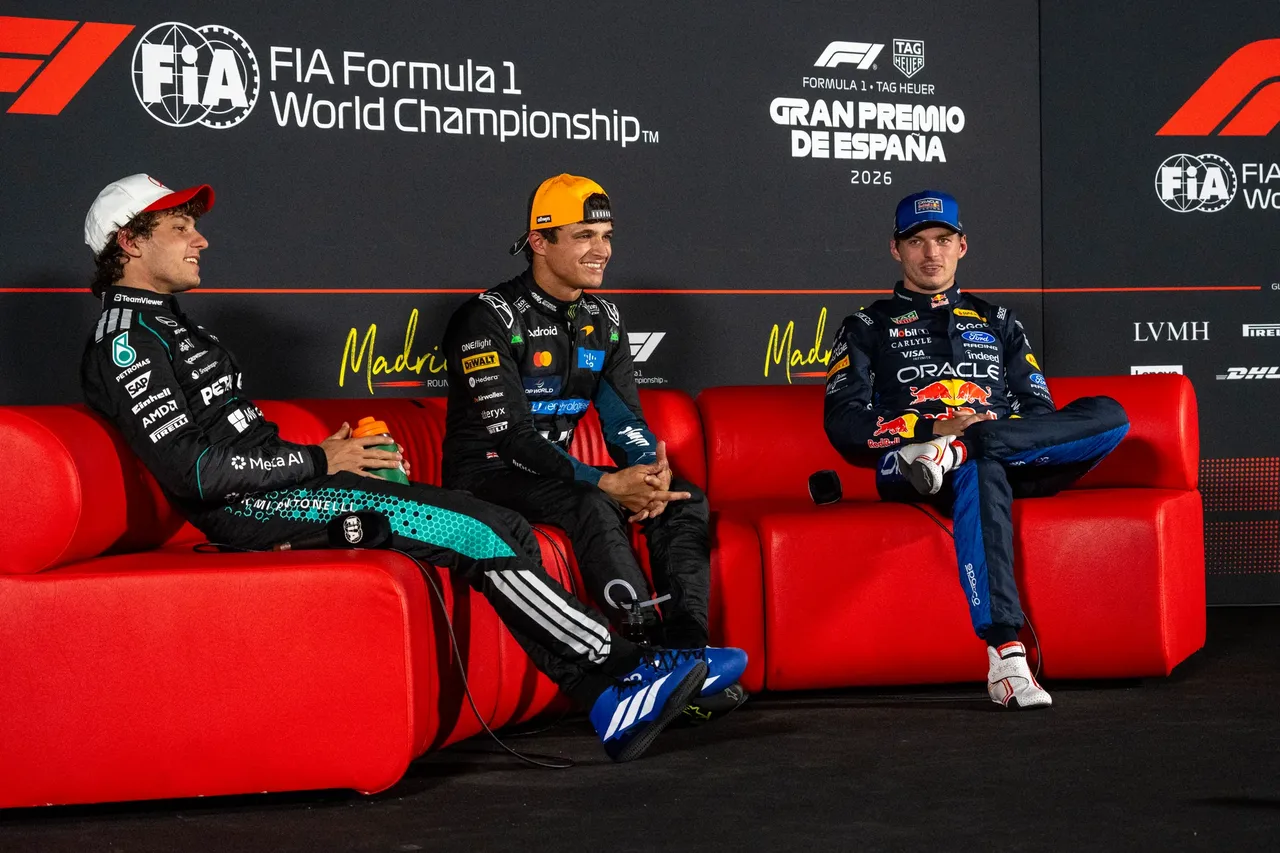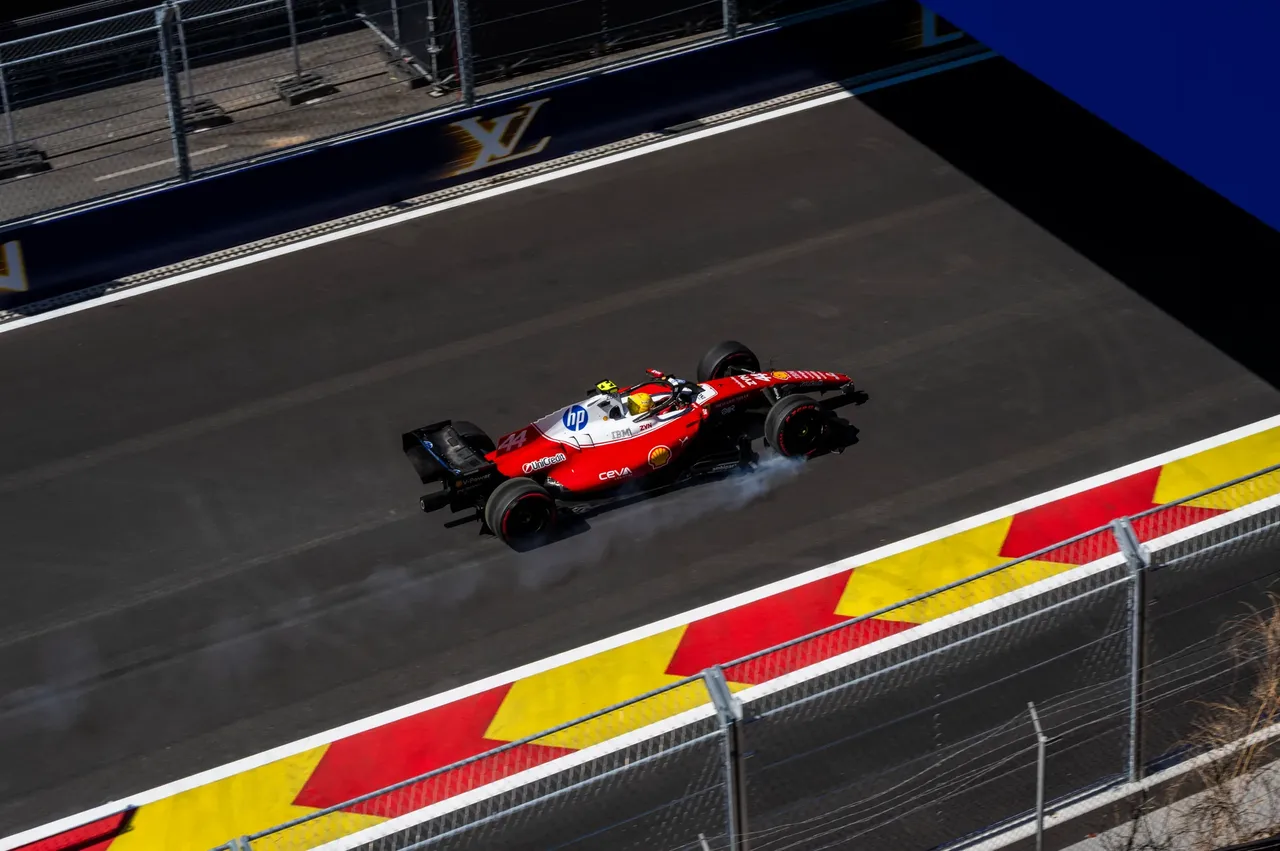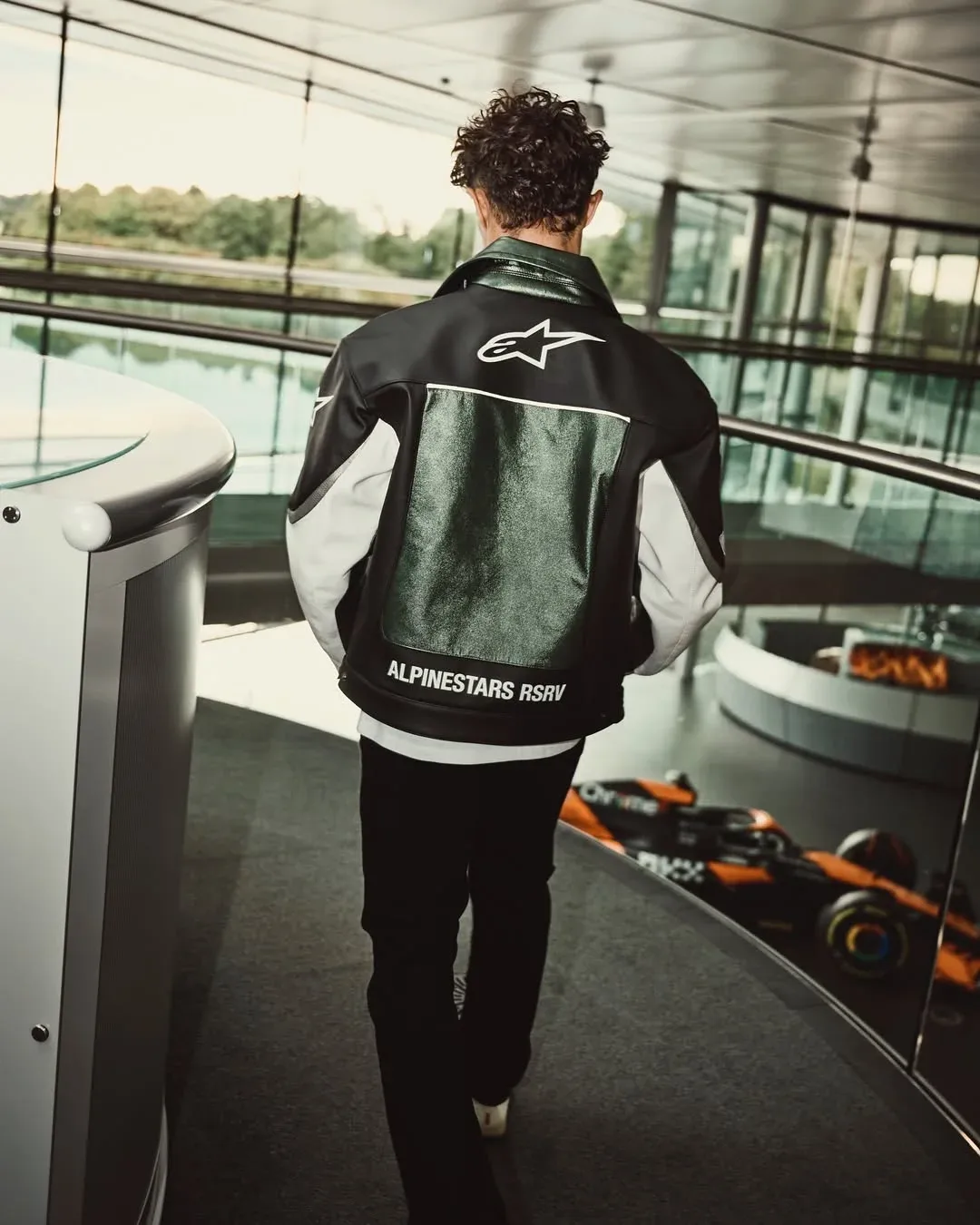
How different does Formula 1 feel when you are standing inside it? Last Saturday, Alpinestars RSRV invited us into the paddock at the Madrid Grand Prix, giving us the rare opportunity to experience a world we normally watch through a screen. We entered team garages, walked the pit lane and listened to driver communications in real time, surrounded by the people who make the sport happen. It was an extraordinary way to experience Madrid’s race, but an even better introduction to a fashion brand that could only have come from racing.
Perhaps what surprised us most was how quickly the paddock began to feel like a small city. Madrid’s paddock was enormous, yet you kept crossing paths with the same people: someone spotted inside a garage would appear again over lunch, while engineers and familiar faces from different teams passed constantly. How can a sport built around such fierce competition feel so much like a family from within? Everyone is fighting for something different on track, but behind it exists a community that travels together and understands the same peculiar way of life.
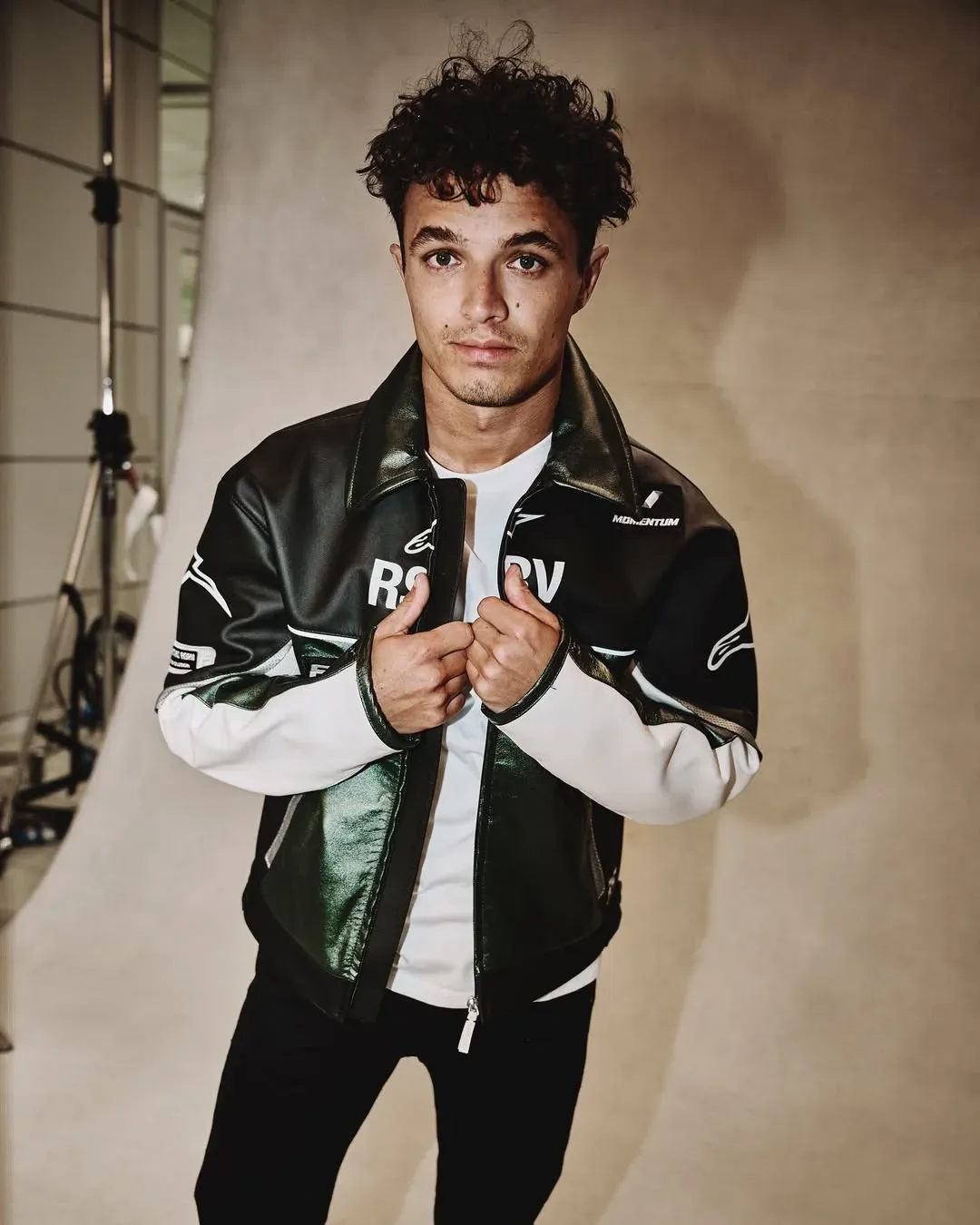
Spend a little longer there and you also notice how much personality exists within that shared world. McLaren does not feel like Haas, just as Alpine has an identity that is immediately recognisable as its own. You see it in the garages and, importantly, in what everyone is wearing. Look at Lando Norris in McLaren colours or Esteban Ocon at Haas: before either says anything, you know exactly where they belong. Fashion plays a fundamental role here because Formula 1 has always understood something fashion knows very well: identity needs to be visible.
Denise Focil, CEO of Alpinestars RSRV and Head of Collaborations at Alpinestars, and Chris Hillard, Alpinestars’ Head of Media and Communications, accompanied us throughout the experience. We started inside the McLaren garage before walking the pit lane, joined Haas for lunch and later continued exploring the team areas as qualifying approached. Having Denise and Chris there meant we could go beyond simply looking around. Questions became conversations with engineers, technical details started making sense and the relationship between Alpinestars and Formula 1 became something we could actually see unfolding around us.
One of the moments that stayed with us was listening to the communications reaching the drivers while they were on track, which completely changes the way you understand a lap. On television, it can look almost solitary, with the driver seemingly making every decision alone. Put the headset on and that illusion disappears. An entire team is effectively inside the car with them, interpreting what is happening and responding in real time. And when everything around the car is considered in such detail, it makes sense that what the drivers wear is treated with exactly the same care.
A Formula 1 race suit may appear relatively simple from a distance, but almost every part of it has been questioned and refined. It needs to protect a driver under extreme conditions without compromising movement or adding unnecessary weight, and Alpinestars has spent decades developing exactly that balance. Its current FIA-approved racewear includes some of the lightest equipment on the grid. When Formula 1 measures performance in fractions of a second, what does a seemingly insignificant number of grams really mean? Inside the garage, the answer suddenly feels much less abstract.
Sante Mazzarolo founded Alpinestars in 1963, bringing his background in leather craftsmanship and sports footwear into motorcycle racing before the company expanded across motorsport. Fernando Alonso won his 2005 and 2006 World Championships wearing Alpinestars equipment, a particularly meaningful connection to revisit during Formula 1’s first weekend in Madrid. Today, the company works with five teams across the grid: McLaren, Racing Bulls, Haas, Alpine and Cadillac. Seeing just how present Alpinestars is within Formula 1 also puts its position into perspective. This is a relationship built over decades of working directly with the sport, going far beyond the visibility of a logo on a racing suit.
All of this history matters because fashion currently cannot seem to get enough of motorsport. Racing jackets are everywhere and Formula 1 collaborations continue to multiply, but borrowing the visual codes of a sport is very different from having spent decades helping to create them. RSRV starts from the latter position. When the project began taking shape a couple of years ago, it was introduced through a simple premise: “Reserve is our playground where we push the boundaries of motorsports culture and explore new attributes of the Alpinestars creative ecosystem.”
It did not take long for others to want to play there too. An early collaboration with Heliot Emil brought Alpinestars’ technical language into the Copenhagen label’s darker, experimental universe, while the alliance with Demna and Balenciaga pushed that crossover onto an entirely different stage and certainly did not leave anyone indifferent. Those projects helped establish something that remains central to RSRV: racing is the foundation, but it does not dictate the outcome. Put the same archive in different hands and suddenly it can speak a completely different language.
Under Focil’s direction, RSRV has continued exploring that freedom by taking materials and specialist knowledge from Alpinestars and approaching them with different priorities. Something originally developed around protection can suddenly be considered for its shape or texture, while a technical process perfected for racing can find another purpose in a garment. The usual equation is almost reversed. Alpinestars has traditionally allowed function to determine form; RSRV has the freedom to begin with form and see where it leads. “Exploring the intersection of racing, art and fashion” is how the brand describes that territory now.
The clothes make that philosophy easier to understand. RSRV has worked with deadstock racing materials, MotoGP-grade leather and flame-resistant Nomex associated with Formula 1, sometimes allowing traces of their original purpose to remain visible. What happens when a material designed because of what it can survive is suddenly chosen because of how it looks or feels? This is where RSRV separates itself from the endless stream of motorsport-inspired fashion. A racing graphic can be reproduced anywhere; the knowledge behind these materials and the people who know how to work with them cannot.
We had already seen that dialogue take another form earlier this year in Paris, when we featured Juun.J’s F/W 2026 show in this article. Among the exaggerated proportions and architectural tailoring, his collaboration with Alpinestars RSRV introduced all-leather motocross silhouettes and technical biker pieces onto the runway. Watching those two languages meet was particularly interesting because neither disappeared into the other. Juun.J still looked unmistakably like Juun.J, while the racing elements carried a technical credibility that would have been difficult to recreate through styling alone.
Collaboration has become one of the ways RSRV keeps that conversation alive, allowing people from outside racing to reinterpret a history that could easily have become restrictive. Rather than constantly looking backwards at sixty years of Alpinestars, the brand seems more interested in asking what somebody else might see in them. Fashion is one answer, but art and music are increasingly part of the same conversation. Why keep such an extraordinary archive behind glass when you can let new people into it? RSRV treats heritage more like material to work with than something too precious to touch.
Community plays an equally important role, and spending a day inside the Formula 1 paddock somehow made that side of the project easier to understand. Racing brings together people with completely different roles who share the same environment while maintaining strong individual identities, and RSRV is building something similarly open around fashion. Its wider circle of “Reservists” connects people who might arrive through music or design with others whose entry point is motorsport.
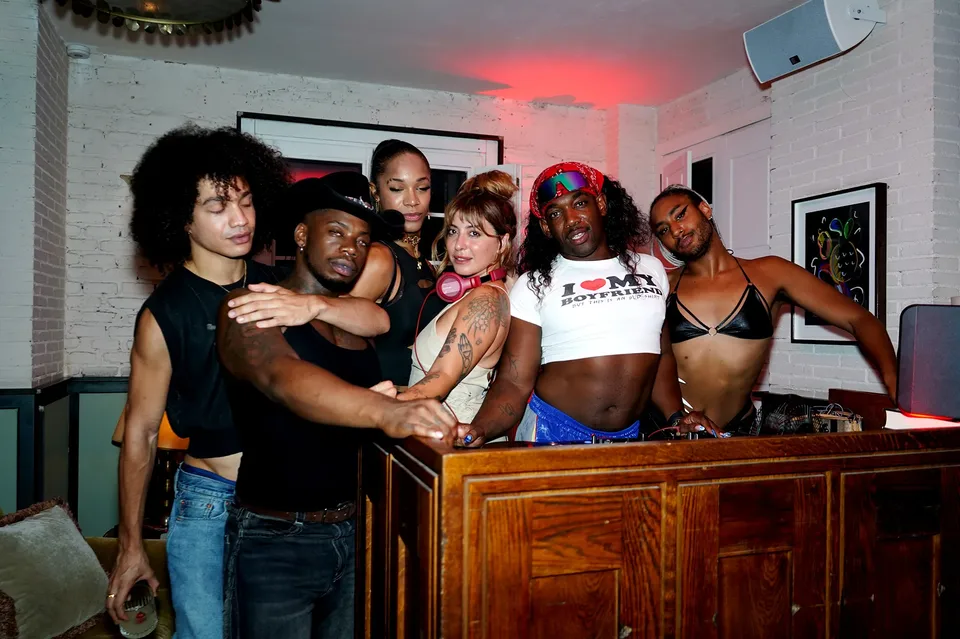
If you follow RSRV on social media, you have probably come across one of its Paris Fashion Week parties by now. They have become coveted events in their own right, bringing together the brand’s Reservists, artists and friends. Many would love to get through the door, and that says a lot about the community RSRV has managed to build.
That energy rarely stays in one place for long. While we were spending Saturday with Denise and Chris inside Formula 1 in Madrid, RSRV was already preparing its next move: only hours later, its collaboration with PDF was presented during New York Fashion Week. Two cities and two very different settings on the same day say quite a lot about the way RSRV operates. We’ll be keeping a close eye on what comes next. If one thing is clear by now, it’s that this is not a brand that likes to stand still.