A month ago, French producer Adrien Erra shared Lost In Time, a single about those moments when the past feels closer than the present, and the difficulty of letting go of something that has already ended. Now, the time has come to share the full project with the world. Out today via Parisian label Pont Neuf Records, Sunburn marks his debut album as Adrián, opening a new chapter after more than a hundred house releases under his former alias, Cosmonection.
It's a significant change for an artist who spent years immersed in club culture. Moving between deep house, electronica and indie pop, the eight-track album introduces a more personal approach to songwriting, with Adrián using his own voice for the first time. The decision followed a period of reassessment after receiving a bipolar disorder diagnosis, which prompted him to revisit past relationships, question his ambitions and reconsider what he wanted from music. “I tend to hold on to memories and emotions for a long time, and sometimes that can hurt,” he explains.
That relationship with memory runs throughout Sunburn. On My Heart Drifts, he compares the loneliness of heartbreak to being lost at sea, while Lost In Time captures the desire to reconnect with someone who is no longer part of our lives. The title track draws inspiration from the myth of Icarus, exploring the consequences of getting too close to someone, while Summer Sky addresses how his bipolar disorder has affected his relationships.
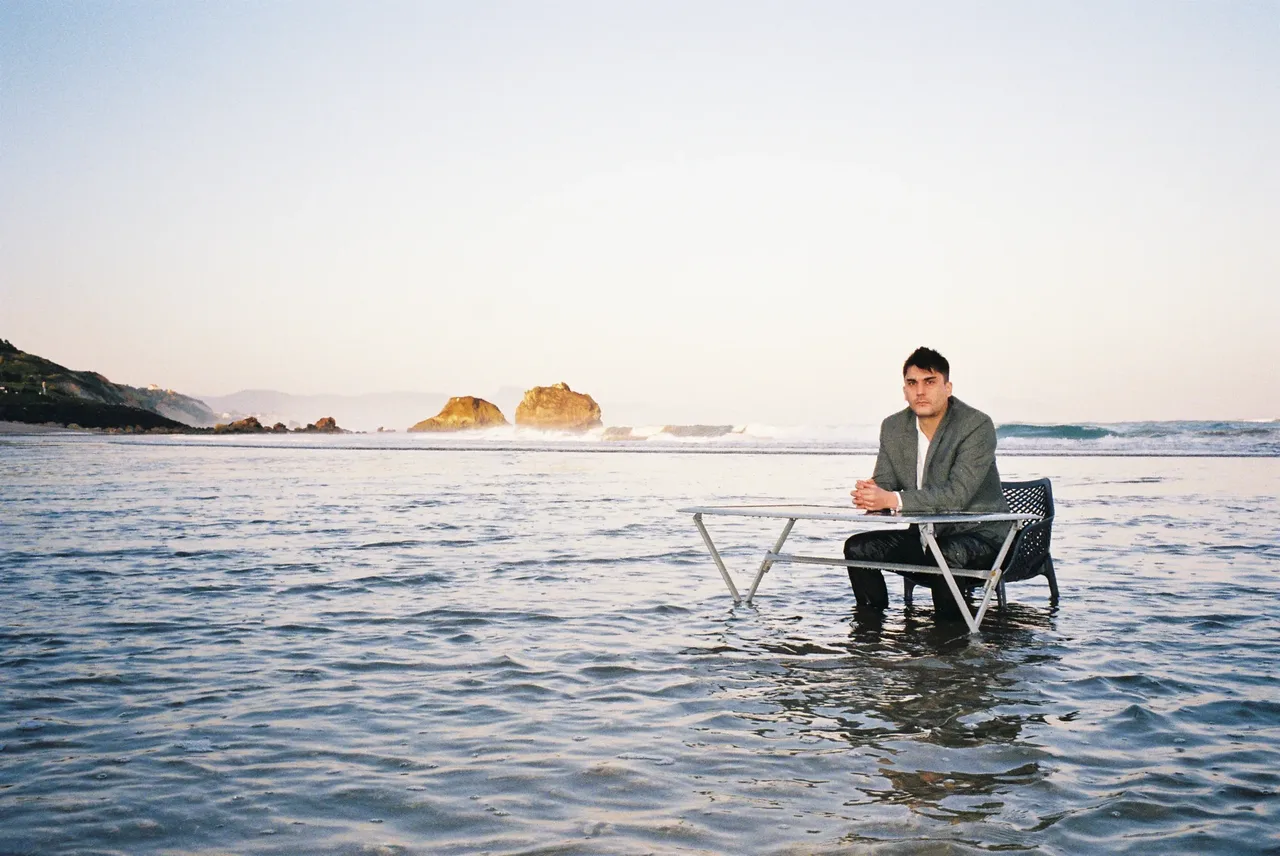
His Catalan roots and connection to Barcelona also influence the project, with the Mediterranean becoming both its emotional setting and visual reference. The smell of olive trees, long summer evenings and the particular light of southern Europe inform an album that extends beyond music through five accompanying short films, shot largely in Puglia.
Developed with visual director Raphaëlle Bellanger and filmmaker Lucas Lellouche, these videos explore how memories can change over time, becoming more romanticised or dramatic than the experiences themselves. Rather than illustrating the lyrics directly, they introduce fictional narratives that offer another perspective on the songs. In Fall In, for example, romantic betrayal becomes a robbery in which Adrián's character discovers that his partner has been following an entirely different plan.
After years of producing music primarily for the dancefloor, Adrián seems increasingly interested in what happens beyond it. His electronic roots remain present, but the possibilities have expanded considerably, allowing him to experiment with songwriting, cinema and his own voice. And perhaps that's what makes this new chapter worth following: the freedom to explore different directions without having to fit into the identity he built over the years.