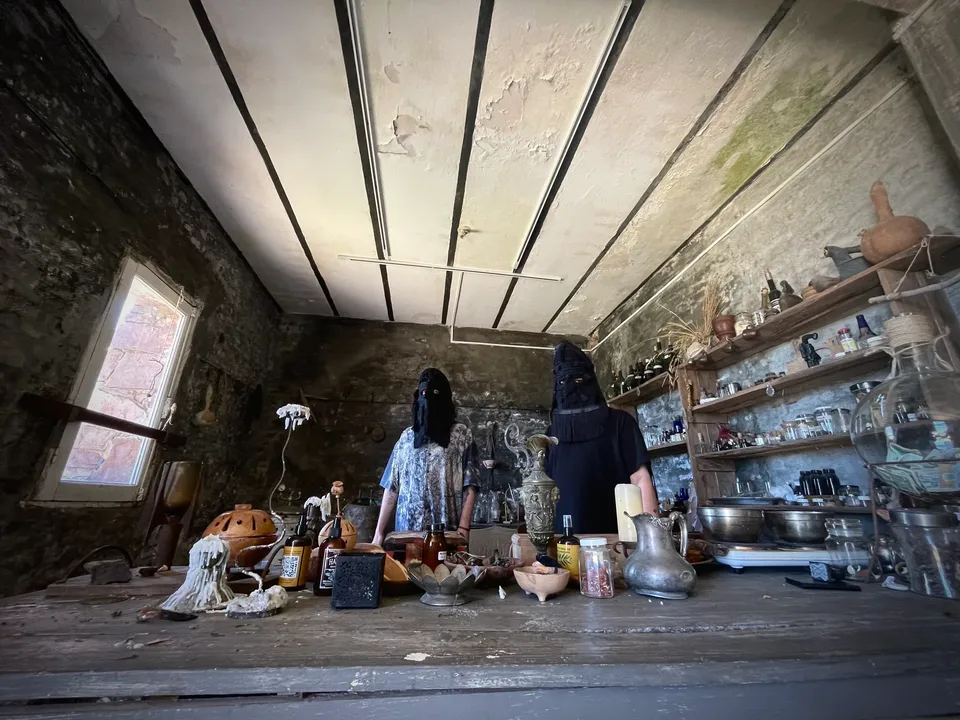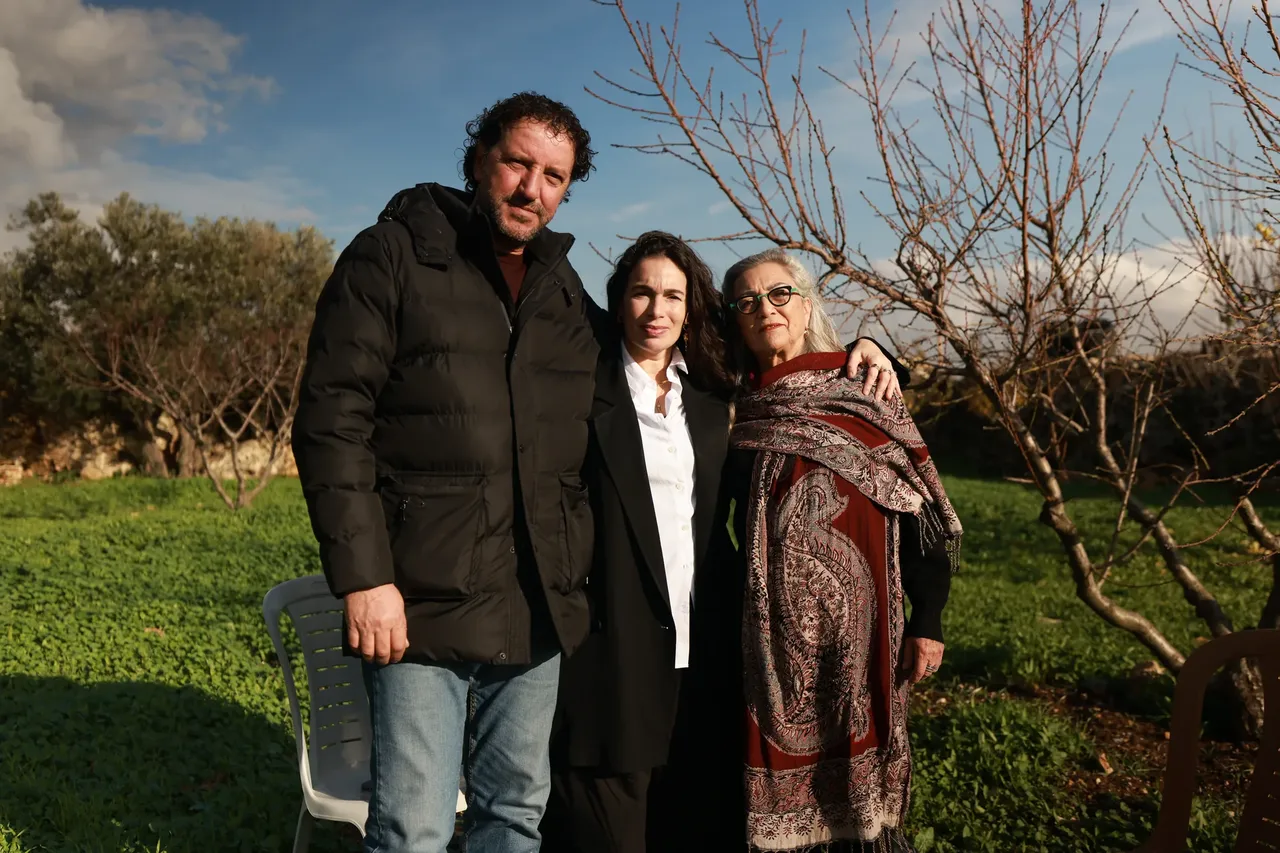
As the genocide in Gaza continues to expose the devastating human consequences of political decisions, speaking out and refusing to look away feels more necessary than ever. Yael Naim approaches this reality through Rabbit Hole, a new music video from her album Solaire, filmed in the West Bank alongside Palestinian nonviolence activist Ali Abu Awwad and Israeli rabbi and human rights activist Nava Hefetz. At its heart lies a simple question: can we learn to listen without turning away from injustice?
The project emerged from Naim’s search for people working towards peace, human rights and nonviolence. Through organisations including Guerrières de la Paix and the World Women’s Peace Forum in Morocco, she met Abu Awwad and Hefetz, whose commitment inspired her to respond through music. “Their commitment made me want to respond through the language I know best: music and art,” she explains.
Directed by Naim herself, Rabbit Hole brings the two activists together in an intimate encounter built around eye contact and listening. There are no elaborate gestures or attempts to simplify a reality that is anything but simple. And while the film encourages us to look beyond inherited narratives, it doesn’t mean overlooking the occupation, displacement and destruction endured by Palestinians.
After all, behind every political decision are people who must live with its consequences. Families lose their homes, children grow up surrounded by devastation, and entire communities see their futures taken away by forces over which they have little control. These experiences cannot be reduced to opposing positions in a debate, nor should calls for dialogue erase the responsibility of those in power.
Abu Awwad, founder of the Palestinian nonviolent movement Taghyeer, and Hefetz, a member of Rabbis for Human Rights who advocates for Palestinian communities, bring their own experiences to the film. Abu Awwad explicitly rejects support for Hamas and recognises the suffering of victims on both sides of the conflict. His work with Hefetz seeks to bring Israelis and Palestinians together, ensuring both communities feel seen and heard, and opening a path towards a shared future with new leadership. Accompanied by delicate electronic textures and understated melodies, Naim’s lyrics explore how fear and inherited prejudices can shape the way we see others.
Some conversations are uncomfortable precisely because they force us to confront realities we would rather not face. But remaining silent doesn’t make those realities disappear. The people whose lives are shaped by violence deserve more than distant expressions of sympathy. They deserve to be heard, their rights defended and the opportunity to imagine a future beyond the decisions being made for them.