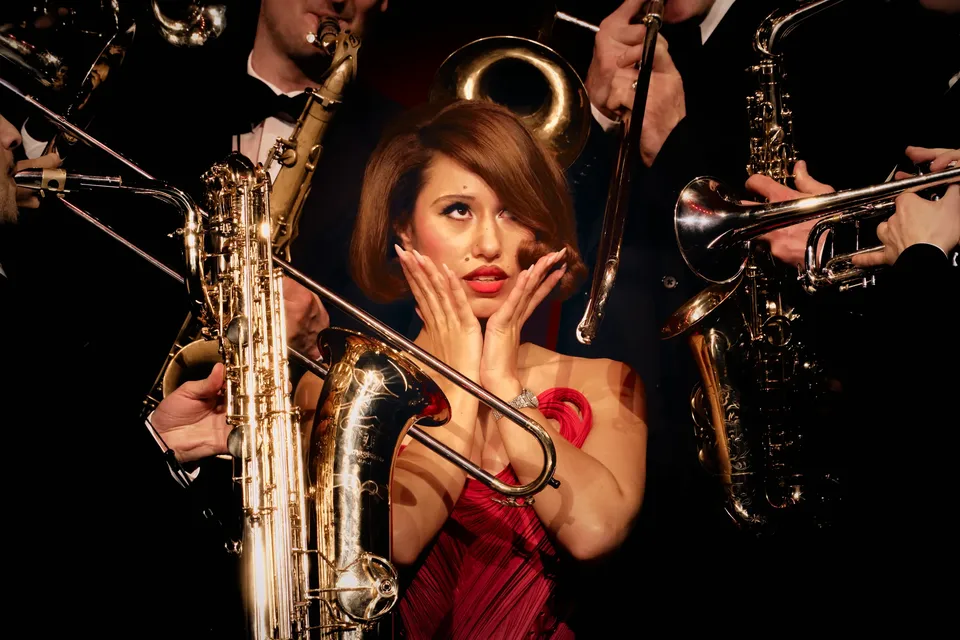
Veronika Vilim has always been a star. Glittering through the world in a most unstoppable fashion comes naturally to her. In her earliest days, she was a ballerina in tutus and wrap skirts. Then, she was singing, dancing, and acting in art school theatre performances. Soon enough, she was fifteen, having grown seven inches in one year, and her stardom was bursting at the seams. Manhattan itself became her stage, a breeding ground for her soon-to-be cool girl persona.
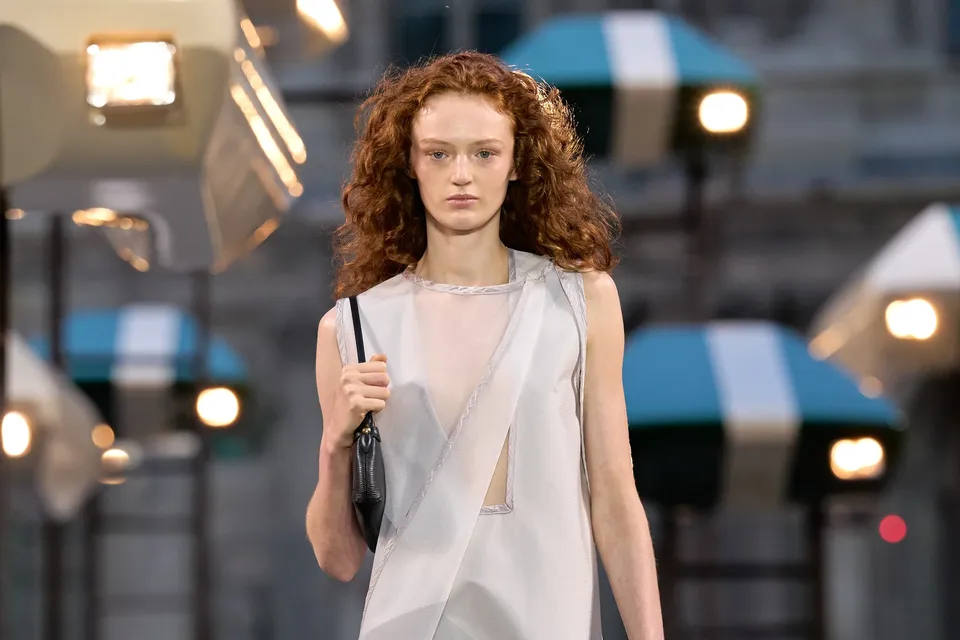
She found herself modelling for luxury fashion houses including Yves Saint Laurent and Marc Jacobs, and posing in Vogue and Elle. She was breaking into the creative sphere faster and with more explosiveness than she could’ve imagined. From starting a post-punk band of hyper femme alt girls called cumgirl8 to launching her self-titled fashion line, Veronika Vilim is innately gifted at reflecting culture and embodying new characters through a range of mediums. Her artistry is something that can’t be contained.
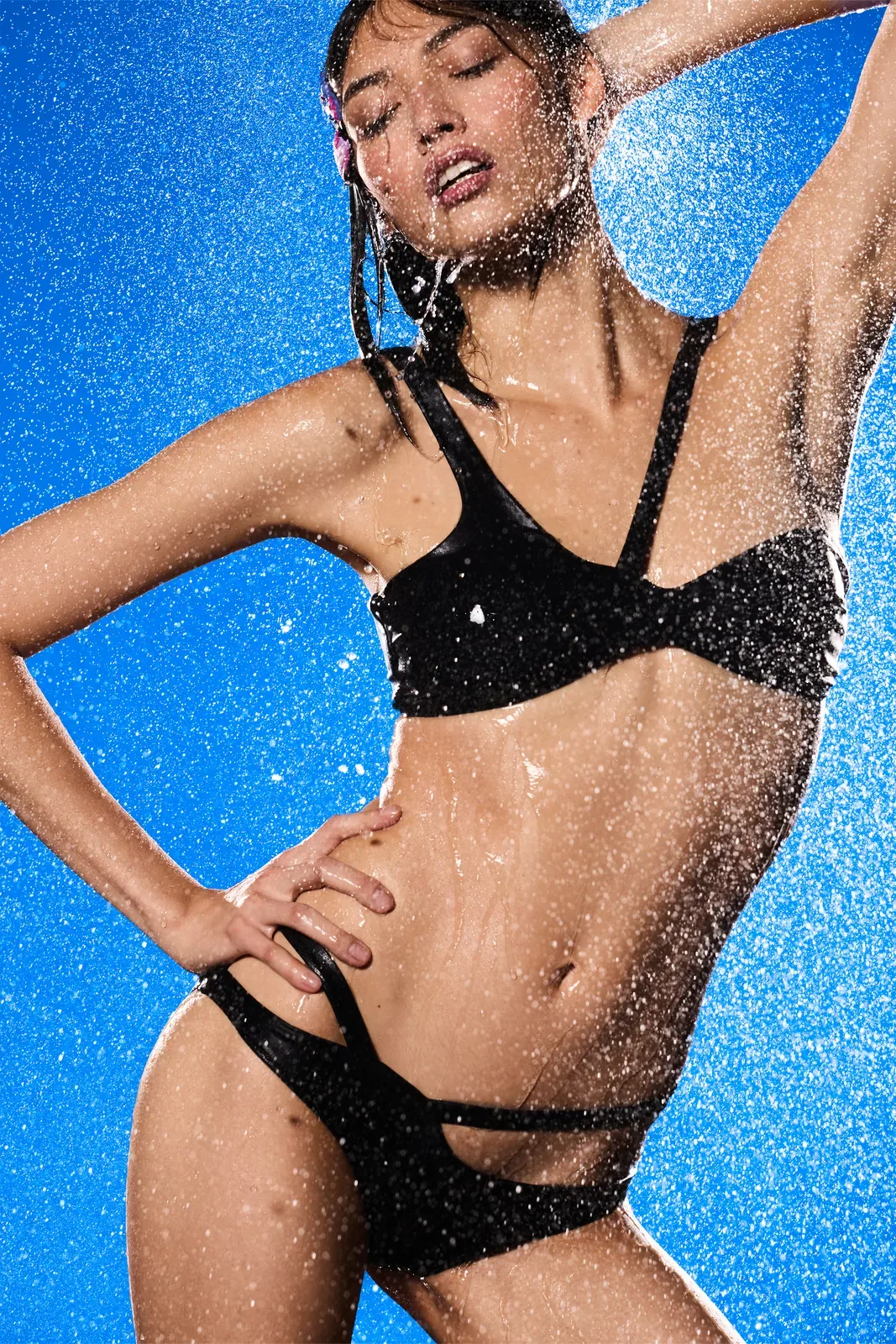
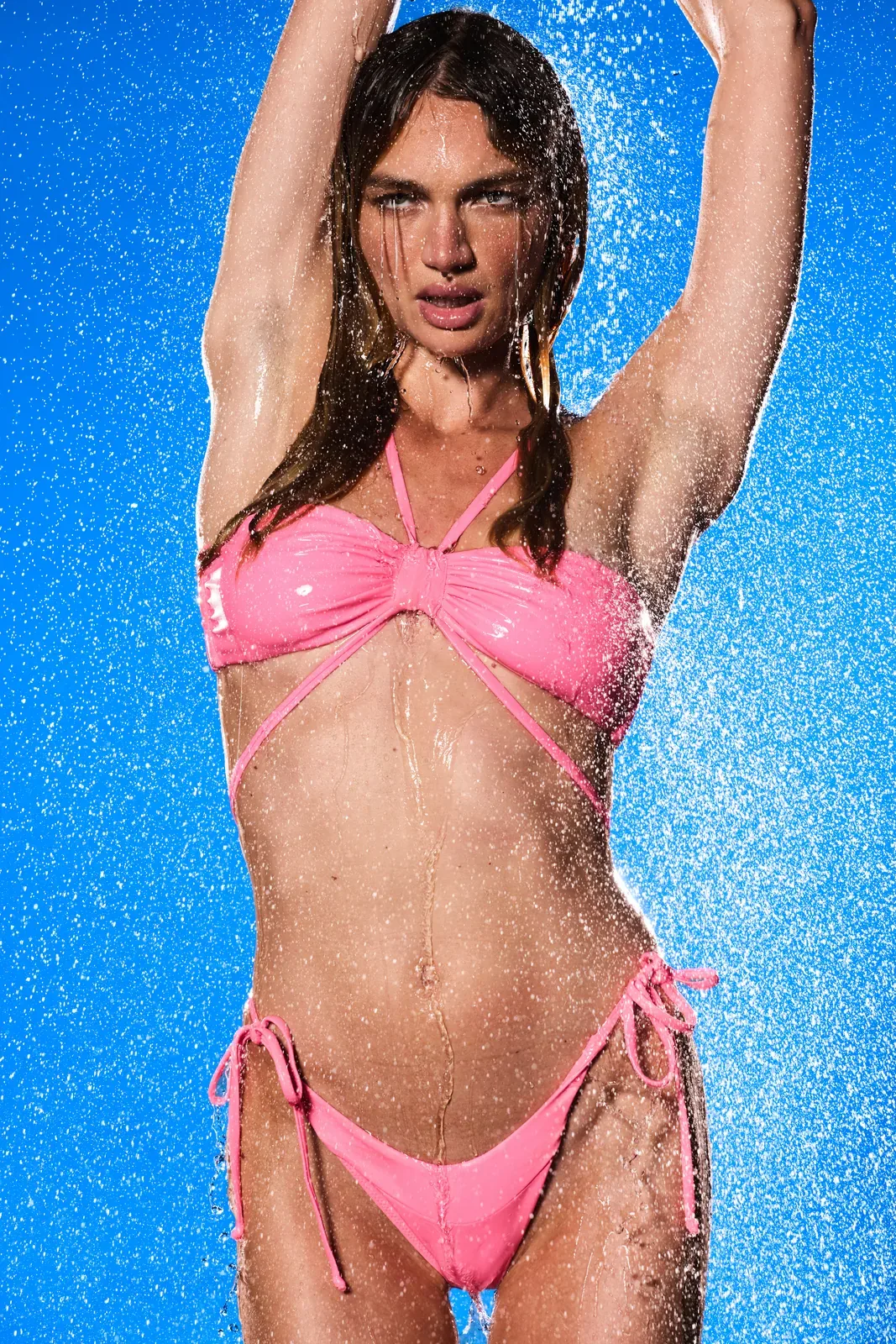
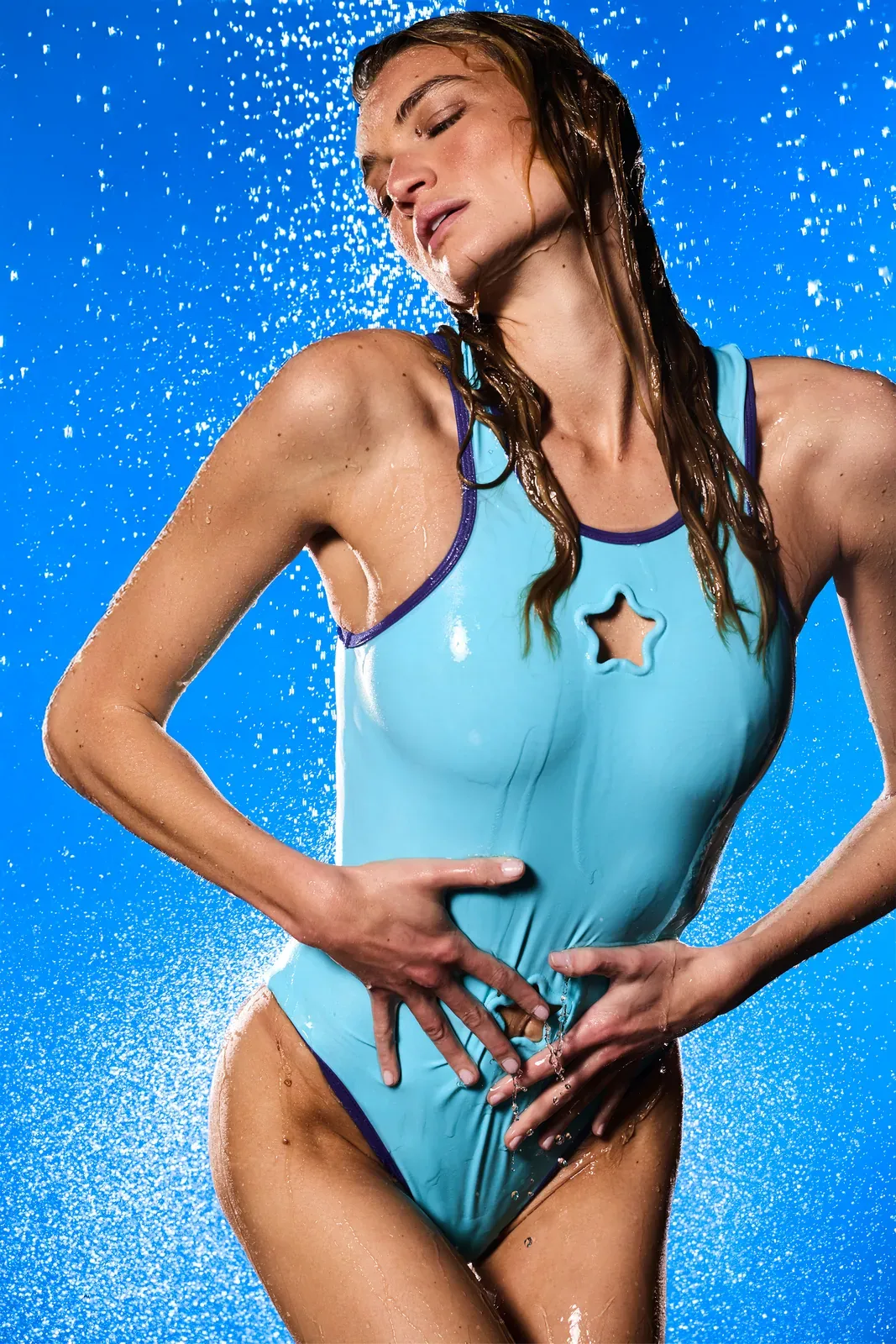
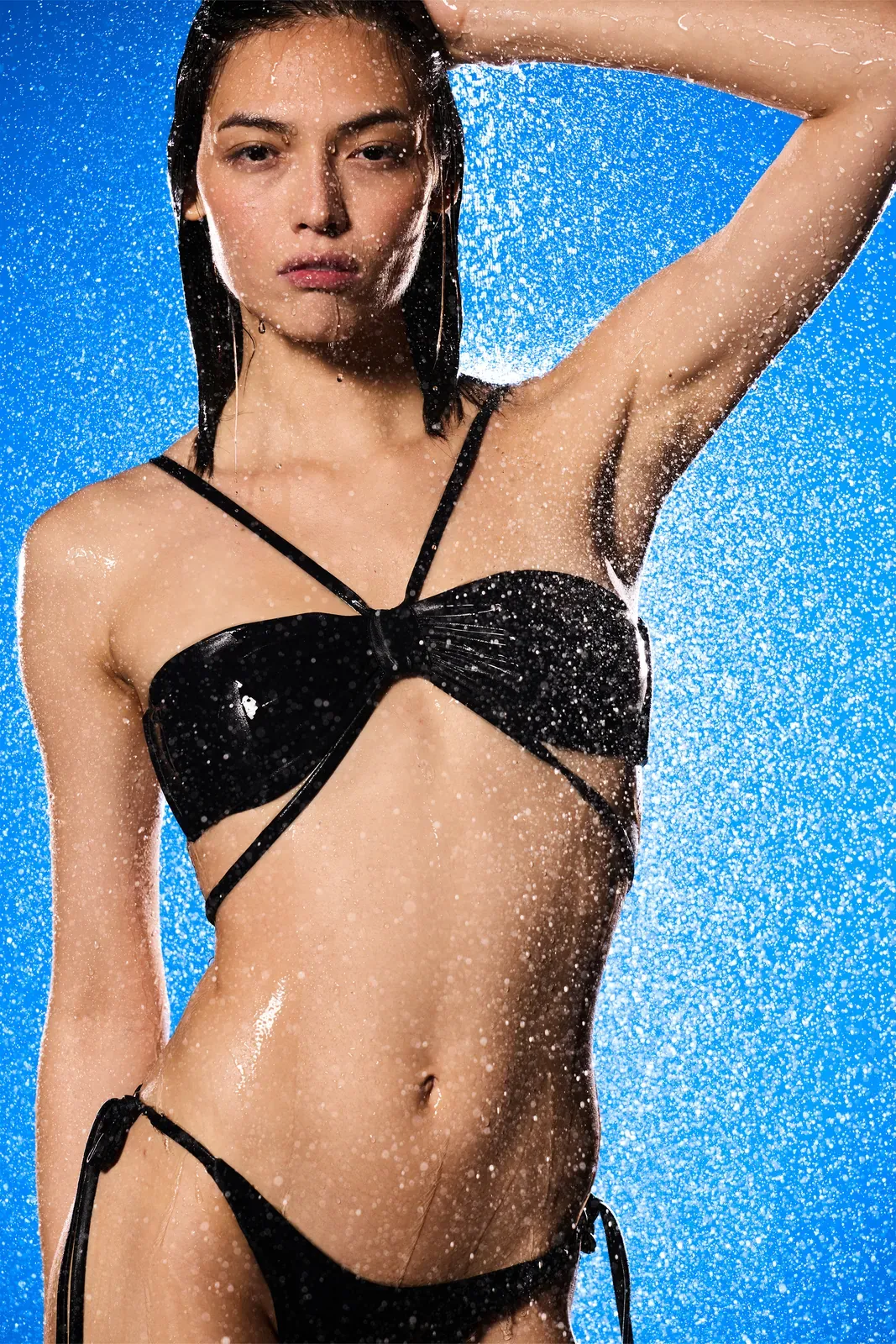
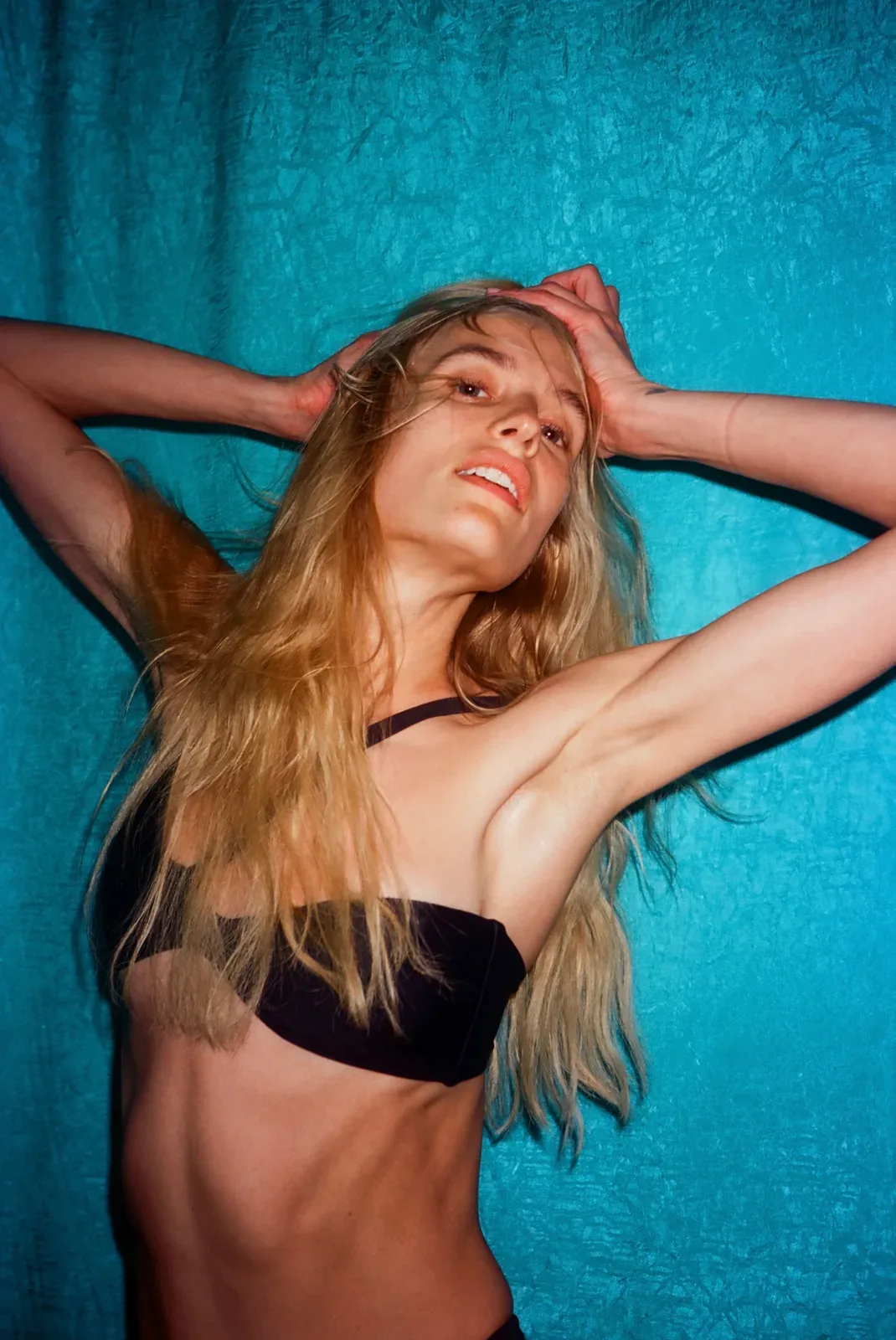
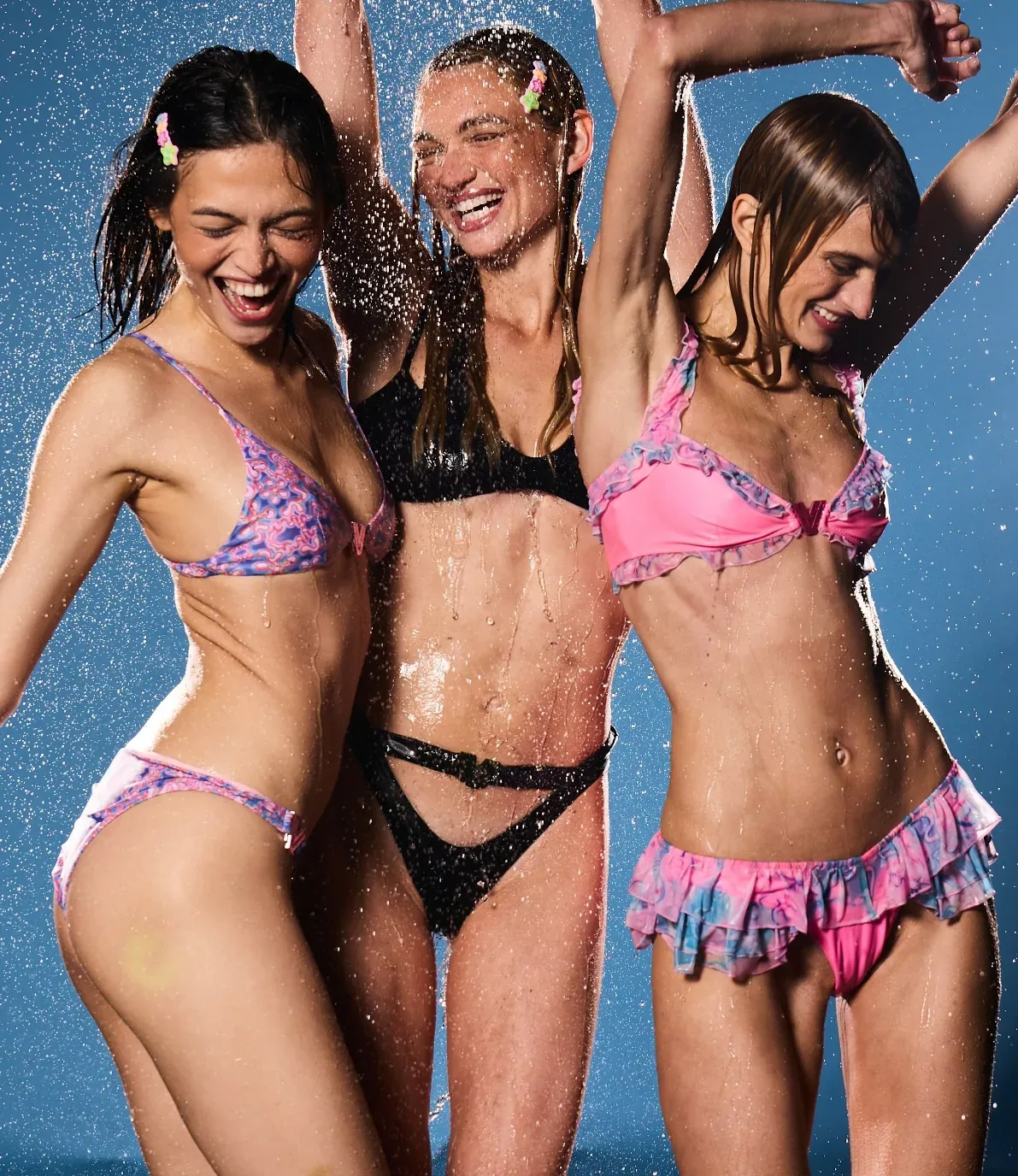
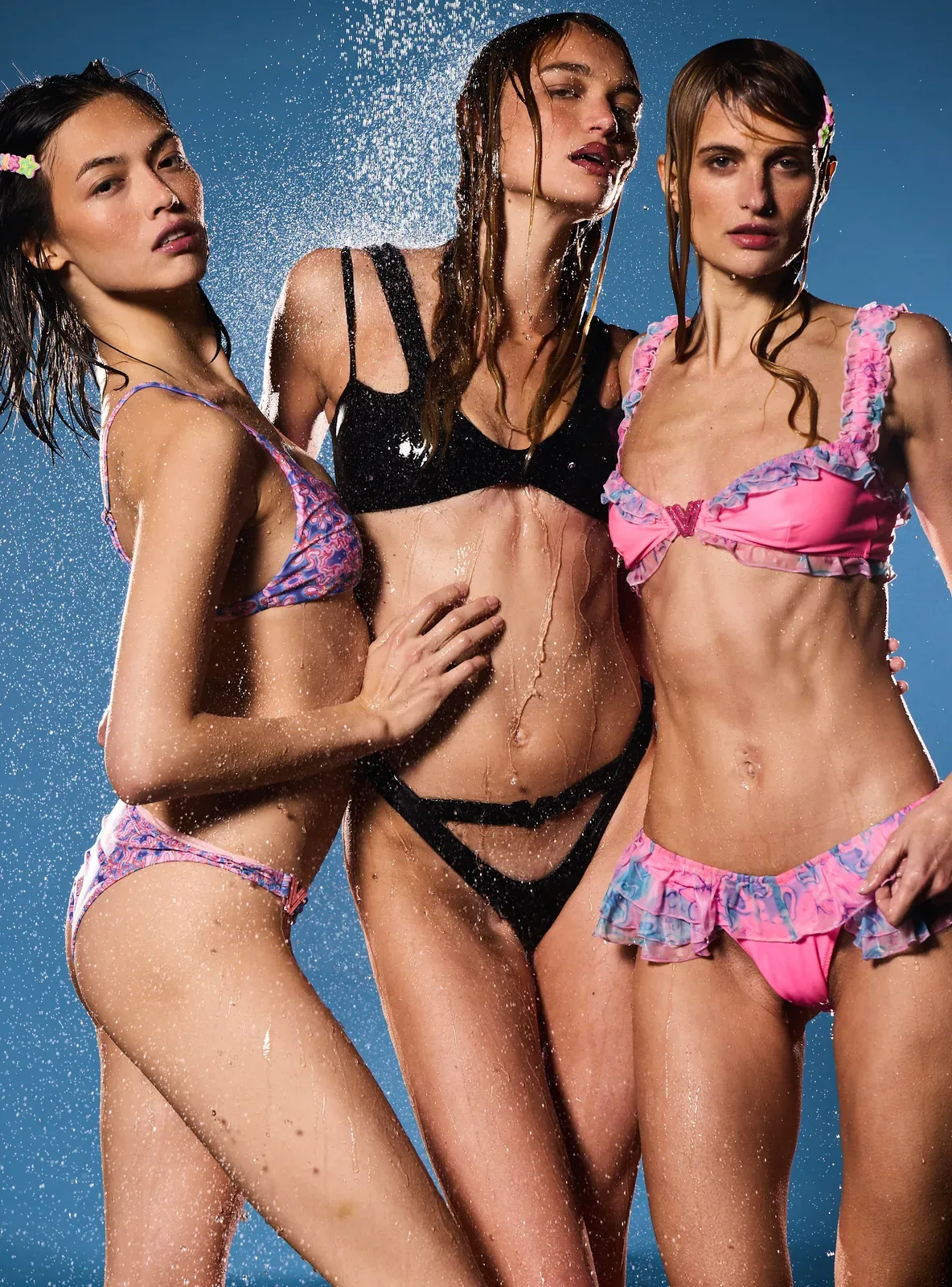
In her latest endeavour, Vilim ventures into the world of swimwear. She does so boldly and without restriction, with styles ranging from frothy hot pink and ruffles to the intensity of sharp lines and cutouts that are sporty and hedonistic. She tells us just how vulnerable and experimental you can get when you’re working with a bathing suit, and what it means when we allow ourselves, even as adults, to engage with play.
As a child, you were designing clothes for your dolls, fastening them up with tape. Does that childlike whimsy still find its way into your current design approach?
Even though I had lots of doll clothes and dollhouses, somehow the tape was always more
exciting. I was less interested in what was already made and more interested in making
something weird of my own. I think that part of me never left. I’m still not really interested in using whatever fabric happens to be sitting on a shelf somewhere. I’d rather make my own print, develop custom hardware, or experiment with something completely unnecessary just to see what happens. In the studio, I’m constantly playing with different materials — silicone, iron-on adhesives, rhinestones, anything I can get my hands on. My current obsession is sewing machine feet. There are so many, and every time I discover a new one, I feel like I’ve unlocked a secret level.
exciting. I was less interested in what was already made and more interested in making
something weird of my own. I think that part of me never left. I’m still not really interested in using whatever fabric happens to be sitting on a shelf somewhere. I’d rather make my own print, develop custom hardware, or experiment with something completely unnecessary just to see what happens. In the studio, I’m constantly playing with different materials — silicone, iron-on adhesives, rhinestones, anything I can get my hands on. My current obsession is sewing machine feet. There are so many, and every time I discover a new one, I feel like I’ve unlocked a secret level.
You’ve talked about how growing up in an ever-evolving New York familiarised you with perpetual transformation. And you’ve done everything: theatre, dance, modelling, music, fashion design, etc. What have you gained and what have you sacrificed in this pursuit of constant artistic change?
Honestly, trying everything was necessary. How else are you supposed to know what
you’re obsessed with? Every creative thing I’ve done has taught me something, even if it wasn’t the thing I ended up choosing. About two years ago, I realised fashion was the one thing I couldn’t stop thinking about, so I started stepping back from other projects and focusing all my energy here. The sacrifice is probably having fewer lives at once. The gain is finally knowing where all that energy belongs.
you’re obsessed with? Every creative thing I’ve done has taught me something, even if it wasn’t the thing I ended up choosing. About two years ago, I realised fashion was the one thing I couldn’t stop thinking about, so I started stepping back from other projects and focusing all my energy here. The sacrifice is probably having fewer lives at once. The gain is finally knowing where all that energy belongs.
Do you think swimwear has a special effect on how we inhabit our bodies in a way that other types of clothing don’t?
Definitely. Swimwear asks you to be a little brave. You’re showing more of yourself, usually
in a playful environment, and people seem more willing to experiment. There’s less hiding
and more committing. I love that. Swim has a lightness to it that feels very aligned with how I approach life. It’s serious design for something that’s supposed to be fun.
in a playful environment, and people seem more willing to experiment. There’s less hiding
and more committing. I love that. Swim has a lightness to it that feels very aligned with how I approach life. It’s serious design for something that’s supposed to be fun.
Sustainability is a central component of your brand, as your garments are made from recycled ocean plastic. Has working with Lycra and custom hardware pushed you to be more creative?
There is something extremely full-circle and necessary about taking plastic waste from
the ocean and giving it a new life back in the water. Sustainability was never
something I wanted to treat as an afterthought; it’s built into the foundation of the product.
There’s something really meaningful about transforming a material that was harming the
environment into something people can enjoy and feel good wearing. The creative challenge wasn’t just the fabric, though; it was making everything feel intentional. The fabrics were all originally white and custom-dyed, and every hardware colour was matched specifically to each swimsuit. It sounds creative, but honestly, half of design is becoming unexpectedly obsessed with logistical problems.
the ocean and giving it a new life back in the water. Sustainability was never
something I wanted to treat as an afterthought; it’s built into the foundation of the product.
There’s something really meaningful about transforming a material that was harming the
environment into something people can enjoy and feel good wearing. The creative challenge wasn’t just the fabric, though; it was making everything feel intentional. The fabrics were all originally white and custom-dyed, and every hardware colour was matched specifically to each swimsuit. It sounds creative, but honestly, half of design is becoming unexpectedly obsessed with logistical problems.
“Fashion is just the costume of everyday life.”
For a brief moment, you had a band called cumgirl8, a play on erotic screen names. Now that I’ve discovered it, I’m totally obsessed, by the way. That femme punk eroticism elicits such a distinct feeling. Do you think that style is still a part of your brand identity despite moving into a different artistic medium?
Aww, thank you. The visual world of the band was a huge creative outlet for me. The
clothing, artwork, graphics, all of it came from the same brain that designs swimwear now.
So, while the medium changed, the instinct didn’t. I think all creatives are just telling the same story over and over again through different formats.
clothing, artwork, graphics, all of it came from the same brain that designs swimwear now.
So, while the medium changed, the instinct didn’t. I think all creatives are just telling the same story over and over again through different formats.
As you mentioned, you used to make your own outfits for your cumgirl8 shows. Also, you were a performing arts kid, doing drama in middle and high school. Given that background, how do fashion and costume differ for you, if at all?
I honestly don’t think they’re that different. Fashion is just the costume of everyday life. What you put on completely changes how you move through the world. If I leave the house in an outfit I hate, the odds of me having a bad day increase dramatically.
What initially drew you to the swimwear world?
I’d worked with Lycra for years and always felt like swimwear could be pushed further. People are often more willing to take risks in swim than they are in ready-to-wear, which makes it an exciting category to design in. I also wanted to make swimwear that I personally wanted to wear and couldn’t find anywhere else. Spite has been a surprisingly effective creative motivator.
The iconography of your swimwear, namely the “V” hardware, feels almost reminiscent of a superhero’s branding. Is this purposeful?
The hardware was incredibly important to me. There were over a dozen iterations, so by the
end of the process, I felt less like a designer and more like someone accidentally pursuing a
degree in physics. Superhero wasn’t the original inspiration, but surviving that development process did make me feel a bit like one.
end of the process, I felt less like a designer and more like someone accidentally pursuing a
degree in physics. Superhero wasn’t the original inspiration, but surviving that development process did make me feel a bit like one.
You grew up performing in the New York City Ballet. How did that inform the way you think about form and structure in clothing?
I was obsessed with leotards, tutus, wrap skirts, leg warmers — anything ballet-related. Later, it became corsets. Growing up around those garments made me very aware of how clothing interacts with the body. Ballet teaches you to notice line, proportion, movement, and tension. I didn’t realise it at the time, but it was basically design school before design school.
Is there a distinct moment from your modelling career that piqued your curiosity about what it might be like to be on the other side of things, designing the garments?
Two major moments were working with Jeremy Scott and Marc Jacobs on show looks.
Seeing the process up close completely changed my perspective. Watching an idea evolve
into a finished collection made fashion feel less like something I participated in and more like something I wanted to create myself.
Seeing the process up close completely changed my perspective. Watching an idea evolve
into a finished collection made fashion feel less like something I participated in and more like something I wanted to create myself.
You’re obsessed with stuffed animals. Which is your favourite?
My favourite is probably a stuffed animal of Cicciolina that Cicciolina herself gave me. I don’t think anything can really compete with that.
Your self-titled brand is built on a motif of contrast, “structure versus softness, exposure versus control,” etc. What do you think makes you so drawn to creating balance via opposites?
I’m an extremely all-or-nothing person. I love things that feel contradictory at first and make sense later. Strength is more interesting when it exists alongside vulnerability. Structure is more beautiful when it’s softened. I’m constantly looking for that tension, both in life and in design. The goal is for people wearing my pieces to feel that same balance within themselves.