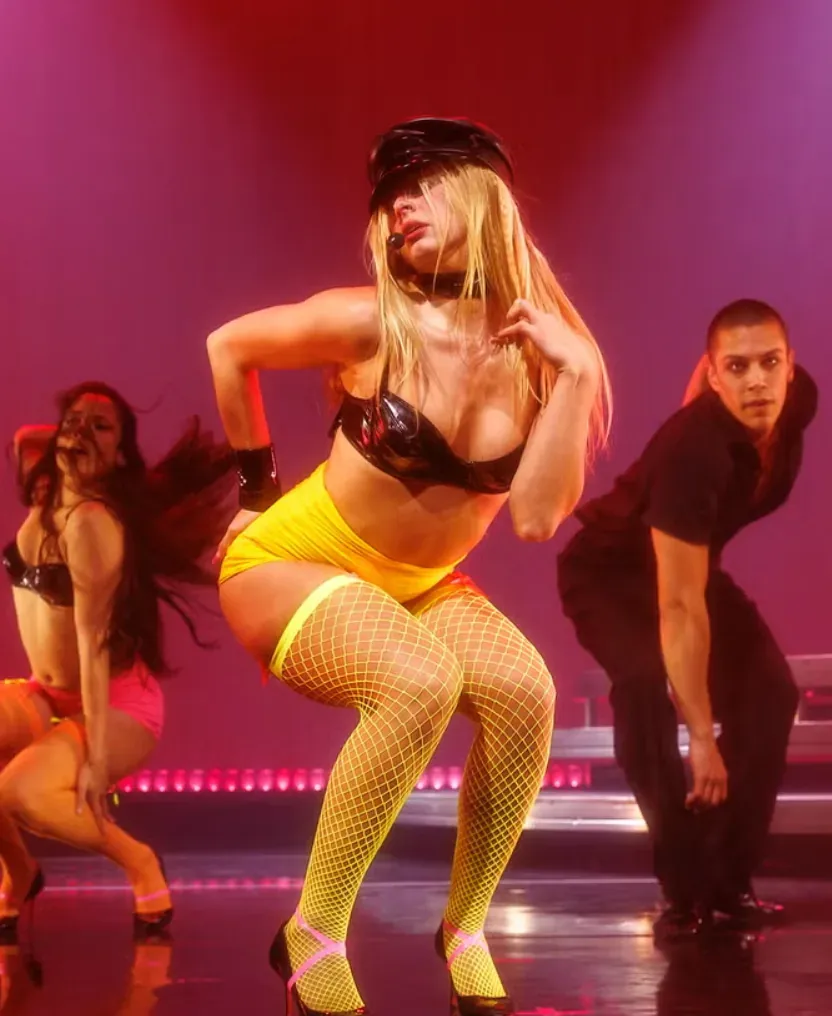
A quiet act of defiance is bubbling under the surface of the fashion industry. In response to sterile algorithms and a soulless stream of AI content taking over our social media feeds, a movement marked by messiness and imperfection is emerging. Collections saturated in sleaze, irony and leather-clad garments define a new age of self-indulgence and excess, making hedonism the new contemporary archetype.
In the summer of 2024, the release of Charli xcx’s BRAT packaged hedonism up into a lovely lime-green box. Although this was far from popular culture's first efforts to conceptualise the aesthetics of excess — queer artists have famously been doing this for generations — it brought a sense of carnality to the mainstream. What followed was a movement of both love and criticism towards our blossoming relationship with indulgence. By September, we had Coralie Fargeat’s The Substance, a grotesque lesson in what our unsettling obsession with being young and hot can lead to, and, for those less influenced by dance-pop and body-horror, Lili Anolik’s Didion & Babitz, which vividly painted the friendship of two of America’s most celebrated female authors, reintroduced audiences to the infamous hedonism of 1970s Los Angeles.
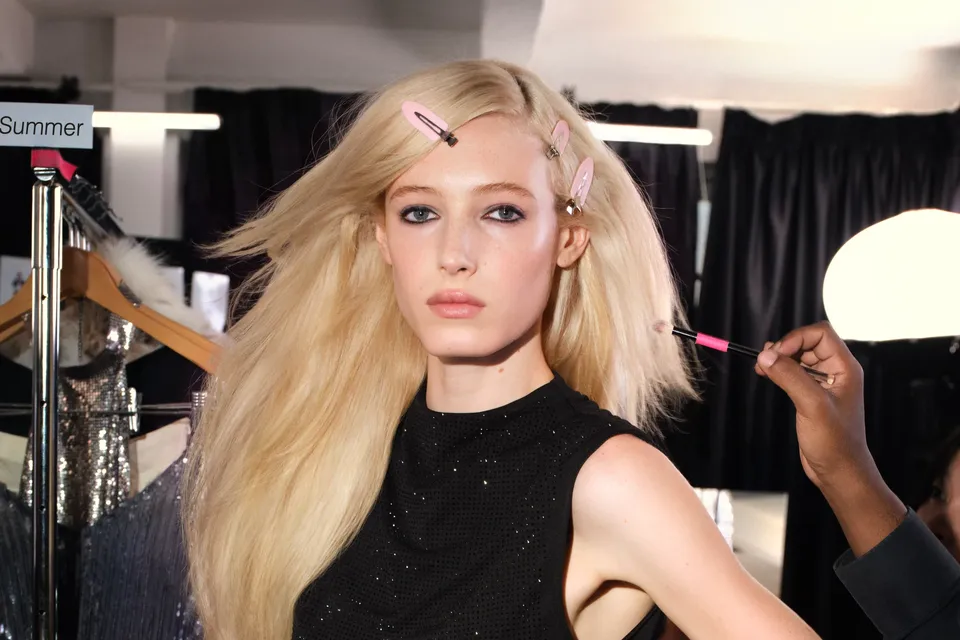
Fast forward to now, and it seems like every model, musician and online fashion personality is embracing this newfound sense of self-enjoyment. It just takes one scroll session to know that form-fitting silhouettes, unkempt hair and overdrawn charcoal eyeliner is the new uniform of internet It girls, who work under a manifesto of unbridled confidence and emboldened sexuality. Pop stars, like Addison Rae — whose latex two-pieces have become a ceremonial mark of her onstage performances, and Olivia Rodrigo — who wore a custom baby pink leather bra by London-based fetishwear brand R&M Leathers when she joined Rae at her Coachella Weekend 2 set, bring a soft hand to kink subcultures, in a way that feels more camp and feminine.
However, it’s worth noting that, as fetish-inspired garments work their way from the stage to the red carpet, so does the risk of forgetting the communities who invented their aligned subcultures in the first place. Romeo Beckham made his Met Gala debut in a custom grain-de-poudre wool Burberry suit in a subtle ode to famed fetish and BDSM photographer Robert Mapplethorpe. As Vogue’s Mahoro Seward puts it, the presence of kink aesthetics in mainstream culture has seen the “more obscure, prurient facets of fetish culture” being chastised. Although there are examples of both working in tandem, actor Luke Evans came to the Met in a leather ensemble by Palomo Spain, which was moulded from the bold, defiant, and homoerotic works of Tom of Finland. It’s worth questioning if our relationship with kinkwear comes from a superficial desire to look sexy, as opposed to truly exploring eroticism.
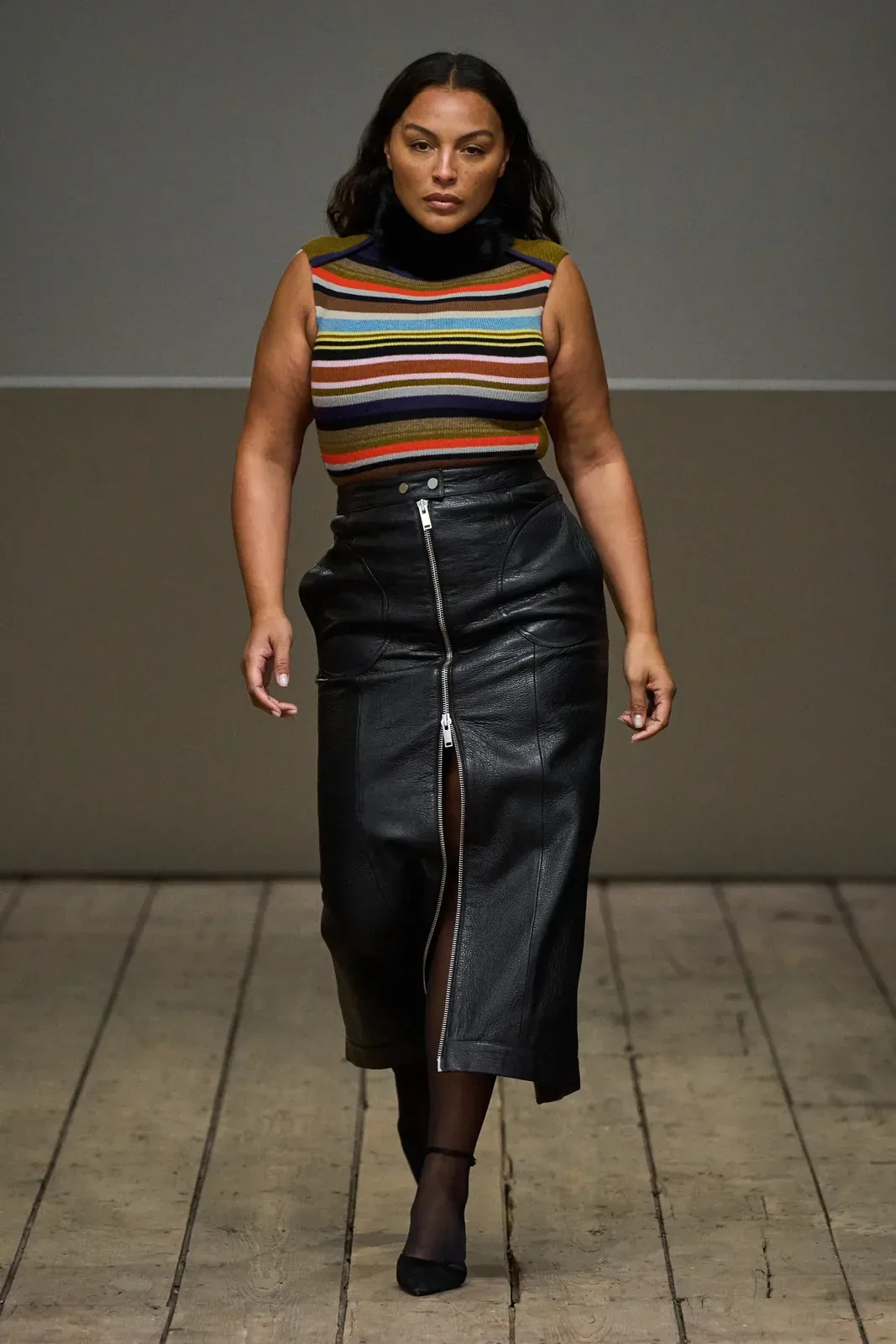
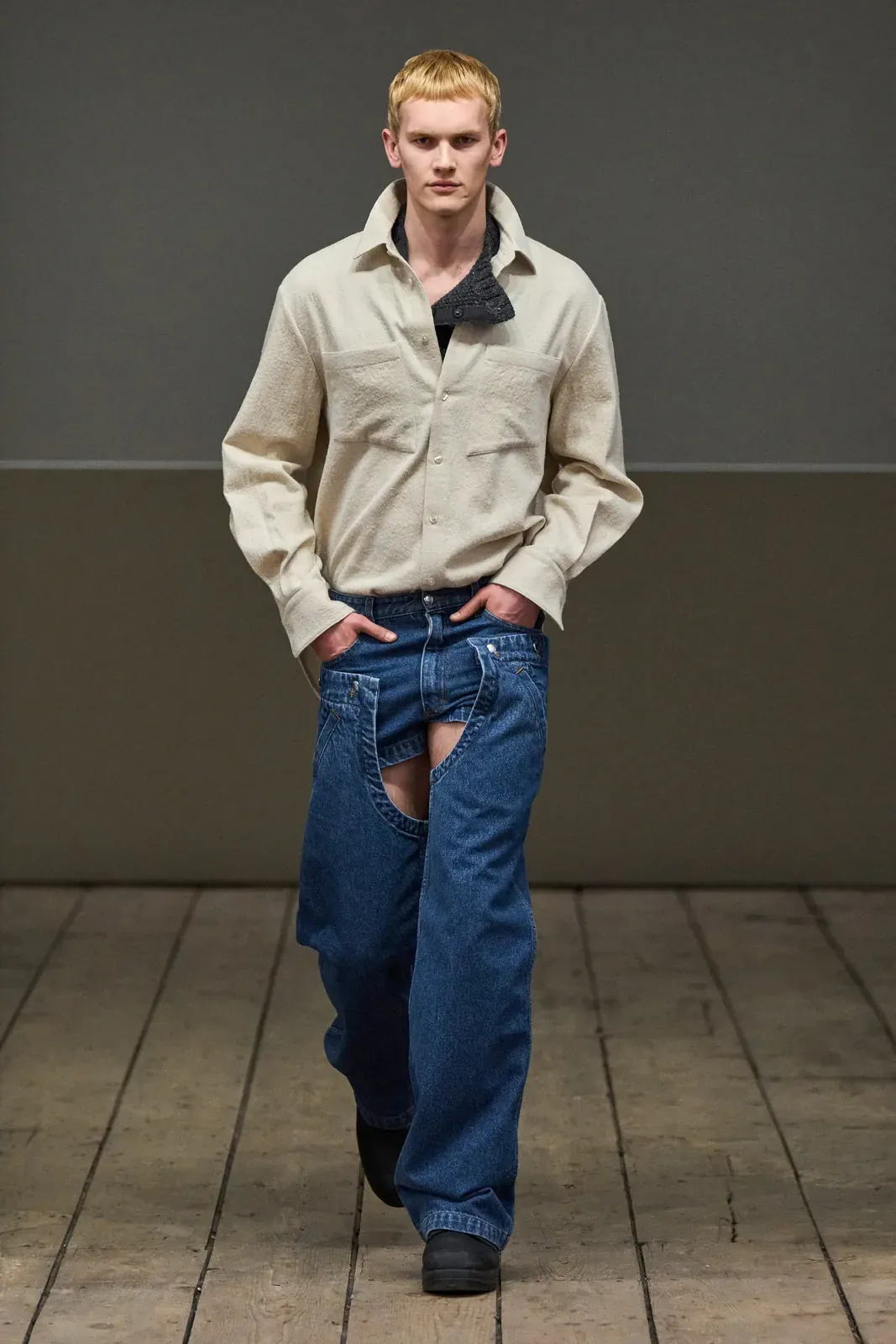
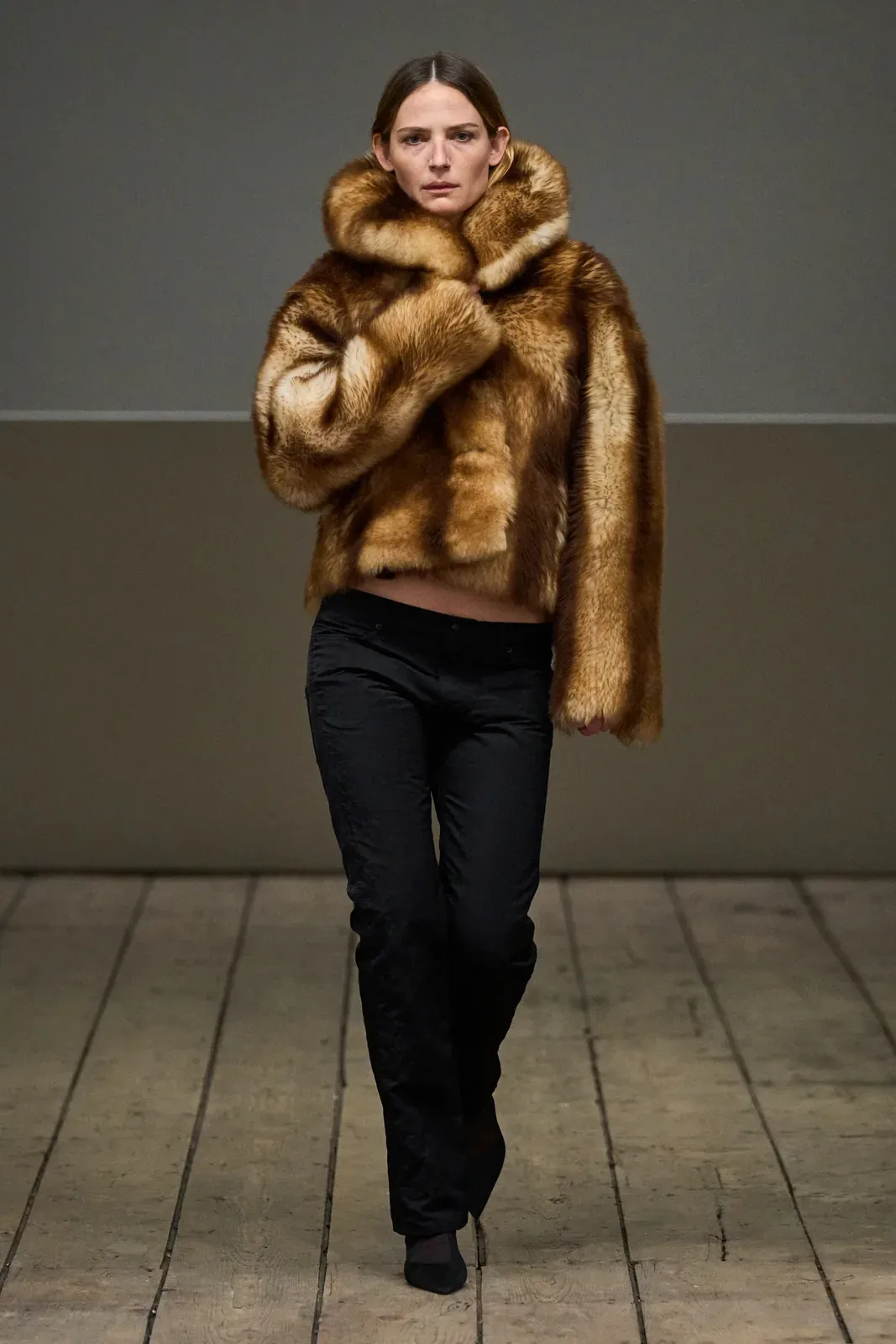
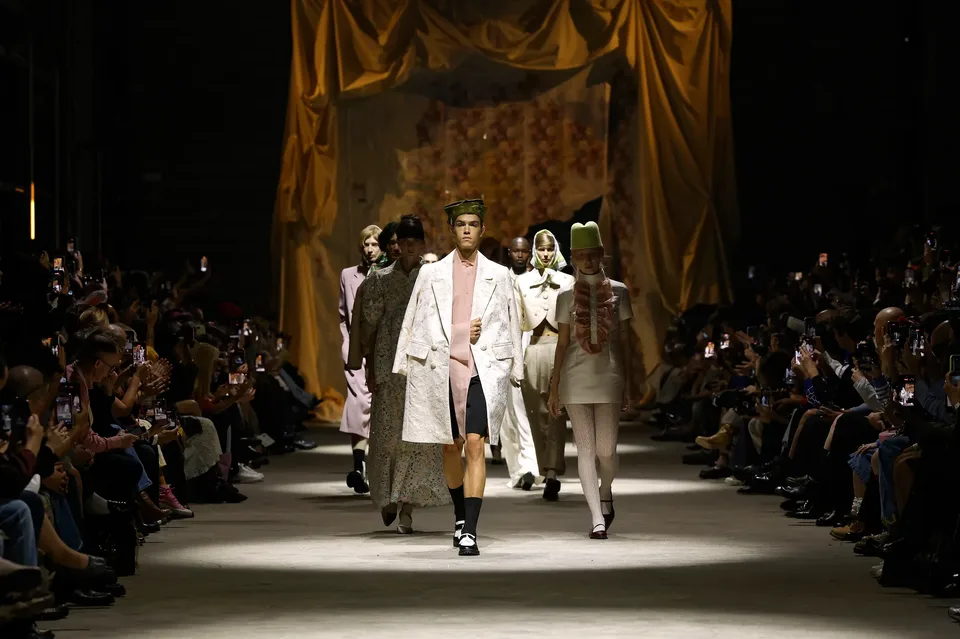
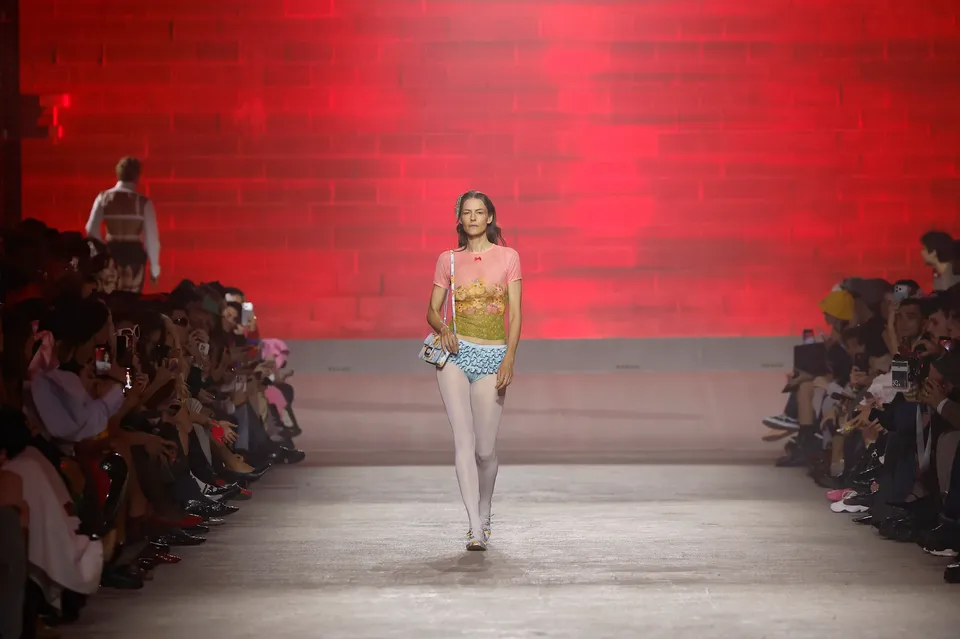
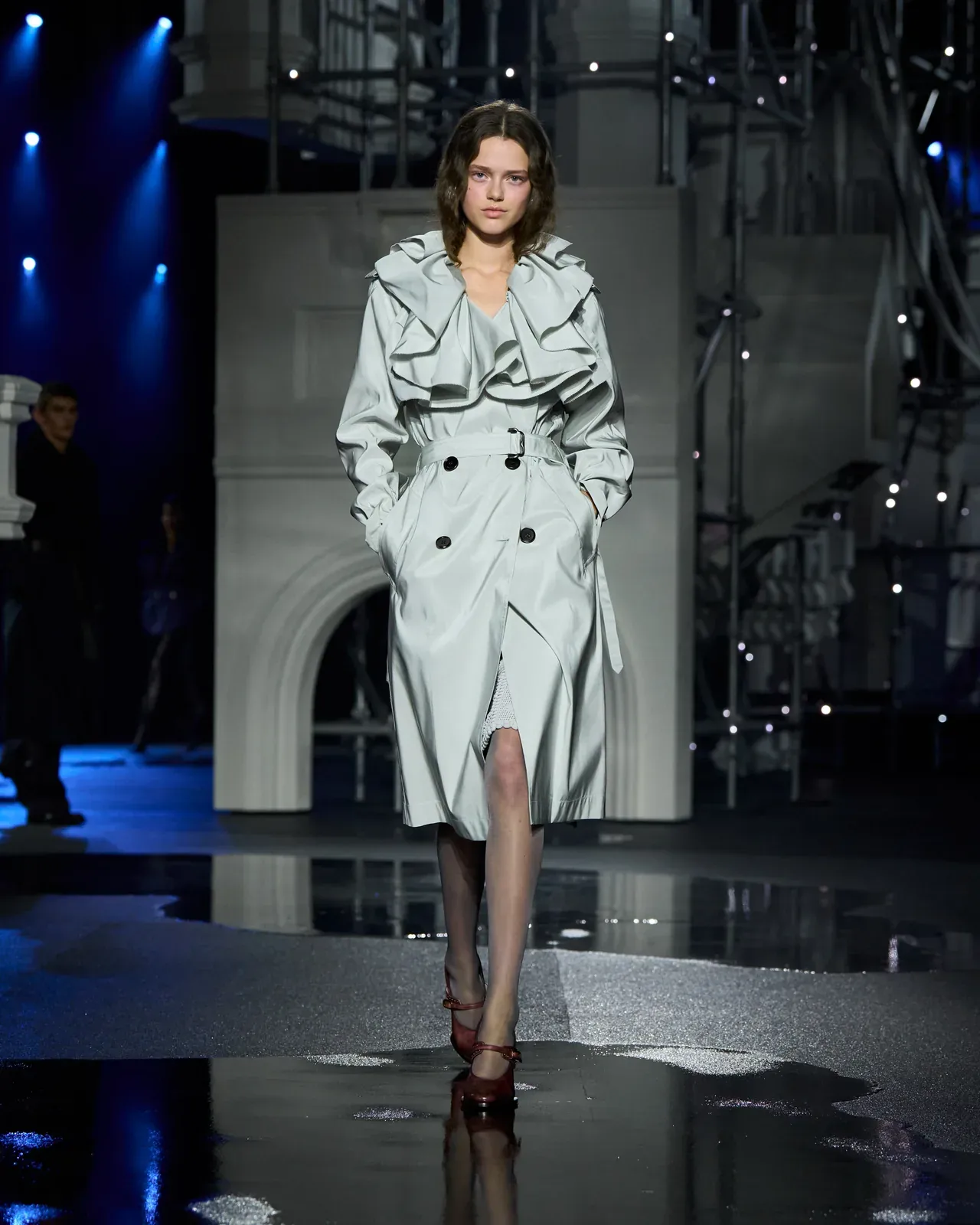
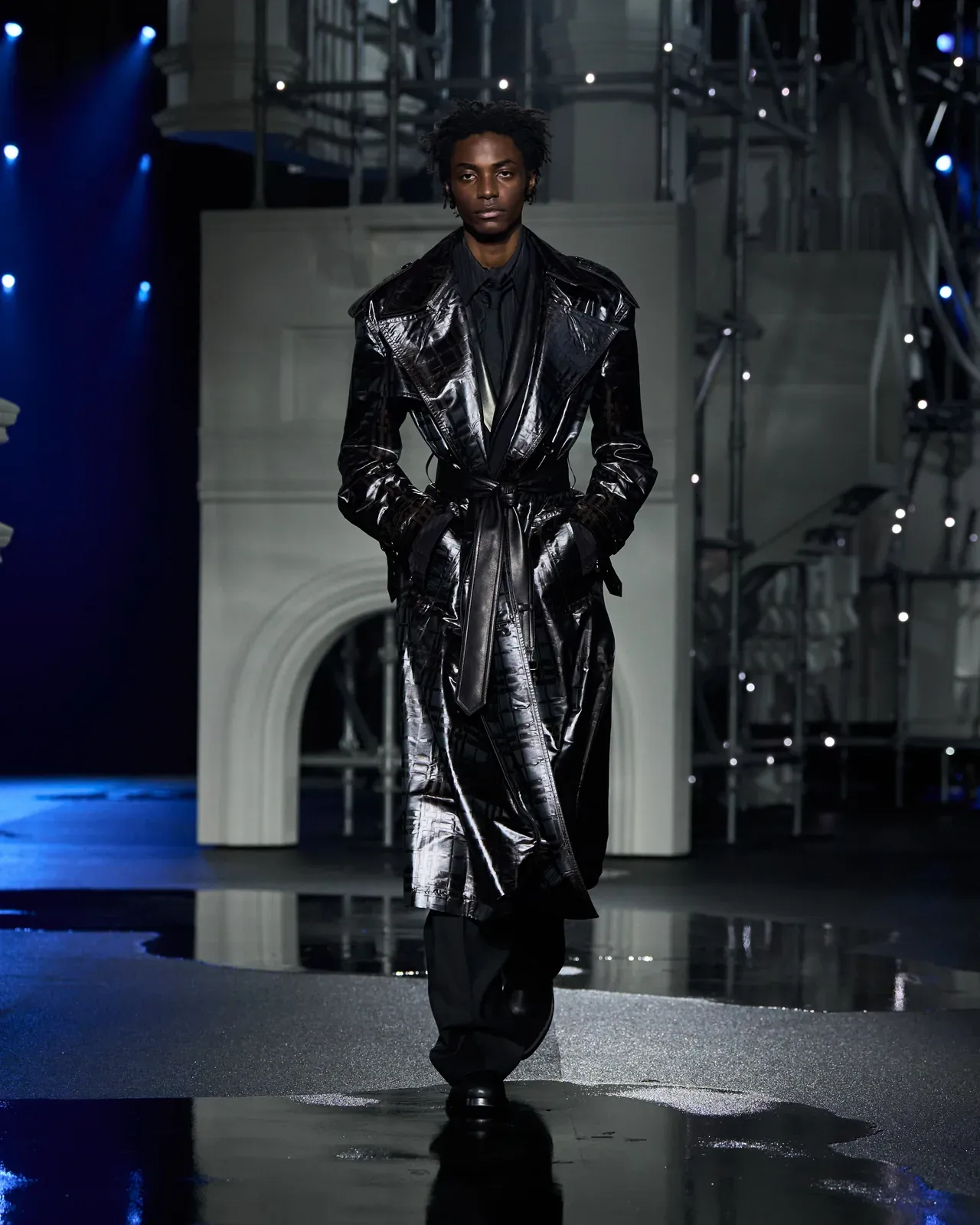
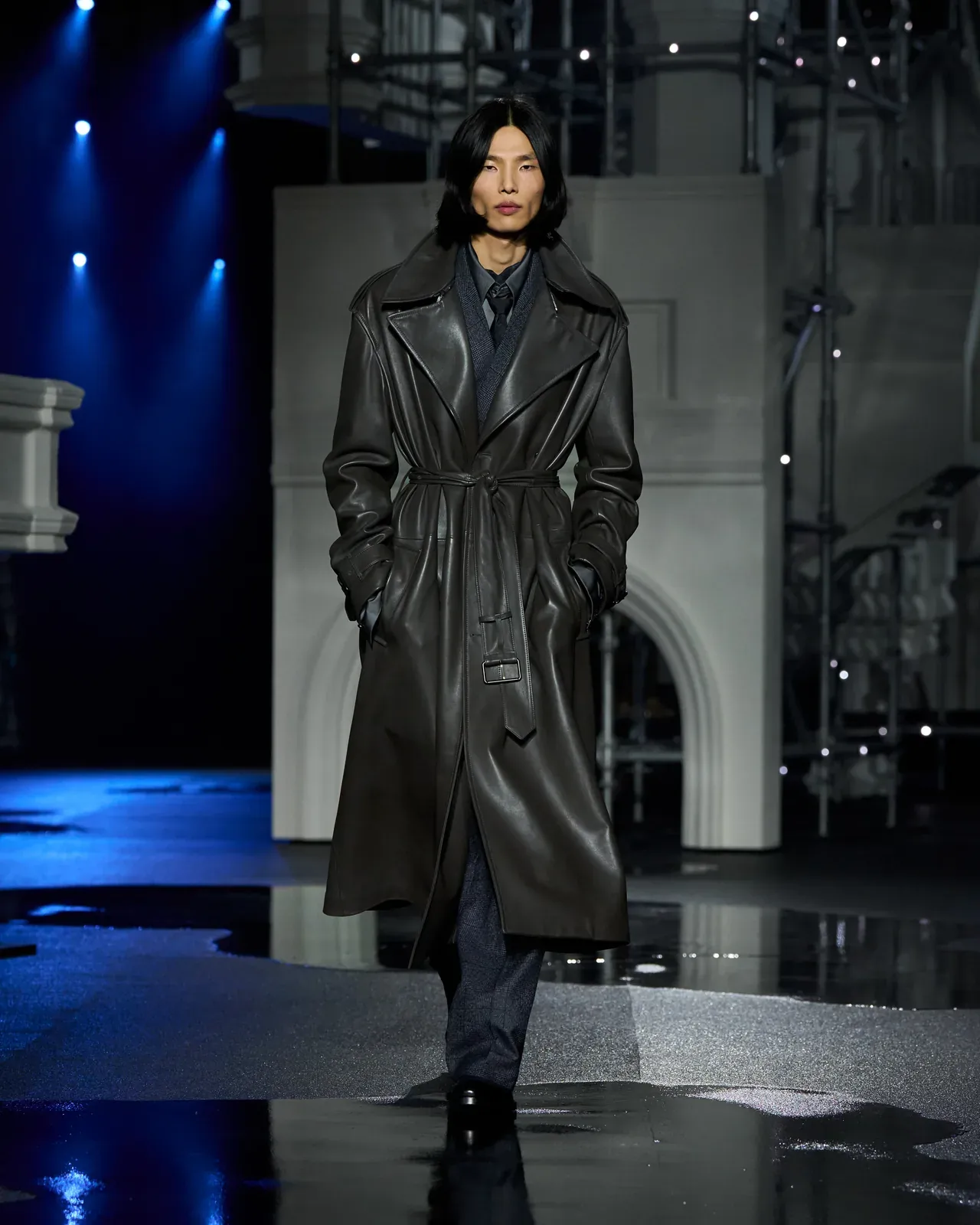
If you look past pop-culture, this season's runways have shone a more elegant lens on hedonism. At Calvin Klein, a brand otherwise immortalised for its laid-back 90s minimalism, Veronica Leoni took an unexpected stance on our descent into narcissism. The creative director subtly poked fun at fashion's lack of authentic sexiness, in the midst of our ‘obsessive, almost dangerous search for beauty’. At Eckhaus Latta, Mike Eckhaus and Zoe Latta played with the quiet eroticism that comes with sex as an implication, rather than a rule. Slinky, yet refined, silhouettes came together with the brand's iconic denim to echo a sense of New York sophistication without conservatism, as sensuality and decorum became the unsuspecting partners of a soft protest against, according to Latta, the impending pressure “to make good, fancy, rich people clothes”.
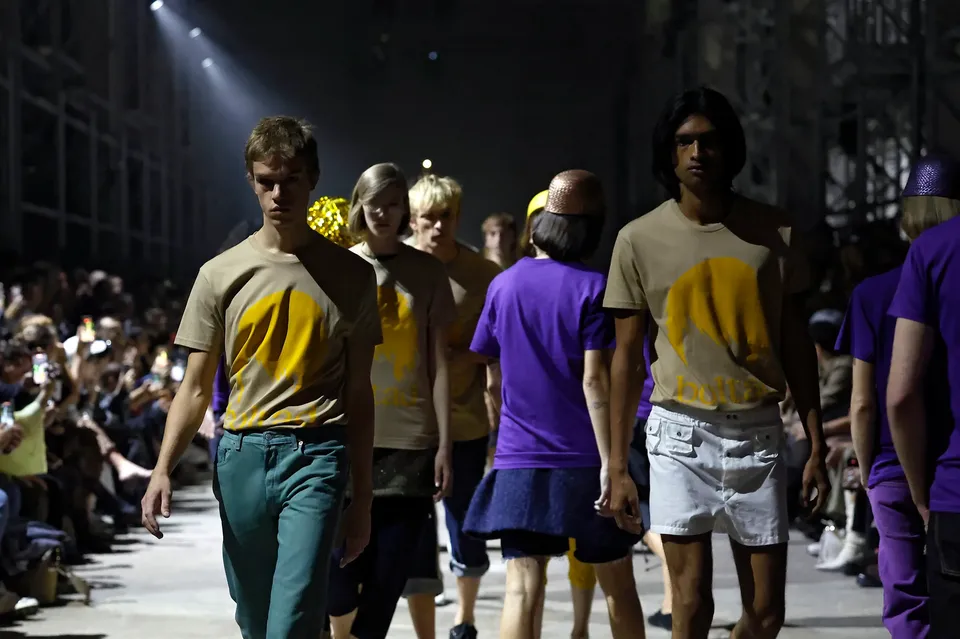
In Europe, a sense of digital awareness alongside post-internet aesthetics came into play for the Barcelona-based Reparto Studios. It characterised Gen-Z awkwardness through Helvetica font meta-irony slogans, leopard print fabrics and mega-sized sequins. The same goes for the London-based, Irish-born designer Sinead Gorey, who put her own spin on slogan tees and novelty accessories under the backdrop of a makeshift pub, complete with a pool table, dull lighting and attendees drinking pints from the sidelines.
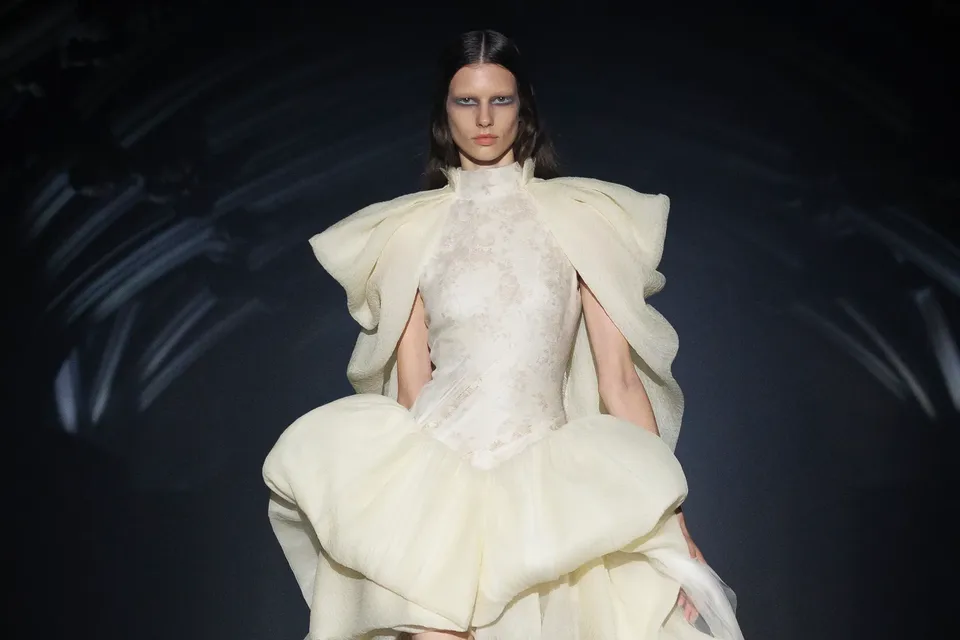
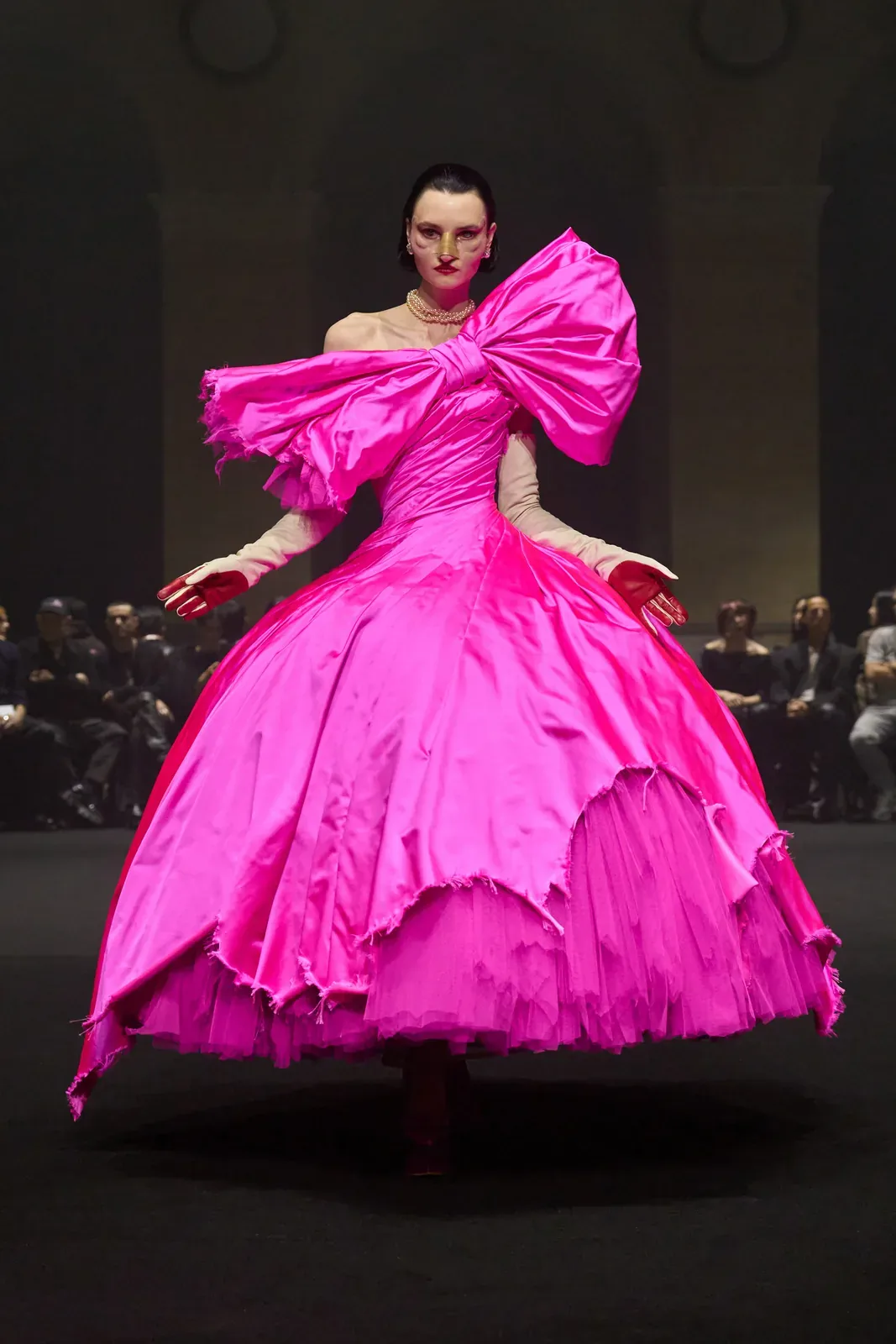
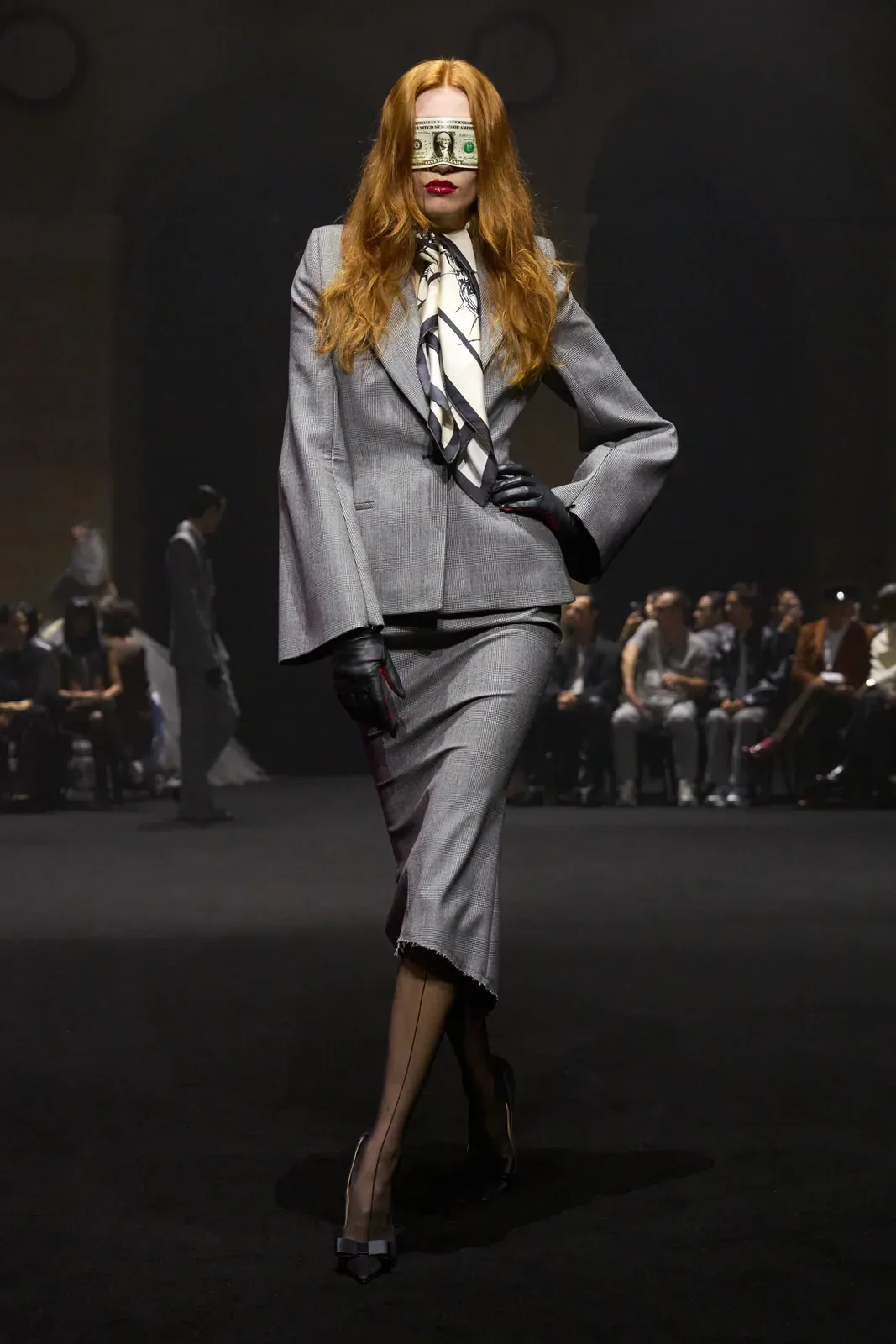
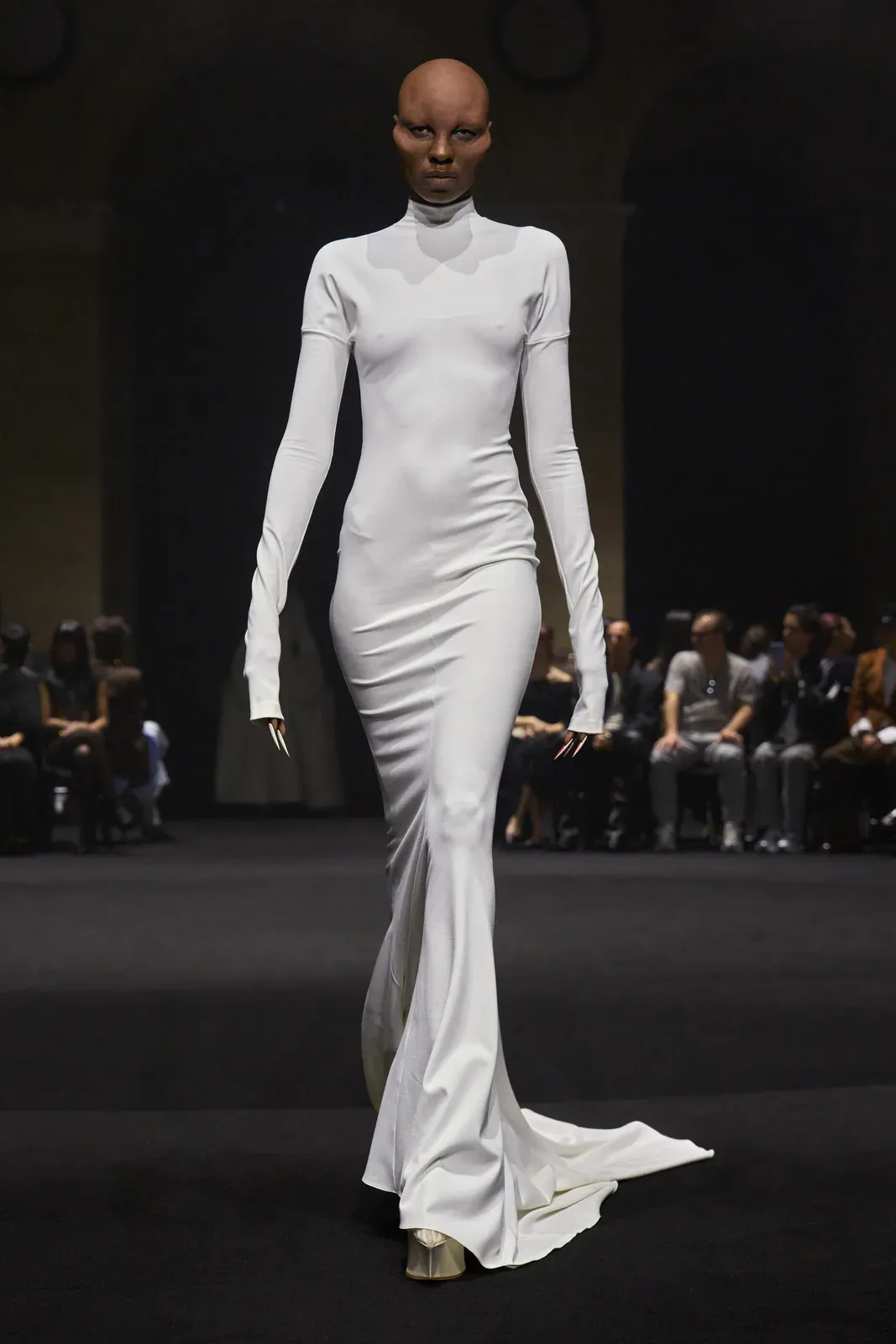
Yet, for some fashion houses, the implication of indulgence was an opportunity to unmask fashion's unspoken truth: the multi-billion-pound, artificially generated, elephant in the room. Power, corruption and monetary excess were linchpins in Matières Fécales’ FW 26 collection, The One Percent. The show was a hyperbolic critique of contemporary capitalism and its limitations, where red-palmed opera gloves, netted wedding hats that wilted to cover the models’ eyes, and haunting prosthetics, all came together to paint a villainous picture of society's elite.
However paradoxical it may be for a luxury fashion brand to scrutinise luxury fashion, the pertinence of The One Percent only echoes louder in the light of Silicon Valley’s widening grip on what’s called taste and how it’s defined. Last month, the spy tech firm Palantir released a line of merch consisting of chore coats and slogan caps, while recognised technologists continue to storm X with predictions that “taste will only become more important” in the age of AI. And, at the start of this month, the Met Gala became the centre of insider criticism, after welcoming Jeff Bezos and his wife Lauren Sánchez Bezos as honorary co-chairs, due to their reported donation of ‘at least’ ten million dollars. While there’s a comedic levity in the owner of a company at the forefront of fast fashion being an honorary co-chair of the world’s most recognised fashion event, it feels more sinister than ironic. The pair were in similar company, joined by a sea of other senior executives from TikTok, Instagram, Snap and Slack, as well as Meta's Mark Zuckerberg (who all bought tables for at least $350,000). It’s no secret that technology and fashion have long worked in tandem, linked by the reality that cultural capital can’t exist without… well, capital. And so, as Silicon Valley grows more aware of the power of creation, when it’s not limited to data programming and algorithmic content, so too do its attempts to monetise it.
Although it seems natural to reduce the aesthetics of hedonism to something more superficial than integral, its protest has never been more significant. At a time when fashion fights to keep its identity against unprecedented technological threats, authenticity becomes a valuable commodity, and imperfection becomes its marker. We return to our most primitive sentiments; sex, sensuality and self-gratification, as a way to redefine our desires. And a movement carefully disguised as a shameless pursuit of indulgence has become a message of rebellion against the people who own fashion, from the people who make it.
Matières Fécales
Burberry
Eckhaus Latta