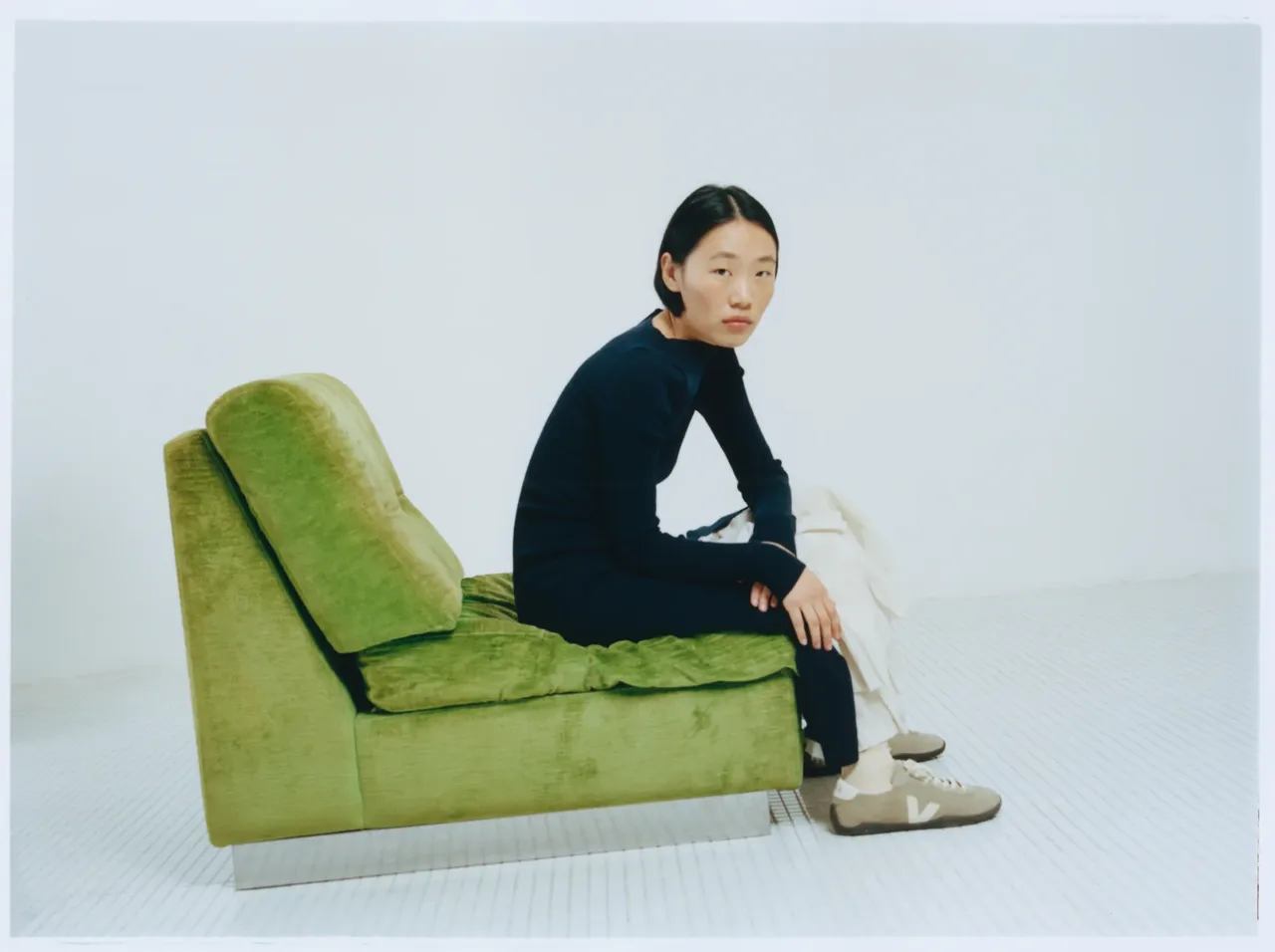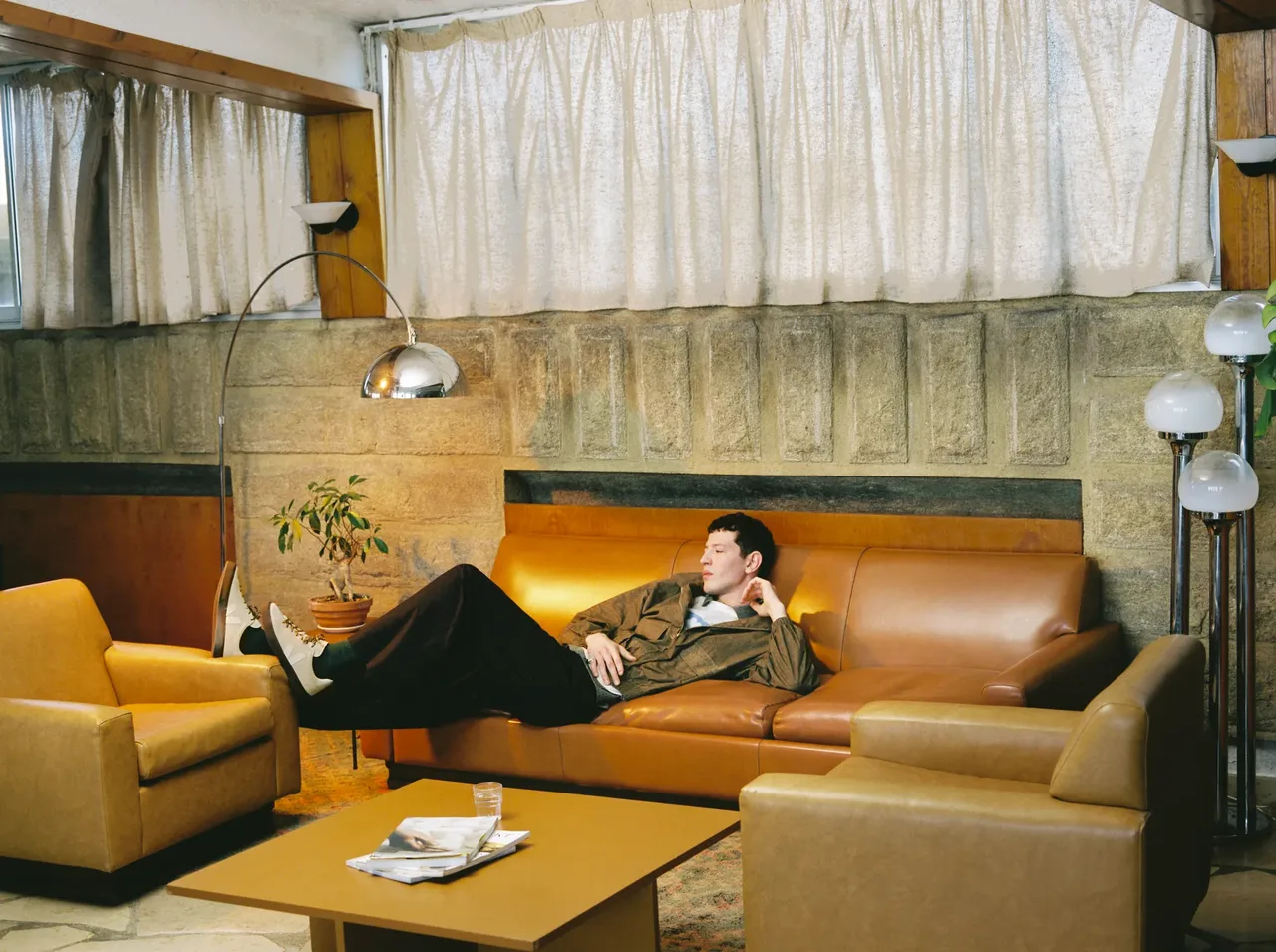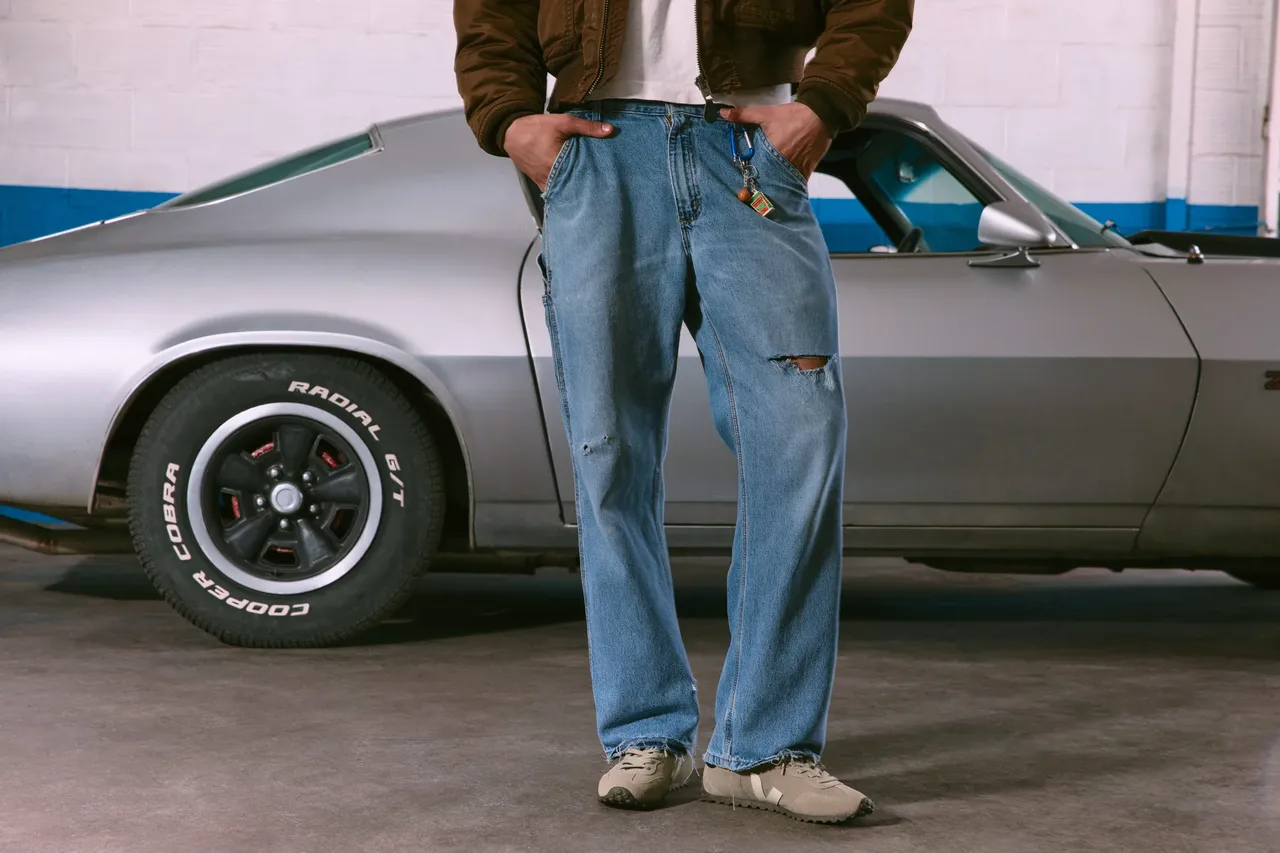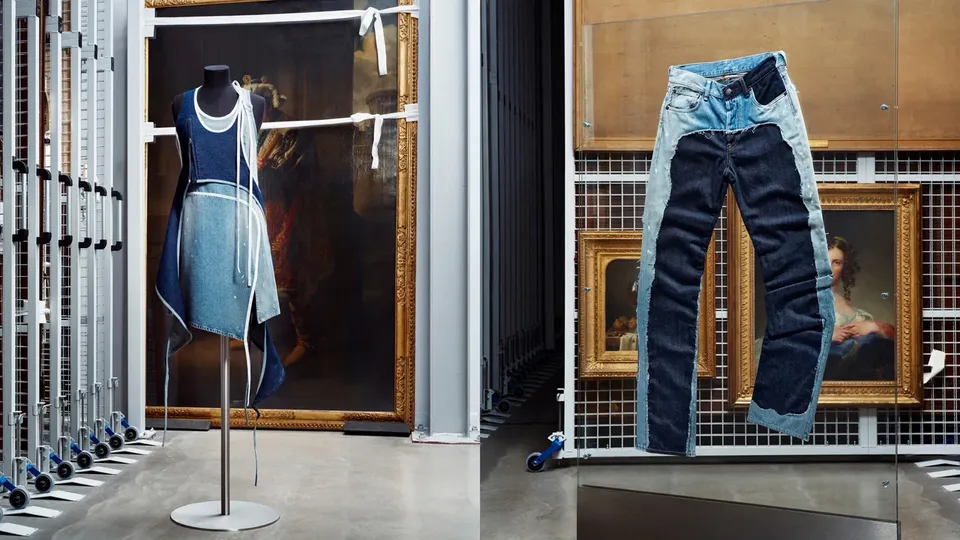
Imagine a fashion brand that has consciously decided not to advertise. No celebrity ambassadors, no giant campaigns competing for your attention, no endless race to dominate social media feeds. In an industry where visibility often seems as valuable as the product itself, it almost sounds impossible. So where does all that money go? That was one of the first questions we found ourselves asking after arriving in Brazil with VEJA, a journey that promised to take us far beyond a pair of sneakers and back to where everything truly begins.
Fashion has become remarkably good at celebrating the final result. We know the designers behind collections, the photographers behind campaigns, the editors who shape the conversation and the stores where products eventually land. What often disappears from the conversation is everything that happens beforehand. Somewhere between the first cotton seed and the finished sneaker, an entire world quietly slips out of sight. It’s made up of landscapes shaped by the seasons, communities that have worked the same land for generations and decisions that rarely make it onto a swing tag.
That was precisely the perspective VEJA invited us to reverse. Instead of starting with a product and tracing its origins backwards, we would spend the following days travelling through Brazil to understand the story’s beginning. From São Paulo to the country’s northeast and later to Fortaleza, the itinerary had been designed not around launches or collections, but around the people responsible for transforming raw materials into something worn across the world.
Our first stop was São Paulo, where we met the VEJA team before setting off towards the cotton-producing regions. It was the first chapter in understanding a company that, more than twenty years after its founding, continues to ask remarkably simple questions. Who makes our products? Where do the materials come from? What happens long before something reaches a shelf? They are questions that sound obvious, yet the fashion industry rarely pauses long enough to answer them properly.
Listening to the story behind VEJA also helped explain why the days ahead had been planned in this particular order. Founded in 2004 by Sébastien Kopp and François-Ghislain Morillion after both had worked in large corporations and within the fair trade movement, the company was never conceived simply as another sneaker brand. They chose sneakers because they represented one of the defining products of their generation, but the ambition reached far beyond design. Brazil quickly became central to that vision. Cotton, natural rubber, manufacturing expertise and long-established farming communities already existed here. The challenge was not to reinvent those resources, but to rethink the relationships connecting them.
As the conversation unfolded, another detail immediately stood out. VEJA doesn’t have investors constantly pushing for faster growth, nor has it followed the traditional route of building awareness through large-scale advertising. In a world driven by algorithms and relentless visibility, choosing not to invest in conventional campaigns feels almost radical. But we quickly came to the conclusion that the money does not disappear; it simply travels in another direction.
Instead of ending up on billboards or celebrity endorsements, a significant part of those resources is reinvested much earlier in the production chain. That means working directly with farming communities, agreeing prices years in advance, pre-financing harvests, paying well above market value for raw materials and allowing producers to plan their future with far greater certainty than conventional commodity markets usually allow. It isn’t presented as an act of generosity, but as the only way the project makes sense.
Hearing those decisions explained inside a store in São Paulo was one thing. Understanding what they actually meant required leaving the city behind. As we flew towards Brazil’s northeast, the landscape slowly changed beneath us. Tower blocks gave way to open fields, busy avenues to long roads stretching across the countryside. More importantly, the purpose of the journey shifted too. We were no longer travelling to understand a brand, but to meet the people whose work had quietly shaped it for more than two decades. The conversations waiting for us over the following days had very little to do with corporate language. Instead, they revolved around families, changing weather patterns, difficult harvests and the kind of long-term relationships that cannot be built through contracts alone.
One of the first things we noticed after arriving was how naturally the idea of community surfaced in almost every conversation. Nobody spoke about it as though it were a slogan; it simply described everyday life. Families exchange knowledge, compare harvests, help one another through difficult seasons and continue learning together. Experience moves between generations, but it also moves across neighbouring farms, creating a network where individual success is inseparable from collective wellbeing.
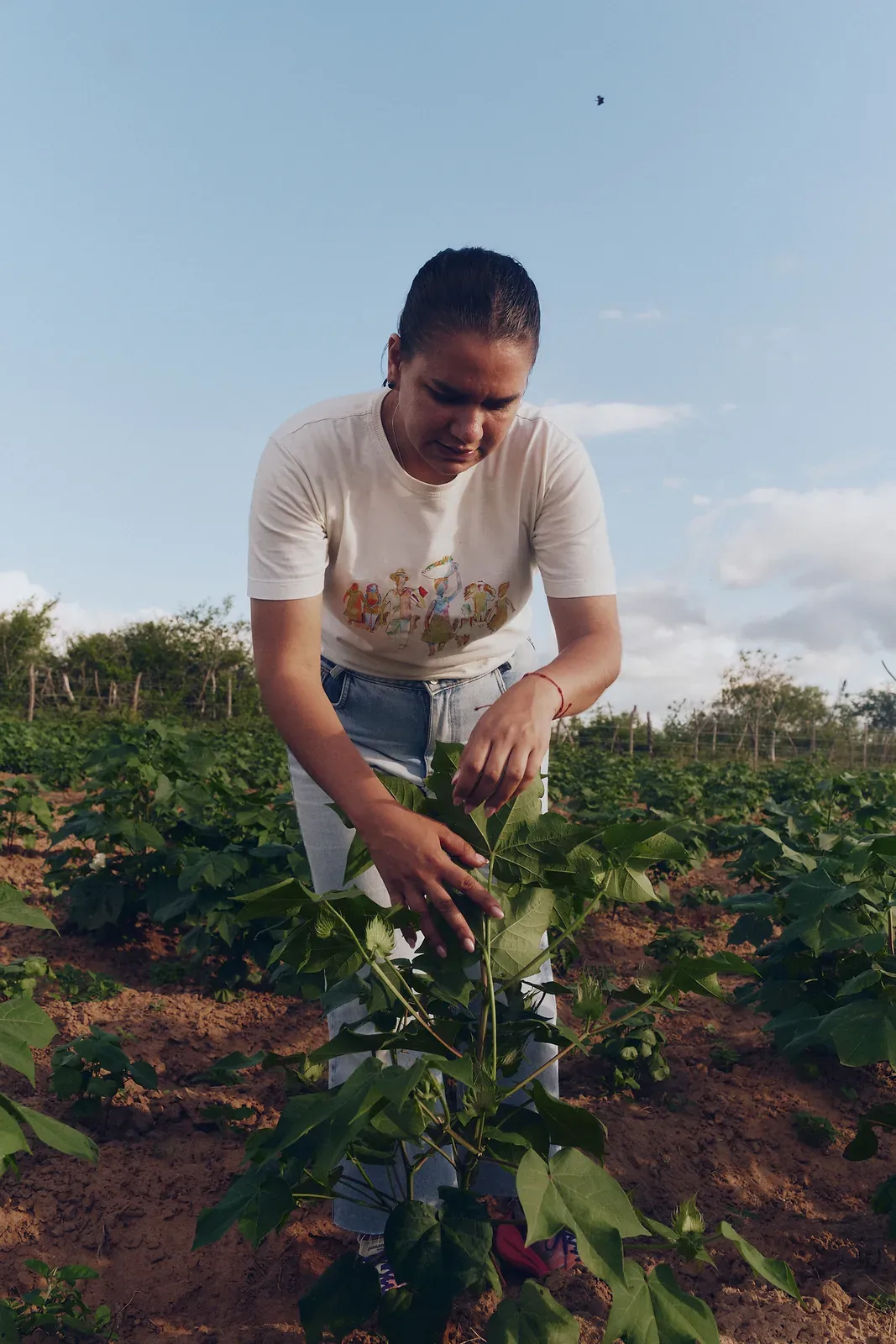
That philosophy becomes especially visible through the agroecological model adopted by many of the communities VEJA works with. Cotton rarely grows alone. Depending on the season, it shares the same land with beans, sesame, maize or pumpkins, creating healthier soil while reducing dependence on a single crop. Looking across those fields, it became obvious that diversity here is not a fashionable concept or an environmental buzzword. It is a practical response to uncertainty, developed over decades by people who understand better than anyone that nature has never followed a business calendar.
Climate change inevitably became part of those conversations too. Drought is no longer an occasional concern in this part of Brazil but a recurring reality that continues to reshape entire harvests. We heard stories about seasons when rainfall never arrived, about families forced to adapt year after year and about the growing unpredictability of farming. Yet one story, in particular, stayed with us. One producer had lost an entire cotton harvest because of prolonged drought, meaning there was nothing left to sell that season. Despite that, the family remained part of VEJA's network. The relationship didn’t disappear simply because the harvest had. It’s a detail that says far more than any sustainability report ever could. Real commitment rarely reveals itself during successful years; it becomes visible when circumstances are at their most difficult.
Spending time with the farming families inevitably changed the way we thought about transparency. Fashion’s become increasingly comfortable talking about traceability, publishing sustainability reports or sharing figures about supply chains, but those ideas often remain surprisingly distant. Walking through somebody’s field, sitting in their home or listening to them explain how every harvest depends on months of uncertainty makes those same words feel completely different. Transparency, we realised, is not simply about revealing information. It is about being willing to open the door and let people see what usually remains hidden.
Nothing about those encounters felt rehearsed. Conversations moved effortlessly between everyday life and the realities of farming, from children leaving for school in the morning to increasingly unpredictable weather patterns and the challenge of planning for seasons that no longer behave as they once did. Nobody tried to romanticise life in the countryside. If anything, what impressed us most was the honesty with which people spoke about both the pride they take in their work and the uncertainty that inevitably comes with depending on the land.
It quickly became obvious that the fields surrounding us represented much more than cotton production. They carried years of accumulated knowledge, countless shared decisions and a quiet resilience that only becomes visible after spending time with the people who live there.
Lunches often became the most revealing moments of the day. Sitting around the same table as the families we had spent the morning walking with dissolved any remaining distance between visitor and host. Conversations drifted naturally from agriculture to football, from future harvests to children and neighbours. Cotton rarely dominated those exchanges. Life did. Looking back, that feels significant. It reminded us that behind every material, every certification and every product eventually displayed in a store, there are people simply trying to build a stable future for those around them.
Every producer keeps a handwritten field diary, carefully recording planting dates, crop rotation, weather conditions and the daily evolution of each harvest. On paper, it exists to support the certification process. In reality, it feels like something much more personal. Page after page, those notebooks quietly document years of experience, observation and care, preserving knowledge that has often been passed from one generation to the next. Holding one in our hands made it impossible to think about traceability as a barcode or a QR code ever again.
Questions around value naturally surfaced throughout the journey. Before arriving in Brazil, it is easy to compare one pair of sneakers with another and wonder why they cost what they do. After spending time with the people responsible for growing the cotton, hearing how prices are agreed before the first seed is planted and understanding that VEJA deliberately pays well above market value while pre-financing part of each harvest, that conversation begins to change. Price is no longer attached solely to the finished object. It also reflects decisions made years earlier, long before those materials ever reach a factory.
By the time we travelled on to Fortaleza and later Itapipoca, where part of VEJA's production takes place, the factory no longer felt like the beginning of the story. If anything, it felt like its natural conclusion. Watching sneakers gradually take shape after spending days among the people growing the cotton transformed the entire experience. Every stage of the production line inevitably pointed back towards a conversation we had shared, a landscape we had crossed or a family that had welcomed us into their home. The manufacturing process suddenly felt less anonymous because we already knew so much about everything that had happened before it.
The ideas introduced to us in São Paulo—working directly with producers, building relationships over decades instead of seasons, investing at the very beginning of the chain—never disappeared as the journey progressed. They resurfaced in the cotton fields, continued inside the factory and ultimately became much easier to understand once we had witnessed each step ourselves. For a company that speaks so often about fairness and transparency, perhaps the greatest strength lies in the fact that those principles are not confined to a presentation or a website. They are simply reflected in the way the project operates every day.
That consistency perhaps also explains why VEJA has never felt like a brand chasing attention for its own sake. Earlier this year, we covered its collaboration with Brazilian label MISCI, a partnership that celebrated contemporary Brazilian creativity without reducing it to aesthetics alone. This project felt like another expression of the same values we encountered throughout this trip: long-term thinking, cultural authenticity and relationships that develop organically over time.
The same philosophy continues to shape the company's growth elsewhere. Whether opening a new store inside a carefully restored heritage building in Singapore instead of starting from scratch, bringing together its community during Paris Fashion Week, creating spaces for conversations around design and craftsmanship in Shanghai or recently presenting Far From The Spotlight, a documentary dedicated to the people behind its sneakers, the focus repeatedly returns to the same place. Not the finished product, but the people responsible for making it possible in the first place.
Perhaps that is the greatest lesson this trip leaves behind. Every product tells a story, but very few brands are willing to introduce you to the people who wrote its opening chapter. In an industry that often celebrates what is visible, VEJA has quietly chosen to invest in everything that usually remains out of sight.
By the end of the journey, the question we had arrived with no longer felt like the right one. We stopped wondering where the advertising budget goes. What stayed with us instead was where the attention goes: towards the people who plant the first seed, care for the land season after season and remind us that the value of anything we choose to wear is often decided long before it reaches the shop floor. Once you've seen that with your own eyes, it becomes remarkably difficult to look at fashion in quite the same way again.