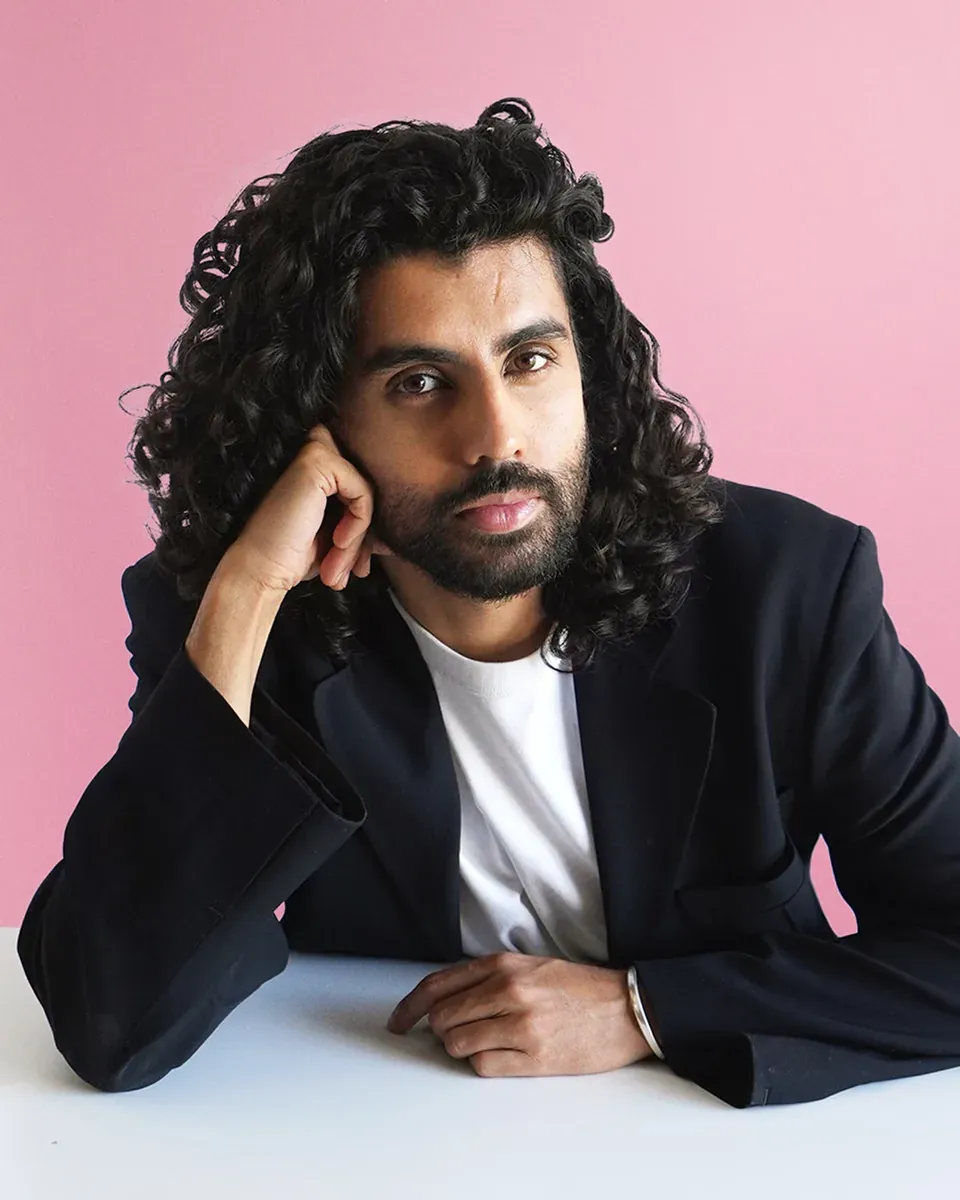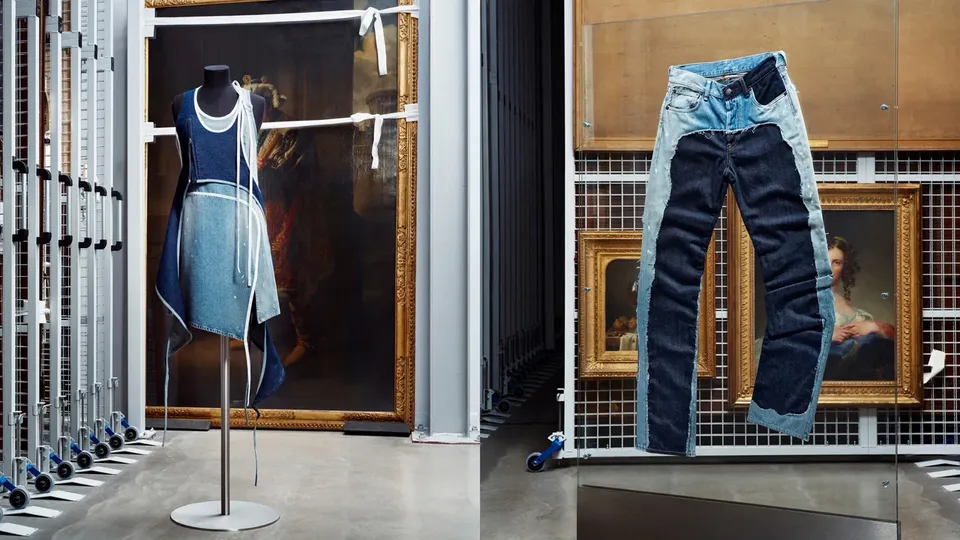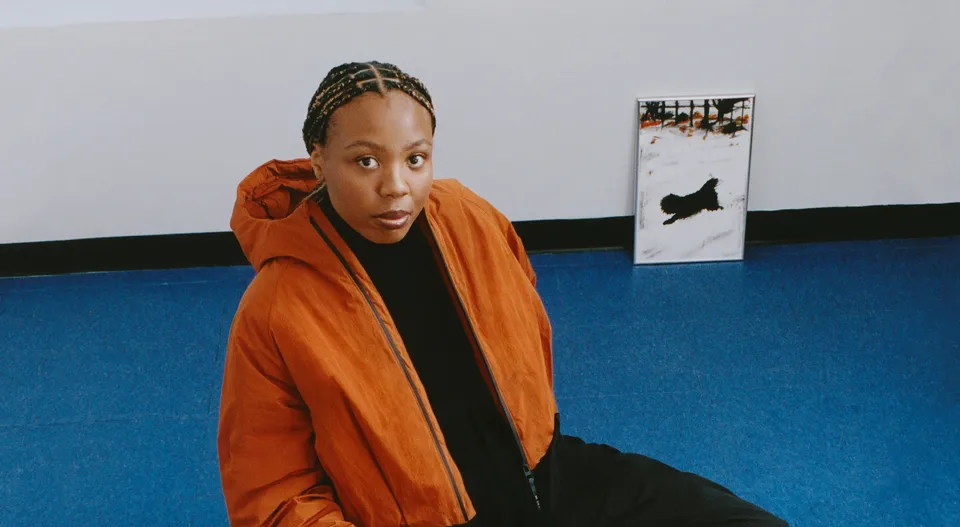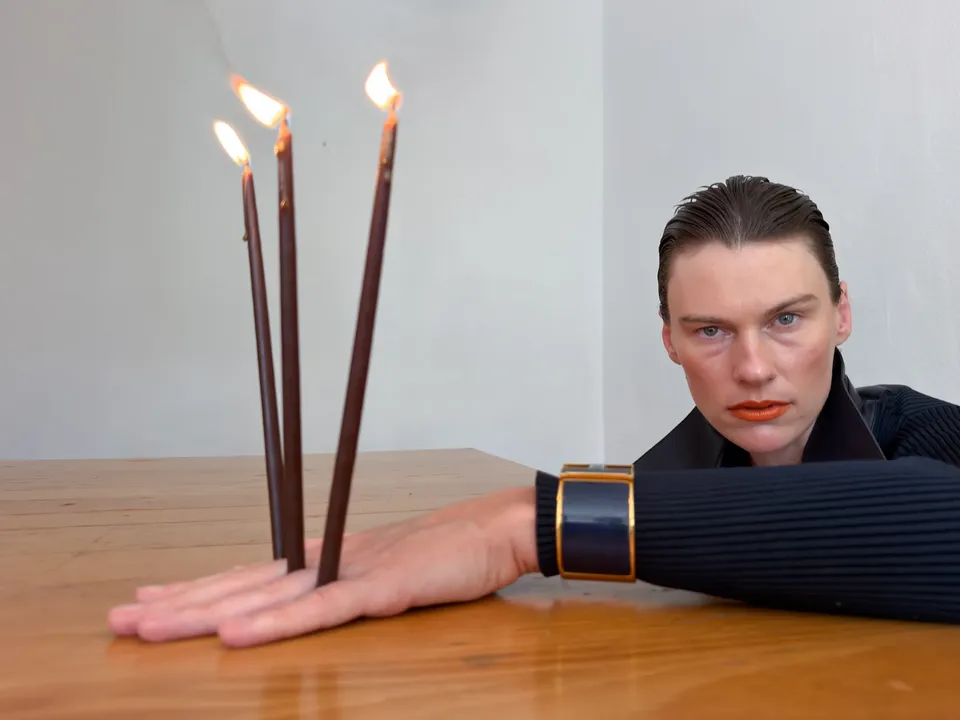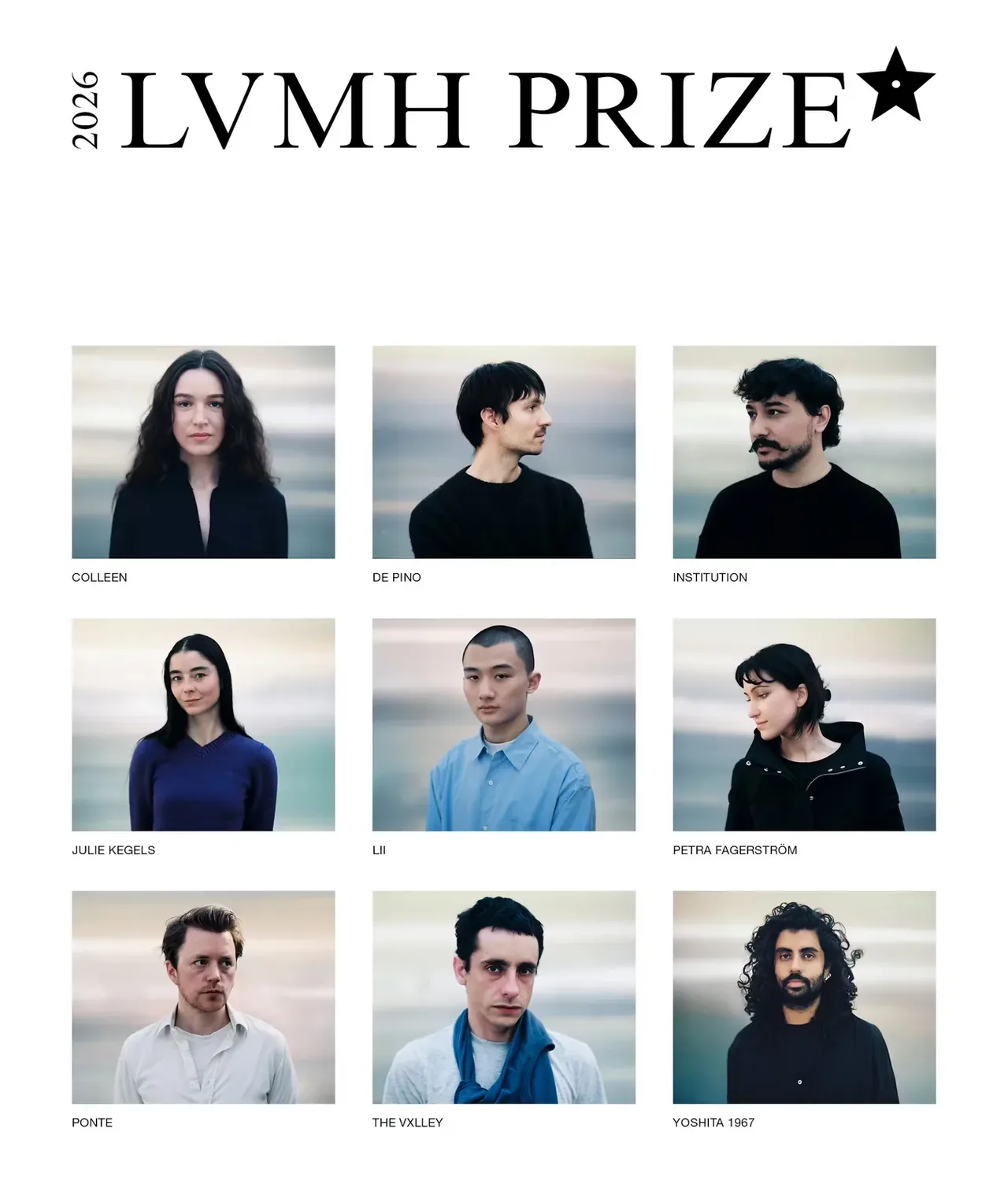
Once again, some of the hottest and most talented emerging designers from around the globe are competing for the coveted LVMH Prize, one of the most prestigious recognitions in the industry. After a challenging selection process, the jury, which includes figures like Sarah Burton, Jonathan Anderson, Nigo, Phoebe Philo, and Delphine Arnault, has finally come up with nine names that are changing the rules, including Galib Gassanoff, Julie Kegels, Zane Li, or Daniel del Valle.
As you probably know by now, the LVMH conglomerate celebrates emerging design talent through what has become the industry’s most coveted launchpad for young designers. Previous winners include Thebe Magugu, Hed Mayner, Rui Zhou, Nensi Dojaka, or Ellen Hodakova Larsson, among many others. Support like this is everything in fashion. Breaking into this industry without backing is nearly impossible; it takes money, connections, visibility, and time that most young designers simply don’t have. The LVMH Prize changes that.
How? The grand winner walks away with €400,000 and a full year of mentorship embedded within LVMH’s Houses. On top of that, the Karl Lagerfeld Prize and the Savoir-Faire Prize each offer €200,000 with their own mentorship programmes, meaning three designers leave September 4th with real, structural support behind them.
Now, let’s meet the nine finalists:
Colleen Allen
Colleen Allen (USA): trained at Calvin Klein and The Row. She brings a menswear architect’s eye to womenswear drenched in witchcraft and the feminine divine. Victorian silhouettes, hook-and-eye closures, and crinoline bustle panties peeking out of velvet frock coats are her signature. Thanks to her unique style, she’s already dressing stars like Charli xcx and joining Moda Operandi’s most exciting designers list.

De Pino
Gabriel Figueiredo (France): A La Cambre graduate who spent years doing embroidery at Maison Margiela before joining the Dior womenswear studio, Figueiredo launched De Pino in 2020 with a genderless, upcycled, couture-adjacent vision. His aesthetic is a mix between really extreme sophistication and something childlike and fun, like marshmallow coats, embroidered vinyl flowers, or a gown made from puffer jacket insulation. Nostalgia viewed through a craftsman’s hands: fashion that refuses to grow up.

Institution
Galib Gassanoff (Georgia): The designer has made his region’s disappearing textile traditions a metaphor for excavating the cultural and political history of Georgia and Azerbaijan. His Fall 2026 showpieces featured rugs hand-knotted by Borchaly weavers —up to 85,000 knots each— draped directly onto models as acts of cultural preservation. Elsewhere, skirts woven entirely from shoelaces created textures that rewarded close attention. History and craft collapse into each other, and the result is fashion as both archive and argument.

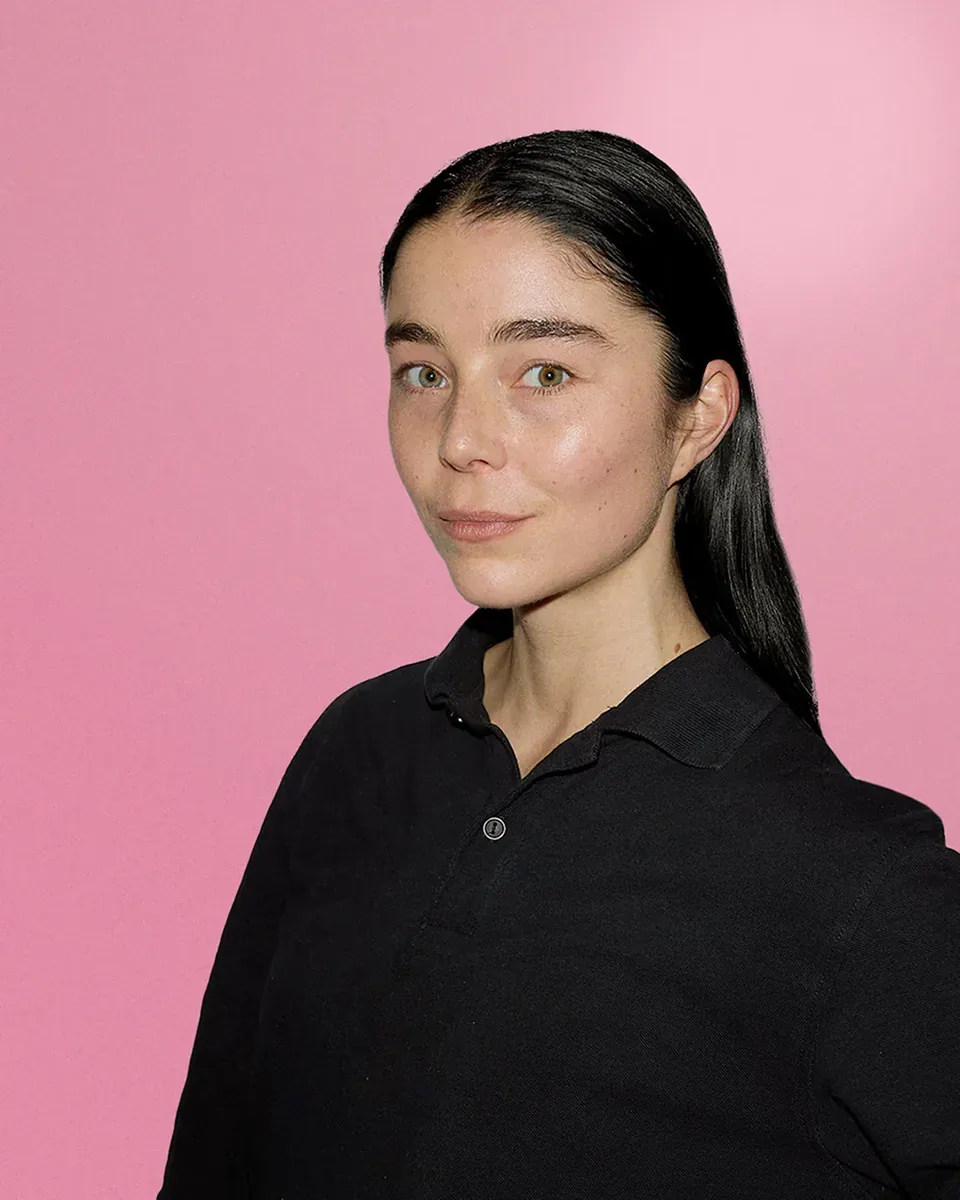
Julie Kegels
Trained at Antwerp’s Royal Academy and sharpened at Alaïa, Julie Kegels (Belgium) launched her label in 2024 by designing for very specific imaginary women: a library worker who loves tennis and mangoes or a busy lawyer who goes roller-skating on the weekend. Their contradictions become the collection: forced tailoring, exposed seams, unfinished edges, imperfection raised to identity. At twenty-six, she is already writing a distinctly Belgian chapter in the tradition of Margiela and Magritte.
LII
Zane Li (China) founded his brand, LII, after his FIT graduation. He rejects fashion’s fragility and instead builds glamorous garments from durable, traditionally menswear fabrics with a unisex approach. His 2D-to-3D pattern-making culminates in dress-cape hybrids that are baffling on a hanger and spectacular in motion. Based between New York’s Chinatown and Paris, Li works alongside his husband, stylist Jason Rider, building something rigorous and genuinely wearable.

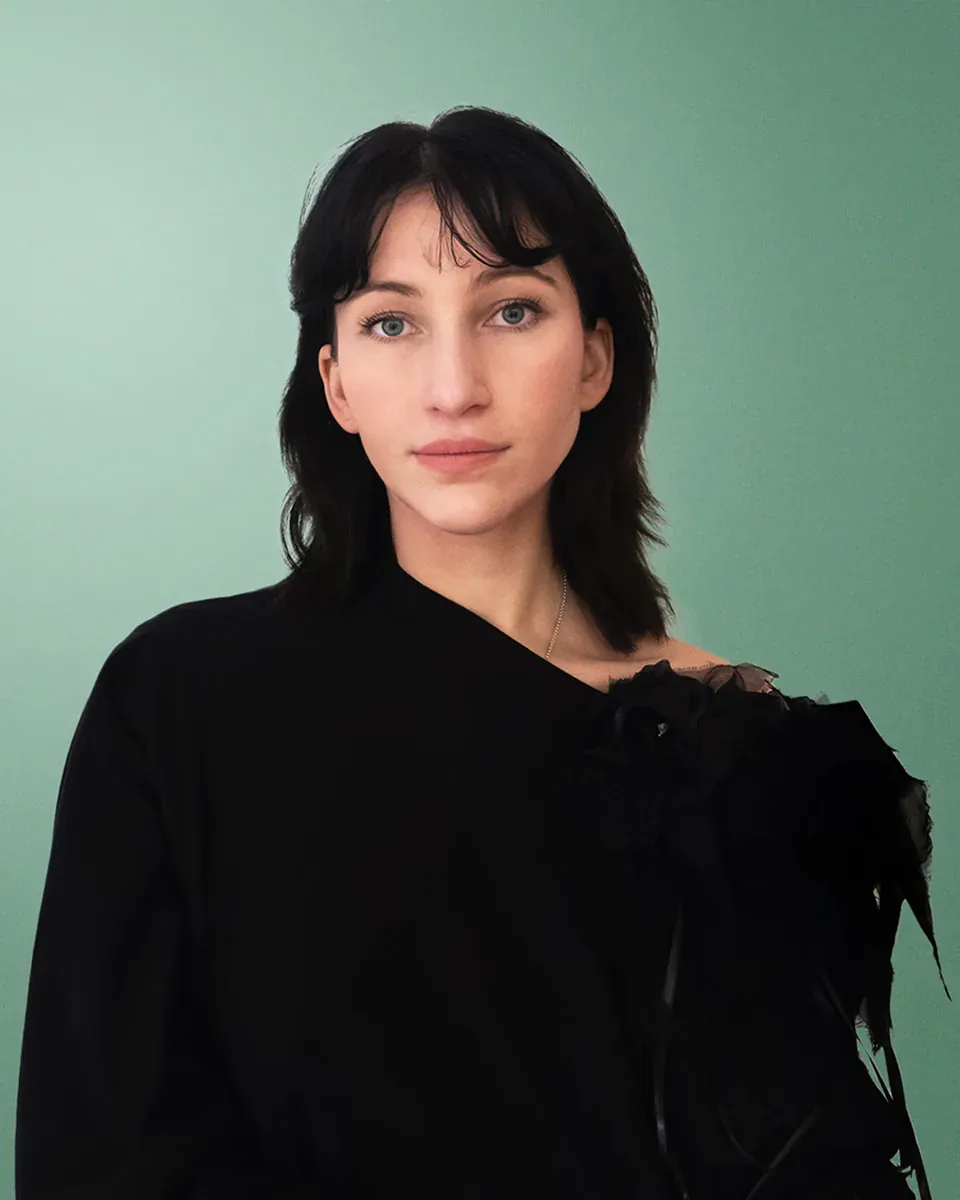
Petra Fagerström
Just a year out of her Central Saint Martins Masters, Petra Fagerström (Sweden) has built a distinctive language of outerwear and eveningwear spliced into fierce silhouettes that suggest glamour under pressure. A former competitive figure skater from Gothenburg, she first learned to sew making her own costumes: sequin dresses under bomber capes, sweatpants with Manolo Blahnik heels, lenticular pleating you have to earn with your eyes. Traditional craft techniques, a CSM pedigree, and an obsession with cold-weather spectacle — we’re certainly in.
Ponte
Harry Pontefract (UK): From a Hackney shoe factory and after six years at Loewe in Paris, Pontefract makes one-off textile sculptures from the world’s most overlooked materials. His philosophy: if it’s trashy, it needs to be the trashiest thing; if it’s banal, it needs to be so banal that it becomes interesting. Now part of Glenn Martens’ Margiela Artisanal team, his genderless pieces live somewhere between haute couture and arte povera.
The Vxlley
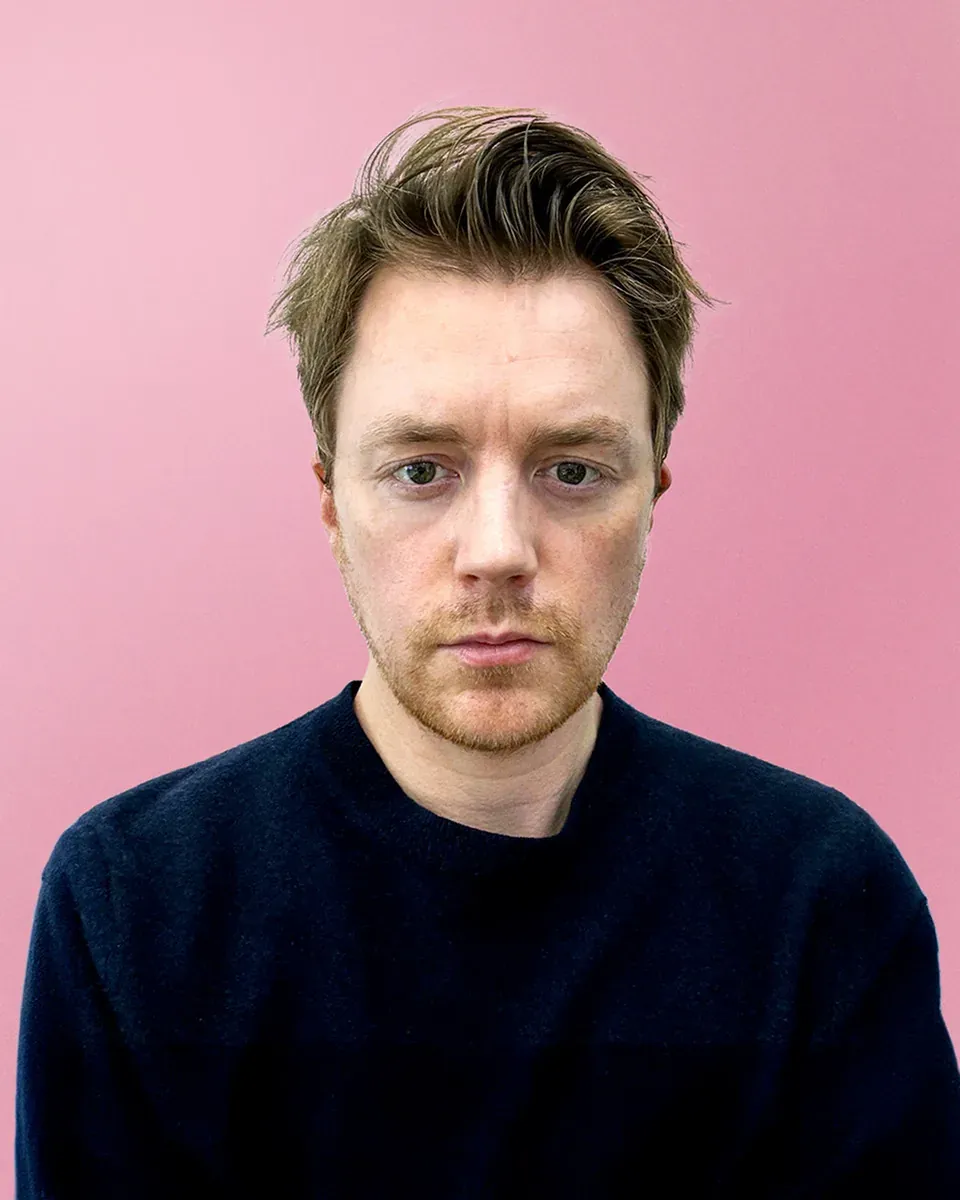
Daniel del Valle Fernandez (Spain) was raised in a small Andalusian town where his grandmother taught him embroidery and his father made him work nights in the family bakery. But he moved to London at nineteen and spent years in floristry before building his debut solo project over three years. The Narcissist, his latest collection, includes a ceramic T-shirt made from pipes recovered from the Thames and a living bodice that must be watered daily. Ceramics shattered at his LFW debut, Lady Gaga approved (and even wore him for the Runway music video), and the industry has not looked away since.
Yoshita 1967
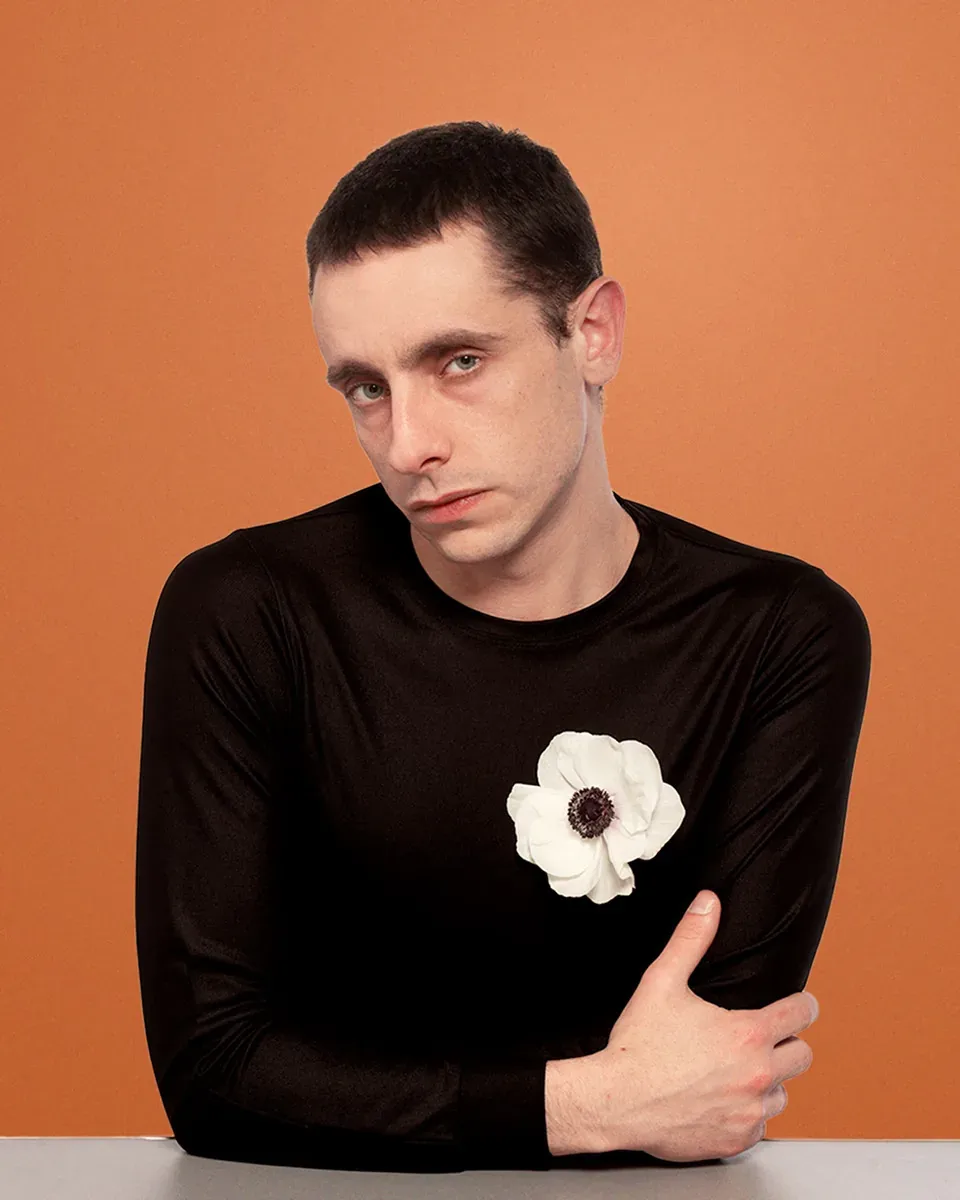
Anil Padia (Kenya): the designer built Yoshita 1967 to honour his Gujarati family’s century-long migration to Kenya — a story of belonging, hybridity, and the untold stories of the women who held everything together. All the crochet and embellishment is done by hand, with crocheted dresses dotted with mirrors and little bells, each chosen because it holds culture, dance, heritage and family memory at once. Also, to go with a bang, he’s made history as the first African-based finalist in the Prize’s trajectory — congratulations!