For more than forty years, the Hyères Festival has been a key platform for discovering and supporting emerging talent in fashion, photography, and accessories. Held at Villa Noailles, the festival and competition have built a distinctive identity at the intersection of contemporary art, fashion, and photography, becoming a meeting point for young creatives, established industry figures, and an international audience. Three intense and stimulating days during which new international talents present their creative worlds and compete for coveted prizes. Discover this year's fashion competition winners.
Each year, its three competitions spotlight a new generation of artists and designers, who are supported through exhibitions, fashion shows, workshops, talks, and personalised mentorship. More than simply a competition, Hyères has become a space for experimentation and exchange, offering young talents the visibility, guidance, and creative freedom to develop their practice and shape the future of their respective fields.
The jury brought together an inspiring mix of leading figures from the worlds of fashion, photography, and creative direction. Chaired by Chemena Kamali, Creative Director of Chloé, the jury included Sophia Neophitou, Global Editor-in-Chief of 10 Magazine; Élodie David Touboul, Fashion Editor-in-Chief of Harper’s Bazaar France and Consultant Stylist; Kevin Tekinel and Charles Levai, Creative Directors of Maybe; photographers Inez van Lamsweerde and Vinoodh Matadin; and Lucas Emilio Brunner, Fashion Designer and winner of the 2025 Grand Prix du Jury Mode. It’s particularly interesting to see a previous year’s winner join the jury, bringing a valuable perspective and a direct understanding of the experience of the competition.
We already know the winners of the 41st edition of the Hyères Festival. Each proposal is different, with innovation as the common thread. Held from October 15 to 18 at Villa Noailles, the festival brings together three categories: fashion, photography, and accessories. Five of the ten fashion finalists took home awards this year. Who took home the prizes in the fashion category?
Yui Chen
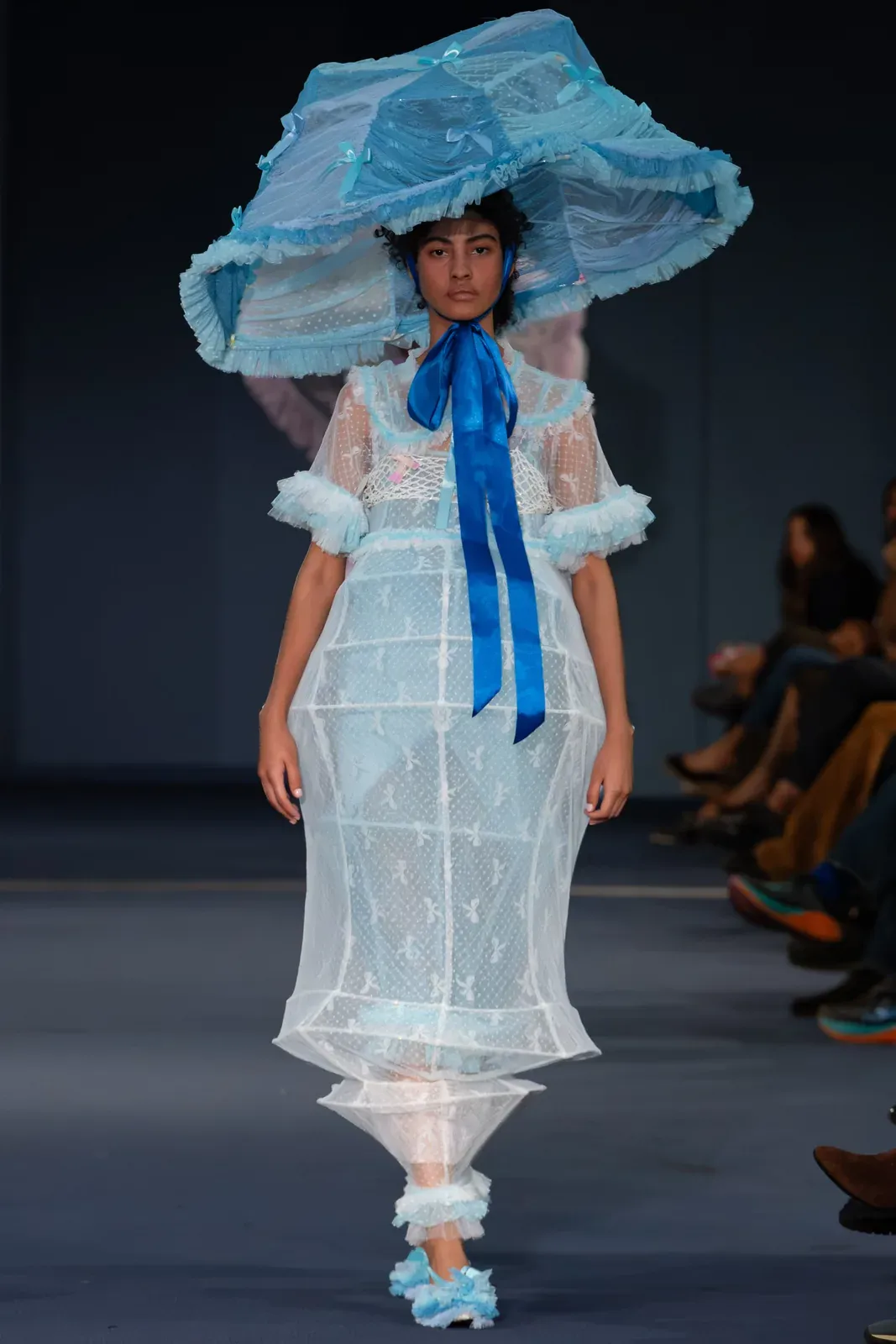
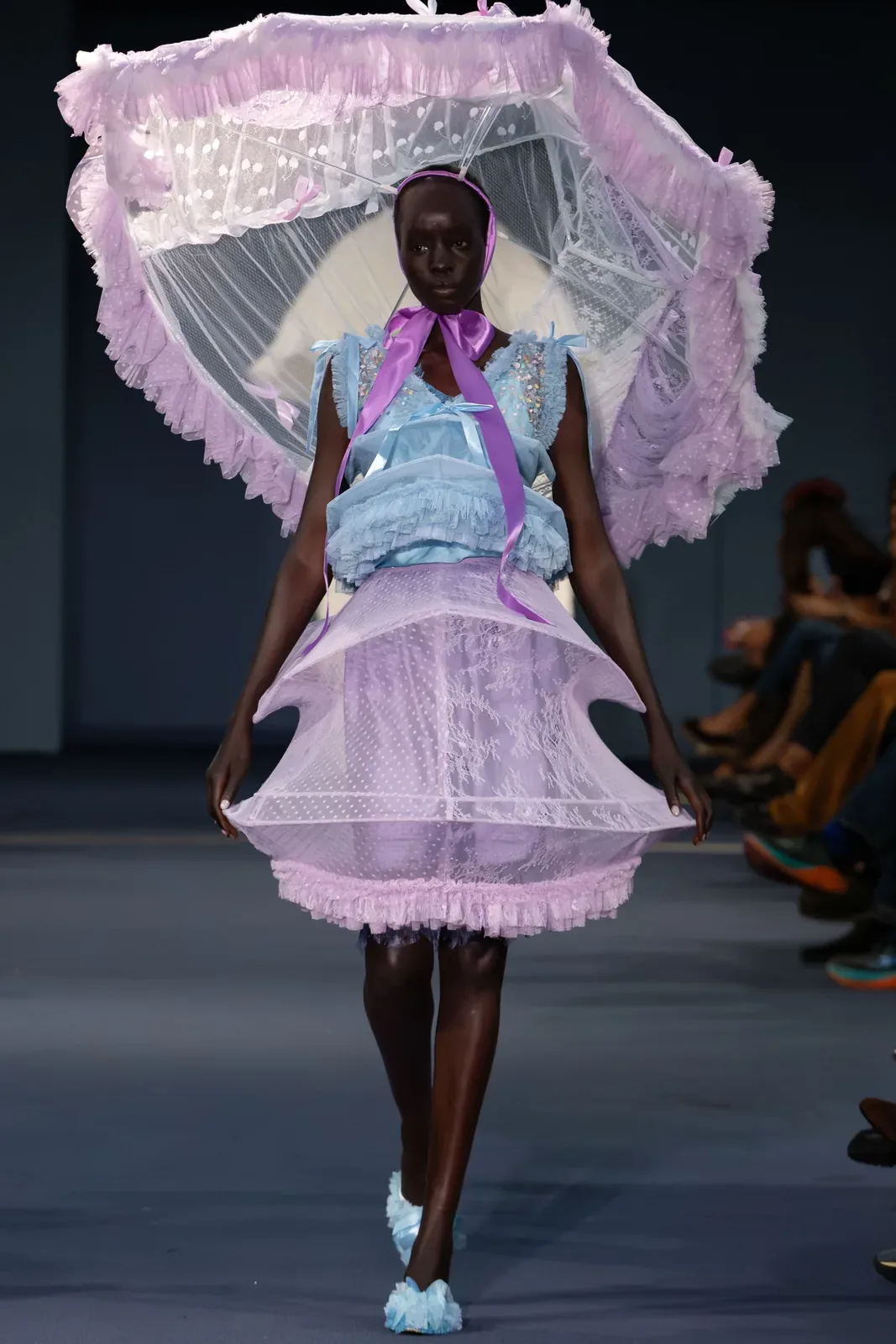
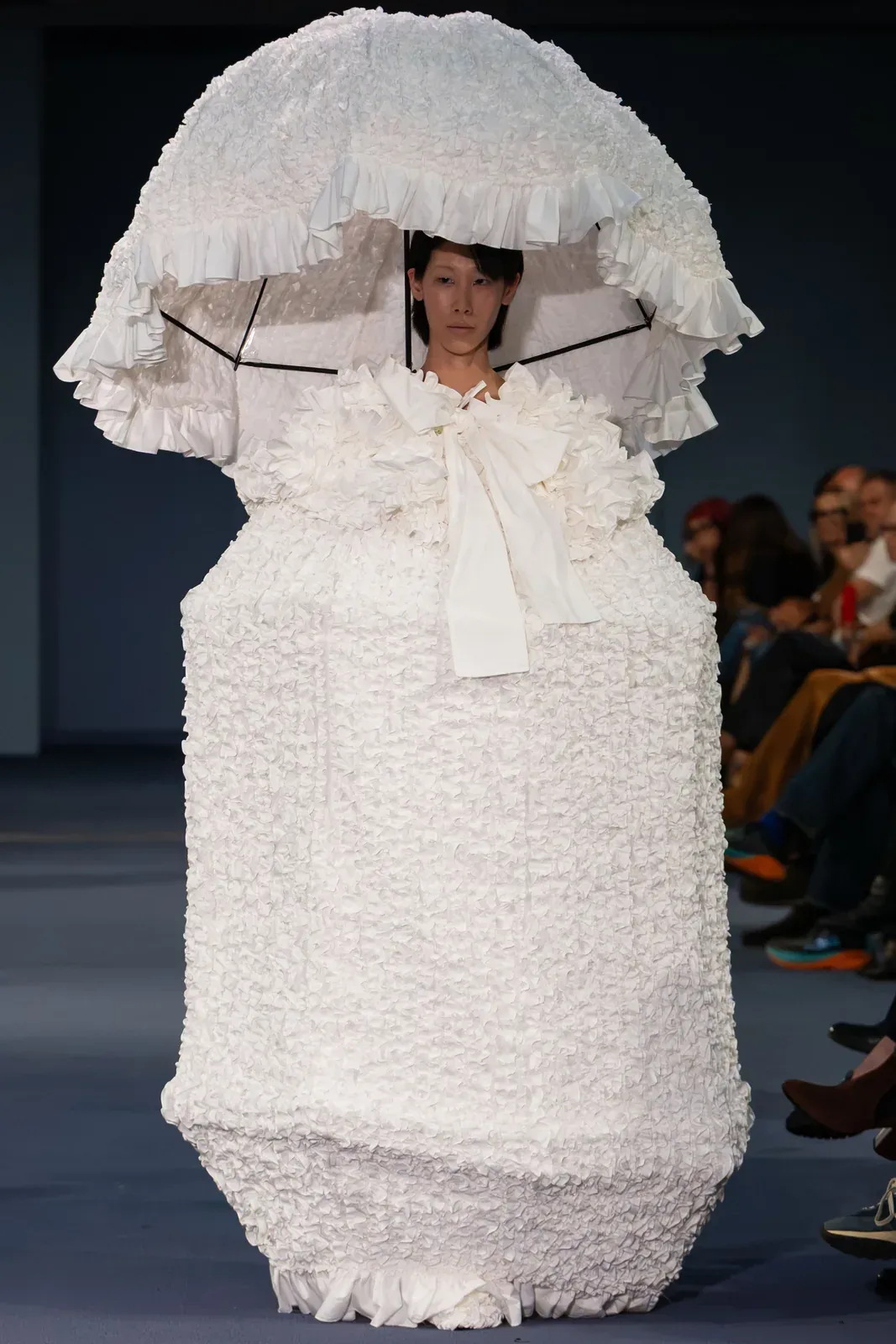
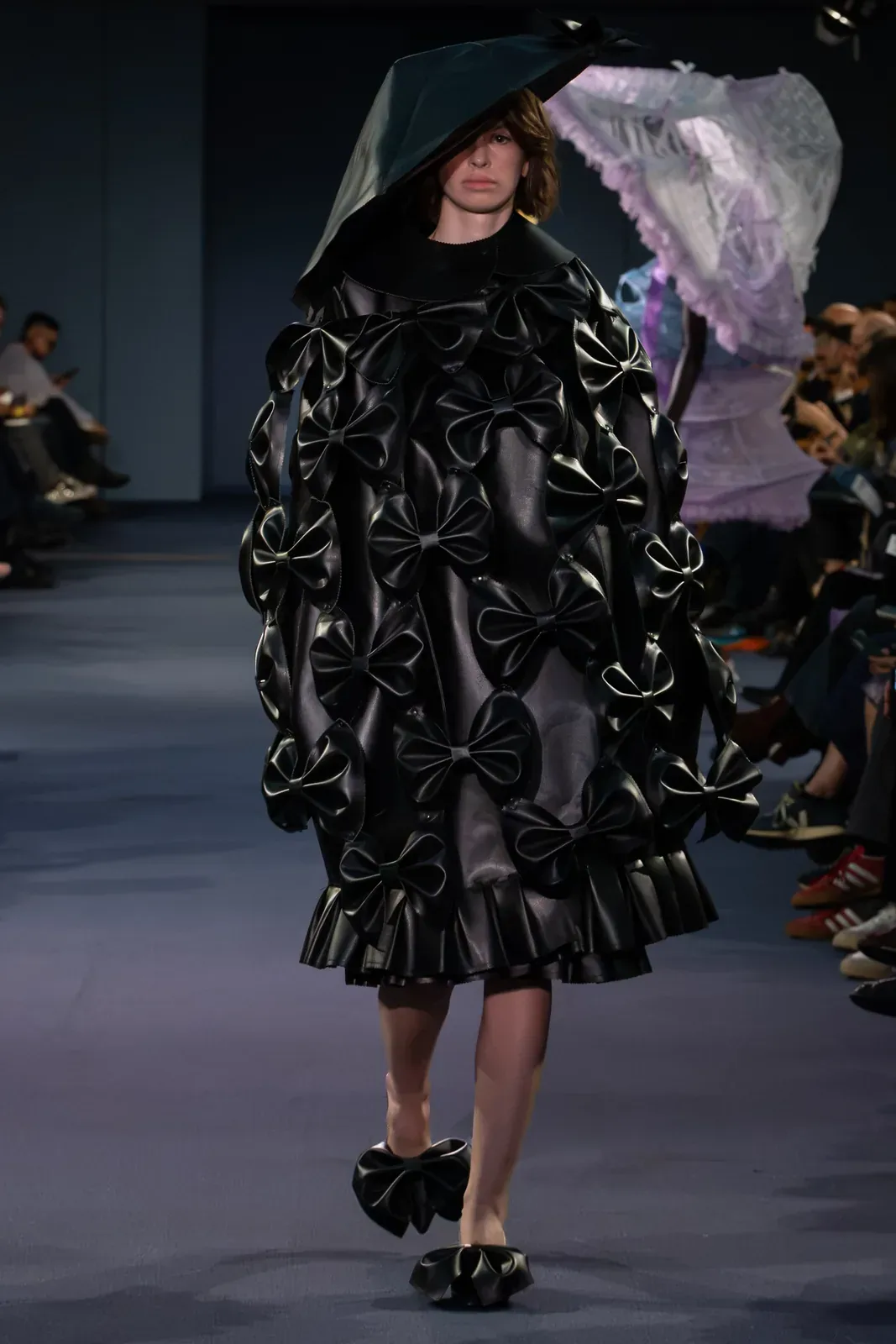
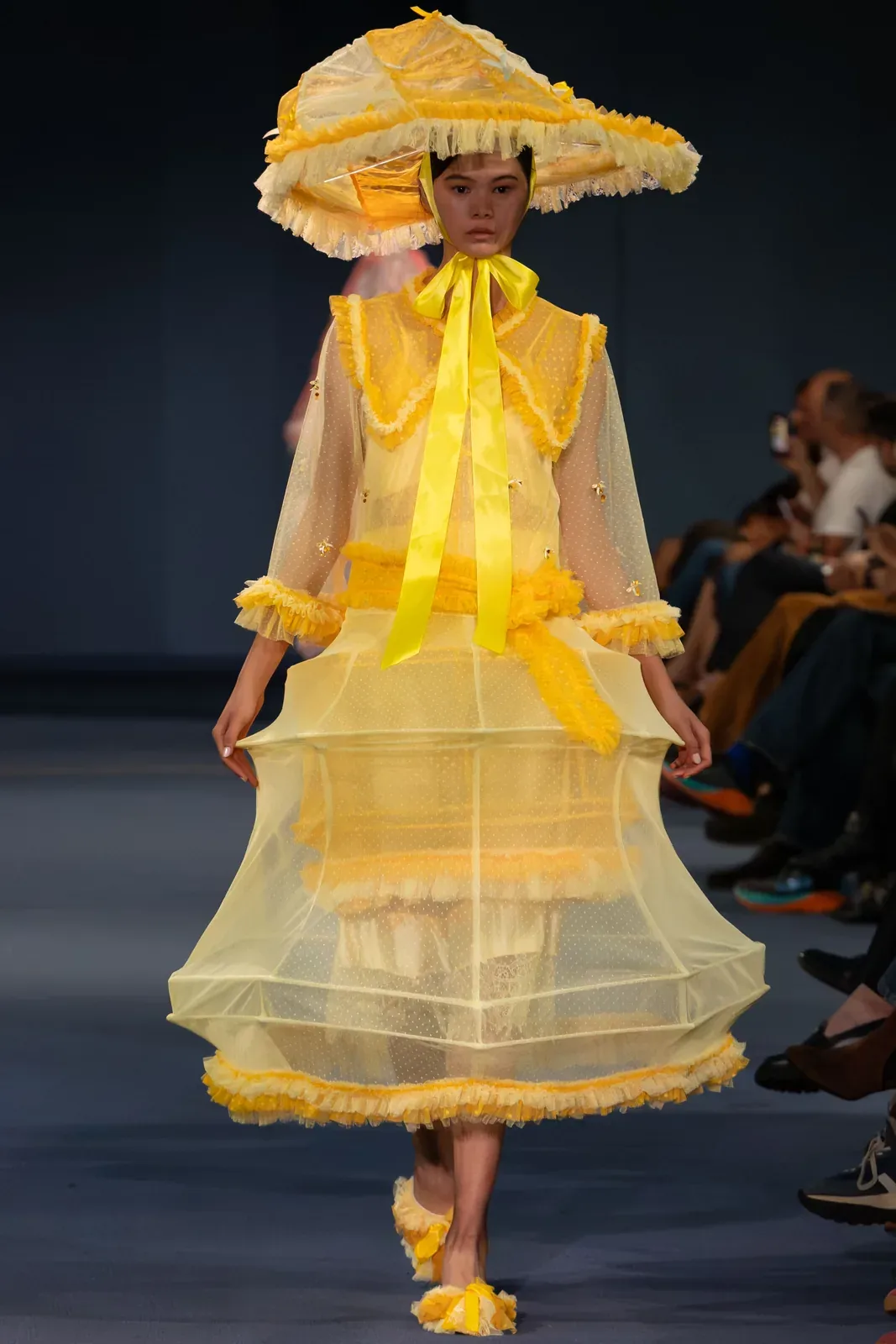
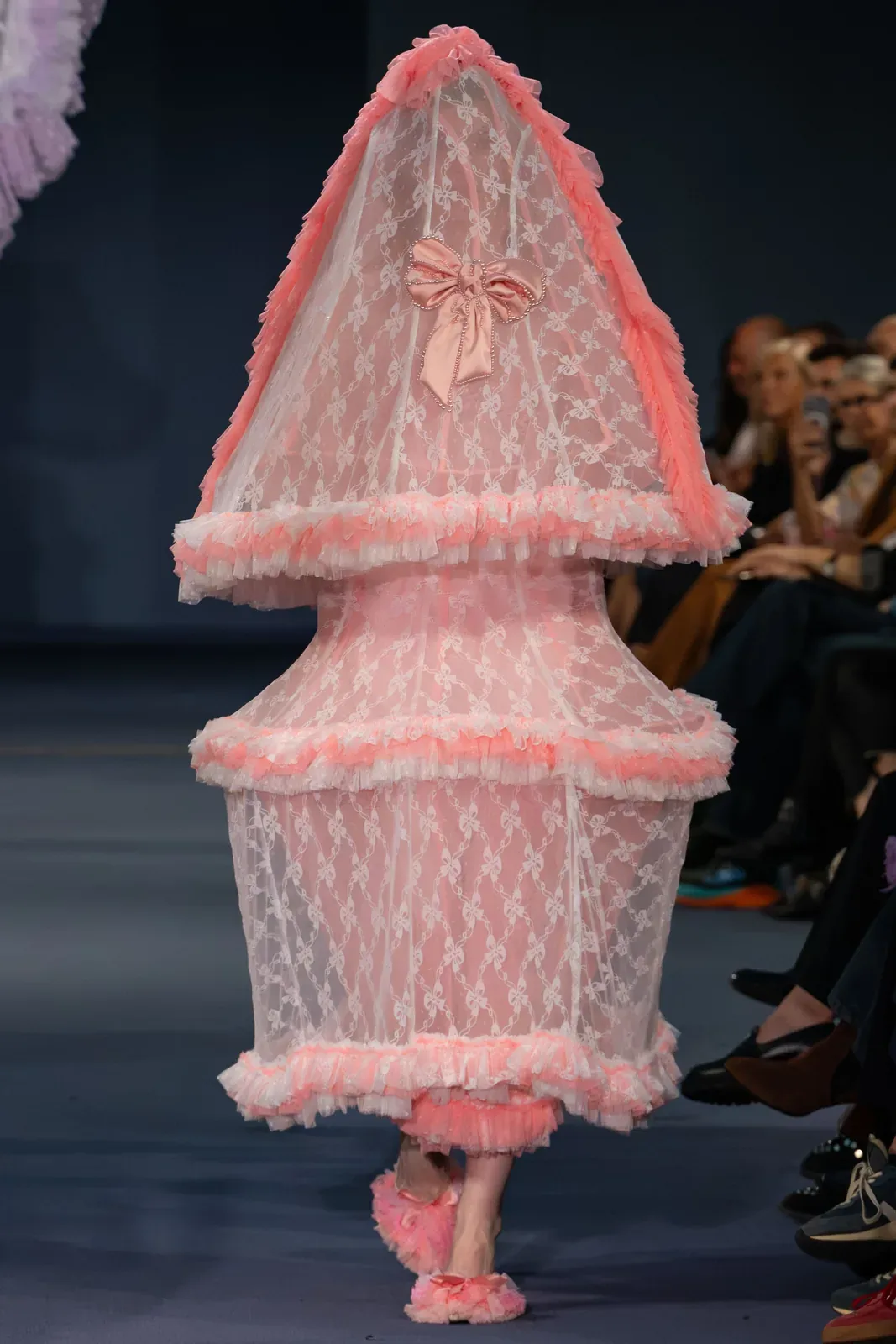
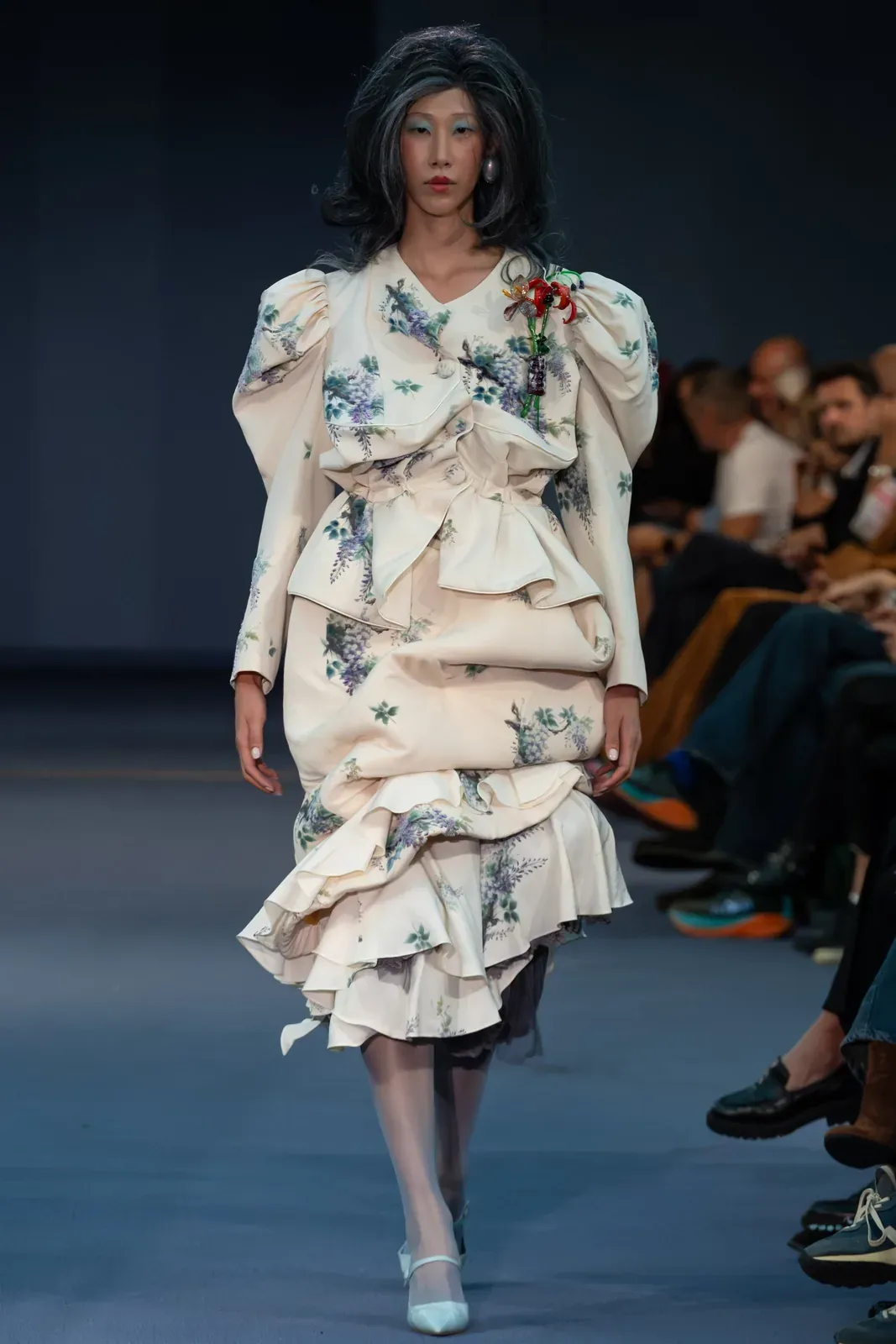
Yui Chen won the Grand Prix of the Fashion Jury with their unisex collection, Food Cover. The collection was produced with the support of le19M, Atelier Montex, L’Atelier des Matières, and Supima. Born in 2000, Chen trained at Parsons Paris, where they developed their distinctive approach to fashion and design.
The Grand Prix of the Fashion Jury offers a comprehensive package of financial, creative, and professional support. It includes a €20,000 CHANEL grant, European linen and support from the Alliance for European Flax-Linen & Hemp, editorial visibility through Madame Figaro, a one-year mentorship from The Arrow and Sterling International, and a €50,000 creative grant from the Watteau Group. The winner also receives €20,000 worth of finishing services from Serge / Les Teintures de France and €6,000 worth of fabrics from Sfate et Combier and Guigou.
Born in China, Yui Chen draws inspiration from everyday objects and familiar things, giving them a new life through fashion. With a background in fine art, Chen reconstructs these ordinary elements into new shapes and structures, encouraging us to look at the world differently and reconnect with our imagination. In Food Cover, sculptural silhouettes, soft textures, and unexpected volumes transform the familiar into something dreamlike. The collection is an invitation to escape reality for a moment and rediscover the freedom of imagination.
Brais Albor Rodríguez
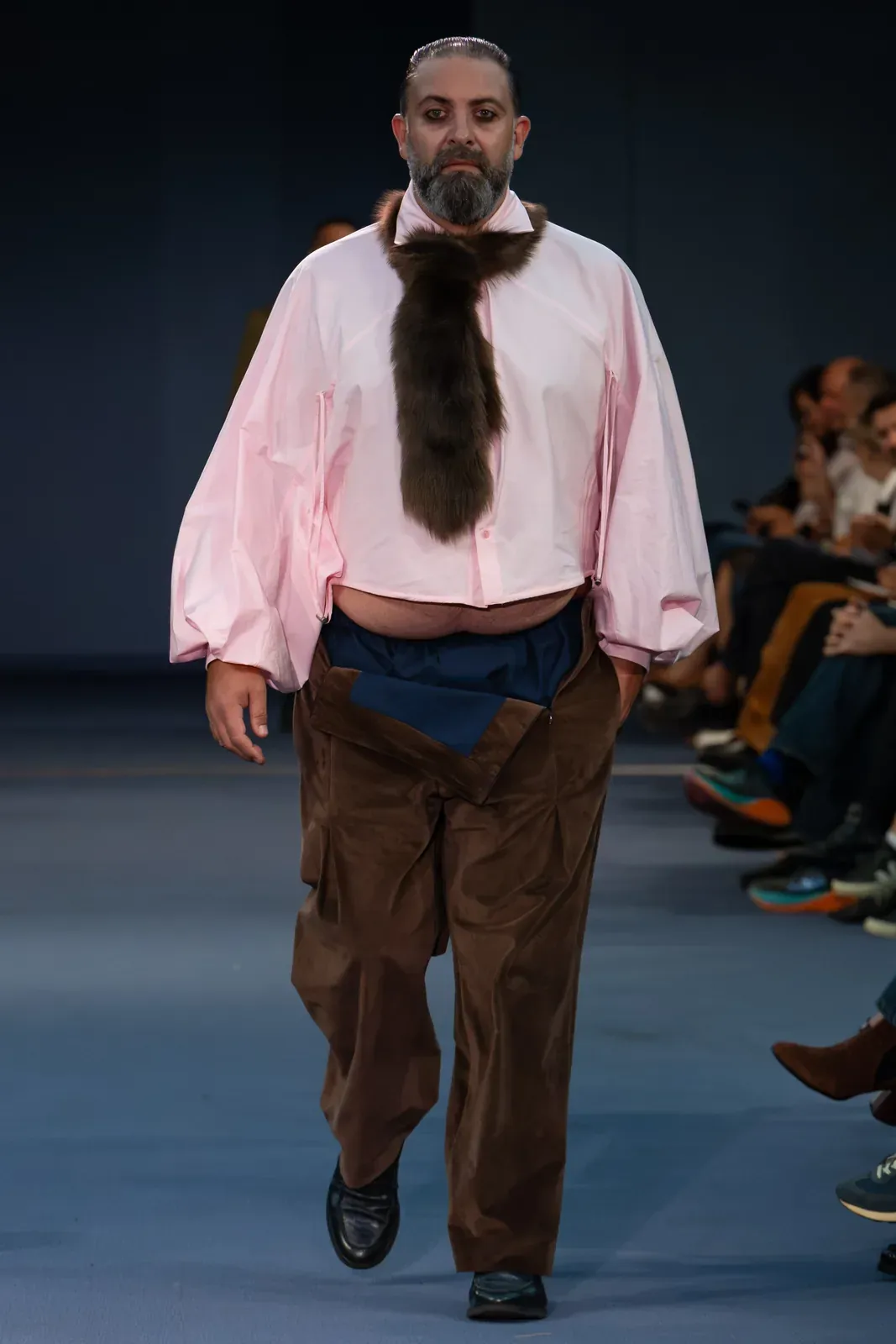
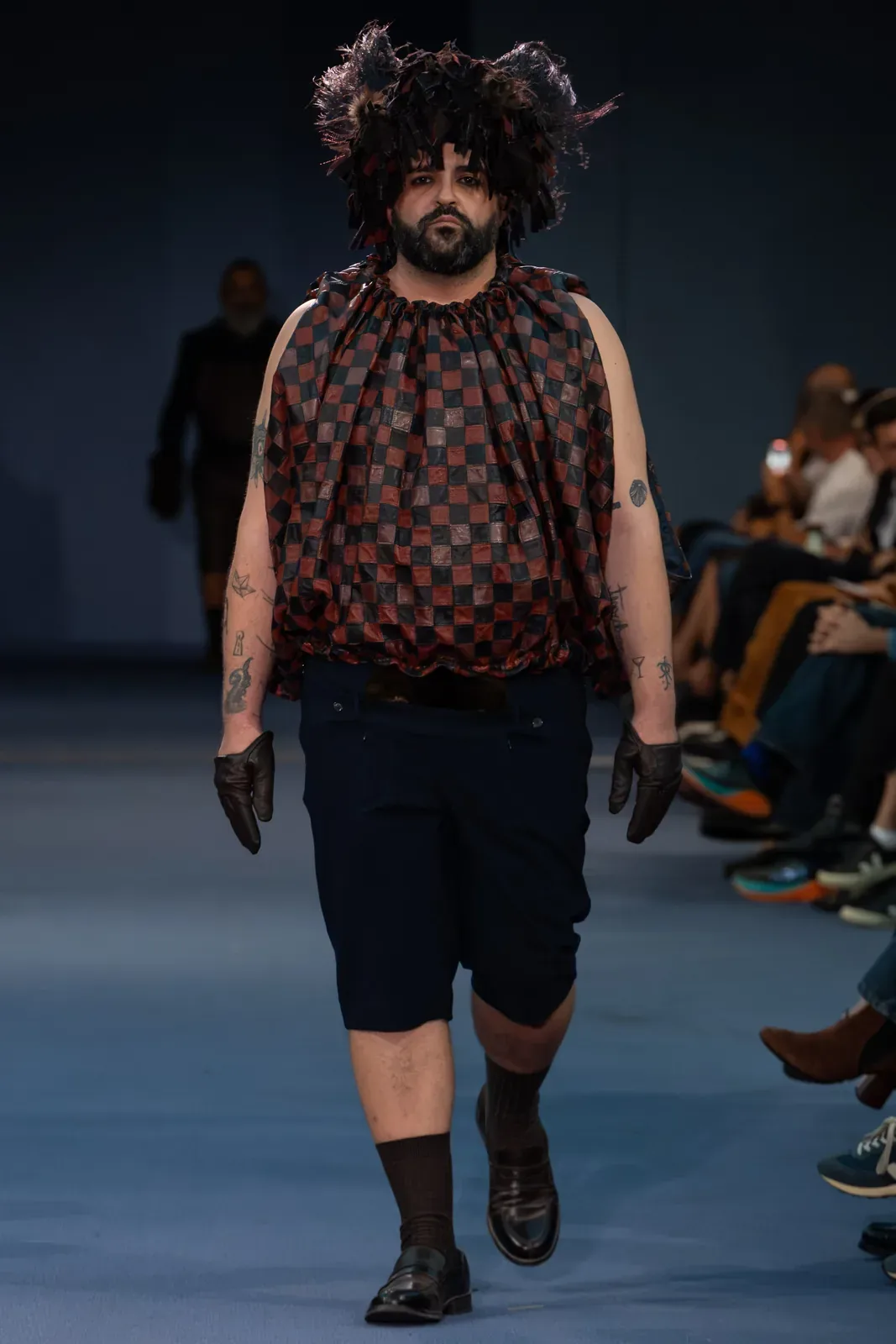
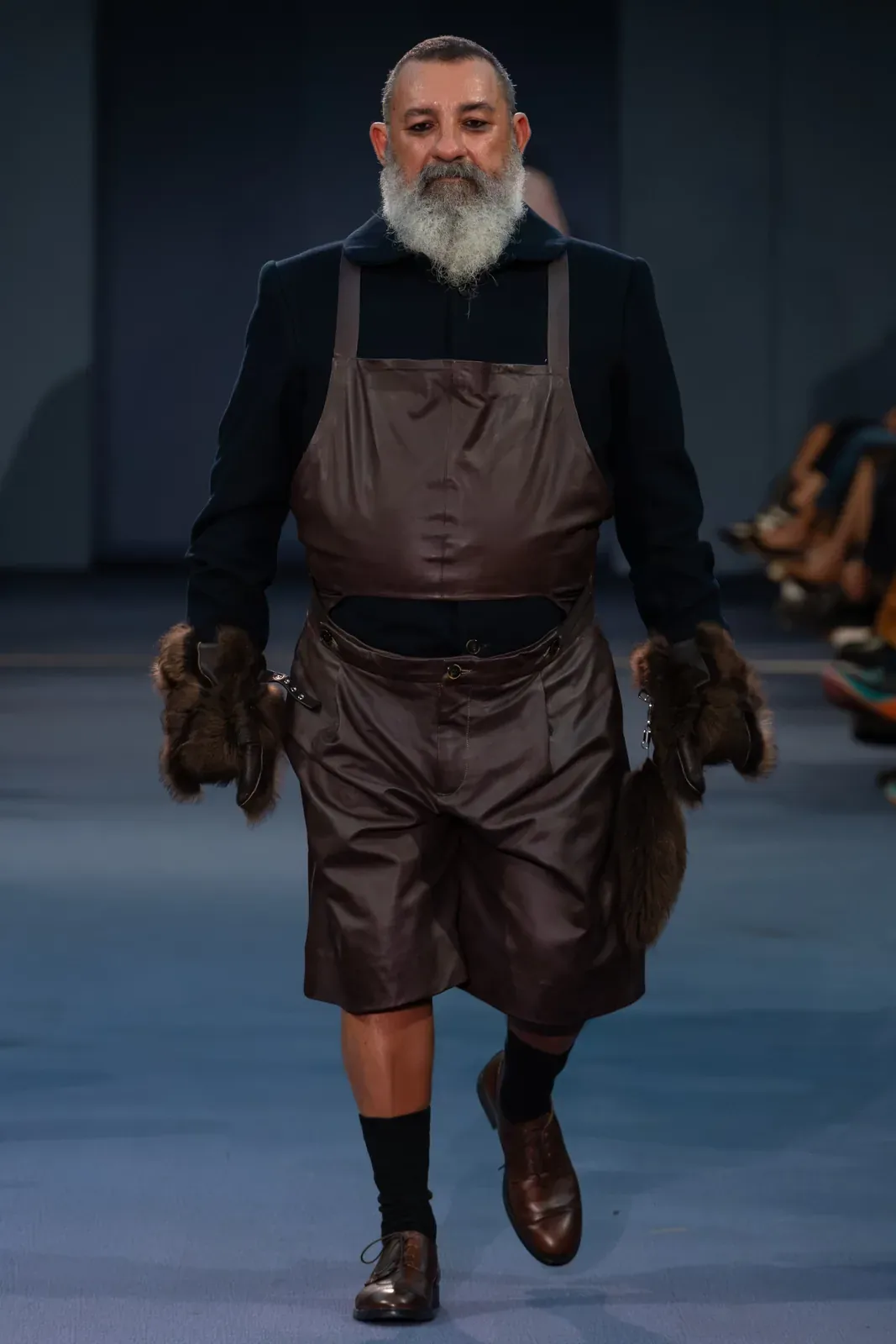
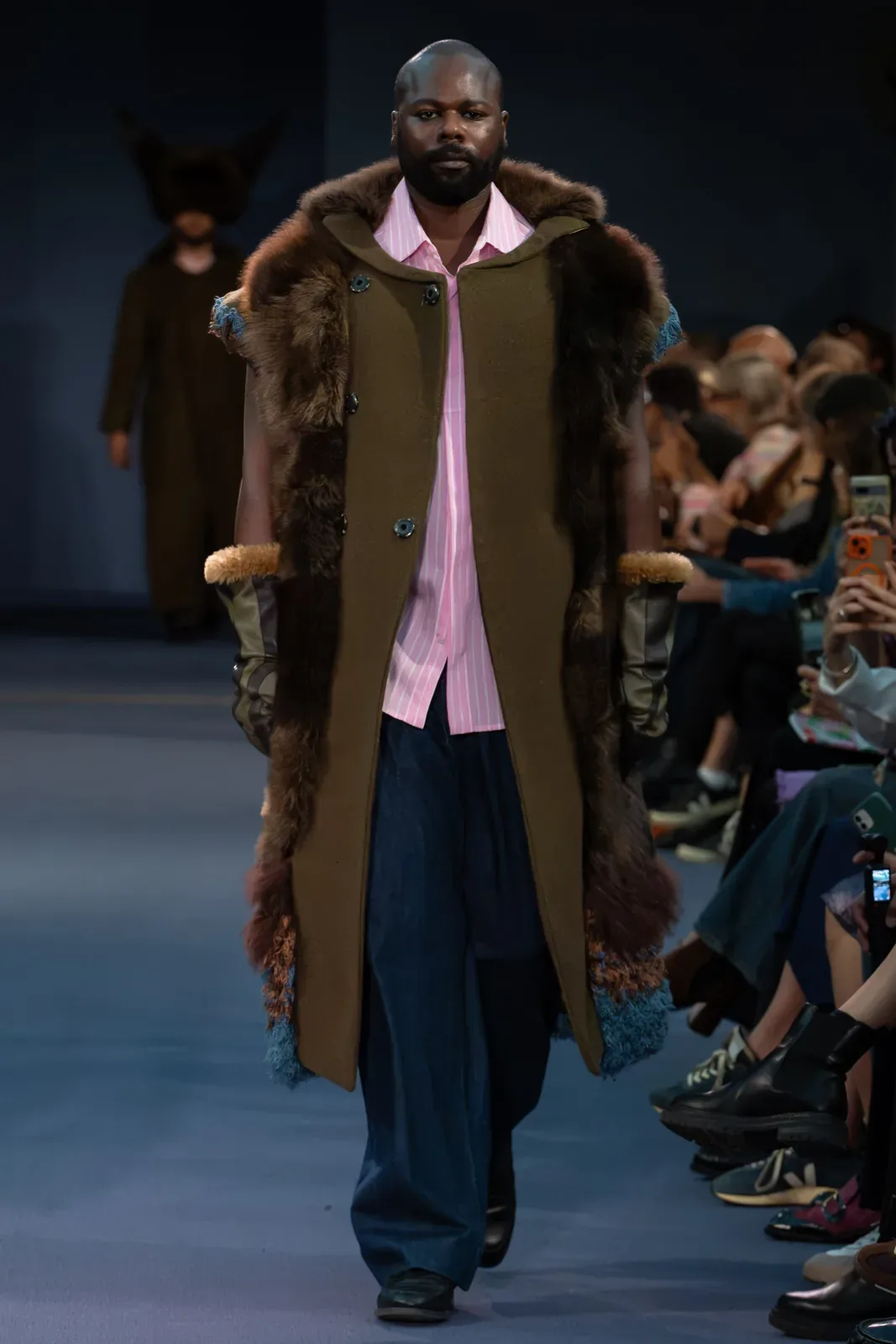
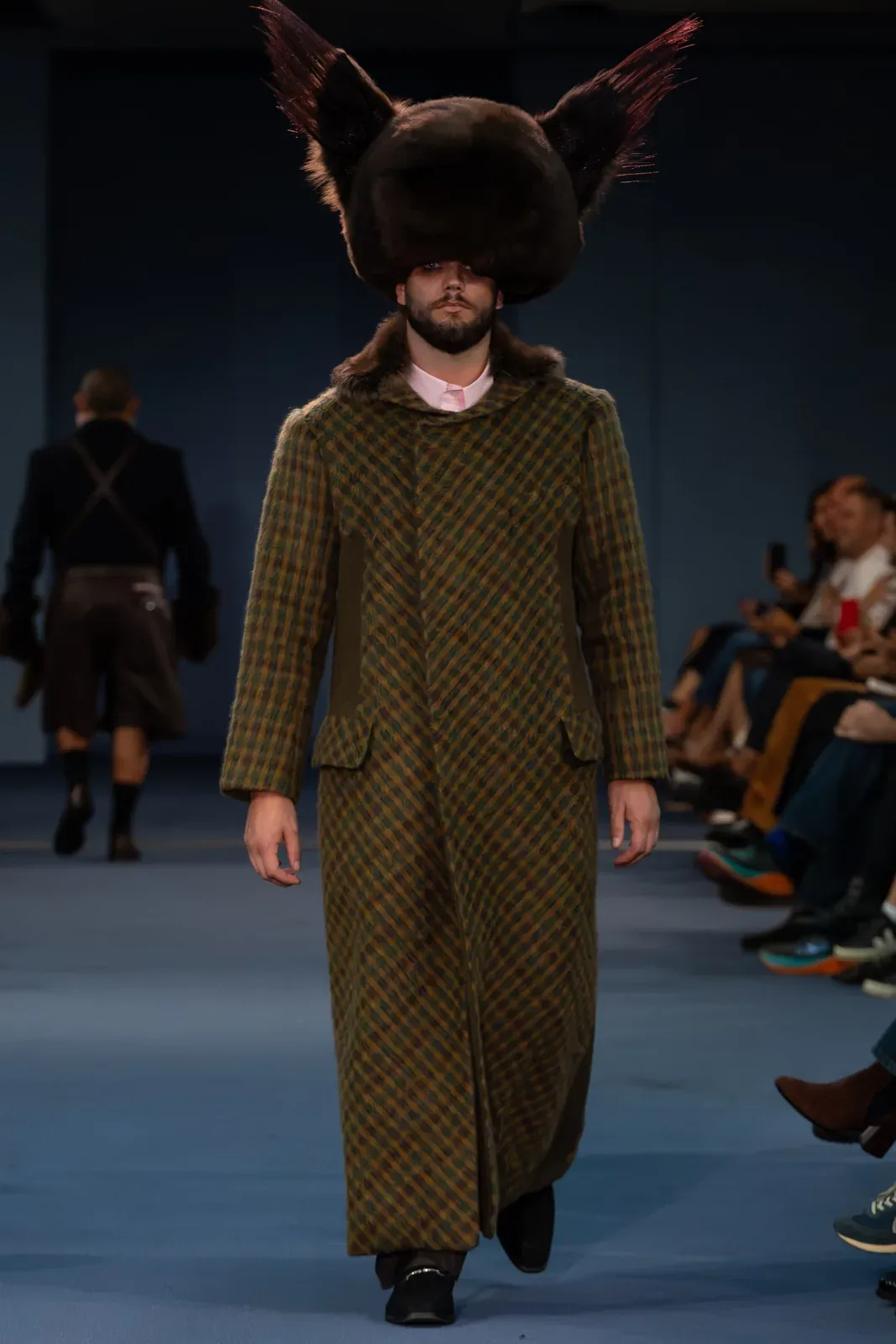
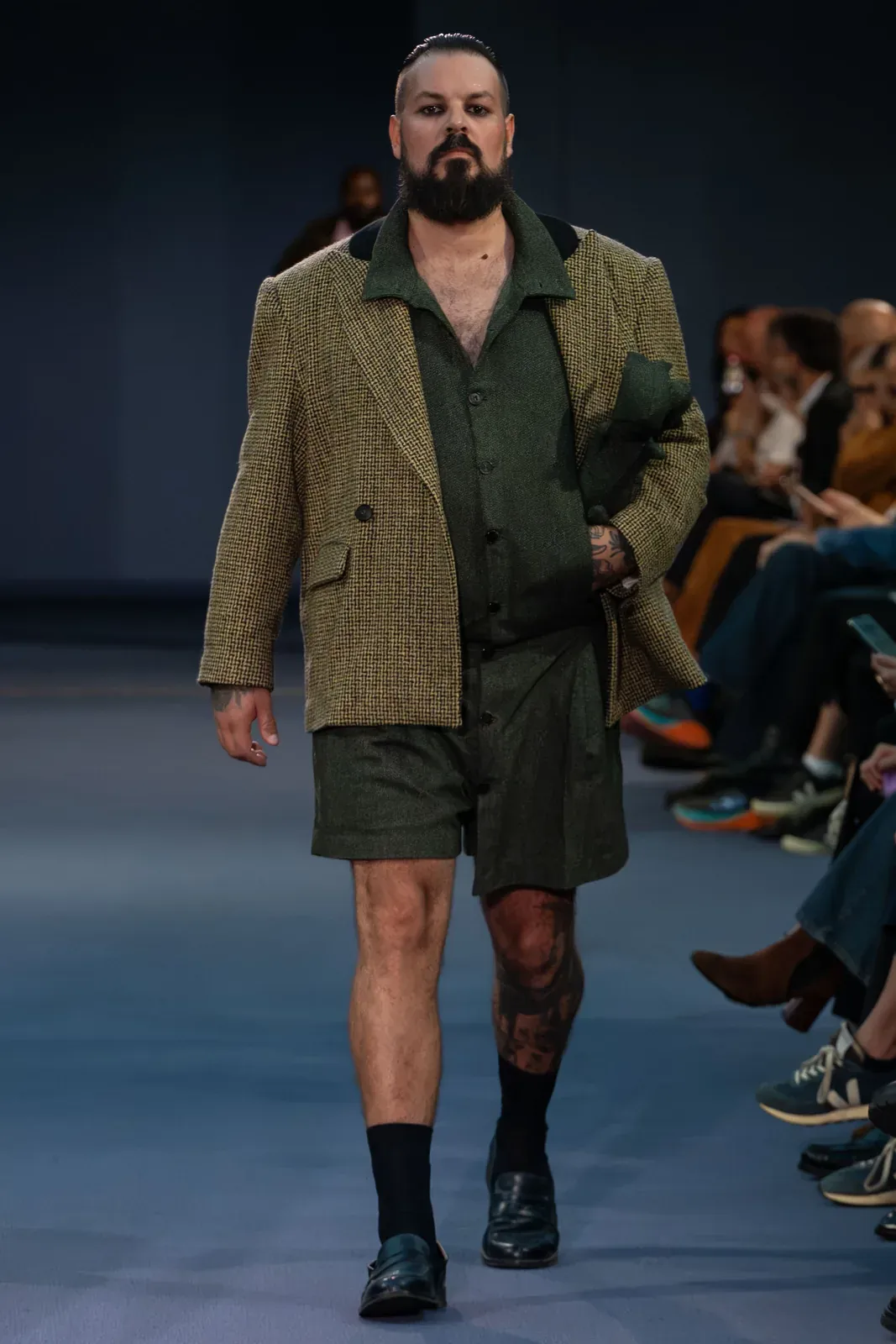
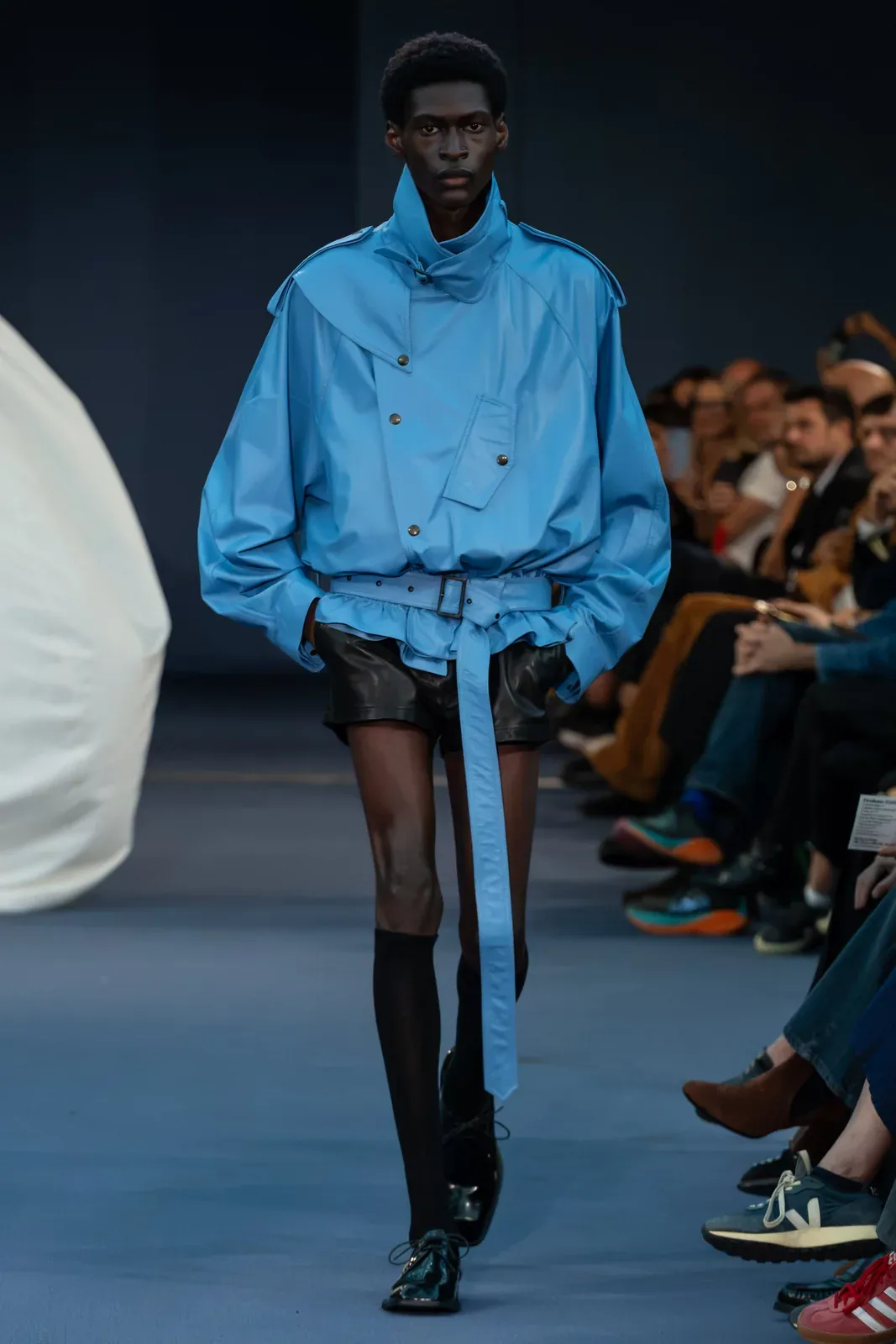
Brais Albor Rodríguez received both the Special Mention of the Jury and the Public Prize – City of Hyères for his menswear collection Por Mis Santos Cojones. Born in 1994, the Spanish designer trained at EASD Mestre Mateo in Spain and Central Saint Martins in London. The collection was developed with the support of le19M, Causse, L’Atelier des Matières, Supima, L’Alliance du Lin et du Chanvre Européens, and Emmetex, a Première Vision member.
Born in Galicia, Spain, Brais Albor Rodríguez designs tailoring, underwear, and sportswear for big boys, muscular men, and gym enthusiasts whose bodies often fall outside the standard fashion system. His brand celebrates real bodies and proportions through a fashion-forward, ironic, and community-driven approach. Made in Italy using organic cotton, the underwear and tailoring are designed to offer comfort, a better fit, and freedom of movement. Strategic cuts and considered construction are central to the brand’s identity, ensuring garments adapt to different body shapes—for instance, allowing shirts to fasten comfortably across the chest. Every piece is specially cut to make men feel comfortable and confident in their bodies.
Dieter Vlasich Obermann
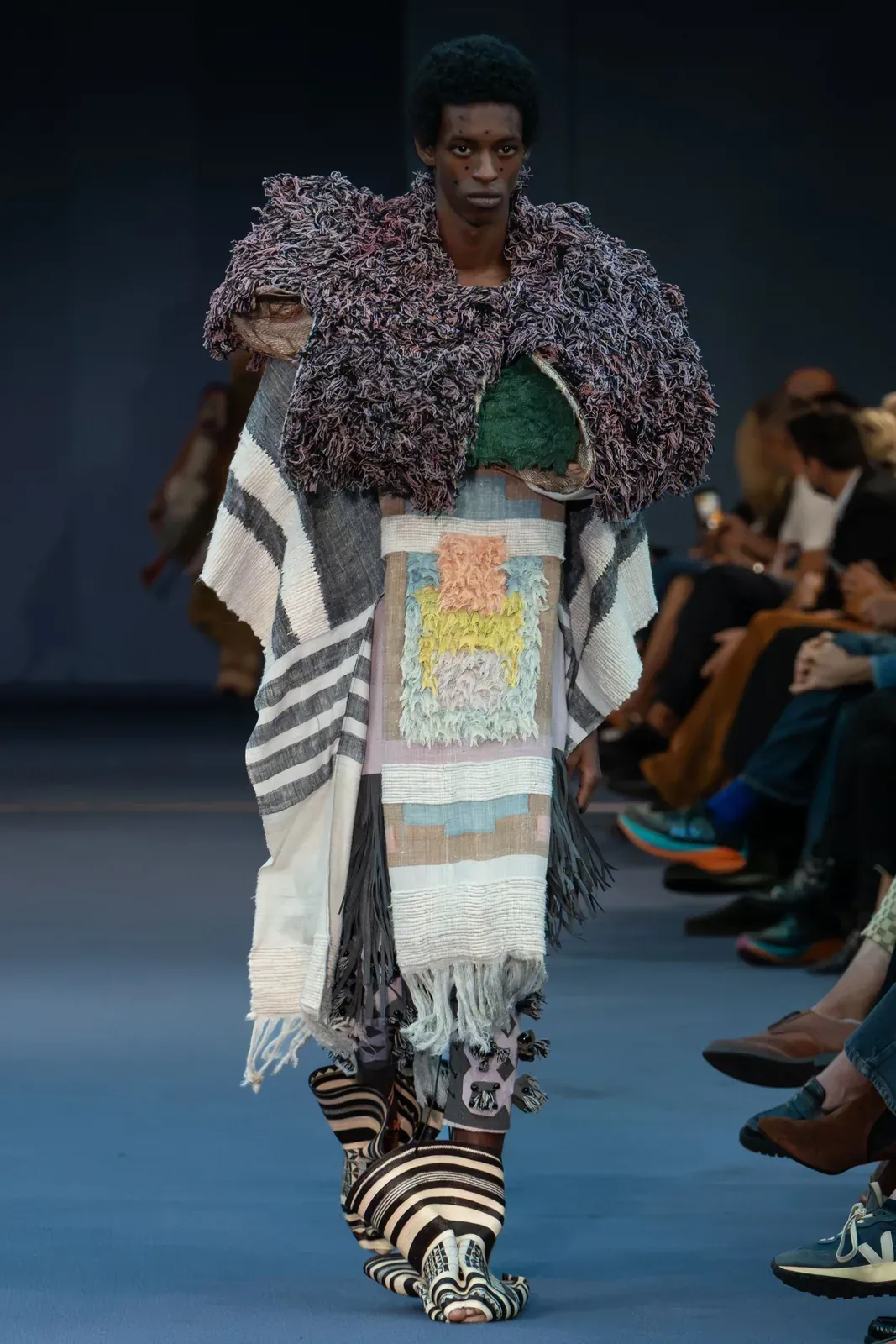
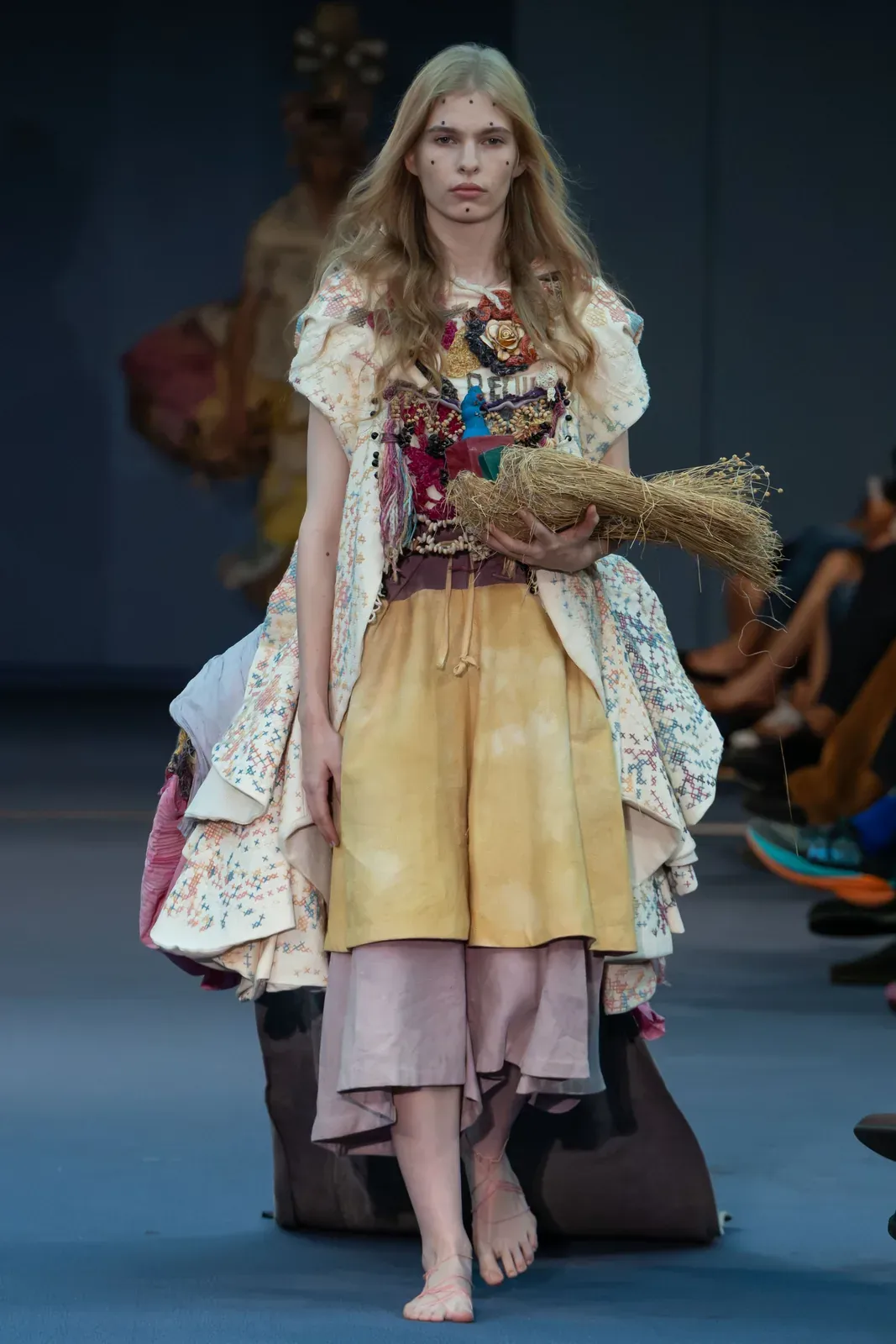
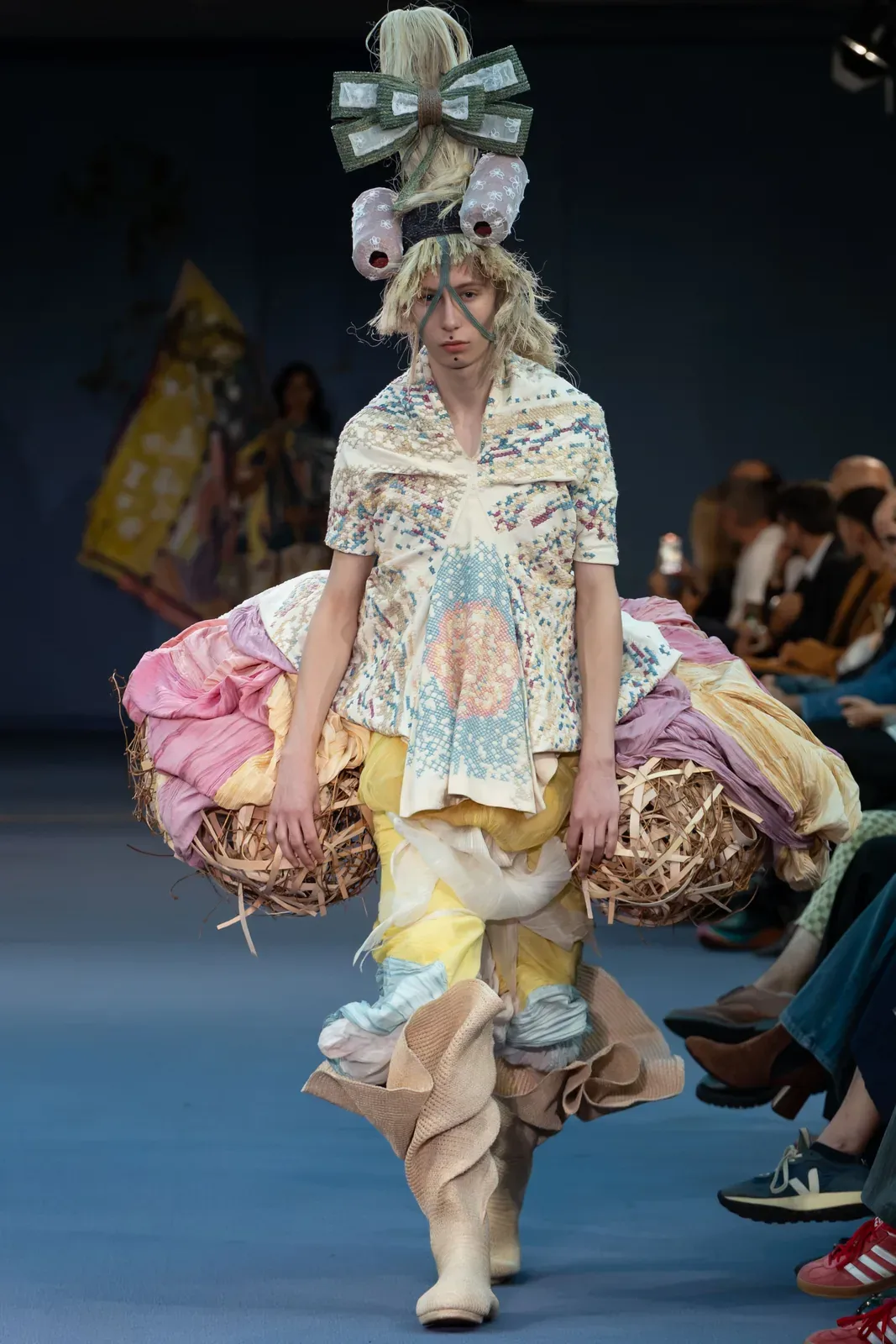
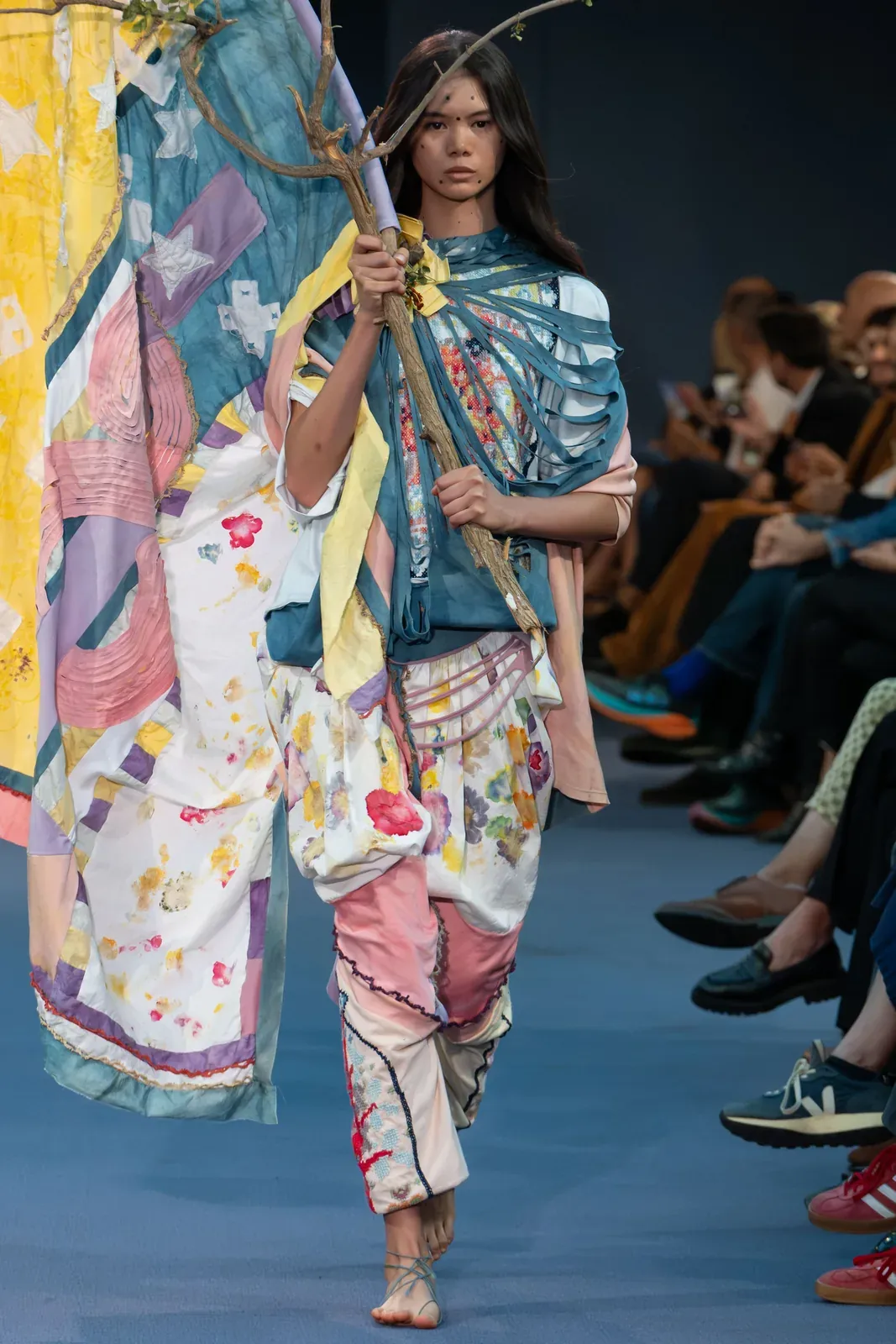
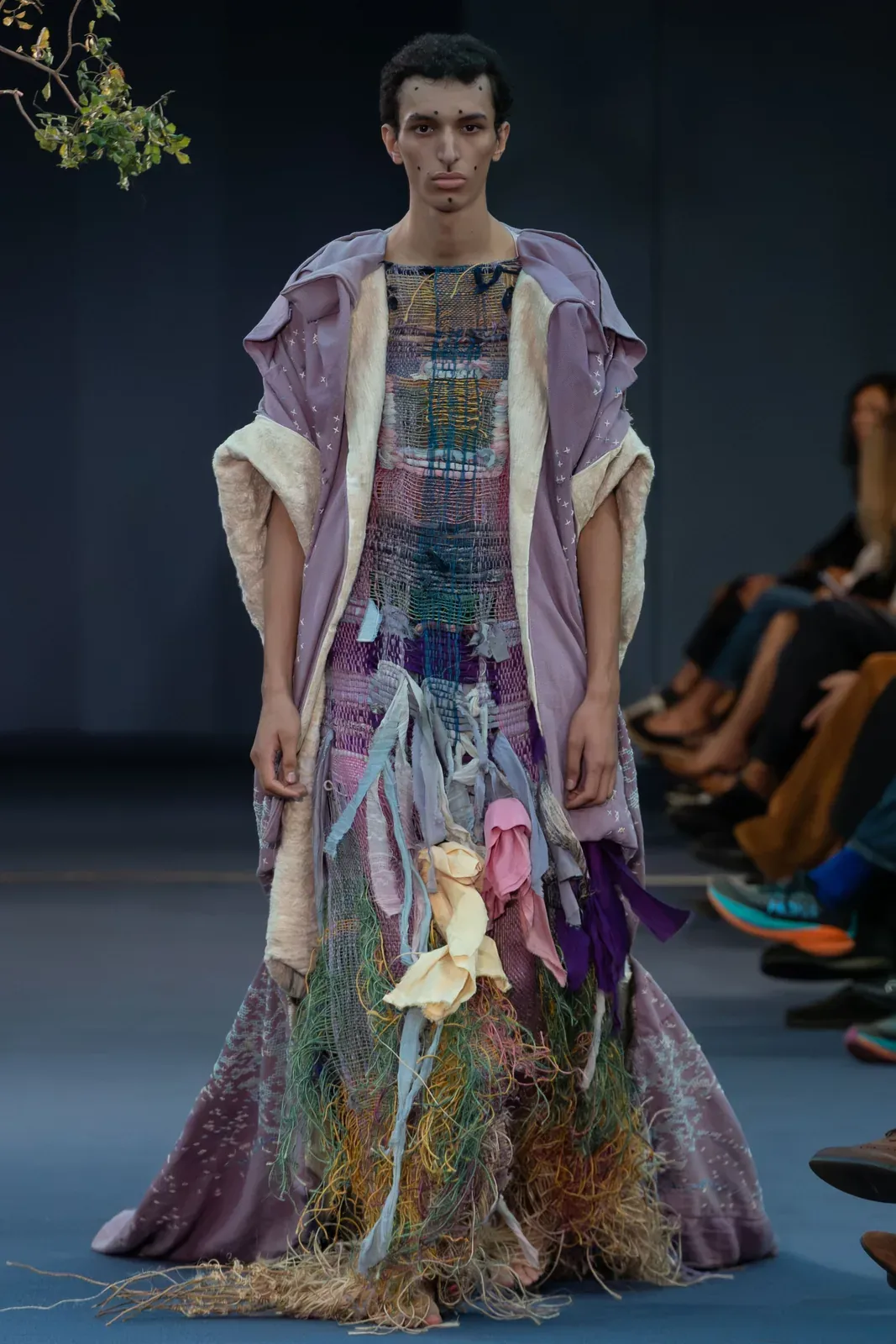
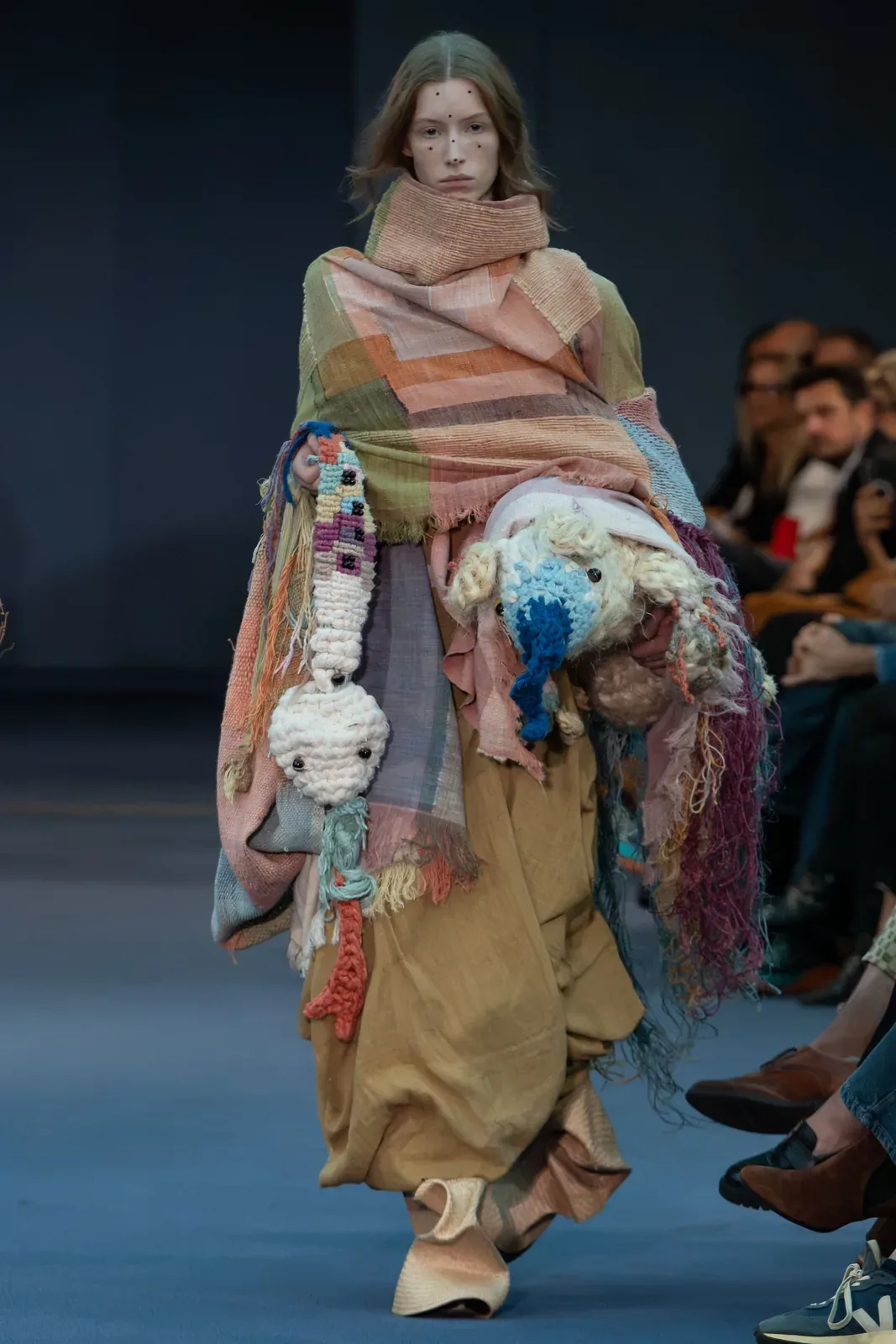
Dieter Vlasich Obermann won the le19M Métiers d’art Prize with Tiliches, a unisex collection celebrating artisanal craftsmanship and traditional techniques. Born in 2001, the designer trained at Central Saint Martins in London. The collection was produced with the support of le19M, Maison Michel, L’Atelier des Matières, Supima, L’Alliance du Lin et du Chanvre Européens, and its Première Vision members, Atelier Aymeric and Le Deun.
Created in 2019, the le19M Métiers d’art Prize, supported by CHANEL, celebrates the collaboration between emerging fashion designers and the Maisons d’art specialising in exceptional craftsmanship. Selected by the Fashion Jury, the winner receives a €20,000 grant to develop a new creative project with one or more of the ateliers based at le19M, a hub dedicated to preserving and transmitting traditional craftsmanship while fostering innovation in fashion and design.
With Mexican and German heritage, the designer draws inspiration from his grandmother’s memories for Tiliches, a collection named after the word she used for the handmade objects and toys she collected. In parts of Latin America, ‘tiliches’ refers to odds and ends or seemingly worthless objects, often carrying personal and sentimental value. The collection explores the beauty and significance of these everyday artefacts, placing artisanal craftsmanship at its core. By collaborating with master artisans and incorporating traditional techniques, the designer seeks to enhance the expressiveness of his work, celebrating texture, materiality, and authenticity while creating meaningful connections with others through the art of making.
Xiao Xu
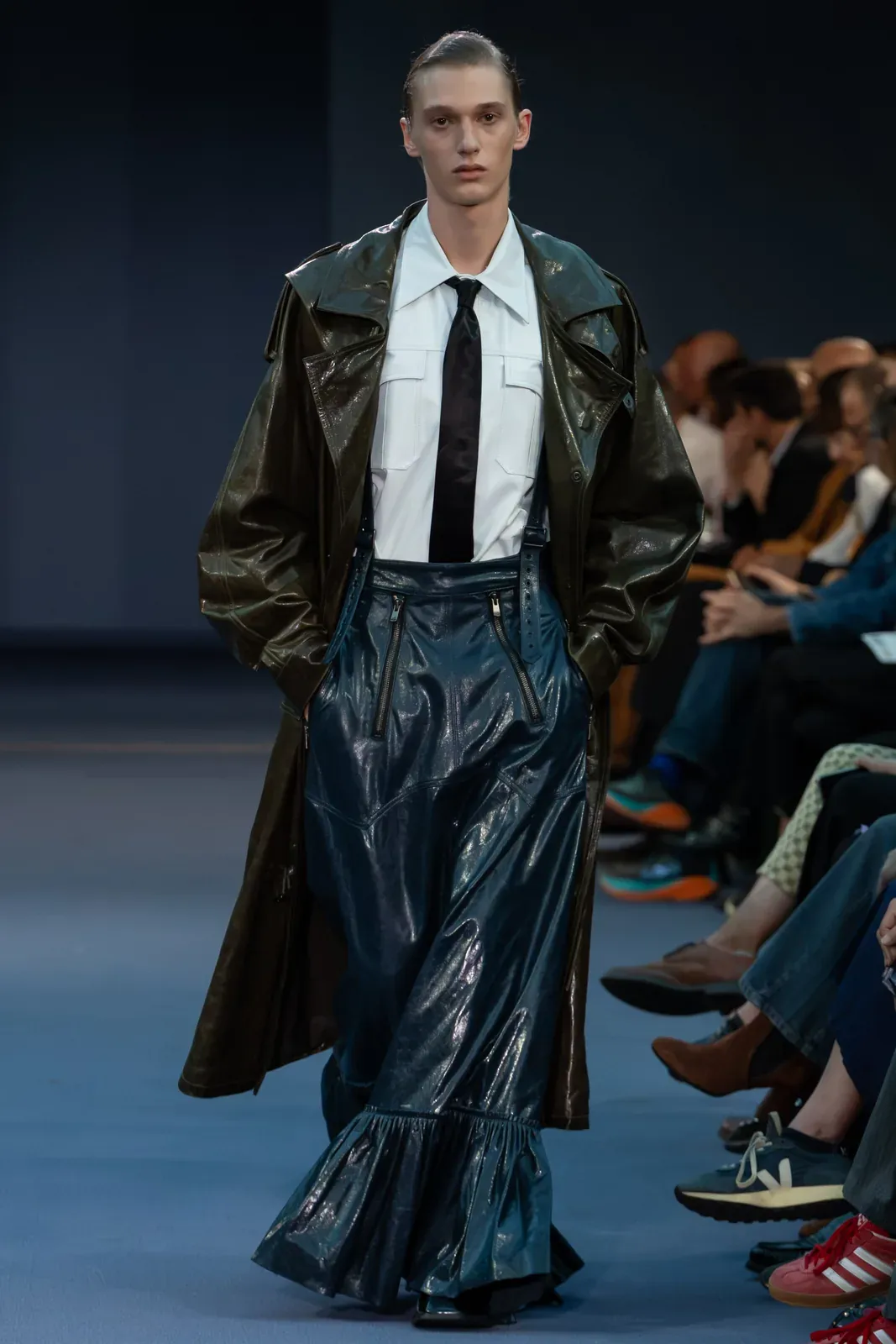
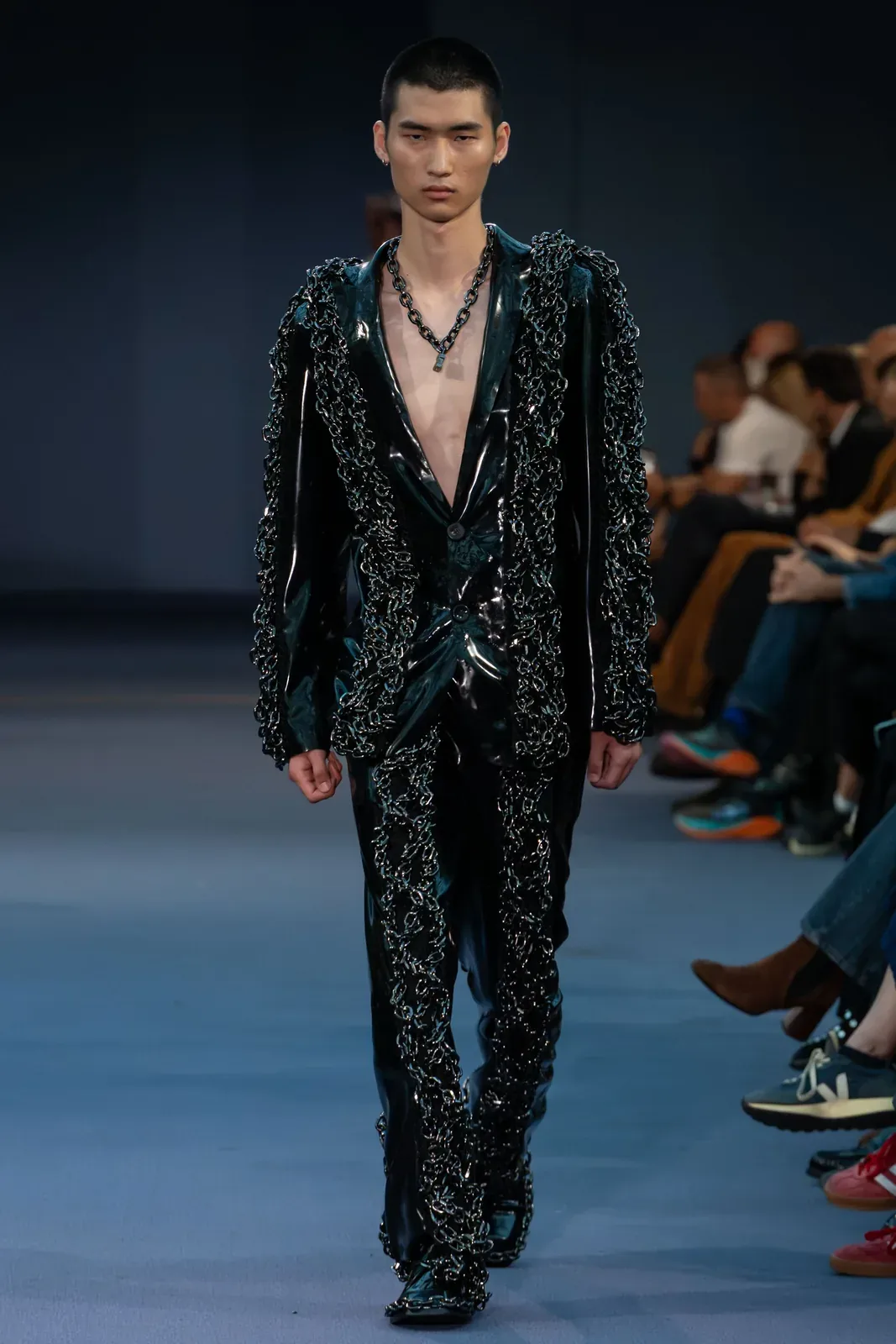
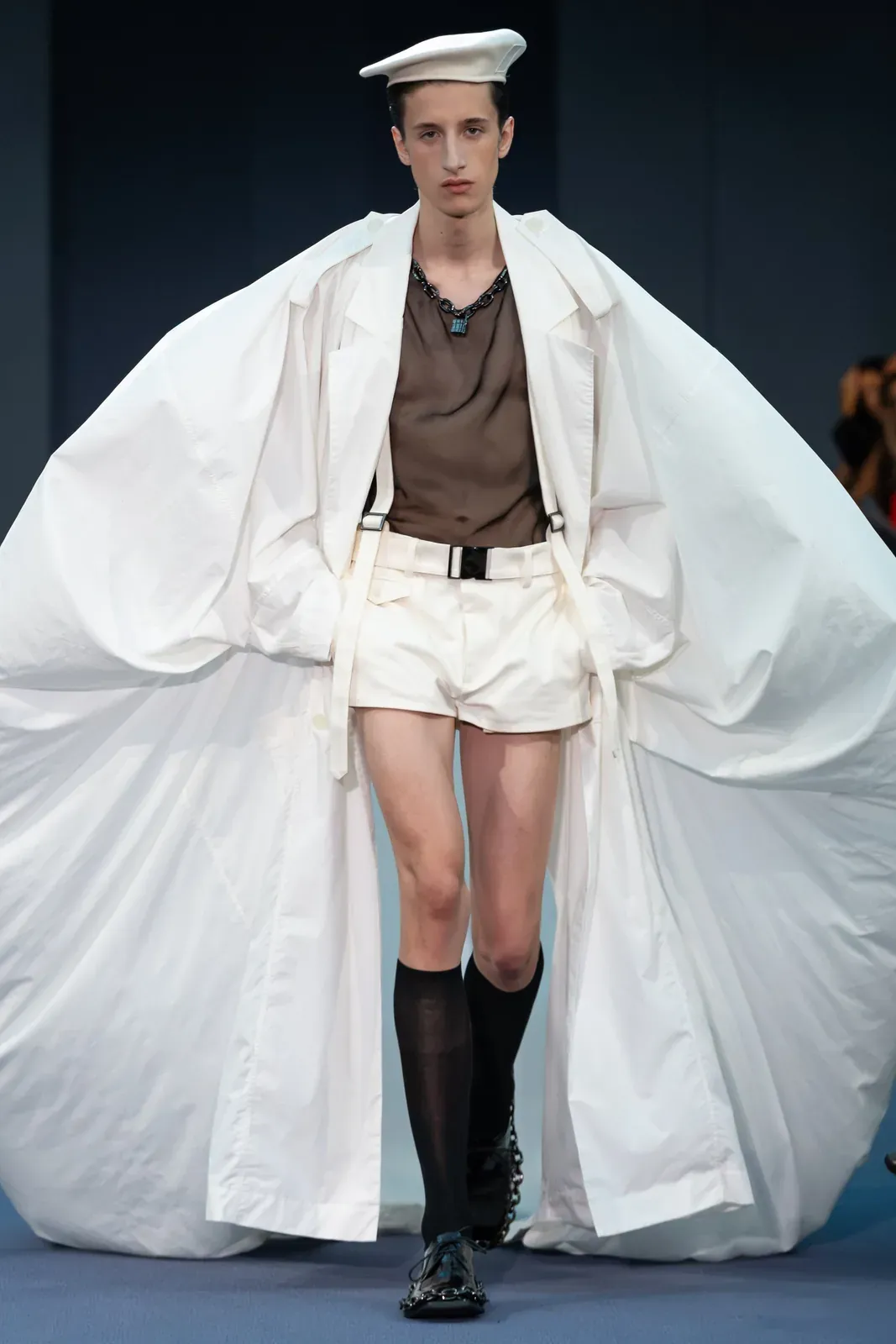
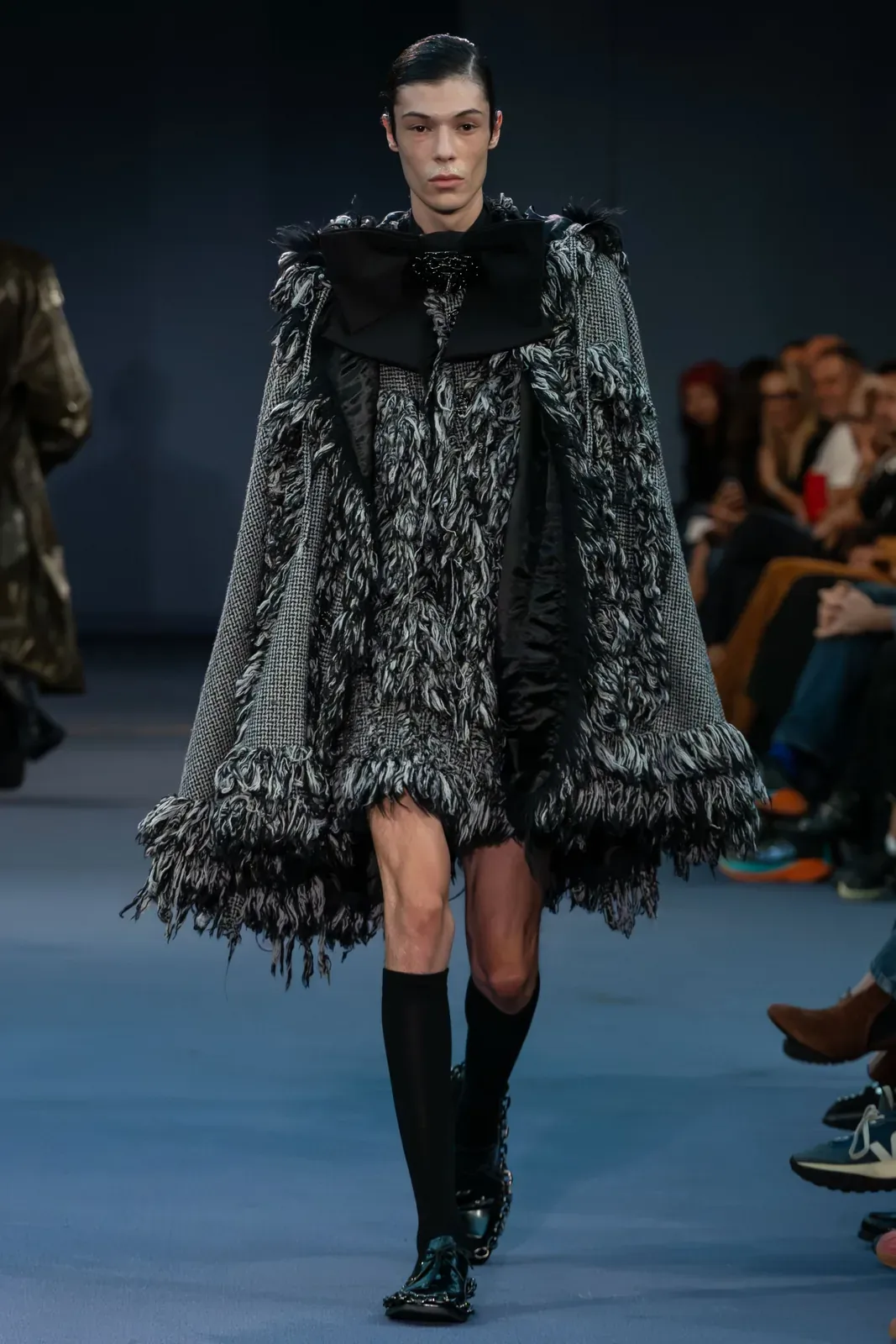
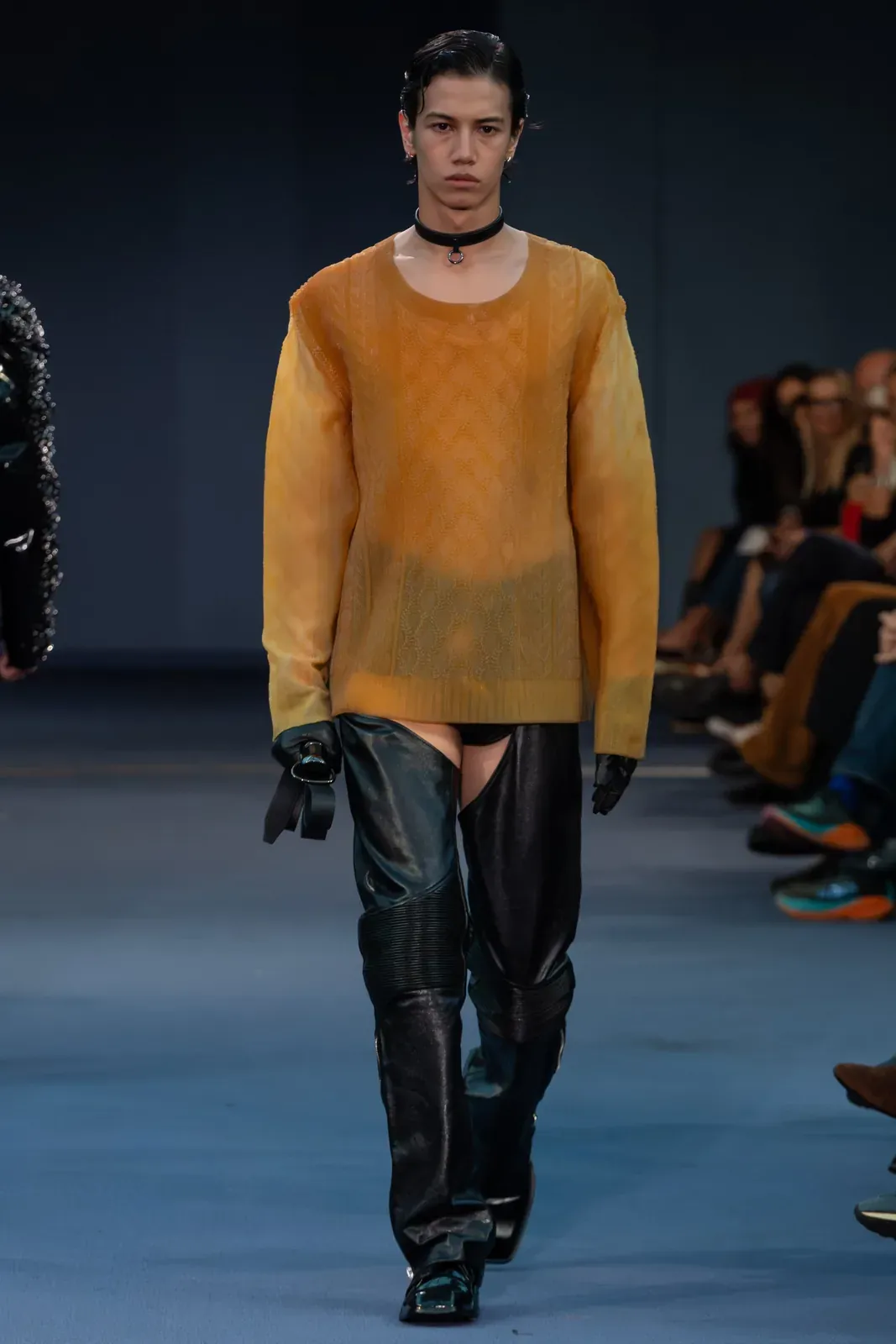
Xiao Xu won the Supima Prize with Uncanny, a menswear collection. Born in 2000, the designer trained at Parsons Paris. The collection was produced with the support of le19M, Lesage, L’Atelier des Matières, Supima, Les Teintures de France, and Première Vision members Emmetex, Atelier Aymeric, and Le Deun.
The Supima Prize, supported by SUPIMA, rewards the fashion finalist who best showcases the potential of Supima cotton in their collection. The winner receives fabric support for their next collection and a sponsored trip to New York City to attend the Supima Design Lab, where the winner and finalists present their designs alongside international designers.
Born in China and based in Paris, Xiao Xu draws inspiration for Uncanny from fetish archives of the 1970s, particularly the book Dressing for Pleasure. Fascinated by photographs depicting people wearing latex in intimate, domestic settings, the designer explores the tension between sensuality and everyday life. This contrast becomes the starting point for a collection that combines latex garments with military-inspired pieces, juxtaposing softness and rigidity, intimacy and discipline. Xu also draws inspiration from the illustrations of Rachel White, further shaping the collection’s distinctive visual language.
Rachel Luurssen
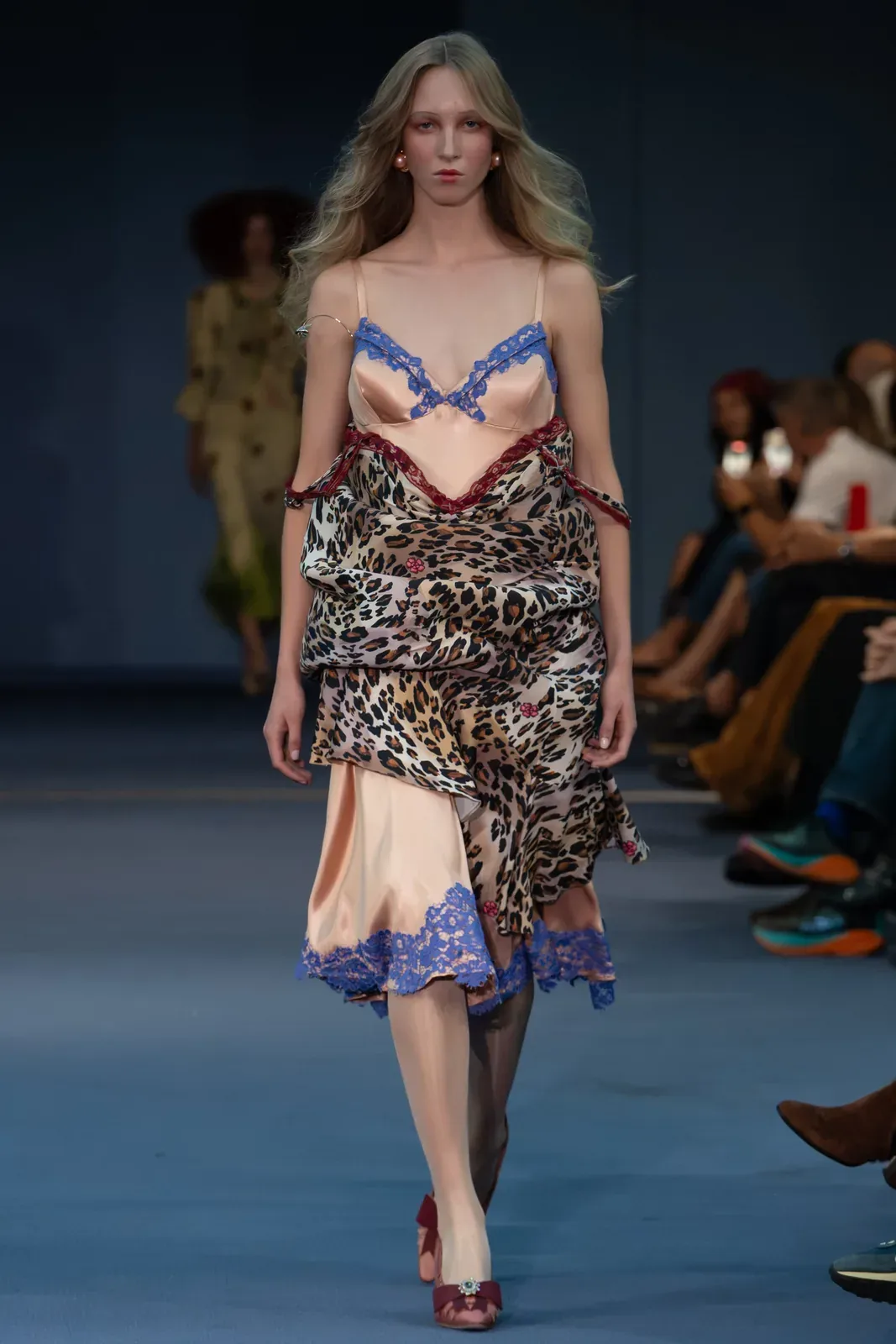
Rachel Luurssen won the L’Atelier des Matières Prize with Pandora’s Box: The Pursuit of Perfection, a unisex collection. Born in 1999, the designer trained at Institut Français de la Mode in Paris. The collection was produced with the support of le19M, Desrues, L’Atelier des Matières, Supima, and Les Teintures de France.
The L’Atelier des Matières Prize rewards a fashion finalist who creates a silhouette using recycled materials. The winner receives a selection of deadstock and recycled textiles and leather worth €10,000, supporting more sustainable and circular approaches to fashion design.
In Pandora’s Box: The Pursuit of Perfection, the Dutch designer explores the contradictions between beauty ideals and the relentless pursuit of perfection. Drawing on themes of seduction, vulnerability, and the idealised glamour of 1950s Hollywood, the collection reflects on the pressures surrounding appearance and the desire for acceptance. Through this exploration, Luurssen questions the notion of perfection and the emotional complexities that lie beneath its pursuit.
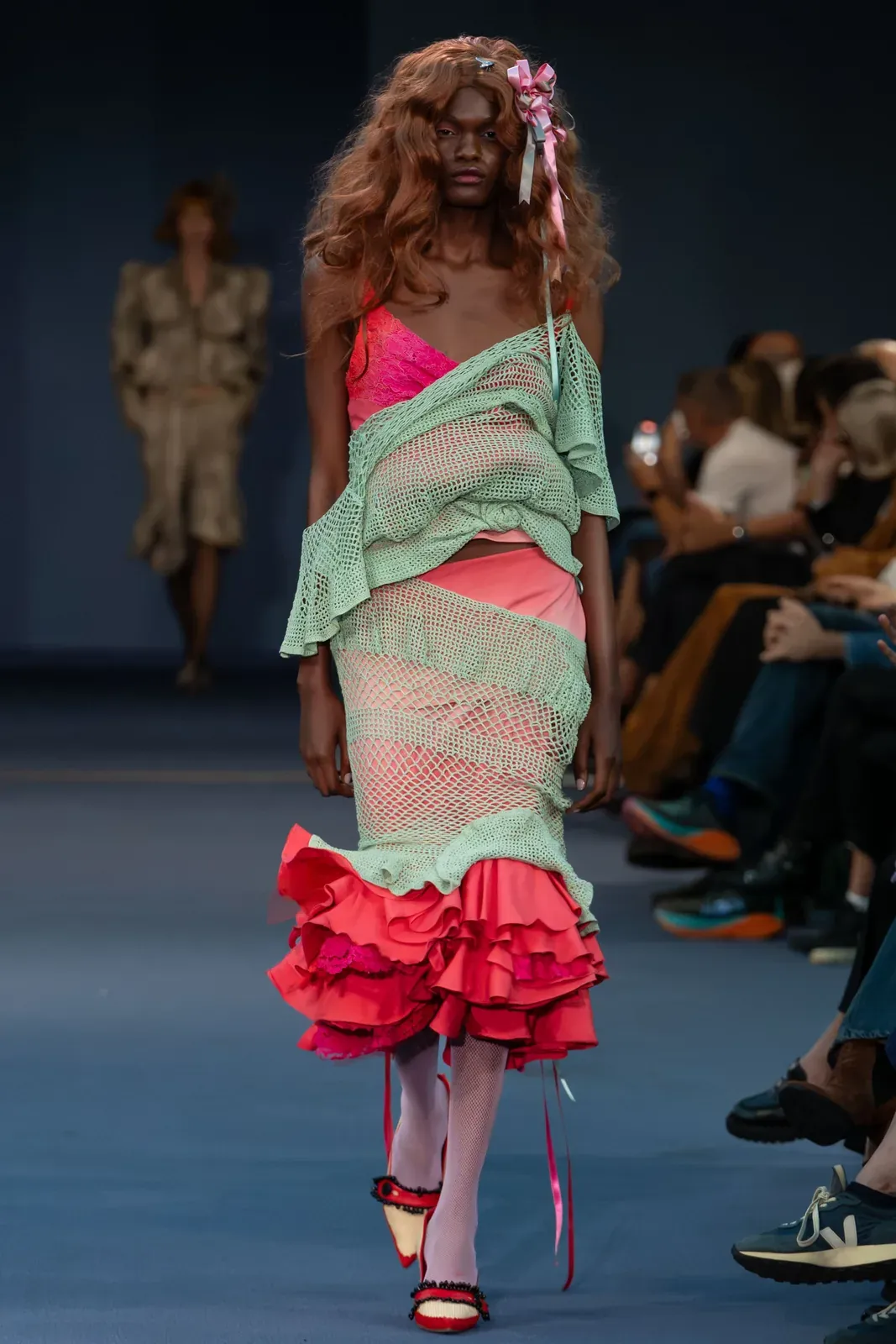
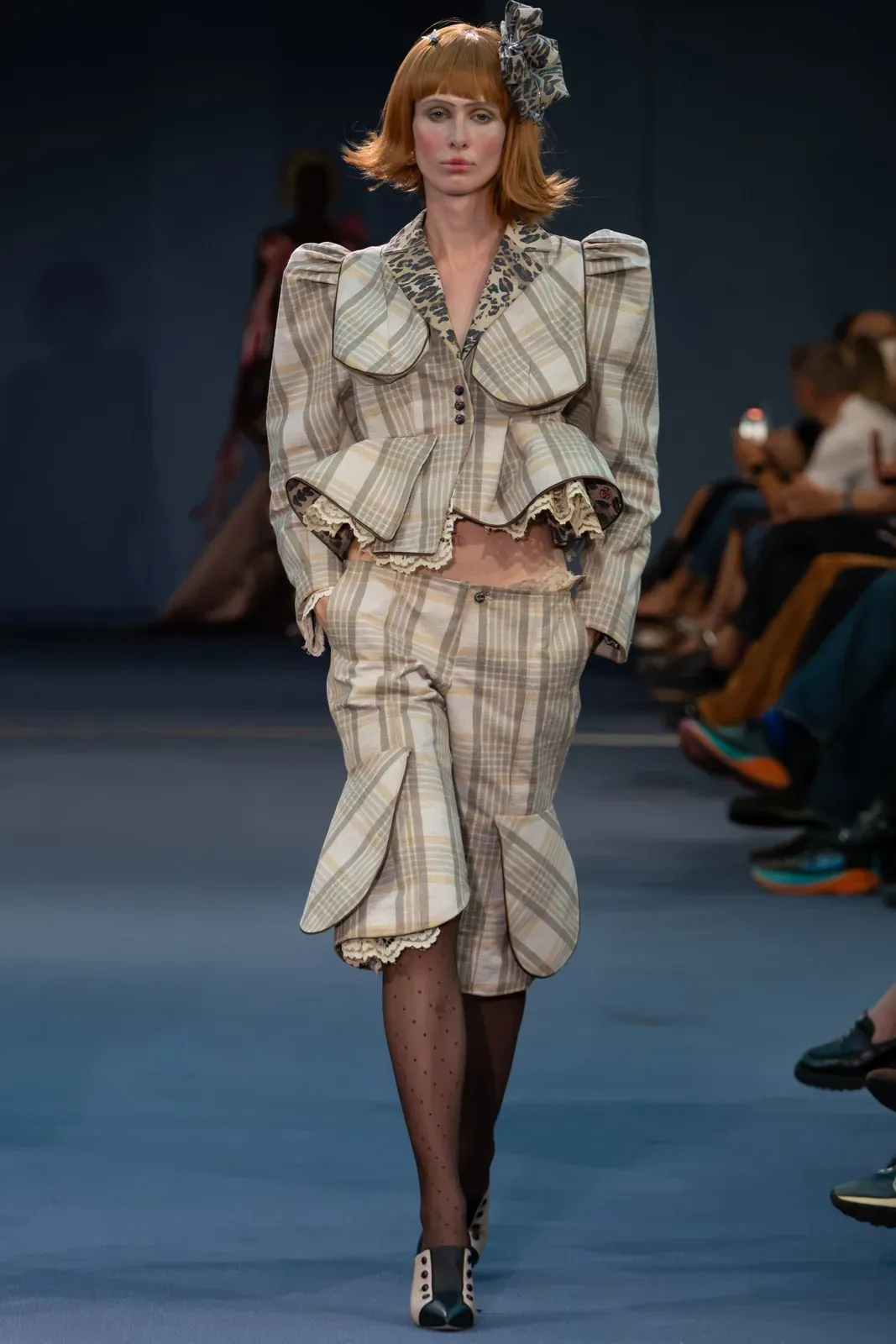
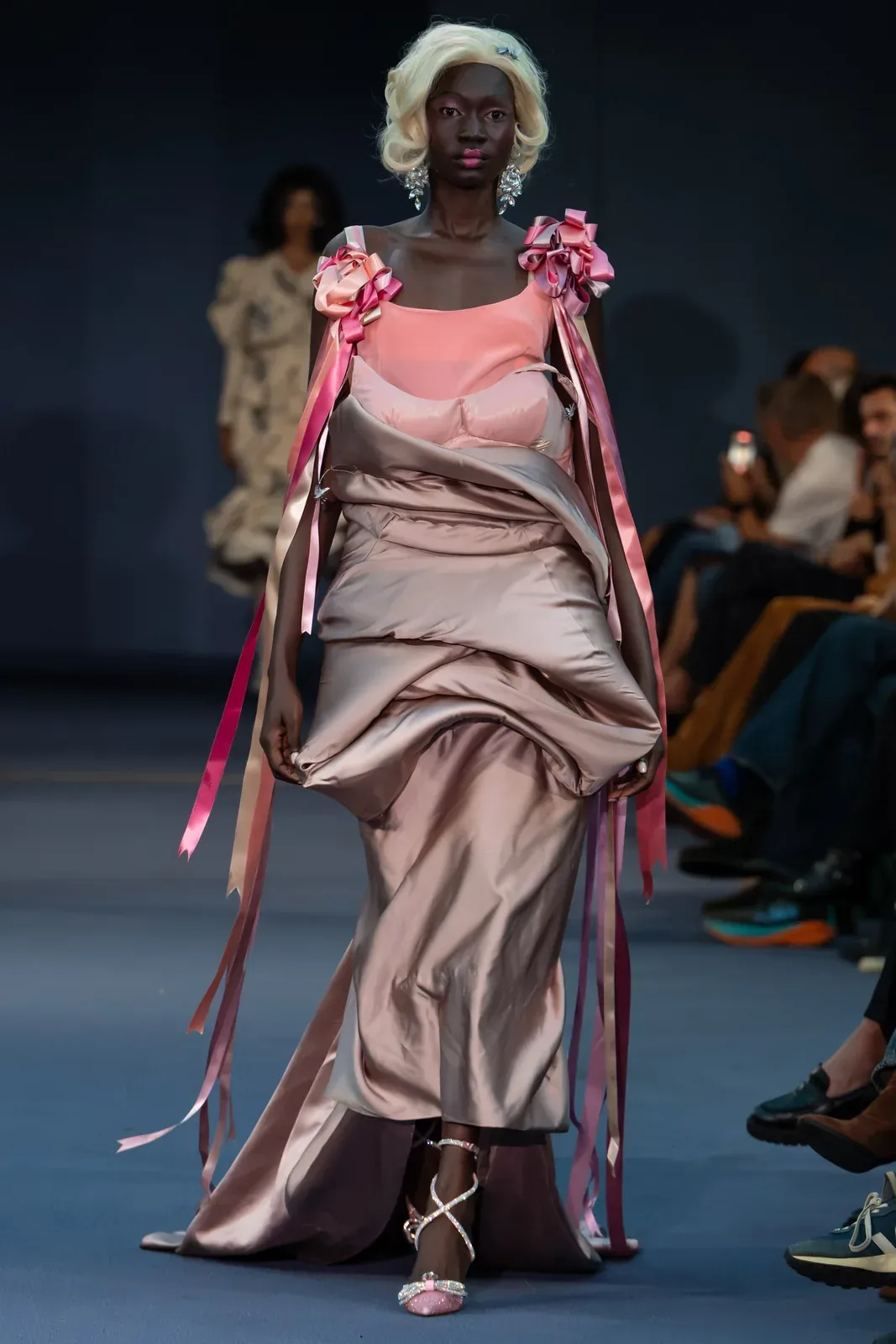
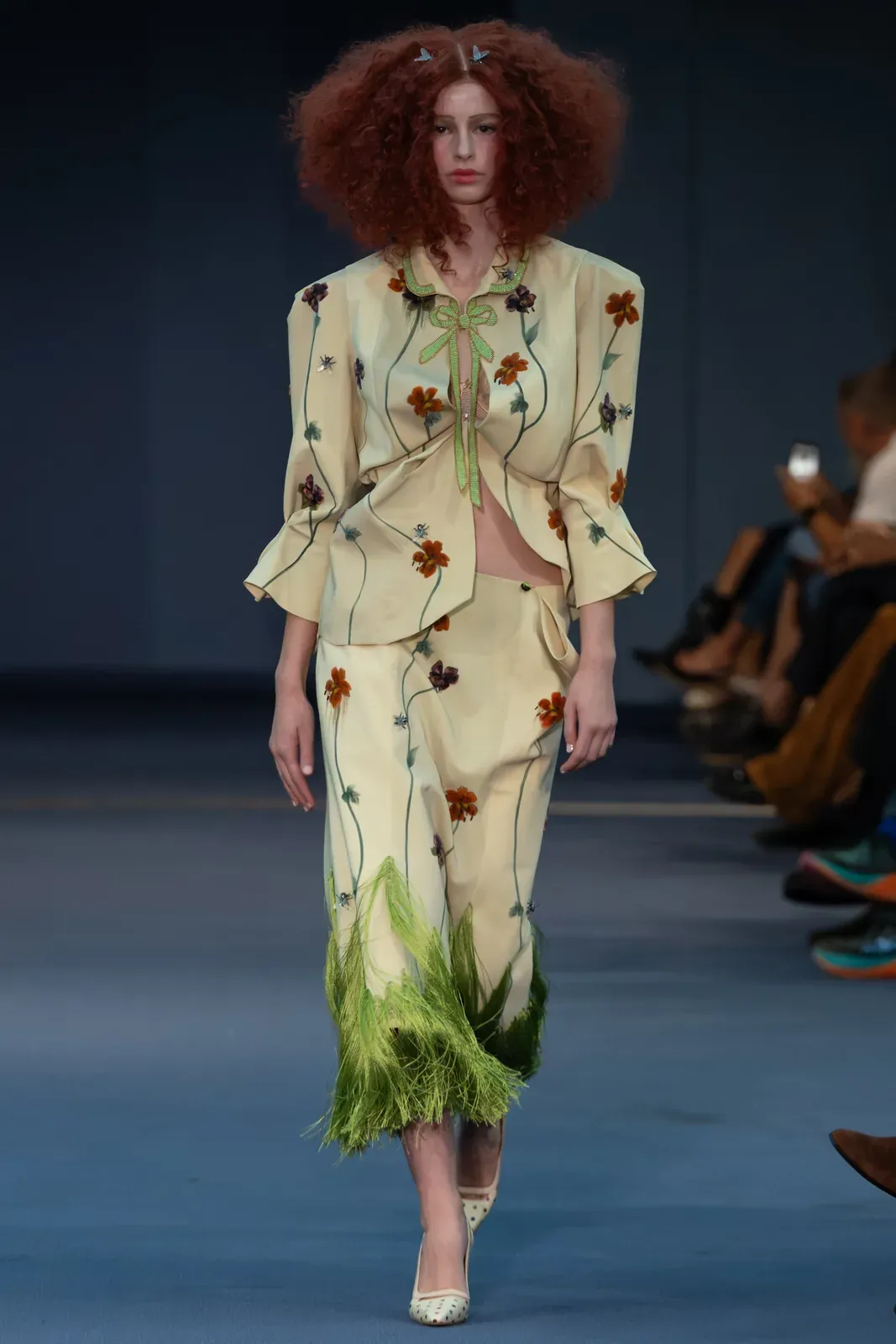
Beyond the awards themselves, the Hyères Festival provides emerging designers with opportunities to develop their careers and bring their collections to a wider audience. Young talent needs to be nurtured and championed, and initiatives like these are one of the most meaningful ways to bring new voices into the spotlight, giving them the visibility, resources, and industry connections they need to grow. Through partnerships with Première Classe, The Arrow and Sterling International, and other industry players, finalists and laureates benefit from professional mentoring, commercial exposure, production support, and access to creative resources.
Additional initiatives include a dedicated exhibition and sales space during Paris Fashion Week, button production by L’Atelier Aymeric Le Deun, and collection finishing services from Les Teintures de France. The Watteau Group also awards the Fashion Prize winner a €50,000 grant to develop their creative vision through photography, film, and visual storytelling. Together, these initiatives extend the festival’s impact beyond the runway, helping young designers turn their creative potential into sustainable professional careers.