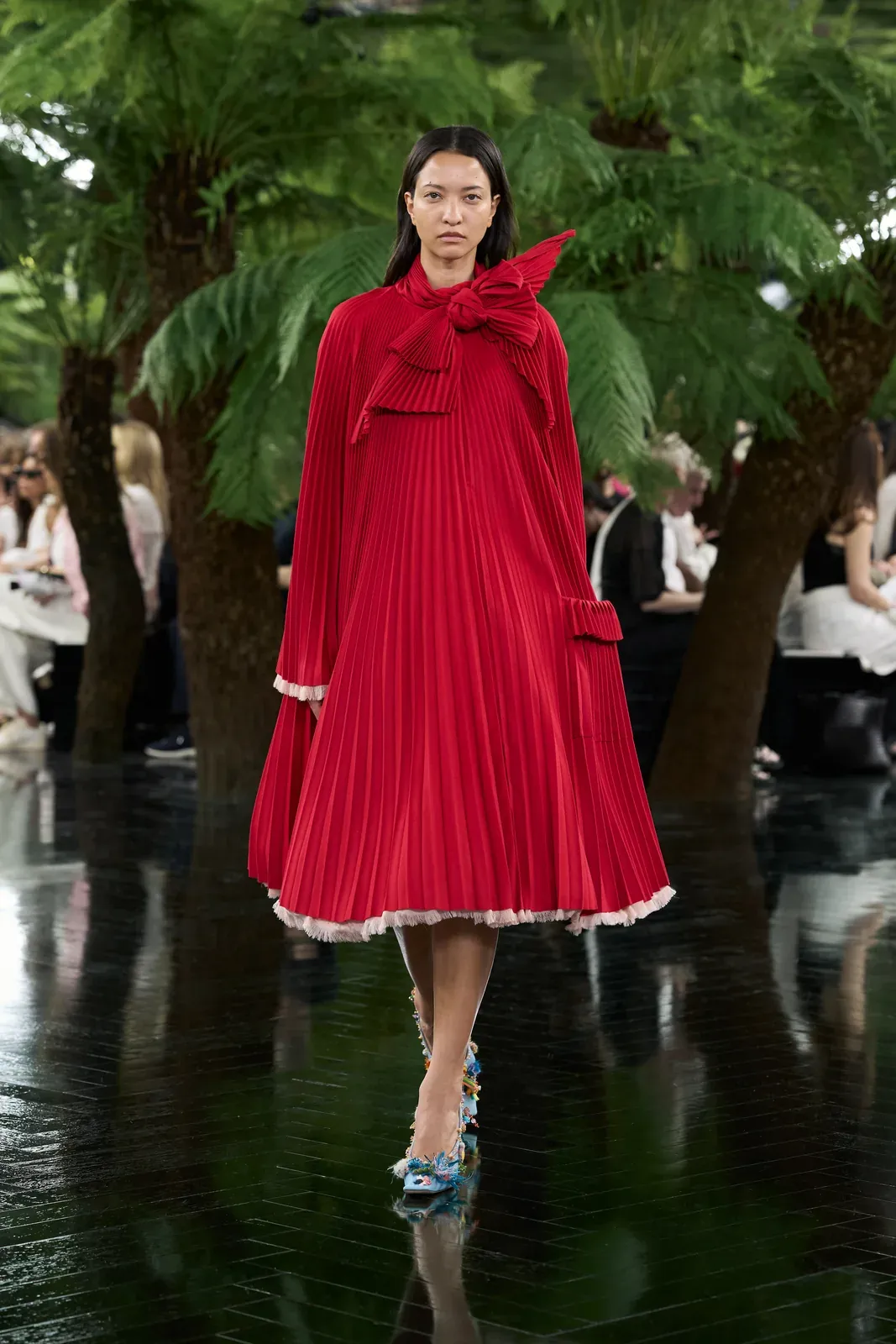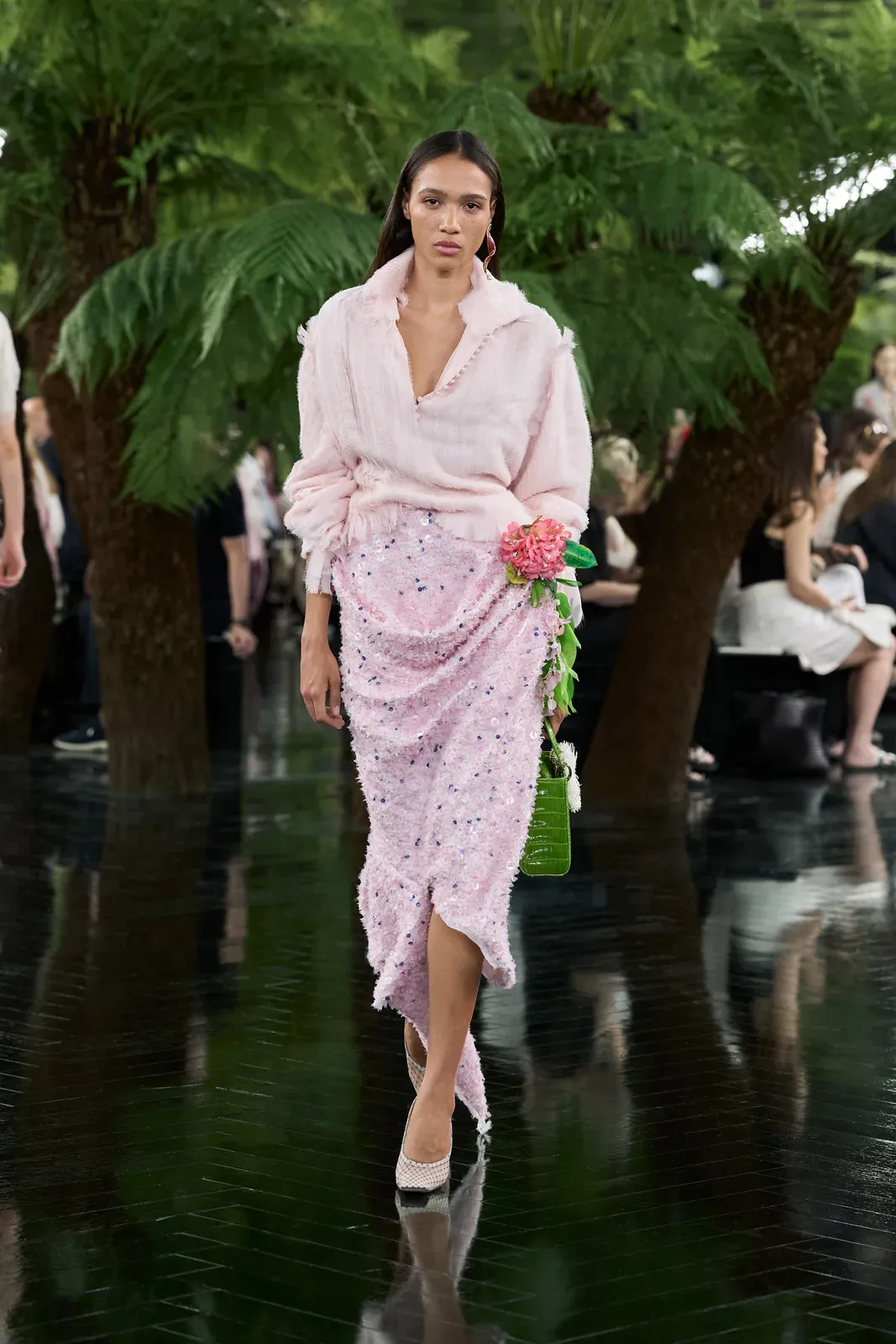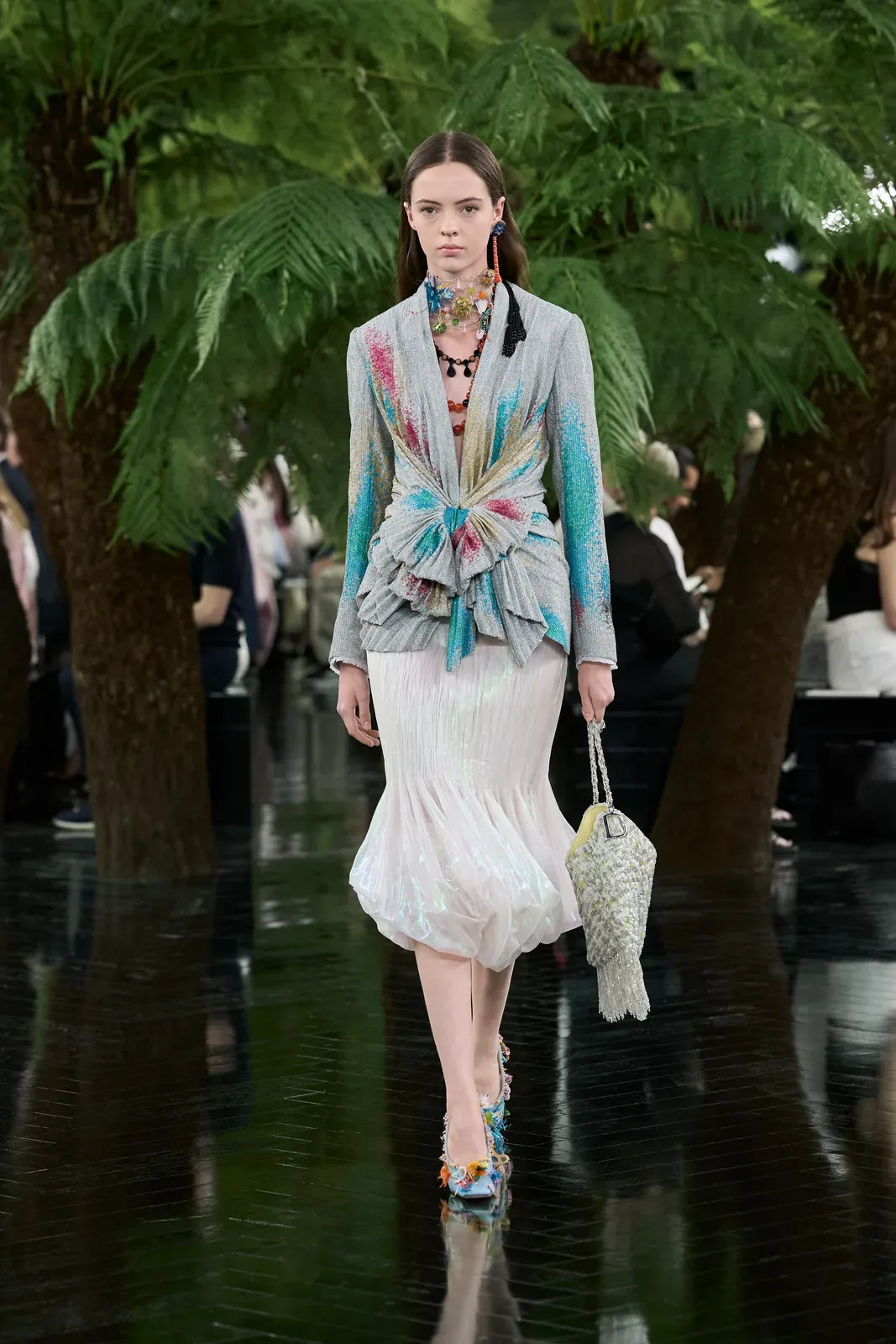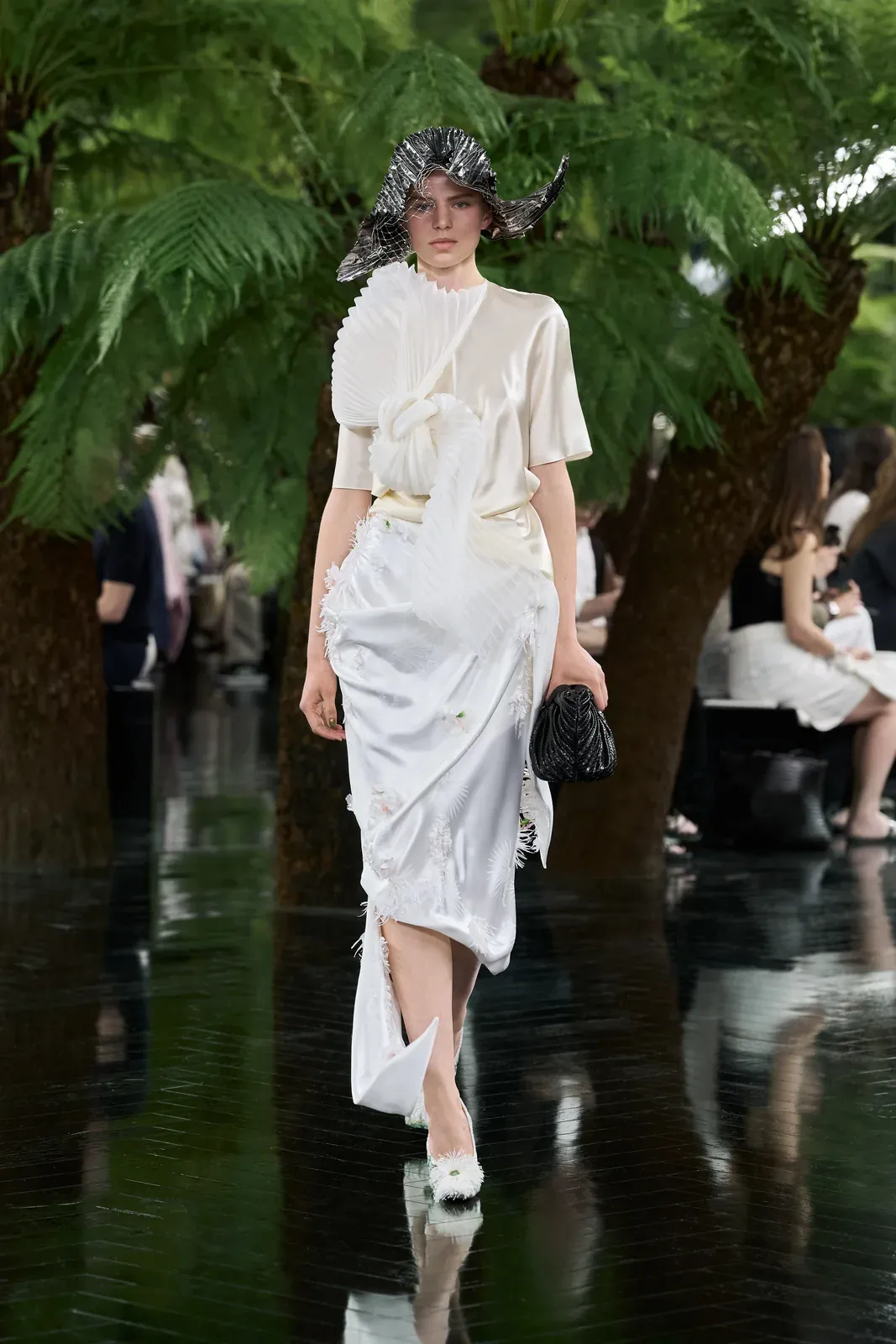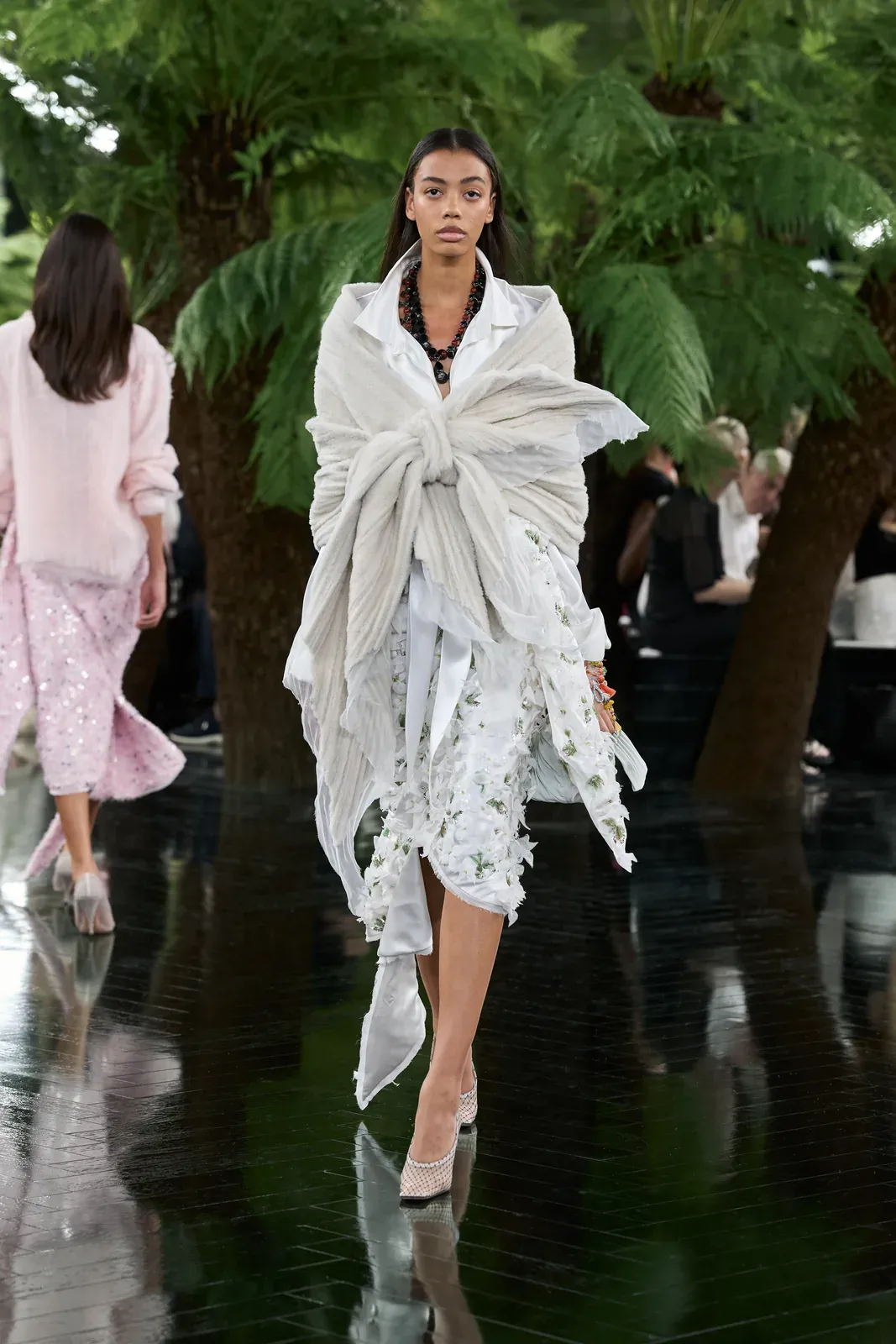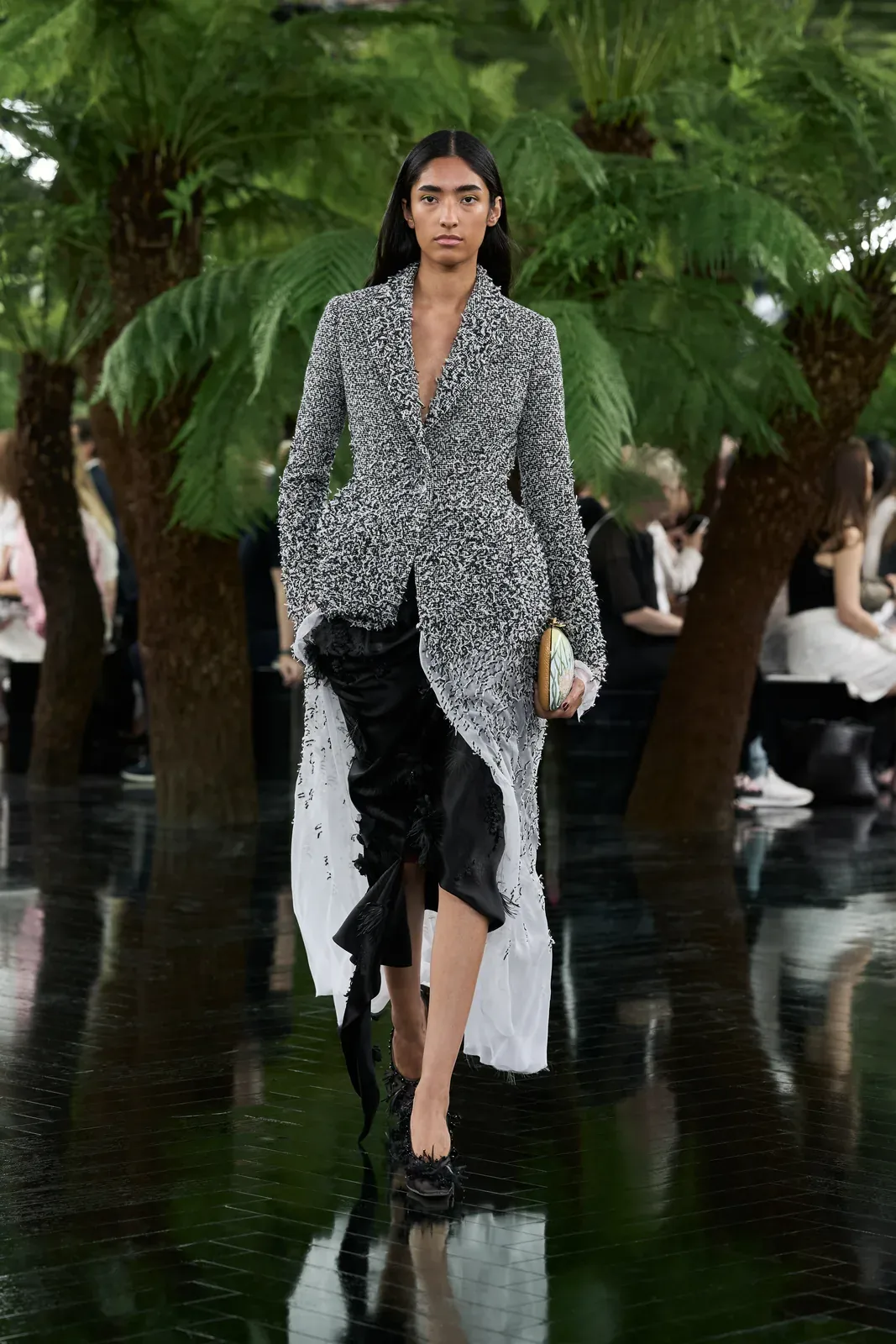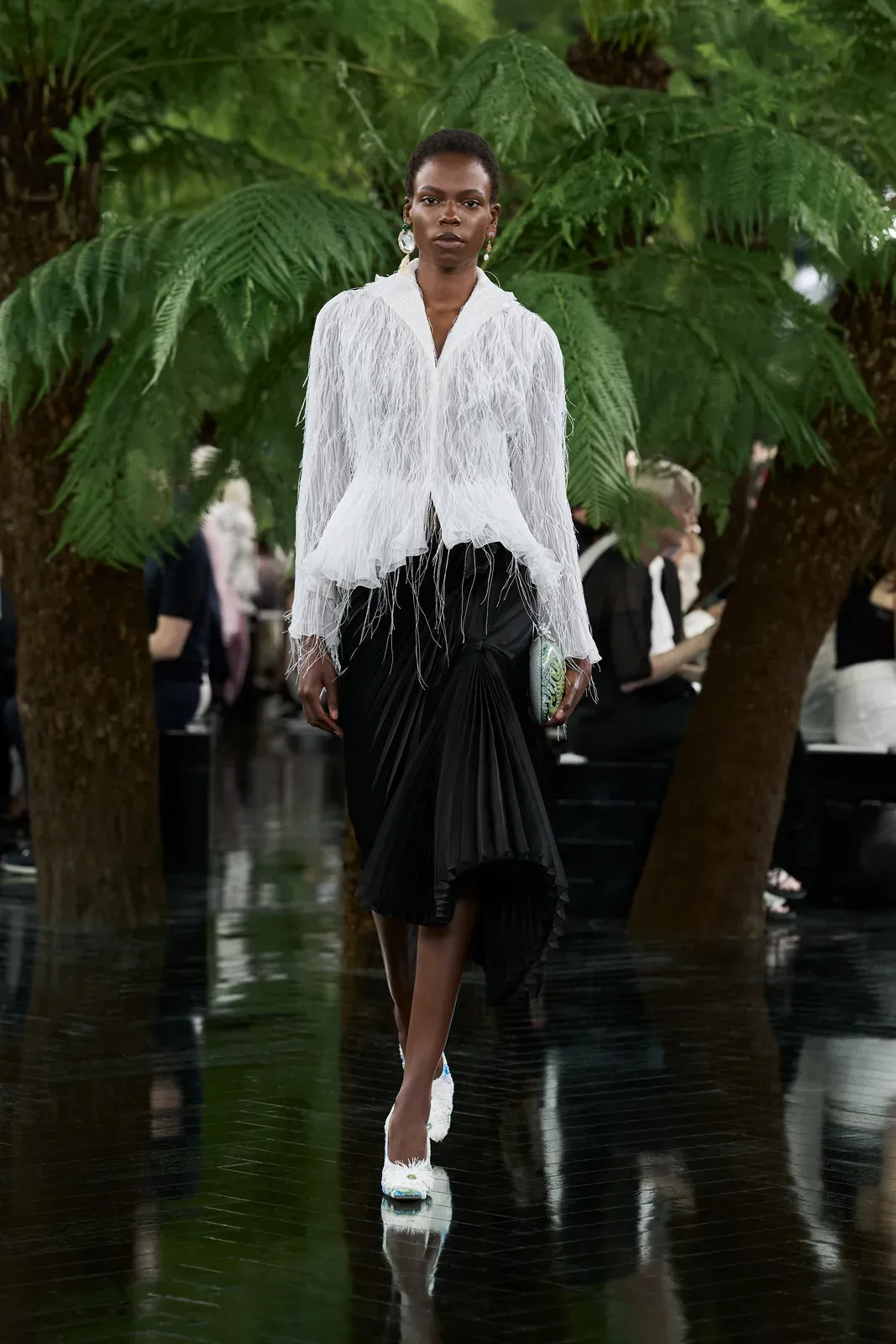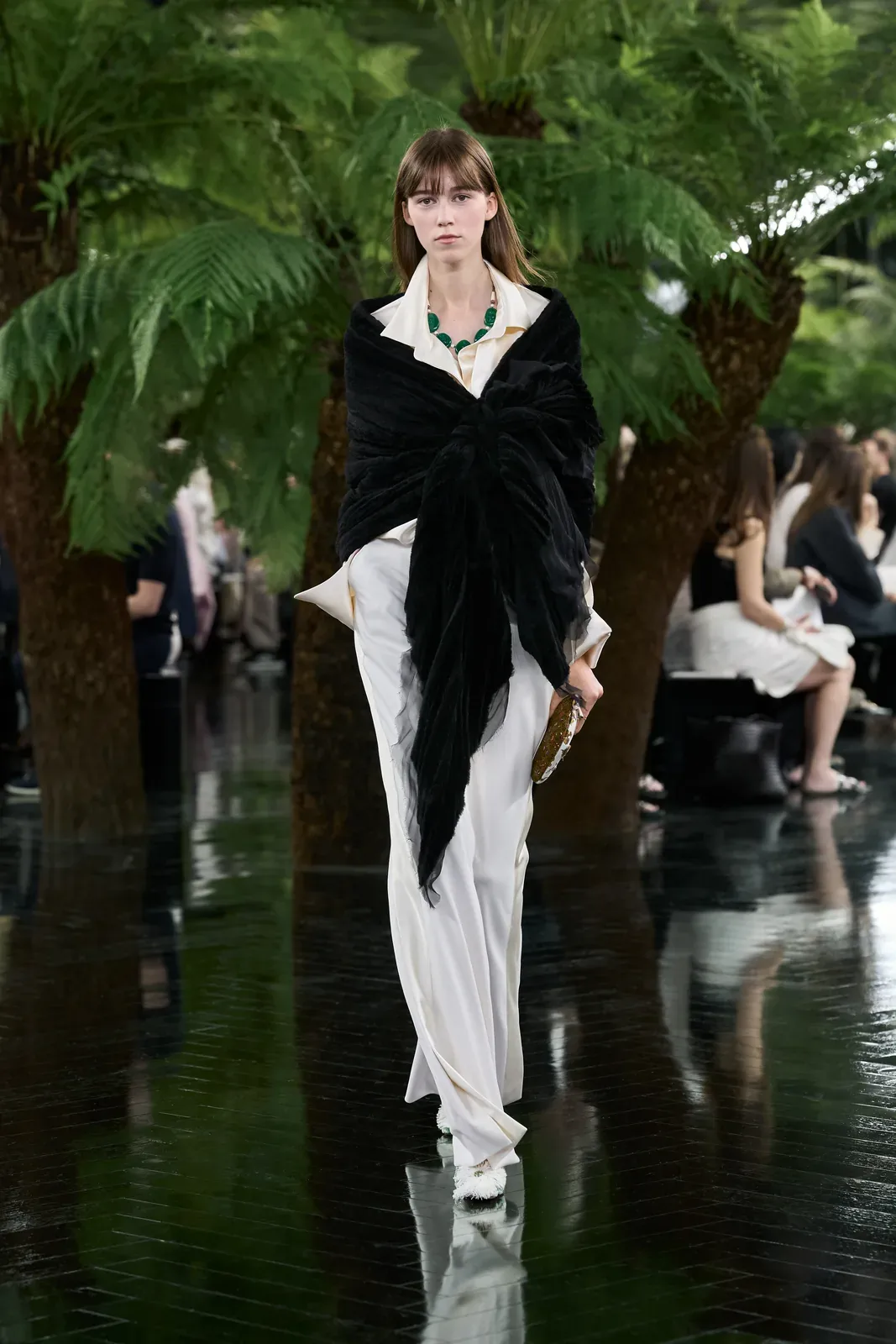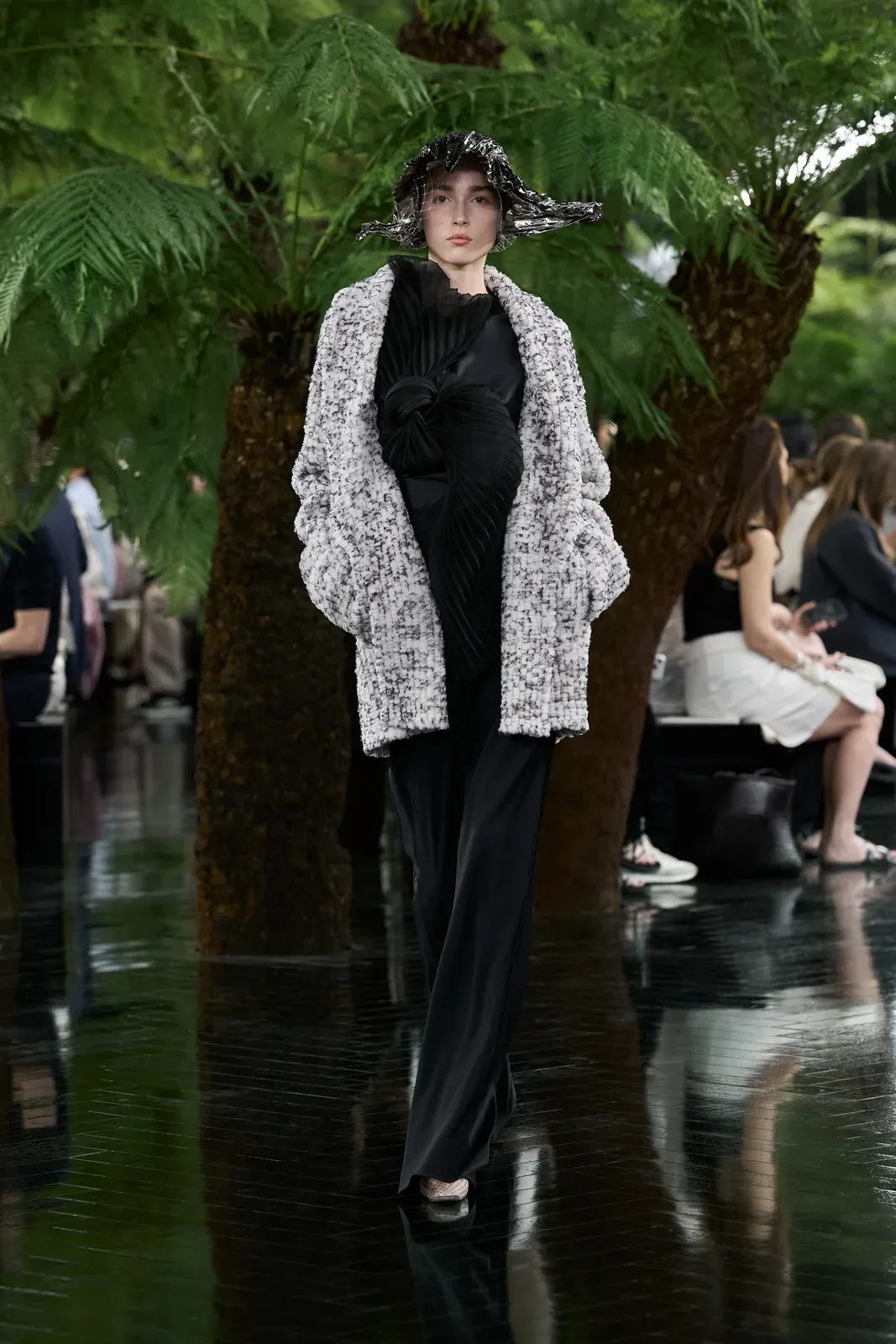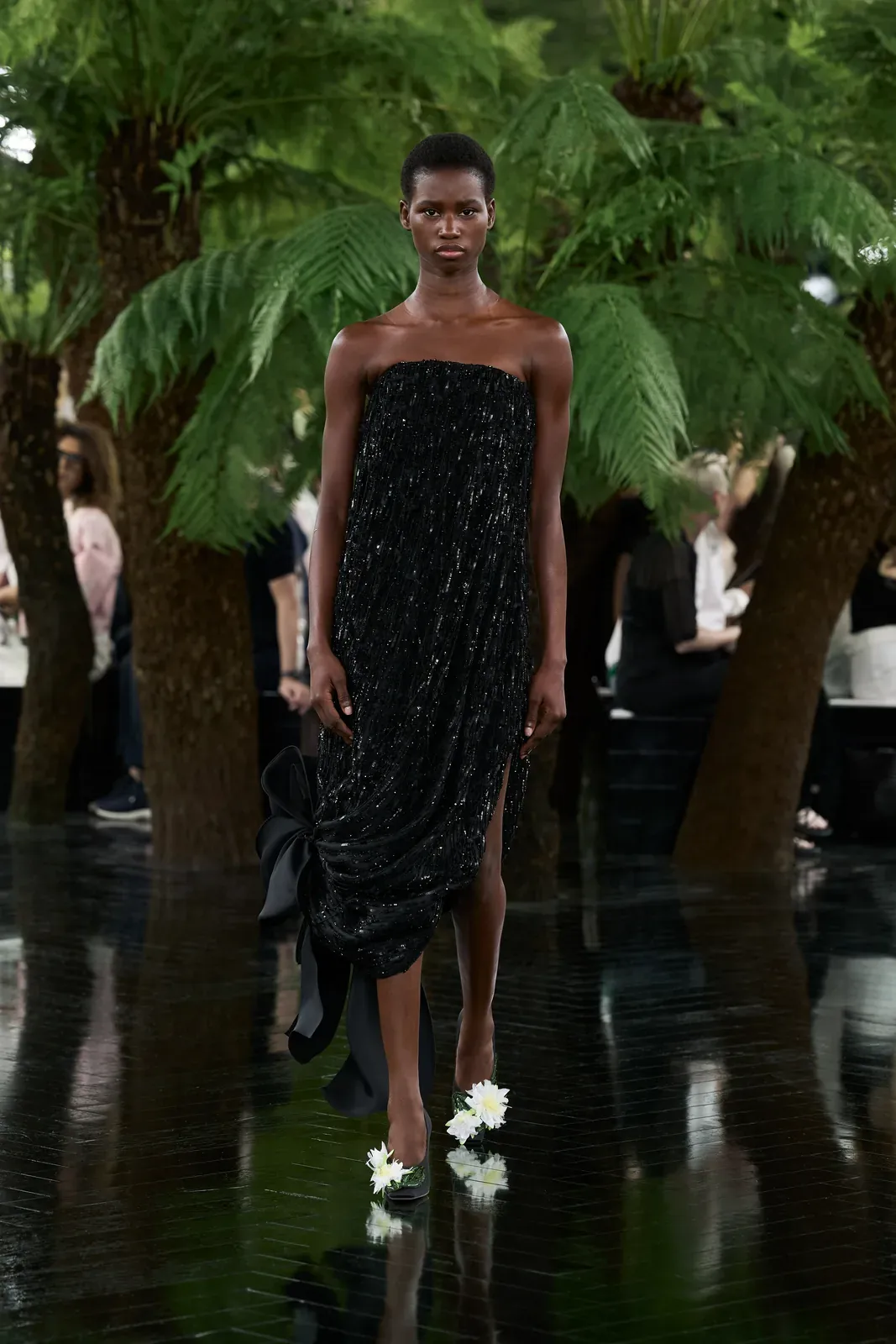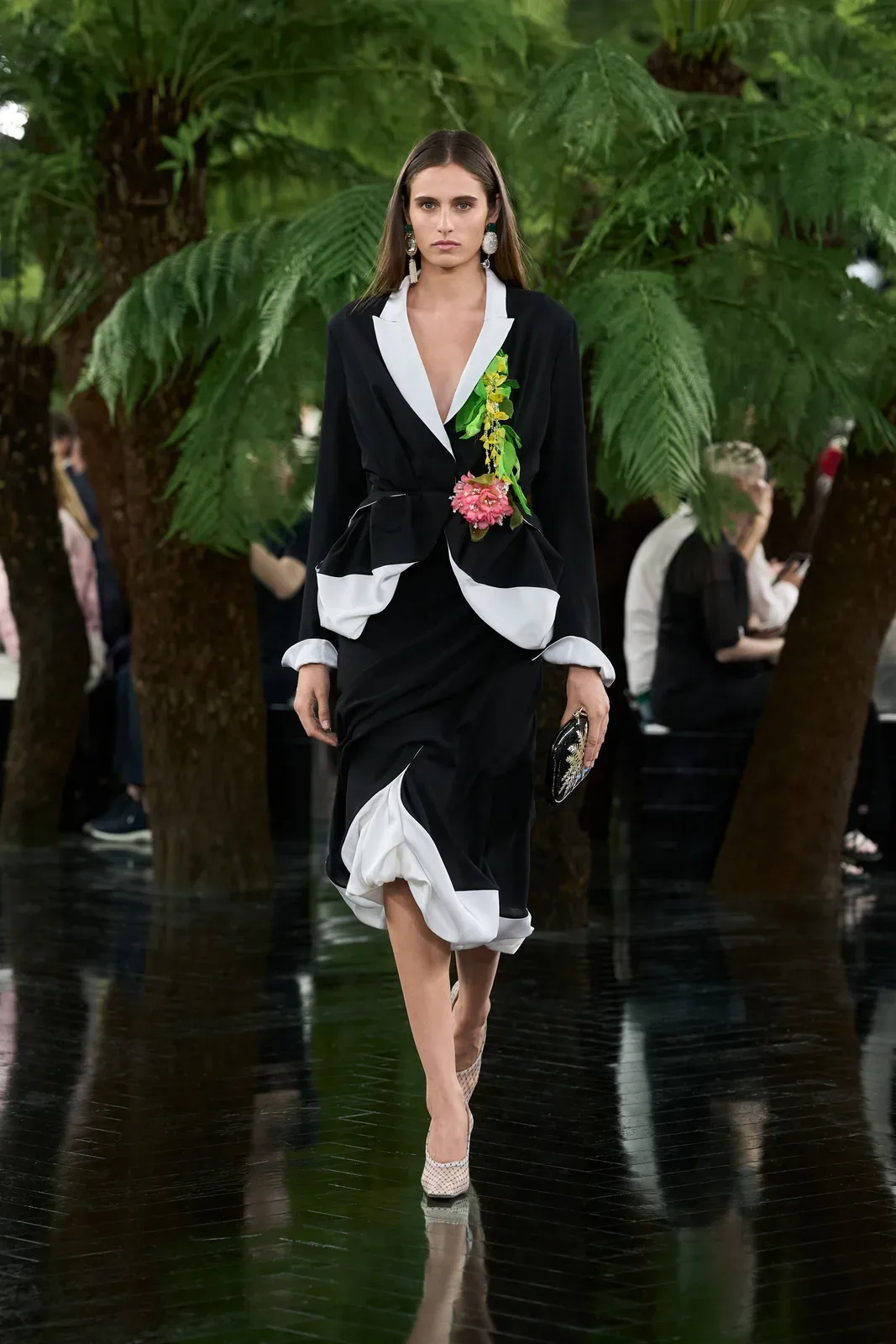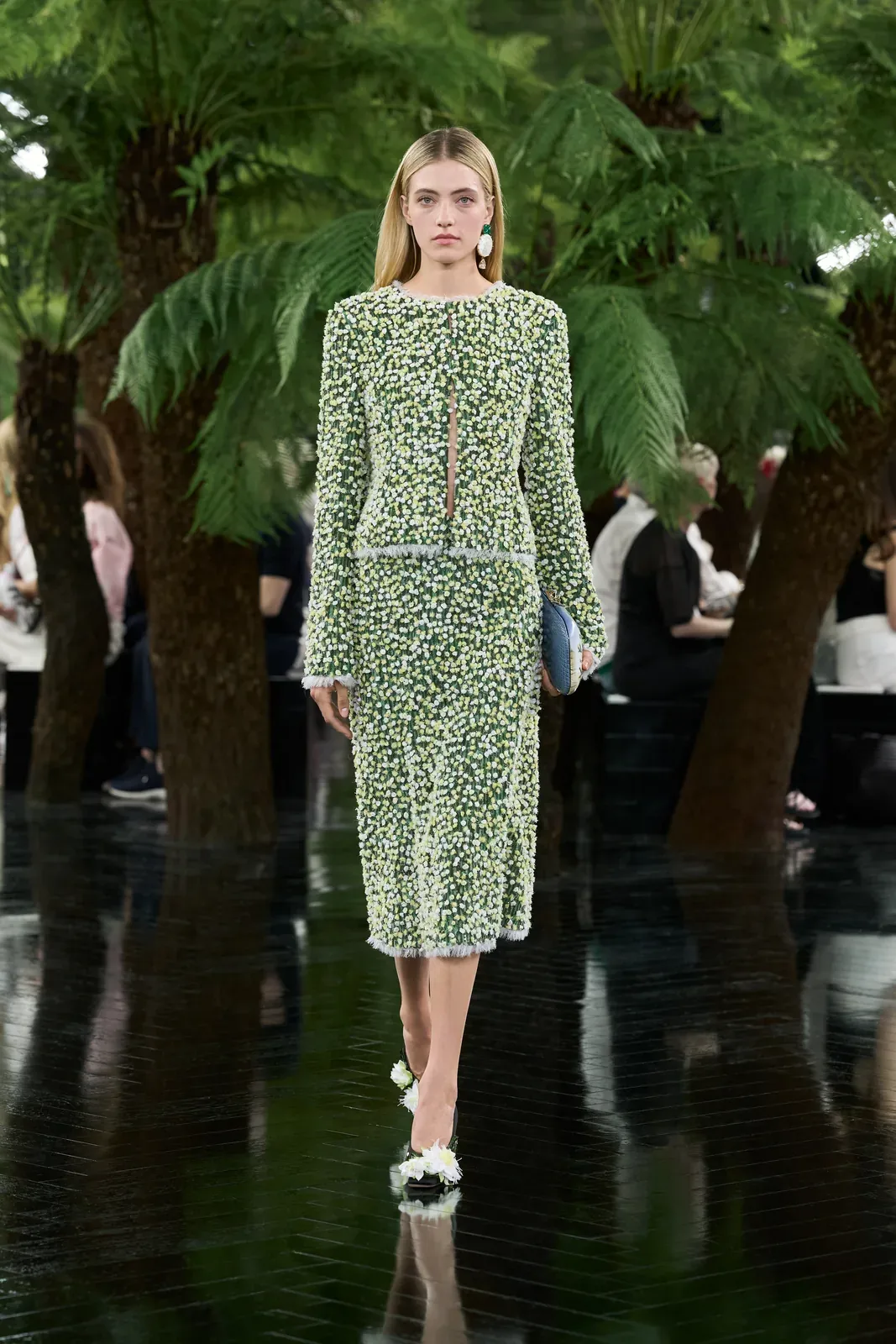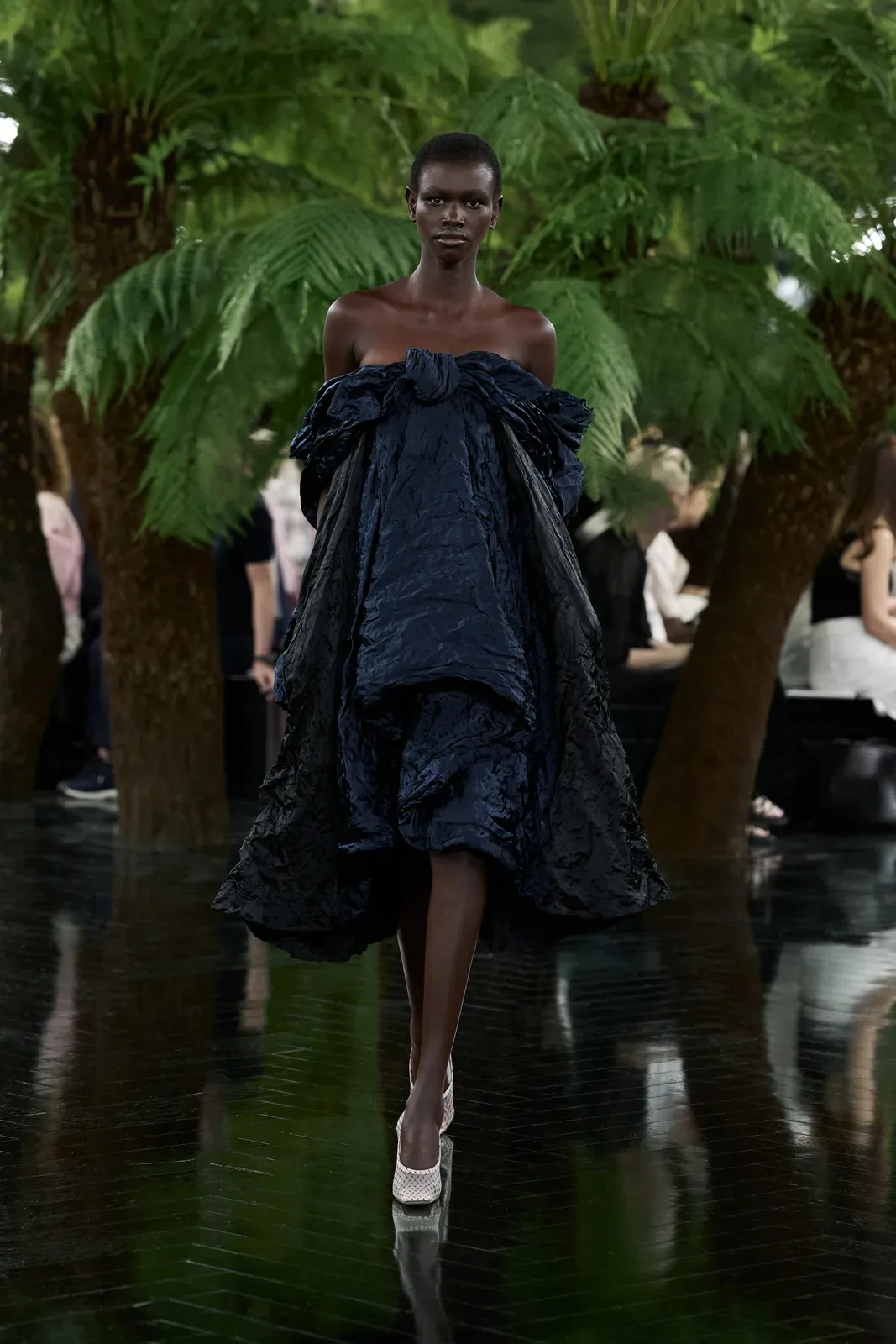
Couture is about gestures. It is about the process being as important as the result, or even more. The act of creating a garment is not a mere action void of meaning but a moment full of intention that contains in itself the world of who creates it and what they’re hoping to pass down to the one who wears it. Design and art are not the same, but the care for creation is as meaningful in both, and Jonathan Anderson has shown how well he understands this throughout his career, always building the bridge that connects these two disciplines. Inspired by the work of American sculptor Lynda Benglis, Dior's couture collection is a compilation and materialisation of great and valuable gestures.
Lynda Benglis has poured, knotted and moulded her own artistic language from her interest in forms and her appreciation of the actions involved in creating them. It could be said that Benglis, in the early years of her career, felt contained in the realm of painting just as a fashion designer can feel contained when seeing just the drawing of what could become a garment. That's why the artist's exploration of the possibilities of a 2D work becoming 3D feels so attuned with the craft of fashion. By replacing paint with other materials with more body, volume and dimension, what was once flat now occupies space and gains life, all while preserving the initial gestures that are so important, whether creating a painting, building a sculpture or designing a garment.
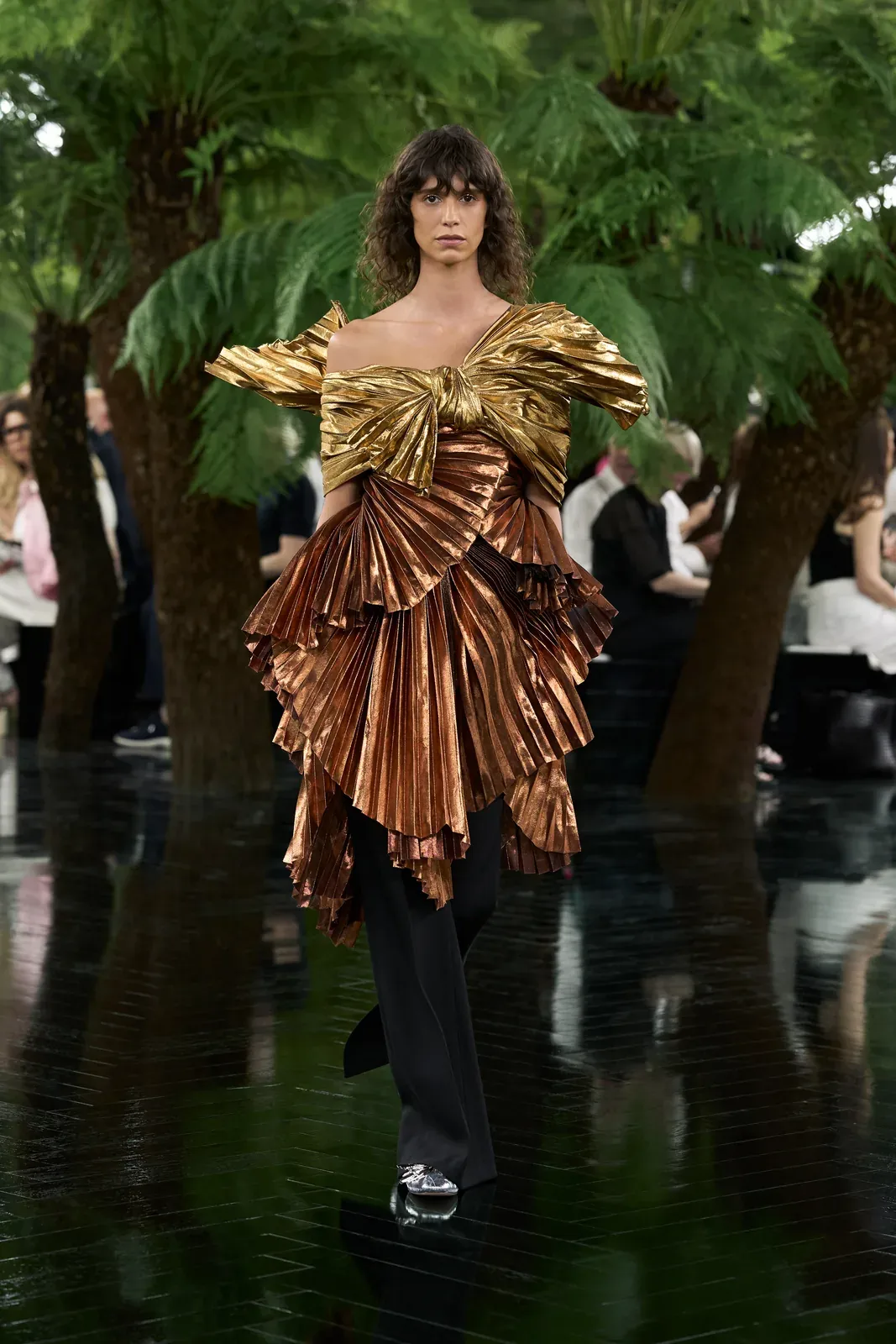
From pouring and piling up liquid rubber or beeswax to knotting and pleating mesh topped with metallic paint that deceives the eye, making something appear rigid when in reality it is not, or creating the most abstract and surreal shapes using ceramic, it is no wonder why Jonathan Anderson, who has always had a keen eye for art that defies the norm but that maintains a very specific aesthetic and beauty that has connected his work at Loewe with the one he does at Dior, was not only inspired by her artistic universe but also by her life itself.
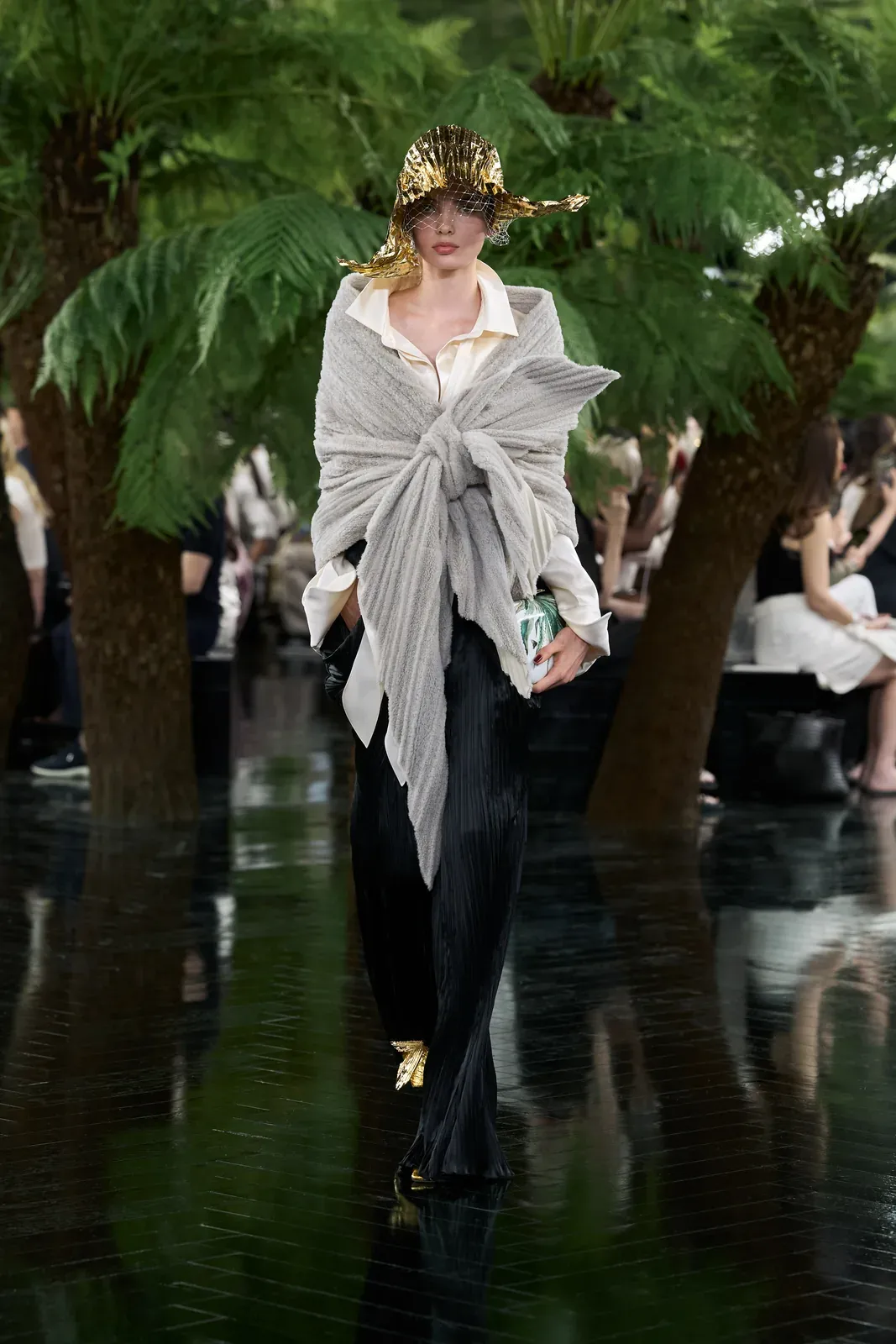
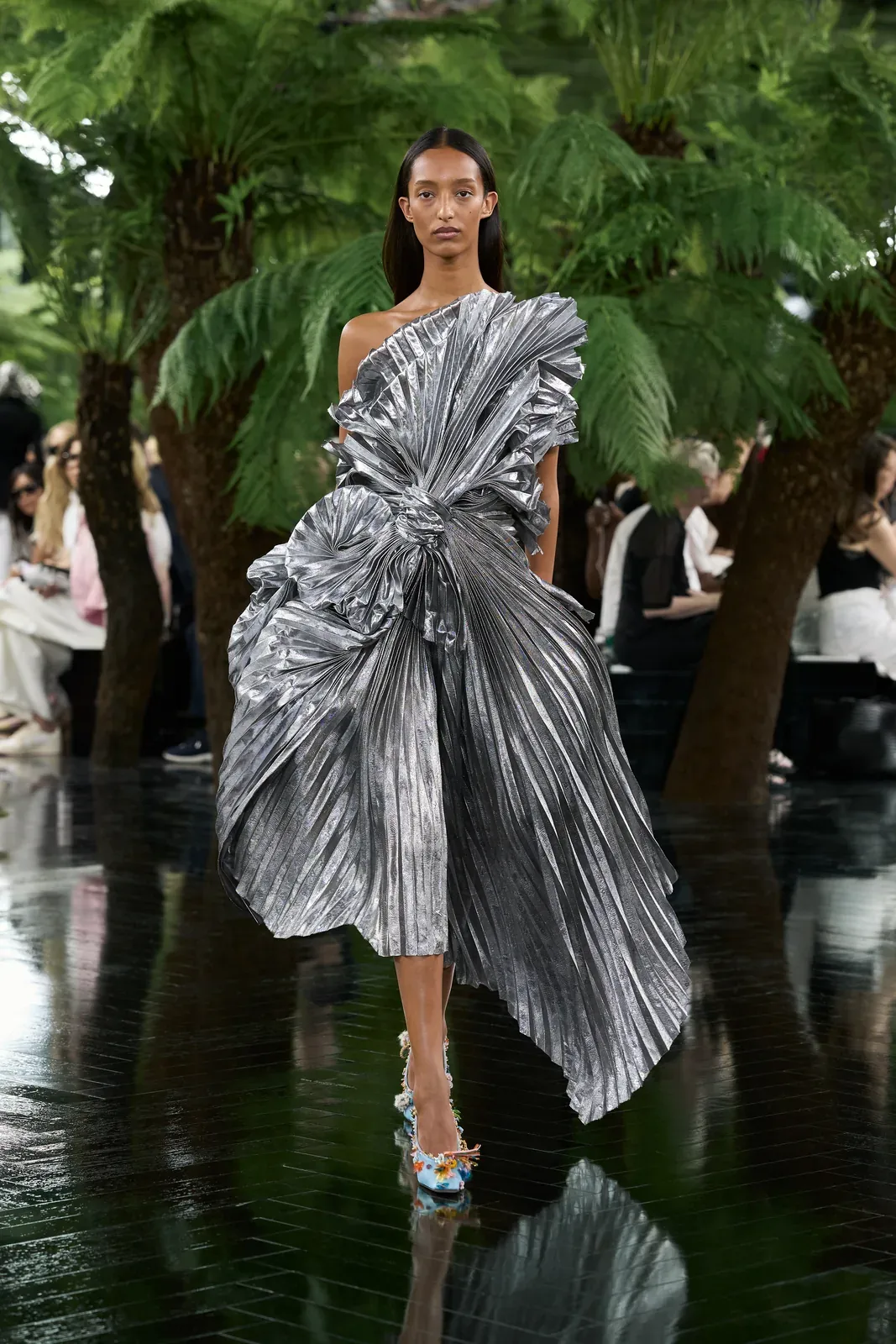
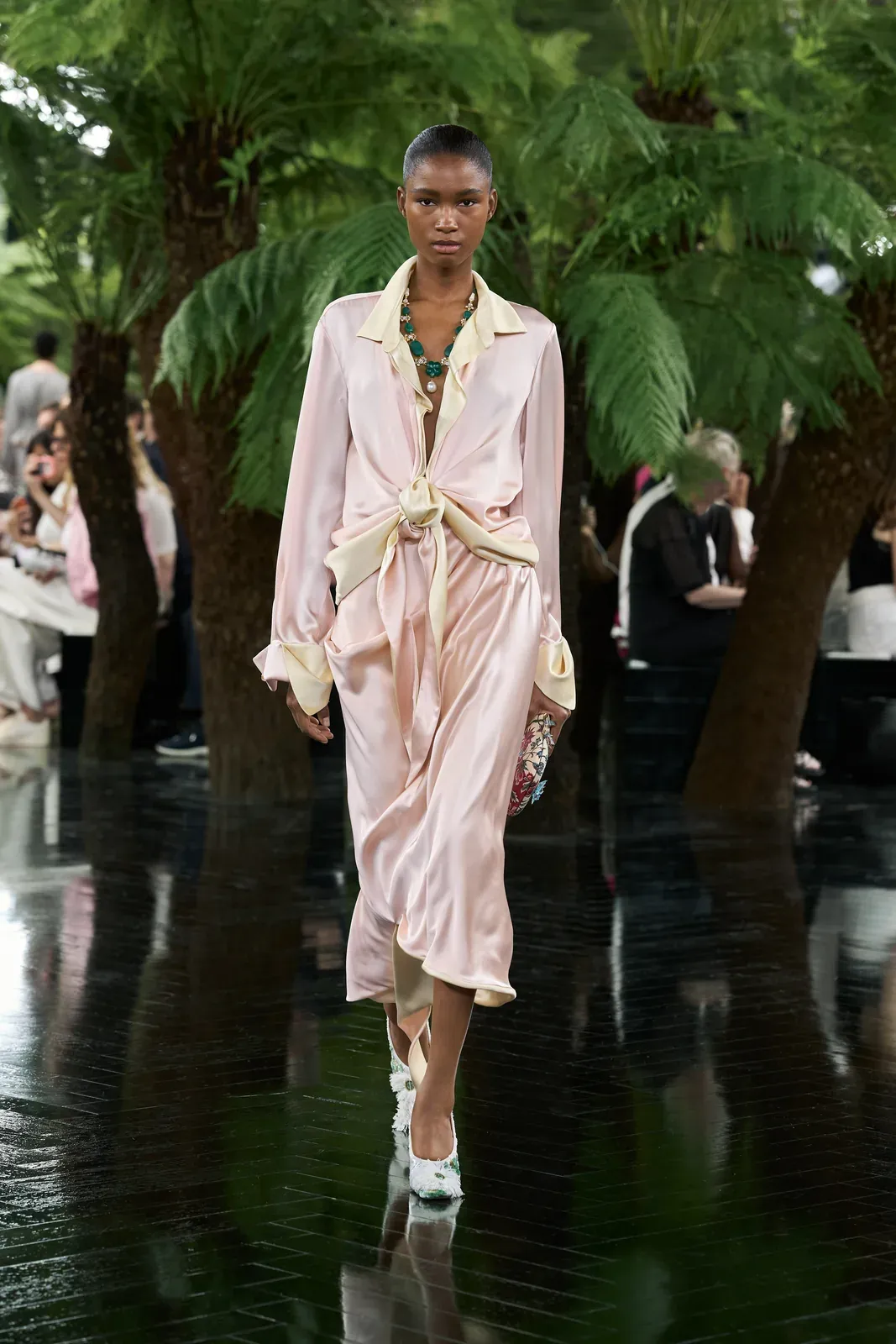
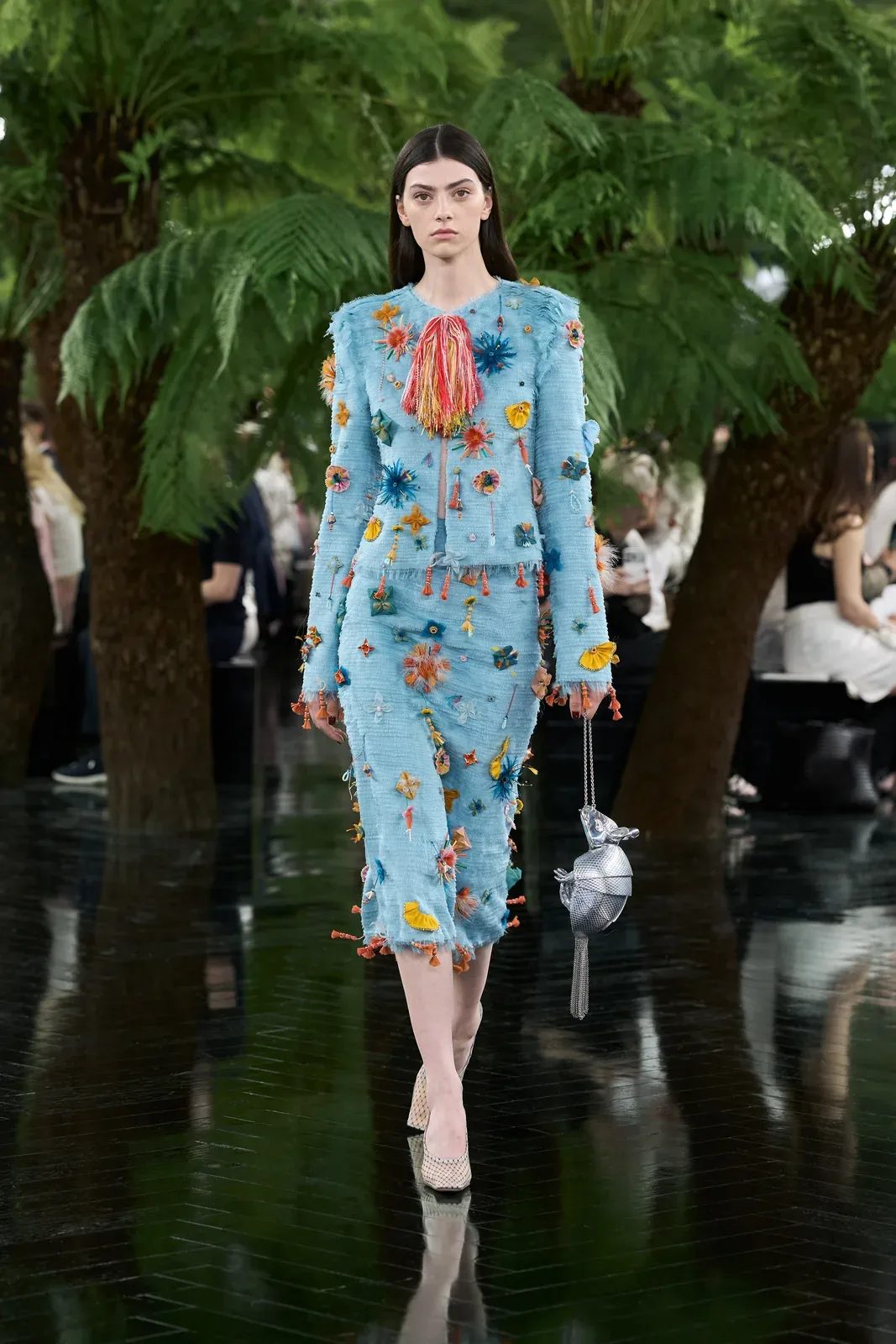
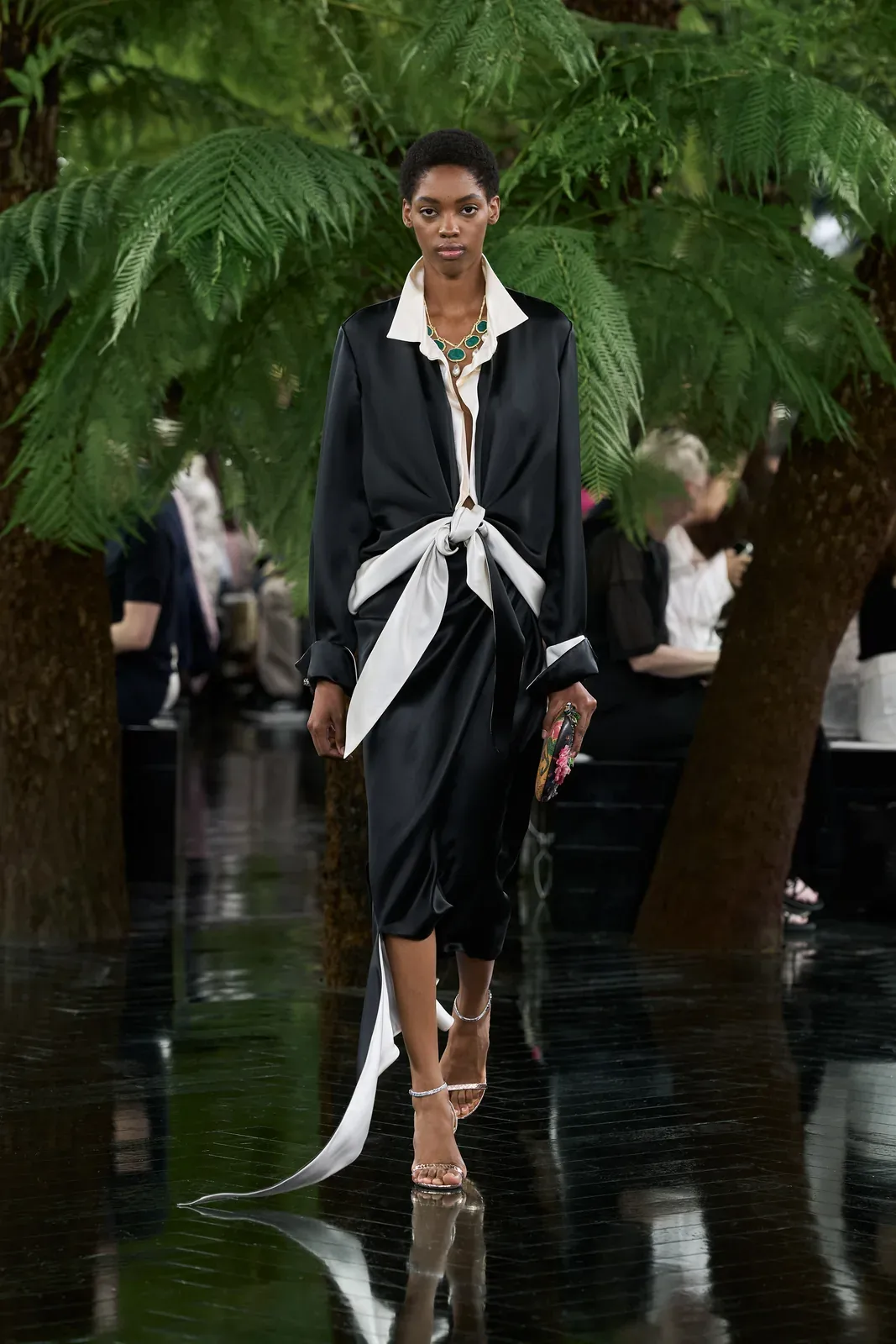
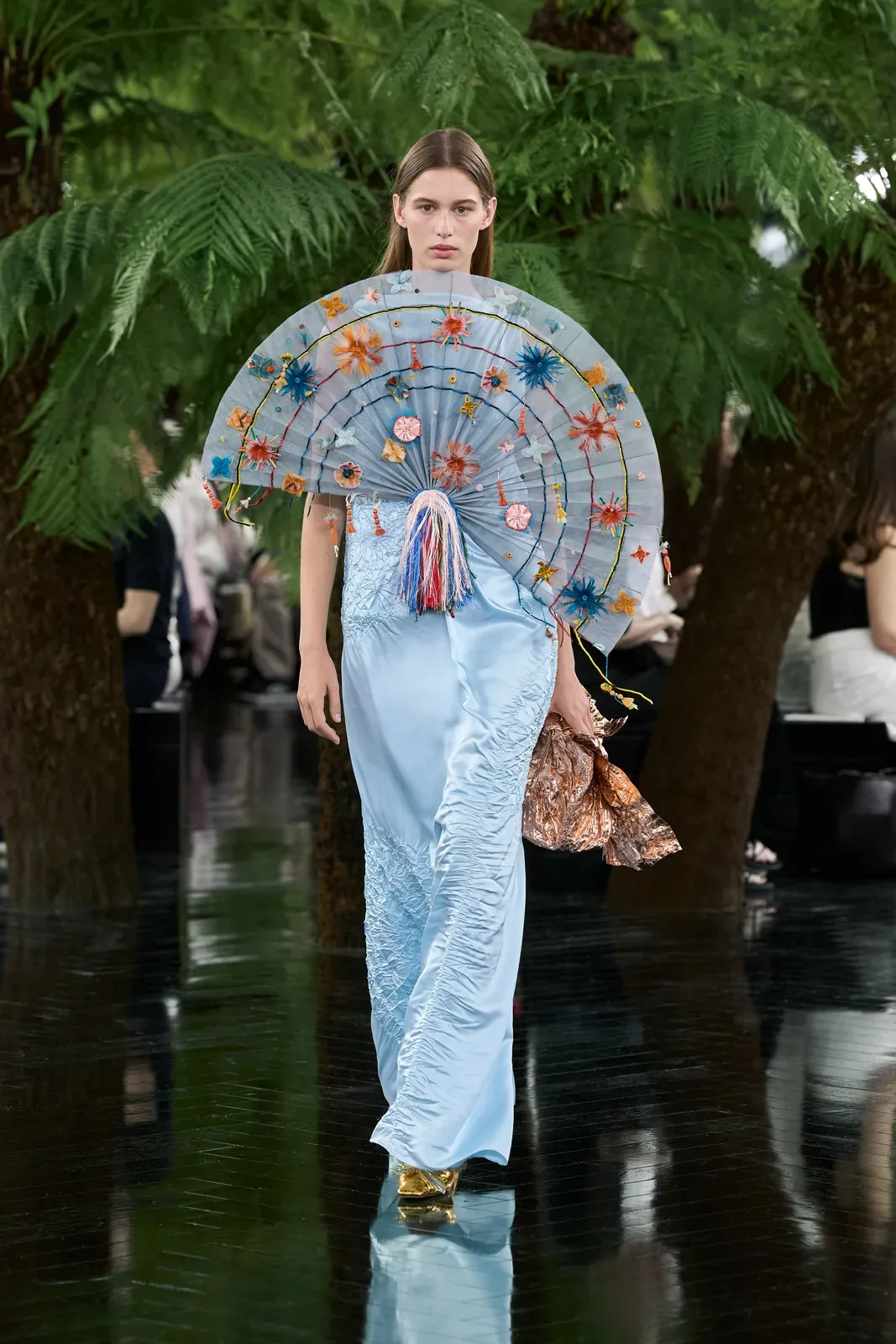
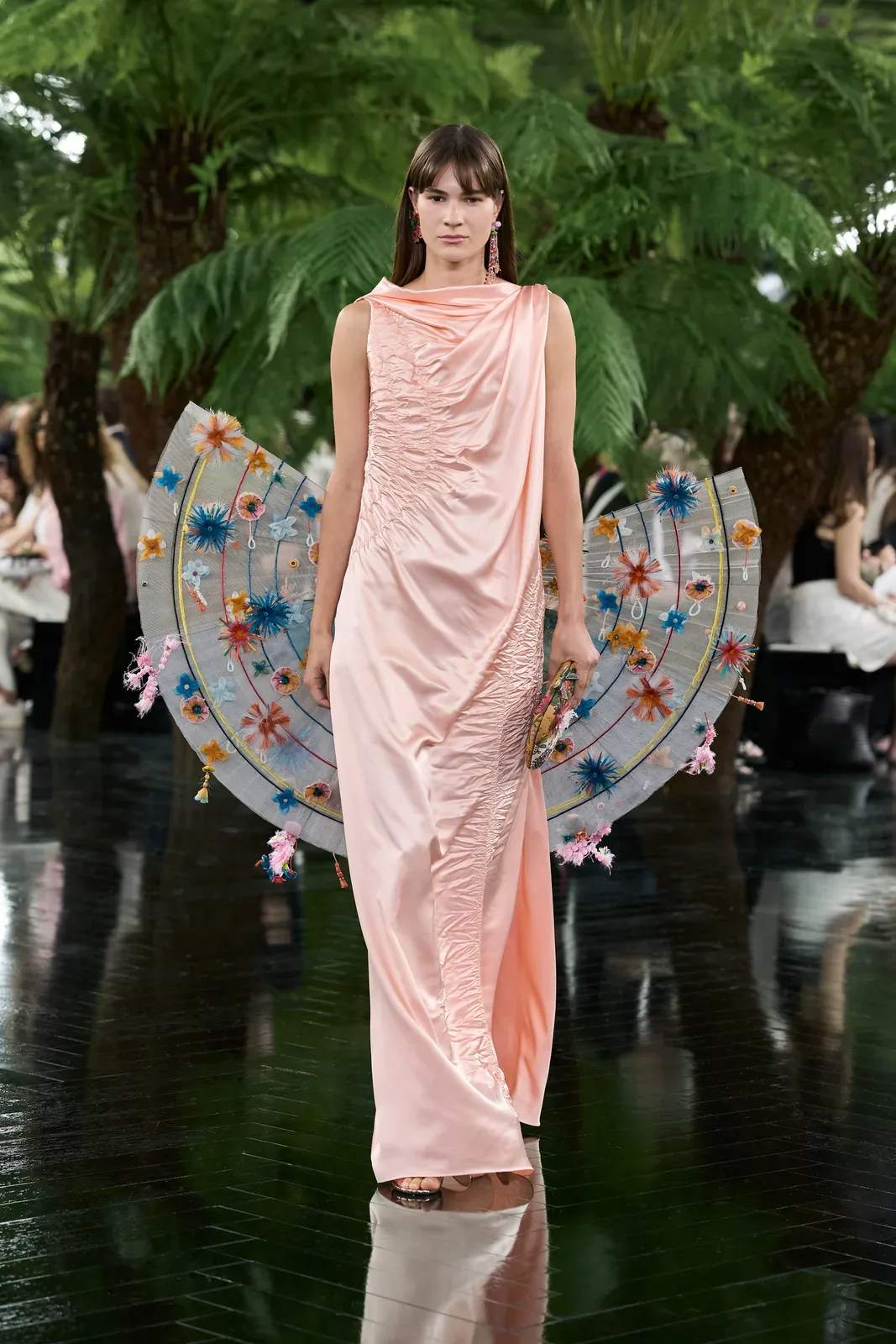
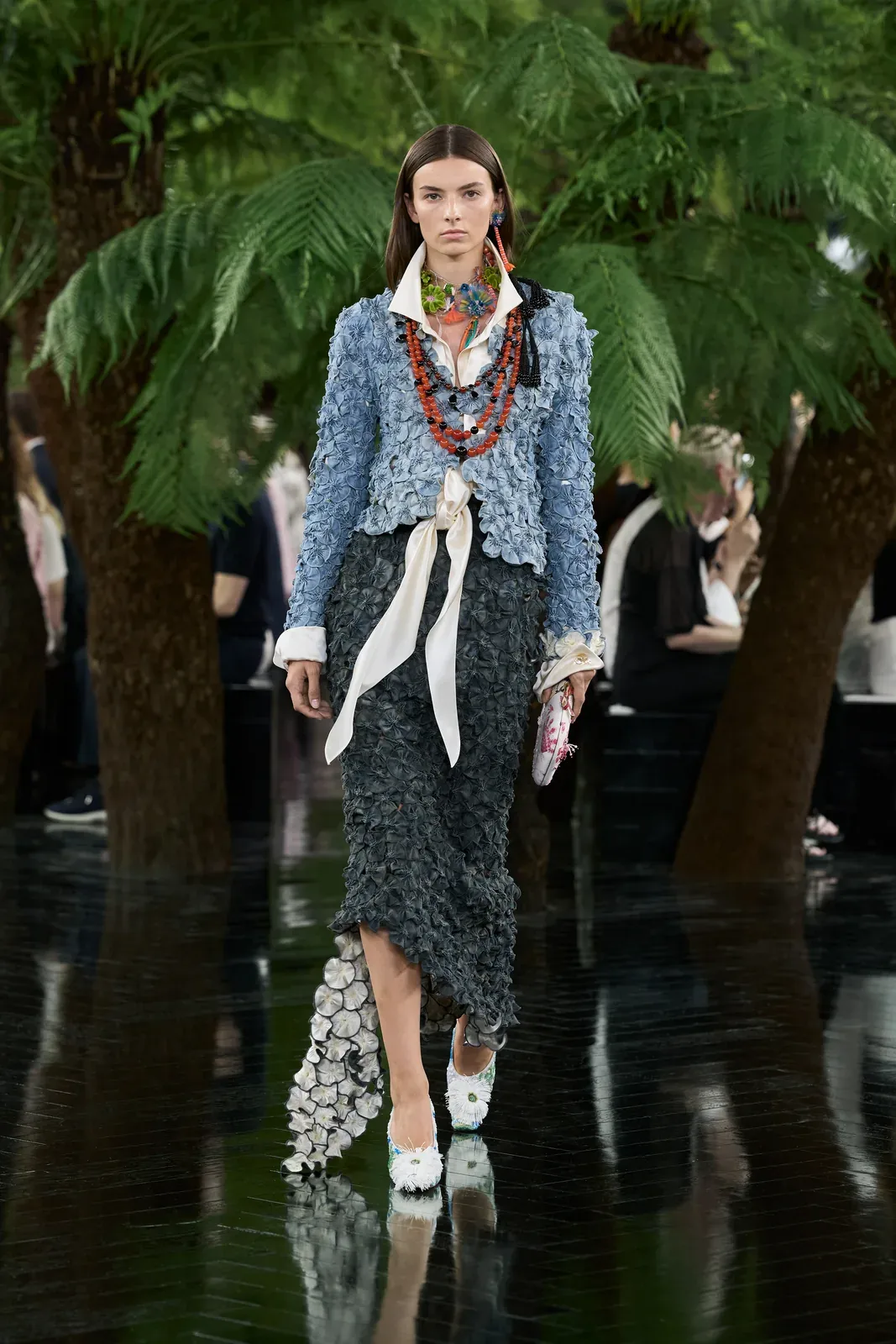
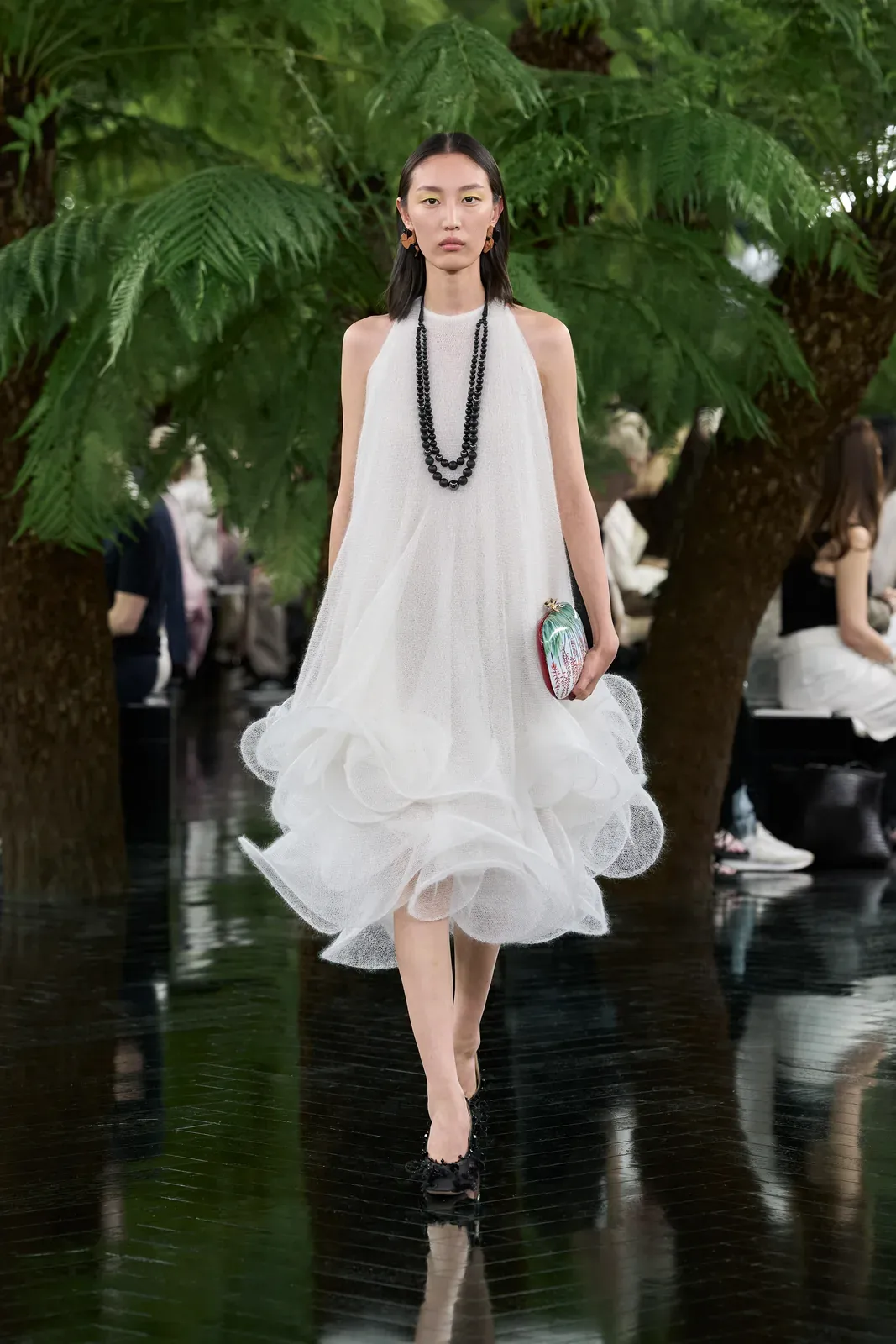
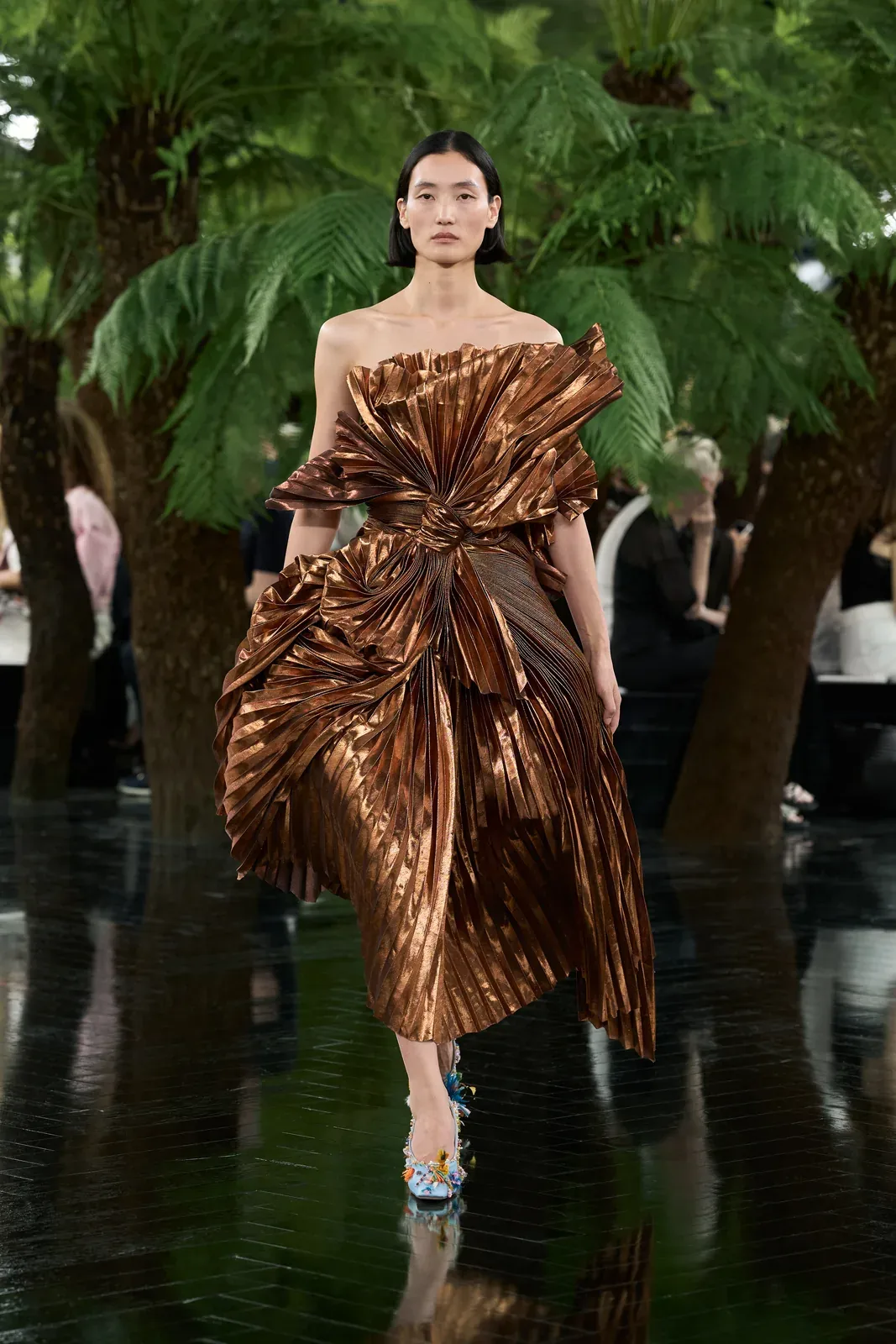
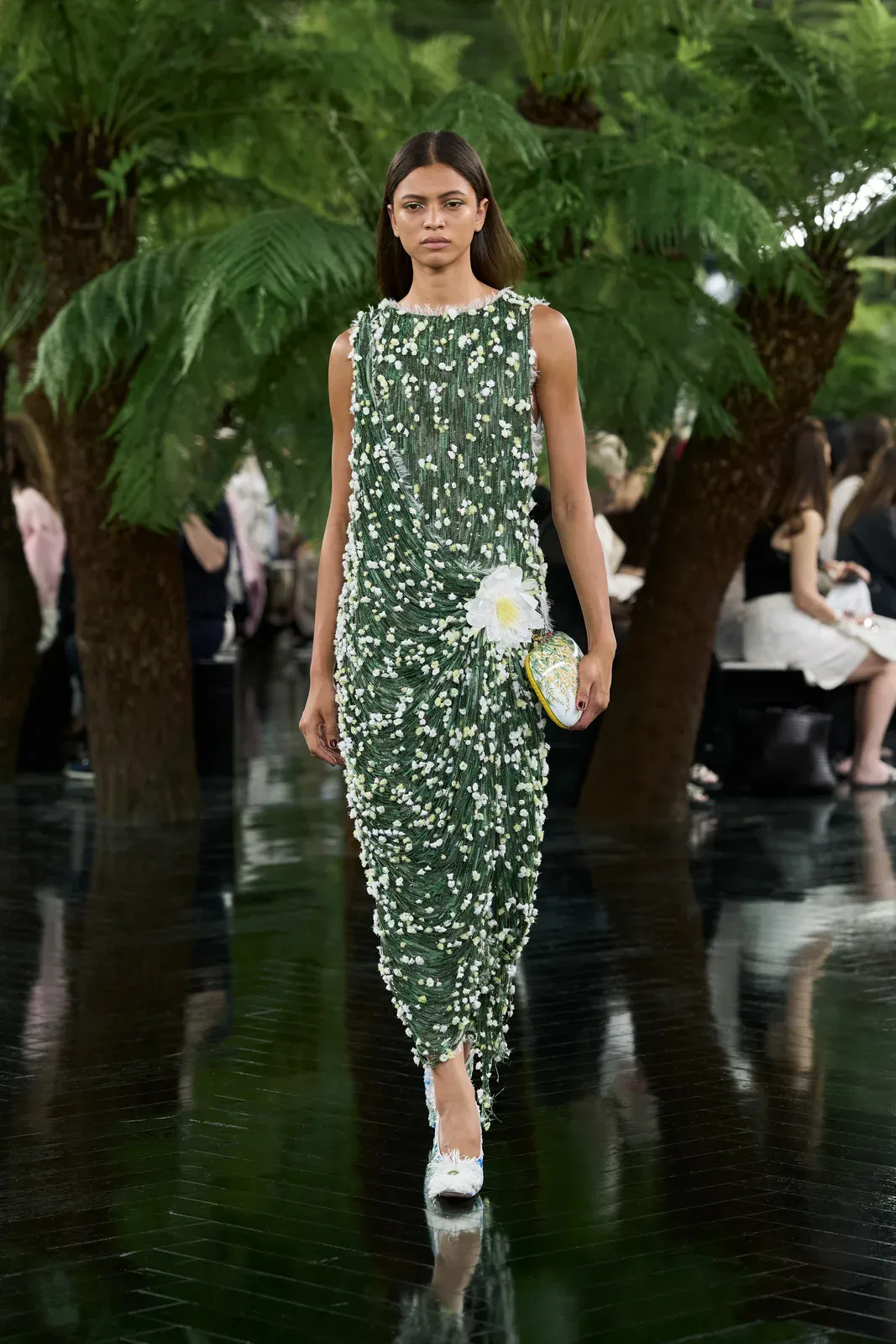
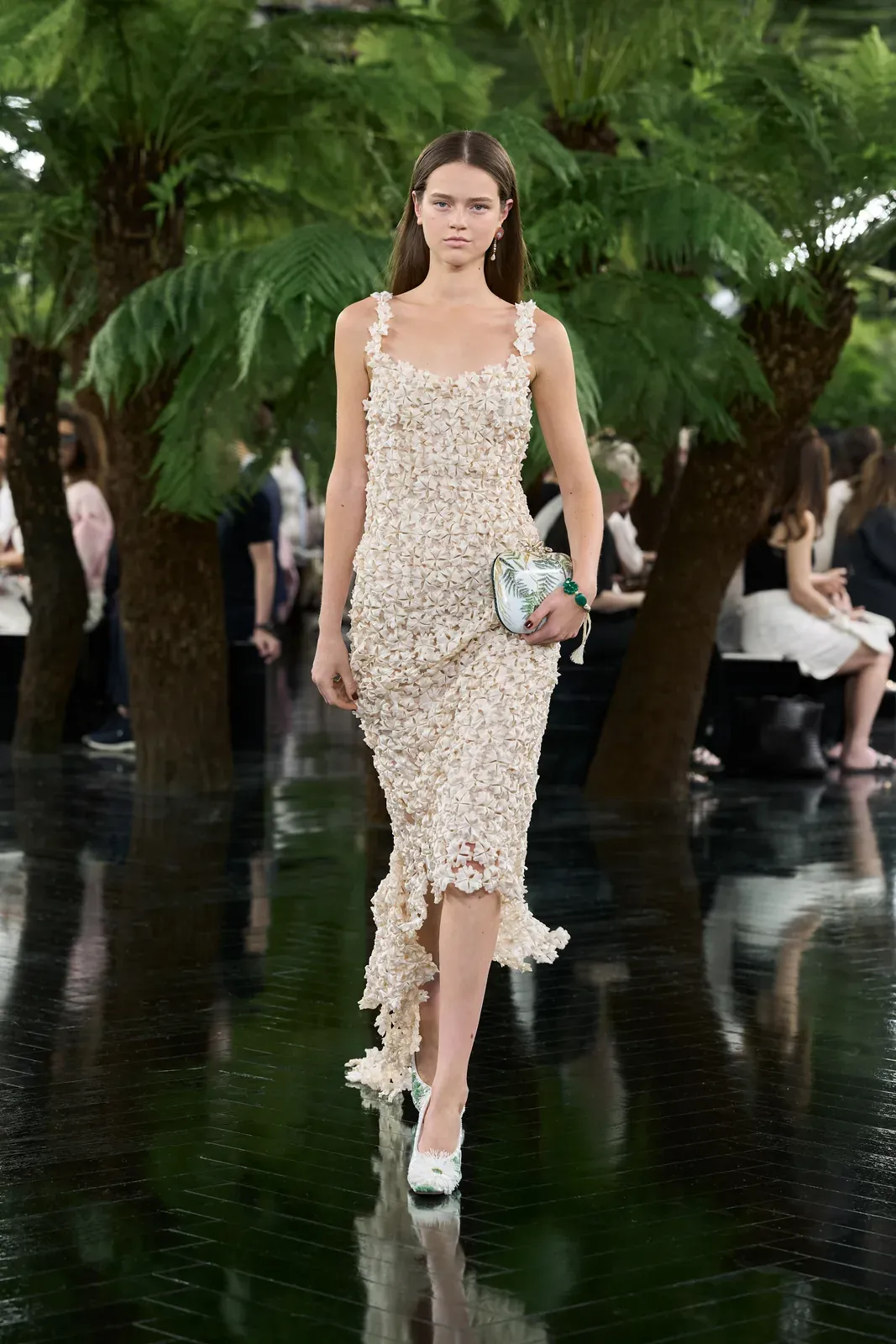
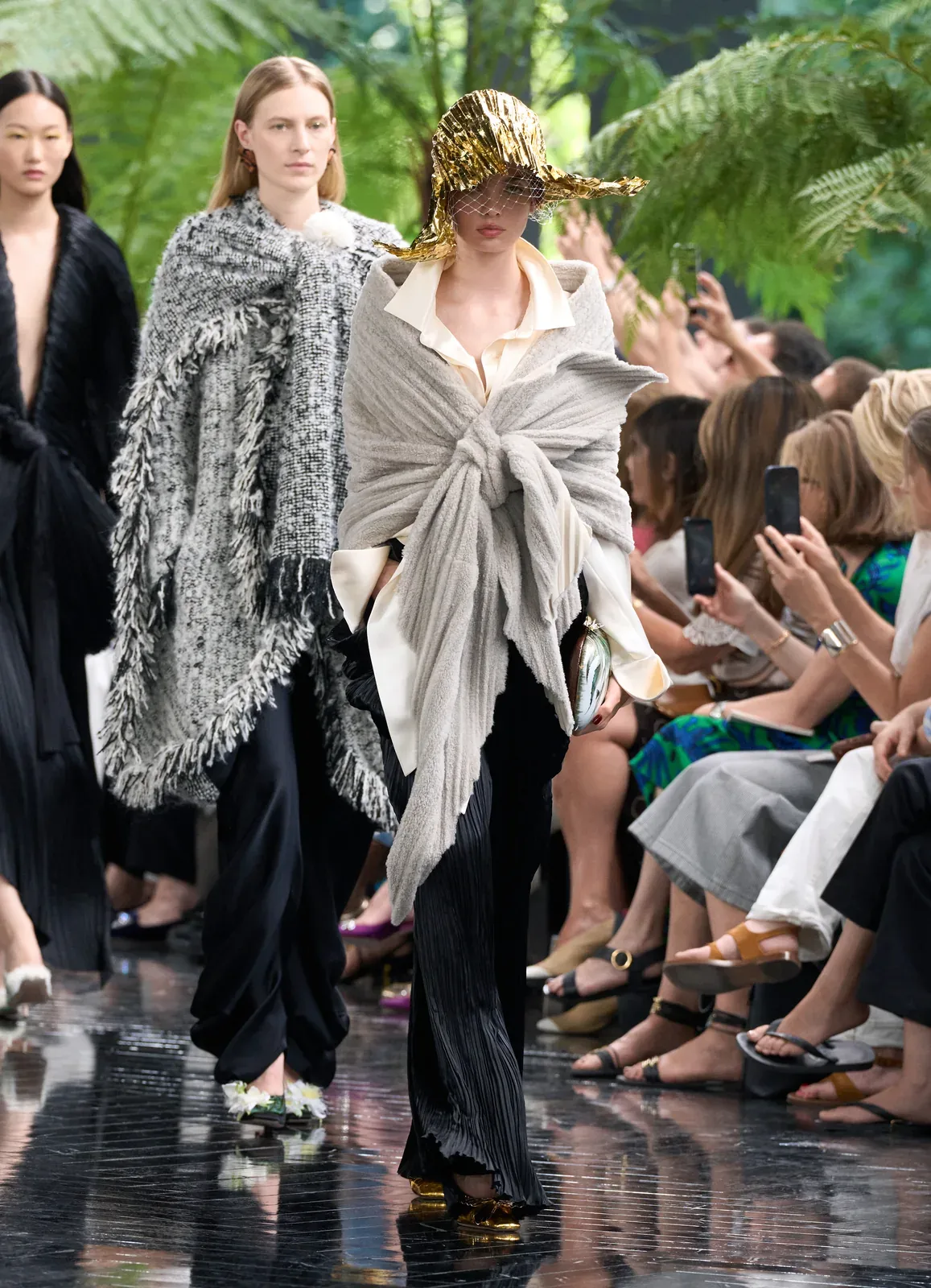
Taking elements from other valuable and signature parts of Benglis's career, like her love for the Indian city of Ahmedabad or her arid residency in Santa Fe, New Mexico, Anderson created a show where every small detail is a reference. India informs not only the standout fan-looking dress that is extracted from the Benglis series Peacock, inspired by the birds of the region, but also the most delicate details, like the jewellery crafted by artisans in Jaipur or the presence of authentic fragments of 18th-century chintz, the exquisite woven floral fabric found in the small clutch bag. Santa Fe informs the environment of the show and some of its chromatic choices. Now, when it comes to the garments, the balance between Dior's heritage and the artist's legacy is perfectly even.
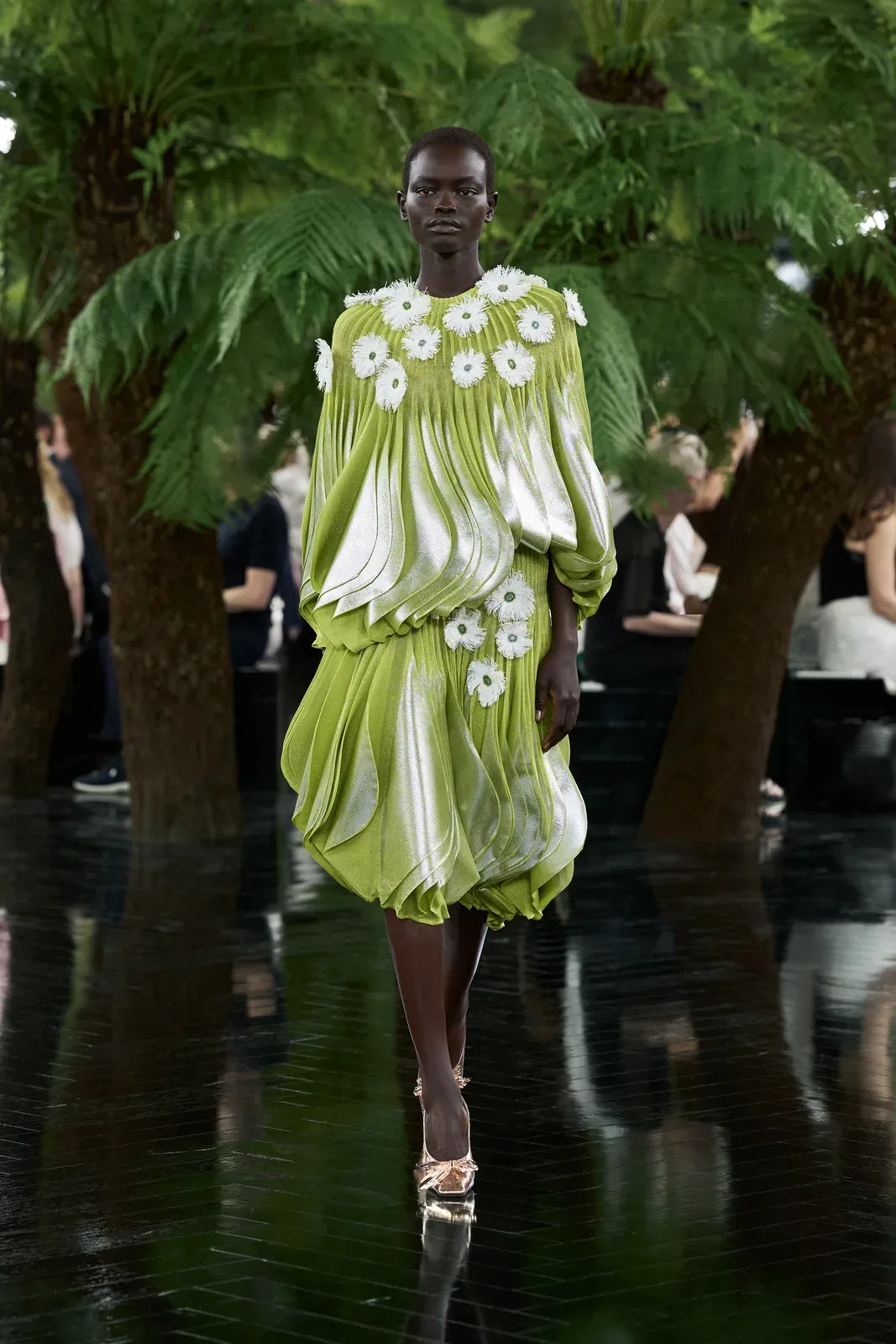
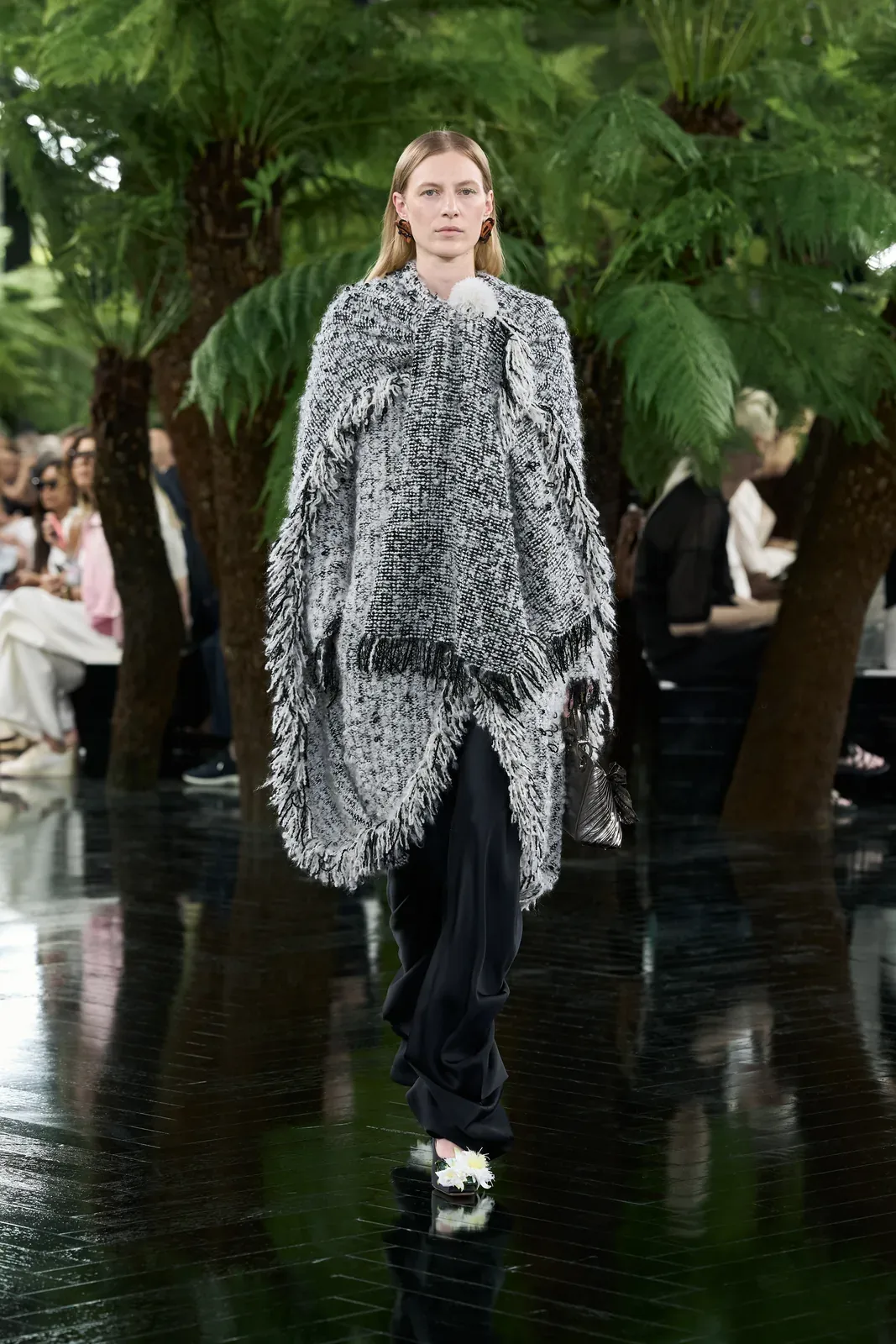
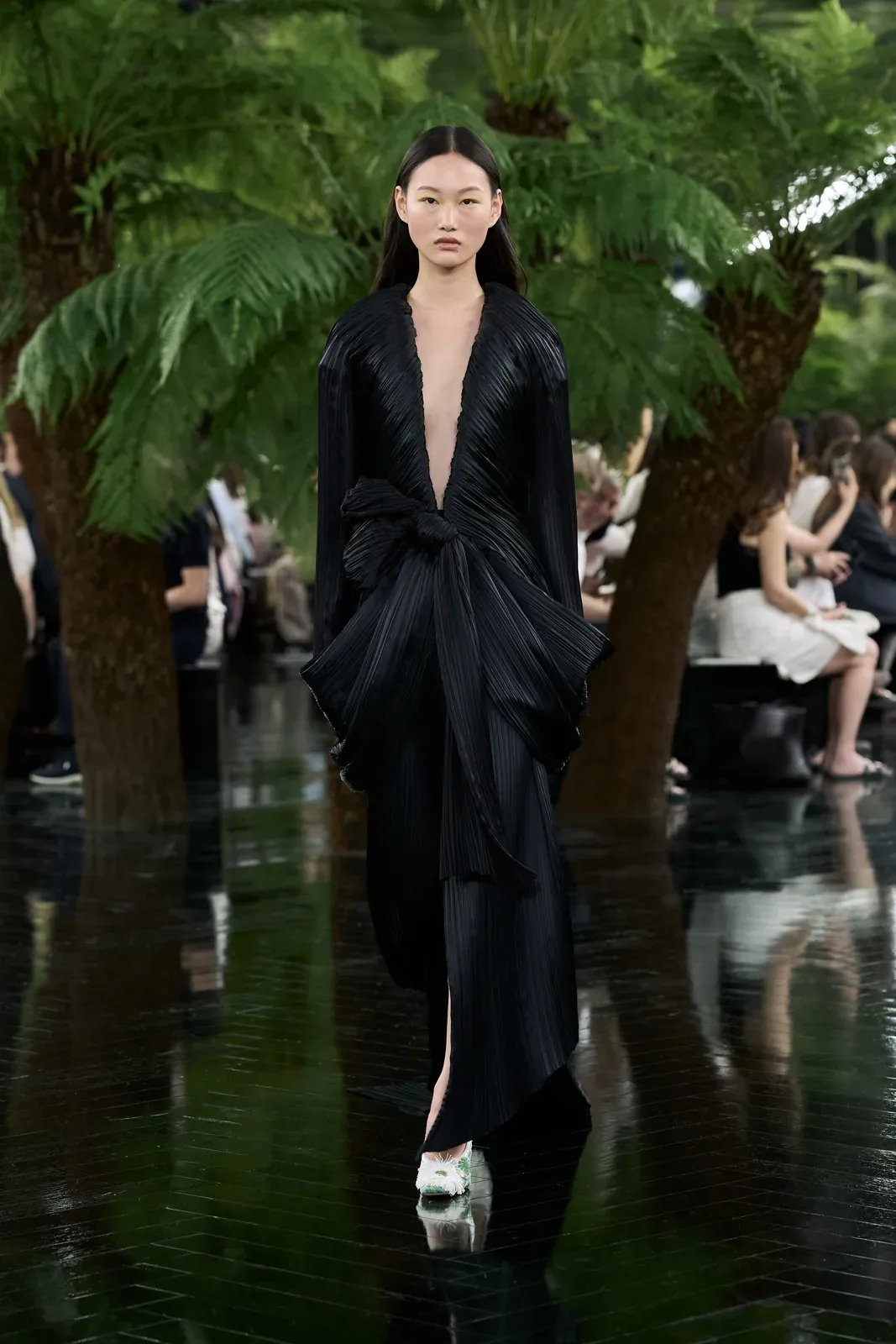
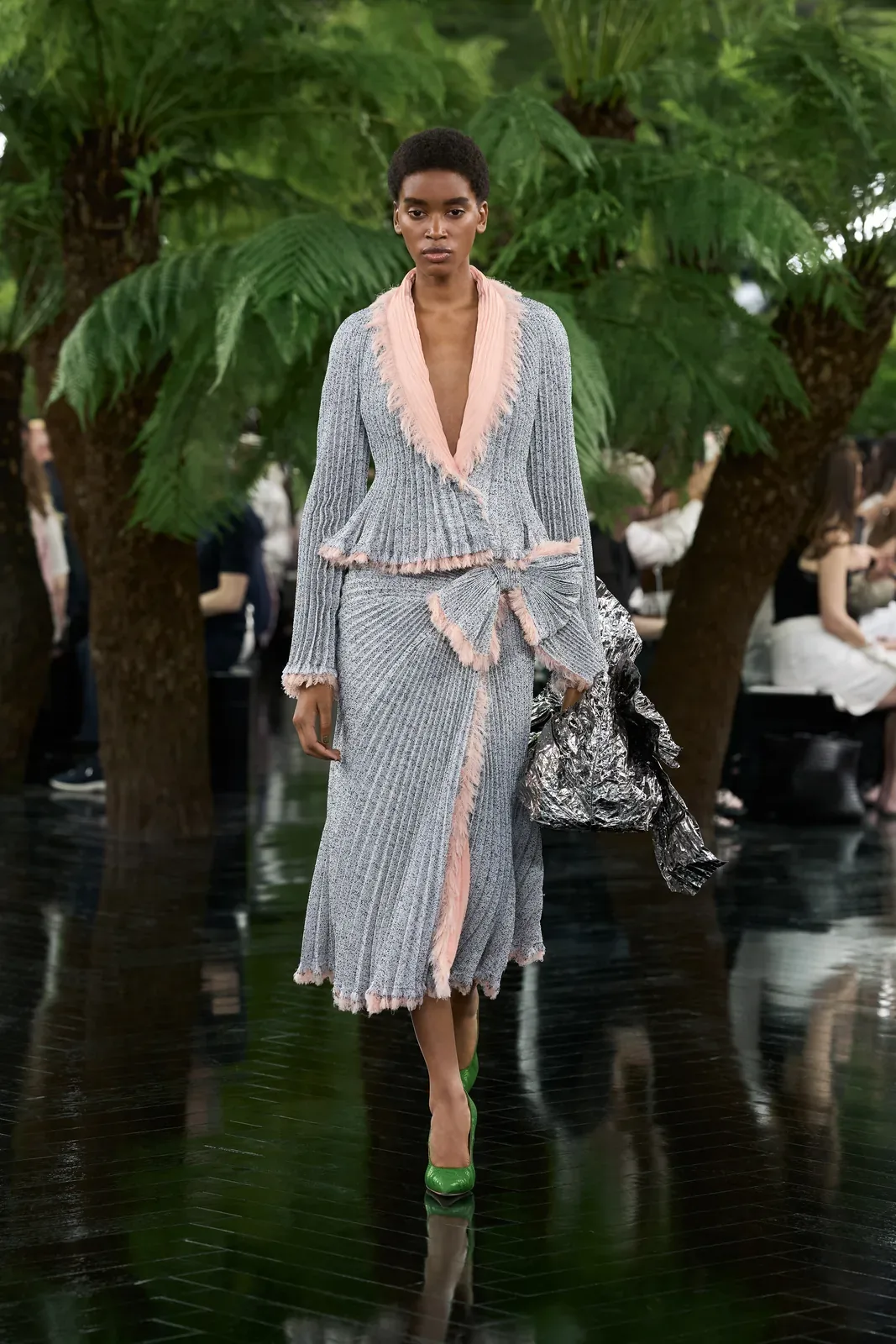
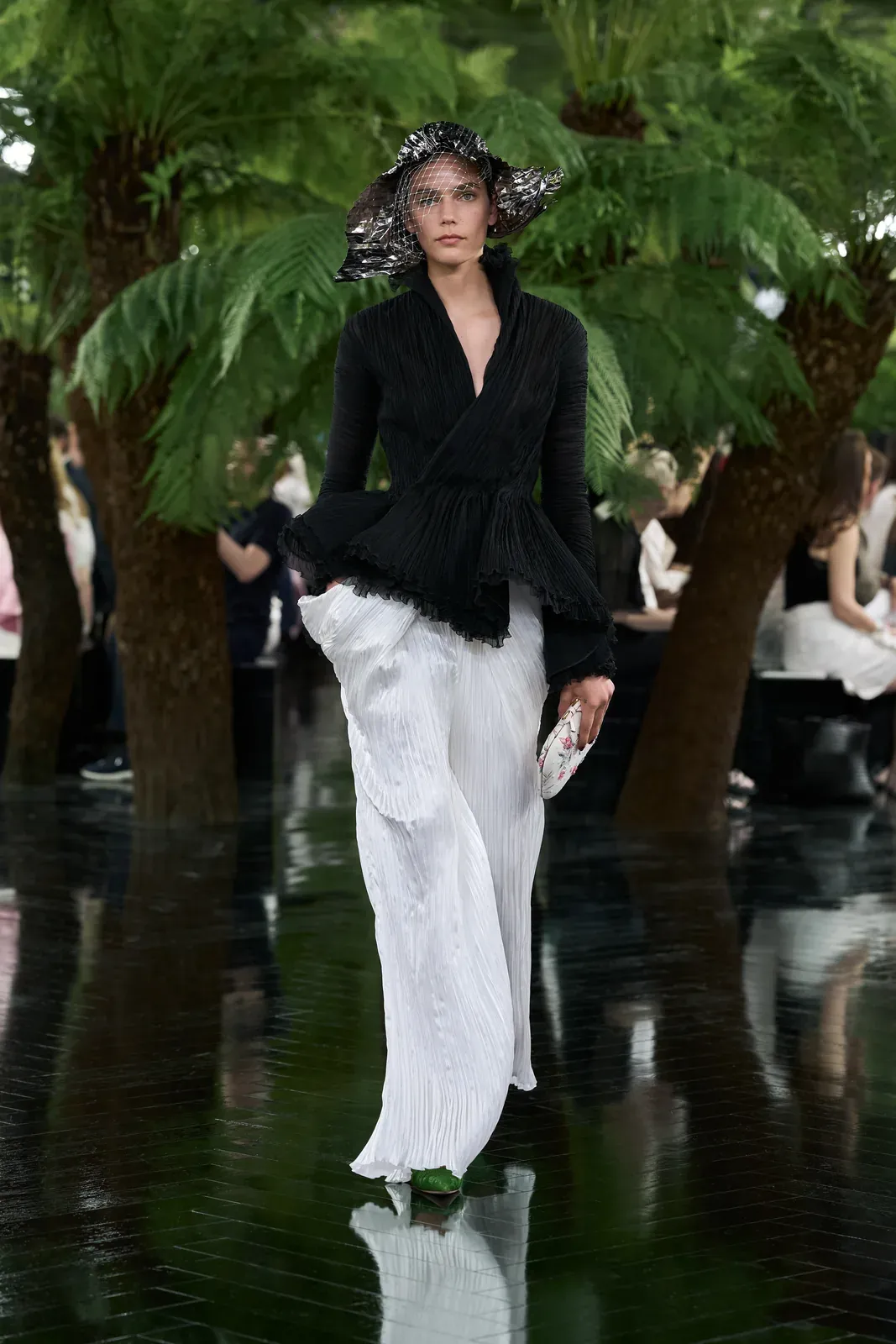
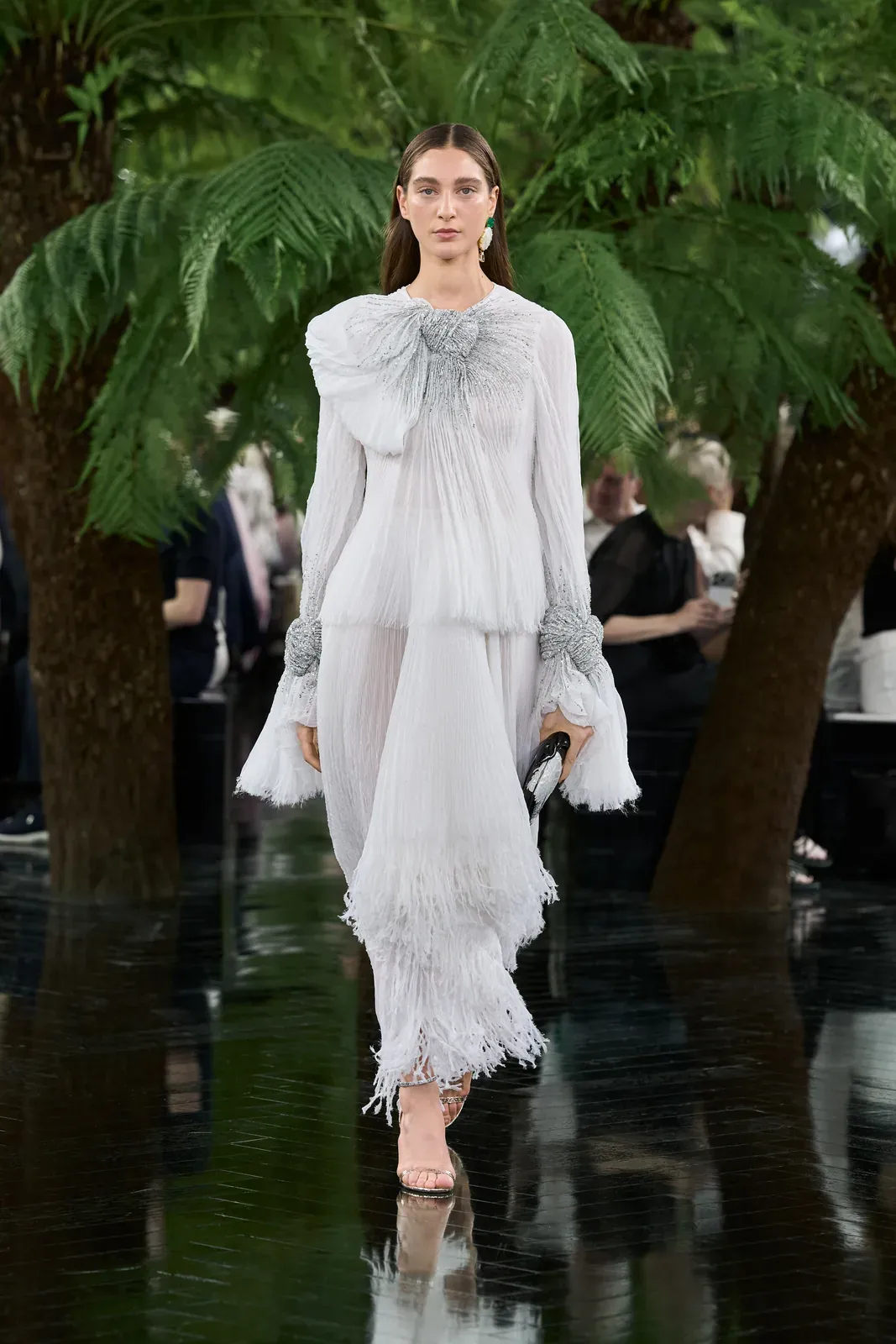
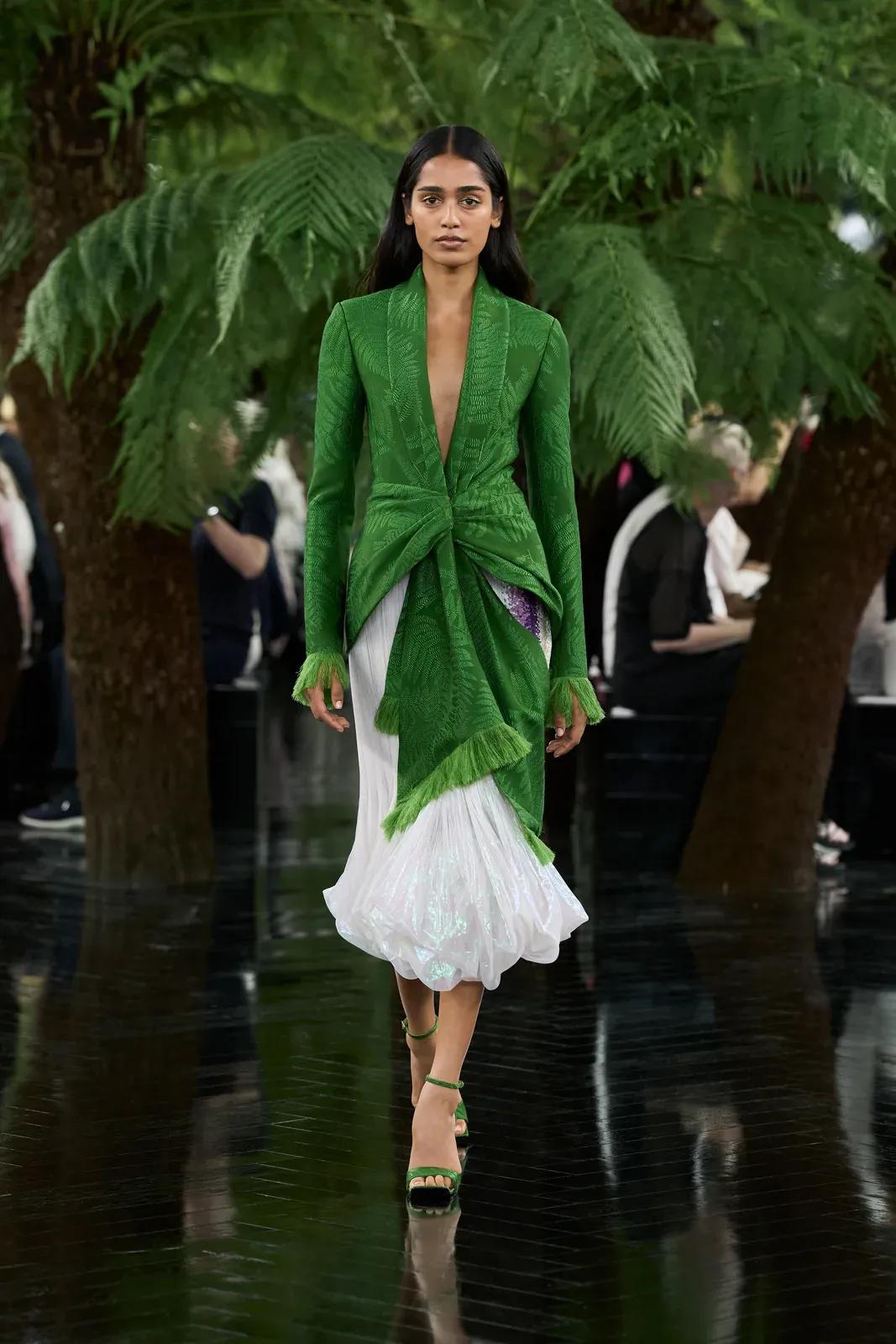
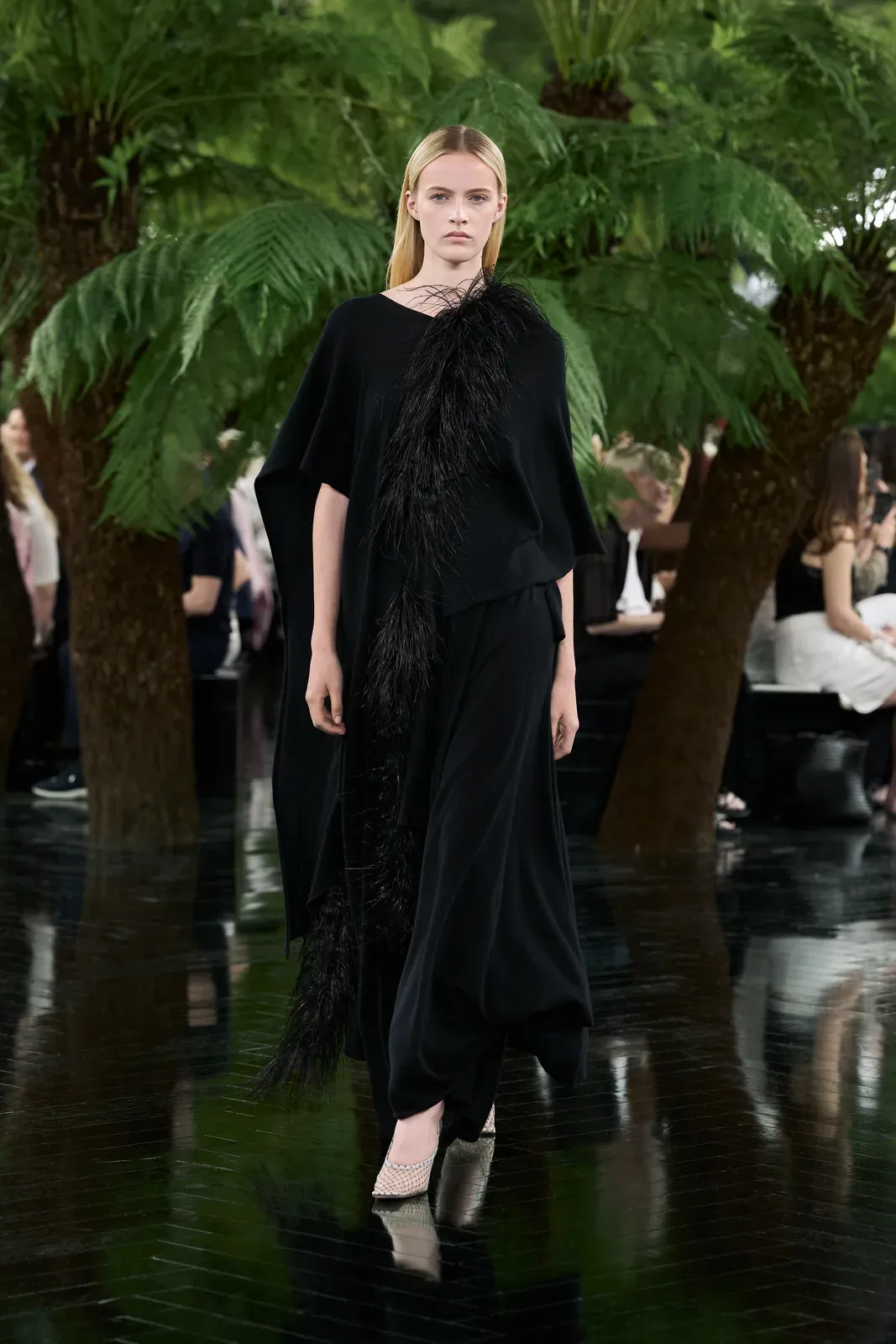
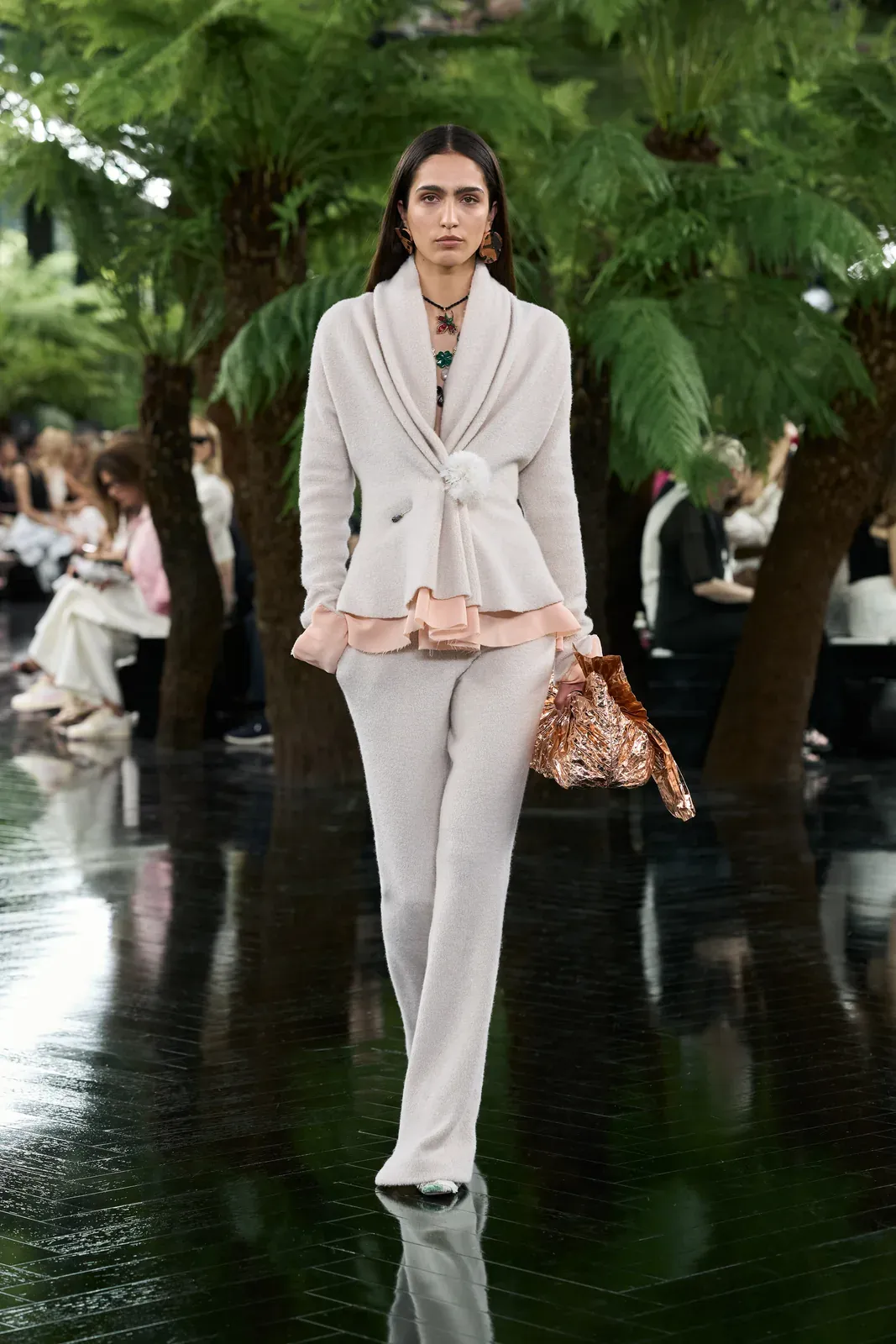
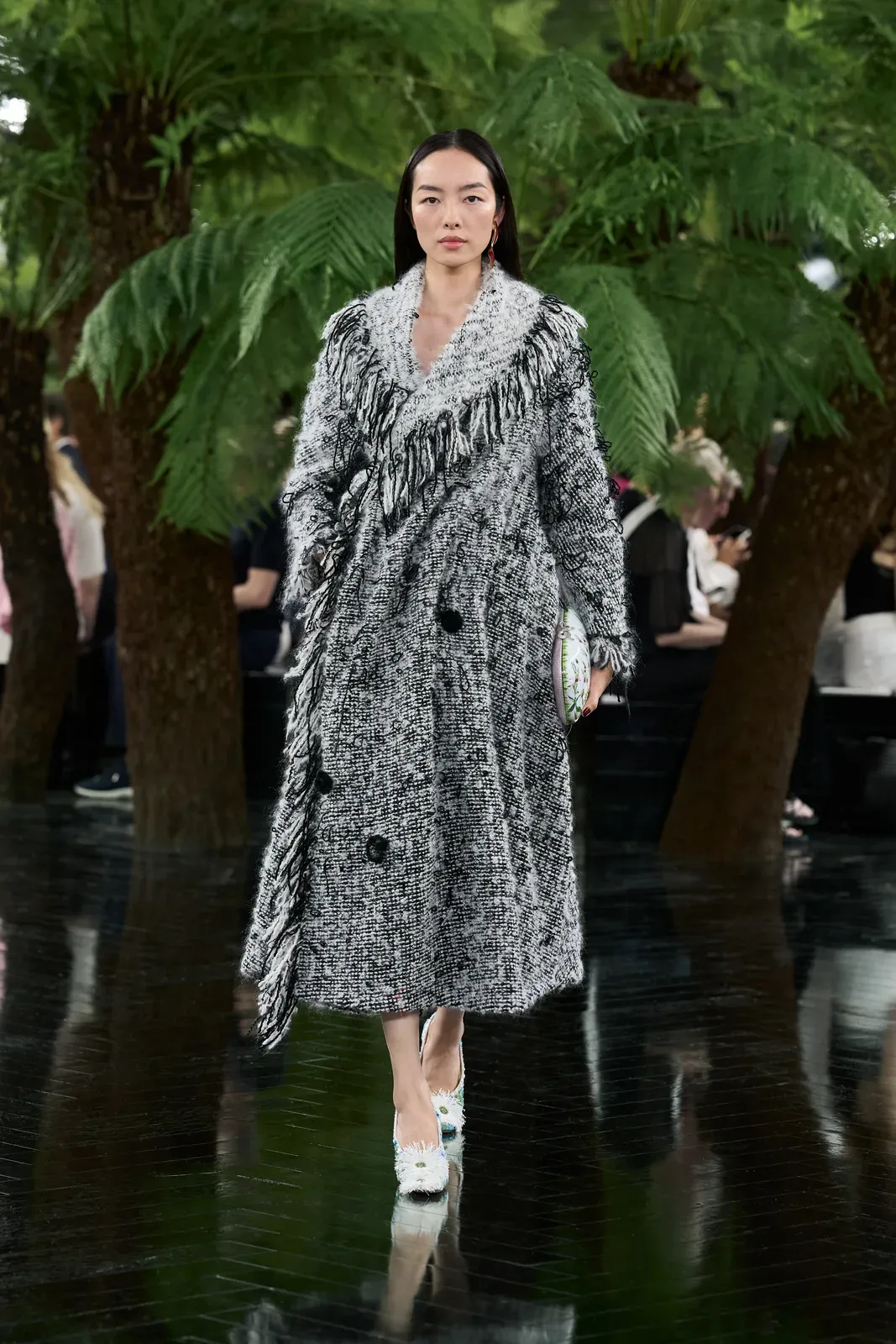
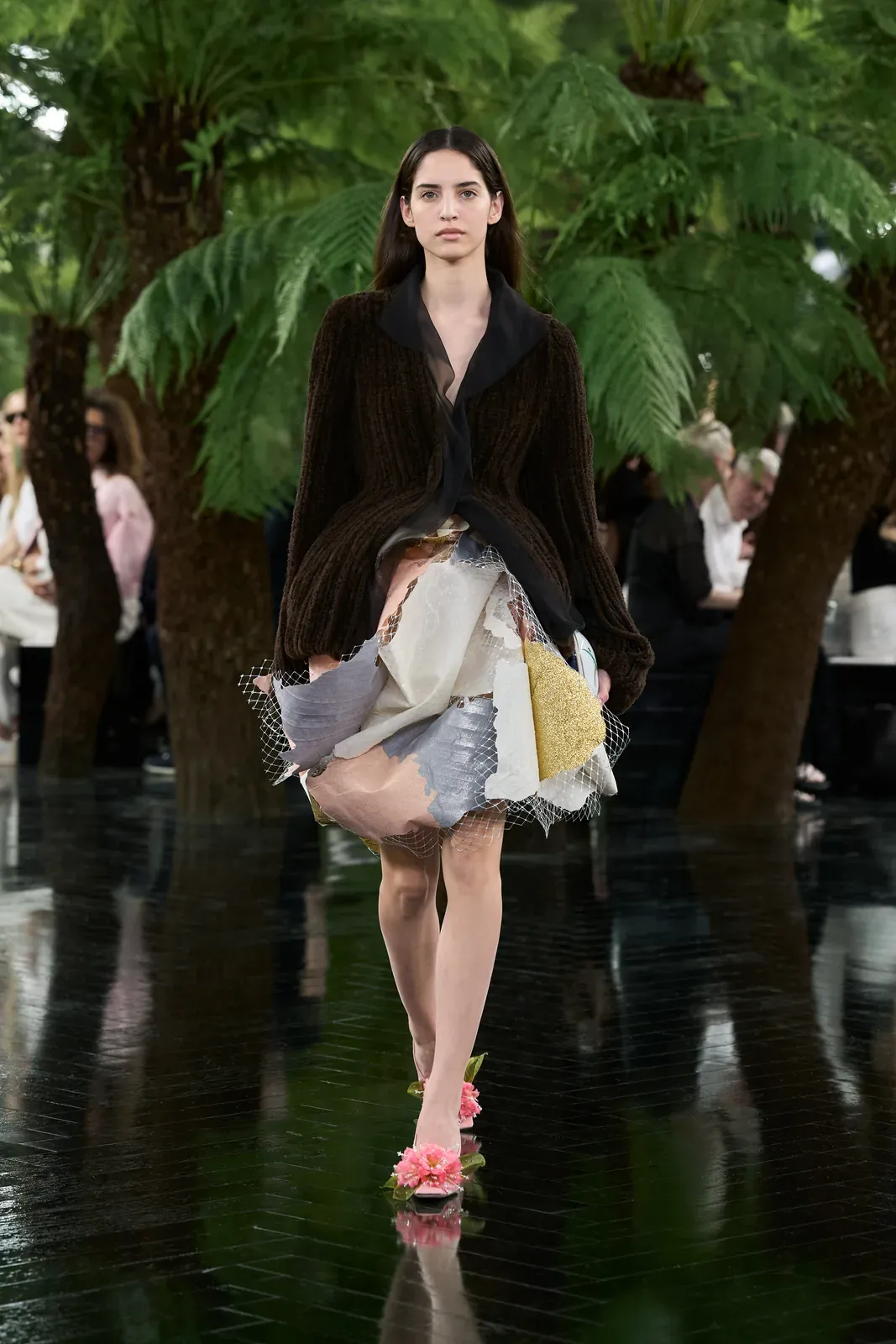
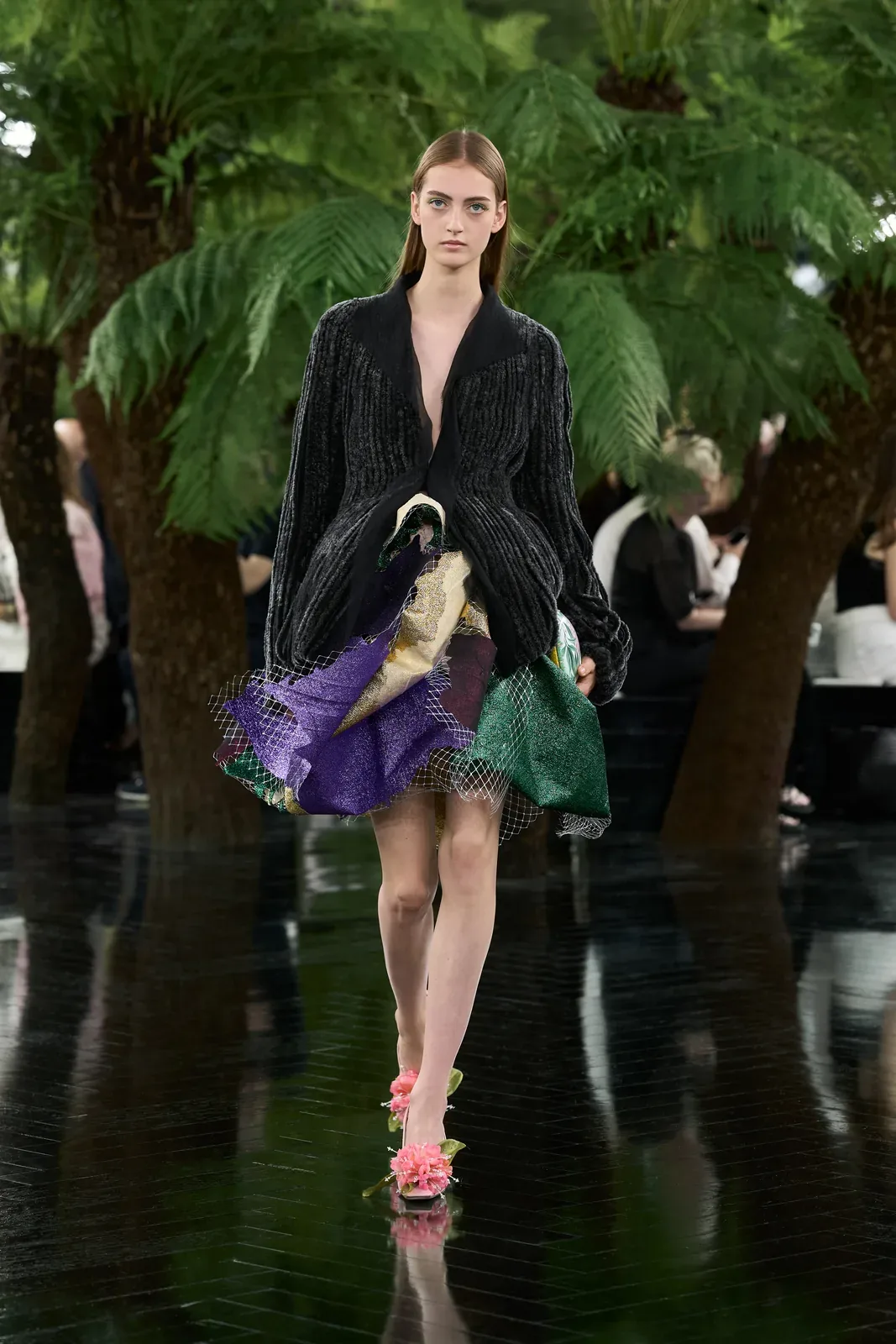
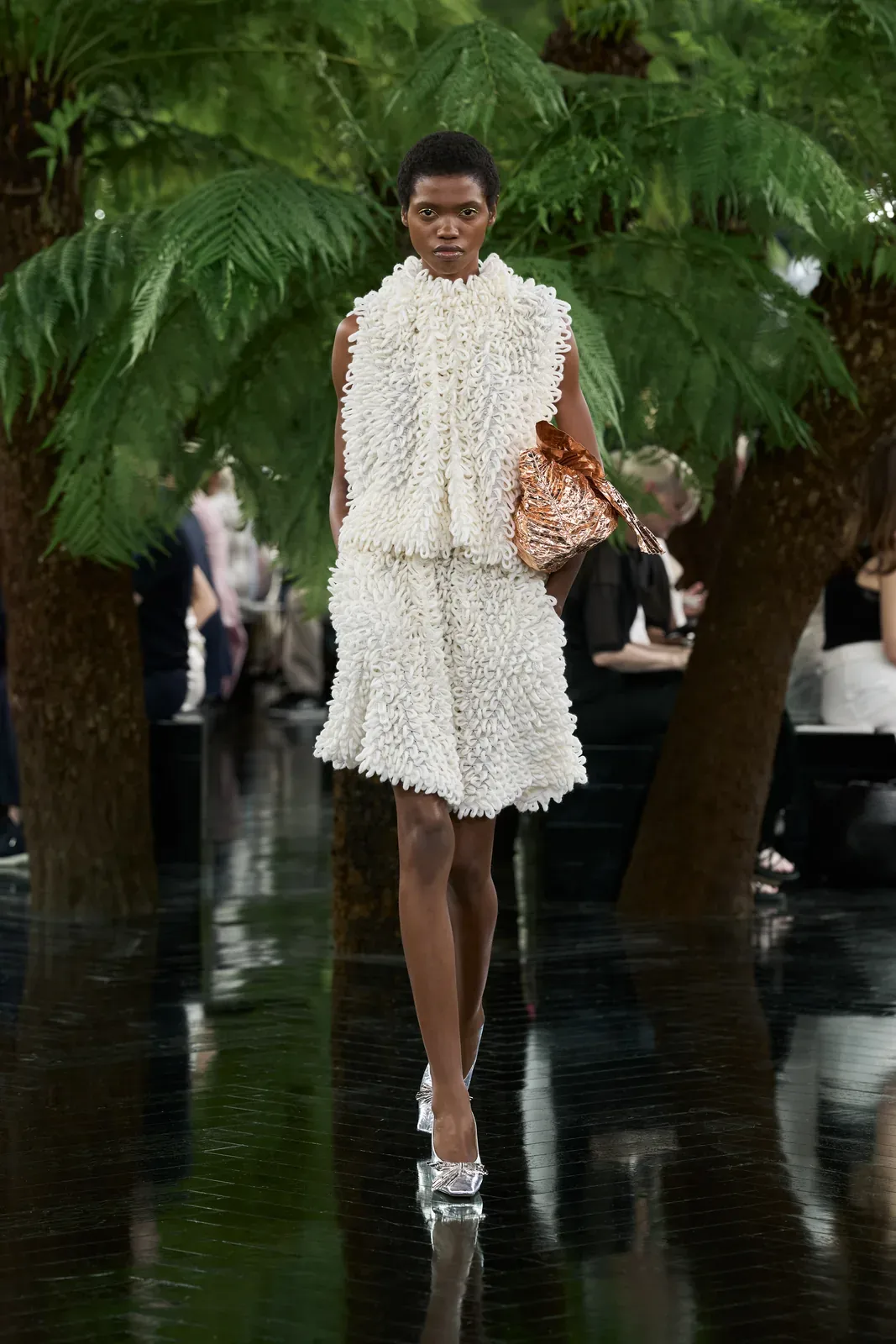
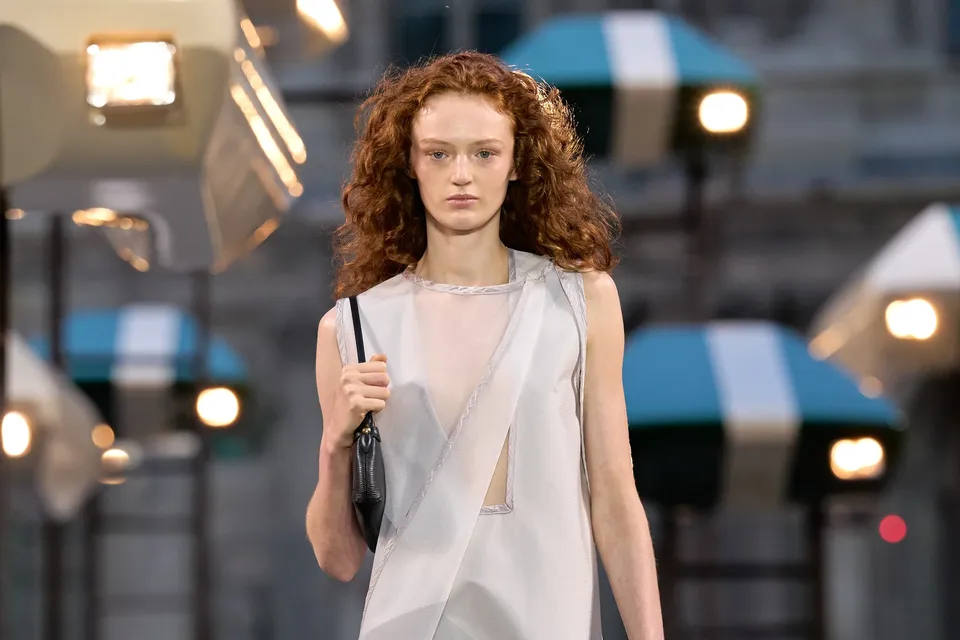
The well-known Dior silhouettes that Anderson has been utilising and exploring in all his collections at the house appear once again, but the volume and texture given to them by recreating some of the practices Benglis is known for bring a whole new life to what was already there. The pleated metals, the paint-like embroidery, the dripping knitwear, and the dimensional flowers all feel like an extension of Anderson's and Benglis’s minds at the same time, resulting in beautiful, desirable, emotional pieces that narrow the gap between art and fashion. Through all the handcrafted artisanal processes that are involved in haute couture, Jonathan Anderson and the Dior ateliers brought more dimension to pieces that already had it, pushing the forms and the shapes further while keeping the gestures as intimate as always.