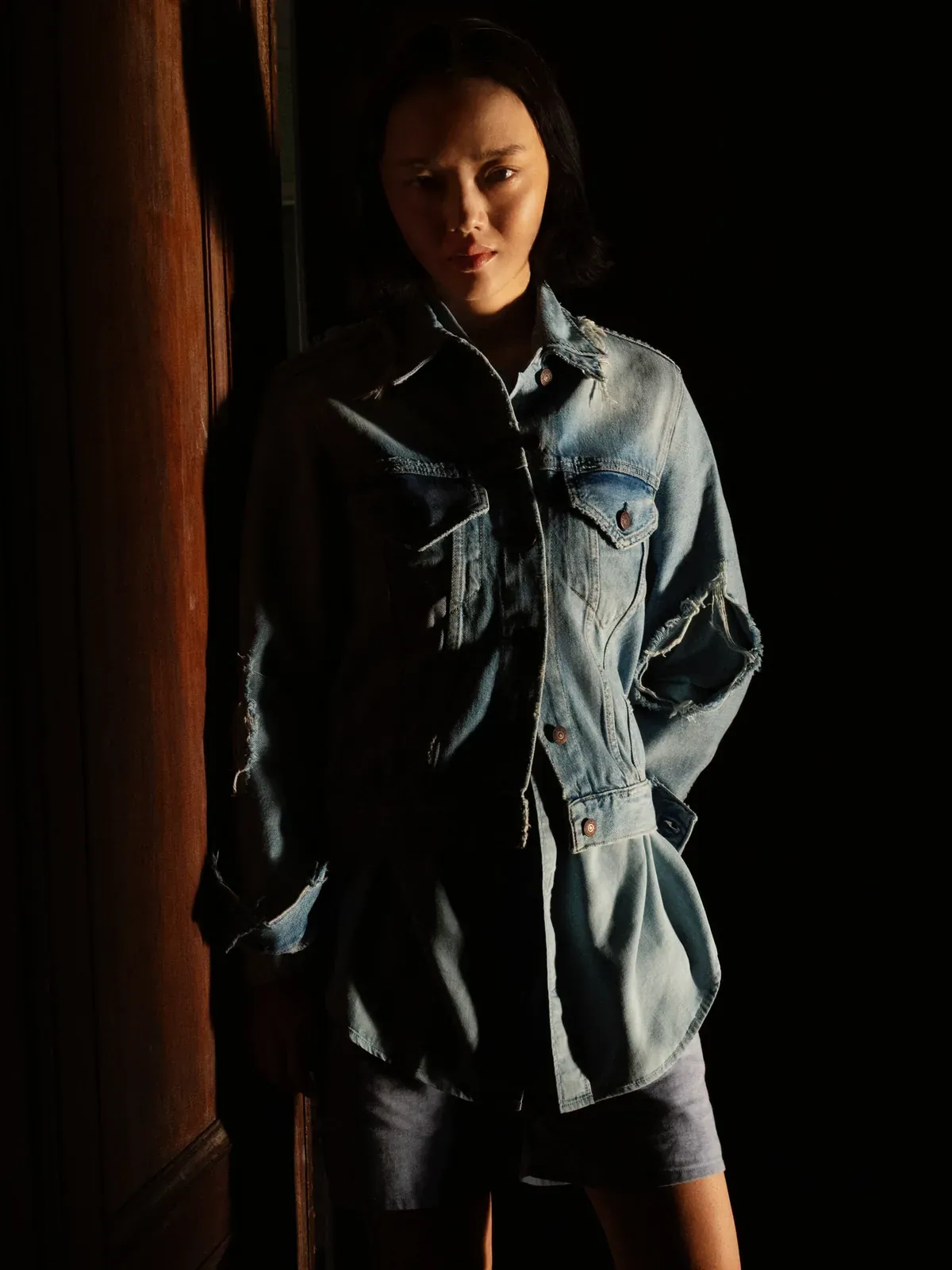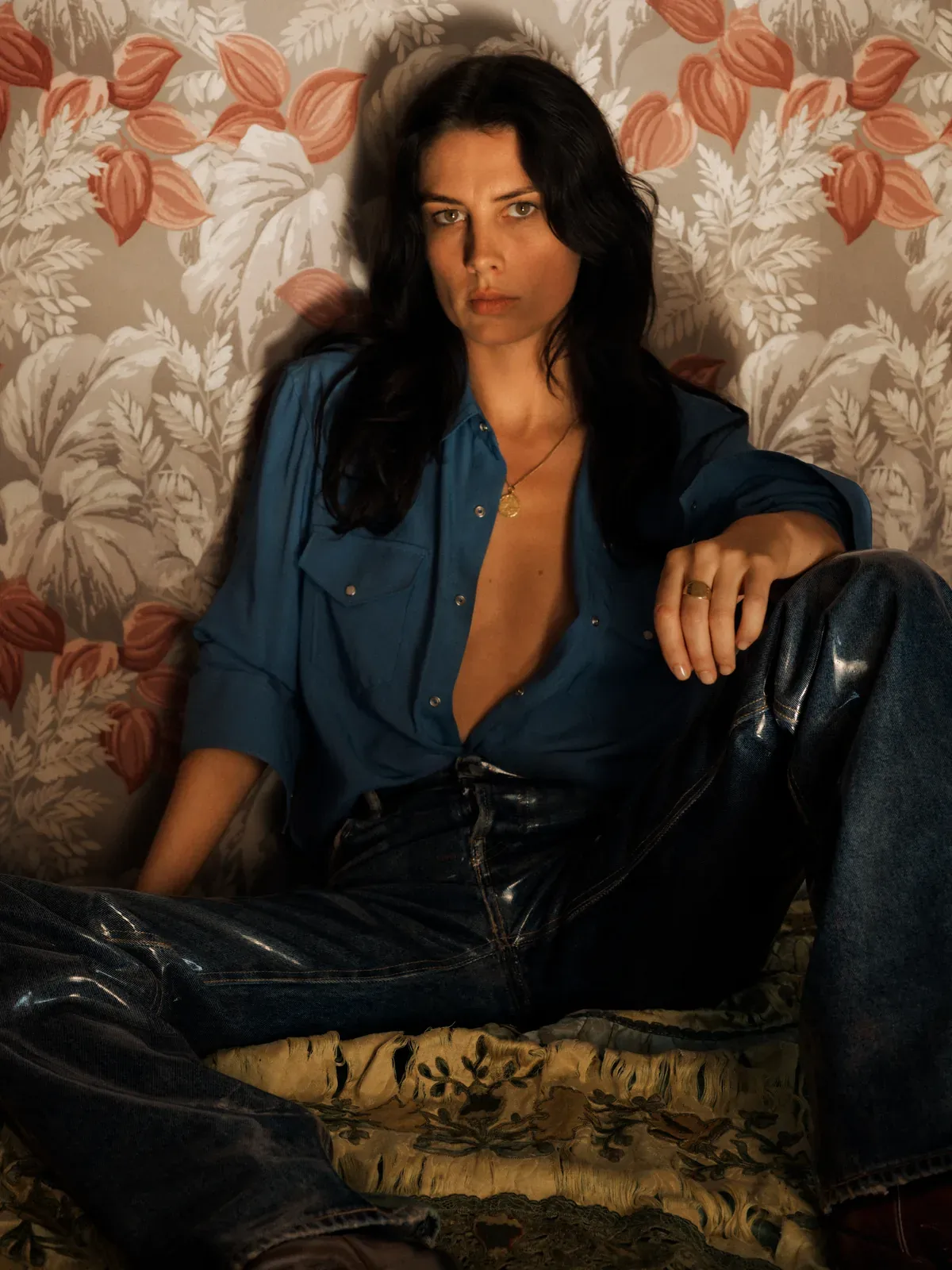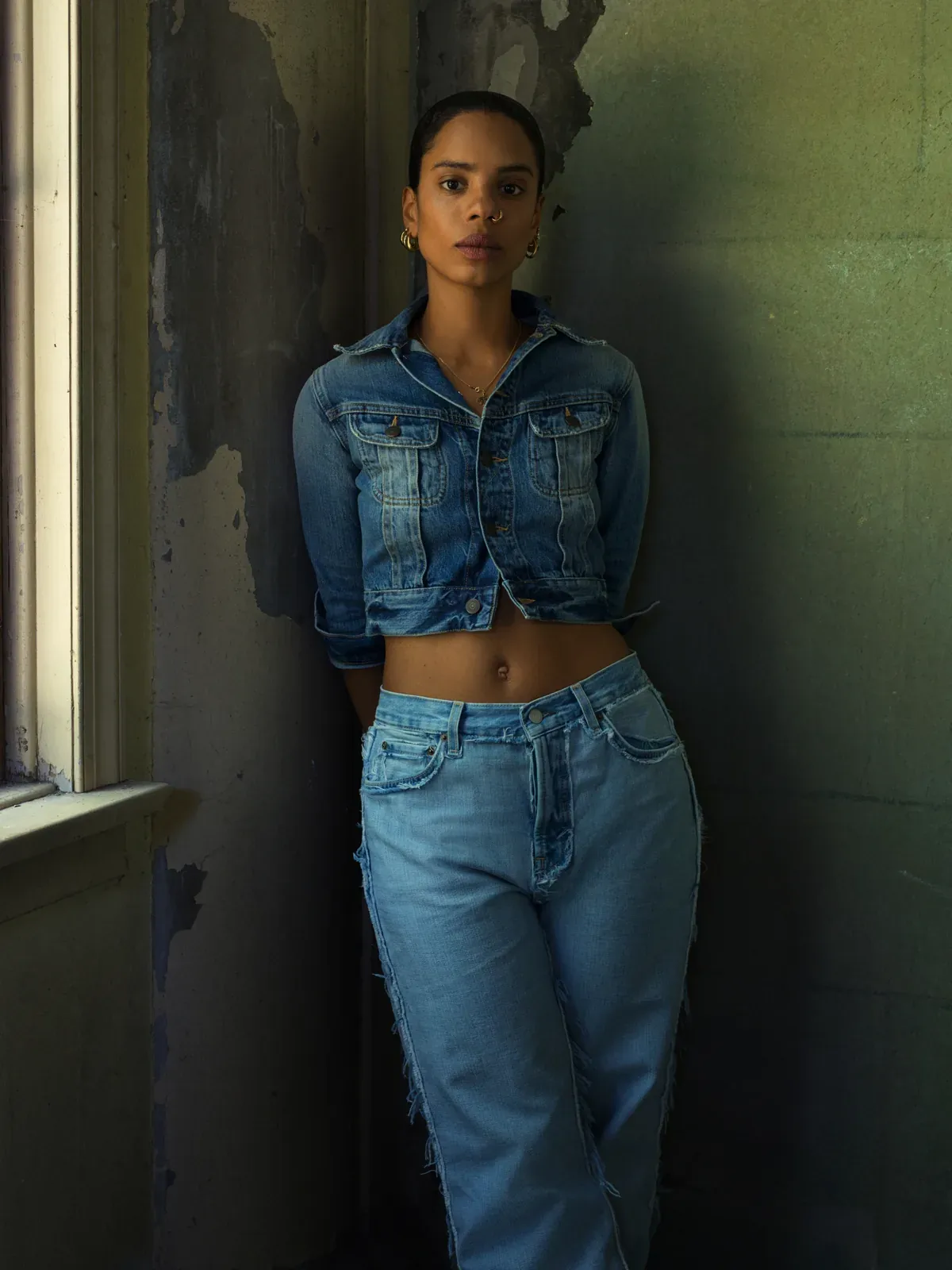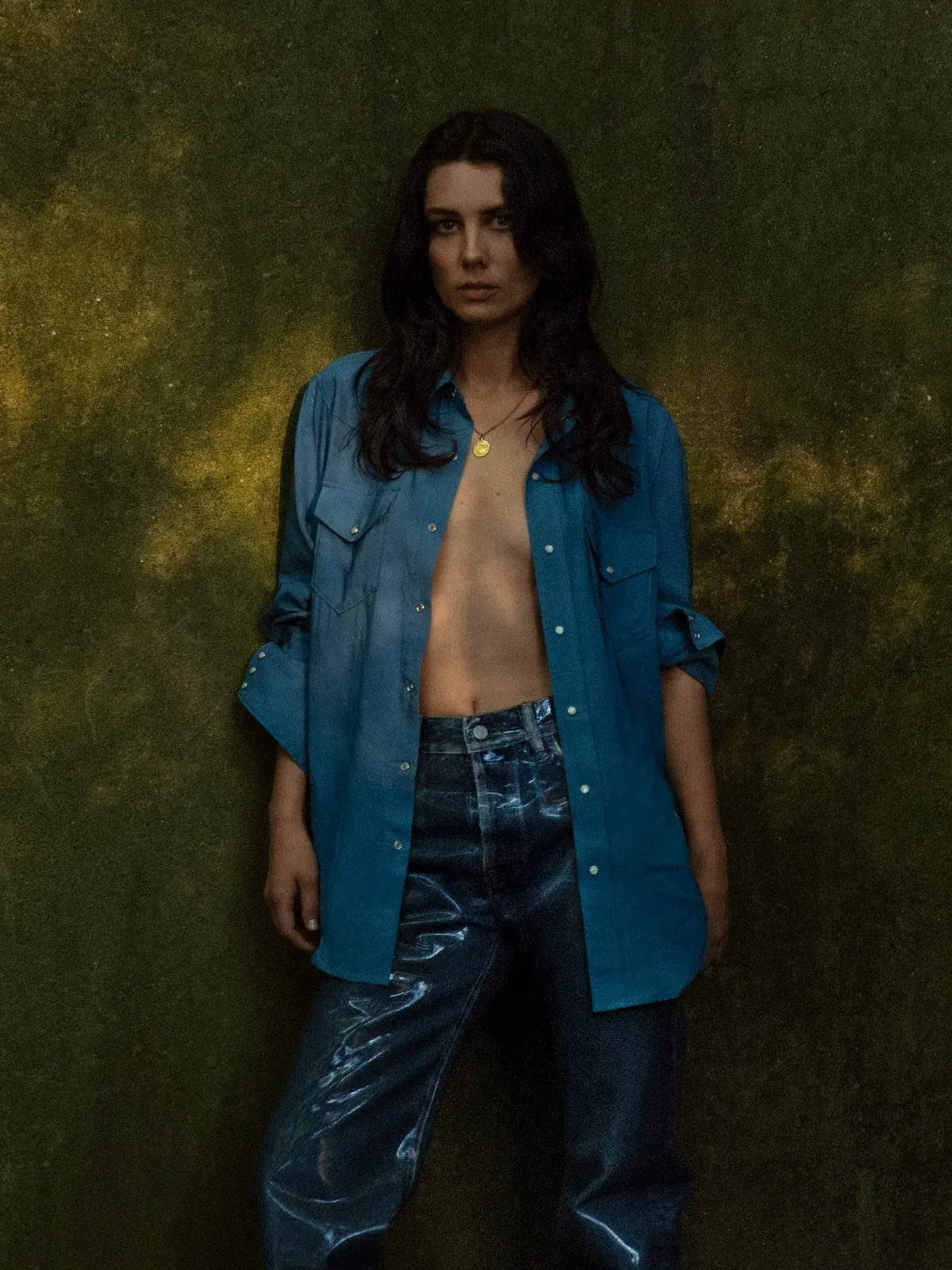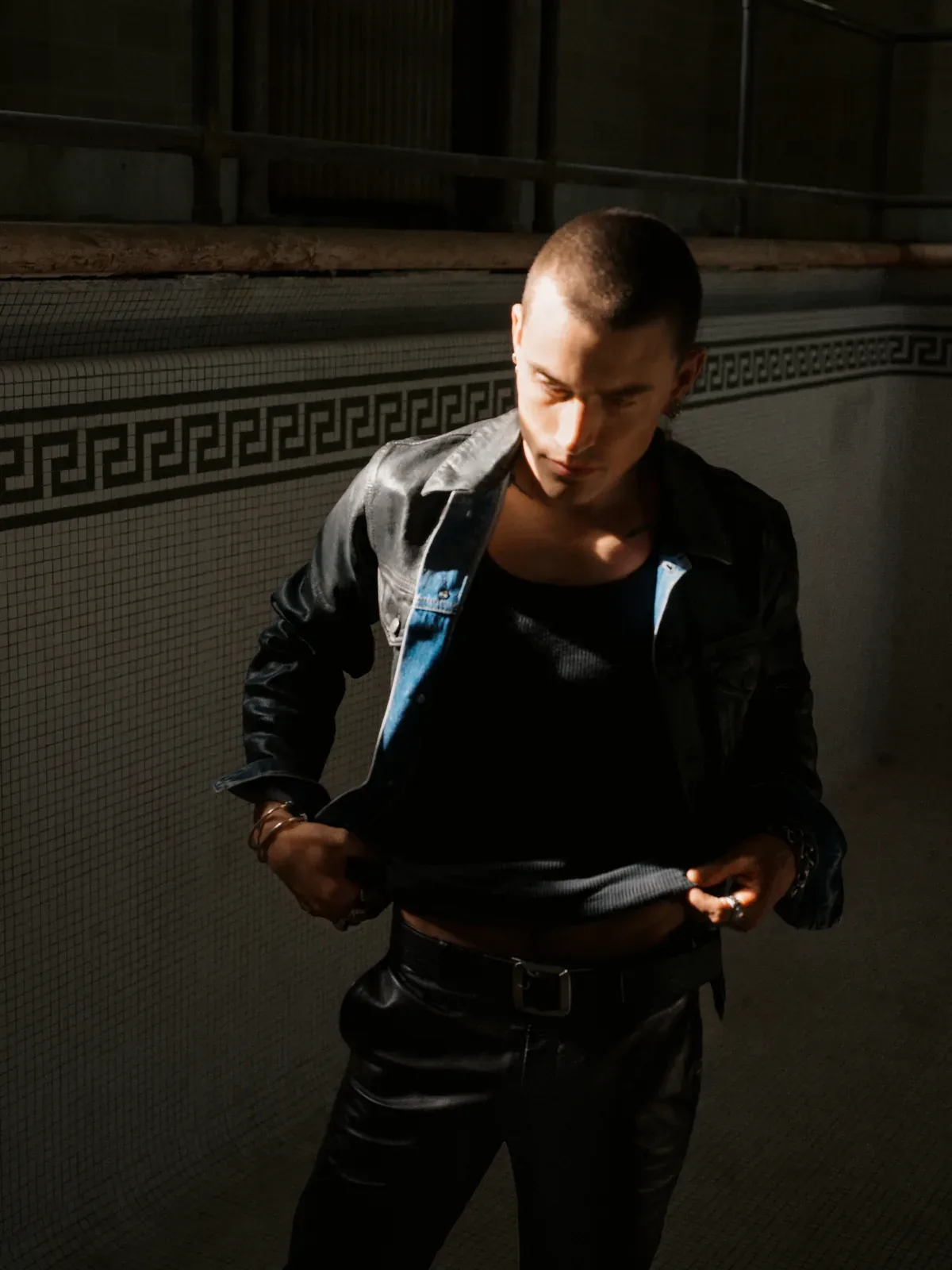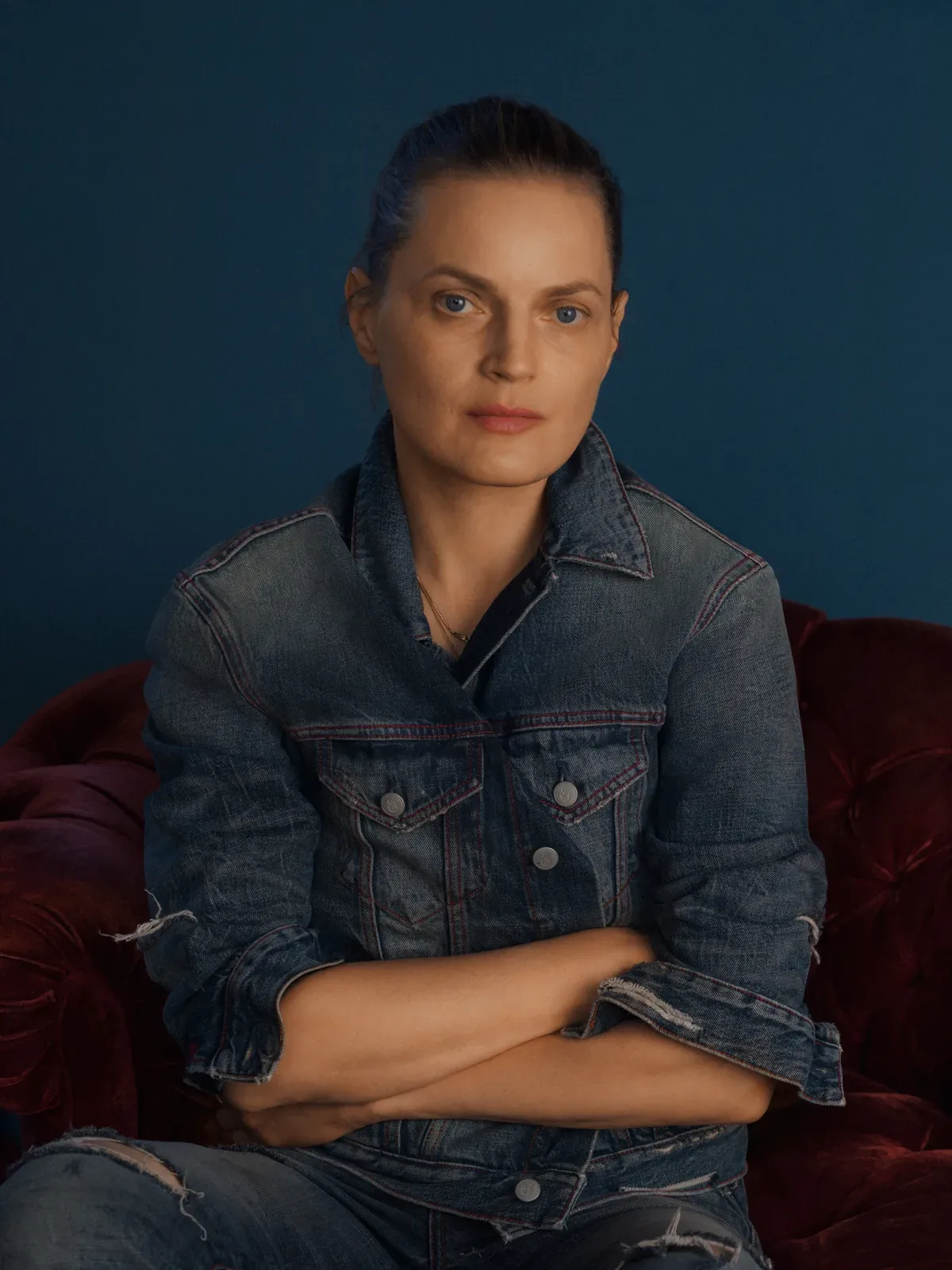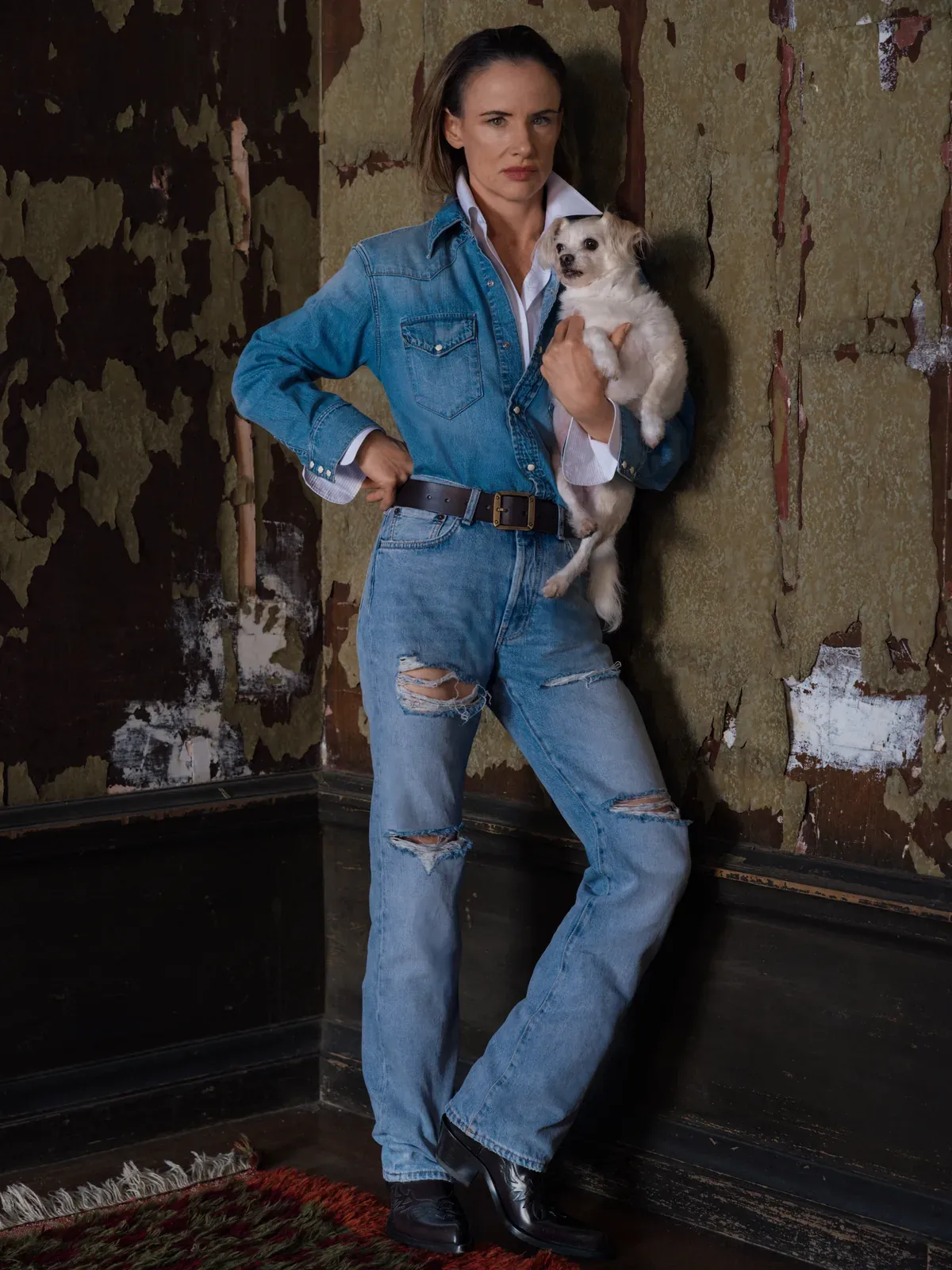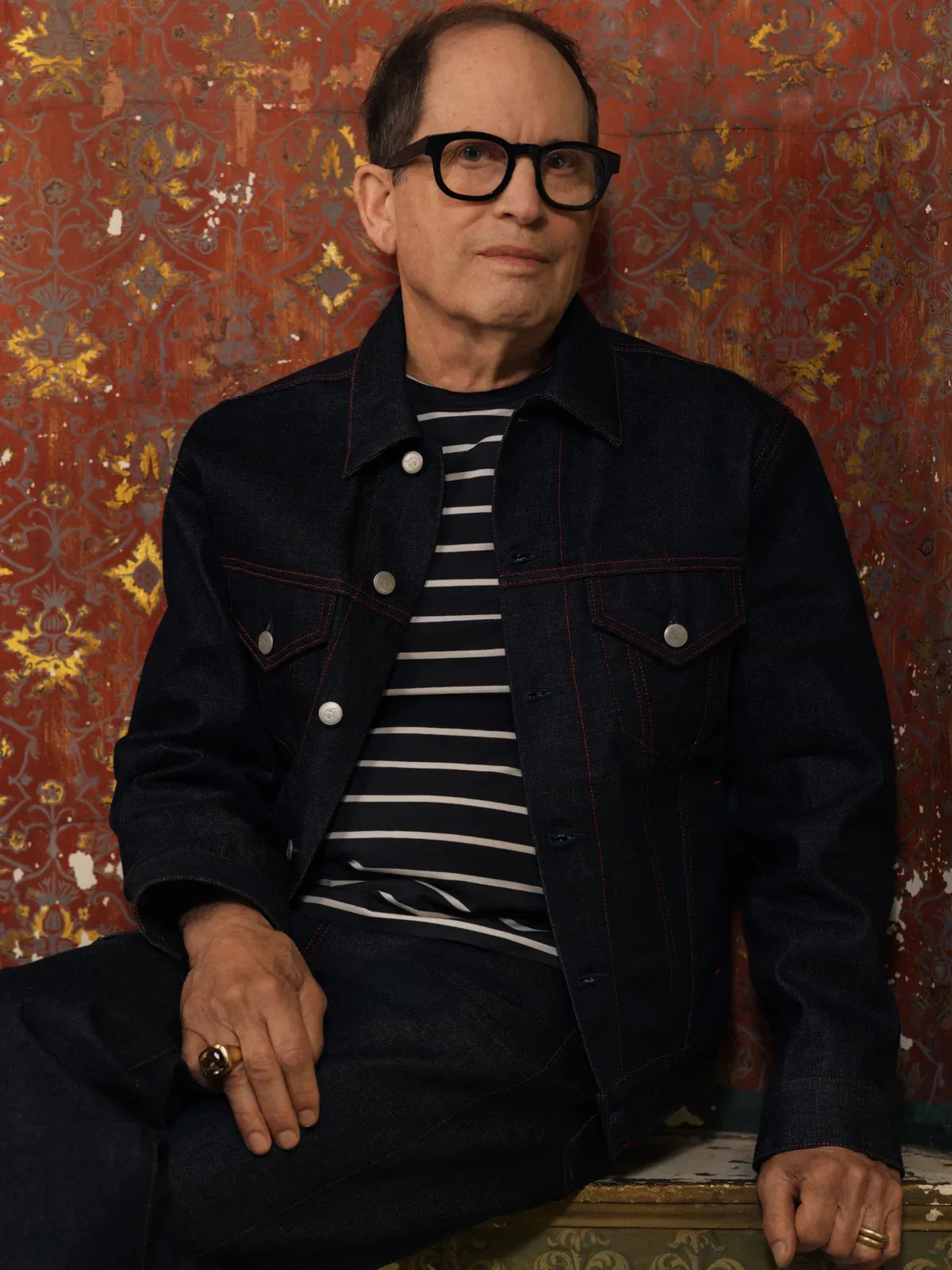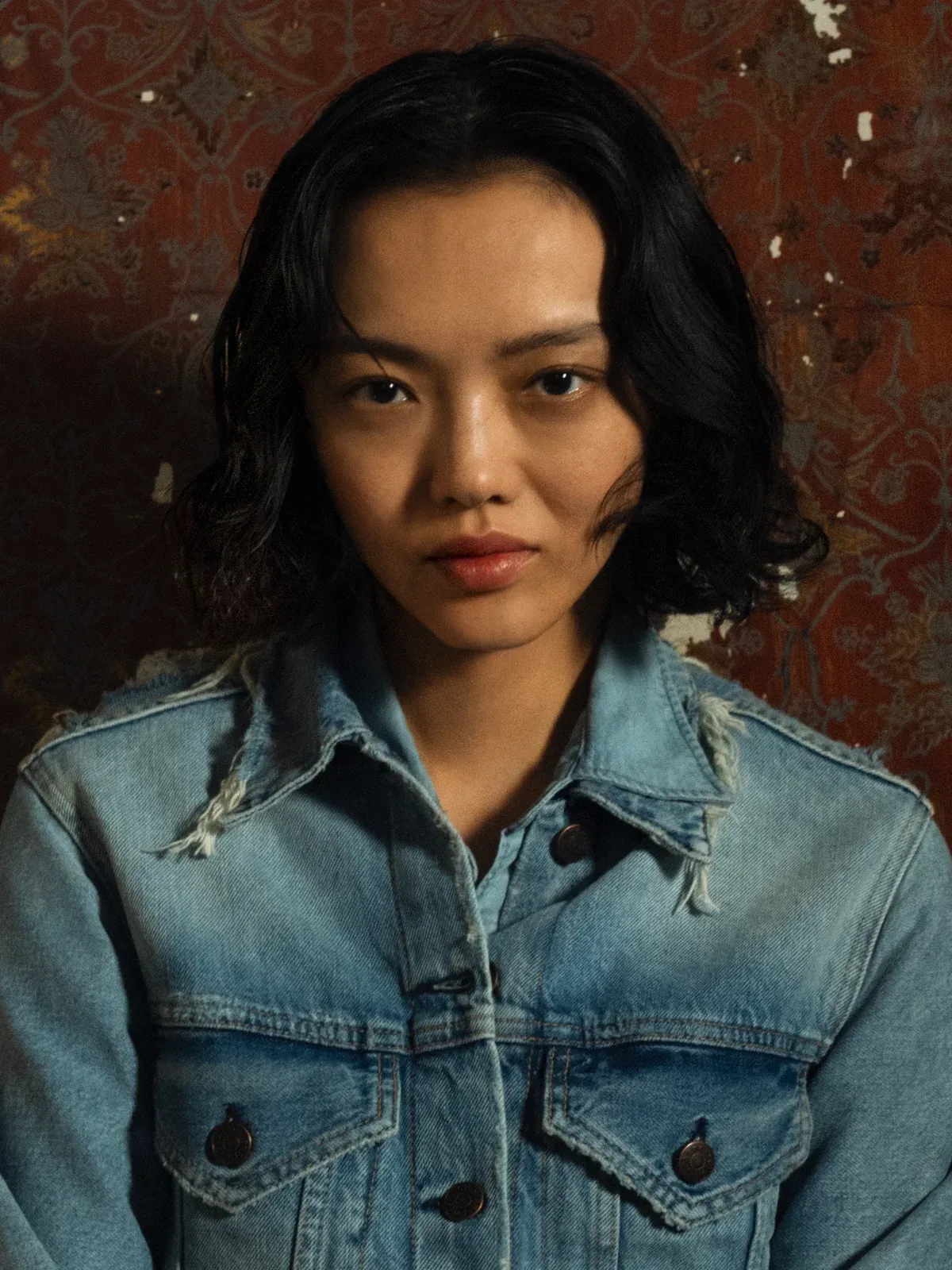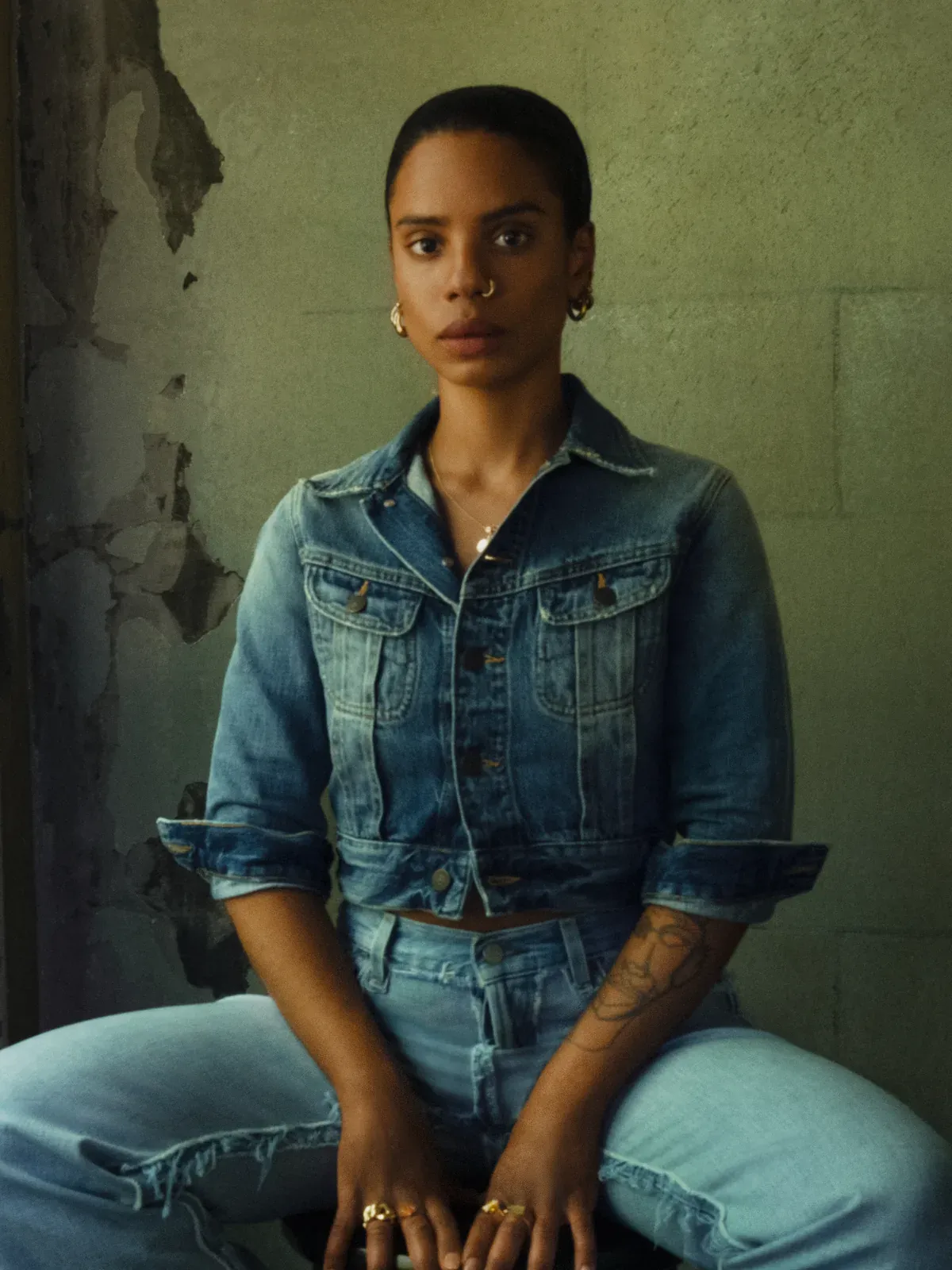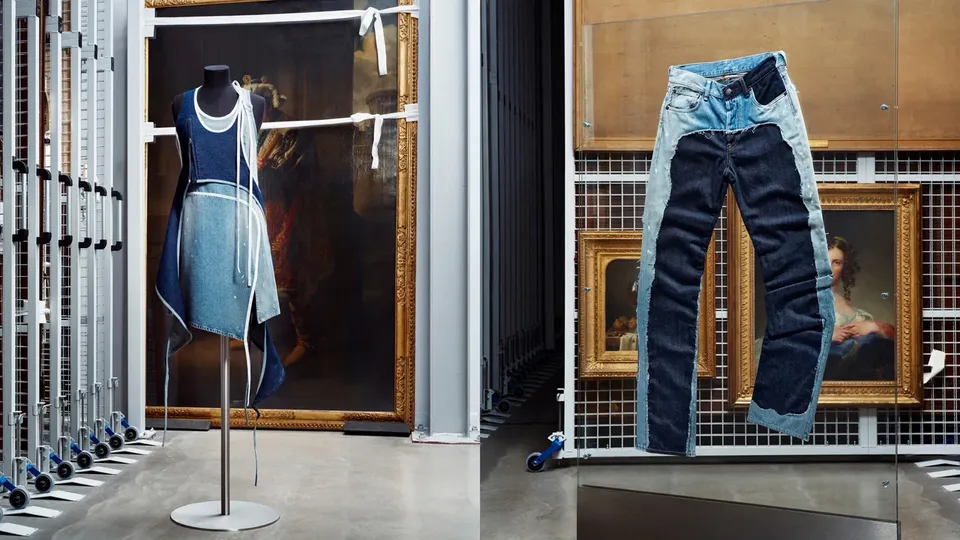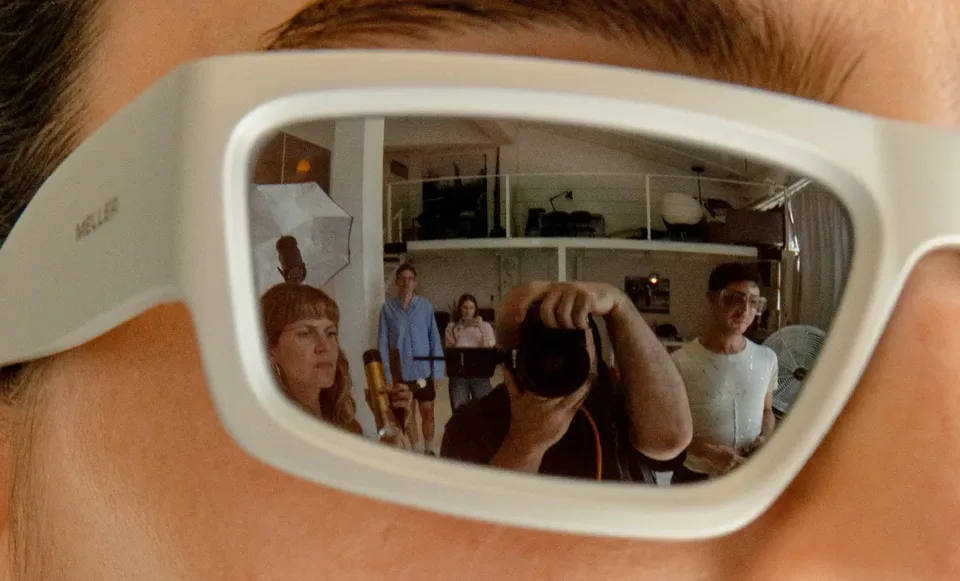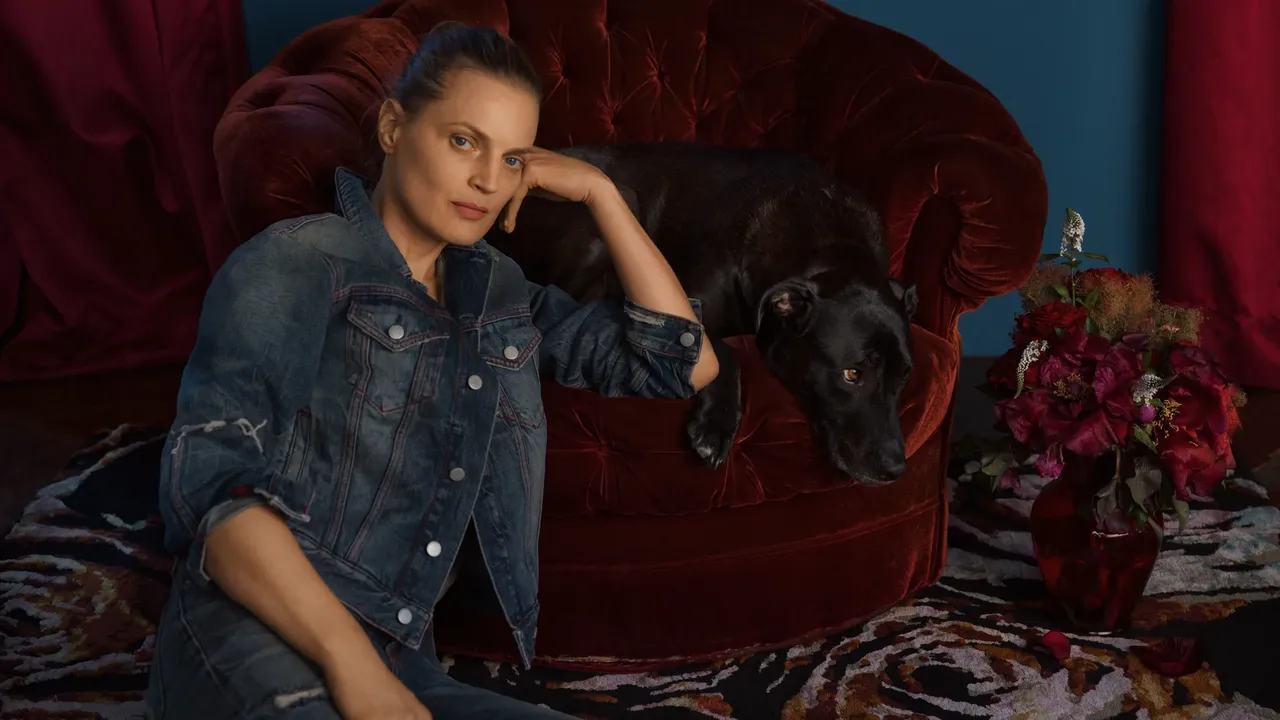
Thirty years is a long time — long enough for a pair of jeans to be bought, worn into submission, rediscovered at the back of a wardrobe and somehow look better for it. Acne Studios knows this. For its F/W 2026 campaign, the Stockholm house returns to the material that started it: denim, photographed by none other than Nan Goldin, with the unvarnished intimacy that has made her one of the most important image-makers of the last five decades.
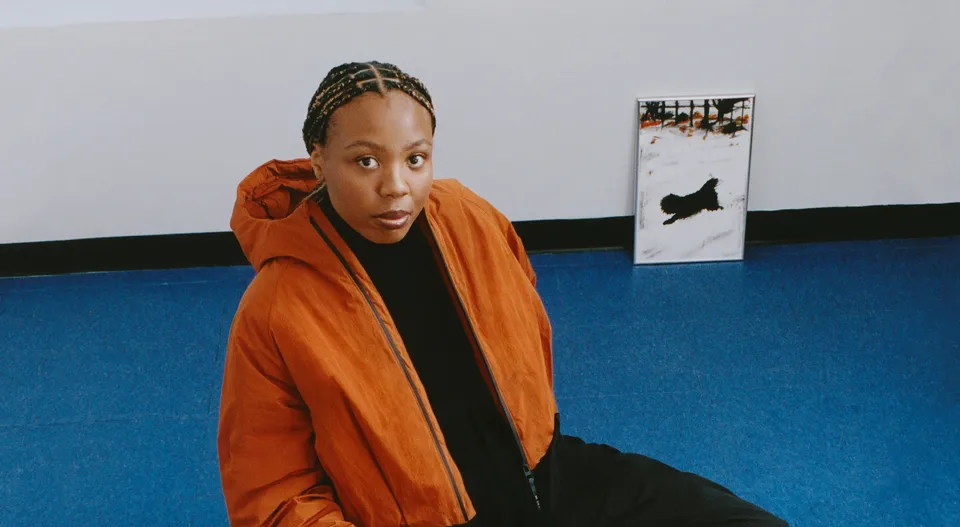
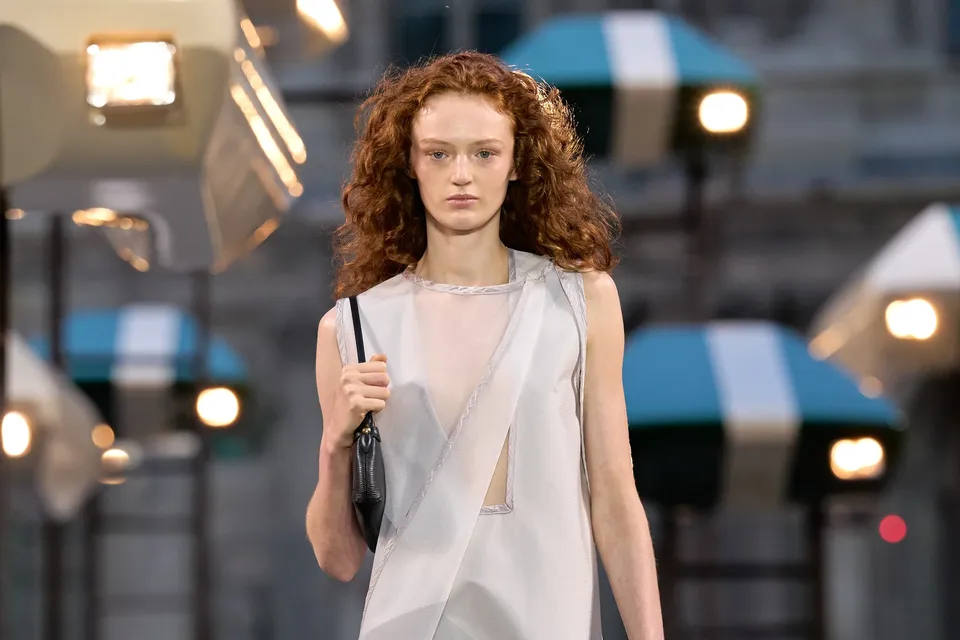
The anniversary is not being treated as a museum display. Instead, Goldin turns her camera towards friends from the Acne universe: musician Ellie Rowsell, Guinevere Van Seenus, Jonathan Lyndon Chase, Jordan Hemingway, Juliette Lewis, Peter Schlesinger, Raya Martigny, Rila Fukushima and Sandra Poulson, among others. They wear current pieces, archive looks and re-editions, because good anniversaries remind us where we have been without pretending that the past was neater than it was.
Acne began in Stockholm in 1996 with a hundred pairs of raw jeans marked by red stitching along the seams. Back then, the name was an acronym for ‘Ambition to Create Novel Expressions’, which sounds almost disarmingly earnest now, but the instinct was there: Johansson and his collaborators gave the jeans to artists, creatives and friends. It was a small gesture with a big afterlife. By 2006, Acne had become Acne Studios; since then, its Scandinavian clarity has kept rubbing up against something stranger, more playful and less obedient than the minimalism usually attached to the region.
Johansson describes denim as ‘the perfect canvas’. “We’re rooted in it,” he says. “It’s a material of today that also ages and becomes something else through its story. Denim personalises itself through wear — it becomes yours.” That is the campaign’s premise: not denim as a logo-bearing commodity, but as a surface that collects a life. Goldin is ideal for that idea. Her photographs understand clothes as part of a biography; not costume, not styling shorthand, but evidence of where somebody has been and how they chose to be seen.
It matters that a photographer of Goldin’s stature has agreed to make this campaign. Her presence does not automatically make a fashion image profound, of course, but it does bring a history of looking that can’t be faked by a moodboard. Johansson says he wanted “an icon”, but also “something very intimate and personal”. “With denim, which is close to you, gritty, real, it made sense,” he adds. Goldin’s portraits give the clothes that sense of proximity: bodies rather than mannequins, personalities rather than casting types.
People in front of the lens understand the material from their own angles. Hemingway calls denim “history, childhood and freedom”; Chase, who has worked with Acne before, likes its “multifaceted materiality”. Fukushima recalls Goldin’s “unique way of seeing people, and capturing honest, intimate moments”, while Poulson praises the photographer’s humanity, thoughtfulness and care. Even Lewis puts it more plainly: Acne is “out of the ordinary, inventive, totally unusual”. Thirty years on, that may be the line worth holding onto.
Alongside the campaign comes a re-edition capsule, available from 3 September, with the low-rise 1996, the bootcut 2009 and a denim jacket in raw and lived-in washes. The before-and-after proposition is simple, but it lands: clothes are made new in a shop; style only begins once somebody takes them somewhere.