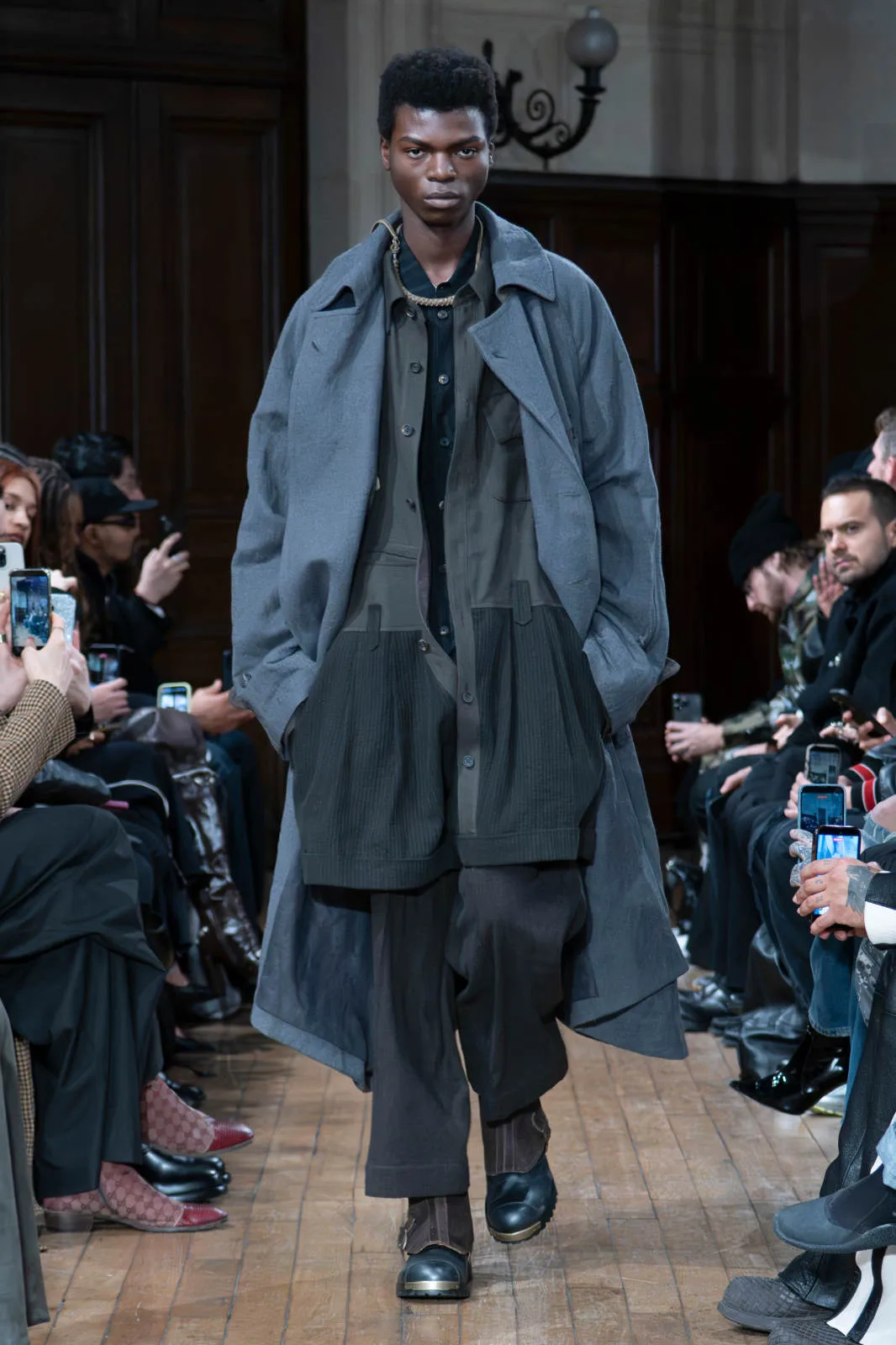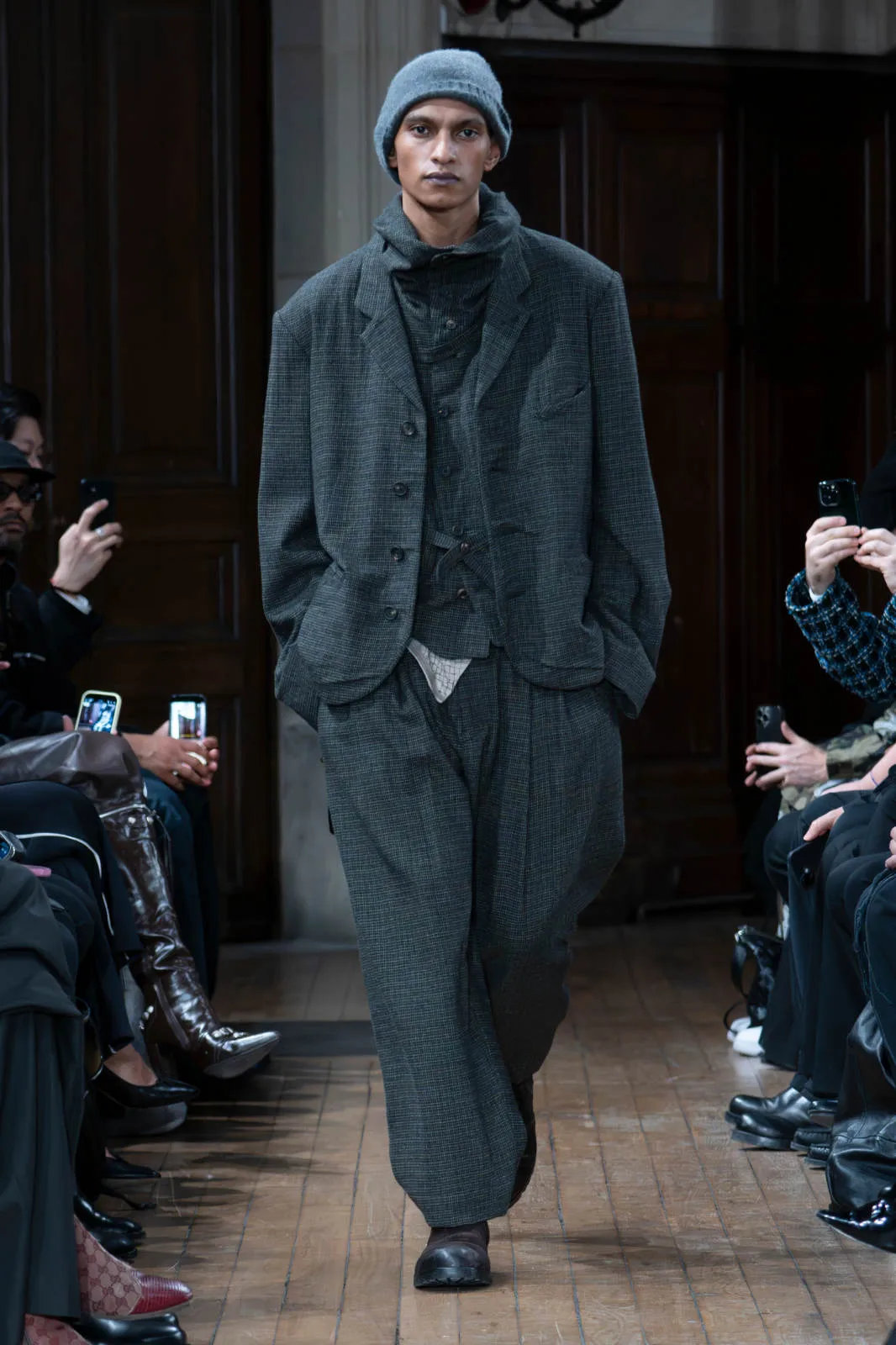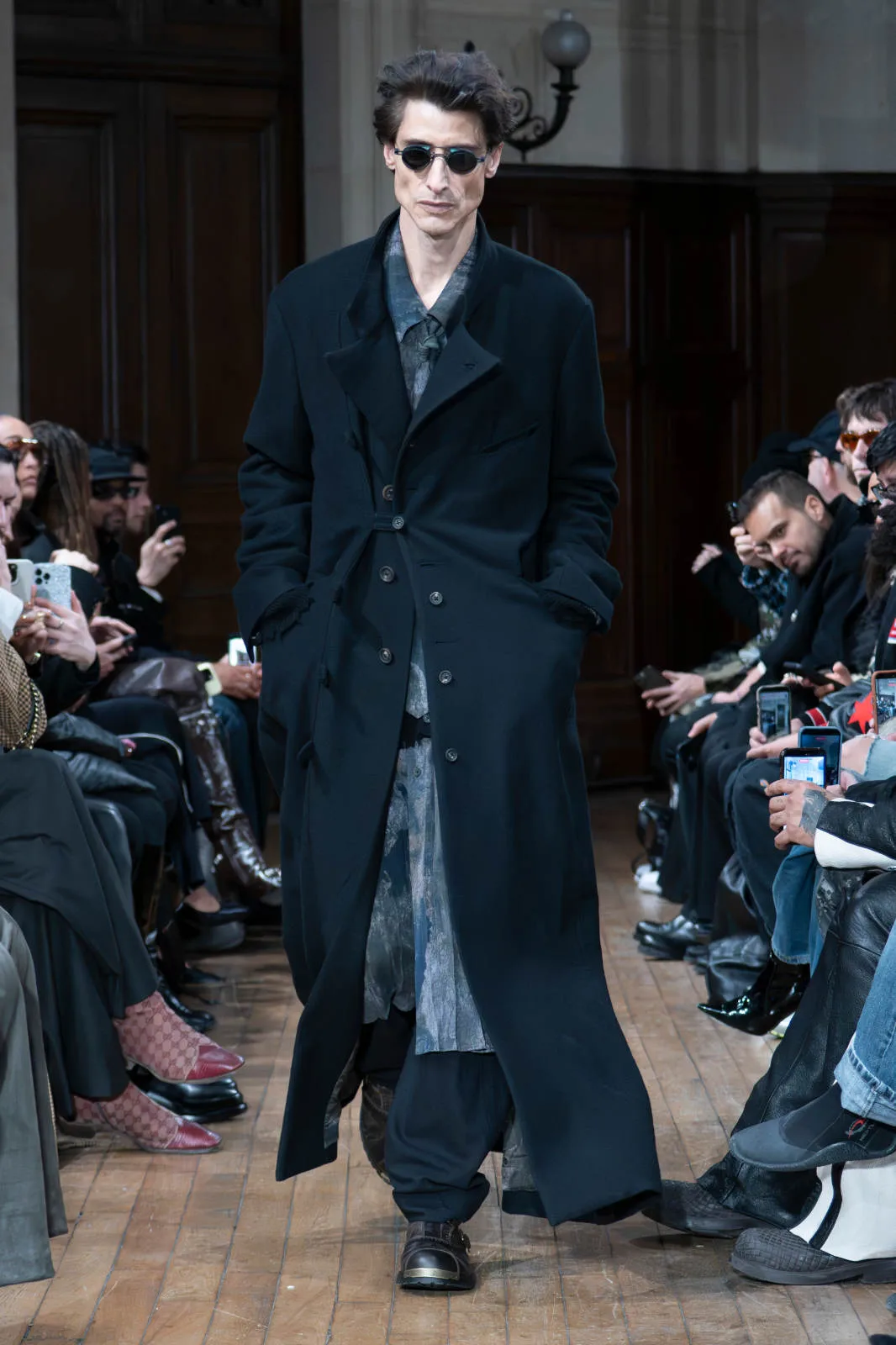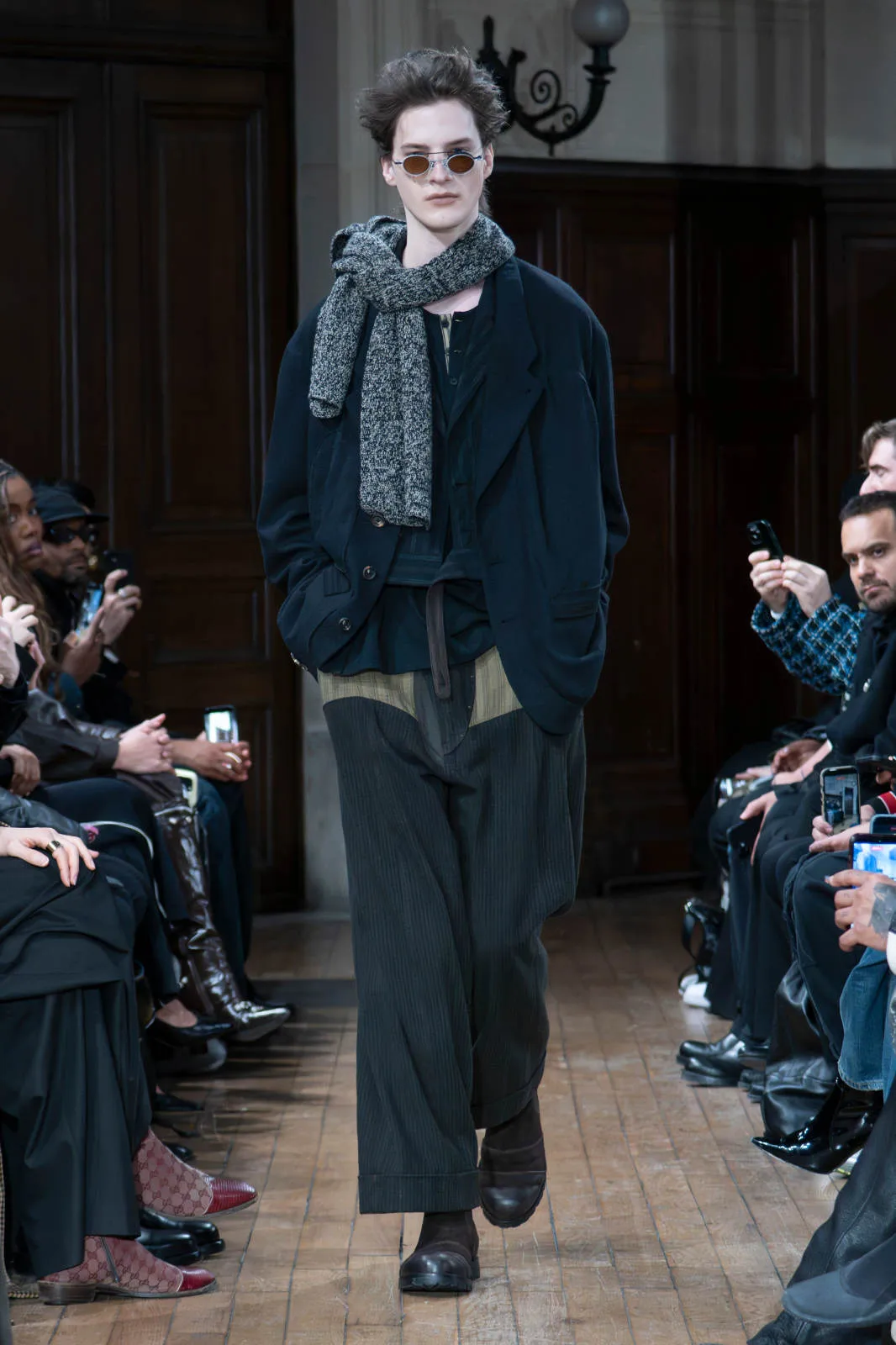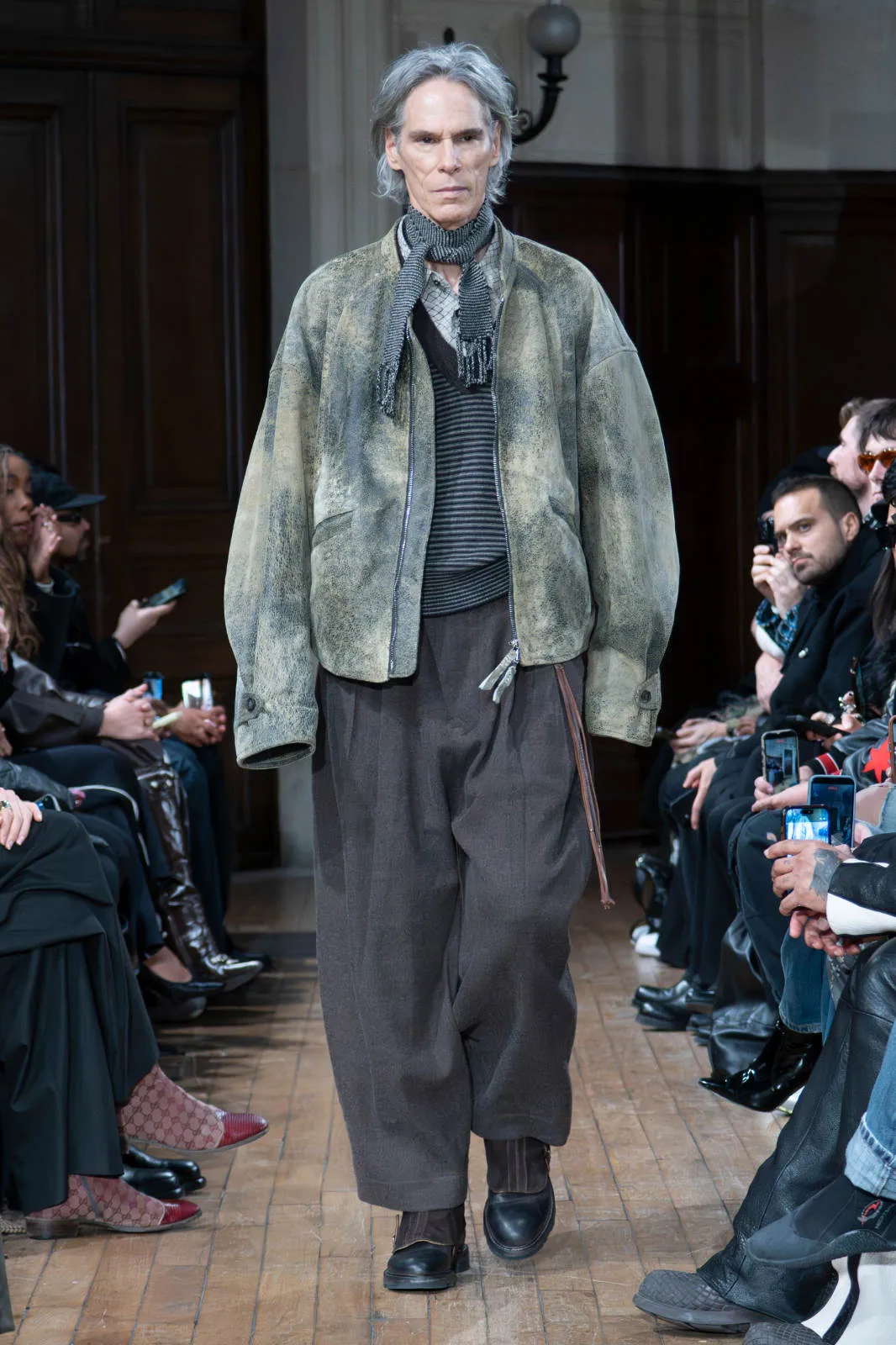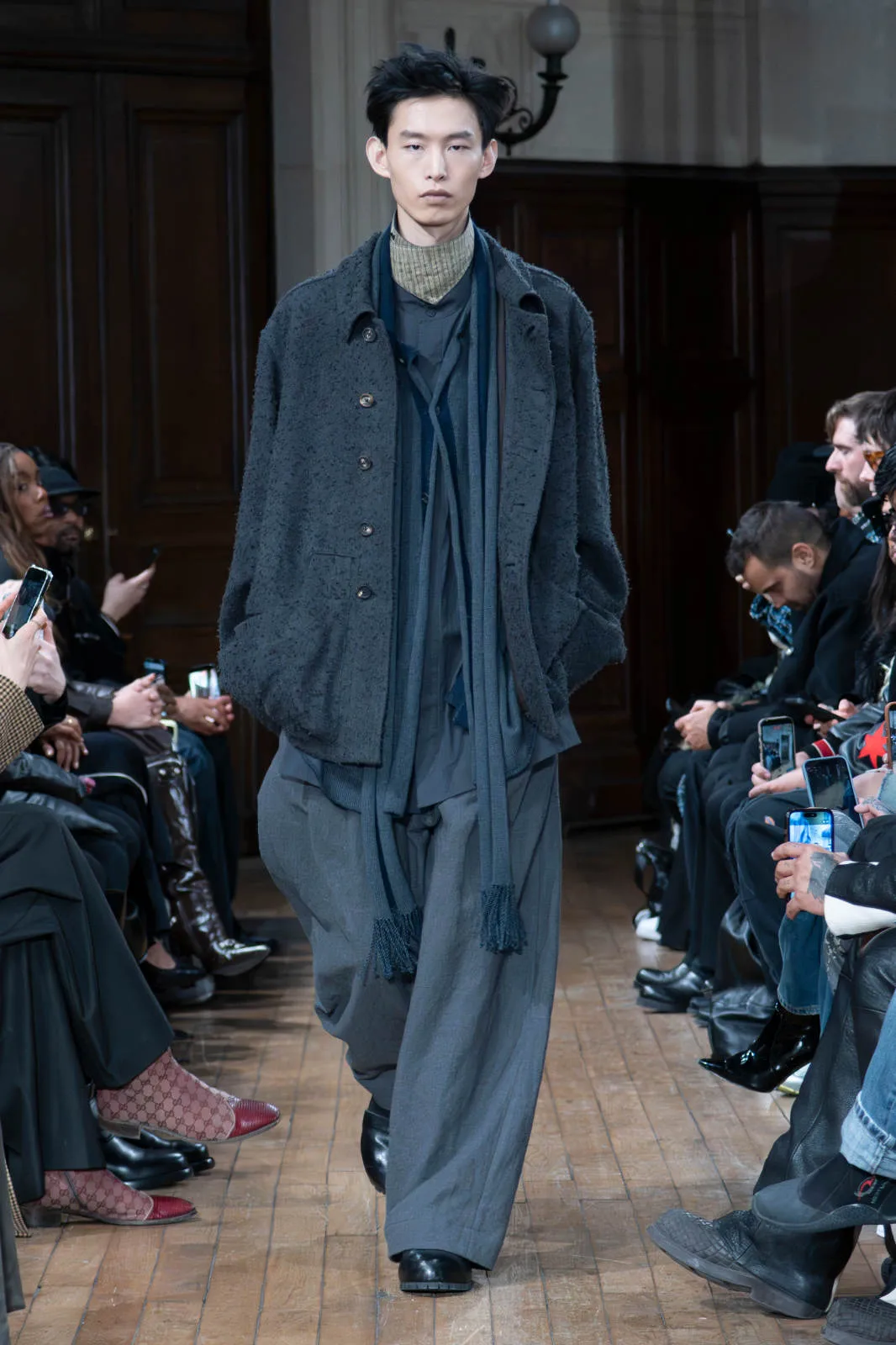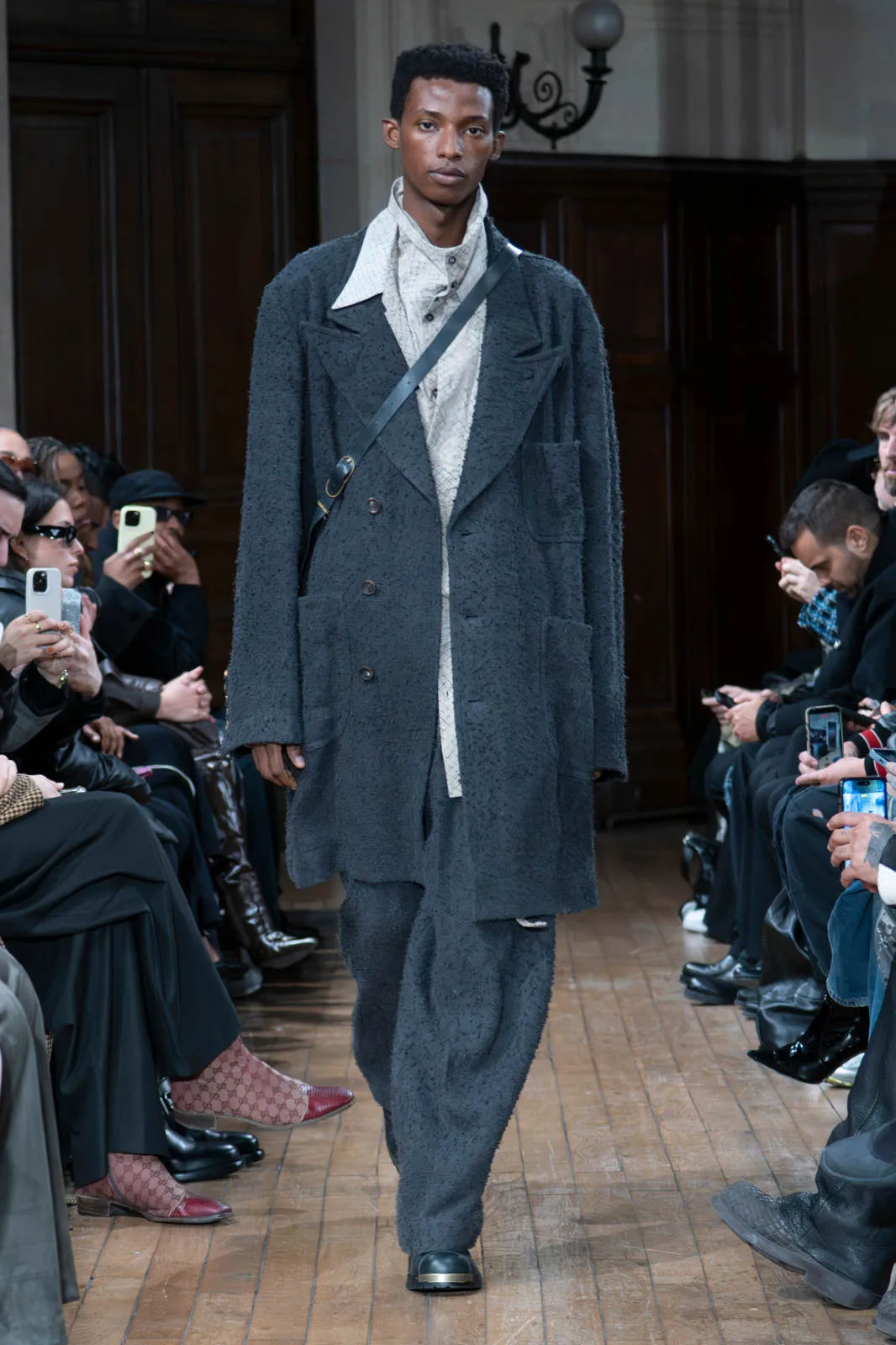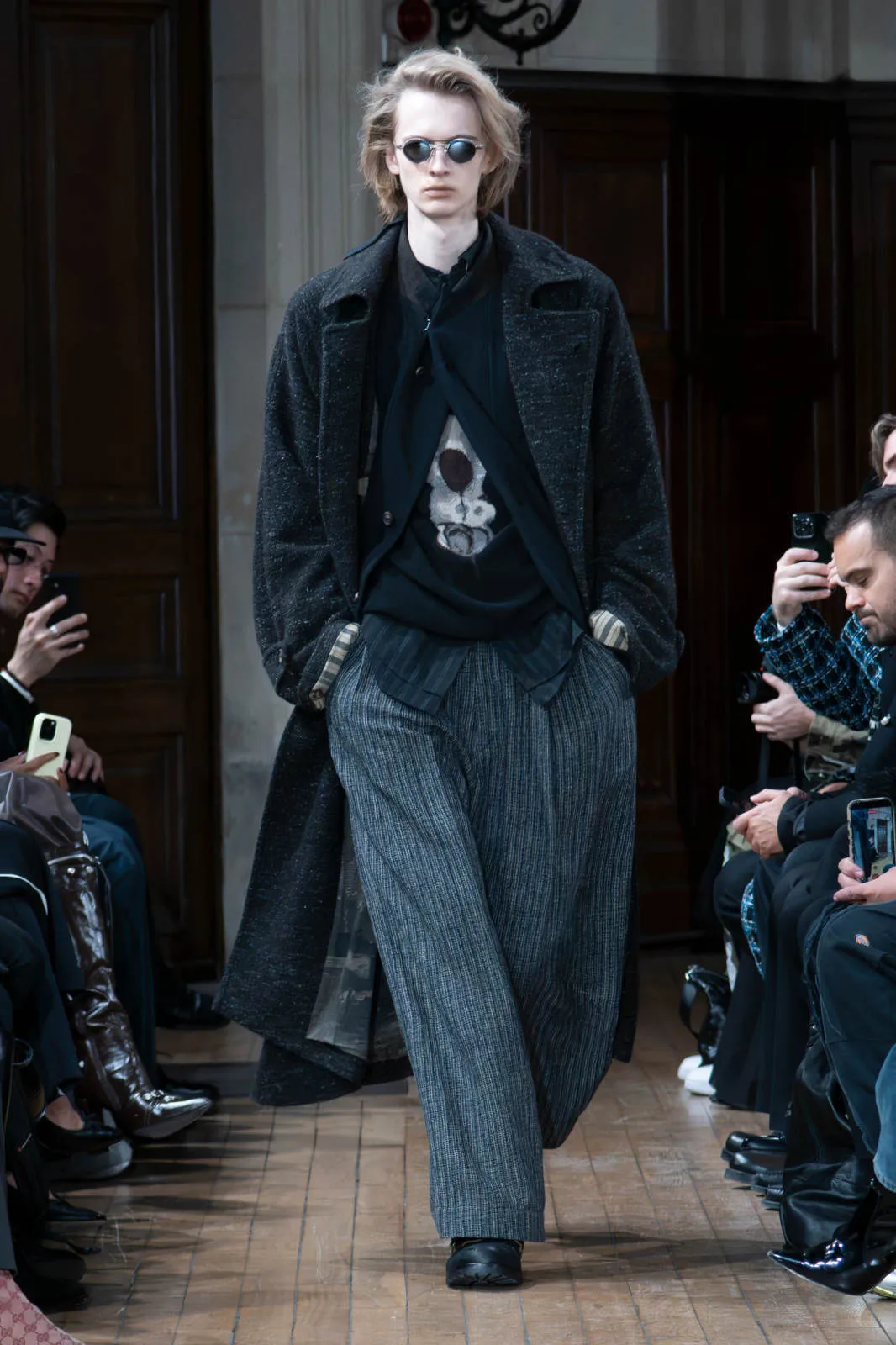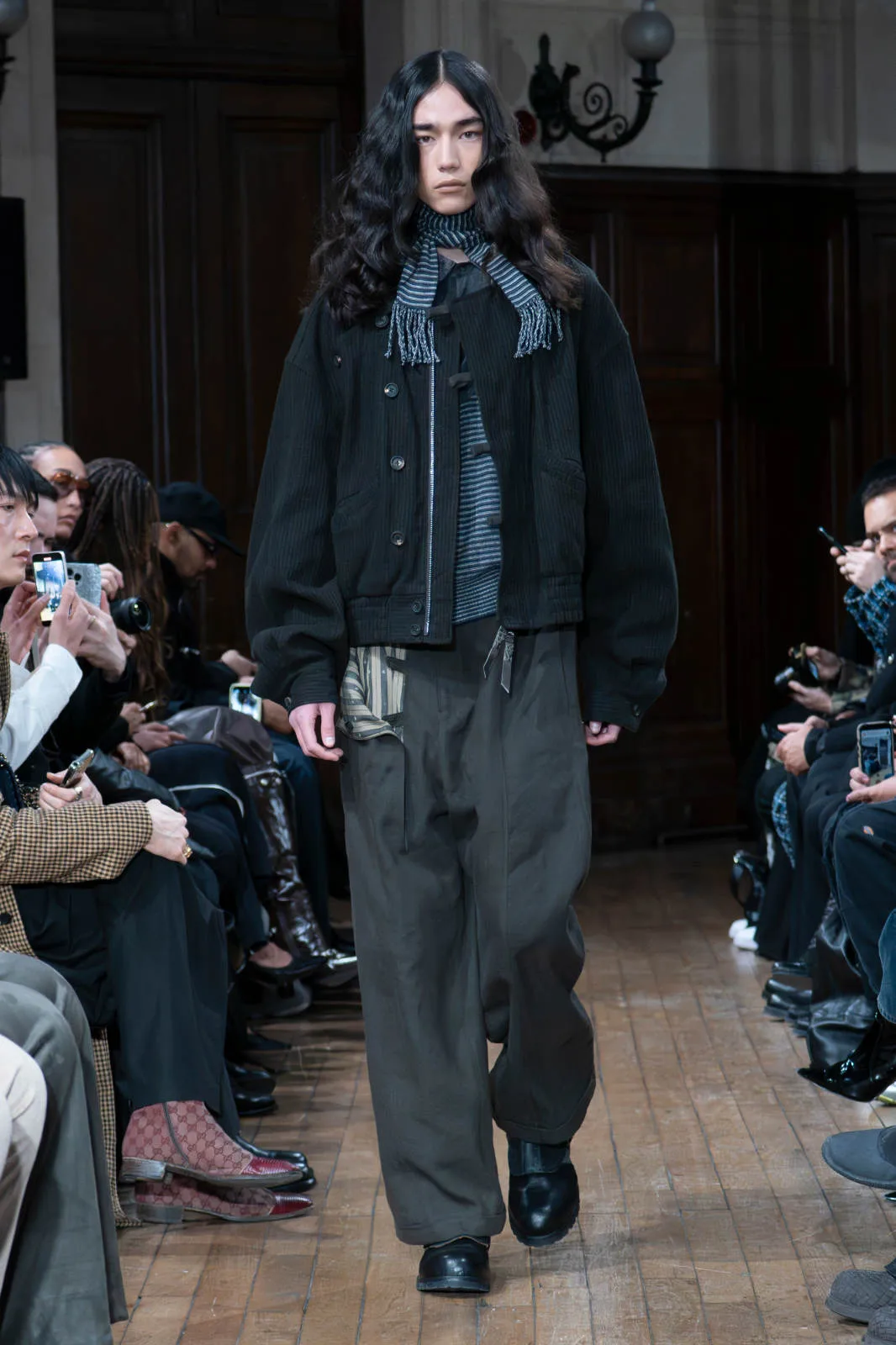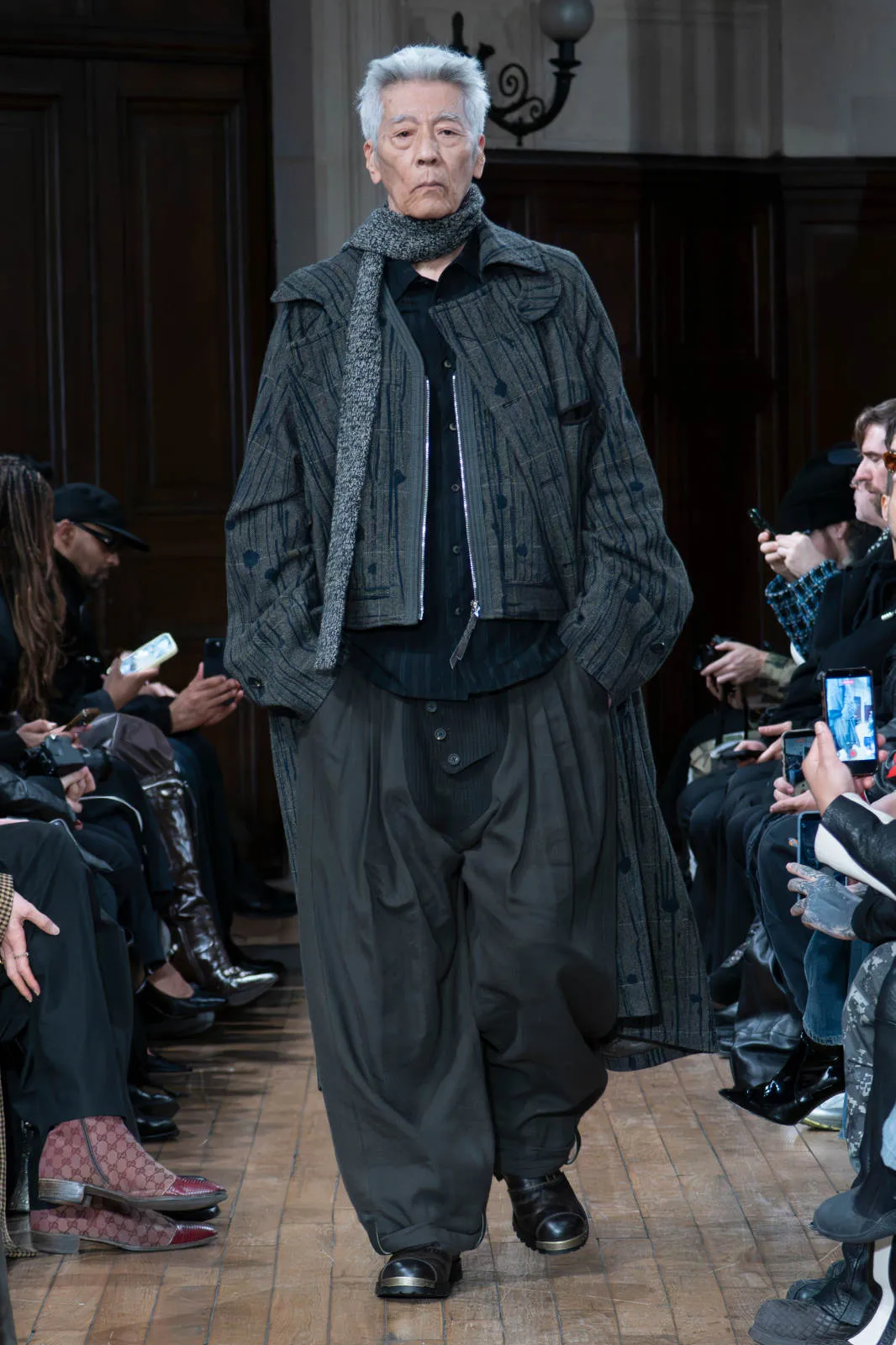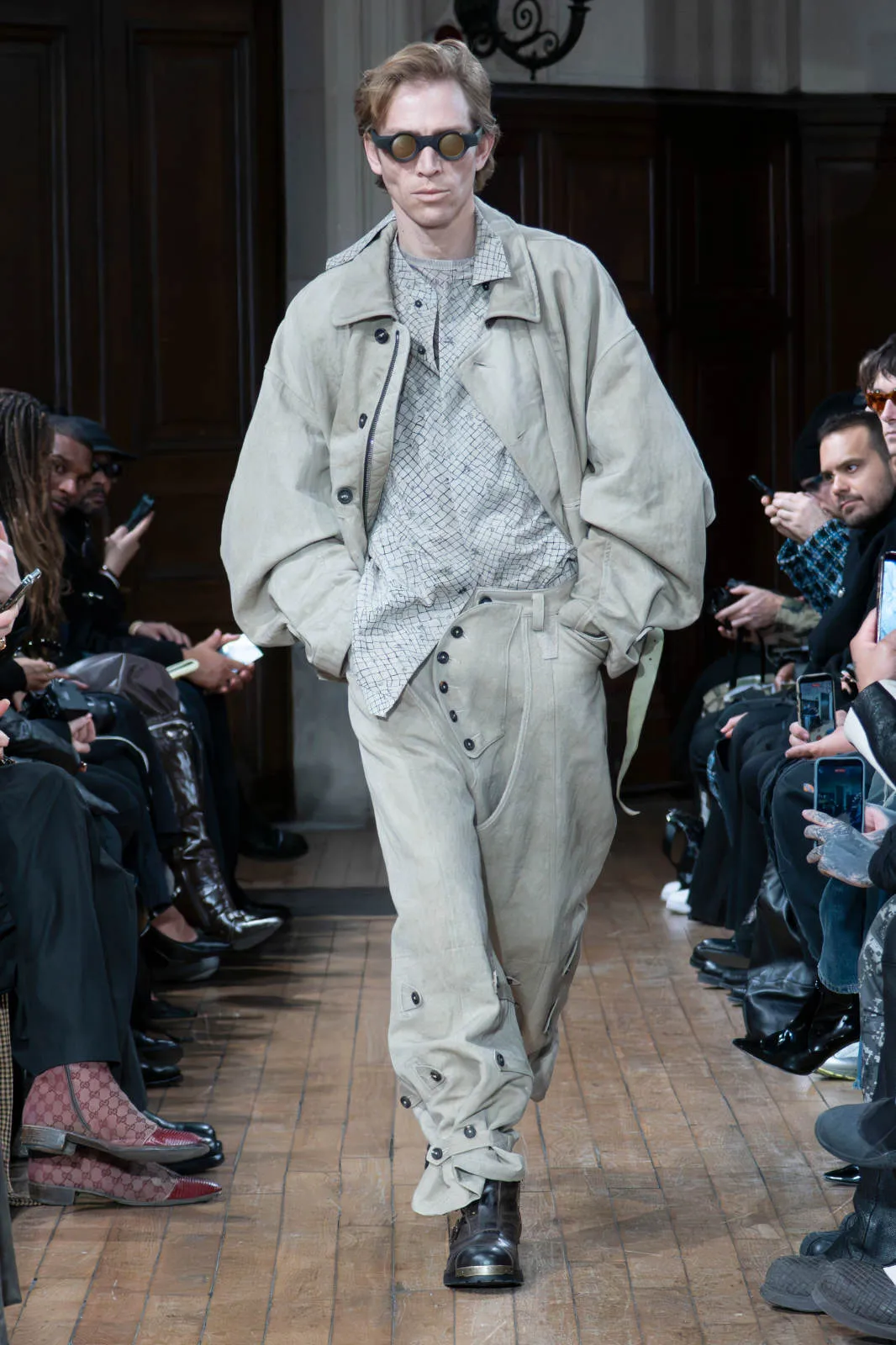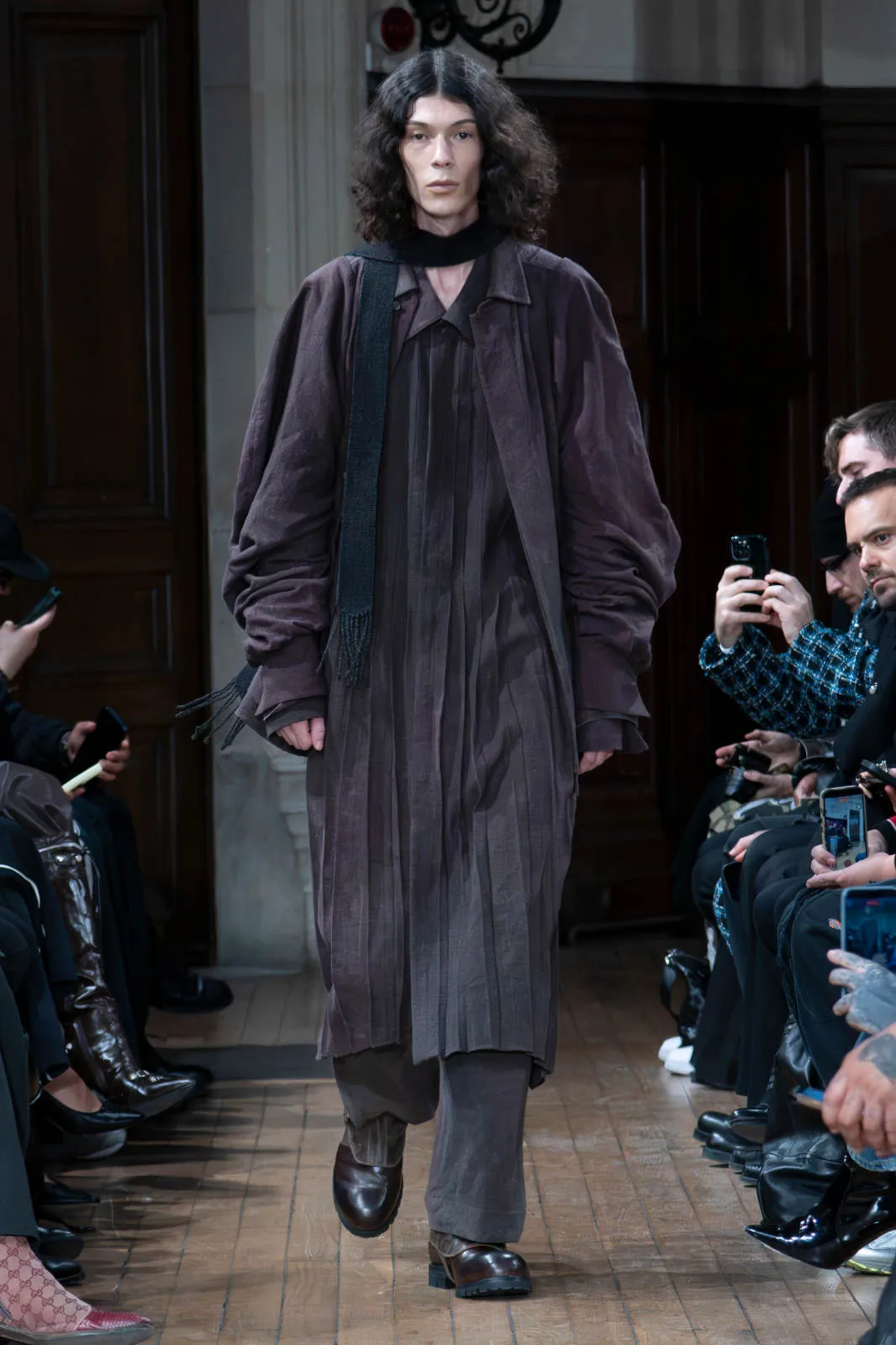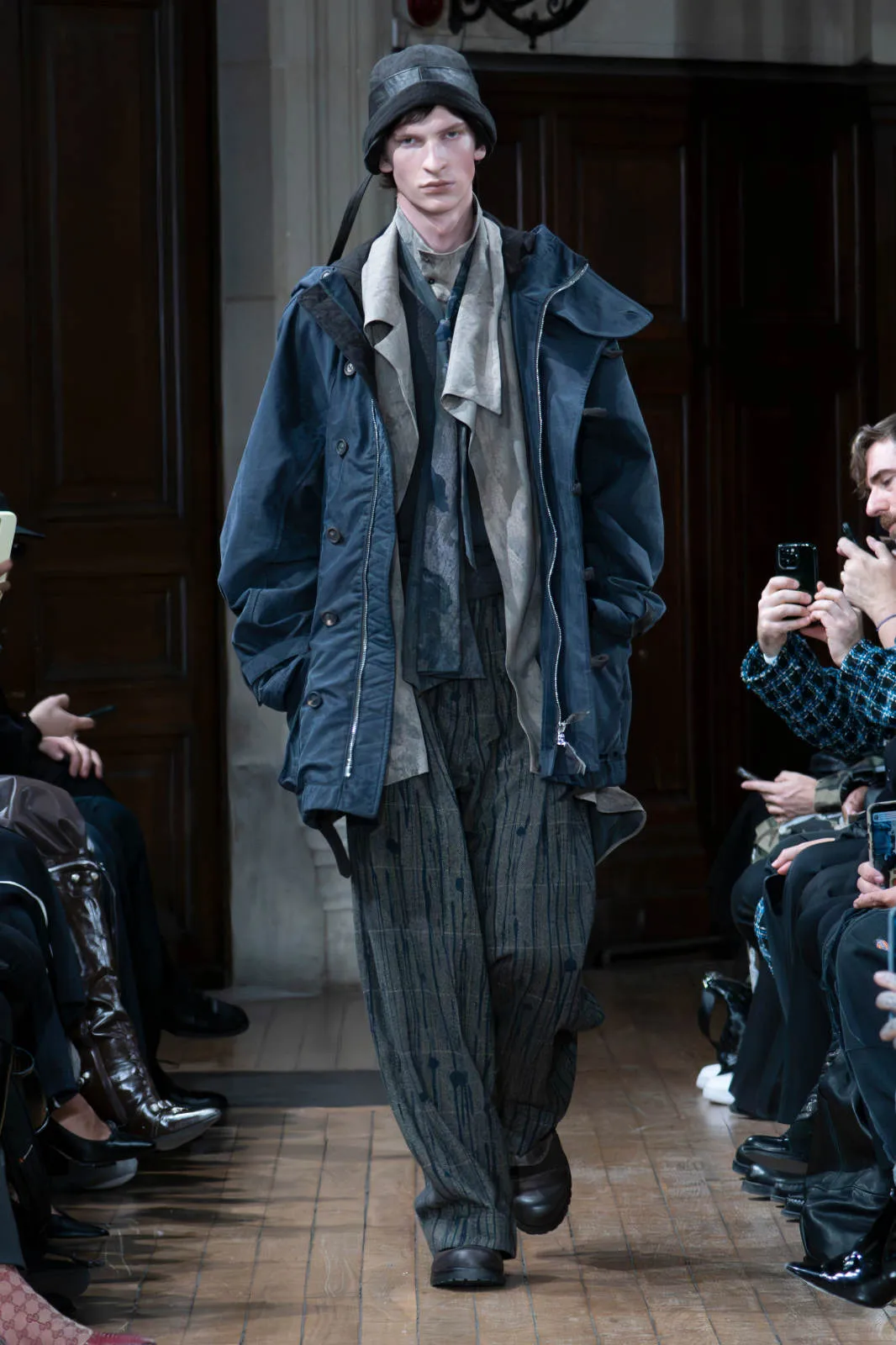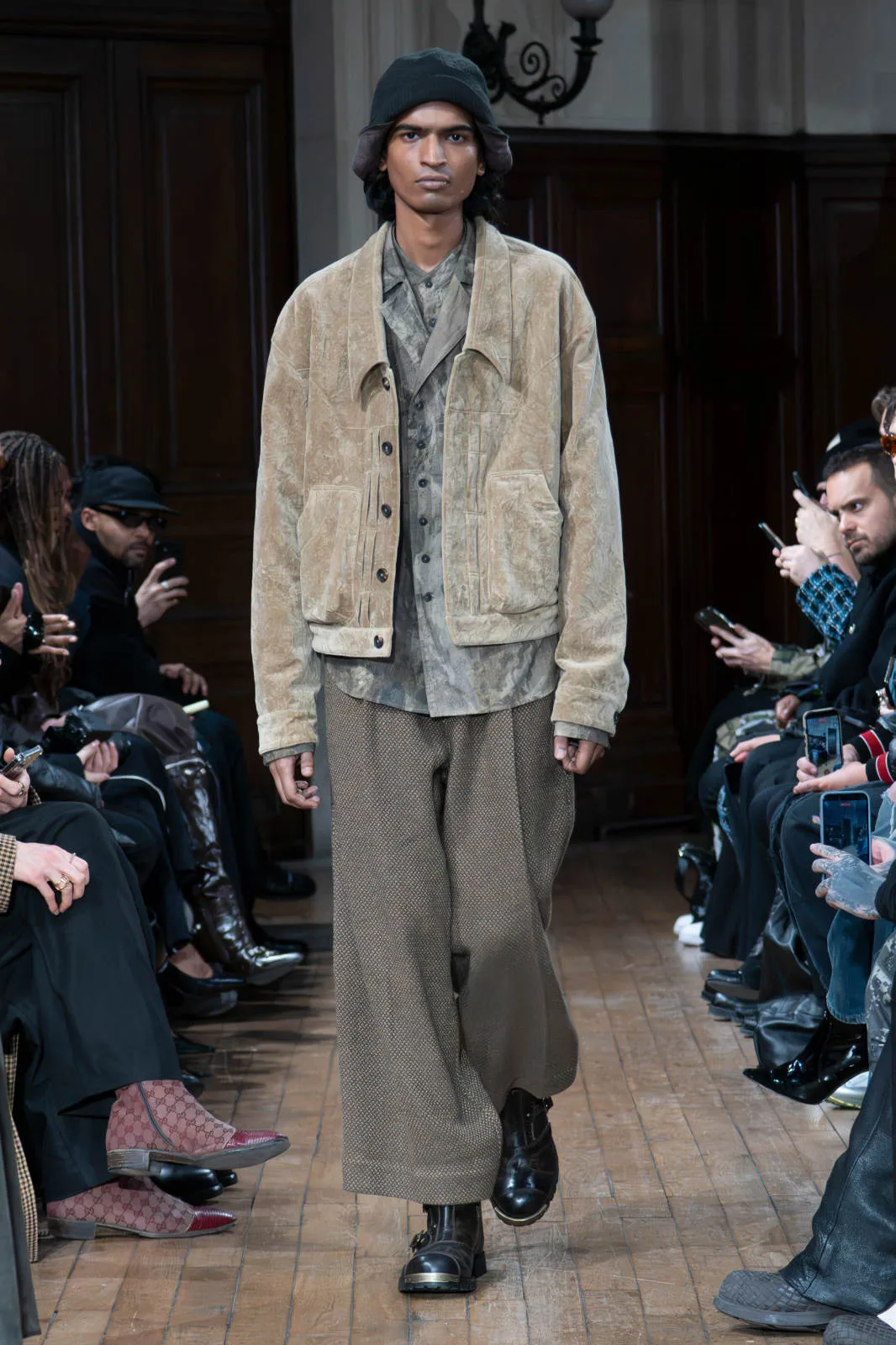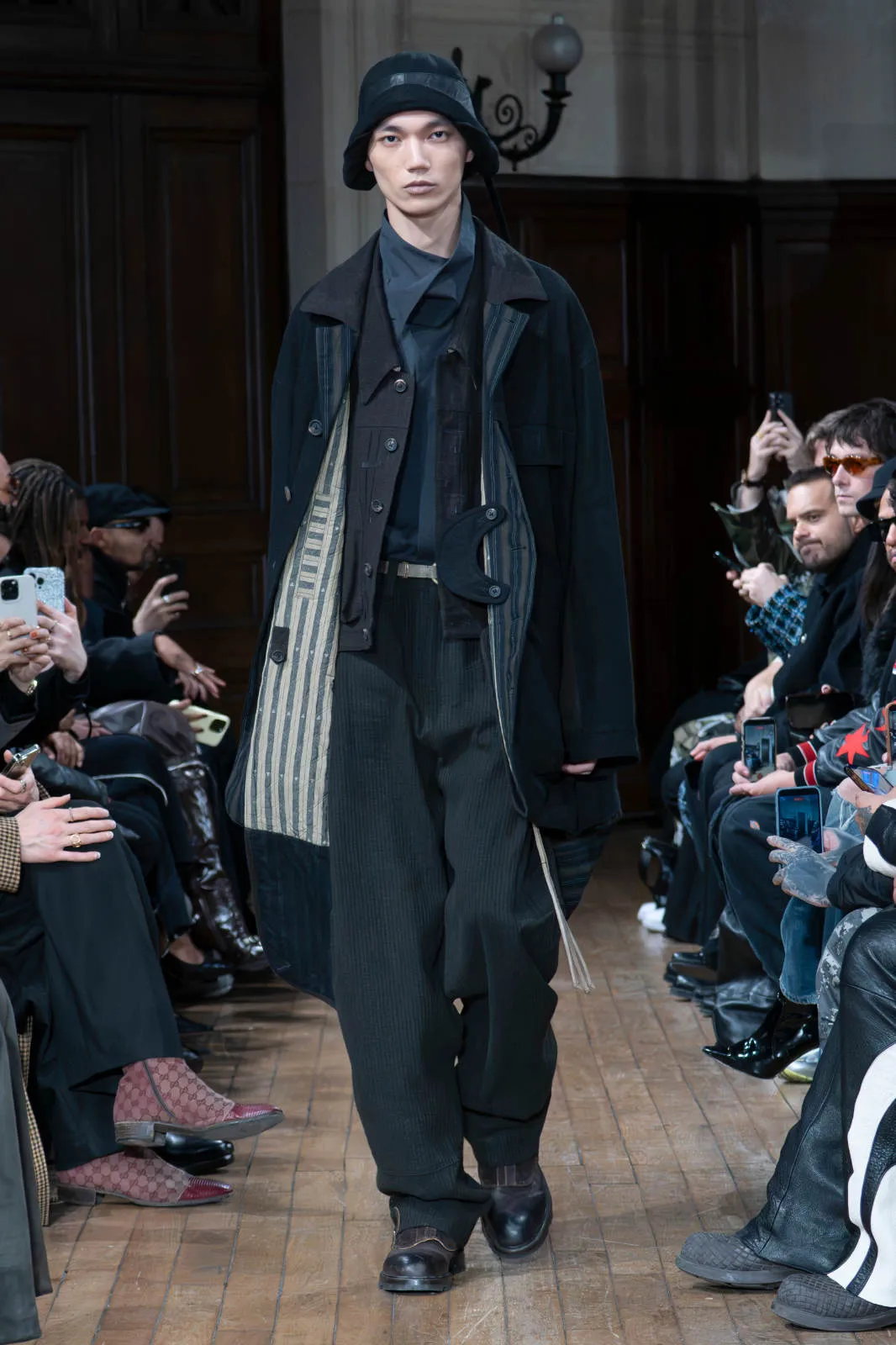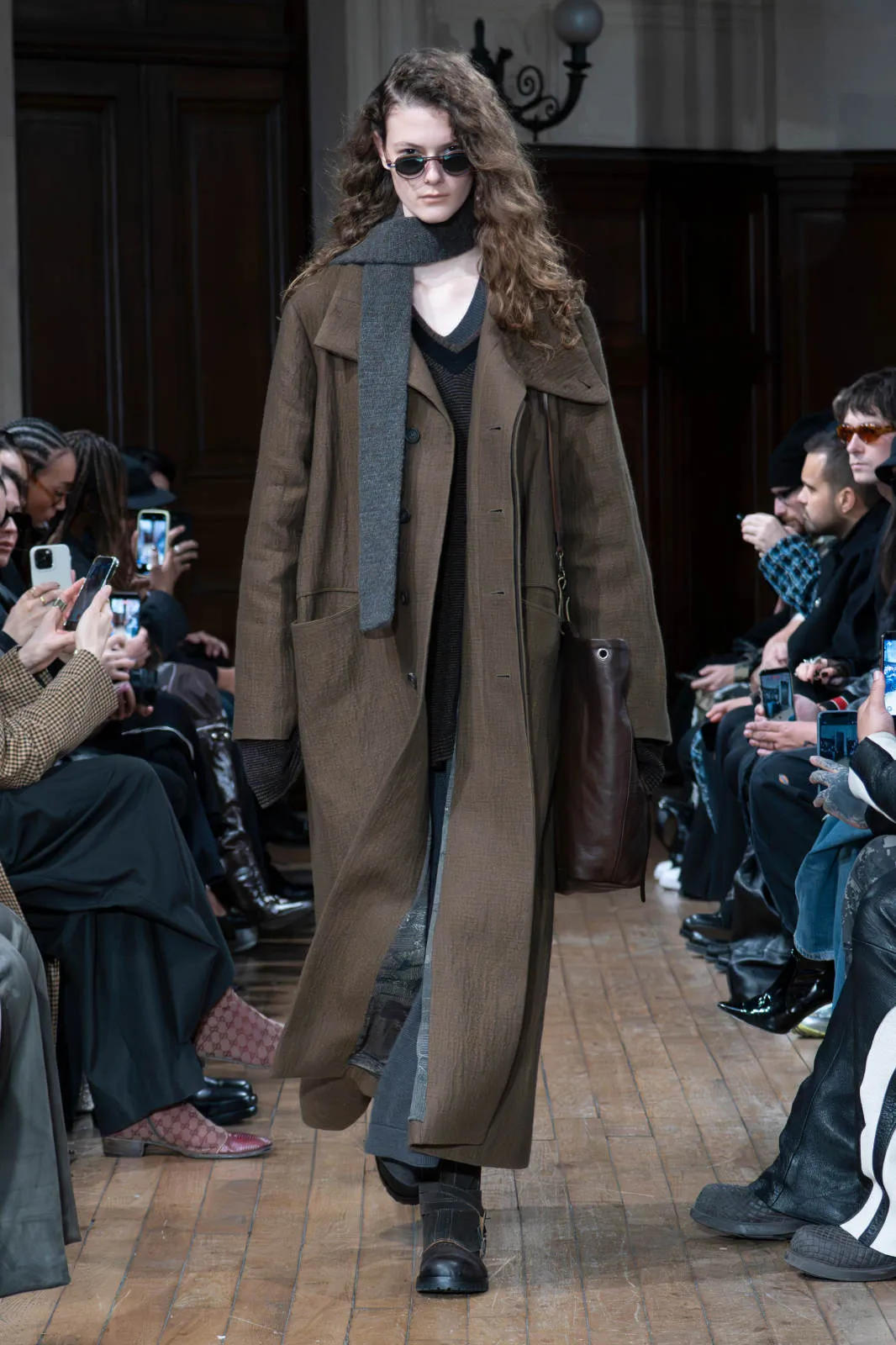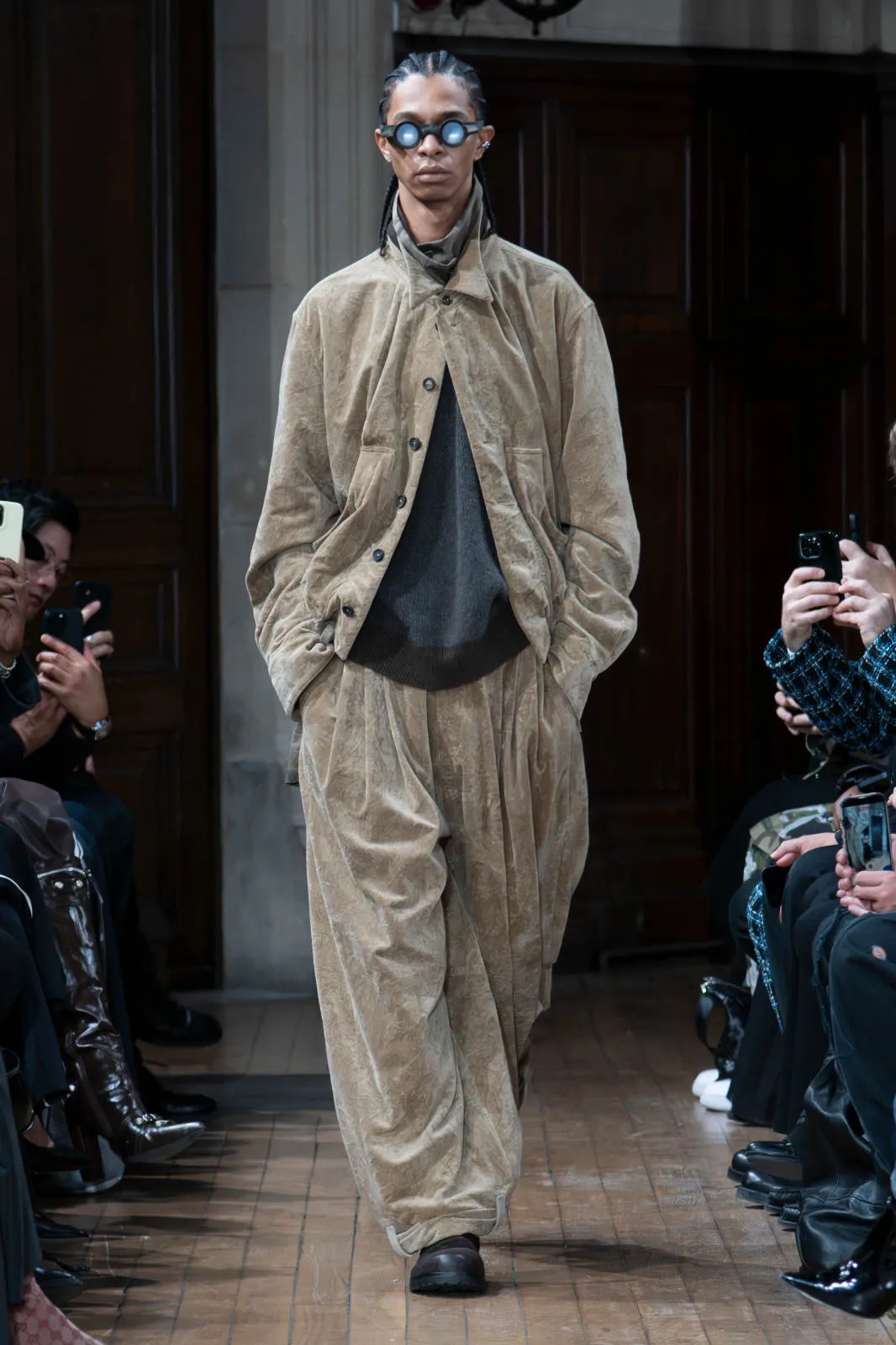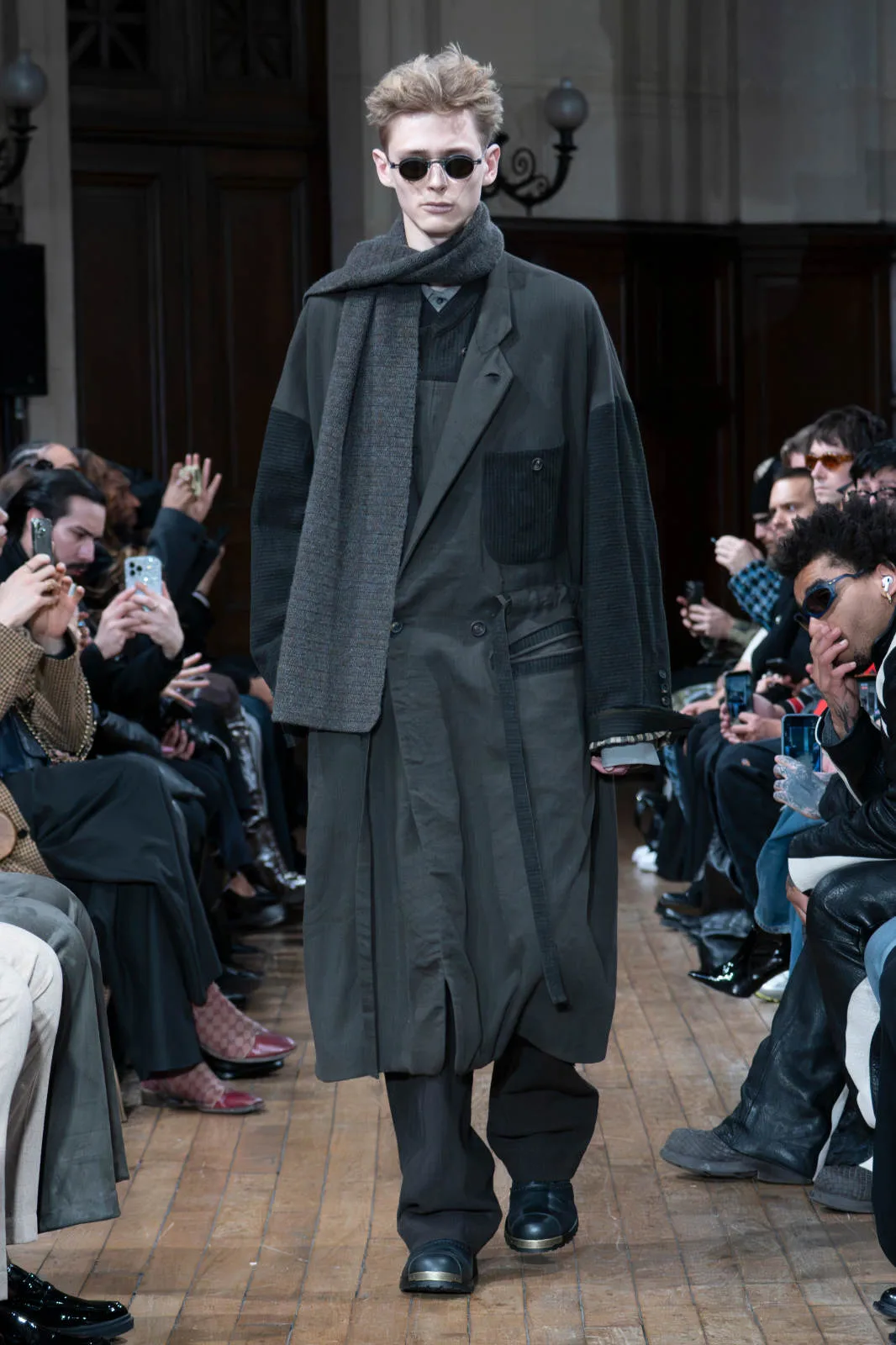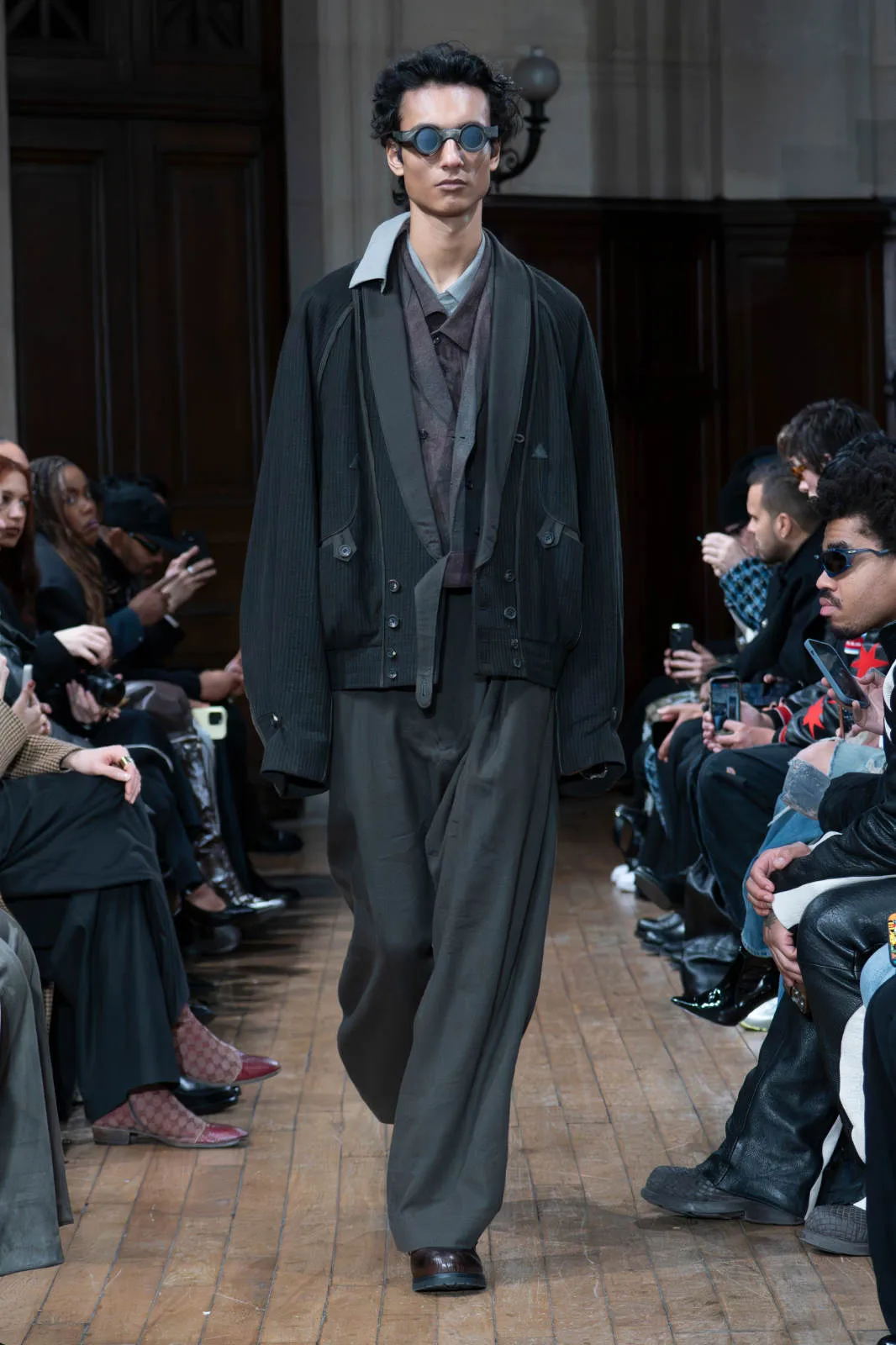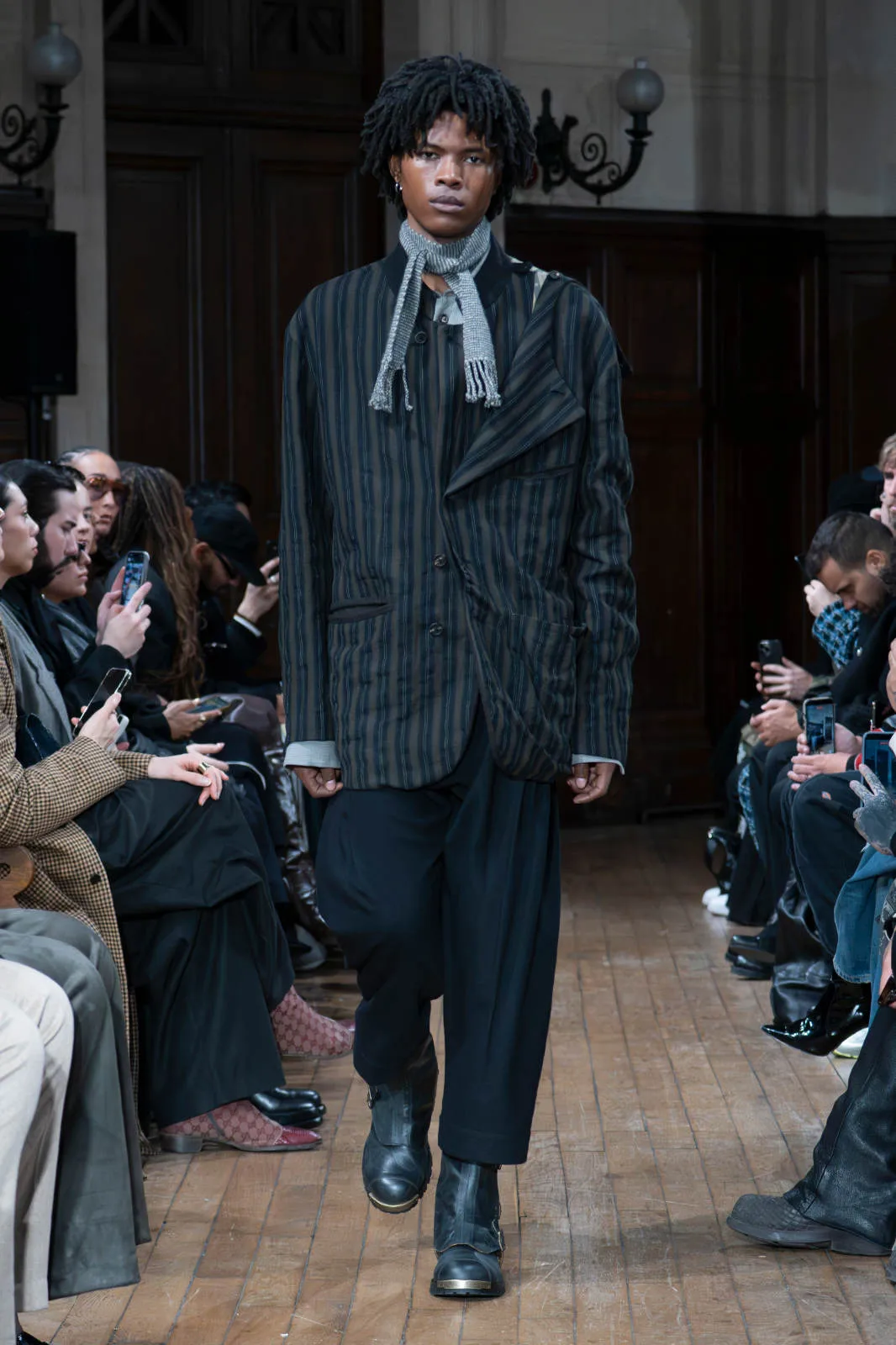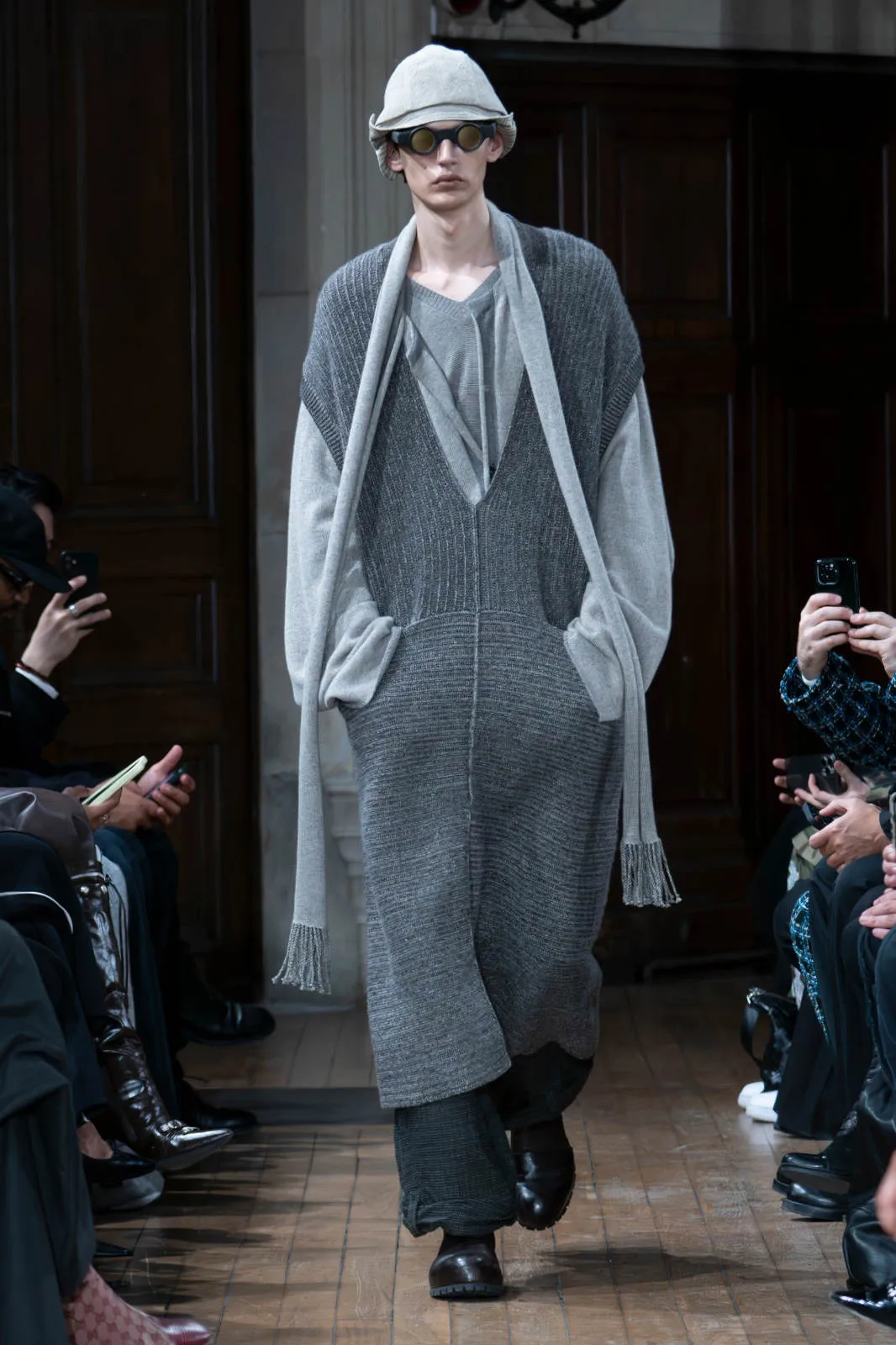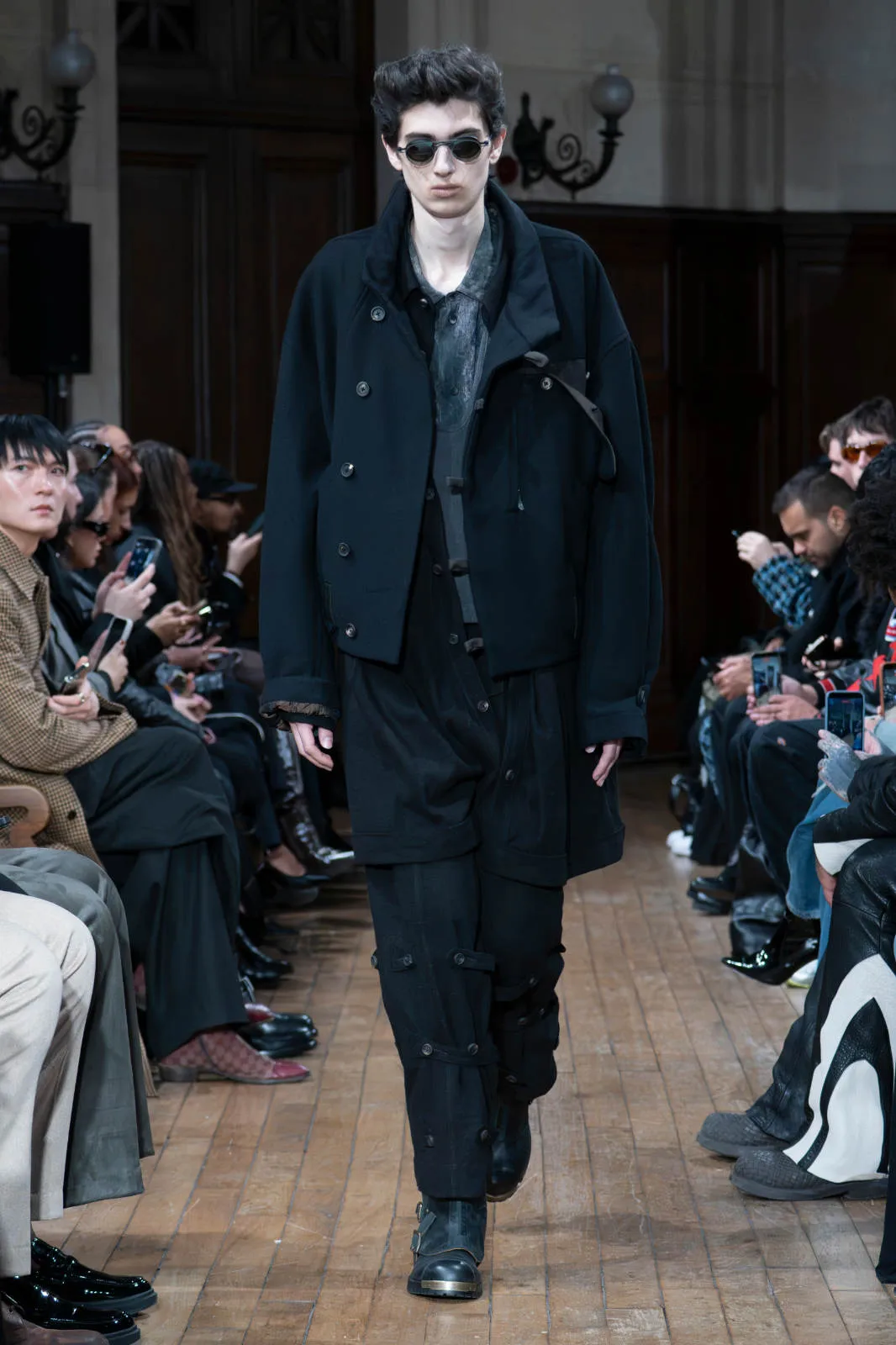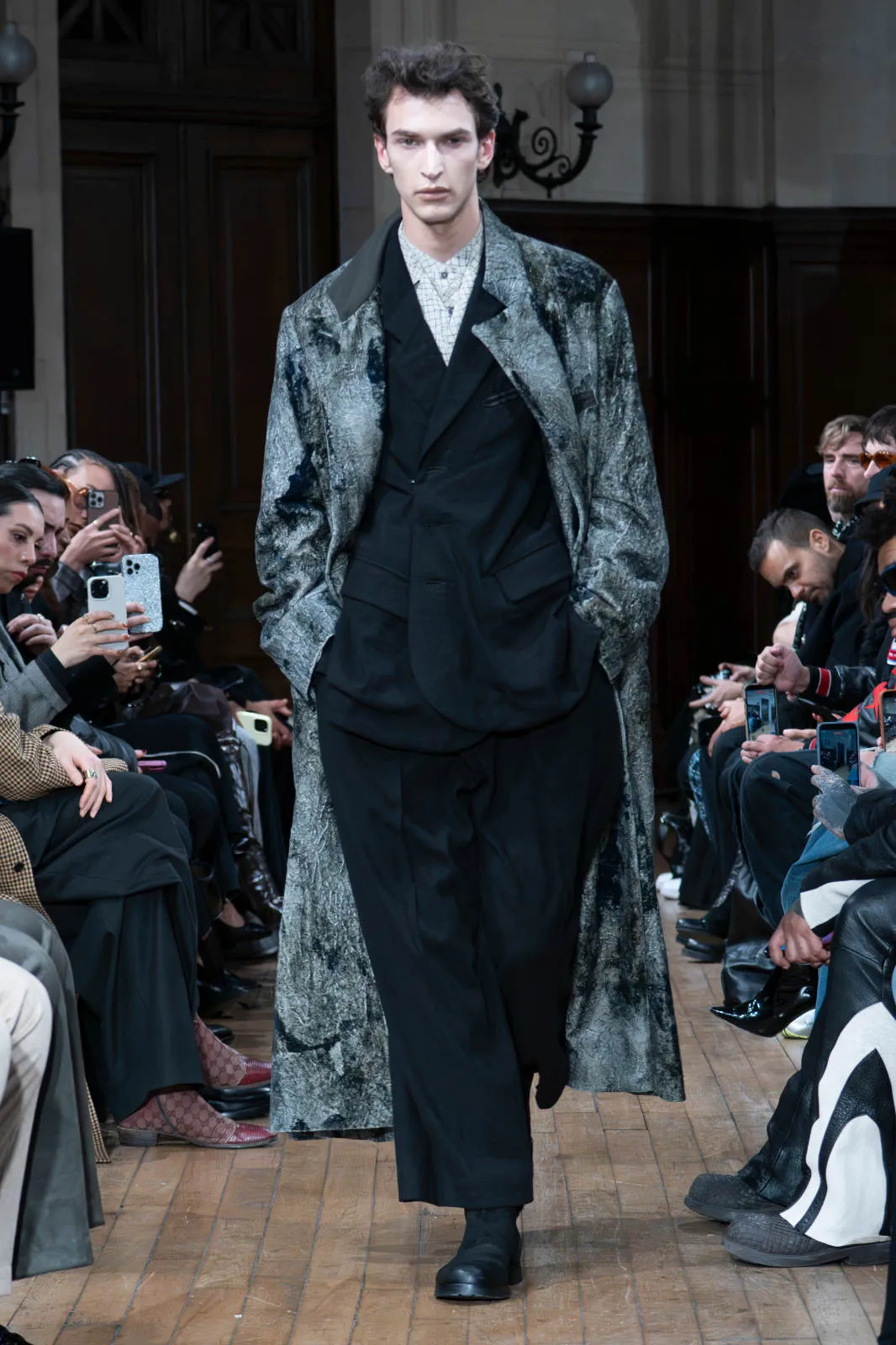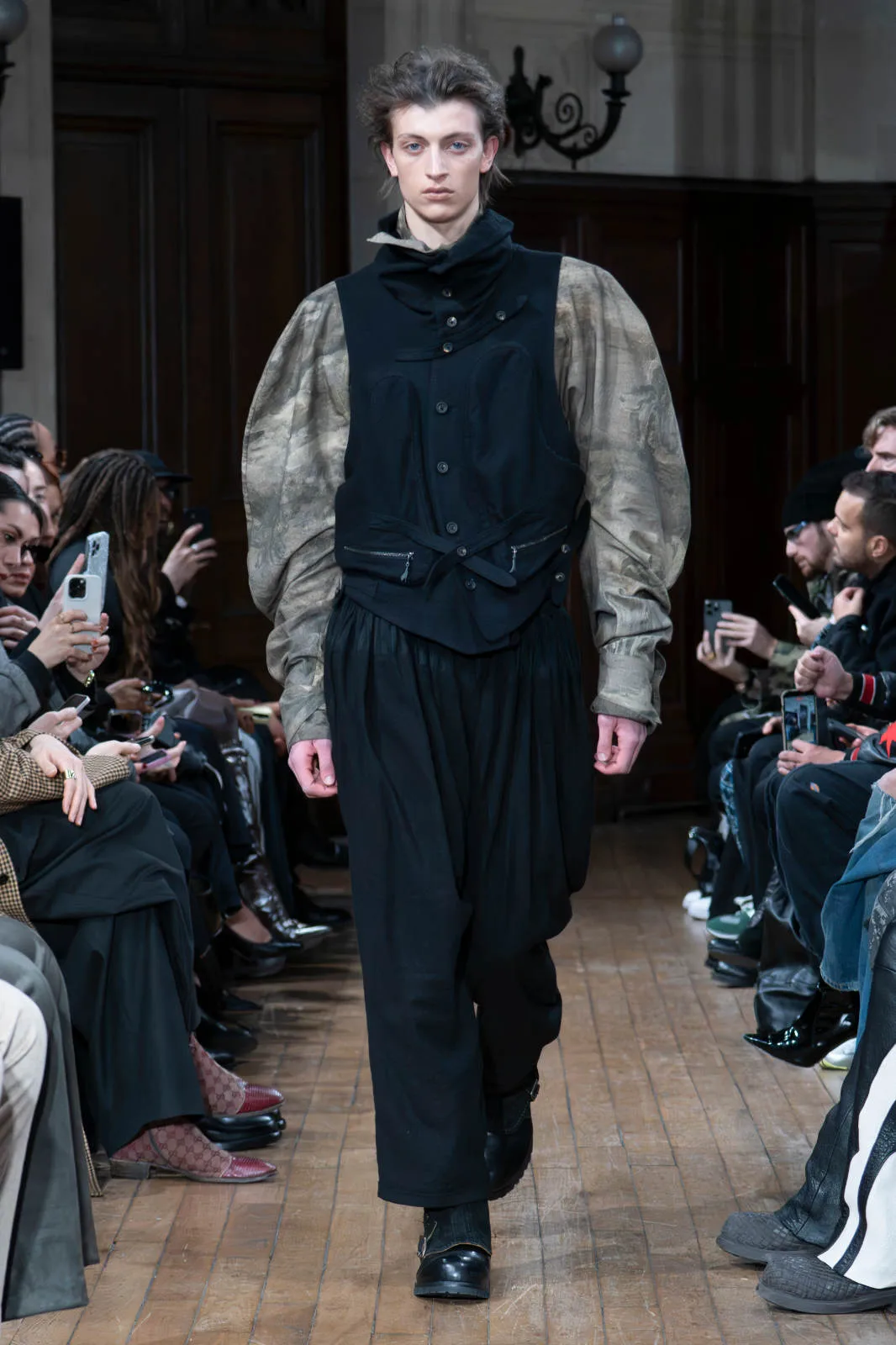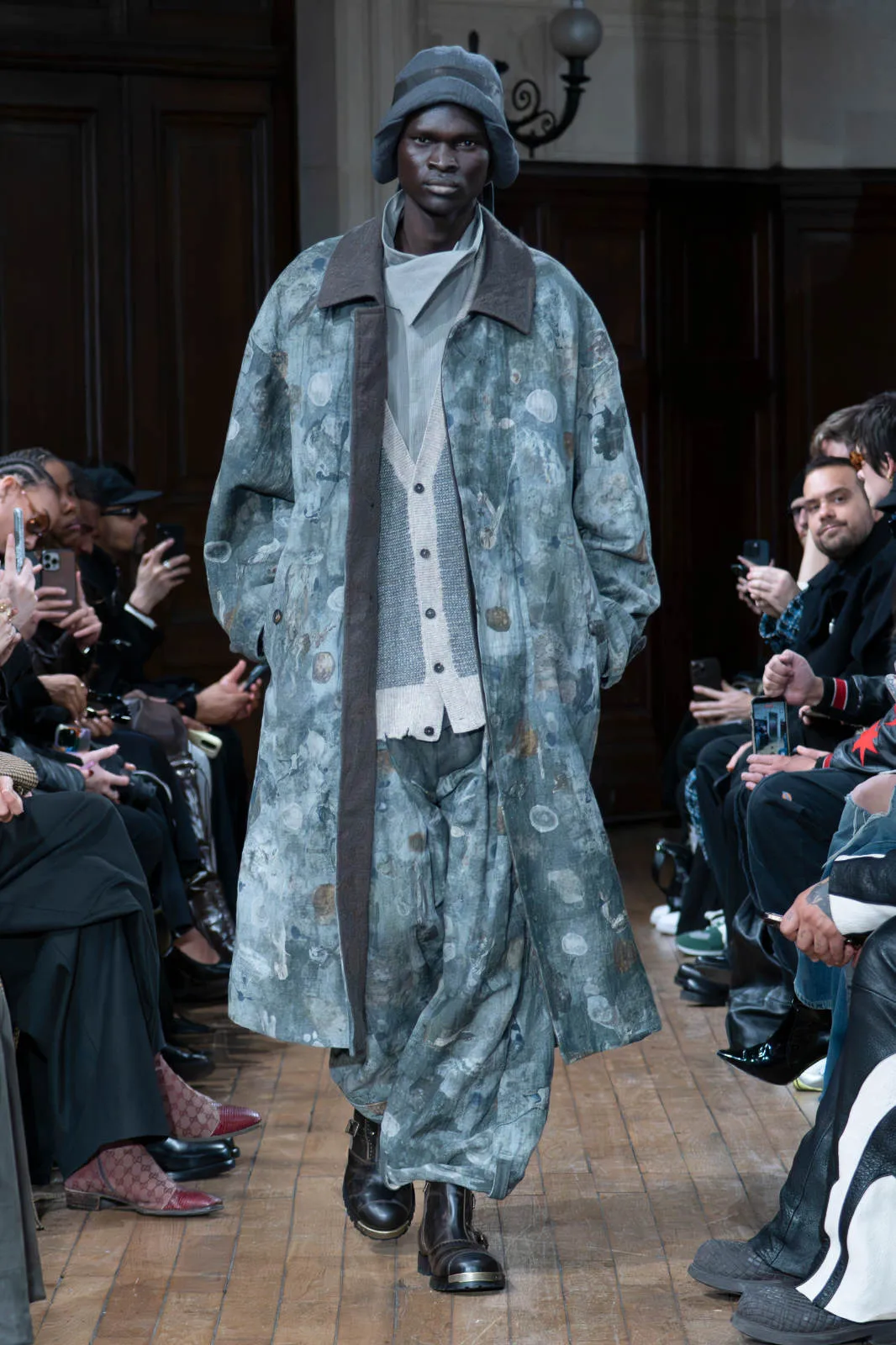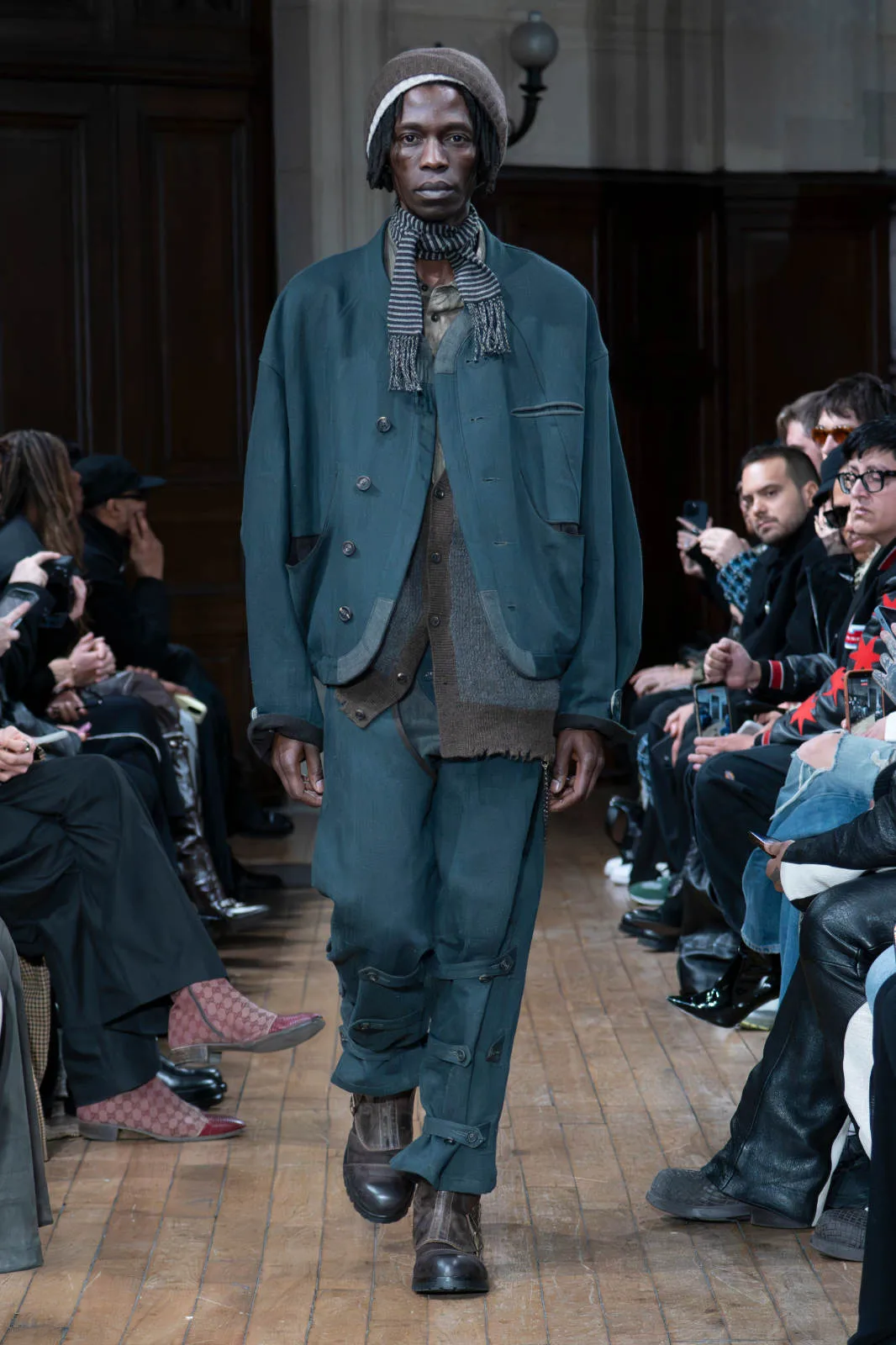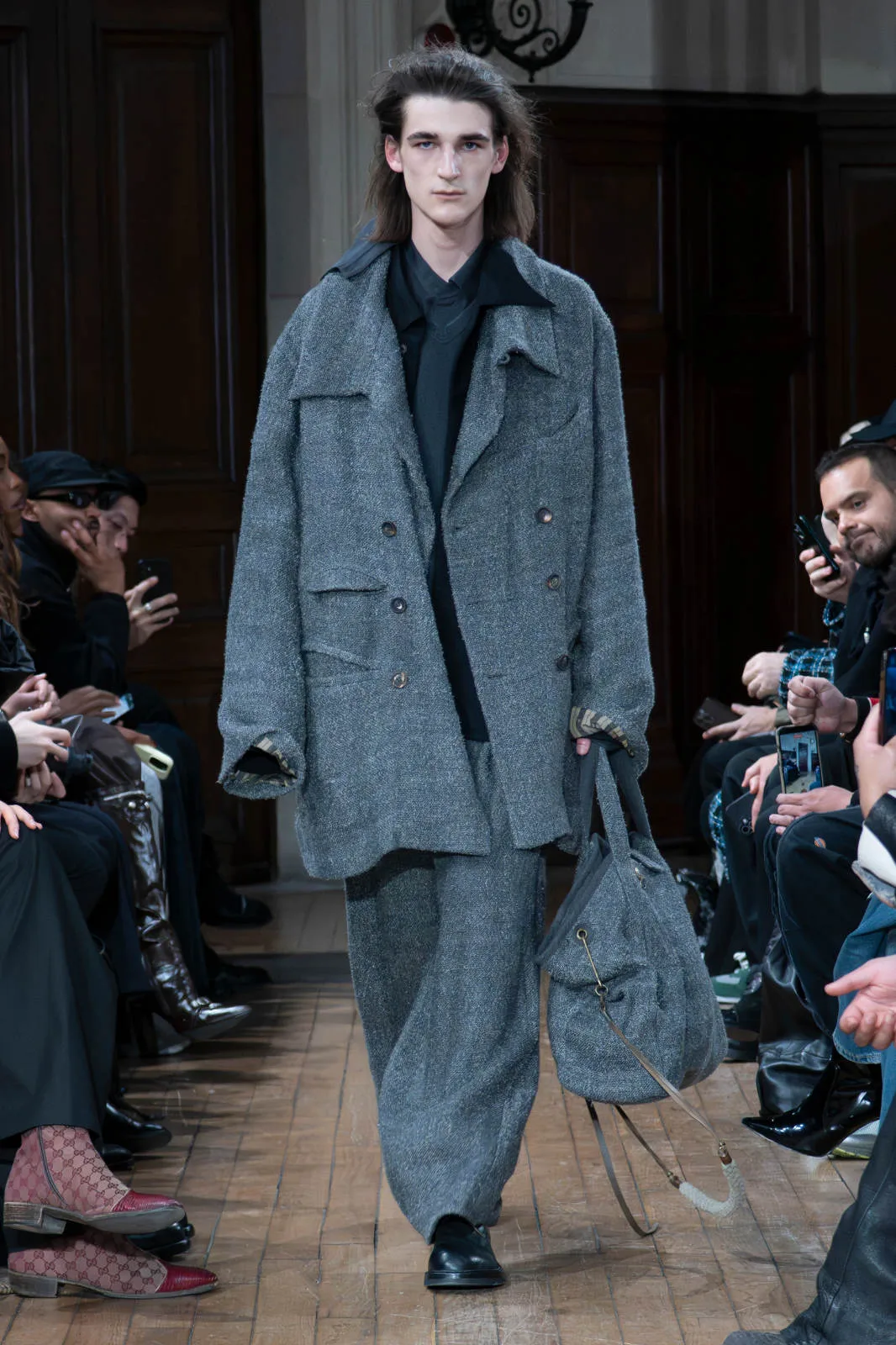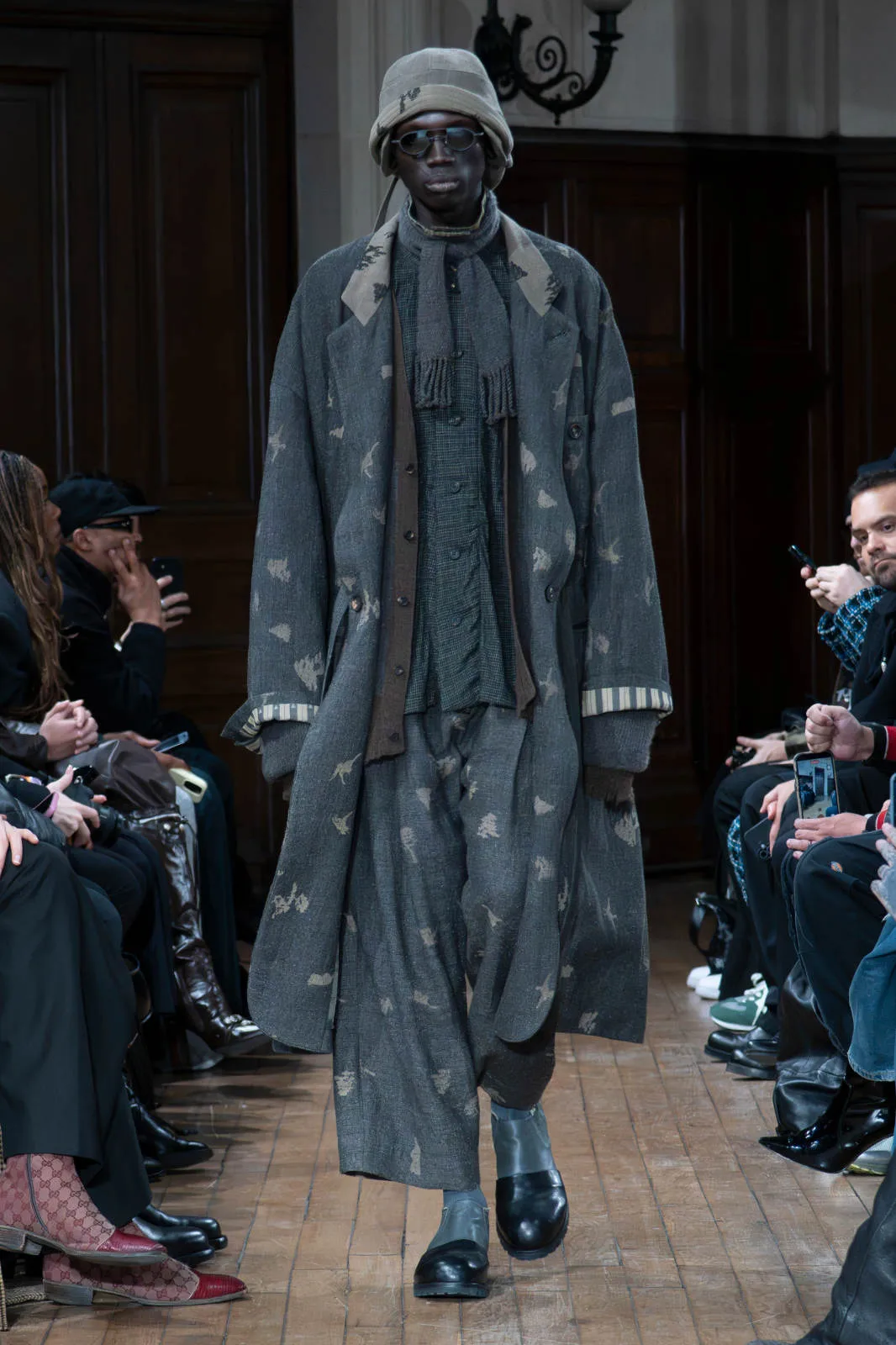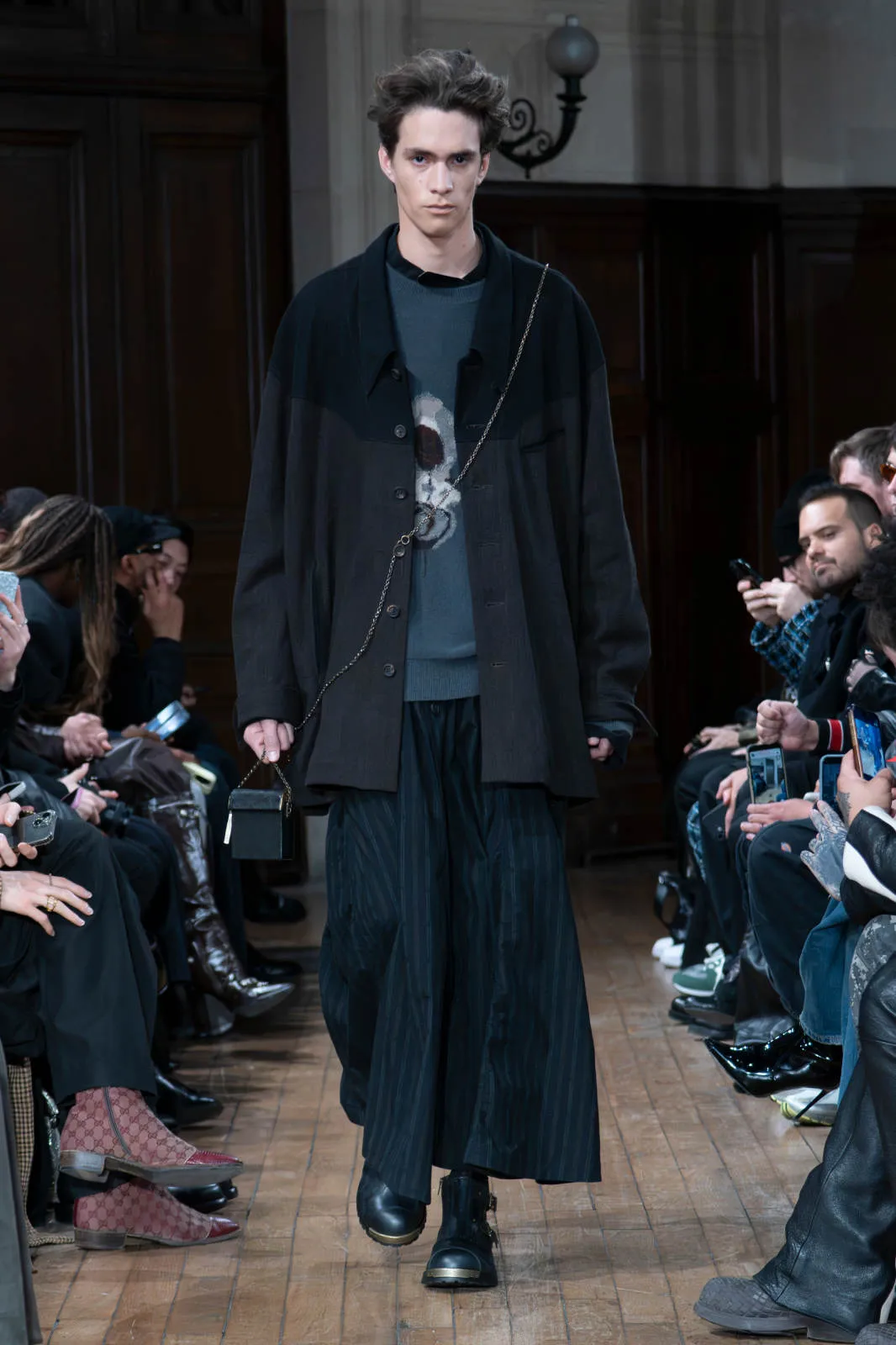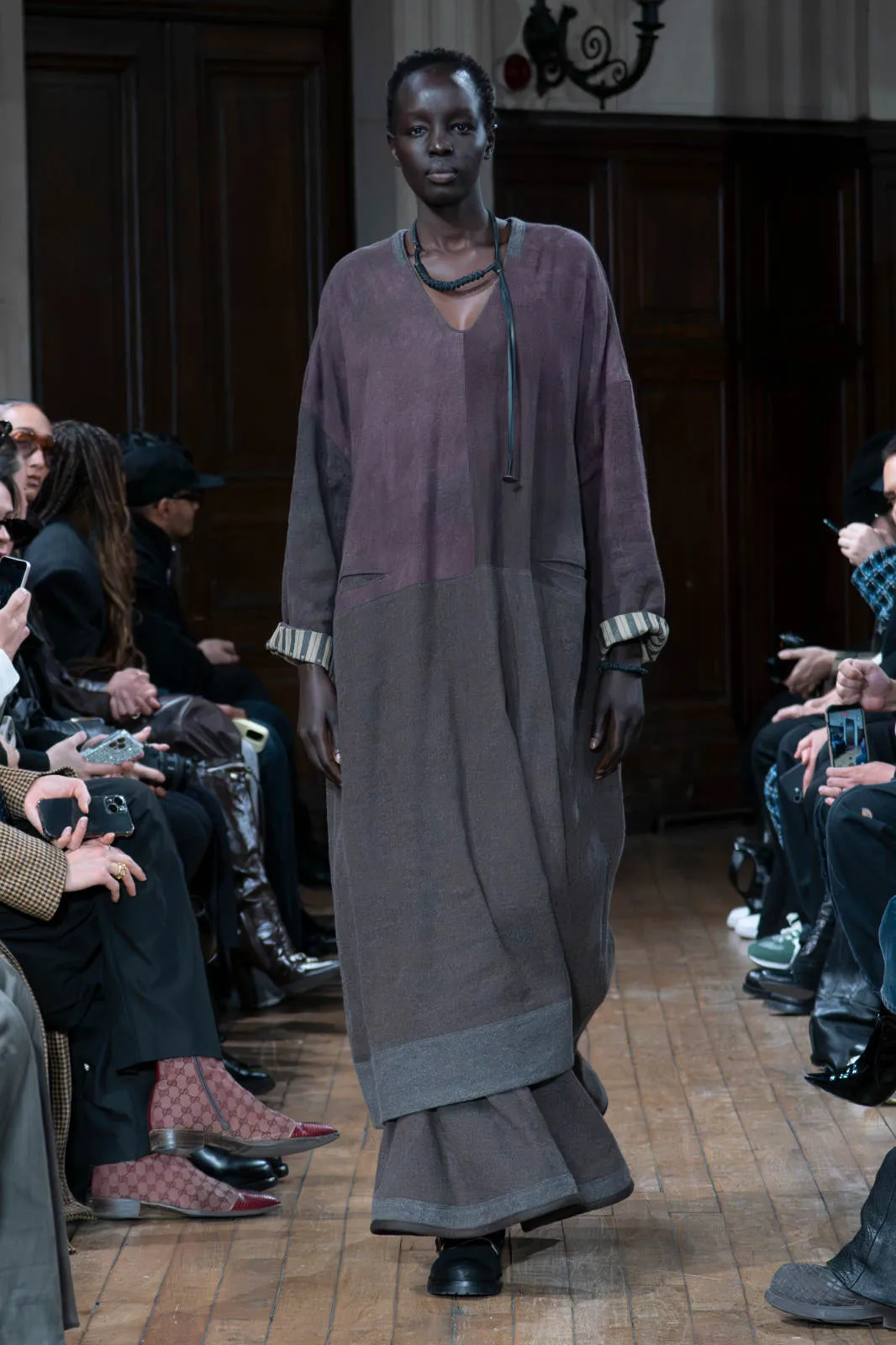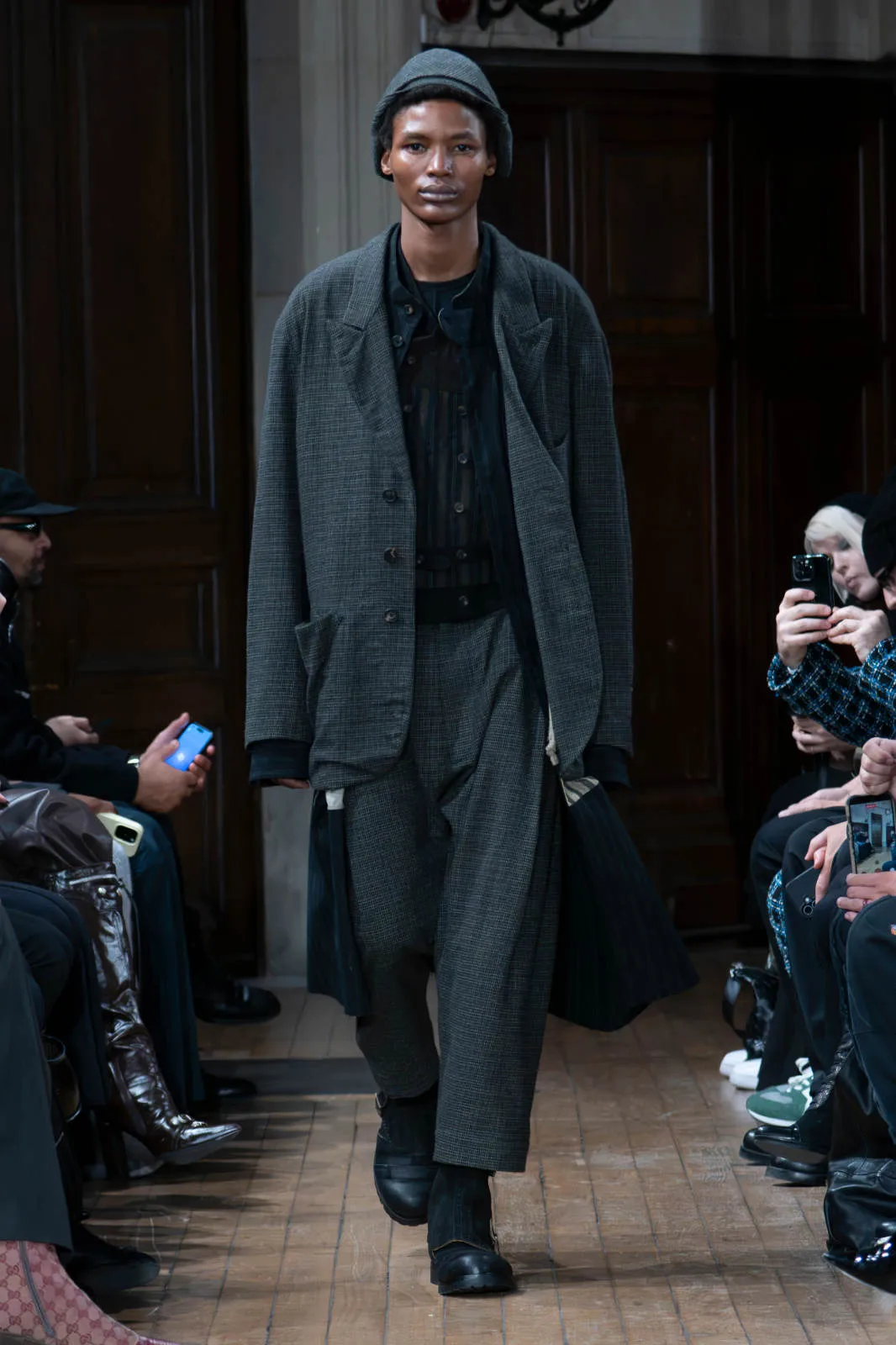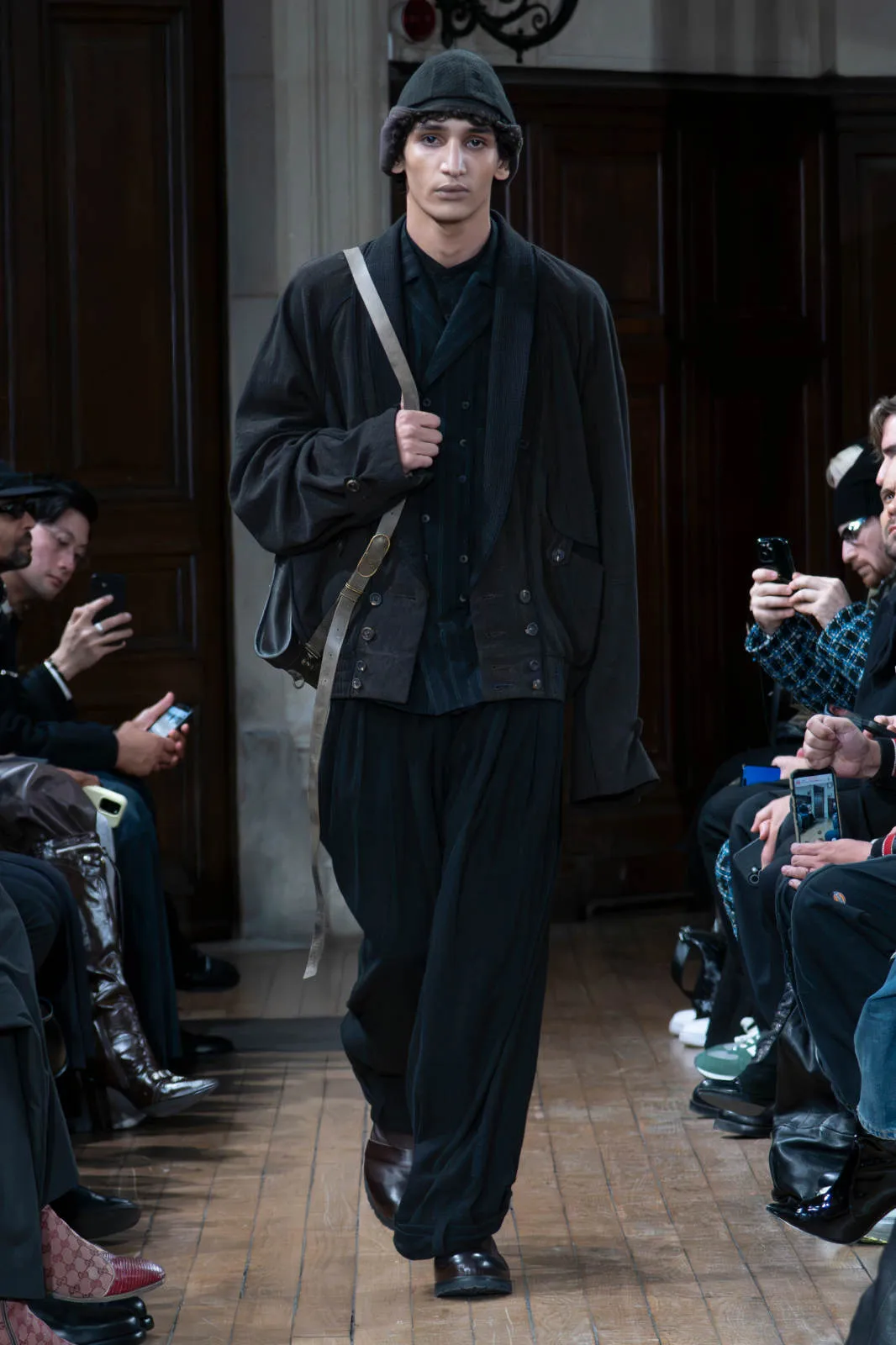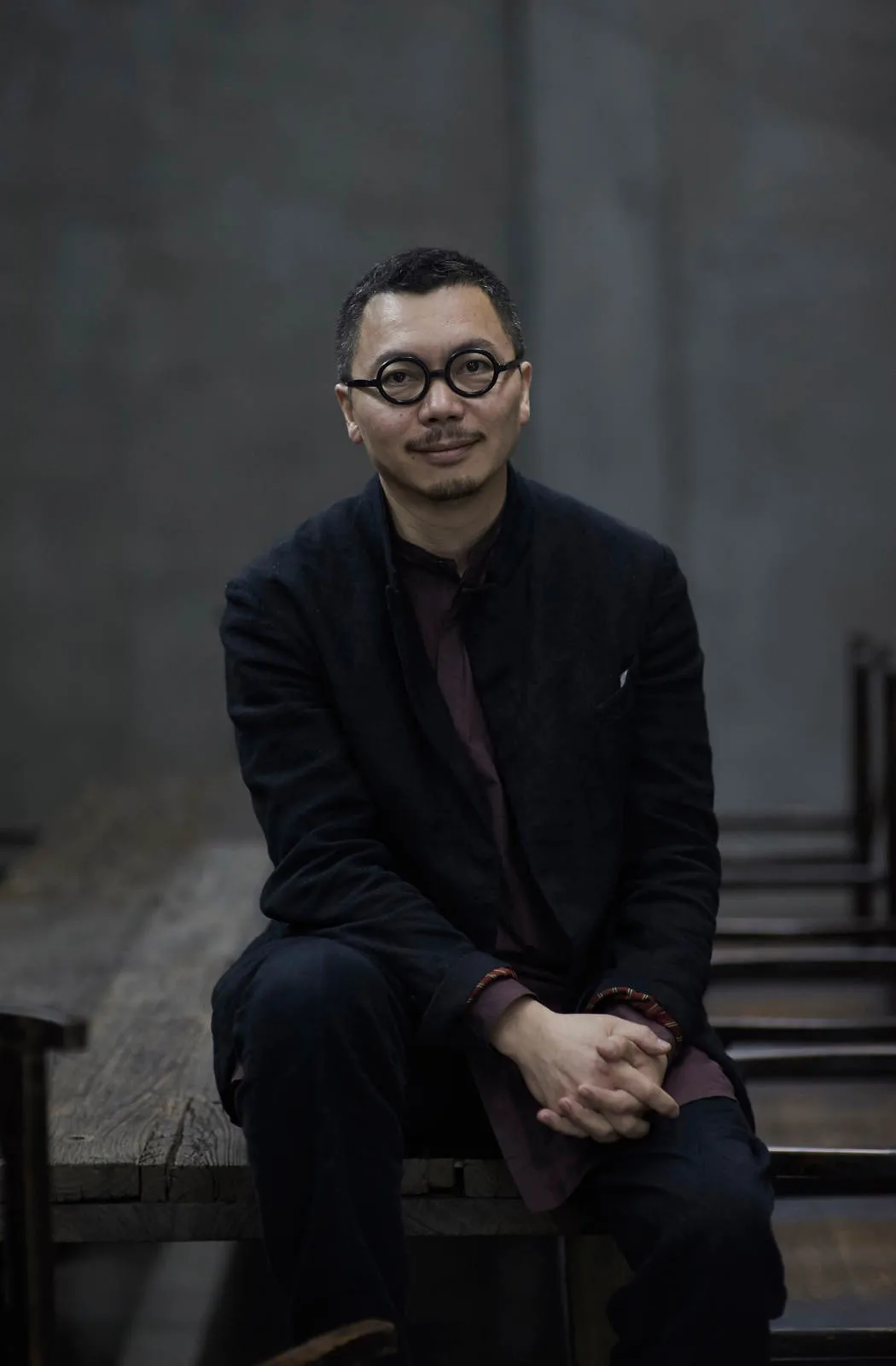
Ziggy Chen is a Shanghai-based designer known for silhouettes that blend traditional techniques with contemporary concerns. Founded in 2012, his eponymous label has centred around workwear-inspired designs that draw from Chinese aesthetics and Western tailoring, as well as Eastern art and design. With a focus on natural fabrics, comfort and pragmatism remain a priority for Chen: “In everyday life, I hope the wearer does not feel overly 'styled' but simply looks like themselves. Everyone has their own unique charm and style — this alone is wonderful.”
Following the presentation of his Fall/Winter 2026 collection in Paris, we speak with the designer to learn more about his approaches to tailoring, patternmaking, and craftsmanship.
Hi Ziggy, I want to start this interview by asking you how you got into fashion. Where did it all begin for you?
After graduating from university, I have been working in the garment industry. I started this brand as a designer at the age of forty-two, after a sudden opportunity made me feel it might be the right time to shift my career. I began exploring from there, and that path has led me to where I am today.
I know that cities and urban spaces are a real source of inspiration to you as a designer. Where are you currently based?
I have always lived in Shanghai, but what I am truly fond of, and continue to explore, is the traditional Jiangnan cultural atmosphere surrounding the city, including its architecture, colours, and ways of living.
Do you find that your design style changes depending on where you’re living?
Yes. The traditions, lifestyles, social habits, climate — everything related to people being in a place — constantly and quietly influences one’s thoughts and habits. As a designer, living in Shanghai is a kind of fortune; here, one can connect the past with the future.
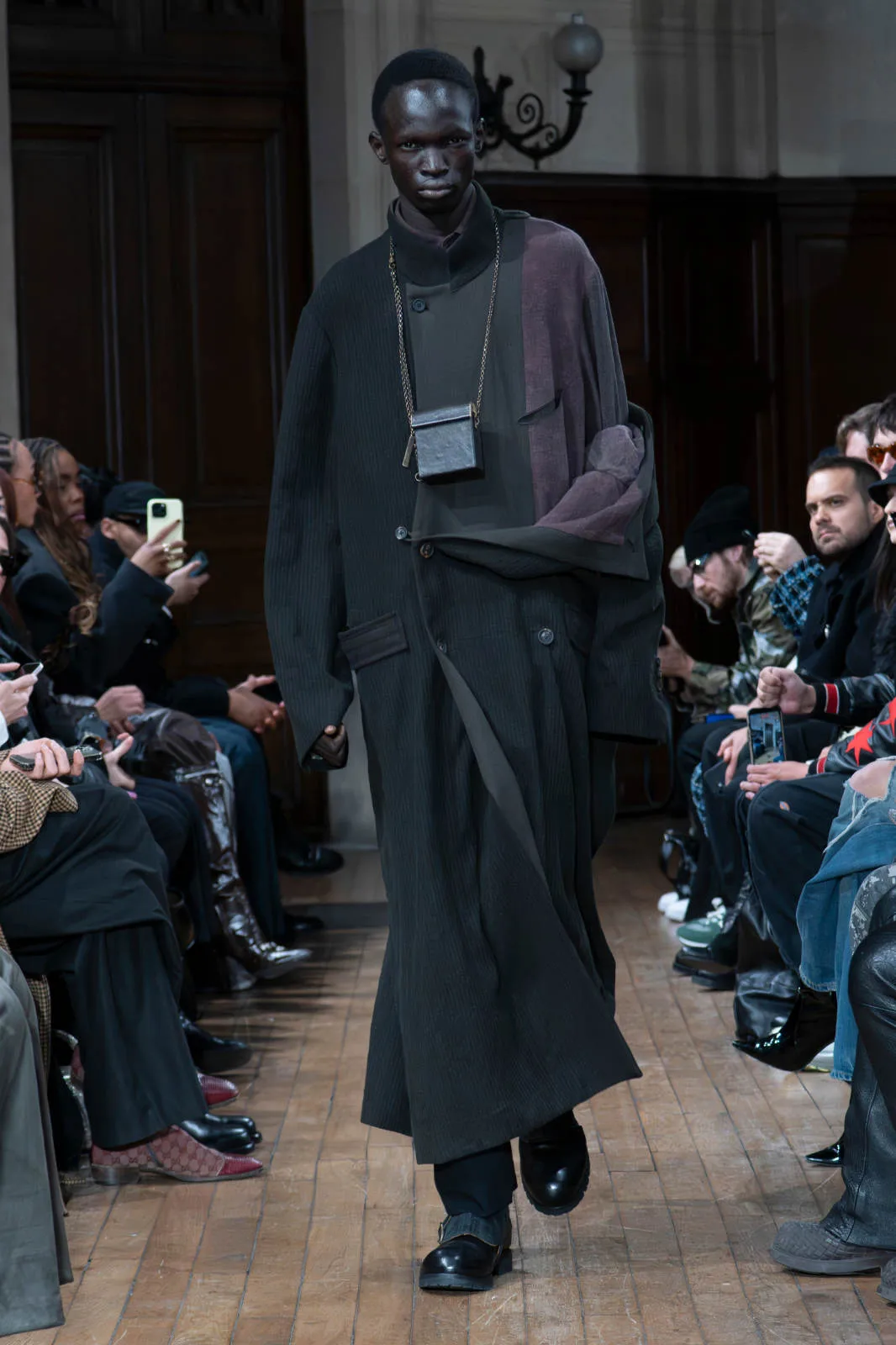
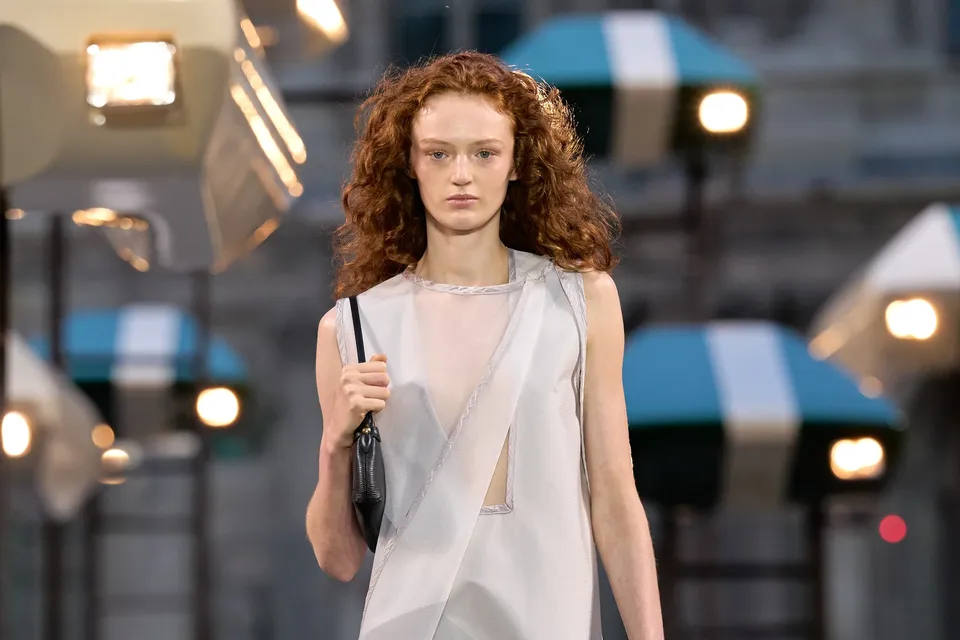
You’ve recently presented the F/W 2026 collection in Paris, titled Dissparation. The word is made up, I assume, so what does it mean to you, and how does it reflect the concept behind the clothes?
The naming of the collections can be very specific or very abstract. Its main purpose is to serve as an internal marker and reminder during the development process. This word carries meanings of separation and displacement. It reminded me, throughout the creation of the collection, to distinguish it from previous ones and to update every stage: fabric, design elements, cutting, and craftsmanship. It should not be interpreted literally, as if it simply describes a deconstructed collection. Moreover, this brand does not begin each season with an entirely new concept; the idea of being “old yet new” has never changed. What each collection does is simply update. Continuously update.
The pieces are shaped by ideas of separation, delay, history, tension, and transformation. What does transforming such abstract concepts into tangible clothes look like for you?
It is a complex process. These abstract words cannot directly become garments, so everything begins with the specific components that make up clothes; that is simply how the work must be done. For example, if we plan to create a checked wool inspired by the ’80s or ’90s and then alter it, we first search through fabric archives for designs from that period. Then we find yarns capable of reproducing that style. Once woven, we print on it to make it look as if it has just walked out of a deep blue rainstorm. That is how the fabric transforms from imagination to completion.
Similarly, if we want the lining of a jacket to be exposed, it will come into contact with the skin, so we cannot use conventional lining. Instead, we choose a certain weight of rain-and-dew ramie. It provides structure and is also comfortable directly against the skin. These are just two simple examples of how abstract ideas are translated into the concrete processes and steps of making clothing.
Similarly, if we want the lining of a jacket to be exposed, it will come into contact with the skin, so we cannot use conventional lining. Instead, we choose a certain weight of rain-and-dew ramie. It provides structure and is also comfortable directly against the skin. These are just two simple examples of how abstract ideas are translated into the concrete processes and steps of making clothing.
This collection features oversized, fluid silhouettes. It reminds me in many ways of Yohji Yamamoto’s approach to tailoring. What would you say is the most essential consideration for you when it comes to designing and cutting patterns?
Comfort and practicality are my top priorities. When the brand first began, the sizing and pattern were based on me; I was slimmer then, so the garments were small. Over time, with market feedback, and as I gained weight myself, our sizing became larger. At one point, the sizes became inconsistent. After realising this, we re-established our foundational sizing and placed comfort and practicality at the centre of all pattern-making.
There is something so subtle and discreet in your clothes, yet they make anyone wearing them stand out. Thanks to all the layering, the looks give the wearer a sense of depth. How do you want people to feel when they wear your clothes?
In terms of wearing experience, I hope people feel comfortable. In everyday life, I hope the wearer does not feel overly "styled" but simply looks like themselves. Everyone has their own unique charm and style. This alone is wonderful.
You’ve spoken in the past about how you find models and their personalities more interesting than clothes themselves. I’m curious to hear more about your thoughts on this. As a designer, I would imagine that there’s a strange kind of thrill that comes with seeing your clothes interpreted by people and how they change and transform depending on characteristics and personalities of the wearer.
Yes, and this makes me very happy as a designer. I have always believed that the wearer’s personality and individuality matter most. Clothing, as a commodity, ultimately exists to serve the wearer’s characteristics and identity.
Other than location and place, what else inspires you? Where do you look when you feel stuck creatively?
I rest. I sleep. I clear my mind. Then I return to work.
Do you ever feel pressure to create something ‘new’? Are you someone who is really driven by the idea of pushing boundaries?
Honestly, I don’t feel the pressure you mentioned. I don’t treat “creating something new” as a goal. I think that is extremely difficult and requires talent. My goal is simply to update each season; how much doesn’t matter. As long as the collection evolves, and I evolve with it, that is enough.
What is next for Ziggy Chen? What are you working on currently?
Next, of course, is the upcoming season; every season runs on a tight schedule. The plan ahead is to visit different suppliers and discuss issues in the supply chain that need improvement.