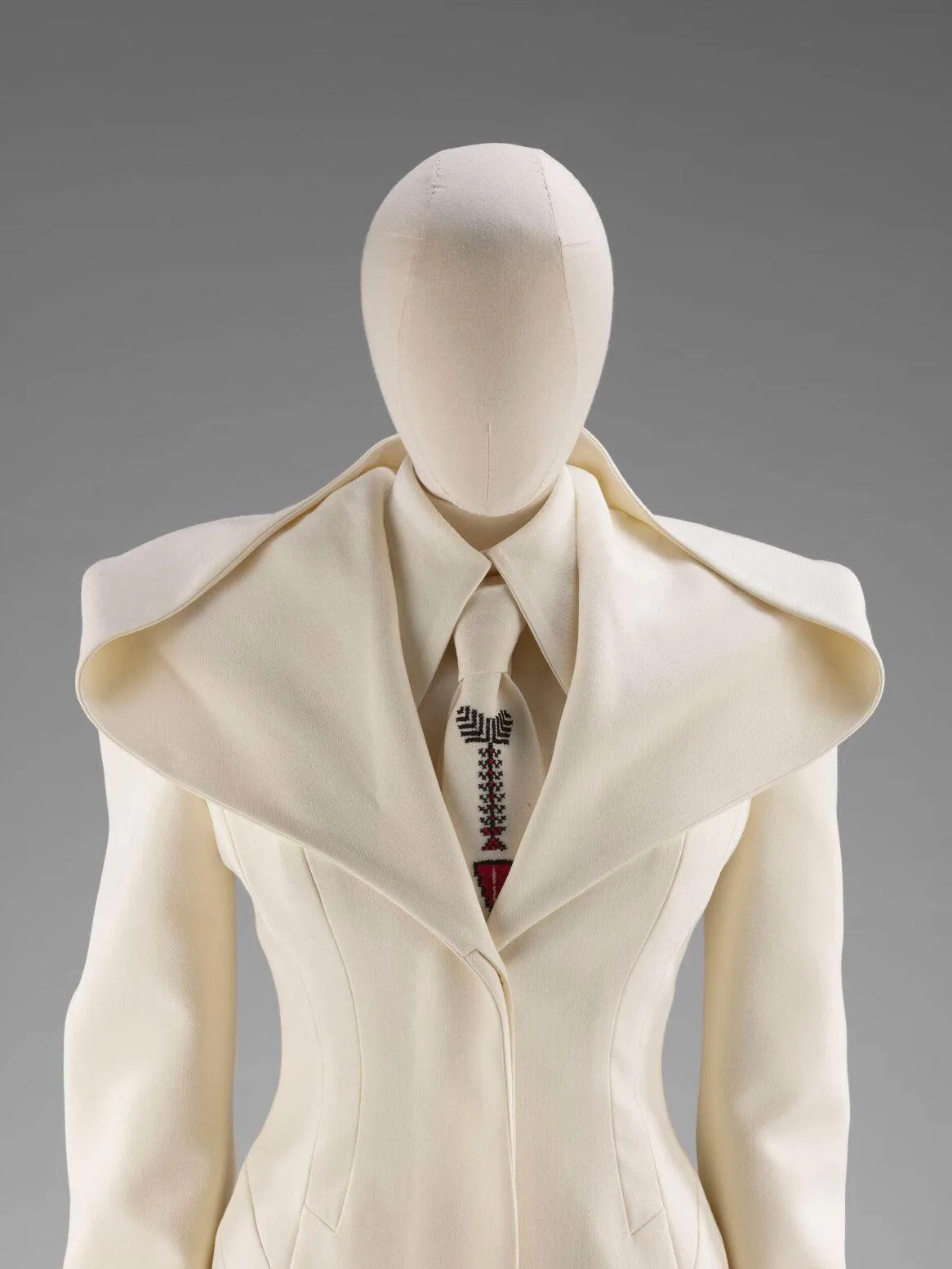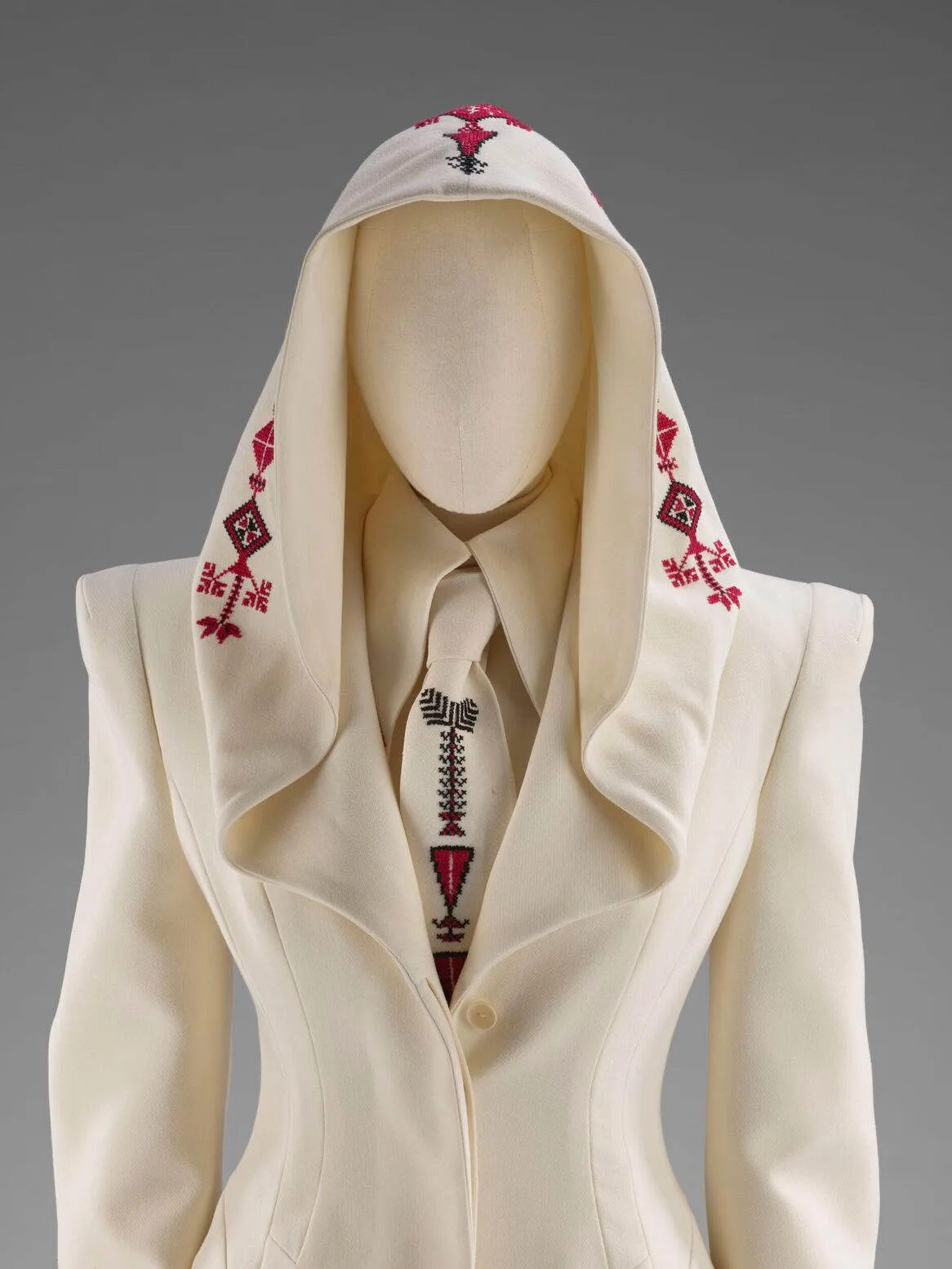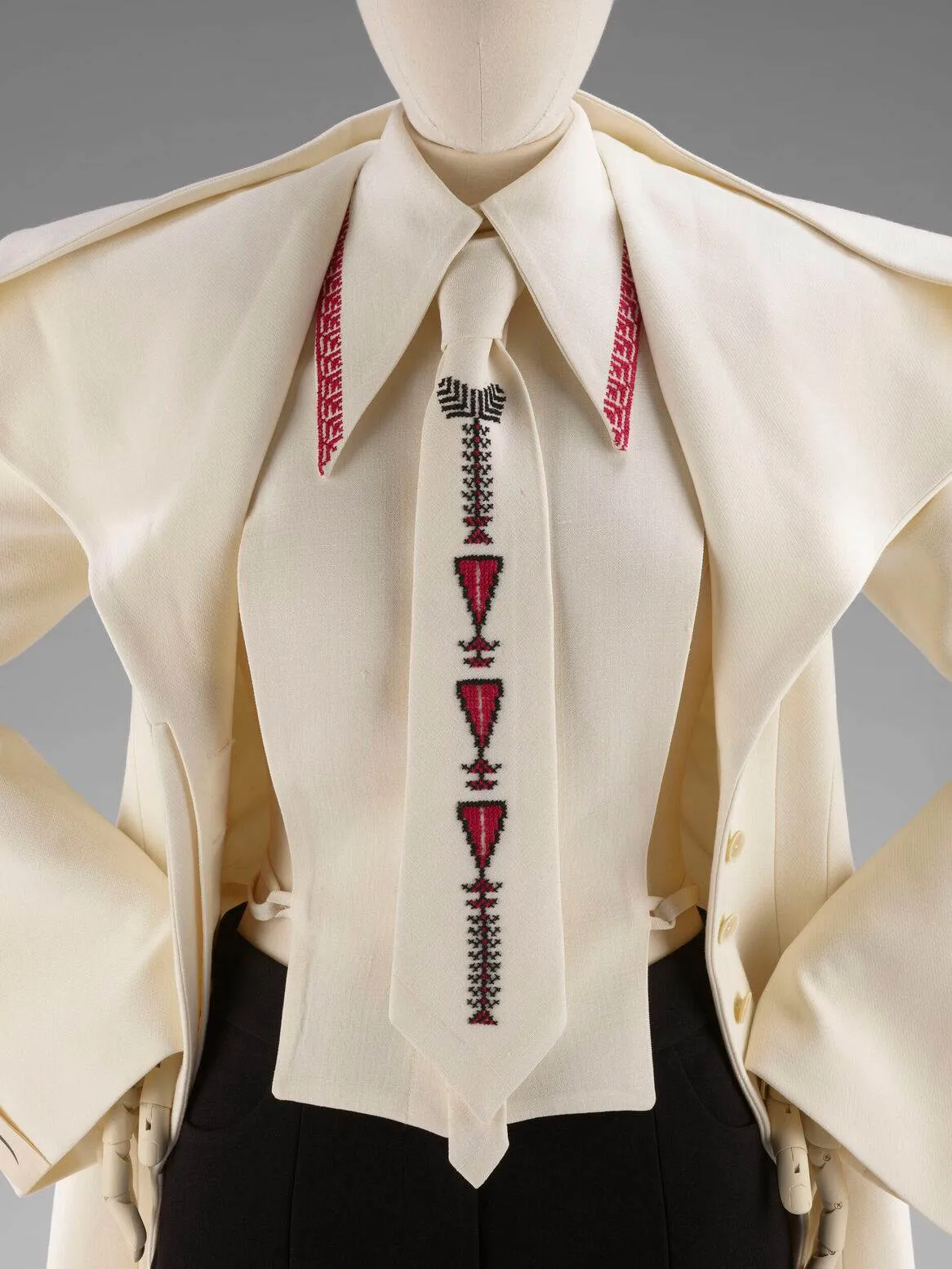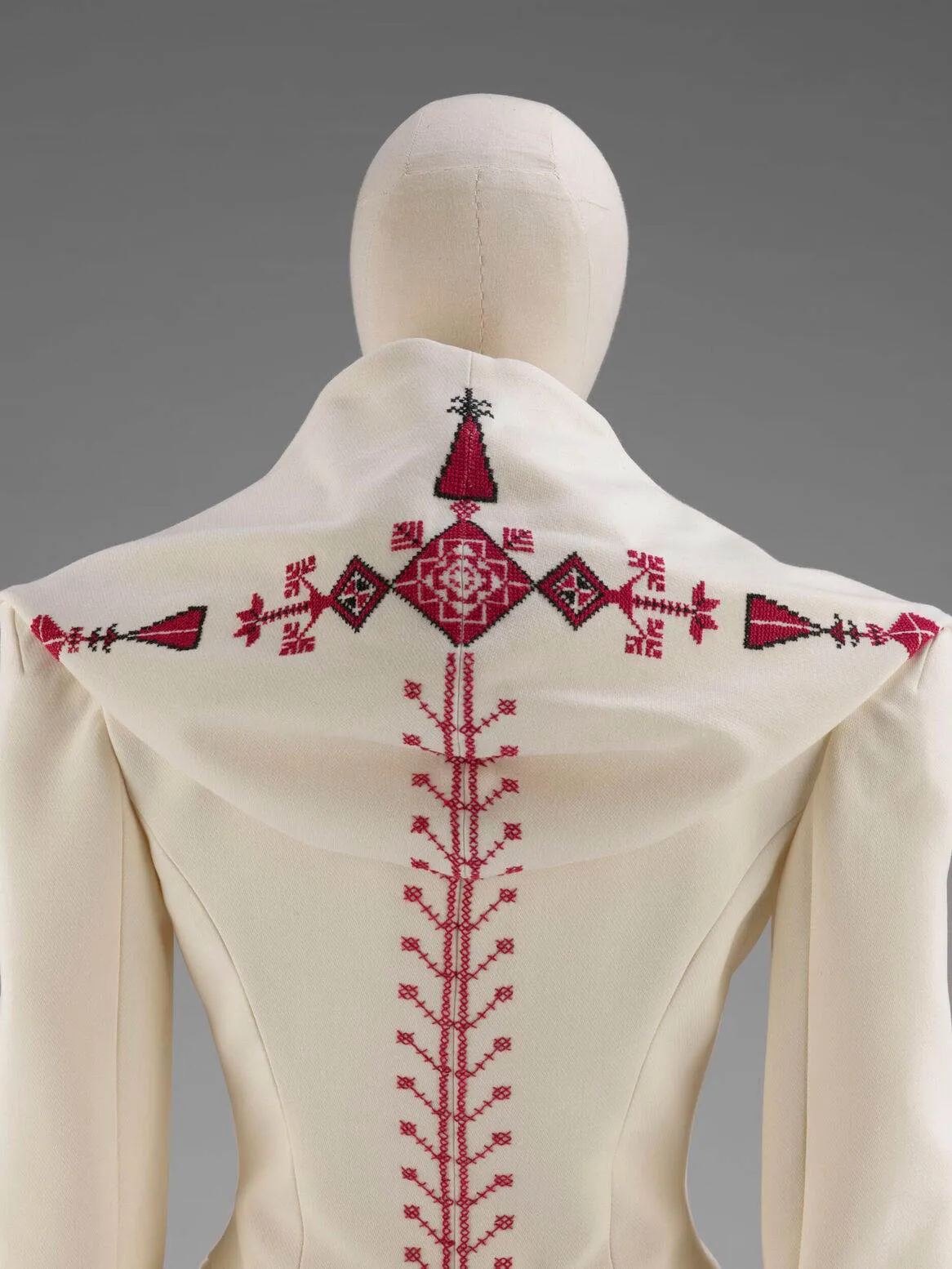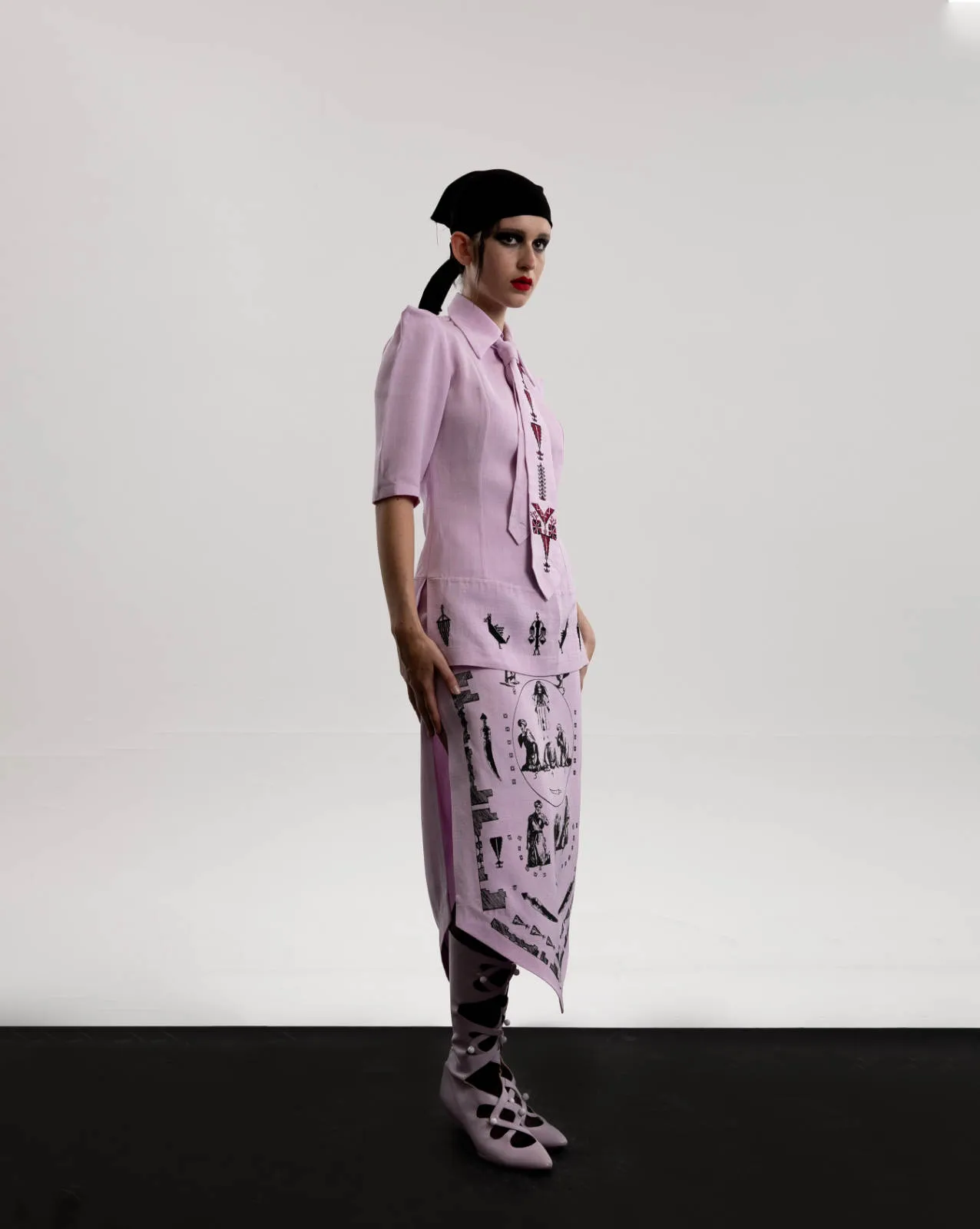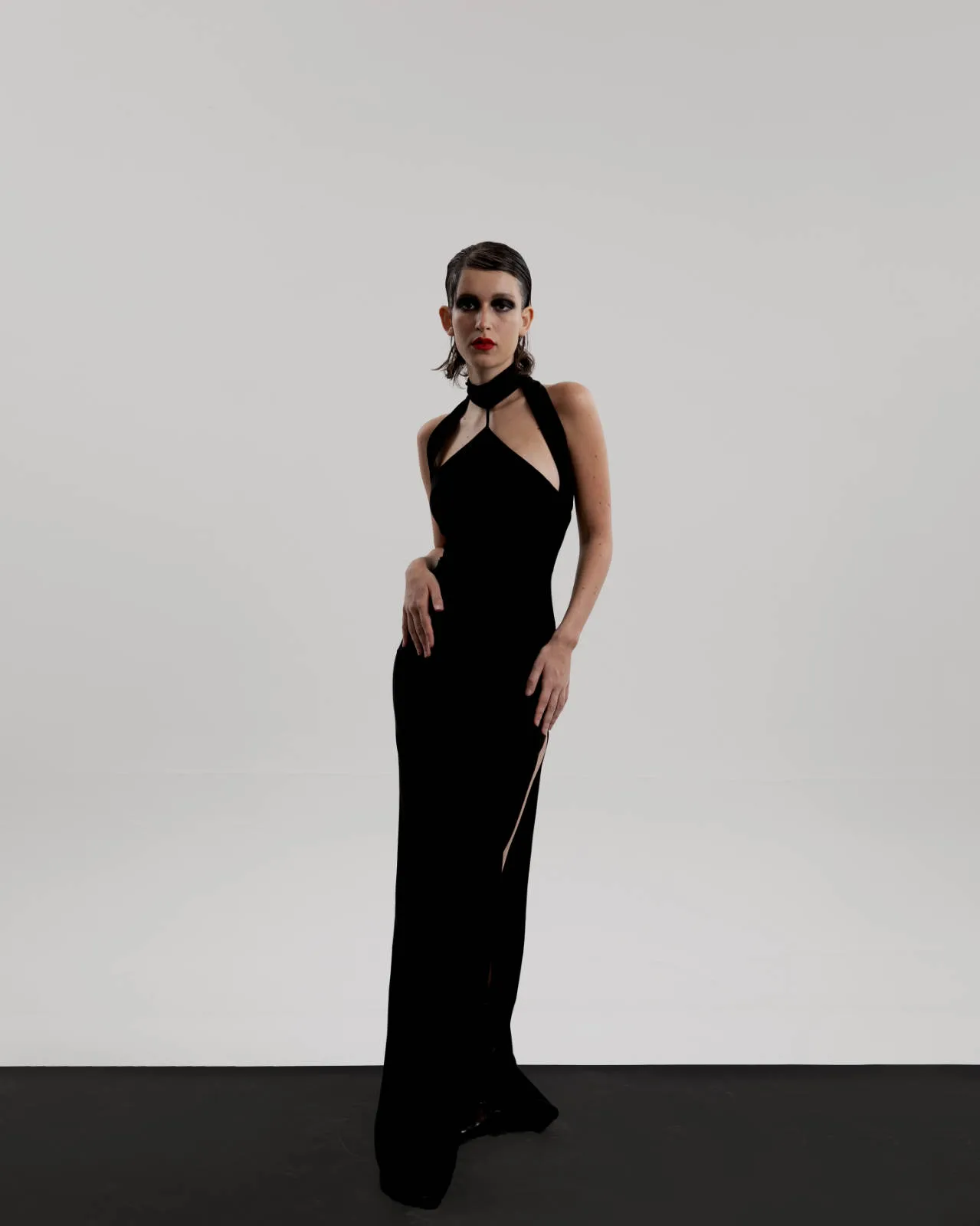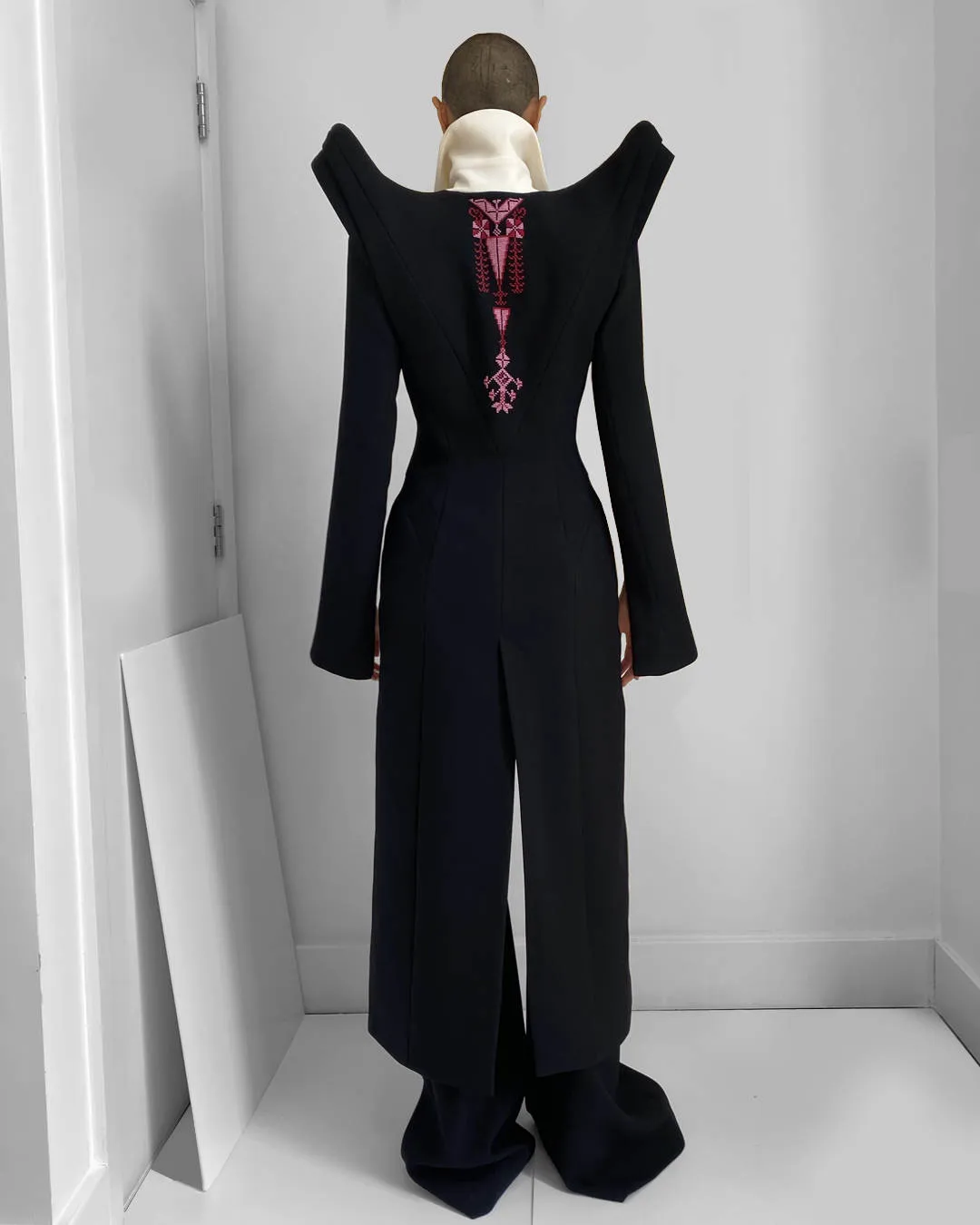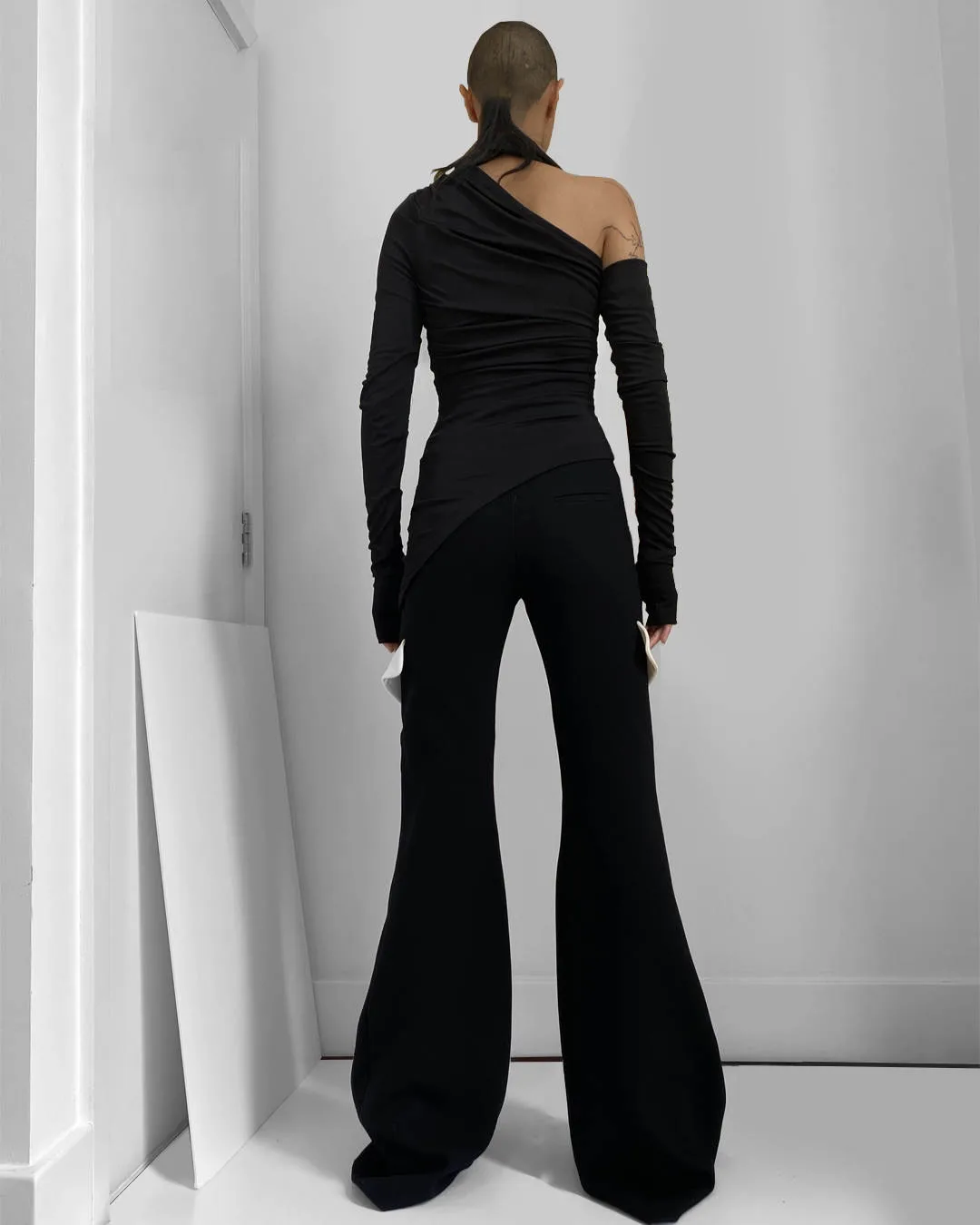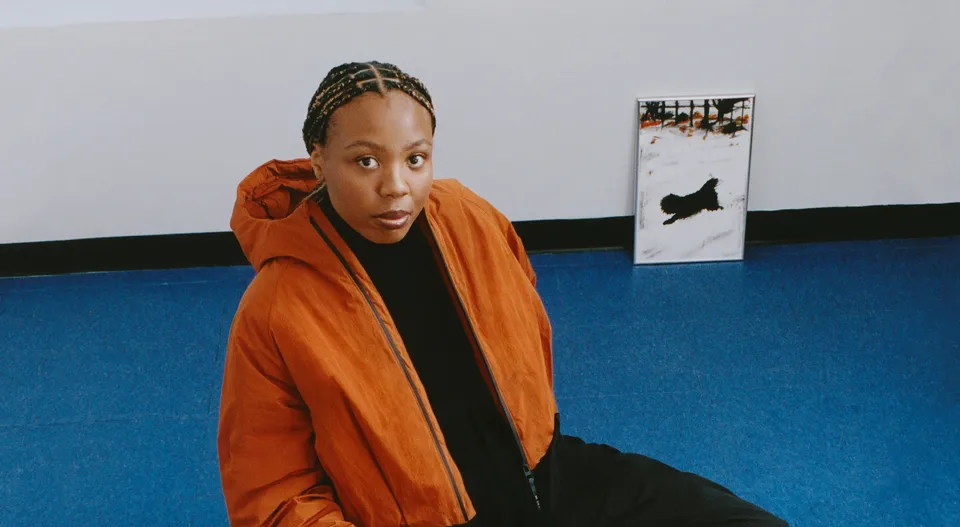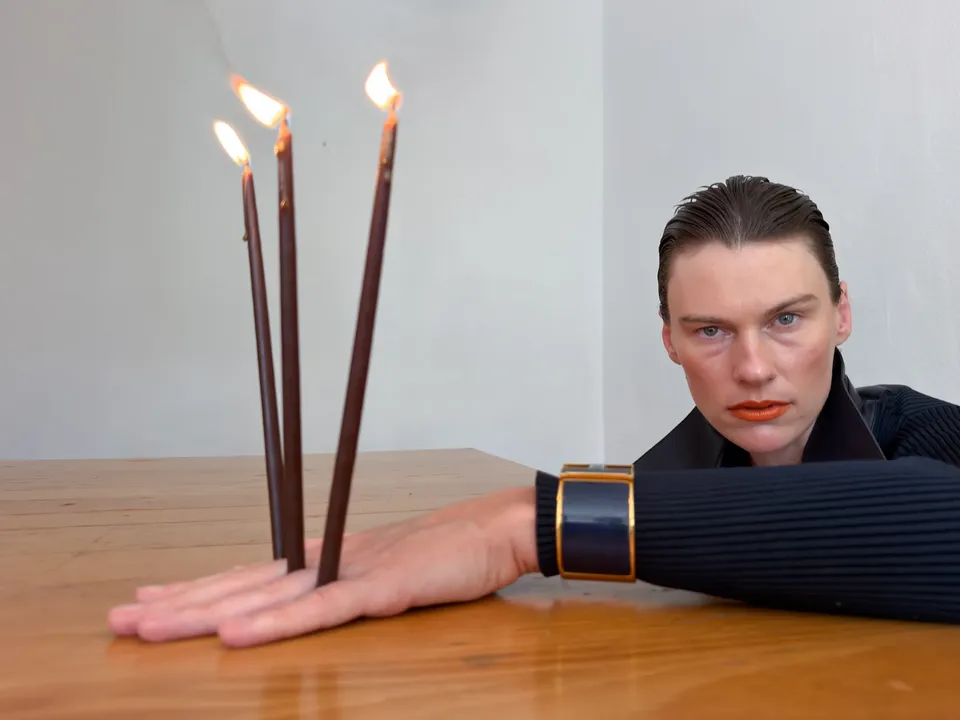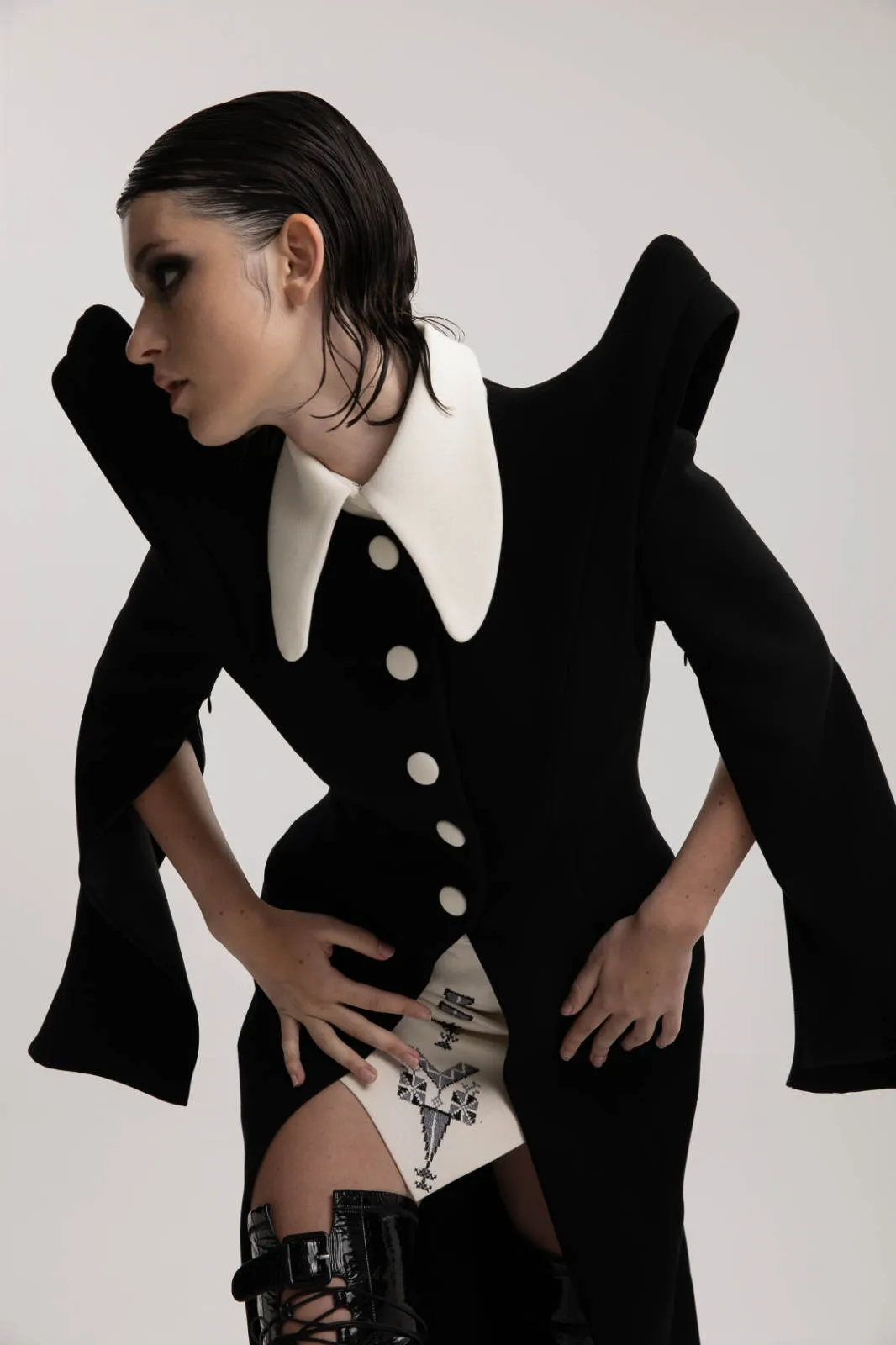
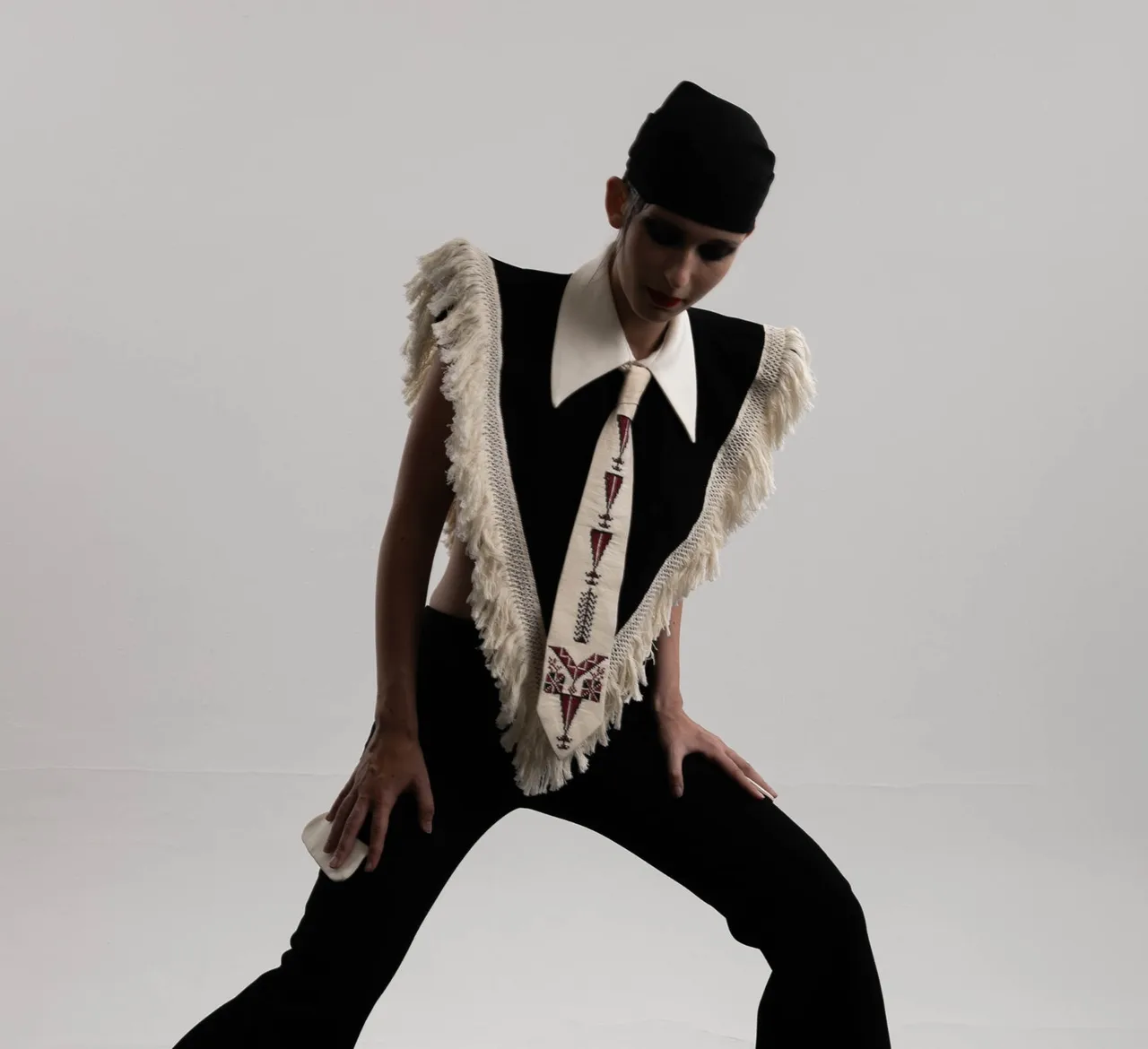
Zeid Hijazi is a young Jordanian-Palestinian fashion designer, graduated from Central Saint Martins University in London and winner of the Fashion Trust Arabia Prize in 2020. In his work, he constructs visual narratives that navigate “Palestinian folklore, rebellion and Arab futurism”. The red, blue, white, grey, and black threads woven into his embroidery trace geometric designs that are poetically reflecting stories of identity and memory.
Hijazi's luxury ready-to-wear brand breaks with the fashion industry models driven by speed and mass production by incorporating the rhythm of Middle Eastern craftsmanship and handwork in his production process. Each piece creates a dialogue between tradition and modernity. Using Tatreez, a traditional Palestinian embroidery technique, Hijazi engages with artisanal and artistic language in his creations. By introducing this technique into contemporary fashion, he contributes to its preservation and brings it to the international scene. In November 2025, Zeid Hijazi designed the dress worn by Rama Duwaji during Zohran Mamdani’s mayoral victory celebration in New York City. In this context, we speak with Hijazi to learn more about his trajectory, creative process, influences, and vision within the fashion industry.
Can you tell us about your journey into fashion? How did it all begin, and when did you realise this was the path you wanted to follow?
I guess it is just another cliché story of a young kid who was amused by his mum dressing up in good fashion.
You describe your work as an exploration of “Palestinian folklore, rebellion and Arab futurism”. What does this convergence mean to you, and how do these elements come together in your designs?
When I come up with a design that ticks the three boxes you just brought up, this is, to me, peak self-expression. A kid who was constrained by tradition and culture for too long is finally expressing himself and breaking free.
Would you share with us your creative process and methodology when it comes to design?
It just happens; I am such a mess when I am designing, and I feel like when I am trying to be more systematic with my approach, it just never works. My methodology is just thinking of an archetype, like from a movie or a video game character and putting her in a Zeid Hijazi world. What is she going to look like?
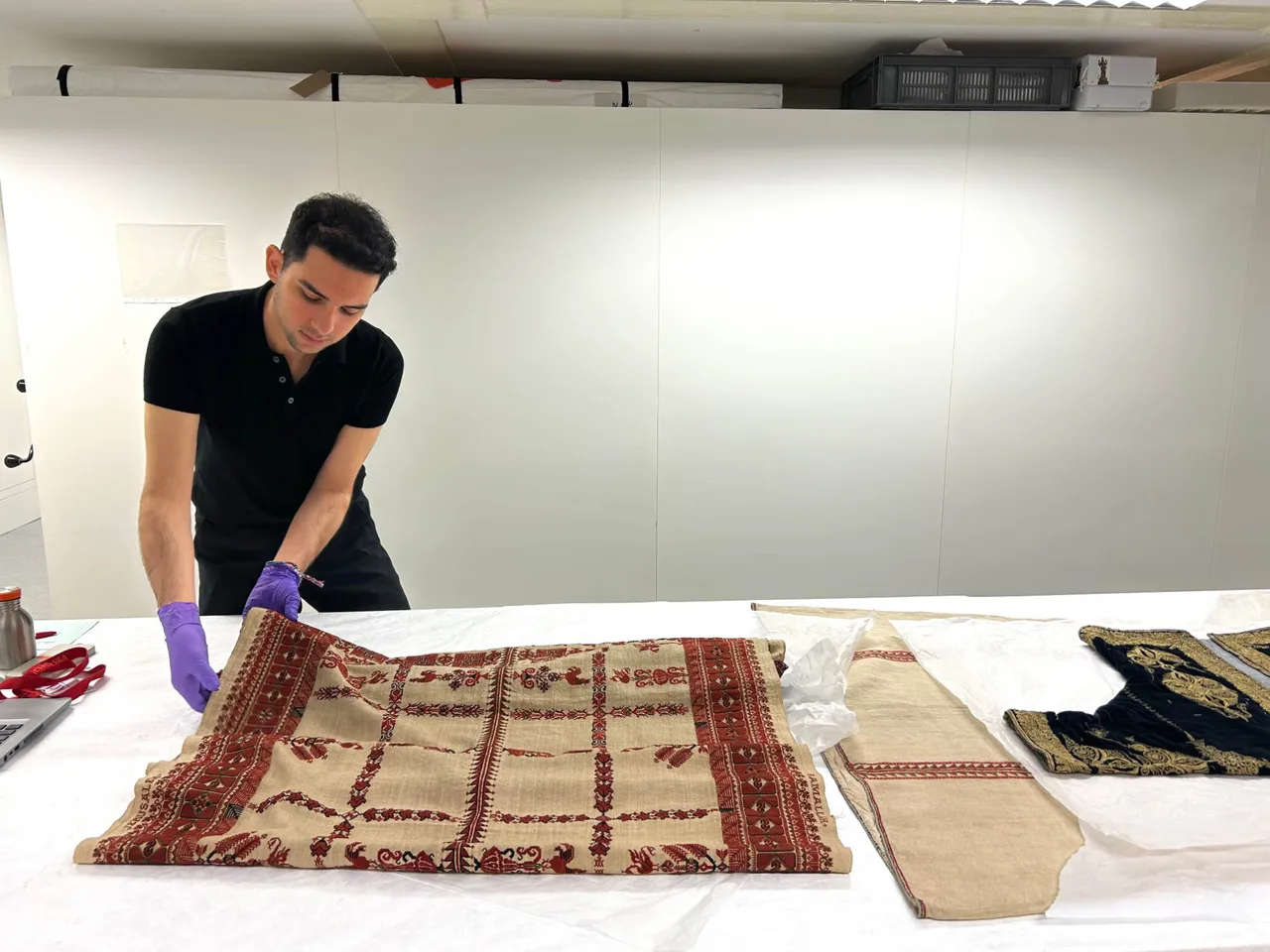
On your website, you mention using Tatreez, a traditional Palestinian embroidery. How does this technique work and why is it important for you to incorporate this ancestral craft into your work?
It is a traditional Palestinian embroidery technique that uses intricate hand-stitched geometric patterns, often passed down through generations and historically used to tell stories about identity, region, and heritage. Incorporating Tatreez into my work is important to me because it keeps the craft alive while allowing it to exist in a contemporary context. It is a way of honouring ancestral artistry while giving it new relevance through modern design.
Nowadays, the fashion industry is driven by speed and mass production. What does it mean to you to create pieces that require a different rhythm, based on handcrafting?
That really gives a soul to my pieces.
How does the decision to follow traditional craftsmanship affect your production?
It is incredibly intense because the process is slow and very time-consuming. Most of the artisans are older, and they do not necessarily operate within the fast-paced, production-driven world we work in. You might explain that a deadline is tomorrow because the piece needs to be shipped to the factory, and tomorrow arrives only to find that the work was not touched because her grandchildren came to stay over. It can be challenging, and you have to constantly remind yourself to be patient, respectful, and understanding of their rhythm and way of life.
Would you like to share with us what inspires your work and how these references influence your collections?
Community, video games, cult movies, architecture, darkness, grief, dystopia with a sense of hope. I explore these themes using abstractions like texture, colour, shapes, etc.
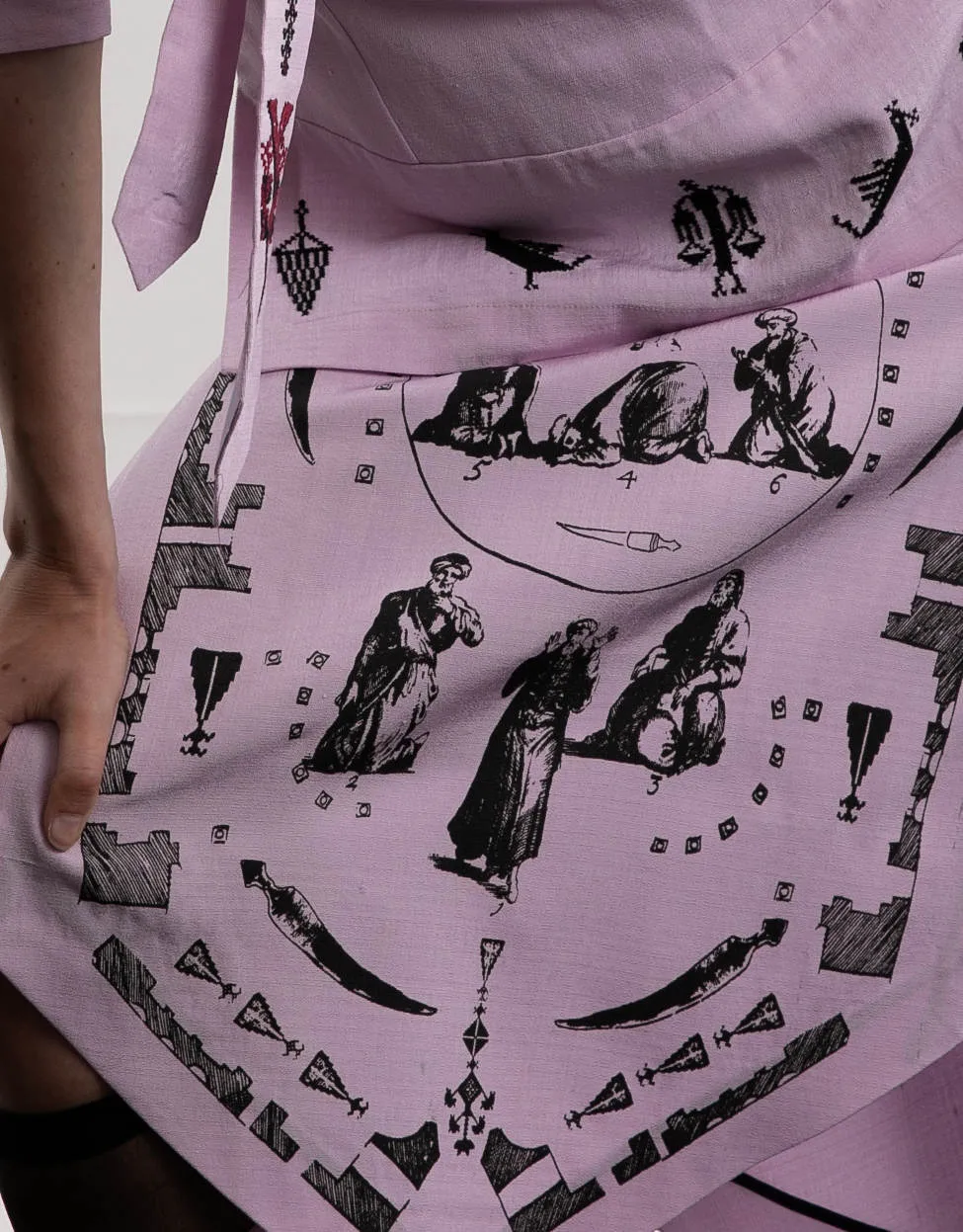
How would you describe the person who wears Zeid Hijazi?
Sweet but psycho.
In November 2025, Rama Duwaji wore your design to Zohran Mamdani’s mayoral victory celebration in New York City. What did that moment mean to you, and what impact did it have on your brand?
Such a milestone. I was going through a dark time because I was not getting orders, and I thought people did not like my work, but it was just that people weren’t exposed to it. After that moment gave my brand exposure, it brought me clients from all over the world. I am deeply grateful.
Do you have a dream person to dress, and what would you create for them?
I do; I love working with taffeta and shapes and peak shoulders. It’ll have to do with that. Hopefully one day.
Are there any upcoming projects or collaborations that you would like to share? And looking ahead, where do you see your fashion brand in the future?
I know I always say I am working on a collection, but this time I actually am. I hope that my brand becomes something that causes impact and trouble in the fashion world.