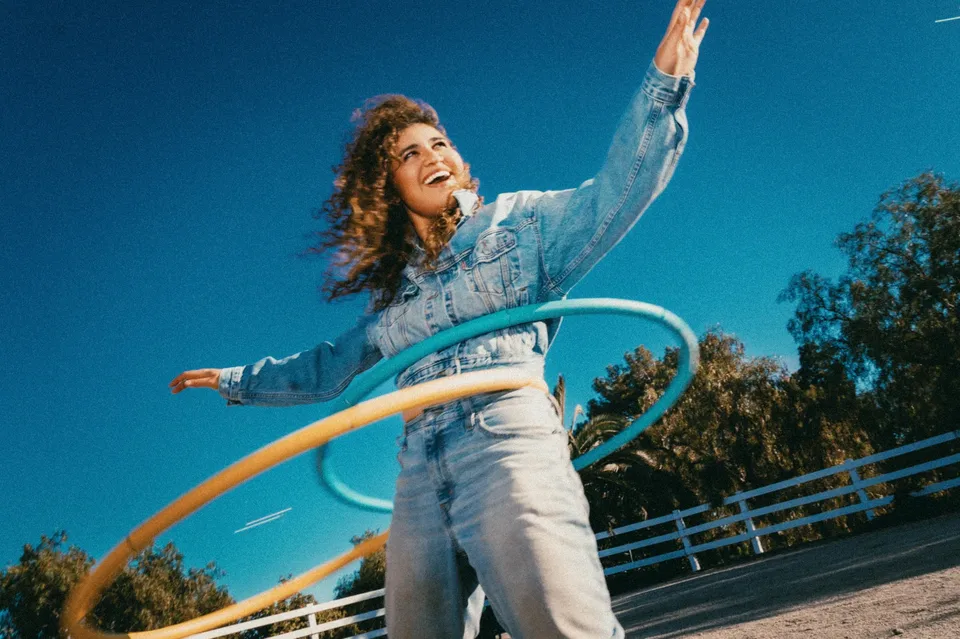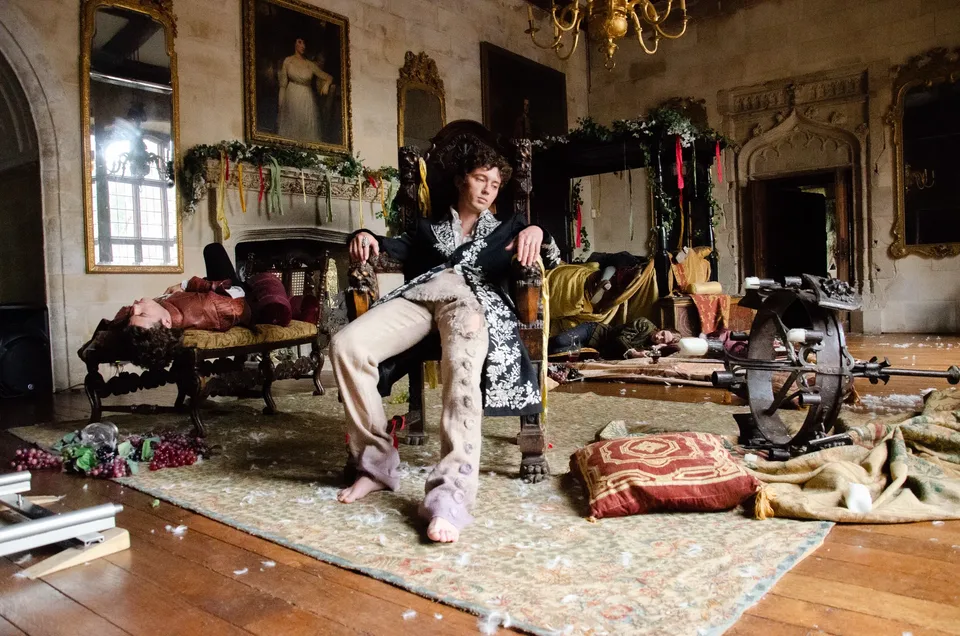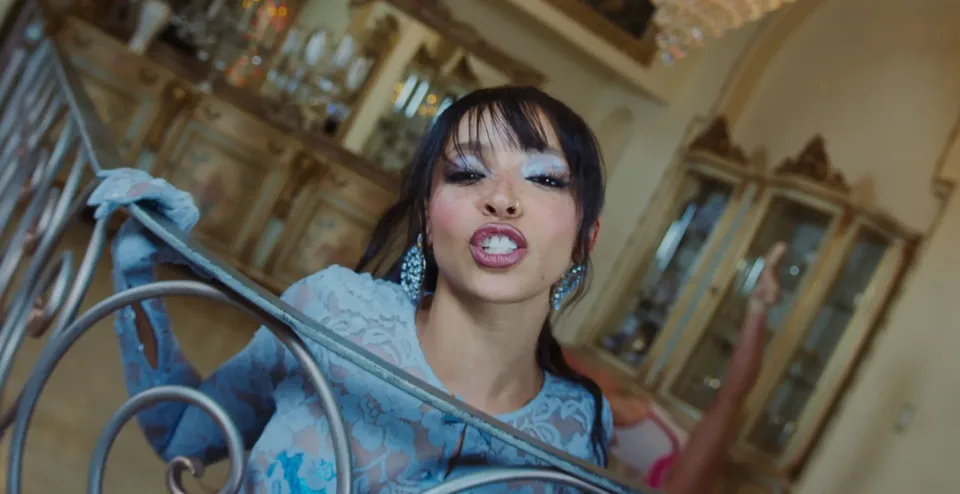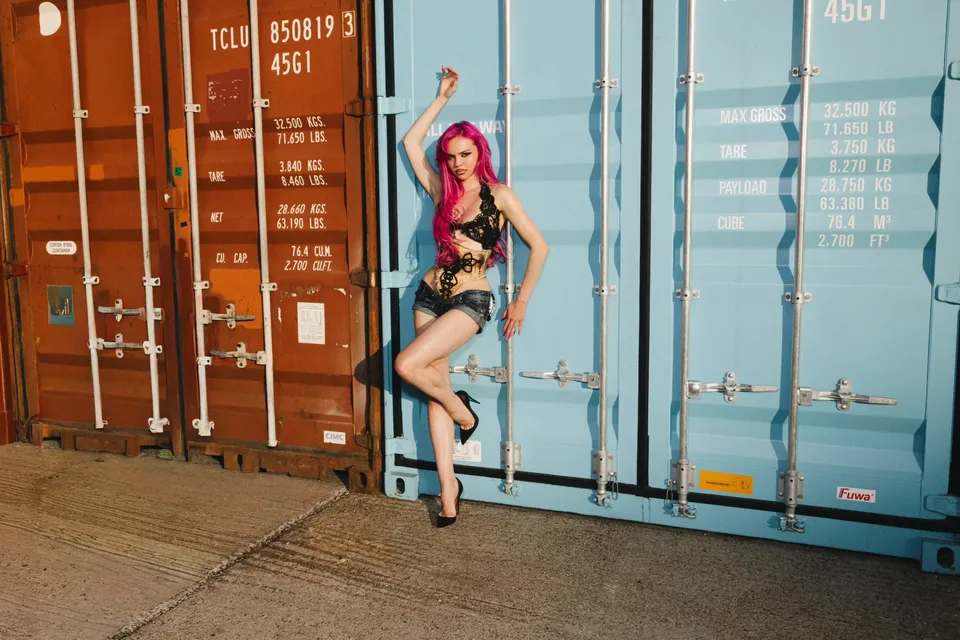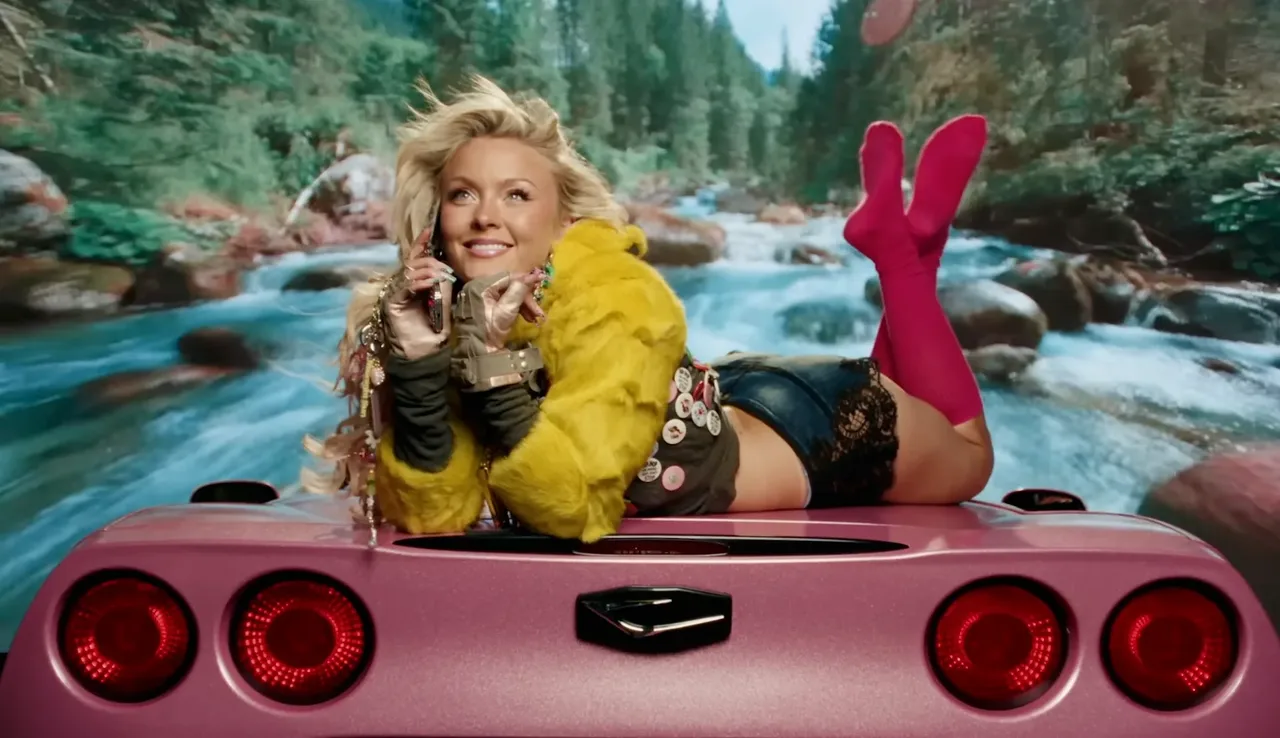
Have you ever seen an artist this magnetic elevate an already defining record into something even sharper, bolder, and more self-assured? It feels almost redundant to revisit a moment that shimmered at its peak, and yet, here we are, watching it evolve. Proof, perhaps, that reinvention isn’t always about starting over but about refining the glow until it becomes impossible to ignore. With Midnight Sun: Girls Trip, Zara Larsson doesn’t just revisit the world she began building; she stretches it, distorts it, and lets it breathe under a different light. The light of thirteen female artists that join her, including Shakira, PinkPantheress, Robyn, JT, Kehlani, Bambii, Emilia, Tyla, Eli, Madison Beer, and more.
The energy of this album feels looser, more spontaneous, but also more intentional. There’s a sense of freedom running through the record, like a late-night escape that turns into something transformative by sunrise. But what’s different from the previous one? Well, everything. The intention is to lean into glossy pop textures while flirting with club-driven beats and intimate, stripped-back moments. It’s this push and pull between control and chaos, polish and rawness, that gives Girls Trip its pulse. Larsson sounds more present than ever, fully aware of her power but uninterested in playing it safe.
Structurally, the album mirrors its predecessor while doubling it: two discs, one anchored in the original tracklist, the other devoted to reworked versions that twist familiar melodies into something more fluid, club-adjacent, and unpredictable. What makes Girls Trip compelling isn’t its format but its new spirit. This is pop as community, as exchange, as movement. A girls trip not in the literal sense, but as a metaphor for shared momentum: different voices and geographies orbiting the same emotional frequency.
If Midnight Sun felt like Larsson curating her own strong pop identity, Girls Trip actively destabilises it. The collaborations are not just decorative features but structural interventions that shift the emotional grammar of each track. PinkPantheress, for instance, doesn’t merely open Midnight Sun, she reframes it through a UK garage lens, flattening Zara’s soaring vocal maximalism into something cooler and more detached. Kehlani’s presence on Blue Moon pulls the track into an R&B register that softens into something more tactile and nocturnal. Meanwhile, Shakira on Eurosummer introduces a rhythmic elasticity that breaks the song’s Euro-pop rigidity, bending it toward a more global club language. In the most successful moments, JT on Pretty Ugly or Robyn on Puss Puss, the collaborators don’t dilute Zara’s world, they sharpen it by injecting a different sense of attitude. JT’s verse, in particular, cuts through the production with a raw, confrontational energy.
Larsson isn’t simply revisiting Midnight Sun. She’s decentralising it. Letting it slip out of her sole control and into something messier, louder, and far more expansive. The result is less about perfection and more about energy: a project that feels alive, collaborative, and unapologetically in motion.