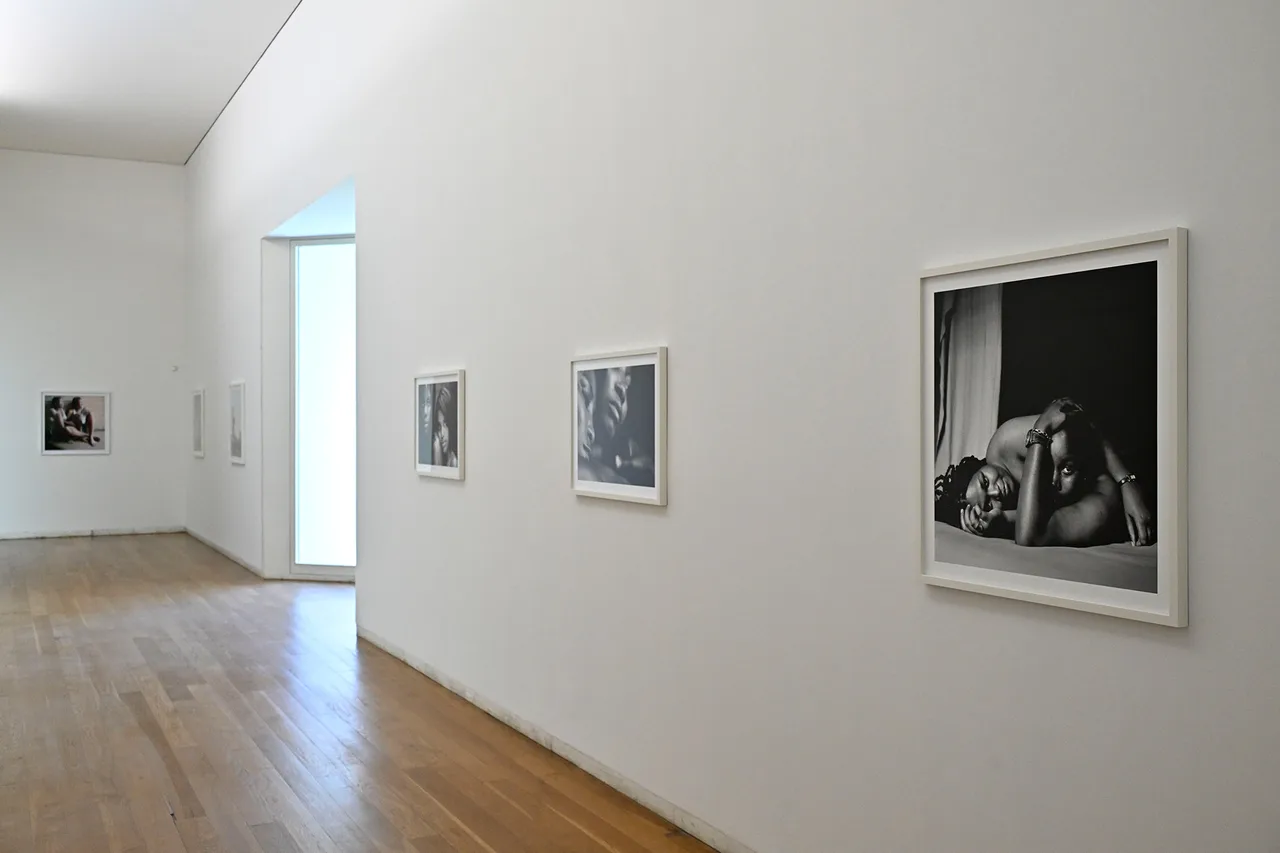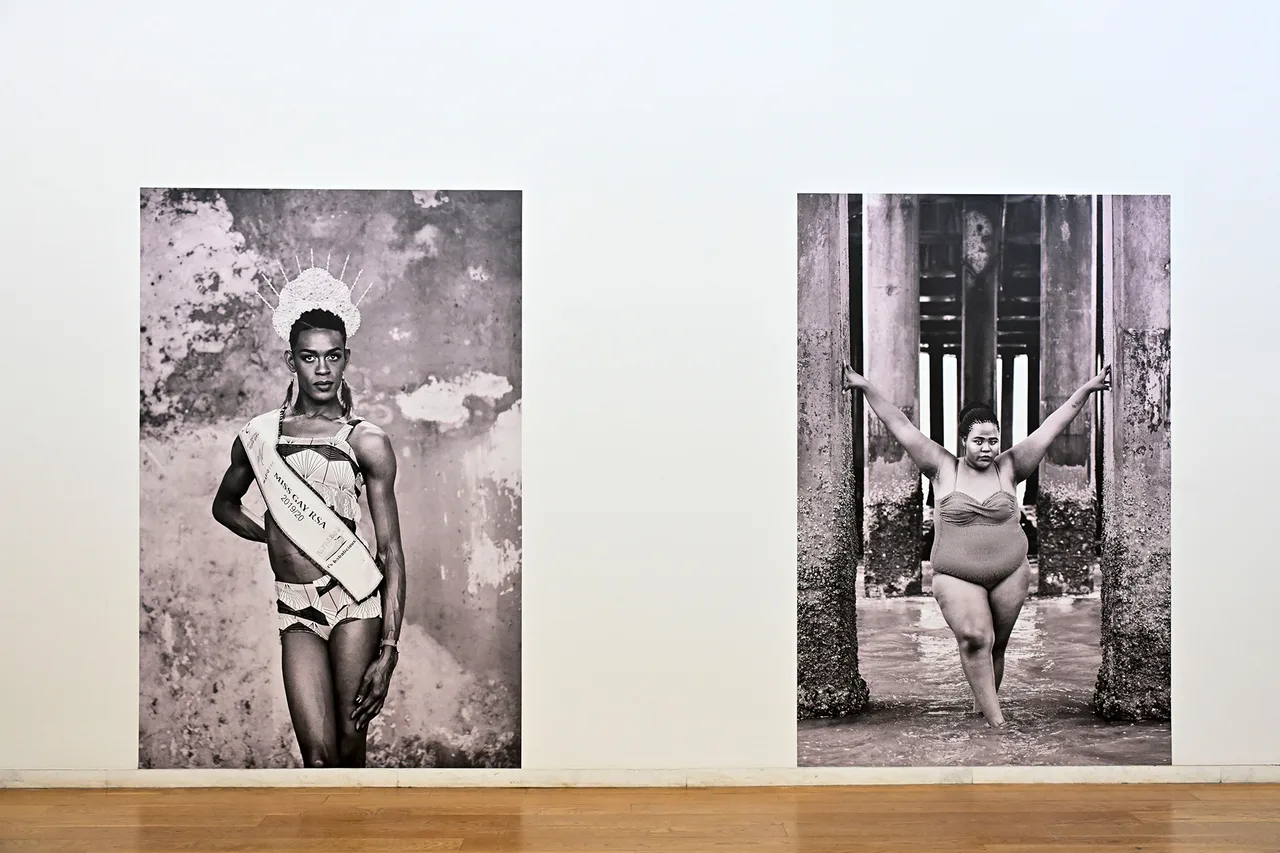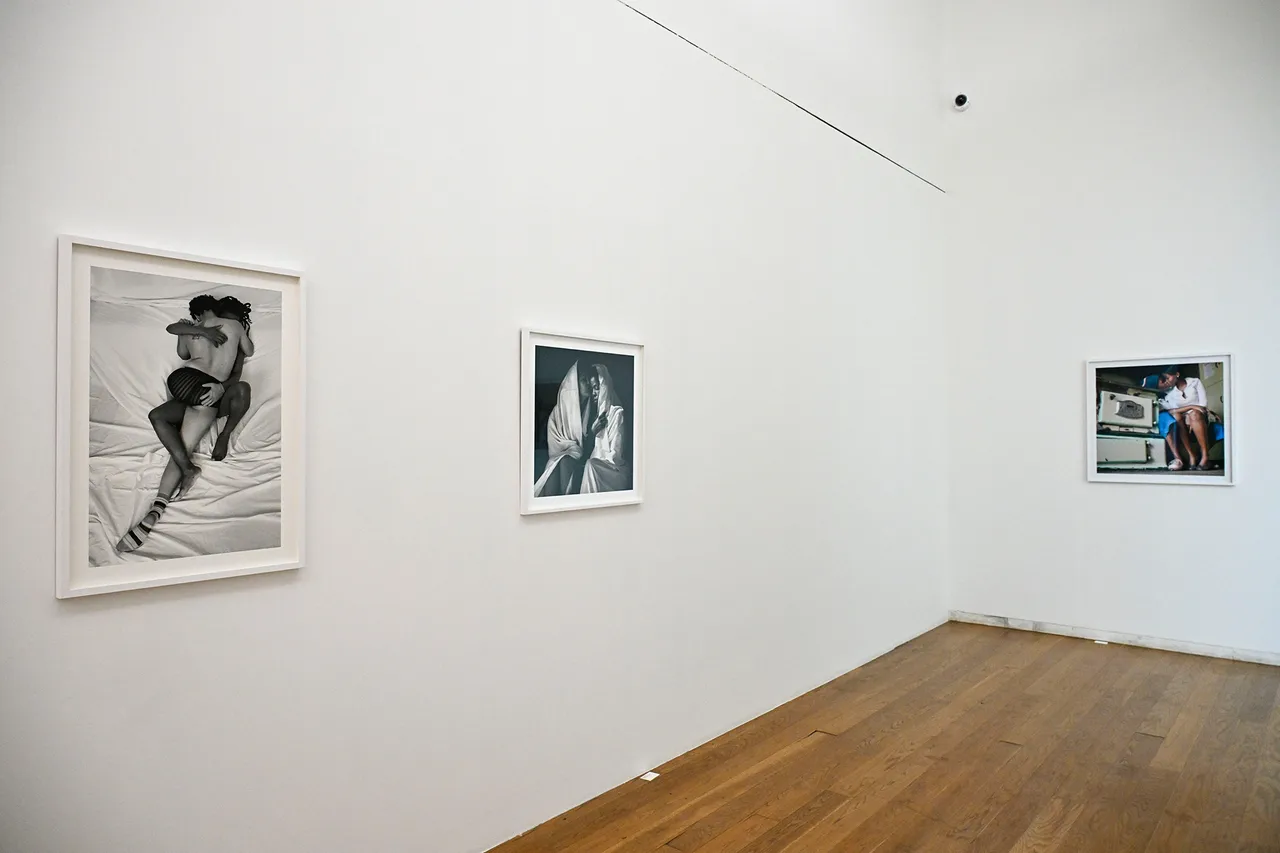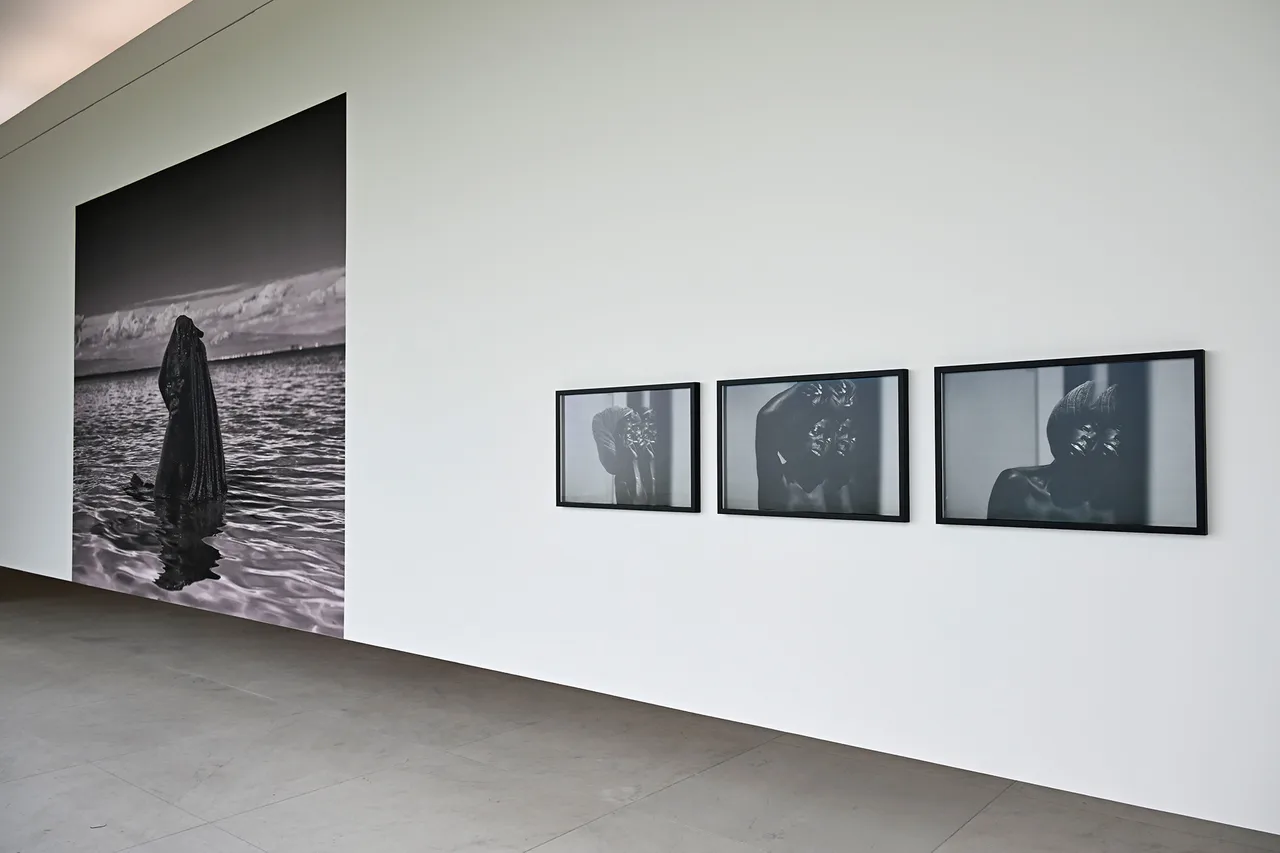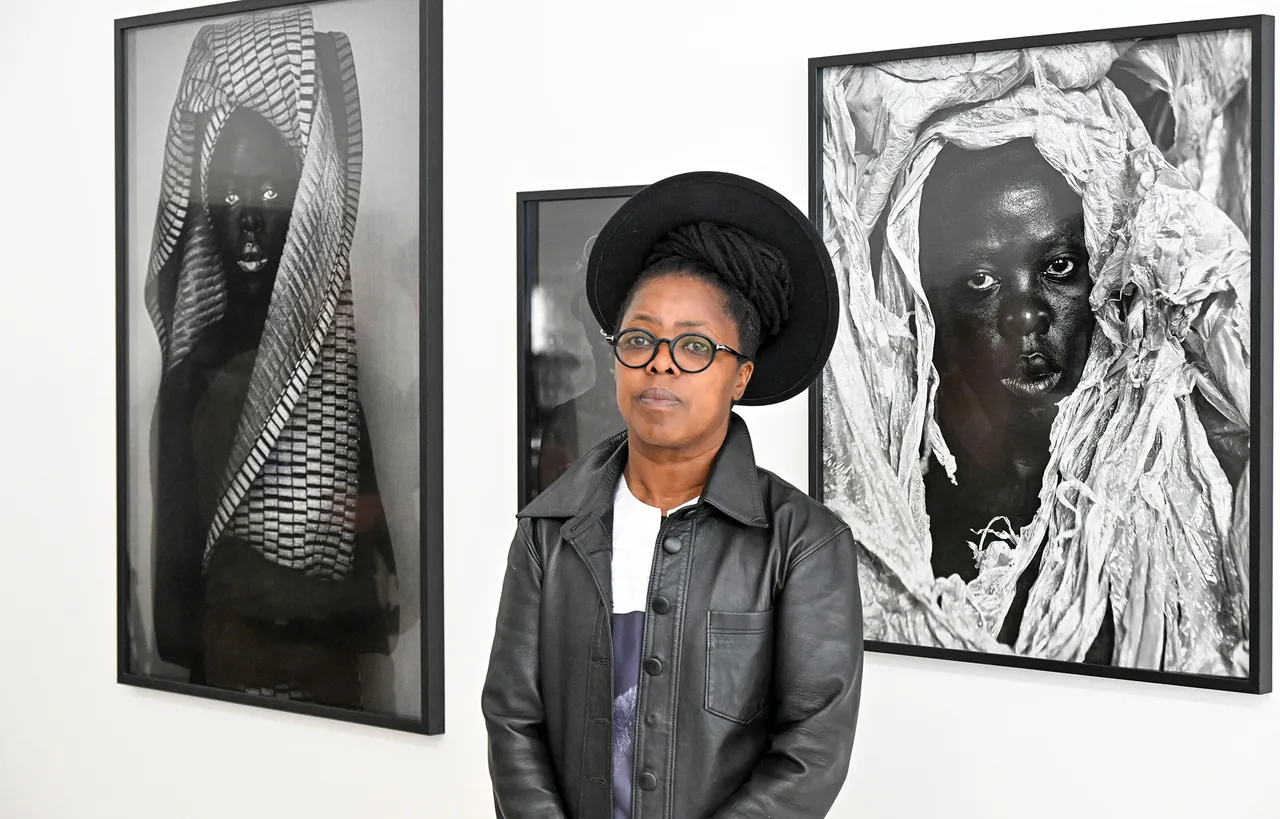
Zanele Muholi confronts the global ramifications of colonialism and implements the Black gaze in their exhibition at Fundação Serralves, open until the 12th of October. The exhibition was originally curated by Carine Harmand and Amrita Dhallu at the Tate Modern in London, but has been travelling Europe and making its last stop in Porto.
Muholi was born into contention during the Apartheid regime of South Africa in 1972. They are no stranger to the precarity that comes with living as a Black and queer person in a country that, while legally accepting since 2006, has not taken sufficient strides to dismantle the cultural taboos and political violence LGBTQ+ people face on a daily basis. Muholi explains that as you walk through life, “there is this violence which also exists as a constant threat that denies you the right to be who you are, or who you want to be.” It is these factors that led them to call themself an activist rather than an artist. They wish to produce things that are educational and political as well as thoughtful, in an effort to not separate art from the very conditions that breed it.
The exhibition at Fundaçao Serralves not only exposes the political and social injustices marginalised communities are subjected to, but emphasises the importance of seeing their joy and resistance, a practice closely aligned with the Black gaze. In their work, Muholi challenges these facts by asking the audience to confront their discomfort with images showcasing the intimate lives of queer couples and staring into their self-portraits. But what exactly is the Black gaze? It is a theoretical framework that highlights the importance of forcing “viewers to engage Blackness from a different and discomforting vantage point.” It strives to decentre the dominant narrative of whiteness as the baseline — the measuring tape against which all others are assessed.
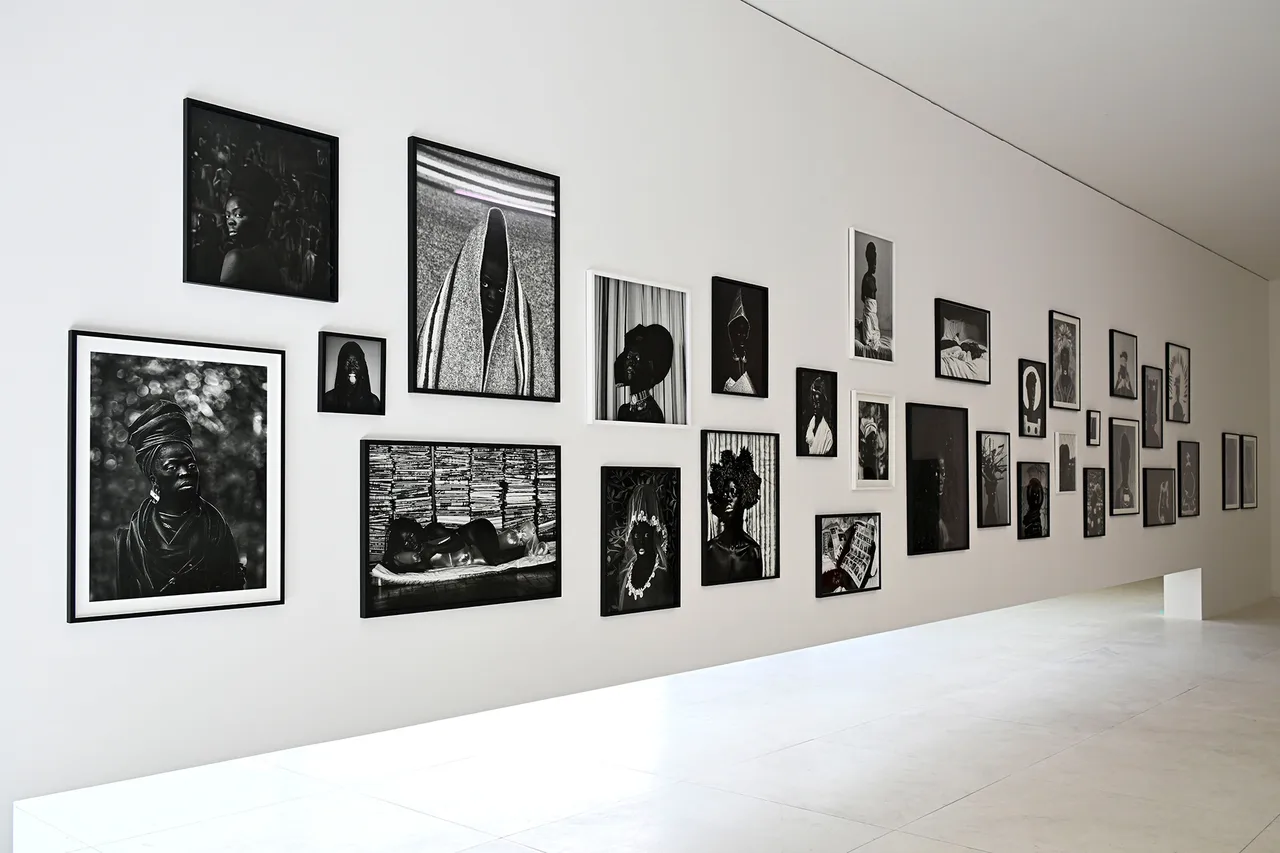
In Muholi’s self-portraits and depictions of queer South Africans, we see how the photographer employs this gaze by forcing the audience to witness moments of tenderness, vulnerability, sexuality, and resistance among their participants, thus invoking dignity and authenticity. Muholi says, “This whole thing is about visibility, respect, recognition and survival.” This is enhanced in their self-portraits, Somnyama Ngonyama (Hail the Dark Lioness), with the augmented black-and-white contrast in what they describe as “reclaiming [their] Blackness.” The work is meant to be an homage to their mother, of whom they don’t have many photos.
Many of the elements in the images recall aspects of their mother’s profession as a domestic worker and enhance the typical features of a Black woman. They also said that some of these self-portraits were taken in a variety of European cities after uncomfortable or hostile interactions to reflect on themself and truly see their personhood after the incidents. They find Black LGBTQ+ people are “being mimicked, and distorted, by the privileged other” when they are more than capable of documenting themselves. And Muholi does just that, documenting not only themself, but hundreds of others.
Muholi’s work Faces and Phases has each participant look directly into the camera for the photograph, impelling the viewer to look into their eyes. It dares them to not break eye contact out of discomfort, but rather lean into the discomfort and question it. The participants are queer Black people originally from South Africa, but as the series progressed, Muholi took photos of people from around the world where their exhibition was on display. It consists of a distilled body of six hundred portraits with many of the same participants reappearing in the journey so that the viewers are able to recognise them.
This theme of recognition intertwines with the importance of visibility for marginalised communities. As one begins to recognise the faces in the photos, perhaps we as the audience also notice how they change, or rather, how they are changed by their circumstances, and possibly how they resist them. Moreover, the viewer can connect it to their own life, their own society, reflecting upon how these circumstances may be similar, how we connect across differences, and how colonialism is a critical element in that.
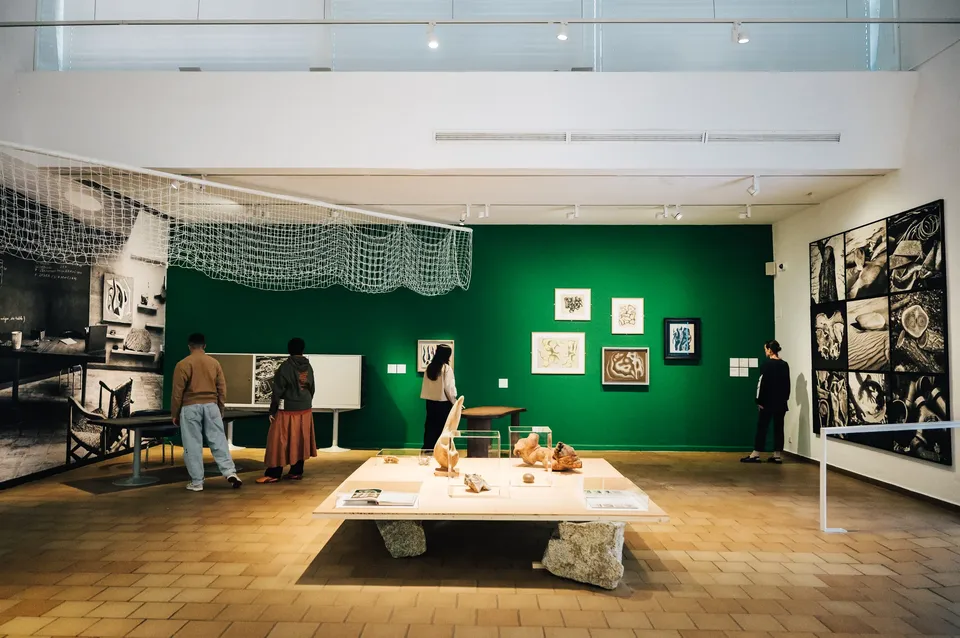
In Fundação Serralves, the exhibition goes a step further and challenges the Portuguese to recognise how their own “colonial legacy continues to be profoundly ingrained in society.” Curators Inês Grosso and Filipa Loureiro decided to include more of Muholi’s work than what had been on display in the other museums since this was their last exhibition, including some of their lesser-known works or series. The museum wanted to incorporate these series authentically in the space by using an architect from Ventura Trindade to help map out where each would be represented best based on the light, the size, and the feel of the space. The museum made sure to include local organisations fighting for LGBTQ+ inclusion and decolonisation in Portugal in the planning of the space and events hosted during the exhibition. Additionally, they added a section dedicated to the most impactful moments for the LGBTQ+ community in Portuguese history in an effort to draw more connections to the universal themes of Muholi’s work.
It is imperative that Muholi’s work does not just stay in the context of South African apartheid, but instead breeds reflection on colonial legacies in London, in Germany, and now in Portugal. They want museums particularly to recognise that colonialism is not just in the past but that the “colonial past informs the present.” This exhibition has been received worldwide with astounding praise because it touches on themes of understanding and accepting queerness as well as resistance to colonialism. In being able to draw connection from queerness to colonialism, Muholi’s exhibition reminds us of the “urgent need to debate issues such as gender and cultural identity, collective memory and social justice.”