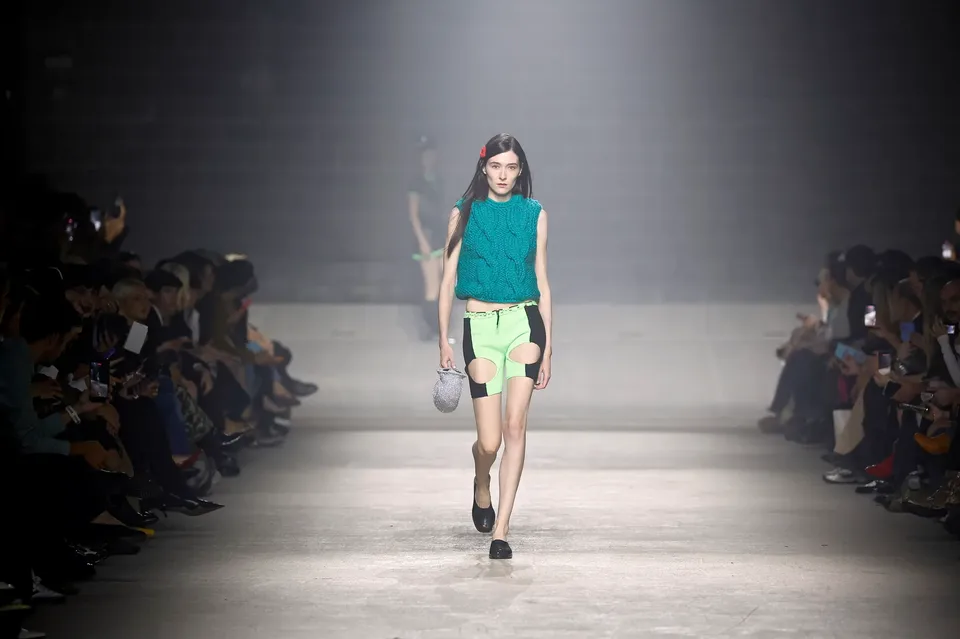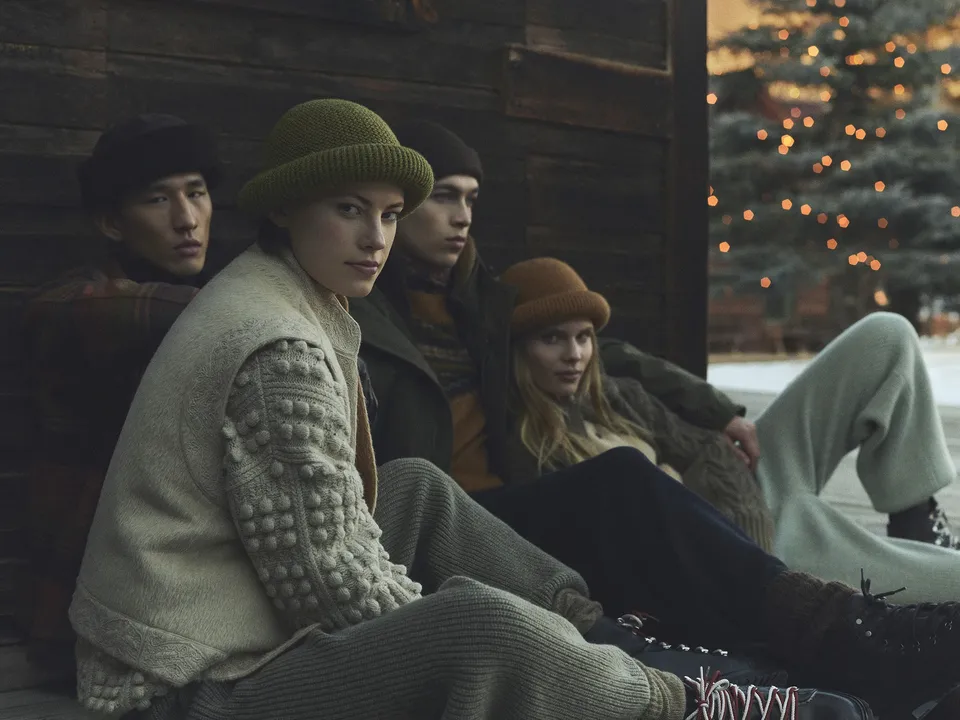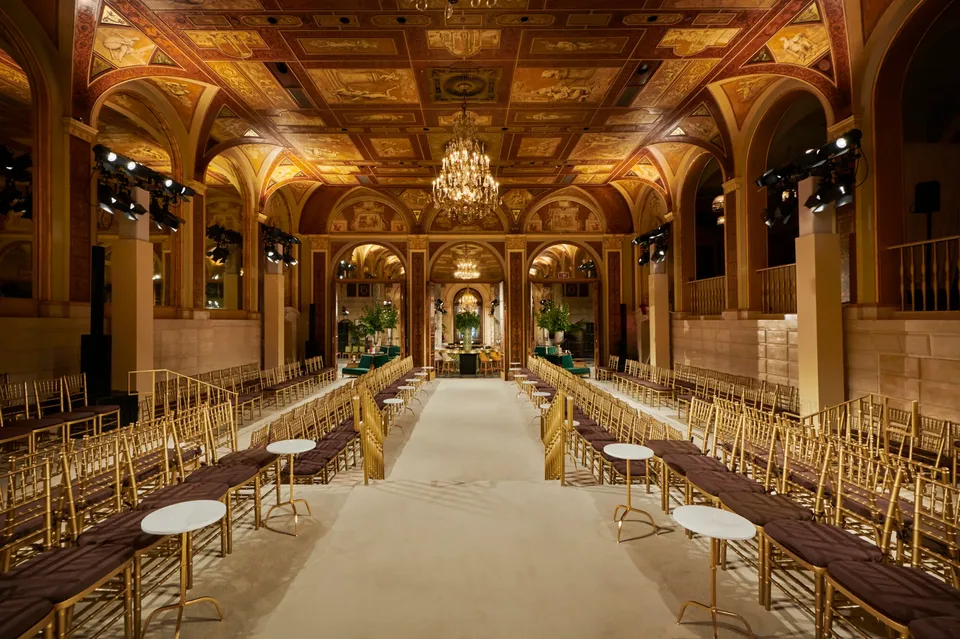
We can always count on emerging fashion weeks outside the usual four to give us renewed hope in fashion and a fresh take on what’s happening beyond the scenes we are used to. We return to Armenia’s capital for Yerevan Fashion Week with great expectations, following our first contact with the country and its fashion industry around this time last year. Back then, we discovered how creativity thrives in such a rich culture, and how efforts to build a solid, sustainable and inspiring network of creators encourage more people to take their first steps into this world. Now, in a new venue in the historic city centre, one of the region’s most important fashion events reaffirms its position with runways, showrooms, contests and activities that cater to fashion enthusiasts and aim to spread their passion for the industry throughout the Pink City and the world.
This was a week of celebration. Of course, every new edition of Yerevan Fashion Week is a reason to rejoice. Seeing local fashion industries around the world continue to give their all to a sector that can inspire young people and the creatives who dedicate their lives to it never ceases to be motivating. The economic benefits these efforts can bring to cities and countries that are beginning to recognise the advantages of developing a solid creative industry are also a reason for optimism. However, these were not the only reasons to be happy during these fashion days in Armenia.
This season coincided with Yerevan’s 2,808th birthday, no small milestone that gave us the chance to experience the city at its best. We enjoyed some truly special moments, like waking up to the sight of dozens of hot-air balloons taking flight just a few streets away from our hotel, with snowy Mount Ararat in the distance and the sun rising behind the Yerevan TV tower. Happy birthday, Yerevan!
With this in mind and heart, the fashion event maintained a strong sense of pride throughout the week. Even the season’s main concept reflected the celebrations, with Yerevan’s identity as the Pink City, a reference to the distinctive volcanic stone used in many of its buildings, extending into the event’s branding and official colours. In an even more symbolic gesture, the opening event took place at Erebuni Fortress, founded in 782 BC by King Argishti I and regarded as the birthplace of Yerevan, with which its name is also associated. With the ruins behind them and the city’s night-time landscape at their feet, looks from all the participating brands were showcased against the historical backdrop, bringing stories of the past and present together.
From there, three days of packed schedules began, with a historic printing and publishing complex in the middle of the busy city serving as the main hub. It hosted around half of the fashion shows, alongside the official showroom, open to the public, where brands presented their creations to professionals and enthusiasts. It also welcomed the fashion talks, an initiative that adds another layer to the event. Going beyond the collections themselves, these sessions offered valuable insight into how the industry works, covering topics from the unavoidable question of AI’s role in fashion to the influence of fashion journalism and the importance of building a solid brand identity to reach international markets.
Audiences were engaged, asking questions and listening attentively. Their participation showed how important it is for the event to focus on the shows and spectacle while also addressing the theoretical and technical sides of the industry. People want to learn, and this is a good opportunity to do so.
Another great initiative is the Fashion Scout Armenia Award, which returns yet another season to encourage young designers to develop and present their collections, competing for prizes that can positively impact their futures. The partnership between the Fashion Scout programme and the Fashion Chamber of Armenia has given young creatives access to valuable resources and encouraged them to think beyond borders and imagine professional paths outside the traditional framework.
This year, we witnessed the work of eight finalists selected from seventy-five applications and celebrated the three winning collections. The Yerevan Mayor’s Award went to Yeva Balasanyan, who will receive a generous monetary prize from the Yerevan Municipality, demonstrating the authorities’ commitment to fashion as a space for nurturing young talent. Hasmik Hayrapetyan won the Polimoda Special Award with a collection rooted in nature and an appreciation of raw materials. She will be able to attend one of the prestigious Polimoda summer courses with a 100% scholarship. Finally, the grand prize went to Eva Mesropyan for a menswear collection, a rarity at this fashion week that was particularly nice to see. She will have the chance to present her creations during London Fashion Week on Fashion Scout’s platform. Congratulations to the winners!
All these initiatives set the scene for the main course: the fashion shows. More than twenty shows and presentations took place across the three days, with runways and installations both inside the venue and around the city. There was something for everyone, and each designer and brand had the freedom and support to choose the format best suited to their work. Yerevan Fashion Week’s international ambitions, and its understanding that building connections with other fashion weeks strengthens its appeal and creates opportunities for local industries and their creatives, were particularly evident this season. The calendar featured brands not only from Armenia, but also from Moldova, Kazakhstan and the UAE. This cultural mix broadened our horizons, allowing us to discover the fashion and perspectives of different regions within the same programme.
After so many shows, collections and impressions, it’s time to take a look at our favourite proposals from Yerevan Fashion Week 2026.
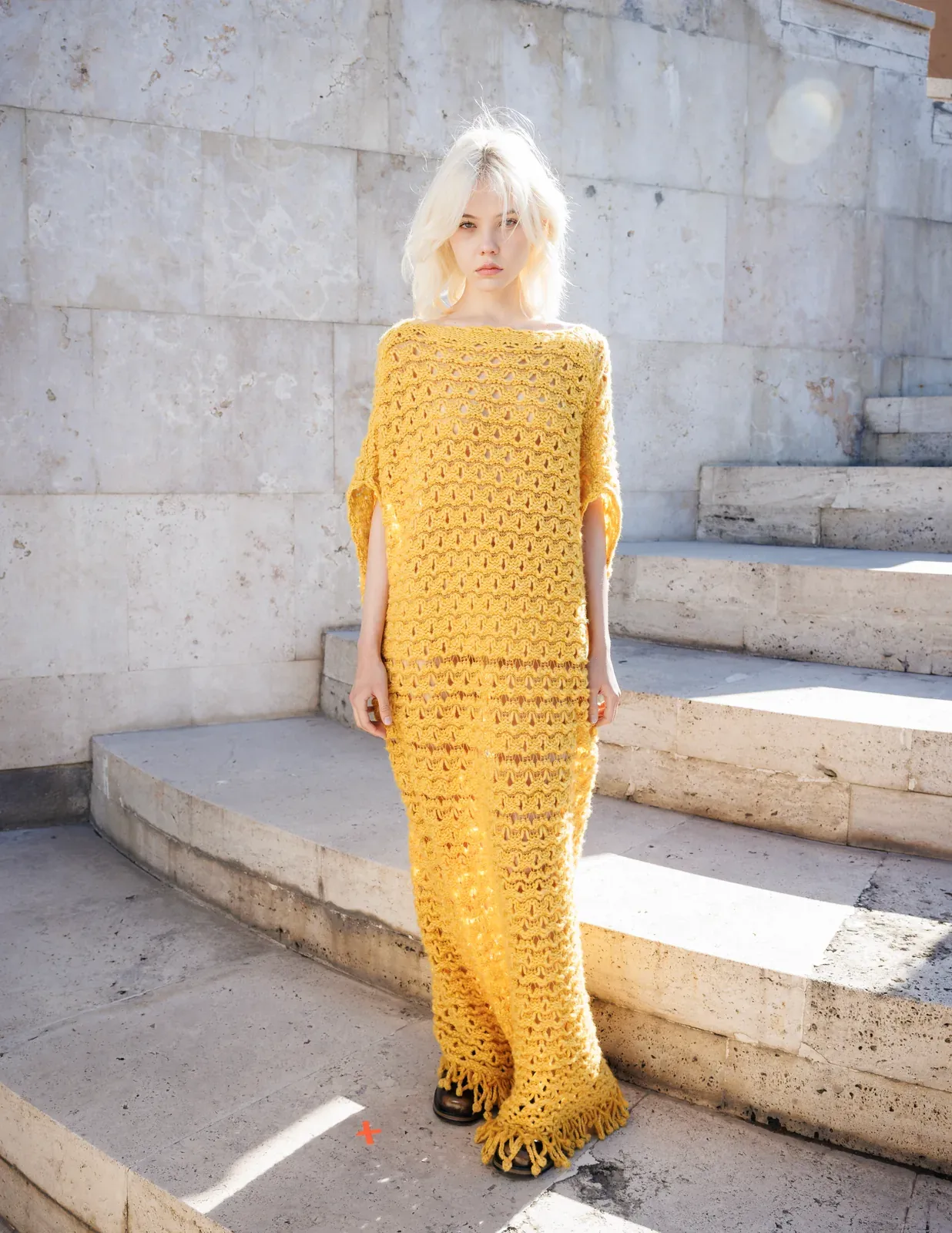
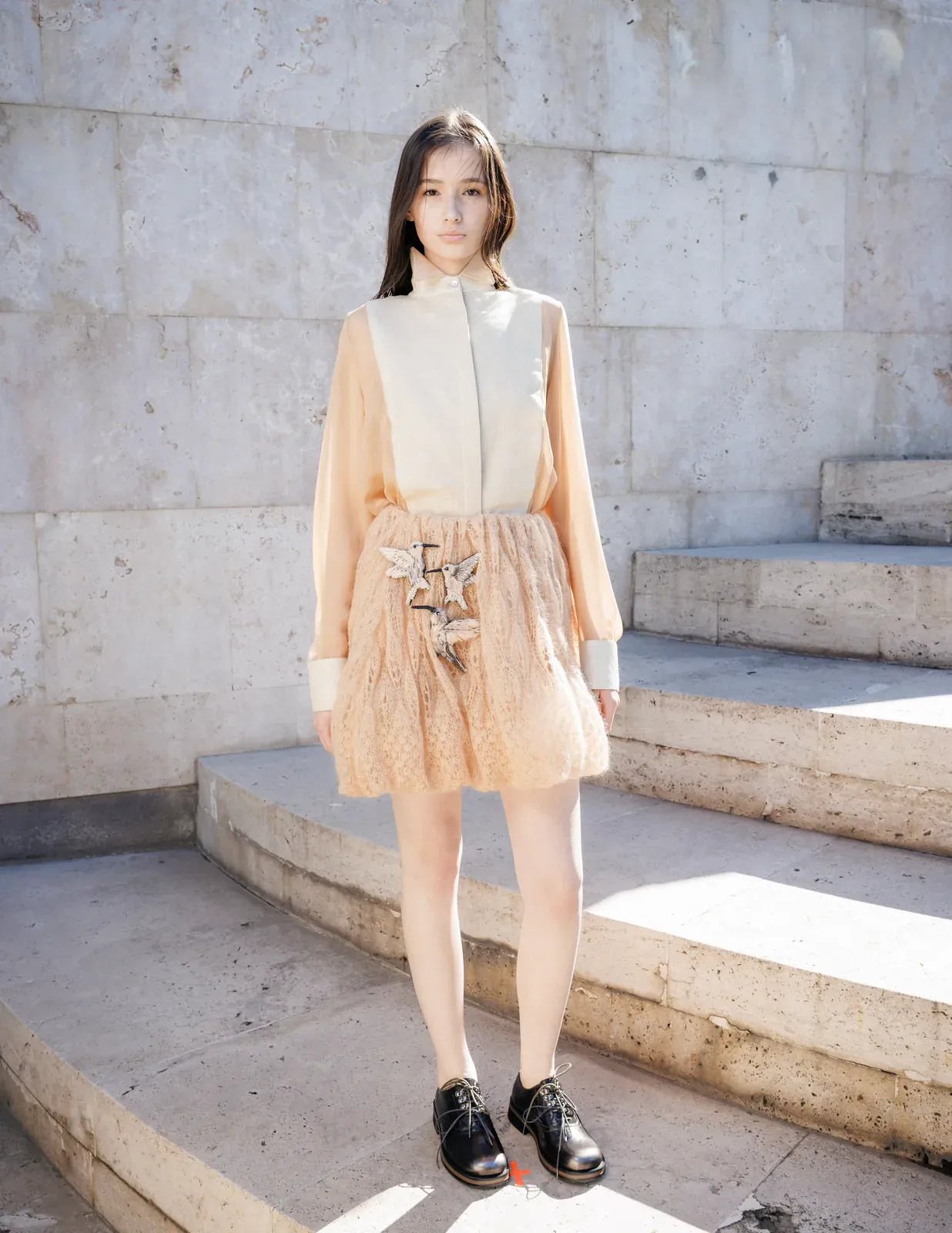
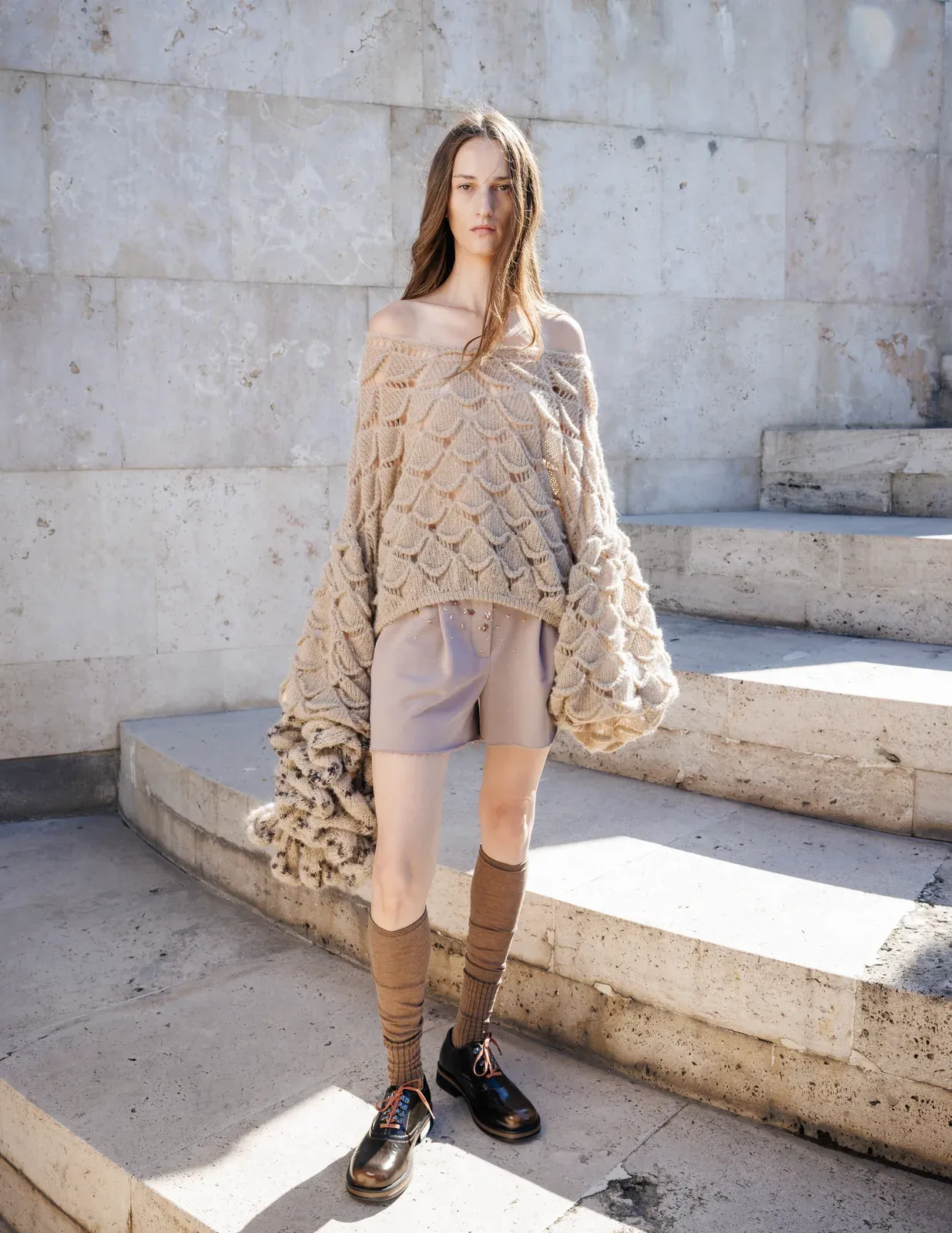
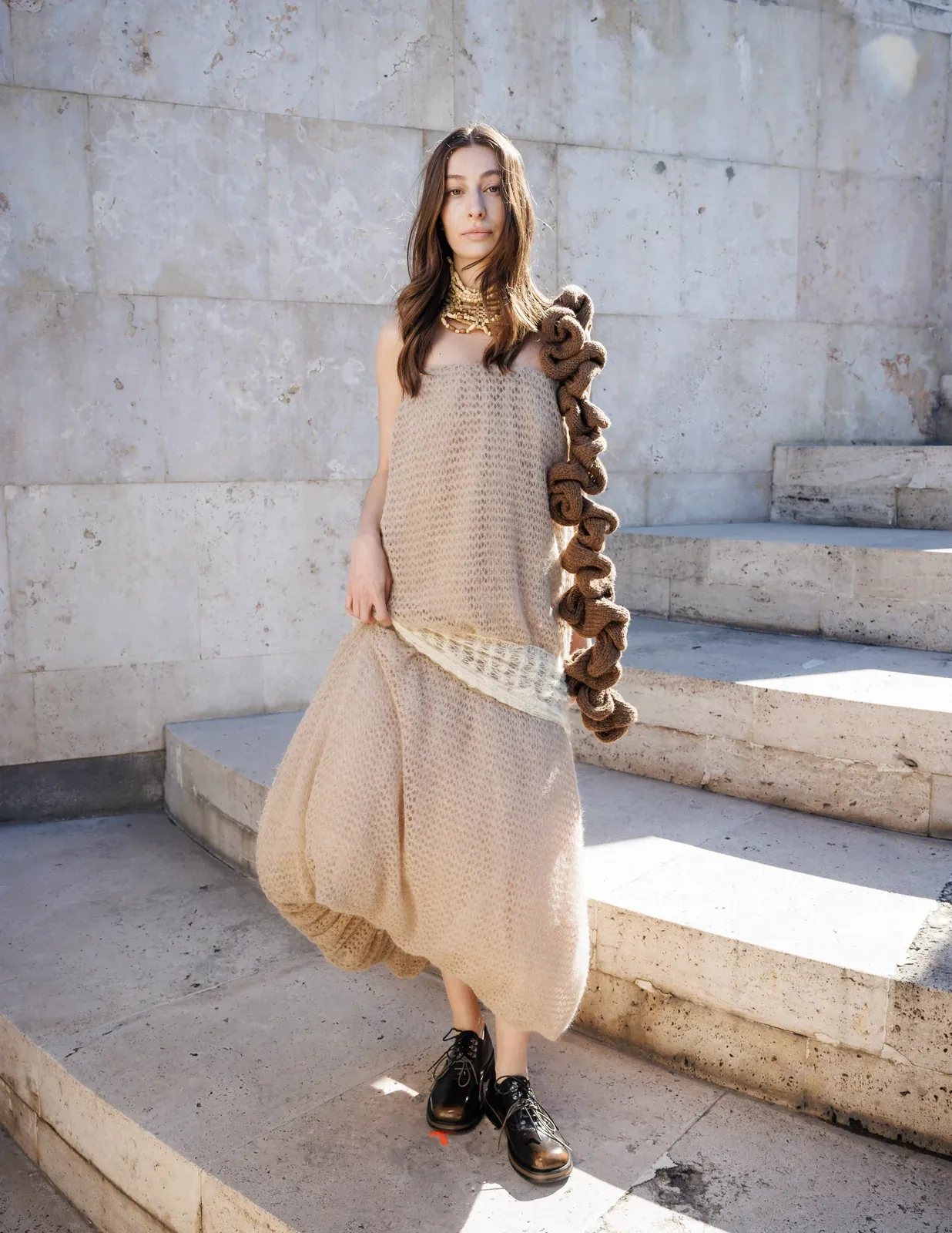
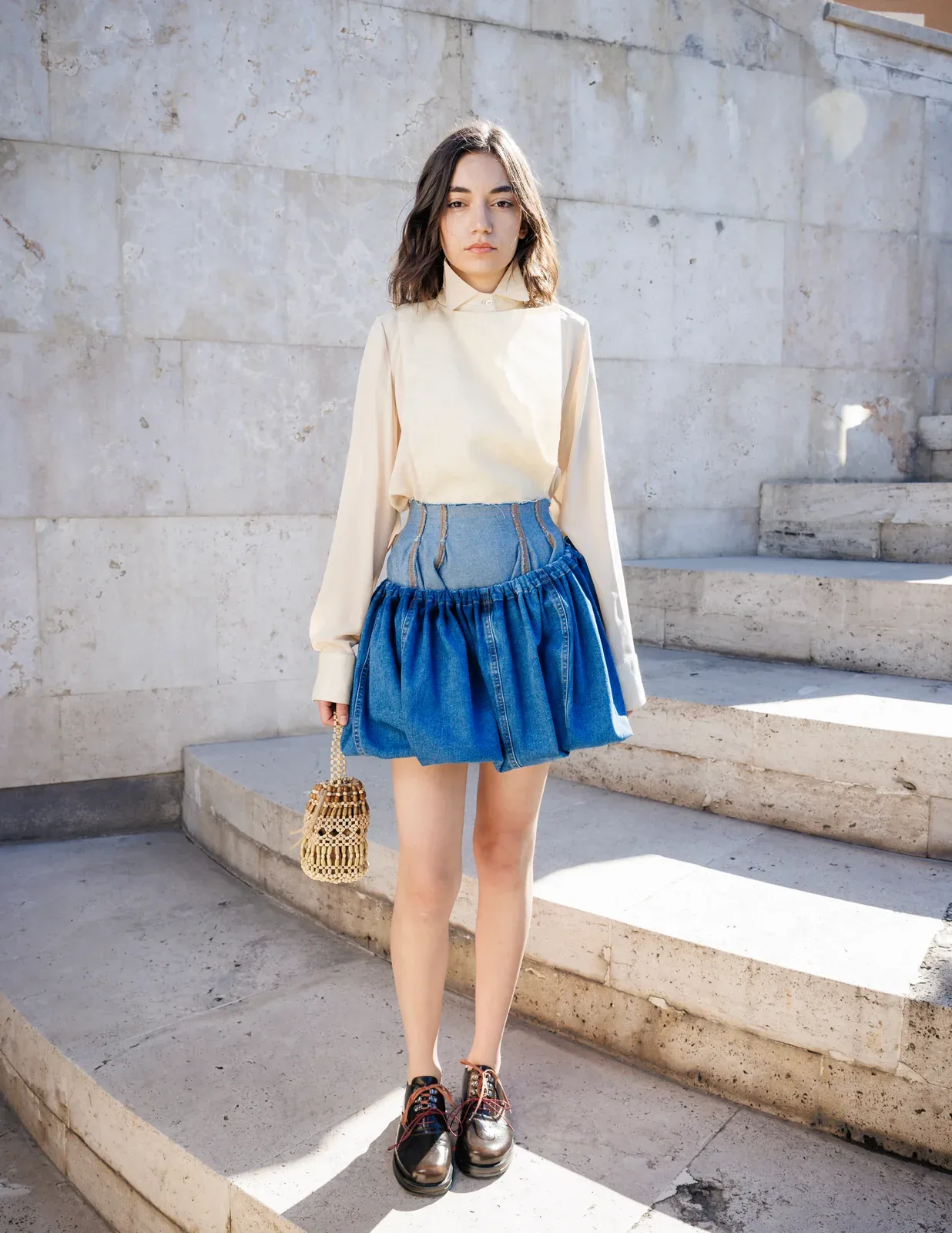
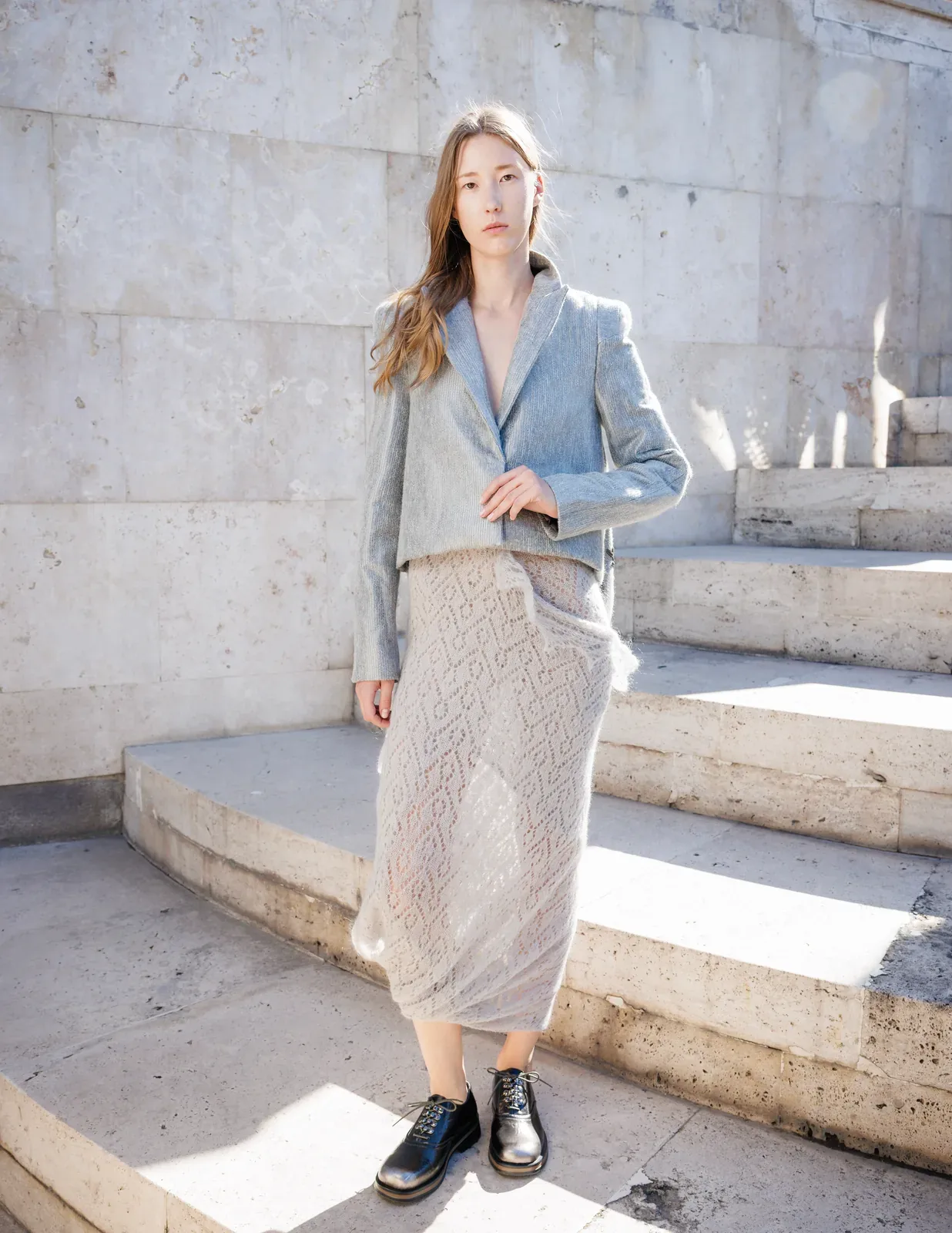
The appeal of Yerevan Fashion Week’s outdoor venues became particularly evident with LOOM WEAVING’s show at the magnificent Komitas Museum. Rather than treating the location as a mere backdrop, the brand made it part of the collection’s story, translating the music of Komitas Vardapet, widely regarded as a key figure in modern Armenian classical music, into garments. Designed by Inga Manukyan, HYUSQ explored the possibilities of knitwear through a variety of techniques, resulting in pieces that felt delicate, subtle and feminine. It was especially interesting to see how the different knits could be layered and worked into a range of garment types. Knitwear can sometimes feel too thick or restrictive to combine easily with other pieces, but here, the expertise behind the techniques allowed the garments to move freely with the body, almost as if they were floating.
Inspired by the melodies of Komitas’s Shushiki, the collection translated music into a poetic colour palette and a variety of textures that seemed to capture the feeling of a melody unfolding. The bird, another key motif drawn from Komitas’s musical heritage, was reflected in the lightness of the garments and their movement. This sense of weightlessness became even more apparent as the models descended the museum’s impressive outdoor staircase on a cold but sunny morning. The setting, the music and the fluidity of the knitwear came together to create a thoughtful homage to Armenian musical heritage, while demonstrating how experimentation with technique can take a familiar material in a fresh and sensitive direction.
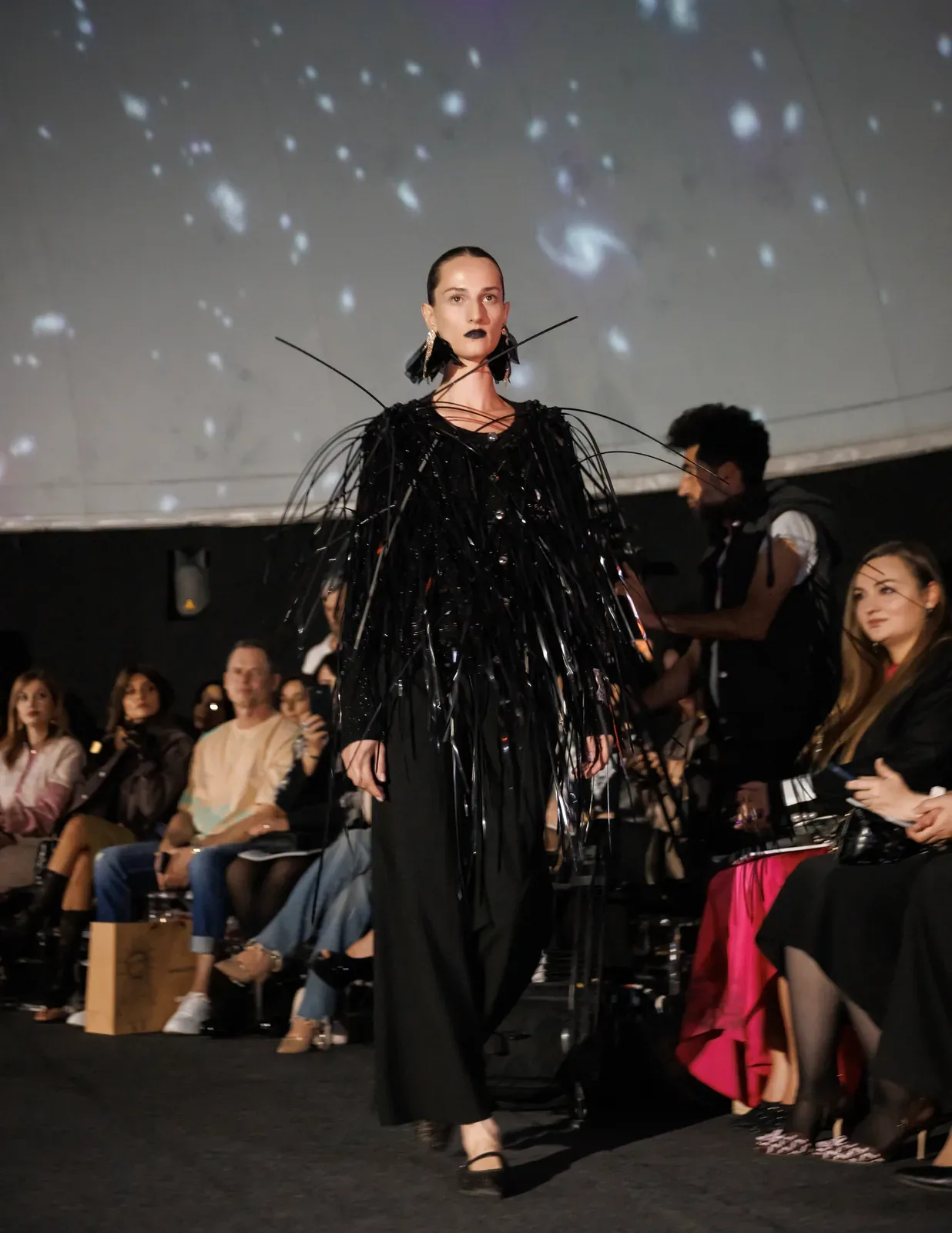
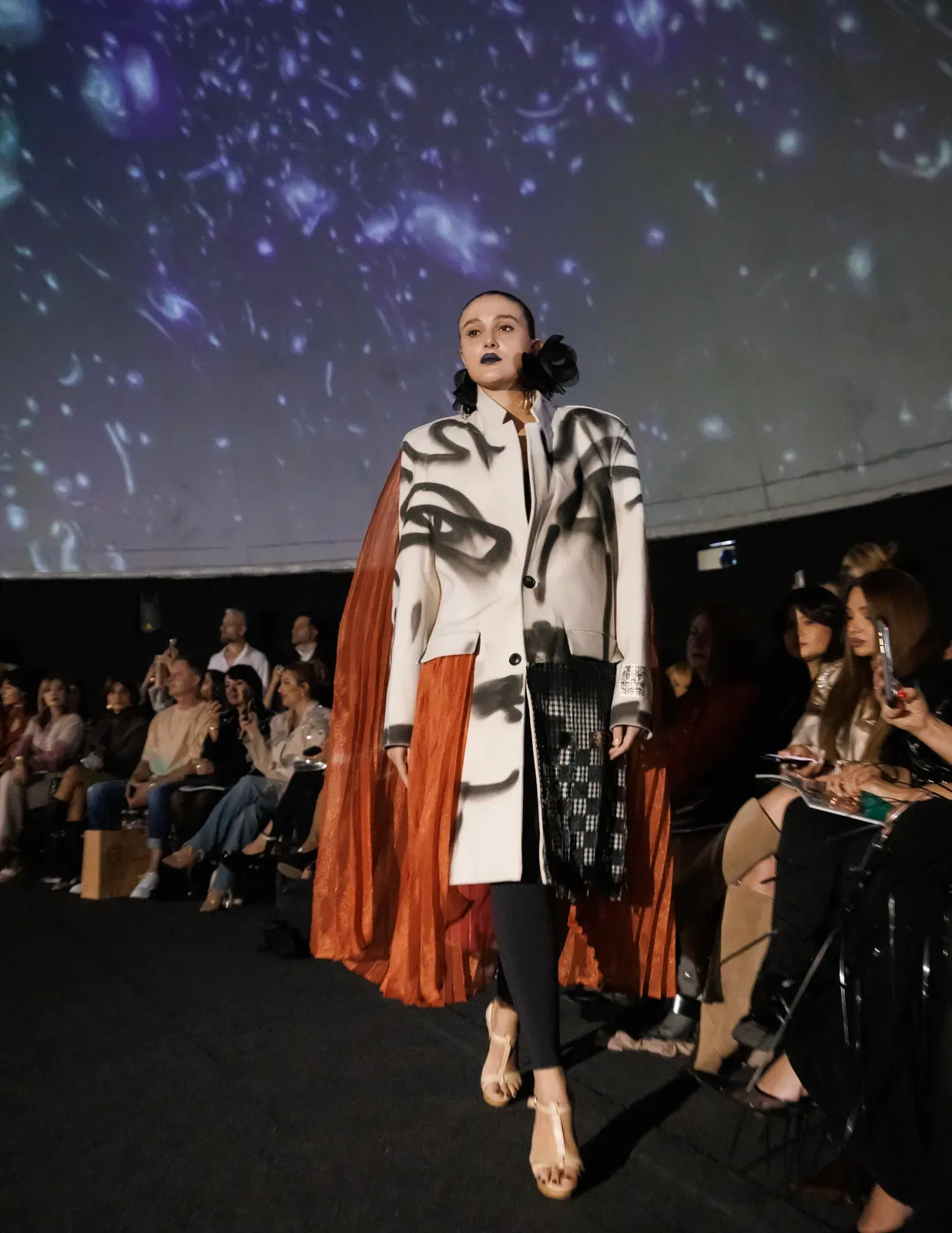
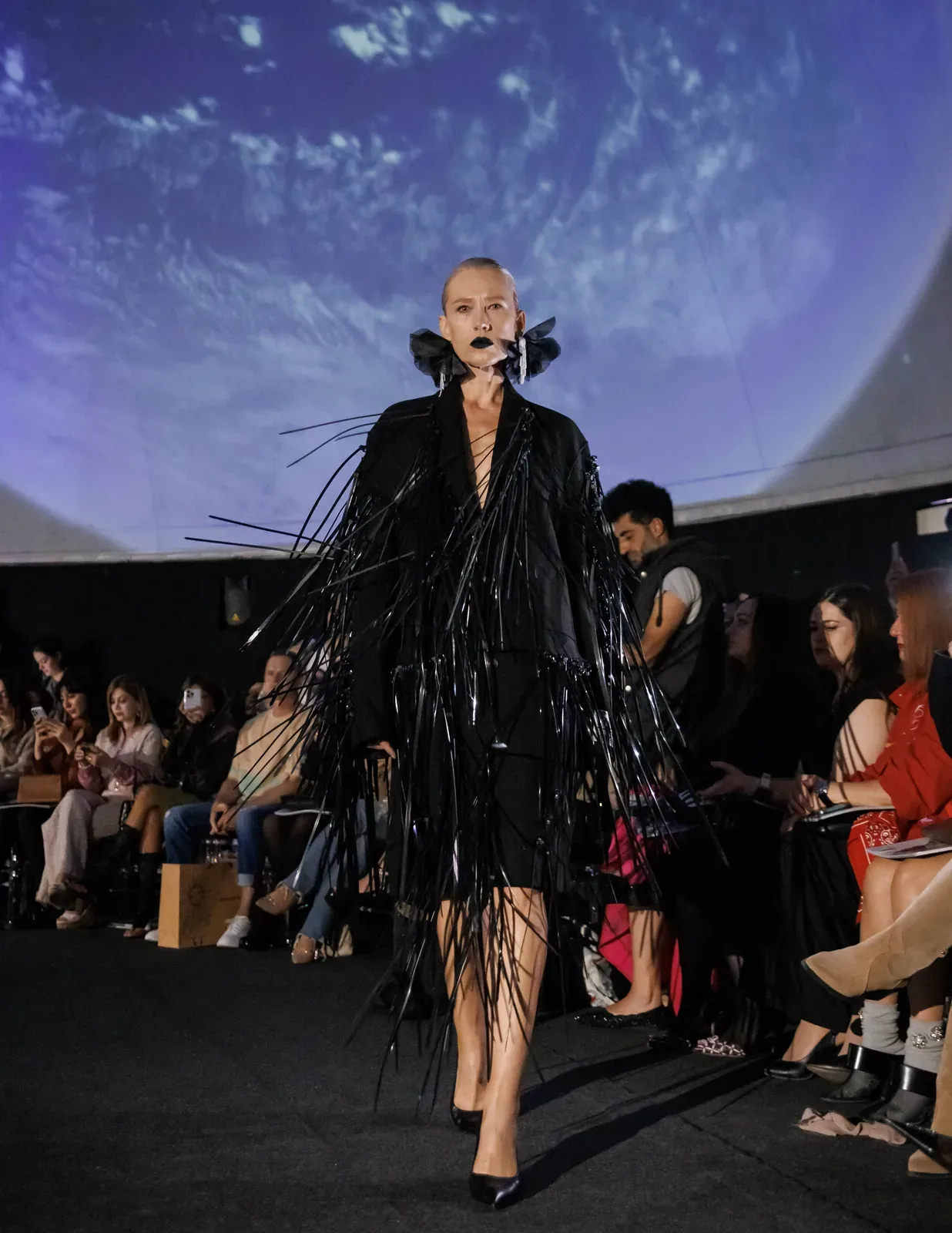
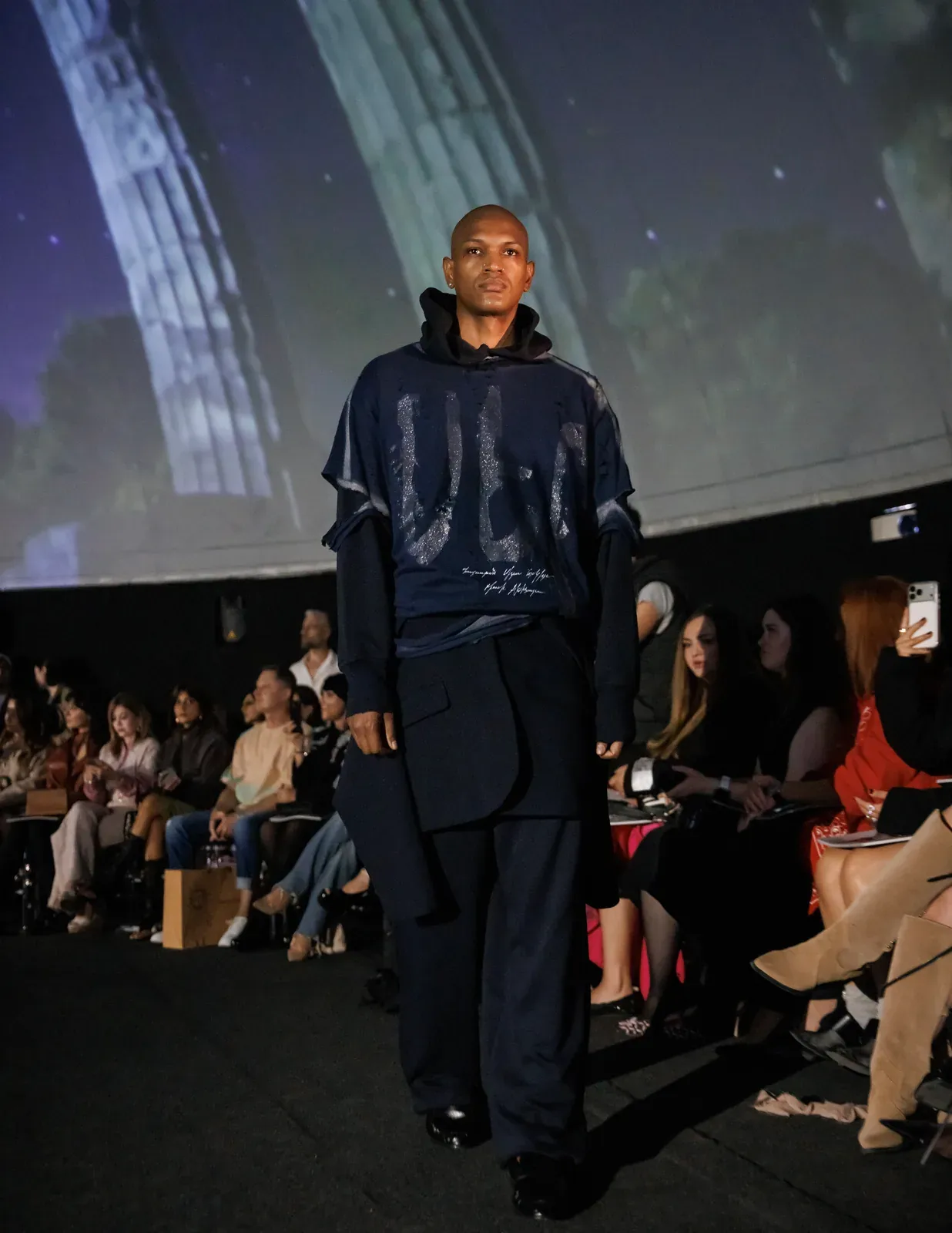
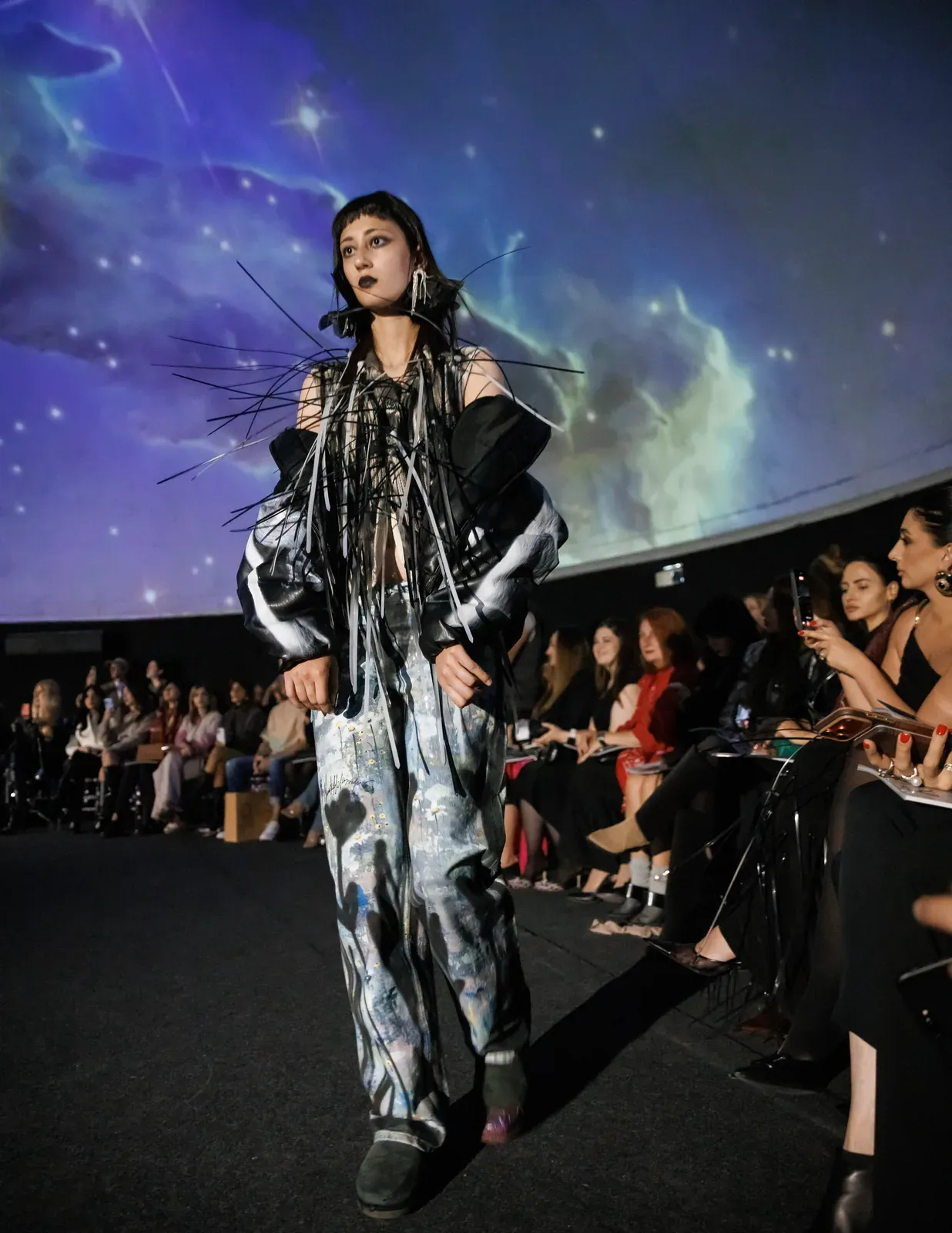
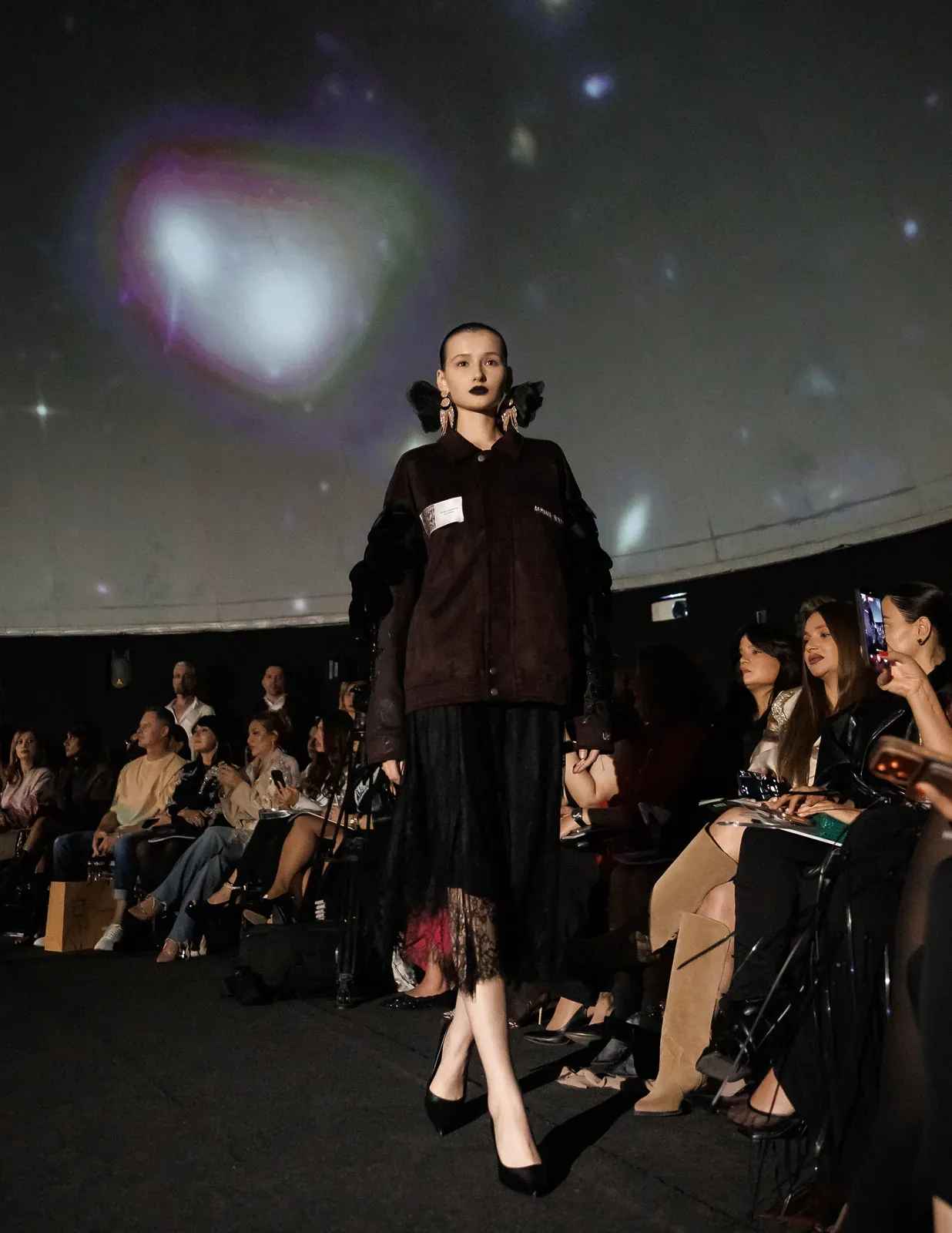
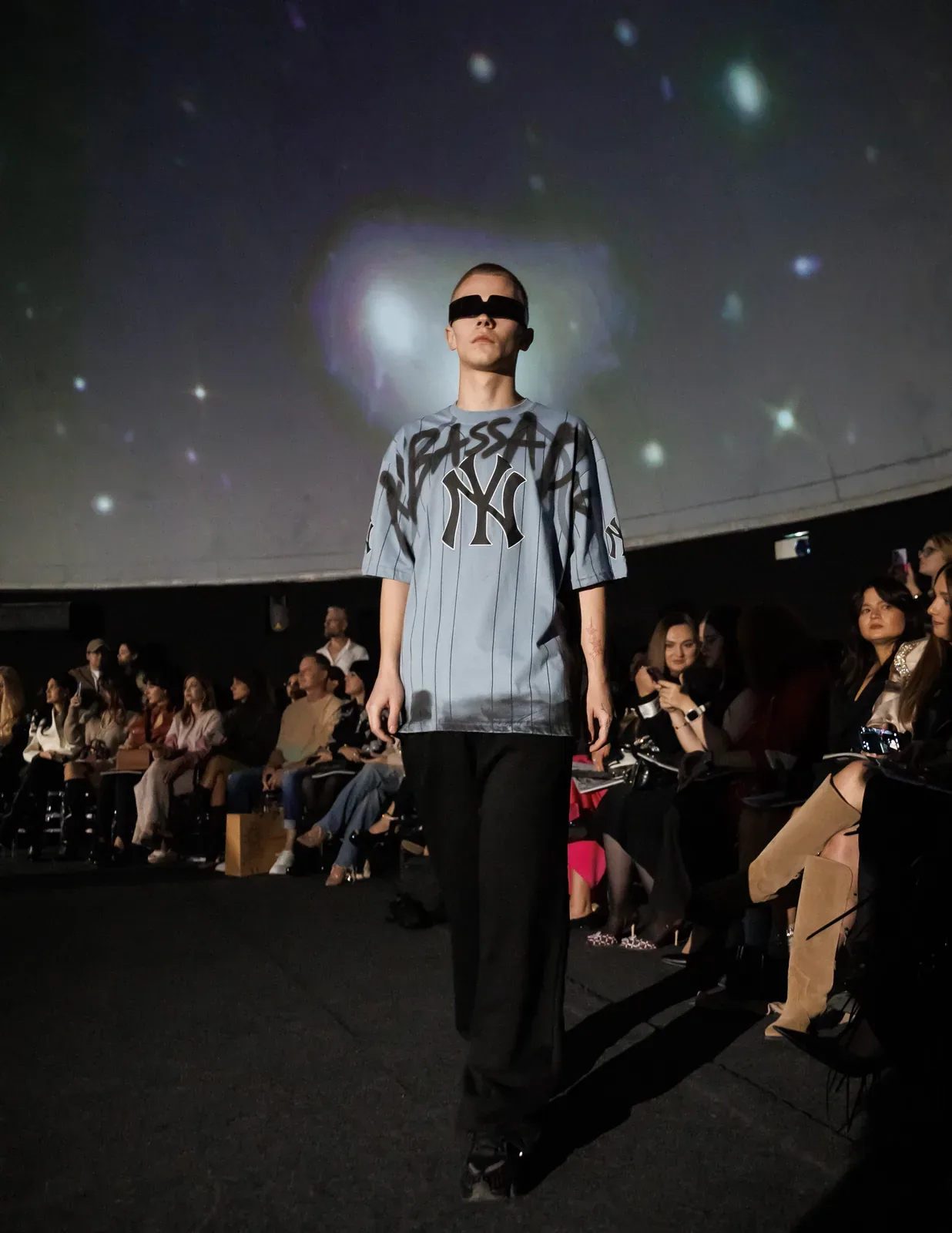
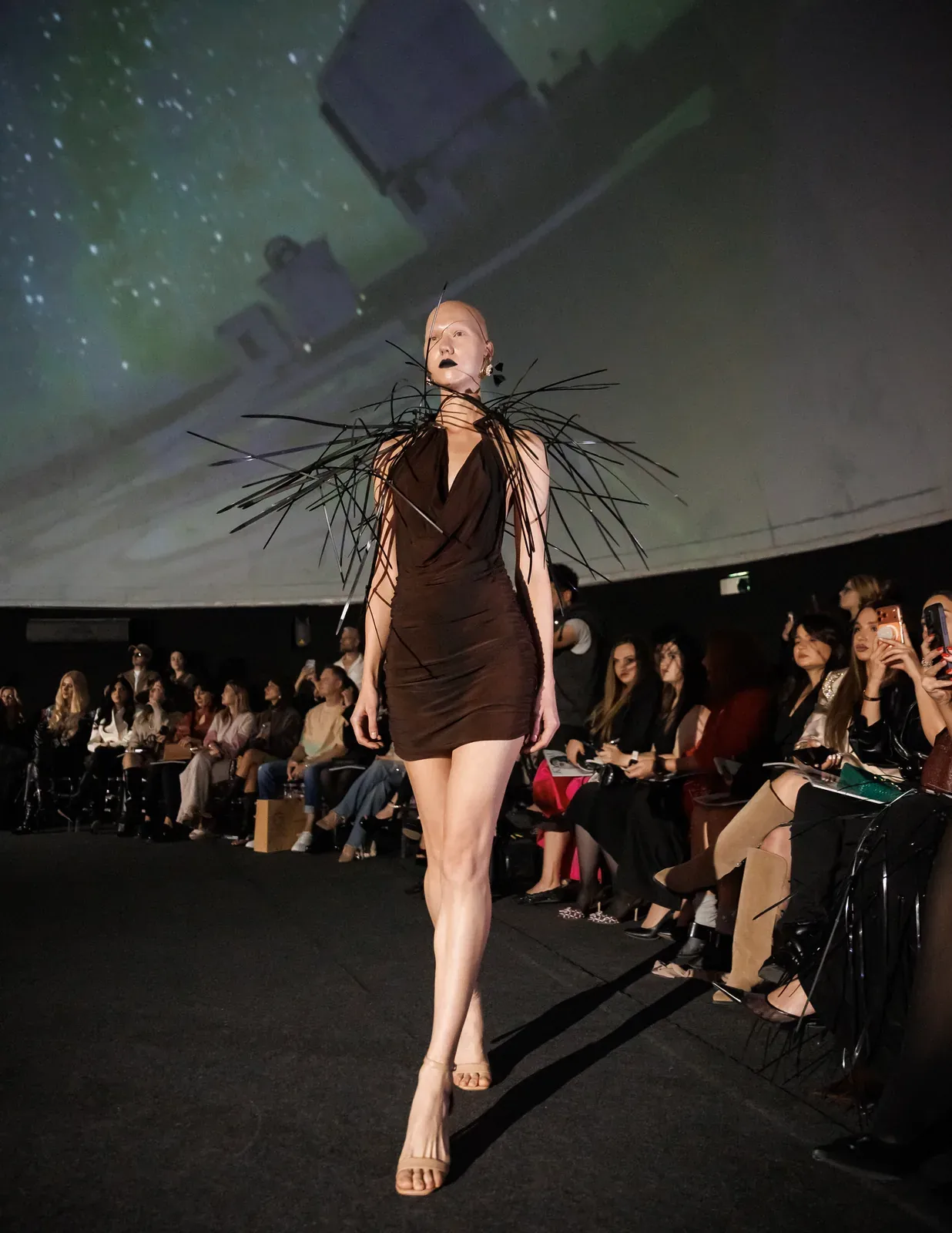
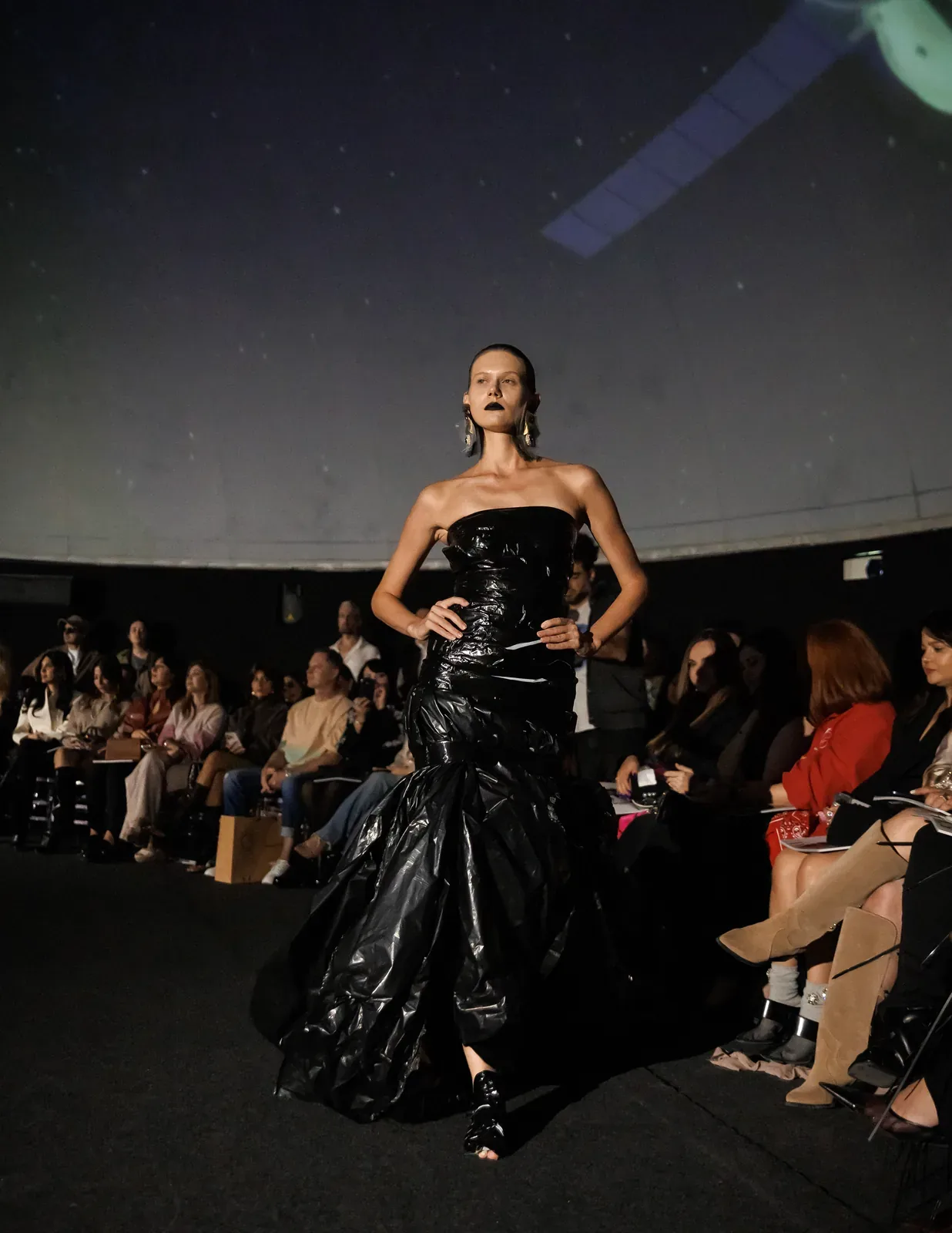
Manuk is one of the most important names in Armenian fashion, and he has proved himself time and time again. From first discovering his work at VISA Fashion Week Almaty to his most recent presentation in Yerevan, his universe seems to have grown ever larger, along with his influence. His show attracted one of the season’s busiest and most stylish crowds, and it was easy to see that the Manuk client wears his creations proudly, with a desire to be seen. The spectacle of his eye-catching looks felt right at home at the Yerevan Planetarium, another memorable venue that continued the designer’s exploration of fashion and the universe. Following last year’s presentation, which placed a giant globe of the Earth at its centre, this season once again brought the planet into focus. The globe stood outside the planetarium, drawing the attention of passers-by, while inside, constellations of stars and planets projected onto the ceiling watched over a collection that gave environmental responsibility a place within Manuk’s distinctive visual universe.
Upcycling has long been central to the designer’s practice, and this time, recycled plastic became the focus, appearing in different shapes and forms throughout the looks. Something special about Manuk’s garments is that beyond being eye-catching statements, they are one-of-a-kind creations, featuring individual details such as painting, graffiti and embroidery that make every piece unique. Here, the transformation of discarded plastic into something new offered another example of how Manuk uses fashion as a creative tool to explore ideas beyond aesthetics. His commitment to giving materials a new life felt particularly fitting beneath a ceiling filled with images of distant worlds, bringing the question of our own planet and its uncertain future back into focus. With every collection, Manuk continues to build his place in Armenian fashion with a distinctive mix of conscience, experimentation and style.
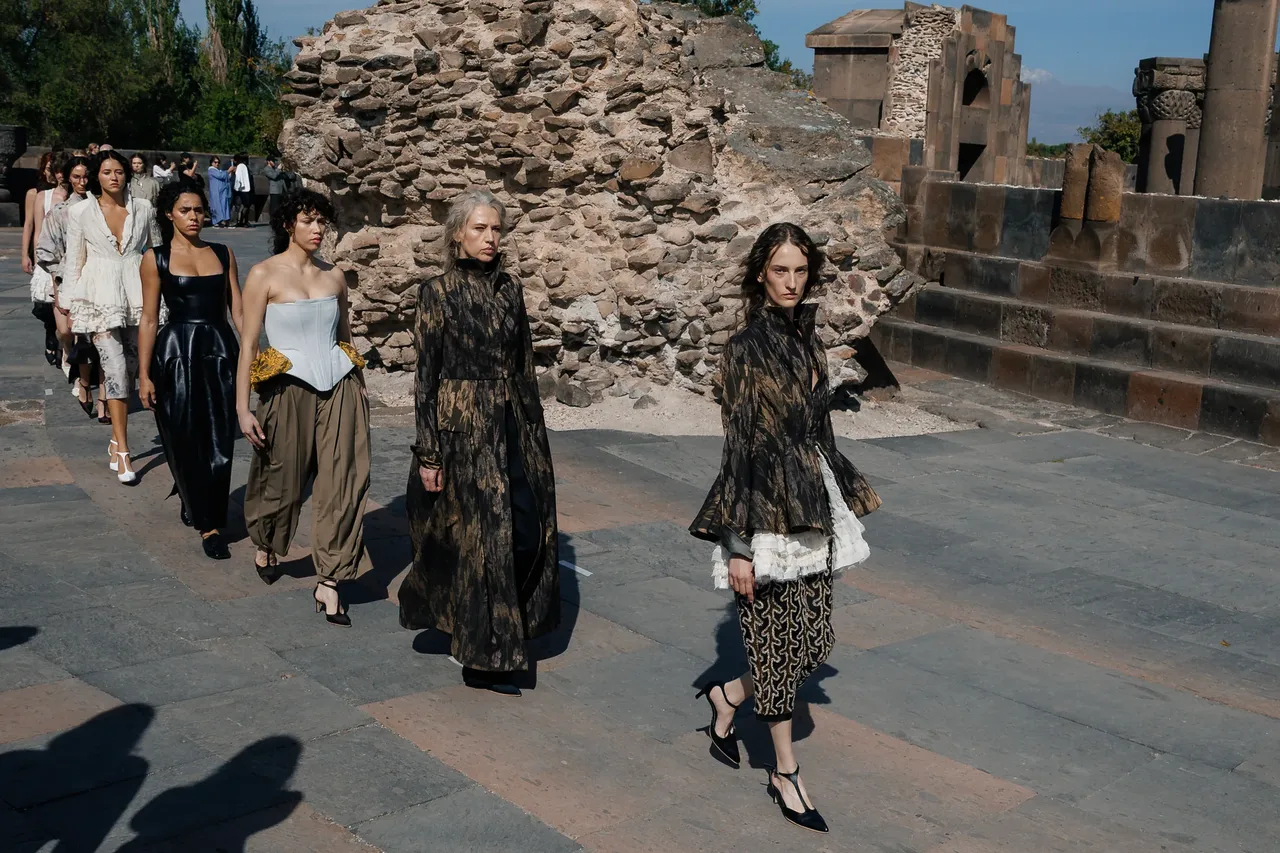
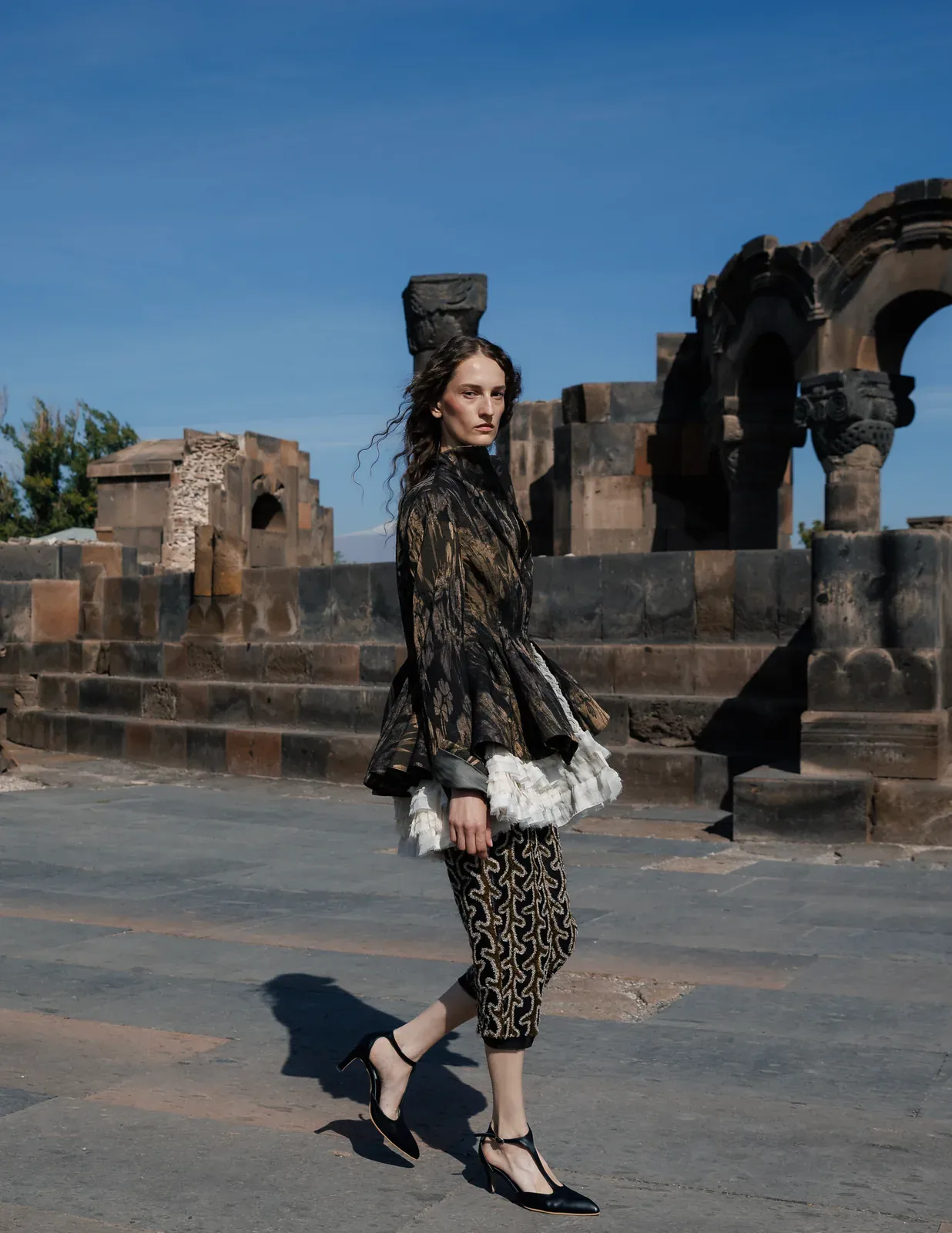
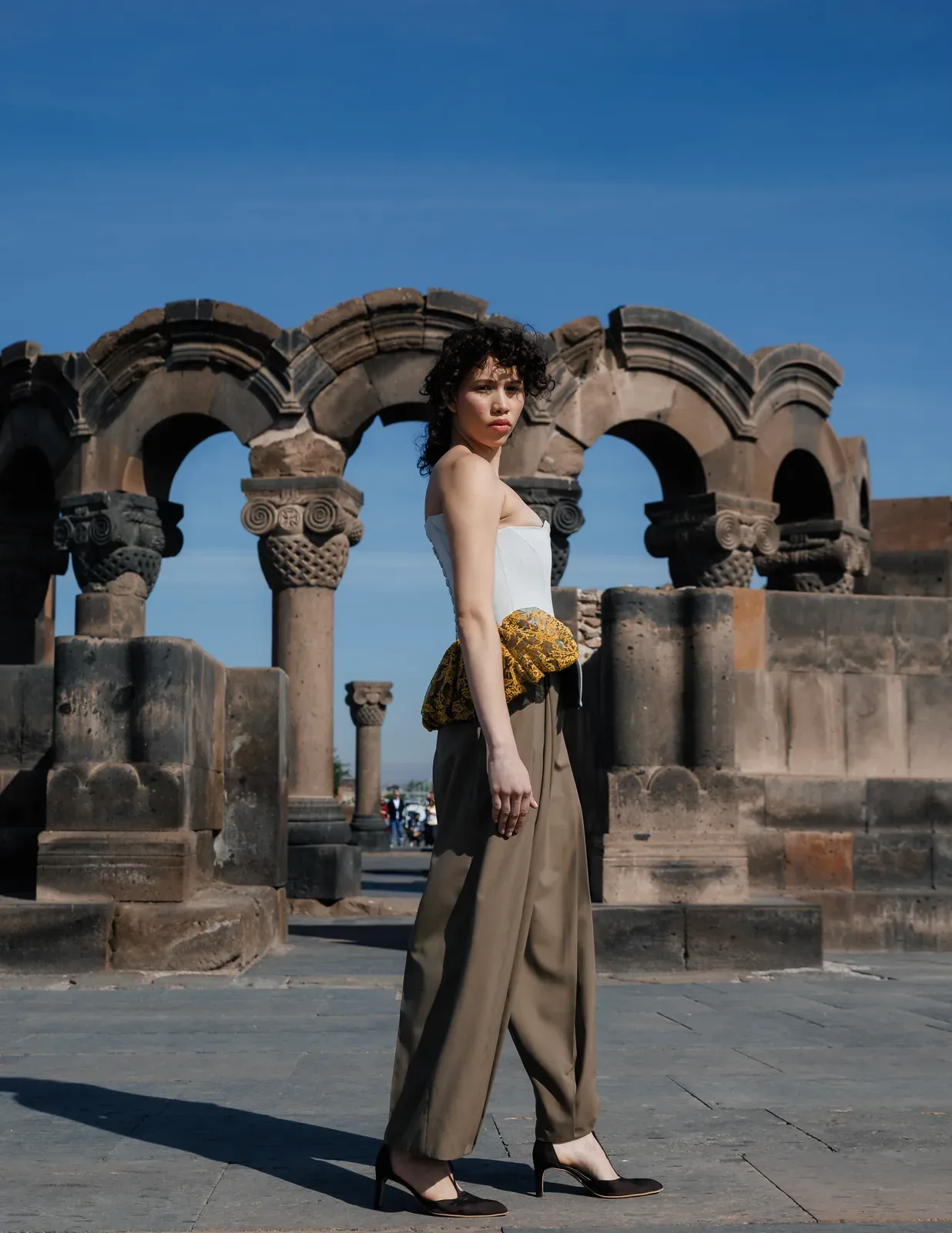
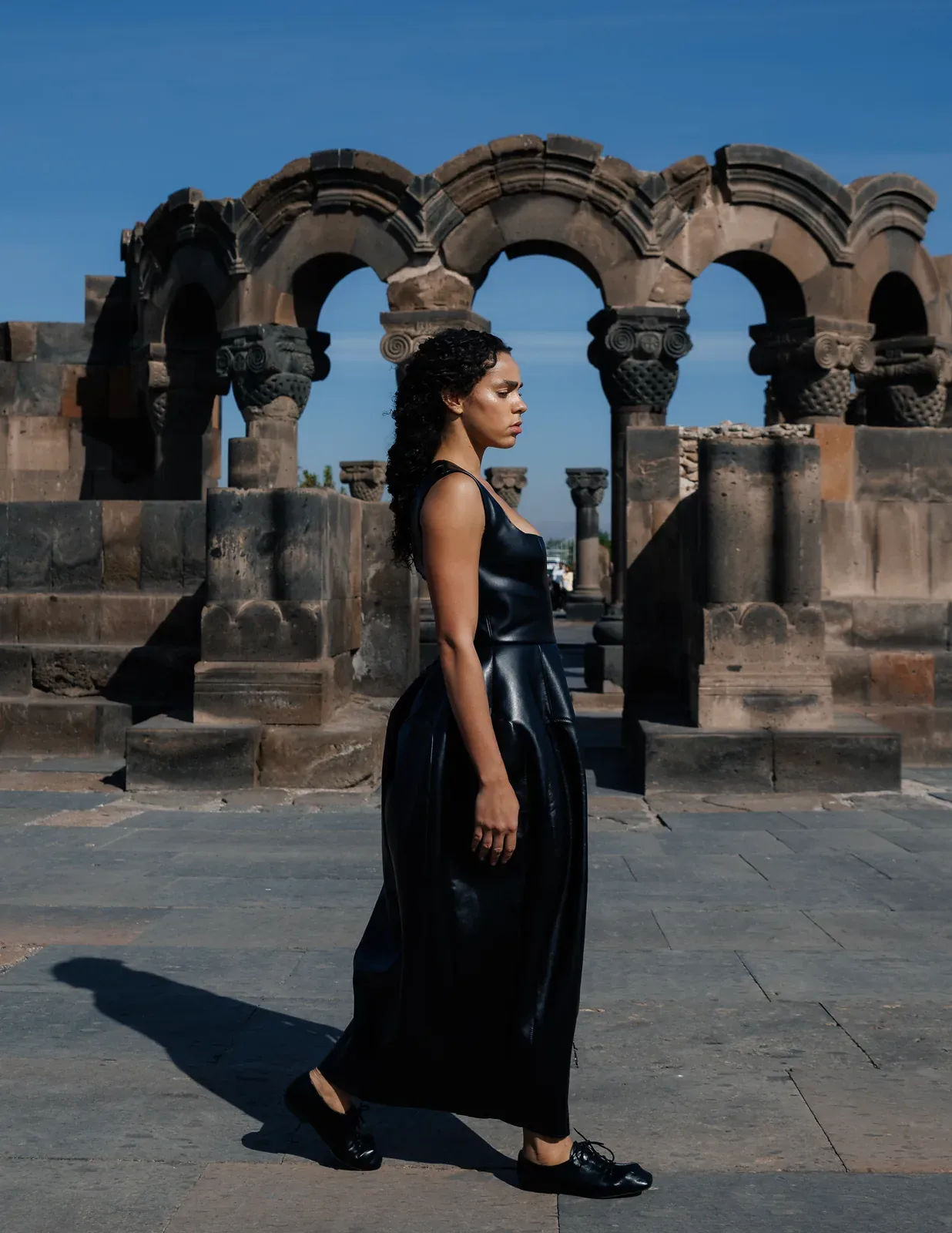
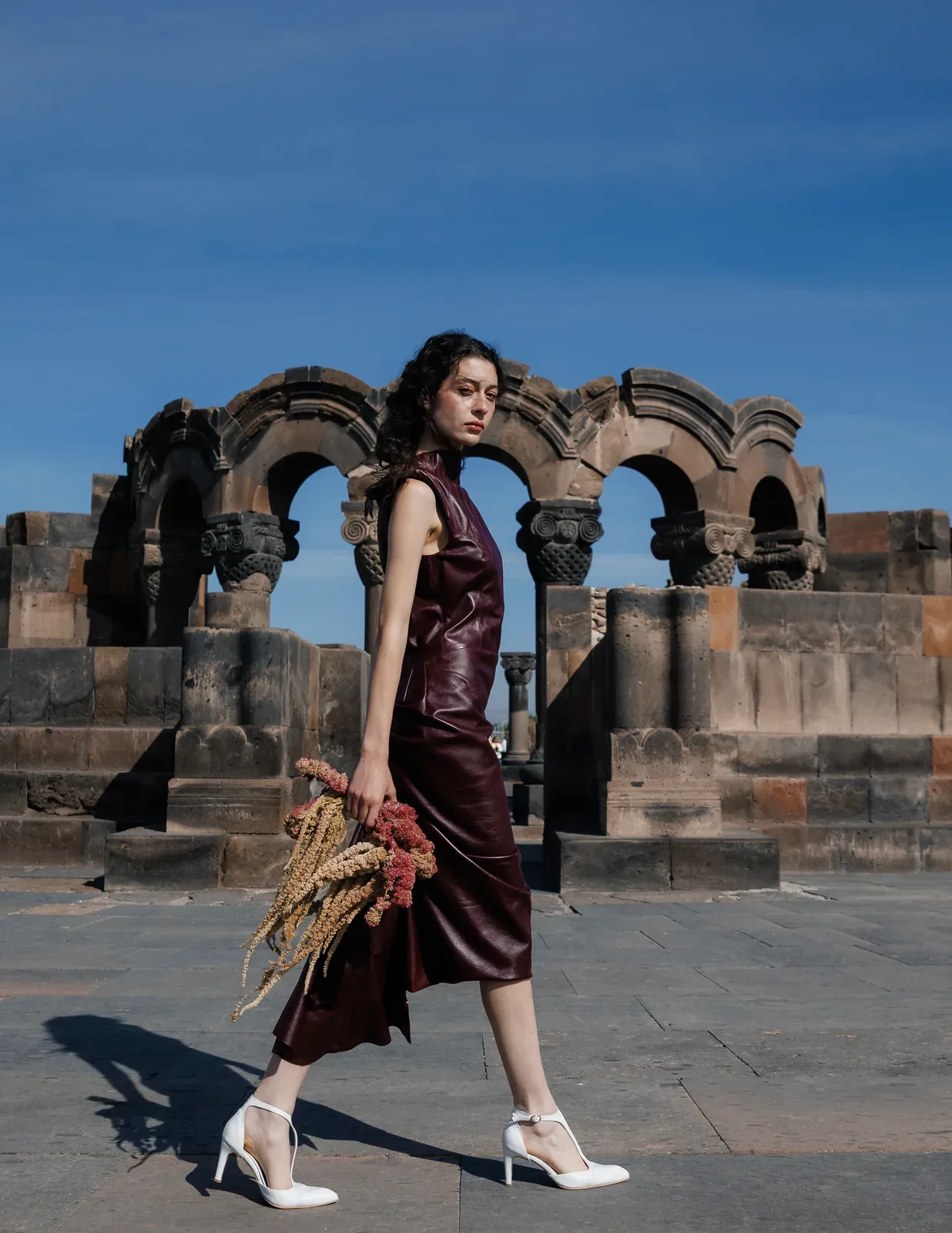
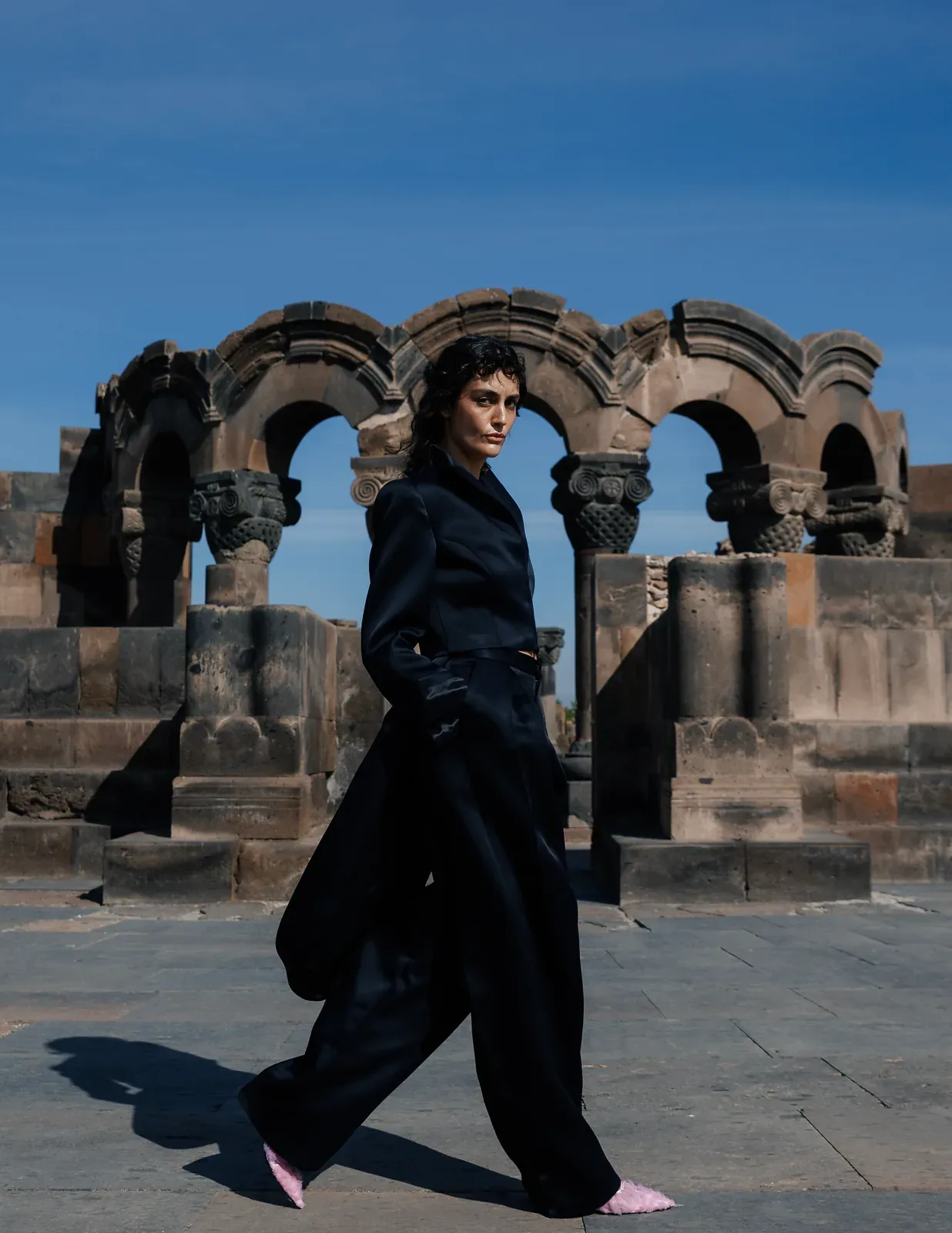
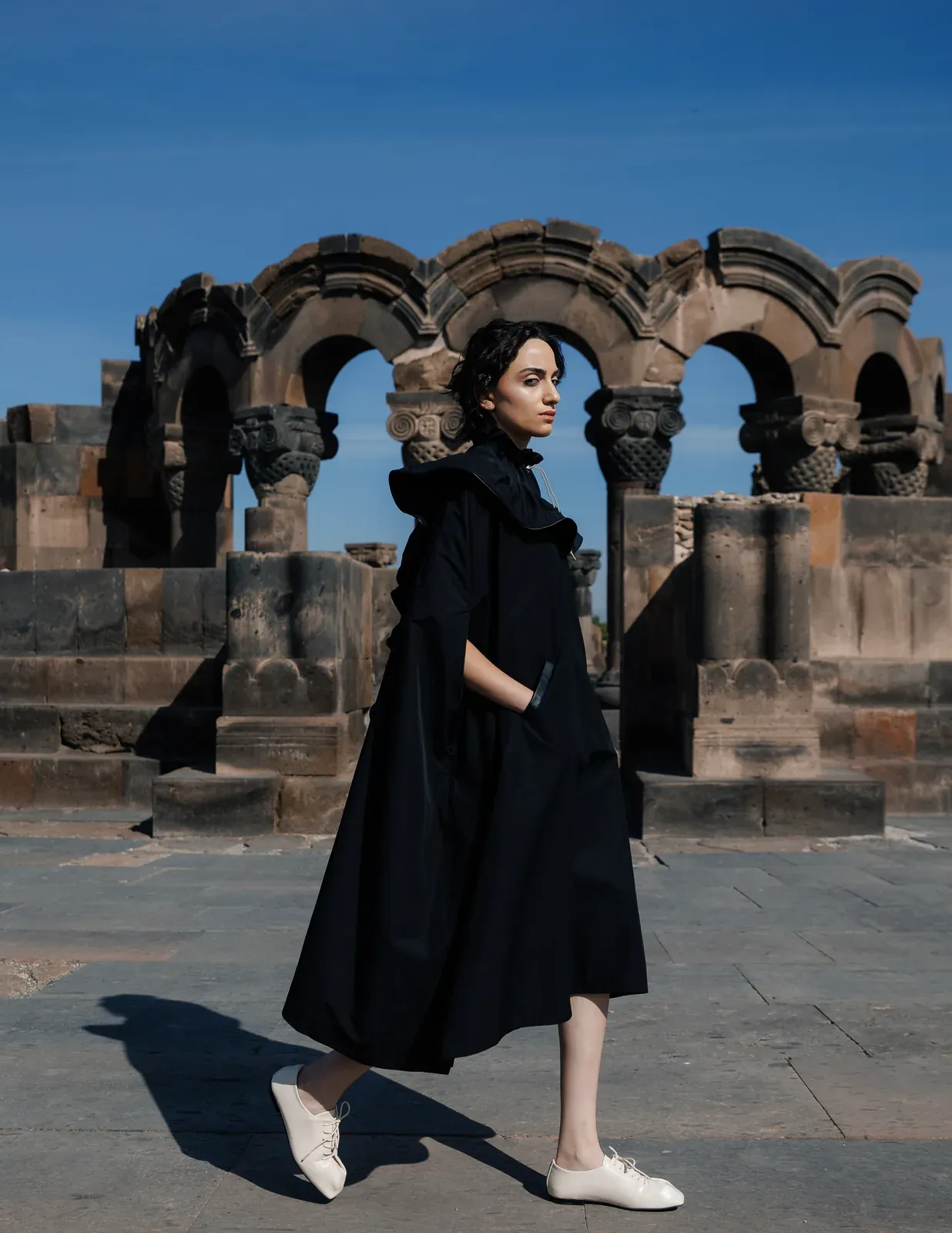
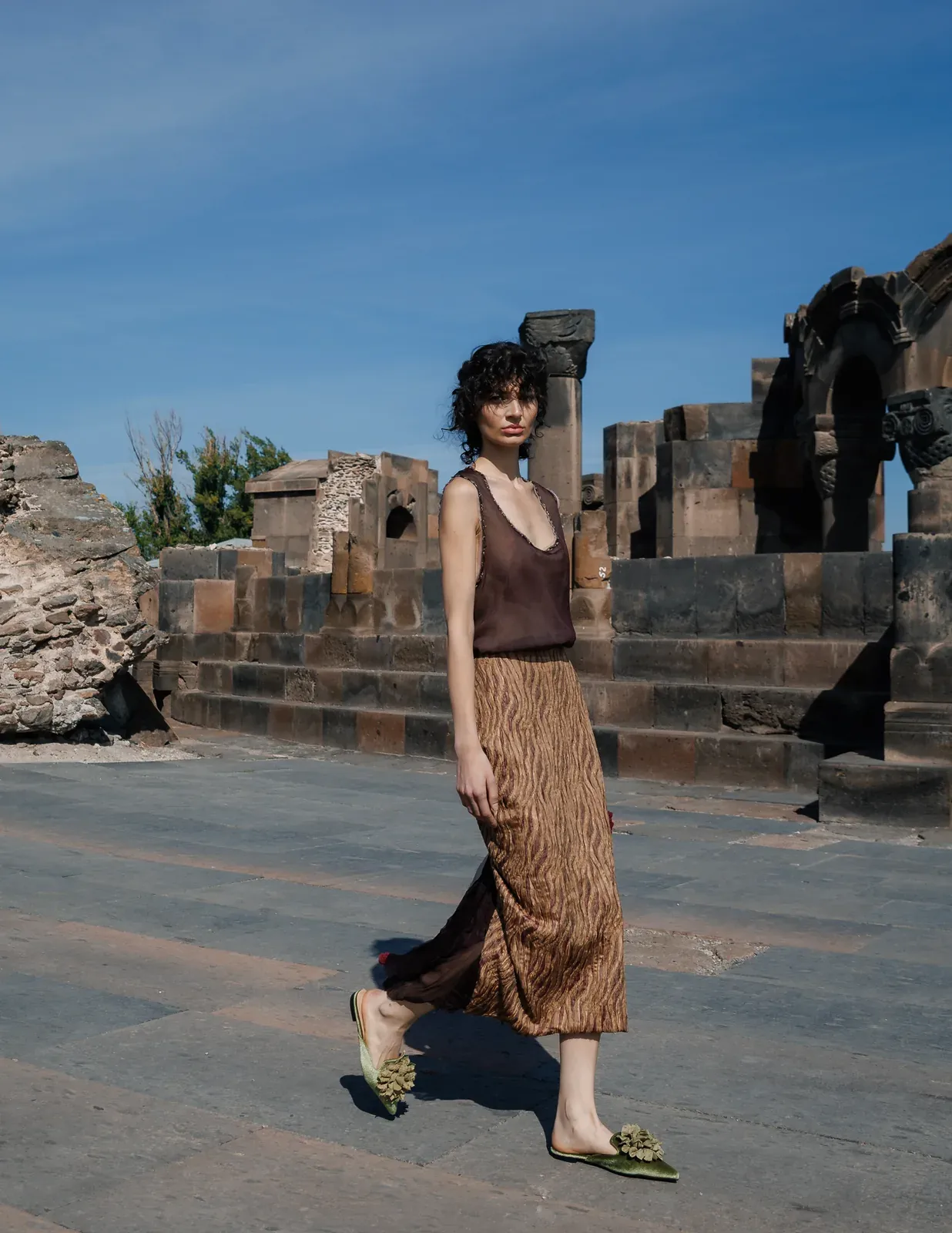
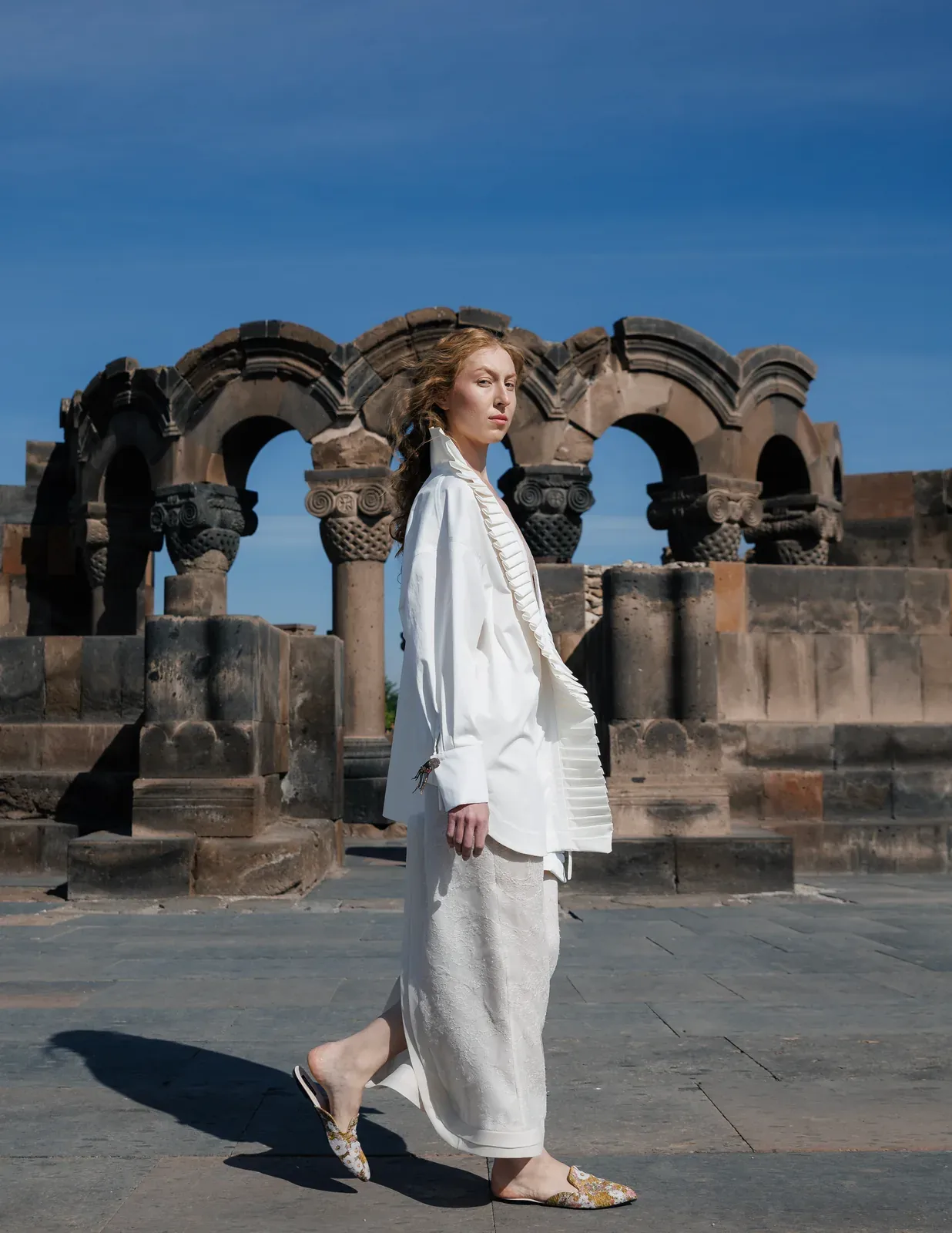
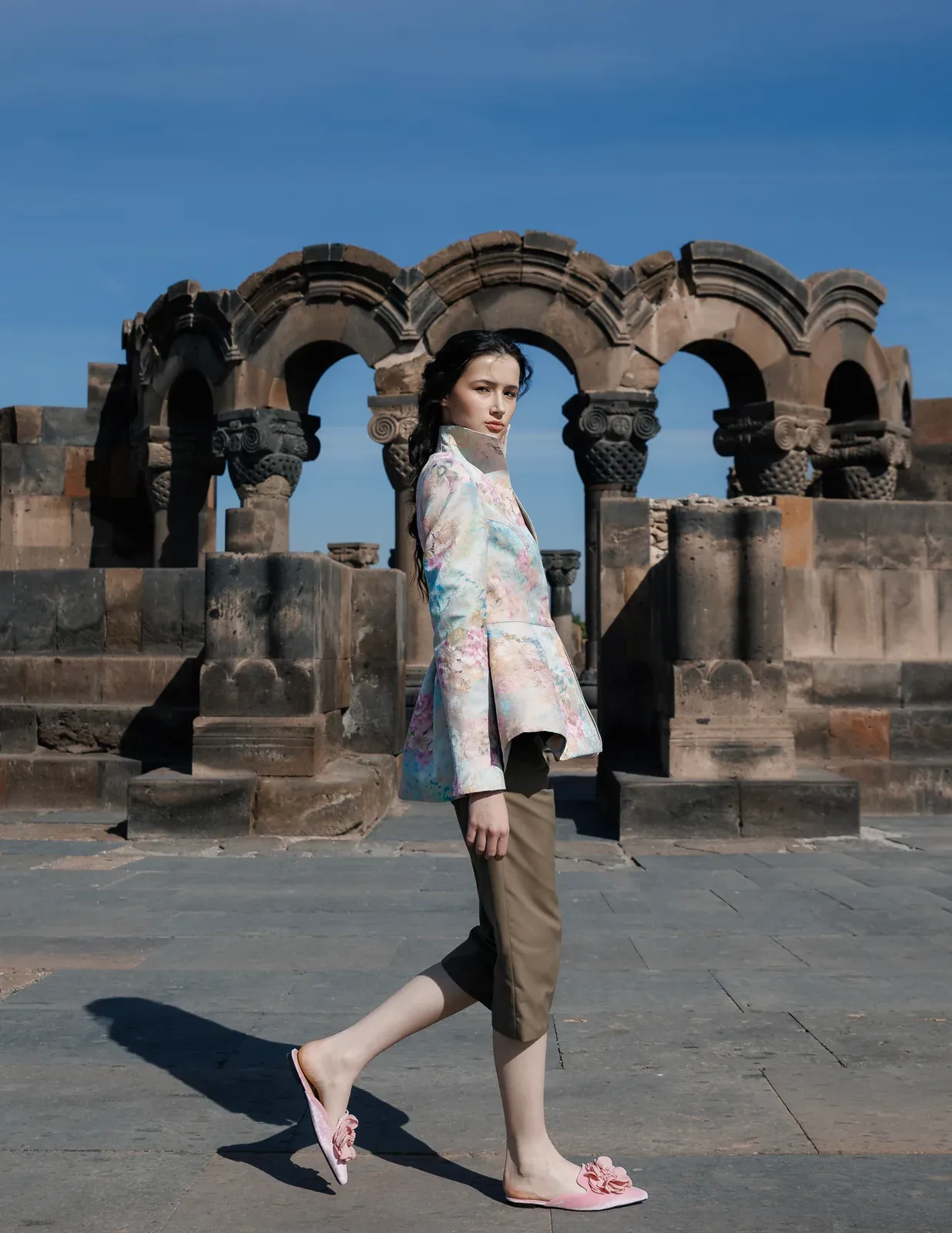
Perhaps one of the strongest collections of the season, presented in one of the most impressive locations where we saw a fashion show take place, RUZANĒ had a lot to live up to. The setting was Zvartnots Cathedral, built in the seventh century, where the weight of the past can be felt in the air and read in the ruins that hold the memories of ancient Armenia, with snow-covered mountains in the background. Sometimes, a spectacular location or an elaborate set can distract from a collection that fails to match it, but that was far from the case here. Titled VII · MMXXVI, the collection entered into a direct conversation with its surroundings, exploring the passing of time through garments that felt almost anachronistic in their delicacy and intricate construction. Some details and silhouettes seemed to belong to another era, while other shapes felt unmistakably contemporary, bringing different moments together without making the result feel forced.
The materials and colour palette added to this sense of continuity, with natural-looking shades and textures that complemented the ruins without competing with them. The garments didn’t seem like foreign objects placed within a historical setting but like pieces that belonged there, as though their wearers had simply stepped out of the past to let us catch a glimpse of them. This was particularly fitting for a collection built around the idea that past, present and future can exist side by side, each with its own sense of time. The RUZANĒ woman has an ethereal, timeless quality that makes it easy to imagine her dressing just as beautifully in the past as she does in the present, and most probably in the future.
Something that fashion weeks like Yerevan’s and the brands that participate in them do particularly well is present elevated wardrobes for everyday life. Perhaps the closer relationship between brands and their customers, shaped by the size of the local market, makes it easier to understand what people want to wear while giving those desires a distinctive interpretation. SONČESS’s new collection, Red Bridge, was presented on another of Yerevan’s historical landmarks, the one that gives the collection its name, bringing together a series of looks that could easily make up the wardrobe of a modern woman. Multifaceted and versatile, she needs elegant, chic attire as much as she needs everyday outfits, and the collection offered both while maintaining a recognisable identity. Transparency played an important role, ranging from delicate blouses that offered a more subtle take on the trend for daytime to bolder evening looks and dresses that left the torso uncovered.
Small details made the difference throughout the collection. Ruffles, subtle jacquard and clever pattern alterations gave tailored pieces and minimalist long dresses more character, while contrasts in materials, prints and colours added depth to the outfits. Presenting the collection on the Red Bridge also felt fitting beyond the obvious. As a structure that has connected different places for centuries, it became a natural setting for a collection exploring movement and the transition from past to present. SONČESS translated this idea into wearable pieces that felt suited to a woman who is always moving between different sides of her life, without making the concept too literal. The result was a versatile wardrobe with enough personality to feel distinctive, while remaining firmly rooted in the way women dress today.
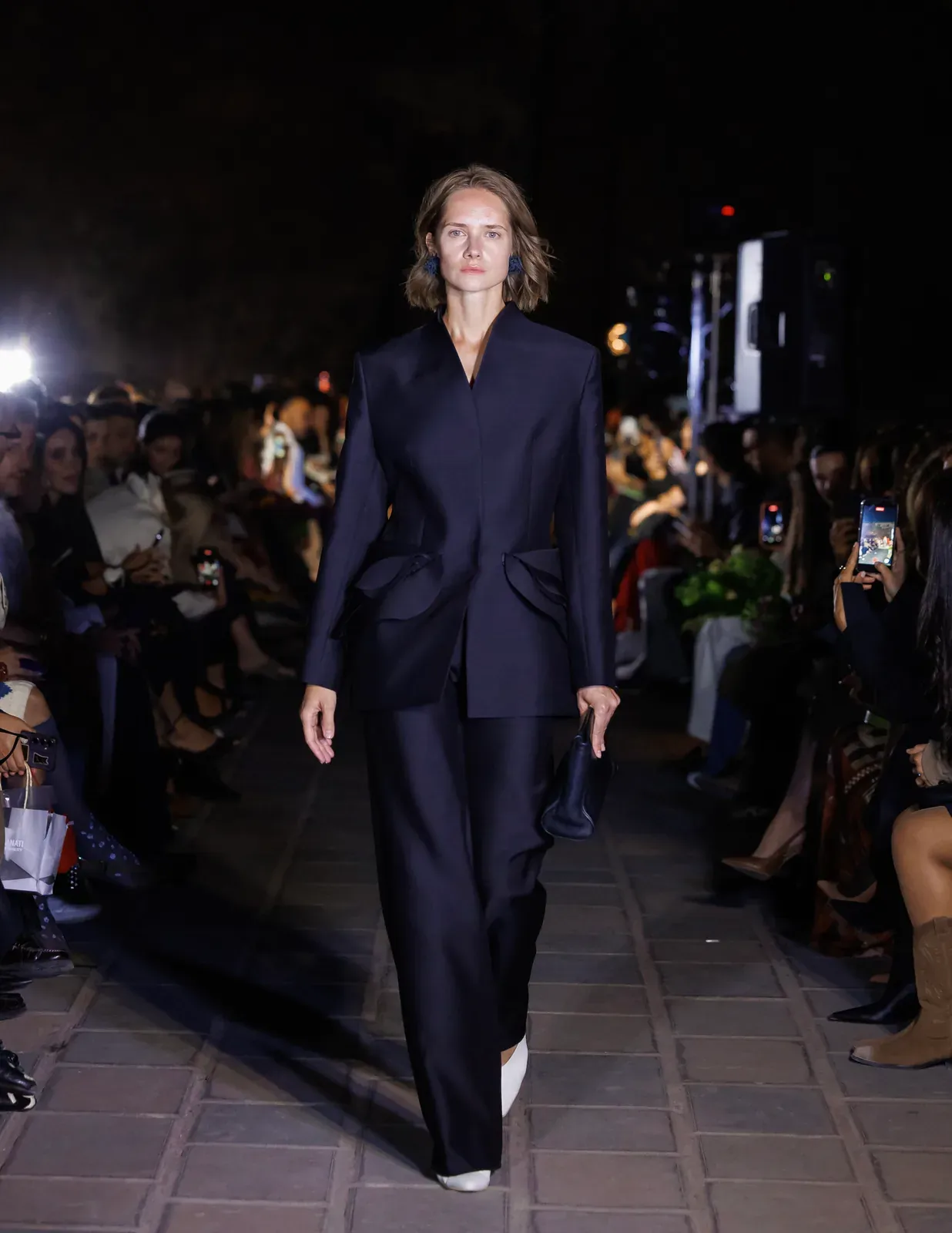
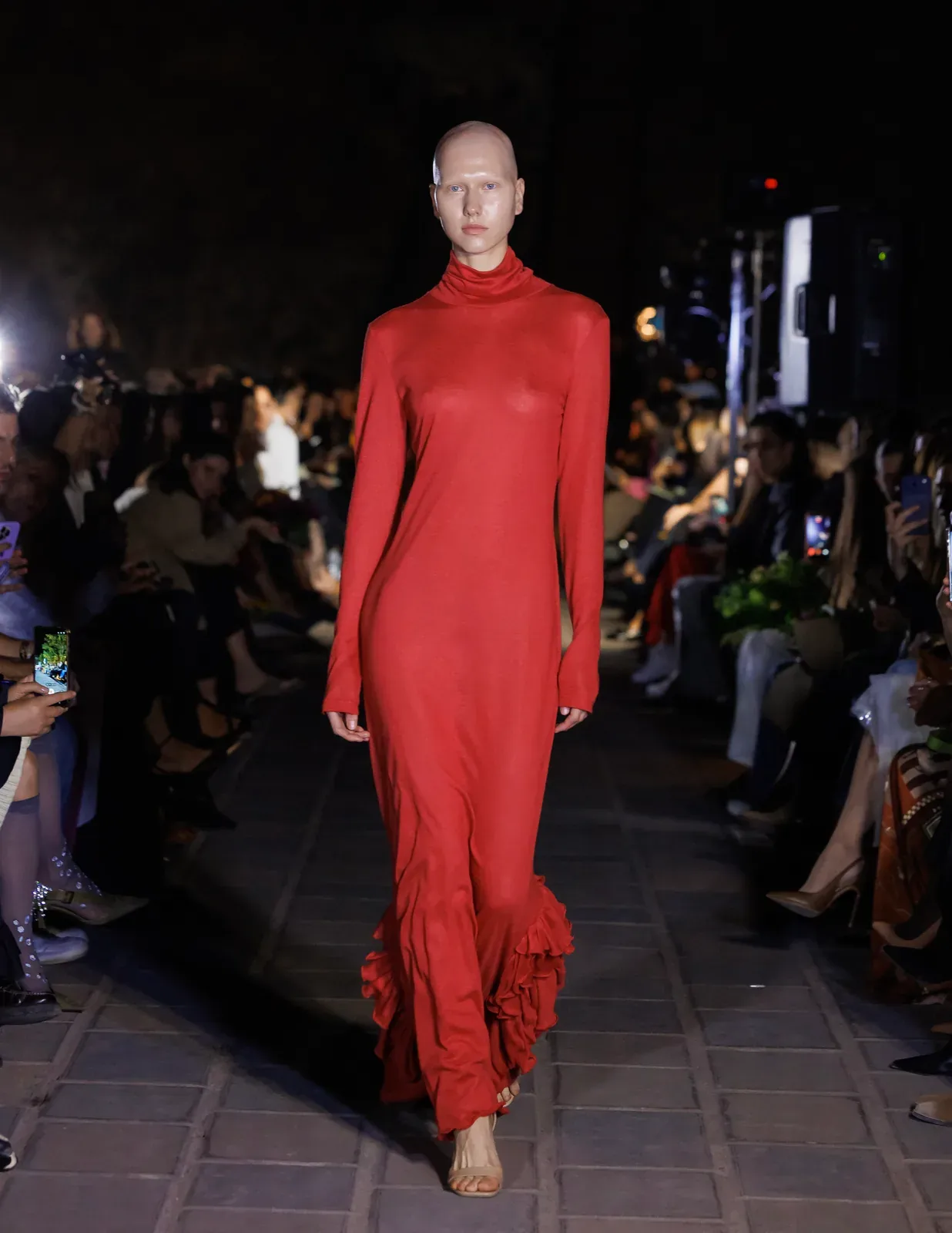
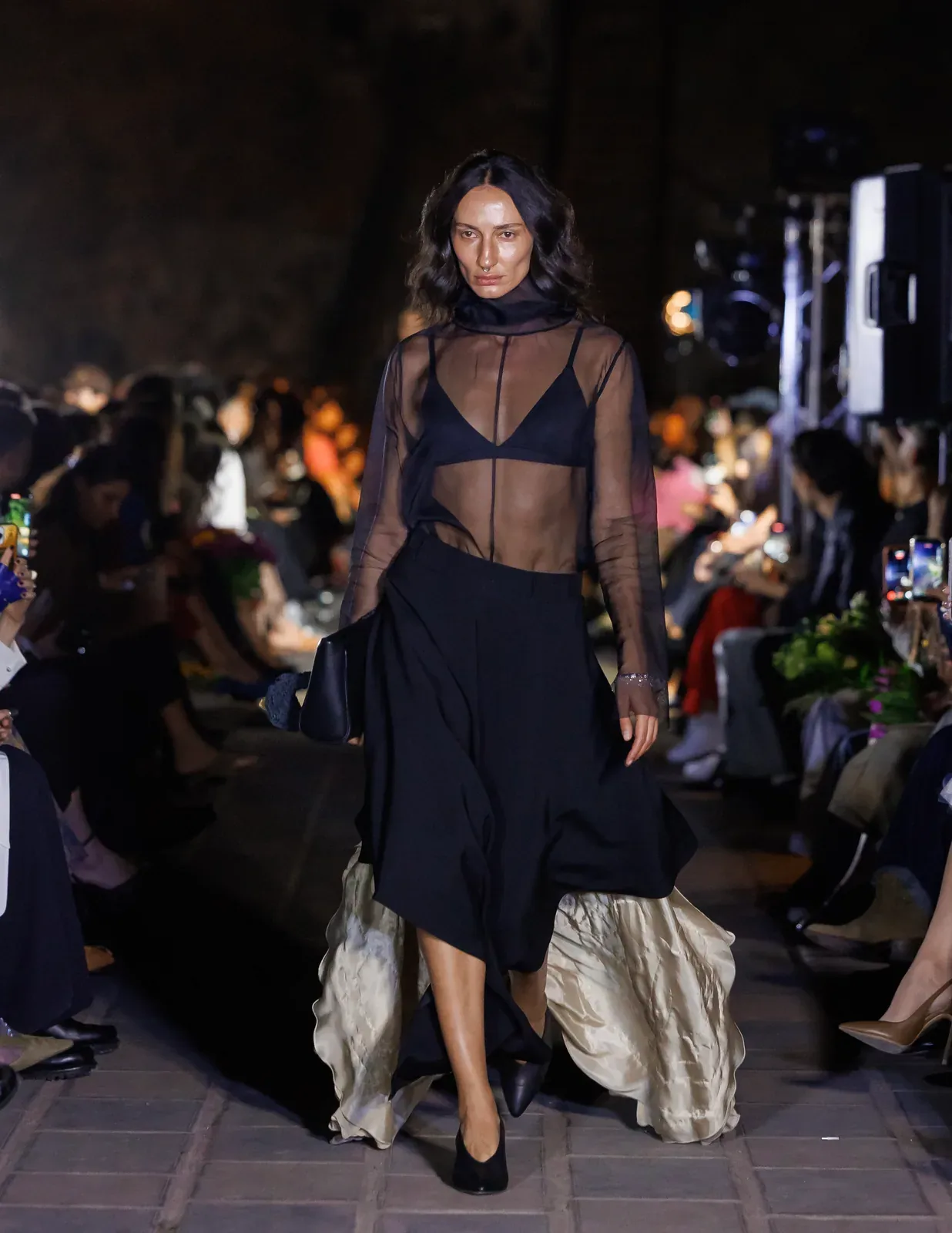
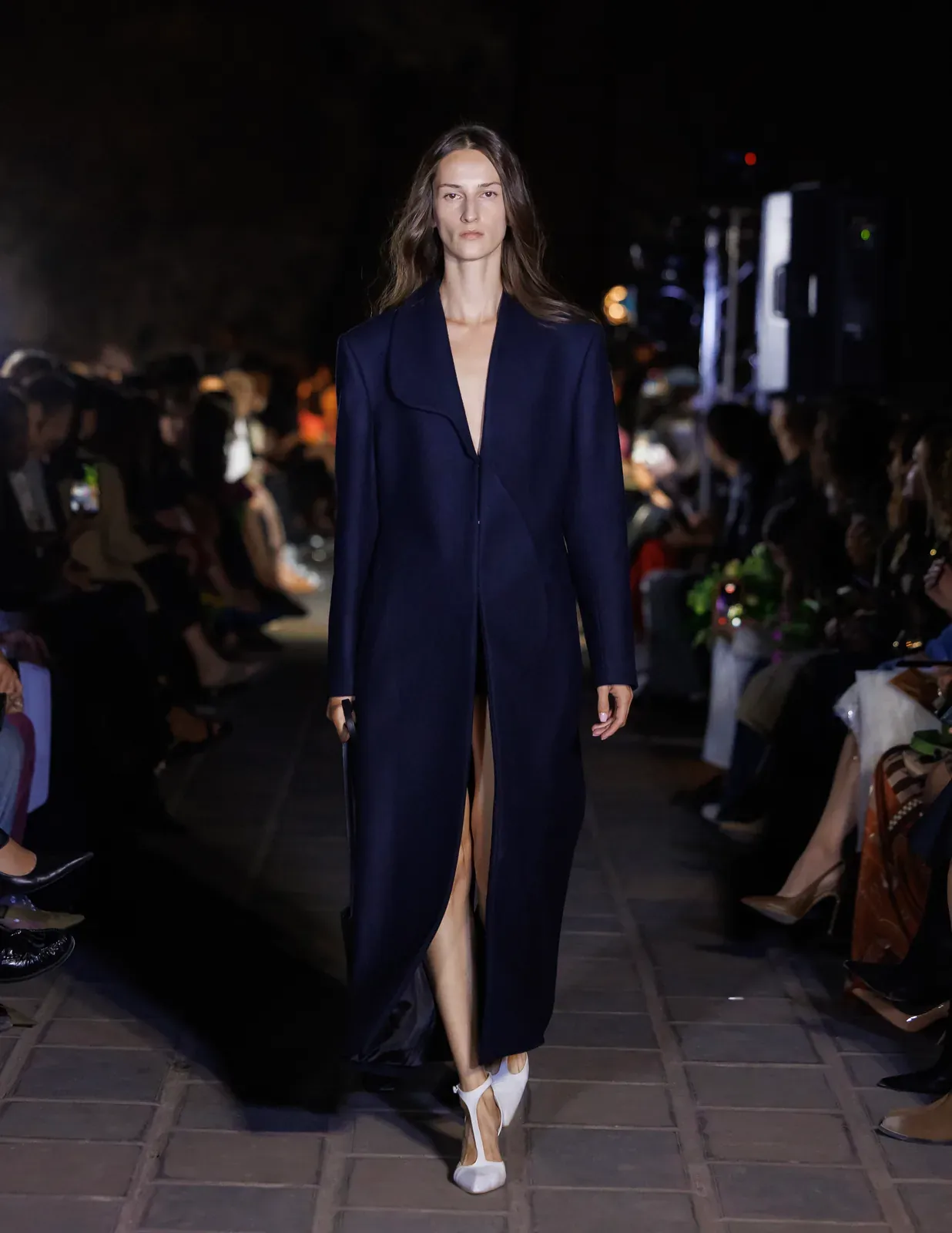
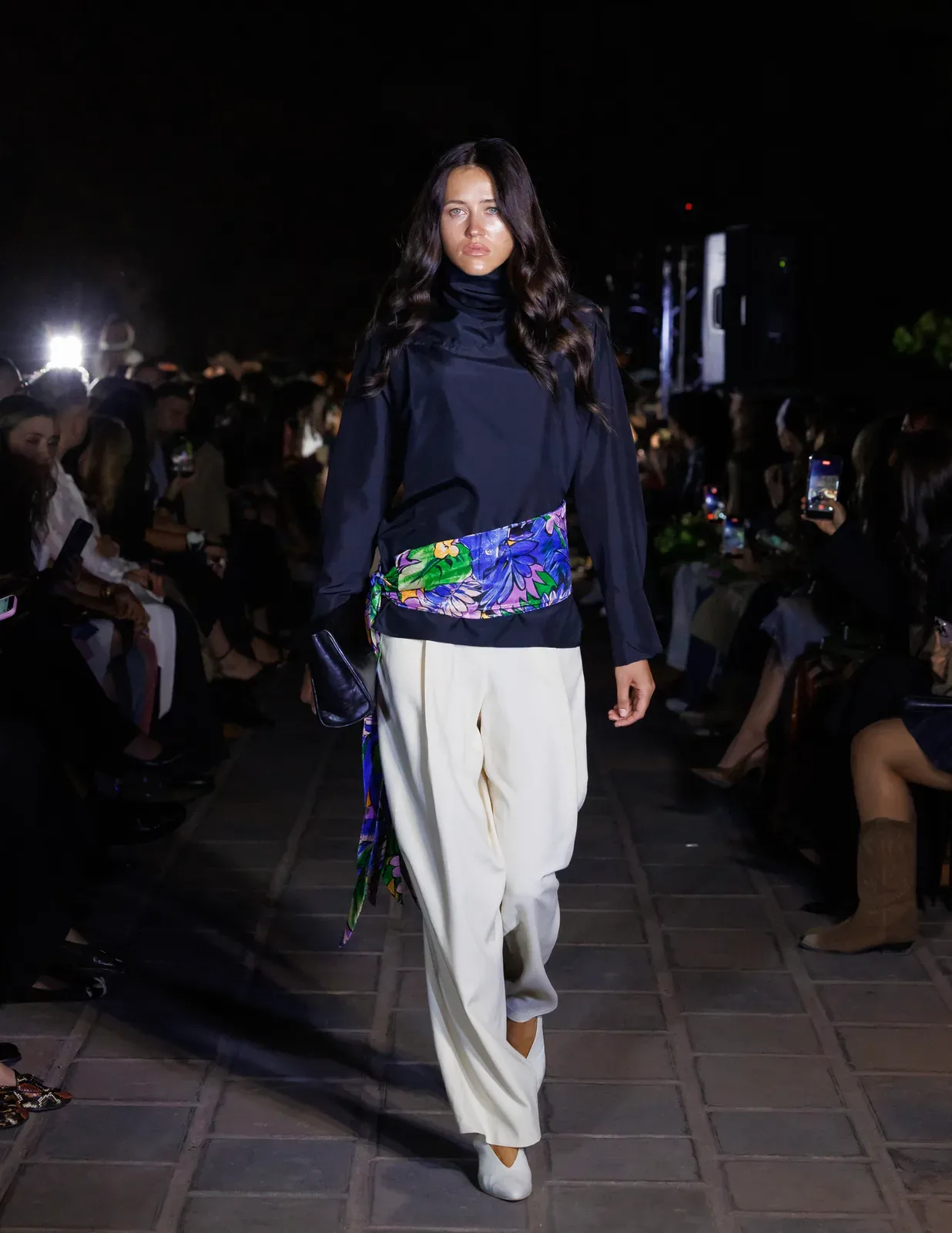
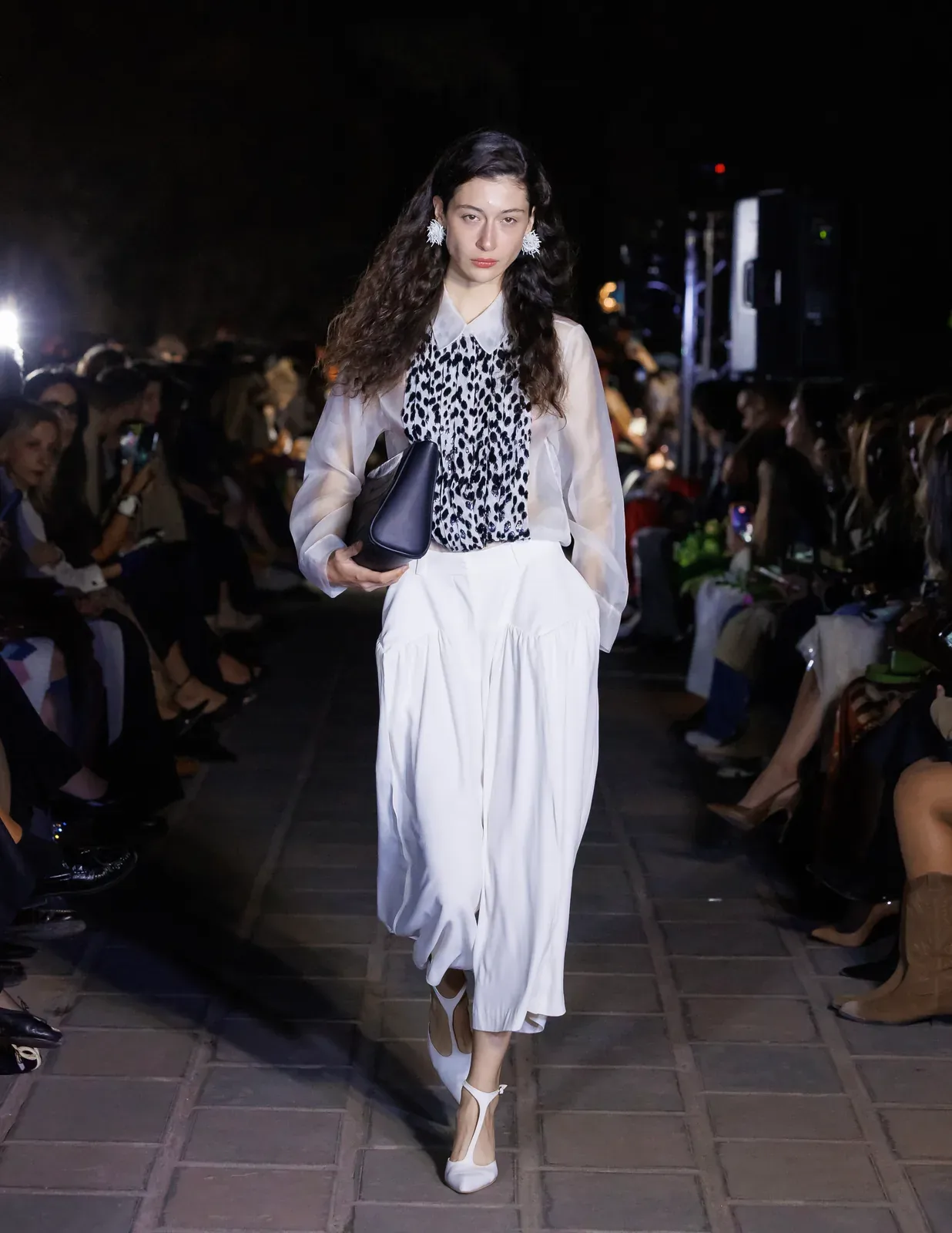
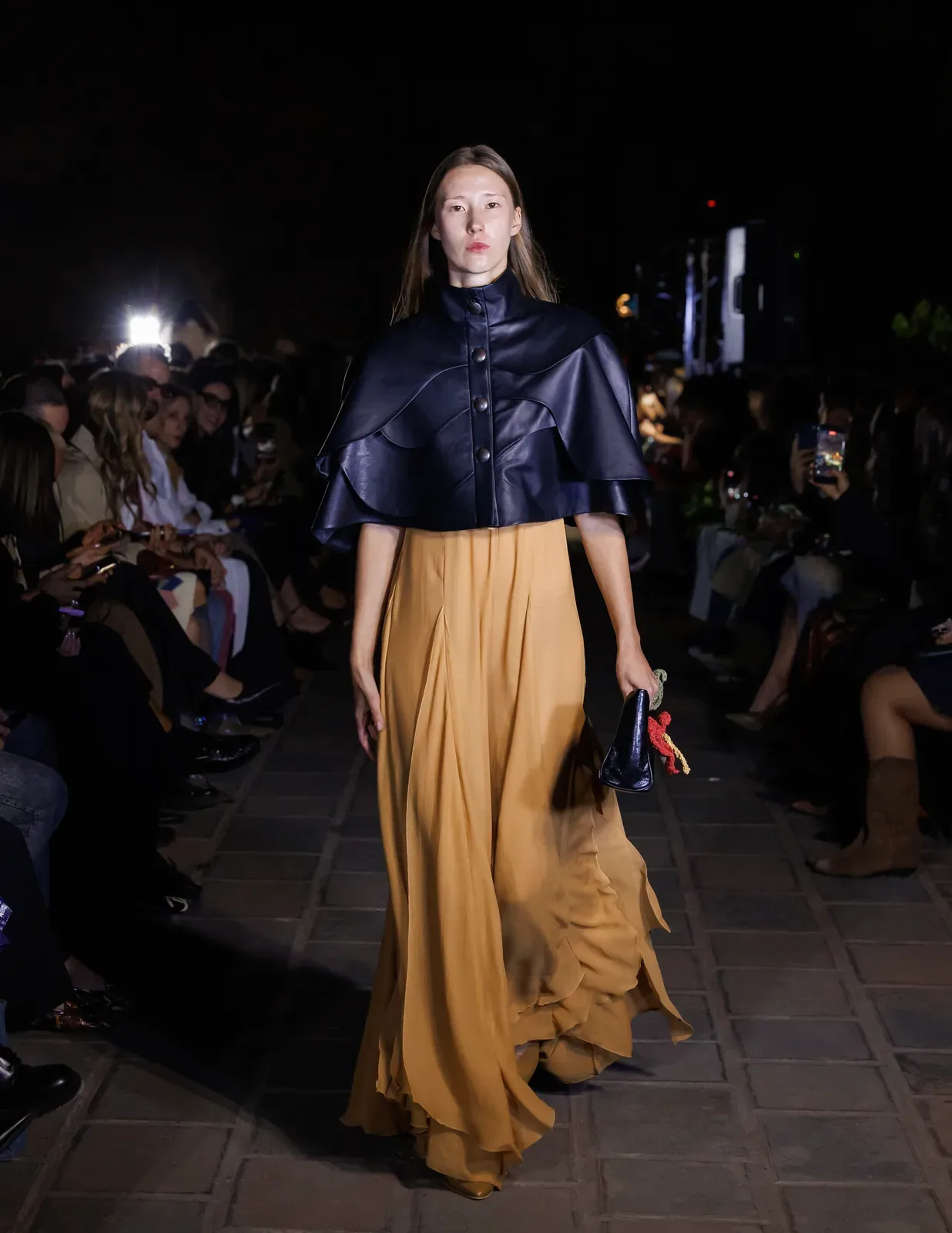
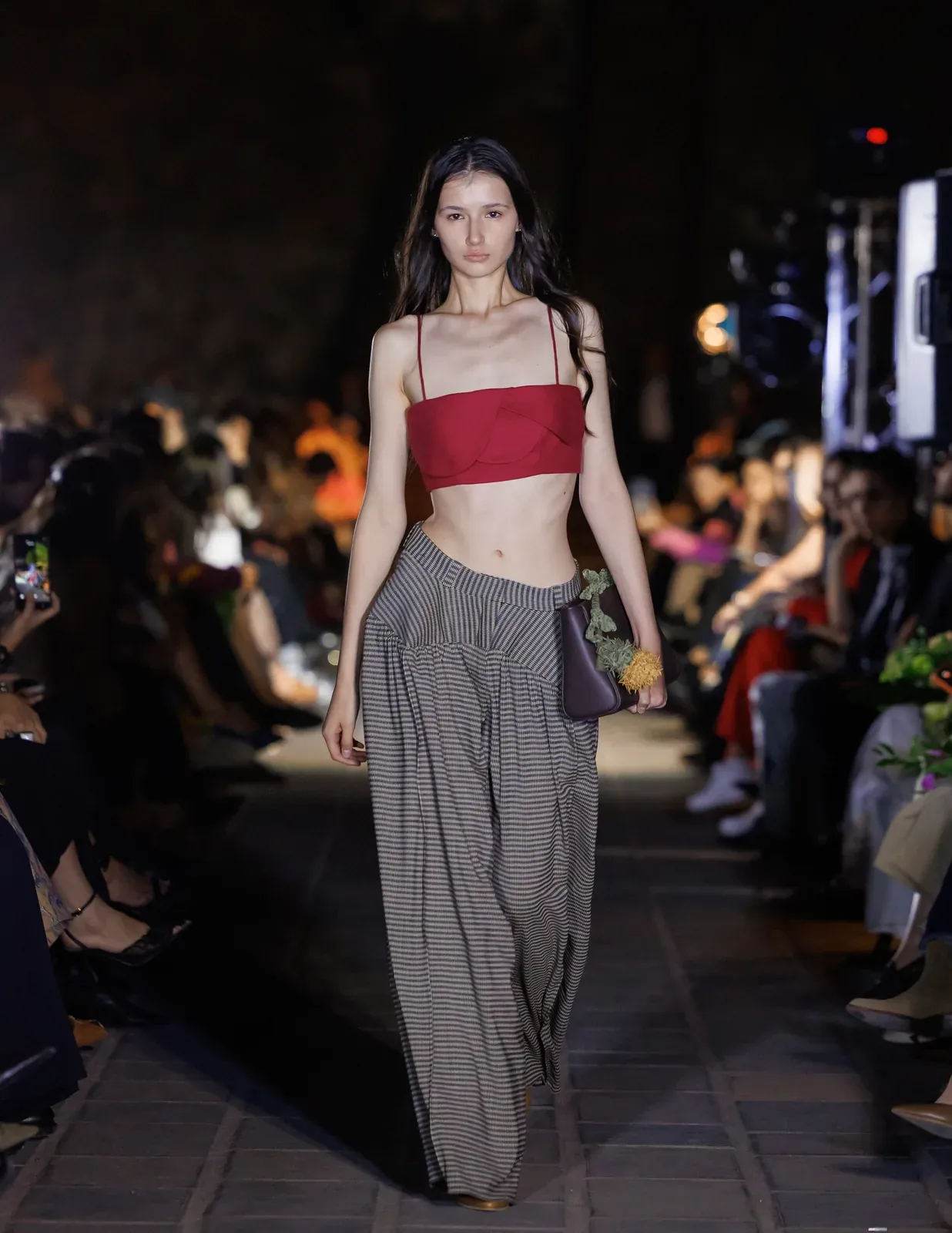
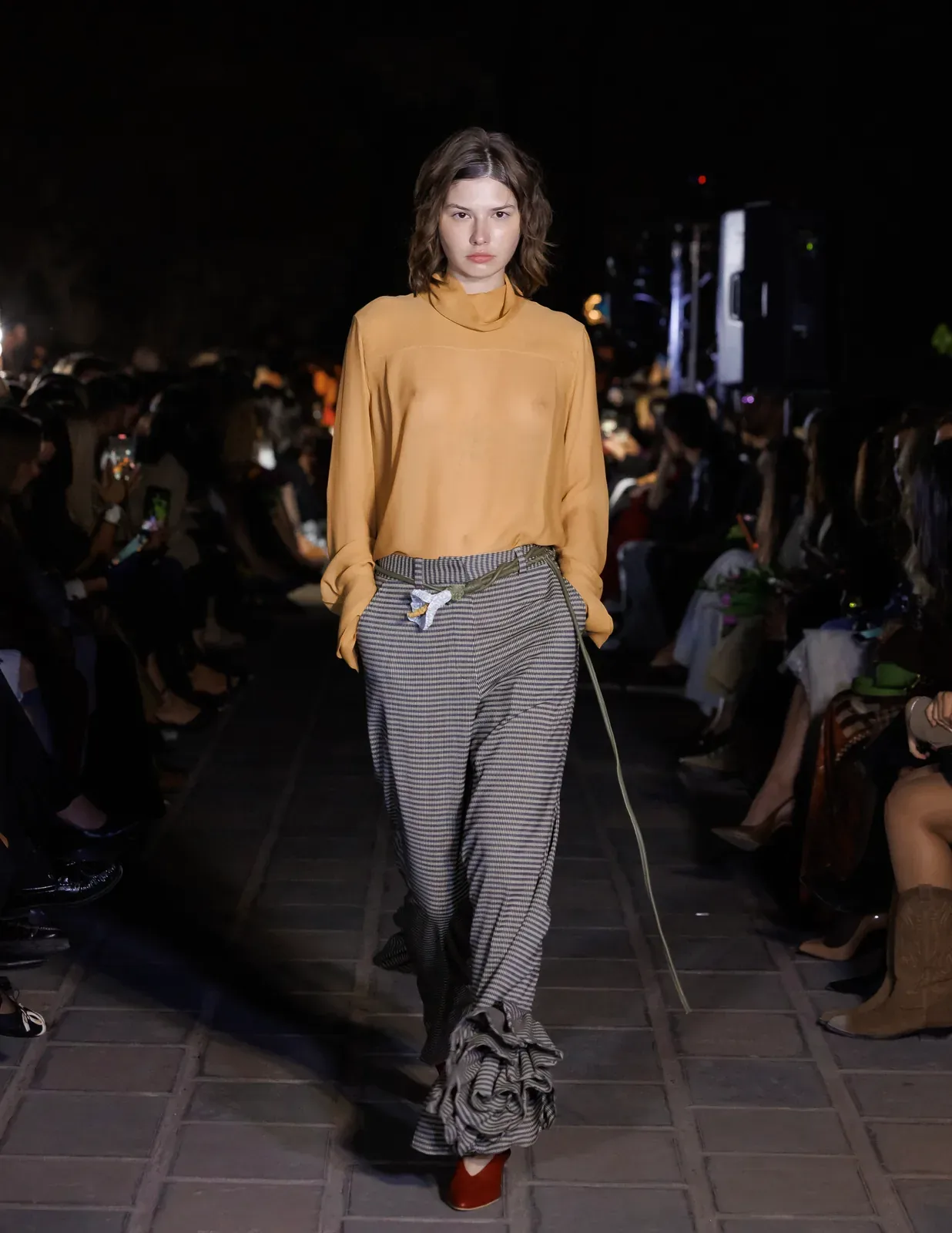
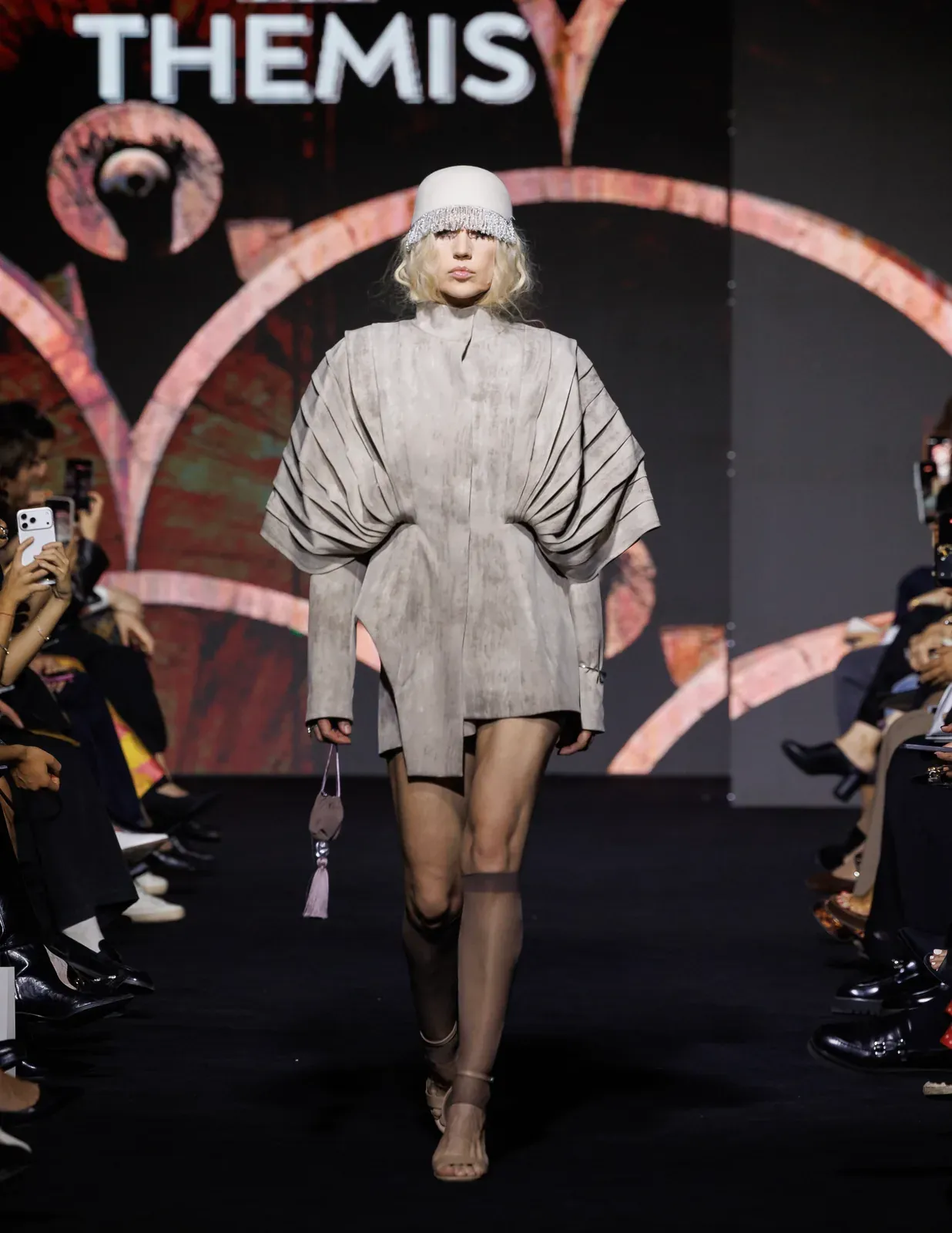
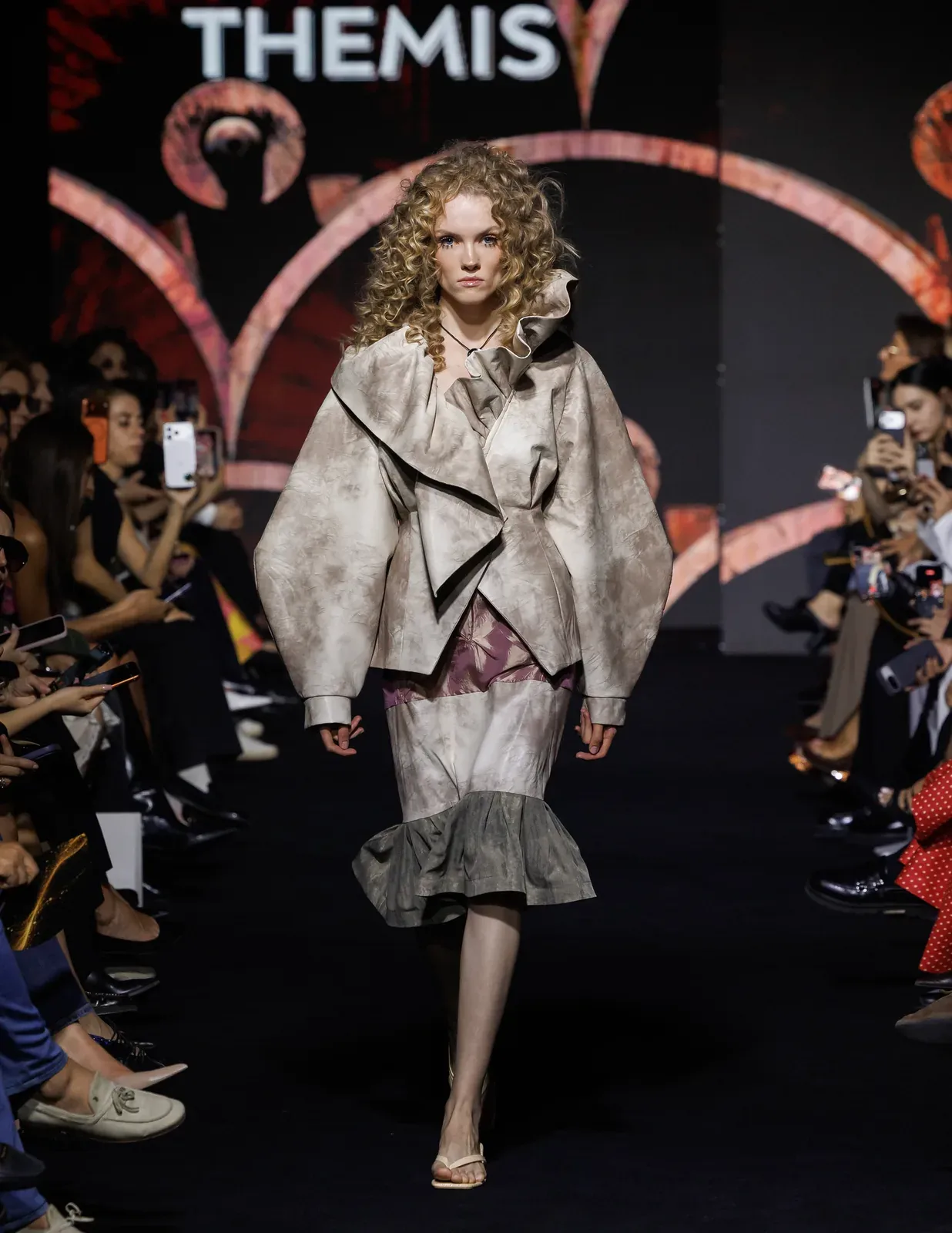
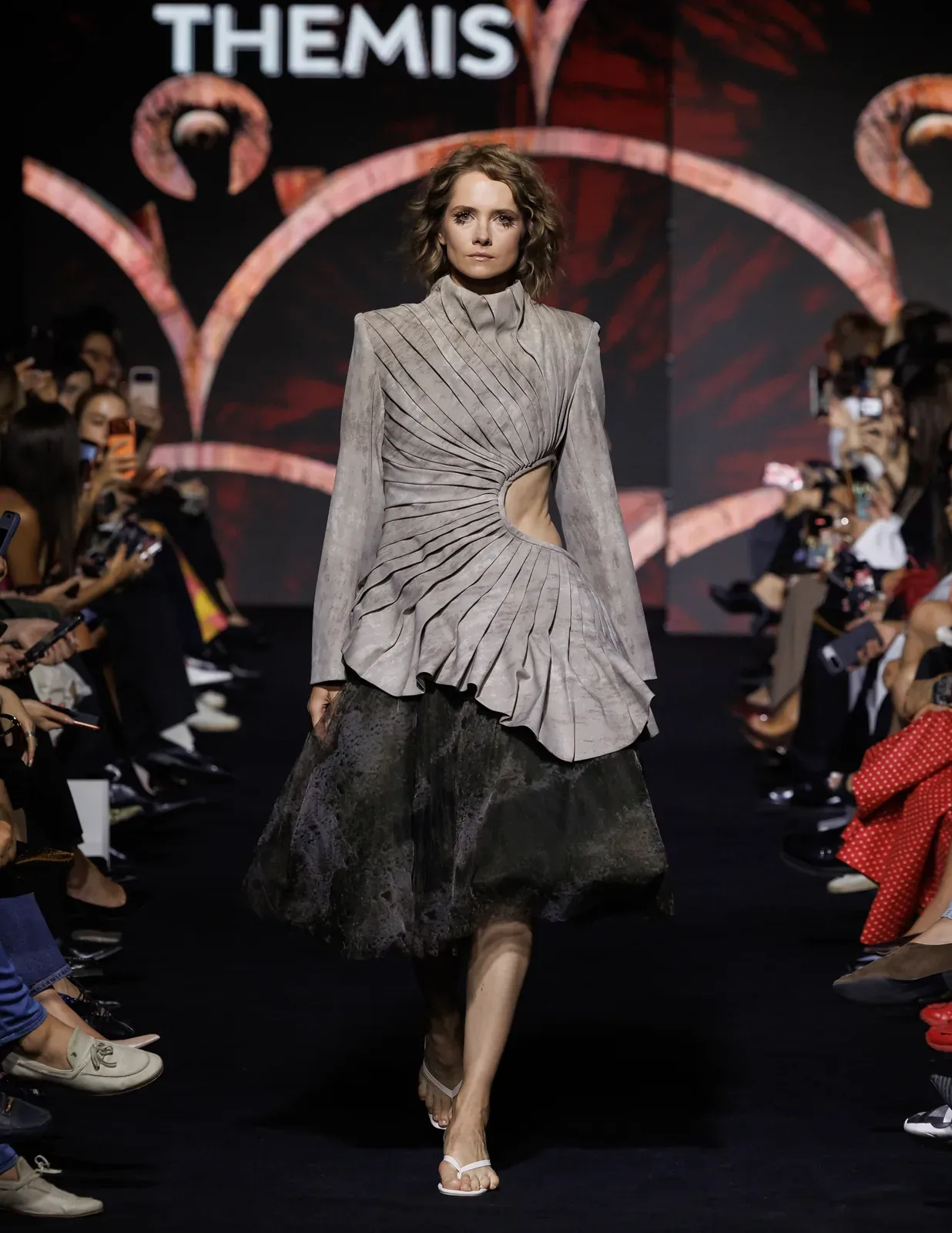
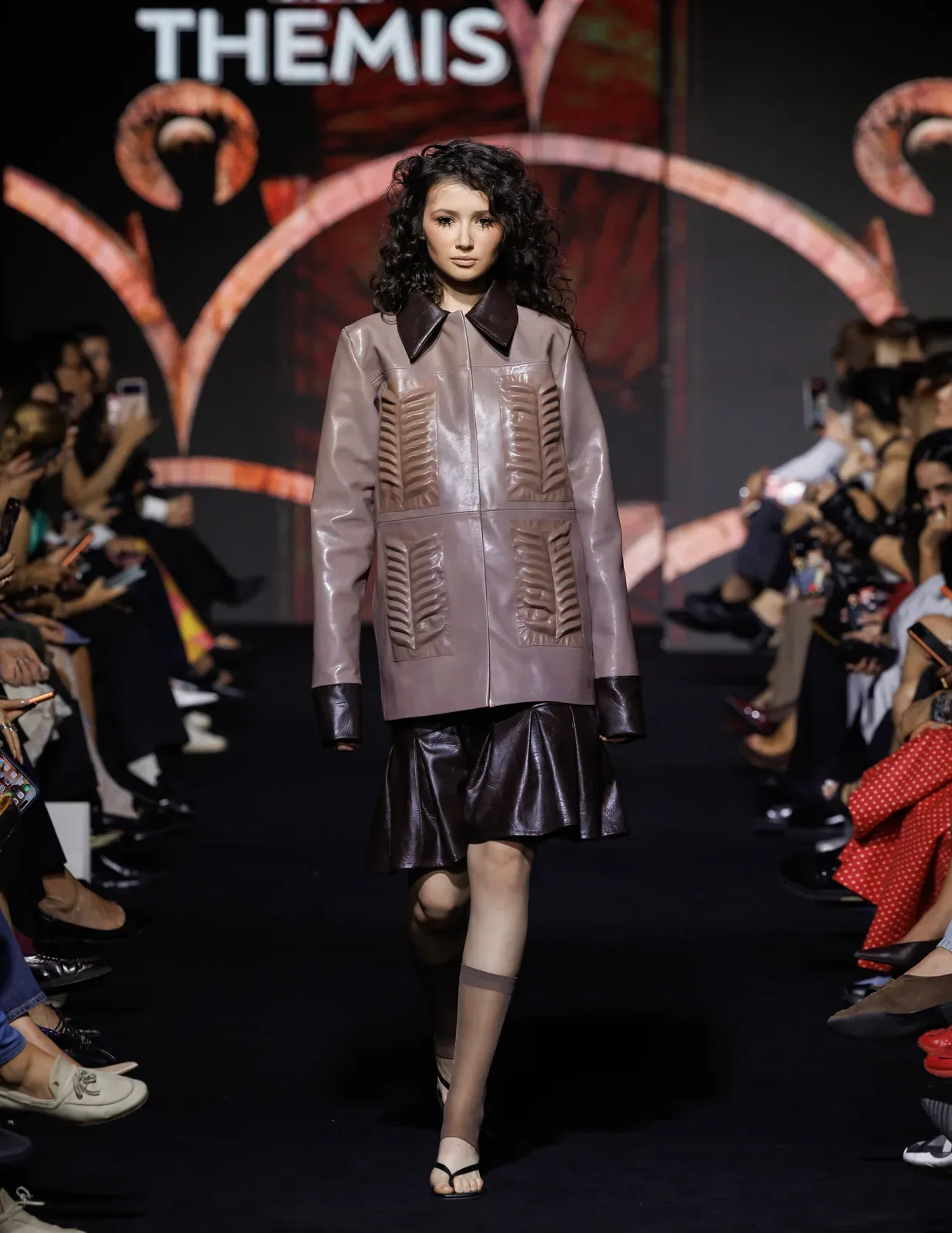
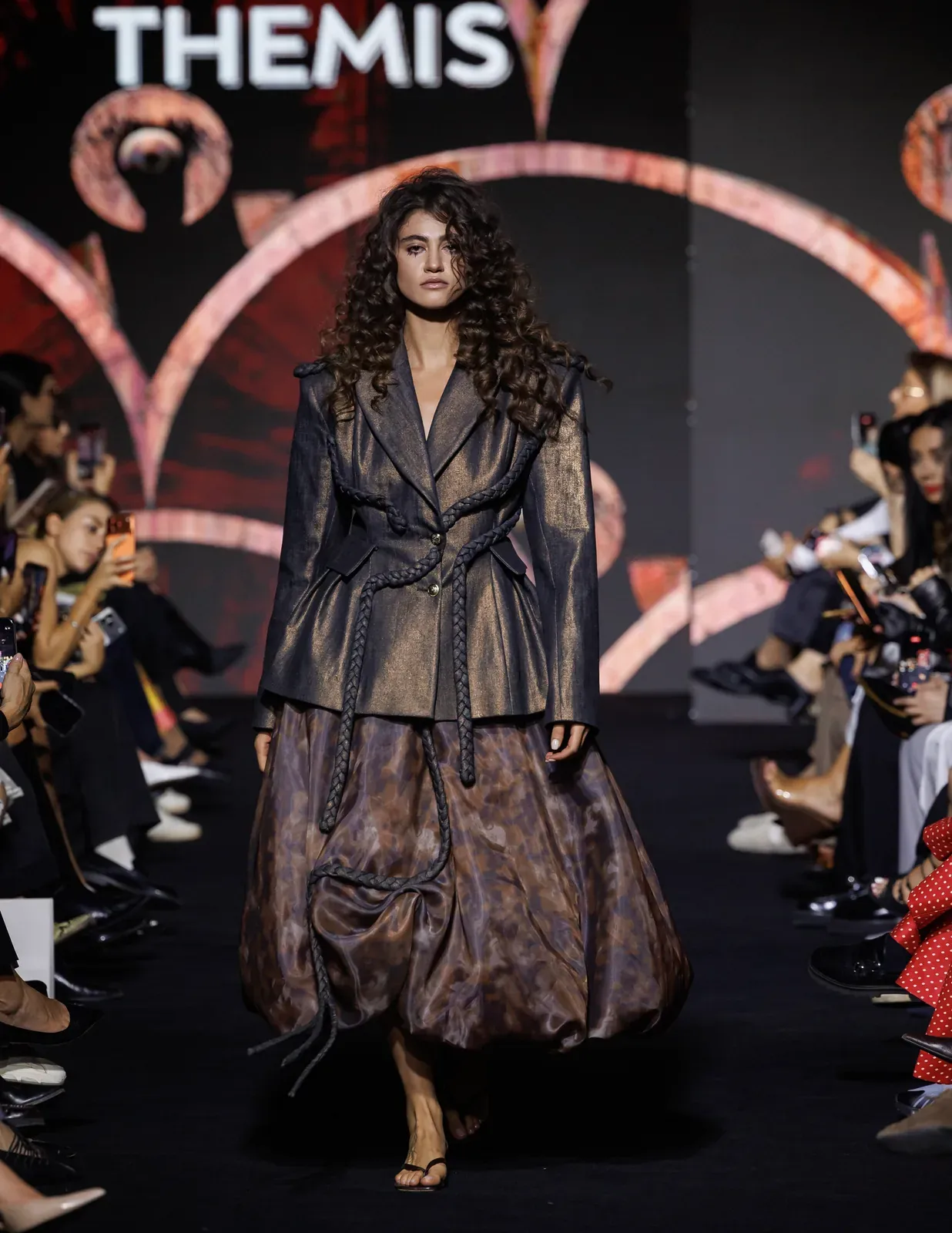
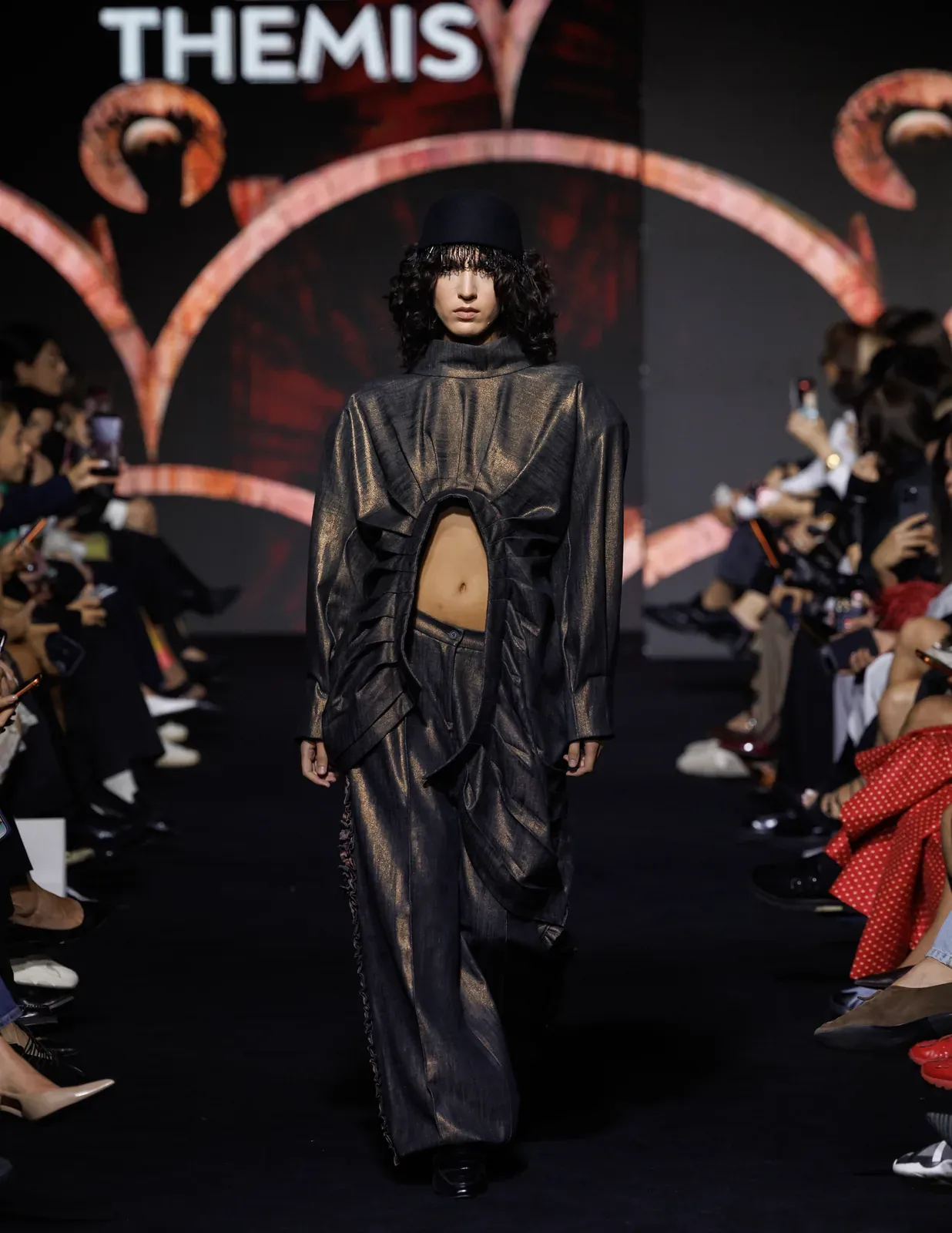
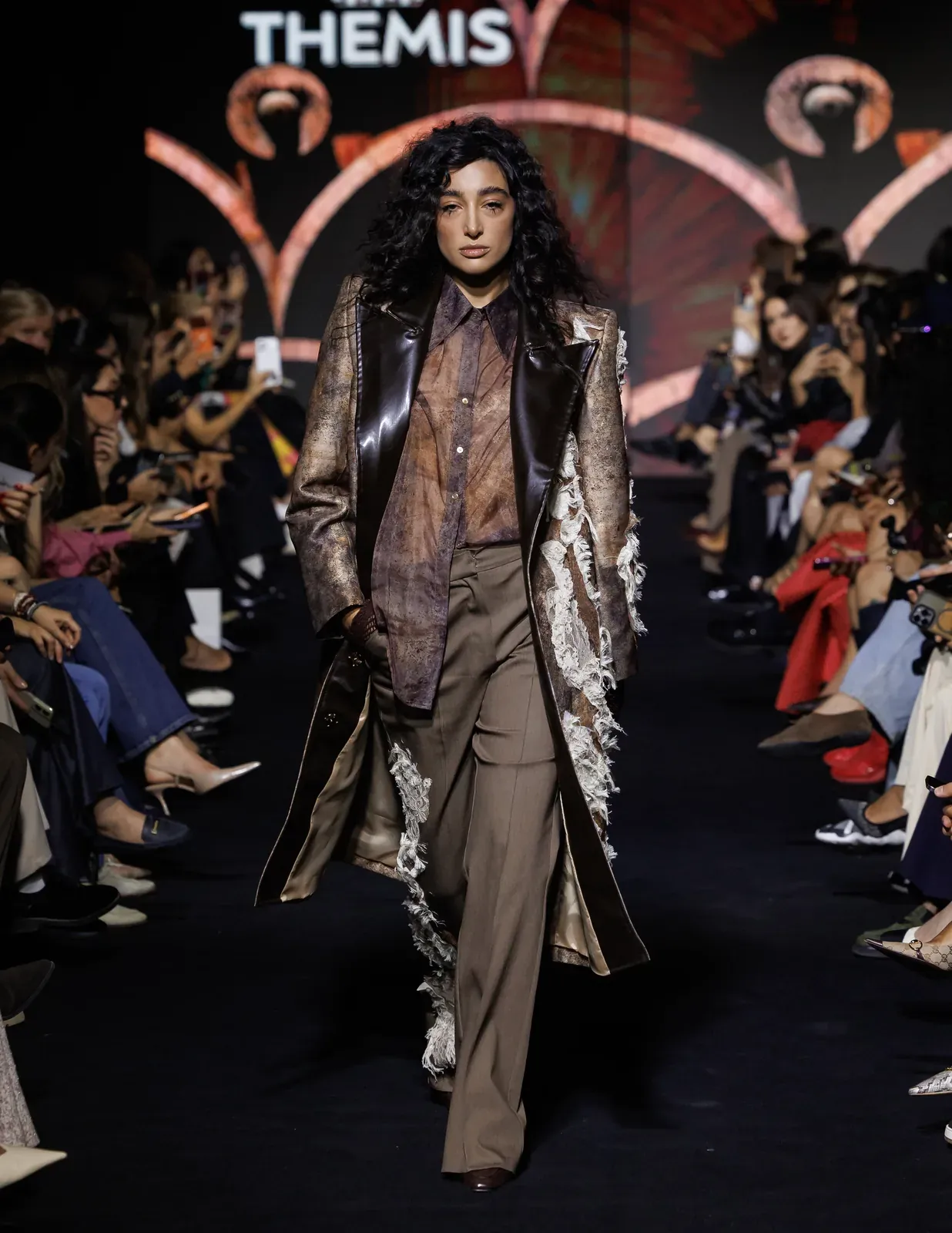
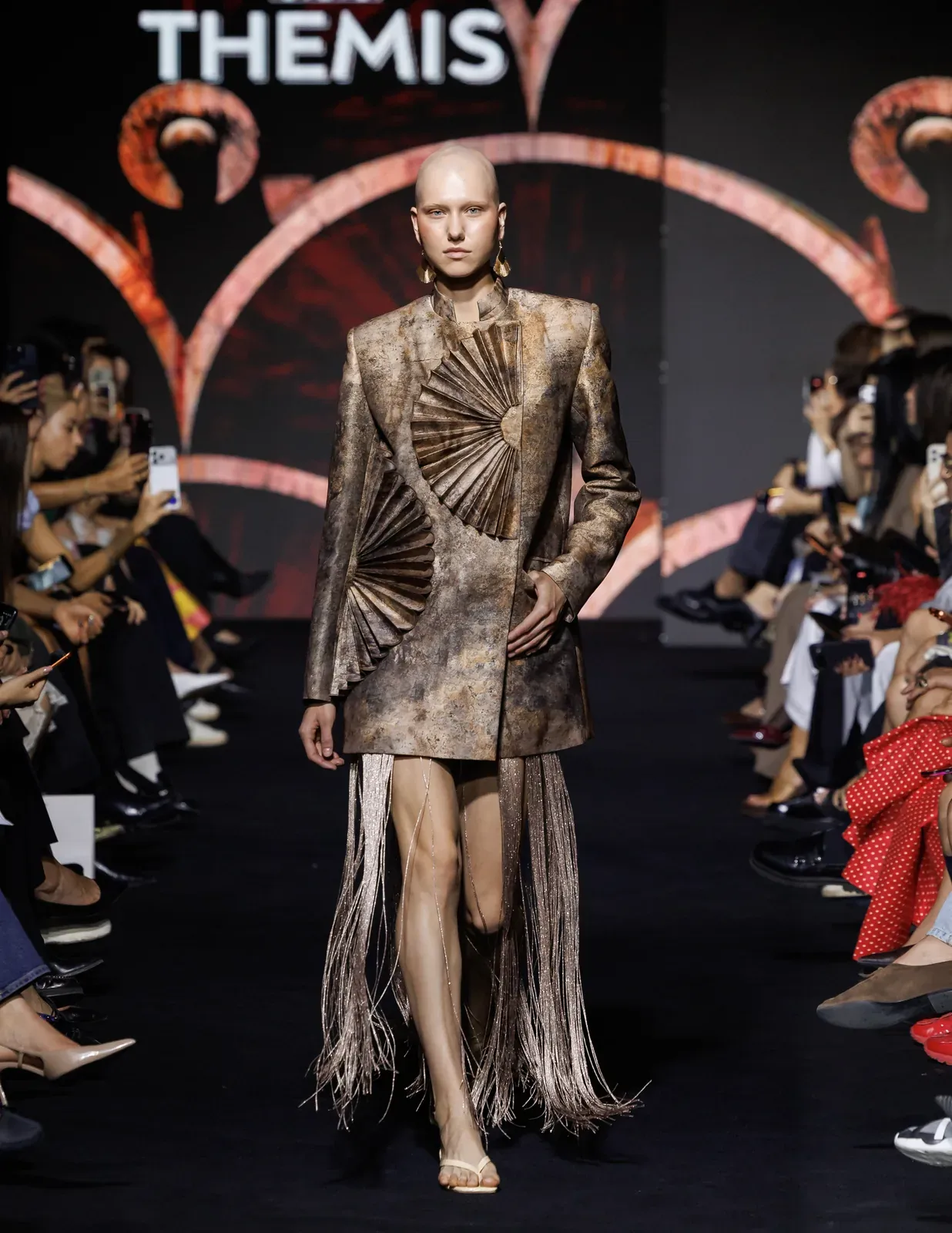
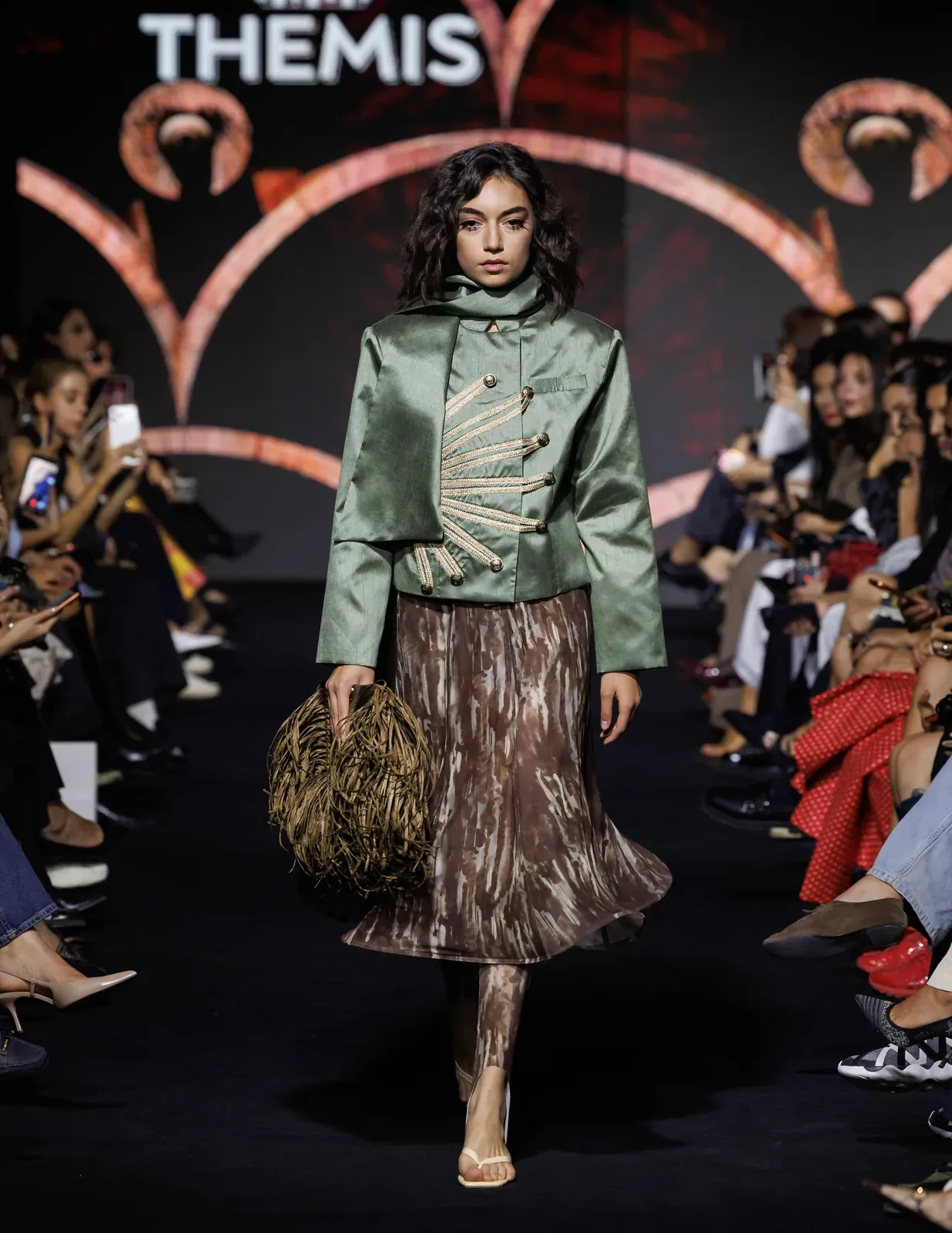
THEMIS was one of the brands we were looking forward to seeing again after it caught our attention last year. The brand has a strong sense of pride in Armenia’s history and culture, and its previous collection, inspired by the Symphony of Stones, was a particularly good example of how naturally it translates the country’s architectural wonders into garments. The beauty of the rock formations and their extraordinary natural shapes was reflected in the clothes so successfully that we were curious to see what would inspire the designer this season. This time, the protagonist was the Cascade, one of Yerevan’s most iconic landmarks. With its monumental staircases, intricate details and fountains, the complex, which also houses a museum and cultural spaces, offers plenty of inspiration for a fashion collection. THEMIS seemed particularly drawn to the circular shapes of the fountains and their reliefs, using them as a starting point for MONUMENTAL.
What makes THEMIS successful is that these references are not simply translated literally into prints, although those are part of the collection too. Instead, the geometry of the architecture finds its way into the patterns, from smaller ornaments and decorative details to the wider volumes of the silhouettes. Pleats, curves and proportions echo the shapes of the Cascade, making the inspiration recognisable without turning the garments into straightforward reproductions of the monument. This is what worked so well in last year's collection and continues to do so here: THEMIS takes a very specific source of inspiration, makes its connection to Armenian heritage clear, and finds inventive ways to translate it into fashion.