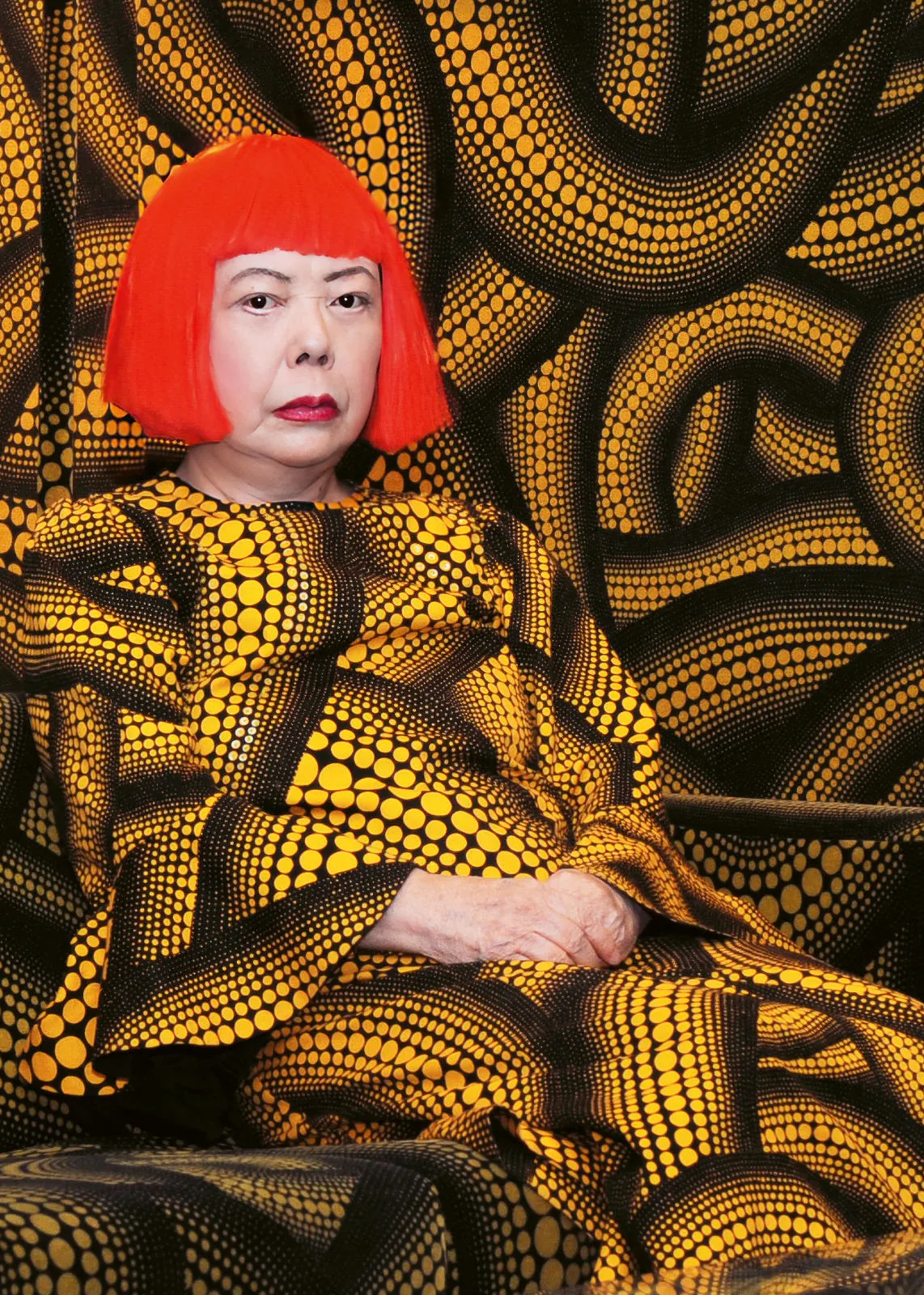
If I were to say the words ‘polka dot,’ who is the first person you think of? What about ‘pumpkin’? What about ‘polka dot pumpkin’? With that last one, there’s really only one person I could be talking about: the famed Yayoi Kusama, mother of polka dots, pumpkins, and entrancing people with her art. Curator Mouna Mekouar at Fondation Beyeler presents the first-ever retrospective of the Japanese artist’s work in a Swiss museum, her seventy-year career laid out for all to see until 25 January, 2026. You can’t escape the polka dots, nor do you want to… unless you have trypophobia — then, this may not be for you.
Kusama’s career begins at just ten years old with a self-portrait where her signature dots, flowers, and net-like sketches already fill the paper. These signature practices originated from her hallucinations as a child. She describes them as flashes of light and dense fields of dots, represented in her work, but especially Infinity Mirror Room and The Hope of the Polka Dots Buried in Infinity Will Eternally Cover the Universe. Here, black and yellow dotted tentacles emerge from the ground and wrap around one another before escaping into the mirrored walls.
Although we think of Kusama’s work as bright, fun, and energetic, many of her earlier works expose a much darker side. The tangled ropes of Corpses (1950) look like the inside view of a braid in knotted hair but really represent the death and trauma of her childhood during WWII. But that doesn’t mean she gets lost in despair, quite the opposite. One of her most famous pieces, Pumpkin (1981), seems like a whimsical and random choice, but, in reality, she finds the pumpkin to be a spiritually grounding object. Starting in her childhood at her parents’ plant nursery, Kusama resonated with the pumpkin’s “unpretentiousness.”
What’s more, the phallic shapes protruding from Untitled’s (1963) chair are how she coped with the trauma of witnessing her father cheating on her mother. She has said that creating phalluses over and over again was an act of “self-therapy” — the exposure to the phalluses would ease her discomfort of the real thing… juggling the balls of sexual liberation and fear of sex. She used her art as a tool to understand her hallucinations, mental health, physical reality, and above all else, her ego. “Self-obliteration” is a common motif present through her work. Kusama believes the concentration of polka dots overwhelms to the point of getting lost in the abstract and, at some point, letting your ego fade away.
I think of it like this: the self-portraits pull you out of yourself – body, mind, spirit, and soul –, take this blob of a person and shake it, melt it, hit it until you start seeing spots and stars (like when you’re really motion sick). Then, they plop you down into the canvas and you in your dizzy state try to find your most honest self. Kusama’s self-portraits from 1972 and 1995 show her in different forms. In the former, she’s a flower with butterflies tending to her petals and a caterpillar crawling on her stem. Within her, there is a pattern, almost like really small corn. She is one with the patterns of life, with nature. In the latter, more human portrait, her hair looks remarkably similar to the pumpkin we saw earlier. Her face is freckled with polka dots while the net pattern in the background gives you too much to focus on. Your mind wanders into a daze, and you let it, because it feels so soothing.
The exhibition by Yayoi Kusama is on view through January 25, 2026, at Fondation Beyeler, Baselstrasse 101, Riehen (Basel).
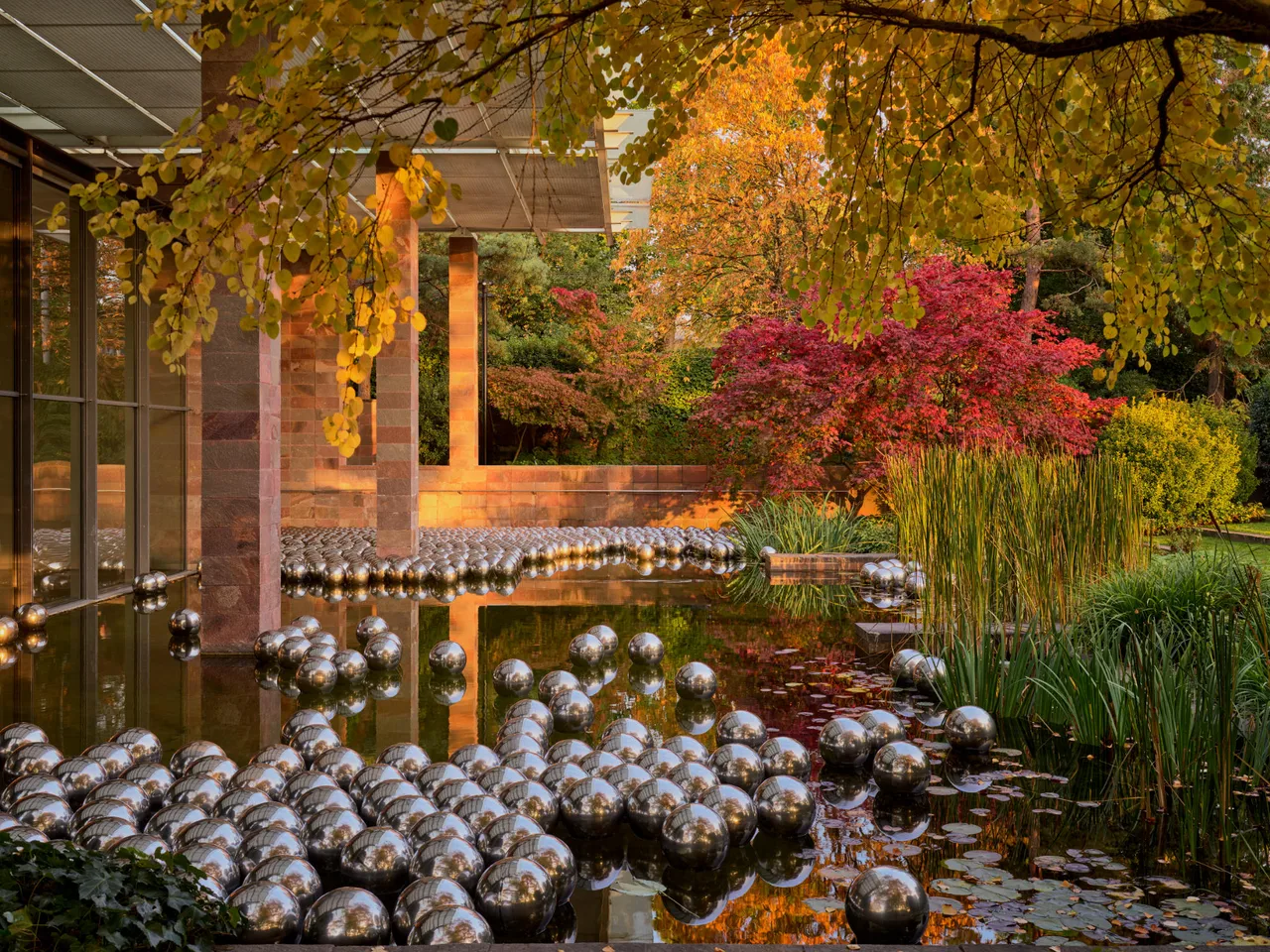
Installation view"YAYOI KUSAMA", Fondation Beyeler, Riehen/Basel, 2025. Narcissus Garden, 1966/2025 © YAYOI KUSAMA. Photo: Mark Niedermann
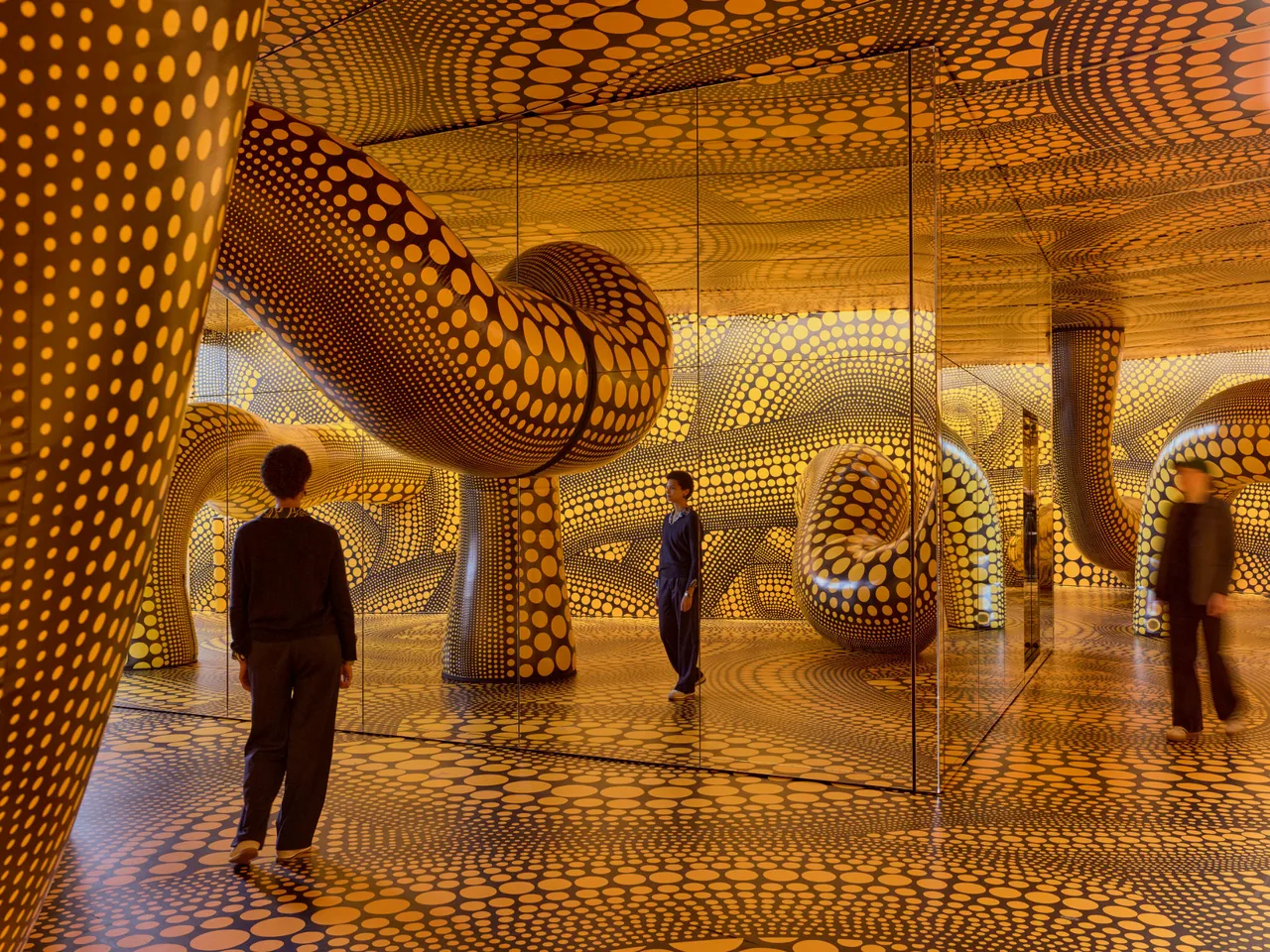
Installation view"YAYOI KUSAMA", Fondation Beyeler, Riehen/Basel, 2025. Infinity Mirrored Room – The Hope of the Polka Dots Buried in Infinity Will Eternally Cover the Universe, 2025
© YAYOI KUSAMA. Photo: Mark Niedermann
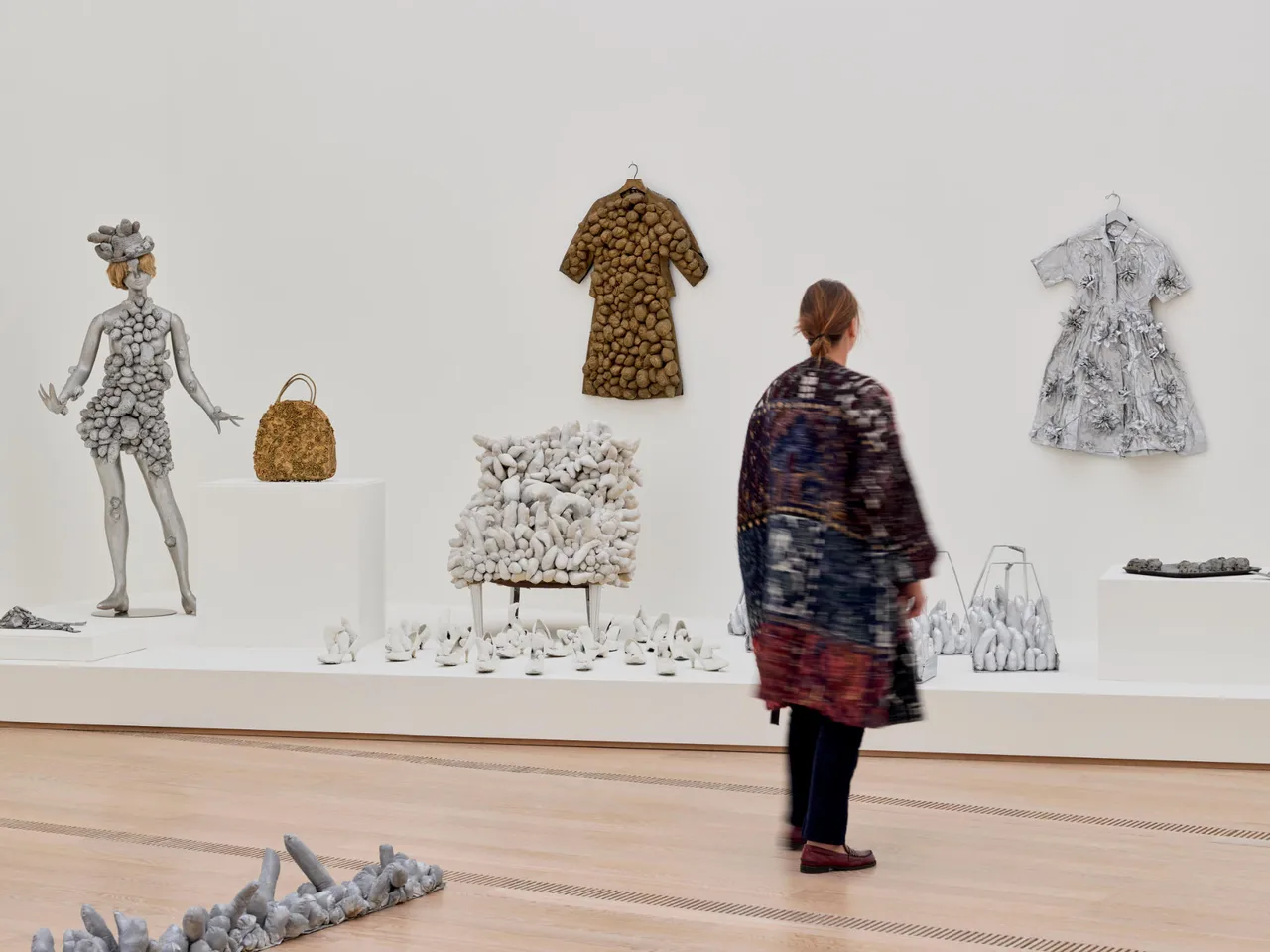
Installation view"YAYOI KUSAMA", Fondation Beyeler, Riehen/Basel, 2025. © YAYOI KUSAMA. Photo: Mark Niedermann
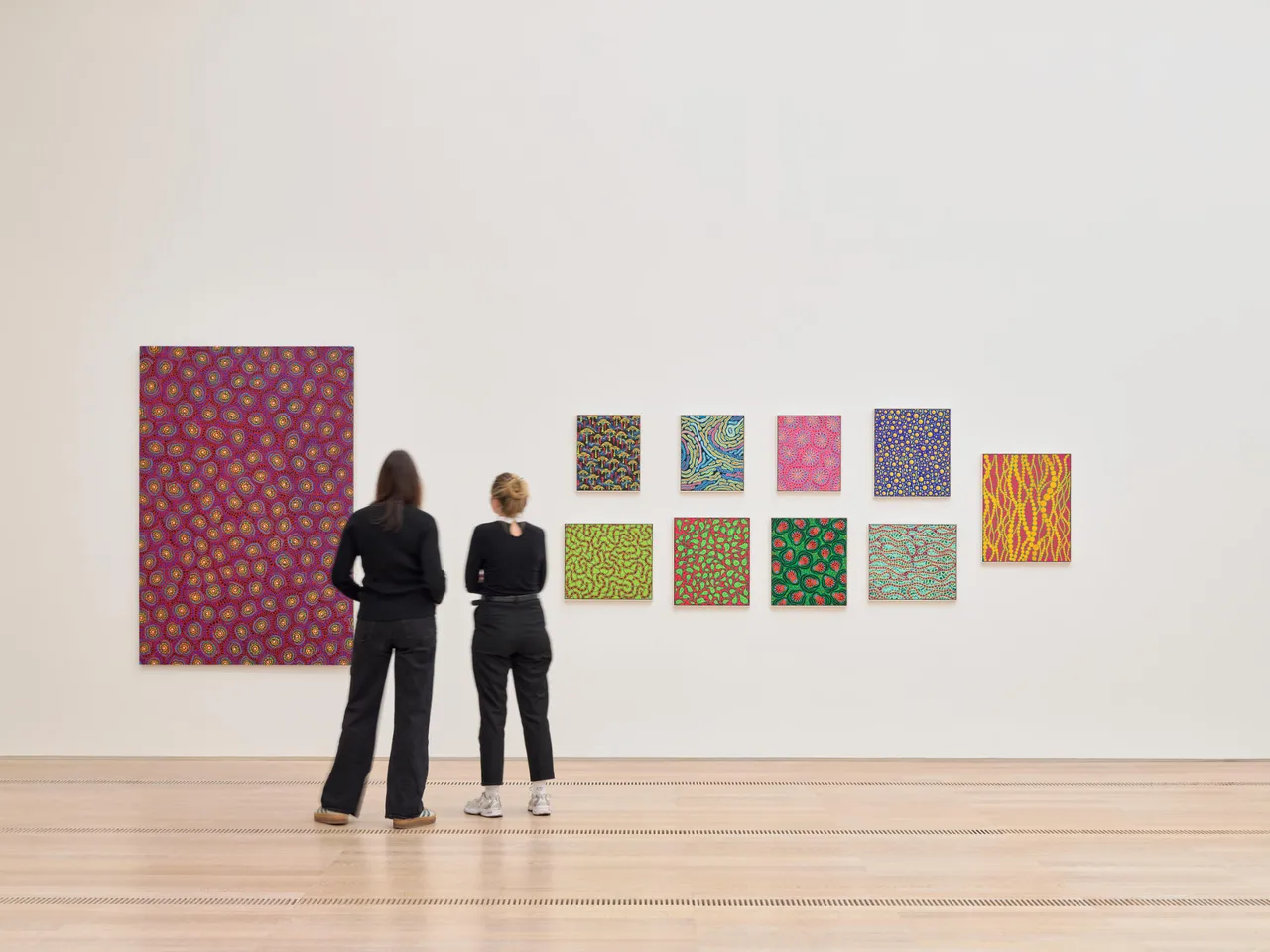
Installation view"YAYOI KUSAMA", Fondation Beyeler, Riehen/Basel, 2025. © YAYOI KUSAMA. Photo: Mark Niedermann
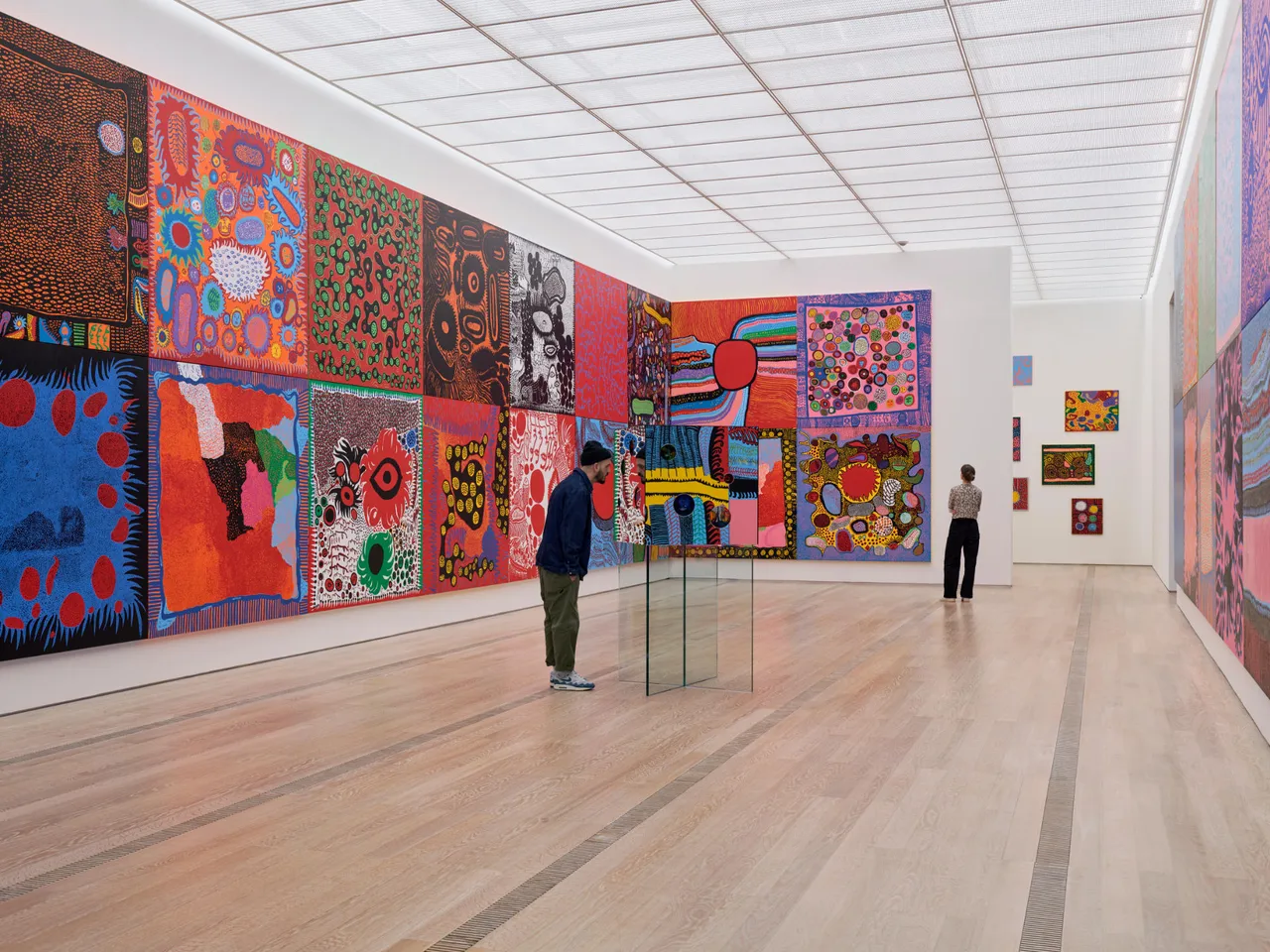
Installation view"YAYOI KUSAMA", Fondation Beyeler, Riehen/Basel, 2025. © YAYOI KUSAMA. Photo: Mark Niedermann
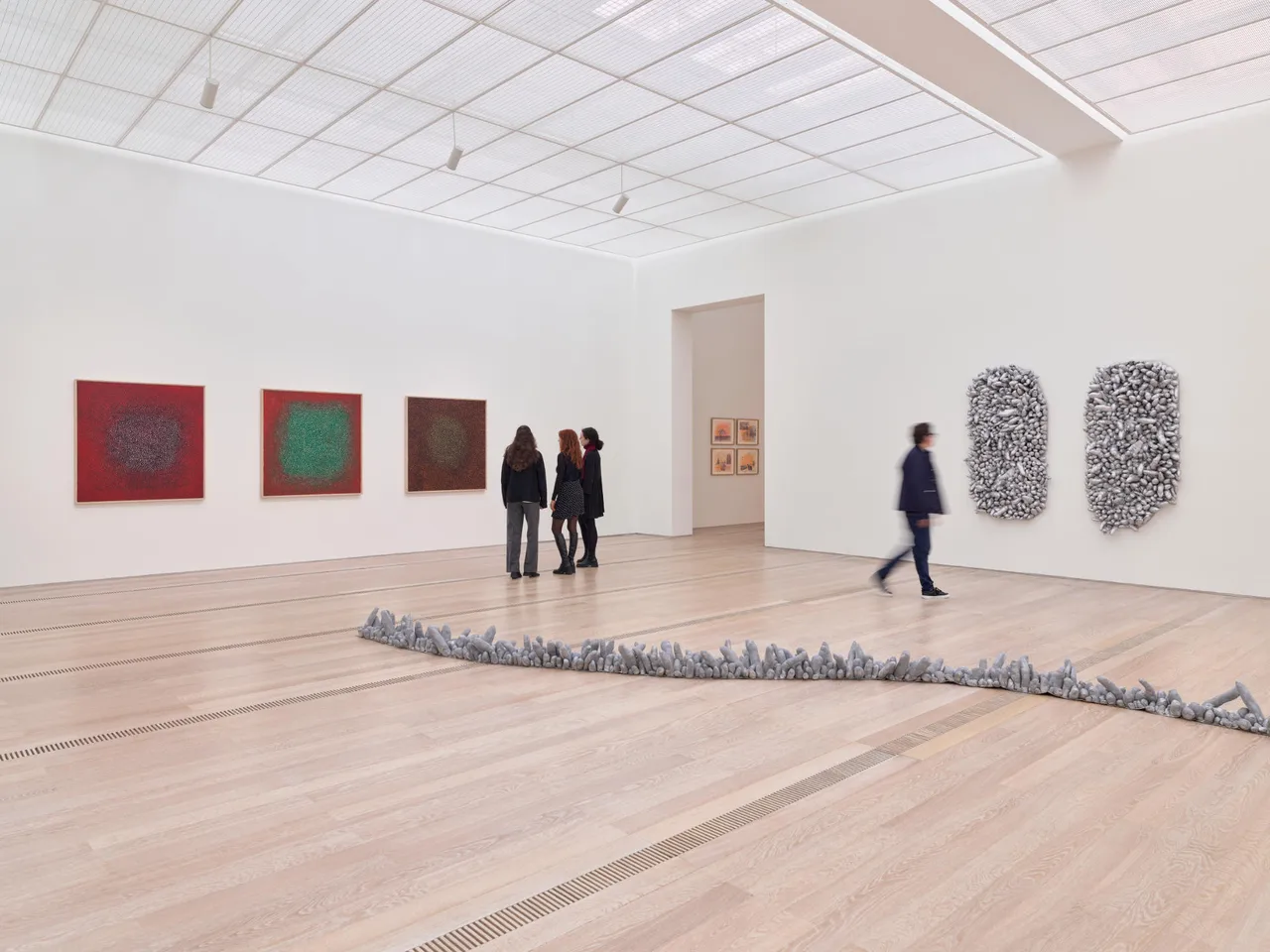
Installation view"YAYOI KUSAMA", Fondation Beyeler, Riehen/Basel, 2025. © YAYOI KUSAMA. Photo: Mark Niedermann
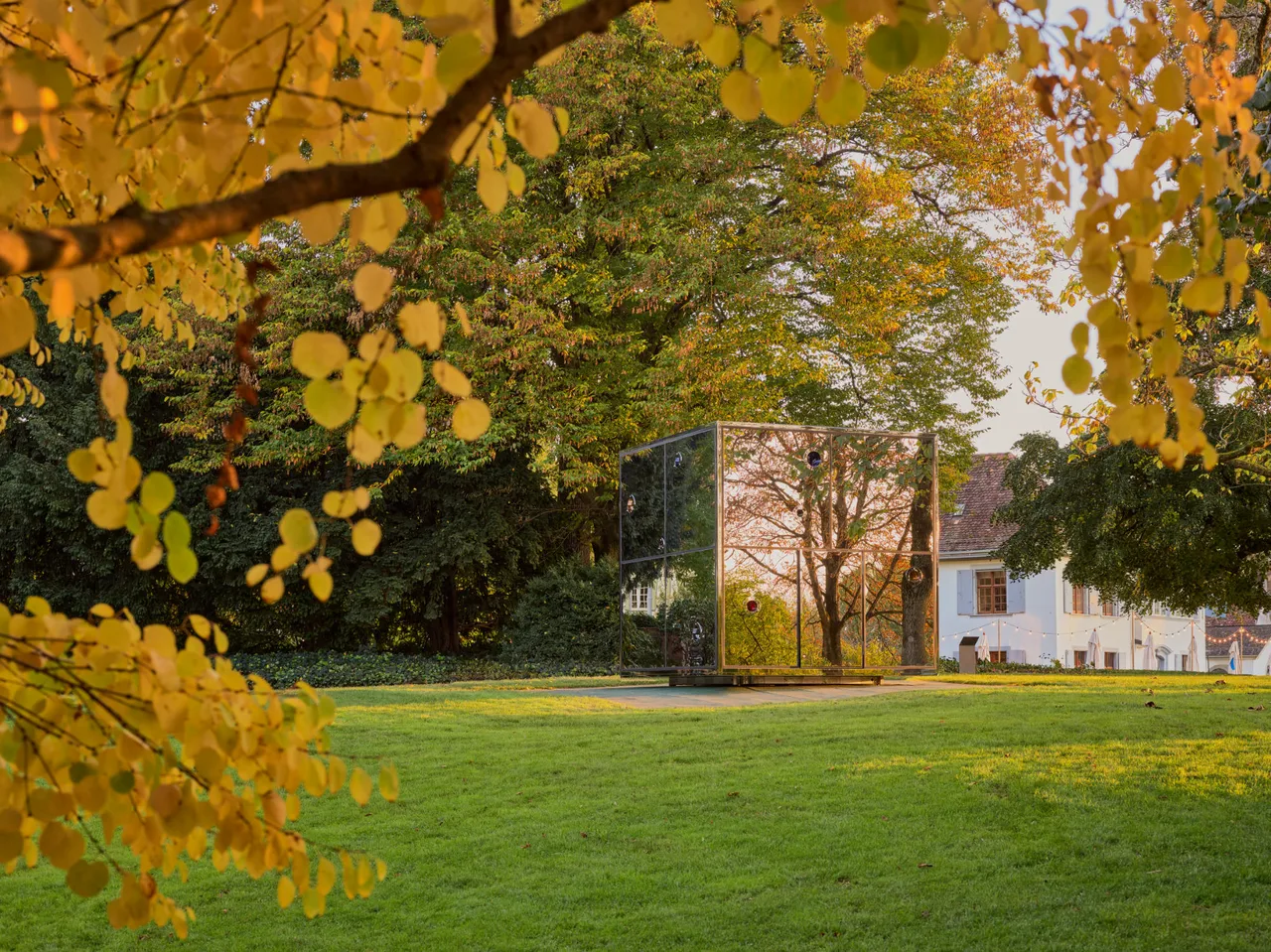
Installation view"YAYOI KUSAMA", Fondation Beyeler, Riehen/Basel, 2025. Narcissus Garden, 1966/2025 © YAYOI KUSAMA. Photo: Mark Niedermann
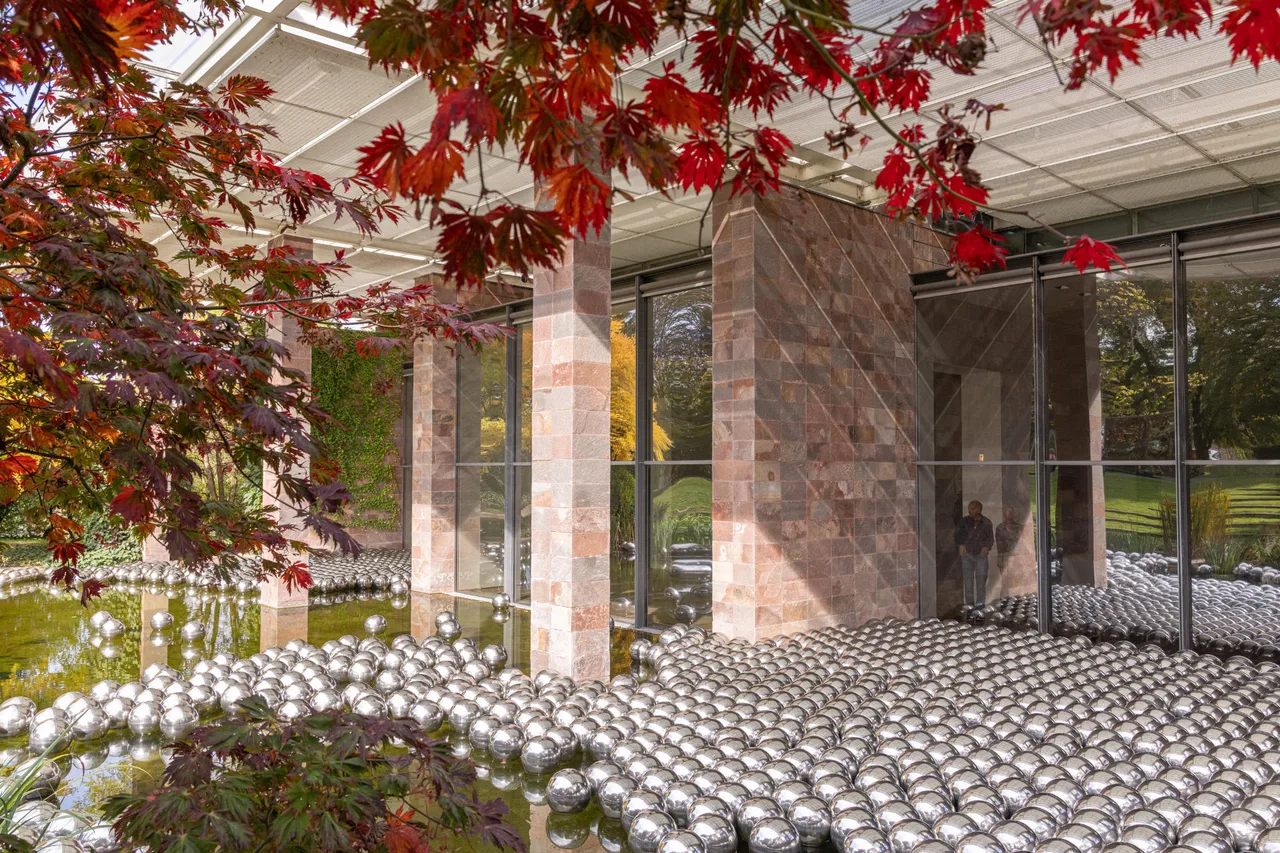
Installation view"YAYOI KUSAMA", Fondation Beyeler, Riehen/Basel, 2025. Narcissus Garden, 1966/2025 © YAYOI KUSAMA. Photo: Mark Niedermann