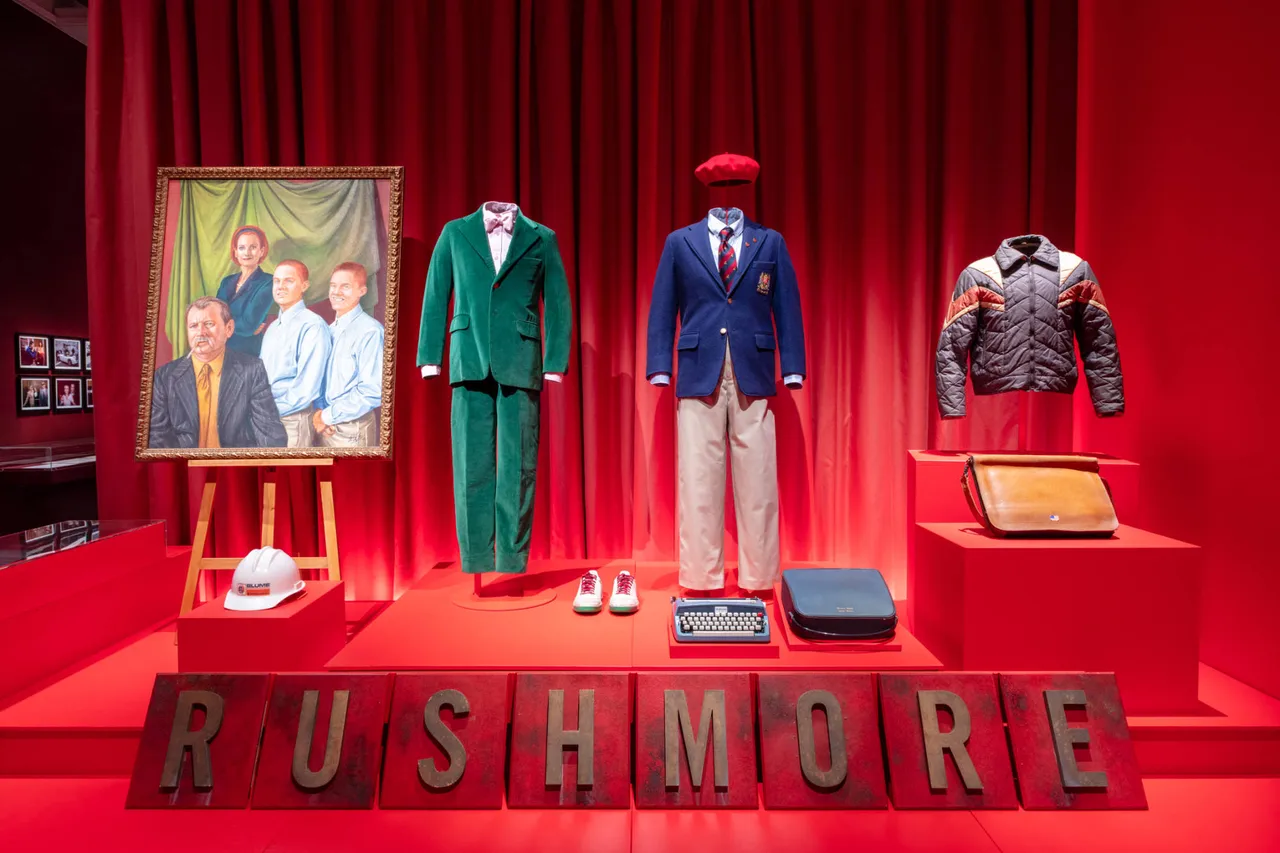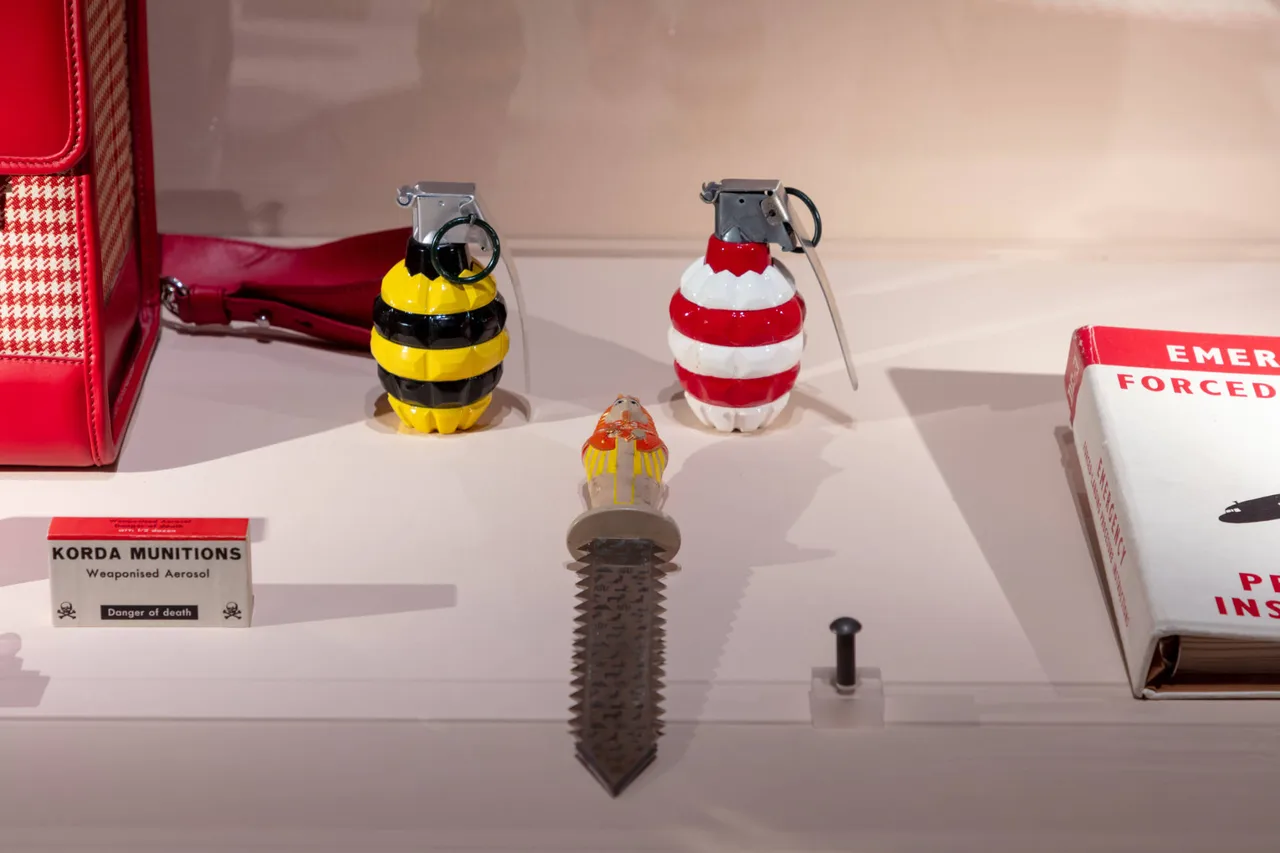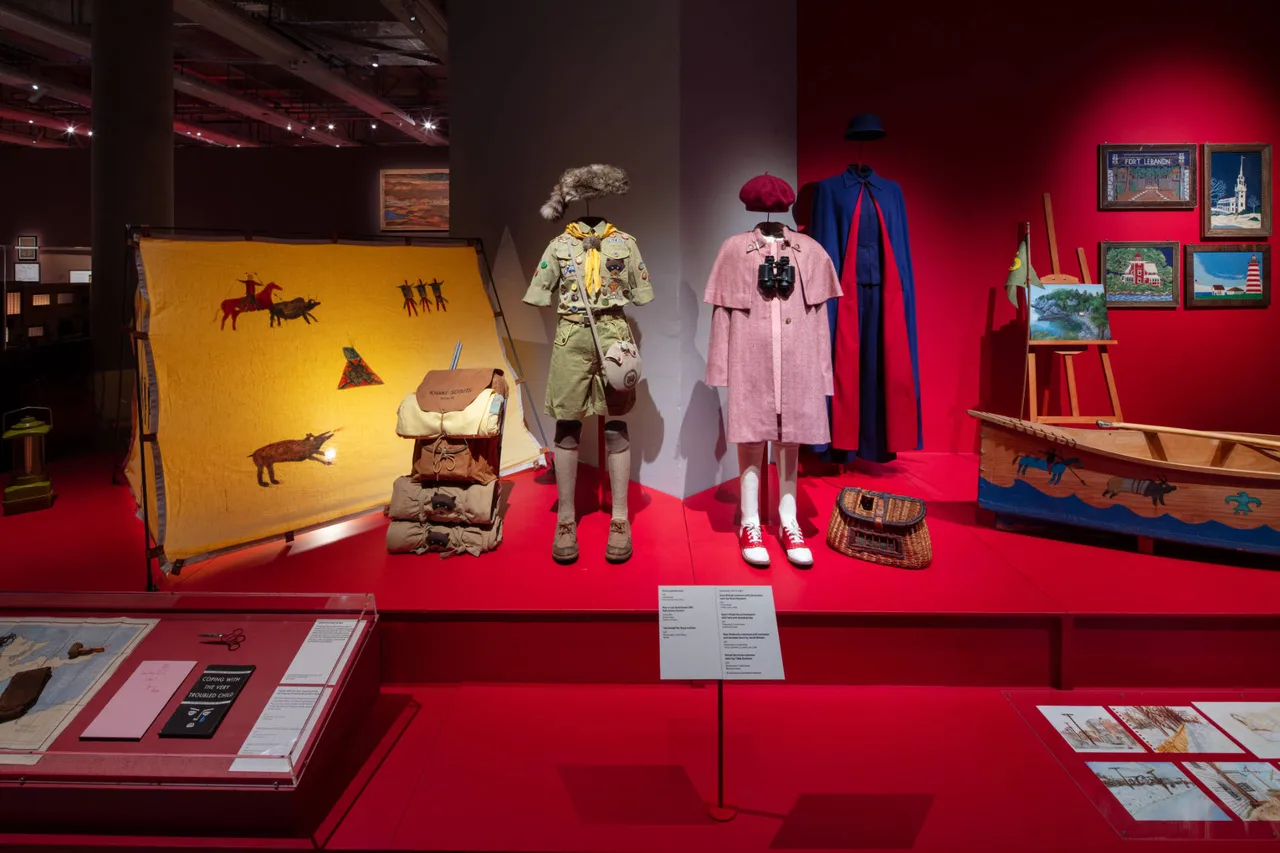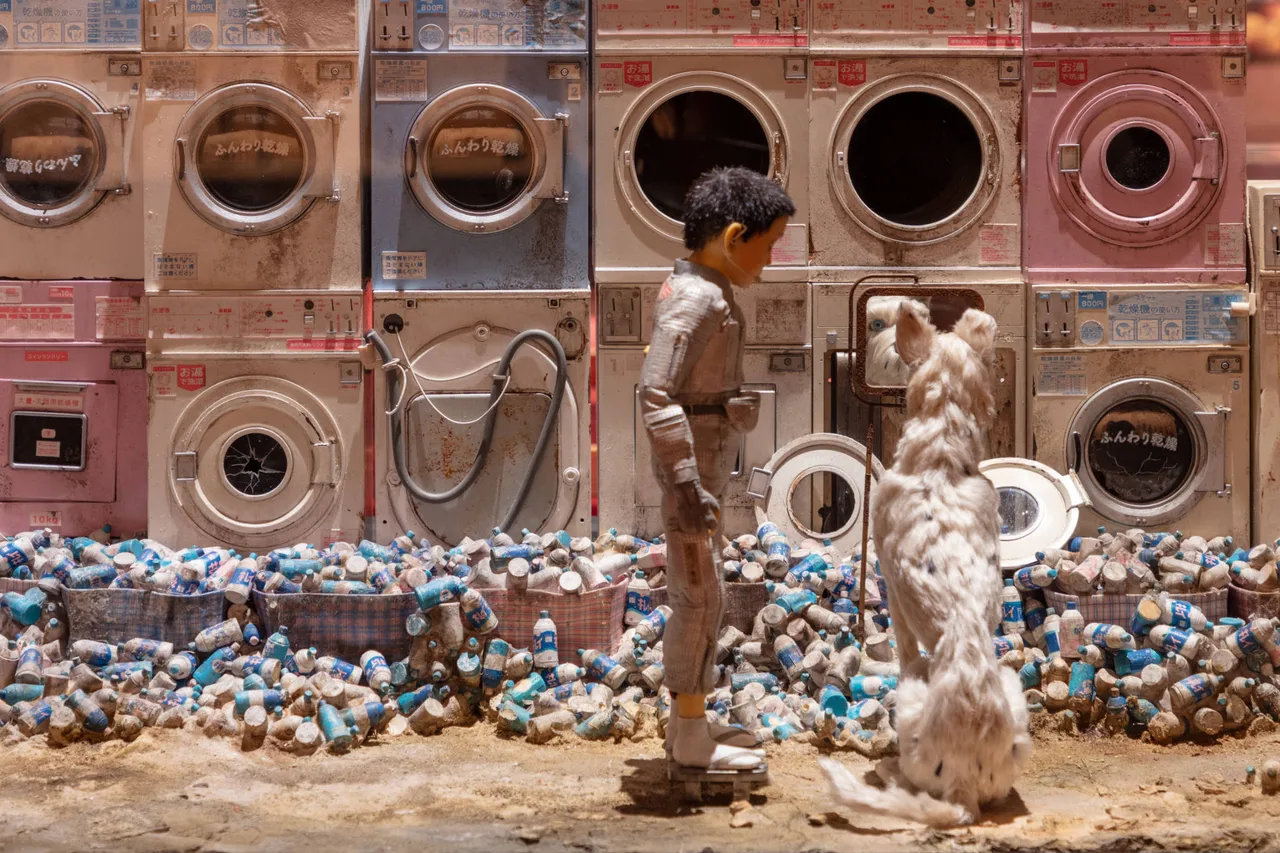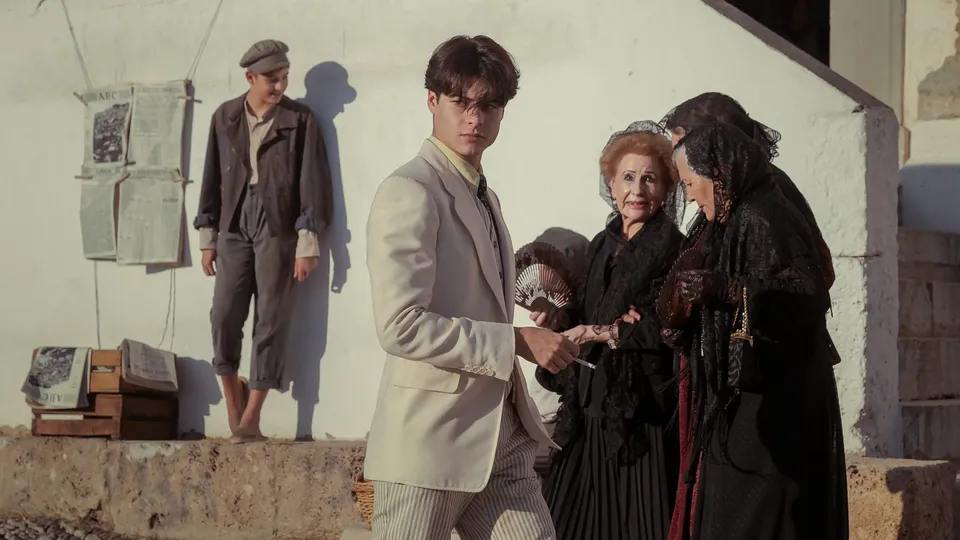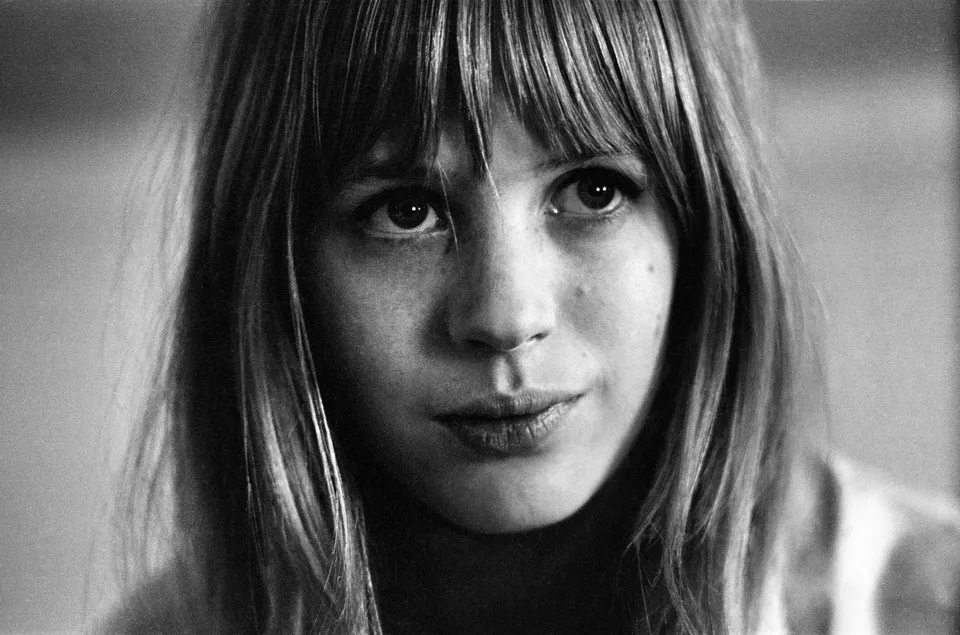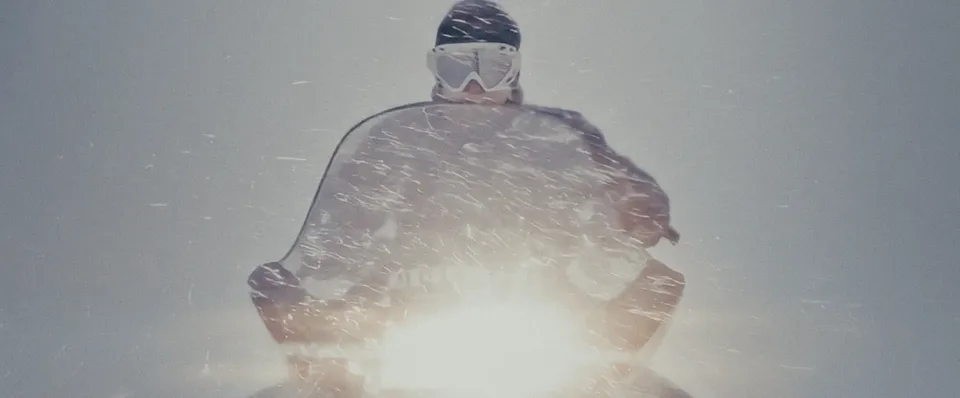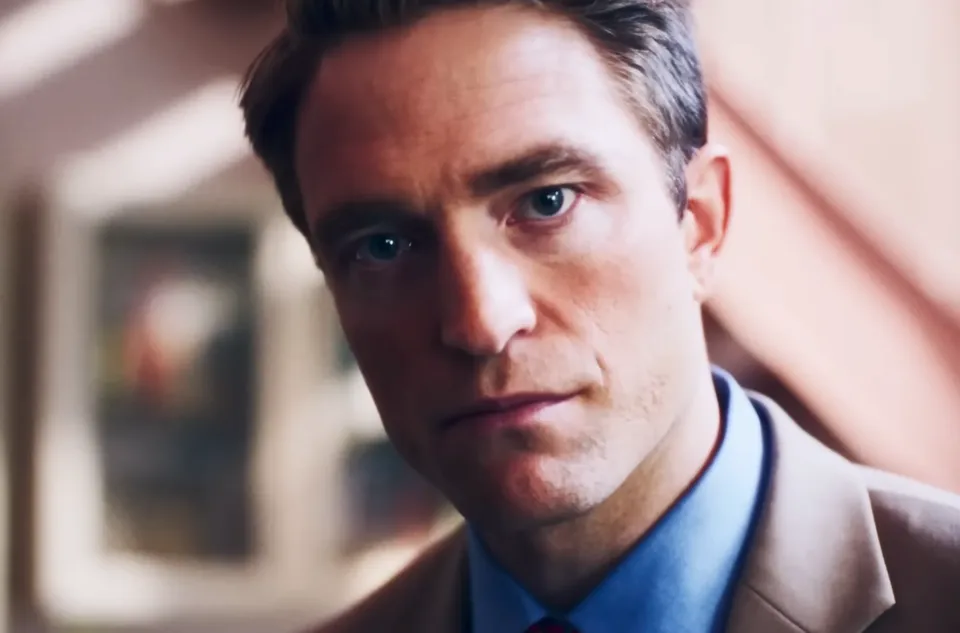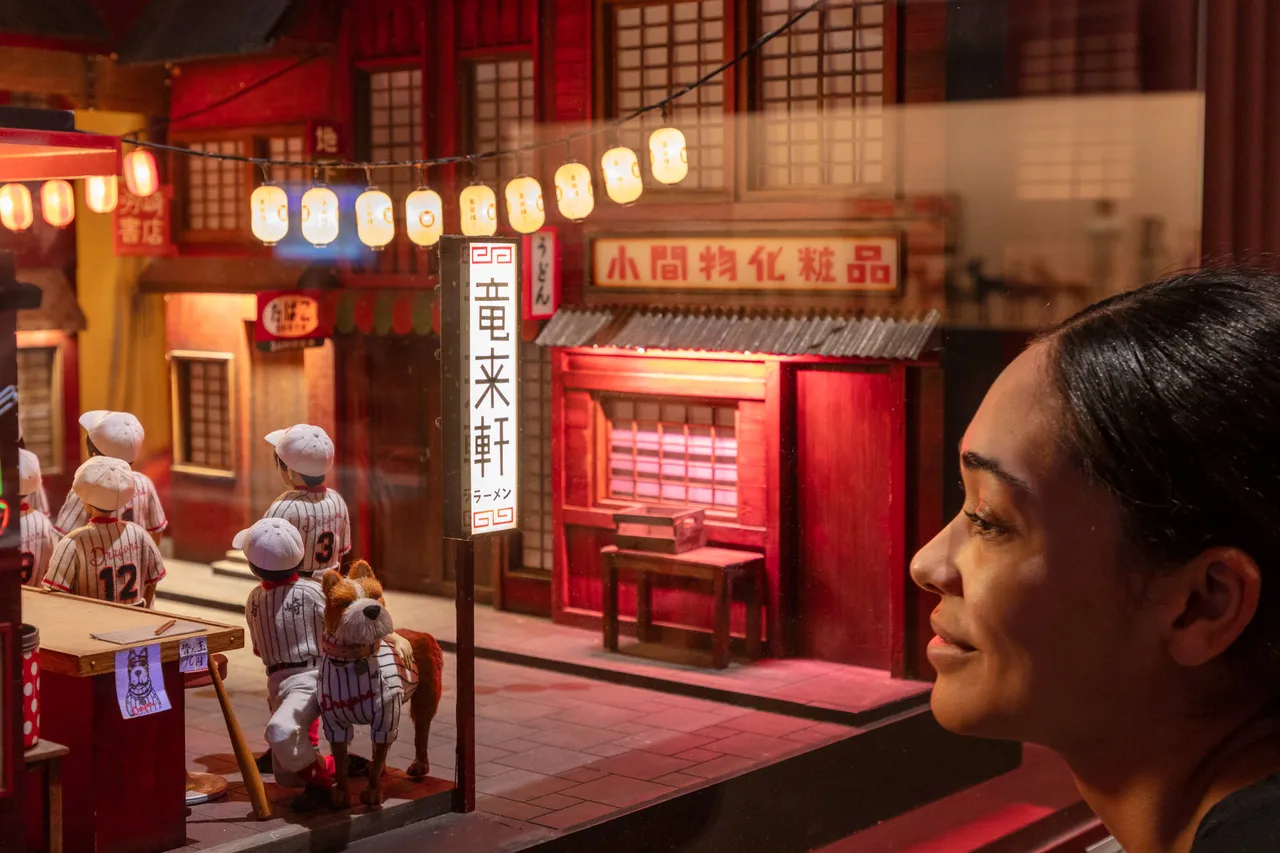
A misunderstood boy scout with a penchant for rebellion. A fox reporter trying to forget his thieving past. An arrogant oceanographer on a vengeful mission. What do these unlikely characters have in common? They’ve been thought up by the brilliant mind of Wes Anderson, the American filmmaker known for his idiosyncratic plotlines and candy-hued charm. Now unveiling over seven-hundred artefacts from the sets of the movies, this expansive retrospective Wes Anderson: The Archives is open at The Design Museum, in collaboration with Paris’ la Cinémathèque française.
An auteur is defined by Oxford Dictionary as “a film director who plays such an important part in making their films that they are considered to be the author.” Wes Anderson is most definitely an auteur. With a modus operandi rooted in sugar-tinted universes and dead-pan eccentrics, one hears “that’s so Wes Anderson” in response to a pastel, curiously shaped Victorian-style building, or a bright blue tweed suit worn with trainers. It’s no wonder his work has amassed a cult following.
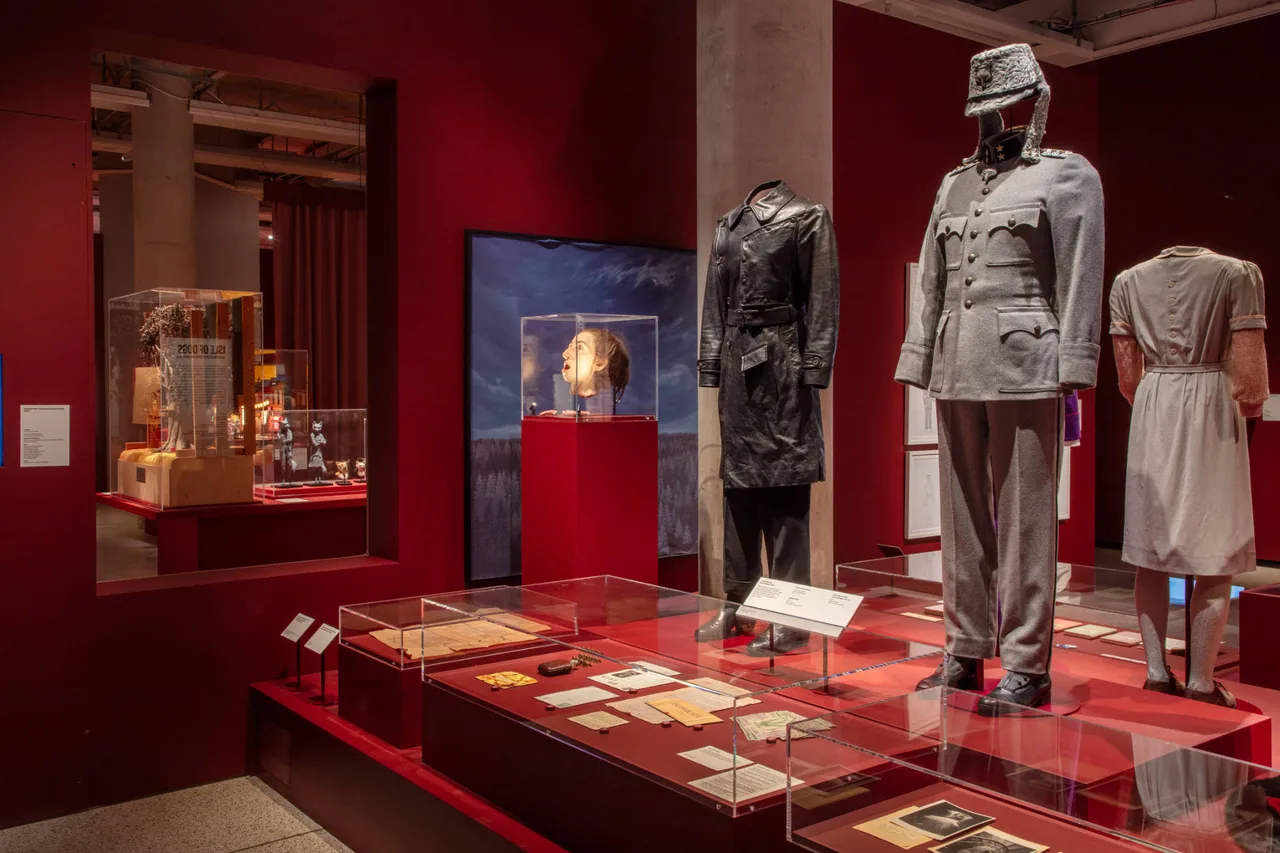
The magic of a Wes Anderson film lies in his (and his teams’) ability to obscure the mundane, transforming it into something uniquely his own through witty dialogue and elaborate set design. Now, audiences are given the chance to peek behind the curtain. The Design Museum’s Wes Anderson: The Archives exhibition offers an intimate look inside the inner workings of his cinematic worlds, featuring everything from scrawling sketches to beloved costumes to Anderson’s handwritten notebooks, and marking the first time these objects have been displayed in the UK.
“NO CRYING” reads the sign above the entrance, a demand that aptly sets the peculiar tone for Anderson’s style. Though visually charming, a Wes Anderson movie is never afraid to acknowledge a darker side, unbound to family-friendly glee despite the outward aesthetics. These are not children’s movies — themes of suicide, violence and depression peek through beneath the sugar-coated exterior — and perhaps that’s why adults are so drawn to them. Once inside, the exhibition follows a mostly chronological journey throughout each movie, beginning in 1993 with Bottle Rocket. What began as a short film made with his two college buddies (the now famous brother duo, Luke and Owen Wilson), took off to be Anderson’s first full-length feature that kickstarted his career.
At the entrance, a glass cabinet of hazy Polaroids taken by the director himself, capture behind-the-scenes moments from Anderson’s movies, featuring the costumed faces of Bill Murray, Anjelica Huston and Adrien Brody alike. Beneath, dozens of symmetrical, handwritten notebooks map out early ideas, script development and storyboards in Anderson’s blocky, capitalised writing. The immediacy of these objects makes clear that his meticulous style was present from the very beginning.
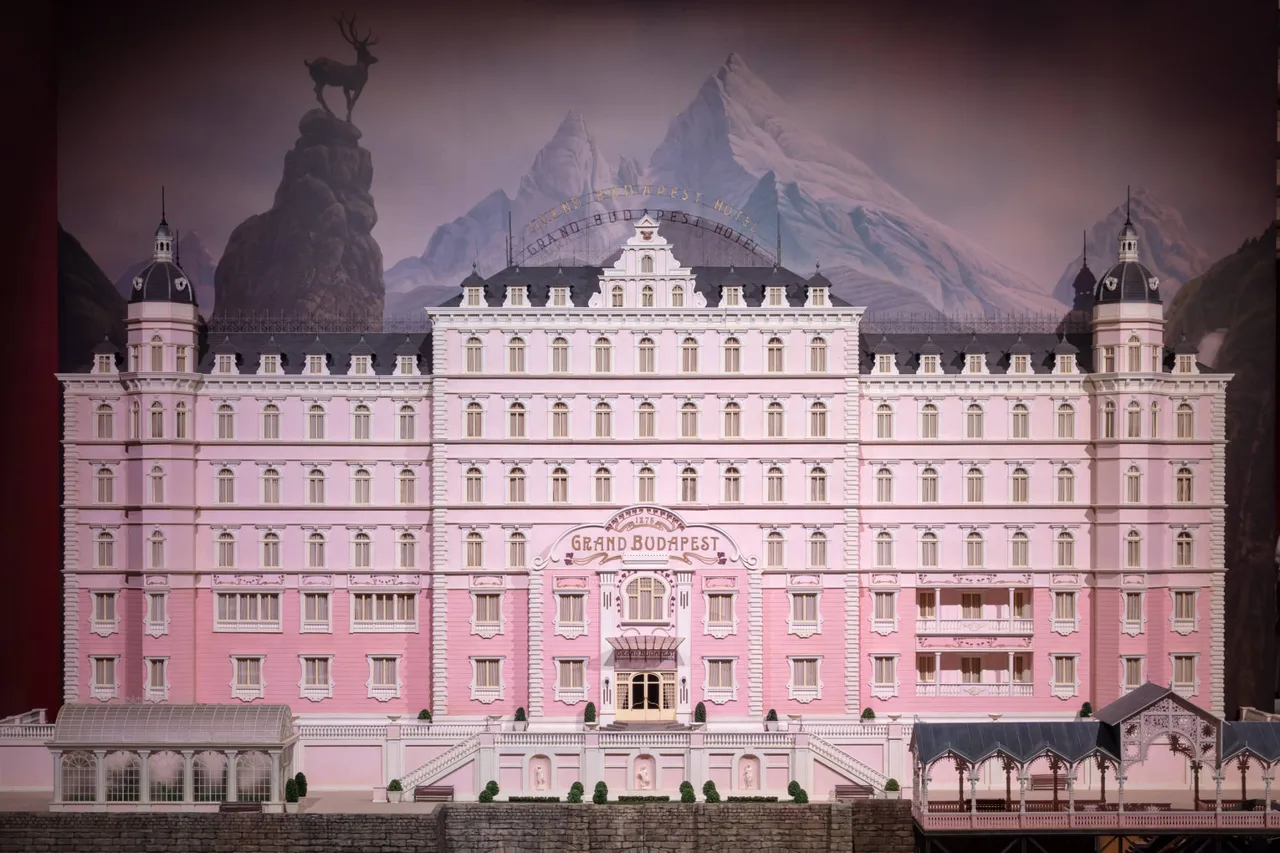
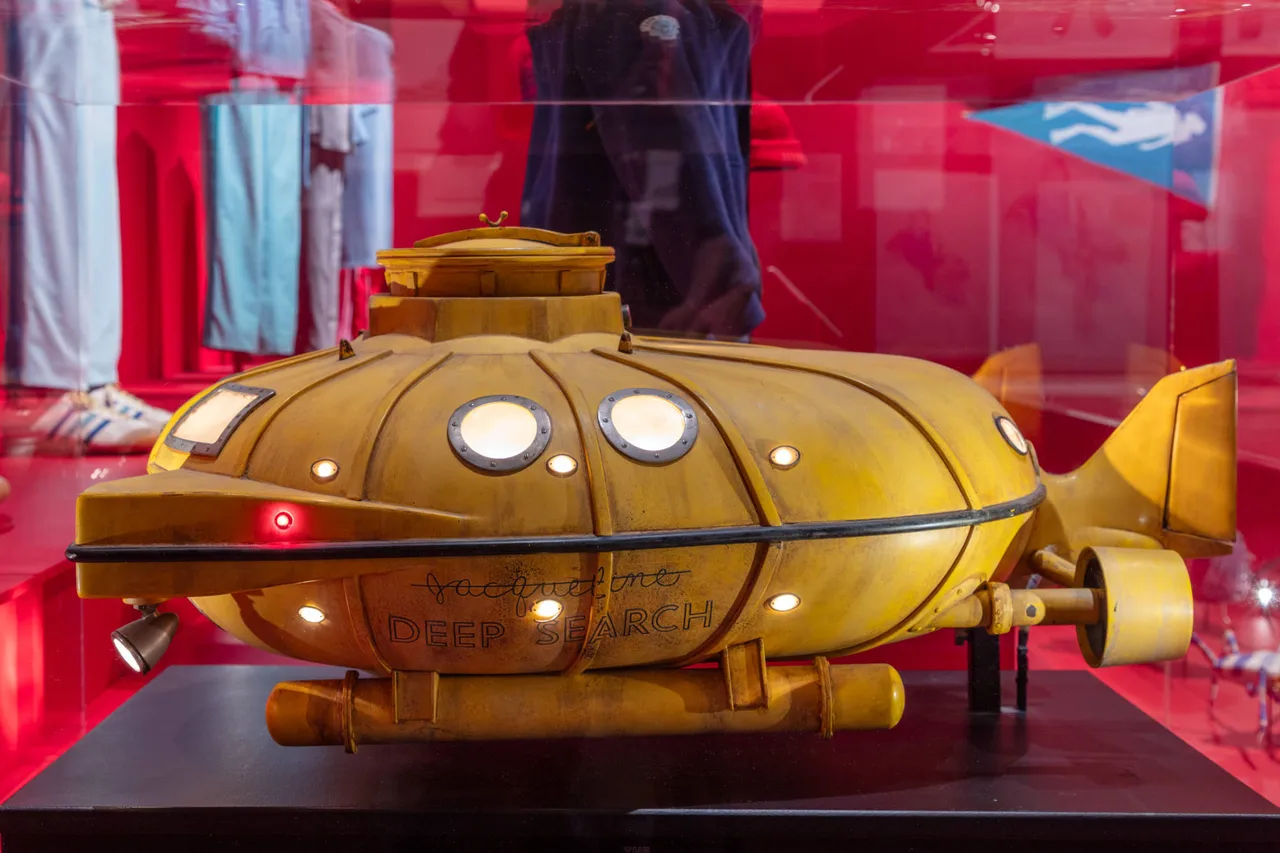
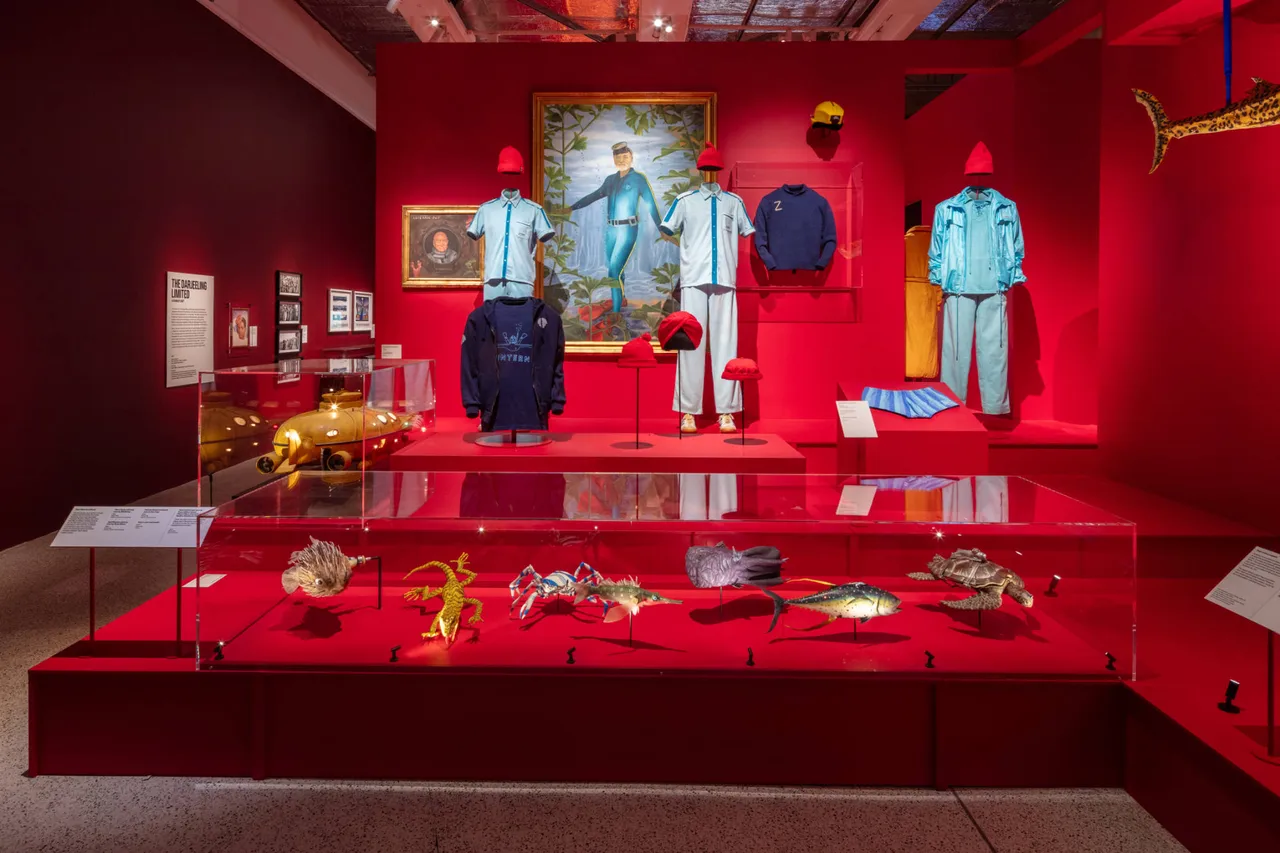
“Each Wes Anderson picture plunges the viewer into a world with its own codes, motifs, references, and with sumptuous and instantly recognisable sets and costumes,” says exhibition co-curator, Lucia Savi, who worked on The Archives with Johanna Agerman Ross. “Every single object in a Wes Anderson film is very him — they are not simply props, they are fully formed pieces of art and design that make his inventive worlds come to life.” Each room of the exhibit honours a different movie, highlighting iconic artefacts like Margot Tenenbaum’s lustrous fur coat from The Royal Tenenbaums, or the bubblegum pink model of the titular Grand Budapest Hotel made by a German atelier, Simon Weiss. Used to film wide-shots, the model allowed Anderson complete creative freedom, a steadfast ethos found in all of his work.
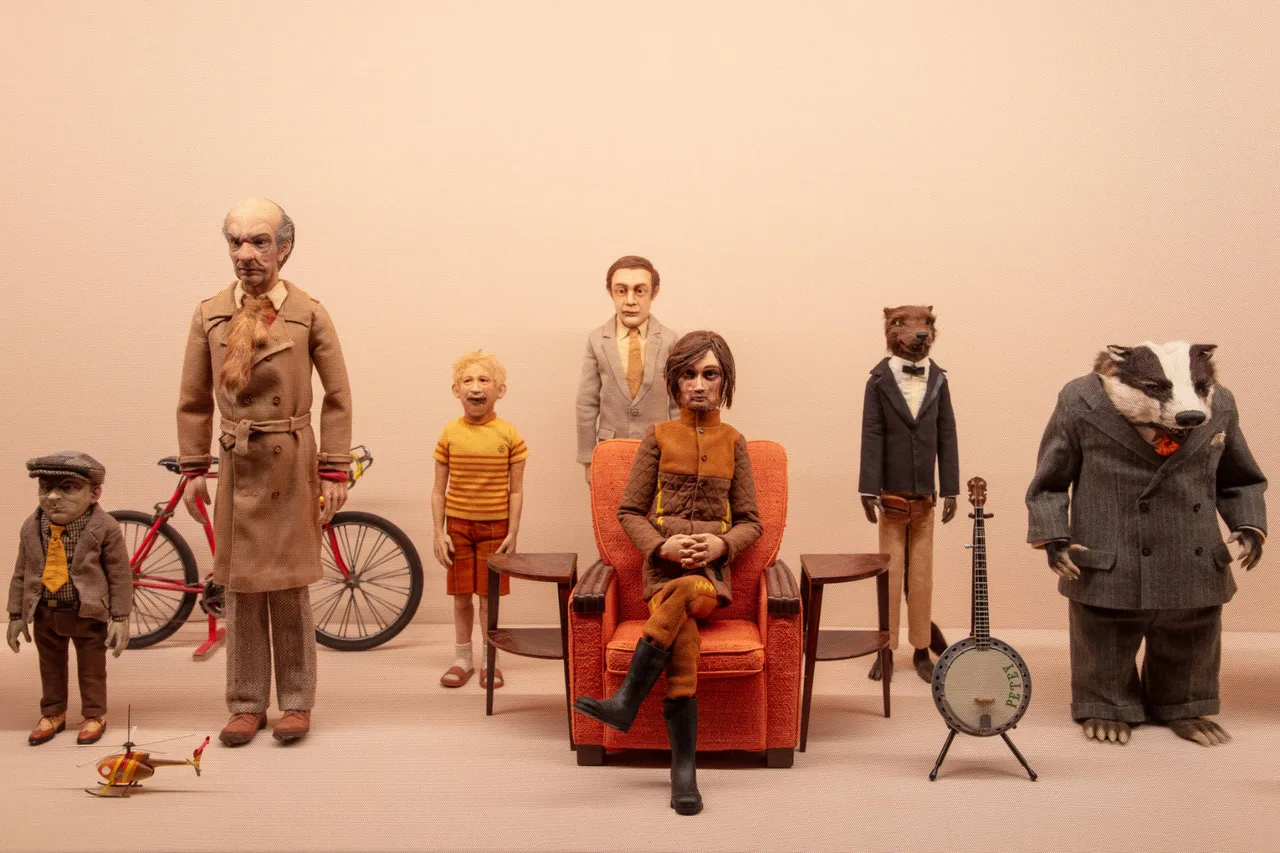
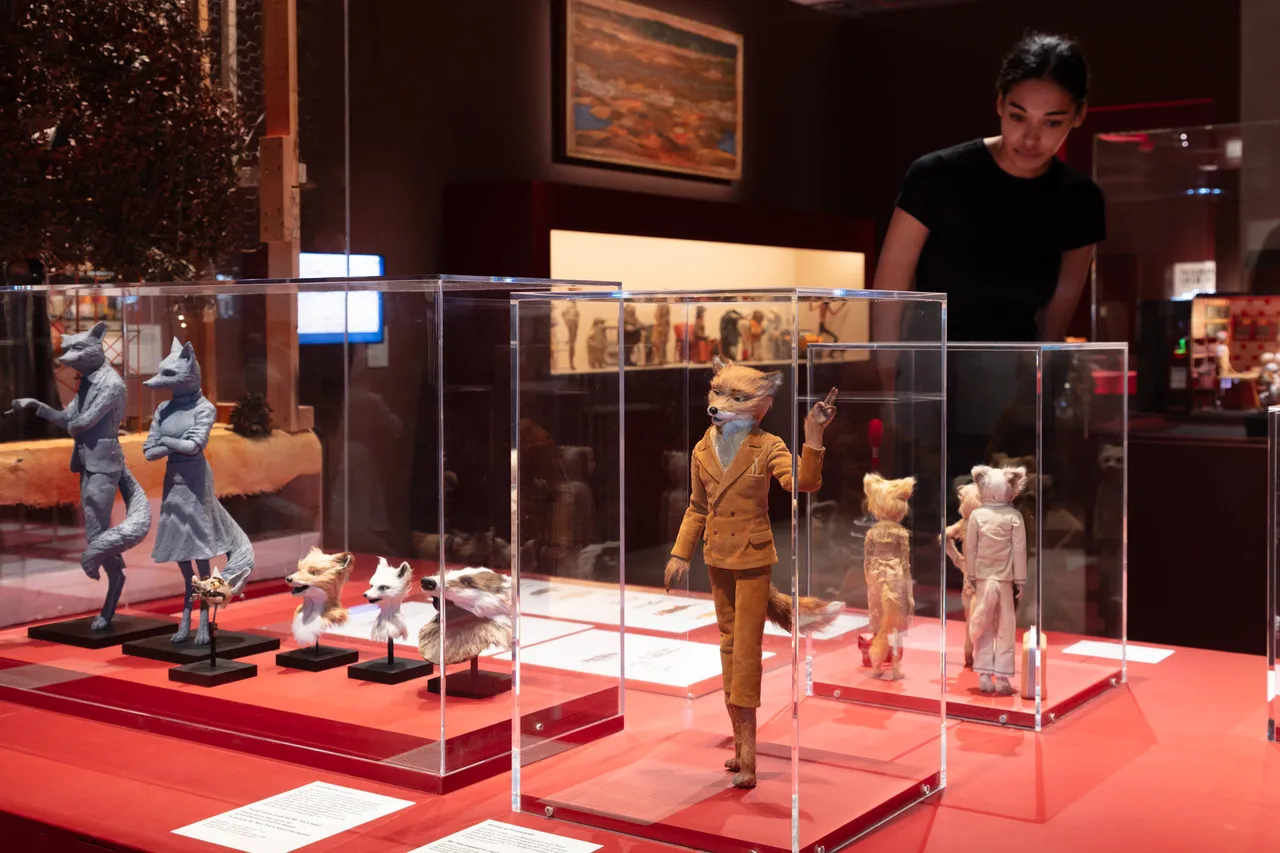
What the exhibition hammers most, in fact, is the sheer amount of people involved in bringing a Wes Anderson film to life. No detail is spared, from the children’s drawings sourced from actual school children in Moonrise Kingdom to each eyelash delicately placed on a stop-motion puppet for Fantastic Mr. Fox. These films are labours of love built through collaboration, patience and an almost reverential attention to detail. Anderson finds his clan, and then he sticks with them. Career-long collaborations run through the exhibition, from designers and filmmakers to a recurring cast ensemble – Roman Coppola, Tilda Swinton, Bill Murray, Anjelica Huston and Willem Dafoe make the list amongst many. There’s something quietly comforting about watching actors return to these carefully constructed universes.
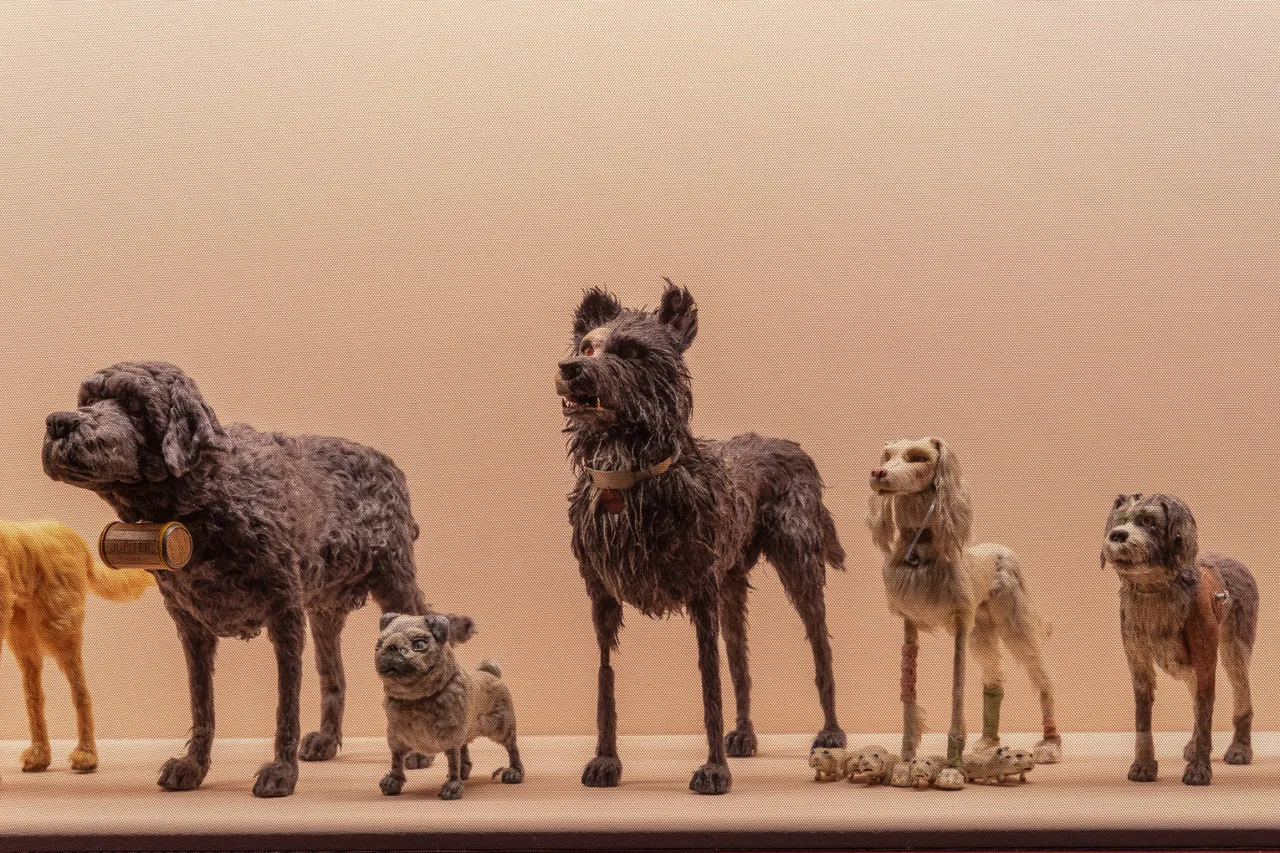
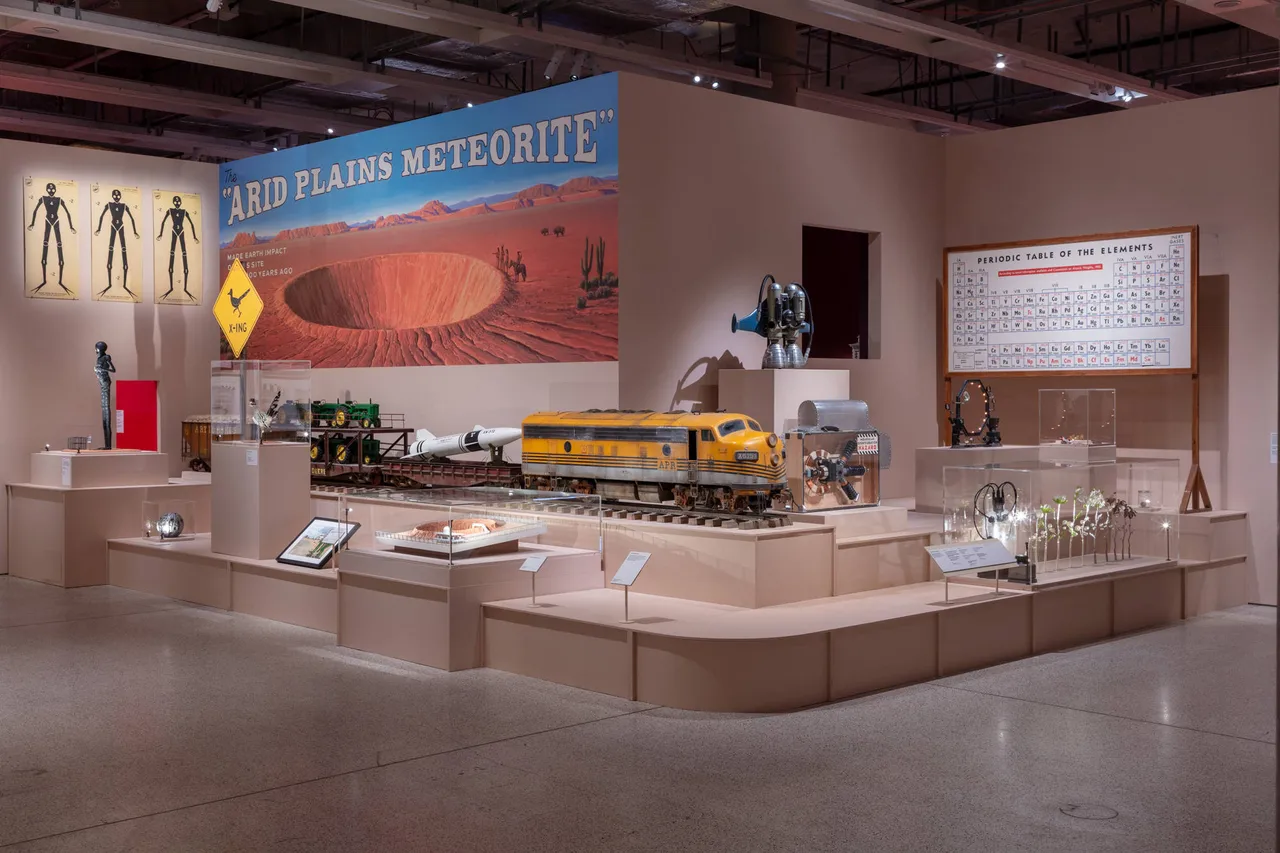
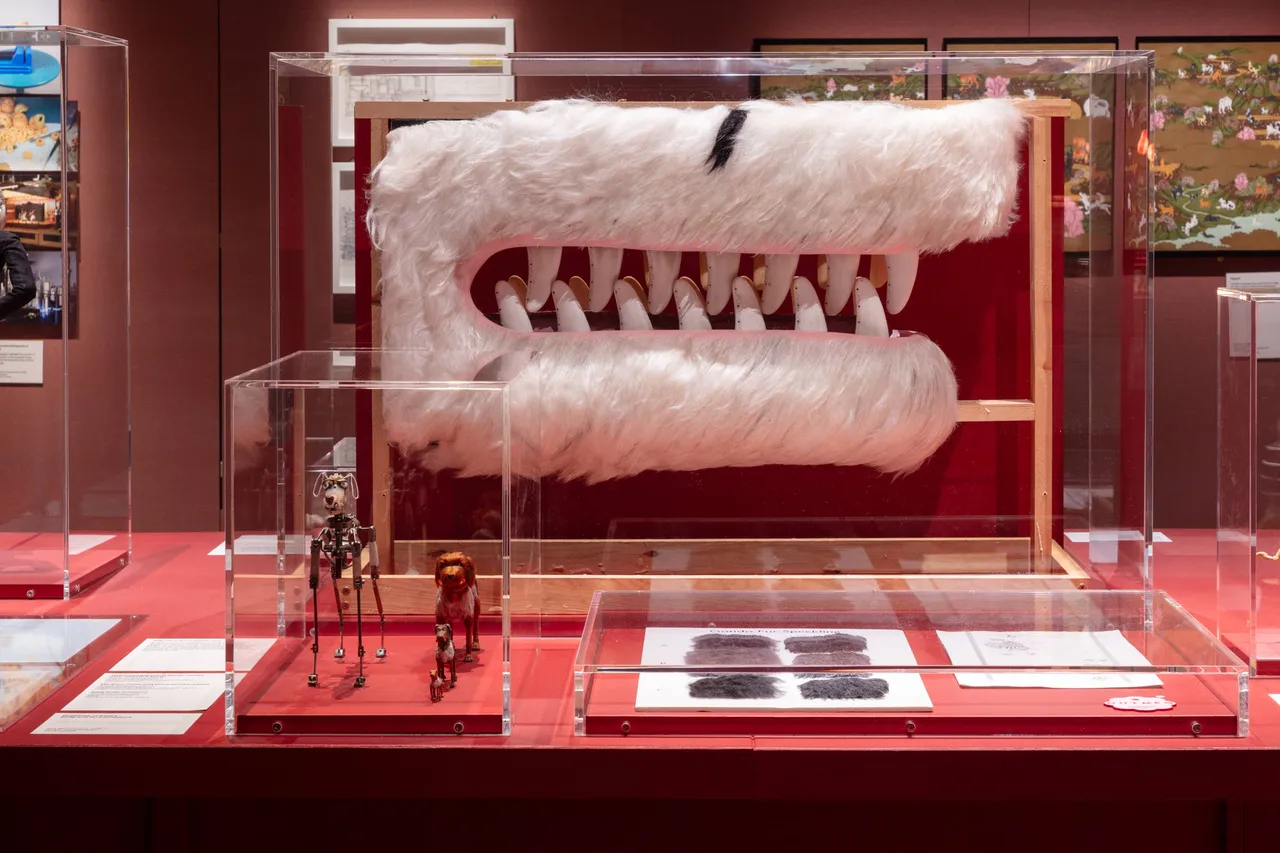
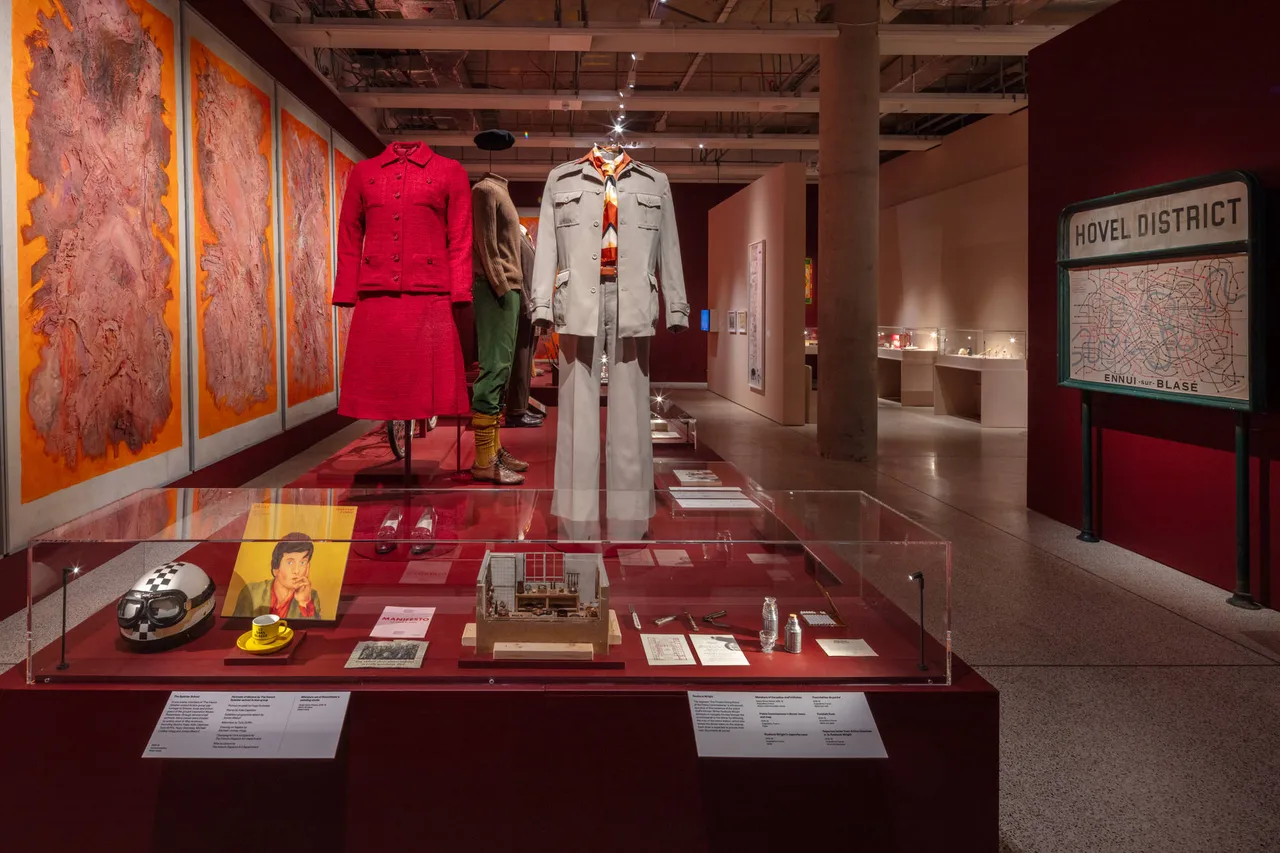
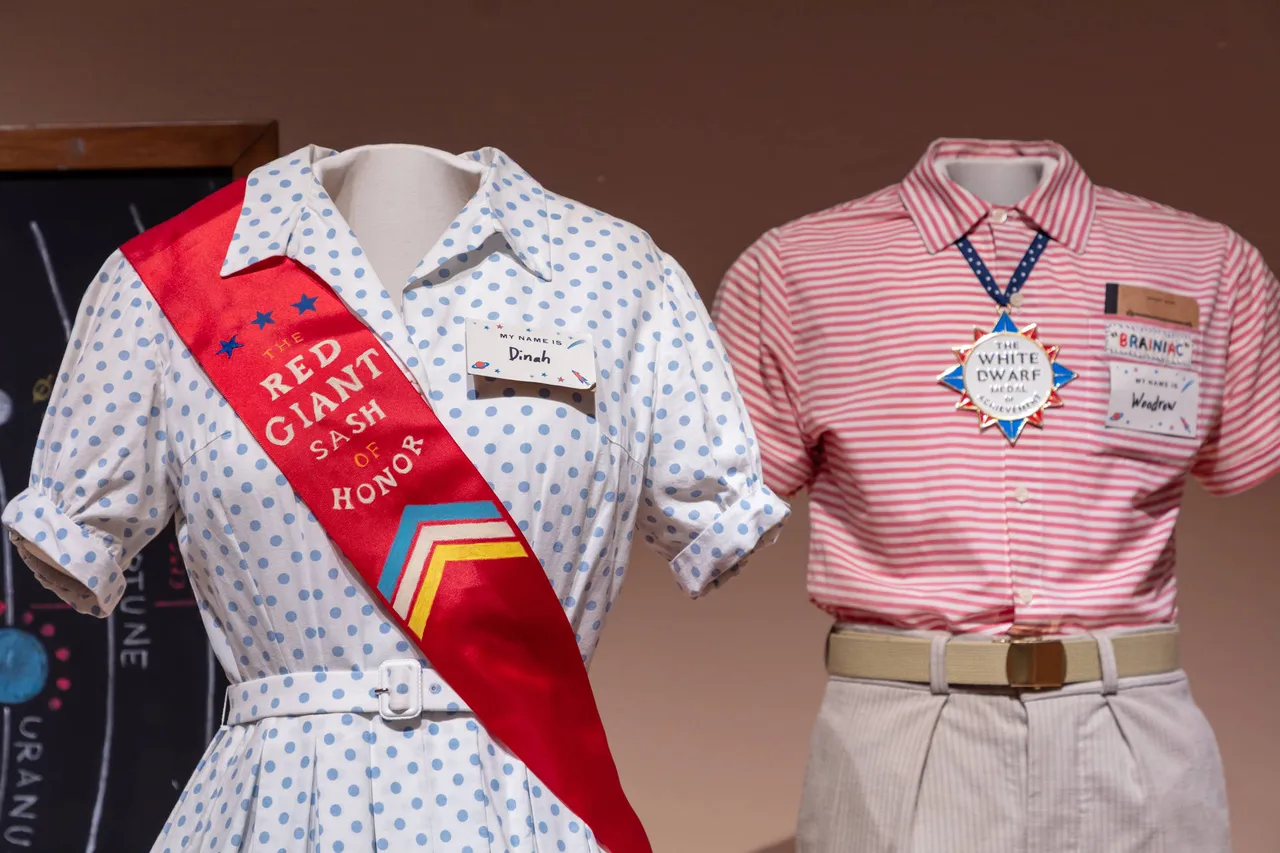
Though the archive is vastly brimming with artefacts, each item is held with equal veneration — from the watercoloured map of Rushmore created by Anderson’s brother, Eric Chase Anderson, to the entire section dedicated to the foot-tall stop-motion puppetry for Fantastic Mr. Fox and Isle of Dogs. Moving into his more recent releases, a collection of vividly illustrated magazine covers of The French Dispatch are laid out on a table, flanked by droll newspaper cuttings and character manifestos. With the care invested into each object, they feel less like film memorabilia and more like relics from a far off world. As the exhibition draws to a close, Asteroid City’s full-scale vending machines take centre stage, stocked with coffee and candy alongside cocktails and ammunition.
In the exhibition’s final room, visitors can sit and watch several of Anderson’s short films, including Hotel Chevalier, Castello Cavalcanti, The Swan, and the original thirteen-minute version of Bottle Rocket. In peeling back the layers of his cinematic process, Wes Anderson: The Archives does more than celebrate a filmmaker’s career — it cements his status as a true auteur. An archive not just of objects, but of imagination itself.