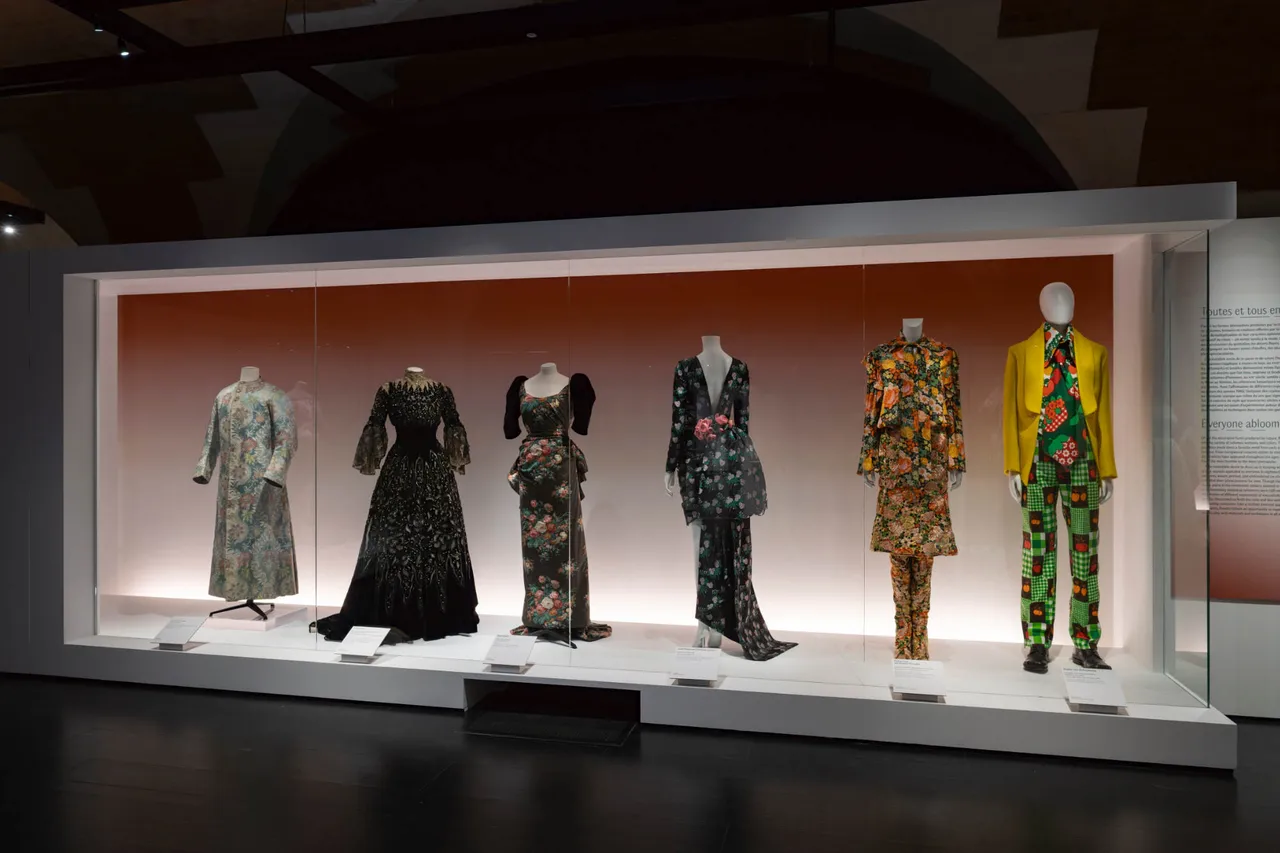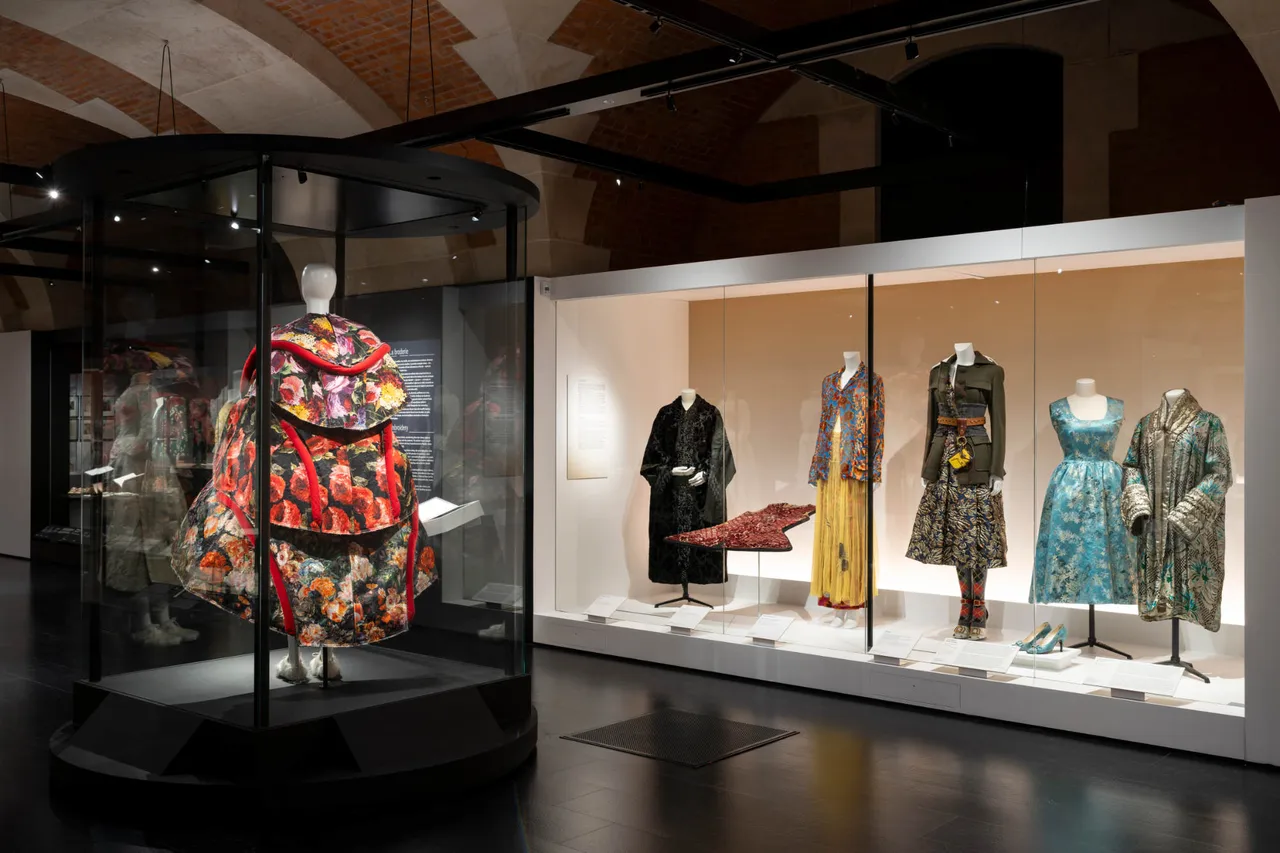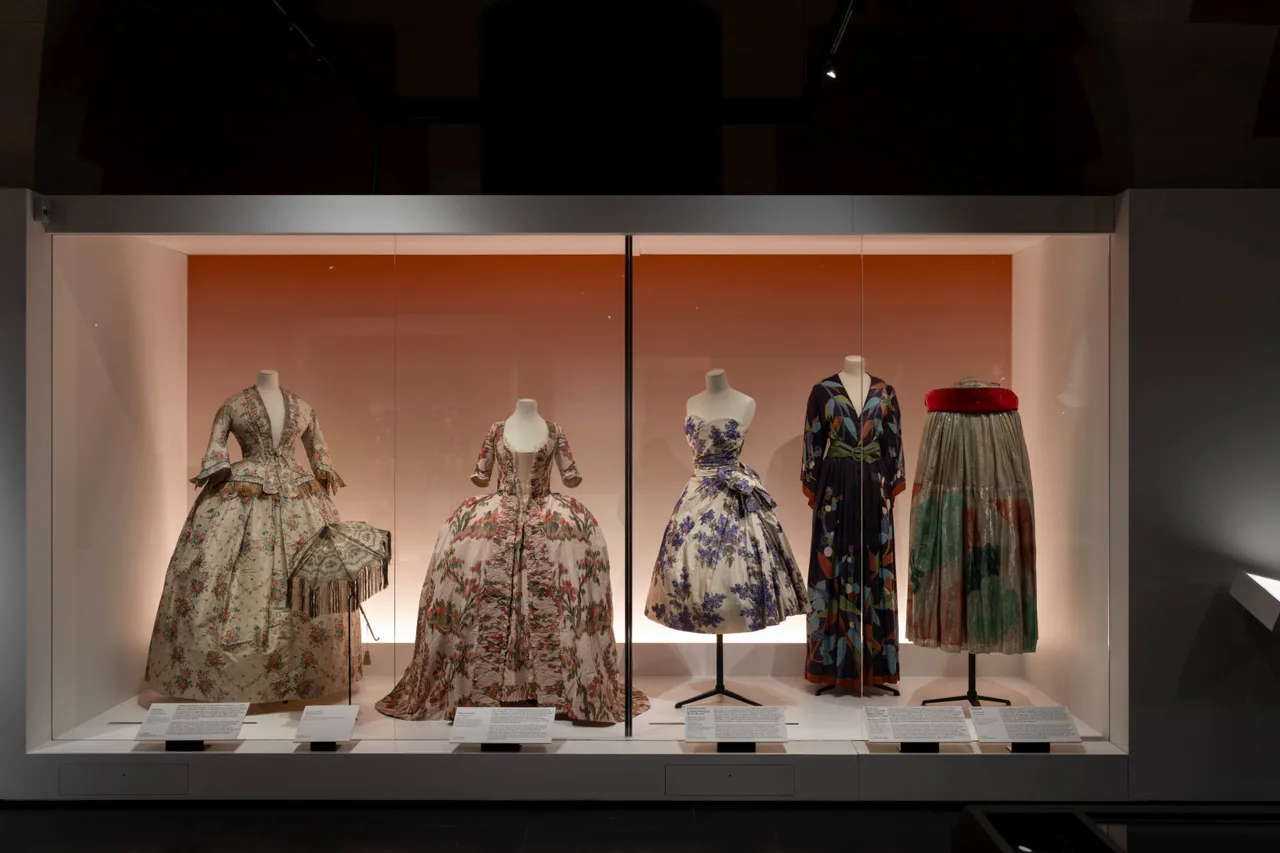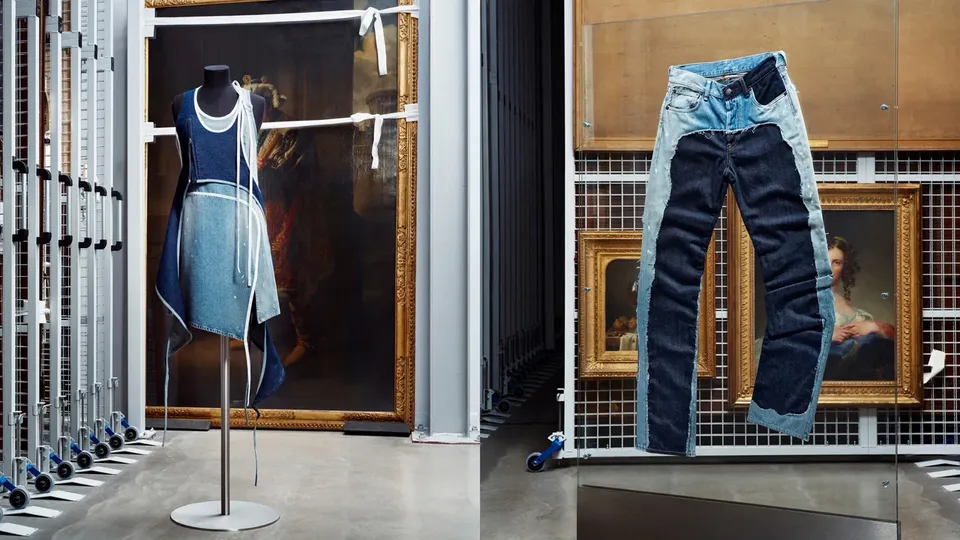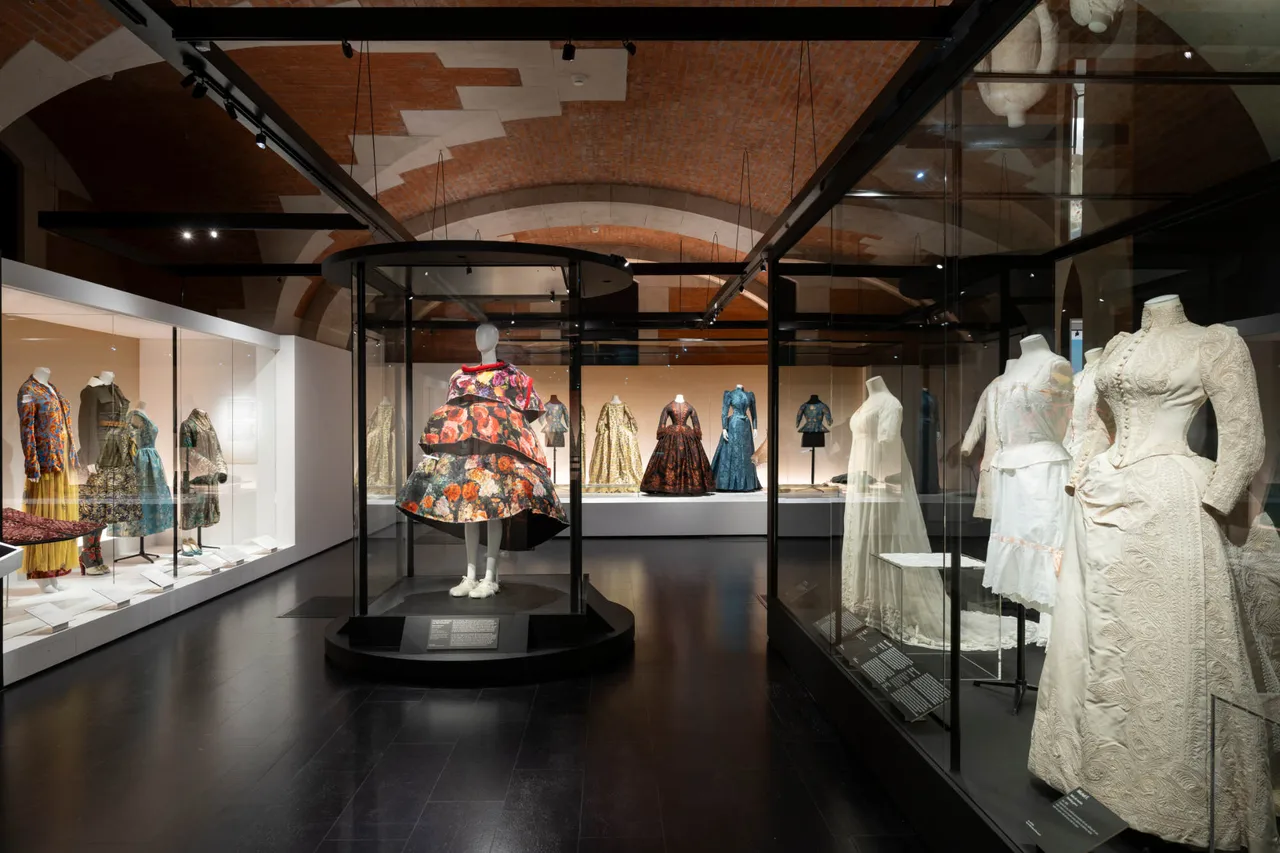
An oasis, an homage to the golden era of clothes-making, a sight in a desert of fast fashion and automatised processes. Now on view and until October 18th, 2026, the Parisian Palais Galliera gallery will host three successive exhibitions showcasing and exalting the complex labour and abilities behind fashion. Weaving, Embroidering, Embellishing: The Crafts and Trades of Fashion takes the audience through the history of craftsmanship in the industry, from the 17th century until now, offering a delightful juxtaposition between different generations of artisans and the heritage of the savoir-faire.
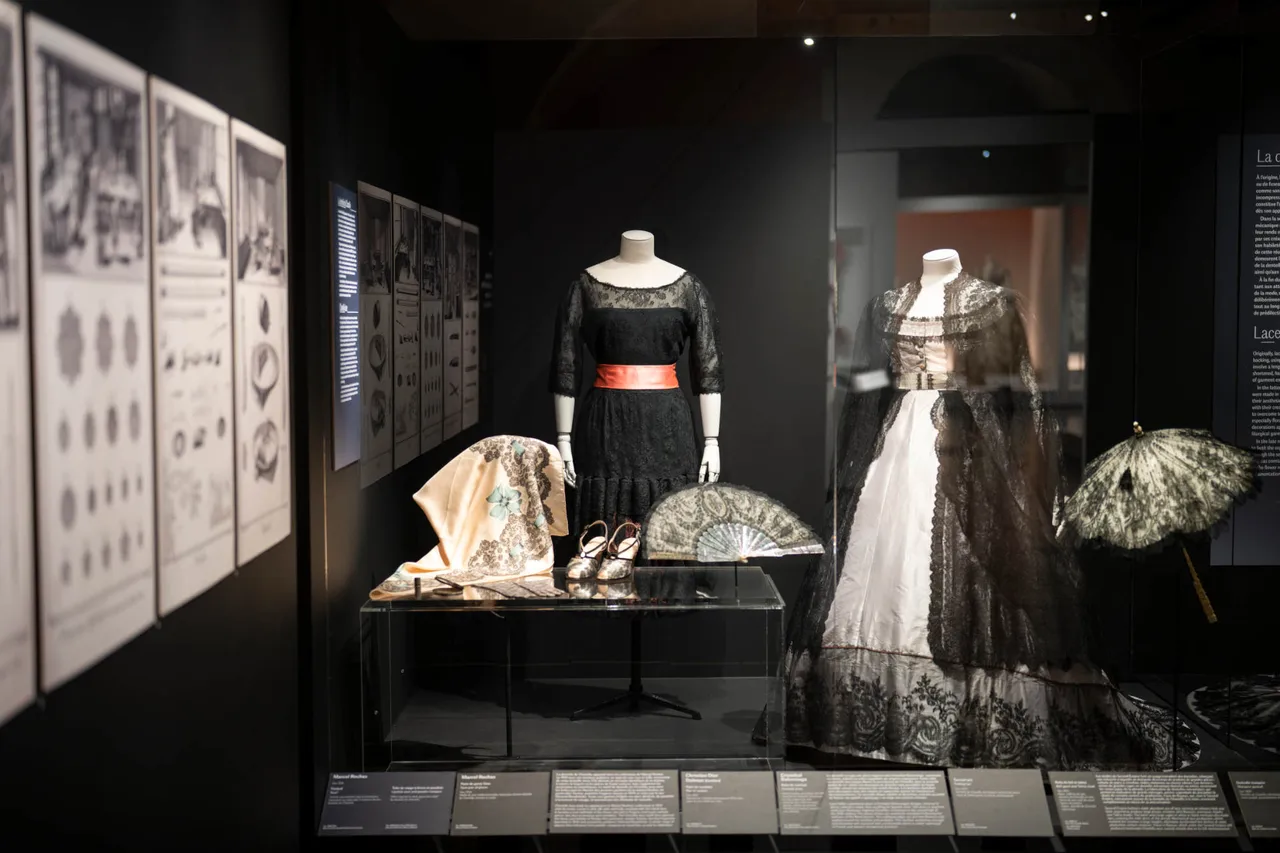
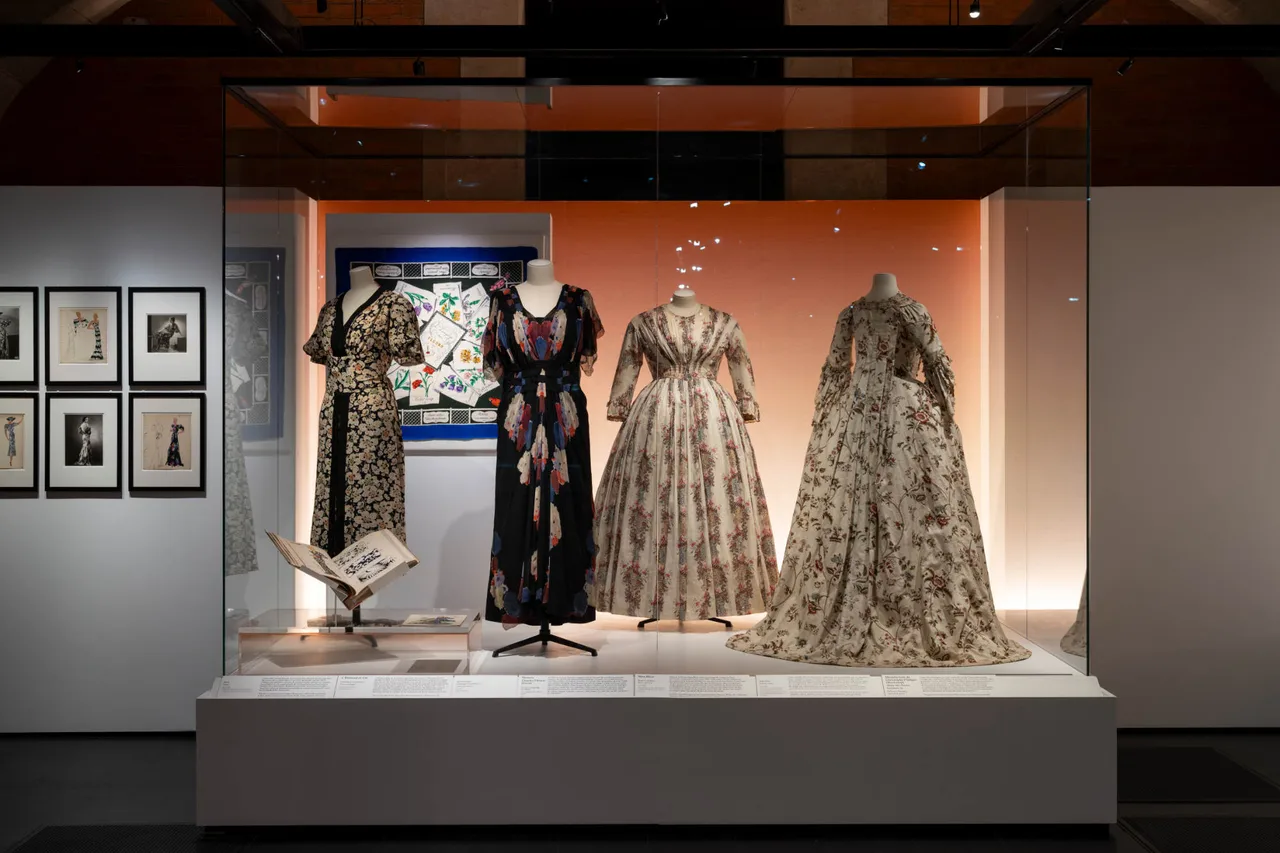
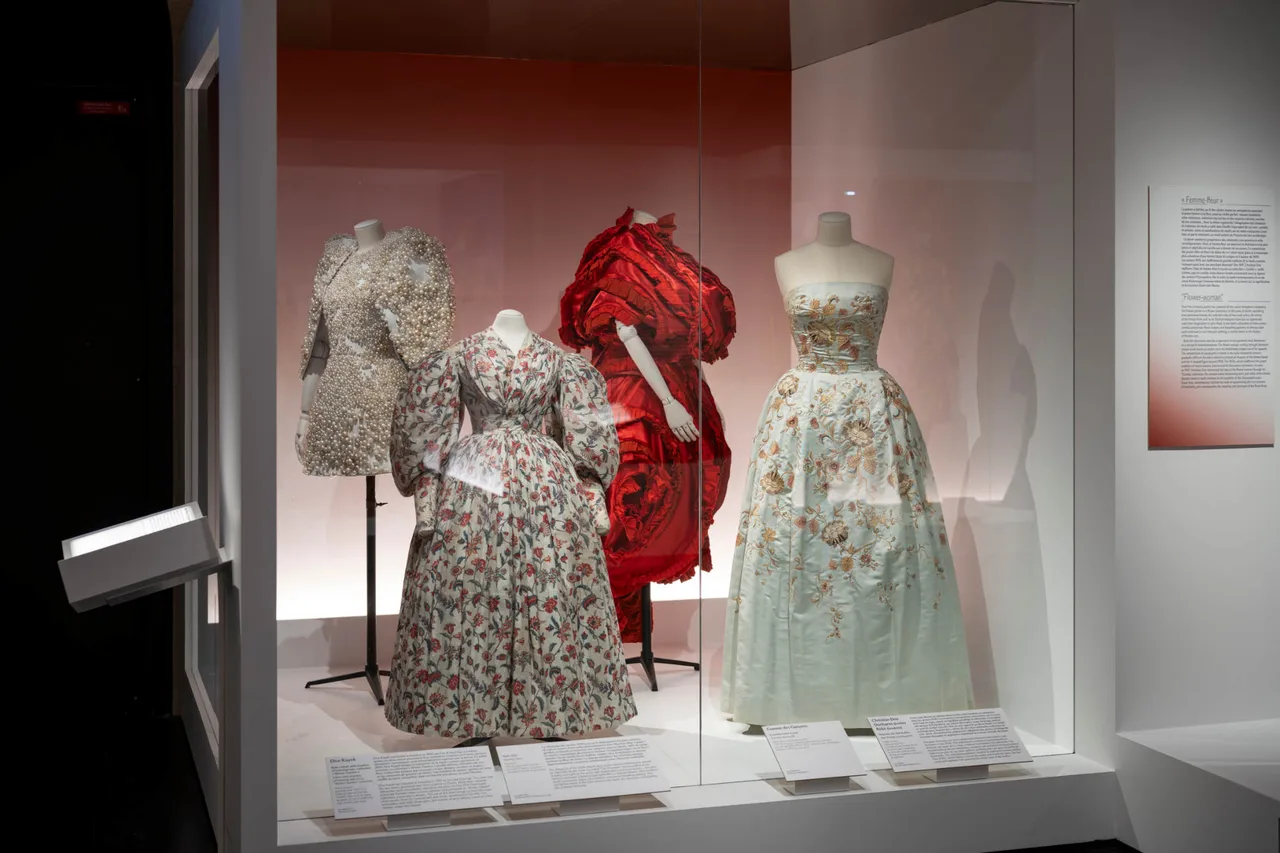
This unprecedented showcase is a rare chance for visitors to see what remained a sealed world reserved only for the eyes of chosen couturiers and artisans: embellishments, weaving, prints, embroidering, and lacemaking, among other tools and techniques. Flower motifs are the highlighted core in this journey, once a symbol of royalty and a euphemism of life and death parallel to spring and autumn, and later, a bold stamp signifying peace in the 60s of the 20th century. Where will they now transcend? Will we find them in a flea market yellow cottage dress? Or in the Loewe Anthurium dress worn by Zendaya in 2022?
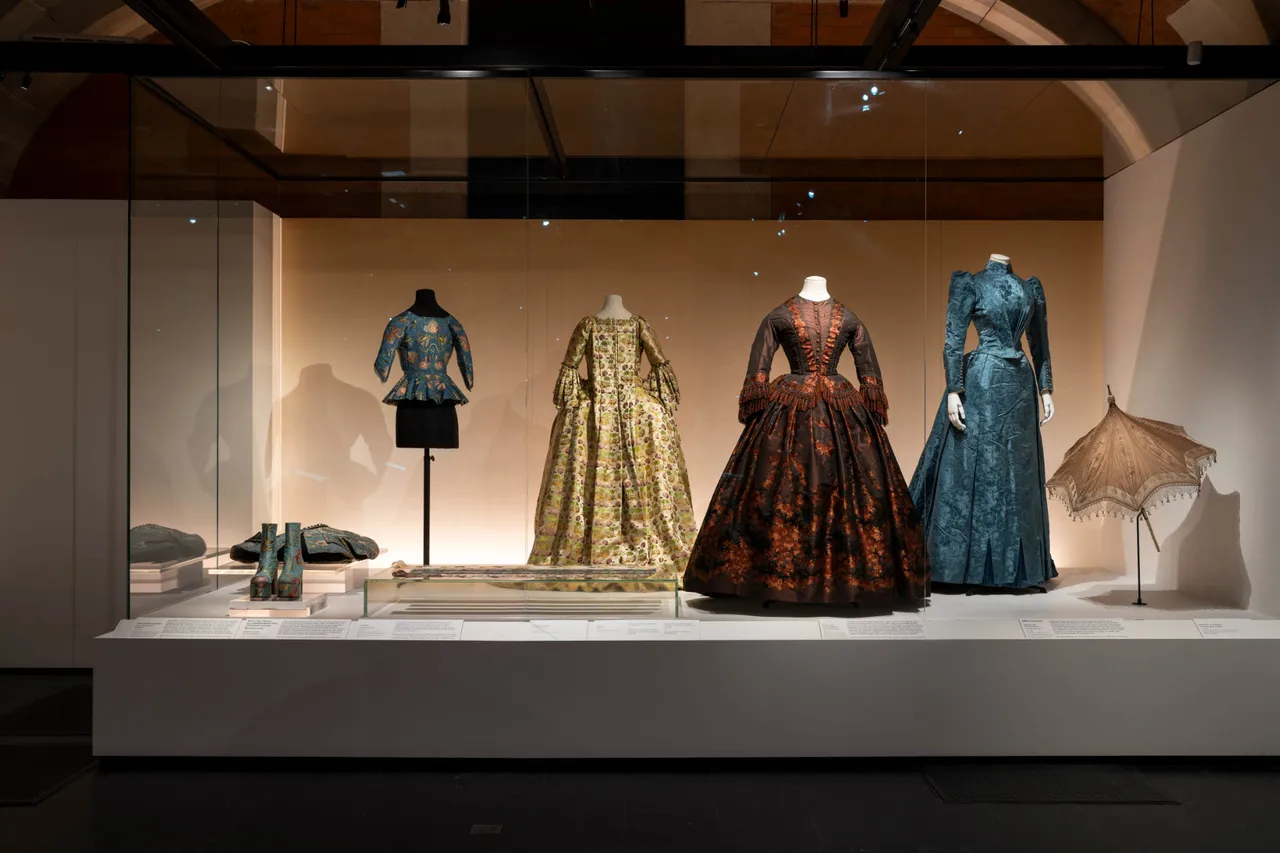
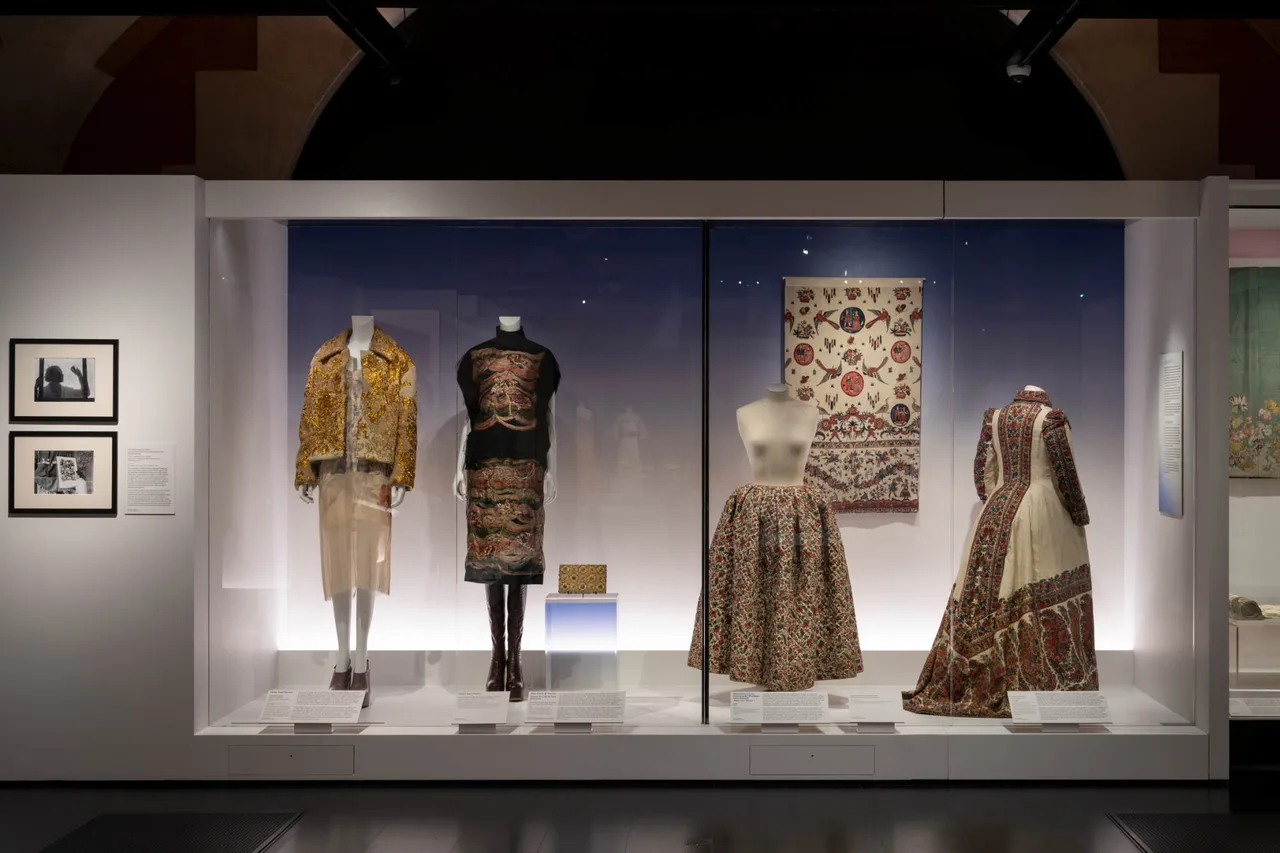
Whatever meaning they'll acquire, Marie-Laure Gutton, Samy Jelil and Émile Hammen, main curators and general commissioner of the gallery, have selected more than 350 unique pieces, including clothes, accessories, photography, samples and even tools, that narrate the evolution of this visual symbol as a recurrent highlighted one in the textile arts and fashion ever since the 17th century. Their 20+ years of curation experience for the Palais Galliera and the thought of this being a once-in-a-lifetime chance to witness the history of fashion through the finest crafts and skills that have survived generations make this event one of extreme importance to understand the industry of fashion far beyond the spectacle and the glam.
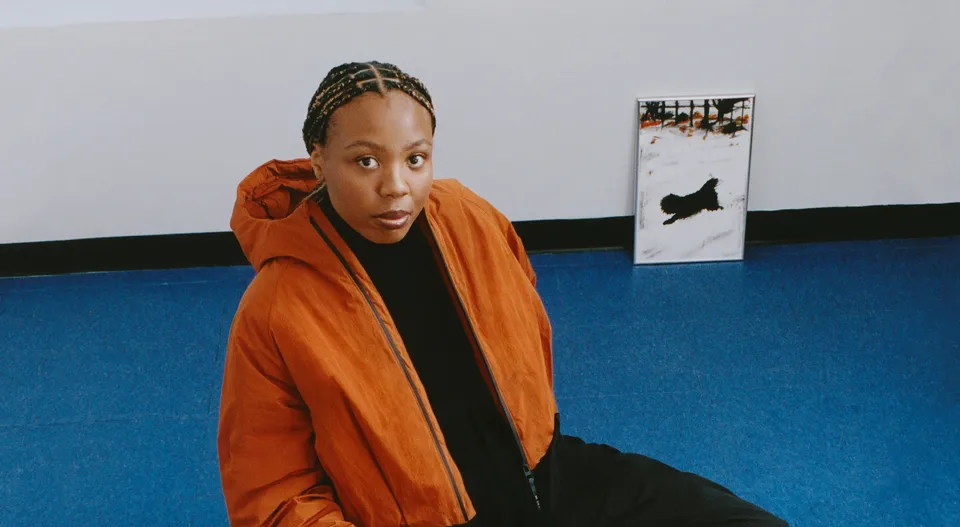
Visitors will not only see outstanding Balenciaga and Chanel pieces — among other renowned couturiers — but will also have the chance to discover the work of emerging young designers, some of whose creations were made specifically for this exhibition, as well as pay homage to other less known and sometimes forgotten but essential figures behind this elaborate art: Lesage, Hurel, Baqué Molinié, and Aurélia Leblanc, to name a few. Specialised displays were set in this space for the public to observe and admire the complex nature of these works, their delicate treatment, properties, and even symbolism that become more evident the closer they are to our eyes.
Hundreds of haute-couture exhibitions have taken and will take place around the globe, featuring outstanding designs, dresses and garments, yet very few bring to light the hidden crafts, the silent jobs, and the importance of those hands and minds from the artists and creatives that have made the evolution of fashion possible through the years.