Sometimes you have to escape. Hide in a dark museum for hours far away from your life, or immerse yourself in a foreign landscape. It revitalises you, and artists know that best. As a designer, Vivienne Westwood approached fashion with painterly know-how, citing multiple influences from classical art to anarchism. Needless to say, her references extended far beyond London too; she was a northerner and her partner Andreas Kronthaler, who now assumes the mantle of creative director at her namesake brand, is Austrian after all. The Bowes Museum, at Barnard Castle in County Durham, showcases said far-reaching dialogue between Westwood and the art world.
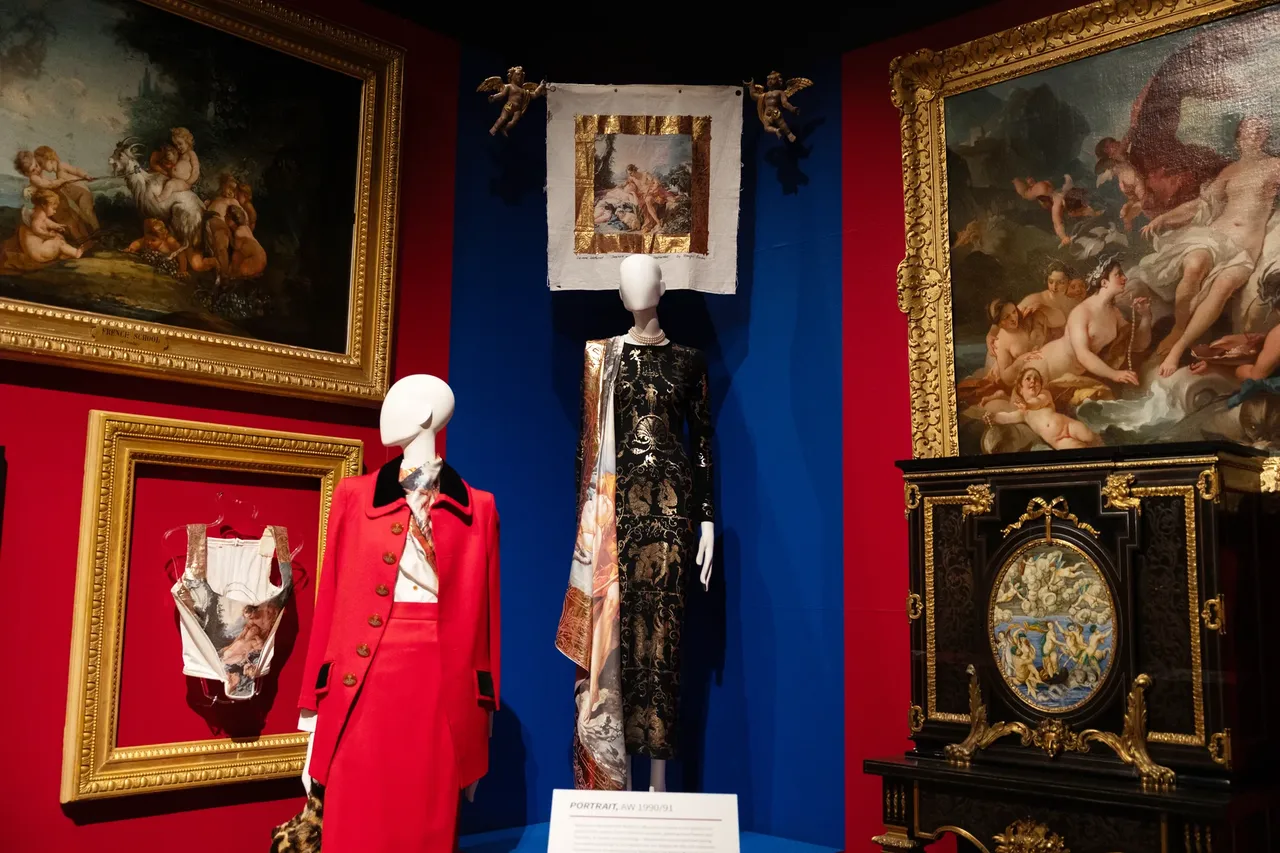
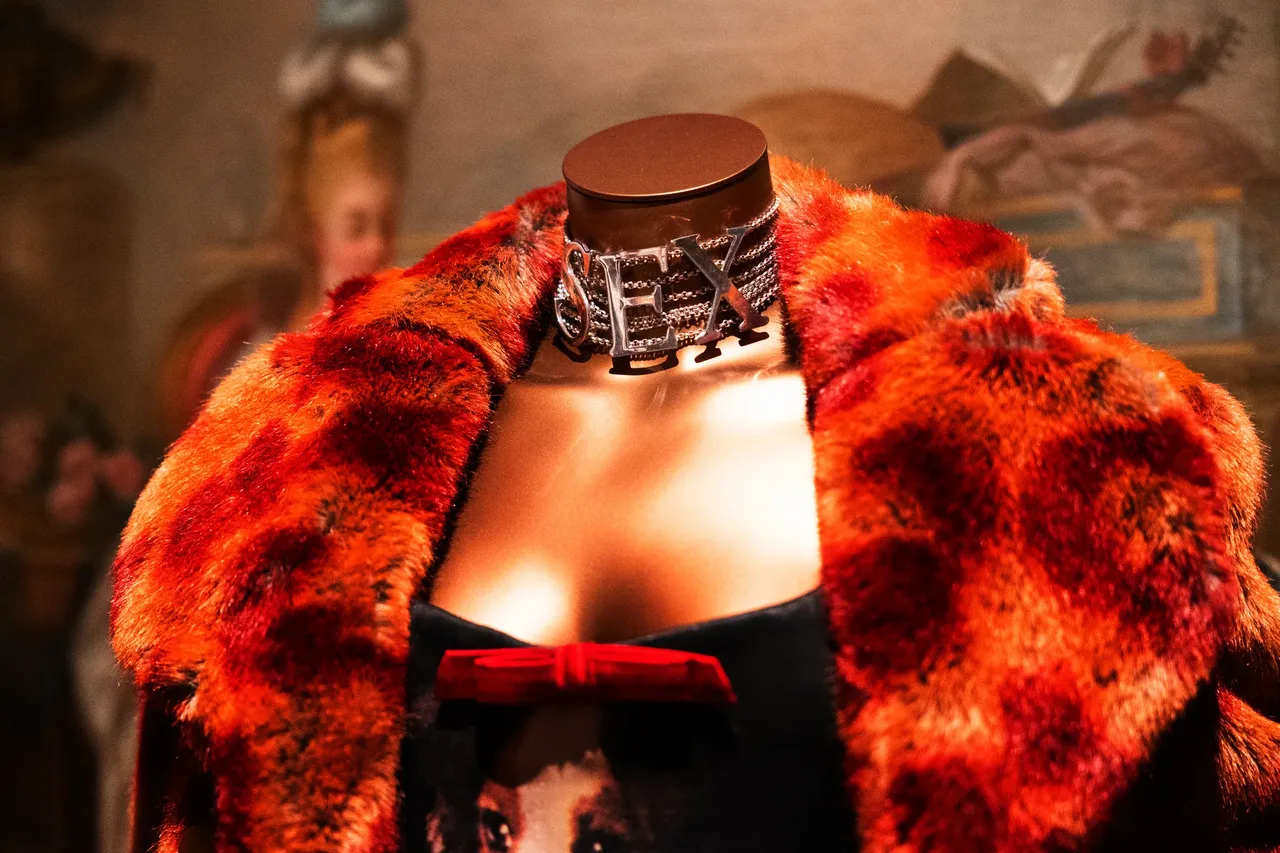
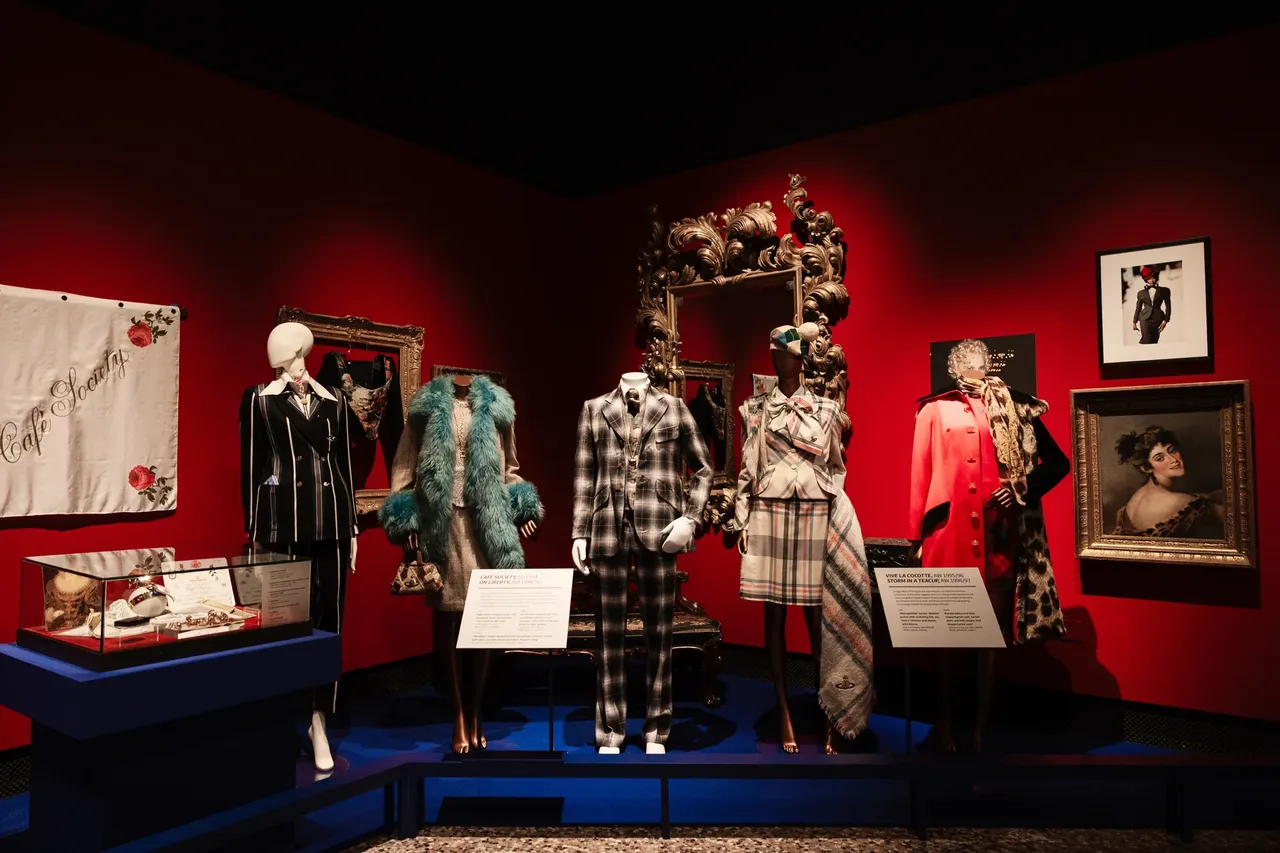
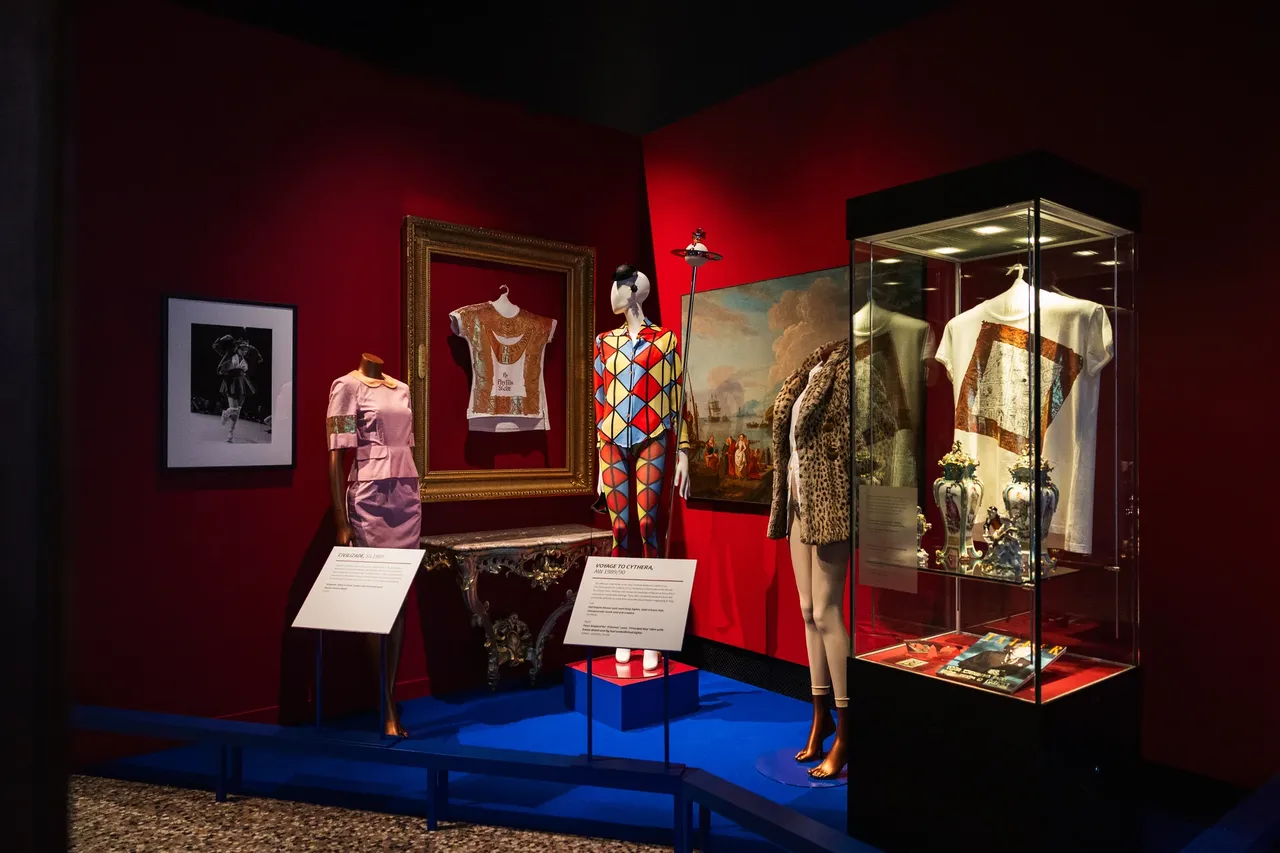
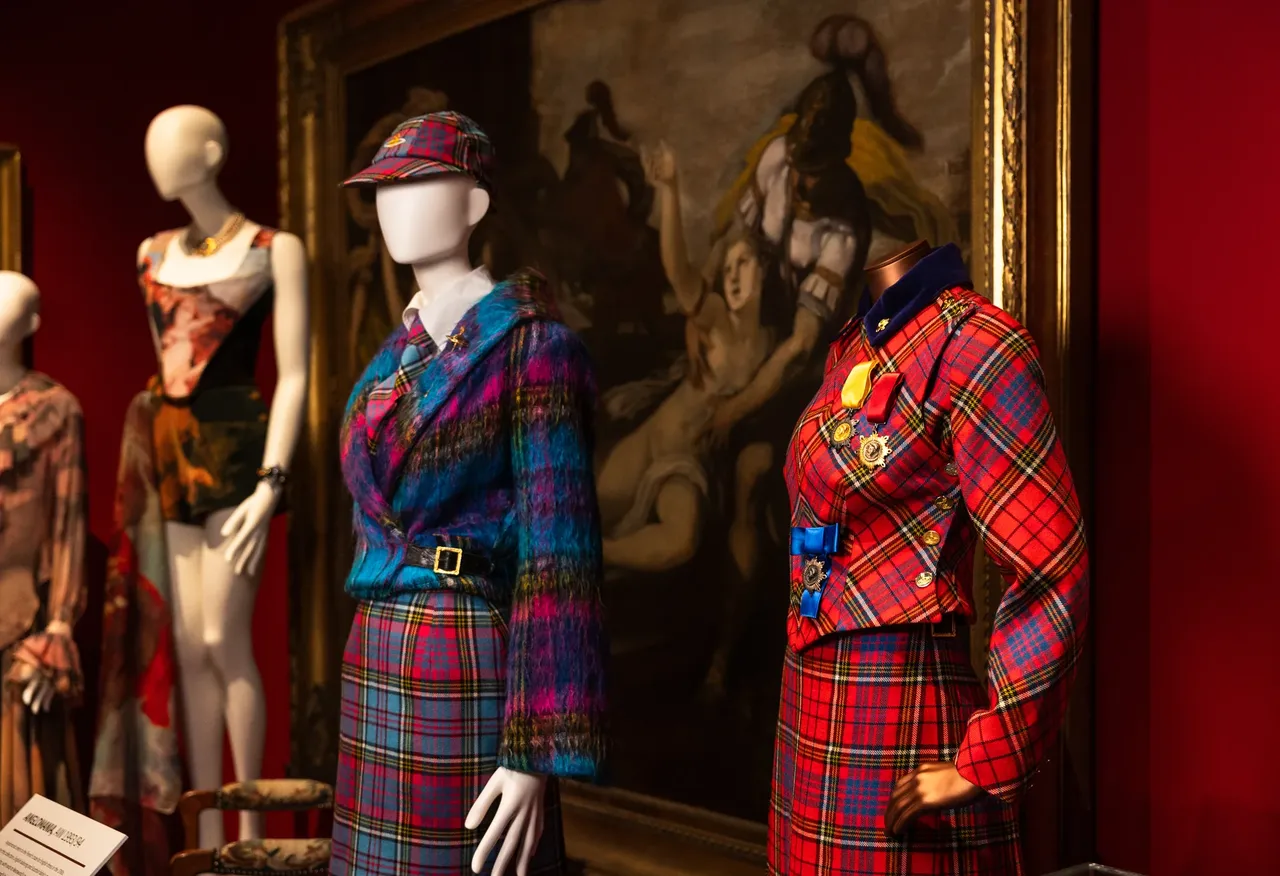
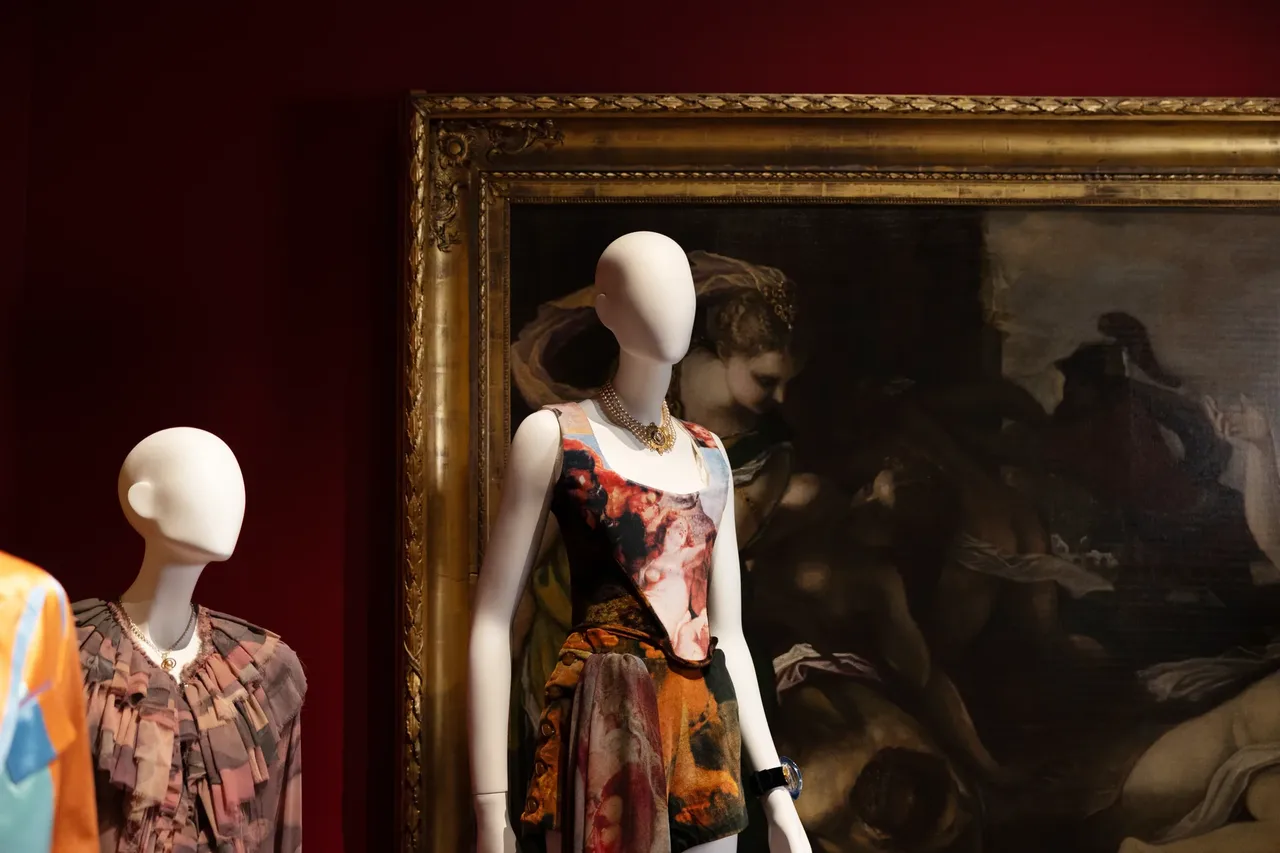
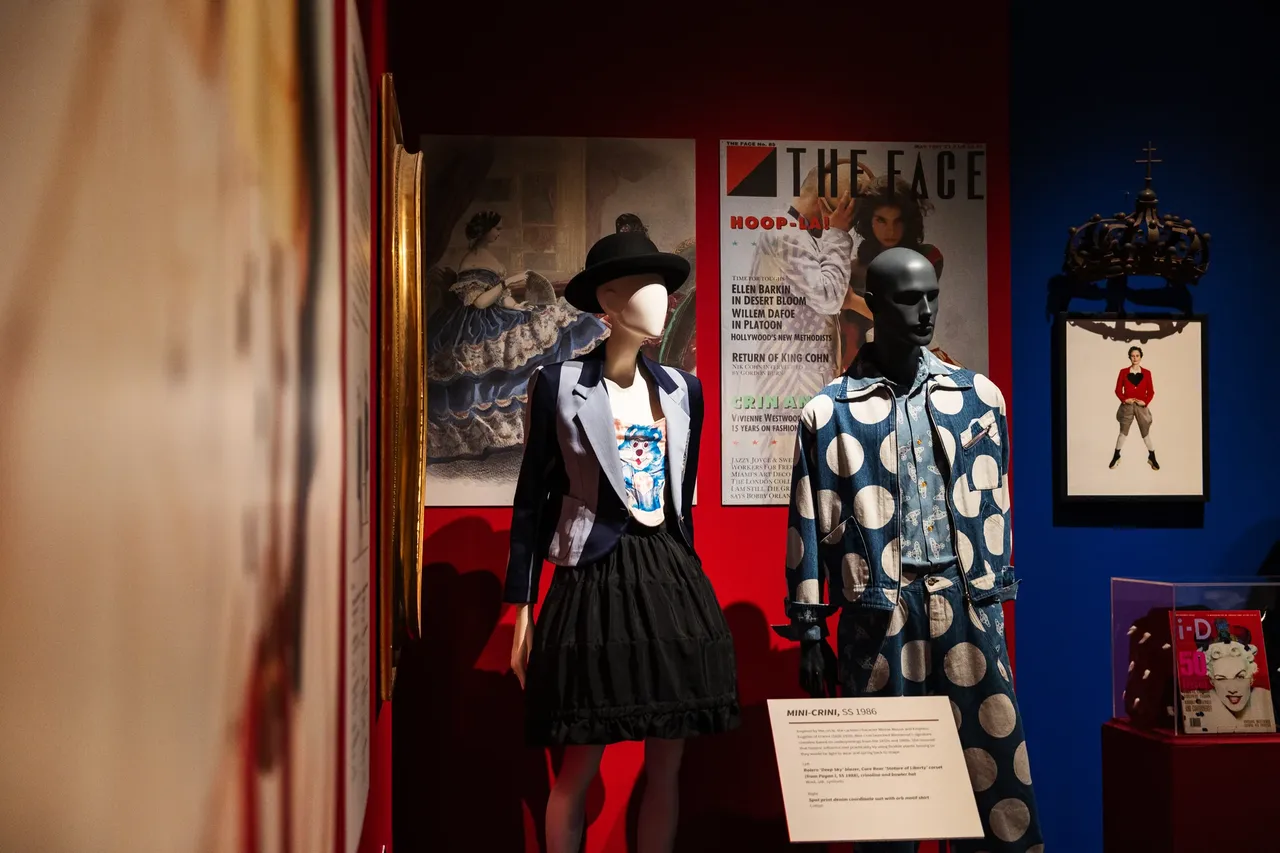
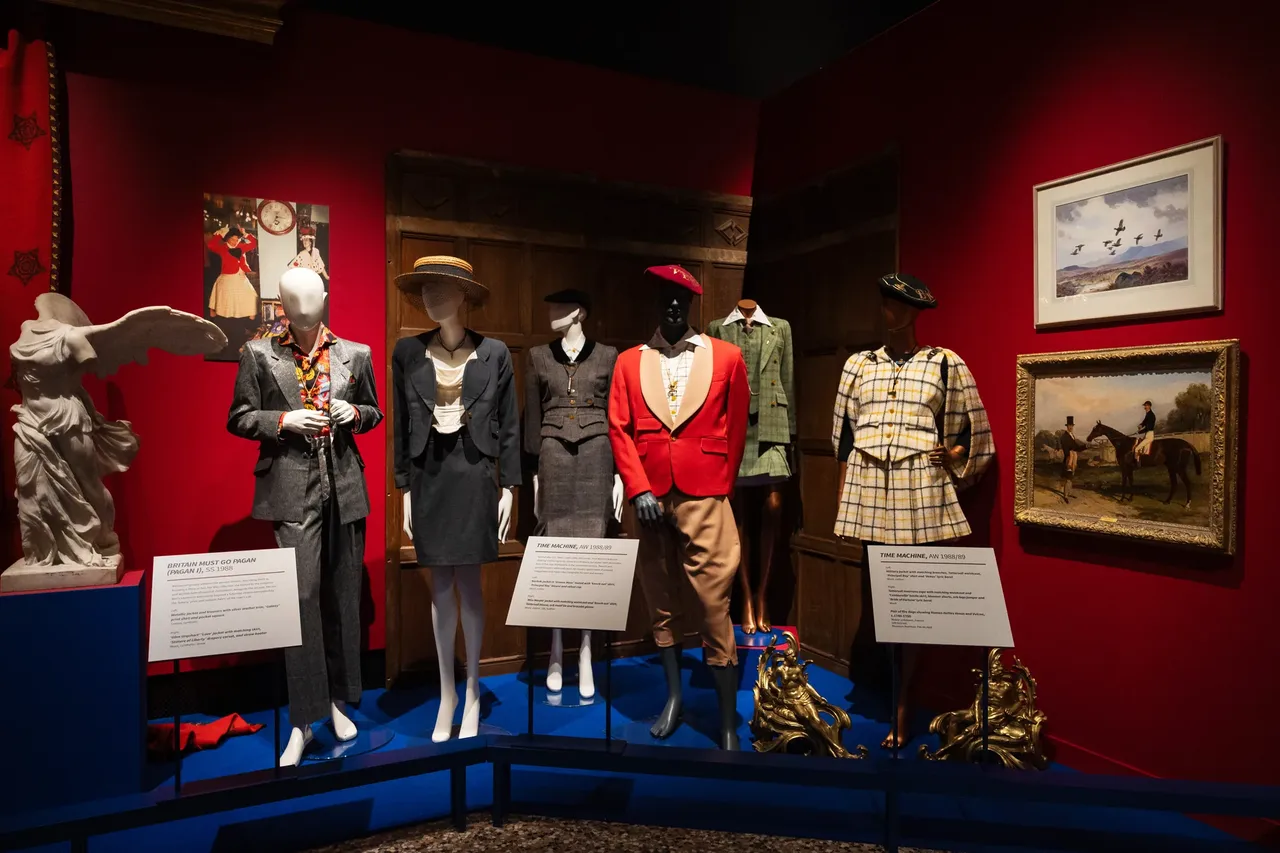
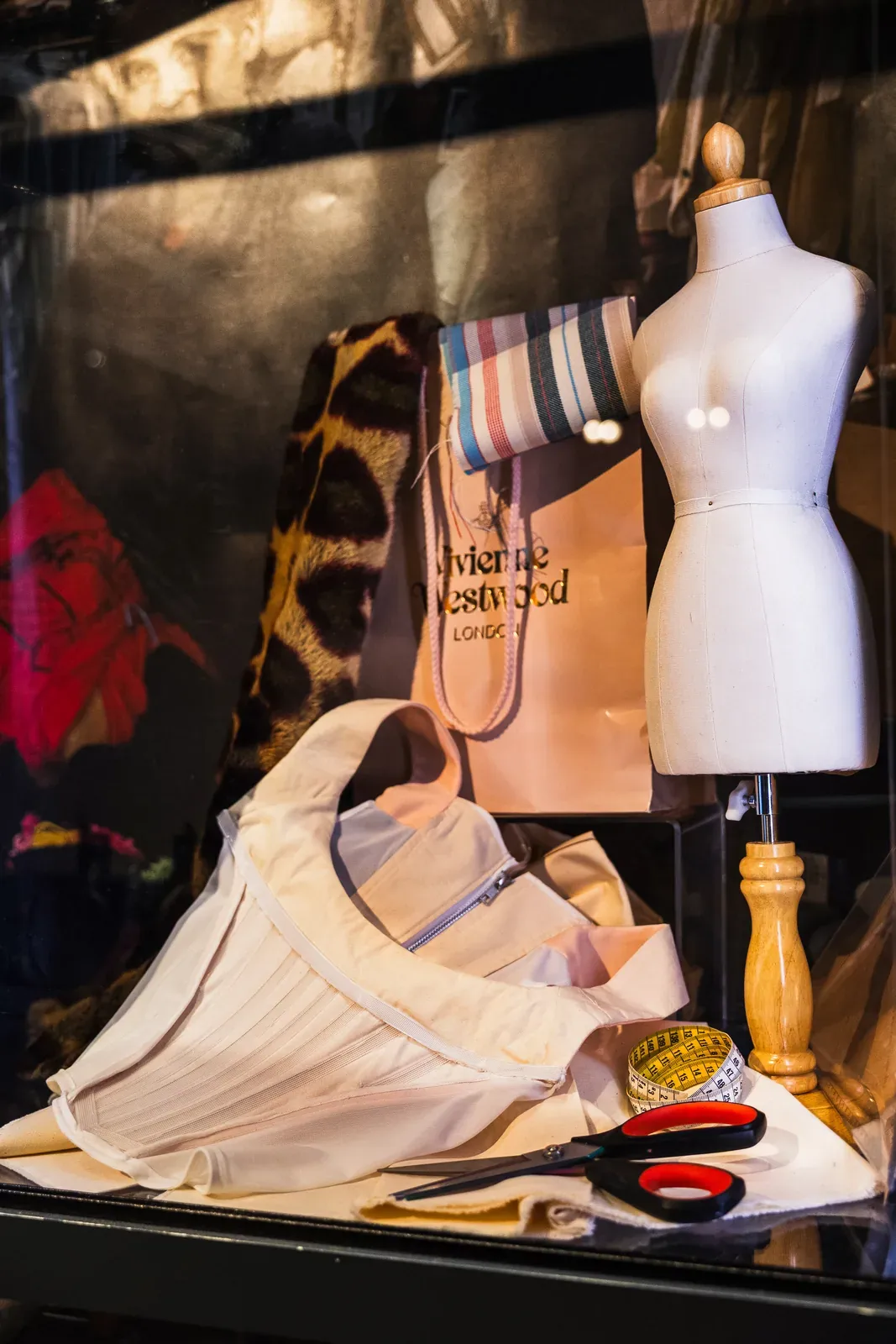
Vivienne Westwood: Rebel — Storyteller — Visionary is a concise exploration of a designer’s mind. Across two rooms, organised first in related chronological ‘collections’, Westwood looks are positioned with pieces of the museum archive to present the important broad influence of historic artworks on the designer. The exhibition makes visible a sort of cut and paste ethic (that’s DIY darling) that revitalises the museum space.
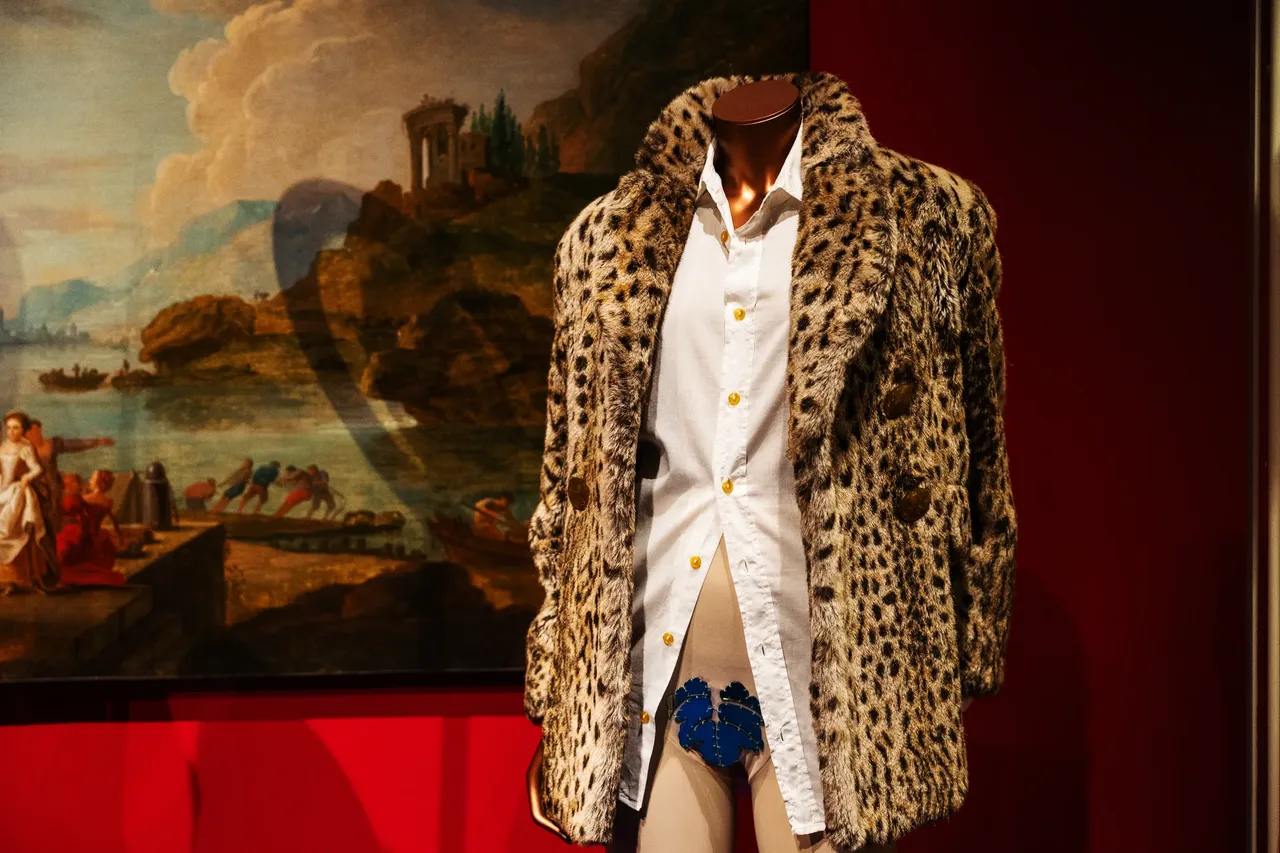
Leaning on the theoretical, which allows the imagination to run almost wild: neatly folded shirts from Pagan series collections are put in conversation with a Sèvres porcelain teapot that bears similar ornamentation. A fur coat, complete with fig leaf tights, is set off by a slightly ominous painting A Seaport, attributed to Charles François Grenier de Lacroix (d.1764), clouds approaching. There’s a flicker of absurdity to closely relate modern garments to antique historical artefacts, but Vivienne Westwood studied museum collections to translate into her fashion, as designers do to this day. Museum texts explain the V&A and The Wallace Collection she referenced particularly. During her lifetime, the designer did visit The Bowes Museum to open a show on lace, although whether their collections were a concrete reference is not recorded here. On show are impressive works, artefacts, in an impressive space quite distant from London.
Acting simultaneously inside and outside of the establishment, Westwood’s output caters to both radical and conservative tastes. Long skirt suits and defiled images of leaders appear together under the museum roof. Her Thatcher caricature, when Vivienne Westwood dressed as the iron lady for Tatler’s cover, remains disturbing. On display too are the fake OBE pins (after she accepted her own from the Queen) Westwood created and sent down the catwalk complete with a safety pin through the cheek of Mary Queen of Scots. Simultaneously, the brand’s reinterpretation of the OBE pin is an image that can be interpreted as criticism and an exchange of cultural value – the British royals are still being talked about, and each bestows the other some sort of shared relevancy. It’s pertinent the fashion collection this piece sits in was titled Salon, a place to share ideas, which is relevant to the magpie-esque process of codes appearing from art and history that explodes across this exhibition. Exchange feels paramount as a theme in the show.
Room two of the exhibit feels vast as garments tower up to the ceiling stacked in huge glass cabinets in anthropological-style curation. Densely packed, focused on craft and history, this room offers a look at construction or deconstruction as the case may be. Distressed fabrics are subversive, almost offensive, not far from the worn preserved historical pieces that have been painstakingly looked after. Although, a mention of historical slashing relates it to a grounding in 16th century textile manipulation. Leaning on the physicality of fashion, the museum and the collector they’re working with are generously allowing try-on sessions with Westwood garments for visitors at the Bowes Museum too. In addition, weaving workshops are taking place. Not only does the exhibit encourage intellectual dialogue between artworks, artefacts, fashion and the public, but this physical engagement also pushes it further. Provocation is widespread across the exhibit thanks to the focal designer’s immutable output. Rebellious and conversational with visible exchange between artefacts and fashion, the show encourages us to think about why we still go to museums too – as a meeting and talking point.