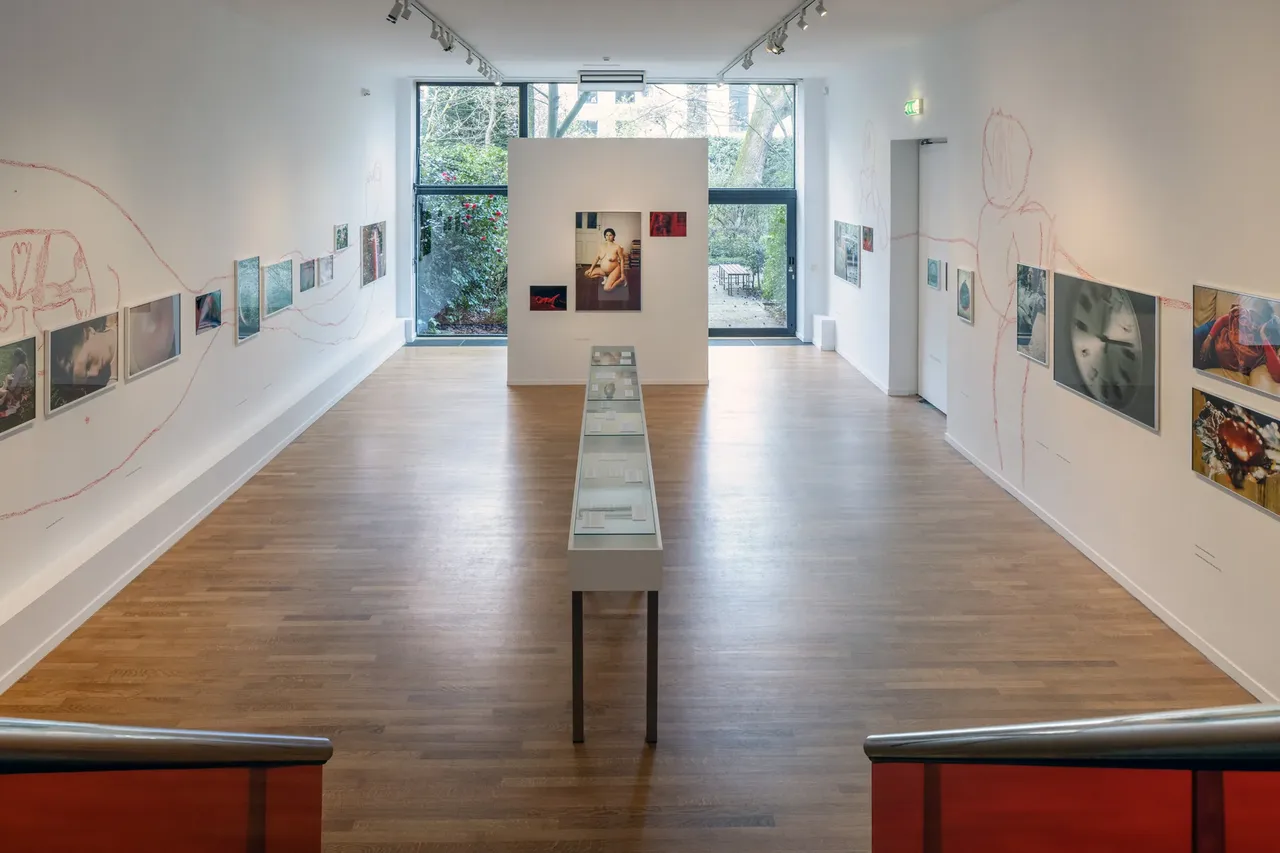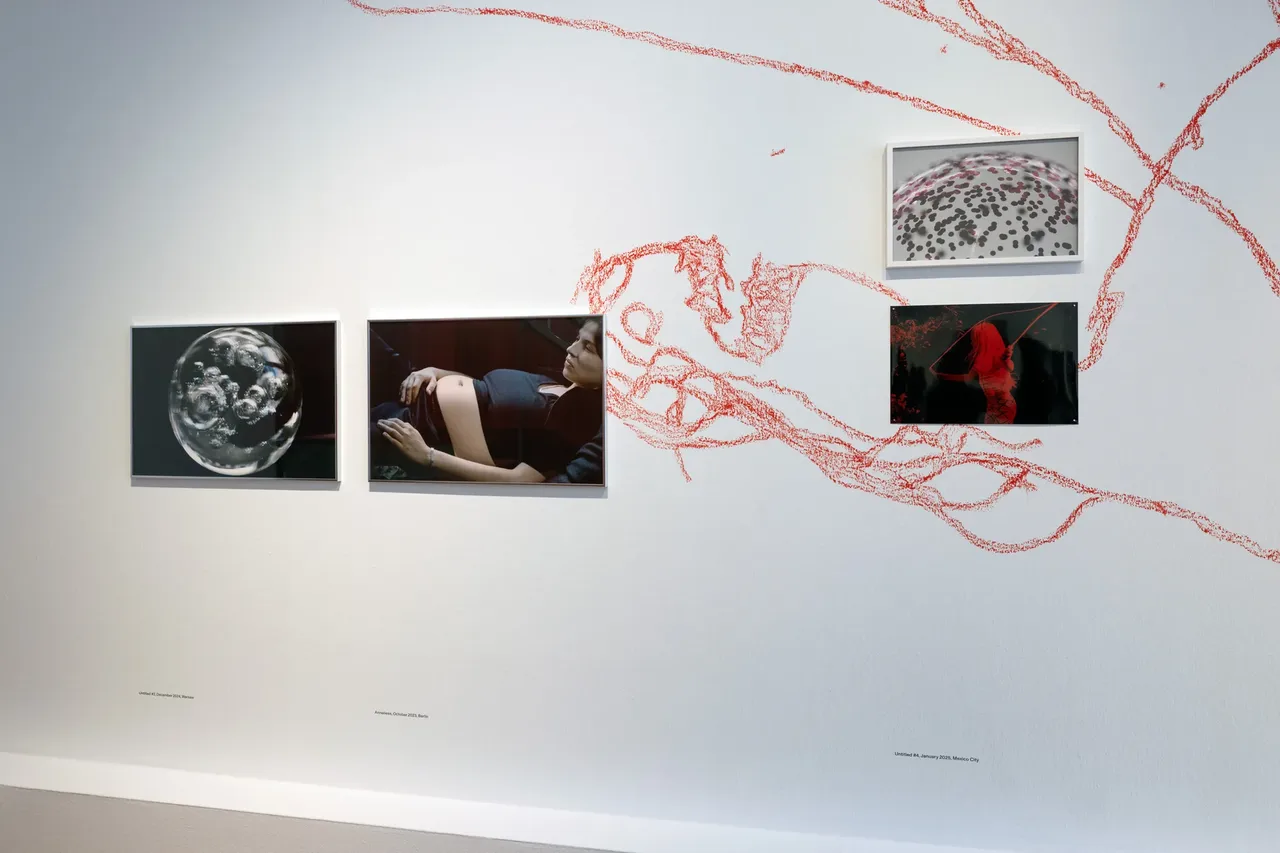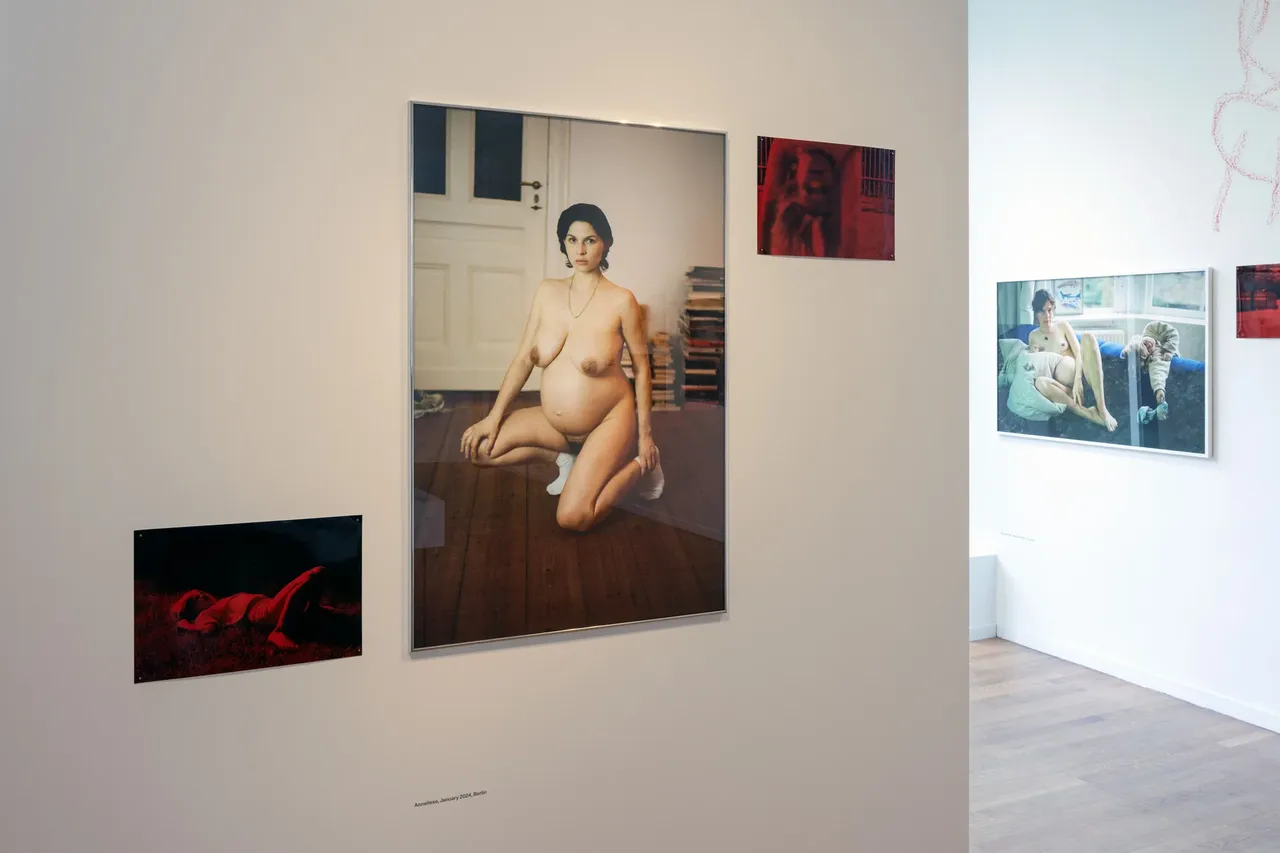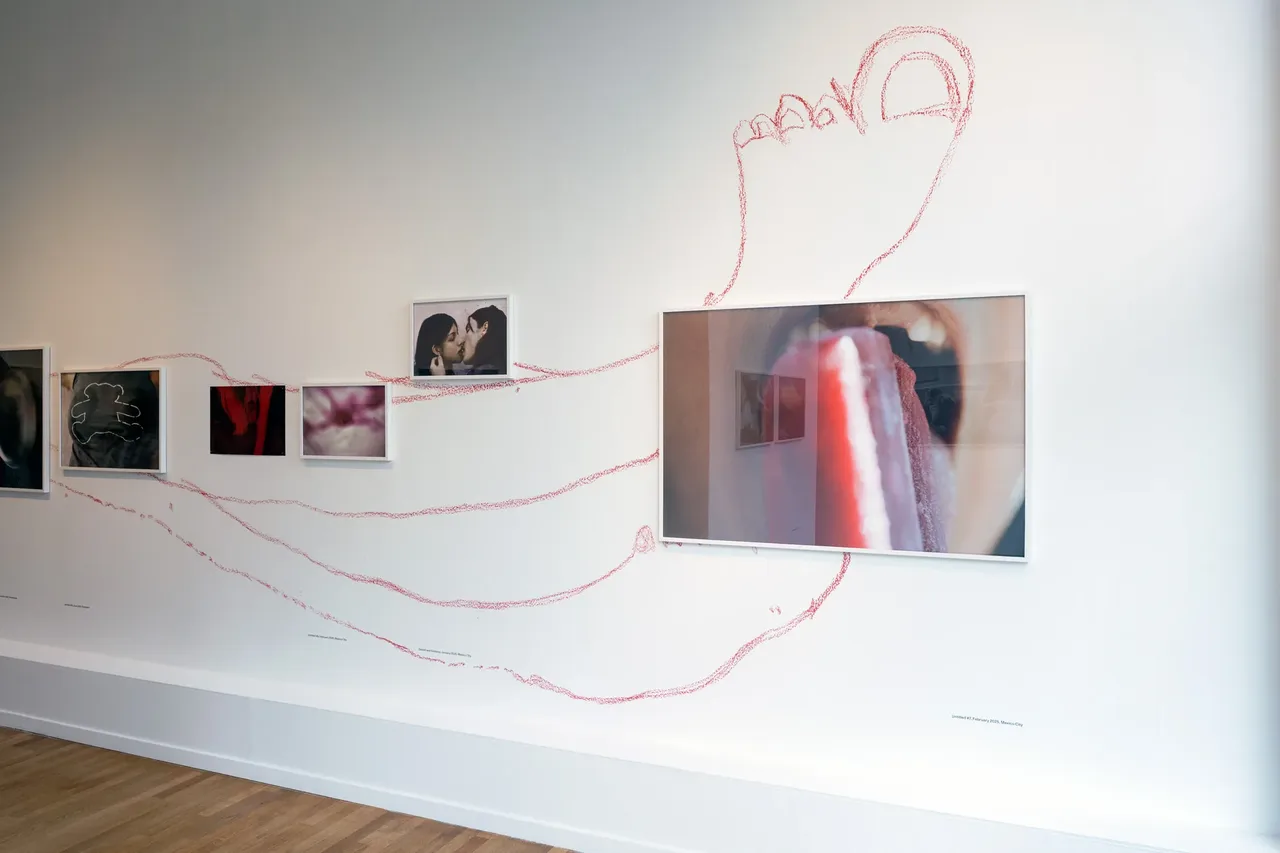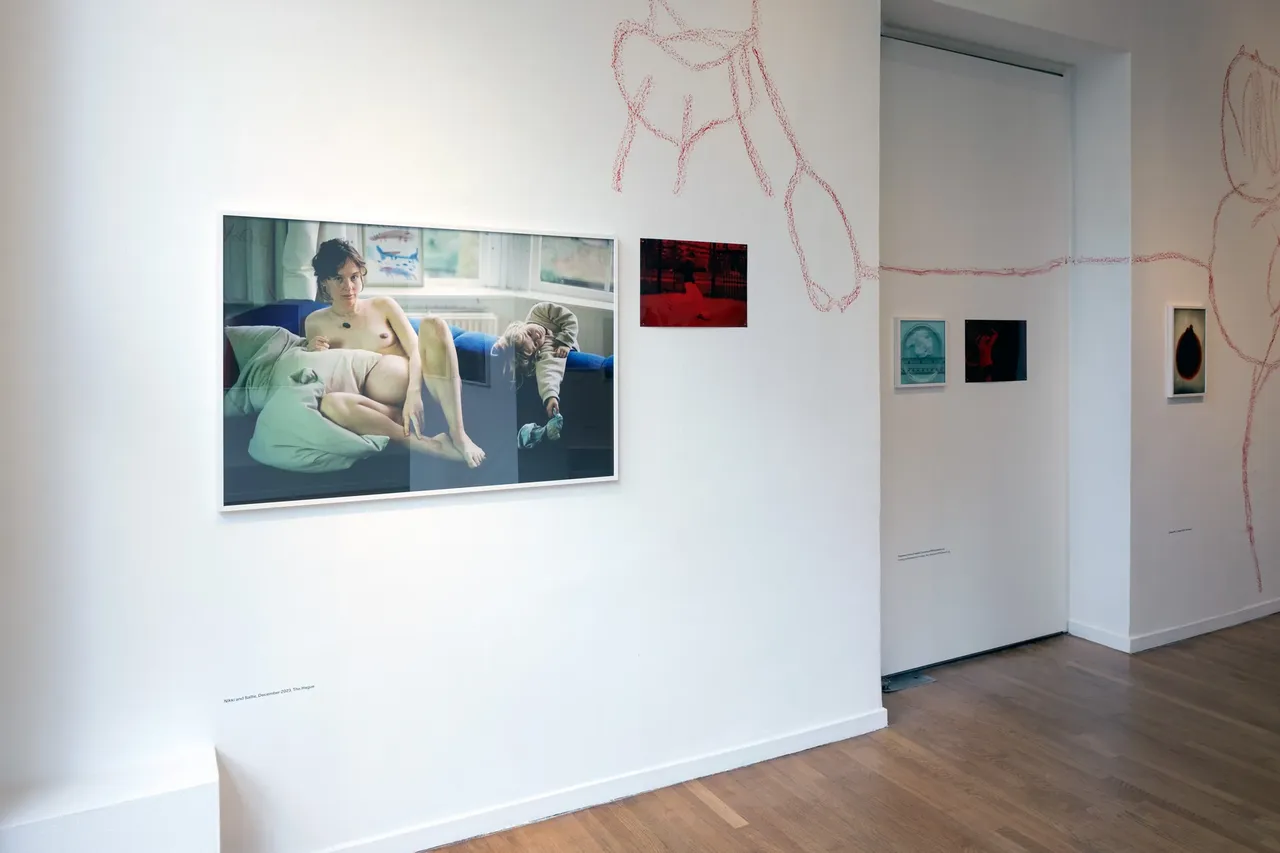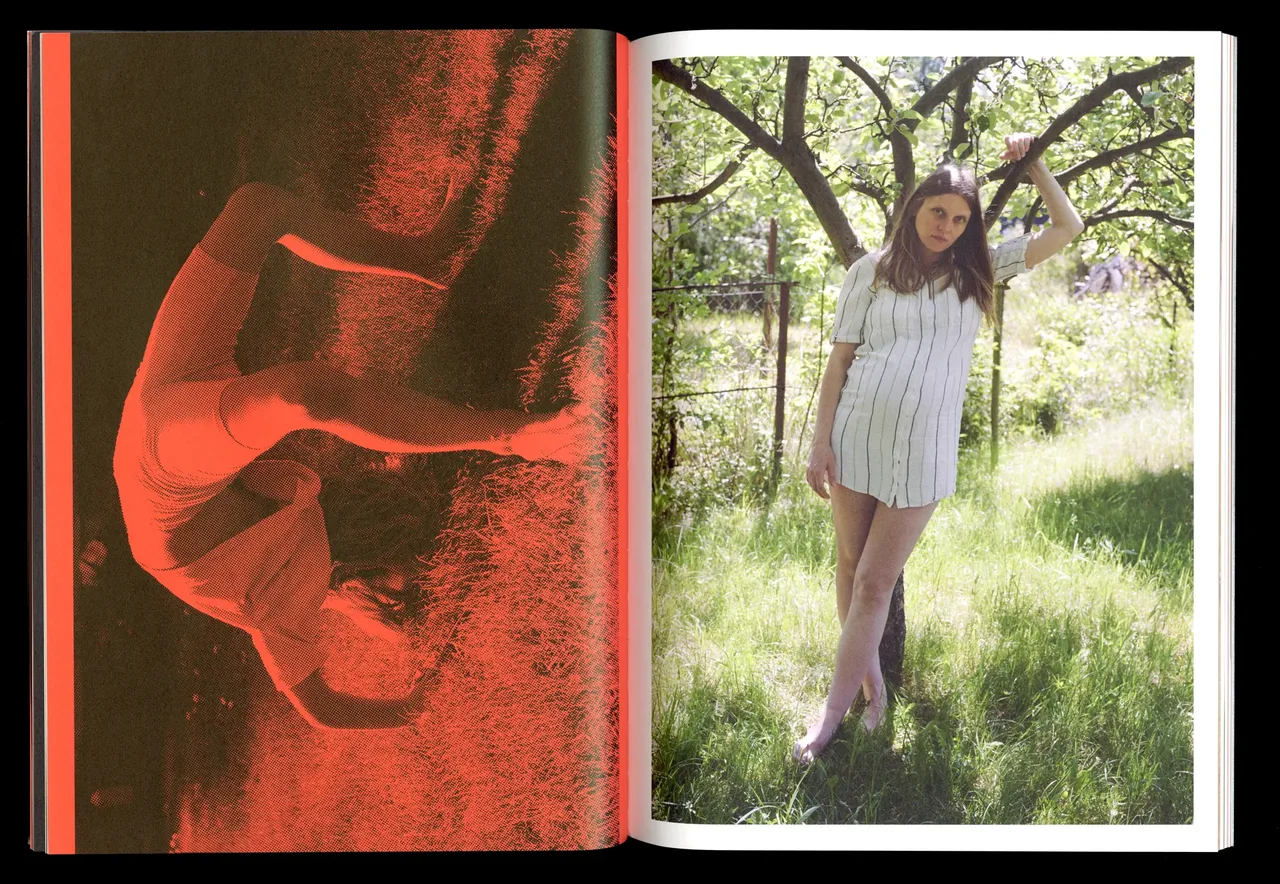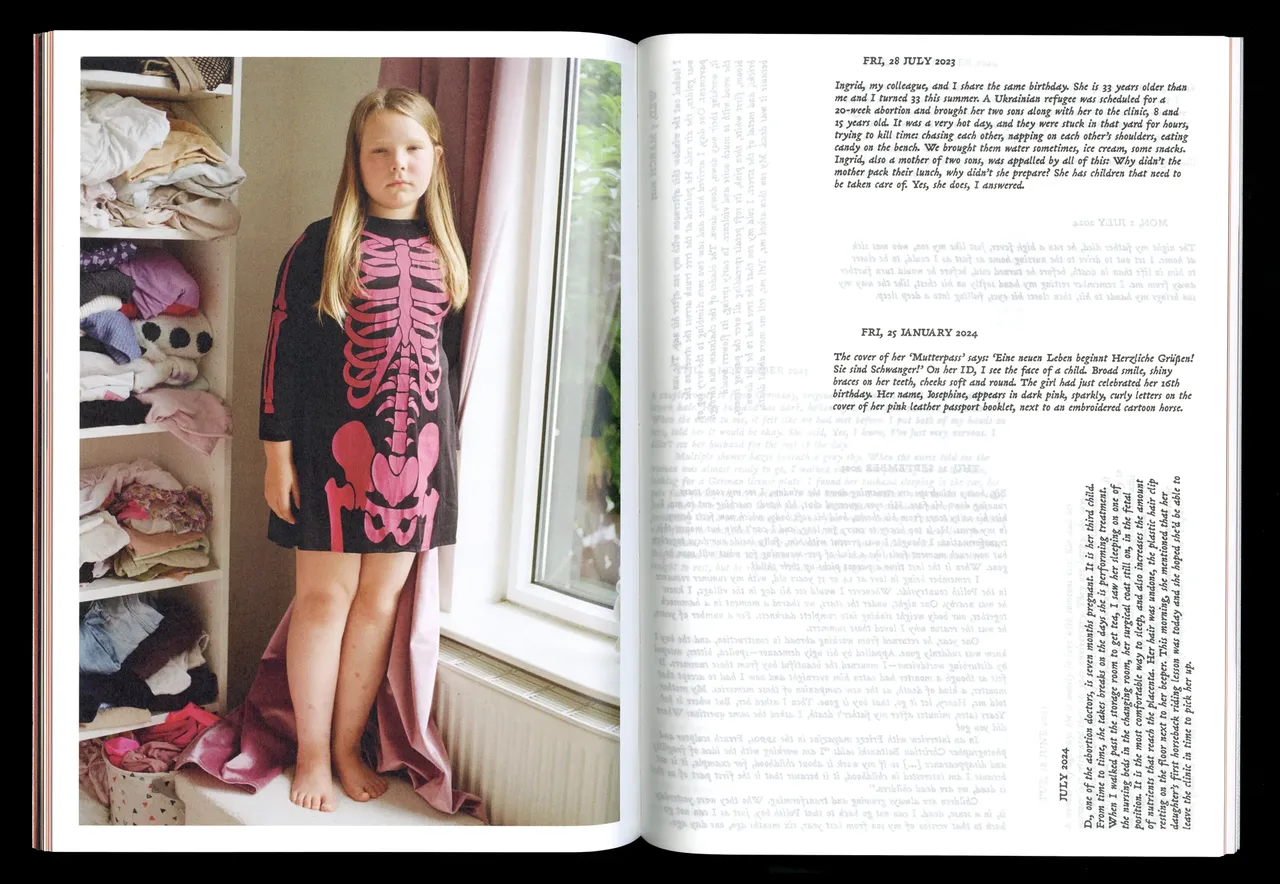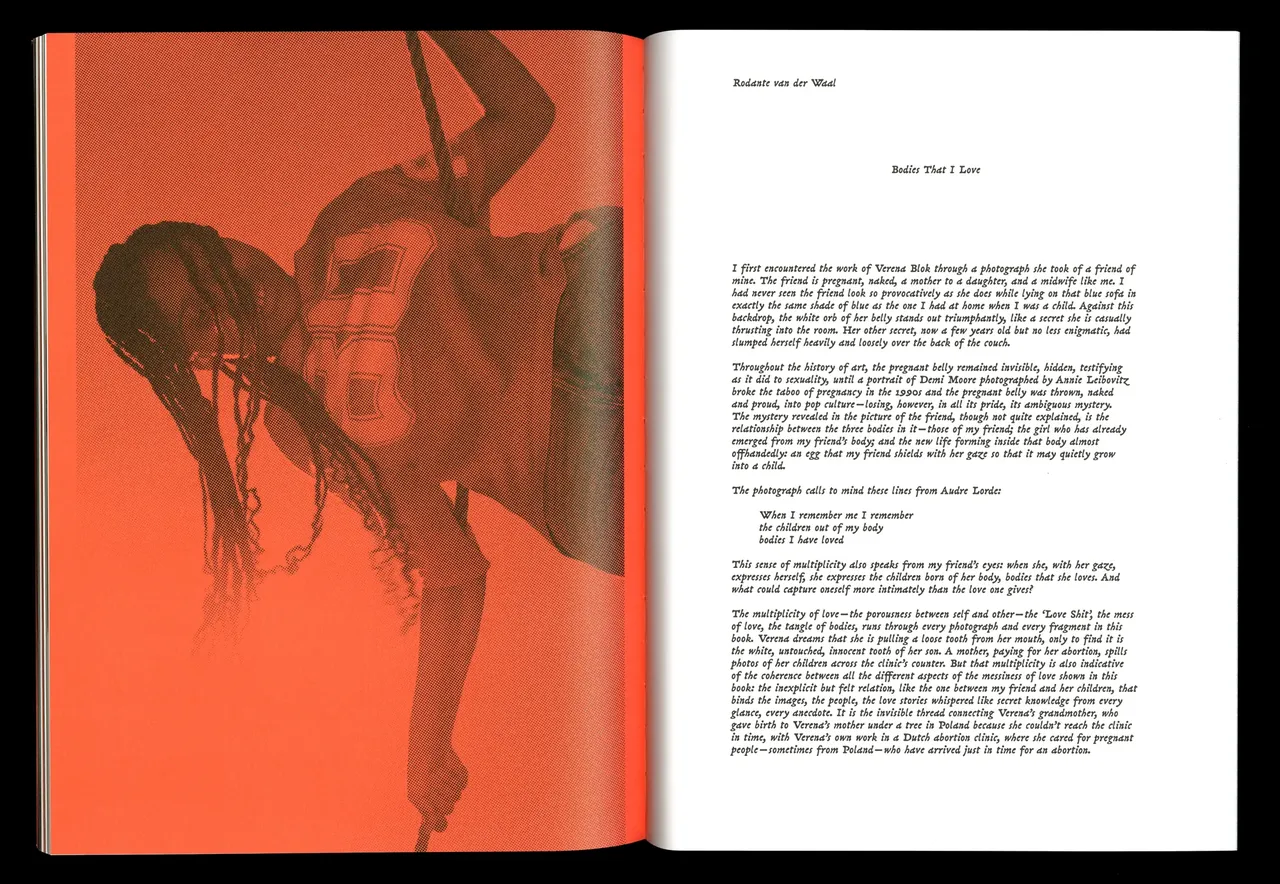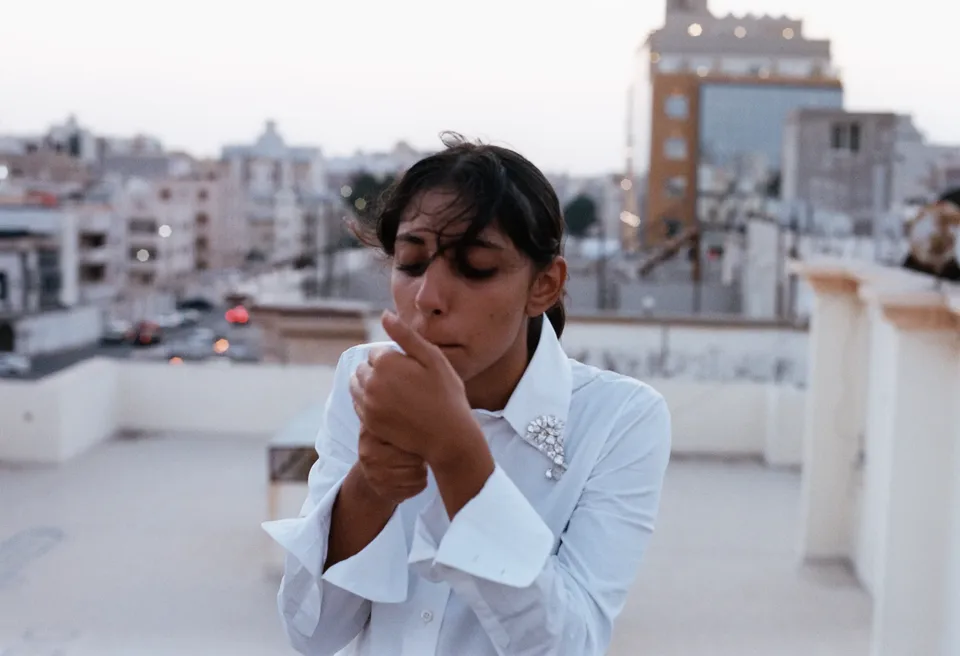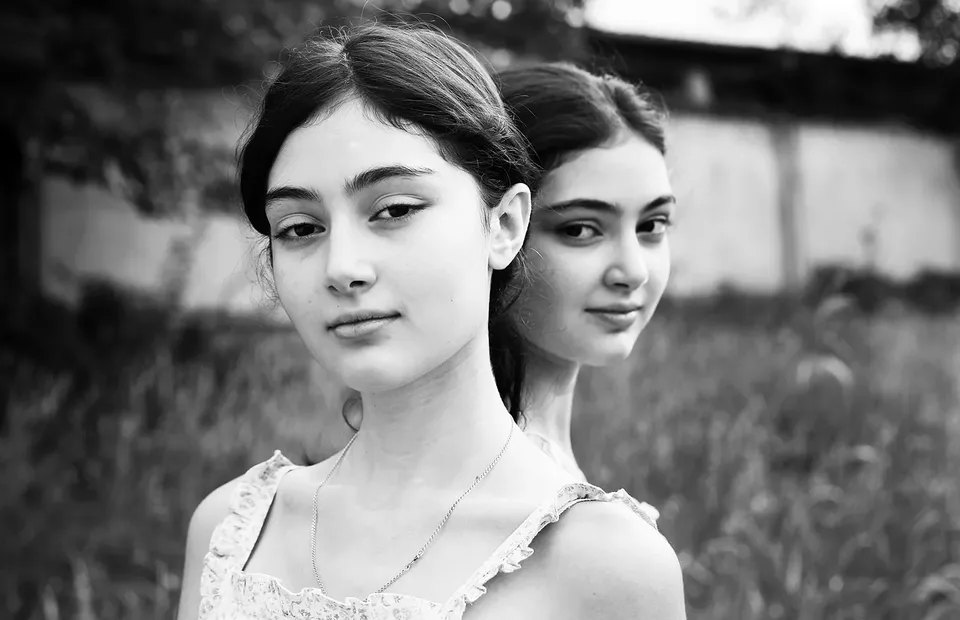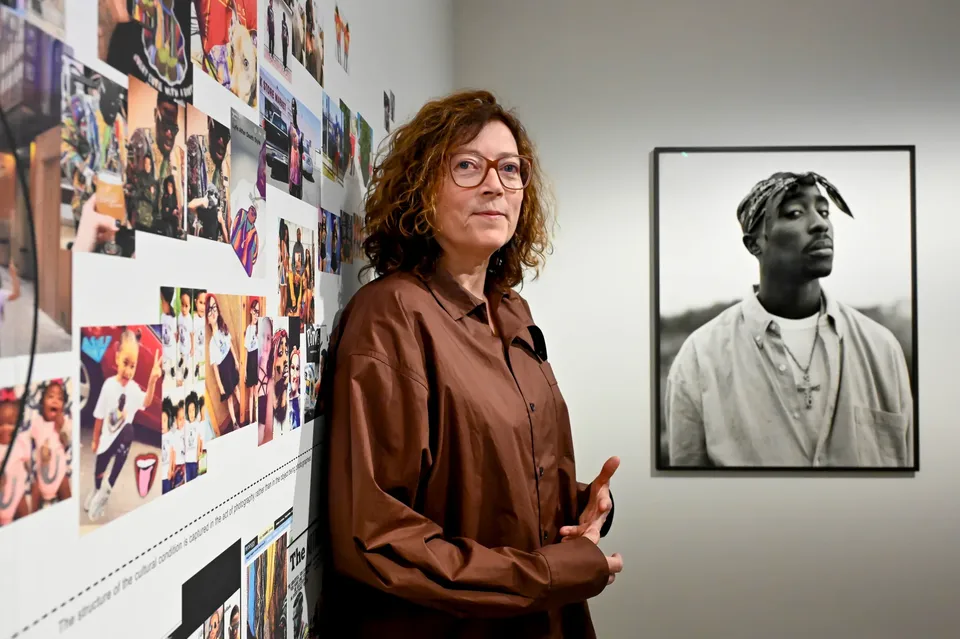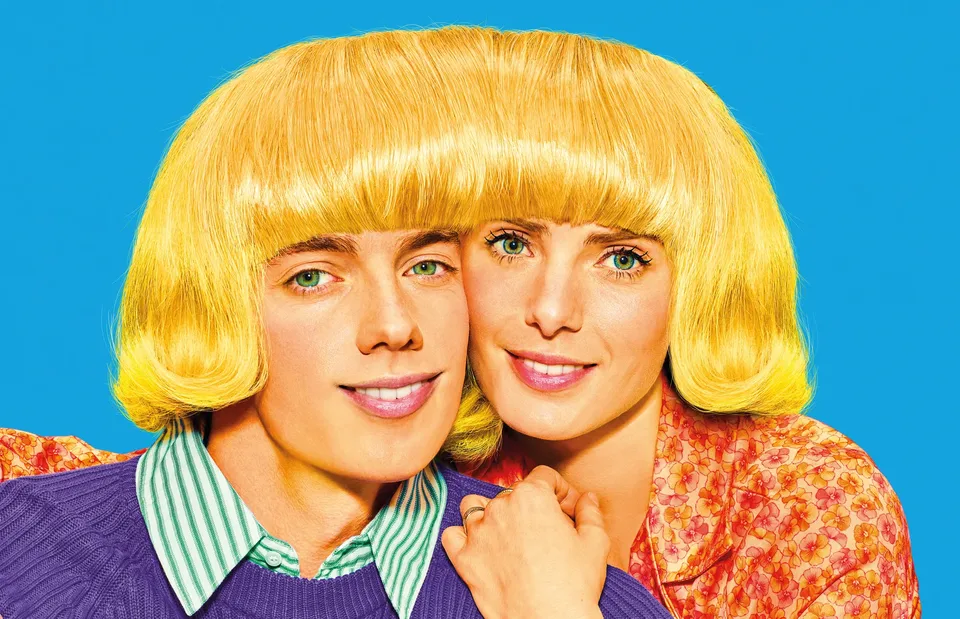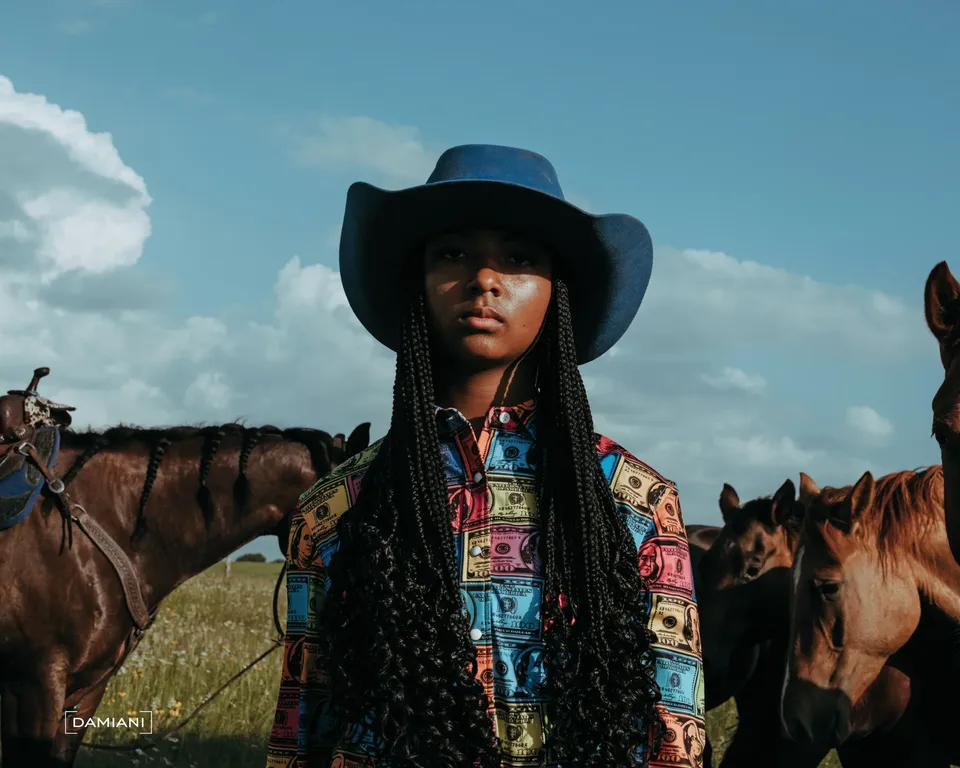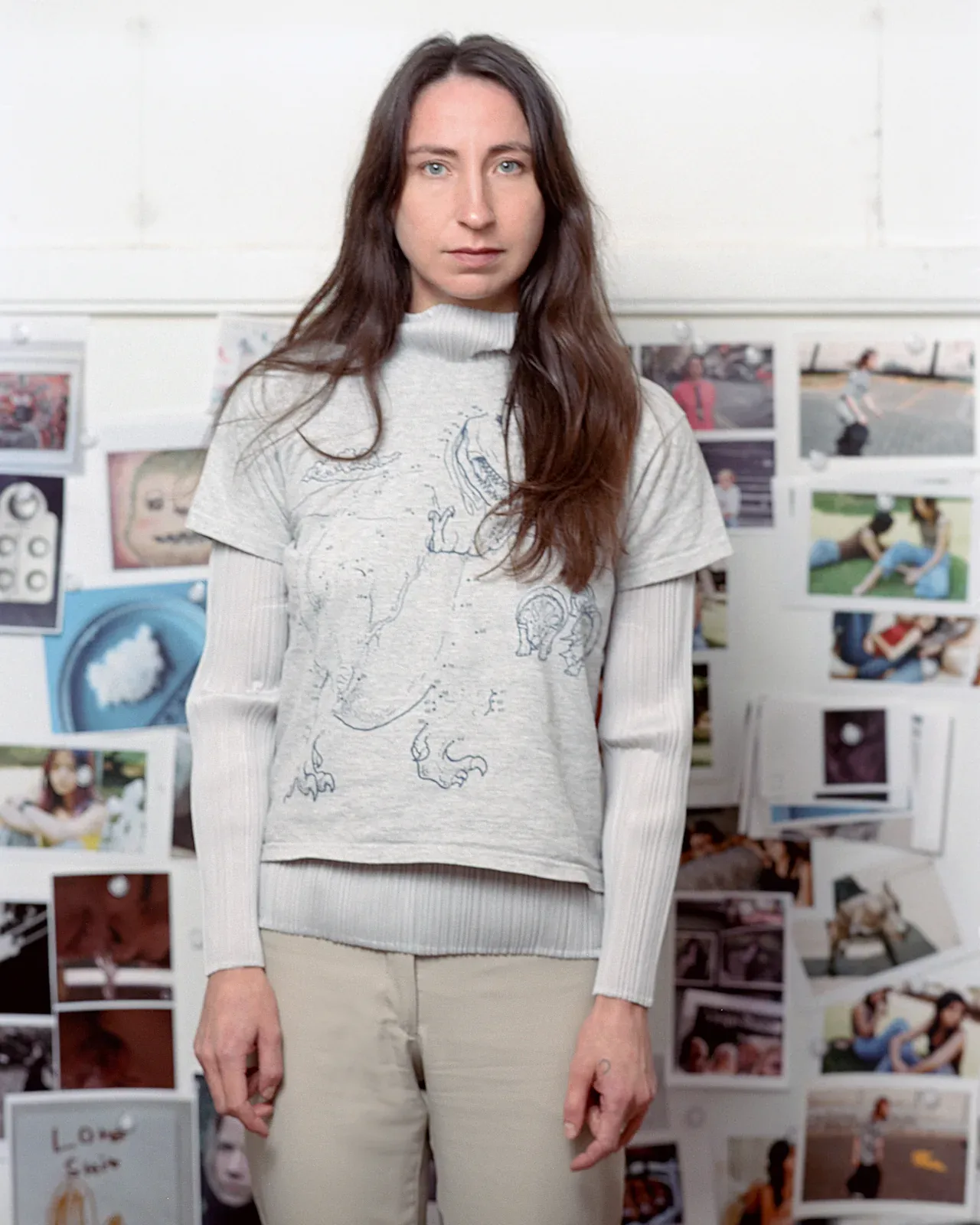
For those of us who have been lucky enough, our mothers were always a given – we likely even took them for granted once or twice. They are at once the most invisible and hyper-visible parts of our society. Their touch shapes how we love another. Their words frame our world. Their smell signals our home. Their labour is our entire being. They are the backbone of joy and the foundation of care. But have you ever wondered how they were as young girls? What if there were a ripple in time and you could go back to experience your mother as a child, playing and laughing side by side? Dutch-Polish photographer Verena Blok explores this ripple in her new photobook and exhibition, Love Shit, at the Foam Museum in Amsterdam until 25 May.
It’s not a science fiction project, but an emotional journey through the stories of those who became mothers, their children, those who chose not to become mothers, and those who are still questioning. In the images, the children are constantly in motion, moving between past, present, and future. Blok removes us from time and space, placing us firmly in the liminal experience of Matrescence: the process of becoming a mother and all the change it requires physically and emotionally. She brings together the magical moments of pregnancy with its horrifying discomfort in not being able to control a body or self that has taken an entire life to regulate and accept.
We like to think our bodies belong to us, but, as women, we are taught to actively reject them for all they’re worth – to disconnect and give up our physicality to society’s will and embrace the ‘golden cage’ of makeup, clothes, plastic surgery, or sex work. We rely on a validation that is impossible to achieve given all its contradictions: you must work, otherwise you’re a gold-digger; you shouldn’t work because your place is in the home. It’s unattractive to not have any passion; it’s intimidating for you to be successful. You have to model independence for your children; you’re neglecting your mothering responsibilities. Blok asks us to live in those contradictions, to widen the cracks of the patriarchy and expose at once our vulnerability and resilience.
Working at an abortion clinic, Blok was intimately involved in decisions about motherhood and life. She welcomed patients from all walks of life: those who already had children and didn't want more, those who didn’t want children at all, those who weren’t ready, and, increasingly, those who were denied access in their home countries. Her time spent at the clinic sparked the inspiration for Love Shit; she wrote down her thoughts and patients’ stories, seeing how their lives were all parallelled. Rather than judge imperfect situations or people, she found herself in them, the same way we find ourselves in the stories and images of Love Shit.
I sat down with Blok over a phone call just a couple of days after our mutually detested Dutch holiday, King’s Day—detested for its pro-monarchy and anti-socialist origins—to talk about her complex experience with motherhood, how to raise a boy as a feminist, the unexpected tenderness of an abortion clinic, and what the fear of discomfort will do to our future.
Hi Verena, it’s great to speak with you! How are you doing? How was King’s Day?
Oh my God. Do you know about this event? I’m not very drawn to this national holiday. I grew up in The Netherlands from when I was four years old. My father is Dutch and my mother is Polish, and although I’ve lived here most of my life, I don’t feel very attached to the culture. King’s Day has something kind of humorous and grotesque about it; the selling and buying of goods on little carpets on the street and the public day drinking feels like an event from the Middle Ages. This holiday was installed to get rid of socialism and evade Labour Day by celebrating the monarchy instead, which, as a socialist, I’m not really into. When we emigrated from the US to The Netherlands, my mum said, ‘this is great, the Netherlands is a zorgstaat,’ which means a welfare state. But really, it’s so focused on individual responsibility. And especially now that I’m a parent, I see all of this much clearer than I ever did before.
Speaking of parenthood and as Mother’s Day approaches, I wanted to ask you what you think we owe to our mothers? There is always a conversation about what we want to give our children, what we owe to them, but what about the mums?
Oh, wow. The first thing that comes to mind is there’s so much that, as a child and as a young adult, you take for granted from your parents in general, but especially from your mother. Motherhood is many things, but above all, it is centuries of unpaid and undervalued labour. Now that I have a child myself and I am doing the mothering, I see my own mother in a very different light. During my pregnancy, I noticed my mother was reliving her own motherhood from when I was small. And that was the first time that, for me, time became multidimensional – I imagined my parents as children and how that must have been for them in that particular historical context; for my mother, 1950s Poland, and my father, 1930s in The Netherlands. Imagining what they played with, what they were doing every day with their friends, how they were cared for, how they were loved — or not loved. I could only really access that re-imagination of them by raising a child of my own.
Love Shit is a complex exploration of motherhood, womanhood, time, reproductive rights, and childhood. What made you want to focus on these topics?
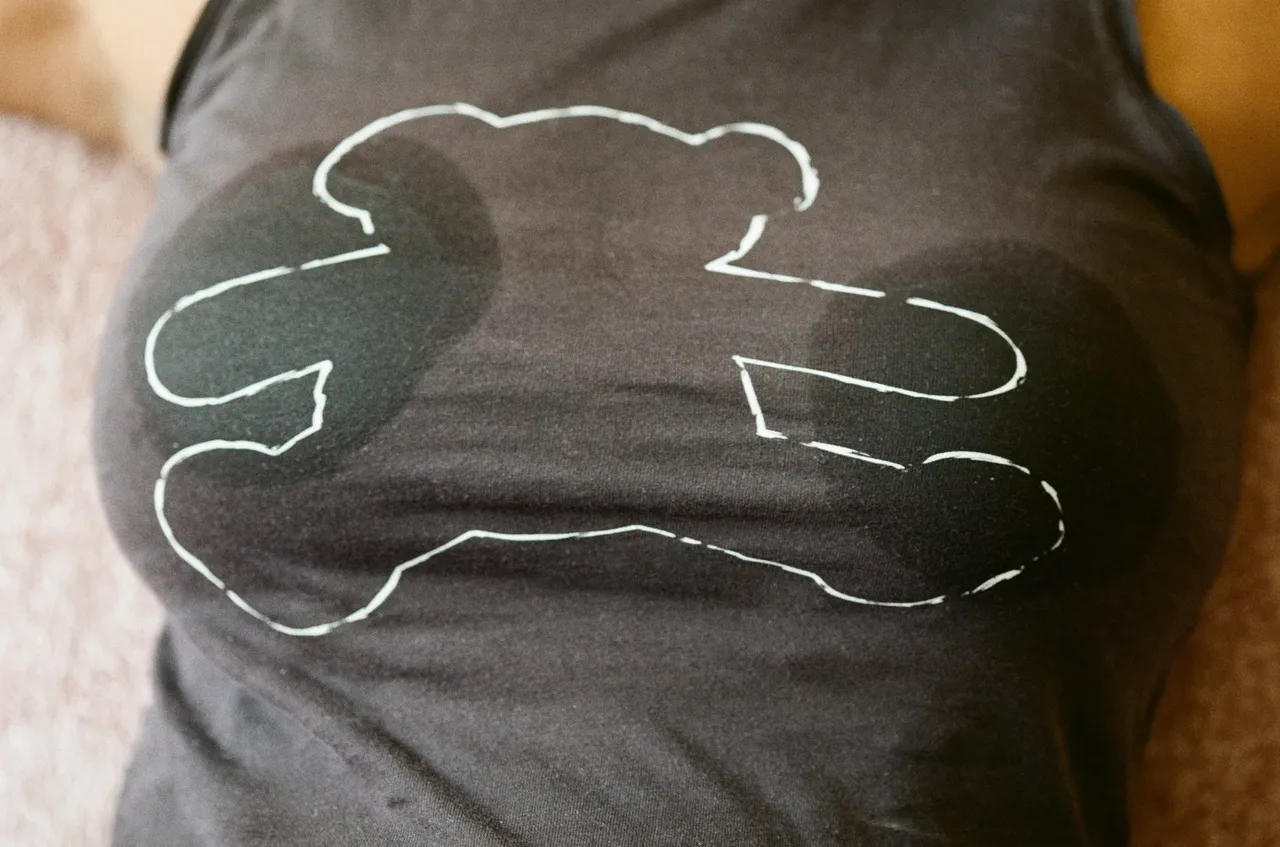
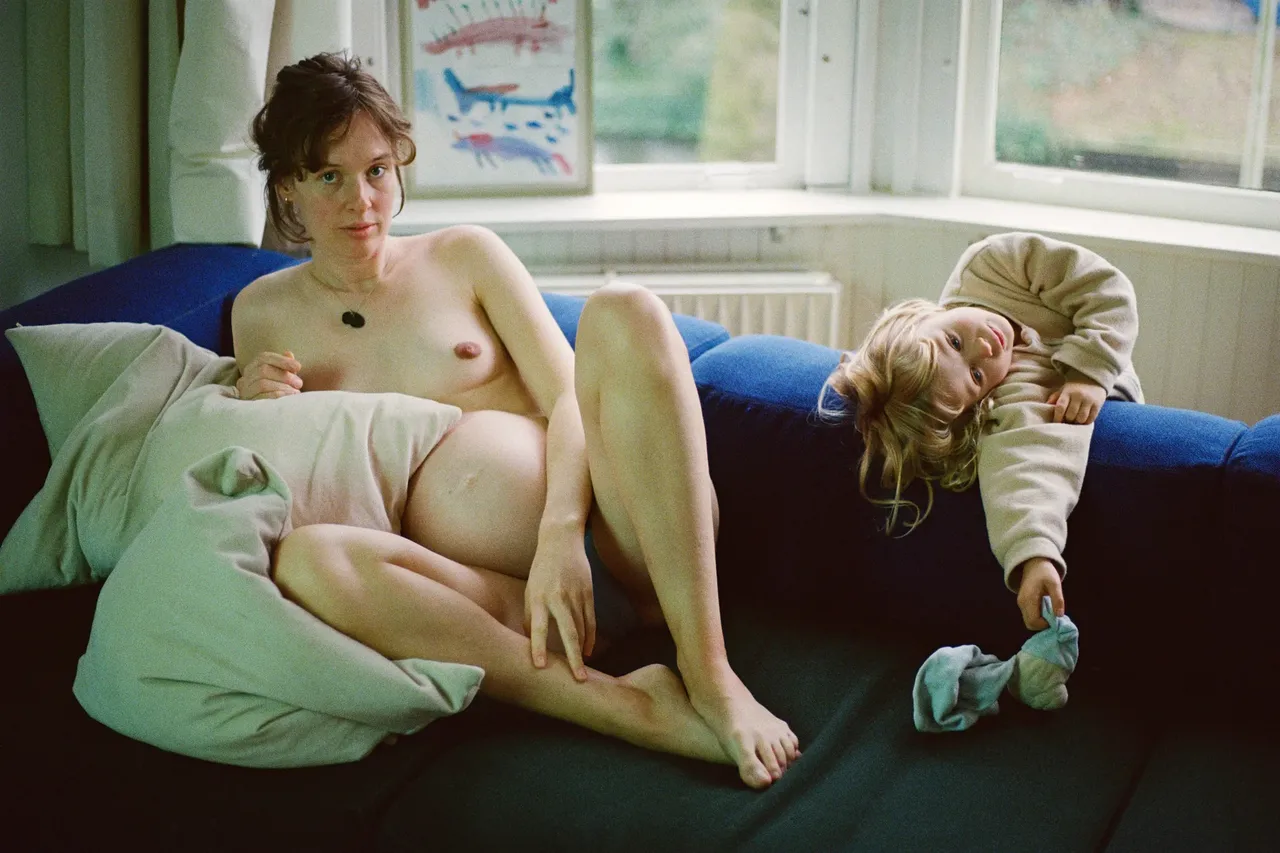
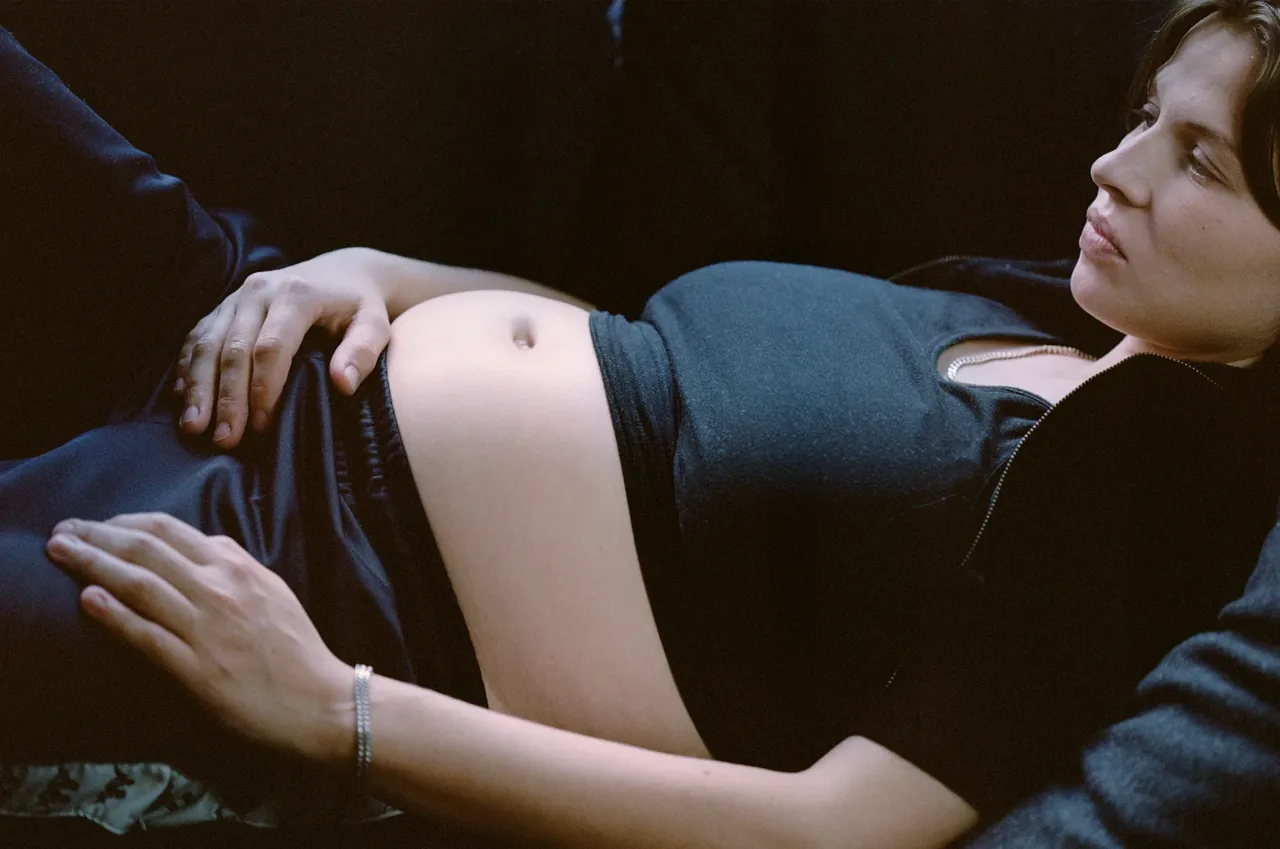
Yes, it’s about the messiness of love and life. It deals with the dilemmas surrounding reproduction: (un)wanted pregnancy, motherhood, and childhood itself, which together reveal the complexities of womanhood. I wanted to focus on pregnant people because I didn’t see a very diversified representation of them. The only imagery I knew of was the kind of kitschy or very idealized and romanticized photo shoots that evolved from the famous Annie Leibovitz photo shoot in the 90s of Demi Moore, naked and eight months pregnant. I wanted to go beyond that very limited imagery, to explore the emotional ambivalence, especially also in the early stages of pregnancy where it allows room for doubt and insecurity. Aside from that, the pregnant belly in itself has something provocative because it signifies you had sex. In art history, until the late 20th century, pregnant women were hiding their bellies exactly because of this. This I found also interesting, how to bring back this space for desire and eroticism in a way. The pregnant belly has something contradictive in terms of visibility, because you are physically very visible to the outside world. But socially, very often women are reduced to just that: a pregnant body, with the fetus being the most important. And I think all pregnant people can share stories on how they experienced unsolicited comments on their body. In the context of the art world I felt like the odd one out at the time when I was pregnant. I was doing a residency at the Rijksakademie in Amsterdam, and I noticed that at a certain point the other residents stopped asking about my work, and only kept asking about my due date. These contrasts, and the taboos and shame surrounding reproduction, made me want to see if I could fill this visual gap of representation.
“Motherhood is many things, but above all, it is centuries of unpaid and undervalued labour.”
You’ve certainly achieved that.
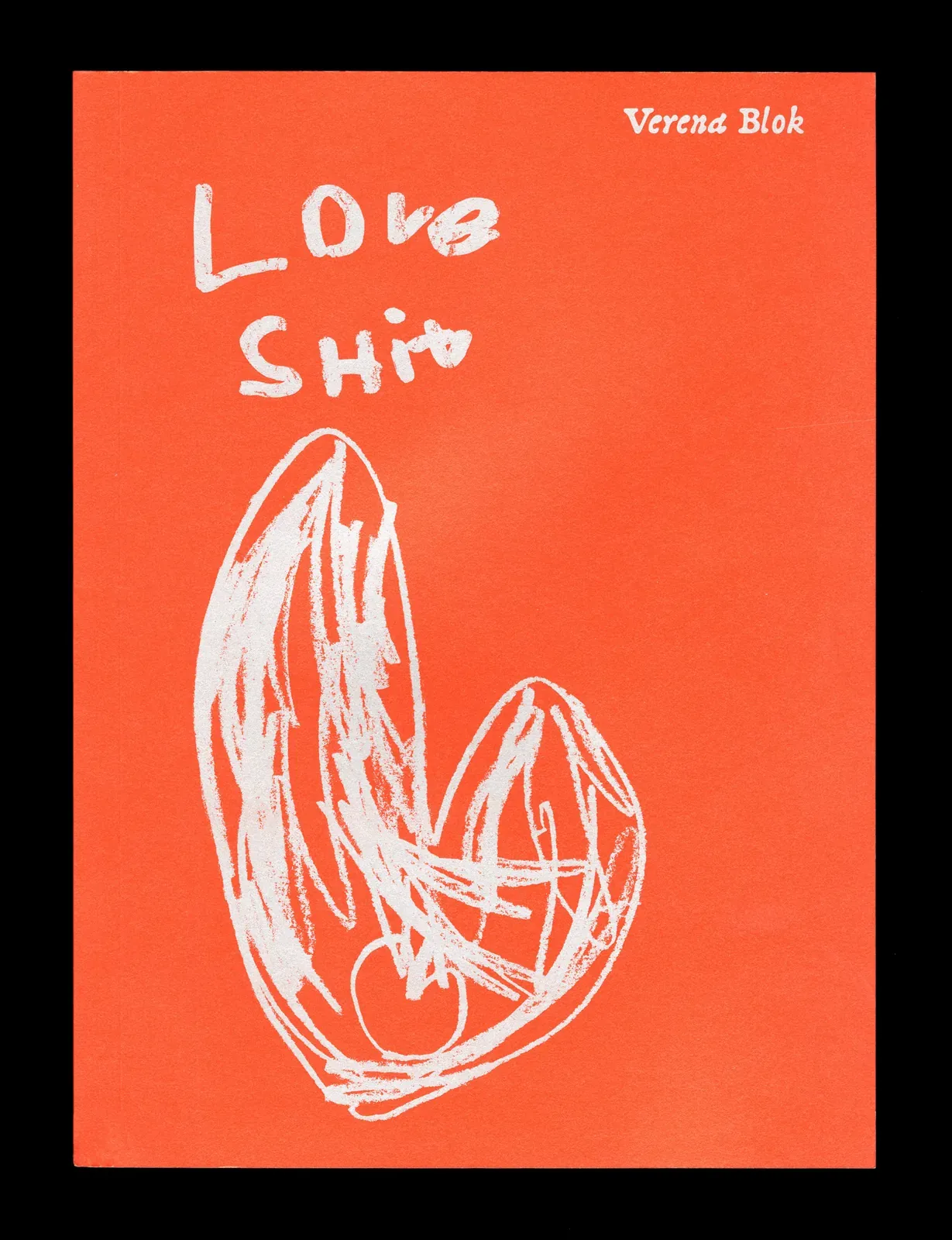
Birth is seen as something inherently positive, and abortion is seen as inherently negative because it is associated with death and sadness. With Love Shit, I try to move away from those notions. What I love about the cover of the book is that the drawing and the title were created by a child. Sadie was 5 years old at the time and was just learning how to read and write. The clumsiness of the letters is very endearing to me, but also feel kind of punk and anarchistic. The anarchy of it I see reflected in the self-determination that we are still fighting for. Seeing that drawing and the title, I immediately knew that it exactly reflected the messiness of the topic in such a direct and simple way, actually the same way children can be very direct about things. There’s a discomfort that we need to sit with, because as a society we’re trained to run from discomfort when actually there’s a lot we can learn from that, from these “cringe” feelings. It’s when you can truly set yourself free.
The imagery we get in popular media about abortion is scary and mysterious, where a character goes into the clinic and then there’s this big question of ‘what happens in there’?
For sure. Also, when a main character in a feature film is pregnant and they’re considering an abortion, very often they have a miscarriage instead. It’s such a missed opportunity, because telling these stories is pivotal in order to create a more empathetic world, and is also part of our shared history as women-identifying people. Women have been having abortions since the beginning of time and it is healthcare and completely normal. I revisited people multiple times during their pregnancy and after the birth: people who considered abortion, and new mothers with their small babies.
And you worked at an abortion clinic for a while as well. How did you get started in that position?
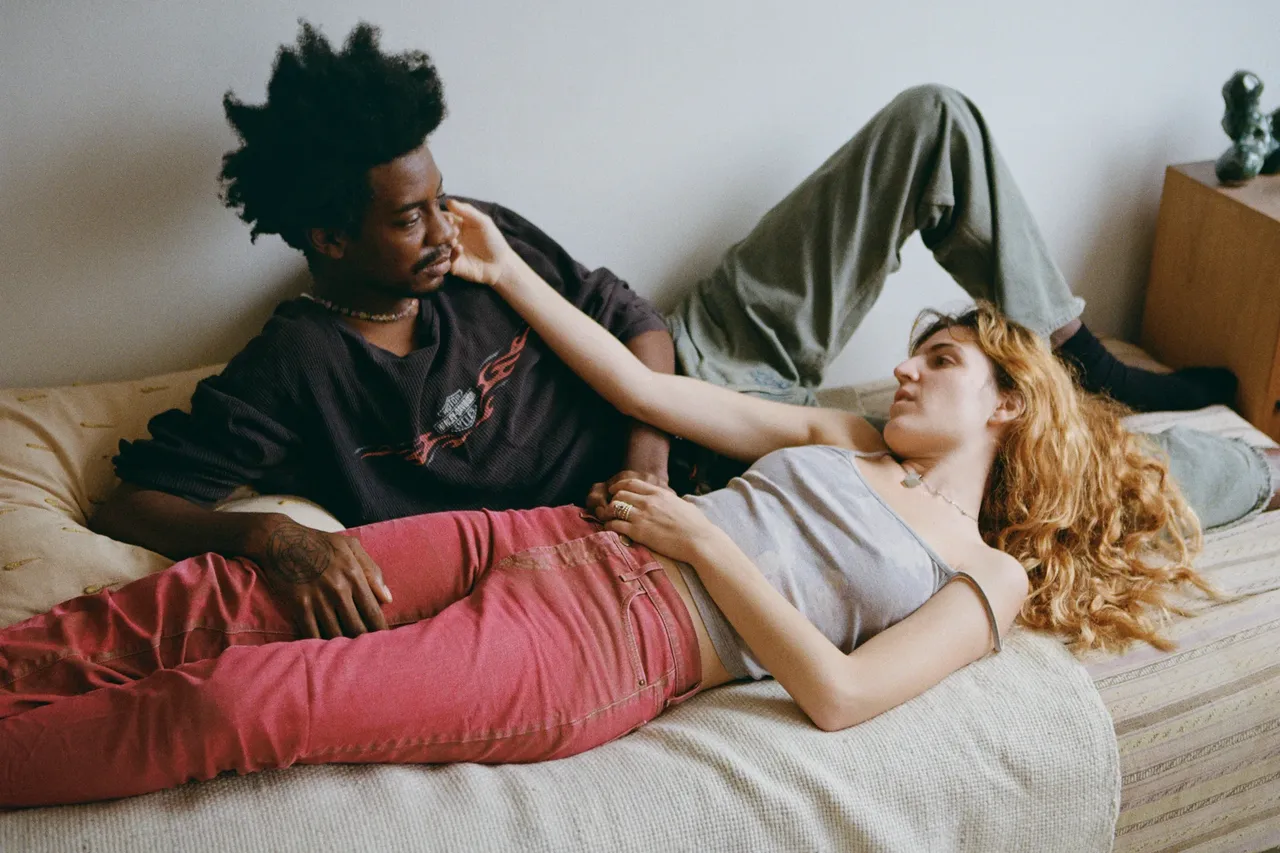
I started working at the clinic when my baby was five months old; I basically saw all elements of life unfolding in front of my eyes. My father had recently passed away, and it was then that I realized that birth, life and death are not that different from each other. Very intuitively I applied for a job at the abortion clinic, and because I also speak Polish, they hired me pretty immediately. The clinic saw a lot of clients because they performed abortions until twenty-two weeks, which is the latest term in Europe, besides England. The people I ended up photographing I met via-via, very often friends of friends. Although the environment of the abortion clinic was so diverse, with an abundance of characters passing by every day, I never had the intention to find models there. First of all to respect their privacy obviously, but second of all, I didn’t want the project to be descriptive. Like, ‘oh, look at this person, she had an abortion, this is her story.’ I wanted this to become a collective story because I believe that fertility concerns everyone, be it the choice for abortion, sterilization, contraceptives, to have a child, or to long for a child. Whatever the decision, it has a deep influence on the rest of one’s life. For women, and for men.
Yes, trying to bring men into fertility because it is as much about them as it is women. Also, fertility is often only spoken about in relation to people that are trying to get pregnant when it stretches so much further than that.
Exactly, and I started working there because I wanted to get out of the studio with both feet in society, surrounded by different kinds of people. The art world can be very hermetic and exclusive. The abortion clinic surpasses all social classes and backgrounds: anyone who has an unwanted pregnancy goes there, and being around so many different kinds of people I would otherwise not so easily meet was very inspiring. I started writing down everything I was encountering: little conversations I had, observations, anecdotes; and I would also simultaneously write about moments in my personal life with my child, in my direct surroundings, and I started to notice they could live next to each other. What sparked the project was the realization that many women who came for an abortion were very often already mothers, over 50%. This is completely the opposite of what we are told in the media. In the clinic, I found myself sometimes being a witness to someone’s relationship because these moments can be very emotional. There are people in different phases of their lives: they’re very young in a new relationship, or they’re older and already have children, or their relationship is at a turning point, or people so in love and making out in the hallway. There was something very cinematic about this place, actually.
Did you try to recreate that cinematography and those contradictions in Love Shit?
Not so much recreating, but I did want to include the romantic aspect that sex or the relationships involved. During work I often would forget these people had a whole history together, because you just deal with what you have in front of you, but an entire narrative has already taken place before this moment. People still think of abortion as death, but abortion in itself is actually also choosing life – their life – and for another person, choosing life is keeping the pregnancy. Throughout all my work I tend to seek out a certain discomfort within topics that are contested in society. And abortion and children, two things that seem like opposites and are very taboo when you put them together, were such integral parts of this place, and life in general. So I knew early on I wanted people to sit with this uncomfortable feeling that, after all, shouldn’t be uncomfortable since it is all part of women’s history.
Could you give us an example that illustrates this discomfort?
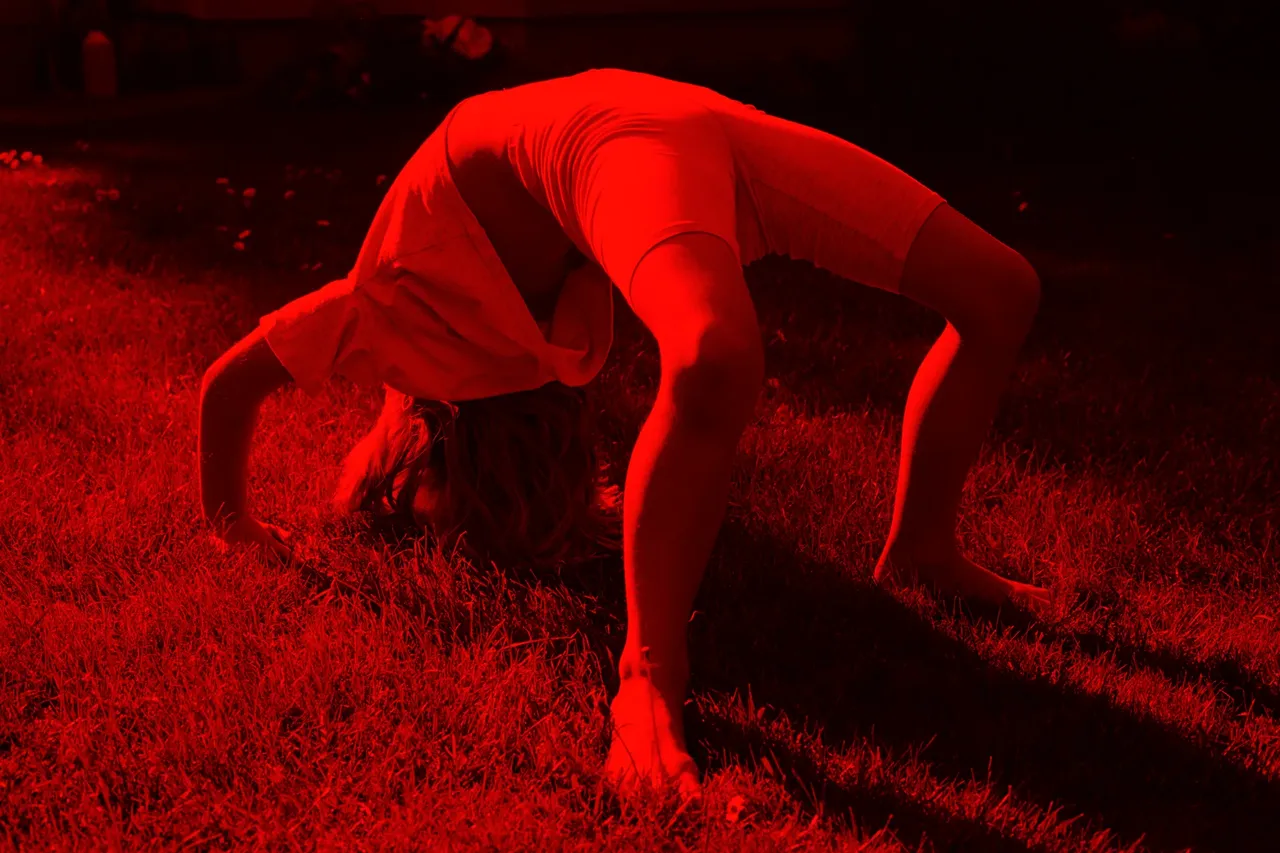
I saw, for example, two brothers, eight and twelve years old I remember, playing in the garden on a beautiful day at the clinic while their Ukrainian mother was scheduled for an abortion. She didn’t have anyone to watch them, so we fed them snacks and ice cream, and I thought that was such a beautiful thing to see. That’s when I started to think about including children in Love Shit. These images function as the (quite literal) red thread through the book and also the exhibition at Foam. I photographed the playing children more anonymously, always in motion and transition, embodying and symbolizing the past, present, and future of being born through a woman’s body. As adults, we know the same patriarchal policies will also be placed upon them in the future.
“Birth is seen as something inherently positive, and abortion is seen as inherently negative because it is associated with death and sadness. With Love Shit, I try to move away from those notions.”
How did doing this project help you come to terms with your own experience with motherhood?
I started when I was pregnant, photographing other pregnant people in my own surroundings. Being pregnant is transformative and liminal. You go into Matrescence, which is a concept coined by medical anthropologist Dana Raphael in the 1970s. She wrote about the very complex neurological transitions that take place in a woman’s body as she becomes a mother. You can compare Matrescence to adolescence in a sense because of all the hormonal changes, the emotional and physical developments, but the changes during Matrescence are even more severe and last a lifetime. So, this project helped me to externalize that experience and break down assumptions of what motherhood and pregnancy are, and also the societal expectations women continue to endure.
How did your perspective on motherhood change once you became a mother?
When I had a child, I became way more radical in my feminism and intersectionality and seeing injustice in the world made me angrier than ever before. I was already pro-choice of course, but by working at the clinic as a mother, even more so. We have these young children that are going to live through the future that we are moulding for them right now. Through that embodied experience things became very urgent and clear to me. And my understanding of the world and my work became so much more complex and complicated in the best way. But I also stopped thinking of having a child as an individual thing – or even something between my partner and I – and started to see it as a communal and political action. Almost like a mission to make the world a better place, in a way. I was in search of a deeper understanding of love that I could not compare with any other kind of love that I had experienced before.
There is a wave of mothers of this generation who are reimagining what being a parent looks like, providing their children with joyous, independent role models. How do you see the expectations of a mother changing?
I would say, mainly because of late-stage capitalism, there is a lot more expected from mothers nowadays. The pressure to do it all results in many women massively burning out. And by trying to do it all, we’re doomed to fail: punished by society if we work too much, punished if we work part-time to spend time with our children. We are mothering as if we didn’t have jobs, and working as if we didn’t have children. Men have not taken on more care responsibilities in recent years, at least not that much, yet women have started working more, so there is definitely an imbalance. This goes back to what men are taught from their own mothers, fathers, and society. Women know how to think about other people; we learned from our mothers and grandmothers how to empathize, the labour of care, and to prepare for every possible outcome.
You’re absolutely right.
At the same time, the birth rate has been dropping worldwide in the past thirty years due to the housing crisis, job insecurity, inflation, expensive childcare, but also better access to contraceptives. Women also tend to postpone until their late thirties (which means fewer children), due to their changing position in the job market (more ambition/prioritizing their career). This is also what I saw at the clinic. Everyone is questioning, in their own way: how to bring a child into this world when it is on fire? My favourite image of the show is the one I took of my son, Issa, June 2025, The Hague, where his face is painted as a skeleton — a child as death. This image is the most layered to me, depicting chaos and terror, endearment and joy, but above all discomfort; not only in my experience as a parent, but also the state in all of us, and of the world, perhaps.
Across Europe, the Netherlands is known to be an open, sexually liberated place. Having lived there, it definitely feels that way, but there’s a grainier part of sexuality that isn’t spoken about as much: reproductive rights, birth control, abortion — women’s health. Where does the change start?
In politics, but even more so in education, I would say. The ‘manosphere’ is something that is a serious threat to teenagers and young adults and it is our job, as parents but also as educators and policymakers, to dodge that bullet early by providing sexual education that reaches beyond the biological narrative to fight the shame, stigma, and taboos revolving around sex, consent, and women’s health (such as pregnancy, abortion and menstruation) and fully understanding the female body, not taking the man as default. If not, we will continue to have toxic men in powerful positions who are responsible for ecological destruction, genocide, gender inequality, and the control over women’s bodies. Men are actively being socialized to see women as objects, like with Gisèle Pelicot and CNN uncovering a website of men sharing tips on raping their wives. Sex is an important opportunity for deep connection. But patriarchy teaches men that vulnerability is weakness, and the male loneliness epidemic is rooted in that same inability to be vulnerable. And when men are cut off from intimacy and emotion and are encouraged to root out any soft part of themselves, later in life they don’t have the tools to deal with that. To truly fight misogyny is by firstly seeing women as equals. Cutting themselves off from female friendship and leadership is depriving themselves of necessary growth. It is so important for boys not to be afraid to become friends with girls. Women and girls know now that it is okay to play with sticks and mud, to play football, to be a ‘tomboy’. We are teaching girls about setting boundaries. But what about the boys? We teach them what they can not do, but it is also important to teach boys how to deal with disappointment and rejection for example, and how to navigate their emotions.
How do you see the state of these young guys?
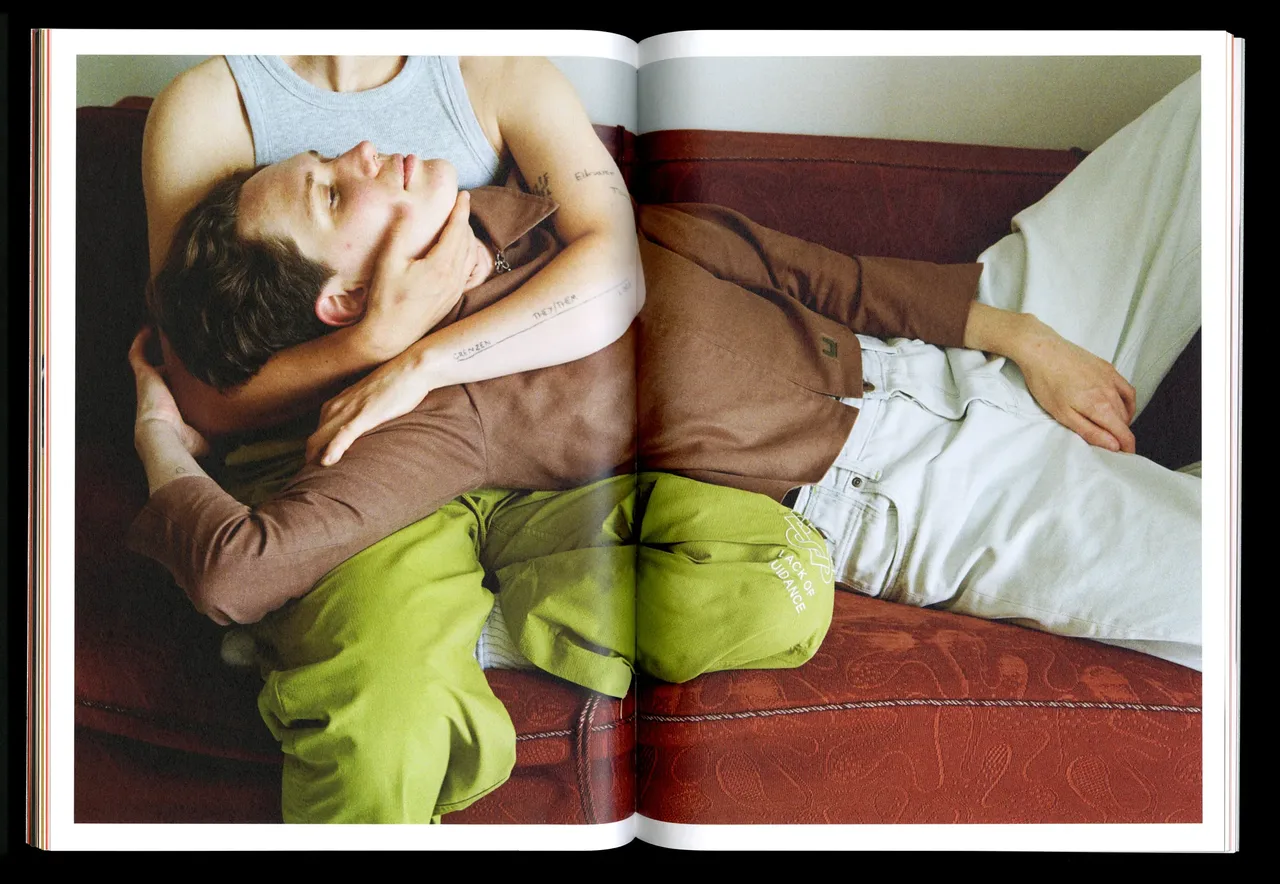
Lately, I’ve been photographing a fifteen-year-old boy in my neighborhood, and by spending so much time with him I am reminded of how fragile and uncomfortable those teenage years are, how much you soak in from your environment, and how meaningful small events or experiences can be. He is definitely one of the good ones I’d say, very observant and bright, but as I have a (much younger) son myself, it is an interesting experience to spend this deep time with a boy from the future, so to say, and to contribute just a little bit to his understanding of the world. A lot of parents also feel uncomfortable that their children are being taught about sex, desire, bodies, and consent. But if you don’t teach that, there is so much risk involved, especially for young boys whose larger cultural education of what a man is, is violence and entitlement.
“We are mothering as if we didn’t have jobs, and working as if we didn’t have children.”
As we’re under constant scrutiny and political or social attacks, there will never be a right way to be a woman, to escape that criticism. How do you find refuge from that?
I find comfort and refuge in personal relationships. That is also at the core of my work; creating meaningful connections with people, exploring different ways of living. Another real refuge that I feel is definitely in art. As an artist, I believe it is possible to change people’s perspective on a micro-scale at least. But also, as a mother, questioning what I teach my son and how? There is a lot of focus on women learning to avoid certain situations, but I think the real impact that we can have is by how we educate men. Every mother of a son has to ask herself that.
I really appreciate that you’re touching on how to raise a boy, because women are taught from day one that there is always a looming threat, and that threat is situations men overwhelmingly create.
I was very nervous about having a boy. When I realised that I was going to have a son, I was like, ‘oh no, another penis in this world, just what we need’. But then I thought: this is a sign for me as a feminist. The universe is trying to tell me something: that I was meant to raise a son and instill in him feminist values and add to the pot of good men.
That education shouldn’t just be placed on the mothers, because having a father figure to imbue the values of masculinity is equally important to model healthy masculinity that isn’t aggressive or violent.
Yes, the men that we are raising children with also need to have those tools. There is a lot of unlearning for men when they become fathers, because they have to untangle themselves from deep-seated patriarchal values. What I find really wonderful to see is that modern fathers are more engaged with their children nowadays compared to only one generation ago.
Pregnancy feels like this preparation for motherhood where you’re at once invisible (your needs, wants, feelings, experiences) and hyper-visible (your physical body, your labour). How do you break out of the hyper- and invisibility? Where do you feel most visible?
I don’t think there is a way to break out of those two extremes. Pregnancy is a liminal experience. There’s no attention in society for the inner process of Matrescence. The dominant notion of pregnancy and raising children is that it’s supposed to be a happy experience that ‘comes naturally’ for women, when it’s a much more complicated process, especially in the times we are living in now. There was a recent review of the exhibition at Foam in one of the main Dutch newspapers, with the title “none of the pregnant people in the photographs are smiling” and I thought: well yeah, because it’s not necessarily a fun experience. Again, this is such a preconception that is seen as a given. Of course, you can have a good pregnancy and you can be happy about bringing a child into this world. But you are also confronted with the memories of your own childhood, you question the future, how will you deal with the biggest responsibility in a lifetime (raising a human), you experience so much uncertainty. You then have to gain a new acceptance over your body – a body you have no control over during pregnancy, which is frustrating because this is a body you have been regulating and controlling due to patriarchy your whole teen and adult life. It messes with your self-perception. But I also found it a very magical experience.
In what ways?
It was so enlightening to experience something that you don’t have to be a certain person for. I don’t have to be rich. I don’t have to be poor. I don’t have to be beautiful or ugly. It’s a very ancient function of the body that all the women before me also went through. That thought in itself I still find very powerful. It also helped me to break out of the male gaze. And some may say I found the female gaze, but I don’t believe in that. I don’t think the female gaze really exists; we can’t use the patriarchal tool of the male gaze and reappropriate it to feminism when the two are incongruent. I think it’s extremely difficult, if not impossible, to not see ourselves through the male gaze. Pregnancy brought me closest to freeing myself from that.