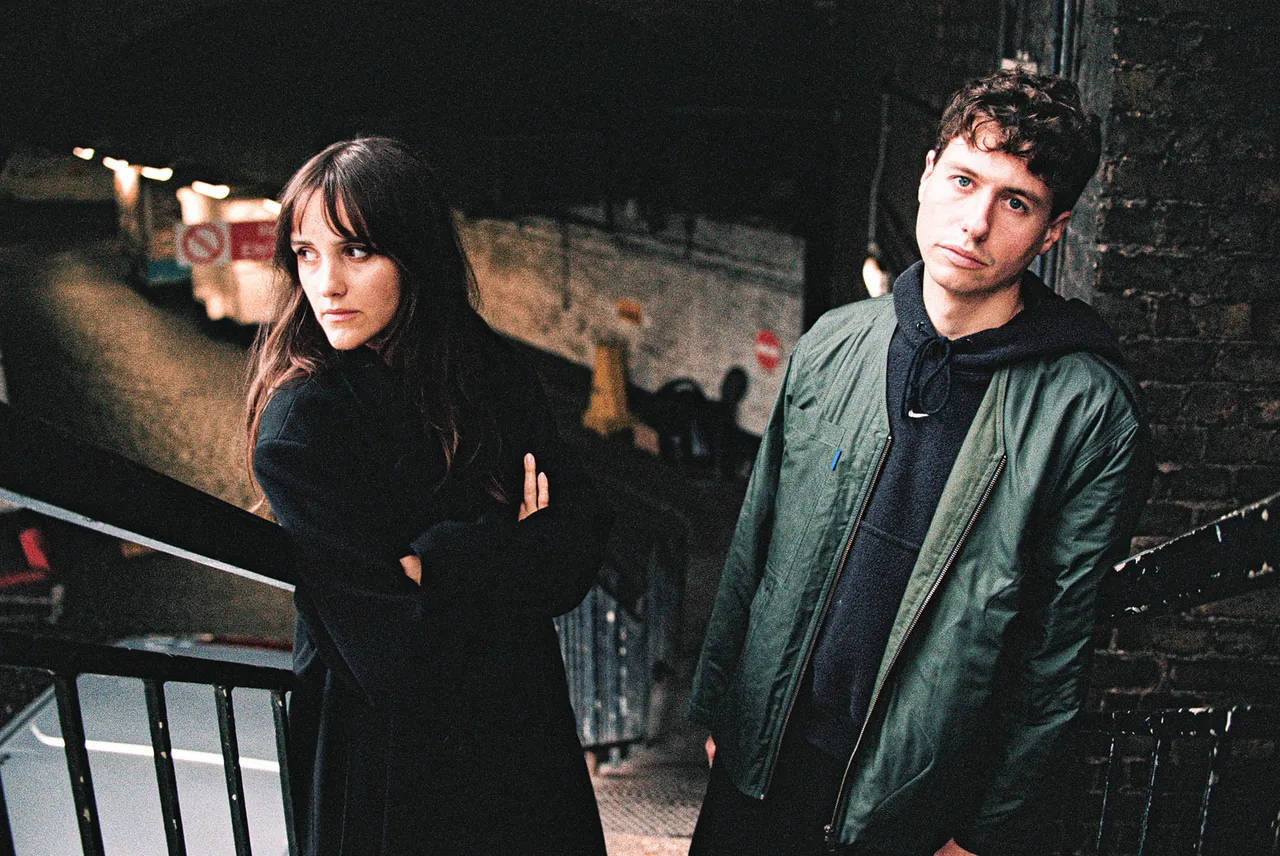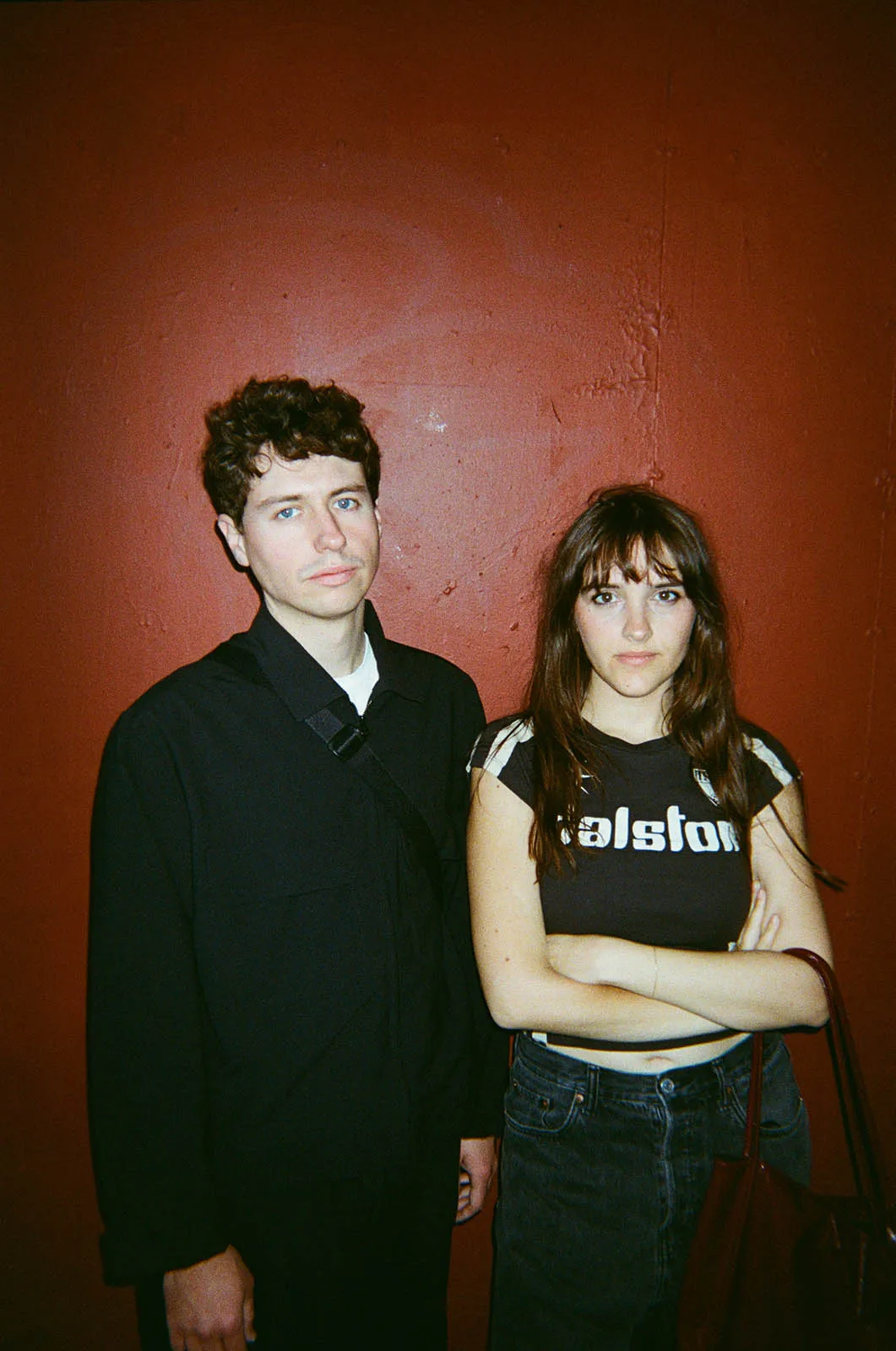
Vaarwell step into this week with a sense of calm focus. Last Friday’s Undine (Paleman Remix) opened a new angle on their latest single, landing just after their sold-out Flight Patterns show in London. It arrives as the duo prepare to release 3AM On The Northern Line this Friday, an eleven-song project shaped by five years of settling into a new city and finding their place within the sound of UK club culture.
“Undine sits right in the middle. It is that stage of the night when you are suddenly hit by a wave of melancholy.” The feeling runs through the mixtape, guiding both its tone and its pacing. Vaarwell keep things intentional and unforced, letting emotion carry as much weight as production. The result is a project that feels honest, close and closely tied to the late-night rhythm of London.
Hello! Where are you answering us from today, and what has the day looked like so far?
Hi! We’ve been deep in rehearsals in London. Tiring, but we’re really excited to play live again.
Your new single, Undine, feels intimate yet expansive. What did you want this track to reveal that your previous releases had only hinted at?
Undine is a stepping stone to our mixtape’s sound, and our main goal was for it to feel world-building, something that sets the tone for everything that follows.
Back in 2021, we featured this article on METAL about your single Consume. How do you look back on that moment now, four years later?
When we released Consume, we were only a few months into living in London, during a pandemic (it feels like a lifetime ago). I remember the room we made it in so vividly, and the drive we had because we had just moved and everything felt possible. It still does! Listening to that song is very nostalgic, and while I think our sound is in a better place now, I’m still super proud of Consume four years later.
Back then, you spoke about the uncertainties of relocating from Lisbon to London. As 3AM On The Northern Line approaches, how present is that early period in the mixtape’s emotional landscape?
It’s one of the mixtape’s main subjects, all the uncertainty that comes with living in a huge city like London: career, finances, housing, the future. The mixtape covers so many of my frustrations from that time: working hospitality jobs in my mid-twenties, not knowing if or when I’d ever be able to do music full-time.
The mythical figure of Undine brought a distinct tone to the single. How did the story shape the way you approached heartbreak and distance?
I first learned about Undine from a Laura Marling song with the same name. It stuck with me subconsciously, and years later, when we were writing Undine, the lyric “she could be someone I’m not” appeared. I associated it with seeing “the other woman” as a mythical figure — beautiful, untouchable, incomparable. That idea ended up shaping the rest of the lyrics.
You mentioned that Undine began as a vocoder line born in the last thirty minutes of a mostly unproductive session in Lisbon. What made that fragment resonate enough to become a full track?
It was Ricardo who saw the potential more than I did. He already had this production idea around the vocoder hook, and when we were messing around with chords, the melody I sang hit him. I recorded it without much enthusiasm, but when he later developed it and played it back to me, I realised he was right.
The mixtape 3AM On The Northern Line arrives in just a few days. How does Undine function within that journey, structurally or emotionally?
The mixtape is a soundtrack to both a night out and your mental state during it. Undine sits right in the middle. It’s that stage of the night when you’re suddenly hit by a wave of melancholy and remember what you were trying to distract yourself from.
Your sound often sits between the intimacy of The xx and the darker atmospherics of Burial. Are these reference points intentional, or more like after-images in the work?
It depends. Sometimes, while creating a song, we’ll reference artists we love when discussing a drum pattern, a vocal effect, or a vibe. But most of the time there’s no discussion at all, and any influence is completely subconscious.
“Even though we were fans of UK electronic music in Portugal, living here took us from surface-level knowledge to a deeper understanding. Even the weather feels more melancholic and nostalgic.”
Moving to London in 2020 reshaped your world dramatically. How did the shift in environment alter your relationship with rhythm and storytelling?
It changed so much. Living in London exposed us to so many subcultures, especially in electronic music. There’s so much cultural exchange here, and so much of it never reaches international audiences. Even though we were fans of UK electronic music in Portugal, living here took us from surface-level knowledge to a deeper understanding. Even the weather feels more melancholic and nostalgic. It changed the way I write.
The mixtape has been described as music for the journey home rather than the dancefloor. When did this framing become the backbone of the project?
The mixtape narrates a night out, but it’s meant to be heard on the way home from one. It started when we made a Spotify playlist for what we dubbed ‘post-rave music’ called 3AM On The Northern Line and shared it on our socials. It got a lot of attention, and when we started dreaming up the mixtape, I loved the idea of using the same name. That decision ended up shaping the entire theme and helped unlock a lot of the music.
Your musical origins are very different, from folk to punk. How do those histories still surface in the way you write or collaborate?
I think that’s what sets us apart in the electronic scene. My singer-songwriter background and Ricardo’s punk roots mean we’re not a producer duo; we’re a band. We’re not making beats and toplining, we’re writing songs together. We care about melodies, harmonies, and lyrics just as much as the drum patterns.
London’s club culture clearly informs your palette. Was there a particular night or set that crystallised the direction of the mixtape?
There was one night at Fabric that stuck with us: a Joy Orbison b2b Overmono set a couple of years ago. It had a huge influence on the mixtape.
Flight Patterns has become an essential part of your live identity. What did curating your own residency teach you?
Two things: the importance of live music within the electronic space, which is still pretty rare, especially for emerging artists who often go the DJ route to (understandably) cut costs. And the value of connecting with your audience in real life. No amount of social media replaces a real human connection, and no YouTube video of a live set replaces seeing a band live.
Most of the mixtape was written and produced at home. How do you protect the creative process in a space that’s also your everyday life?
A while ago, for the sake of structure and boundaries, we decided to approach music almost like a nine-to-five (or more like an eleven-to-seven). It’s helped us stay productive and switch off that part of the brain around dinner time.
The name Vaarwell carries a sense of departure. Does 3AM On The Northern Line feel like a farewell, a beginning, or something suspended between both?
Thematically, the mixtape starts with going out and ends with heading home, so it’s both a beginning and an ending. In the larger scheme of things (for us), the mixtape is just the start of a bigger, exciting chapter.
As you prepare to release the mixtape, what do you hope listeners notice first when entering this world you’ve built?
I hope they feel the rawness of it. It’s a very personal mixtape about trying to make ends meet while also falling in love with the city’s nightlife. I hope that duality comes through, that it feels relatable, and that it moves them.
What’s your dream collaboration?
James Blake is definitely number one.