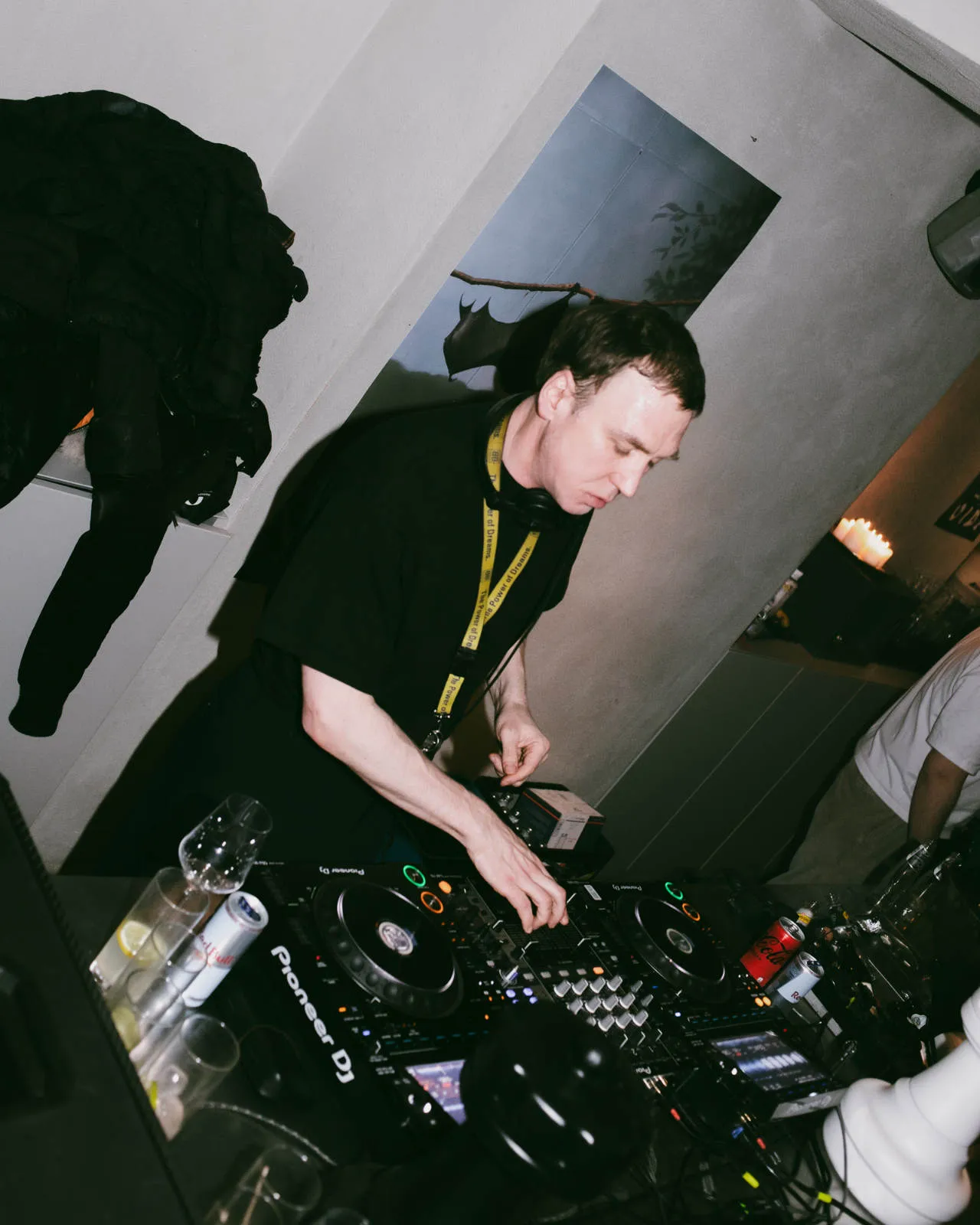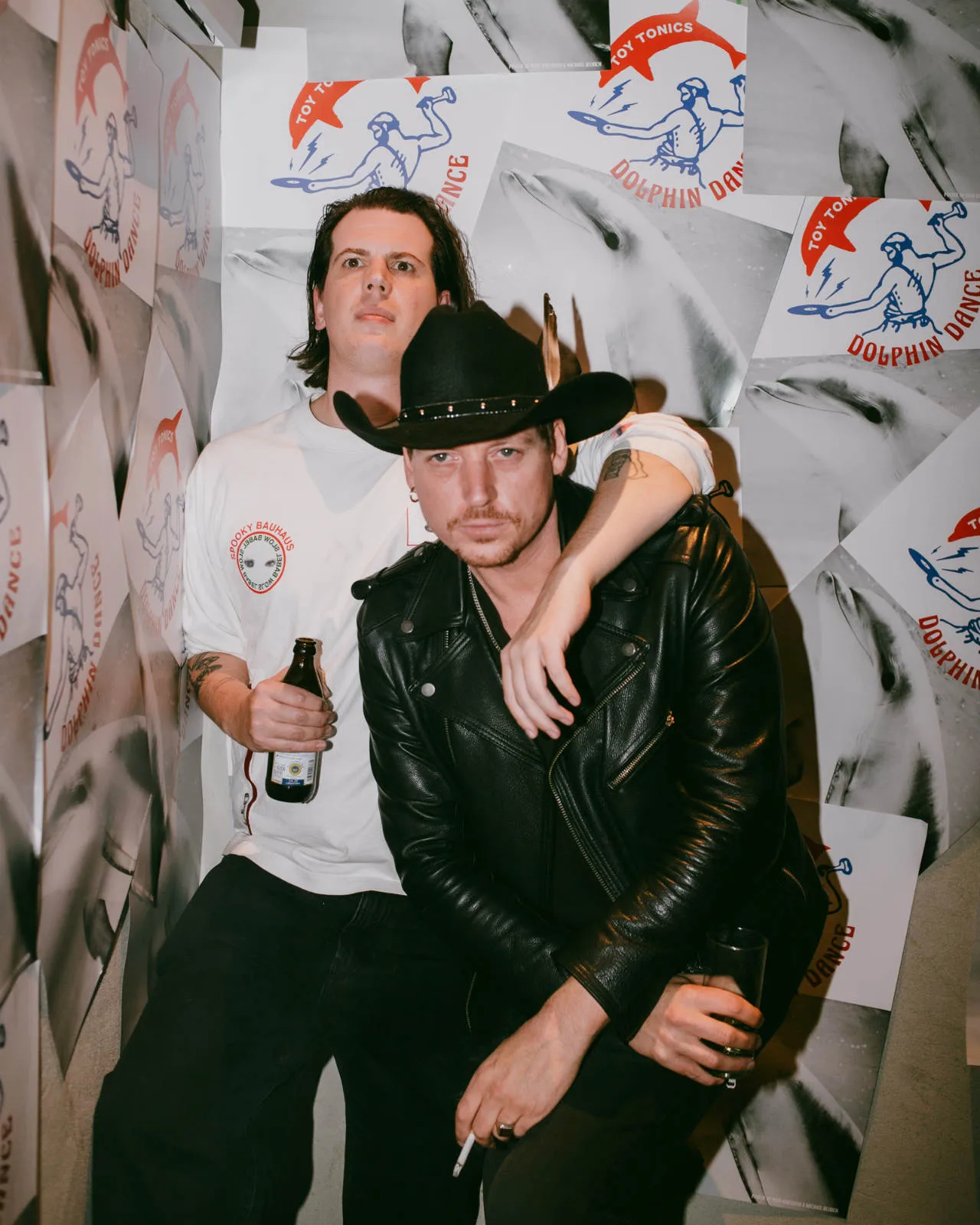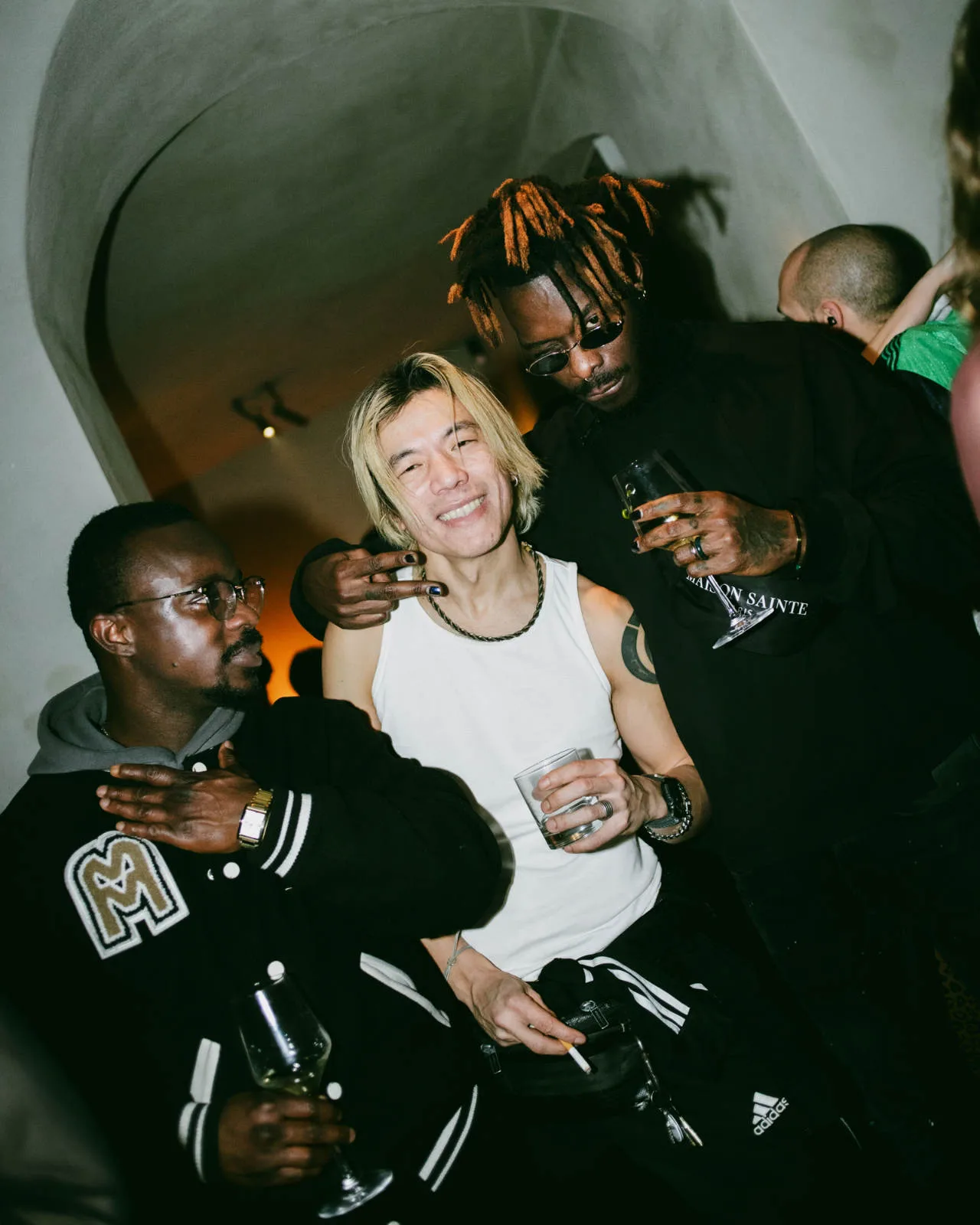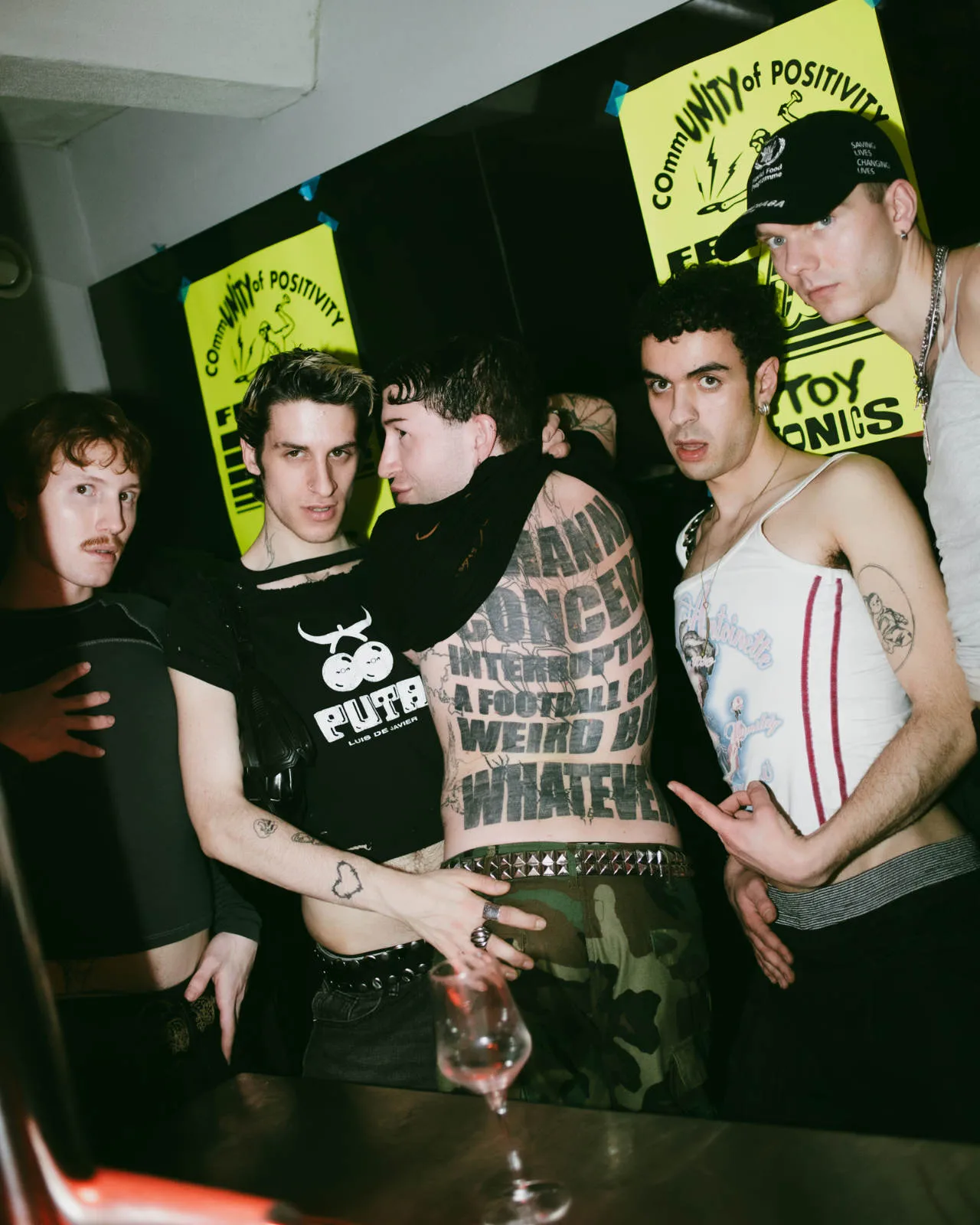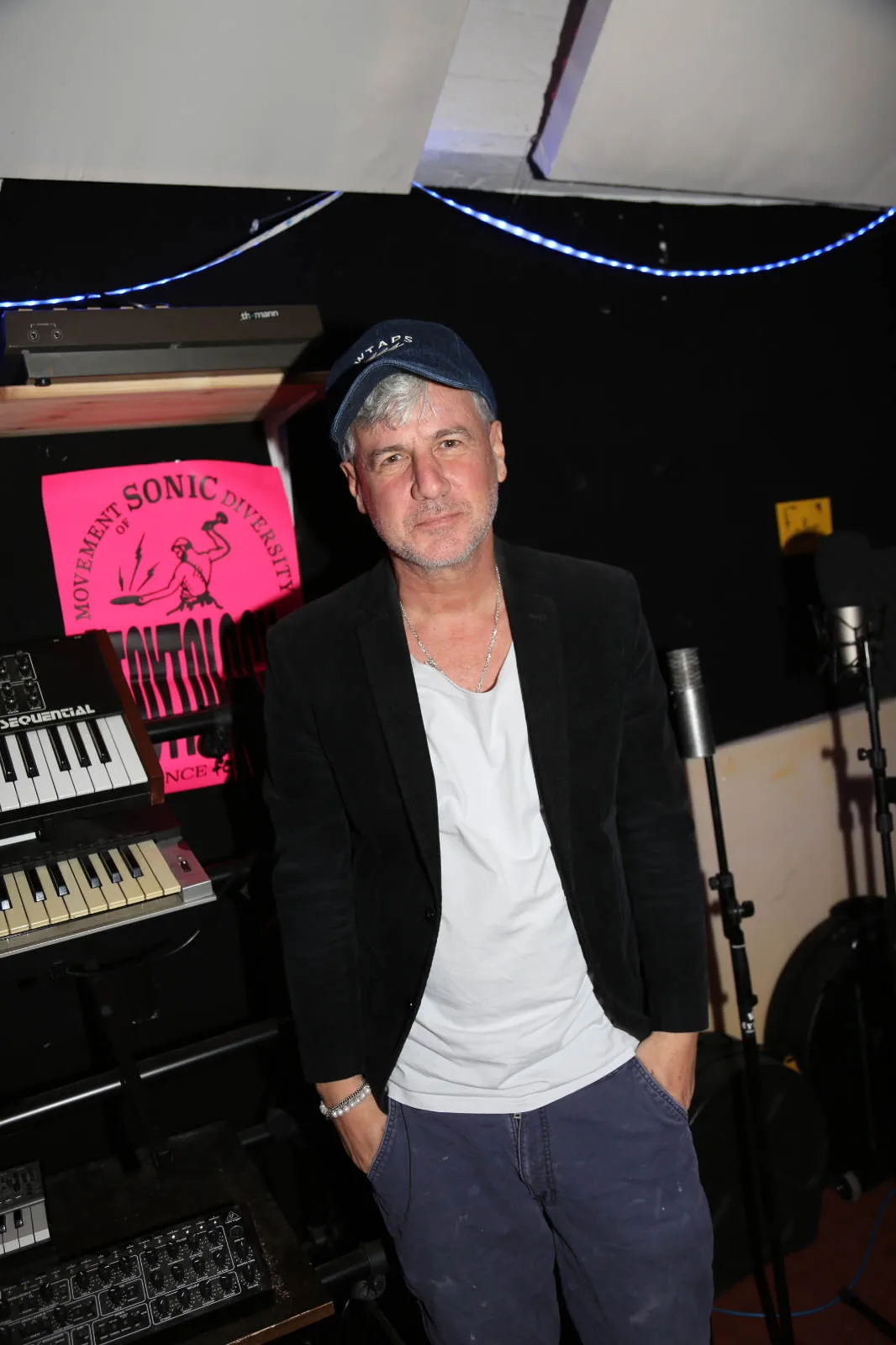
Kapote aka Mathias Modica, has seen cycles come and go. From running Gomma Records in the Y2K indie-dance years to shaping Toy Tonics into one of Berlin’s most recognisable cultural crews, Modica has always moved slightly against the grain. Today, with Kapote presents Toy Tonics Wildstyle House Vol. 1 landing, the feeling is less about a compilation and more about a temperature shift. Something is changing again — in the city, on the dancefloor, and within Toy Tonics itself.
“It feels a bit like the early 2000s again,” he tells us from Berlin. “A new generation is looking for more positive vibes, organic energy, kindness, and cultural variety.” That philosophy defines Wildstyle House but also the way Toy Tonics exists in the city. In contrast to Berlin’s colder door culture, their selectors smile. Twenty-two nationalities shape the label. “A stranger in life is a neighbour on the dancefloor” is not branding — it’s infrastructure.
Nowhere is that clearer than at Studio 1111, where their new monthly Toy Tonics Art Jams residency launched last month. Part gallery, part club, the space embodies their hybrid DNA: DJs alongside artists in residence, live jams, 360-degree visuals, fashion kids, musicians, and designers. After more than 440 jams in twenty countries and a documentary capturing their rise, this feels like the distilled version of their vision. “We try to make electronic music with a very human feel,” Modica says. In 2026, that might be the most radical gesture of all.
Mathias, thank you for taking the time to talk to us. How are you, and where are you answering us from today?
Hello! I’m at home in Berlin right now. And I’m very well, thanks!
With so many Toy Tonics Jams coming up, how do you feel about the start of this new phase for the project?
It's great to see so many young people loving these new, positive, and diverse musical vibes that my DJ crew and I are proposing. Currently, we are getting invited to many cities we have never been to before, so that's also nice — New York, Los Angeles, Detroit, Bogotá, Mexico and others. So cool. So many clubs and festivals and promoters who seem to be interested now in a more open-minded and soulful dance sound invite us, and that's great. Last year we threw 192 Toy Tonics parties with more than 250,000 people dancing to our music, and it looks like 2026 will be even more. That's fantastic and beautiful.
You recently shared that just six years ago, Toy Tonics was happening in small underground venues in Berlin, simply exploring another way of DJing and creating atmosphere. When you look back at that moment now, does it still feel connected to where you are today?
We have a huge fanbase in Berlin, so we are still very connected. We do parties in different locations, official clubs like Panorama Bar and new spaces like Studio 1111, a gallery and club space where we now hold a monthly art residency. We have a very special atmosphere because we have new generations of clubbers mixed with the older generations who’ve been with us since the beginning, and they all seem to know a lot of the music that we release. It always feels like a real home base. Also, there is a great connection to Berlin because many of the visual artists, photographers, and illustrators who have been doing things for our label are part of the big Toy Tonics family we have in Berlin.
Back then, what did that “other way” really stand for? Was it mainly about music selection or about how people related to the dancefloor and to each other?
It's different things that define this “other way”. It starts with the door policy: in many clubs in Berlin, you have a very cold and sometimes scary door squad. But our selectors are different; they're all friends of mine, and they are friendly people and represent our positive vibe and style. So they smile and chat with the people in front of the door, who are from different backgrounds. Ali, aka Attari, is from Syria; Akin is from Nigeria; and Akio is from Ghana, so the multinational ethos that we have at Toy Tonics starts at the door, and last time we consciously counted, we had twenty-two nationalities on the label between DJs, producers, and other people that work for us.
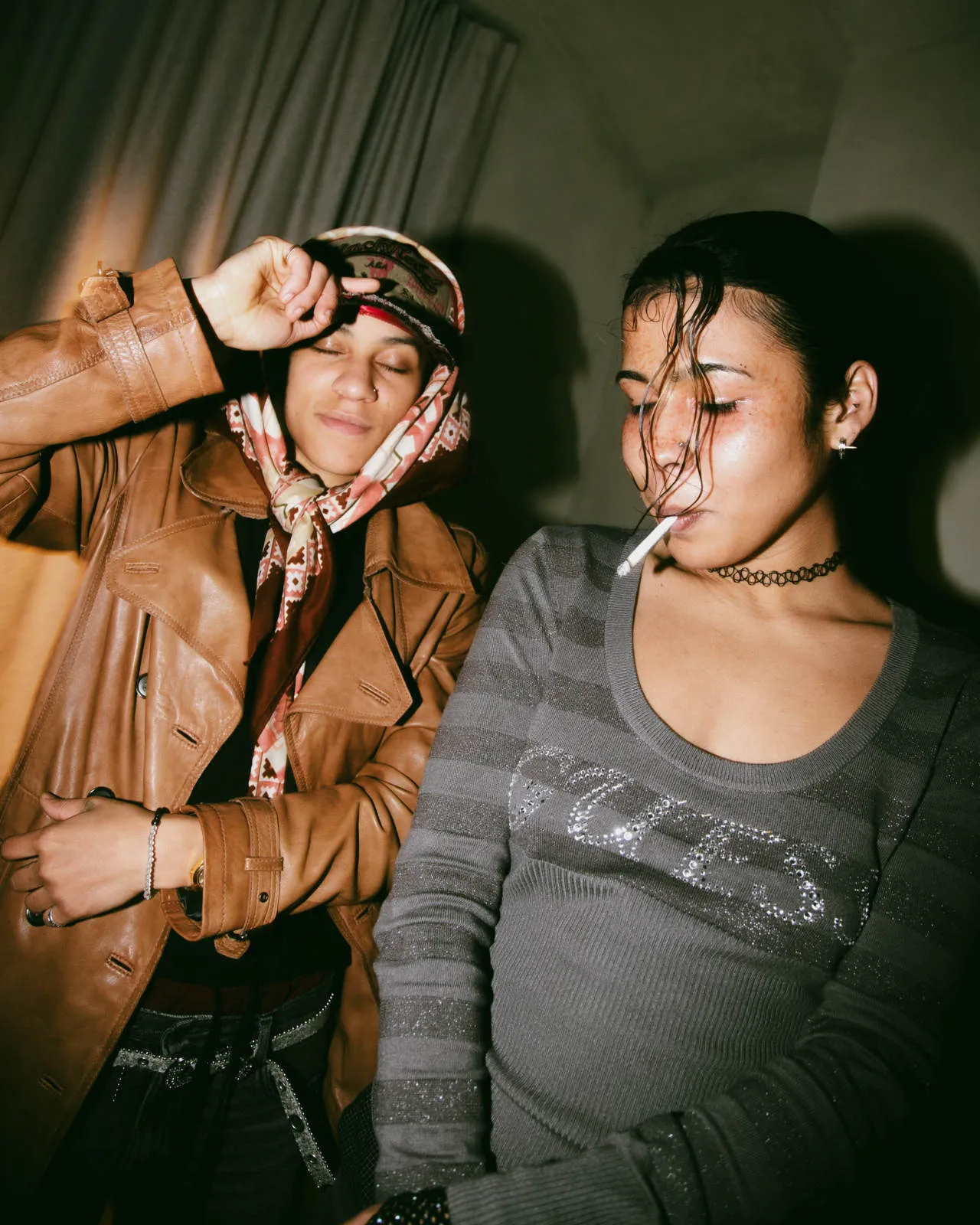
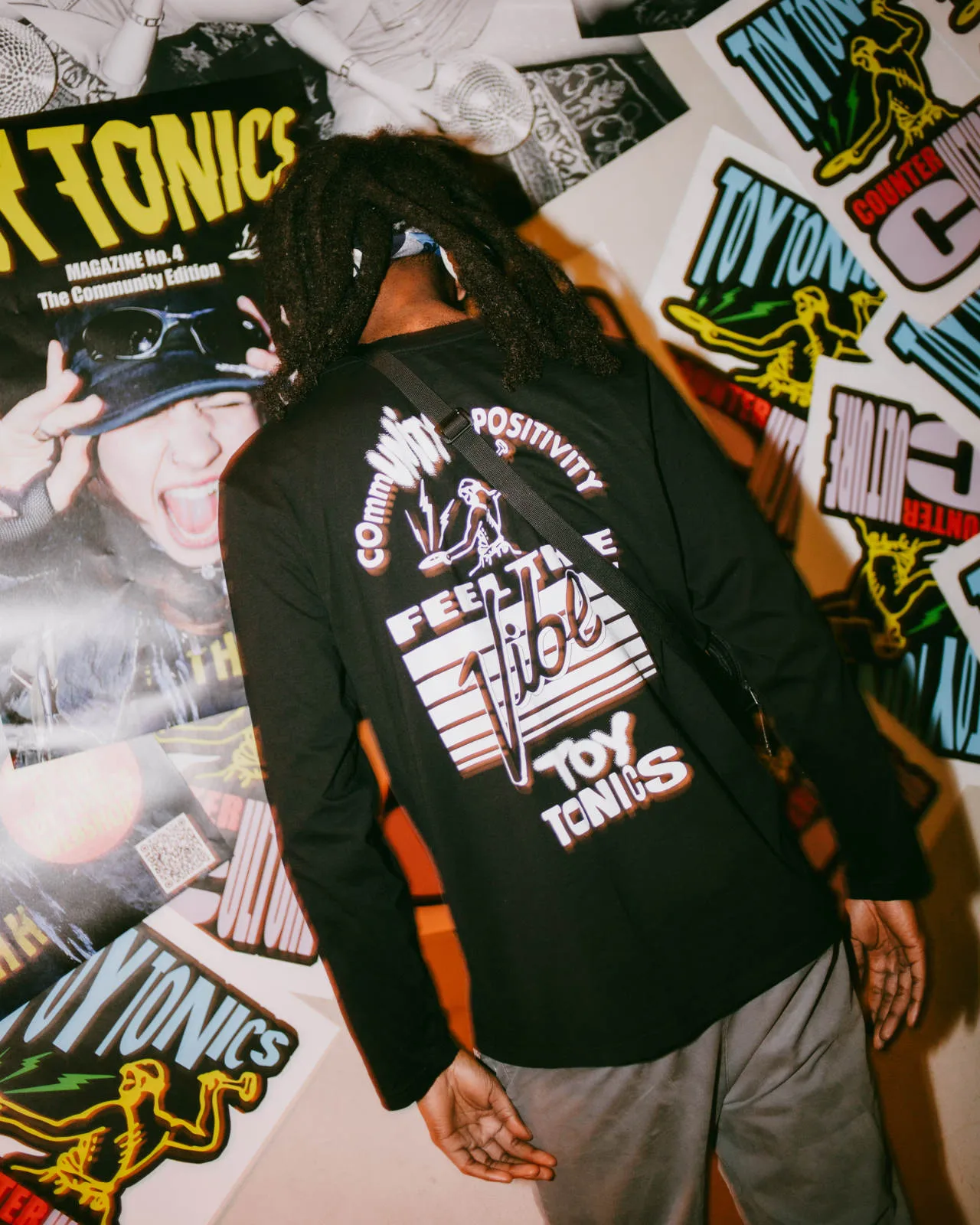
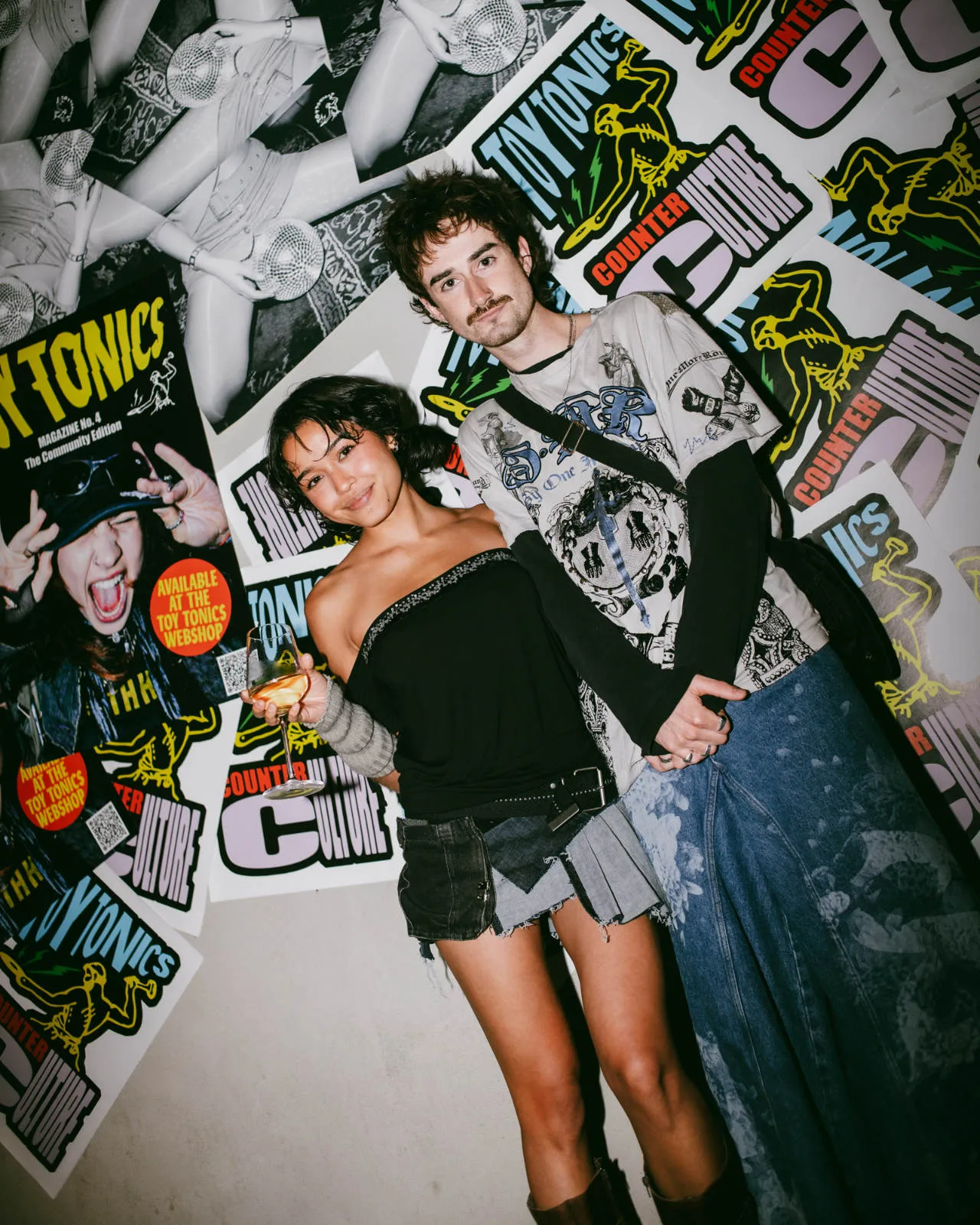
Then we bring lights and posters to our parties. It's not the usual dark and sad techno club atmospheres at Toy Tonics. It is full of our designs, and people should see each other on the dancefloors. So they can connect, meet and chat with each other. Our motto is “A stranger in life is a neighbour on the dancefloor", and that's how our parties should be. Mixing different people, styles, clothes, colours, and musical elements.
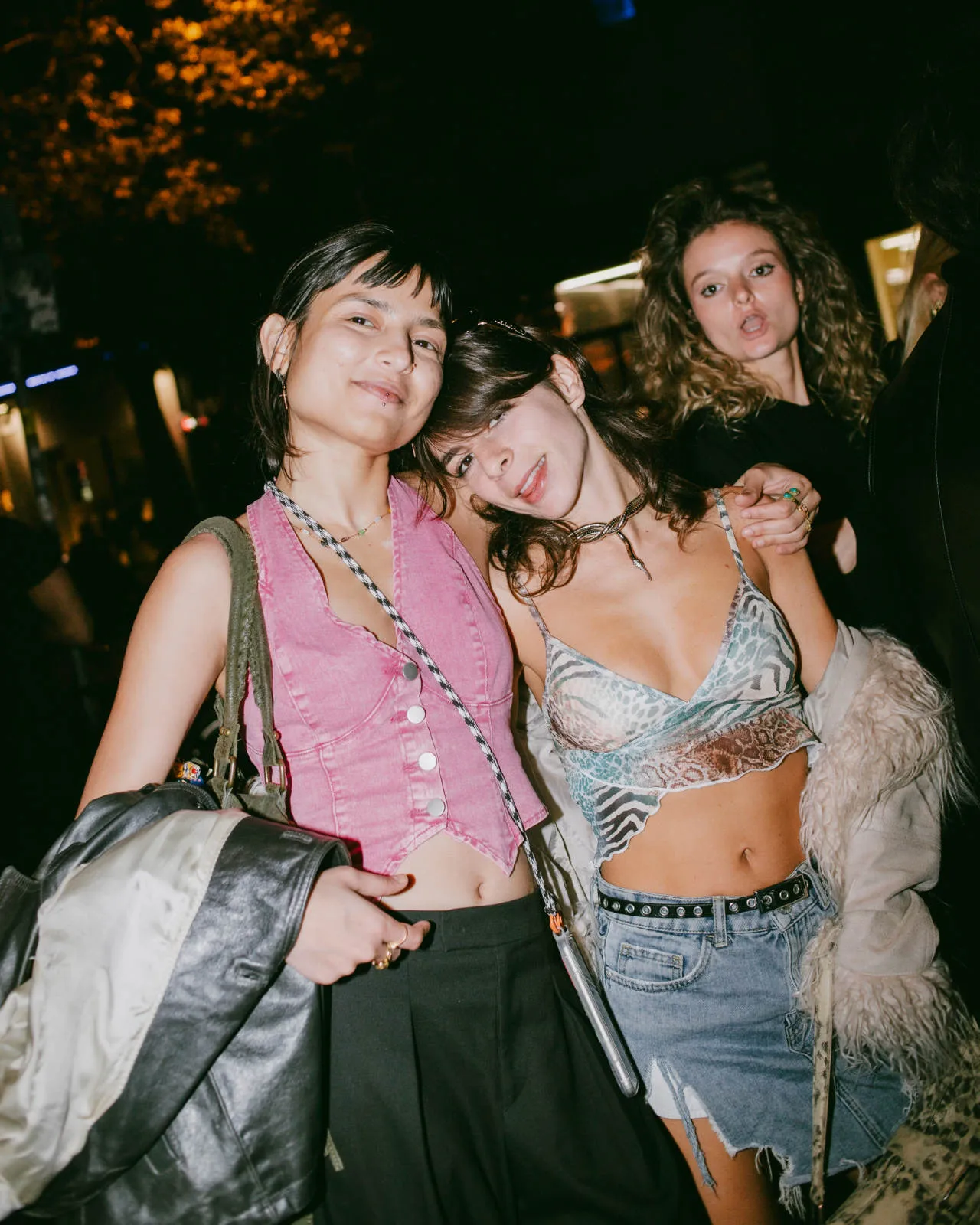
The sound is very inspired by legendary DJs like Larry Levan, Baldelli or Ron Trent, who were creating a flow out of different styles. Also, we are rooted in the way clubs and DJs in the 2000s created a positive and sometimes hysterical atmosphere in clubs. The Y2K vibes. That's very different to the monotonic and dark atmospheres that you had in many electronic music events of the last ten years. People dress up a lot at our parties around the world. Many art and fashion students come to Toy Tonics, and these people don't come to be fucked up in the dark corners of a club but want to have fun and show their styles and vibes.
Then we bring lights and posters to our parties. It's not the usual dark and sad techno club atmospheres at Toy Tonics. It is full of our designs, and people should see each other on the dancefloors. So they can connect, meet and chat with each other. Our motto is “A stranger in life is a neighbour on the dancefloor", and that's how our parties should be. Mixing different people, styles, clothes, colours, and musical elements.
The sound is very inspired by legendary DJs like Larry Levan, Baldelli or Ron Trent, who were creating a flow out of different styles. Also, we are rooted in the way clubs and DJs in the 2000s created a positive and sometimes hysterical atmosphere in clubs. The Y2K vibes. That's very different to the monotonic and dark atmospheres that you had in many electronic music events of the last ten years. People dress up a lot at our parties around the world. Many art and fashion students come to Toy Tonics, and these people don't come to be fucked up in the dark corners of a club but want to have fun and show their styles and vibes.
The Toy Tonics documentary came out two months ago and captures four very active years of that journey. What was it like to revisit that period through the film?
Manuel Werner, the director, offered to travel with us for over three years. He filmed many parties and exhibitions that we did over the years in fifteen countries, and I admit I was shocked when I saw them for the first time. So many great people and smiling faces all around the world at our gigs. It made us very happy.
The documentary opens straight inside a jam, without context or explanation. Why did starting from the dancefloor feel like the right place to tell this story?
Because in the end, we are a music label and a musicians' crew. The dance floor is the place where everything comes together. Friedrich Nietzsche once wrote, “A day without dancing is a day wasted,” and the philosopher Michel Foucault wrote about how “celebrations are the other spaces where normal rules fade, and we find a brief escape." The dance floor is such an “other space“, and we want to create possibilities for people to “escape“ through great music.
Watching the film, Toy Tonics feels less like a label and more like a shared cultural space shaped by music, visuals and people. At what point did you realise it had grown beyond being just a record project?
When we reached over a hundred parties in fifteen countries in 2024, we realised this Toy Tonics thing seems to have a bigger appeal and is more than just a record label. It became a community or a movement, as journalists call it. Let's say it with Arthur Schopenhauer: “Music is the highest form of art, because music can create a form of emotions that other art forms cannot. It can bring people together.”
And that's what I've liked to do since I was fifteen years old: organising parties and concerts to bring people together and connect them through the positivity and power of good music. With Toy Tonics, now my friends and I do this on a larger scale.
And that's what I've liked to do since I was fifteen years old: organising parties and concerts to bring people together and connect them through the positivity and power of good music. With Toy Tonics, now my friends and I do this on a larger scale.
There’s a strong presence of artists, designers and young creatives throughout the documentary. How important has that exchange with Berlin’s creative scene been in shaping Toy Tonics?
That's one of the great things about Berlin; it's not just about the techno cliches. It's a city where artists, musicians, creative people of all kinds and all parts of the world come to stay. Some for a few weeks and others for many years. And I am lucky that I meet many of these different people with different artistic approaches. And I try to involve as many of them as possible in Toy Tonics. That's not limited to music. They also do our poster designs or make our fanzines, create t-shirts or customise clothes or do the photos or visuals at our events. Toy Tonics is like a big universe of multinational creativity.
The Italian newspaper Corriere della Sera once described us as “Factory 2.0", meaning they see similarities in how Andy Warhol was bringing together different art forms in New York of the 60s and 70s, and we do this in our little way in Berlin of today... I like this comparison, of course!
The Italian newspaper Corriere della Sera once described us as “Factory 2.0", meaning they see similarities in how Andy Warhol was bringing together different art forms in New York of the 60s and 70s, and we do this in our little way in Berlin of today... I like this comparison, of course!
Berlin has a rich history of club culture, but it’s also undergoing a noticeable shift at present. How do you see this new wave of clubbing in the city, and where do you feel Toy Tonics fits within that landscape?
The big dominance of techno in the city is fading away. Of course, there are still classic clubs that have been there for twenty years that still serve the "old way of clubbing", probably mainly for tourists who want to see these old styles that Berlin was known for. But there is so much more now. Underground jazz places are improvised cultural hubs where you can experience literature events or avant-garde music happenings. There are new clubs like Studio 1111, where there is a mix of party and art happening and festivals that go much further than what Berlin was known for before. Or Mahalia, where ateliers and performative art are focused. Toy Tonics (and our sublabel Kryptox) are part of this new, colourful, and inclusive scene. I think it’s a change of city mood, like New York might have had it in the early 1990s or London in the end of the 2000s. Music, styles, clubs and areas where people hang out change.
Toy Tonics is often described as a colourful countercultural force in Berlin, offering a different mood from the city’s more rigid electronic traditions. Did that identity emerge naturally, or was it something you consciously embraced over time?
It's part of my personal DNA. I come from playing keyboards and drums in bands, and most of our DJs and producers also have a background in playing instruments. So the music we produce and play as DJs always is a combination of organic and analogue sounds and electronic production. And it sounds also quite fresh to younger ears because for the last twenty years, almost all music was 100% digital. Trap, trance, techno, pop: all made mostly digitally. So we bring in a “new“ sound that we can call “post-digital“. We bring in a human feel, a new warmth, and an edgy organic sound that people feel as real and authentic, and as music always goes in circles, this fits well in the new times.
One thing that really comes through in the film is the atmosphere at the Jams. People seem fully present, without phones becoming the focus. Why do you think this kind of environment resonates so strongly at the moment?
The funny thing is, at most of our parties, taking photos or filming is actually allowed. But most people come to dance, meet new friends and have fun. The last thing they think of is using their mobile phones. But anyway, there is nothing to hide at our parties. Everybody looks happy!
You’ve experienced different cultural cycles, from Gomma Records and your work as Munk in the early 2000s to Toy Tonics today. When you say it feels like a similar turning point again, what do you recognise most clearly?
Nightlife and dance music are always in circles, like fashion does. There are the more futuristic, monothematic and technical moments, and then you have the more post-modern and diverse or eclectic times. In fashion, we entered a very vintage, retromaniac, organic moment after the last ten years; you had all these black monothematic or pseudo-futuristic trends. Basically, we had a massive 1990s revival over the last ten years, in fashion and in music. And now we have that 2000s comeback, aka Y2K. In fashion but also in dance music. Positivity, eclecticism, colours, individualism... And my former label Gomma, as well as our current label, Toy Tonics, reflect those vibes much more.
The film depicts a project that grows steadily. How do you protect that sense of patience as Toy Tonics continues to expand internationally?
We go with the flow. And we pretend nothing; we just do our thing. And if more people like it, that's great. It is never a bad sign if an art form gets popular. From Rembrandt to Picasso, Pollock to Margiela. Miles Davis to Prince. Underground can become overground. If there is enough emotion, passion and authenticity behind it, it's normal that you can grow.
This idea of evolution connects closely with your upcoming release, Wildstyle House. How does this compilation sit within the story told in the documentary?
We want to show all these new styles that are happening in the four-to-the-floor world. Young people mix different moods in new and fresh ways. So we started this new compilation. And we wanted to create a name for this new way to mix different music vibes. We thought the wild mix of styles in house music might be well reflected in the term “Wildstyle House".
The compilation brings together artists from very different backgrounds and scenes, from Marla Kether and Elado to Daniel Monaco, ALOT or Melon Bomb. What excites you most about placing these voices side by side on the same record?
Bringing the world together in our own little way, musically and culturally. All these producers make different sounds, but all can fit together well. I think it's a very modernistic approach.
Many of the tracks move between club music and something more open-ended. How do you see house and disco evolving through these hybrid approaches?
Art has always been hybrid. New things in music and art always evolve from something from the past, as an evolution or a recombination. So this compilation is just a normal part of cultural development.
Last month, you launched the Toy Tonics Art Jams as a residency at Studio 1111 in Berlin. What made that space the right home for this new chapter?
The Berlin way of creating a club has become a slight cliche over the last thirty years. Raw, undecorated, dark, dirty places with no lights and cold employees are something we saw already in the 90s... and it seems most clubs followed that example. But in recent years, this type of clubbing has become almost a tourist attraction. We think these new spaces, like Studio 1111 with its great 360° visual wall and location in the heart of the new gallery area and being more of an art space than a nightclub, feel quite fresh in Berlin. And we thought it was cool to bring together visual artists and great DJs in the place to do a different way of clubbing for 2026.
The Art Jams combine music with visual work by artists and designers like Kostas Mukudis and Michael Ullrich. How does involving visual artists change the dynamic of the nights?
Working with lights and visuals was never a Berlin thing. So, as we always want to do things differently, bringing in this element of art is fresh.
With the documentary still resonating and Wildstyle House coming out now, how would you describe where Toy Tonics stands within Berlin’s cultural landscape today? And if you could send one message to people around the world right now, what would it be?
Toy Tonics is very “new Berlin“. We are different from the clichés of the old, monotonic, hard image of Berlin of the last twenty or maybe two hundred years. We involve as many international artists, personalities and styles as possible. We mix cultures, music, graphic design, and attitudes. Colour and individuality are our thing. Which stands in contrast to the deeply Protestant and Wilhelmine-era culture that shaped Berlin for centuries. So we are definitely a provocation to many “old” Berliners. And that’s exactly what we like. Toy Tonics is anarchic. Berlin can be conformist.
My message for the world would be that kindness is the new coolness. The more insecure you feel, the more we all should be nice to each other. Because the kinder we are on a personal level, the less it makes sense to be aggressive on a bigger scale. Or to say it with Toy Tonics' words: a stranger in life is a neighbour on the dancefloor.
My message for the world would be that kindness is the new coolness. The more insecure you feel, the more we all should be nice to each other. Because the kinder we are on a personal level, the less it makes sense to be aggressive on a bigger scale. Or to say it with Toy Tonics' words: a stranger in life is a neighbour on the dancefloor.