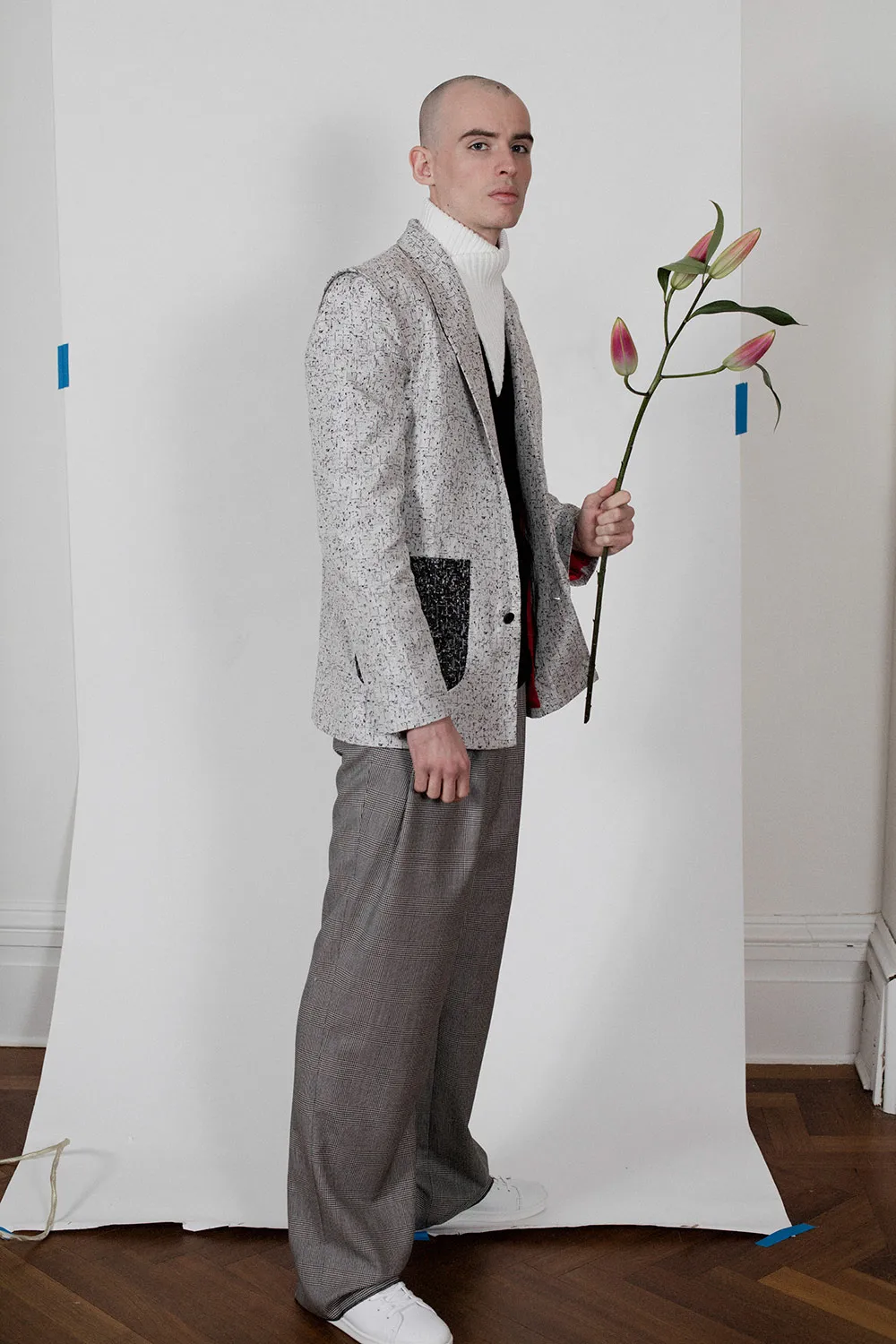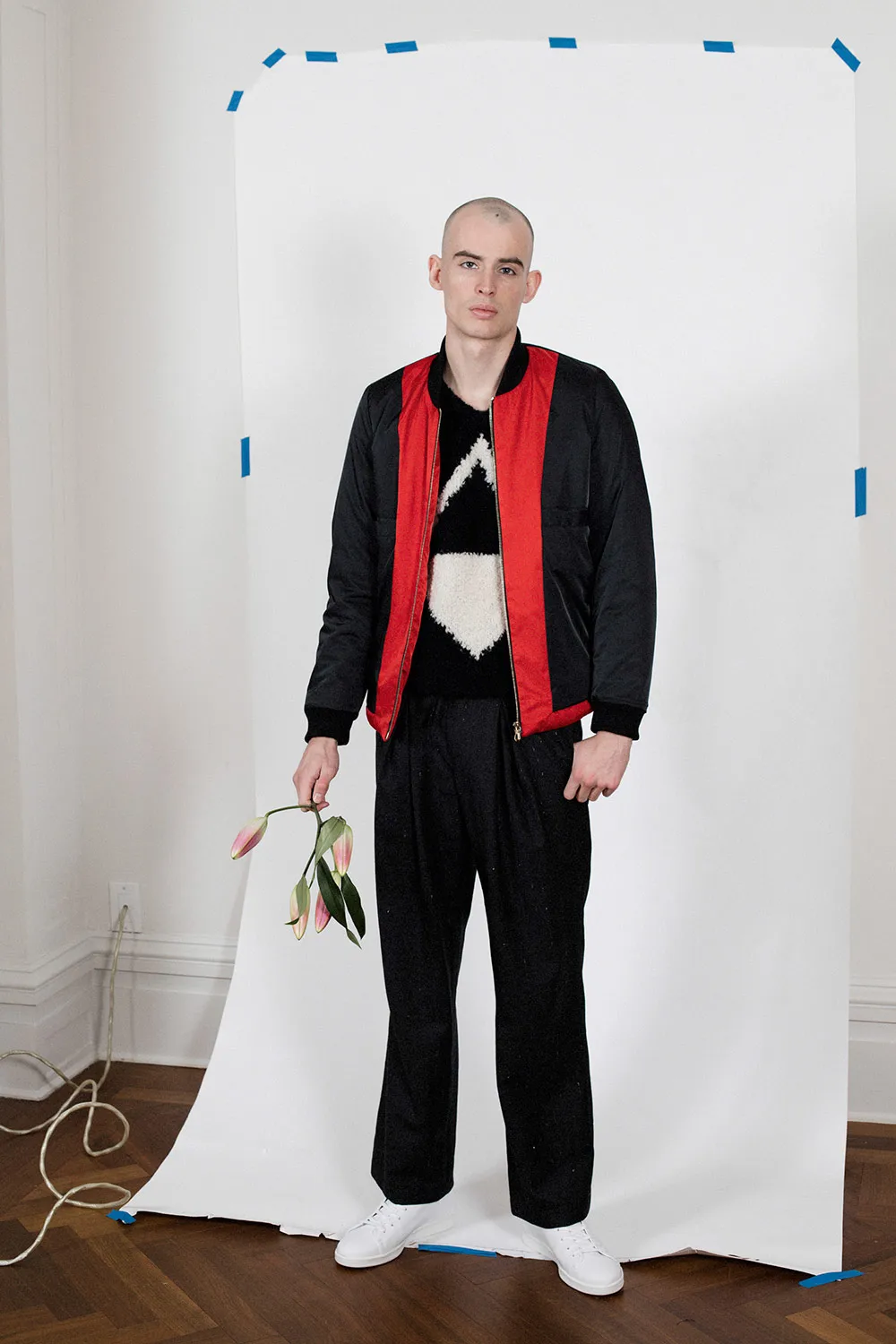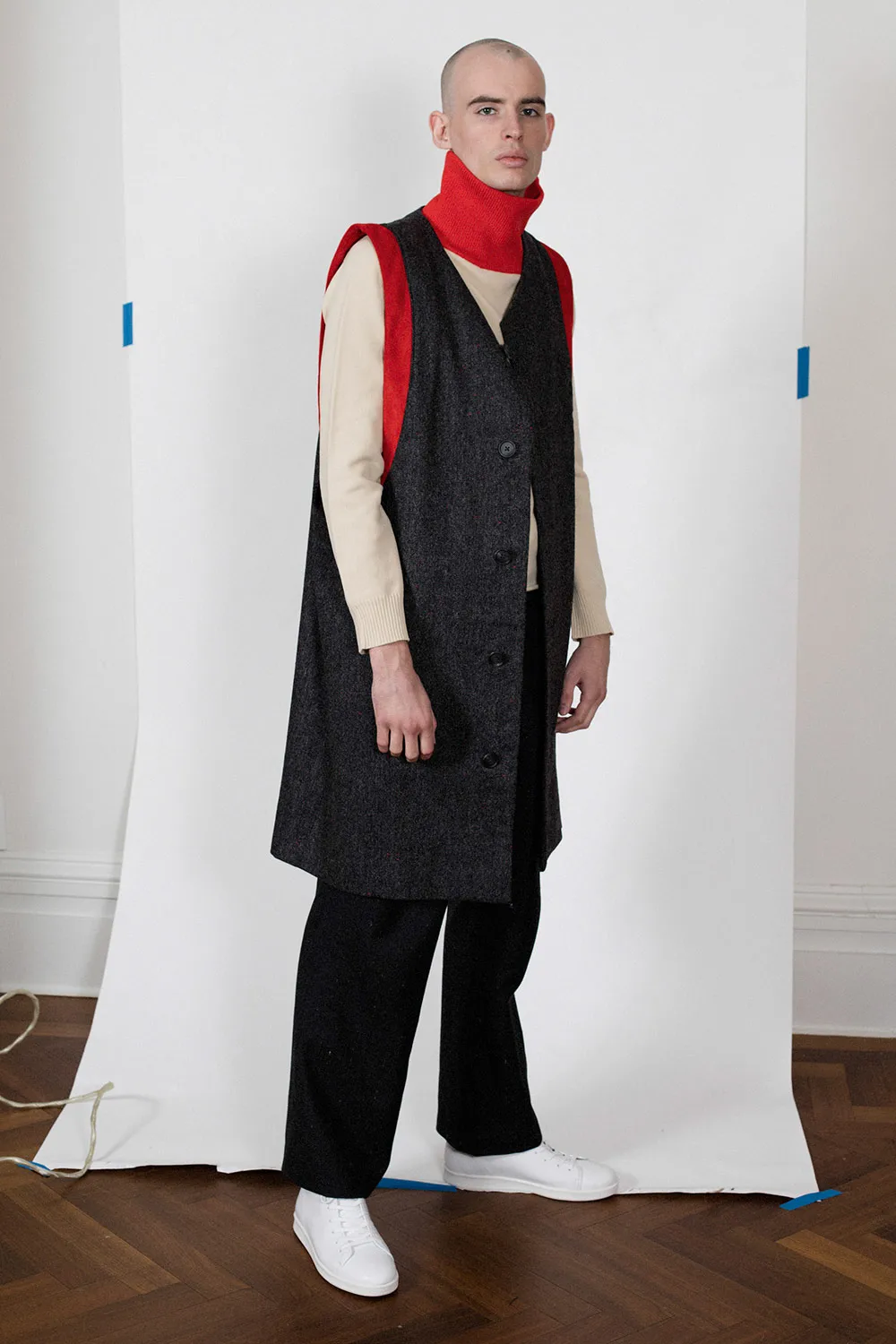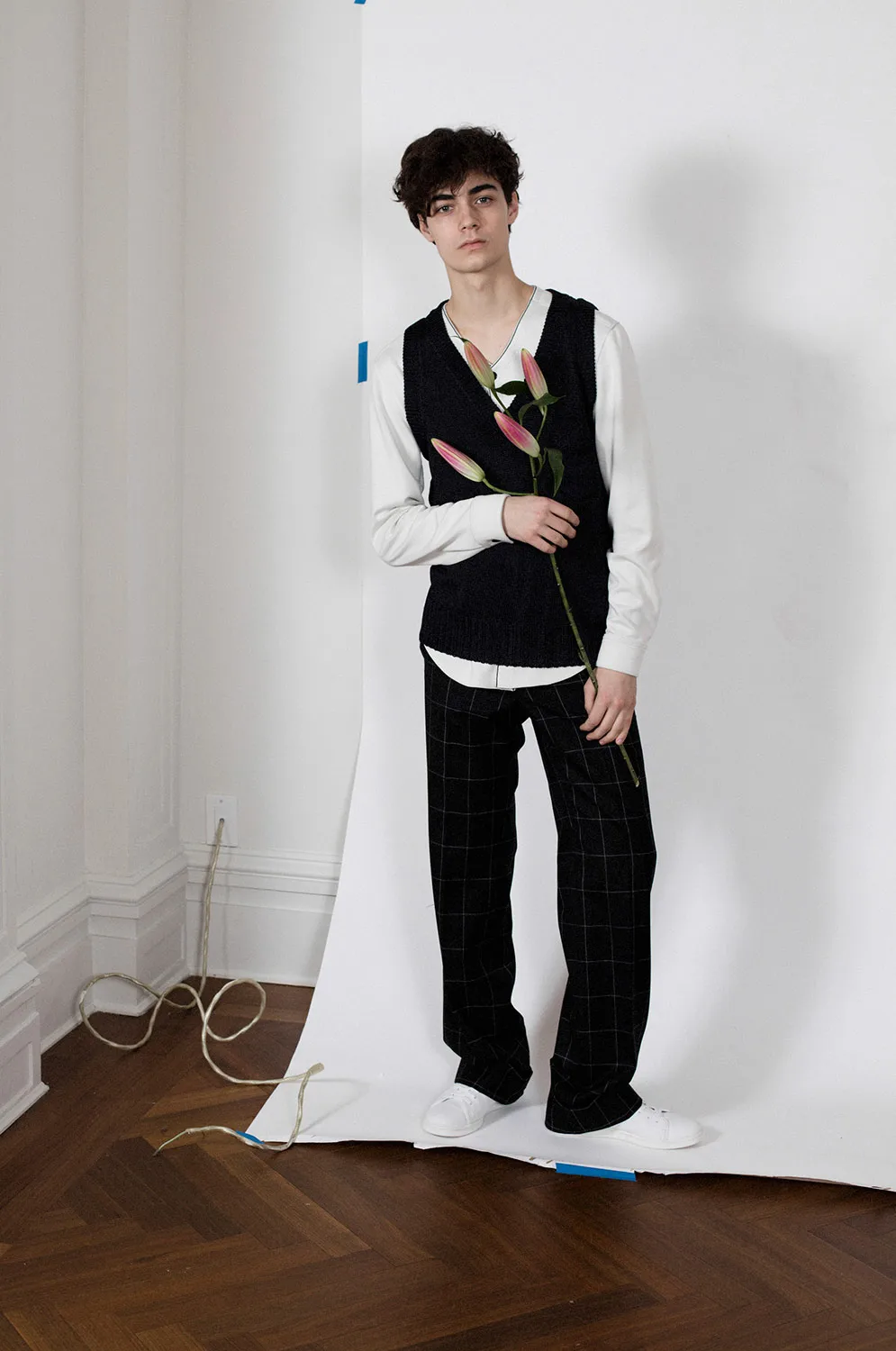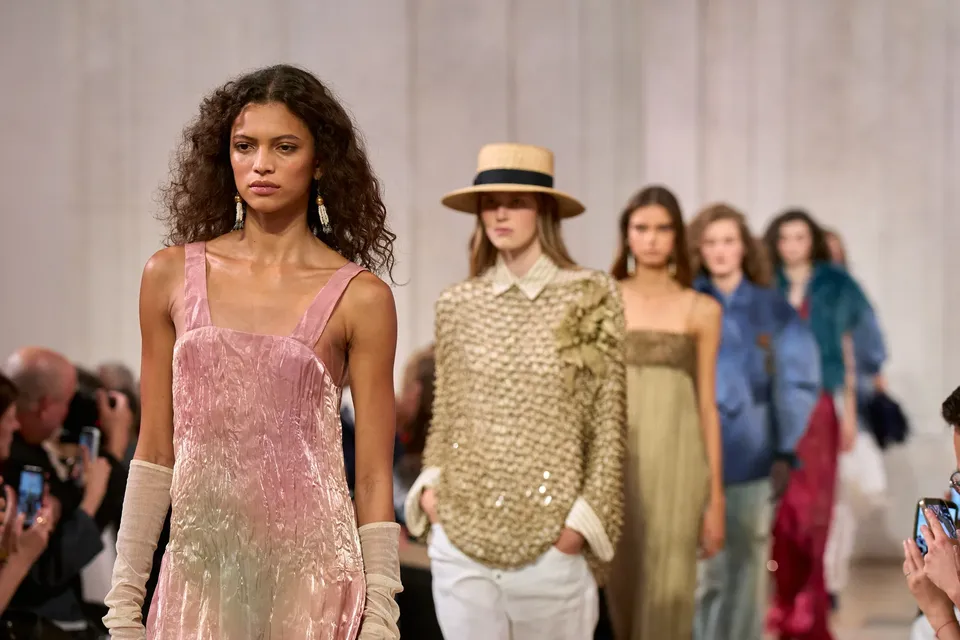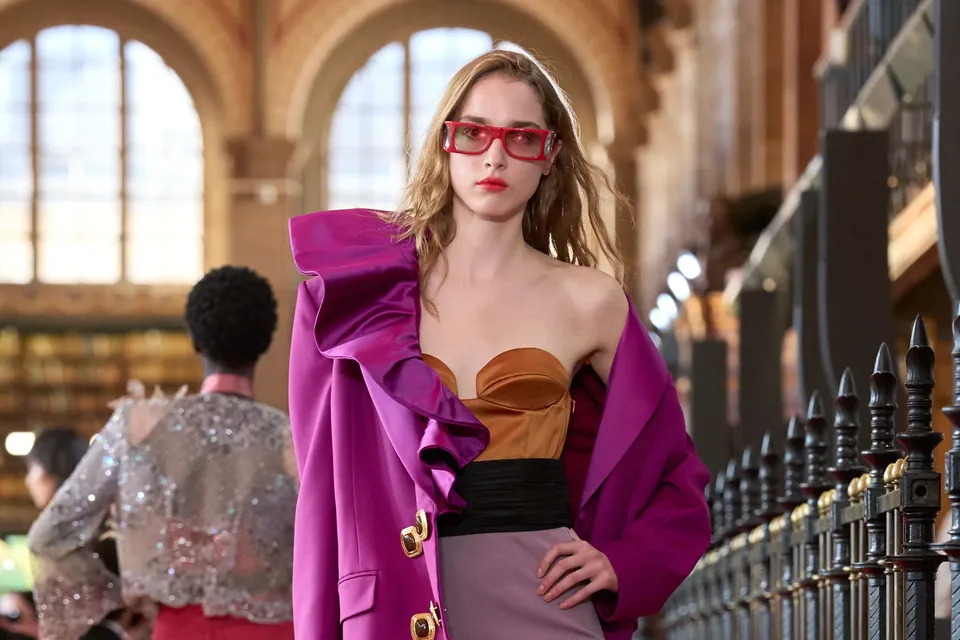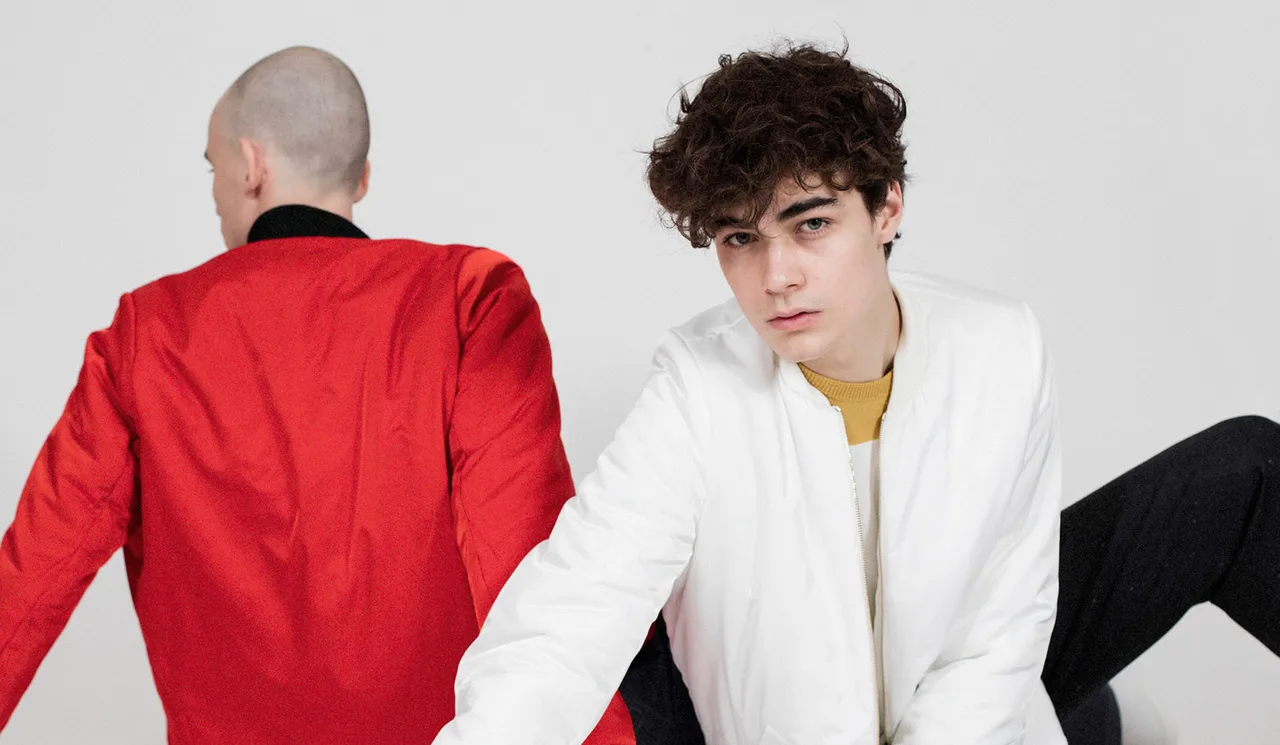
Creating a brand, establishing yourself and evolving in an environment where globalisation is driving the industry is a real challenge. With its geographical and cultural differences, cities still play a role in the development of a design career. We have discussed this with London, New York, and Berlin based emerging fashion talents – a reflection on where our generation is leading towards to in a complex and ever changing industry.
Berlin with Goetze
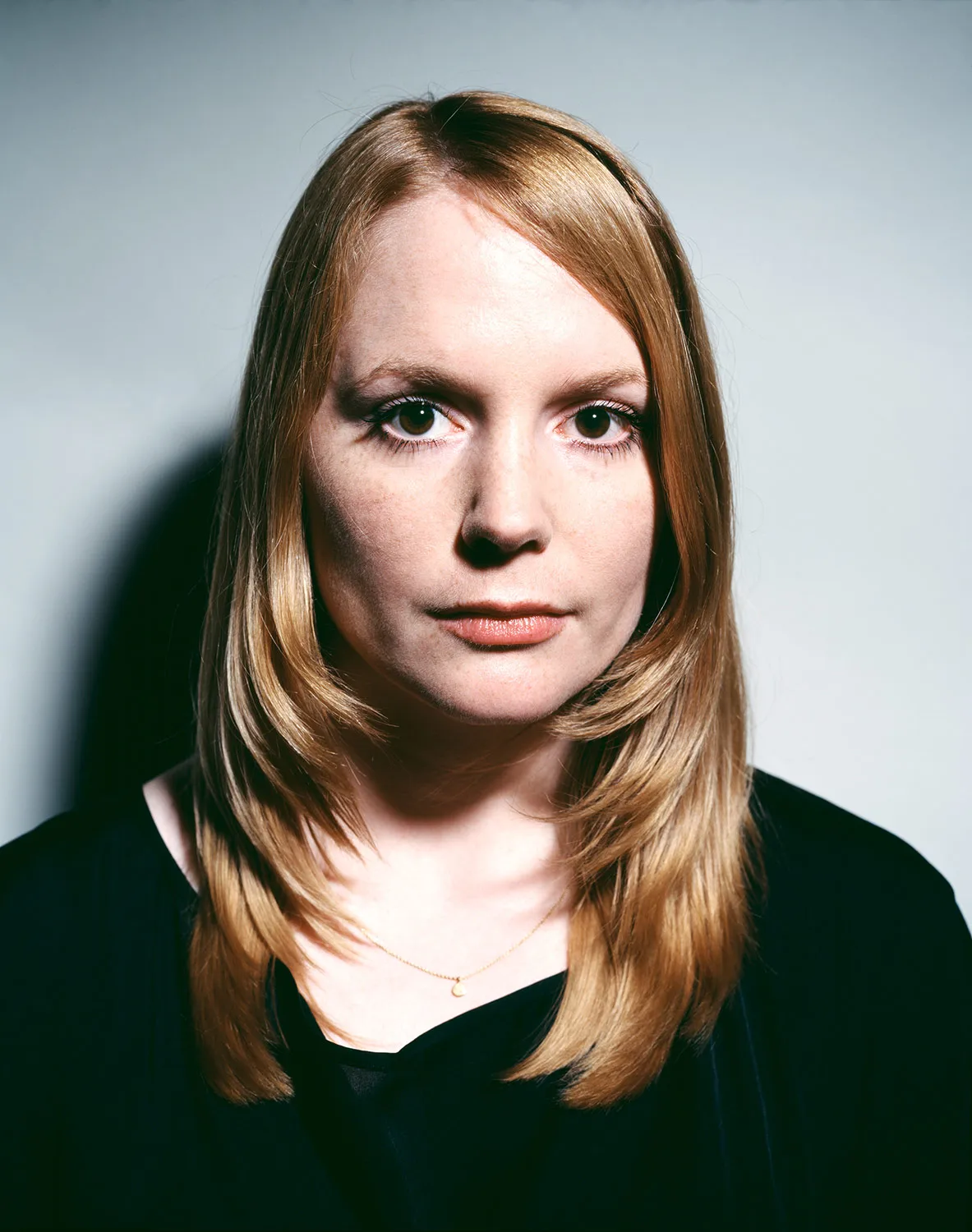
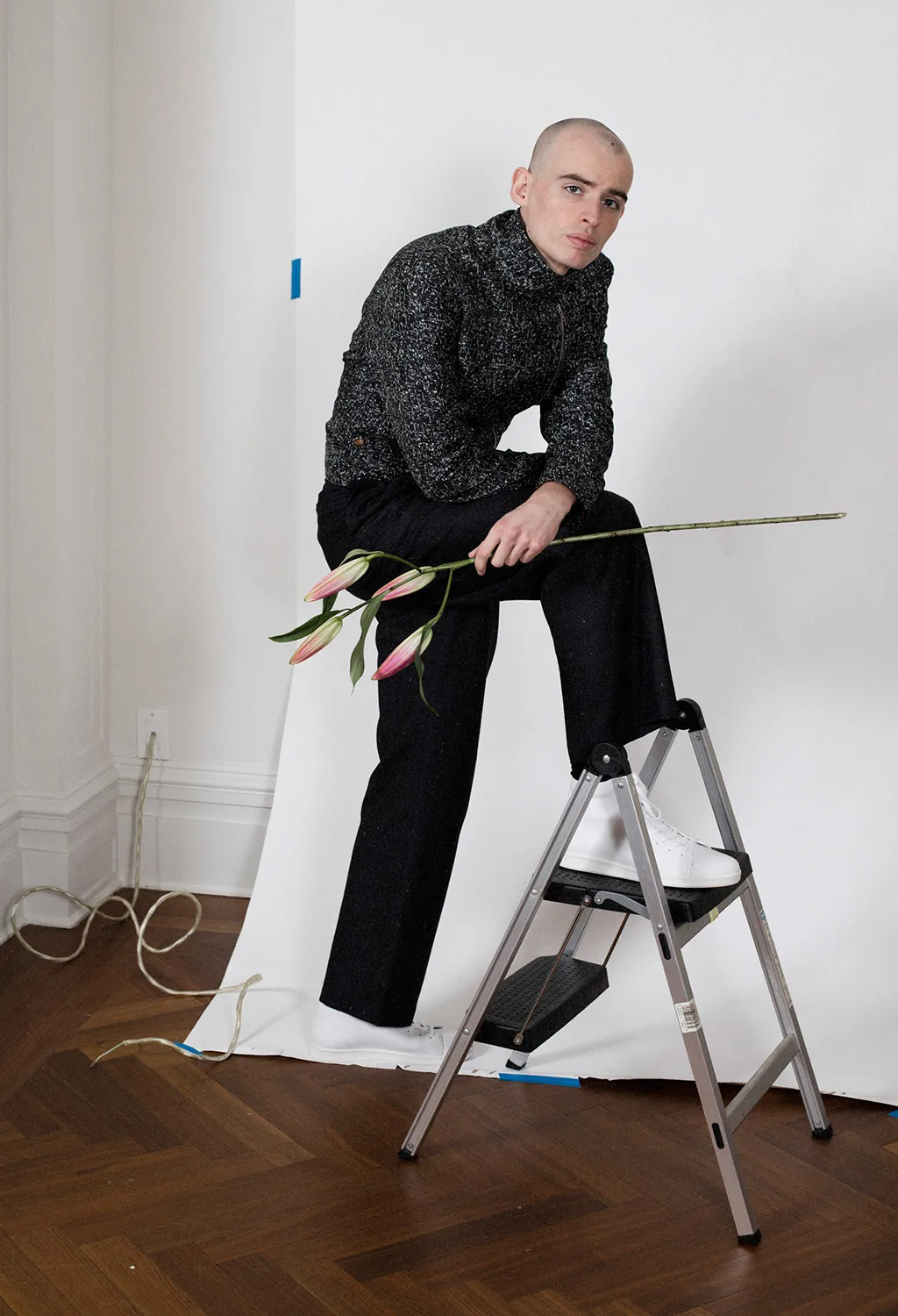
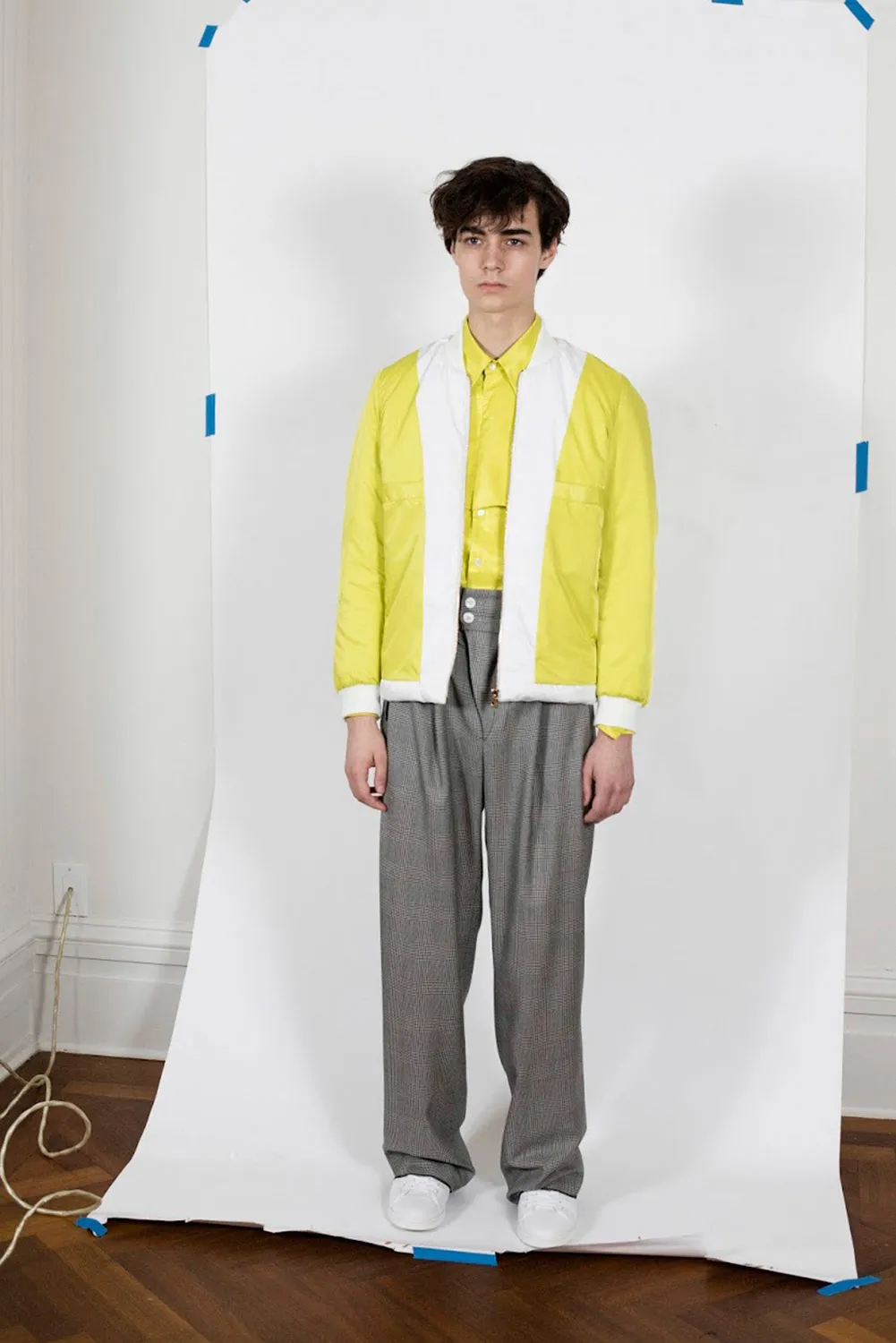
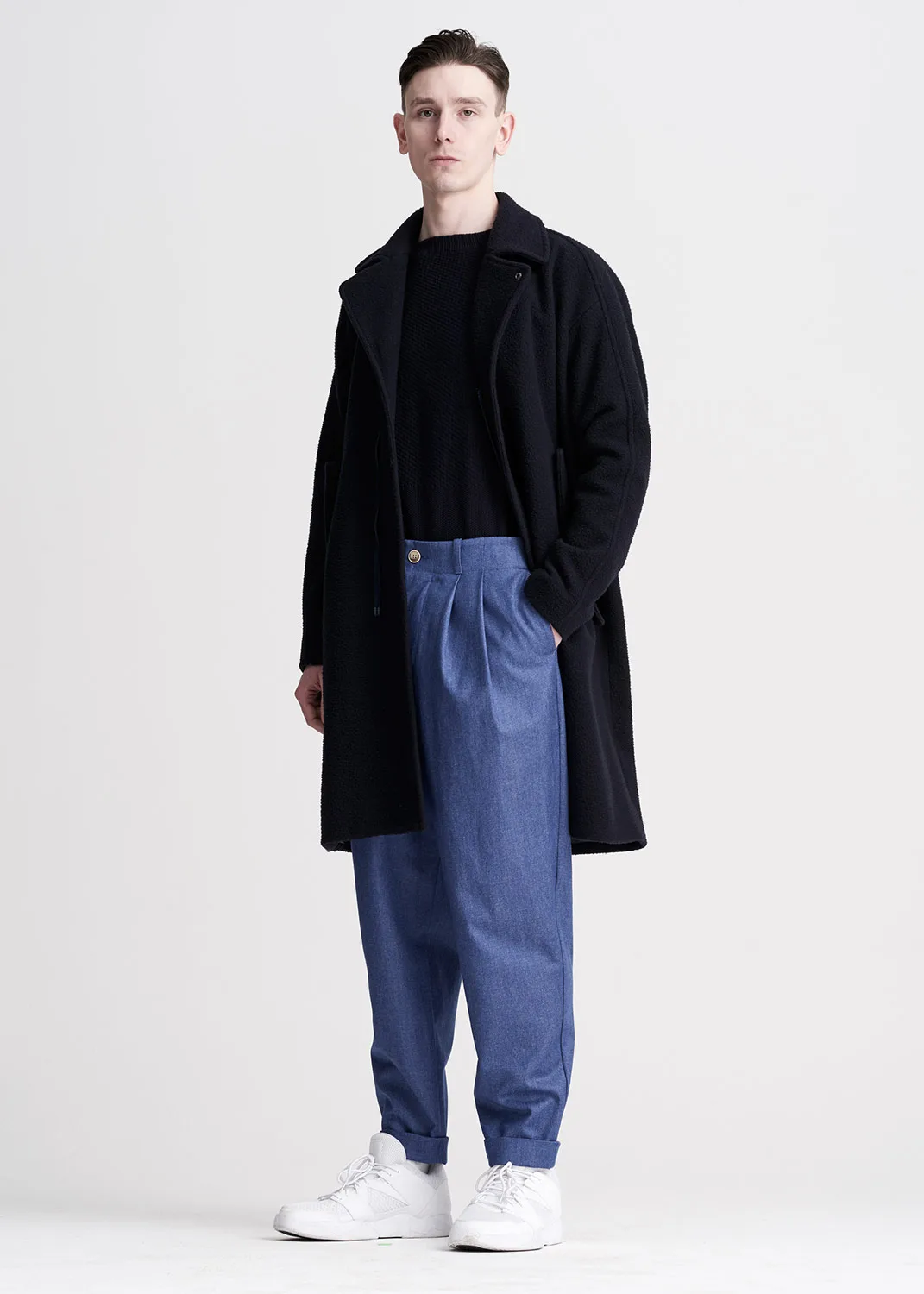
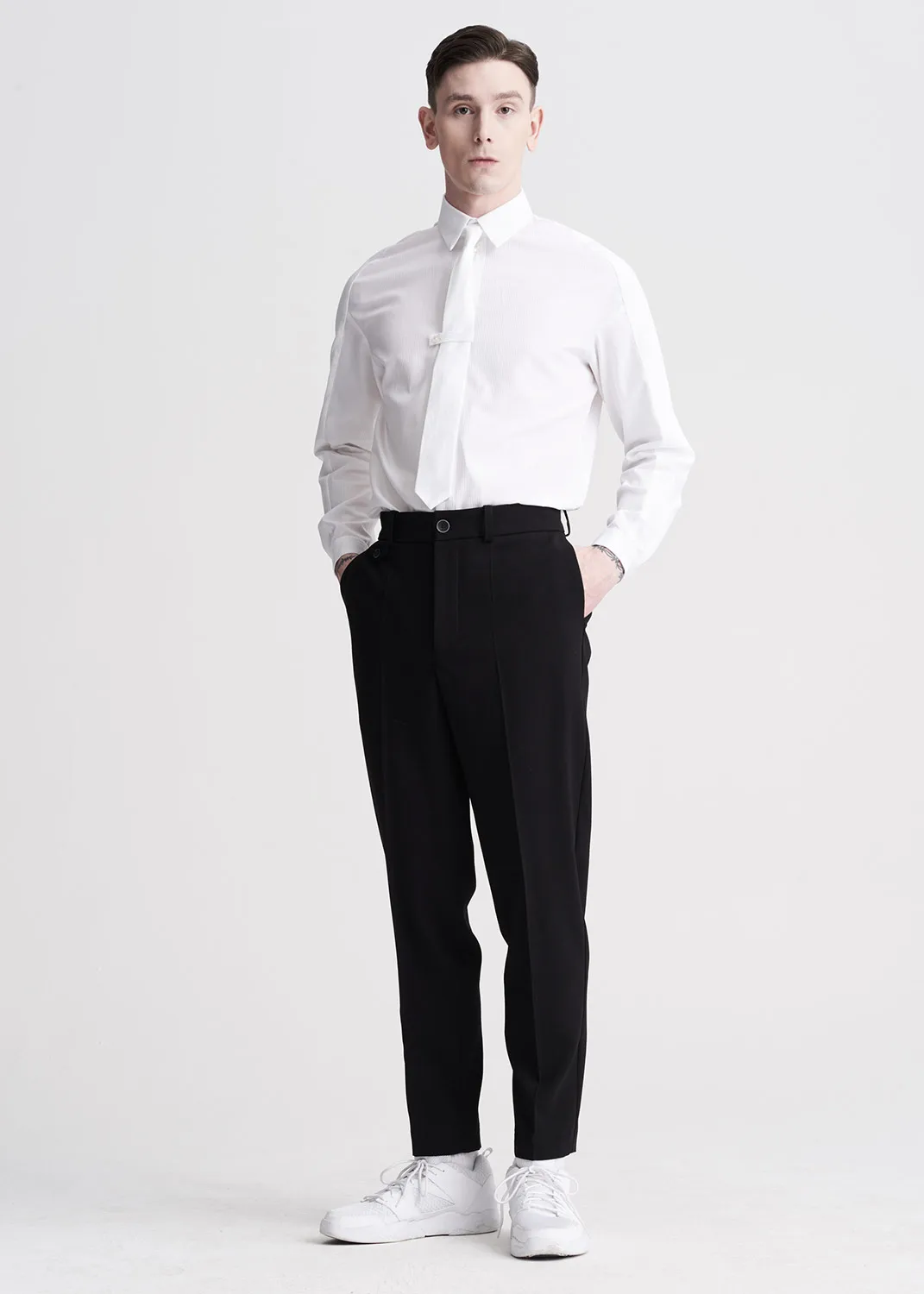
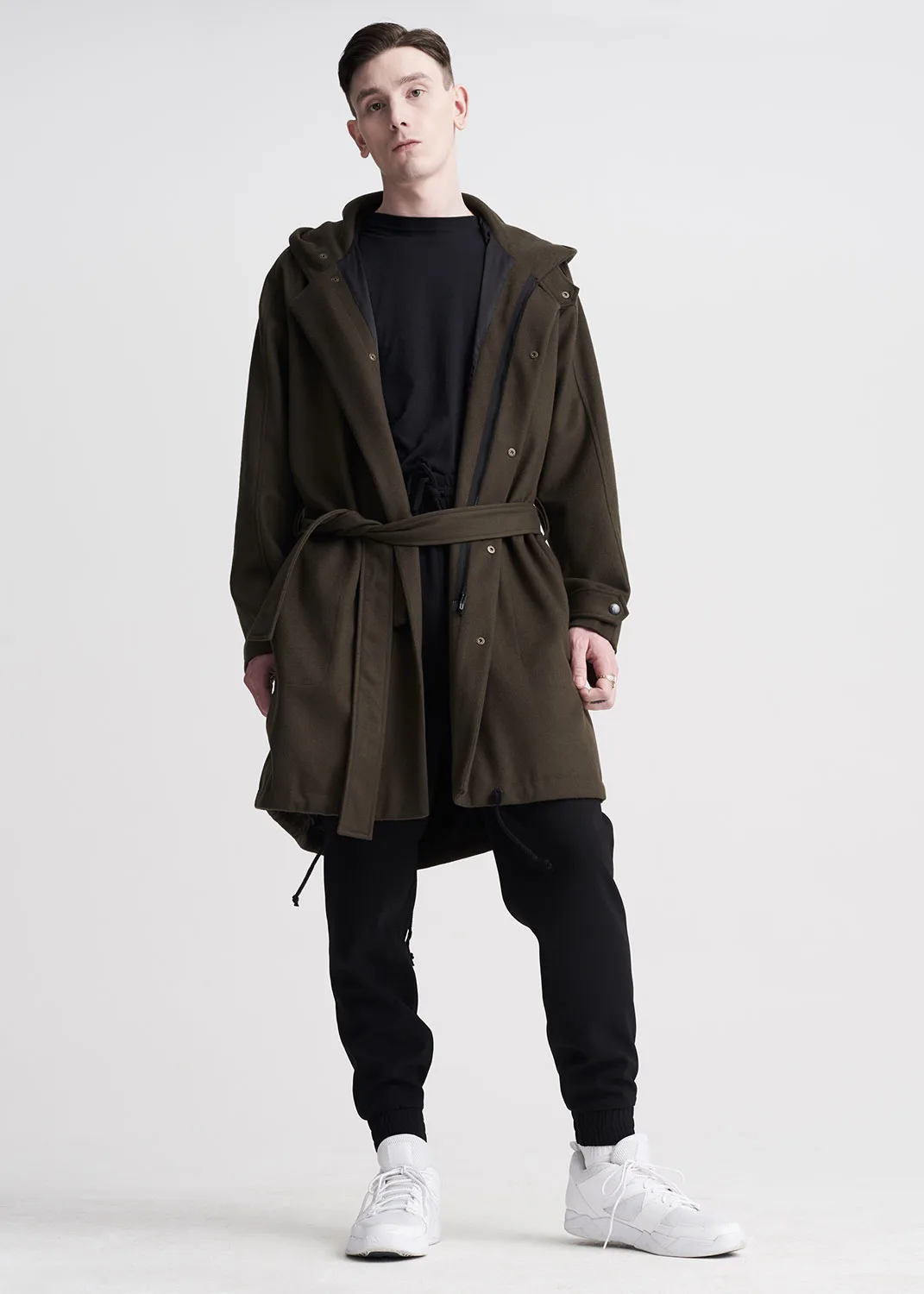
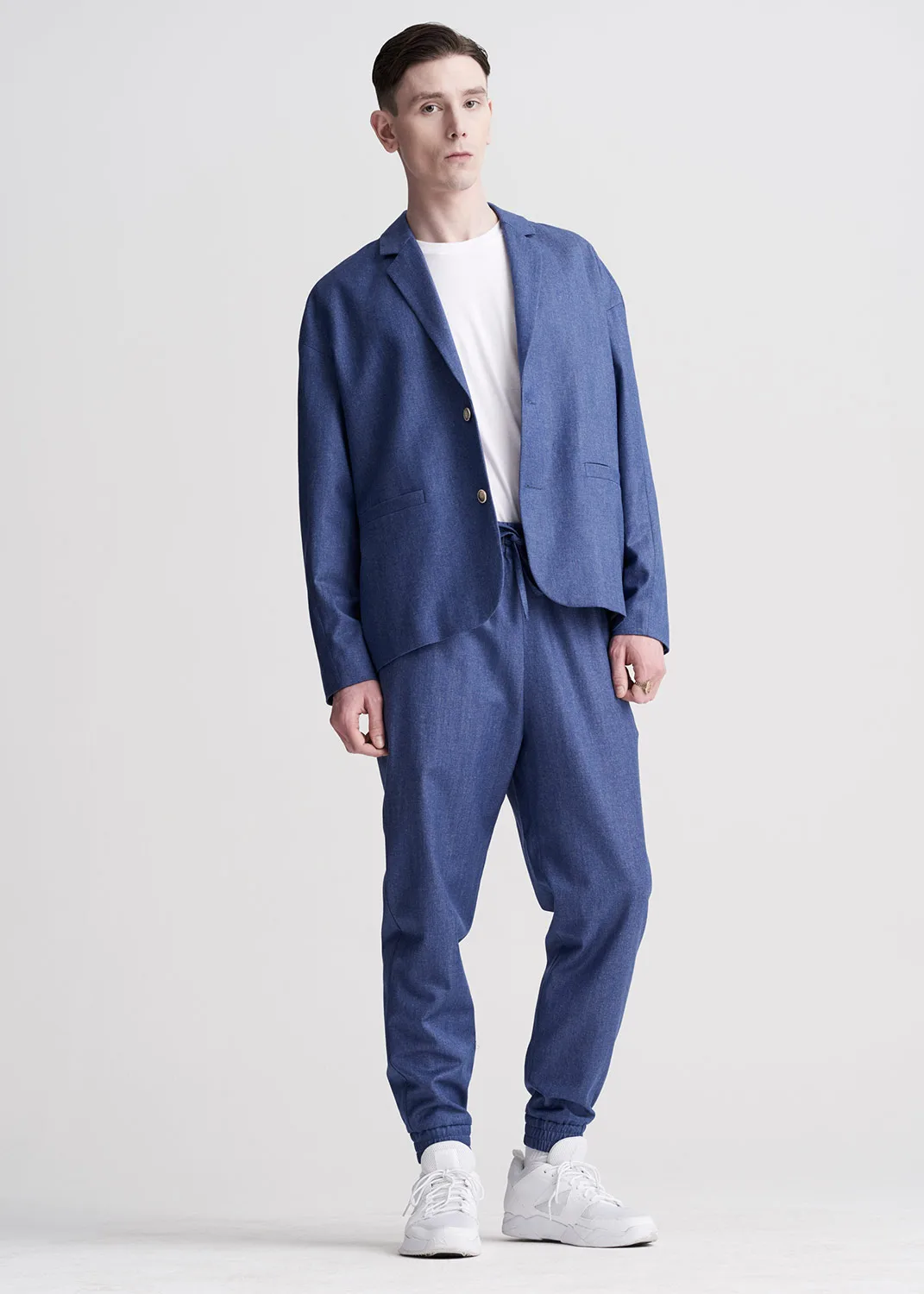
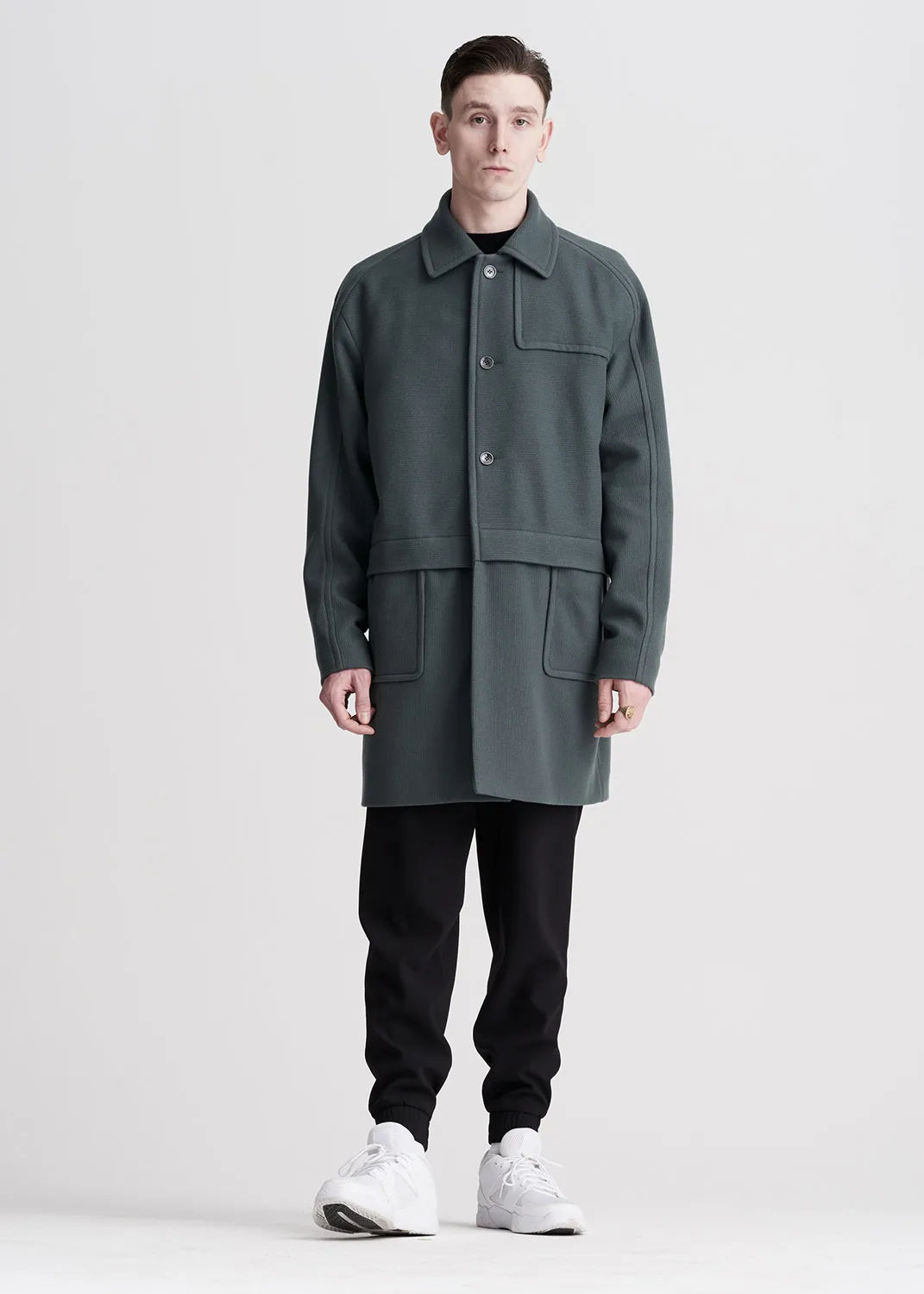
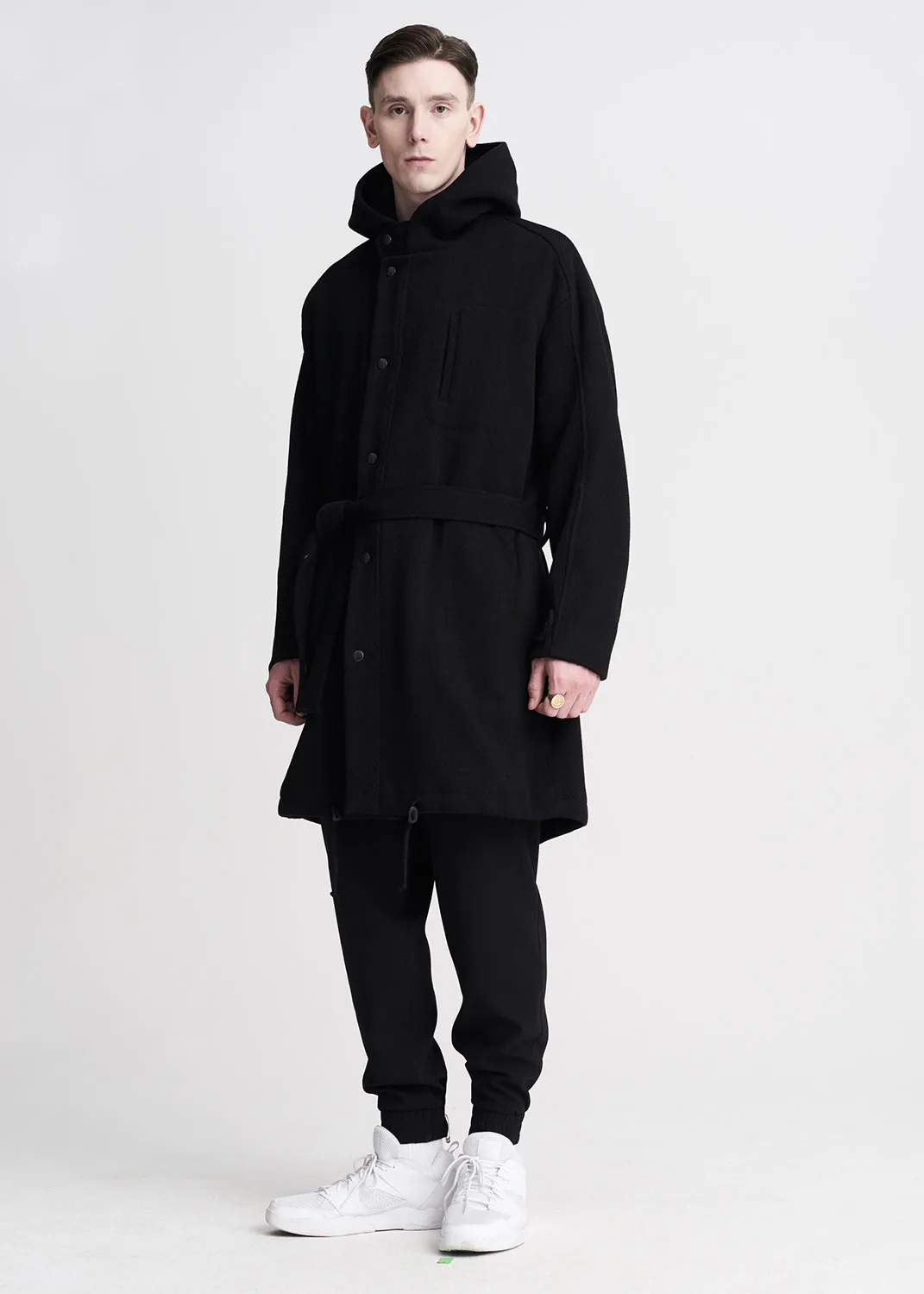
Goetze is a menswear designer based in Berlin, a city with a strong and influential past. "In Berlin the consequences of the division and reunification are something one feels on a daily level. It’s an atmosphere of continuous becoming. Before the reunification, both sides of the city were isolated in very different ways. In the past twenty years we have been witnessing a radical shift from Berlin being isolated to becoming a major actor in global politics and arts. The city’s particular history rarely allows it to meet its expectations, often stemming from comparisons to other cities that have had a more continuous and less disrupted development. This scattered identity, revealing itself in the notorious underdressing in military and sportswear and the casual formality of cultural entrepreneurs, is something that naturally resonates in my work," explains Sissi, the designer.
The difficulties experienced when creating her label –straight after graduating– are coming from different aspects in the process of development. "The industry is not necessarily welcoming to young businesses. Even gaining access to basic resources like fabrics or trimmings of your choice can be challenging at first due to certain minimums manufacturers require. Finding reliable production sites is another challenge, finding a sales agency that is interested to work with you seems almost impossible at first, and basic communications don’t get the attention they need because one’s head is spinning with the organisational hurdles that need to be mastered. As a result, finding a pricing strategy that works for both my company and the buyer is an ongoing struggle," highlights the emerging designer. "Since I founded my company, I pay utter attention to the qualitative execution of my designs. I work with production sites in Poland and Germany with which I have an extraordinary good relation. All fabrics and materials are manufactured in Europe."
Since the creation in 2007 of Berlin Fashion Week and the additional support from the institutions, the evolution of the fashion scene is clearly noticeable. "When I founded my label in 2011 there was a spirit of taking German fashion design more seriously, which resulted in a support of young local designers by the German press and state institutions. Since then many labels have emerged in Berlin. When it comes to production, communication, and quality, labels are definitely more professional now."
The difficulties experienced when creating her label –straight after graduating– are coming from different aspects in the process of development. "The industry is not necessarily welcoming to young businesses. Even gaining access to basic resources like fabrics or trimmings of your choice can be challenging at first due to certain minimums manufacturers require. Finding reliable production sites is another challenge, finding a sales agency that is interested to work with you seems almost impossible at first, and basic communications don’t get the attention they need because one’s head is spinning with the organisational hurdles that need to be mastered. As a result, finding a pricing strategy that works for both my company and the buyer is an ongoing struggle," highlights the emerging designer. "Since I founded my company, I pay utter attention to the qualitative execution of my designs. I work with production sites in Poland and Germany with which I have an extraordinary good relation. All fabrics and materials are manufactured in Europe."
Since the creation in 2007 of Berlin Fashion Week and the additional support from the institutions, the evolution of the fashion scene is clearly noticeable. "When I founded my label in 2011 there was a spirit of taking German fashion design more seriously, which resulted in a support of young local designers by the German press and state institutions. Since then many labels have emerged in Berlin. When it comes to production, communication, and quality, labels are definitely more professional now."
London with Edward Crutchley
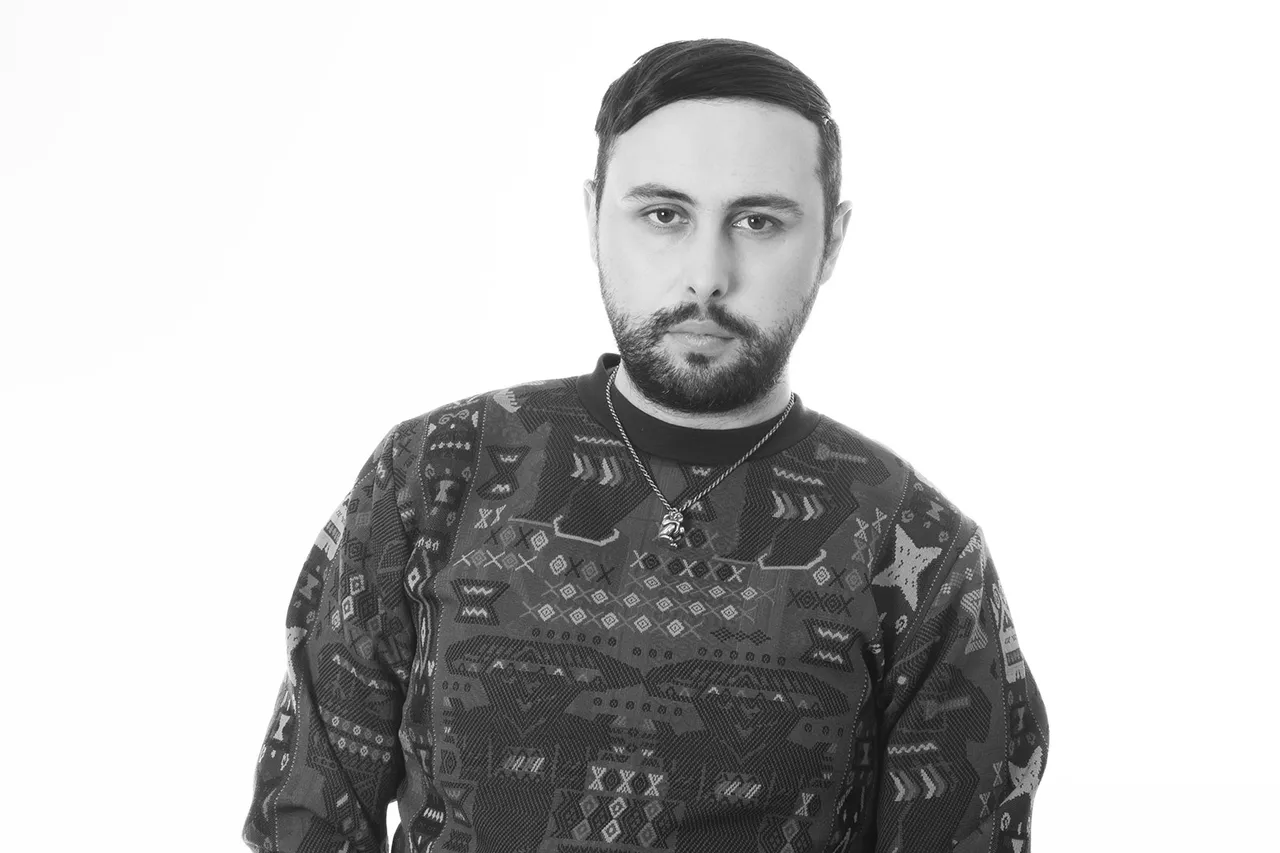
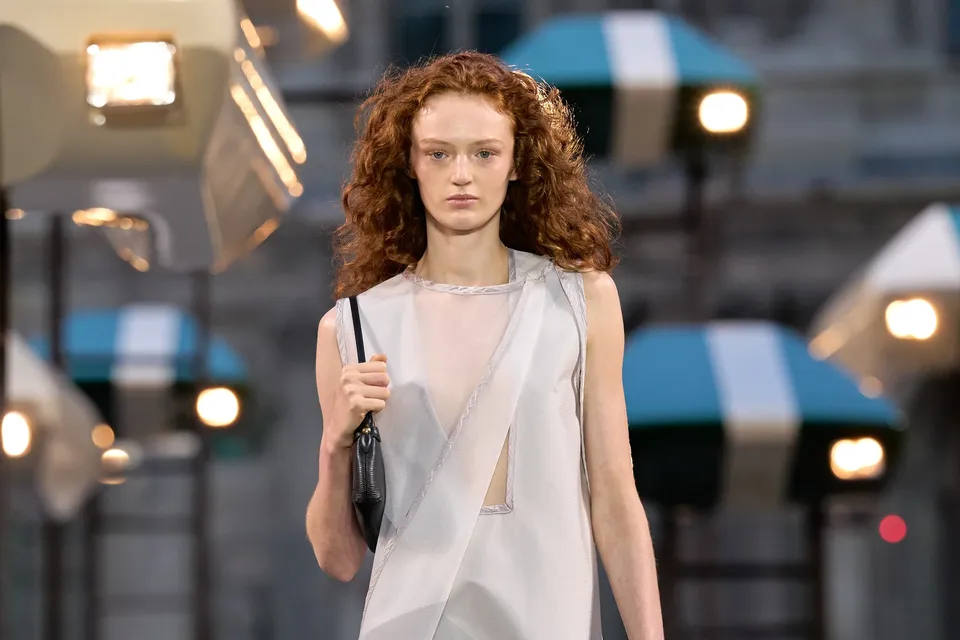
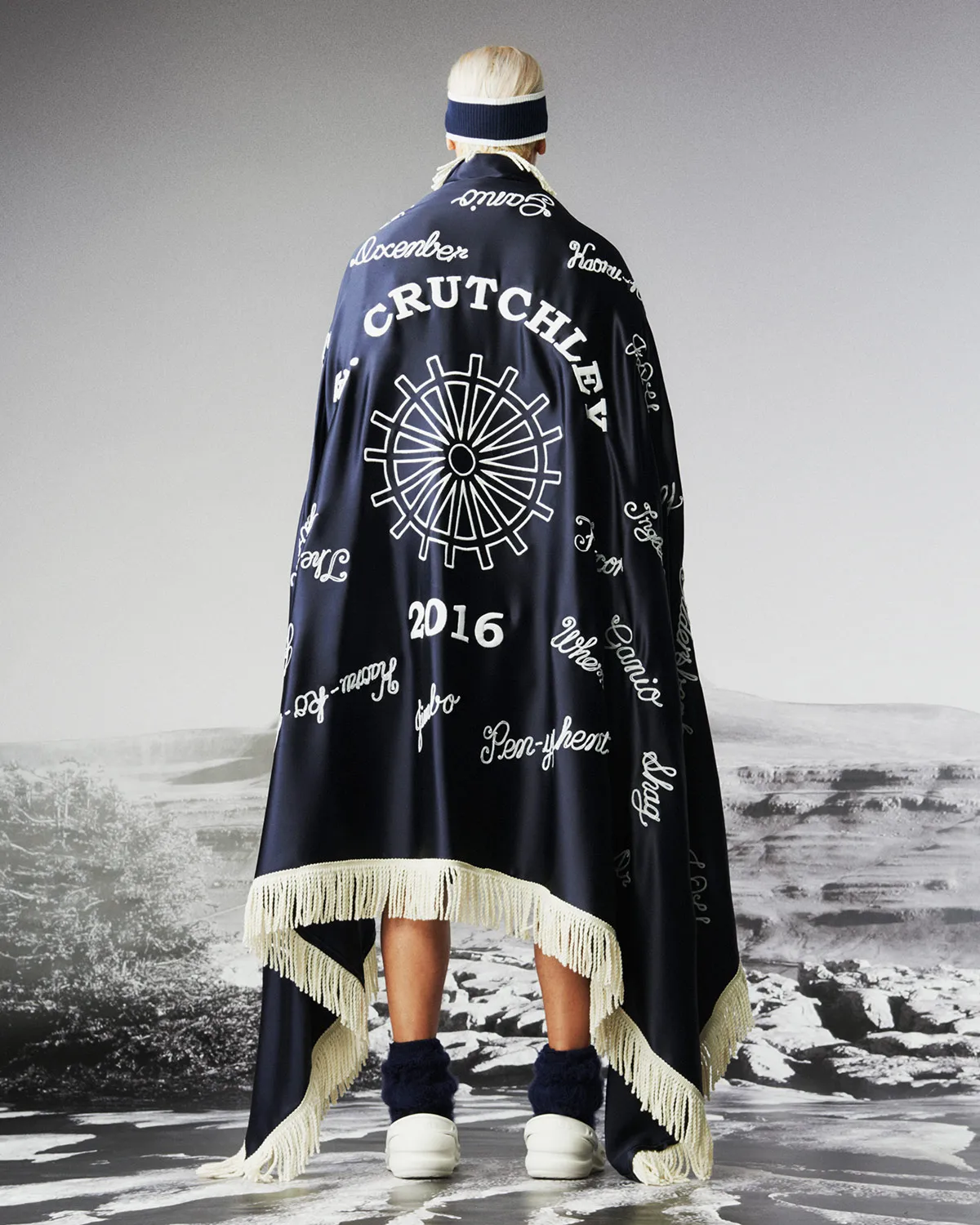
Central Saint Martins’ graduate Edward Crutchley is known for his approach to luxury sportswear. Based in London, the young designer evolves in a city with a constant desire for innovation. "People want the freshest thing. But I don’t think that is necessarily just a London thing. Young designers have such a global reach that they can feed their ideas out globally. What is different in London is the rejection of success as something cool. Struggle seems to be more important than anything else. When you’ve made it, people don’t want to know about you anymore. It can also be quite prescribed in what is seen as exciting. If your work is rough, raw and even a little angry, that’s what people want to see. Refinement, and even style, are not good things."
Establishing a brand comes with commitments like shaping the image towards clients, from conception to final product. The importance of the made-in has always been in discussion, especially since the globalisation helped liberate the location and cost of the production processes. "For me it is so important. For AW16 I wanted to see if I could make everything in the UK. Britain has such amazing manufacturers that produce some of the finest materials in the world. But the British fashion industry doesn’t champion them in the way the Italians or Japanese do. Working in the UK does have its limitations, of course, you can’t always do everything you would like. My approach is to use the best of British where I can, but if I have something I want to do that can’t be done within this country, I look elsewhere. Pushing the idea of made in Britain and a new sense of British luxury give an extra layer of narrative and sense of grounding to my products, which is something that customers do appreciate."
With the use of Instagram and other platforms, awareness towards brands are reaching now a much larger audience. "Social media has changed everything. When I post on Instagram I can engage immediately with customers from all over the world. That has fed through to retail in that now the interest from stores is rarely British. Korea, the USA, China, Japan, Russia are the ones looking to young British designers, as their customers are looking outside of their own countries to find clothing that speaks to them. There is the London cool factor that really helps British designers, but that has always performed better as an export than it has at home."
Establishing a brand comes with commitments like shaping the image towards clients, from conception to final product. The importance of the made-in has always been in discussion, especially since the globalisation helped liberate the location and cost of the production processes. "For me it is so important. For AW16 I wanted to see if I could make everything in the UK. Britain has such amazing manufacturers that produce some of the finest materials in the world. But the British fashion industry doesn’t champion them in the way the Italians or Japanese do. Working in the UK does have its limitations, of course, you can’t always do everything you would like. My approach is to use the best of British where I can, but if I have something I want to do that can’t be done within this country, I look elsewhere. Pushing the idea of made in Britain and a new sense of British luxury give an extra layer of narrative and sense of grounding to my products, which is something that customers do appreciate."
With the use of Instagram and other platforms, awareness towards brands are reaching now a much larger audience. "Social media has changed everything. When I post on Instagram I can engage immediately with customers from all over the world. That has fed through to retail in that now the interest from stores is rarely British. Korea, the USA, China, Japan, Russia are the ones looking to young British designers, as their customers are looking outside of their own countries to find clothing that speaks to them. There is the London cool factor that really helps British designers, but that has always performed better as an export than it has at home."
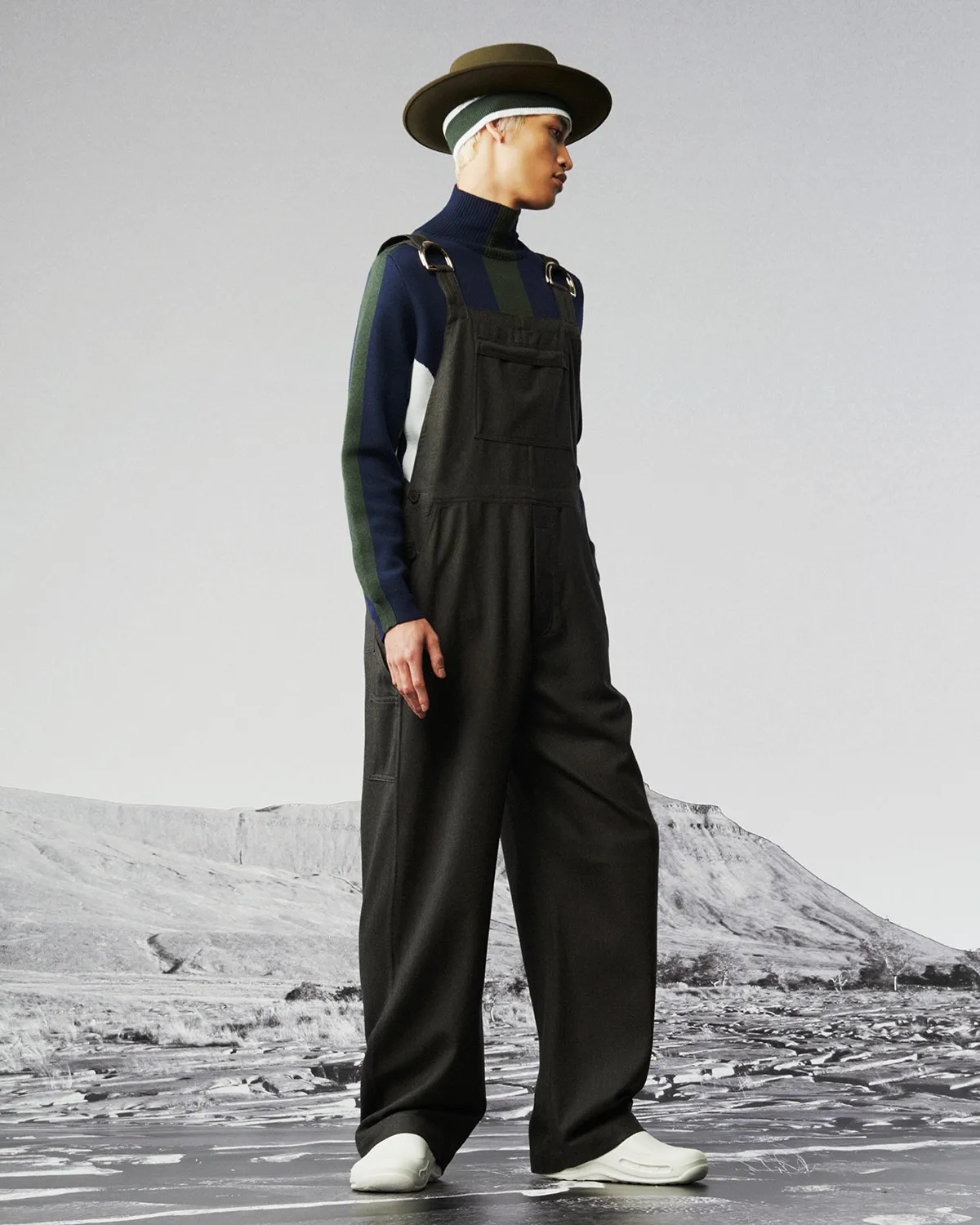
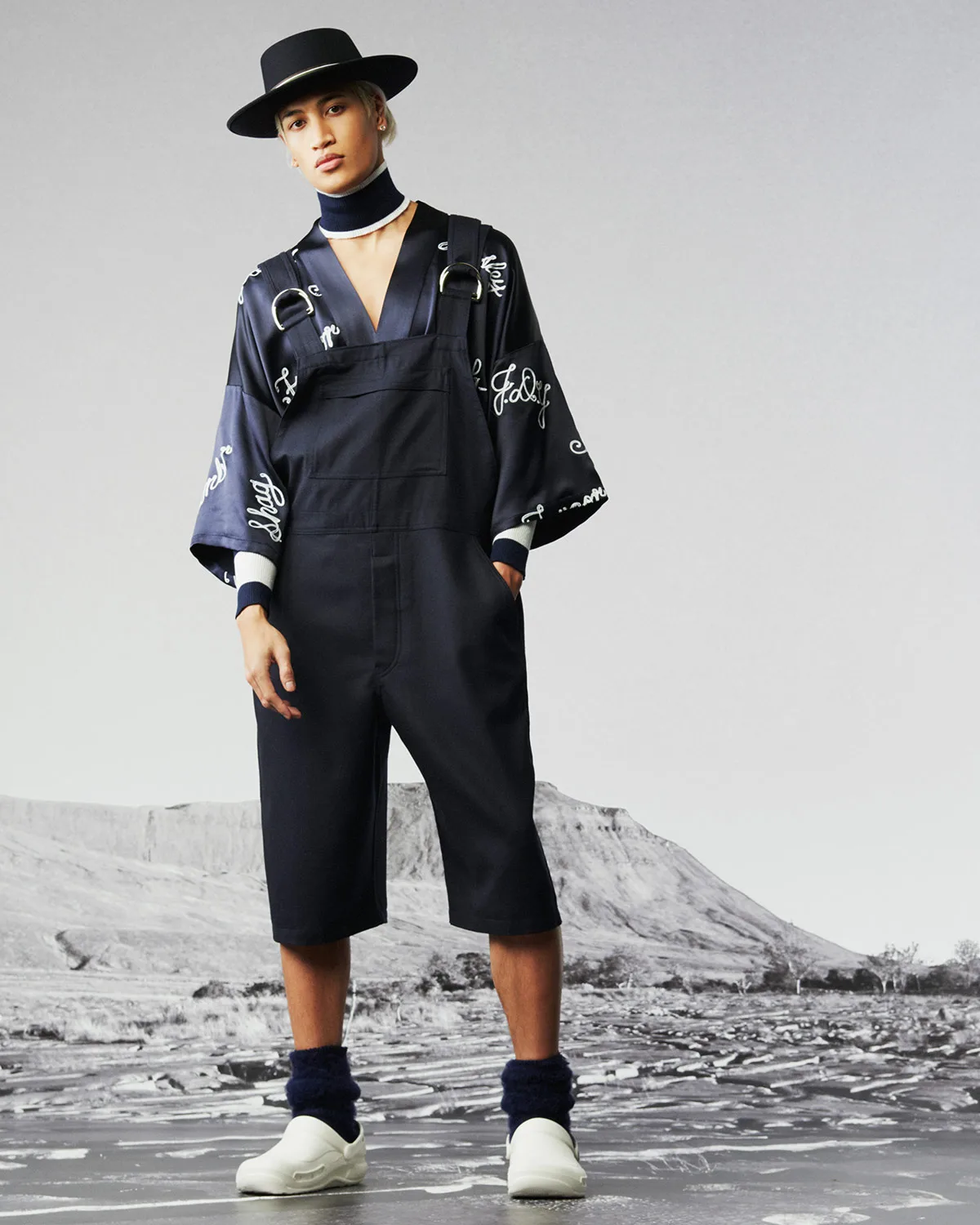
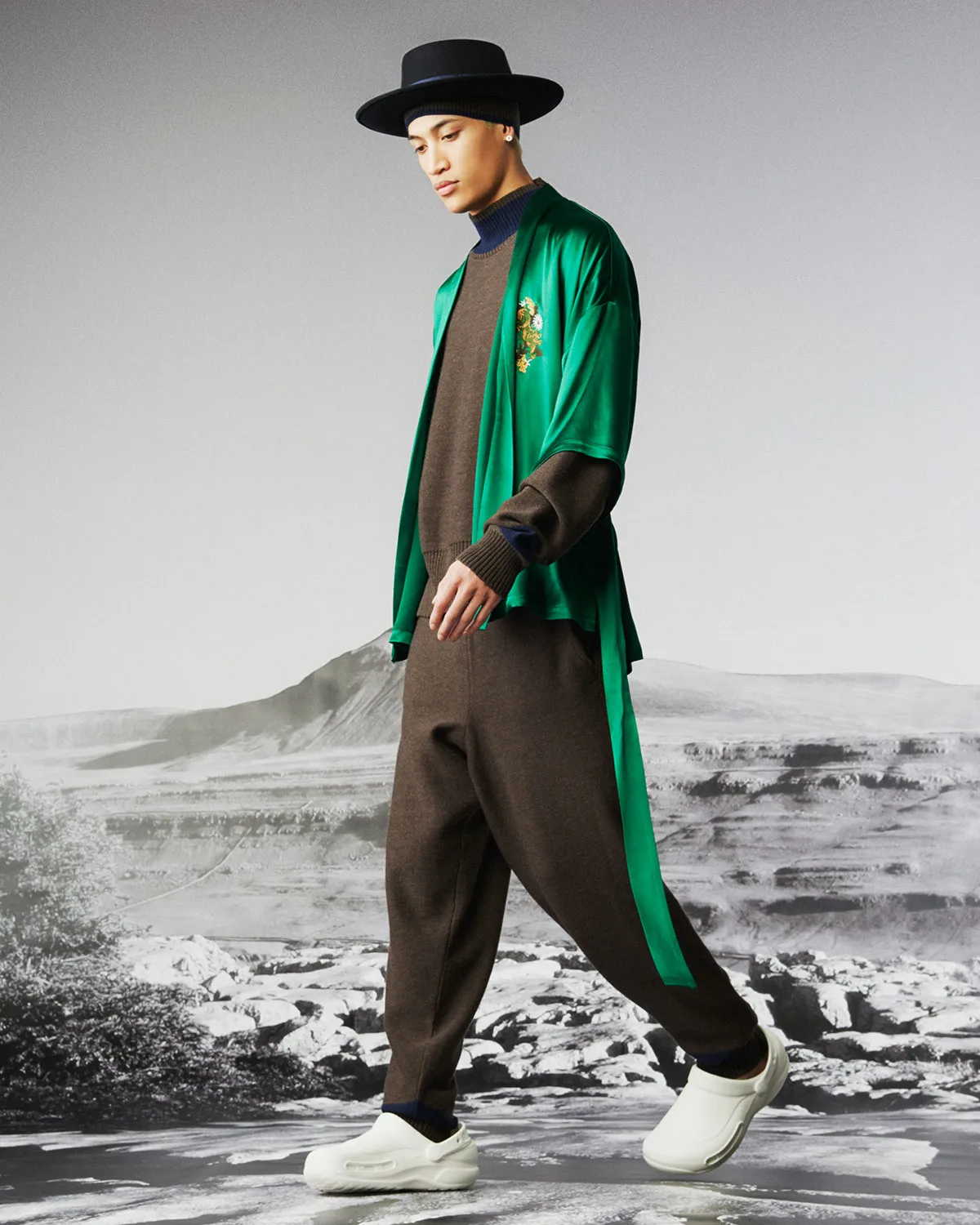
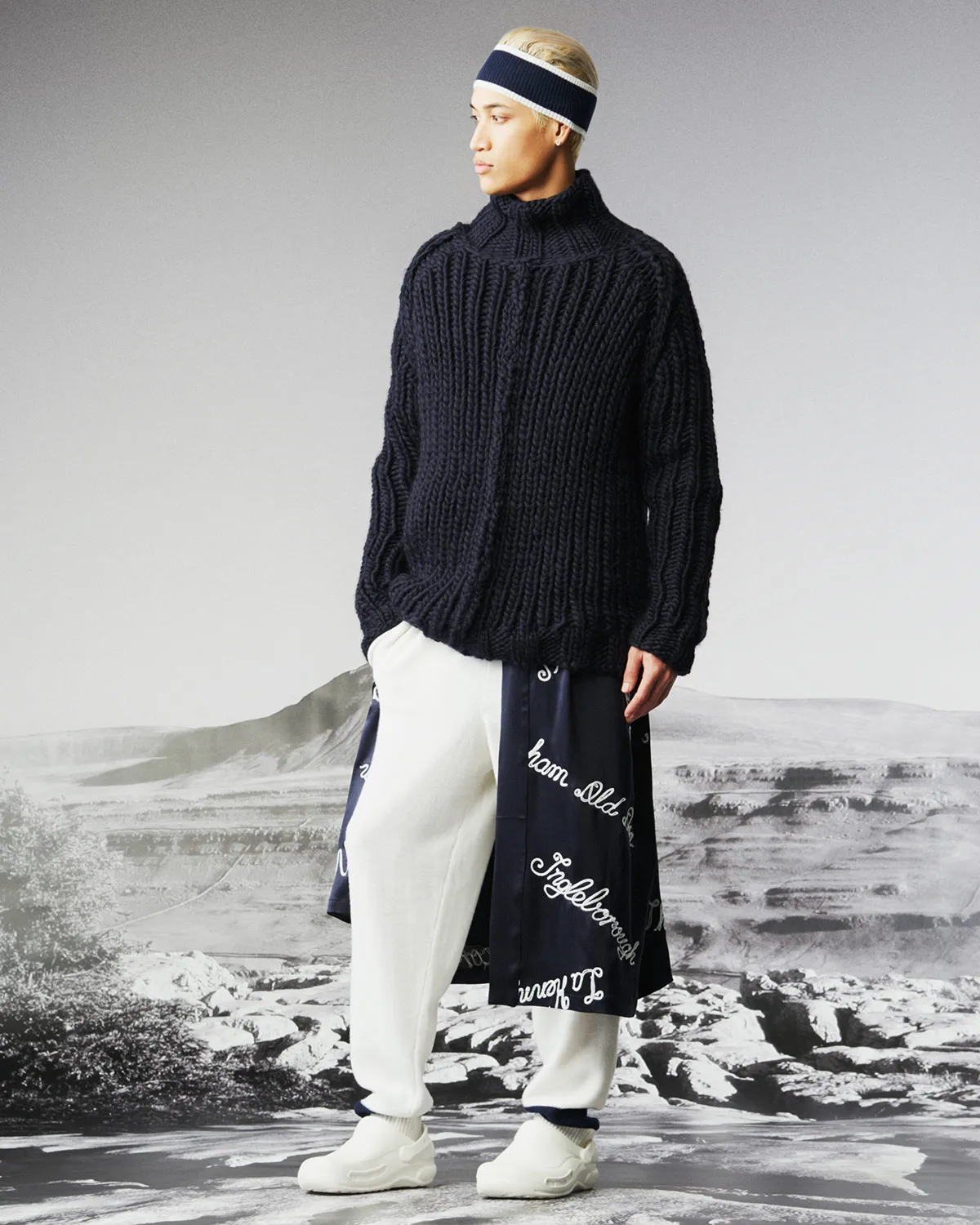
New York with Linder
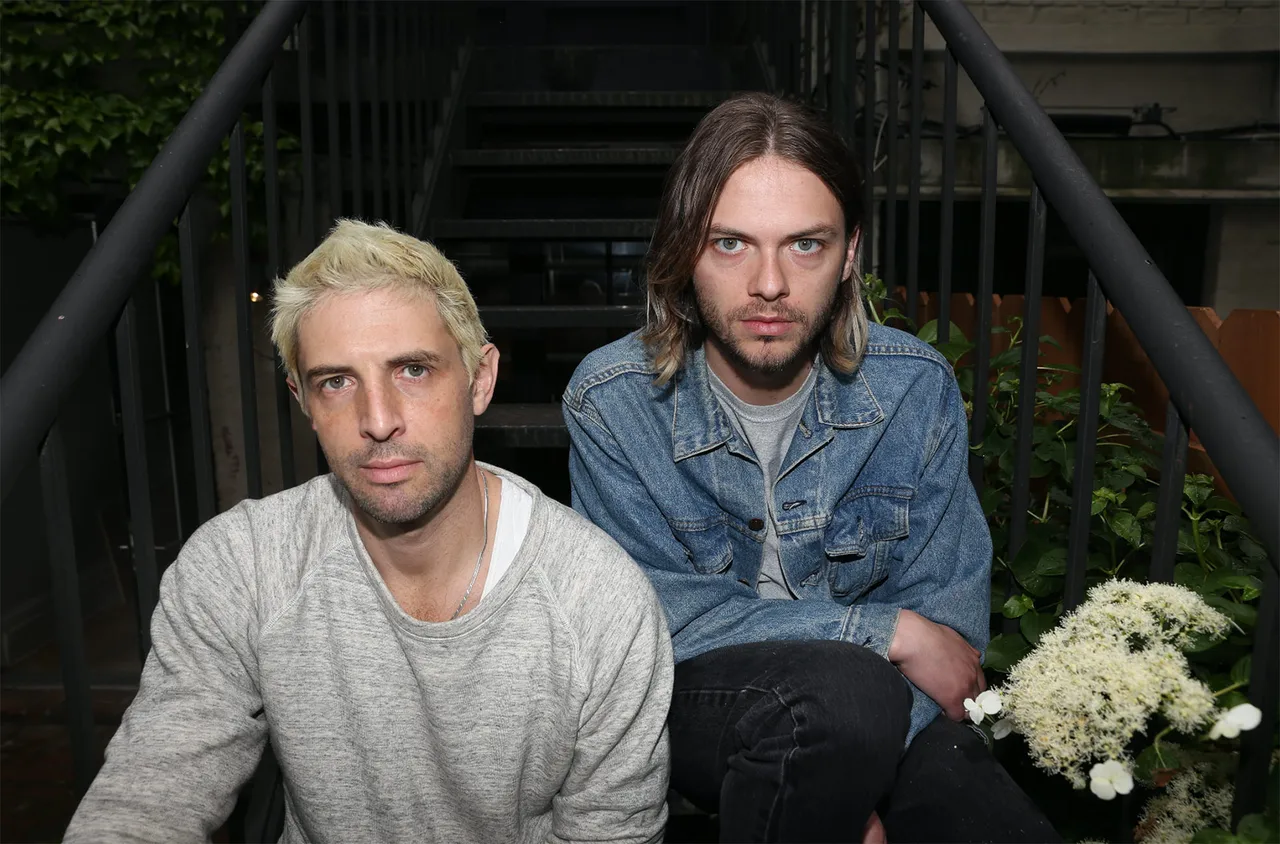
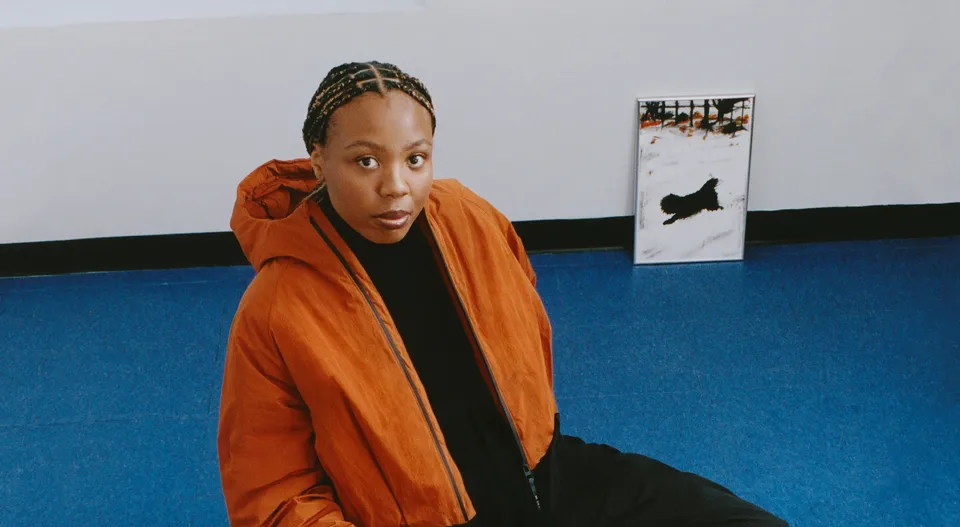
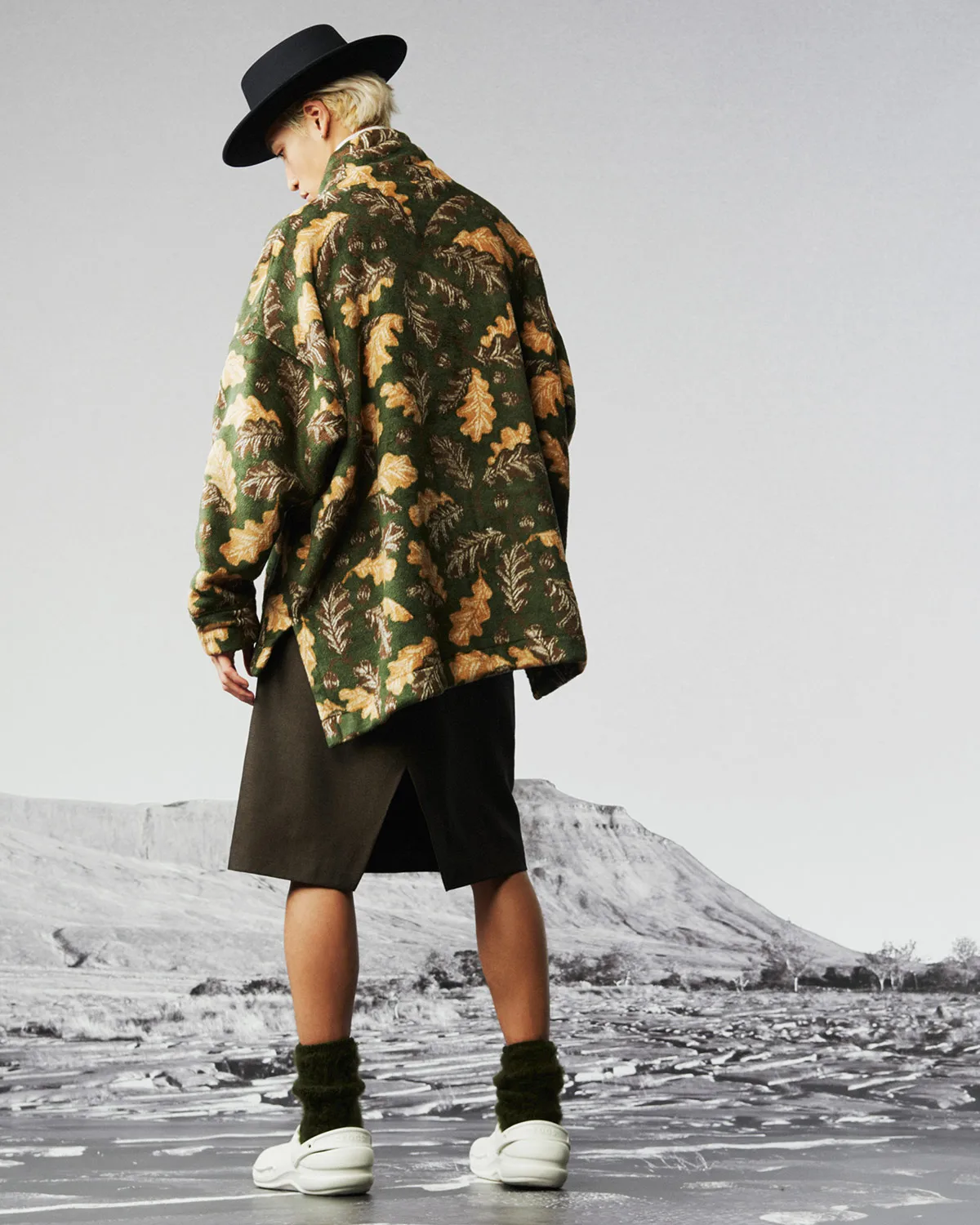
Creative directors and designers Sam Linder and Kirk Millar created Linder in 2013, resulting of the association of both creative minds. "We started with a very loose idea of end goals. It wasn’t the easiest way to go, but the results end up richer. The heart of the brand is the creative process, in which we try to get lost for a while each season and then discover the collection as it becomes fully rendered. We like that because the results are more exciting for us, but again, it’s not the easiest way to do things." Being located in New York unconsciously links to commercial fashion: "As far as difficulties specific to being based in New York, there’s that assumption that everything here is commercial and corporate. We often hear that our collection looks European rather than American... but for us, we want to be in a conversation with all the markets. We are a New York brand, and there are many others here that are not commercial at all, so we are hoping this perception will shift, and it seems to be. Our store is a great venue to challenge this way of viewing New York design."
When developing the financial skeleton of a brand, the retail and wholesale aspects tend to be elements with a clear potential to question the creative direction. "We try not to let that be a decisive factor. Of course we have to present a balanced collection, and we have to produce items that people want to wear. But we never want to fall into the trap of making what other people think will sell, rather than trusting our own instincts and making whatever is compelling to us. Easier said than done, but that is our intention." As far as the sales grow, from both selling points, the question of finding the balance between accessibility and exclusivity is a dilemma to face. "Thats always a complicated subject. We are described as a luxury label due to our price point, but we never want to project that the value of our pieces lies in their inaccessibility. We make clothes we think are interesting and we try to be realistic about making them worth the investment for the customer. But we know that not everyone has the budget for certain pieces we make. We do make items that range in their price point."
In this industry, and especially as an emerging brand, keeping a creative independence but still make a living out of fashion is a delicate equation to play with. "Our goal is to sell and grow enough so that we can continue to make the collections that turn us on. If we ever feel we are going to lose our creative independence I think we will both walk away. The creative process is the engine of what we do, so we hope we can protect it!"
When developing the financial skeleton of a brand, the retail and wholesale aspects tend to be elements with a clear potential to question the creative direction. "We try not to let that be a decisive factor. Of course we have to present a balanced collection, and we have to produce items that people want to wear. But we never want to fall into the trap of making what other people think will sell, rather than trusting our own instincts and making whatever is compelling to us. Easier said than done, but that is our intention." As far as the sales grow, from both selling points, the question of finding the balance between accessibility and exclusivity is a dilemma to face. "Thats always a complicated subject. We are described as a luxury label due to our price point, but we never want to project that the value of our pieces lies in their inaccessibility. We make clothes we think are interesting and we try to be realistic about making them worth the investment for the customer. But we know that not everyone has the budget for certain pieces we make. We do make items that range in their price point."
In this industry, and especially as an emerging brand, keeping a creative independence but still make a living out of fashion is a delicate equation to play with. "Our goal is to sell and grow enough so that we can continue to make the collections that turn us on. If we ever feel we are going to lose our creative independence I think we will both walk away. The creative process is the engine of what we do, so we hope we can protect it!"