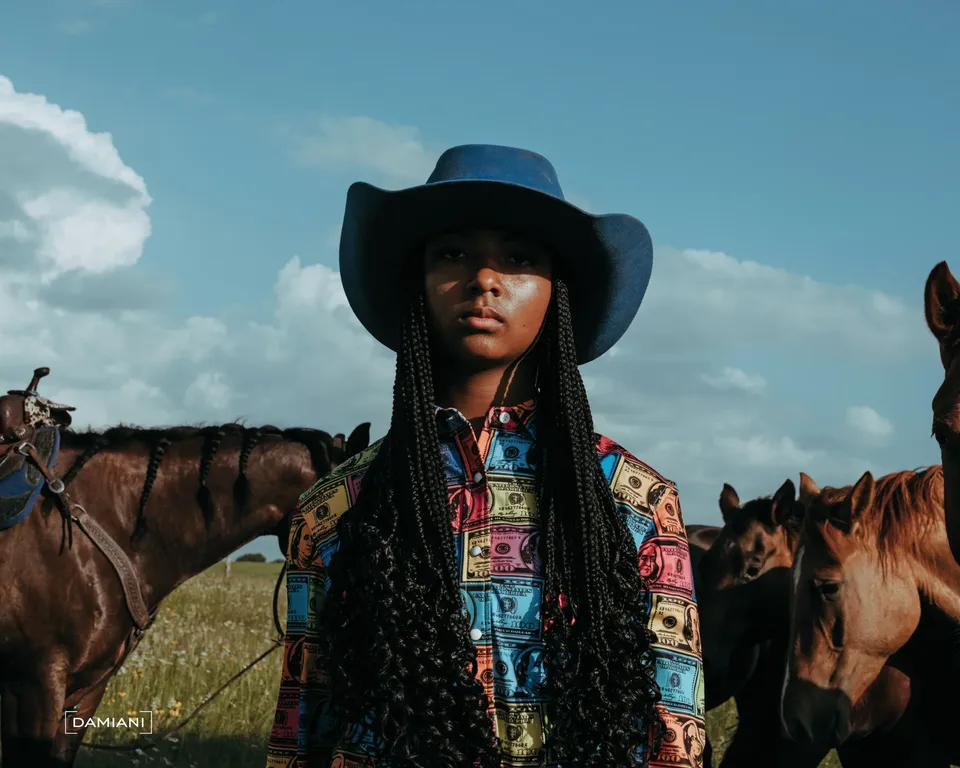
At a time where self-portraiture aka selfies flood social media, and everyone seems to know their ‘right’ angle, how can professional photographers challenge notions of beauty, identity, and storytelling when lensing other people? How can someone else’s perception of us affect the outcome of an image? And what conversations can that image spark when it’s shot from a point of view that offers a dialogue instead of a monologue? These are some of the questions raised by the selected artists at the Taylor Wessing Photo Portrait prize exhibition, on view through February 8 at London’s National Portrait Gallery.
The Taylor Wessing Portrait Prize has a reputation for capturing the human condition through portraits, and this year’s winning work is a prime example. Swedish photographer Martina Holmberg has won one of the most prestigious awards in the world of photography for her portrait, Mel. When Mel was two years old, she and her sister were in an accident: the car they were waiting in for their mother caught fire. Her sister died and Mel survived, but with severe burns as a result. Her portrait is moving; we don’t know if she is glancing at us sideways or if her gaze is lost in thought, like someone revisiting a memory, as she poses by the window and a cold, clean, and clear light (typical of Nordic countries) embraces the scars on her skin. According to the jury, this work was commended for “her compassionate approach and technical skill, noting how beautiful lighting and thoughtful pose draw the sitter’s remarkable story.”
The winning photograph, which has awarded Holmberg with a prize of fifteen thousand pounds, is part of the project The Outside of Inside, a series of photos that documents people with facial and physical differences that defy the norm. The project originated as a tribute to the diversity of appearances in our society and as an effort to raise awareness of the discrimination that people who look physically ‘different’ have to endure. The author, Martina Holmberg, is a photographer and writer based in Stockholm. Her photographic work has been exhibited in various competitions such as the Sony World Photography Awards, the Tokyo International Foto Awards, and the New York Photography Awards, among others.

Mel from the series The Outside of the Inside, October 2024 © Martina Holmberg
Equally moving is the work of Luan Davide Gray and his Call Me by Your Name, a project that aims to illustrate that love is love regardless of age, appearance, class, etc. The piece, We Dare to Hug, is a beautiful black-and-white portrait that captures the intimate moment of an embrace and a kiss between two men in their later years; it conveys calm and serenity, and challenges the classic prejudices about male emotional closedness and the conventional representation of intimate moments. The portrait inevitably evokes classical sculpture through its composition, its use of light and shadow, its black-and-white format, and, above all, its close-up framing with the camera slightly tilted upwards. It’s difficult not to visualise Antonio Canova’s sculptures, such as Venus and Adonis or the kiss between Eros and Psyche. For all these reasons, the jury awarded this work the second prize of three thousand pounds.
Gray is a London-based art photographer with over twenty years of experience as a stylist and creative image consultant. His work focuses on themes such as intimacy, marginality, and the moments of beauty found in everyday life.
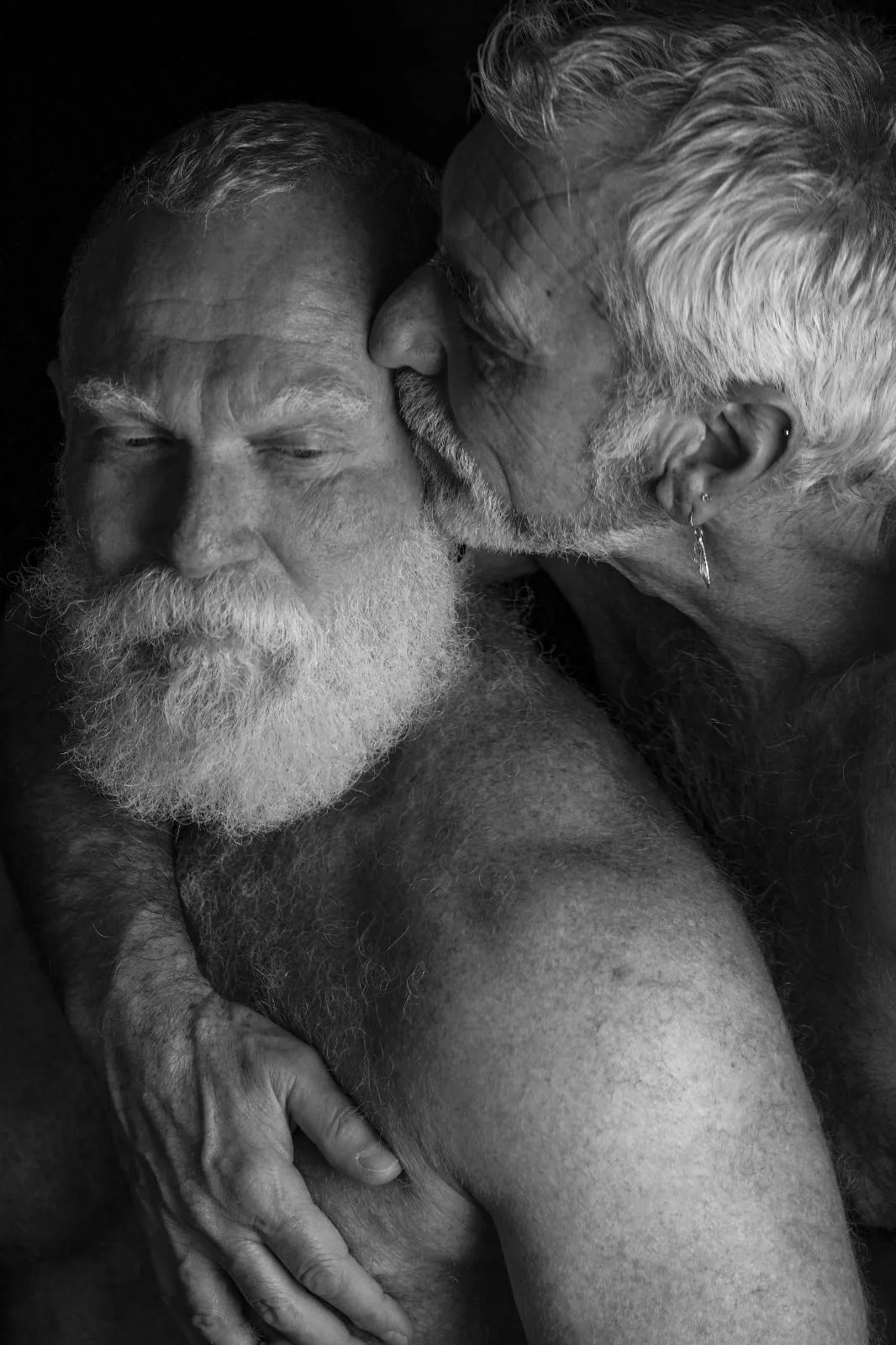
© Luan Davide Gray
The third prize went to Byron Mohammad Hamzah, a photographer based between Malaysia and the UK, who, for the past two years, has been working as a photographer and volunteer teacher for an NGO based in Sabah (Eastern Malaysia). The NGO provides free schooling to stateless and marginalised youth from the Bajau Laut ethnic group. Bajau Laut is the local name for the sea nomads, an ethnic group from Southeast Asia known for living on boats and for their profound cultural and socio-economic connection to the ocean.
For two years, Hamzah has documented the lives of local youth in his community in Semporna, a coastal town with a large community of sea nomads. The portrait Jaidi Playing is part of the photographic series The Flower and the Wall: The Stateless Youths of Semporna, a project through which Hamzah aims to document the innocence of young people and the relationships that form among children. In this process, play is an important tool. Furthermore, the project seeks to encapsulate the essence of these young people and children: their resilience, vibrant colours, pride, and hope despite the injustices and hardships they face.
The portrait shows Jaidi, one of the water nomads who attends the school, lying on the ground playing. At the same time, his head rests in the hands of one of his fellows. A moment of peace and happiness within a complex and challenging reality. According to the jury, “they were drawn to the way this portrait captures a moment of youthful connection and play, while simultaneously prompting numerous questions through the details it conceals.” Byron Mohammad Hamzah won the Portrait of Britain Photography Award in 2020, and his work has also been exhibited in other competitions, including the Paris Photo Carte Blanche Awards and the Europe Queer Photo Awards.

© Byron Mohammad Hamzah
The final prize, the eight thousand pounds Taylor Wessing Photographic Commission Award, went to Hollie Fernando. Her winning work, Boss Morris, is a portrait of the female folk-dance group. The picture evokes the natural world and the dreamlike and is part of her Hoydenish series. Fernando, whose works take inspiration from naturalism, classical painting, and Pre-Raphaelitism, explores the changing gender landscape within folk dance, traditionally dominated by men.
Hollie Fernando is a photographer and director based in London and Brighton (UK) with extensive experience in advertising photography. She has worked for Adidas, Barbour, BAFTA, Gucci, and other brands and companies.
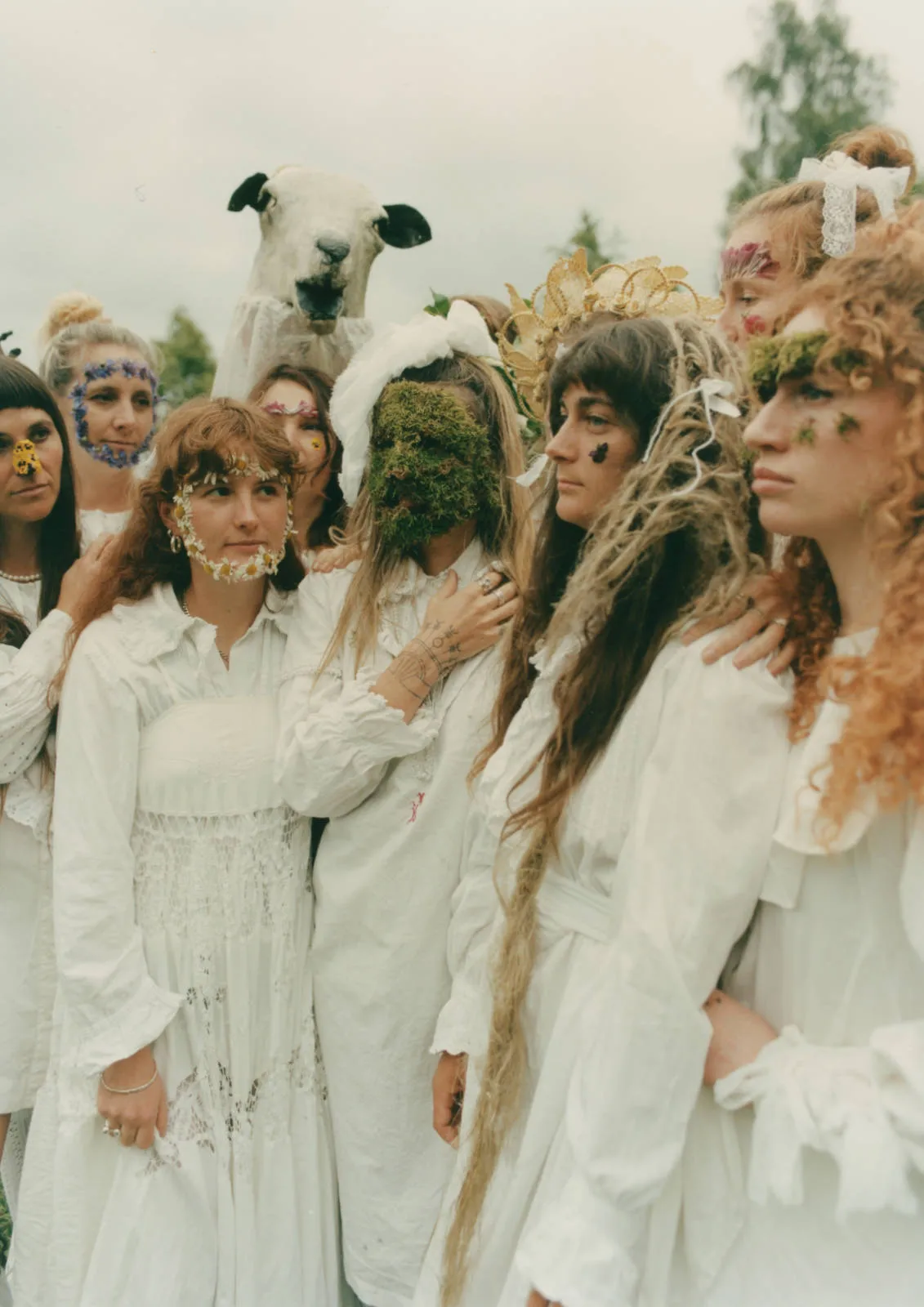
Boss Morris from the series Hoydenish, April 2024 © Hollie Fernando
The Commission of the Taylor Wessing Portrait Prize selected the pieces shown from among almost six thousand submissions by two thousand applicants from over fifty different countries worldwide. And the exhibition, comprising fifty-four works, also features forty-seven other photographers, including some exciting and profound pieces.
For example, a work with universal resonance is Timon Benson’s project, titled About to Leave, part of his Father series, a personal exploration of emigration. His portrait reflects his family's emigration from Kenya to the UK, his relationship with his father, and his father's difficult decision to return to Kenya after thirty-four years in England.
Finally, another noteworthy work is Francesco Fantini’s portrait called Stamford Hill. This photograph falls into the category of street photography. It depicts a street scene captured in his neighbourhood of Stamford Hill (North London), showing a group of Orthodox Jewish children on the Passover eve burning chametz, a leavened food forbidden during Passover. A symbolic purging of leaven before the holiday begins. The portrait serves as a reminder of the diversity of megacities like London, and the complexity of the different communities that can coexist within a single city, where each neighbourhood or district can become a microcosm. The photograph is part of a larger project by Fantini that documents life in London's various communities.
The Taylor Wessing Photo Portrait Prize 2025 exhibition is on view through February 8, 2026, at the National Portrait Gallery, St. Martin's Pl, London.
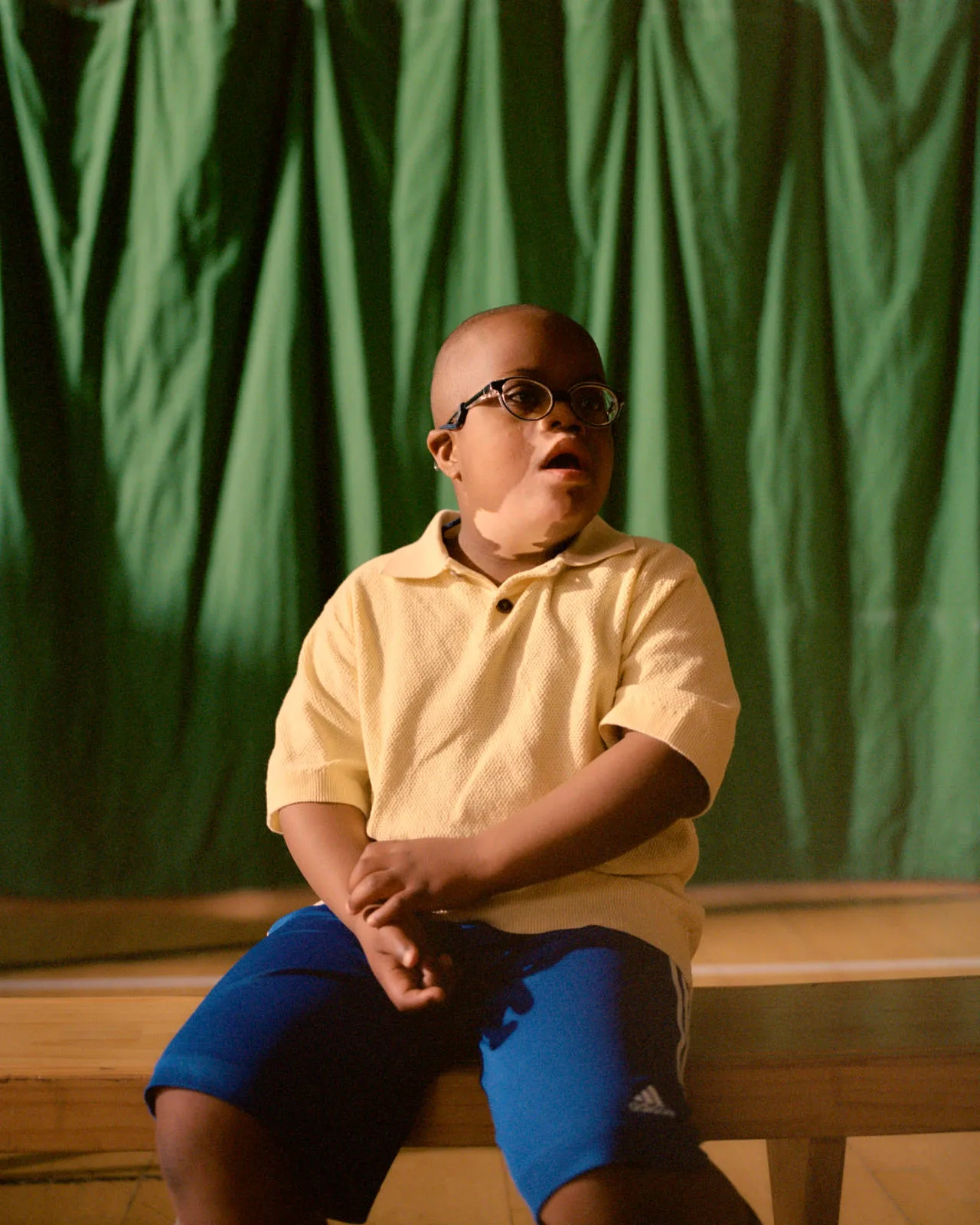
Nile by Rory Langdon-Down, 2025 © Rory Langdon-Down
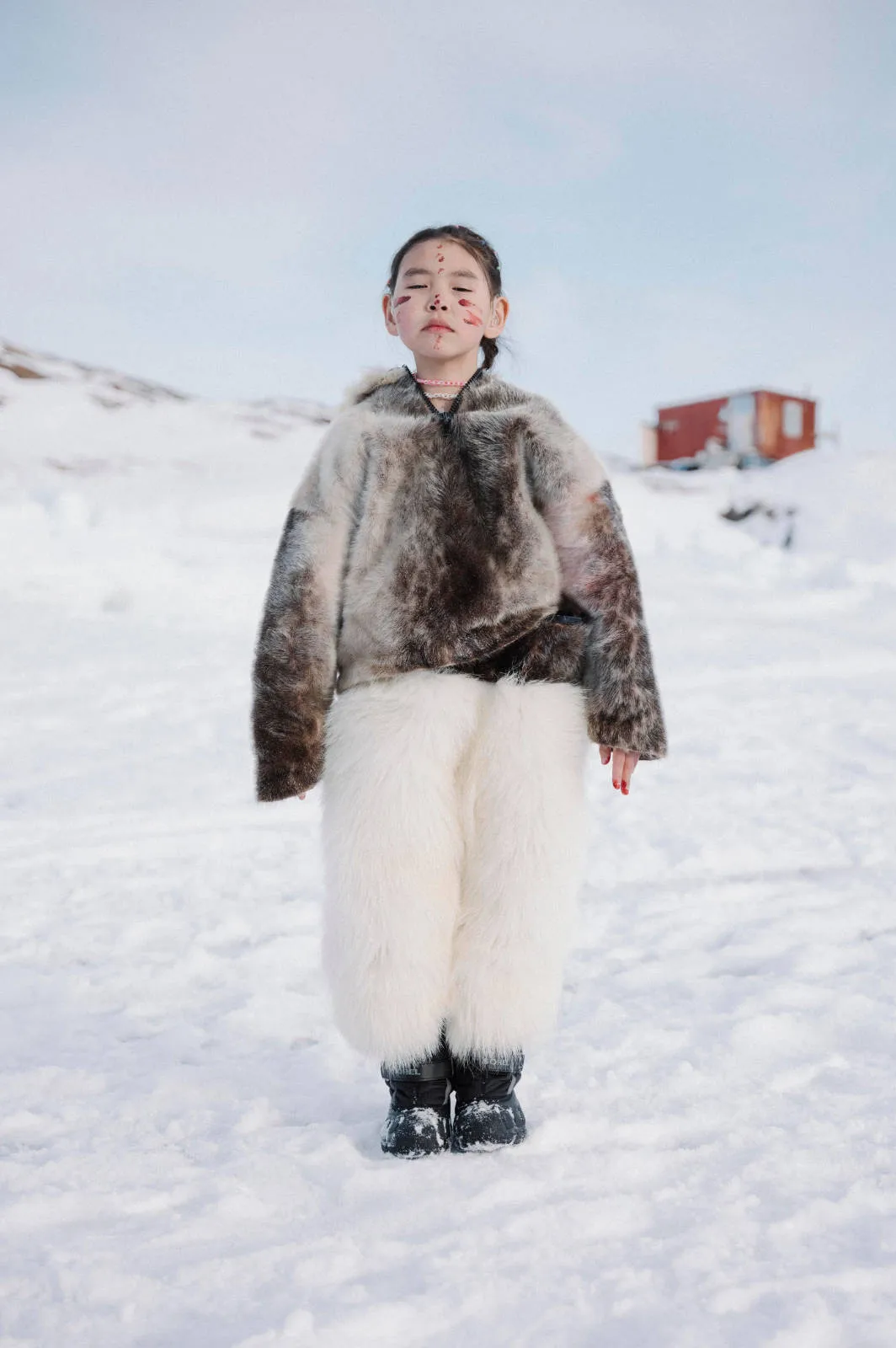
Leona by Ciril Jazbec from the series SILA Between the Ice and Light, 2024 © Ciril Jazbec
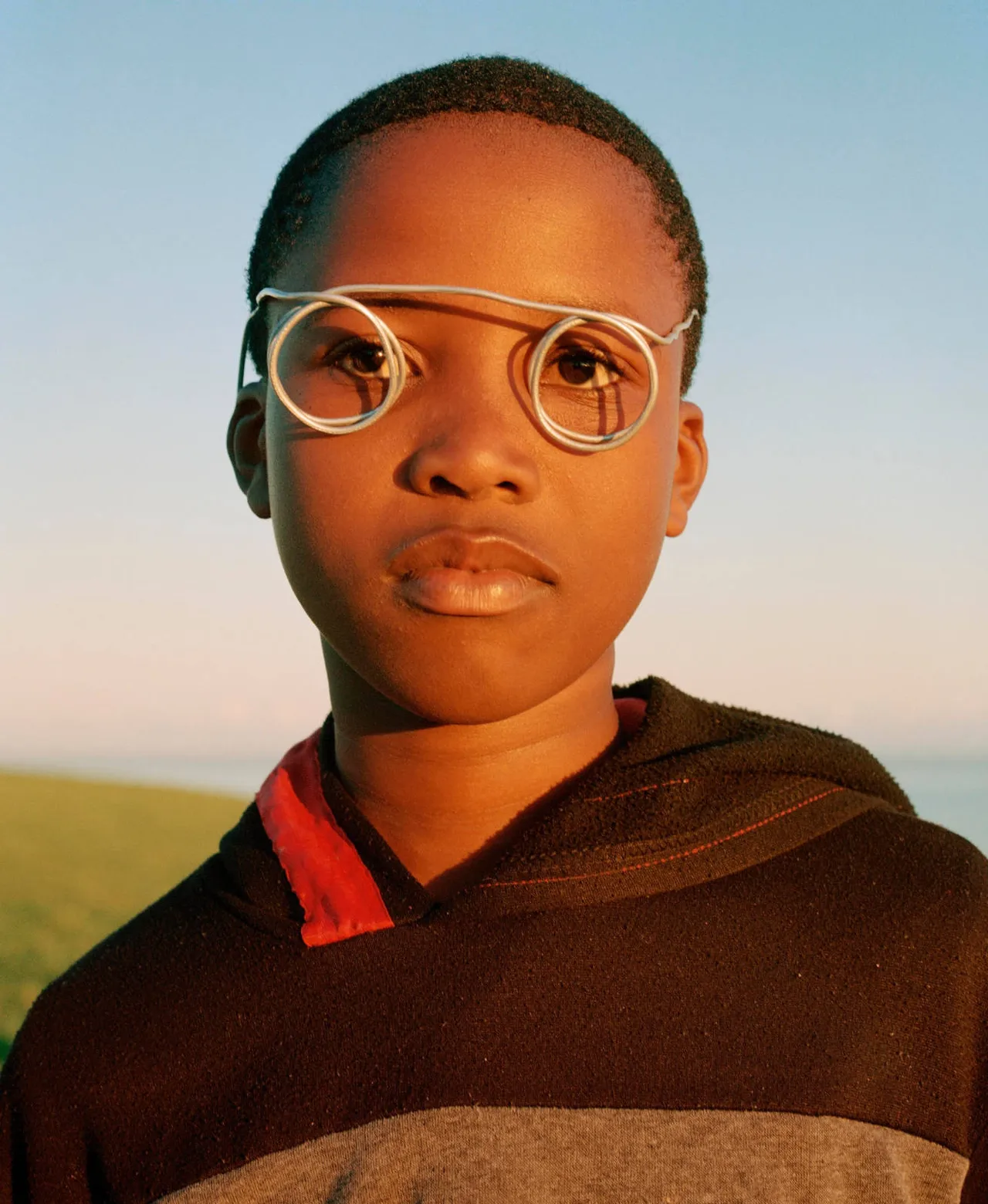
The Farmhands Son by William Sheepskin, 2024 © William Sheepskin
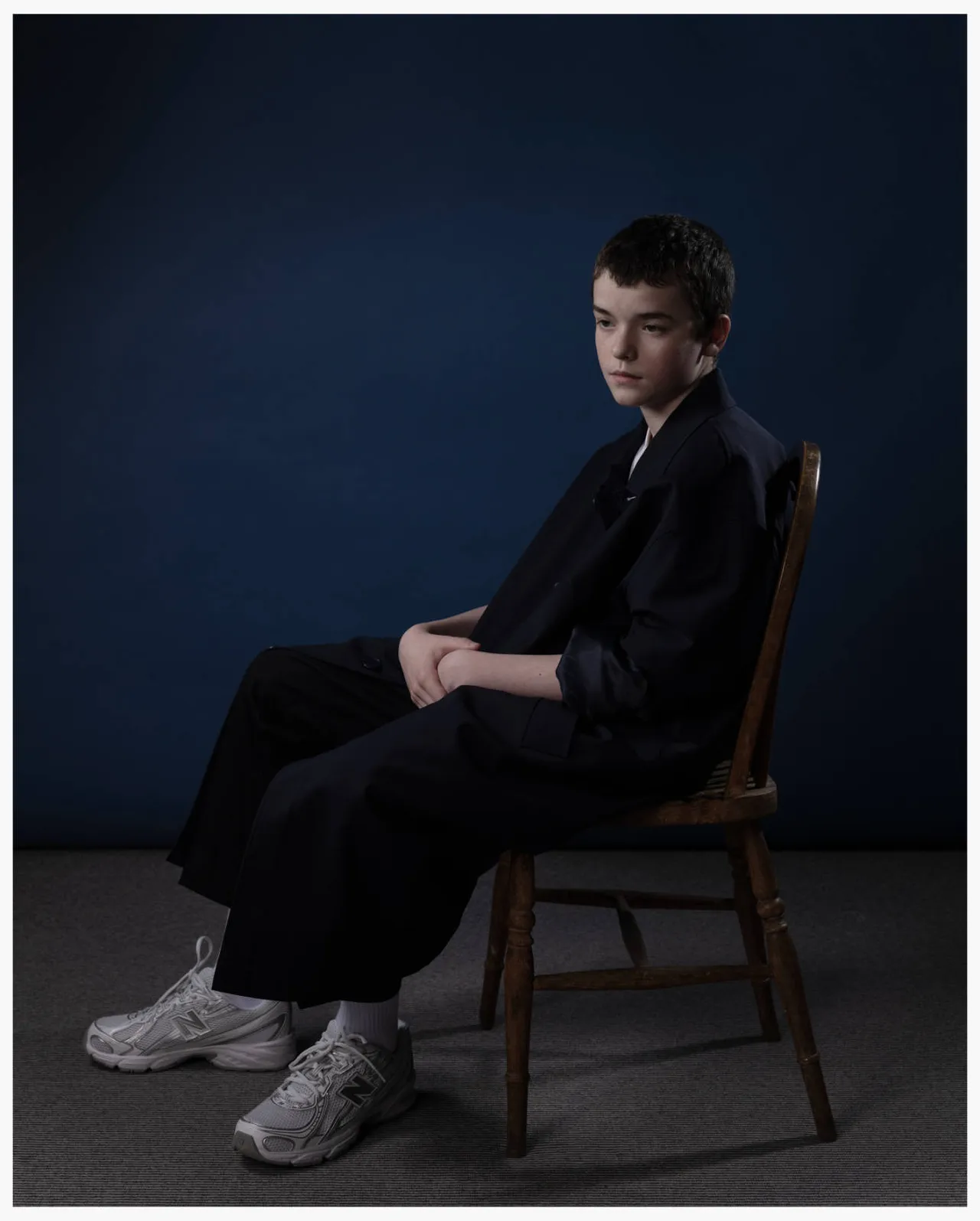
Owen Cooper by Dominic Whisson from the series The Threshold, 2025, © Dominic Whisson