Presented in Competition at the 79th Festival de Cannes, Ryūsuke Hamaguchi’s Soudain (All of a Sudden) has quickly emerged as one of the strongest contenders for the Palme d’Or, confirming the director’s status as one of contemporary cinema’s great architects of philosophical intimacy. Expanding the conversational and emotional structures already present in Drive My Car, Hamaguchi transforms dialogue into a form of ethical cinema where thought itself becomes movement, duration, and image.
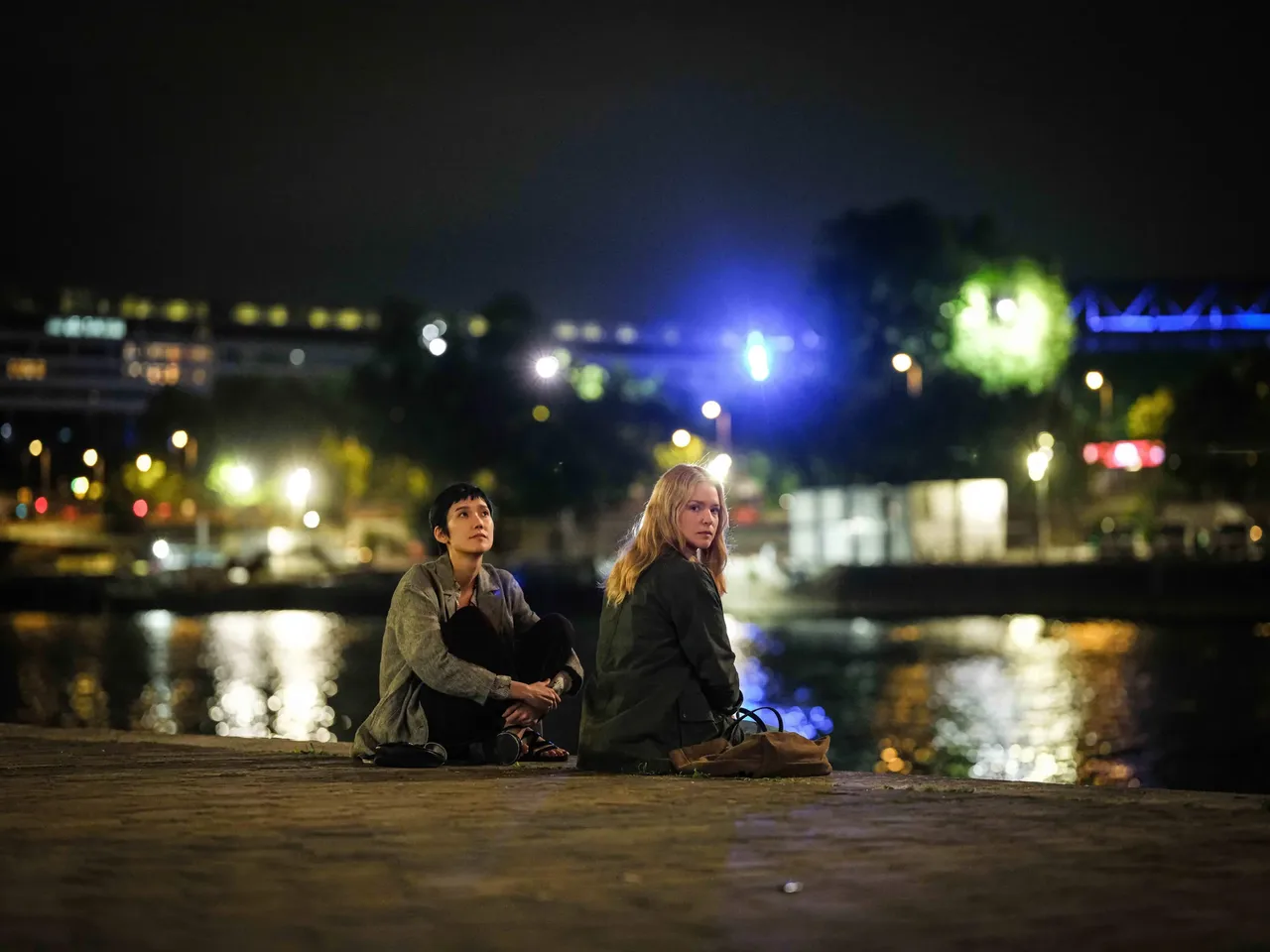
Inspired by the real correspondence between philosopher Makiko Miyano and anthropologist Maho Isono, the film follows the encounter between Marie-Lou (Virginie Efira), director of a Parisian care home, and Mari (Tao Okamoto), a Japanese theatre director living with terminal cancer. From this premise, Hamaguchi constructs a three-hour meditation on ageing, mortality, and the violence of capitalist temporality, asking whether contemporary society still possesses the capacity to care outside systems of productivity and efficiency.
What makes Soudain remarkable is the way it translates philosophical inquiry into cinematic form without ever collapsing into abstraction. Hamaguchi’s cinema has always been profoundly literary, but here the film reaches something closer to the moral expansiveness of Cervantes in Don Quixote or the emotional architecture of Tolstoy’s War and Peace — writers capable of transforming conversation into revelation and ethics into lived experience. Like Tolstoy, whose admiration for Cervantes deeply shaped his understanding of human contradiction, Hamaguchi builds meaning not through spectacle but through the accumulation of gestures, pauses, and shared vulnerability.
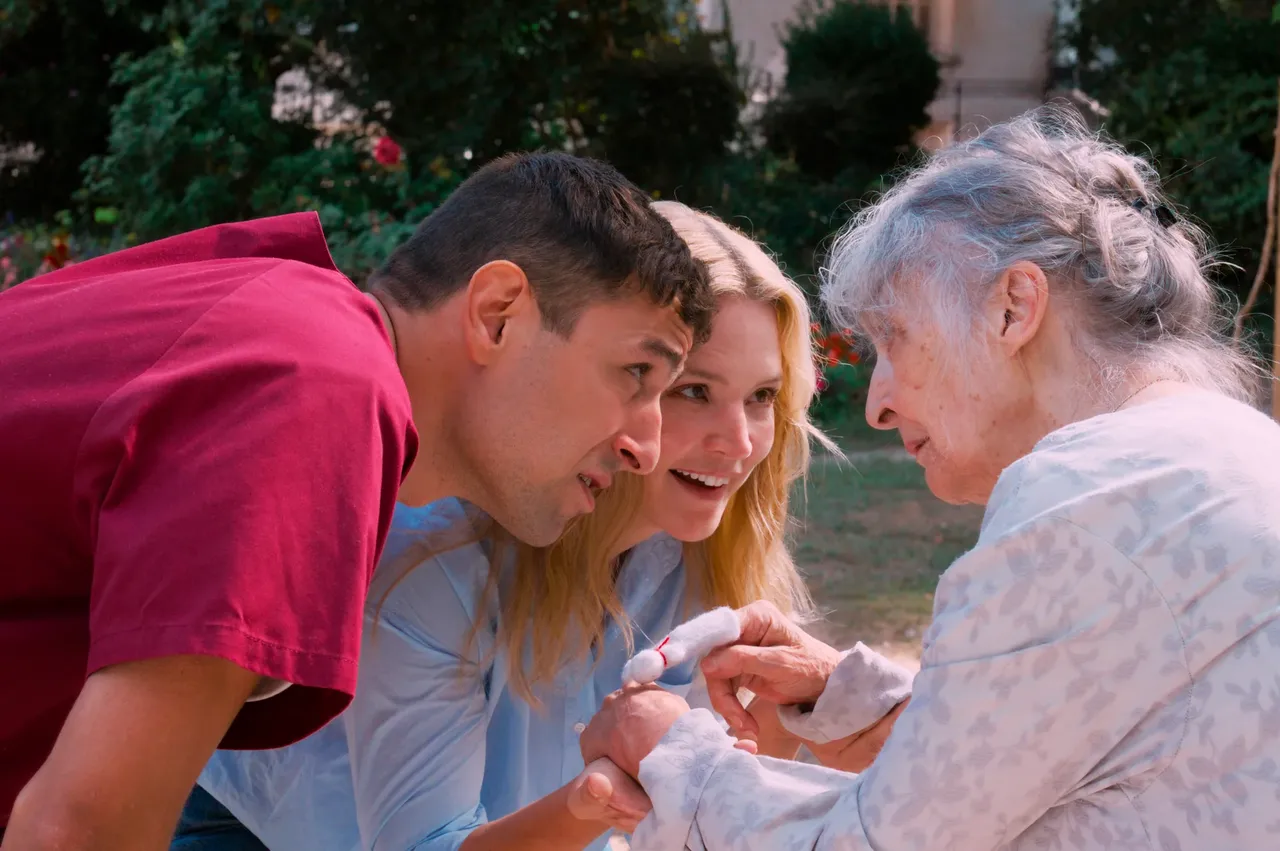
The political centre of the film lies in its ethics of care. Set largely inside a French elder-care facility working under the “Humanitude” philosophy, Soudain opposes the acceleration of late capitalism with a radically different temporality built around attention, touch, listening, and dignity. Hamaguchi refuses cynicism; instead, he imagines care itself as a possible form of resistance. Several critics have described the film as openly anti-capitalist, but its politics emerge less through slogans than through duration and presence—through the insistence that time given to another human being still possesses value beyond economic logic.
Visually, the film is extraordinary. Hamaguchi and cinematographer Alan Guichaoua construct a luminous dialogue between Paris and Kyoto, between French institutional space and Japanese interiority, creating a photographic language suspended between fragility and serenity. Hospitals, tramways, rehearsal spaces, gardens, and care facilities are filmed with a softness that never aestheticises suffering but instead allows bodies to remain fully present inside time.
If Hamaguchi proposes an unexpected France–Japan cinematic bridge, one almost wants to reclaim Spain within that constellation too. Japanese culture has long projected its own fascination onto Spain: flamenco, Gaudí, jamón ibérico—forms of intensity and ritual that continue to circulate through the Japanese imaginary with unusual persistence. In Soudain, that cross-cultural sensitivity expands into something broader: a cinema where national identity matters less than the possibility of emotional translation across languages, bodies, and systems of care.
Rather than offering solutions, Soudain asks whether another way of inhabiting time remains possible at all. Hamaguchi’s answer is neither naïve nor despairing. It exists somewhere inside the fragile space of conversation itself.
Following its Cannes Competition premiere, Soudain (All of a Sudden) is set to begin its international theatrical rollout throughout 2026 and early 2027. The film will open first in Japan on June 19, distributed by Bitters End, followed by its French release on August 12 through Diaphana Distribution. A Swedish theatrical release has already been scheduled for January 8, 2027, while NEON has acquired North American distribution rights, although an official release date has yet to be announced. In Spain, the film is expected to arrive later in 2026, though no confirmed theatrical date has been formally communicated so far.