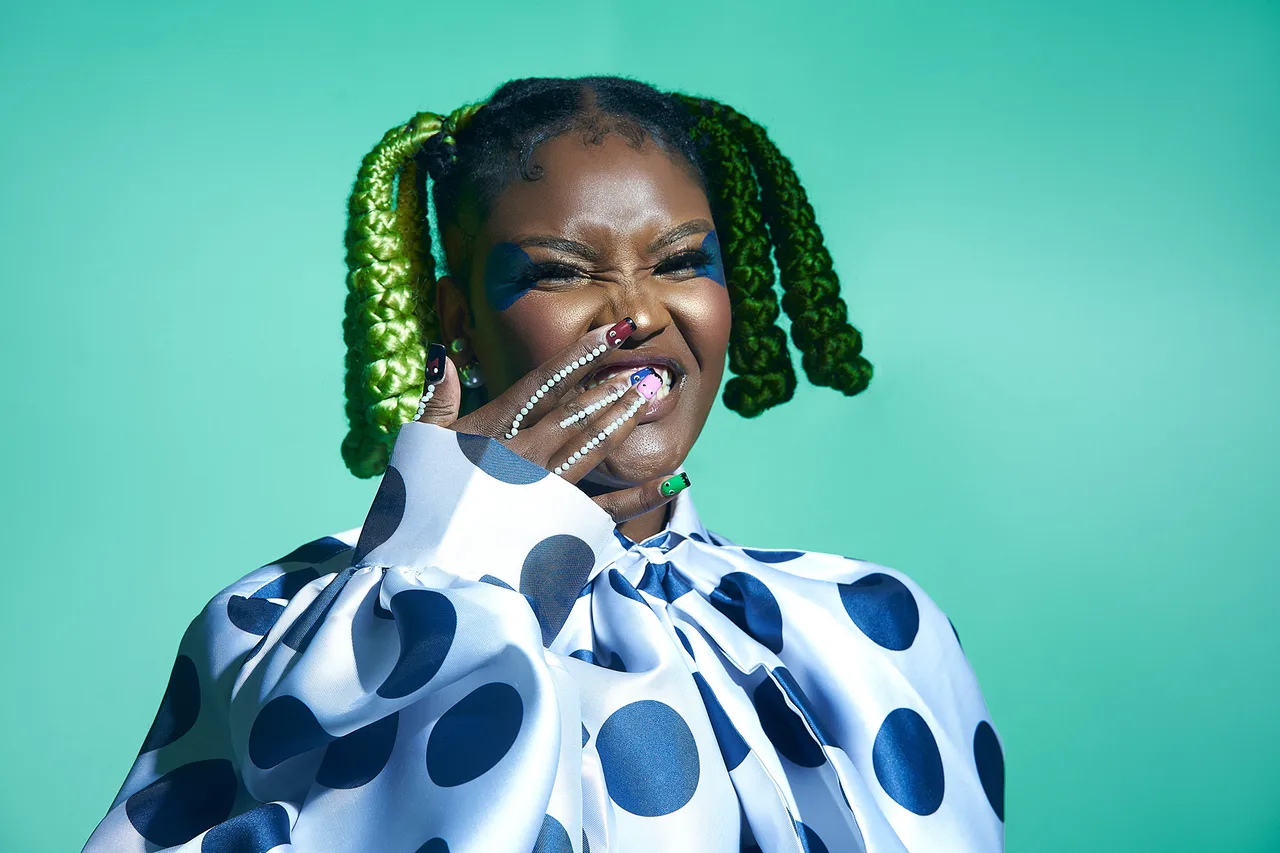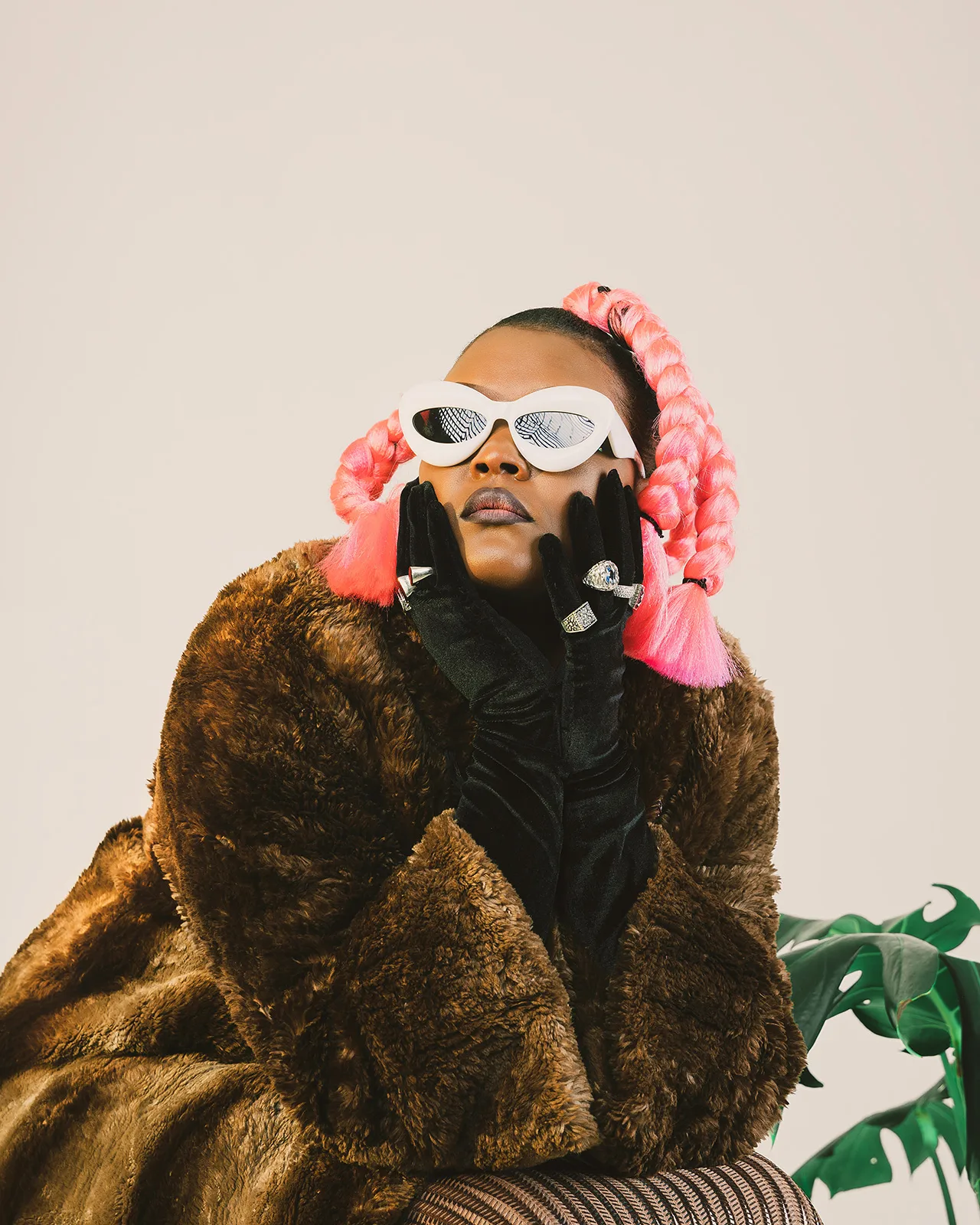
Sofiya Nzau is proving that dance music can be both intimate and universal. After breaking through as the voice of Zerb’s viral hit Mwaki and making history as the first Kenyan artist to perform at Tomorrowland in 2025, she’s now stepping into her own spotlight with Hutia. The track, a bold Afro-house reinterpretation of Robert Miles’ iconic Children, blends her Kikuyu lyrics about the intoxicating pull of touch with Dutch producer Madism’s textured, club-ready production. The result is a bridge between past and present, paying tribute to a ‘90s classic while giving it a fresh, soulful heartbeat.
We spoke with Sofiya a few days ago as Hutia was beginning to reach listeners worldwide. “It’s like preparing a special meal for the whole world and hoping they taste all the love you’ve put into it,” she tells us. In this conversation, she reflects on finding the courage to centre her heritage in global dance music, the creative spark of working with Madism, and how bringing Kikuyu storytelling to the dance floor can turn a nostalgic anthem into something both deeply personal and powerfully contemporary.
How are you feeling right now, with the countdown to Hutia’s release? What’s going through your mind as you wait for the world to finally hear it?
Oh, wow! To be completely honest, it’s a beautiful cocktail of emotions: a splash of pure excitement, a double shot of gratitude, and just a dash of nervous energy! It’s like preparing a special meal for the whole world and hoping they taste all the love and ingredients you’ve put into it.
Now that it's out, the feeling is even more profound. Seeing Hutia take its first steps into the world, hearing people connect with it, and reading their messages — it’s absolutely magical. My heart is so, so full.
Now that it's out, the feeling is even more profound. Seeing Hutia take its first steps into the world, hearing people connect with it, and reading their messages — it’s absolutely magical. My heart is so, so full.
Hutia is a bold Afro-house reinterpretation of Robert Miles’ Children. What was your first memory of that track and how did you approach giving it your own voice?
You know, it’s funny — I actually didn’t know the original song before this project! When Madism sent me the instrumental, I was immediately captured by the melody; it was just so powerful and emotional all on its own. It was only later that I learned it was this massive global classic. I think that’s the magic of music, it can connect to people from completely different perspectives. So, my approach was pure. I just listened to the melody, let it speak to my spirit, and responded by wrapping it in the warm, earthy rhythms of Afro-house and telling it a new story in Kikuyu.
The Kikuyu lyrics in this track describe the intoxication of touch. Was it challenging to translate such a delicate, intimate feeling into a club-ready song?
I think there’s a beautiful magic in that contrast. The intimacy isn’t lost in the beat; it’s amplified by it. The thumping rhythm becomes a heartbeat, the synths feel like a rush of blood, and the bassline is that pull of attraction you feel in a crowd. Singing in Kikuyu, a language so deeply connected to my soul, allowed me to access a raw, unfiltered vulnerability. So, no, it wasn’t challenging; it felt like the most natural thing in the world to let a delicate feeling blossom on a dance floor.
“Singing in Kikuyu, a language so deeply connected to my soul, allowed me to access a raw, unfiltered vulnerability.”
The new single also brings you together with Madism, a producer rooted in European pop-dance. What surprised you most about that cross-cultural collaboration?
The most beautiful surprise was how we connected despite our different backgrounds. For him, Children was a song he grew up with, a part of his cultural memory. For me, it was a fresh, new melody. But we were able to bridge our different cultures and experiences to build something unique together. It proved that you don't need to have the same background to create a shared feeling through music. We found a common language in the emotion of the song itself.
As you prepare to unveil Hutia, what do you hope listeners take away from hearing Kikuyu lyrics carried by Afro-house beats on a track with such a global legacy?
My biggest hope is that they feel the boundless possibility of music. I want them to hear that a melody born in one corner of the world can find a new, vibrant home in another. I hope they feel the pride and beauty in my culture, and that it inspires them to explore the musical treasures of their own heritage. Ultimately, I want Hutia to be a bridge, connecting the nostalgic past to a joyful, global present.
Your breakout came as the voice of Zerb’s viral hit Mwaki. How did that sudden global attention shift your perspective on what was possible for Kenyan artists on the international stage?
Mwaki was like a key unlocking a door we always knew was there, but now we could see the dazzling party on the other side! It shattered a ceiling I didn't even know was so low. It proved, without a shadow of a doubt, that our stories, our languages, and our rhythms are not just "world music"—they are global music. They have a rightful, powerful place on the mainstage. It filled me with so much pride and a fierce sense of responsibility to keep that door wide open for every Kenyan and African artist coming up behind me.
This summer, you became the first Kenyan artist to perform at Tomorrowland, sharing the stage with Steve Aoki. What do you remember most vividly from that moment?
The faces. I remember looking out at a sea of people from every imaginable nation, and seeing them sing along to words in Kikuyu. I saw their smiles, their energy, their hands in the air. In that moment, the phrase ‘first Kenyan artist’ wasn’t just a title; it was a feeling. It was the weight of history and the lightness of joy, all at once. And sharing that stage with Steve Aoki, who is just a force of positive energy, was the cherry on top of a truly surreal cake!
Many of your songs explore longing and closeness. Do you think singing in Kikuyu changes the emotional weight of those themes for audiences who might not understand every word?
Absolutely, but in the most beautiful way. I believe that when you don't understand the literal words, you are forced to listen with a different part of your soul. You hear the emotion in the tone, the cadence, the melody of the language itself. Kikuyu has such a rhythmic, warm quality; it carries the emotion in its very texture. So, the longing and closeness might not be understood intellectually by everyone, but I truly believe they are felt on a deeper, more universal level.
When did you first realise your heritage was something to centre and celebrate rather than adapt or tone down?
It was a gradual awakening. For a long time, I was shying away from it, unsure if my language and my sound had a place. It was a process of falling in love with my culture and falling in love with who I am. A big turning point was listening to my husband, who kept encouraging me to try writing something in my own language. I did, and we created something beautiful. The moment I heard it, I fell in love with it. That’s when I knew this was my power — to be completely and unapologetically myself.
Nairobi, Murang’a and the Kenyan highlands have deep musical traditions. How do those landscapes filter into your melodies and the energy you bring to performance?
They are everything to my sound. From Murang'a and the highlands, I draw the soulful, melodic stories, the deep connection to the earth. From Nairobi, I get the rhythm, the modern pulse, the unstoppable energy. When I perform, I try to channel it all: the timeless grace of my roots and the electric, vibrant hustle of the city. It’s all in there, woven into every note and every move.
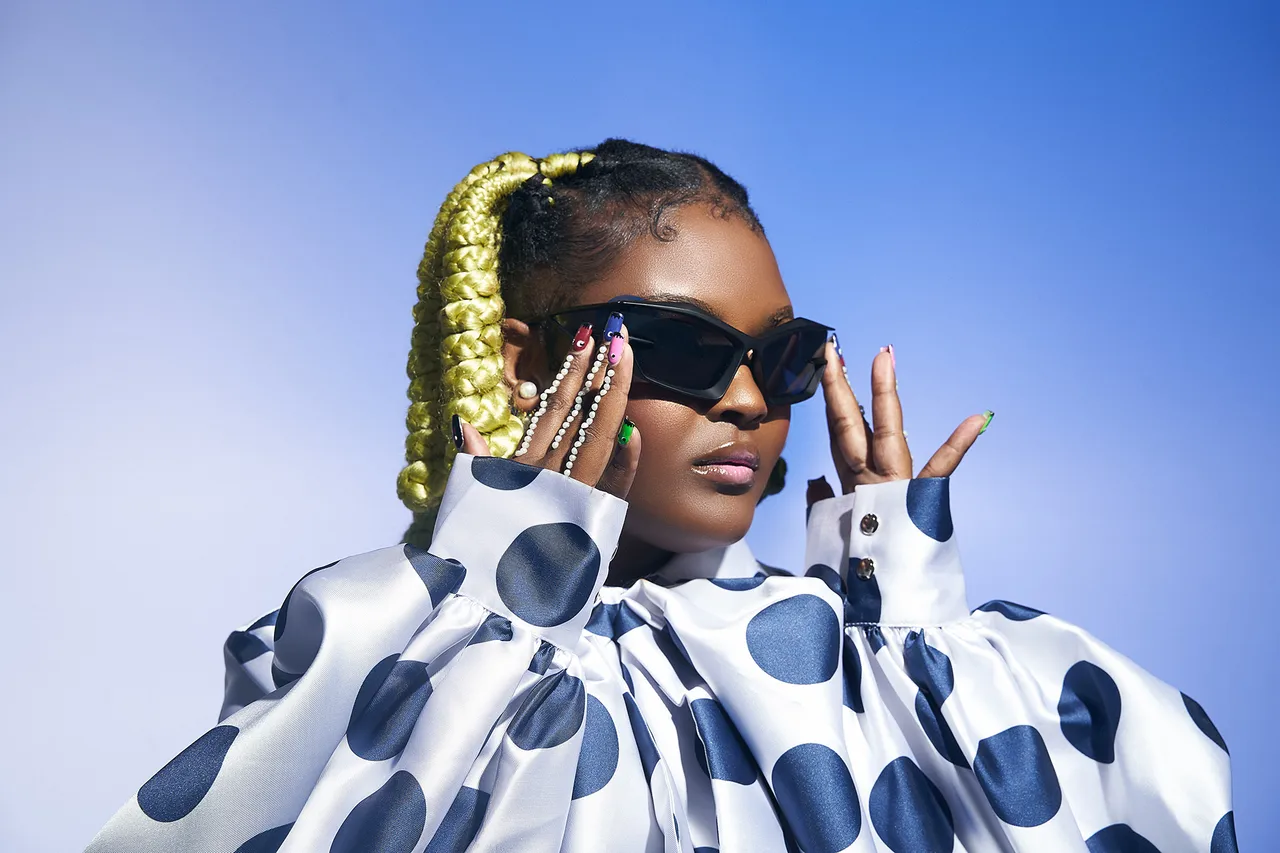
Fashion often reflects identity as much as music does. How does your Kenyan background influence the way you present yourself visually, whether on stage or in your videos?
My Kenyan background is my moodboard! It’s in the bold, joyful colours that remind me of our markets and sunsets. It’s in the textures, the beads, the fabrics that tell their own stories. I love mixing traditional elements with a modern, avant-garde edge. It’s my way of saying our culture is not static; it’s living, breathing, and evolving. On stage, I want to be a visual representation of my sound, rooted in tradition, but leaping fearlessly into the future.
Who were the Kenyan artists or storytellers that shaped your sense of artistry growing up, and do you still feel their presence in your work today?
Absolutely. The spirits of legends like Fundi Konde (he was like the king of kings in his time!) and other greats we used to hear, like Daudi Kabaka, are in the DNA of my music. Their storytelling, which was so rich and authentic, deeply shaped me. I feel their presence like a gentle guide on my shoulder, reminding me to keep my stories true, my voice clear, and my rhythm authentic.
“When you don't understand the literal words, you are forced to listen with a different part of your soul. You hear the emotion in the tone, the cadence, the melody of the language.”
Beyond the single, how has your sound evolved since Mwaki, both vocally and in how you approach telling stories through dance music?
Since Mwaki, I've been growing so much. I've had the opportunity to write with different songwriters and learn from other artists. It's been a great chance to tap into new ideas, like exploring pop melodies, and to accommodate other influences without changing my core style. I'm really eager to learn from people who have been there and are doing different things. It’s about bringing those lessons back to my own music and evolving, while always staying true to my sound.
There’s a striking visual element in your videos and stage looks. If Hutia had a colour palette or texture, what would it be and why?
For me, Hutia is red. A deep, passionate, vibrant red. It’s such a love song, full of intimacy and warm vibes. Red captures that deep, intoxicating feeling of love and connection perfectly.
What excites you most about re-imagining classics like Children for a new generation?
I absolutely love remixing! I have a lot of songs—some I've already done, some I plan to—that I feel can be brought back to life. I don't think a song has to die just because it's "out of season." Some songs are never out of season; they just need a little modernization. They have such good stories and such beautiful melodies. There are so many old songs we grew up with that we can bring back with a new style, a lot of energy, and fresh vibes for a new generation to fall in love with.
Looking beyond this release, what are you most excited about for the months ahead?
I'm so excited for the new music I'm going to release and the new people I'm going to work with. New experiences, new performances; it’s all ahead! I haven't done much, but I'm really excited for the journey. I'm also excited to keep working with different people and learning new things. I'm still learning; I don't know everything, and I'm really excited about the new things I'm going to learn and how that will shape my music.