An image is worth a thousand words, and even more so when women use photography to reclaim their own histories and experiences. “The second sex” has for centuries been forced into a narrow container shaped by a, let’s say, simple gaze. To be beautified, silenced, and objectified is both debilitating and deeply condescending, and the artists highlighted in this article, including Alex Prager, Huang Peishan, and Cristina Stolhe, refuse that position entirely.
The exhibitions gathered here challenge those inherited ways of looking. They reclaim the camera, the body, memory and visibility itself as spaces of resistance and self-definition. If lately you have felt less powerful than you should, these are the images to look at, absorb, and carry with you. They are capable of sending you back into the world as a sharper, stronger, and more conscious version of yourself and the women around you.
Huang Peishan at Fotografiska (Shanghai)
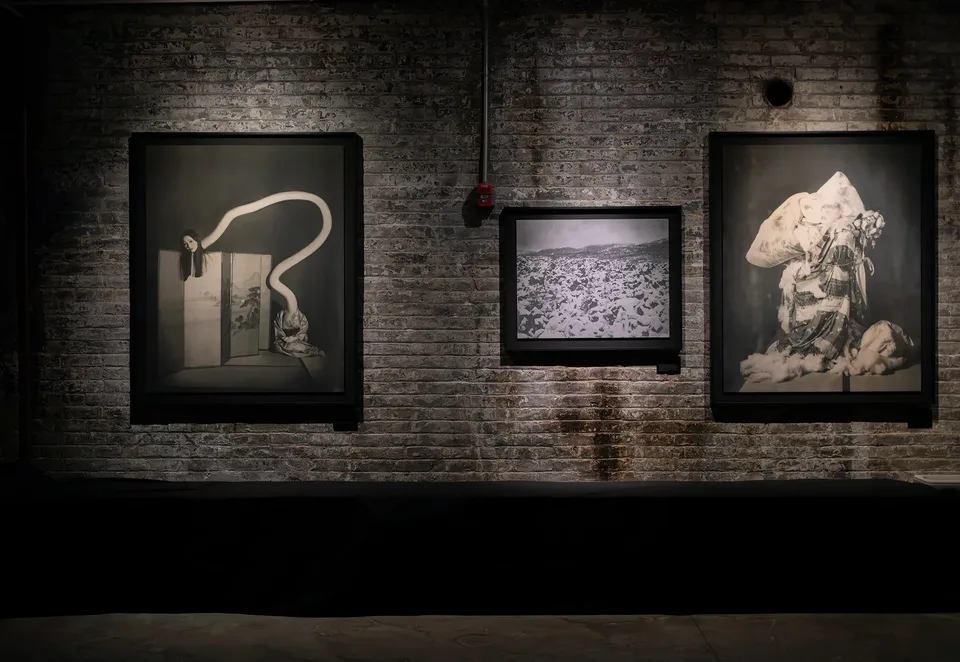
Trying to decipher whether an image is real or AI-generated has become an almost daily ritual. Huang Peishan explores precisely that unstable boundary through dreamlike images that seem to belong to another world entirely. Through plays of light and shadow and everyday objects, she creates a contradictory relationship between what is real and what reality is supposed to be, exposing the visible ‘cracks’ within our systems. These fractures emerge through curtains, fragmented mirrors, fogged glass and deliberately misaligned or blurred compositions. Crack in the Curtain is a speculative feminine vision that invites viewers to question the reliability of what they see. For sure, a body of work made to be seen.
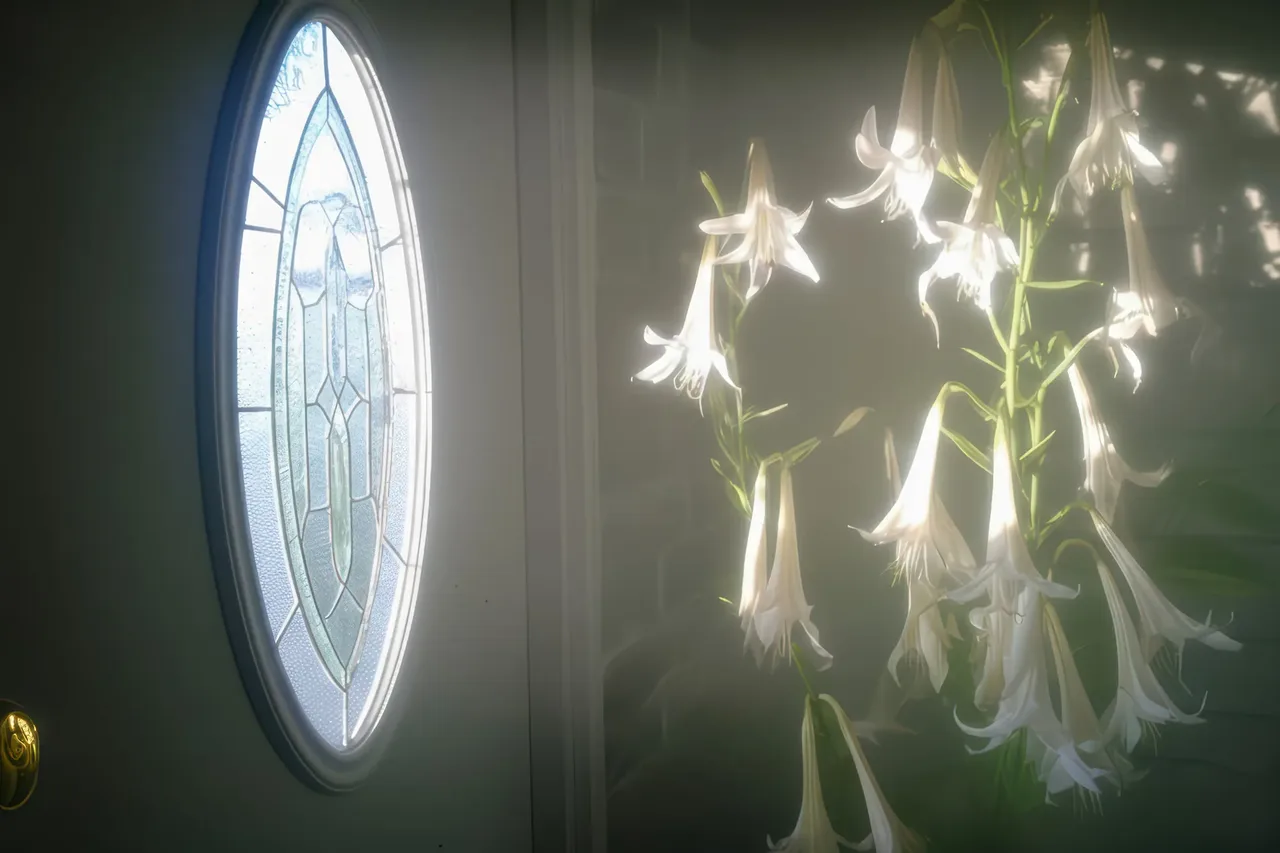
The Ringing in My Ear, 2025 © Huang Peishan
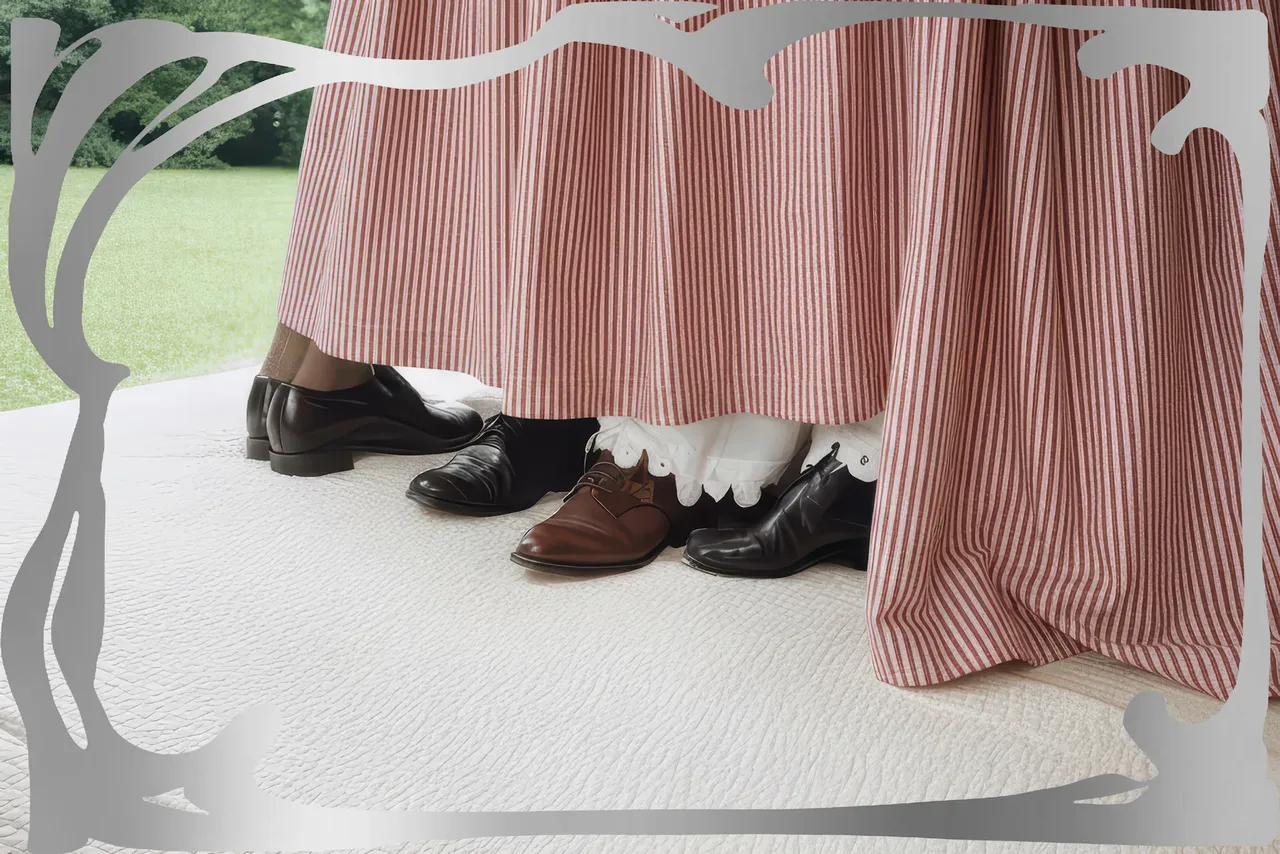
rack in the Curtain, 2025 © Huang Peishan
Alex Prager at Lehmann Maupin Gallery (New York)
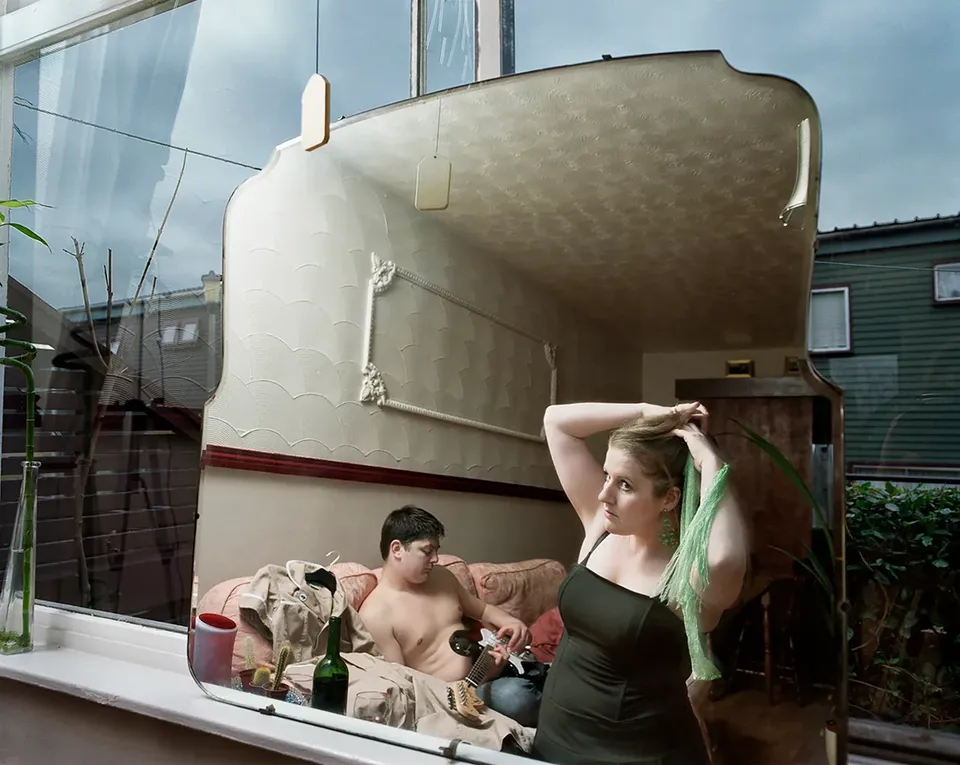
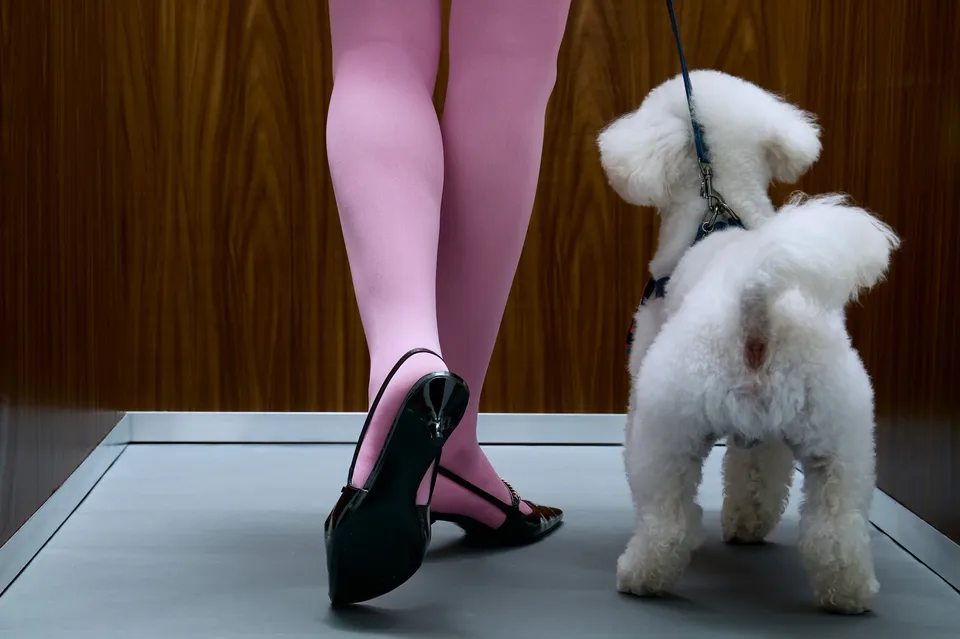
Like Joan Didion, Alex Prager uses Los Angeles as both the subject and muse. In her latest work, Matinee, the city becomes a stage where reality and performance are inseparable. The Capitol of Hidden Hills unmasks elites parading in privilege and uncanny costumes while the surrounding districts struggle to simply survive. Bonnie Hill Overlook suspends a woman in time, whether in the 1950s, the 1960s, or the present day. Certain roles, expectations and inequalities remain the same. Through highly saturated colour and Wes Anderson-esque characters, Prager constructs what feels like a distorted memory of a two-faced contemporary society.
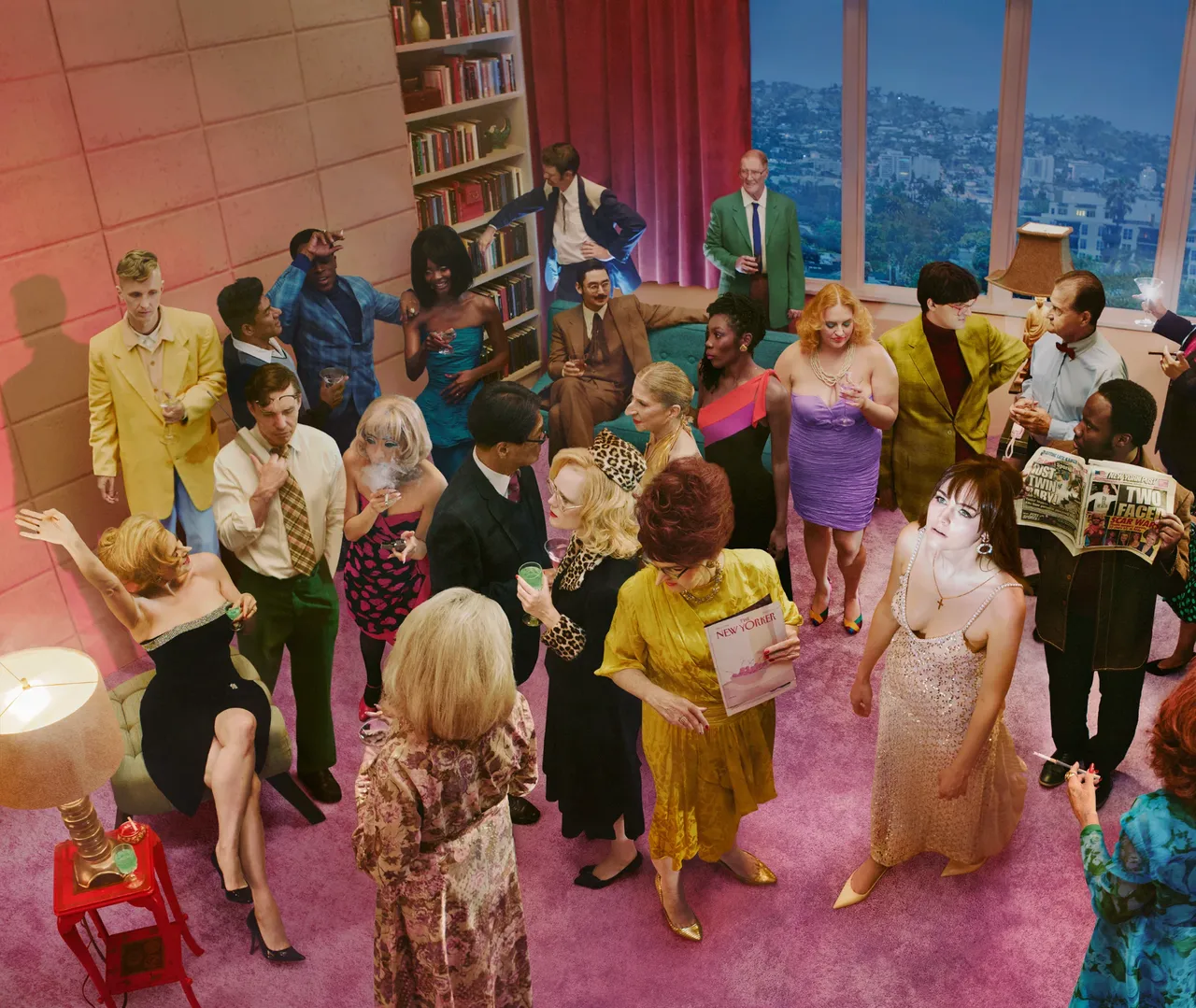
Alex Prager. Hidden Hills (Invitation), 2026
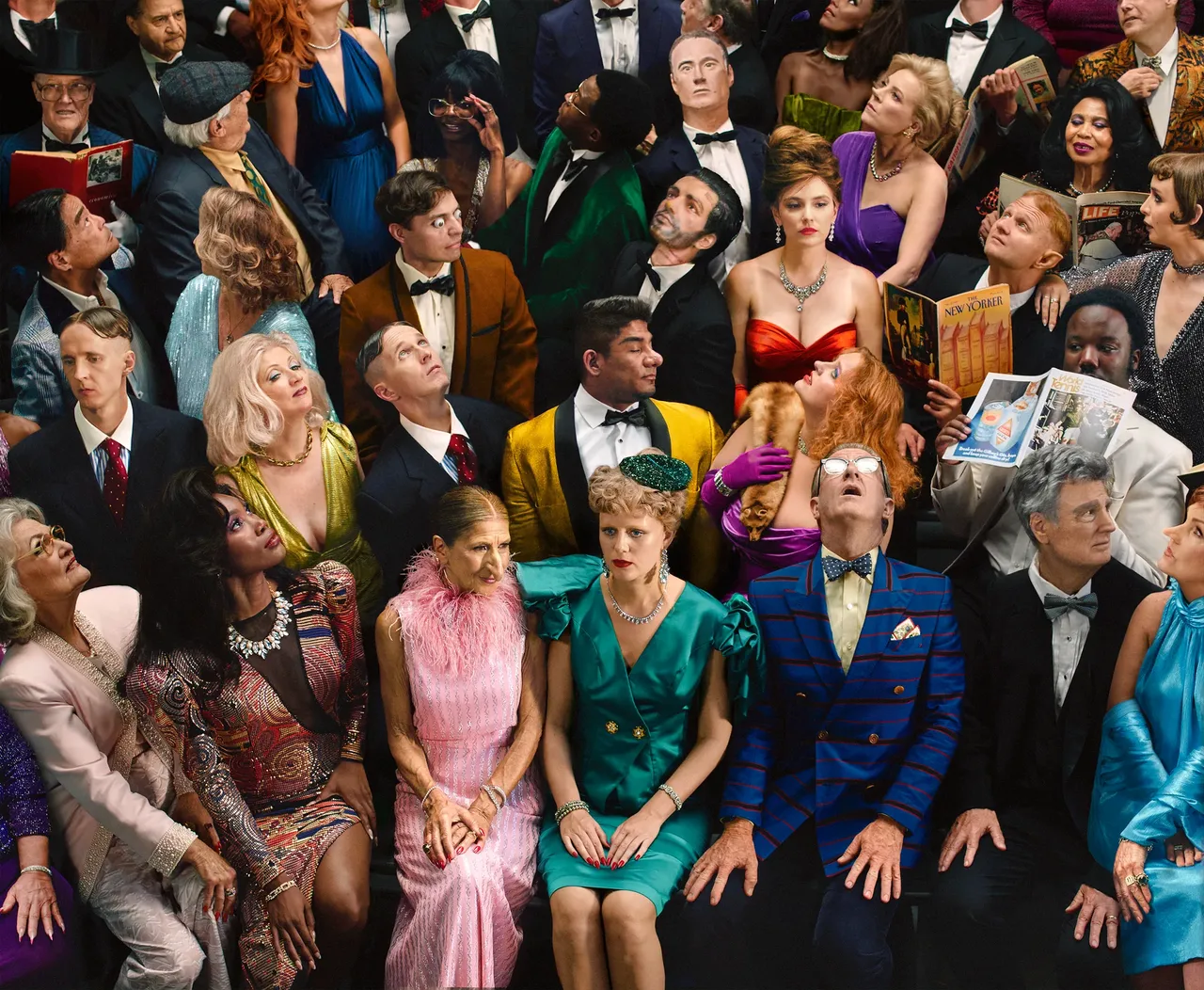
Alex Prager, Ceremony, 2026
Yumna Al-Arashi at Huis Marseille (Amsterdam)
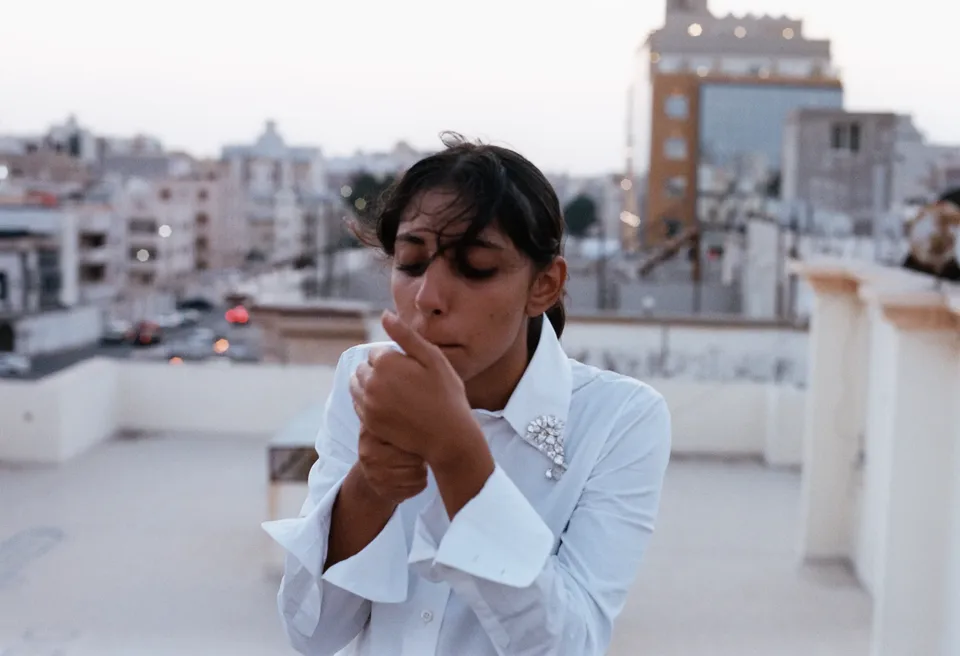
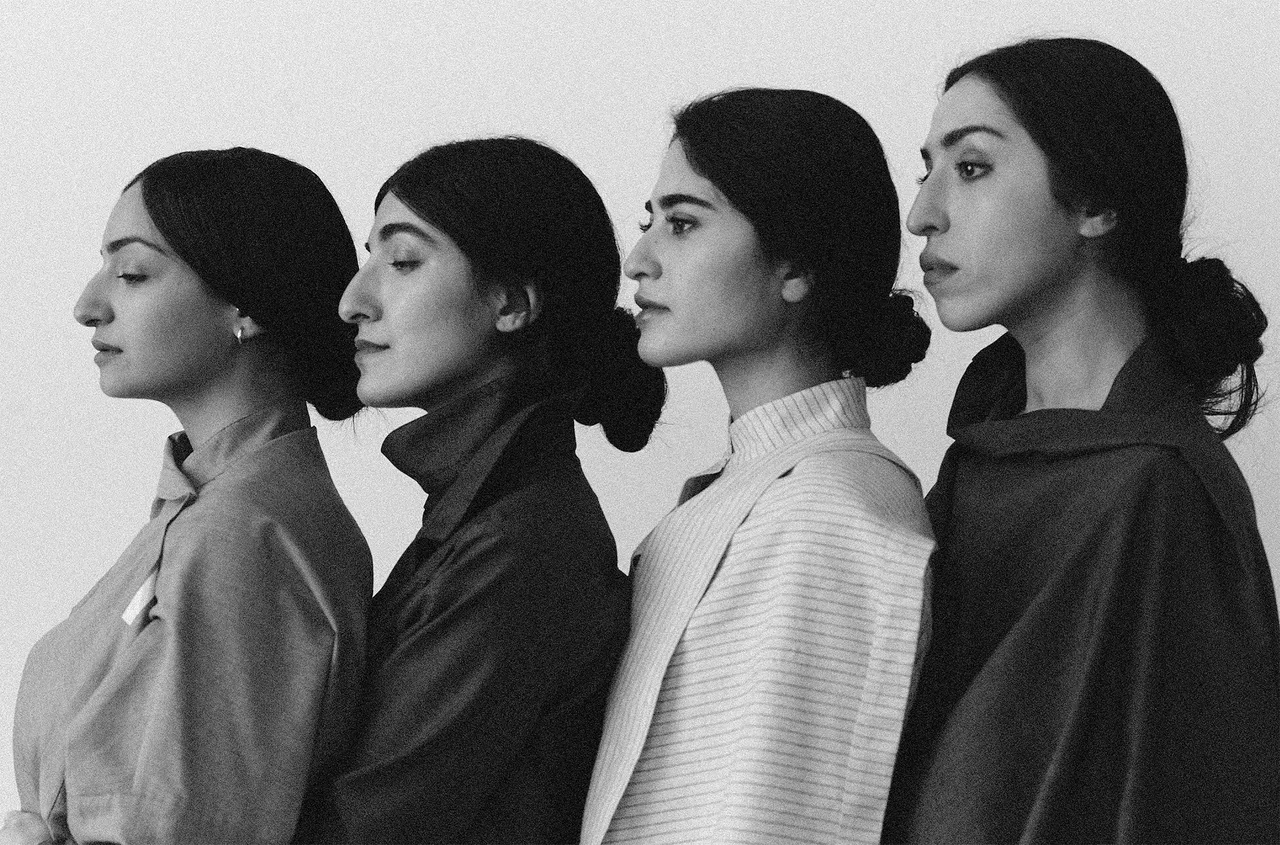
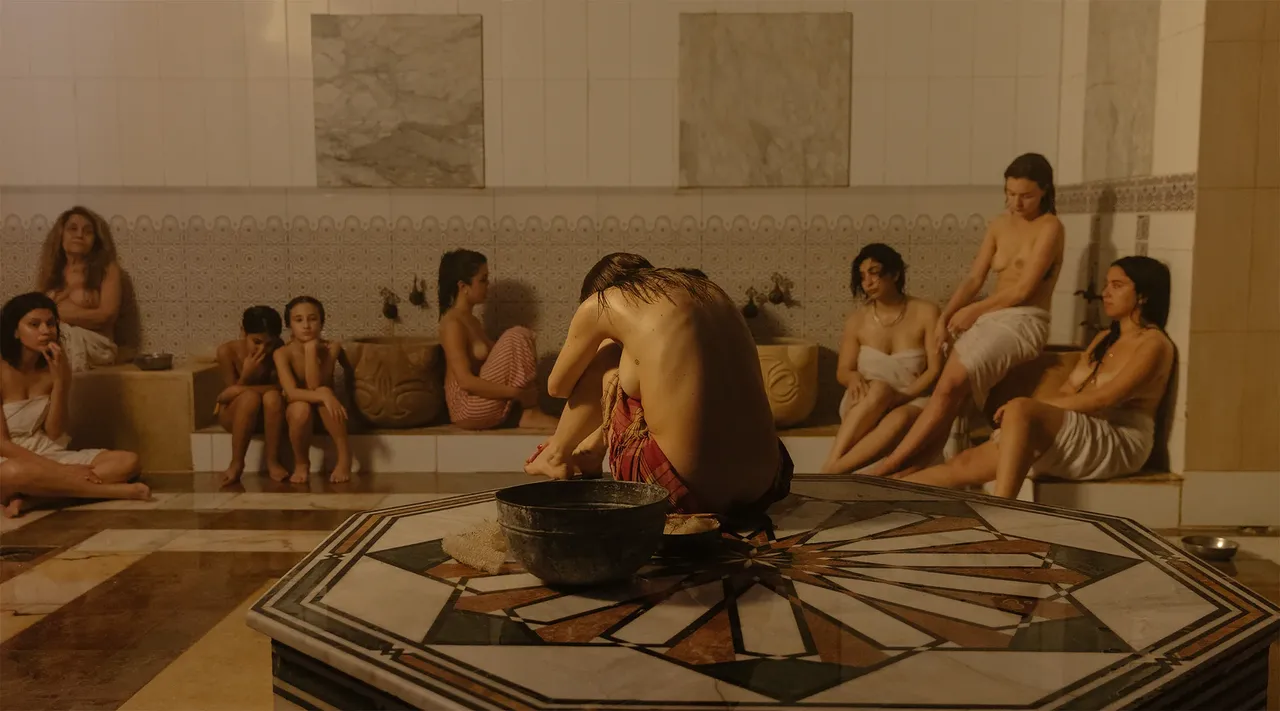
Body as Resistance is the title, and perhaps the clearest way to describe the artist’s first solo museum exhibition: an exploration of how Arab women have historically been represented through an external and politicised gaze. Al-Arashi argues that women have rarely had the opportunity to hold power, or, in this case, the camera; an object that has historically functioned not only as a passive observer, but as an intruder long tied to structures of authority.
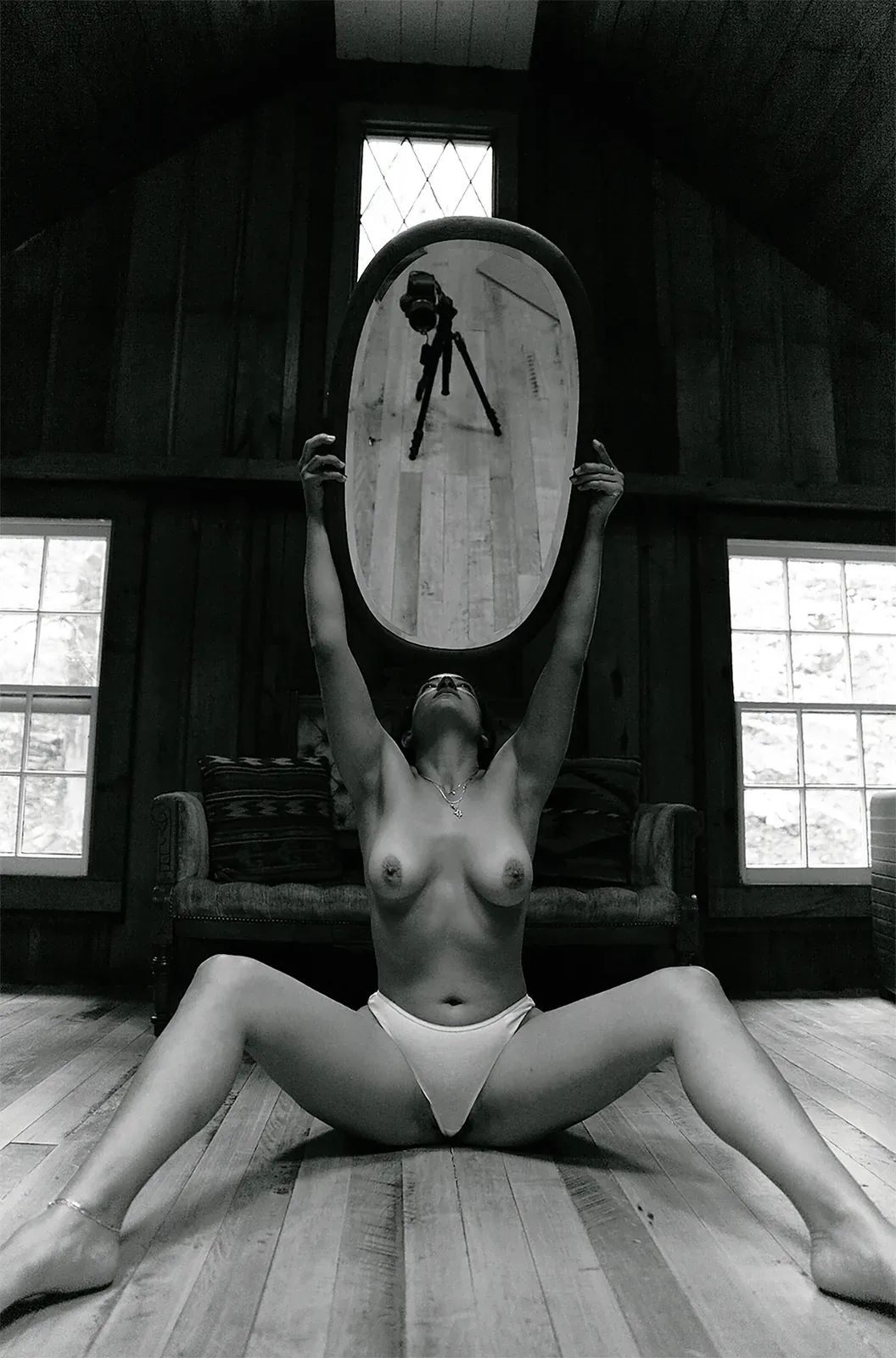
Through intimate and emotionally charged photographs of a woman looking at women, the exhibition becomes an act of protest. In Looking at You Looking at Me Looking at You, a naked woman meets the viewer’s gaze with full awareness of being watched. Solitude becomes inseparable from the experience of womanhood in Shedding Skin, while in Untitled, the rock symbolises its constant weight. Her work is “a visceral and deeply important feminine act of seeing and being seen”, as she describes it. And after moving through this exhibition, it becomes difficult not to understand what she means.
Through intimate and emotionally charged photographs of a woman looking at women, the exhibition becomes an act of protest. In Looking at You Looking at Me Looking at You, a naked woman meets the viewer’s gaze with full awareness of being watched. Solitude becomes inseparable from the experience of womanhood in Shedding Skin, while in Untitled, the rock symbolises its constant weight. Her work is “a visceral and deeply important feminine act of seeing and being seen”, as she describes it. And after moving through this exhibition, it becomes difficult not to understand what she means.
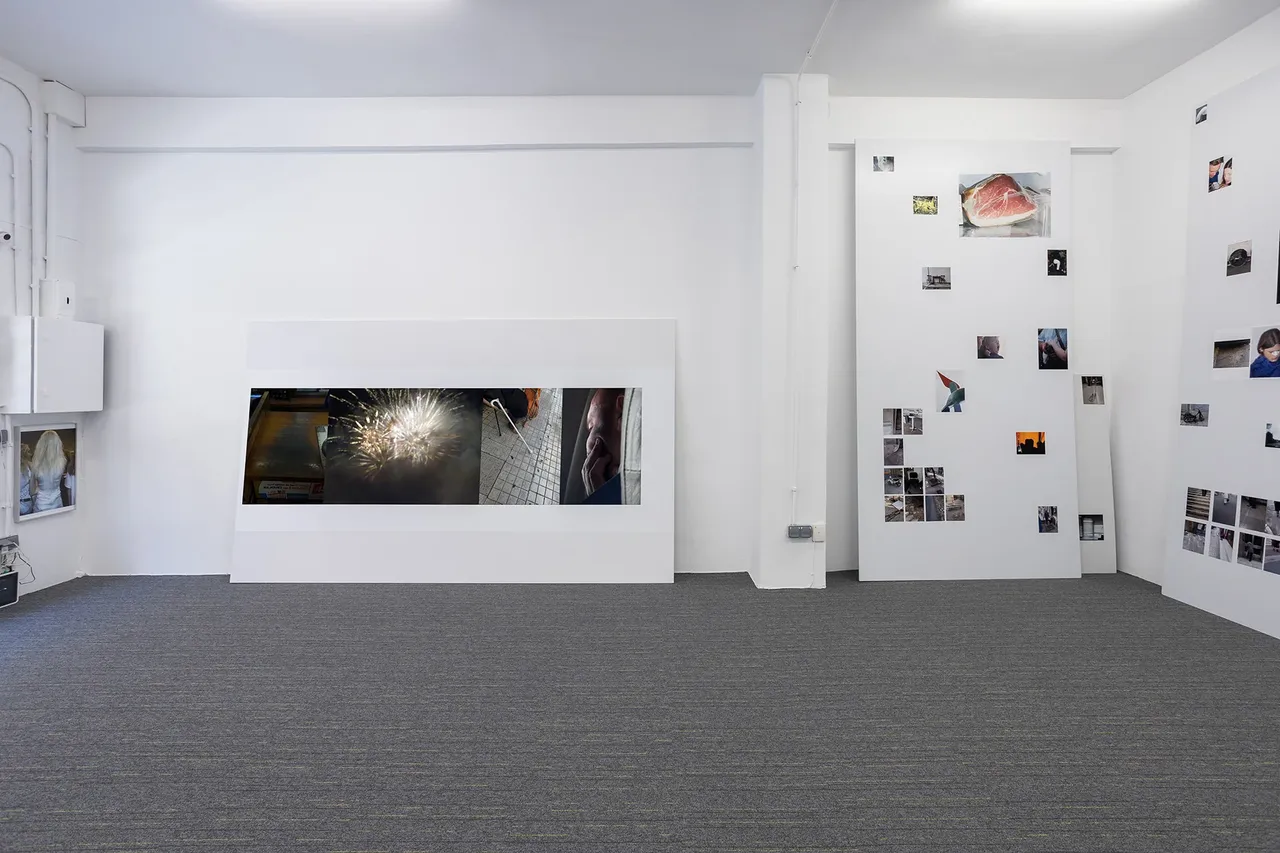
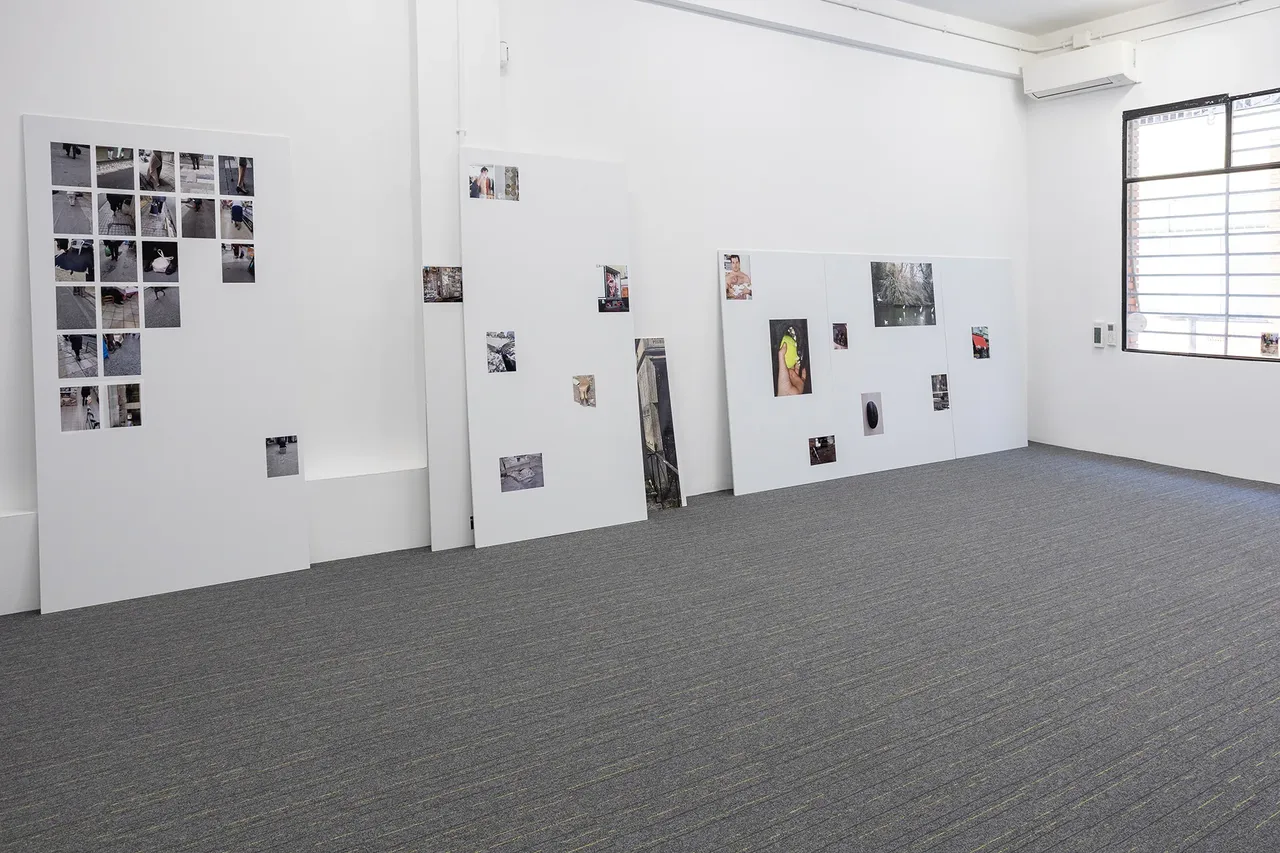
Cristina Stolhe at El Chico (Madrid)
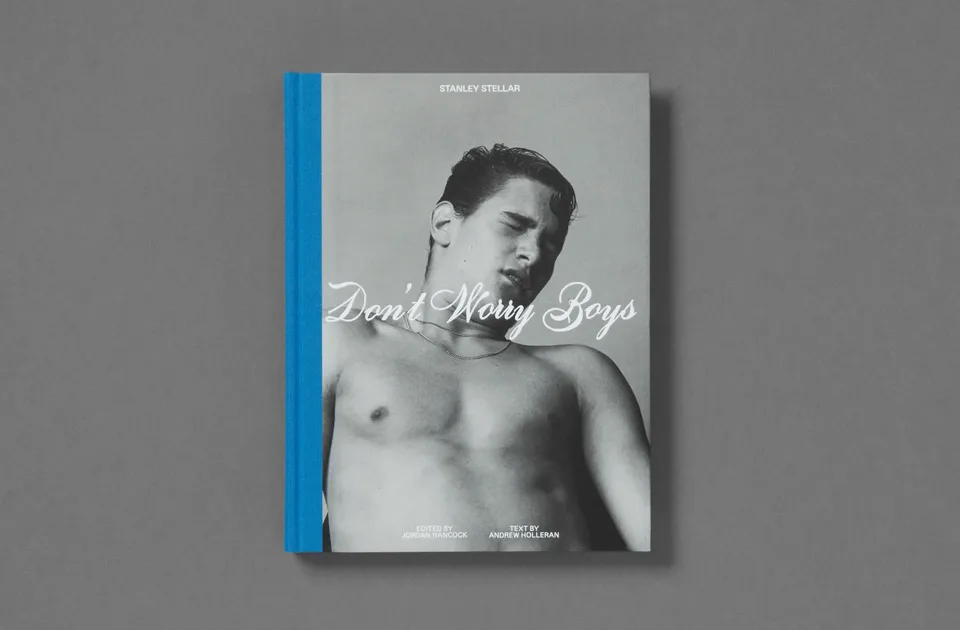
Accumulated images, free from hierarchy, assembled like a mood board. An anti-exhibition in which no single image takes precedence over another, but all exist as part of a broader idea. In No te preocupes si no, the camera embraces its own duality: at once an intruder into everyday life and a witness to it, suspended between two gazes, that of the artist and that of the viewer. Cristina Stolhe’s selection of images carries a distinct gaze and meaning, unfolding as a meditation on the present and the future, on who we are and who we are becoming.
New Woman, New Vision at Museum für Fotografie (Berlin)
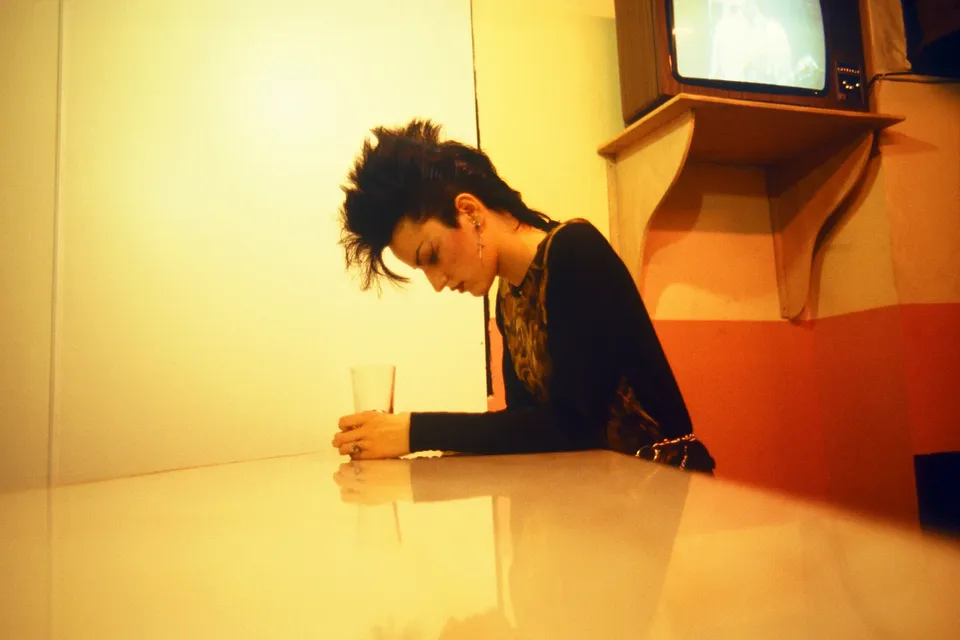
Women artists and photographers are not a phenomenon of the new millennium; they have always existed, and they always will. We should wonder how many of those we do not know were forced to keep a low profile, work under a pseudonym, or worse, how many works we have admired were in fact made by women whose names were erased from history. New Woman, New Vision features more than three hundred photographs by women photographers from the Bauhaus, along with the dialogue of contemporary artists Kalinka Gieseler, Caroline Kynast and Sinta Werner.
Virginia Woolf argued that women would never create in exactly the same way as men, because within a woman’s mind there are countless conflicts that extend beyond the artistic process itself, so a woman in 1929 taking a self-portrait like a man would be a deeply political act.
Virginia Woolf argued that women would never create in exactly the same way as men, because within a woman’s mind there are countless conflicts that extend beyond the artistic process itself, so a woman in 1929 taking a self-portrait like a man would be a deeply political act.
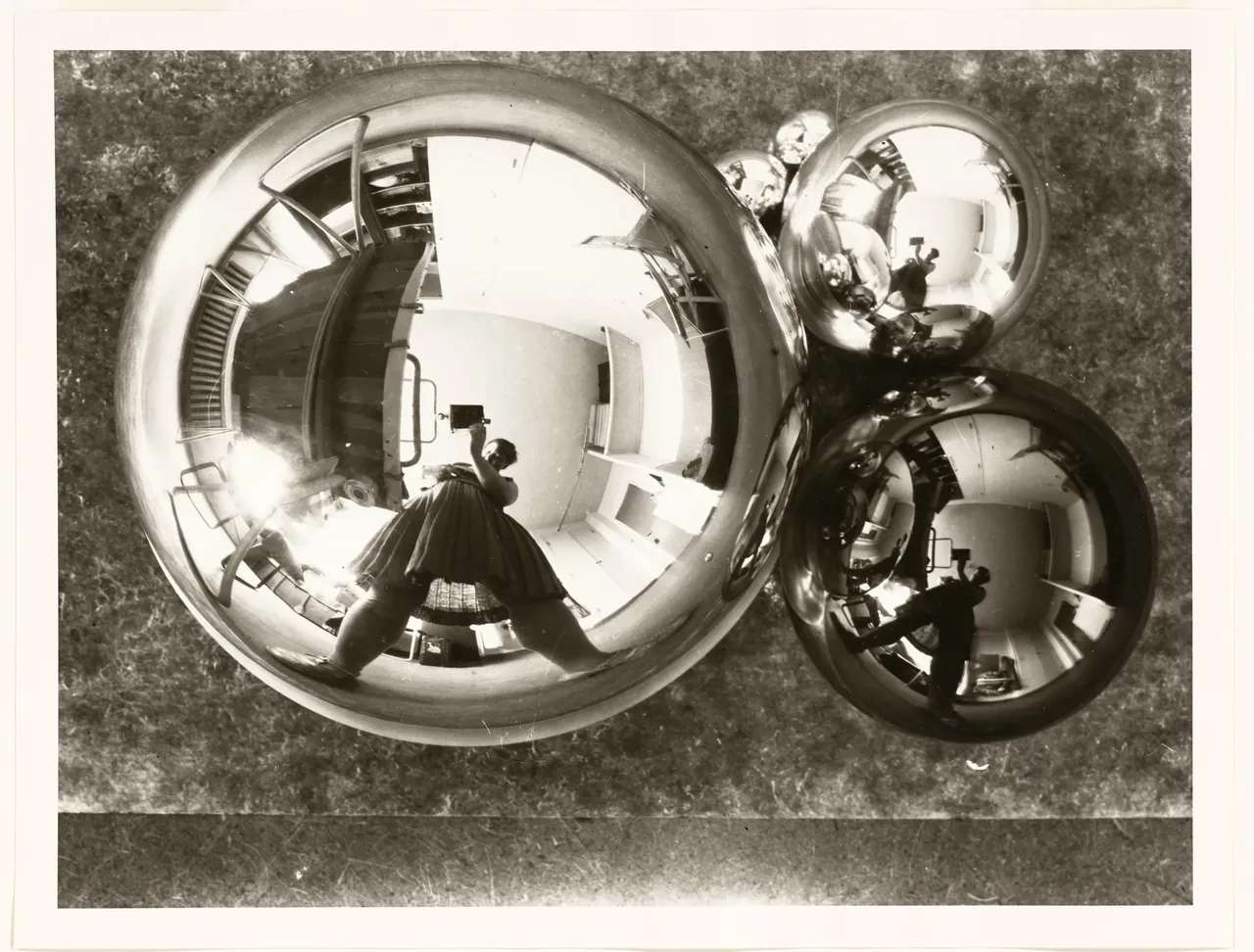
Marianne Brandt, Selbstporträt mit Kamera im Atelier in der Kugel gespiegelt, Bauhaus Dessau, um 1928 - 1929, Bauhaus-Archiv Berlin. © VG Bild-Kunst, Bonn 2026
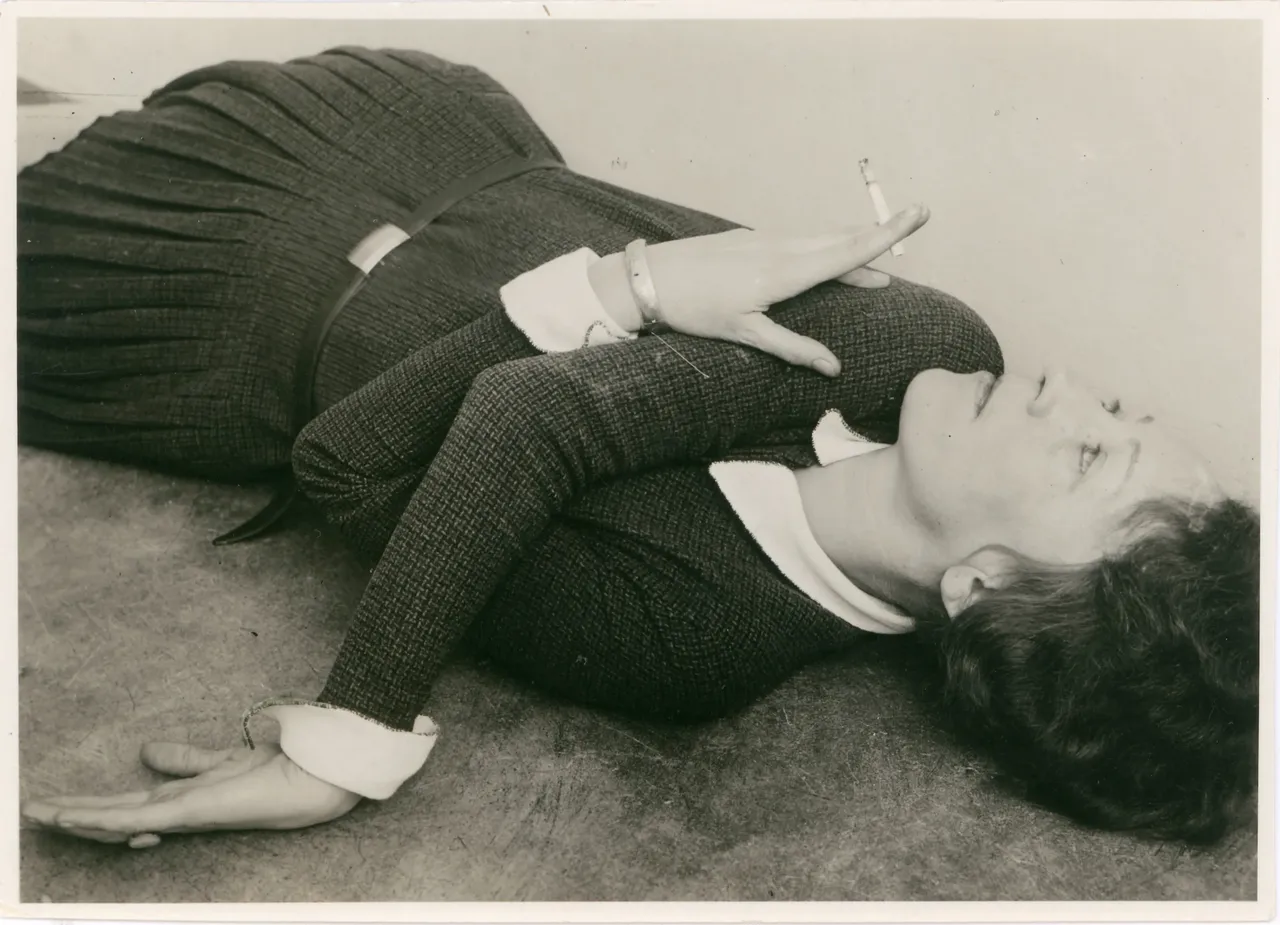
Grit Kallin-Fischer, Selbstporträt mit Zigarette, um 1928, Bauhaus-Archiv Berlin
Nhu Xuan Hua at Autograph (London)
Watching Walking on Fire feels like entering a Vietnamese temple, a quiet space to honour ancestors and the fragility and beauty of simple memories. Through figures, or more often, their noticeable absence, Hua explores the ways in which we are forced to communicate when language is lost. The present becomes shaped by both the absence and remembrance of the past, and through her work, she “negotiates the space between what might be inherited memory and what might be imagined”, as Bindi Vora, curator at Autograph, describes it.
The recurring silences within the work, the fragility of certain pieces, and the subtitles present in others allude to the complexities of growing up as the daughter of immigrant parents. Yet, her work expands beyond autobiography, and speaks to us as women, as daughters, mothers, friends, sisters sharing the same experience and understanding one another.
The recurring silences within the work, the fragility of certain pieces, and the subtitles present in others allude to the complexities of growing up as the daughter of immigrant parents. Yet, her work expands beyond autobiography, and speaks to us as women, as daughters, mothers, friends, sisters sharing the same experience and understanding one another.
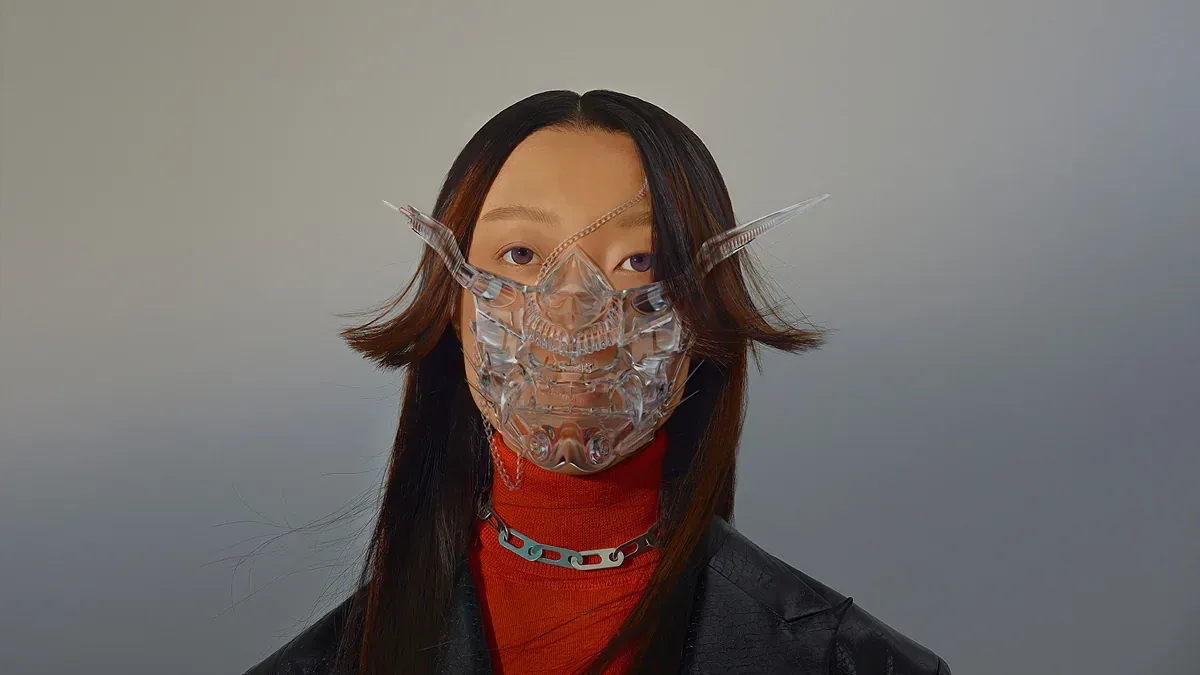
The one who couldn’t talk, 2021. Courtesy of the artist and Anne-Laure Buffard, France. © Nhu Xuan Hua
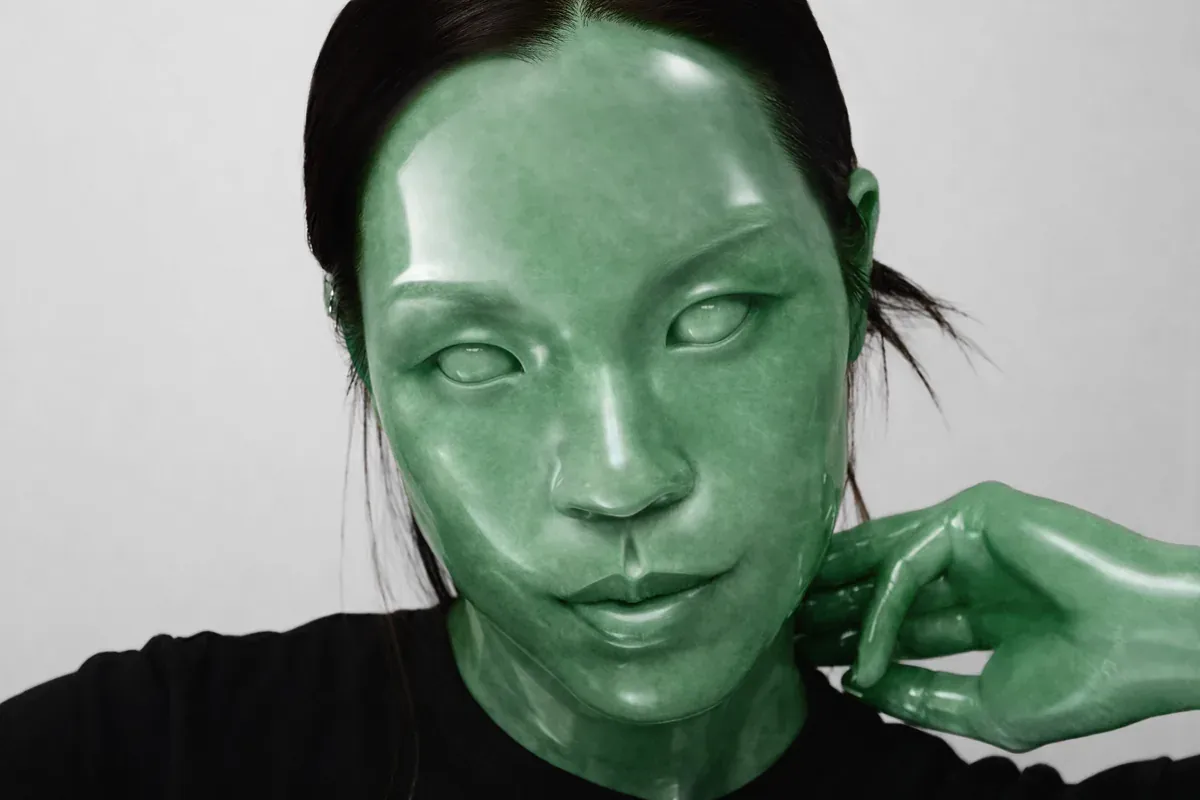
Promise of Spring, 2026. Courtesy of the artist and Anne-Laure Buffard, France. Commissioned by Autograph, London. © Nhu Xuan Hua