We thought a sort of calm had settled over the fashion industry after a fashion month without any major shake-ups or chess moves like those that became the new normal a few seasons ago. But just days after the last runway show in Paris, we were hit with an announcement that, while not entirely surprising, still disturbed the serenity. Seán McGirr is leaving his role as creative director of McQueen after just three years, in a move that many had been calling for since the beginning. His departure follows an apparent failure to meet audience expectations for one of the most iconic and cherished brands of all time, alongside plummeting sales at the house and declining figures for Kering. The seat has only just been left empty, but we may already know who could fill it, and another chair may need to be added.
What Seán faced from his very first day as McQueen’s creative director was an immense challenge that only a handful of the biggest names in the industry would be able to handle. The brand has meant so much not only to fashion but also to culture and society, and it had had only two creative directors in its history: its founder, the irreplaceable and visionary Lee Alexander McQueen, and his right-hand woman, the great Sarah Burton. It was clear that whoever became the third would have to carry a burdensome weight, one that only strong and prepared shoulders could bear. It seems McGirr was not quite equipped to handle this responsibility.
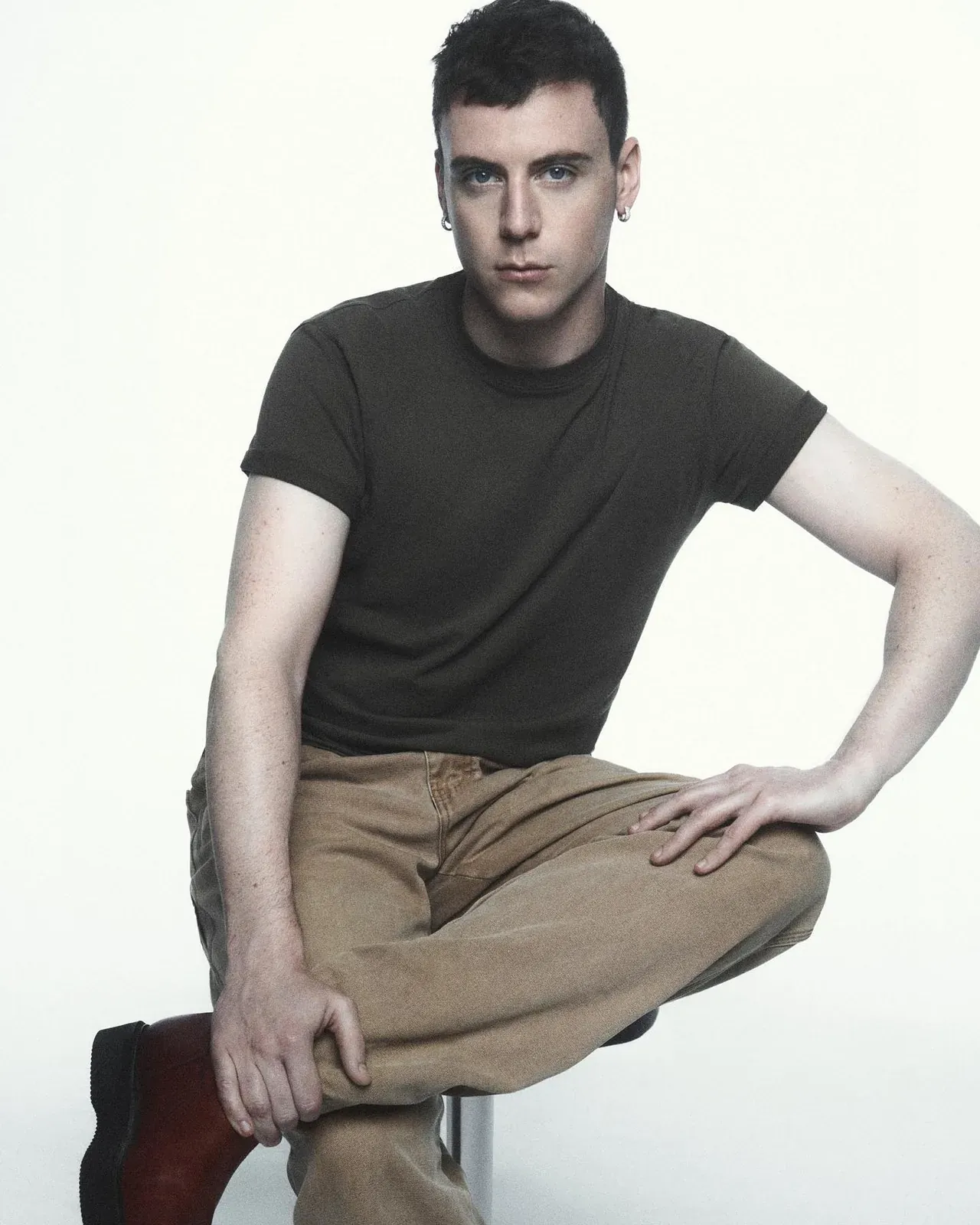
A Central Saint Martins graduate and former head of menswear at JW Anderson, the Irish designer took on one of the biggest responsibilities in fashion at just 35: preserving and developing the legacy of one of the most important brands to have ever existed. The respect commanded by this legacy has only grown over the decades, thanks in part to one of the most loyal and fiercely protective followings in fashion. These are people who are extremely hard to please, highly demanding of anyone working under the McQueen name and fiercely protective of the house’s output. With such big and intimidating shoes to fill, it was clear that not just anyone would be right for the job. From the very beginning, McGirr had to contend not only with the weight of his responsibility but also with the constant criticism and scrutiny of every decision he made with each collection.
There were some of us willing to give him time and a chance to evolve. His collections were not always perfect, but there were hints of an understanding of the house’s language that could perhaps have developed into something more fully realised. Many others, however, were calling for his head from the very start, and his latest S/S 2027 collection seemed to be the final proof, for them, that he was not fit for the job. His departure therefore feels less like a surprise than a long-foretold announcement. The audience response was far from universally positive, sales were falling and Kering needed a turnaround. This says nothing definitive about McGirr’s abilities as a designer or creator, but the task was simply too demanding and complex for just anyone to handle. I am not one to advocate ruthlessly tearing apart someone’s creative work, as we have become so accustomed to seeing online. It was simply the wrong name for the wrong house.
And now, in an industry where goodbyes last only milliseconds, where there is barely time to process what has just happened before our thoughts have already turned to who might take the helm next, one thing seems clear. At least to us, and apparently to many others judging by what we have seen over the past few hours, the most fitting successors come as a pair. Hannah Rose Dalton and Steven Bhaskaran, the duo behind Matières Fécales, have been widely compared to the great Lee McQueen.
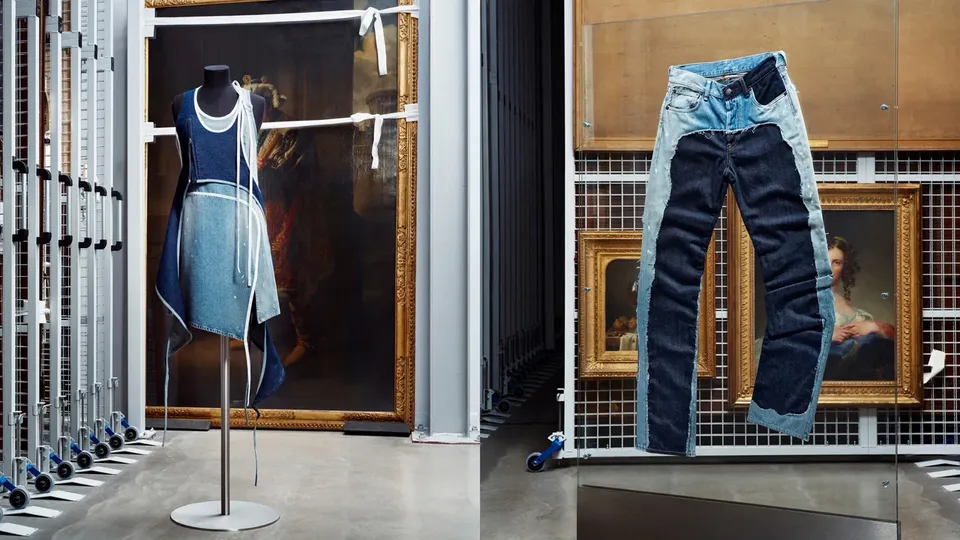
Their latest collection has a concept that fits perfectly with the house’s philosophy and is already helping them amass a cult following reminiscent of McQueen’s. The Ninety-Nine Percent feels like the perfect cover letter for the job. Their ability to create complex, extravagant, avant-garde and daring garments with great precision is matched by the social, political and cultural weight underpinning their work. These qualities could make them a fitting choice for the house of a man who understood fashion’s power to tell dark, raw stories rooted in the cruelty of the real world, as well as its ability to create without limits.