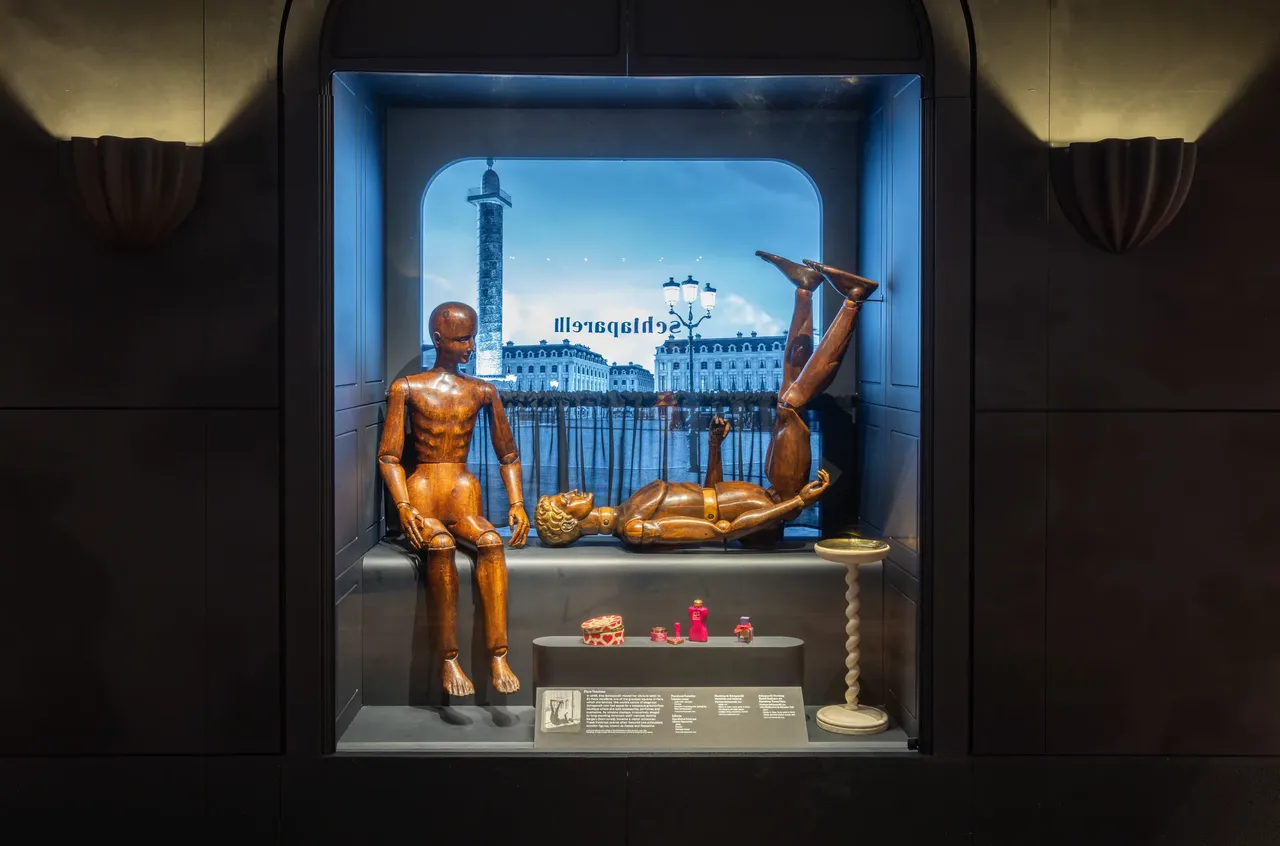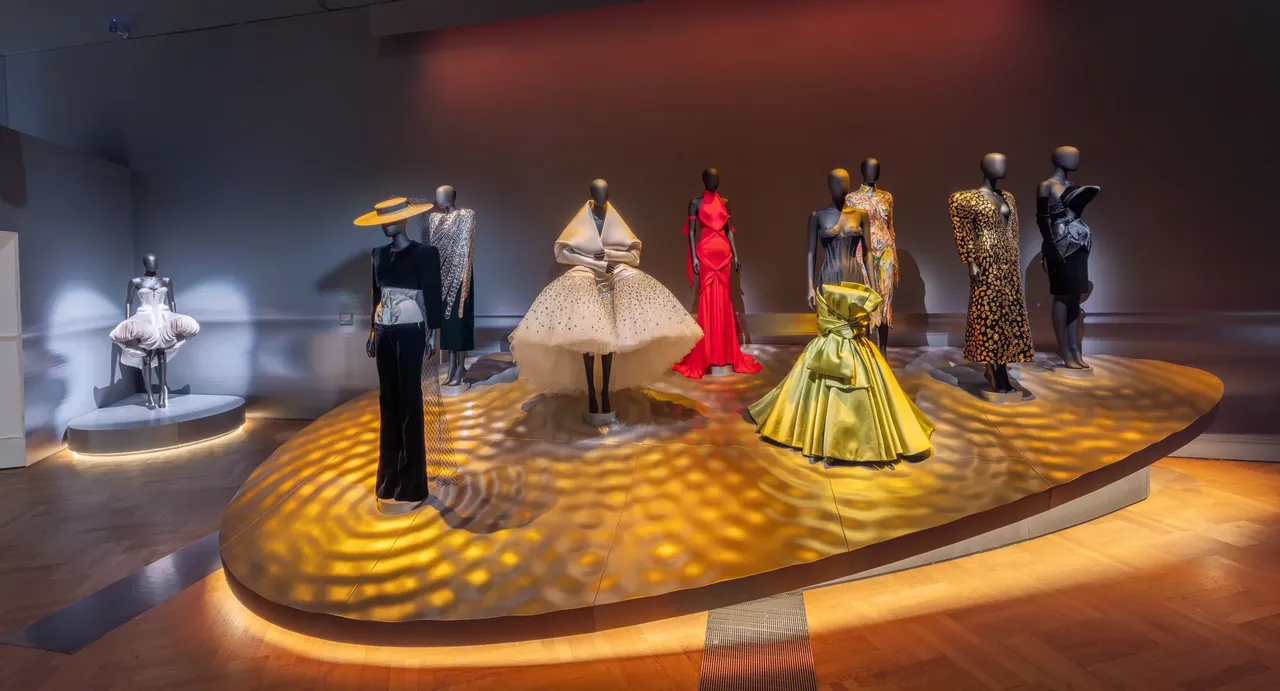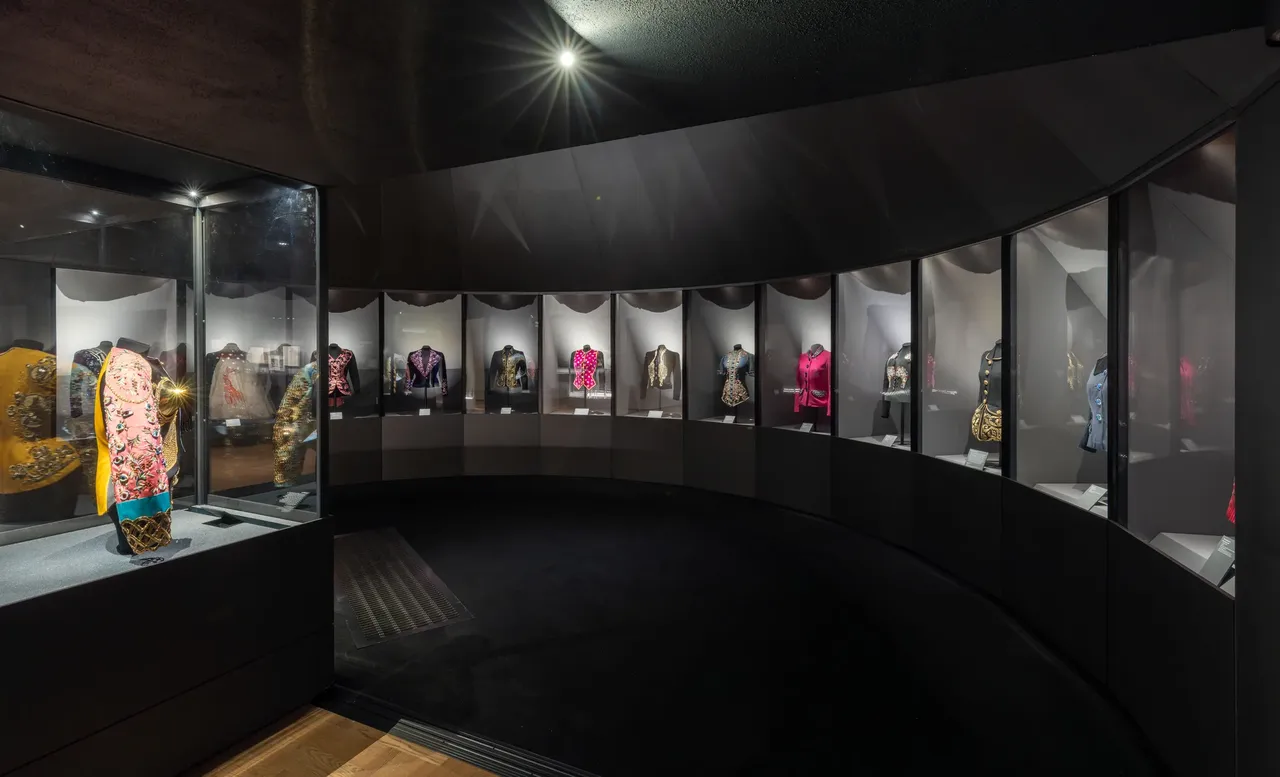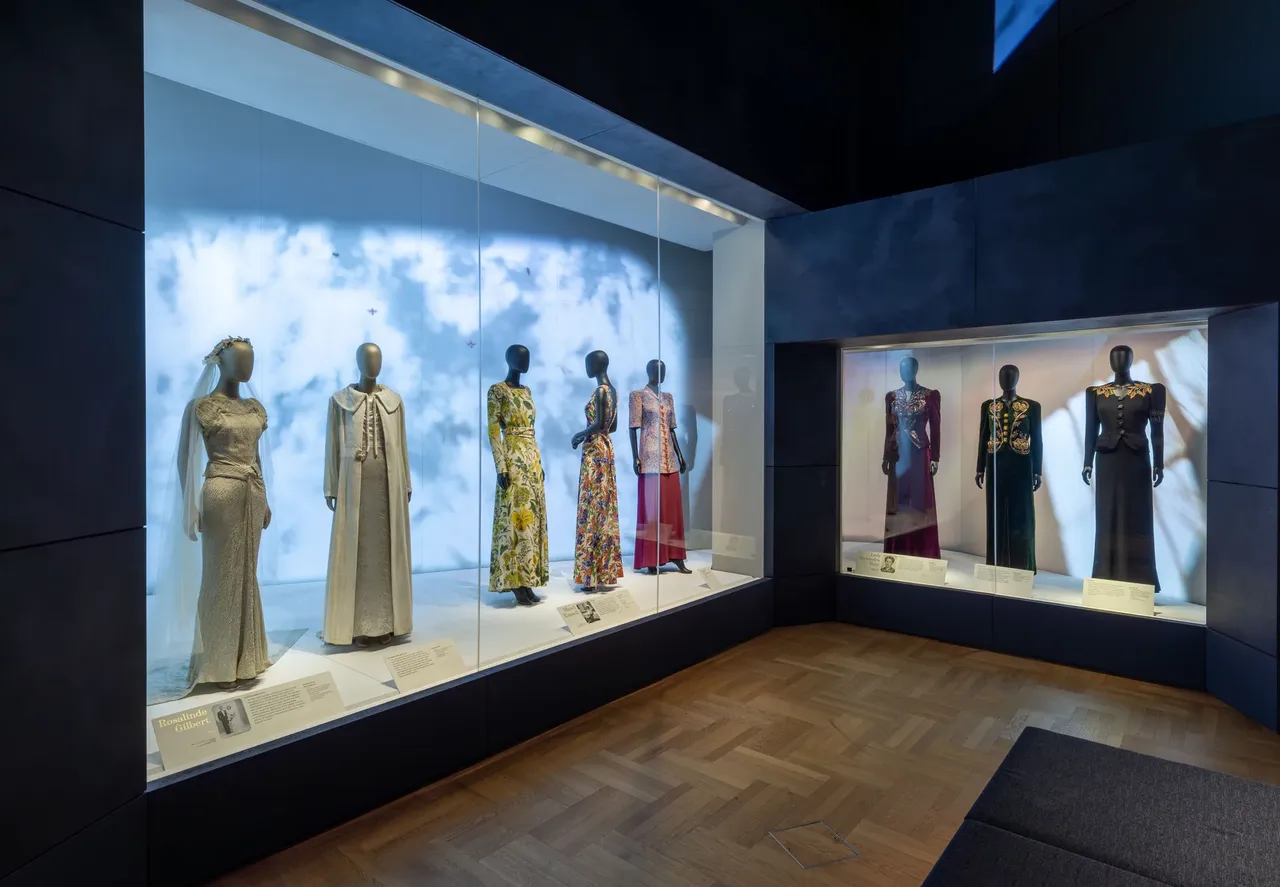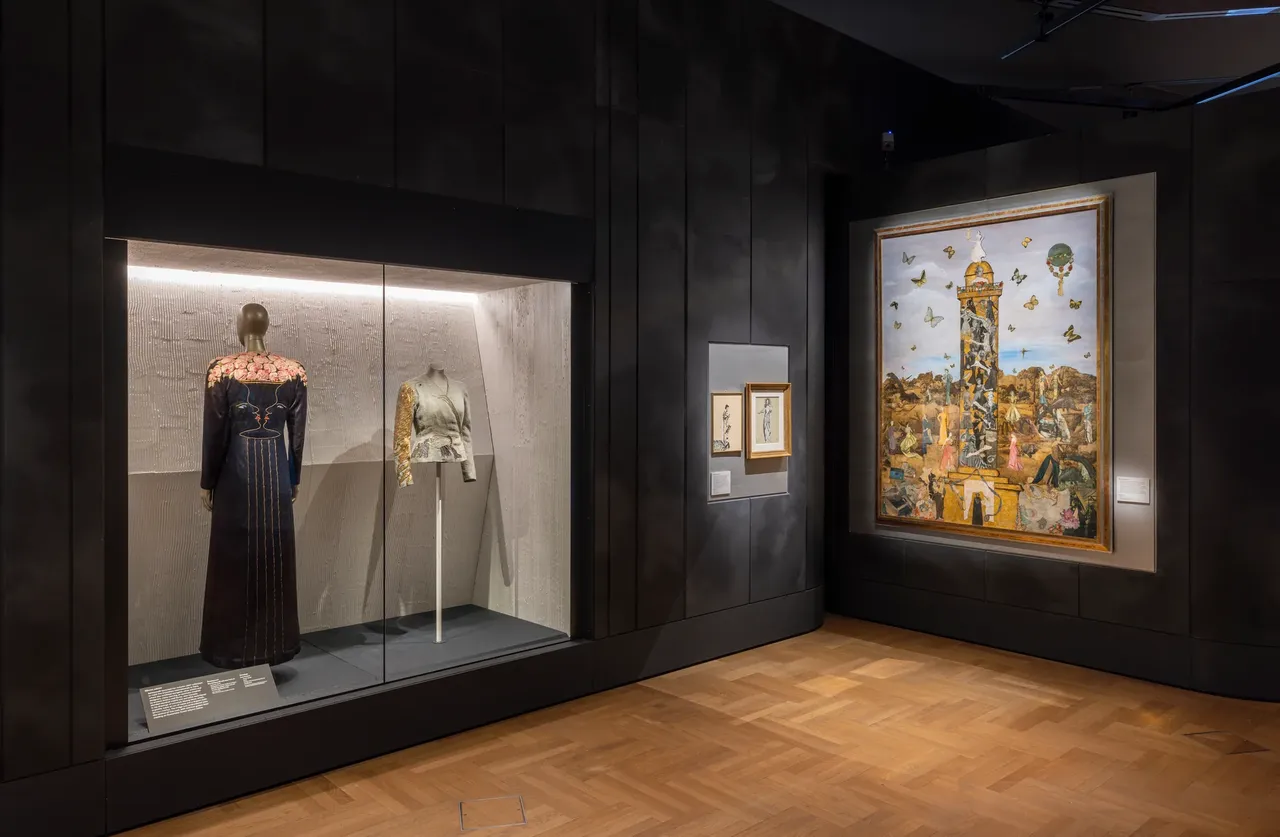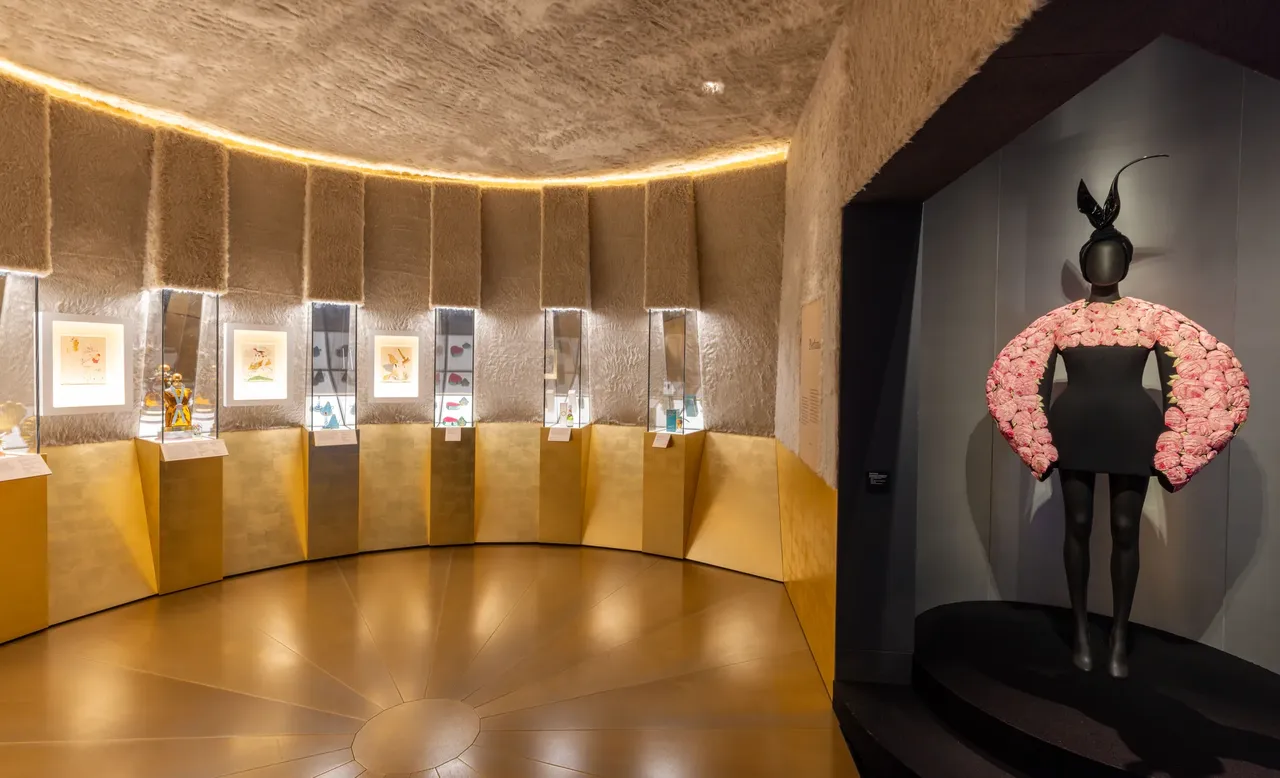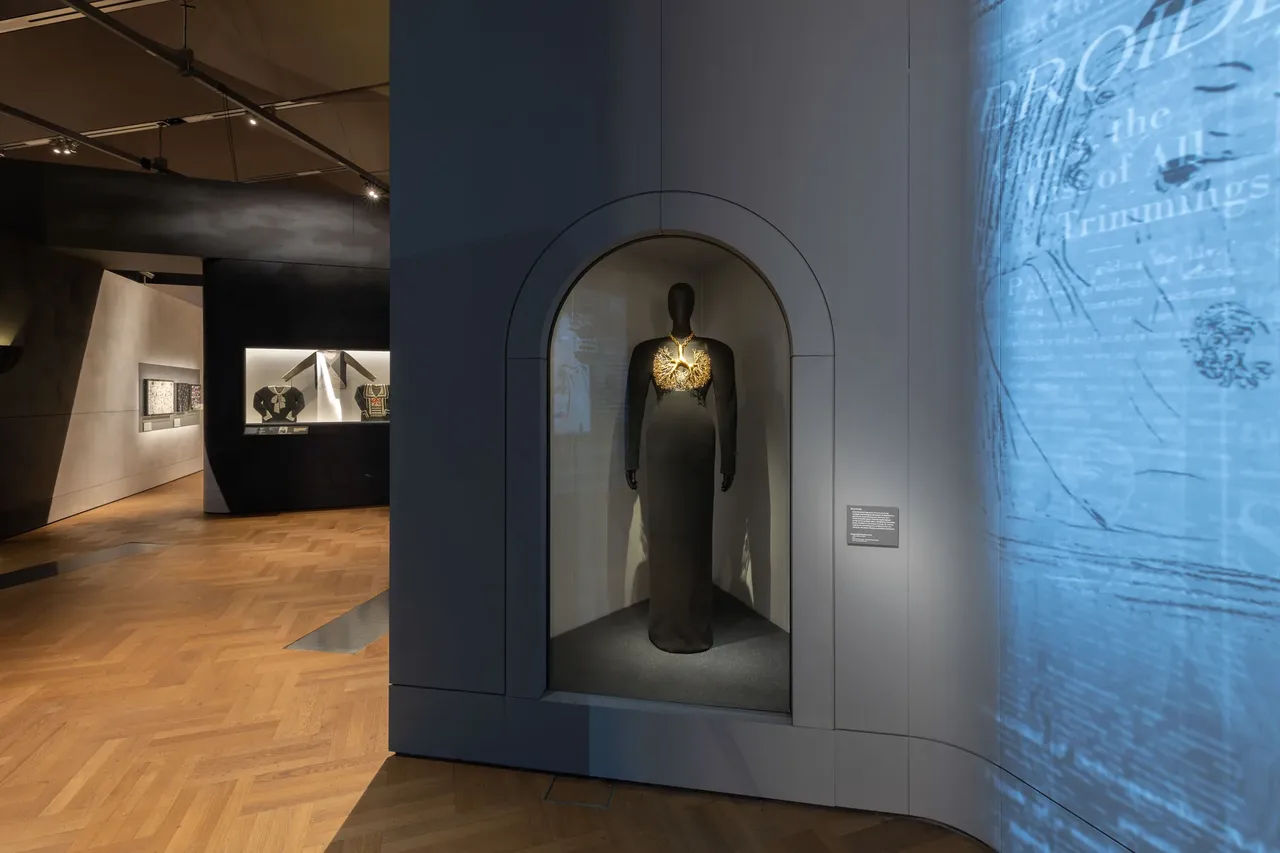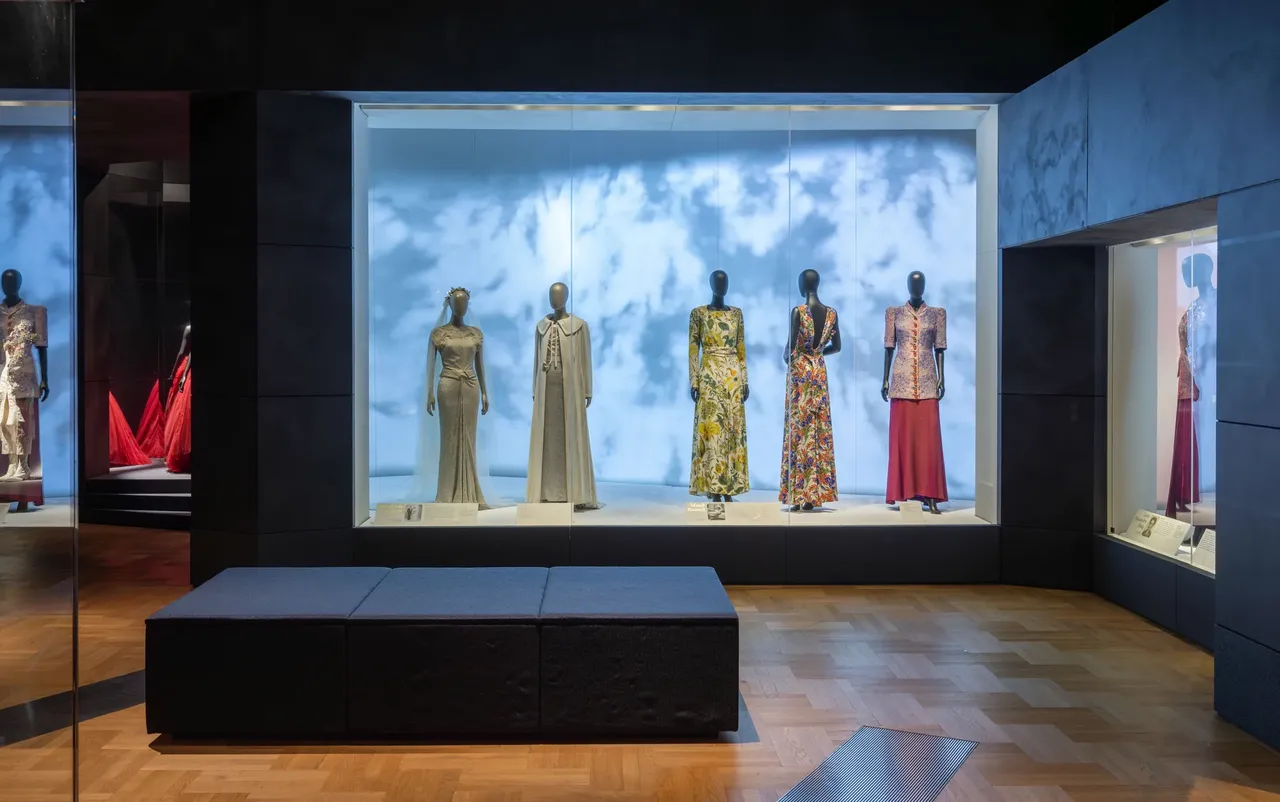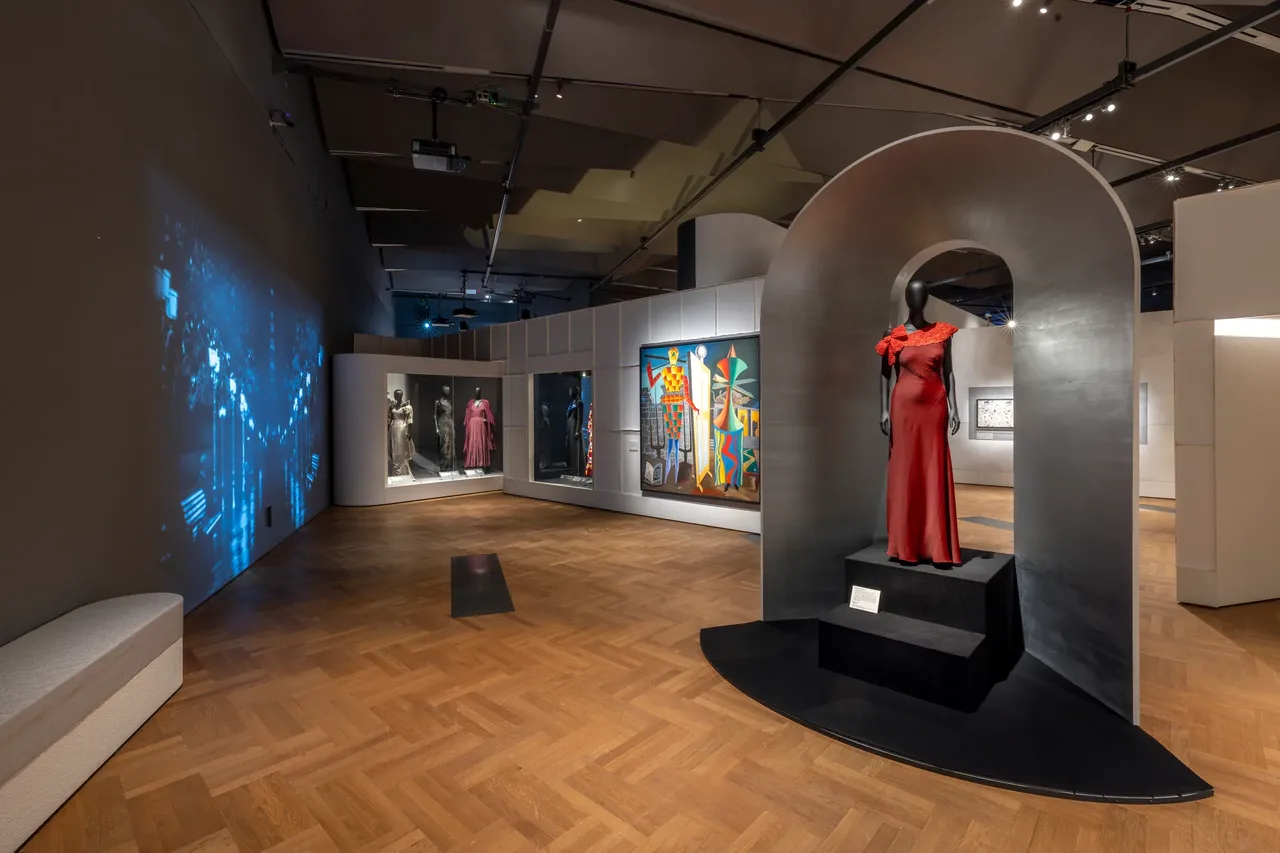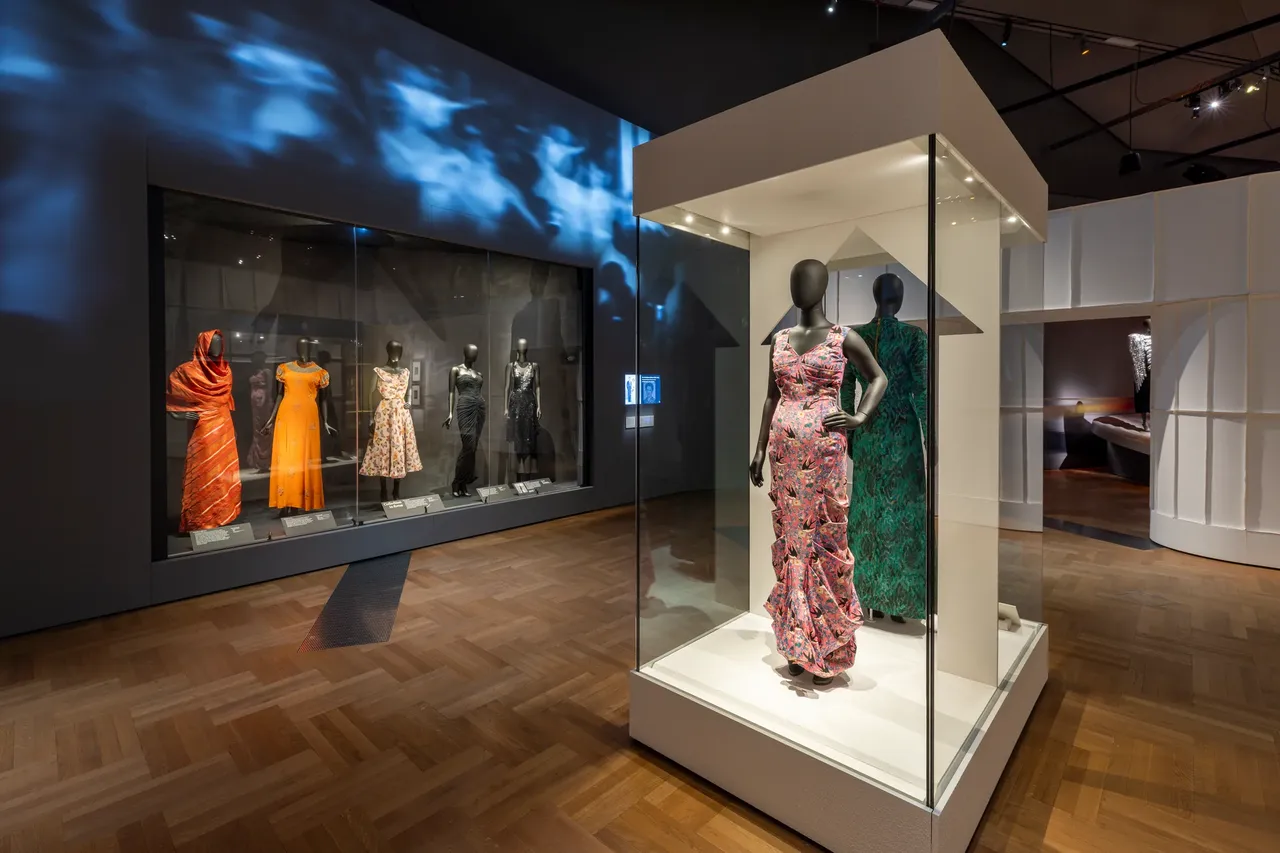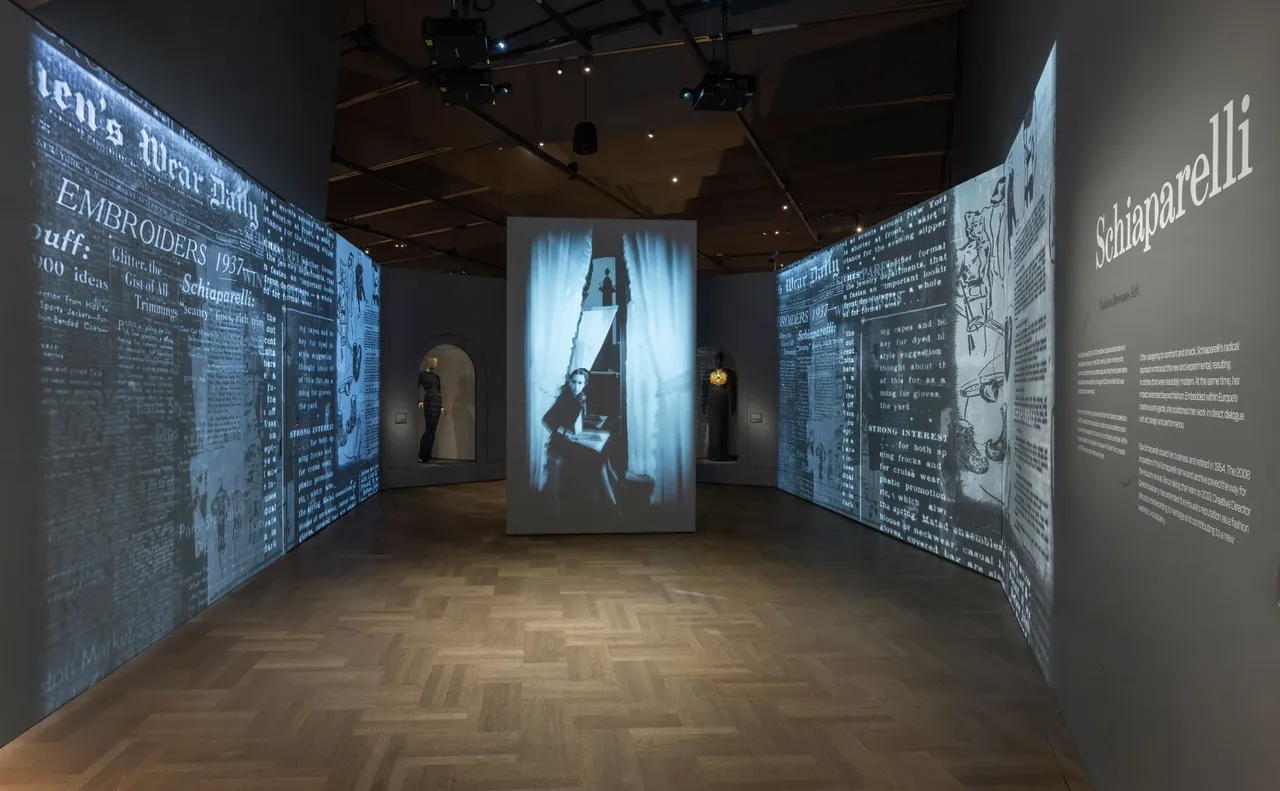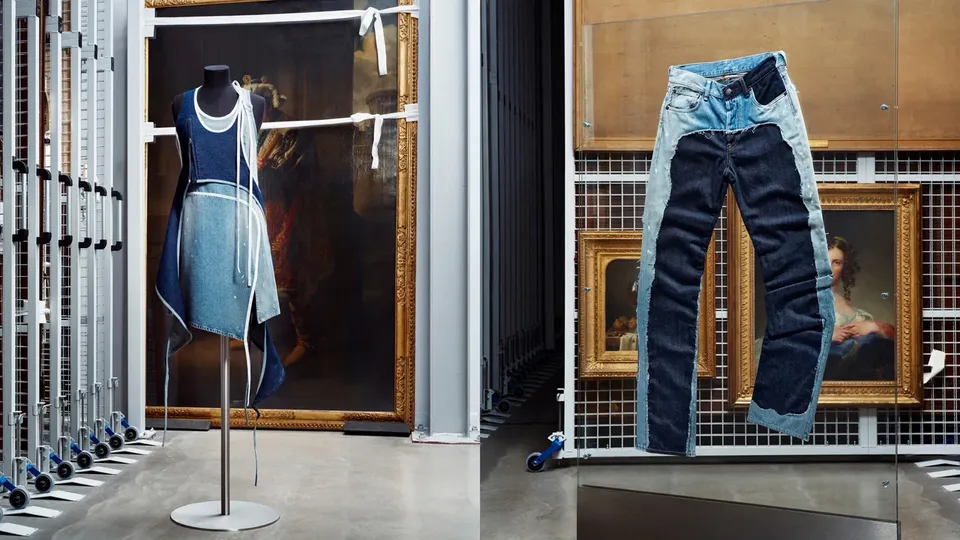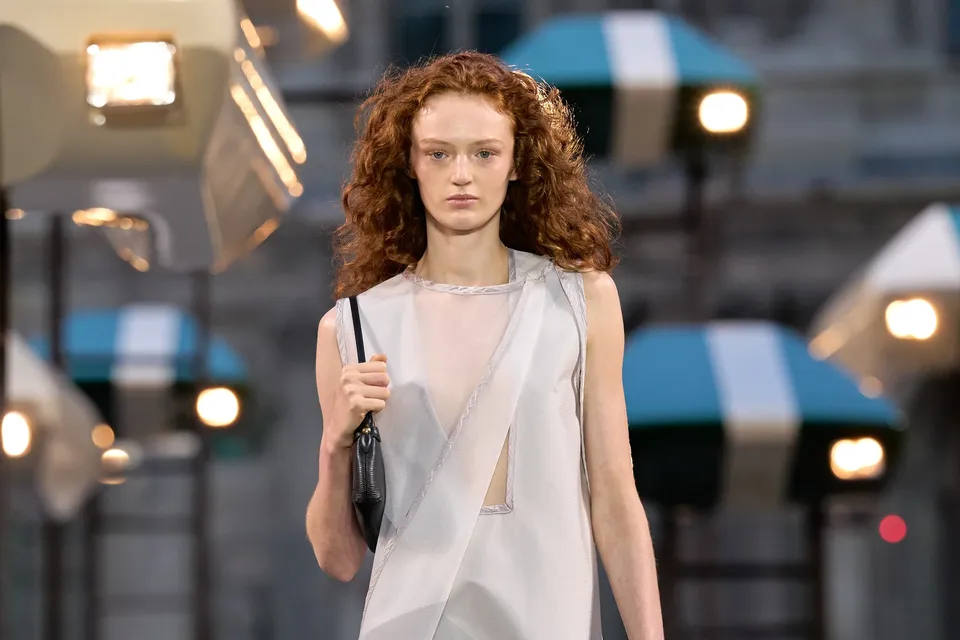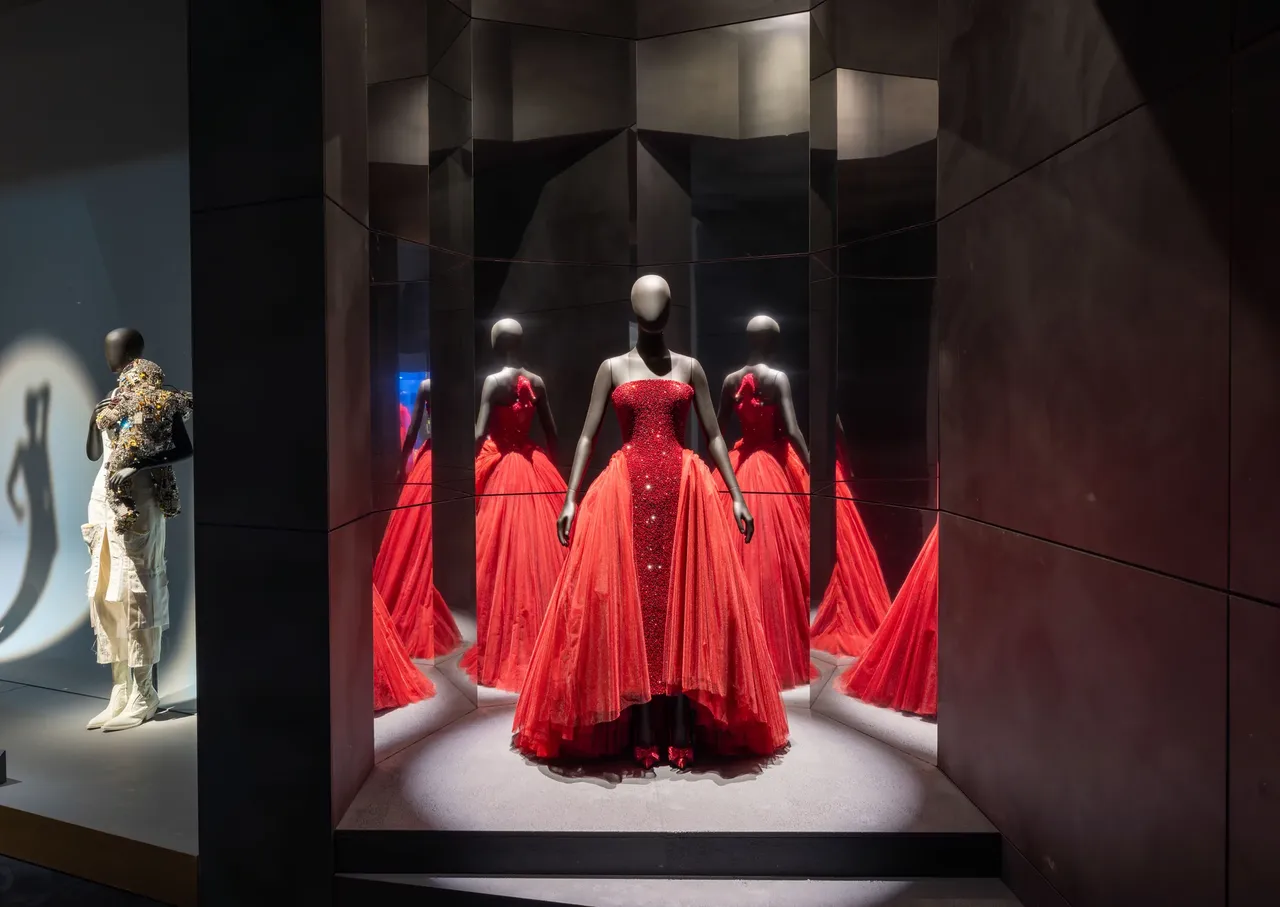
At a time when AI has become a recurring anxiety around creativity, Schiaparelli: Fashion Becomes Art, on view at London’s V&A until 8 November 2026, offers a timely reminder of what technology can’t replicate: the instinct, imagination, and risk behind truly original work. Spanning the House of Schiaparelli from Elsa Schiaparelli’s designs of the 1920s to Daniel Roseberry’s contemporary couture, the exhibition traces a legacy built on invention, provocation and the refusal to treat fashion as mere decoration.
The exhibition celebrates Elsa’s lasting impact on the creative industries, from the designs that shaped fashion history to her collaborations with Surrealist artists, which helped collapse the distance between fashion and art. For Schiaparelli, dress could be expression, architecture, movement and wit at once. Her bold approach also placed her in sharp contrast with Coco Chanel, who was imagining another version of the modern woman at the same time, albeit in a very different language.
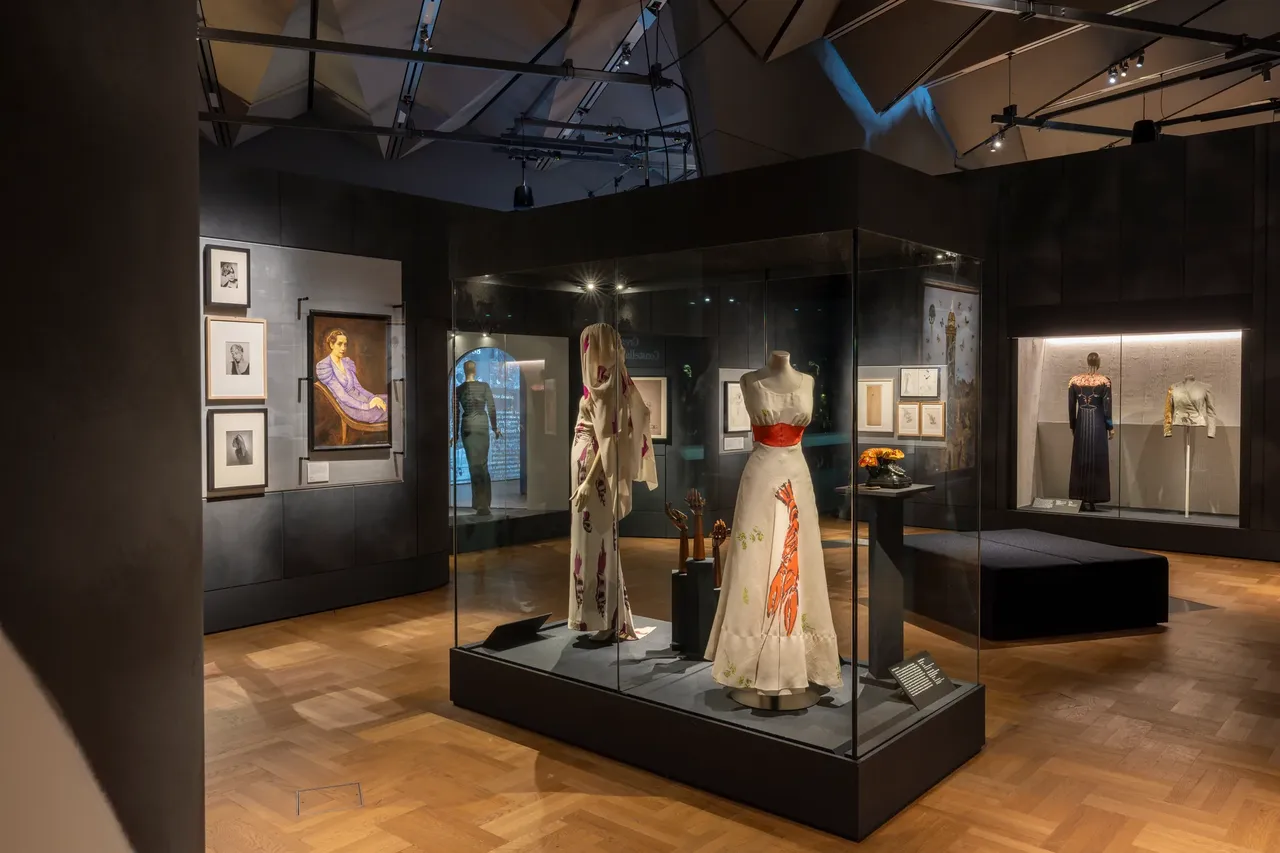
Moving through the display, visitors encounter the designs that defined Schiaparelli and cemented her reputation as a fearless creator: the Skeleton dress, the Lobster dress (which later inspired Salvador Dalí’s infamous lobster telephone), the Tears dress and the only surviving wedding dress designed by Elsa. These pieces show a designer drawn to the unexpected, but also to precision. Her clothes were not simply eccentric; they were built around an idea.
The exhibition feels especially resonant in a culture shaped by algorithms, social media trends and the pressure to conform; a lot of people are now only following trends and fear standing out, thus losing their personalities and sense of self. Schiaparelli chose the opposite route. She forged her own path, created one-of-a-kind works and challenged the traditional idea of what fashion should be. She proved that imagination and discipline, rather than compliance, are what make a name endure.
Elsa Schiaparelli’s influence continues to be felt today. Her modern and ambitious approach to artistic freedom helped change the way fashion could be used to tell a story. Striking silhouettes, exaggerated shapes and surreal details still define the House, while the fantasy of Schiaparelli offers an escape from the ordinary into a world of anatomy, dream logic and theatrical construction.
After a period of great success, and no shortage of controversy, Elsa Schiaparelli closed the House in 1954 as the post-war fashion landscape shifted. She later turned her attention to her autobiography, before dying in her sleep in 1973. The House remained dormant until 2012, when it reopened at the Hôtel de Fontpertuis, 21 Place Vendôme: the address that had first opened in 1935 as Schiaparelli’s boutique and workshop.
In 2019, while sleeping at a friend’s apartment trying to figure out his next move, Daniel Roseberry was asked to make a proposal for Schiaparelli. And it succeeded. He became the first American to lead a French couture Maison, bringing with him a decade of experience under Thom Browne and a sharp understanding of how to revive a historic House without turning it into a museum piece. Under his direction, Schiaparelli has returned to the centre of contemporary couture, with designs worn by names such as Lady Gaga, Dua Lipa, Hunter Schafer, Ariana Grande, Cardi B, Bella Hadid, Doechii, and Kylie Jenner.
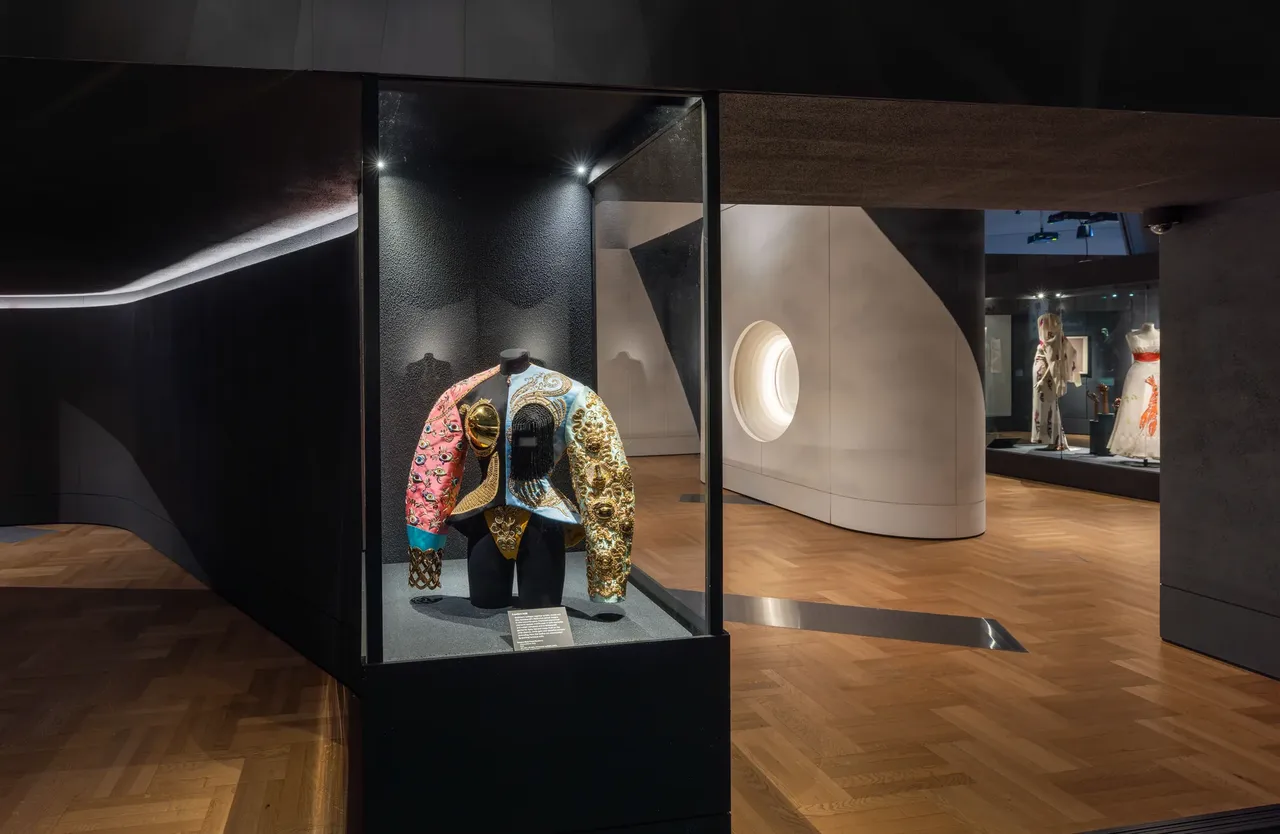
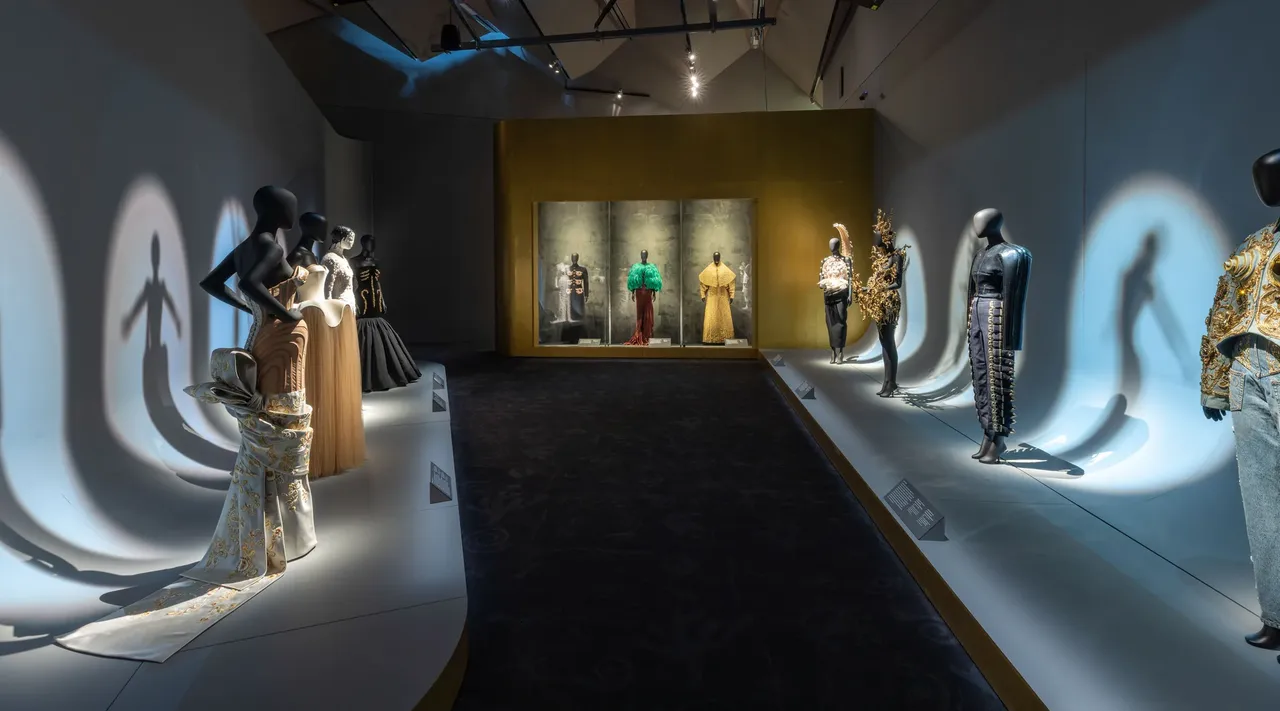
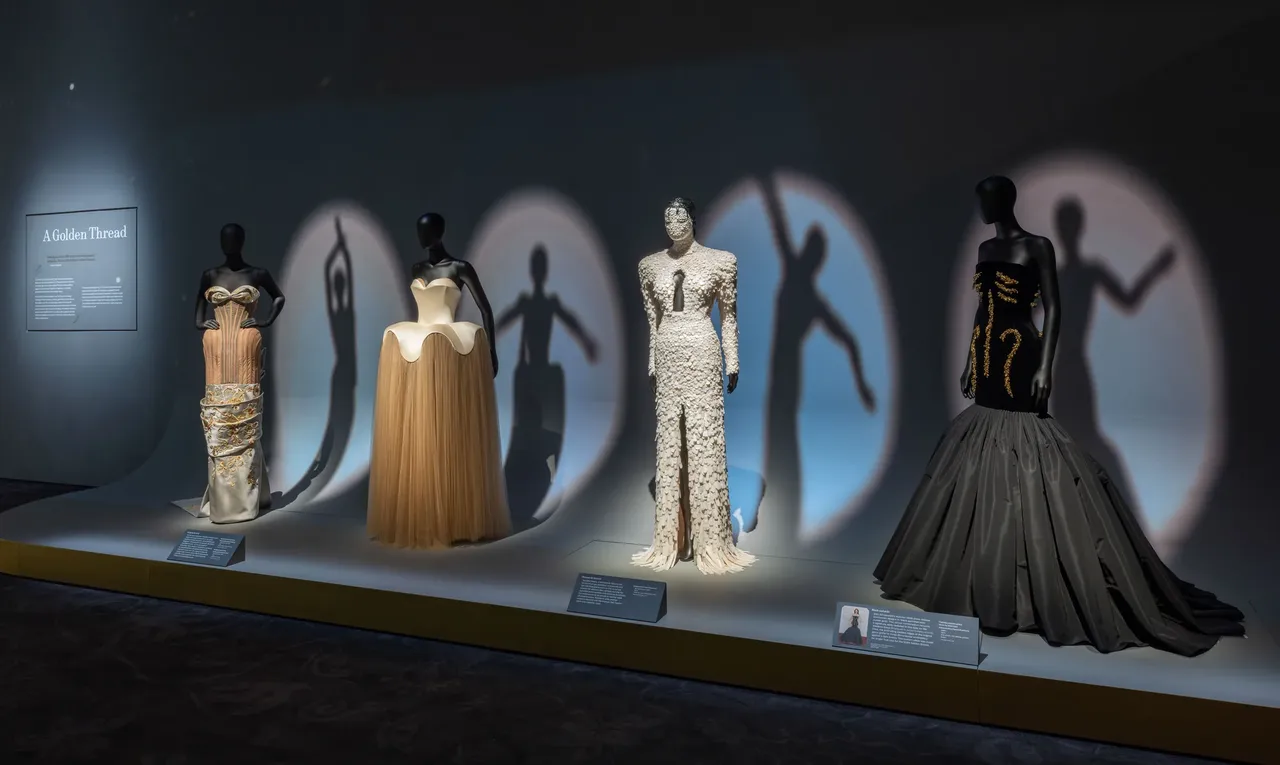
Roseberry’s work extends Elsa’s surrealist philosophy through gold anatomical jewellery, bird motifs, scorpion tails and amplified silhouettes. His pieces, displayed in the final section of the exhibition, pay homage to the founder while introducing a contemporary tension between body, myth and spectacle. Among them is a piece from the Spring 2024 collection, inspired by Ripley from Alien, in which motherboard, cables and crystals form a figure that reads as both futuristic armour and a warning about the role technology now plays in our world. With Roseberry at the helm, Schiaparelli has returned to its rightful place in the artistic world via his whimsical, avant-garde craftsmanship and seamless integration of ancestry with modernity.
An exhibition devoted to someone so free from restriction, and so unafraid of being different, feels urgent now. It is an immersion into another world: part Alice in Wonderland, part couture archive, surrounded by shapes, colours and silhouettes that turn clothing into story. Schiaparelli reminds us that creativity is not just output. It is imagination, instinct, risk and passion; qualities no computer can fully reproduce.