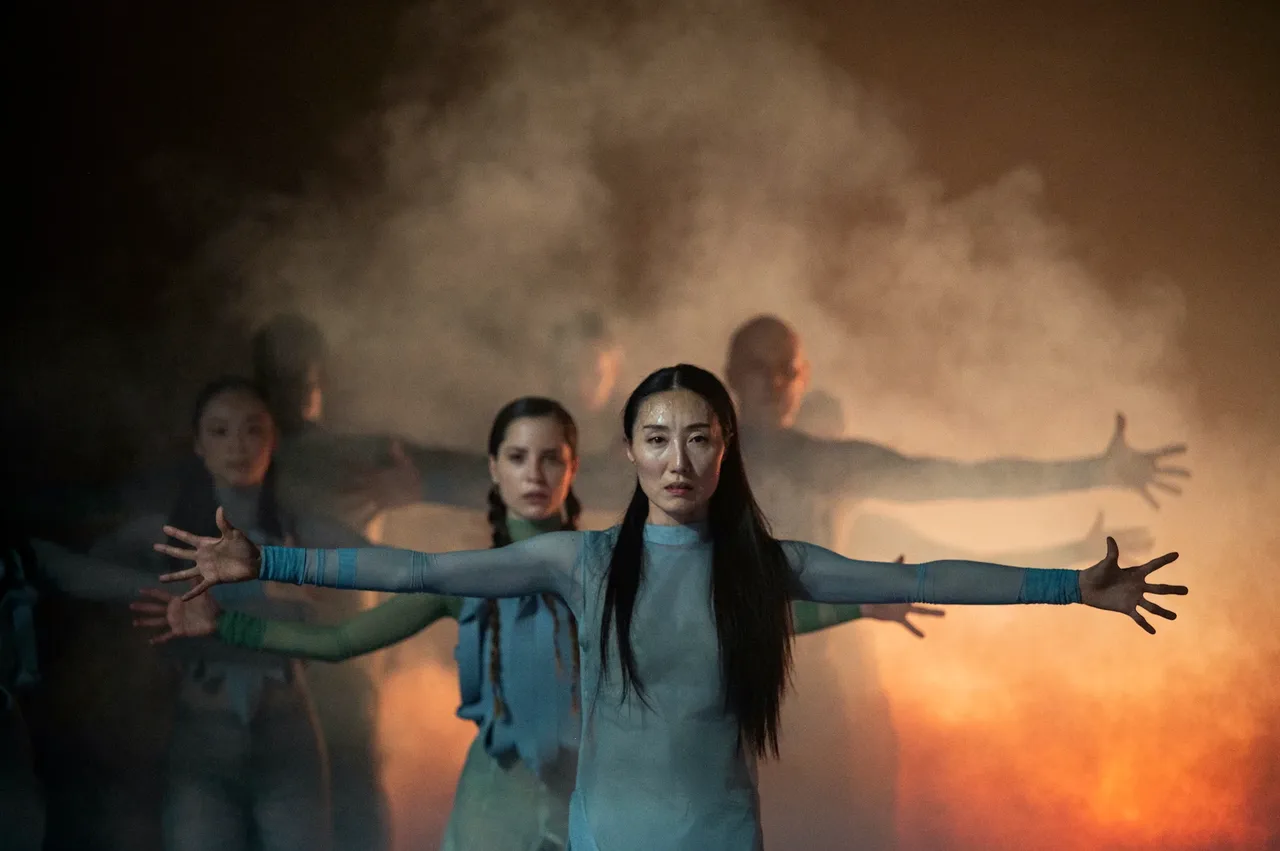
Berlin, 1812. A composer afflicted by deafness writes a pamphleteering question in his diary: “Is the true human being a slave to his environment, or free?” Beethoven’s Seventh Symphony is born from that friction, between the fervour of the wars of liberation against Napoleon and the hangover of a Europe returning, meekly, to the Restoration. German choreographer Sasha Waltz takes the intimate diary of a frustrated genius as her point of departure, setting out at Berliner Festspiele throughout June to examine how personal freedom and social restrictions relate to one another.
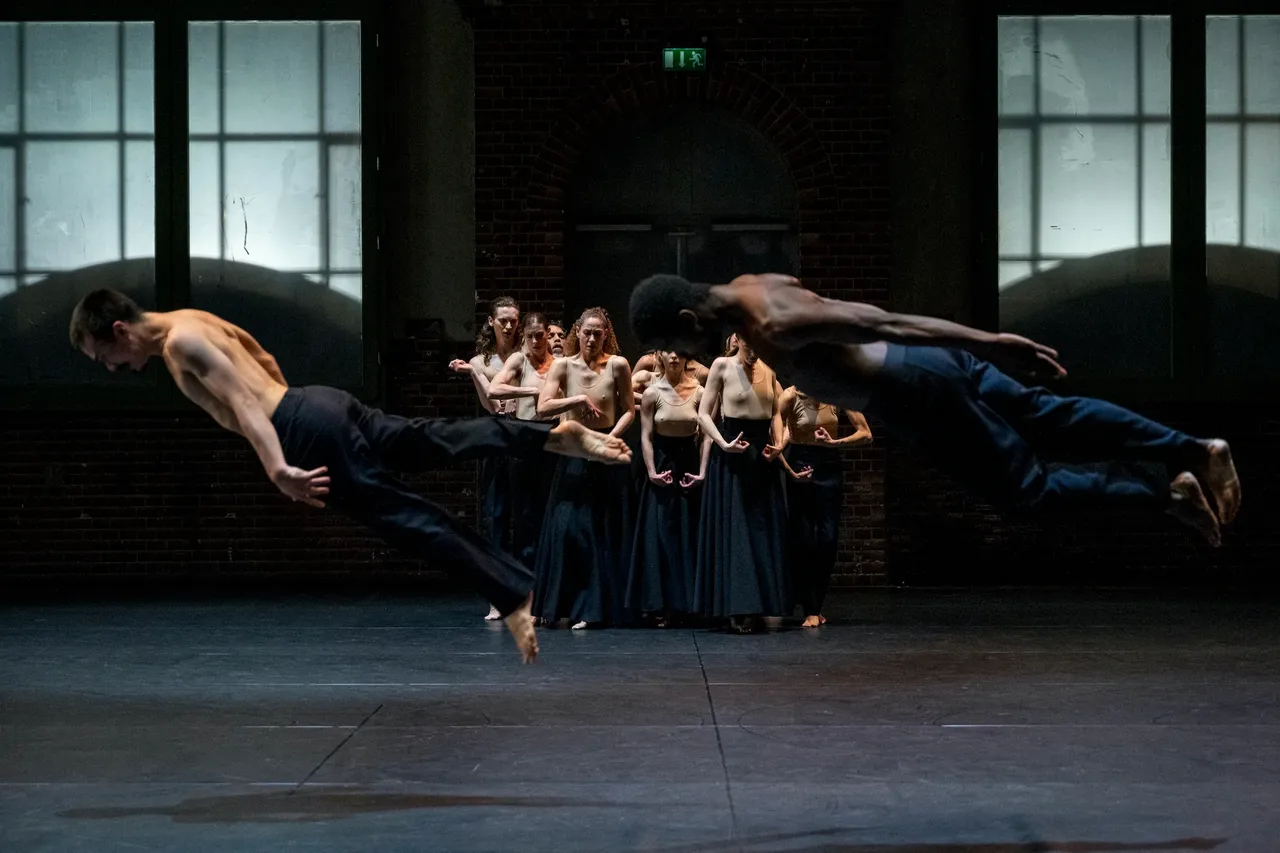
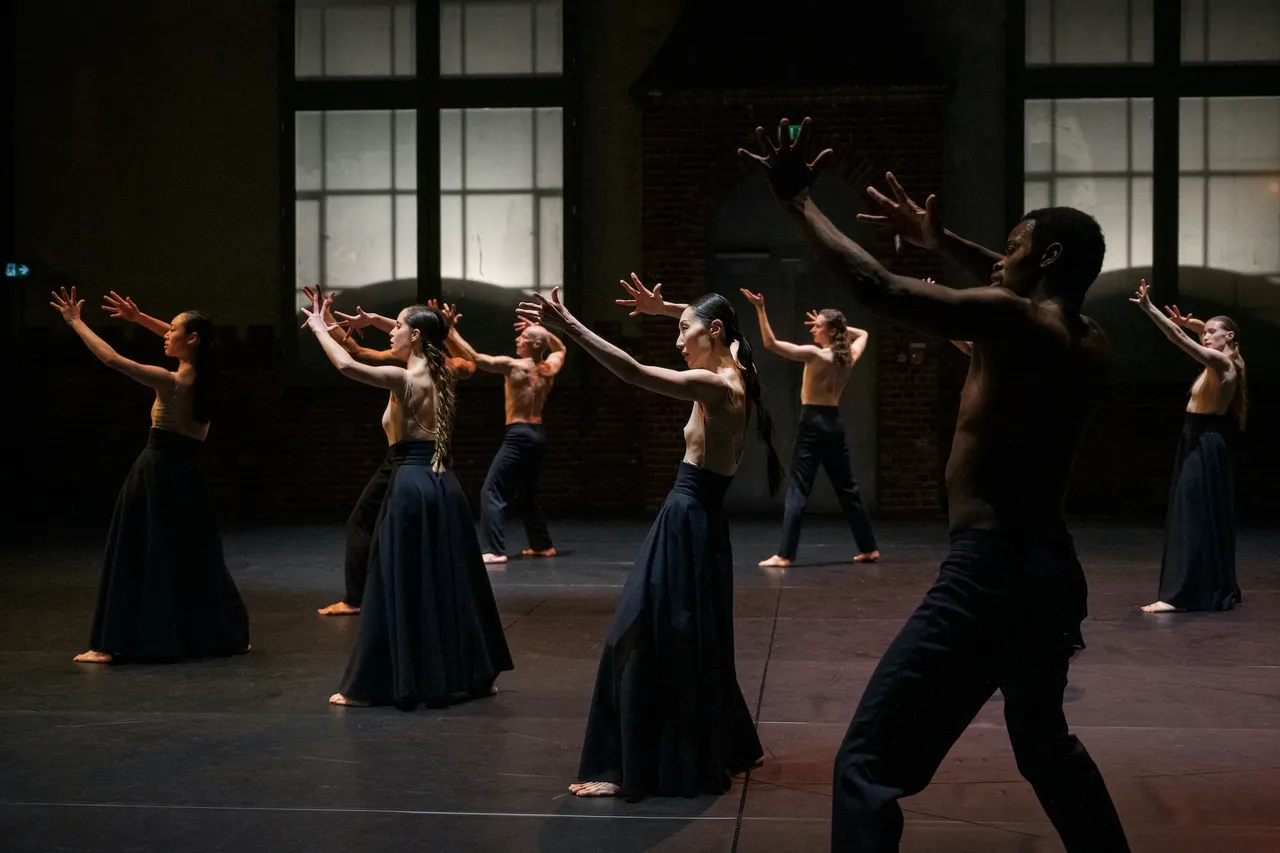
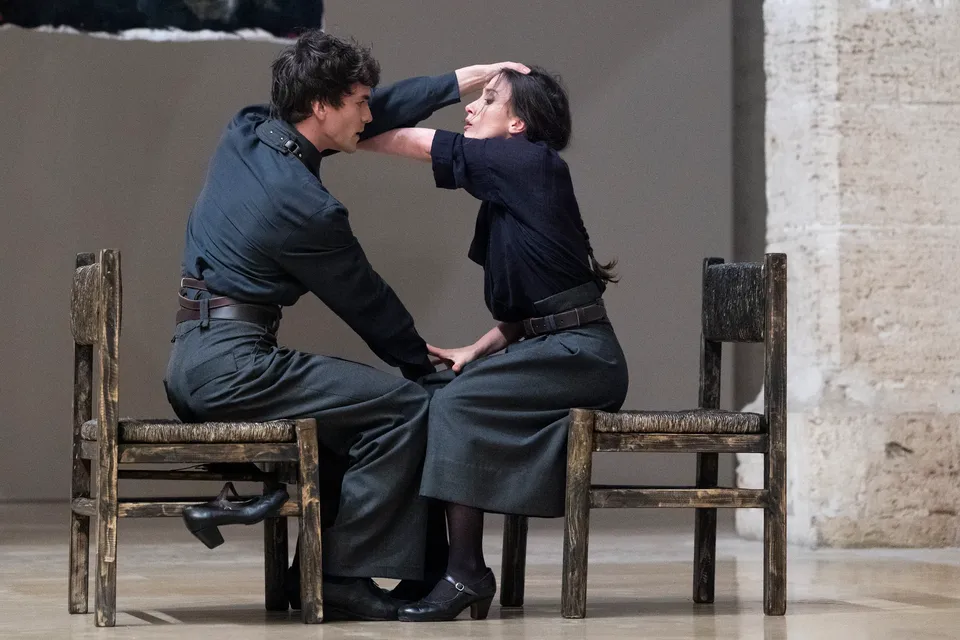
To use Beethoven’s Seventh Symphony, defined by Wagner as the “apotheosis of dance”, is to measure oneself against a colossus. In Beethoven 7, the company Sasha Waltz & Guests embraces this nineteenth-century score, composed as the Bonn master’s deafness advanced, and carries it into the realm of the body. Delving into the fracture between revolutionary momentum and the return to order, Waltz sidesteps neoclassical complacency with a proposal that prefers to probe the political tensions latent in the original 1812 composition: the collapse of revolutionary ideals, the longings for freedom, and the crushing weight of the Restoration. On stage, thirteen dancers embody that choral and individual struggle against imposed structures.
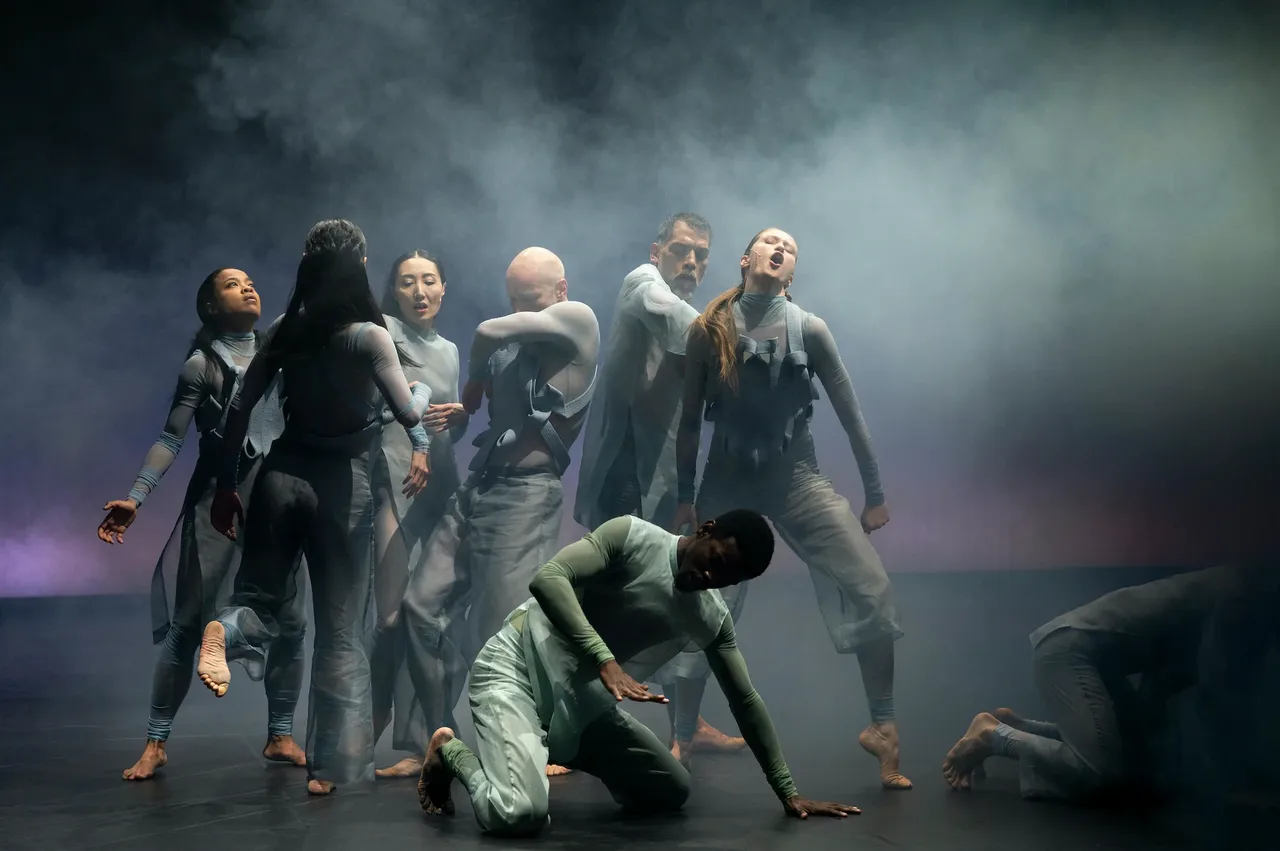
The final production sinks its roots into an experiment performed among the ruins of the theatre at Delphi in 2021, which later expanded until it embraced the symphony in full. The piece has travelled across half of Europe since its premiere at Berlin’s Radialsystem in 2023. The evening is divided into two halves that glance sideways at one another. The contrast is deliberate and violent. Sustained by slowness, repetition, rhythmic trance and collective impulse, the first part opens with Diego Noguera’s electronic prologue Freiheit/Extasis, acclimatising the room for the aesthetic collision. The Chilean musician fills the theatre with fog and thunderous bass, giving shape to an autonomous stage device that takes time to find its axis of tension.
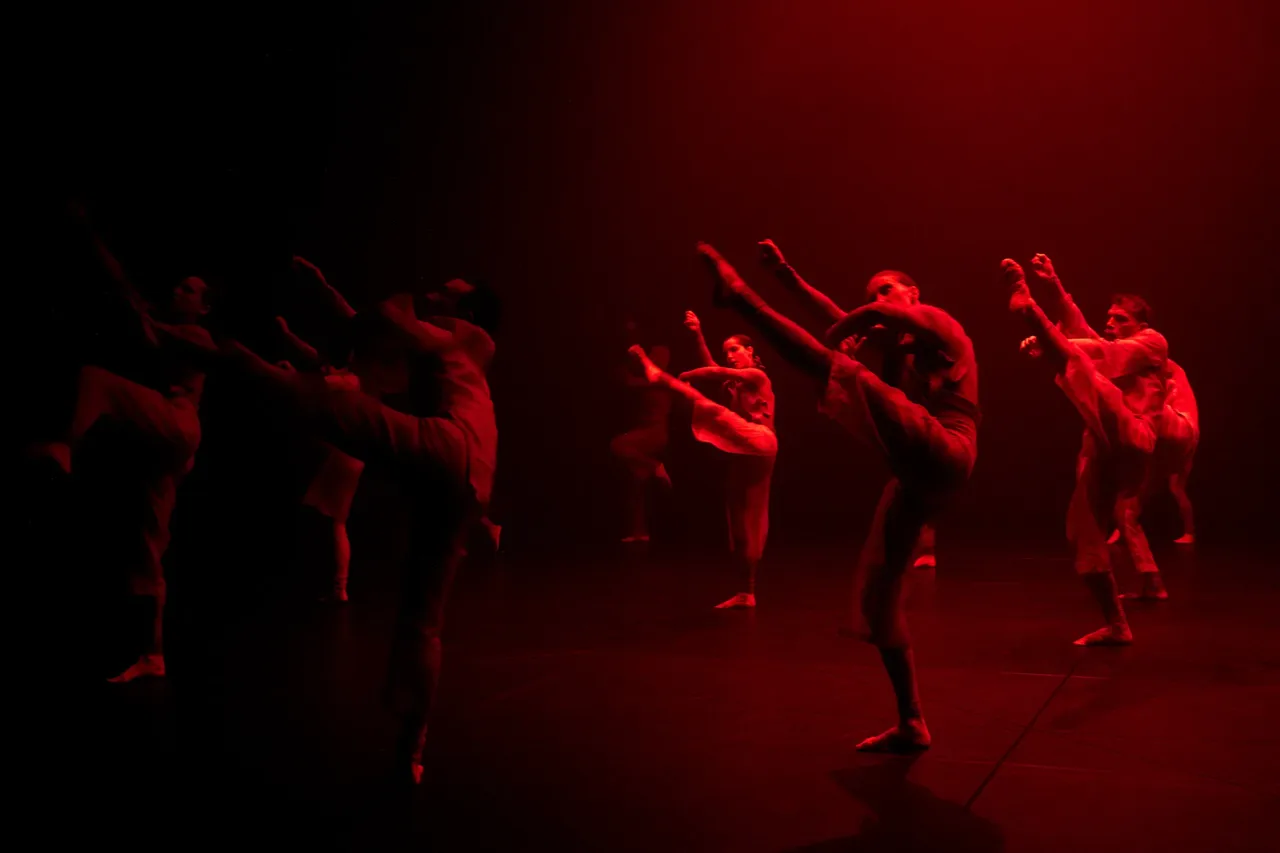
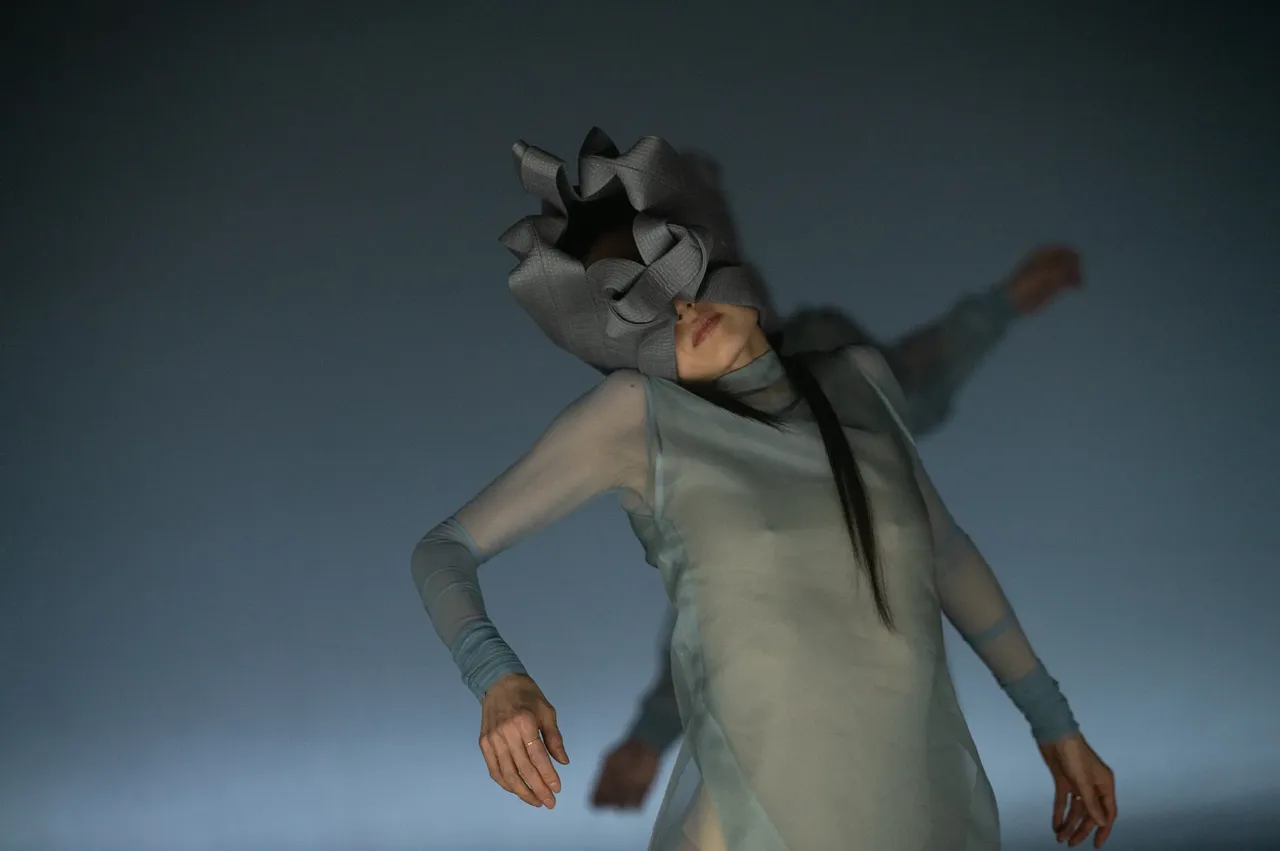
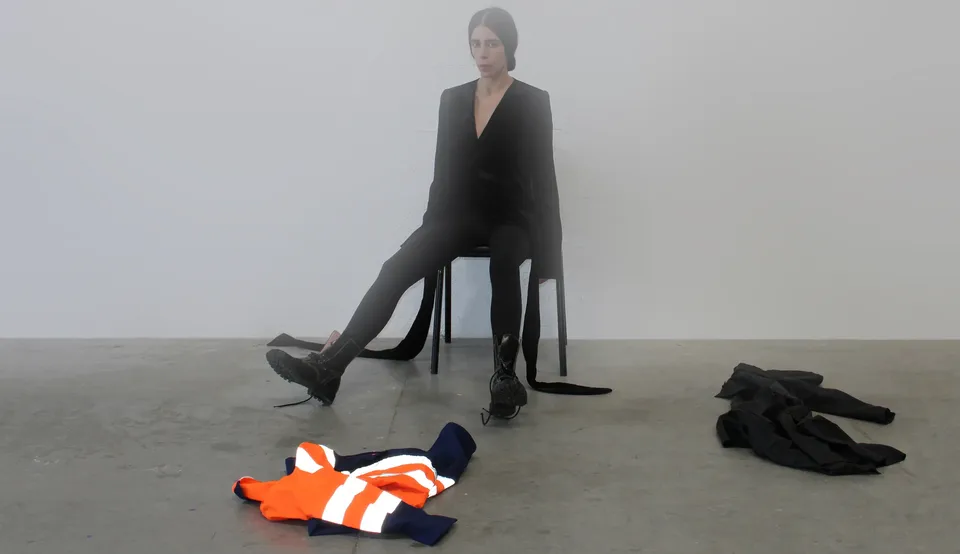
Out of the dense smoke emerge five masked performers, like alien grasshoppers. The electronic pulse moves from dispersion towards an epileptic intensity. And yet the dominant sensation is one of dislocation. Noguera’s live set drags the spectator through a lethargy that only stirs towards the end, thanks to a burst of spasmodic bodily discharges. Although the final ten minutes manage to infect the performers with the vigour of industrial techno, the proposal feels like an aesthetic satellite, painfully orbiting beyond Beethoven’s universe. The collision is so abrupt that, when the music ends and the scene dissolves, the audience takes several seconds to understand that the piece has concluded.
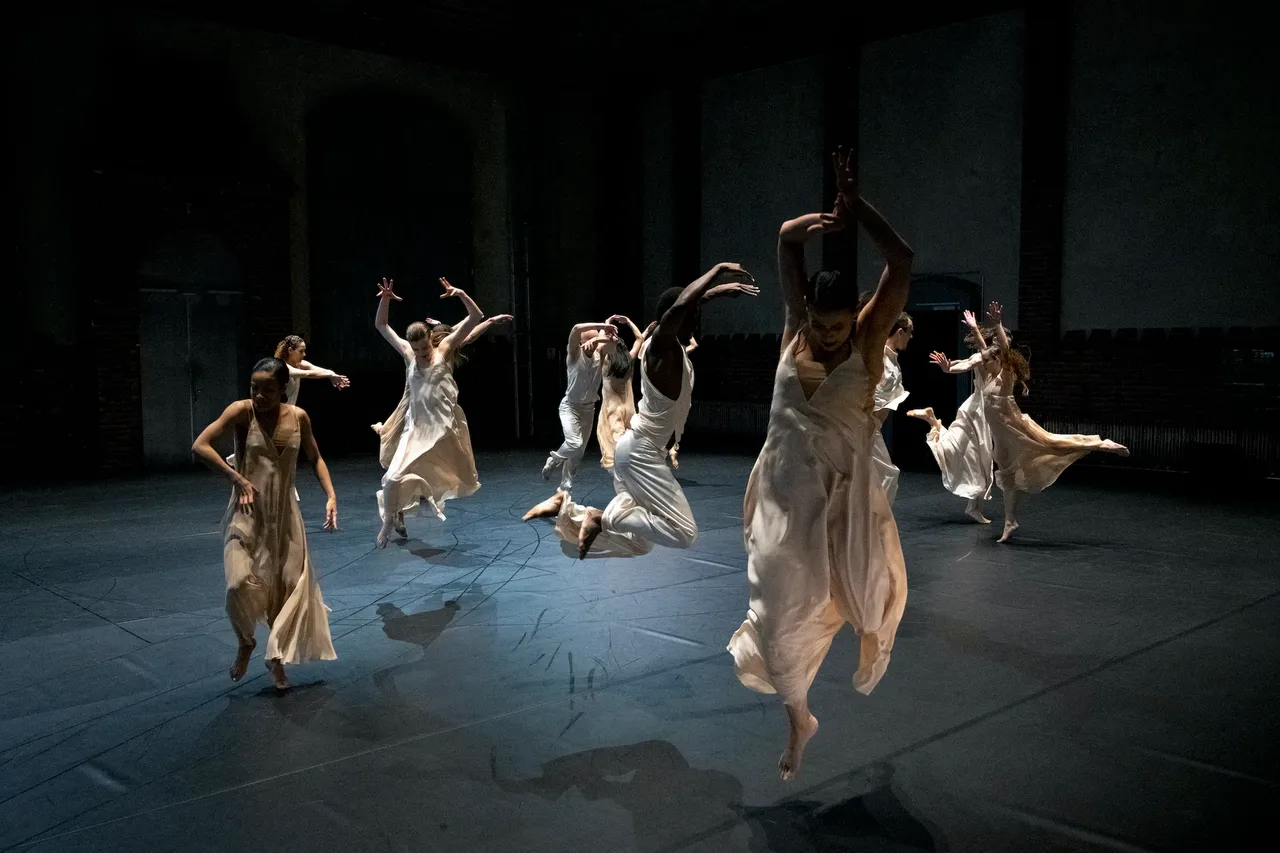
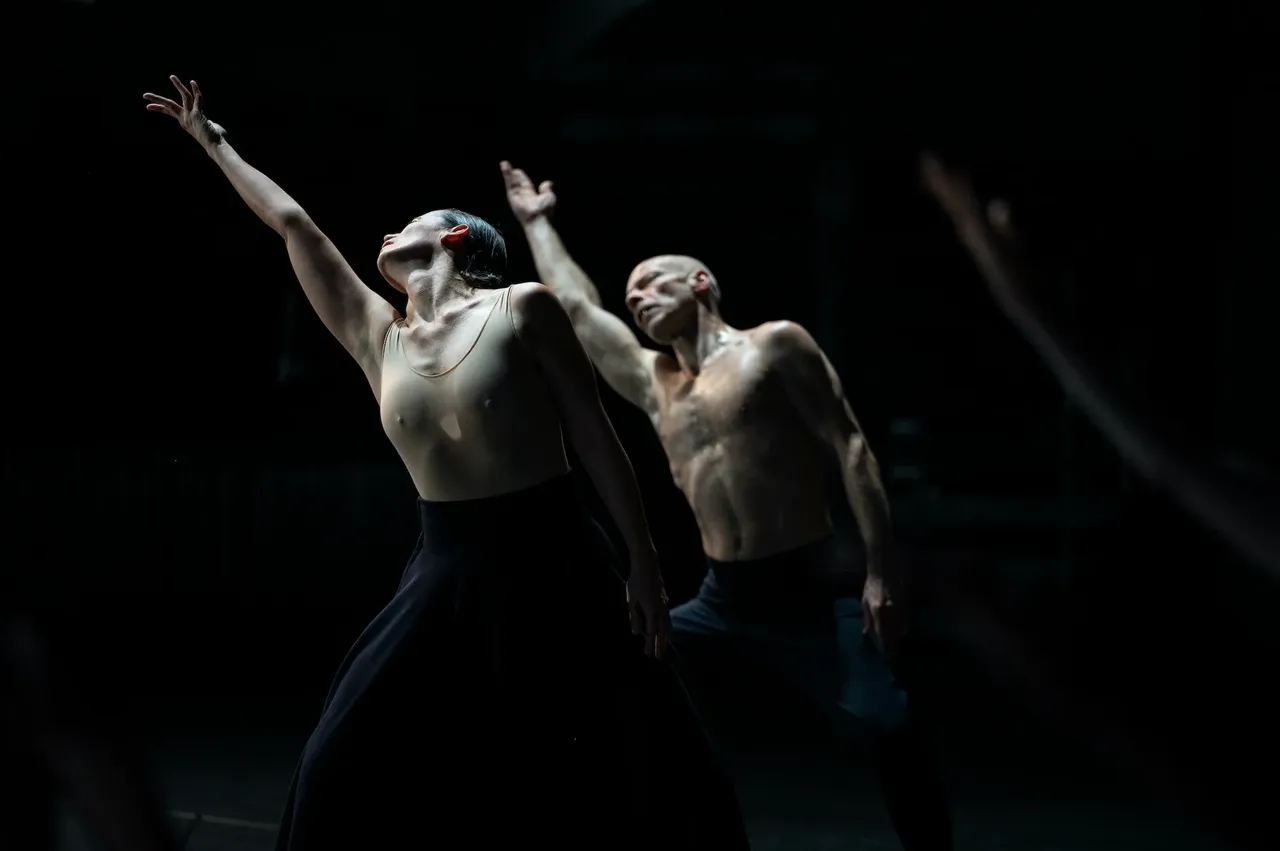
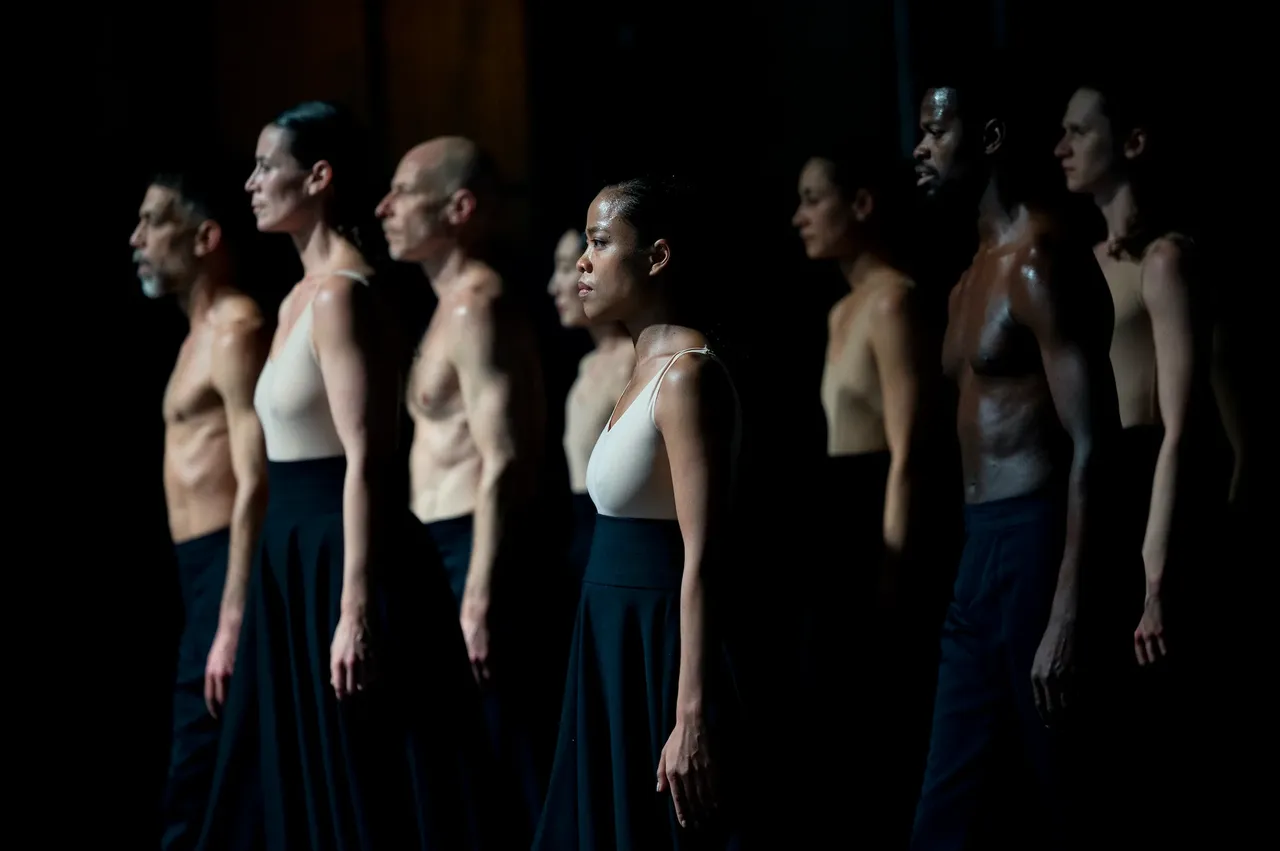
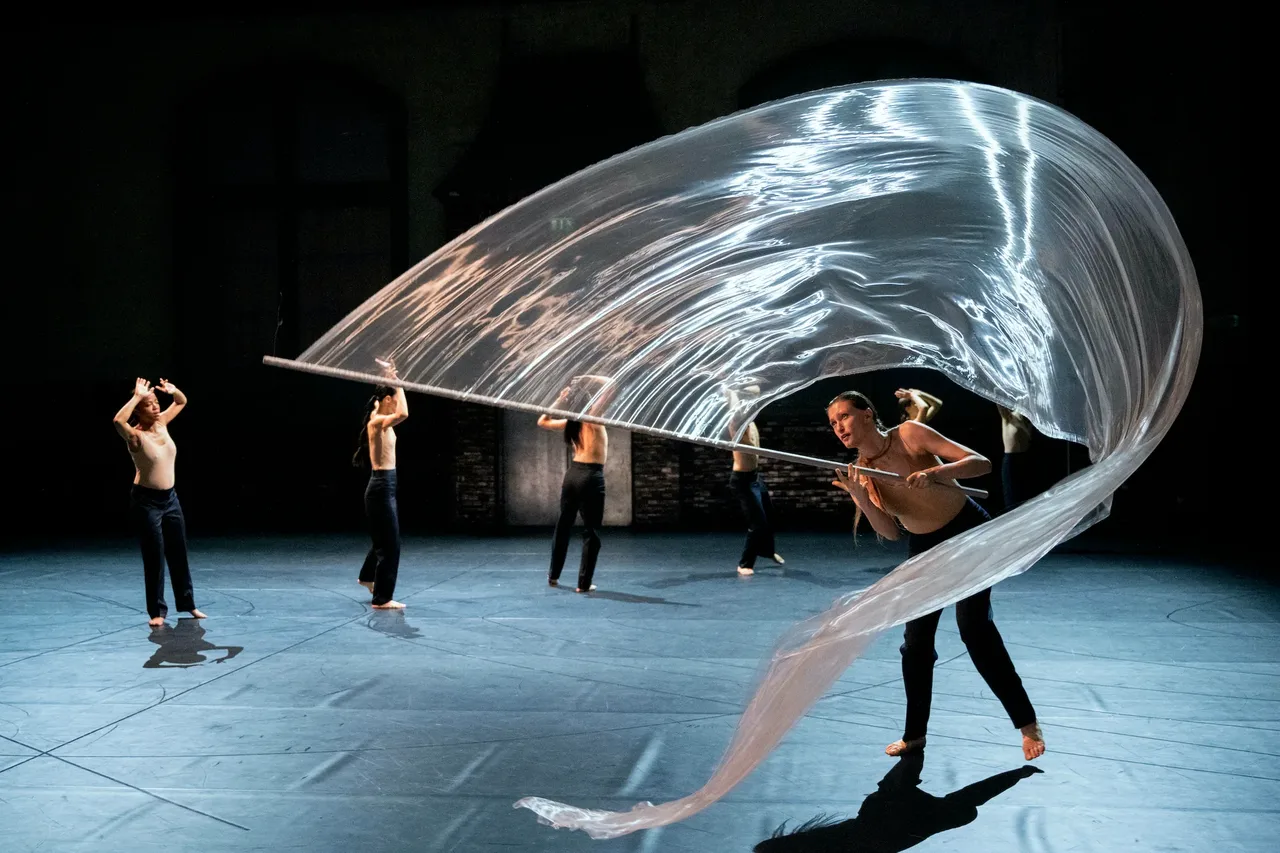
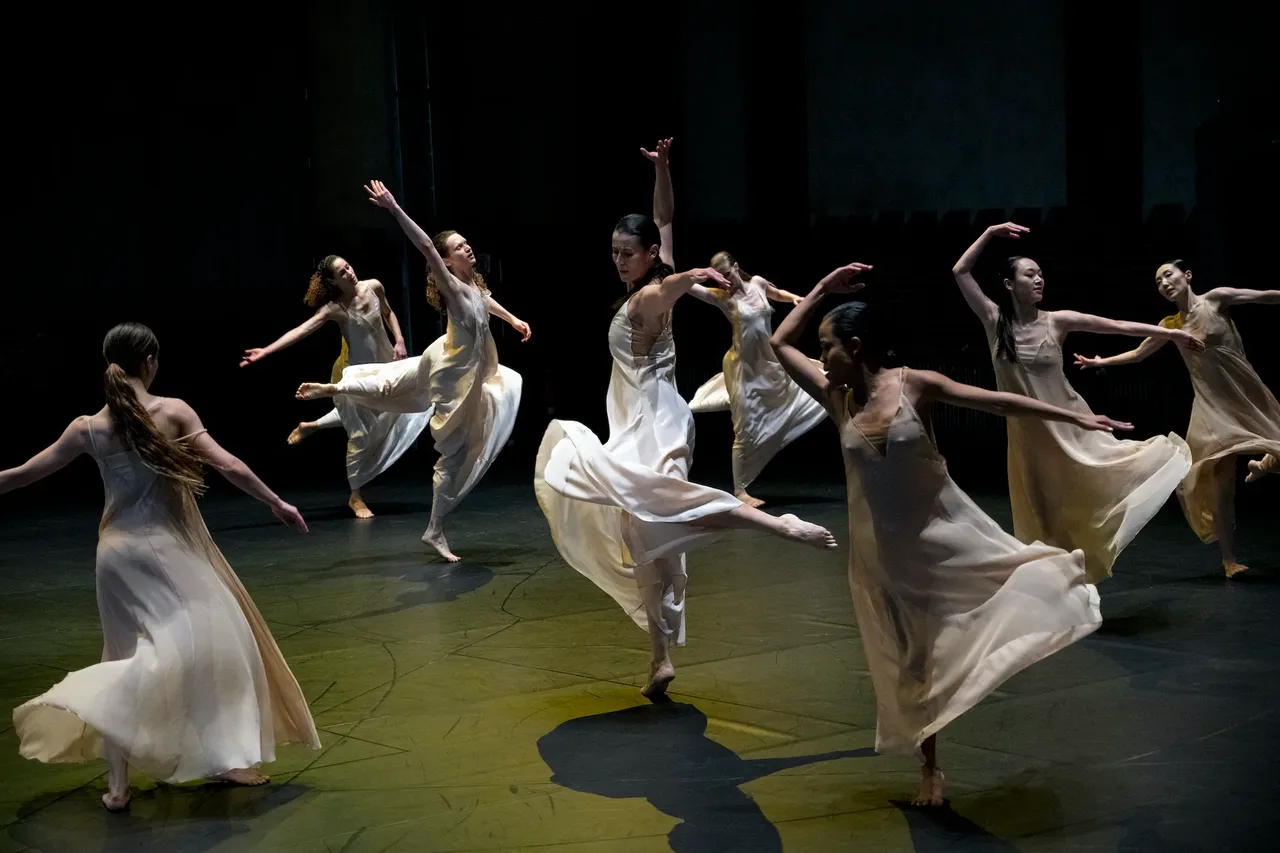
Redemption, however, waits beyond the interval. The choreography of Beethoven 7 proper clings to the four movements of the original score. The Poco sostenuto - Vivace brims with ethereal grace in an atmosphere of smiling faces, diaphanous fabrics and a buoyant rhythm that the body follows delicately. That optimism mutates into melancholic solemnity during the Allegretto, where expressions tighten and the lower half of the costumes turns black, a gravity that the Presto breaks with collective bodily jolts, suddenly subdued by the appearance of someone waving a transparent, stateless flag, as though the promised freedom were an idea without weight. The cracks between movements are filled with recordings of distant voices or brief solos and duets, incomprehensibly intense, without musical accompaniment. The final Allegro con brio erupts into a motor frenzy. Compensating for the coldness of the prologue, the final ovation rewards, above all, a recognisable melody.
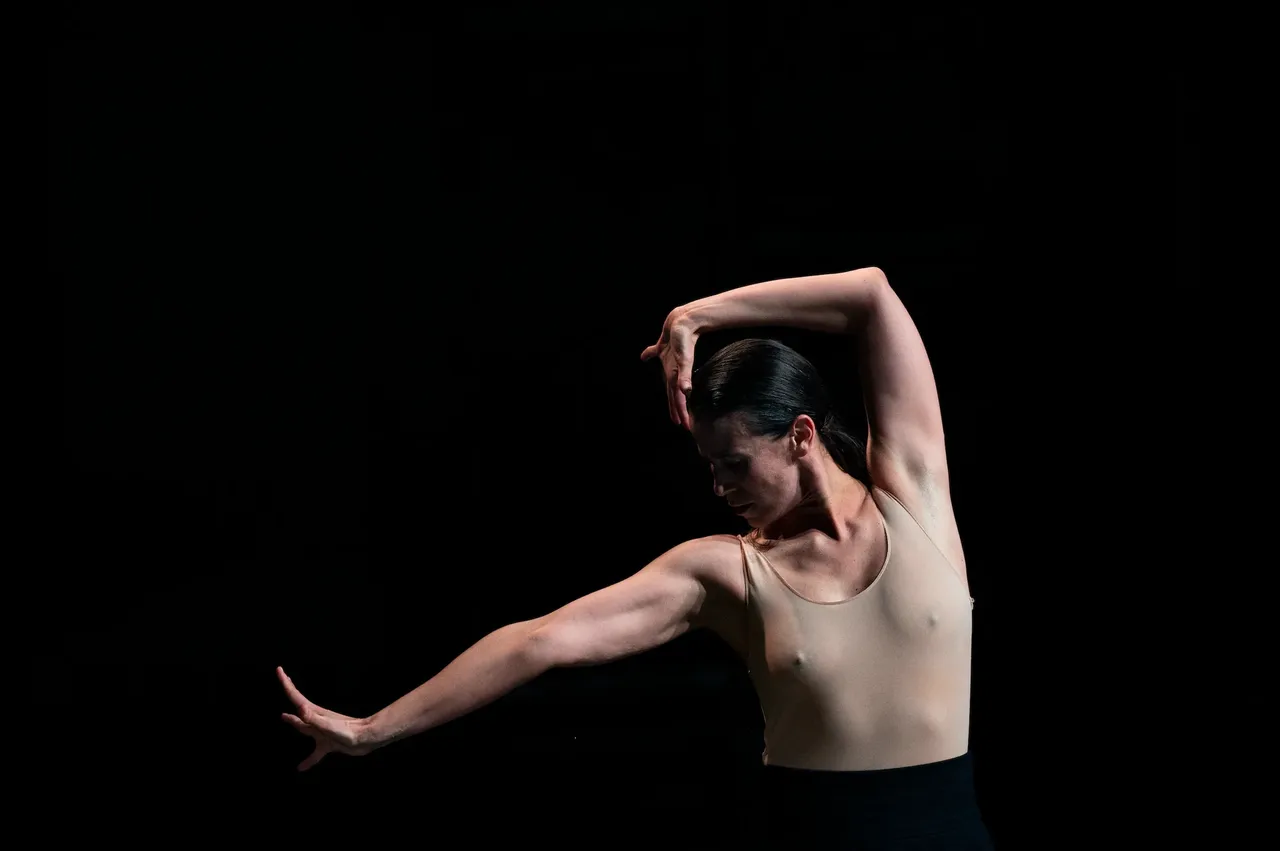
Waltz’s language remains recognisable in the groupings that reorganise themselves and in the bodies that pass from geometry into collapse without ceasing to turn. The fields of energy emanating from the dancers attract, repel and interrupt one another. Despite their fractures and movements of their own, what unites the two halves are certain structural patterns shared with In C, another of Waltz’s well-known choreographies. That ethological magnetism — that way of moving as if obeying a shared instinct — so particular to her also reappears in Beethoven 7. Amid accelerations, turns and pauses, the thirteen performers behave like a flock of migratory birds without a leader, where each individual gesture yields to the larger structure without dissolving into it. Cohesion and fragility do not contradict one another in that choral sway, which breathes like a single organism.
What at first might have been perceived as an aesthetic dissonance gathers political density by the end: freedom without structure consumes itself in its own excess, just as the revolutionary ideals of 1812 crashed against the Restoration. In that tension between insurgent momentum and the return to order, the two halves find a genuine point of continuity. Two centuries later, freedom remains the hardest part to choreograph.