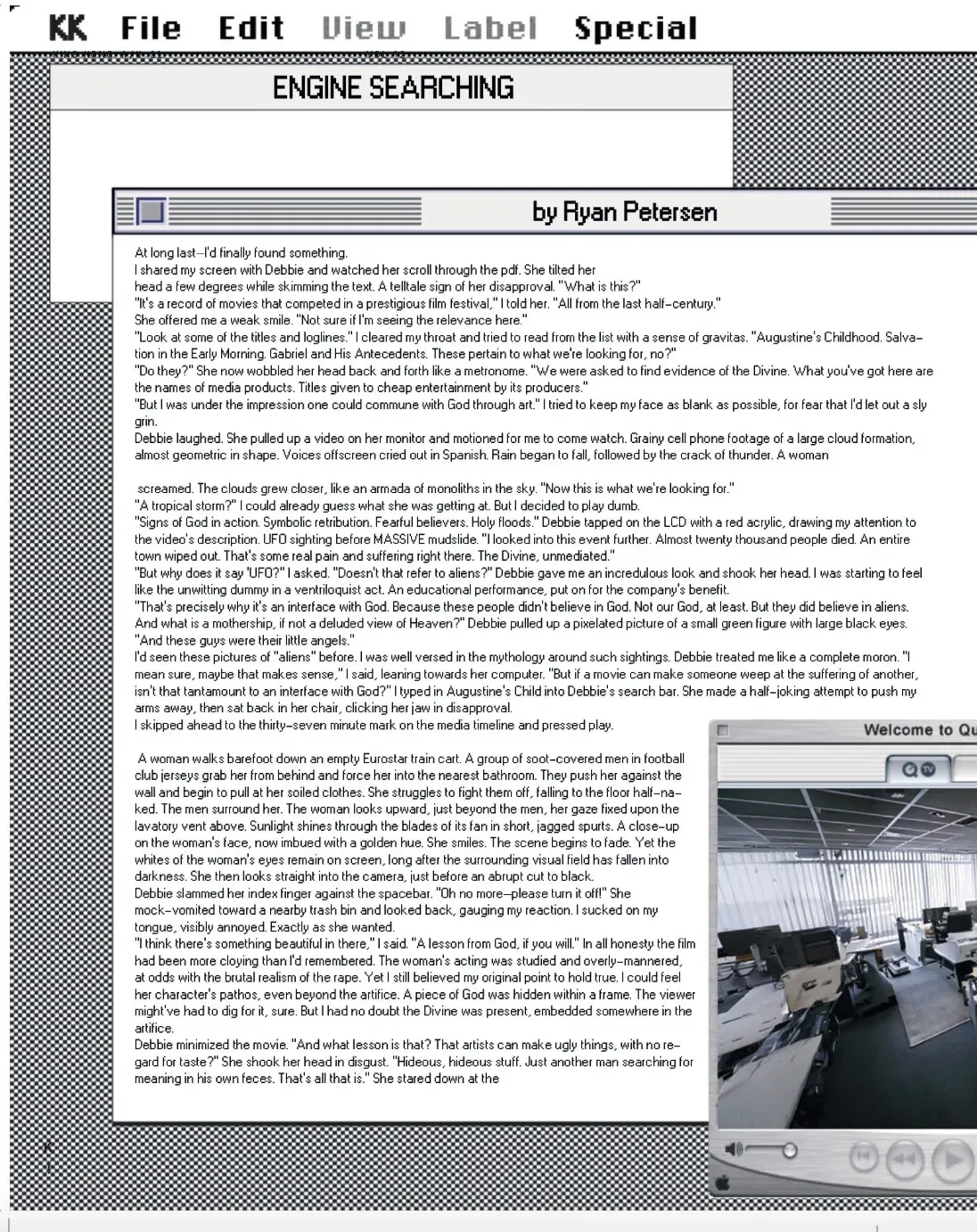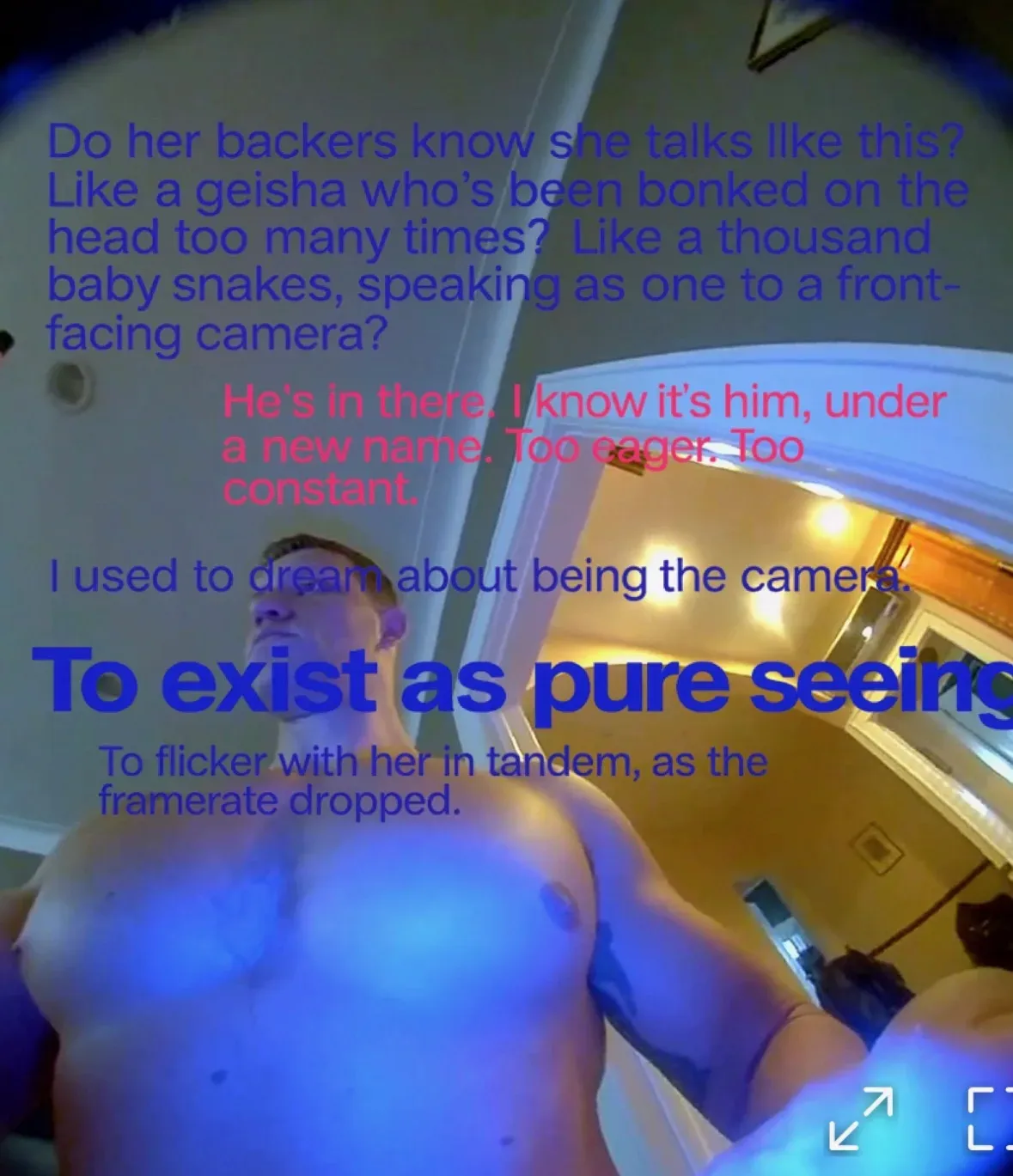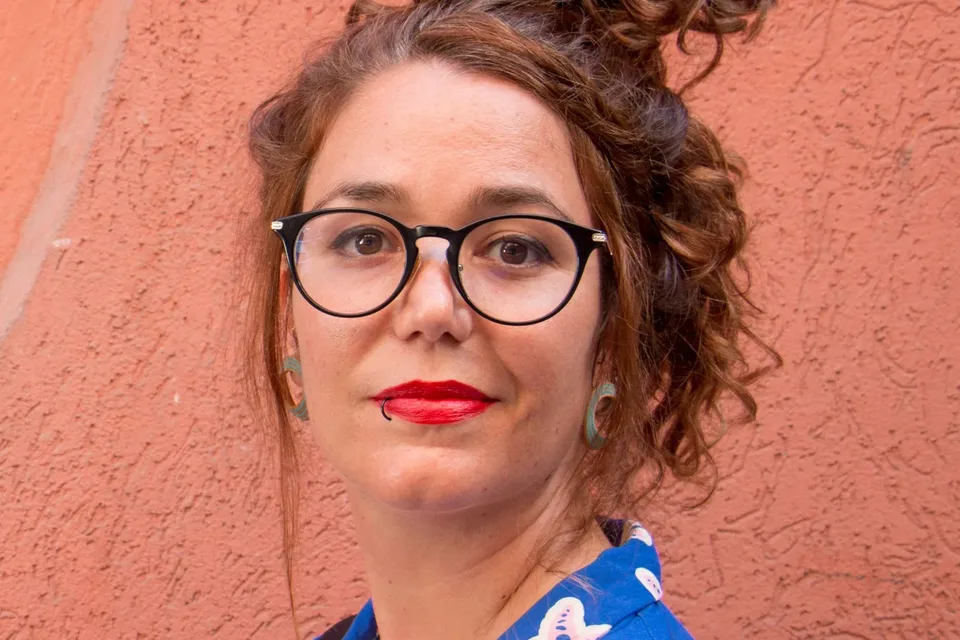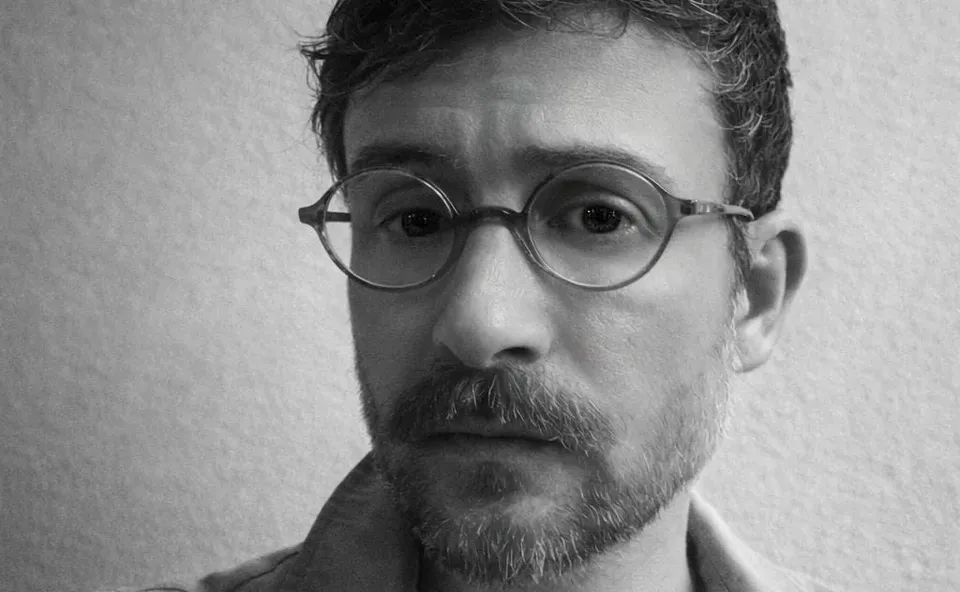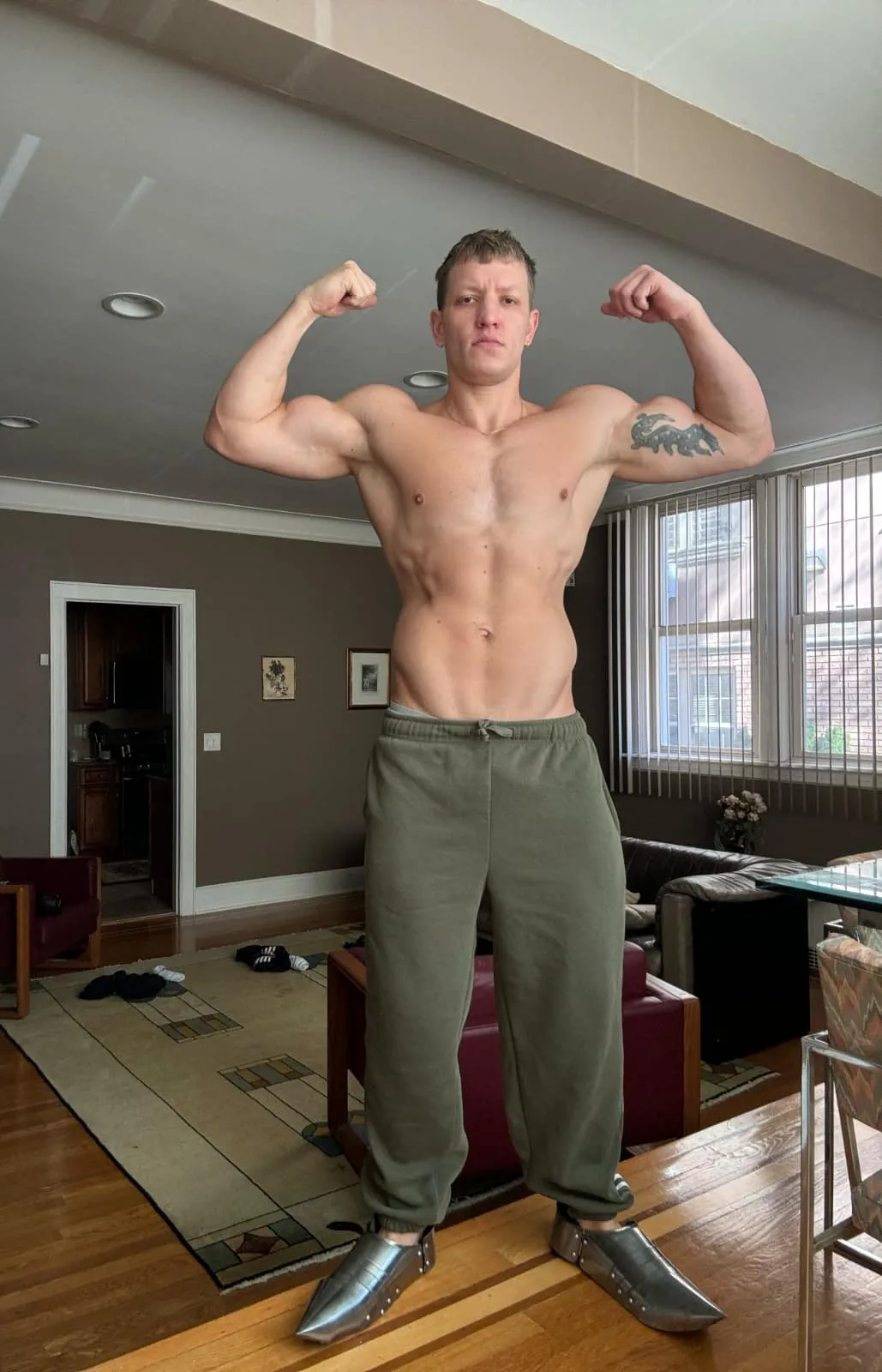
A first scroll through Ryan D. Petersen’s Instagram wouldn’t immediately suggest he’s a writer. But he certainly is. Based in New York City, Petersen has a fiction background and ended up writing out of new ways of creativity that emerged during COVID — like many, he built something out of that strange moment in time. Attending readings in the city made him start submitting his work. From poems tinged with Grindr-coded conversations to AI prompts or BravoCon coverage featuring the Housewives, his stories often begin in places that seem superficial —a shirtless selfie, a random hook-up— to land somewhere deeper and more vulnerable.
Nightlife shaped him before he fully committed to writing. But the rave scene feels overexposed and exhausted to him these days. Even the “white picket fence” gays of Hell’s Kitchen are taking taxis to Basement, the infamous underground club in Brooklyn. Berlin-style clubbing has gone mainstream, and real clubbers may already be searching for a new mode of partying. Still, he remains connected to that world, DJing on the side with his partner and B2B duo, Flirty800.
Ryan D. Petersen has built a social media persona that screams fitness, hypermasculinity, eroticism — and it’s no coincidence. In his own words, “You get the chaser first, and then the shot is the story itself.” So what happens when thirst becomes literary strategy?
I’d love to start with the basics. How would you introduce yourself? Where are you from, and what do you do?
I’m Ryan Petersen. I was born in Boston but I grew up in Orange County, Southern California. I went to NYU for undergrad. After that, I wanted to go to grad school, but I didn’t really know what I wanted to do yet, so I went to Tokyo for about two years and taught English there. It was basically a gap period between undergrad and grad school. Then I went back to New York for grad school, and I’ve been here ever since. I’ve done a bunch of odd jobs in between, but I’ve now kind of settled into being a writer, DJing on the side, and doing freelance copywriting for a paycheck.
How does New York shape you and your writing?
During COVID, readings became a social thing, they turned into events. I wasn’t fully part of that at first. I was more in the nightlife scene toward the tail end of COVID. Eventually, I started going to readings and submitting my work. A lot of it is about the city itself: going out, being in New York. There’s an autofiction element to it, so the city feels integral to the whole reading scene and everything around it.
What were you doing before COVID if you were not a writer?
For grad school, I got my MFA — I was in a fiction programme. And right when COVID started, I was transitioning from trying to work in film to being a writer.
You write for magazines but you also do fiction and poetry. Where do you feel more confident and what’s your approach to writing?
I want to be a fiction writer, that’s where I feel most comfortable. That’s partly why I initially got into film: I wanted to be a screenwriter. Fiction is the space I feel most at home in. But since then, I’ve been able to transition into writing in a poetry register, or covering an event for a magazine. I can use the same lens I use in fiction and apply it to other formats, which I didn’t think I could do before. It’s been nice to flex those muscles.
“You have to work with the context and tools you’re given. You have to work around the algorithm to get people to click on things. You need to give some candy to get people to eat the vegetables.”
Either way, your approach to journalism feels unconventional. I’ve read your BravoCon coverage stories on Paper and Interview, and you sort of become part of the narrative, right? There are pictures of yourself, selfies with the Housewives.
The editor at Interview titled the piece something like Fear and Loathing at BravoCon, which is obviously a Hunter S. Thompson reference. There’s a gonzo journalism element to it: me going to these conventions and the story being about me. My image is part of it: the pictures I’m taking, pictures of me, selfies with the Housewives, and so on. It’s kind of gonzo-journalism-meets-covering-reality-TV.
And what are your thoughts on the current independent publishing landscape? In the US and internationally?
I can really only speak for the US, but it’s tough. It has to be your hobby or your passion — you’re not going to make money off it. You also have to marry it with your image. It has to be part of a whole package. In some ways, that’s exciting because it’s a new way of promoting yourself, but it also sucks. It’s disillusioning that you can’t just let the writing speak for itself. It has to be part of your persona. Whenever you’re selling your writing, you’re also selling yourself —and your ability to promote yourself— when trying to get a publishing deal. That’s the landscape, for better or worse.
That brings me to another big topic. Your social media persona feels central to how people perceive you: there’s eroticism and a hypermasculinity in the way you choose to present yourself online. How has all of that affected or interfered with your work?
It used to feel separate. There was the person I portrayed on Instagram (the shirtless gym gay) and then my writing, which I’d promote on Twitter. They felt like two different worlds. I was embarrassed to combine them or cross those streams. But a couple years ago, I realised they could help each other and cross-pollinate in interesting ways. It unlocks something for the writing itself — tying it to this image, which isn’t even really me. It’s a projected image of me and I can play around with that.
I was just watching this dumb ‘looksmaxxing’ guy, the kind of hypermasculine content that borders on incel culture. Someone in that world said something like, we’re doing the opposite of what trans people are doing. We’re going deeper into masculinity. In a backwards way, they’re basically saying it’s all performance.
I was just watching this dumb ‘looksmaxxing’ guy, the kind of hypermasculine content that borders on incel culture. Someone in that world said something like, we’re doing the opposite of what trans people are doing. We’re going deeper into masculinity. In a backwards way, they’re basically saying it’s all performance.
I read your tweet that said “The hottest thing you can be, as a gay guy, is Not Gay. And yet—there’s nothing more Gay than attempting to be what you are not.” I feel that says a lot about how gay people interact with each other. As you were saying, queer people often end up negotiating masculinity almost like a performance, especially in dating. Why do you think that is?
I think it’s because it’s something we’re attracted to. There’s mimetic desire, especially as gay people, where we want to mimic the thing we desire. Sometimes we want to be hypermasculine because that’s what we’re attracted to. Sometimes it’s the opposite: someone wants to be really feminine and be with a masculine person. But often, when you’re attracted to the same sex, you’re also attracted to how that sex operates in the world, what you think is desirable about it. And like I said in that tweet, there’s something so gay about doing that performance — pretending to be something you’re completely not.
On another note, I was going through your writings and I found that one that caught my attention: AI prompts for Charlie’s birthday video. You were giving instructions to a platform like Grok, asking for shirtless men and a sexy woman in Ibiza. How did this way of writing come about?
I was literally trying to make a joke AI video for my fiancé, whose name is Harley, so I changed the name to Charlie. I kept typing prompts, and you don’t like what comes out, so you start editing it. That process felt interesting. The more I expanded the prompts, the crazier and more surreal it got.
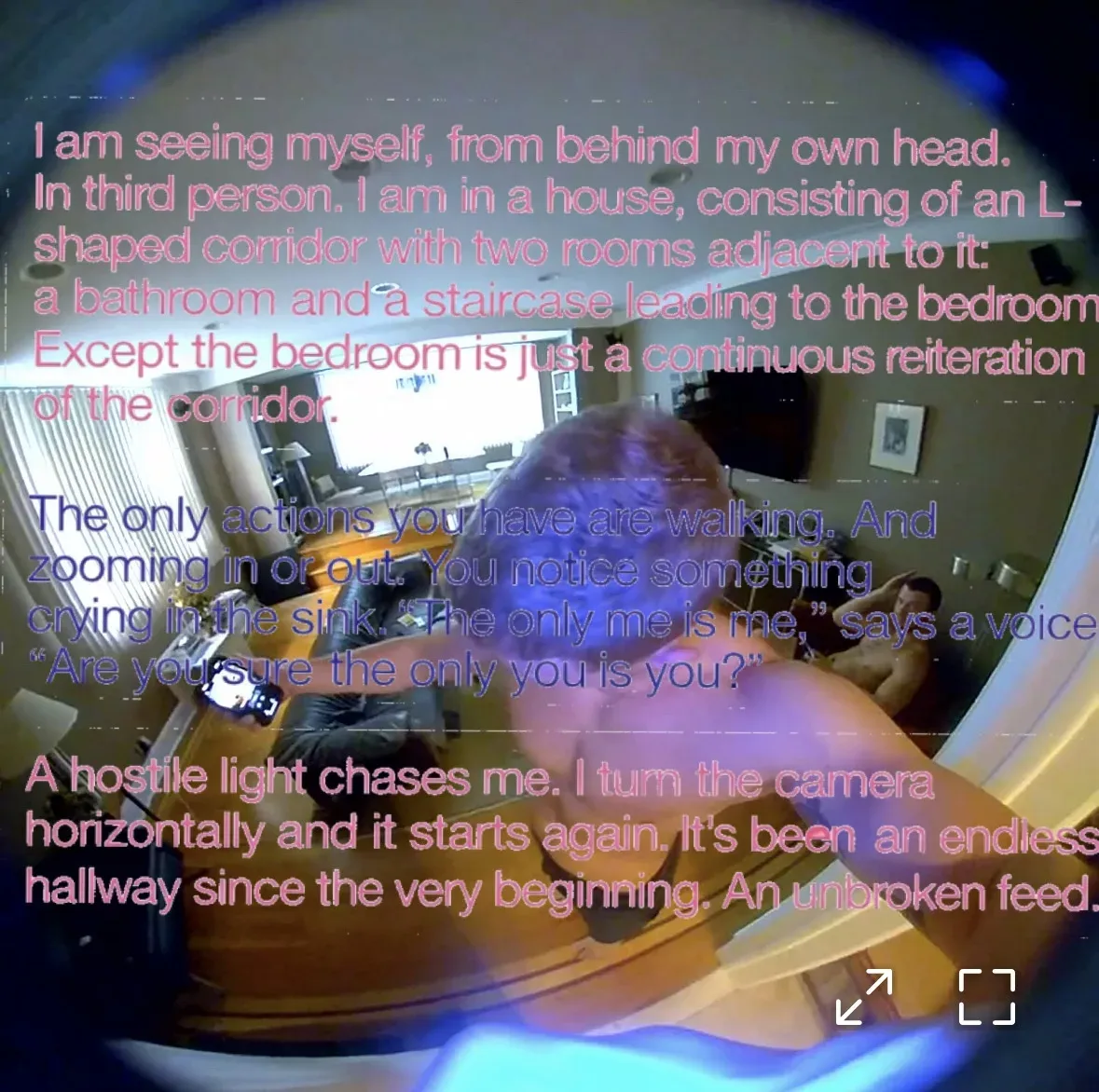
I thought that could be a good structure for a story, an experimental piece of writing. So I took that structure and built it into a story, and instilled it with a nightlife cycle. At the time, I was kind of done with partying and feeling the comedown. The prompt sequence mirrors the high and low of nightlife.
I thought that could be a good structure for a story, an experimental piece of writing. So I took that structure and built it into a story, and instilled it with a nightlife cycle. At the time, I was kind of done with partying and feeling the comedown. The prompt sequence mirrors the high and low of nightlife.
How do you see the New York underground nightlife scene these days?
I don’t know if you saw it on X, but the governor of New York mentioned Basement. People were upset, like, it’s overexposed, but it’s been overexposed for a while. People take yellow taxis from Manhattan to Basement, which is deep in Brooklyn — or actually Queens. This Berlin-style of clubbing has gone mainstream here. I think people are looking for something different because we’ve maxed out on this German techno partying — Friday deep into Monday morning, no sleep. It’s affecting a lot of people. They are a little exhausted with it. Not necessarily looking to be sober or stop going out, but maybe turning toward a different kind of partying. We’ll see what happens.
That is happening in Europe as well.
I talk to gay guys in Hell’s Kitchen (the most basic ‘white picket fence’ version of gay nightlife) and they’re all embarrassed to live there. They want to live in Brooklyn now. They want to go to Basement. That’s the mode of partying now. Not circuit parties. This is where people want to go.
You mentioned you are a DJ on the side. What can you tell me about your B2B project with Flirty800?
I started DJing a little bit when I lived in Japan. Every store or café there has CDJs, and all my friends DJ. Everyone encourages each other, so I learned a bit there but didn’t think much of it.
Then, when I started dating Harley, my fiancé (he’s a DJ and musician, and has been doing it for over ten years), he encouraged me. He noticed I was always on SoundCloud digging for music. I had taste but it was personal. He taught me how to mix, and I’ve been able to turn it into a small side hustle.
But it’s most effective when we do it together. I’m a good selector of tracks and he’s an amazing technician. He’s incredible at mixing things together, and we work well as a duo. We posted a shirtless picture for one of our mixes and it took on a life of its own — it became a meme on different gay Instagram rave accounts. That led to gigs because people wanted to recreate that energy.
Then, when I started dating Harley, my fiancé (he’s a DJ and musician, and has been doing it for over ten years), he encouraged me. He noticed I was always on SoundCloud digging for music. I had taste but it was personal. He taught me how to mix, and I’ve been able to turn it into a small side hustle.
But it’s most effective when we do it together. I’m a good selector of tracks and he’s an amazing technician. He’s incredible at mixing things together, and we work well as a duo. We posted a shirtless picture for one of our mixes and it took on a life of its own — it became a meme on different gay Instagram rave accounts. That led to gigs because people wanted to recreate that energy.
You mentioned earlier that you used to separate your writing from your social media persona, but then realised they could work together. I recently heard Matthew Whitehouse, former Editor of The Face, say on the podcast What’s Contemporary Now, that they would use celebrities on the cover to draw readers in, only to lead them somewhere unexpected inside: subculture, politics, society. Do you see your work in a similar way? Starting with a hook (a shirtless pic, a random hook-up) and then taking the reader somewhere deeper?
I’ve had to learn how to visualise the writing when I post it. It’s like: you get the chaser first, and then the shot is the story itself. You have to work with the context and tools you’re given. You have to work around the algorithm to get people to click on things. As cynical as that sounds, it’s like what you’re saying with magazine covers. You need to give some candy to get people to eat the vegetables. Not that the writing is boring vegetables. But it works.
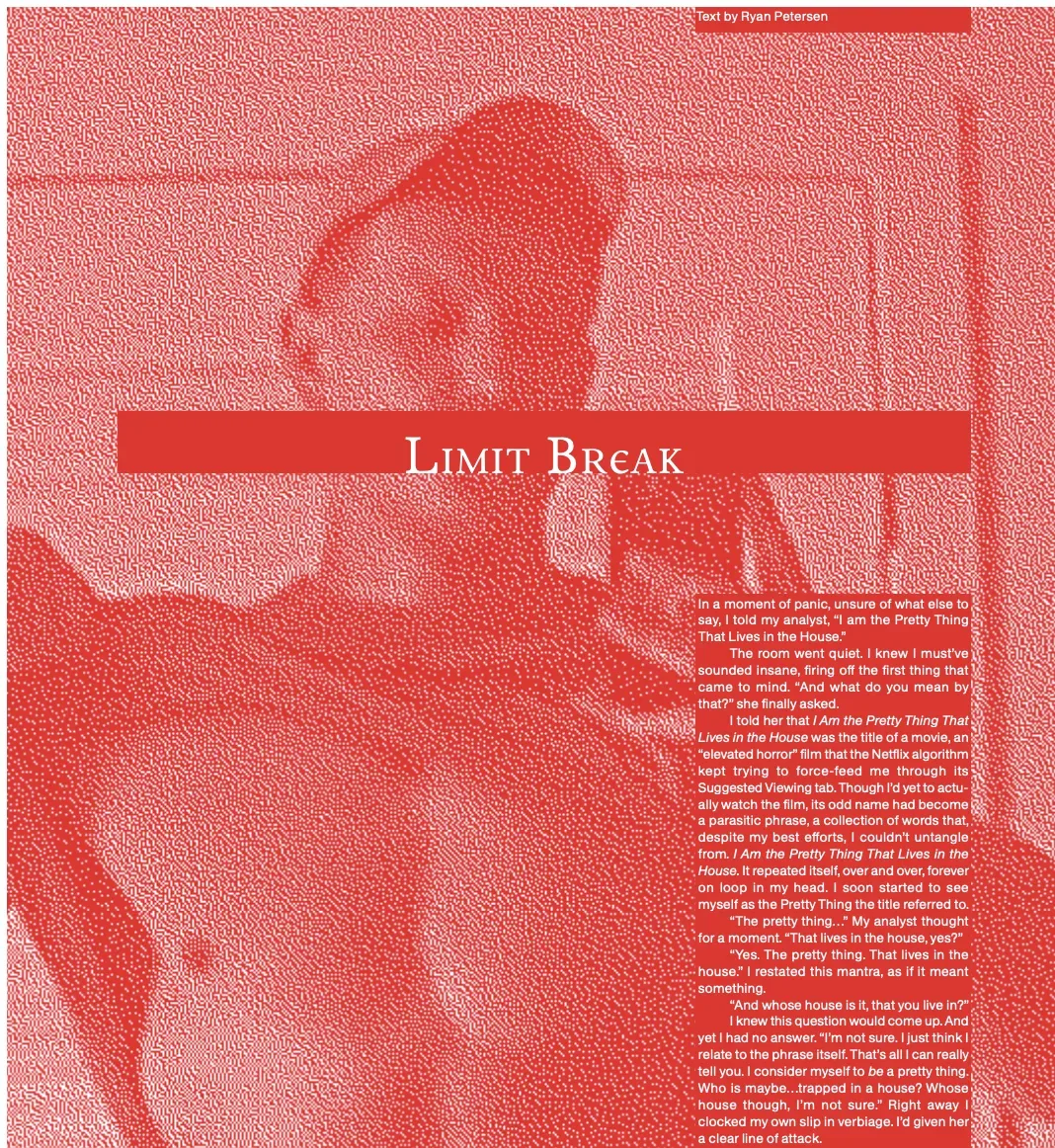
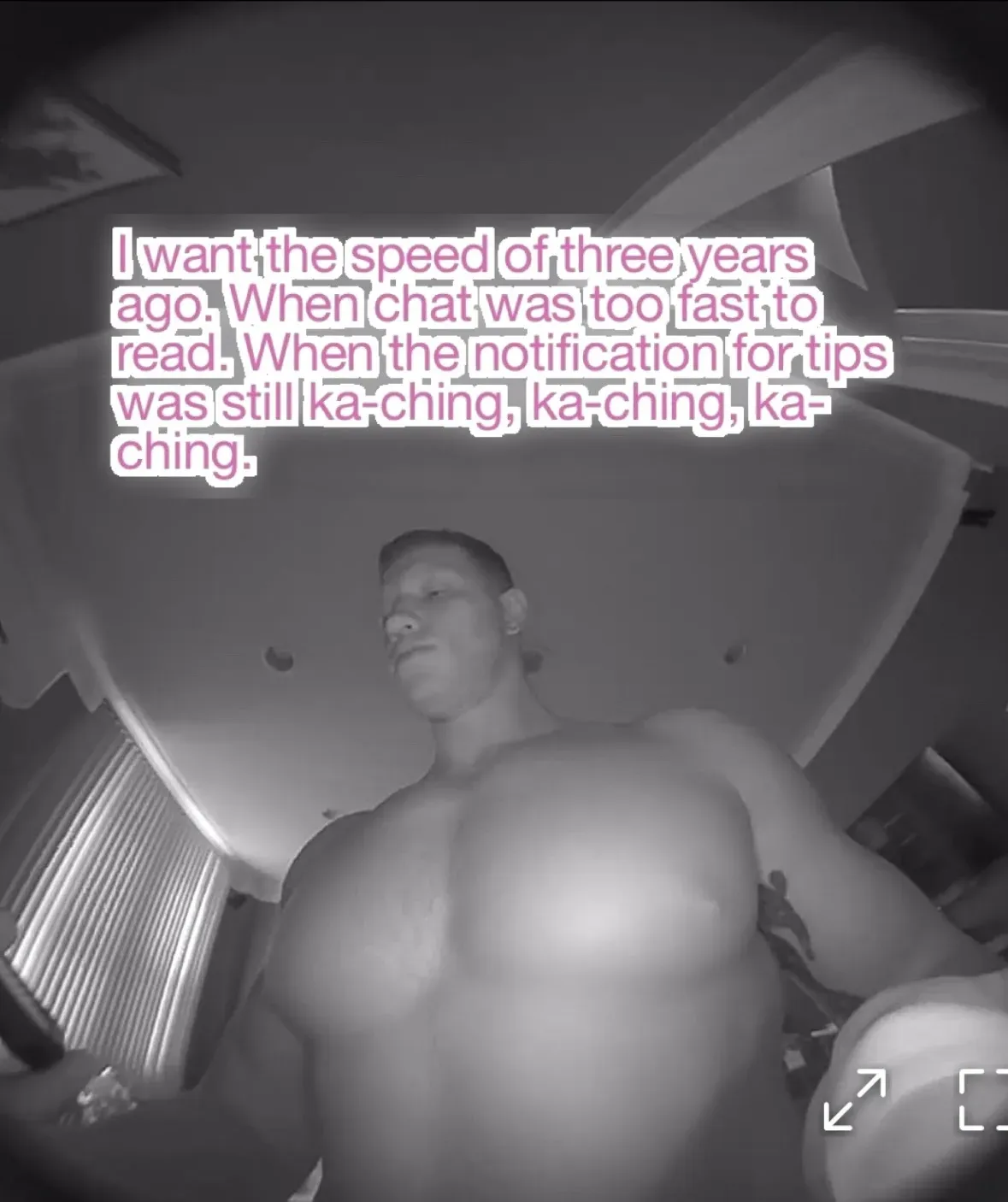
There’s a way to do it that’s interesting and tasteful, and that informs the writing itself. For example, my story Limit Break is about someone who could be a body fascist, someone very concerned with their body image and how it’s projected into the world, and insecure about their own image. So using a gym selfie in that story makes sense. It threads into the themes. The image and the writing are intertwined.
There’s a way to do it that’s interesting and tasteful, and that informs the writing itself. For example, my story Limit Break is about someone who could be a body fascist, someone very concerned with their body image and how it’s projected into the world, and insecure about their own image. So using a gym selfie in that story makes sense. It threads into the themes. The image and the writing are intertwined.
Any writers, artists or projects on your radar that you want to shout out?
There’s an online magazine called Charm School. It’s run by Vivi Hayes and Bernard Cohen. They’re doing something really cool promoting younger New York writers and poets. They have a really good grasp on aesthetics. Stuff that feels new but still palatable. They’re good tastemakers and they’re curating something very interesting for the New York scene.
And what about your future projects? Something you want to highlight or promote?
One of my favourite stories I’ve ever written is about to come out in Volume Ø, which is a small downtown magazine run by Book of the Month Club. It’s called Obedience, and it’ll be out in March. And I’m working on my book at the moment. That’s the bigger project. Hopefully, I’ll finish it this year, but TBD.