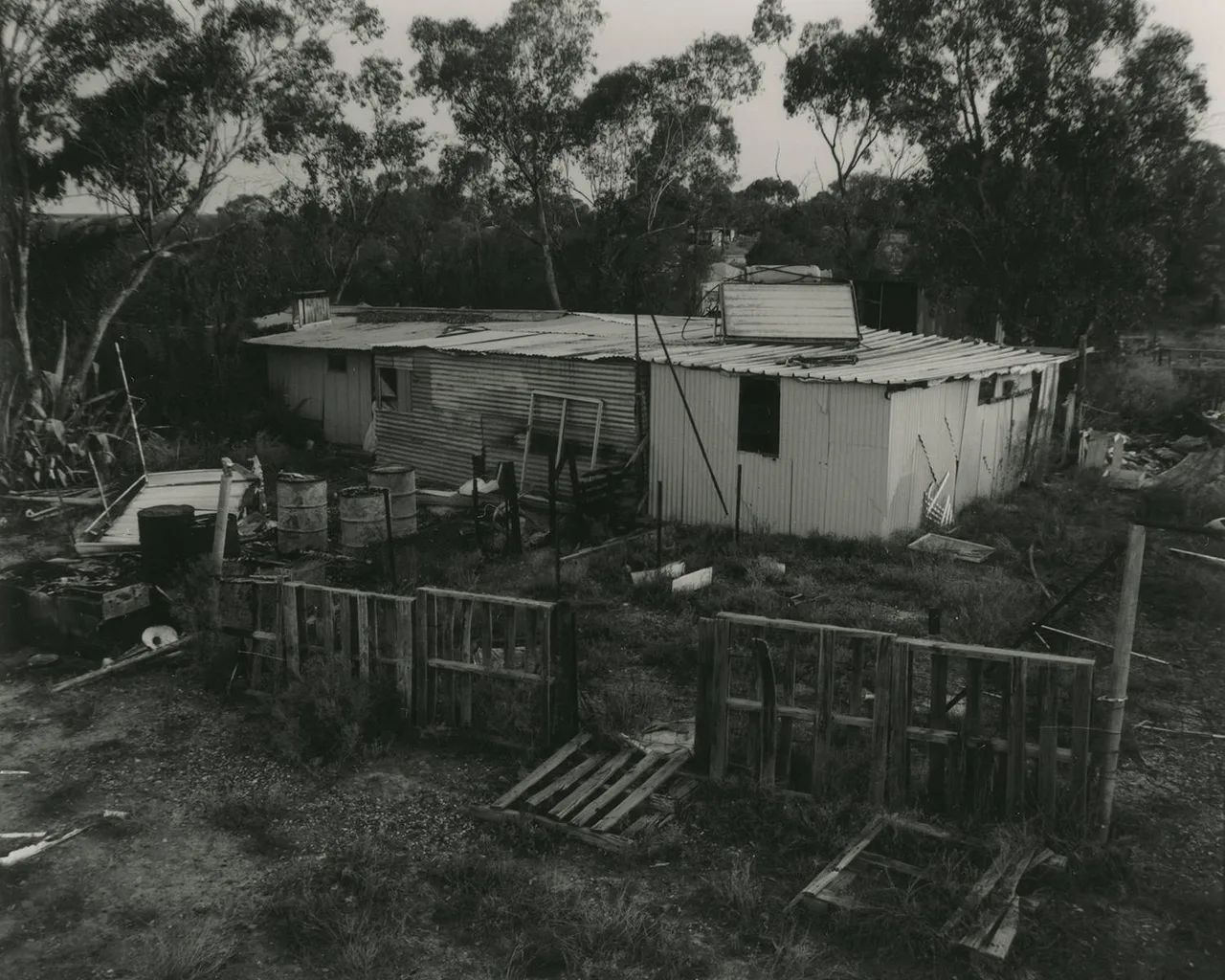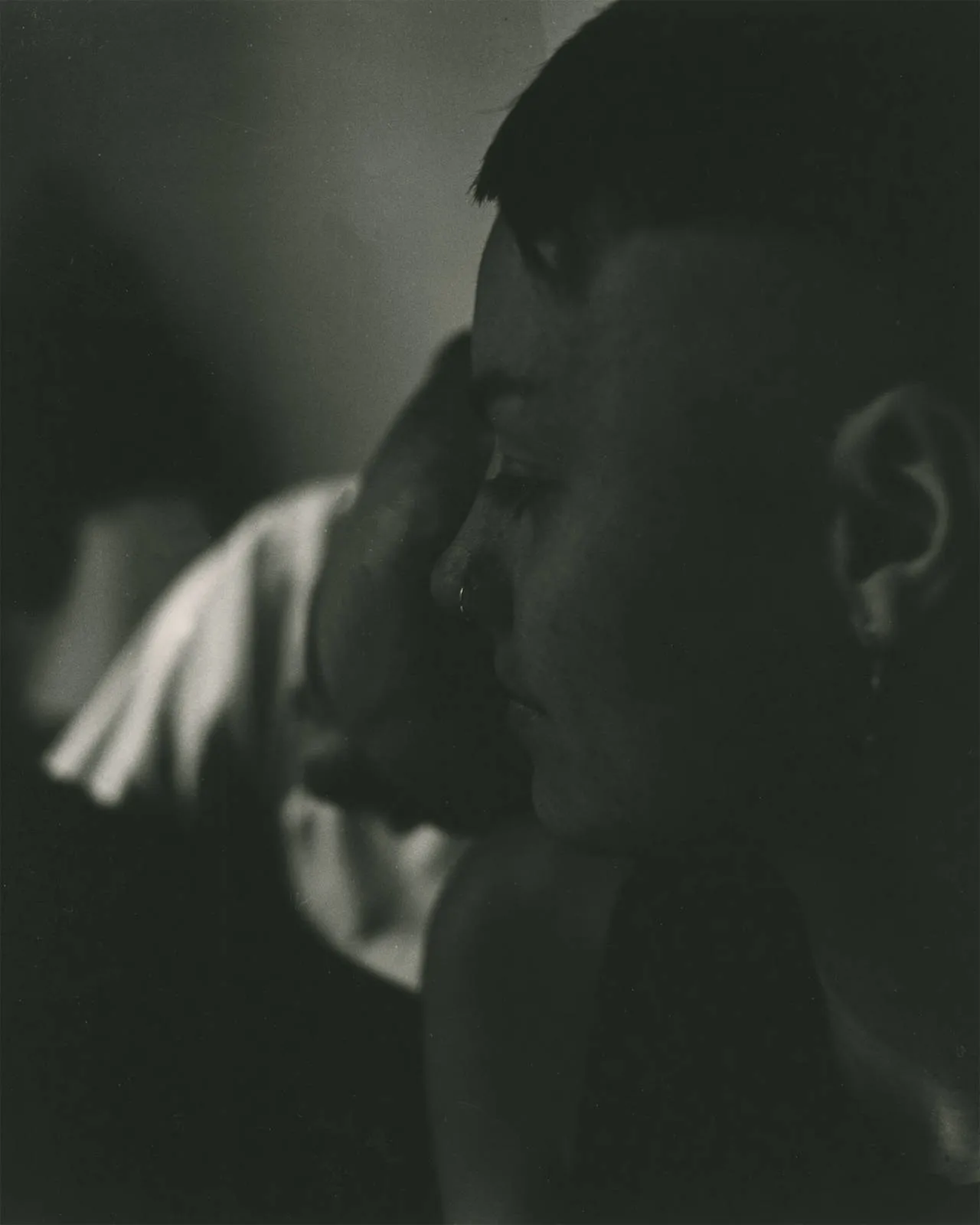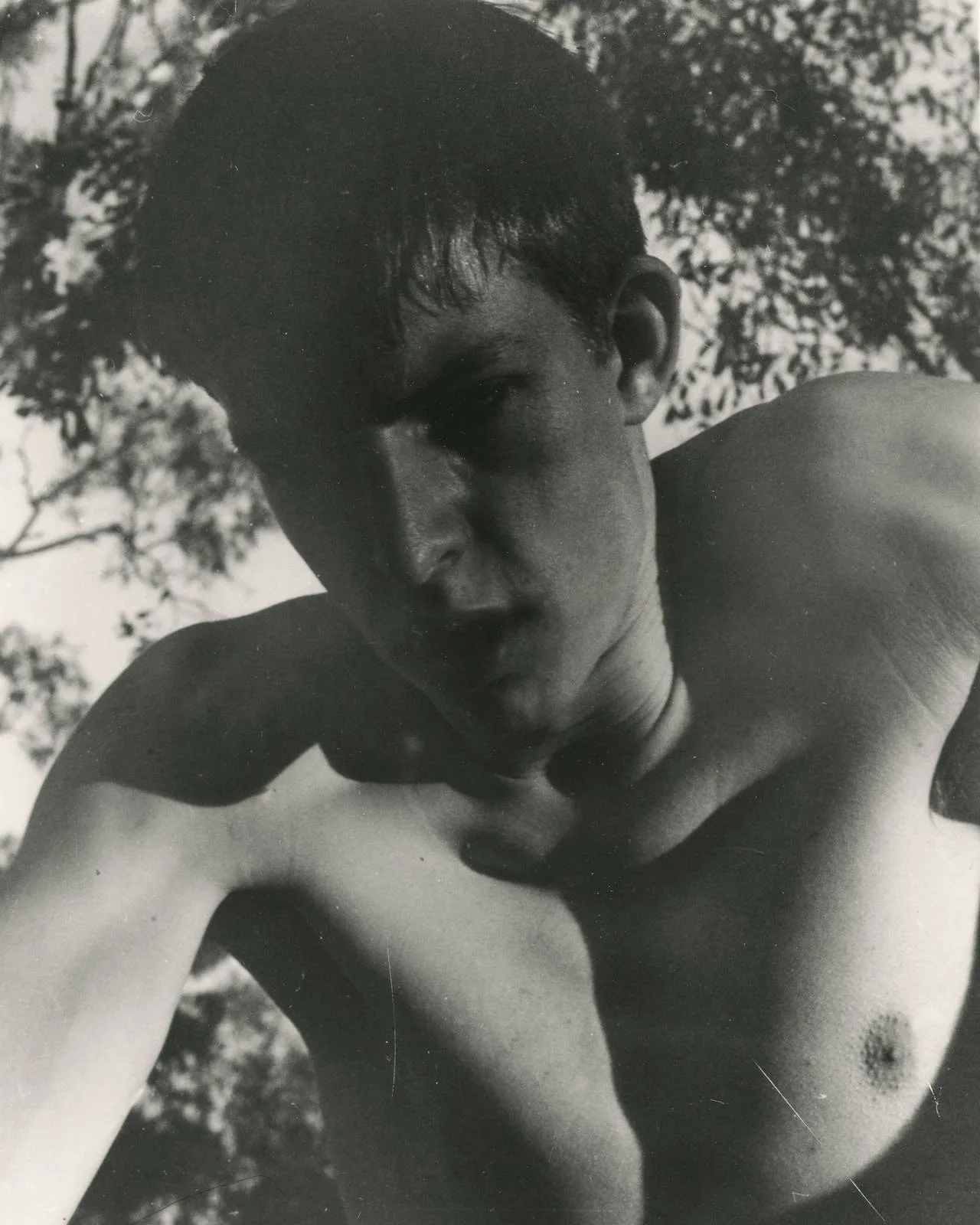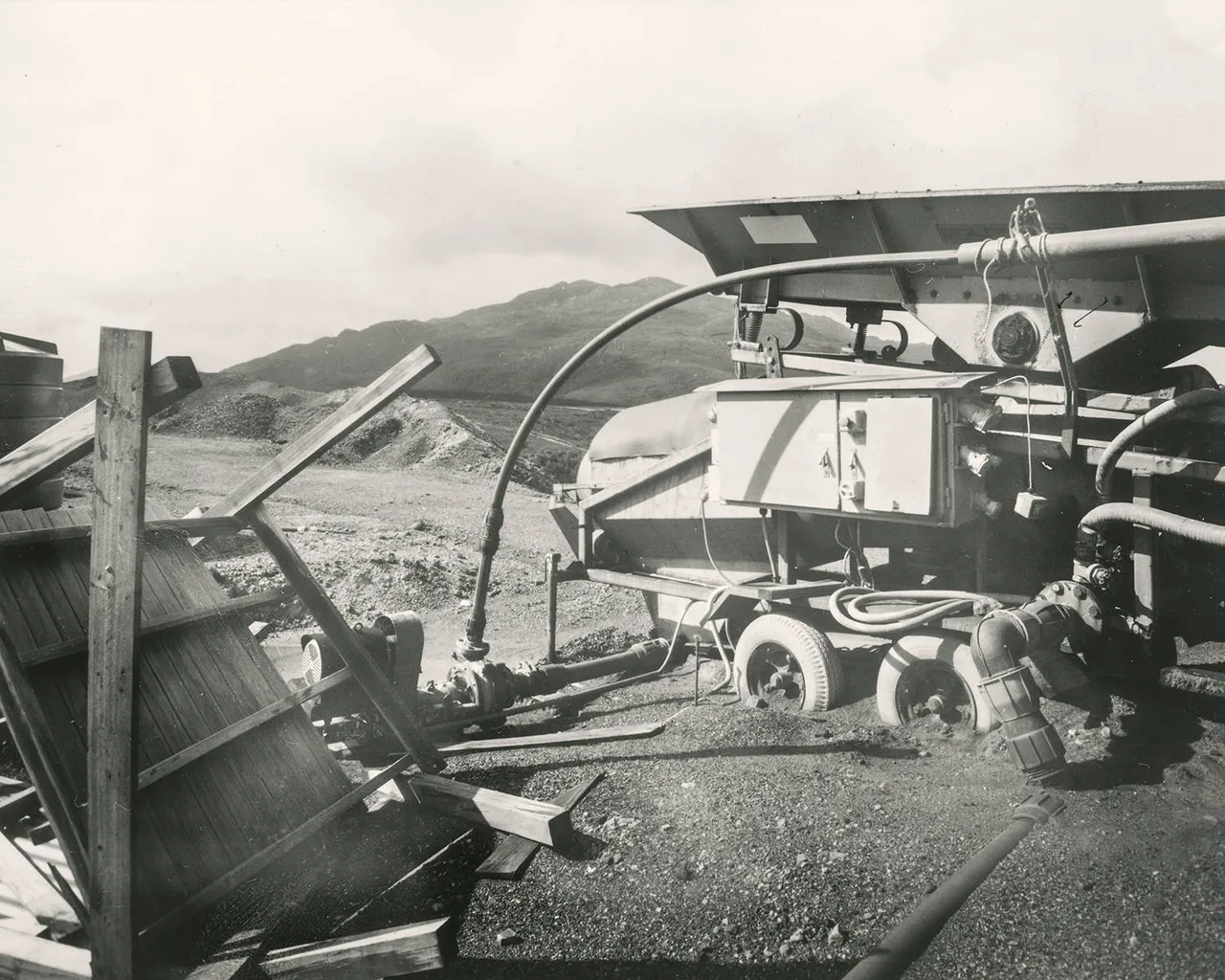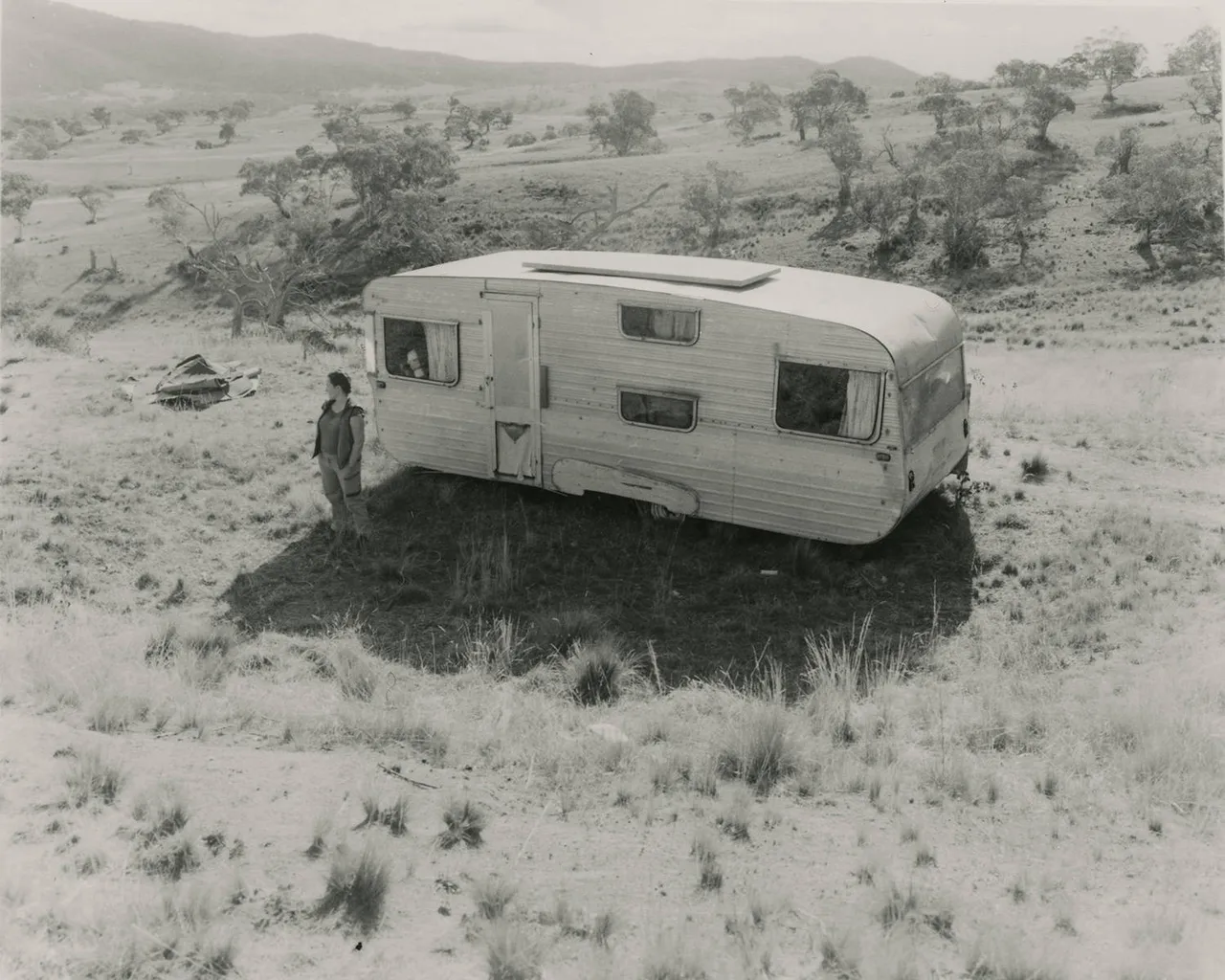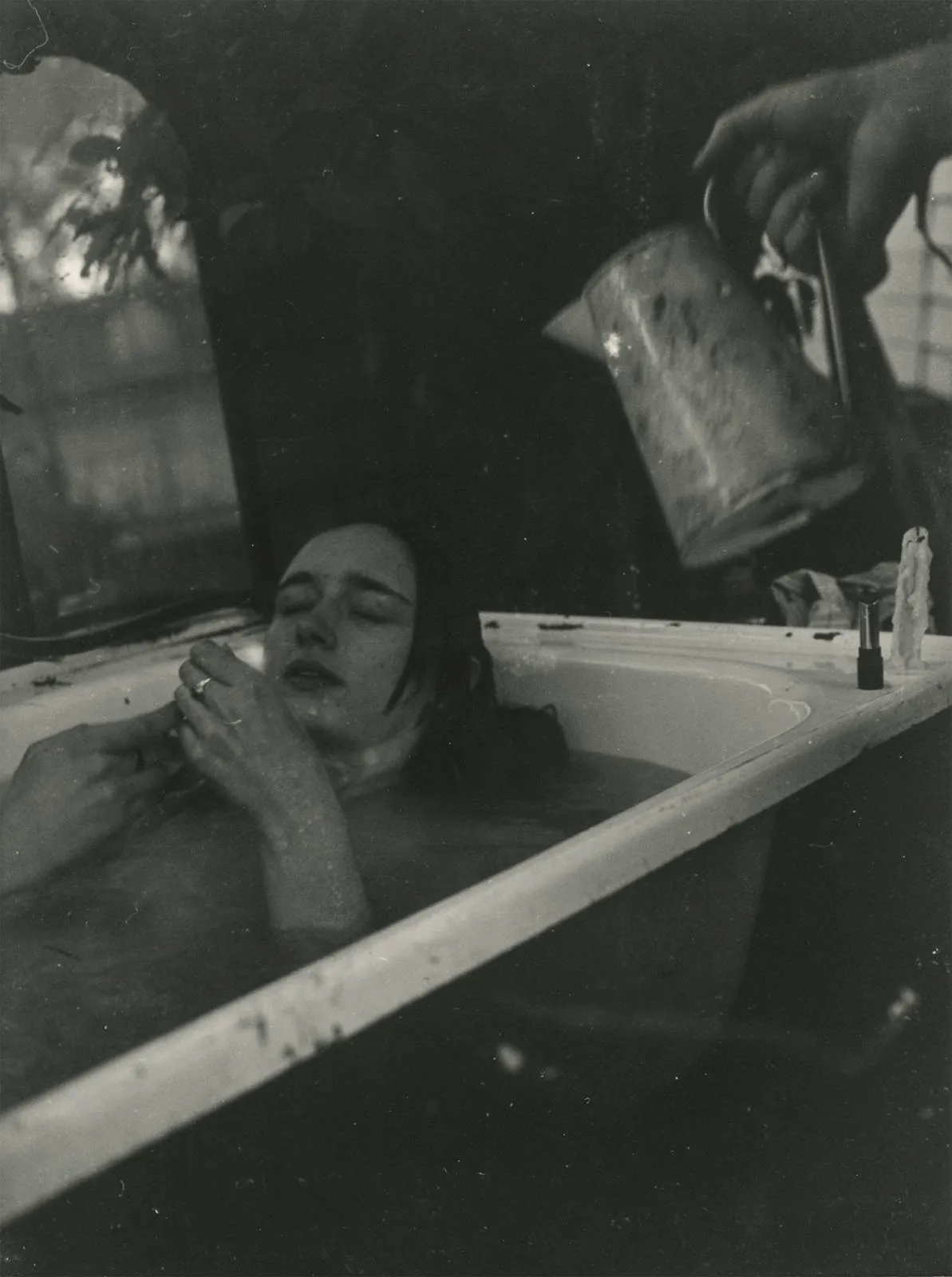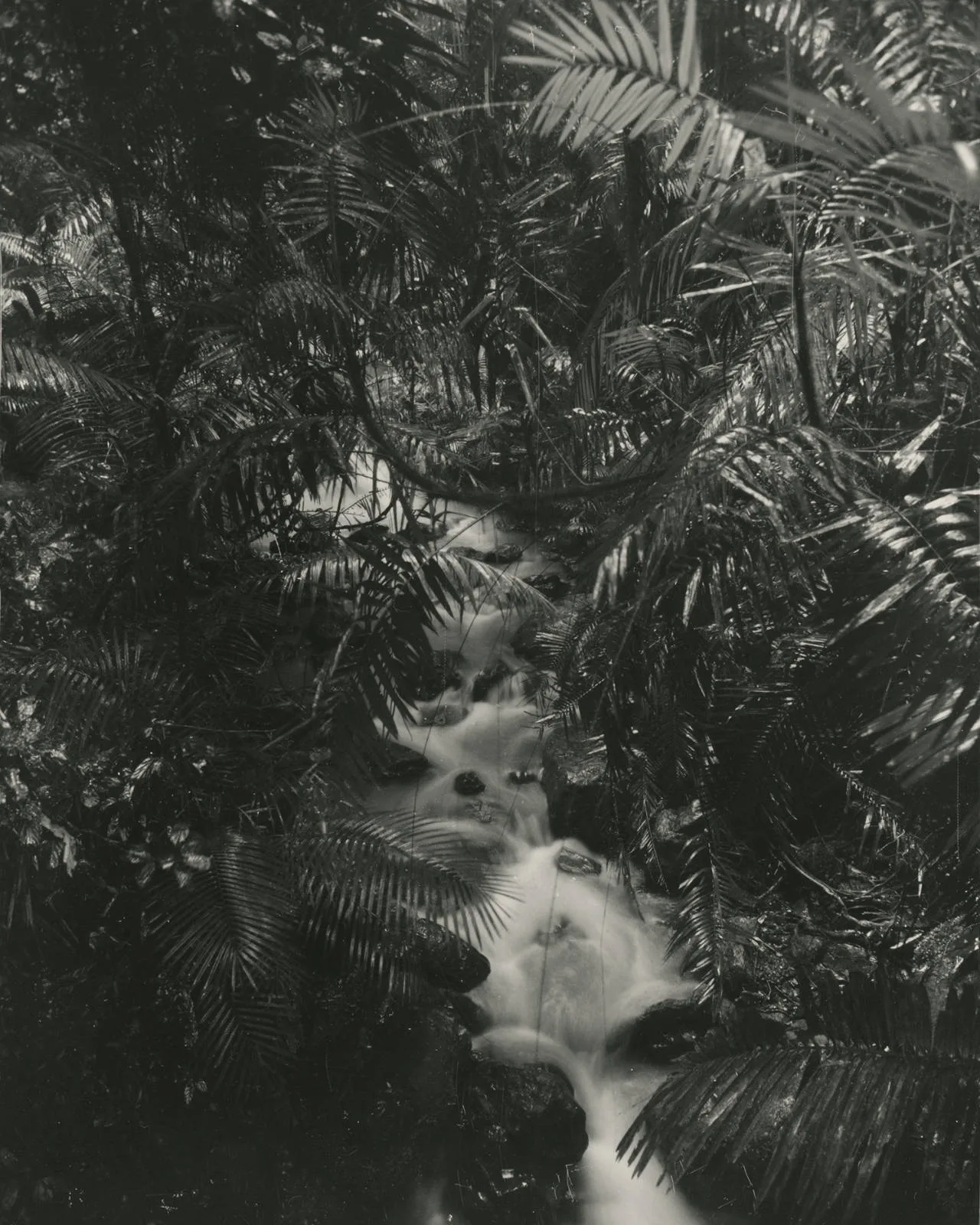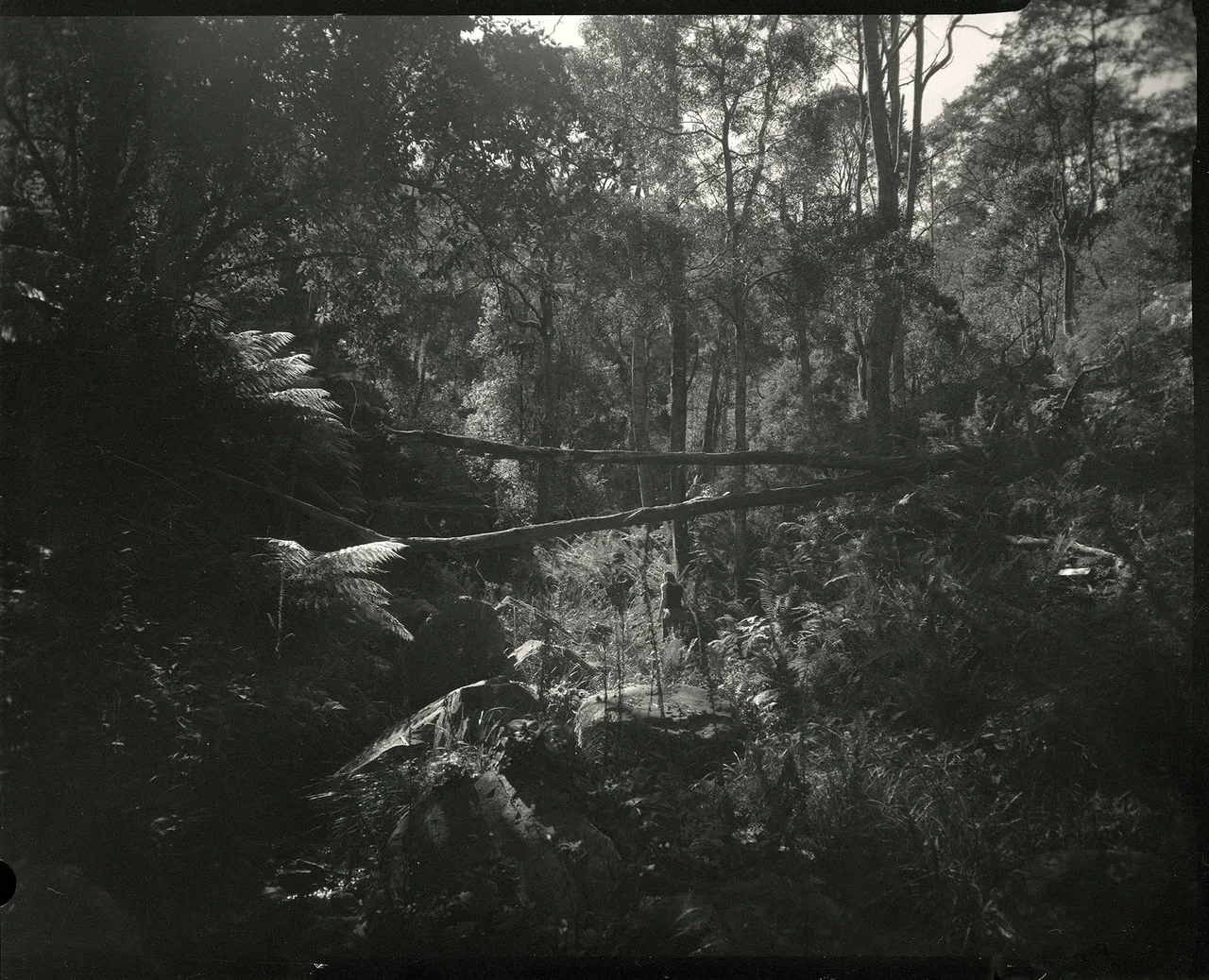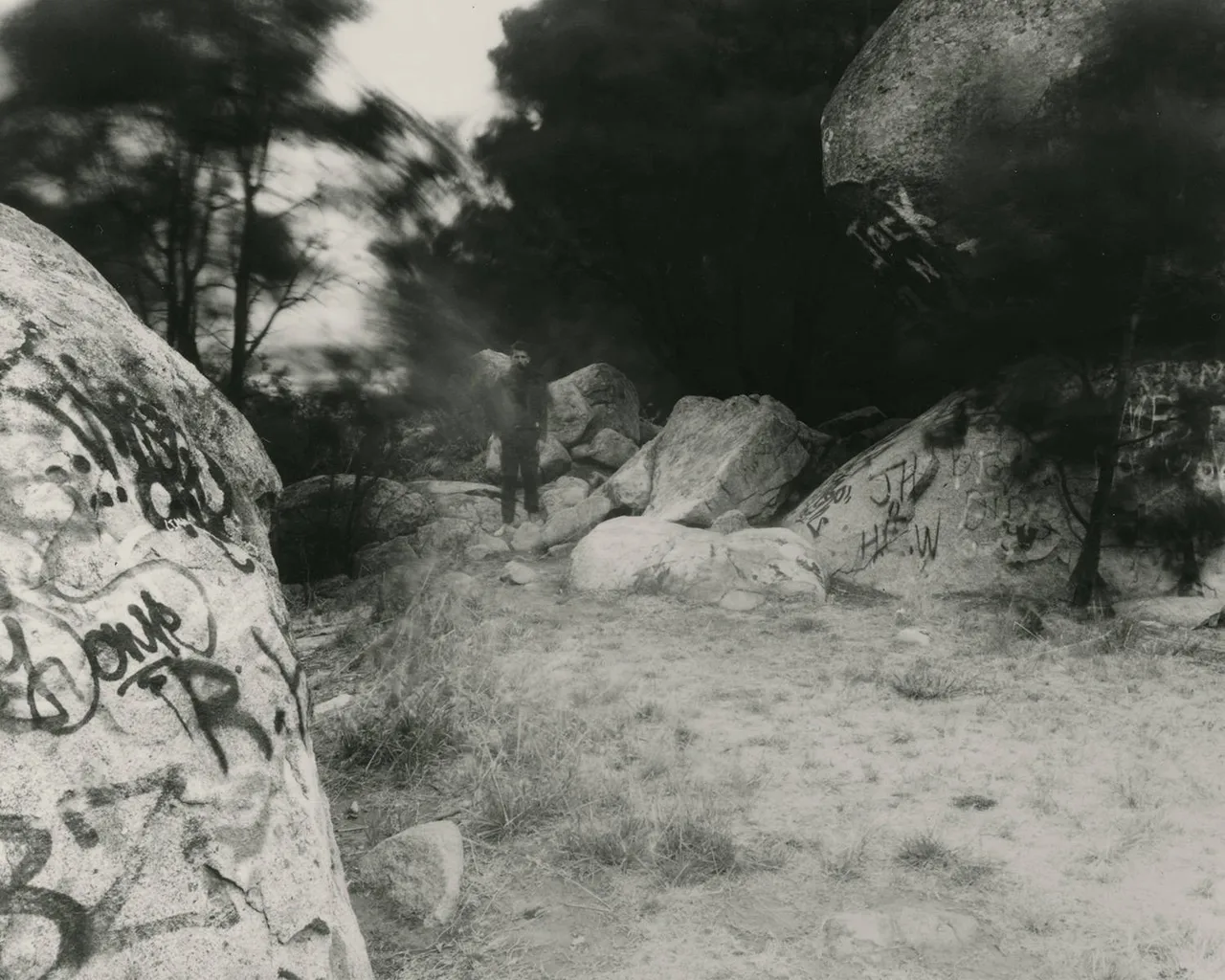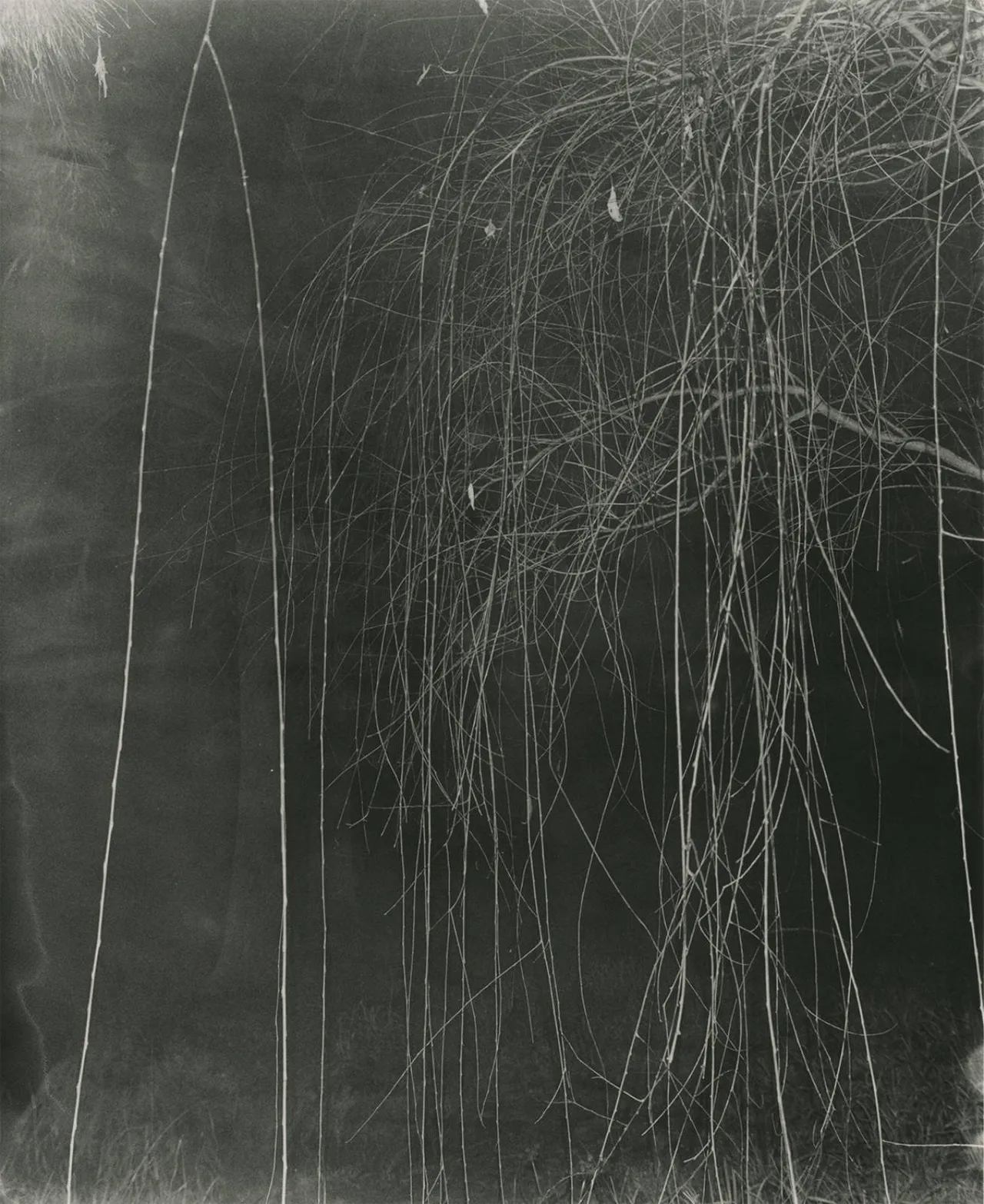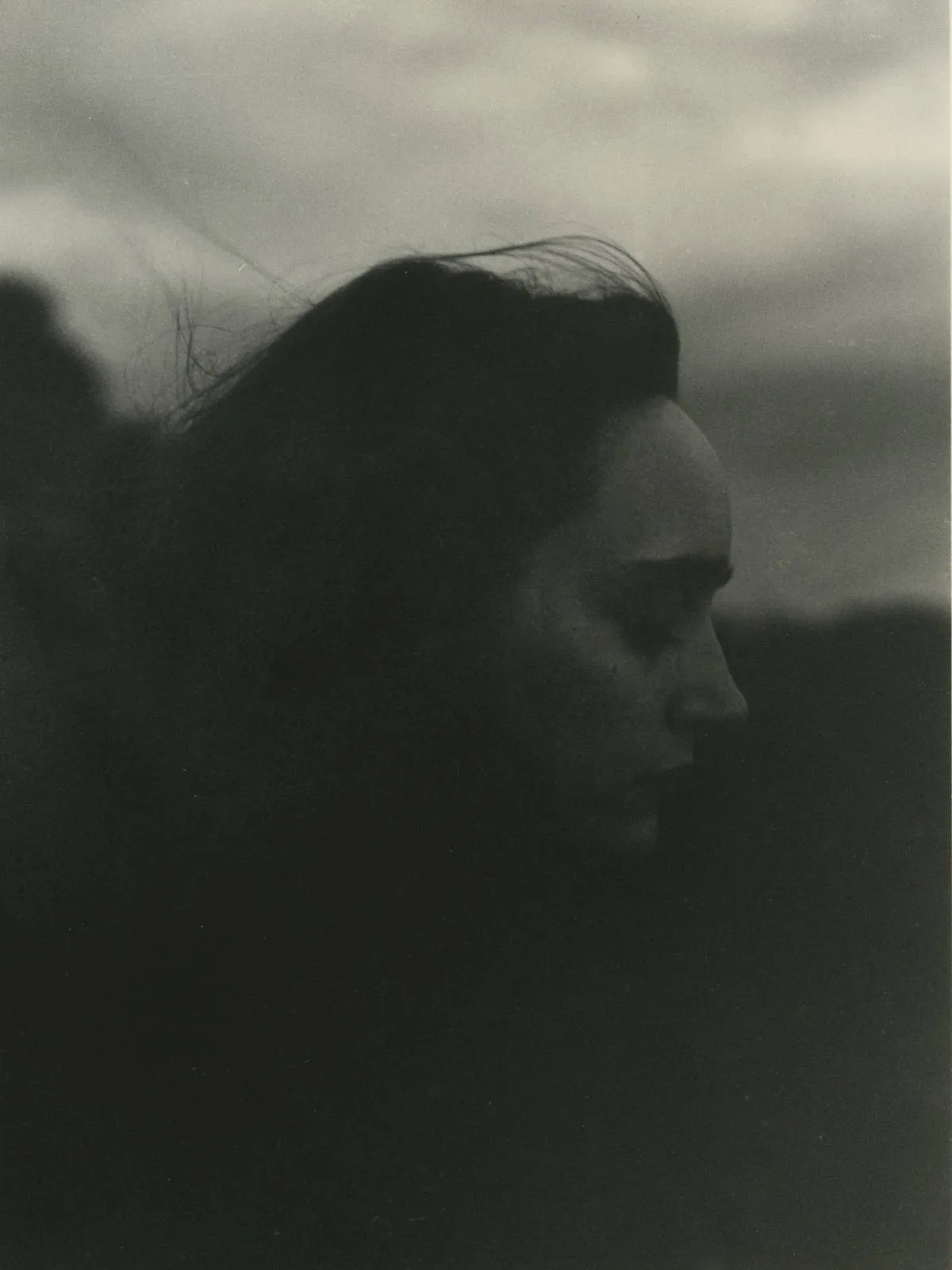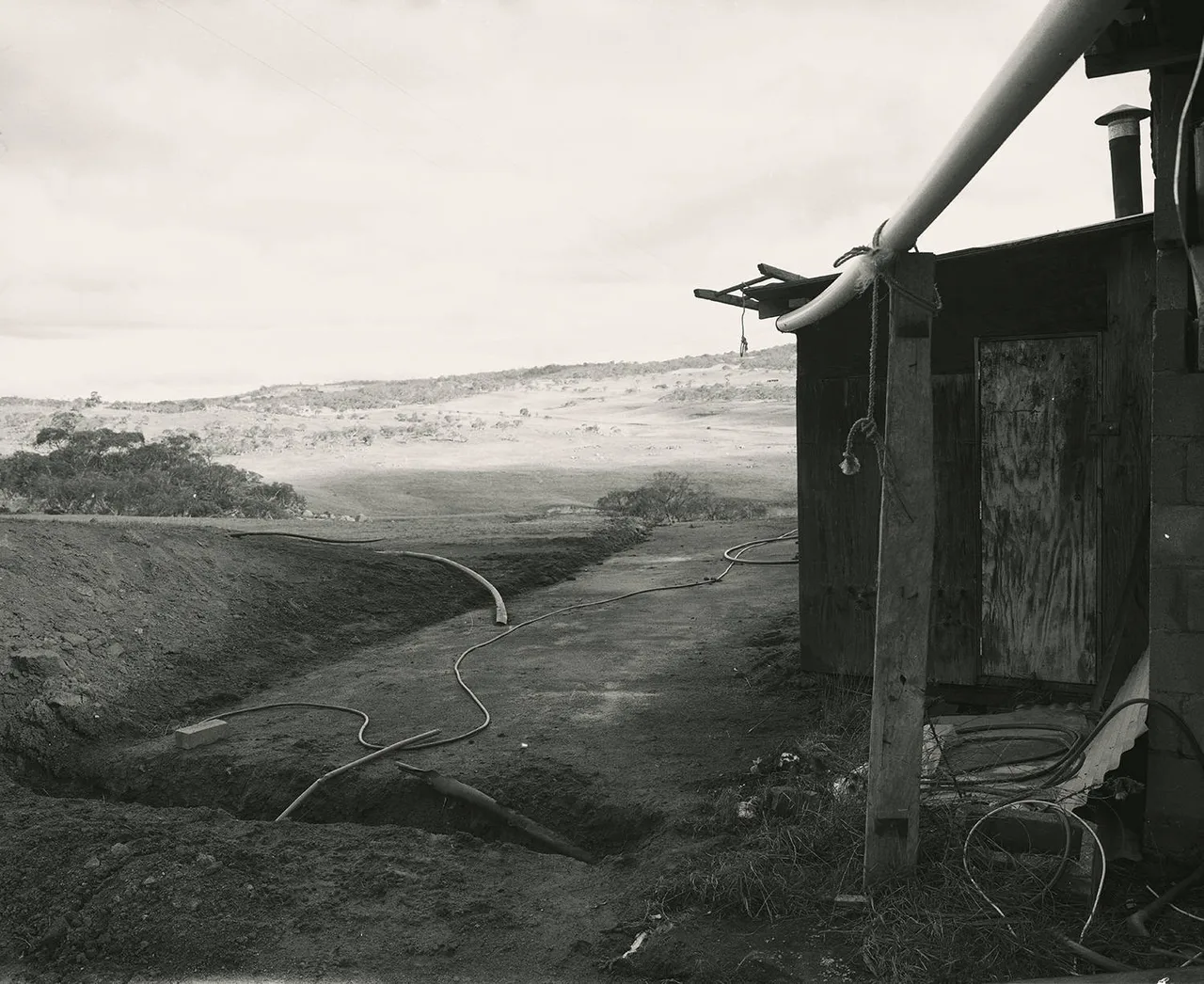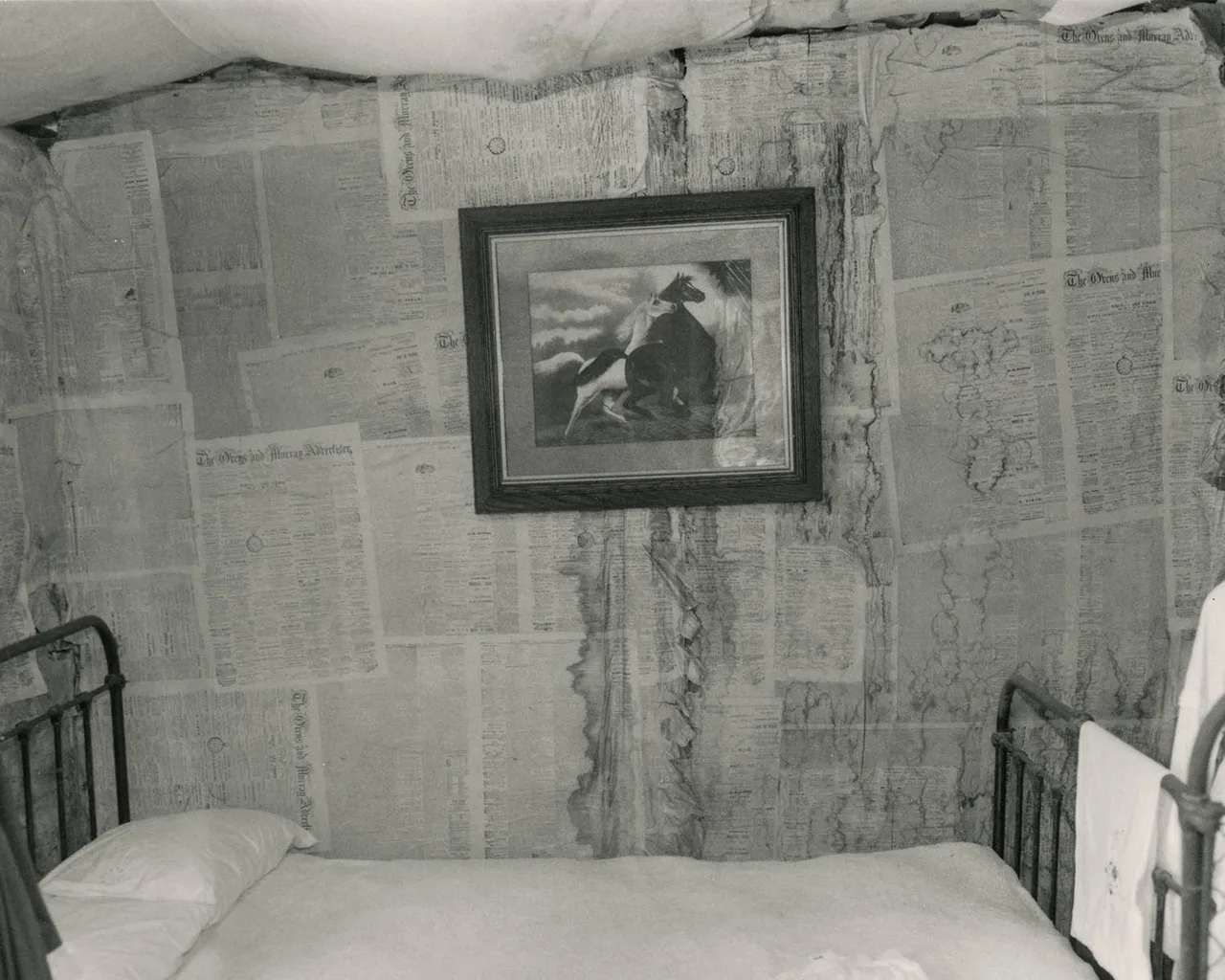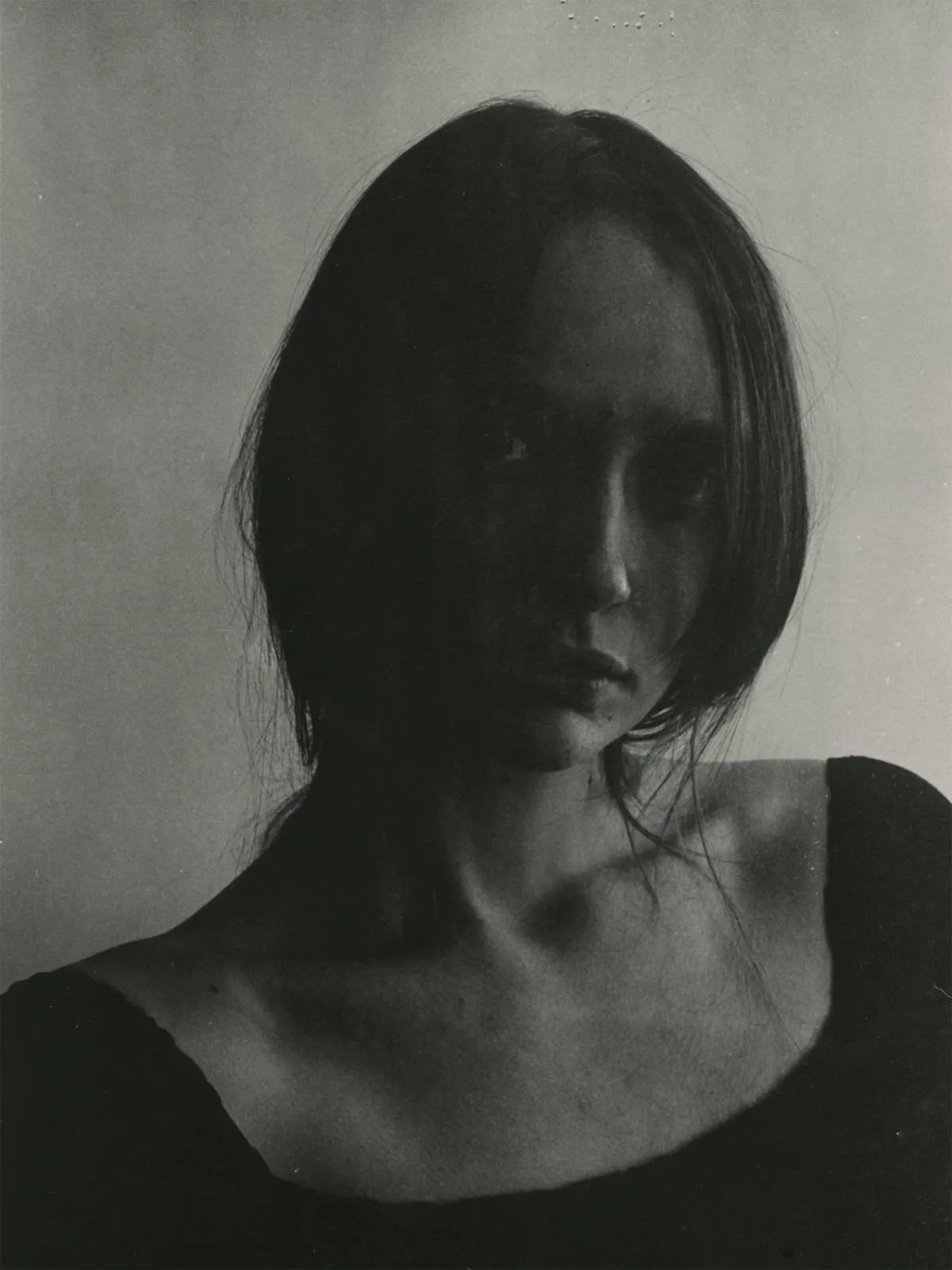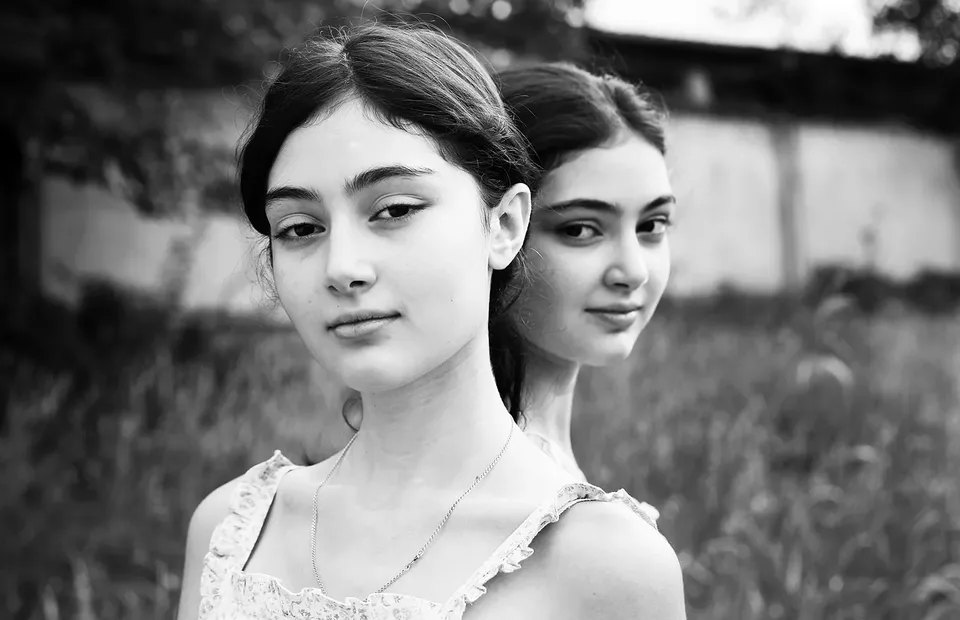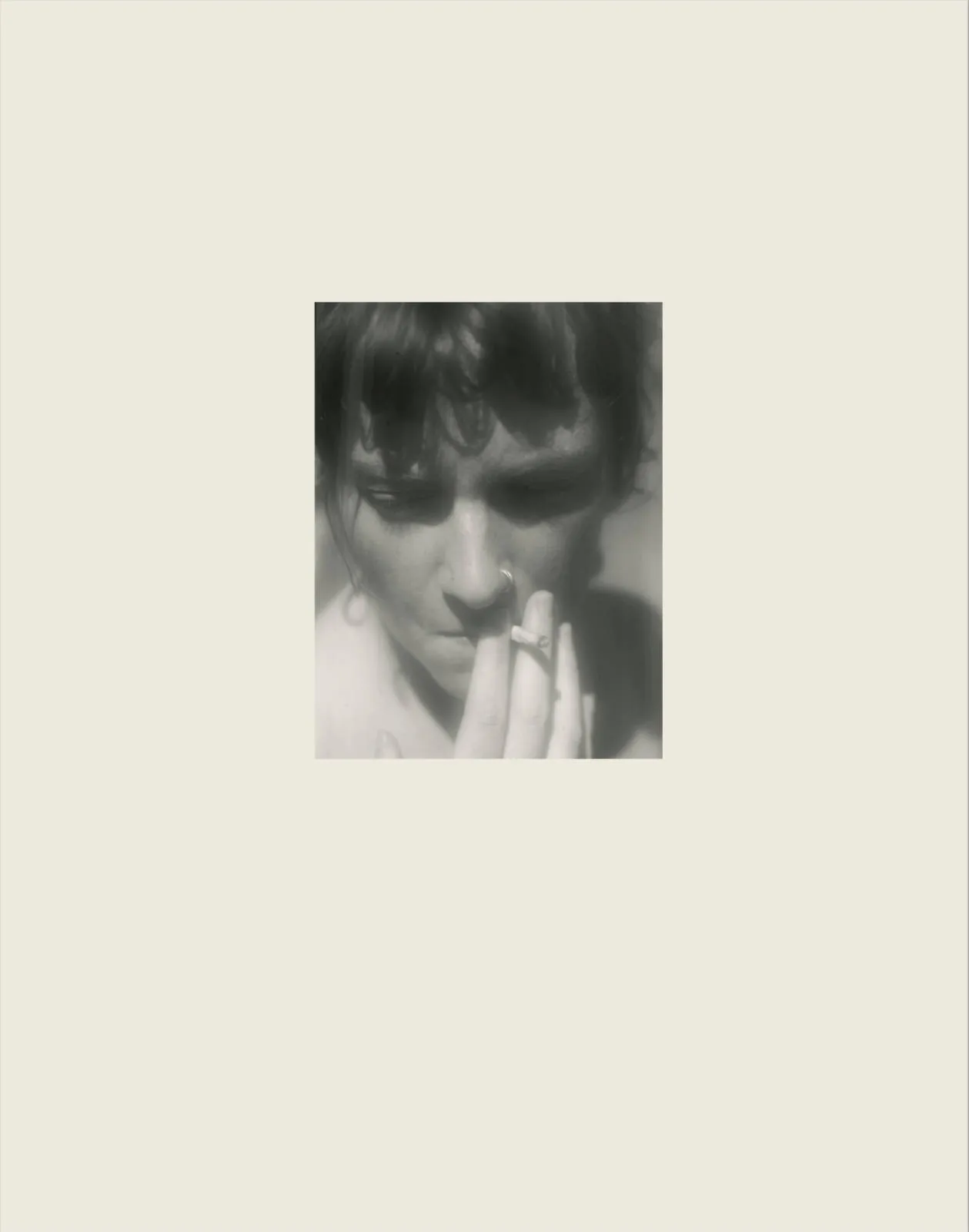
In Gumsucker, Rory King presents an intimate portrait of the Australian wilderness. Published by Charcoal Press, the photographer’s latest work places friends, lovers, and strangers against the country’s raw, expansive terrain.
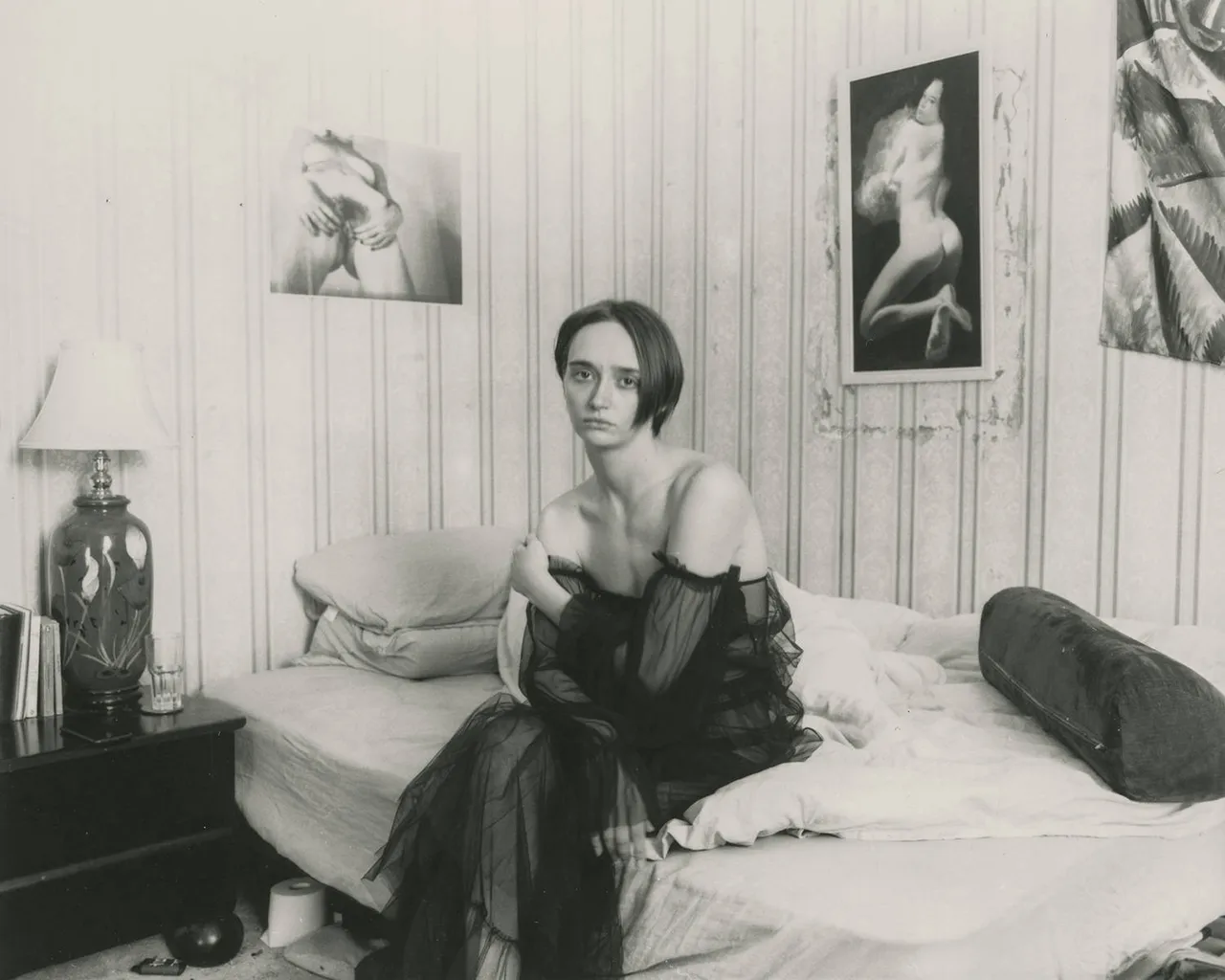
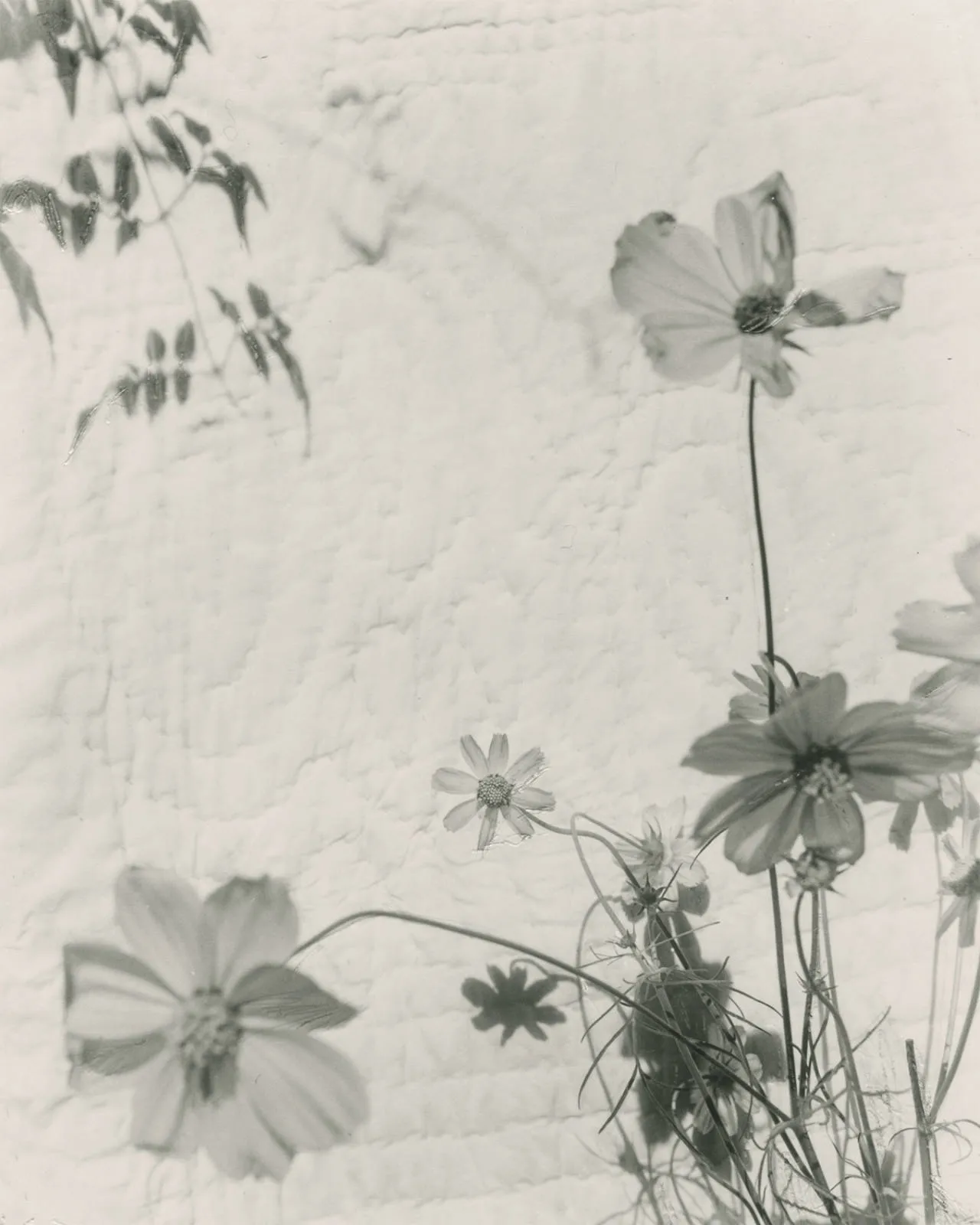
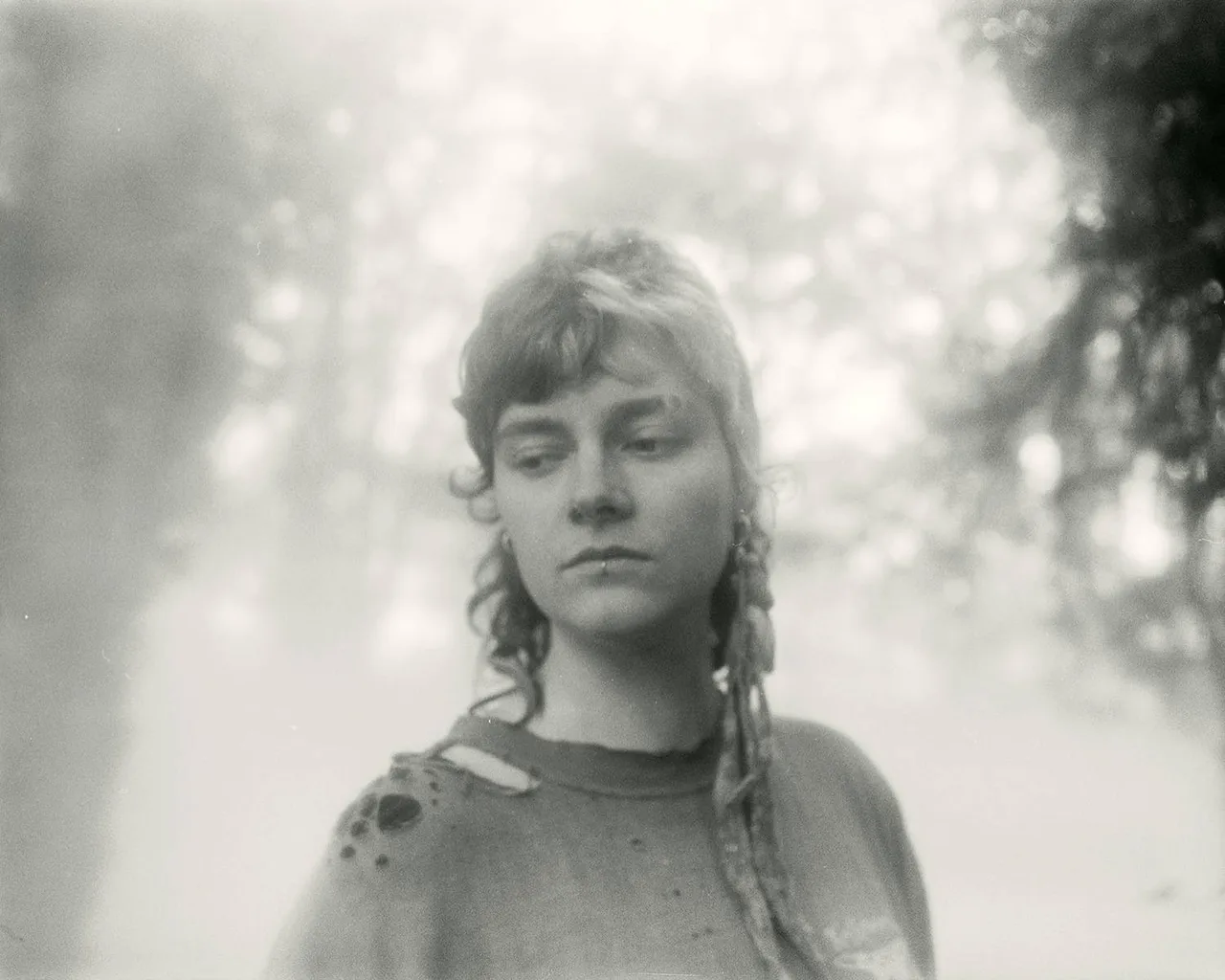
Vast, quiet, and isolated, the images in Gumsucker are ones to work through slowly and intentionally. Landscapes and portraits sit in dialogue, echoing one another in mood and texture. The photographs are luminous and tactile, capturing moments of sublime and humble beauty: sunlight suspended in a row of trees, pensive faces half-obscured by shadow, mountaintops shrouded in the sky’s clouds. Shot over nearly a decade, Gumsucker is as much a record of King’s life as it is a meditation on place. Over Zoom in the weeks following the book’s release, King talks to us about the project’s origins, the seductive rigour of analogue photography, and the act of revisiting one’s archive as a way of understanding memory and time.
Shall we begin by talking about Gumsucker and how the project came into fruition?
About three years ago, I applied for a portfolio review called the Chico Review, which is held in Montana. I got accepted and then was offered a full scholarship to go as well. I flew over to the States and showed my work to some reviewers, photographers, gallery owners and publishers — it was awesome. That was held by Charcoal Press. They have a publishing prize, and I was selected for that, which was also amazing. So, this project is a result of winning that publishing contract.
The subject you chose to explore is the Australian landscape and the Australian wilderness. What is it about this landscape that draws you in?
It’s not specifically that I chose deliberately to have this book be photos of the Australian landscape. I think that’s just what I take photos of. For years, I’ve been going out into the bush and into the outback and going on these big road trips and taking photos of landscapes. It’s something that inspires me. Being in nature is extremely important for me. I think it’s important for everybody, but for me it’s a source of inspiration and comfort.
Over the years, I have moved around a lot. I’m from Canberra originally but I have moved kind of every year for the past eight or nine. I would find that I would go through these big periods of change in my regular life, living in the city, and I would always find consolation by going out into the bush and taking photos. So, for me, it's a creative relationship or source of inspiration that's built on just a deep love and appreciation for the natural world, but also, sort of a sense of healing. Being out there and alone and engaging with these places through photography, it’s quite therapeutic.
Over the years, I have moved around a lot. I’m from Canberra originally but I have moved kind of every year for the past eight or nine. I would find that I would go through these big periods of change in my regular life, living in the city, and I would always find consolation by going out into the bush and taking photos. So, for me, it's a creative relationship or source of inspiration that's built on just a deep love and appreciation for the natural world, but also, sort of a sense of healing. Being out there and alone and engaging with these places through photography, it’s quite therapeutic.
I have spent a lot of time in the Yarra Valley here in Victoria, and I always love taking people from overseas to the area because you always get responses like, “Wow, I’ve never seen anything like this.” The Australian landscape is quite distinct in that way. The fact that Gumsucker is being published and distributed internationally is interesting.
Yeah, it is. I feel like the reading is sometimes, although not always, a sense of hostility or aridness or remoteness that’s not necessarily remote in the way that parts of America are. Obviously, there’s a huge diversity of terrain in America, so this is a bit of a generalisation, but a lot of the landscape in America, I think, is overwhelmingly beautiful. It’s so picturesque and gorgeous and forested and mountainous. I think Australian landscapes, although there are parts of that, a lot more of it is subtle and vast, and it can be hostile. But I think within that hostility, there is a real sense of beauty.
And of course, alongside those landscape photos, there are also portraits. I would love to hear about how you see these two types of imagery marry in your practice and in the book.
It’s a combination that makes sense. There’s so much that can be communicated through an expression and through a portrait. If you find a landscape or an environment or a picture of the landscape that reflects that same feeling or same energy as the expression, it can be quite powerful. They work well together.
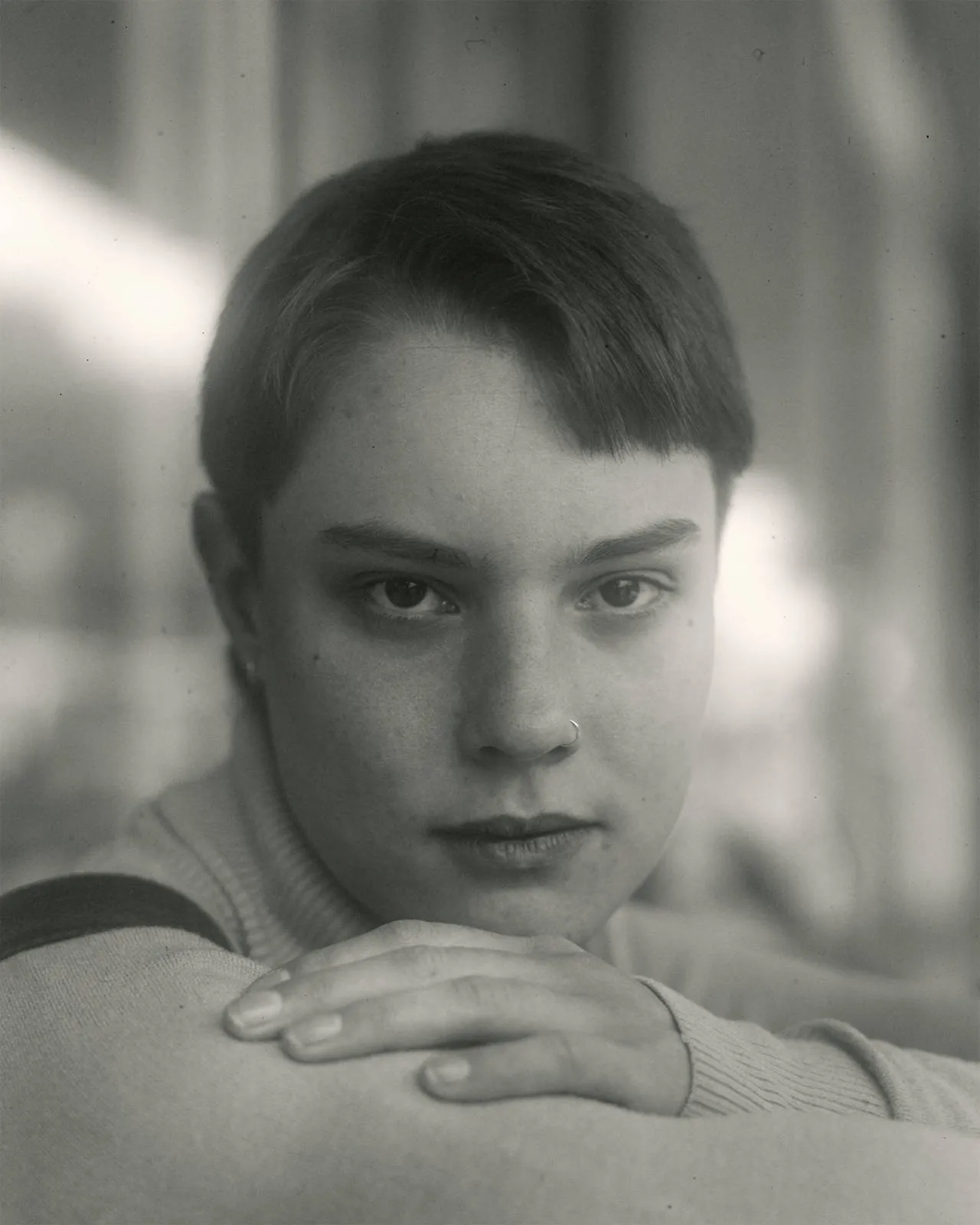
But they are two very different approaches to shooting. The portraits I take are almost exclusively of my friends. They’re not people on the periphery of my life; I have a really deep relationship with them. That’s the similar thread that ties the two modes together. You know, I’m photographing people I love and I’m photographing landscapes I love. It feels intuitive for me.
But they are two very different approaches to shooting. The portraits I take are almost exclusively of my friends. They’re not people on the periphery of my life; I have a really deep relationship with them. That’s the similar thread that ties the two modes together. You know, I’m photographing people I love and I’m photographing landscapes I love. It feels intuitive for me.
All the photos in the book are printed in black and white, right?
Yeah.
Why?
There’s a few different ways to answer this. The really glib and short answer is that it’s a lot cheaper. But that is me being a bit facetious. I love the process. Although there is a similar process with colour, it’s more involved and a bit more intricate to develop your own film and print. Black and white film is such a forgiving and beautiful process. I think having the limitations of film is really important to me. I have never been able to successfully take digital photos. Some people do it really well, but for me, I feel having the limitation of how many shots you get and the financial investment of how much it costs to shoot film that helps to guide me in deciding what I want to take photos of. And then being able to develop it myself and go into the darkroom feels rewarding and fulfilling.
I feel the same when I look at analogue work. We live in such an image-driven and image-saturated world. I feel very strongly that we need to reorient ourselves so that we’re always thinking about how images are created, and under what kinds of circumstances. The analogue process forces us to consider these sorts of questions.
Yeah, that’s true. For me having a physical object, like a print that I’ve made that is entirely analogue, it feels like an artistic practice. It’s a medium, it has a long history. In the context of this era, it also feels like a little act of defiance. It feels like a kind of radical pushback against content. There’s this proliferation of images that is nauseating and kind of frightening. This, on the other hand, is something I can hold. I like to make handmade books with different paper stocks and textures and materials, and then put darkroom prints in those books. They’re just like personal artist books or gifts for the people I love.
Yeah, it does feel like everything is content right now. It’s been interesting to observe how AI has pushed content right to the edge. Now there’s a desire to come back to the centre and to hold onto things that we know will always exist — things like zines and magazines and photo books.
Yeah, you don’t have to spend much time online to just be completely engulfed by AI. Like, let’s not spend too much time on AI, but even just reading peoples’ captions at the moment, everything is so unapologetically AI. It’s so upsetting. I don’t know what we’re heading towards. Like, there needs to be a bit of pushback.
Yeah. But you’re right, let’s not dwell on this. I wanted to ask if you shot the photos in the book with the understanding that they would end up in the book?
No. These photos have been shot over probably about eight years. When I won the book prize, Jesse Lenz from Charcoal Press asked me to send him essentially my entire archive. I sent him probably two thousand prints, and he went through the scans and made a selection of the pictures he really liked and wanted to centre the book around. Sometimes if I’m working on a project or an exhibition and I have the time, I’ll shoot pictures specifically for the project. But more often than not, the photos already exist and they’re used retrospectively.
When you were looking back at your entire archive, did you observe anything interesting? I feel like sometimes when you're working with a body of work, you notice things that are only recognisable when you’re looking at multiple things at once. Maybe it’s a particular angle or a particular way of framing something.
Definitely. A huge part of my process is looking through my archive and looking through my old photos. I mean, I’m in Lightroom now and I’ve got twenty thousand files of photos that I’ve taken. So, you know, it's a huge archive of work and it's always fascinating to go back through those photos and see these like different lives unfold from different periods of time. I can look at a series of portraits that I’ve taken of somebody and, you know, it might be a friend who I don’t talk to anymore or an ex-partner. And then I’m sort of reflecting on that period of my life and what I’d learned from that. And then I can move forward a couple more years and I’ll find self-portraits, and I’ll remember how I felt really negatively about myself during that period of time. I’m constantly reminded of the past and my relationship to myself, my relationship to place, and my relationship to the people in my life. I mean, everyone can do this now to a certain extent because we have phones with endless photos on them. But for me, looking back through the photos I’ve taken on film… there’s a sense of authorship. Like, these photos say something fundamental about me and the trajectory or the arc of my life. I feel like with phone photos, you never really feel like the author of those photos. They’re just like memories.
That’s an interesting distinction. I think you’re right, a photo taken on a phone can exist as a visual record of something, but there’s something about being in a darkroom and watching images of the world and images of people emerge from a tray of chemicals that feels like alchemy. It’s like, you’re a magician and you’re making things appear.
And that magic still works on me years down the line, and I think it always will. It is a wonderfully rich and seductive process. The darkroom is the epitome of a safe space for me. It just feels so enchanting and wonderful — just wet, red darkness. But yeah, it feels like such a privilege to be able to be in a space like that and create meaningful art that allows me to reflect on the quality of my relationships and their longevity or the ways in which they fell apart. Maybe it’s overly sentimental but there is a lot of attachment there. It does feel like a gift to be able to do that.
Film can be fickle, and you often don’t know if a photo is going to work out until you print it. Do you know when a photo is going to be good?
Sometimes. Sometimes, it’s just obvious. Like, you see a photo and it’s resonant and beautiful and exactly what you were trying to capture in the moment. I feel like a lot of that knowing happens during the shooting rather than the printing. As you say, sometimes there are surprises in the printing. Sometimes there are surprises where there’s a photo that you completely overlooked, and you go back to it like five years later and you’re like, holy shit, this is actually really good. That definitely happens. But for me, when I’m taking the photos, there’s just a sense of knowing how it’s going to look at the end of the process. I’ve done this for long enough now to have a bit of a formula that I like to follow. Ninety per cent of the time, it’s like, this is going to be whatever. But there’s that ten per cent of the time or five per cent of the time where you have a moment with somebody and something happens with the light, or something happens with their expression or they drop their guard and you’re like, fuck, this picture is going to work.
I’m pretty sure it was Gregory Halpern who said this — I’m not a hundred per cent sure — but Gregory Halpern did a course with Magnum and he was talking about how the emotional closeness you have with the photo means that sometimes in order to edit successfully and sequence successfully, you have to put a lot of time between when you took the photo and when you begin editing. Because otherwise the memory and the emotion and the associations that are attached to the process of shooting will cloud your judgment. And I think that’s really true. I can get really excited about photos, especially when they’re portraits. But then you look at them after some time has passed and you’re like, it’s not quite what I remembered them being. That combination of the process being very durational and then also being very intimate is always an interesting thing to navigate.
I’m pretty sure it was Gregory Halpern who said this — I’m not a hundred per cent sure — but Gregory Halpern did a course with Magnum and he was talking about how the emotional closeness you have with the photo means that sometimes in order to edit successfully and sequence successfully, you have to put a lot of time between when you took the photo and when you begin editing. Because otherwise the memory and the emotion and the associations that are attached to the process of shooting will cloud your judgment. And I think that’s really true. I can get really excited about photos, especially when they’re portraits. But then you look at them after some time has passed and you’re like, it’s not quite what I remembered them being. That combination of the process being very durational and then also being very intimate is always an interesting thing to navigate.
How often are you taking photos these days?
It definitely comes in like bursts of energy. I used to take photos all the time, like I constantly had a camera with me and would always be shooting. That’s not really how I work these days. I feel like I go through these cycles of being really engaged with photography and really inspired by it, and I’ll have a camera with me for three or four months and will take fifty rolls of film or something. And then the excitement of shooting motivates me to develop them. And then I’ll have this huge bulk of work to get through. And then I generally tend to get pretty confused as to what to do with them and then I’ll get a bit exhausted and stop taking photos for a while.
Do you feel the need to always be productive?
I used to get worried when I wasn’t shooting that I was losing my connection to this really important part of my life, and the thing I’ve devoted myself to. I don’t really get worried about this anymore because I know that this motivation always comes back reliably. I’m pretty happy for the time being working in these jolts of energy and just shooting when I feel inspired to shoot and giving myself permission to not when it's not there. And, you know, I have all these other facets of my life that I’m really passionate about and inspired by. Photography is a guiding force, but it’s everything for me.
What are these other facets?
Well, I’m really inspired by adventure as a whole. That’s definitely been on par with photography in a way, in terms of those guiding forces in my life. I structure my life around these periods of adventure and going out into the world and being part of it. That almost feels like a creative act for me at times. And fortunately, photography maps out perfectly on top of that. I get to do both at the same time. I love ceramics as well.
Have you always been interested in photography?
My granddad was really interested in photography as just a hobbyist. He had cameras and still takes photos now. I think he’s mainly motivated by the fact that I do photography. Both him and my grandma, they do it as a way to maintain a connection with me. But yeah, as a teenager, I would mess around with a camera but not in a way that felt meaningful. Then I went to art school in Sydney and I was really tossing up between whether or not I wanted to do photography or ceramics. I had to pick a major and one of the professors of photography pulled me aside and was like, “Hey, we think you’d be a really good fit. If you chose photography, we’d really love to have you.” I think that was the little push I needed. After that, I just fell in love with it. Like, I learned how to develop film and I just absolutely loved that process.
It's interesting, isn’t it, when you encounter something and you get this immediate feeling that it’s the right thing for you? It’s intuition.
Yeah, it’s pretty special. I feel like intuition is probably the most important thing for me in continuing to make work. The things I choose to shoot feel intuitive. The impulse to pick up a camera feels intuitive. The way I develop is intuitive. Photography can be so technical, and there’s a beauty to that. There’s artistry in that part of the medium. But for me, the looseness and the intuition— especially when it comes to developing and printing — feels far more meaningful. I like to lead with the image and to not worry too much about it being technically perfect.
I think we’re out of time, Rory.
Well, thank you so much. That was a really engaged conversation.