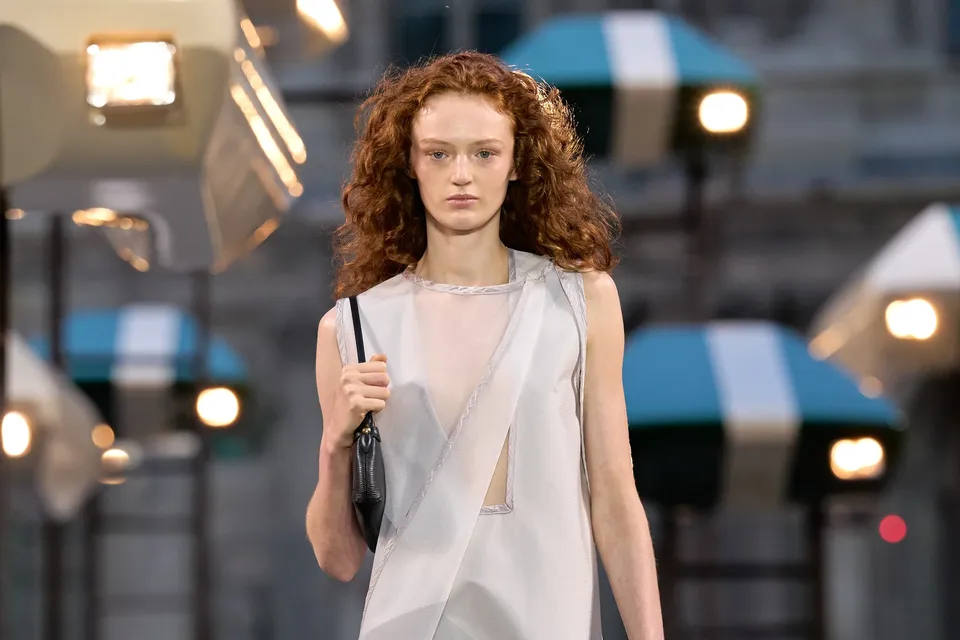
The key themes of the 42nd edition of Riga Fashion Week were clear: creativity, sensitivity to heritage, and elegance with a seductive edge. Once again, we visited the Latvian capital to examine and explore what its leading fashion event has to offer and discover which elements are helping position it on the international map. Over three days, both established names in the Baltic region and more niche, independent labels walked the main runway, and it was, surely, a captivating show.
Held in a city shaped by history, Latvian fashion is marked by character and a strong sense of national identity. During the Russian Empire era, Riga developed into an industrial and cultural hub. Urban fashion became increasingly cosmopolitan: Parisian-inspired dresses, Victorian tailoring, and later Art Nouveau aesthetics flourished, while folk costume remained central to rural identity. Across these shifting political contexts, this reverence for style was not lost; even when fashion was heavily regulated and standardised under Soviet rule, Riga maintained a reputation as one of the most stylish Soviet cities.
As Agrita Greenwald, curator and project manager at the Riga Fashion Museum, explained to METAL, many Latvians who could not find suitable items in shops had to improvise and develop the skills to create their own garments in order to dress well. Thus, Riga’s citizens developed a long-standing appreciation for fashion and artisanal craft, influenced in part by the scarcity of clothing and accessories.
In the modern era, this love for creativity and elegance is more alive than ever: Riga has established itself as a Baltic fashion hub, honouring its past while cultivating a more contemporary aesthetic. A mix of layering, Nordic minimalism, streetwear, and traditional Latvian patterns dominates the local fashion scene, seen not only on the runway but also worn by guests and attendees at the shows. Latvian people have a deep appreciation for the dressing well, and we love to see the dedication.
Against this setting, the 42nd edition of Riga Fashion Week, founded by Elena Strahova — who also serves as its CEO — was held from April 14 to 18, featuring eighteen designers from Latvia, Estonia, Lithuania, and beyond. Here are our favourites of the season.
Laura Daili
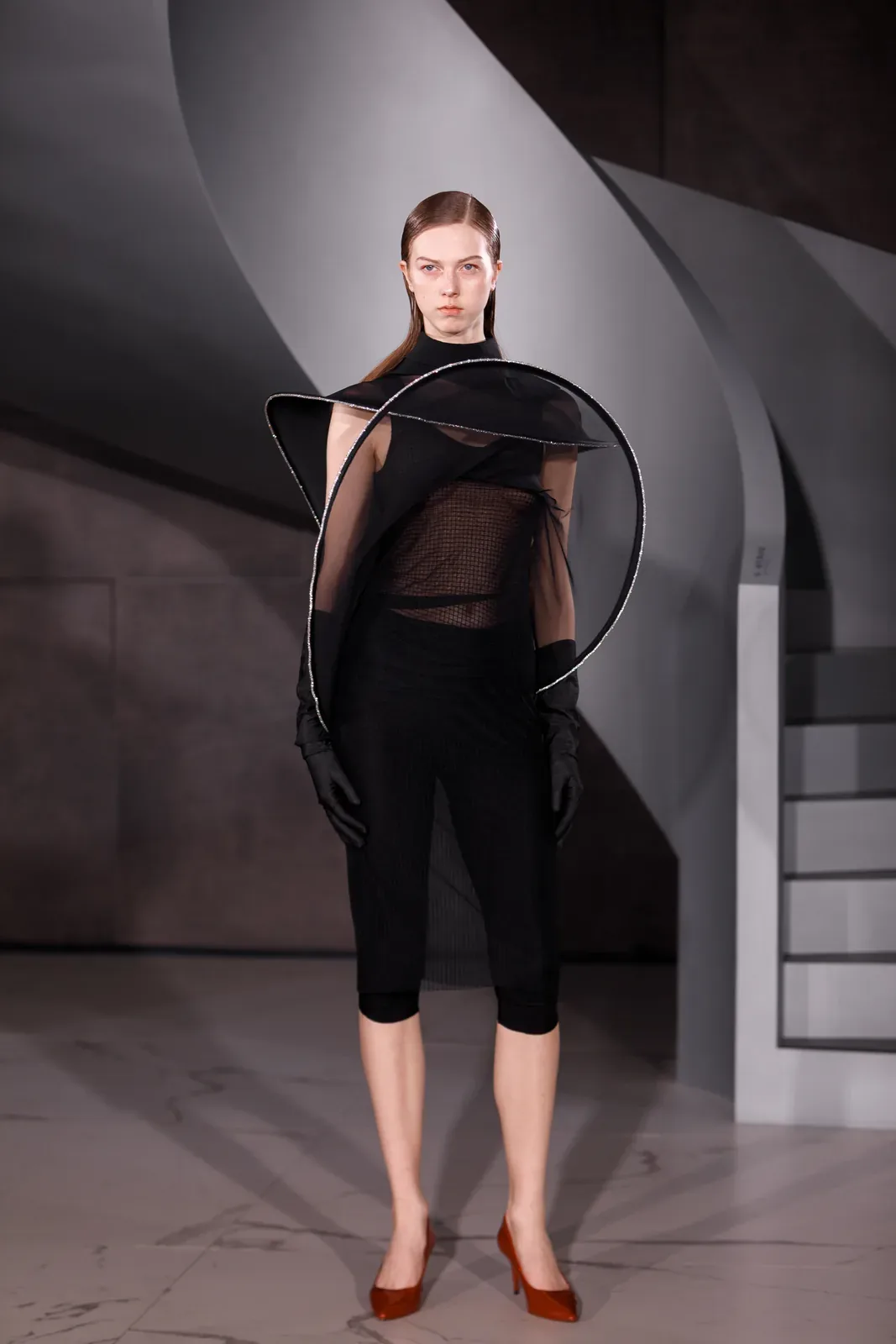
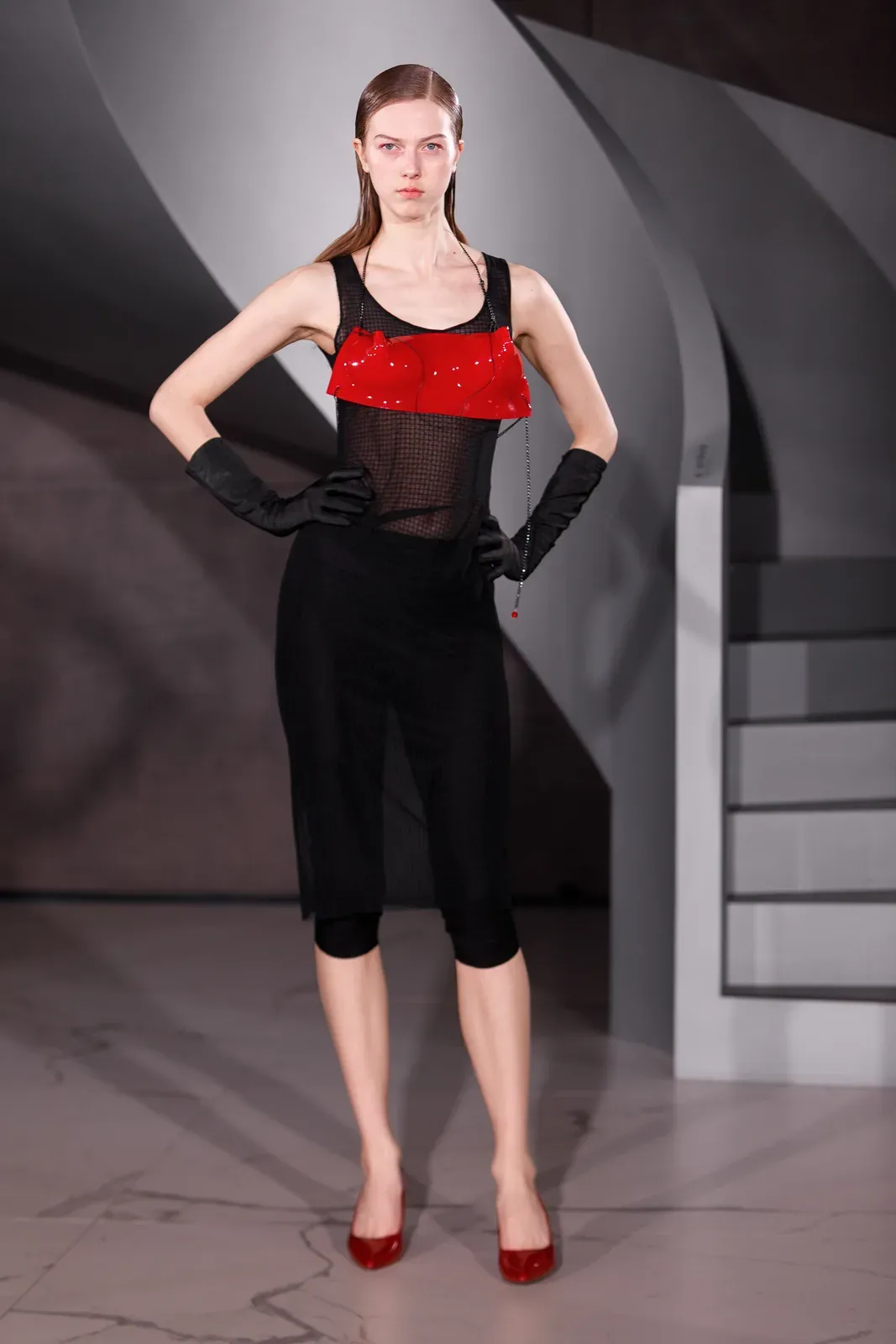
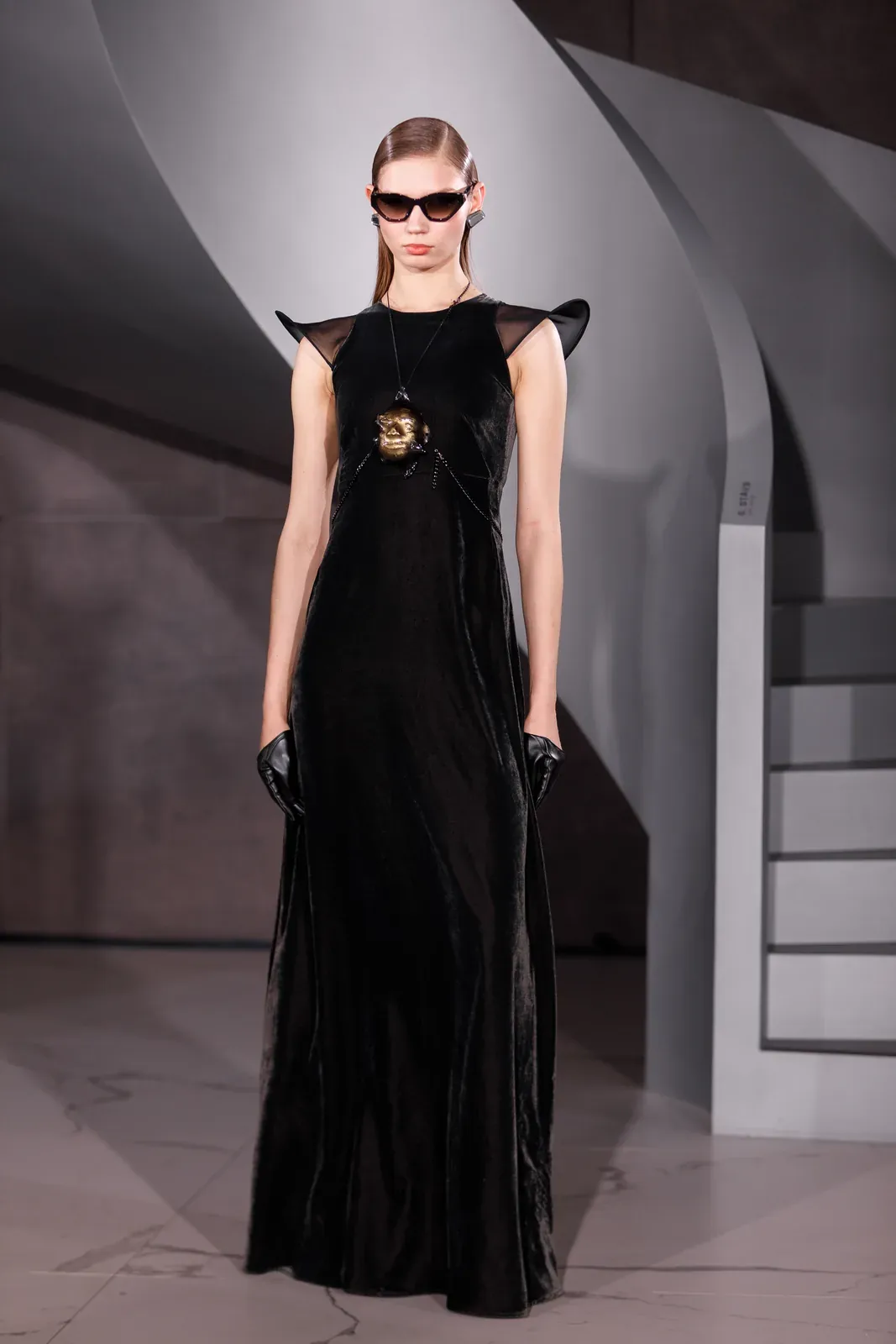
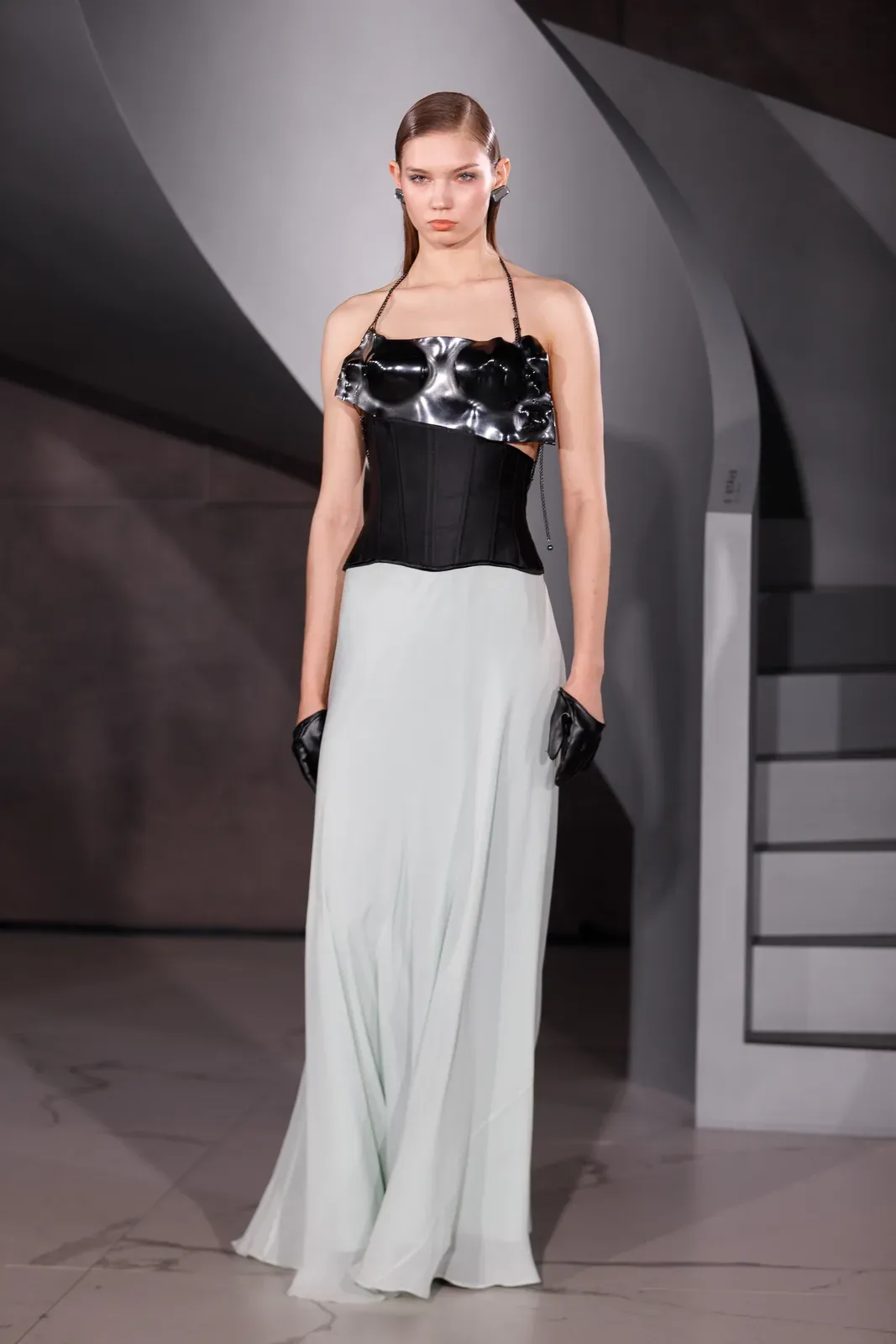
Held in the Verde office complex, a modern office building, Laura Daili was a highlight of the opening day of Fashion Week. Known for its close collaboration between fashion and glass art — shaped by its co-founder, designer and glass artist Viktoras Dailidenas — the brand consistently explores transparent, “glass-like” aesthetics and sculptural forms. The collection’s main theme was contrast: delicacy and strength, sensitivity and attitude. In Invisible Tension, Laura Daili continues this language, presenting a collection that symbolises vulnerability alongside the power to transform. This is expressed through glass as a central material reference, as well as through the contrast between soft fabrics and sculptural elements. The garments act almost like "armour" yet remain fragile at the same time, turning the body into a sculptural surface.
Katya Katya and Baé by Katya Shehurina
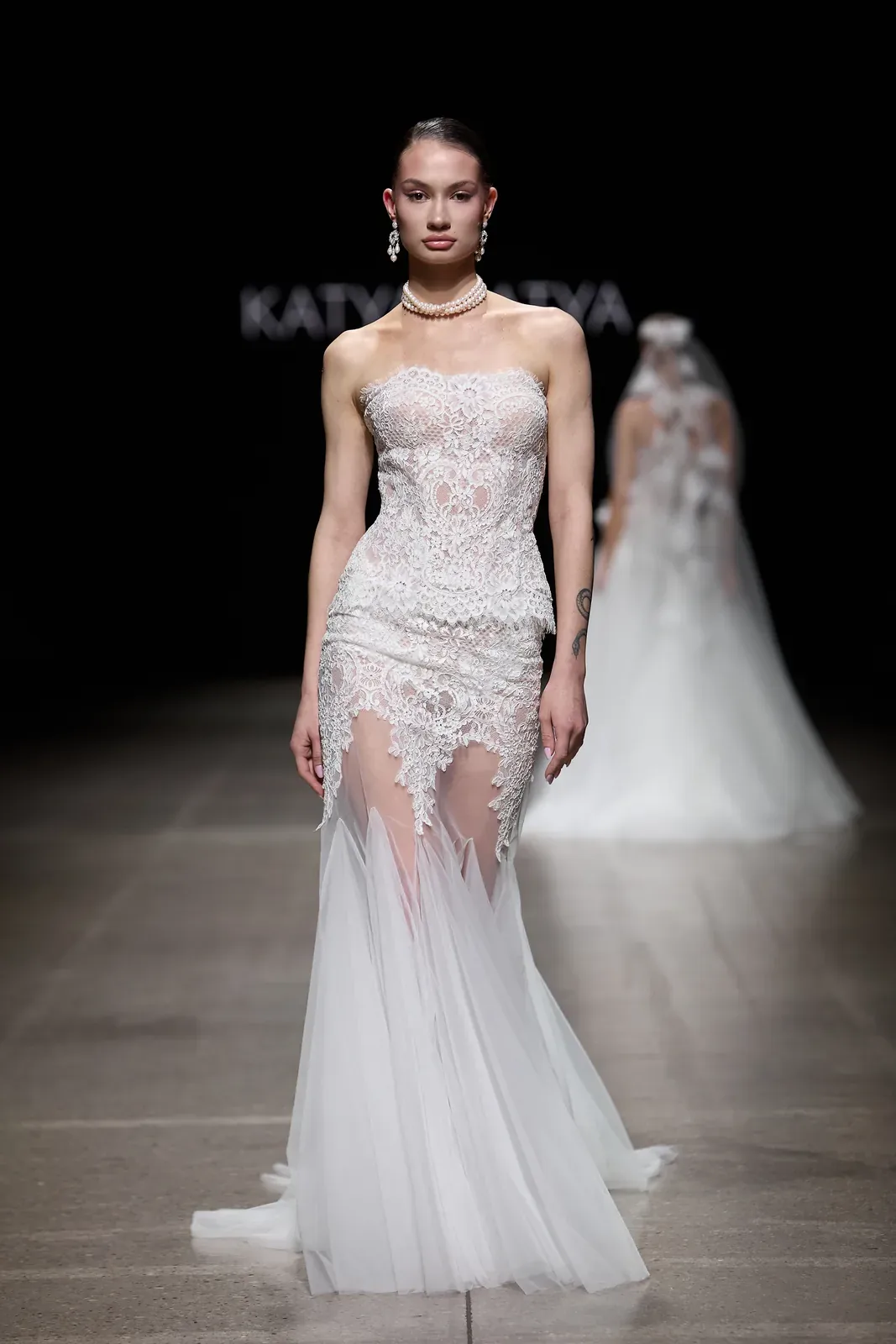
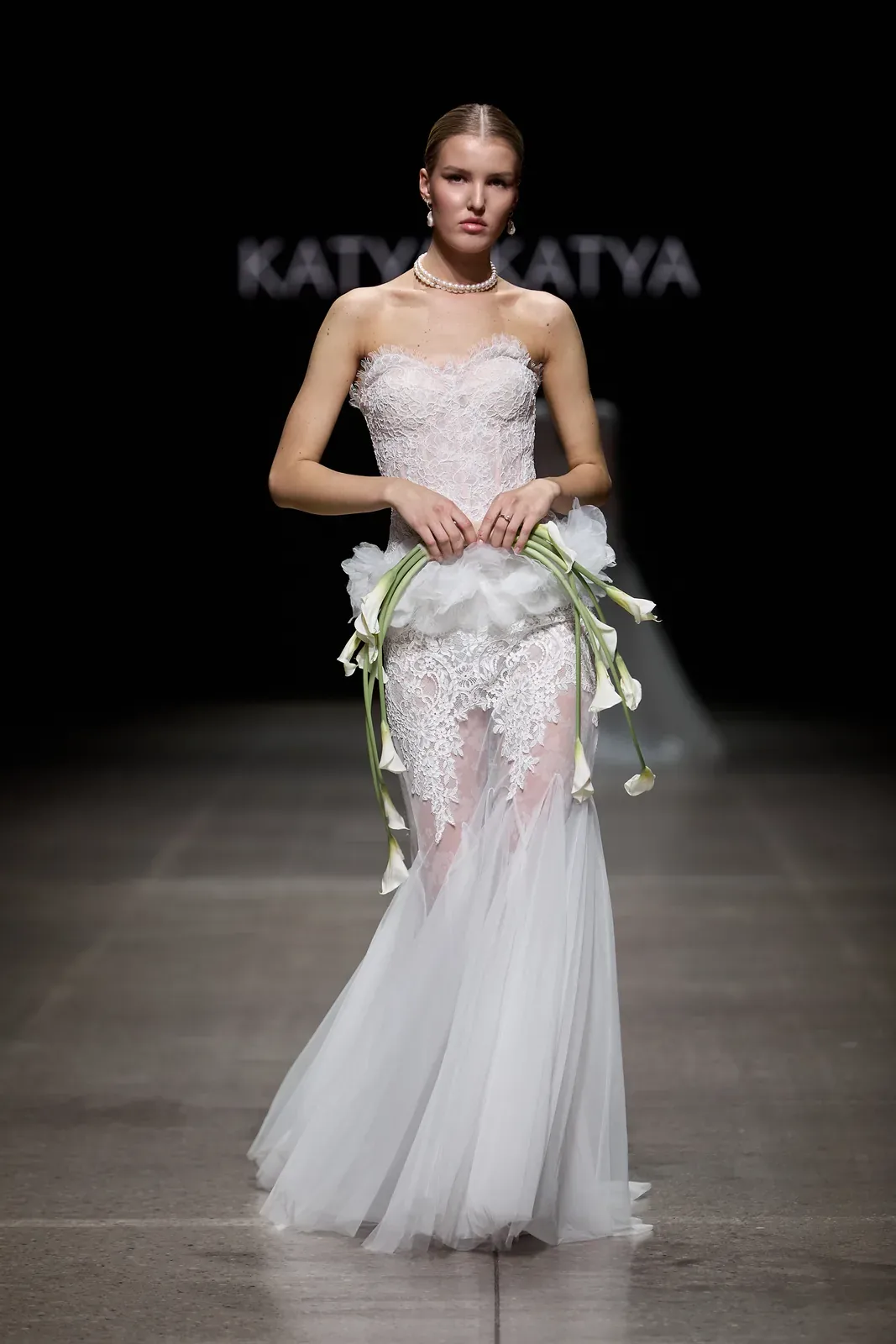
Katya Katya is a Latvian fashion label founded in 2007 by designer Katya Shehurina, best known for its romantic, feminine, and highly detailed bridal and eveningwear. It was the ethereal highlight of the fashion week: lace, silk, embroidery, and vintage-inspired silhouettes brought us to a romantic daydream. The designs had a bohemian-vintage feel with couture-level craftsmanship that surely made us wonder about a future wedding day, even if there’s no husband-to-be yet.
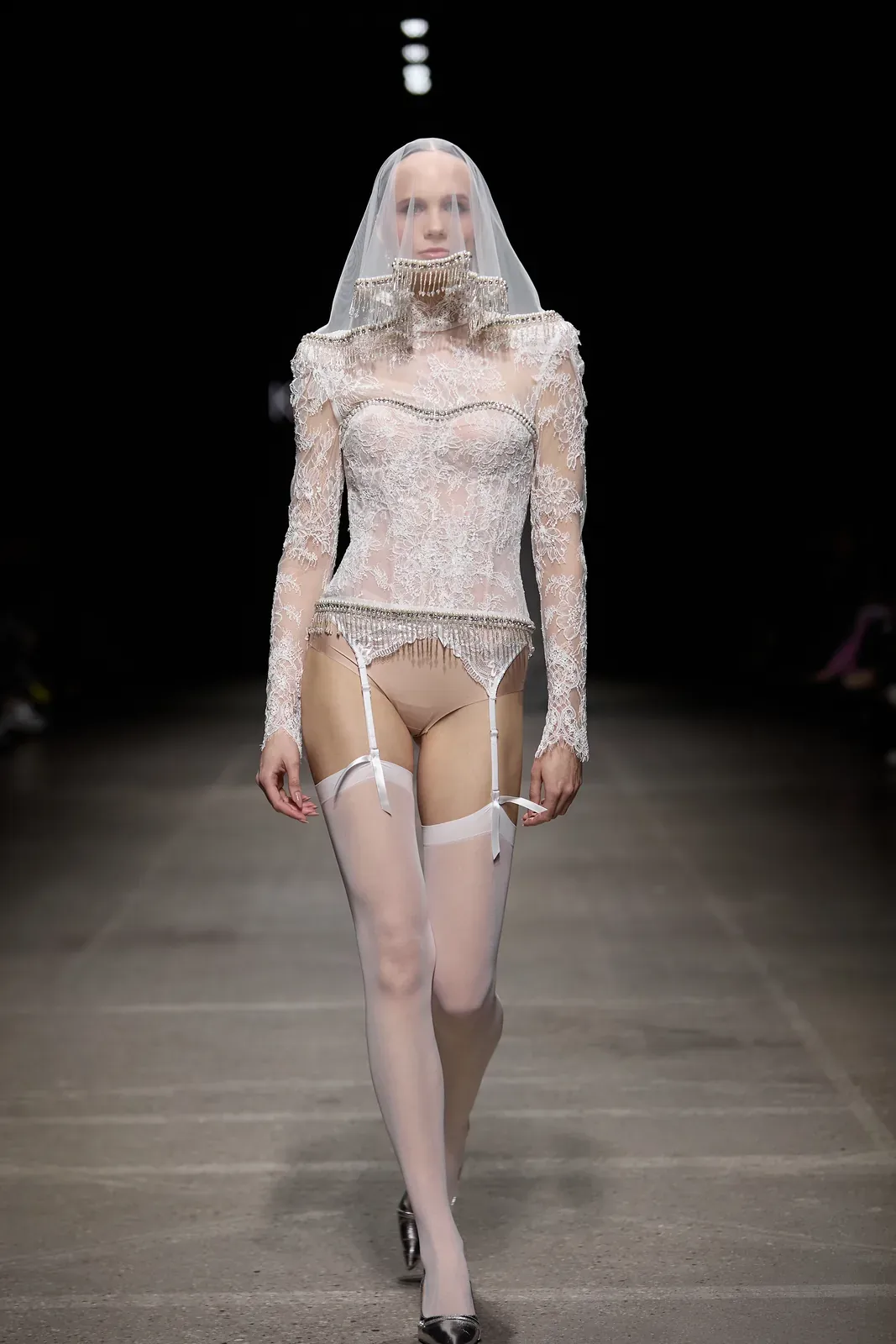
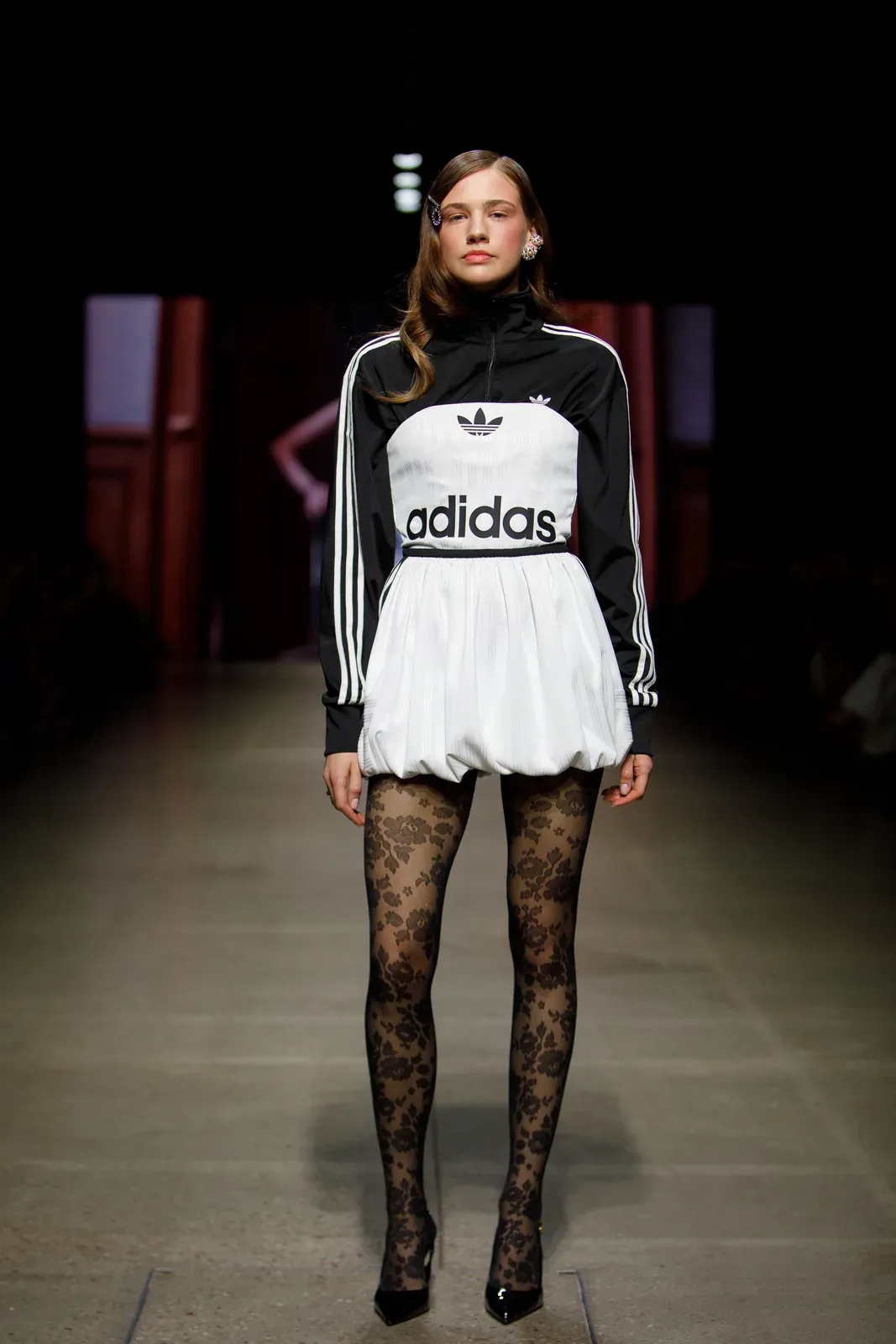
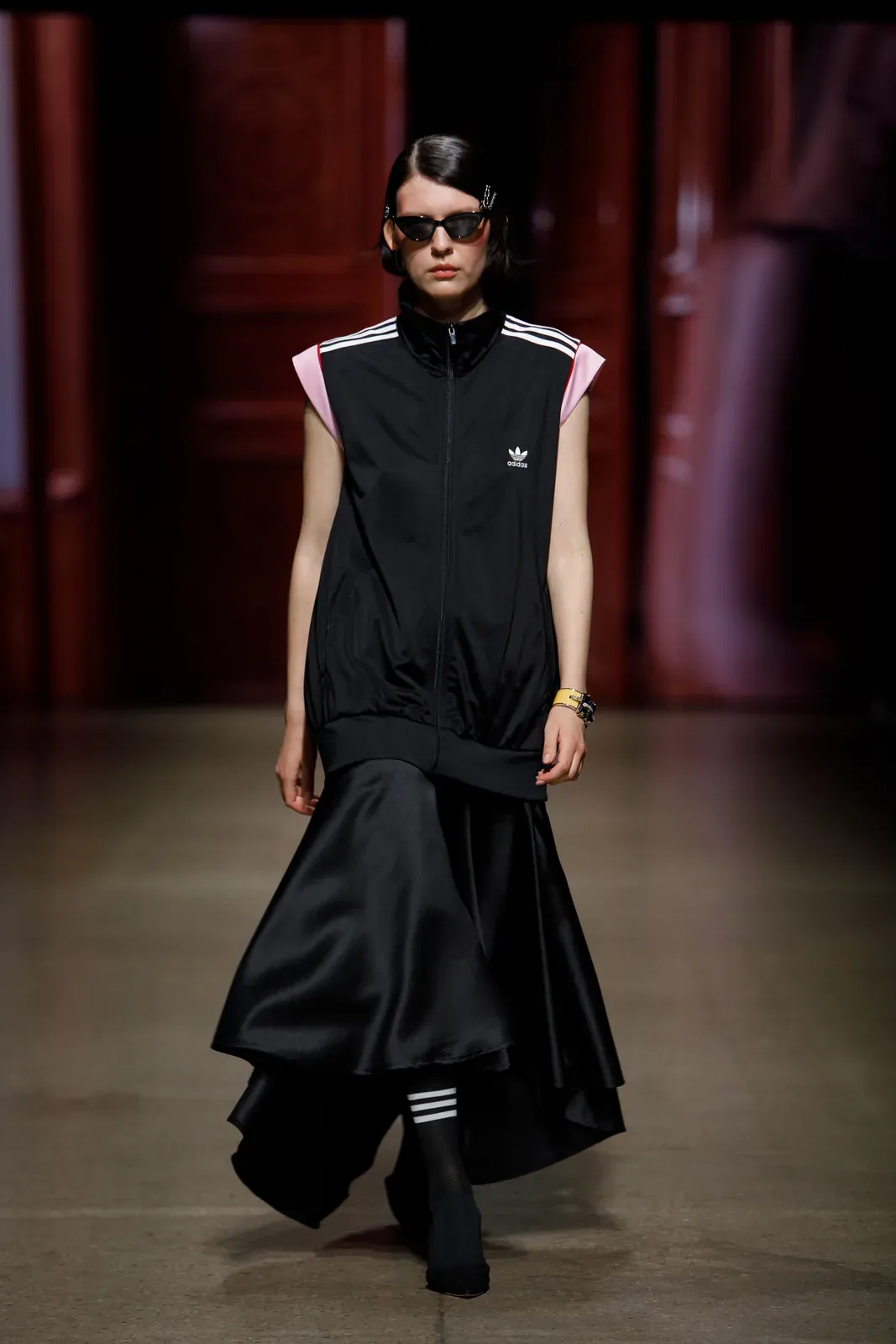
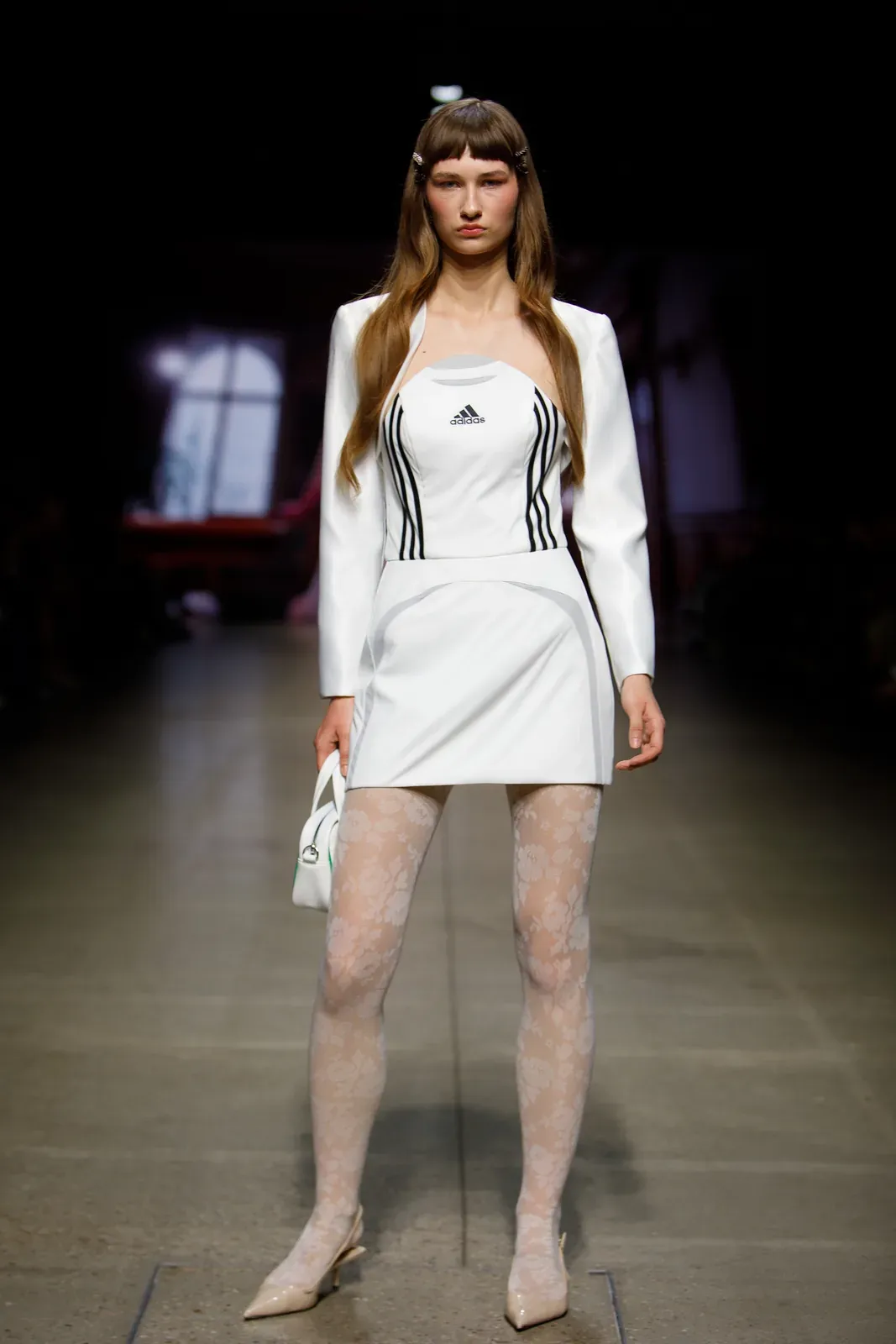
Baé, on the other hand, is Katya Shehurina’s contemporary diffusion line, serving as a more modern and versatile extension of her main bridal brand. It also reflects how major players in the industry are keeping an eye on local brands to support and promote young talent. The collection, created in a collaborative format with Adidas, was aimed at a younger audience and merges the sports brand's athletic DNA with Baé’s refined, feminine aesthetic. The overall effect is a cohesive “sport couture” language that feels closely aligned with Latvian youth style.
Una Berzina
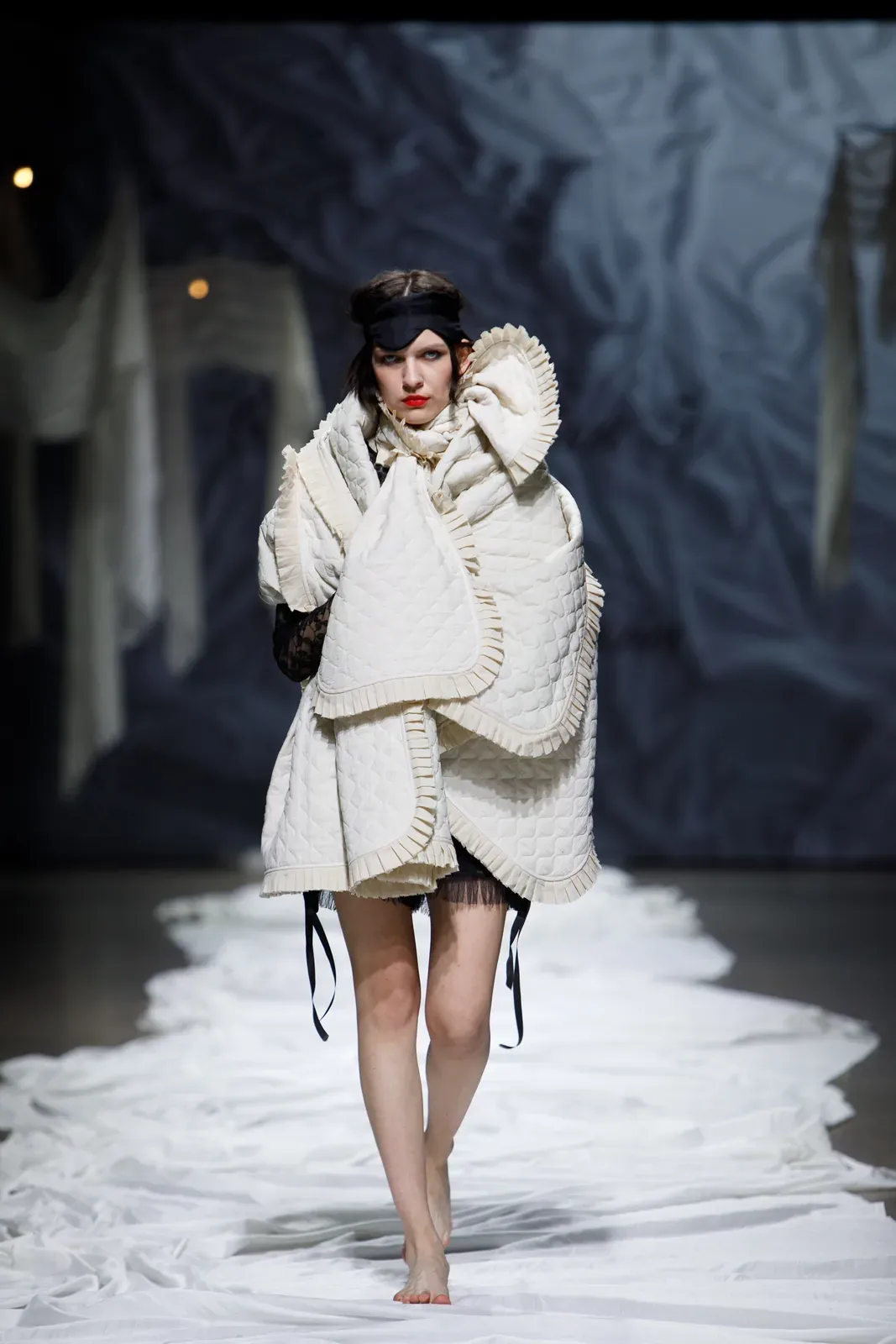
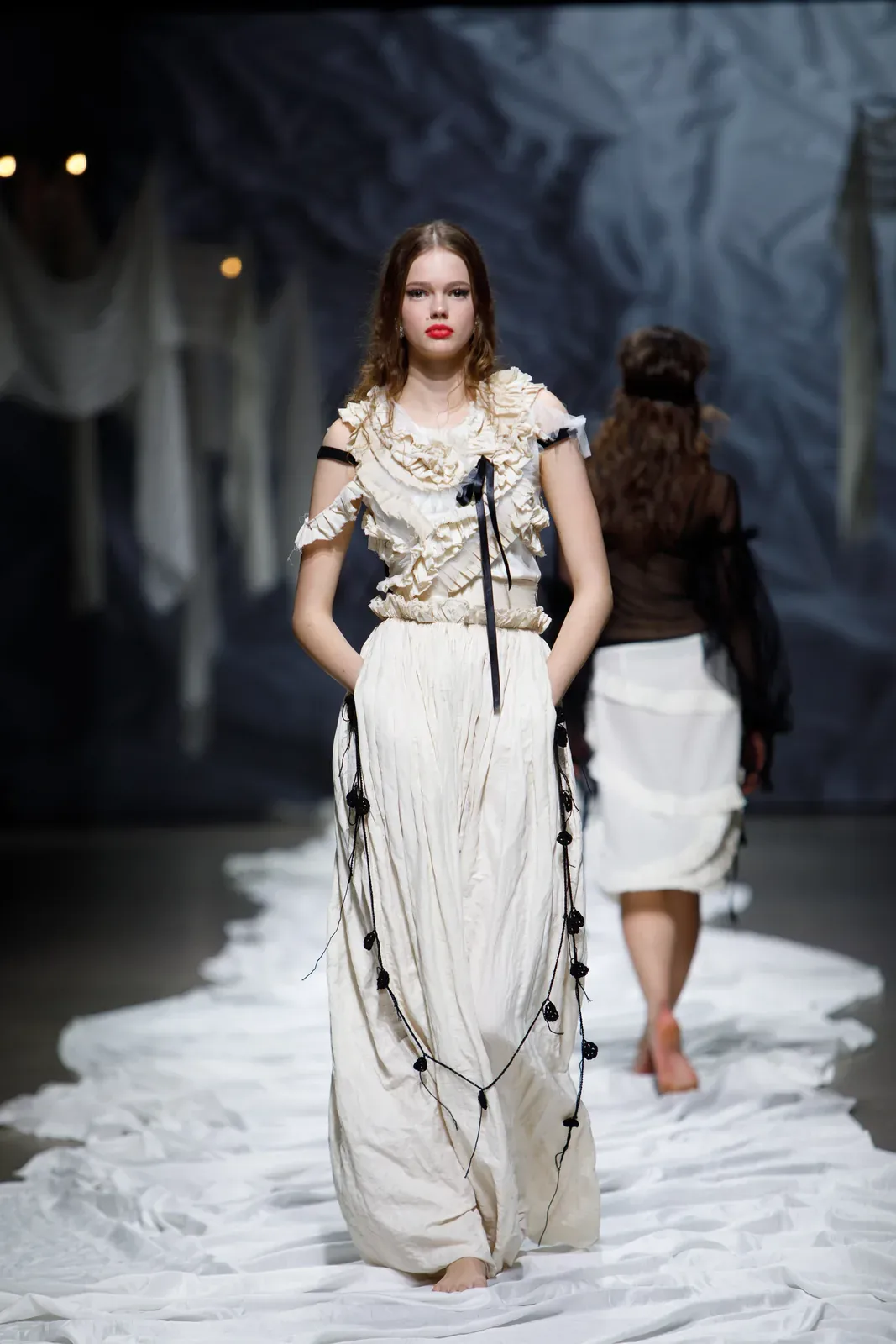
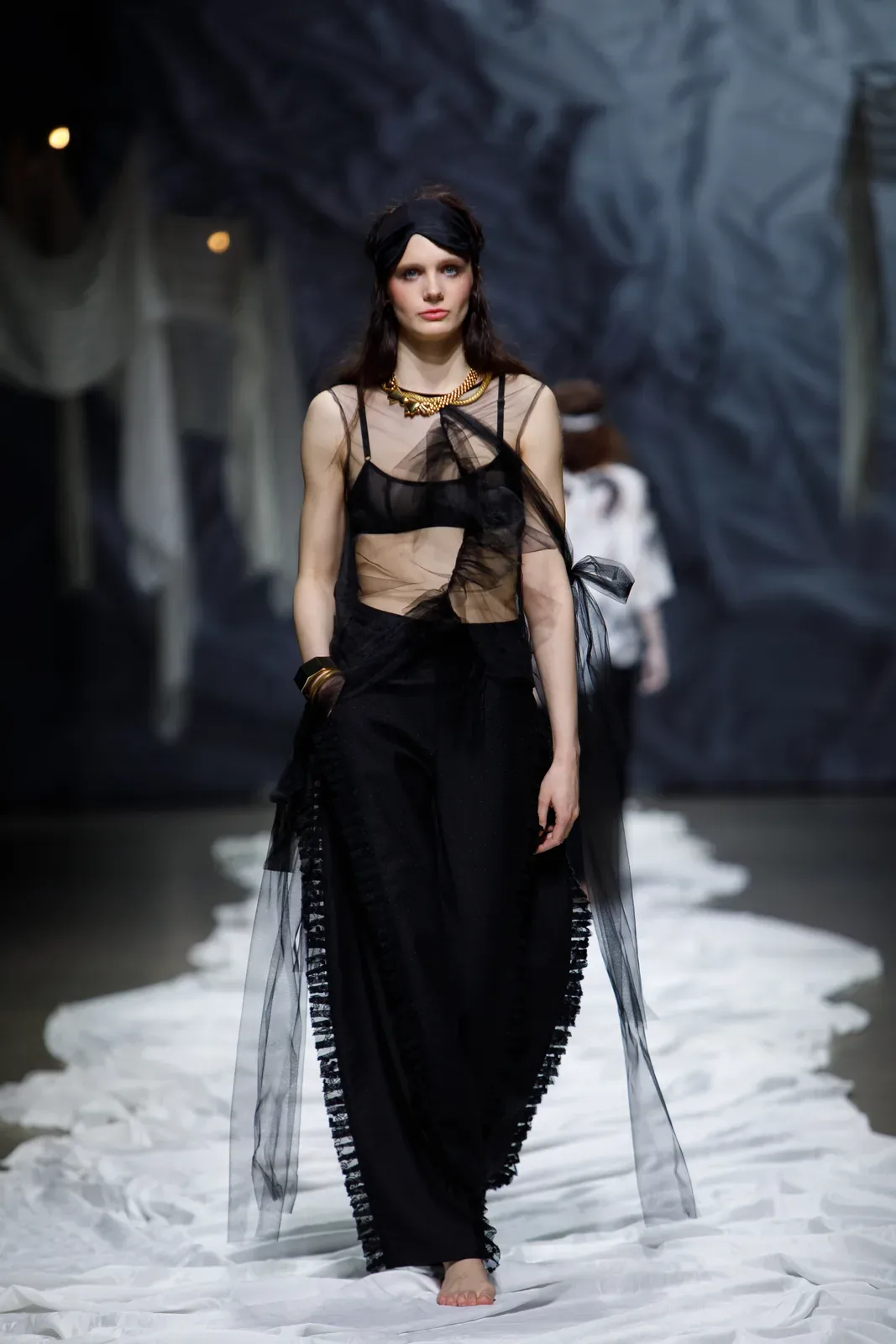
Una Berzina was one of those brands that draws you into its universe from the very first moment. The mood of the collection, Stories: Part 5, was established right at the beginning of the presentation: girls waking up from a fulfilling sleep, wrapped in a large bedcover that later became the runway. Models walked barefoot with a calm confidence, in what felt like an ode to girlhood. The storytelling unfolded through a consistent narrative — a dialogue between intimacy and dreamlike romance. The pieces successfully conveyed this vision: clean, structured silhouettes with subtle volume, combined with textural contrasts and fabric manipulation, carried the presentation with a sense of theatrical ease. It was a delicate exploration of femininity, a tension between strength and softness expressed through tailoring, depth, and beautifully considered textures. A prêt-à-porter collection for women that definitely captured what it means to dream and feel.
Iveta Vecmane
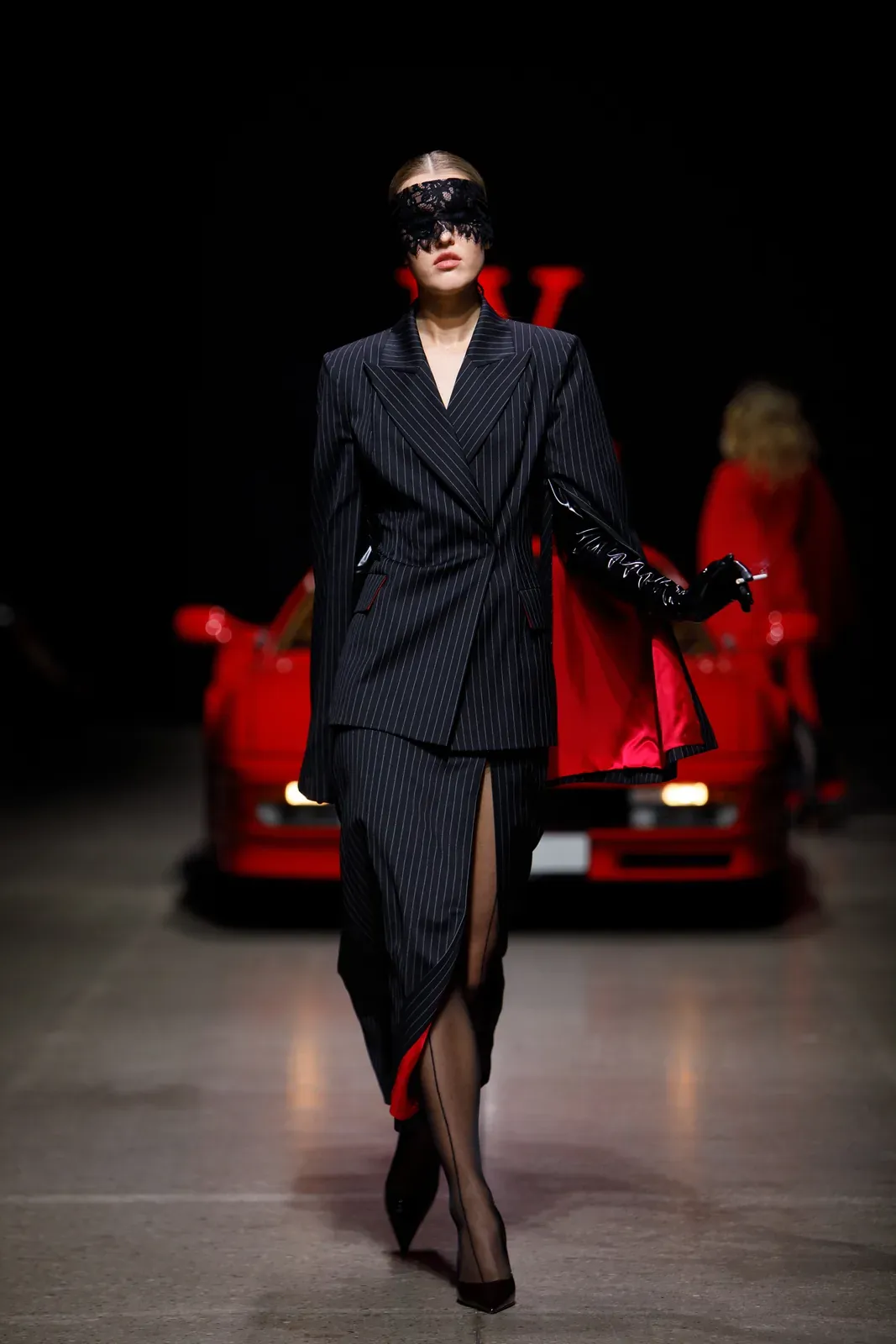
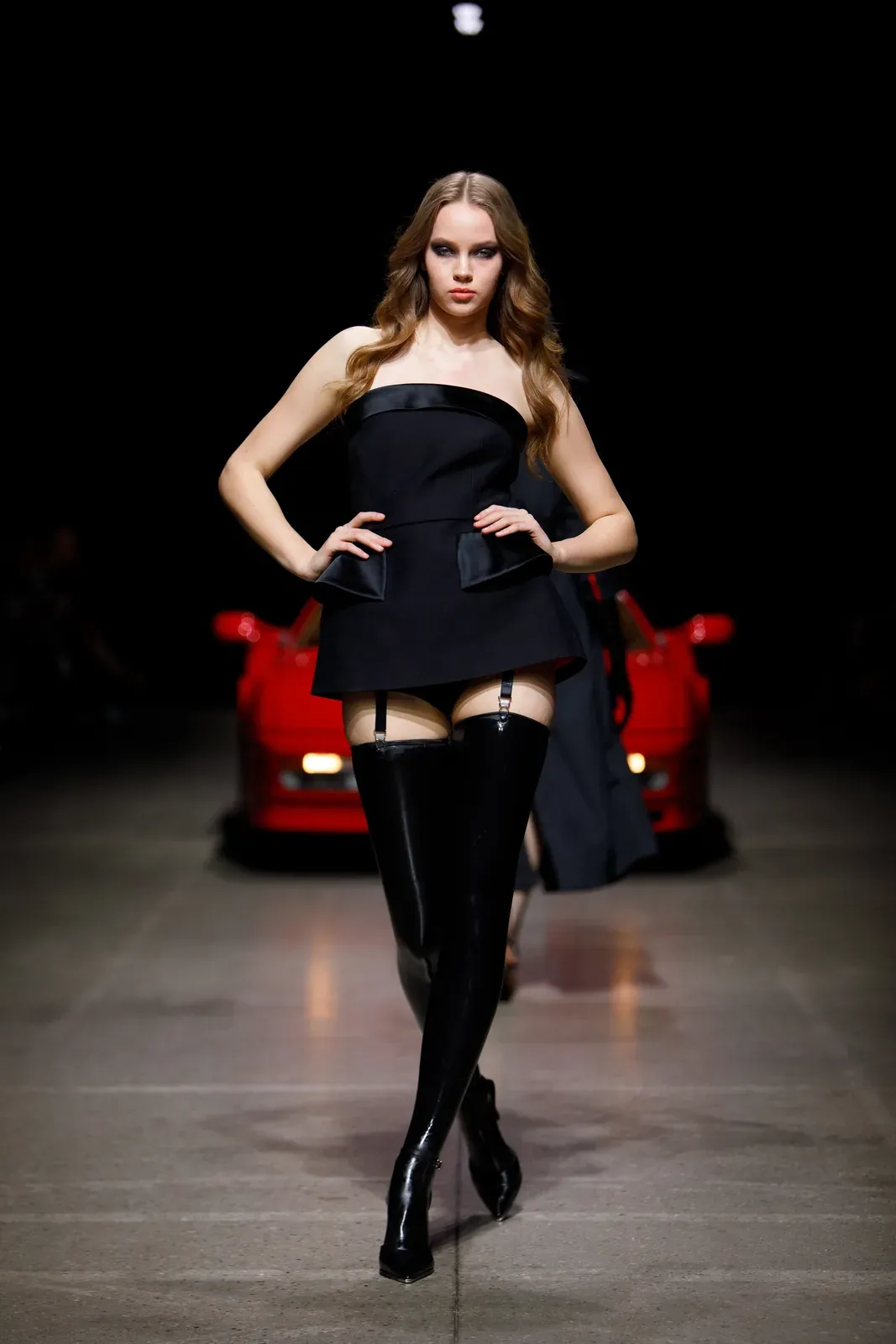
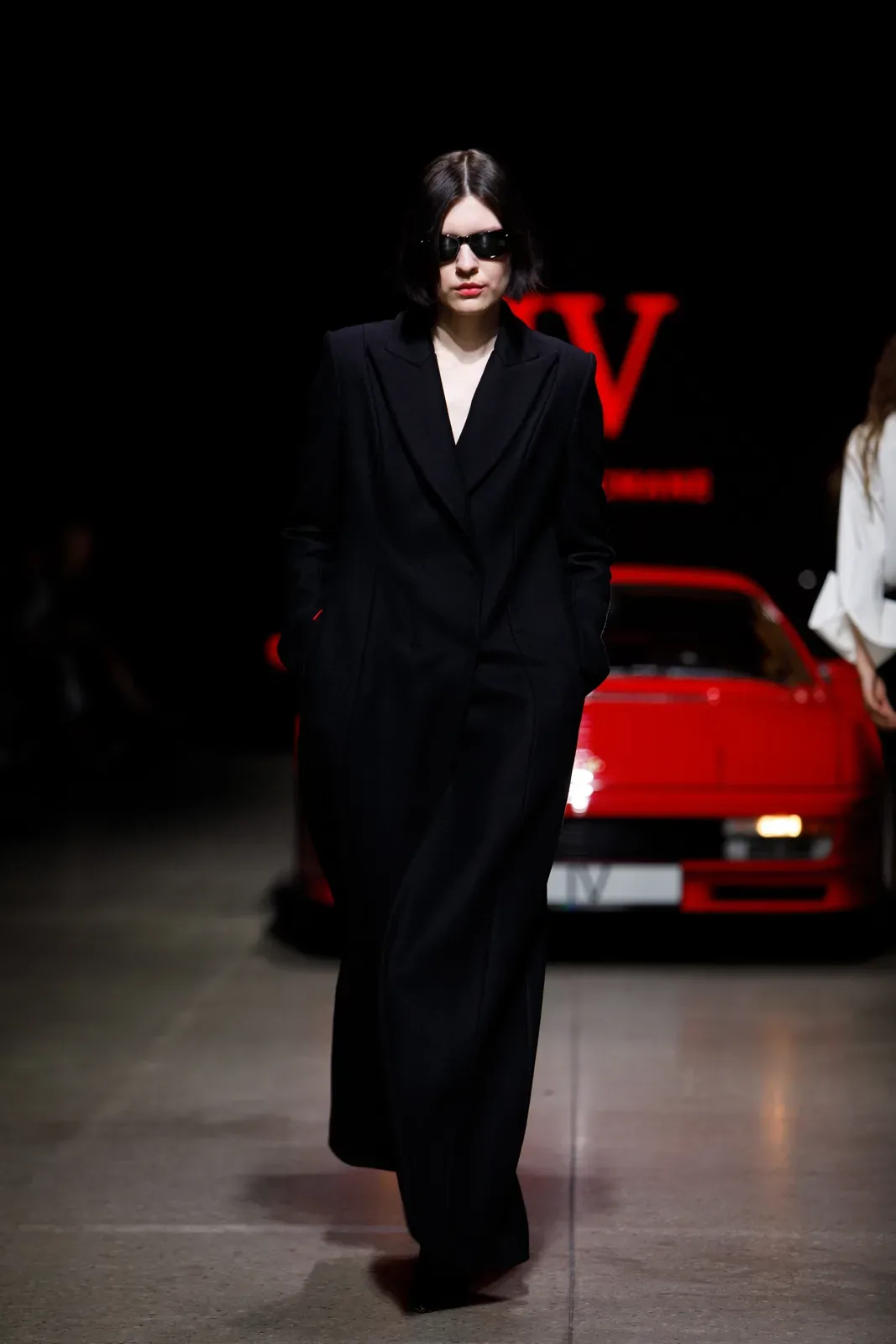
Iveta Vecmane was definitely one of the strongest and most complete contenders of the fashion week. Even before the show began, the energy had shifted: a slightly more mature audience, eager to see what was to come, filled the room with an excited buzz for this already established brand. And at the centre of the runway, a red sports car.
The show was definitely a ride. From the very first look, models walked with personality, sensuality, and a raw yet fully refined attitude. They were clearly encouraged to have fun and exude confidence, and they delivered.
The collection focused on refined womenswear, with a strong emphasis on tailoring, structure, and timeless elegance. Minimalist yet expressive, it featured clean lines, neutral palettes, and subtle detailing, elevated by high-quality materials; the true stars of the runway, presented with a sense of mature sensuality. Iveta Vecmane clearly understands her client, representing a refined, intelligent minimalism within Latvian fashion. It offers clothing designed not just to be seen but to be worn and lived in.
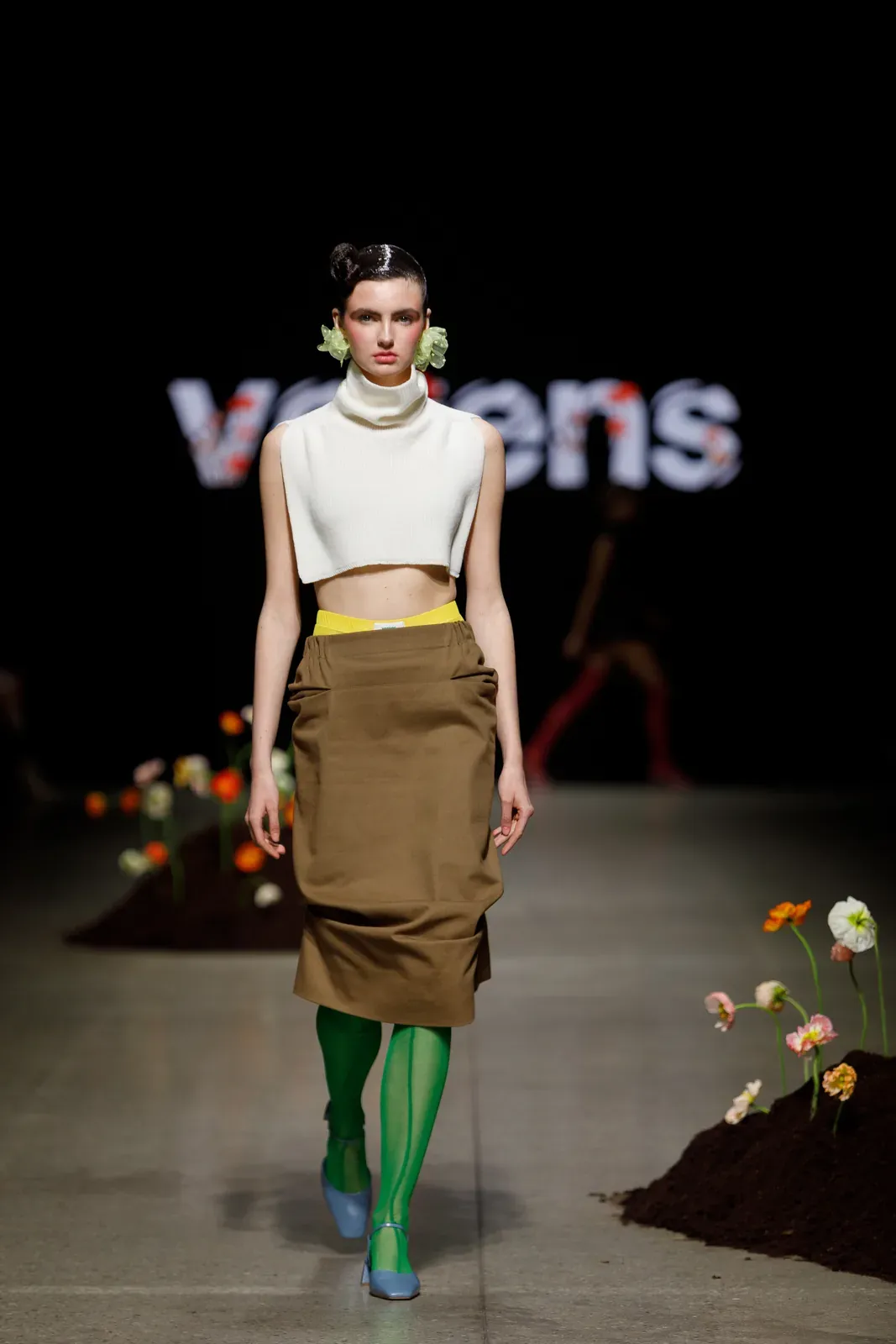
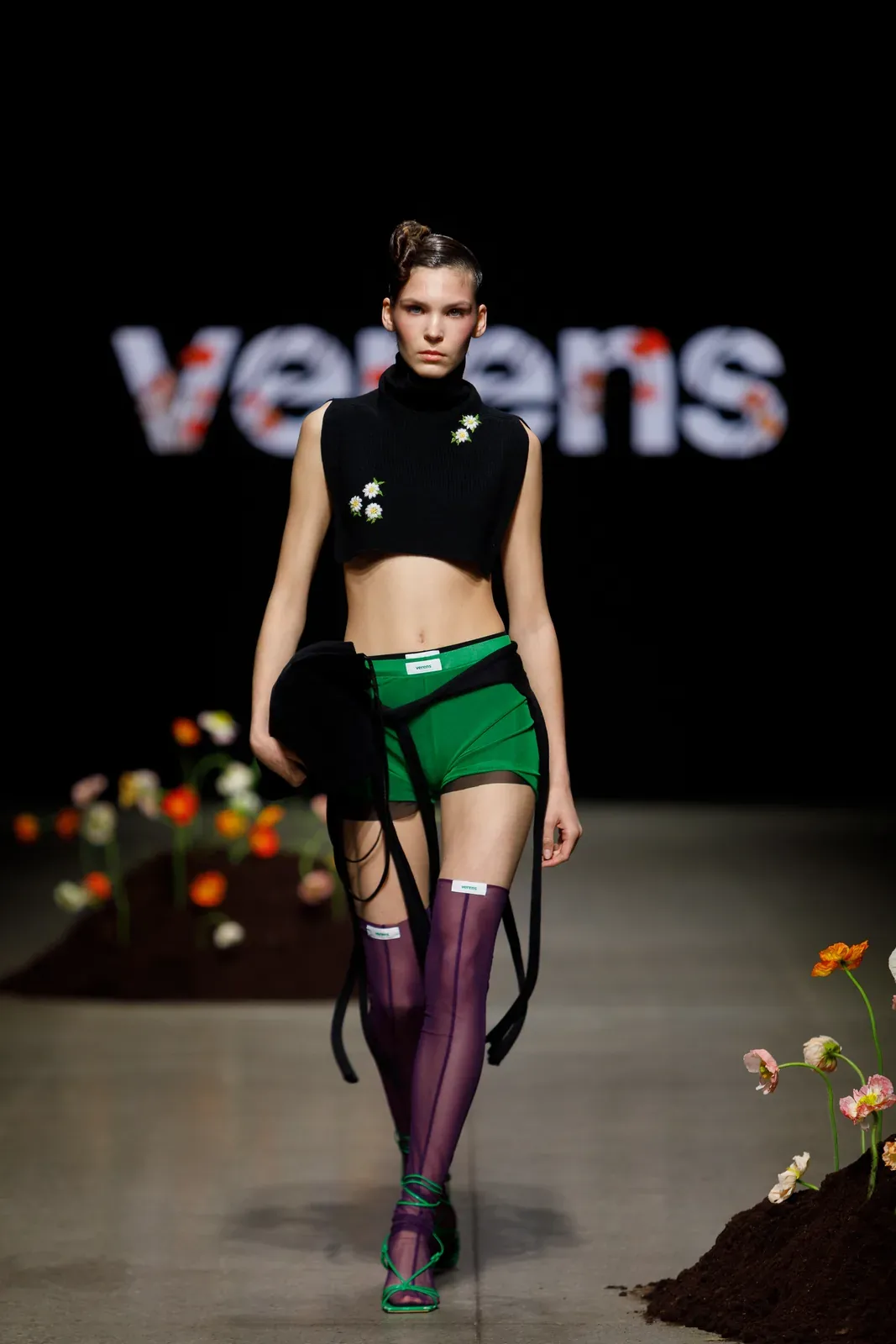
Other noteworthy labels showcased during the last day of runways included Verens, rooted in clean minimalism but with a creative, colourful twist; Anna Kruz, who embodied chic elegance with a strong use of Italian leather; Hannes Rüütel, focused on menswear with a playful edge and fun prints; and Sviests by Sergey Hatanzeisky, which was definitely a fun way to close the event. Aimed at a younger audience and grounded in streetwear, the brand seemed to have the desire to deliver a vibe, a spectacle, and a reason to laugh and cheer, and they certainly did.
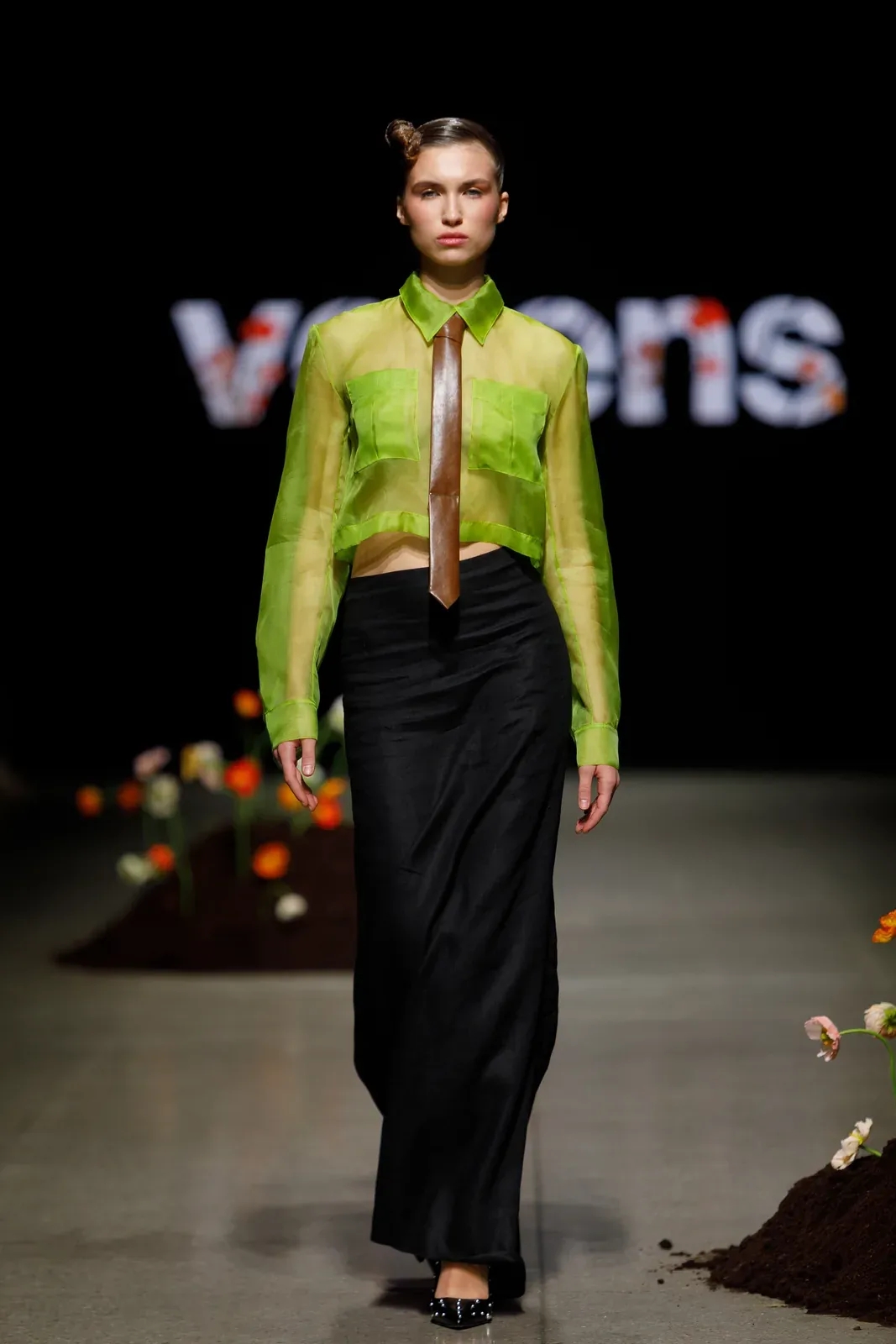
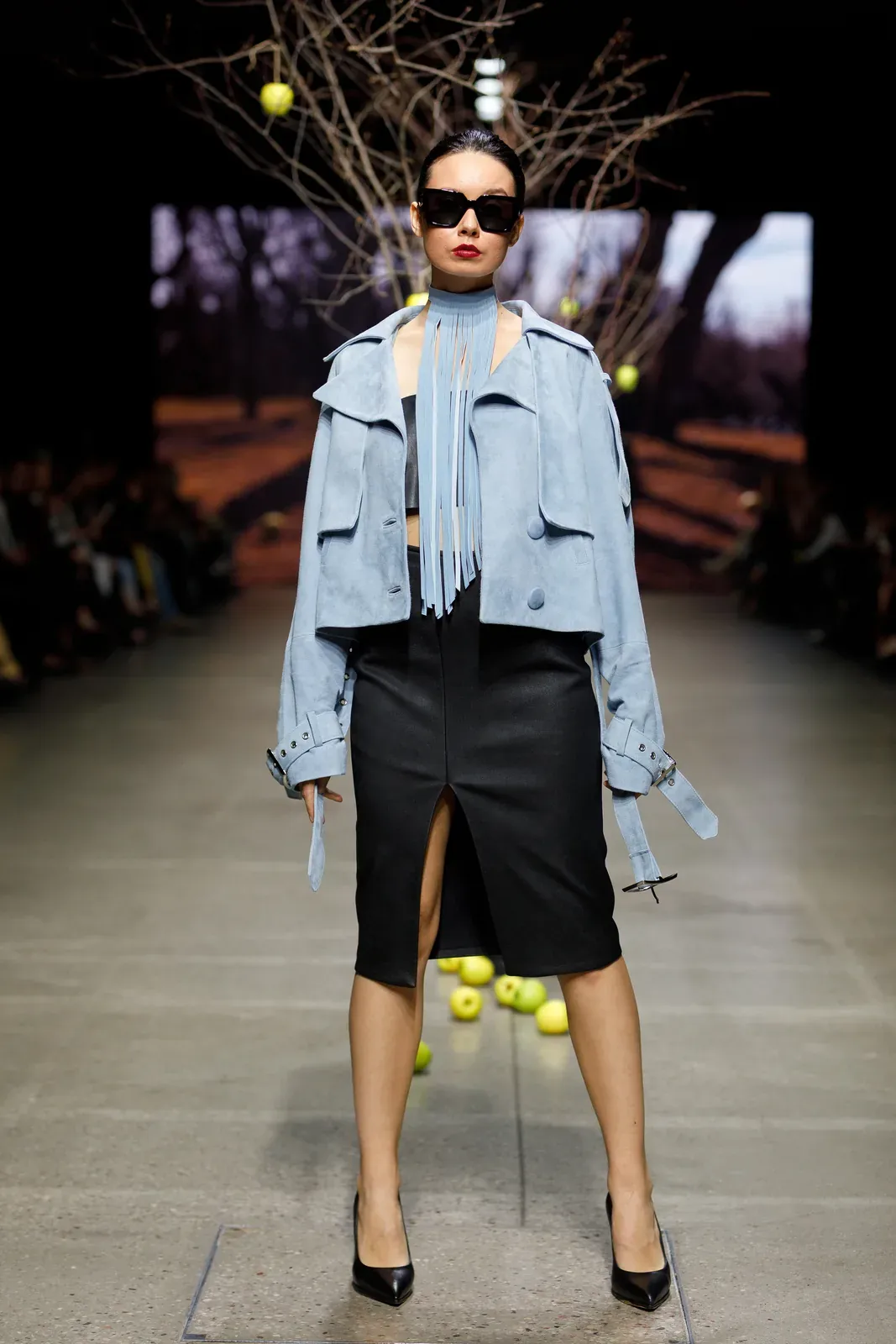
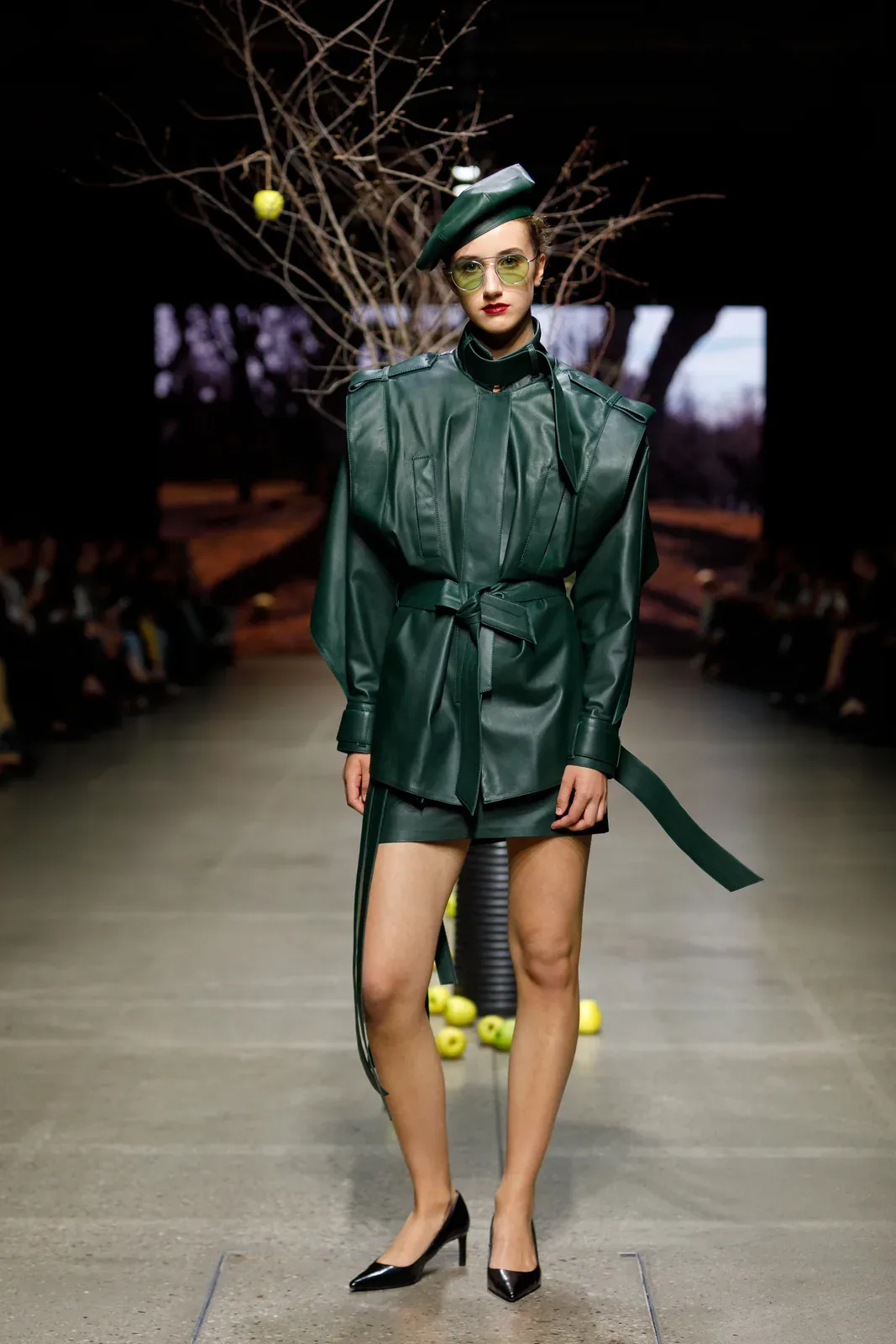
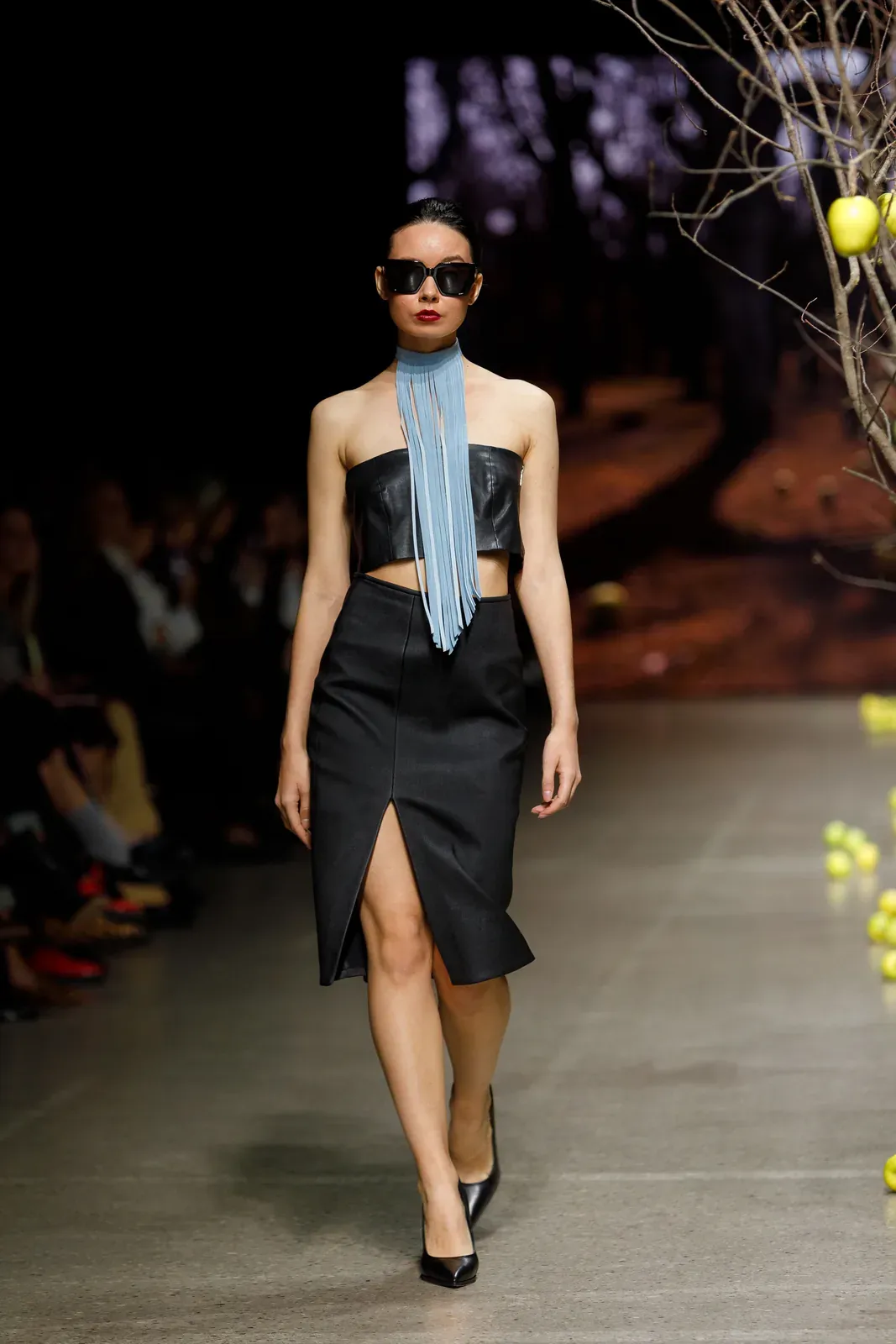
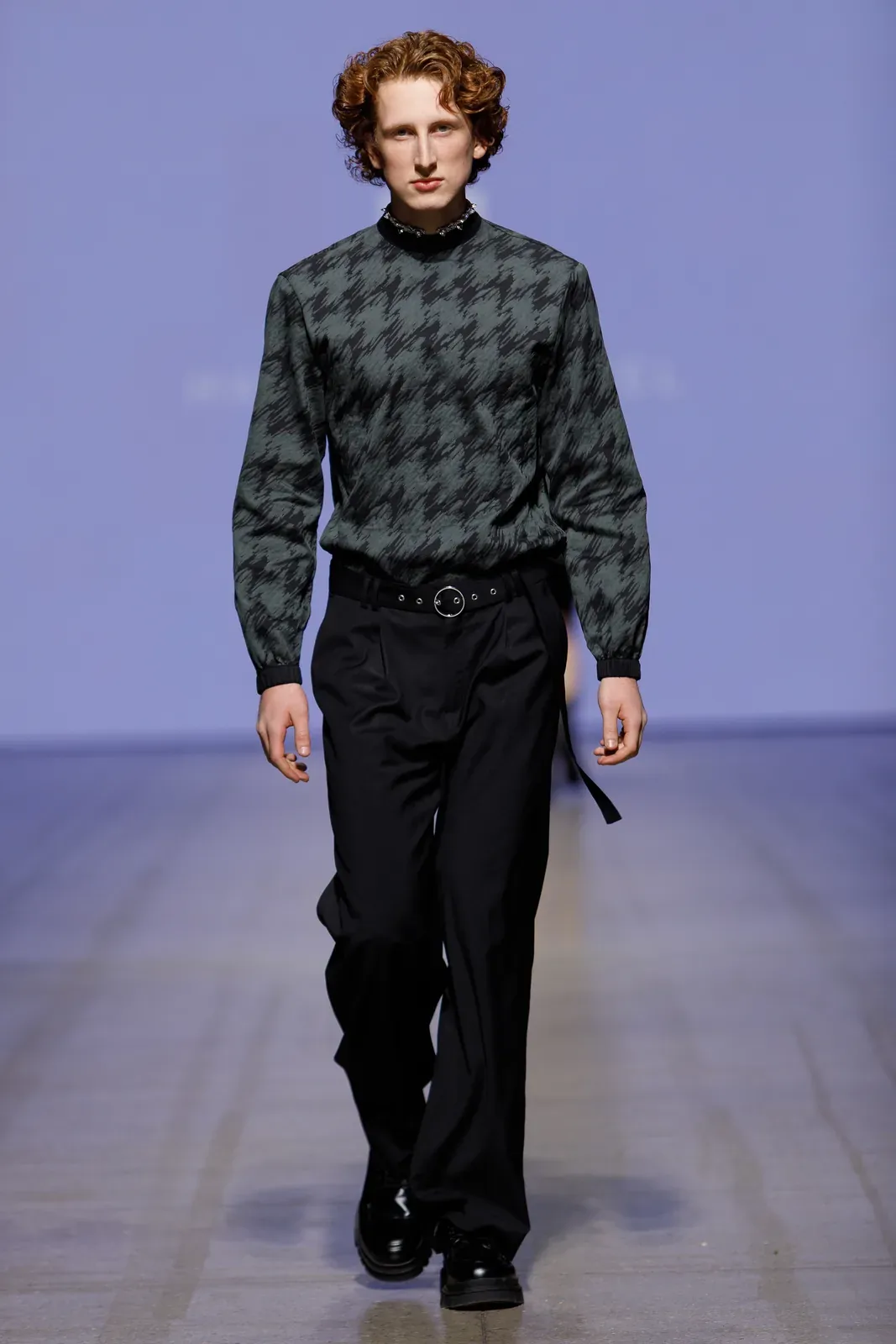
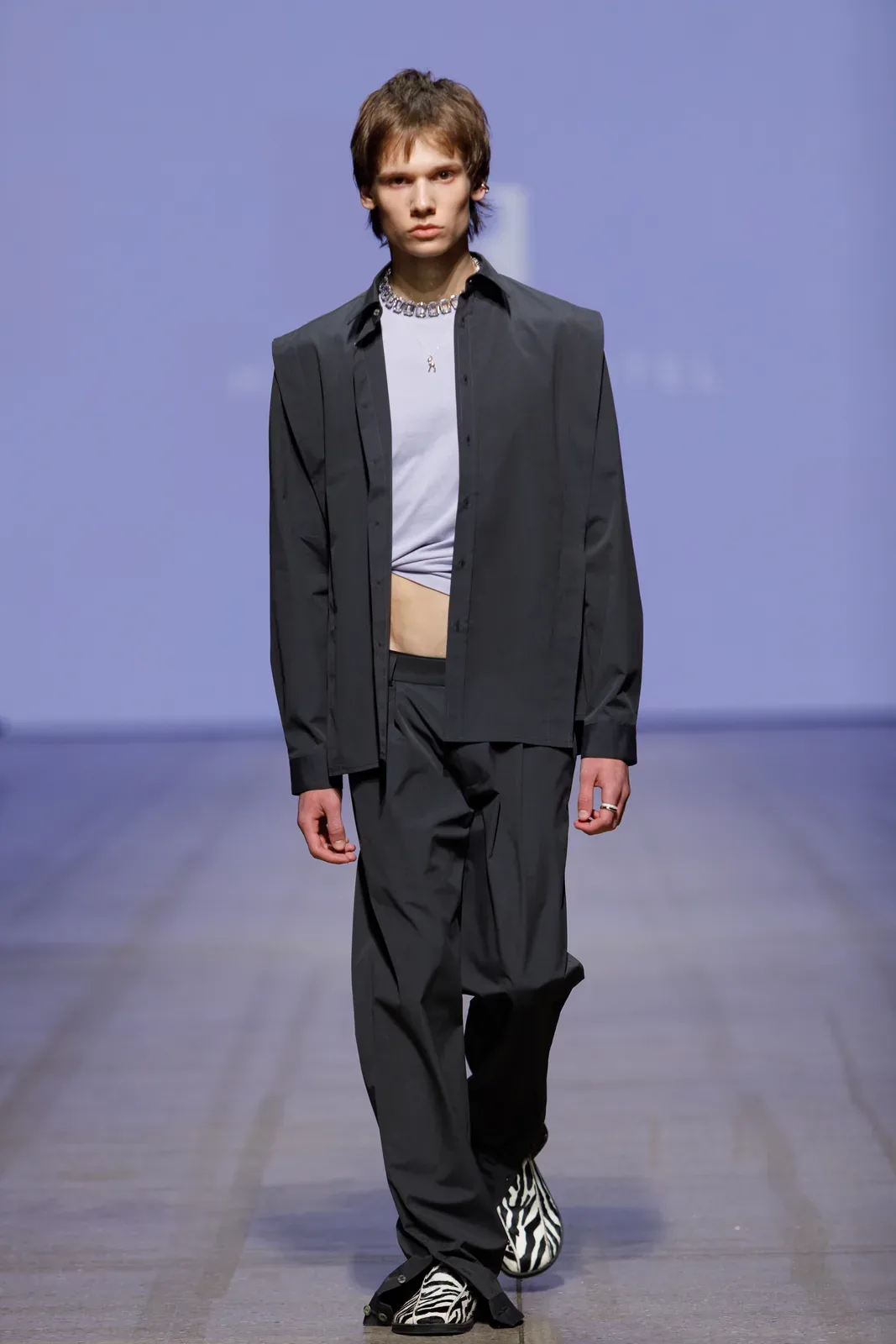
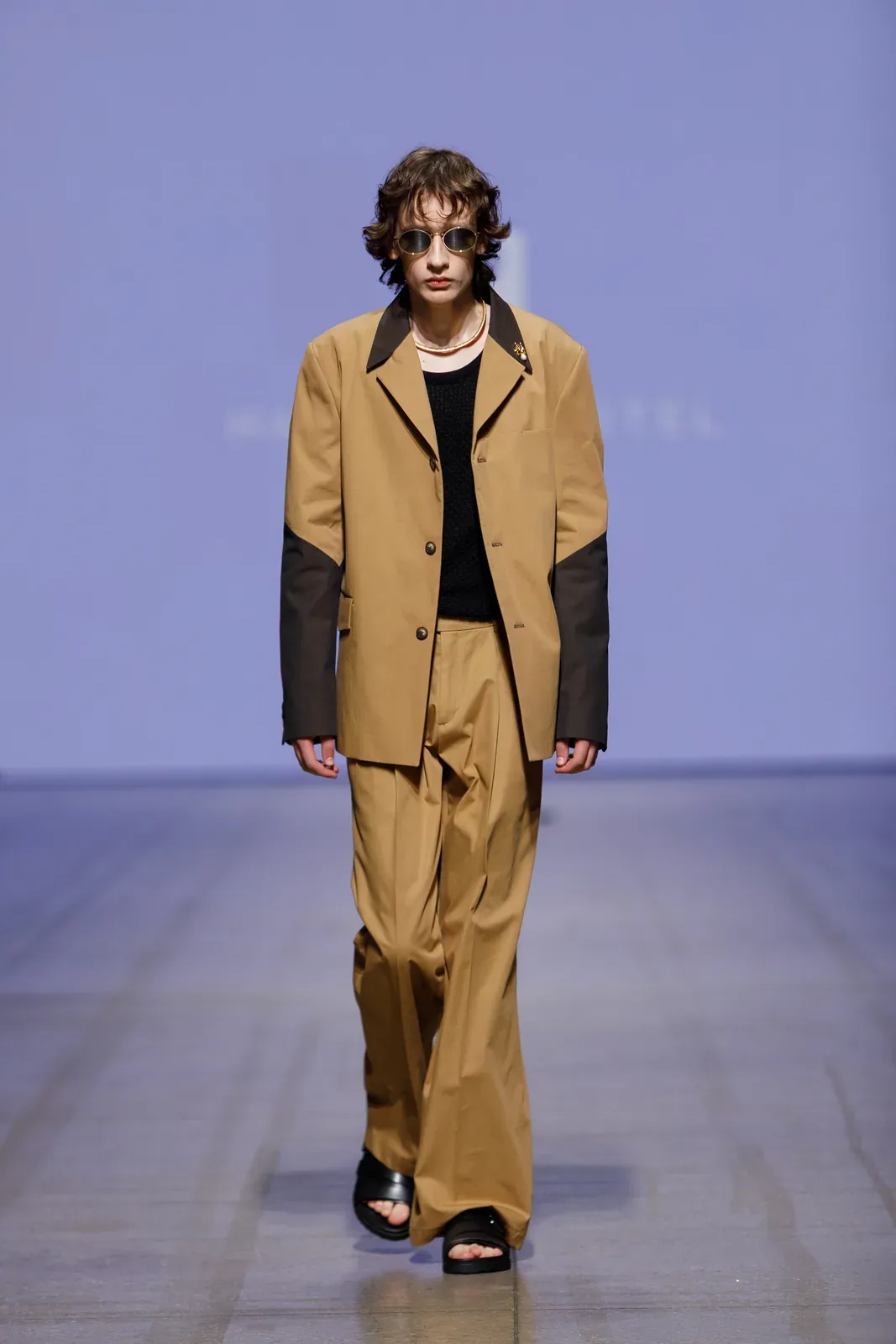
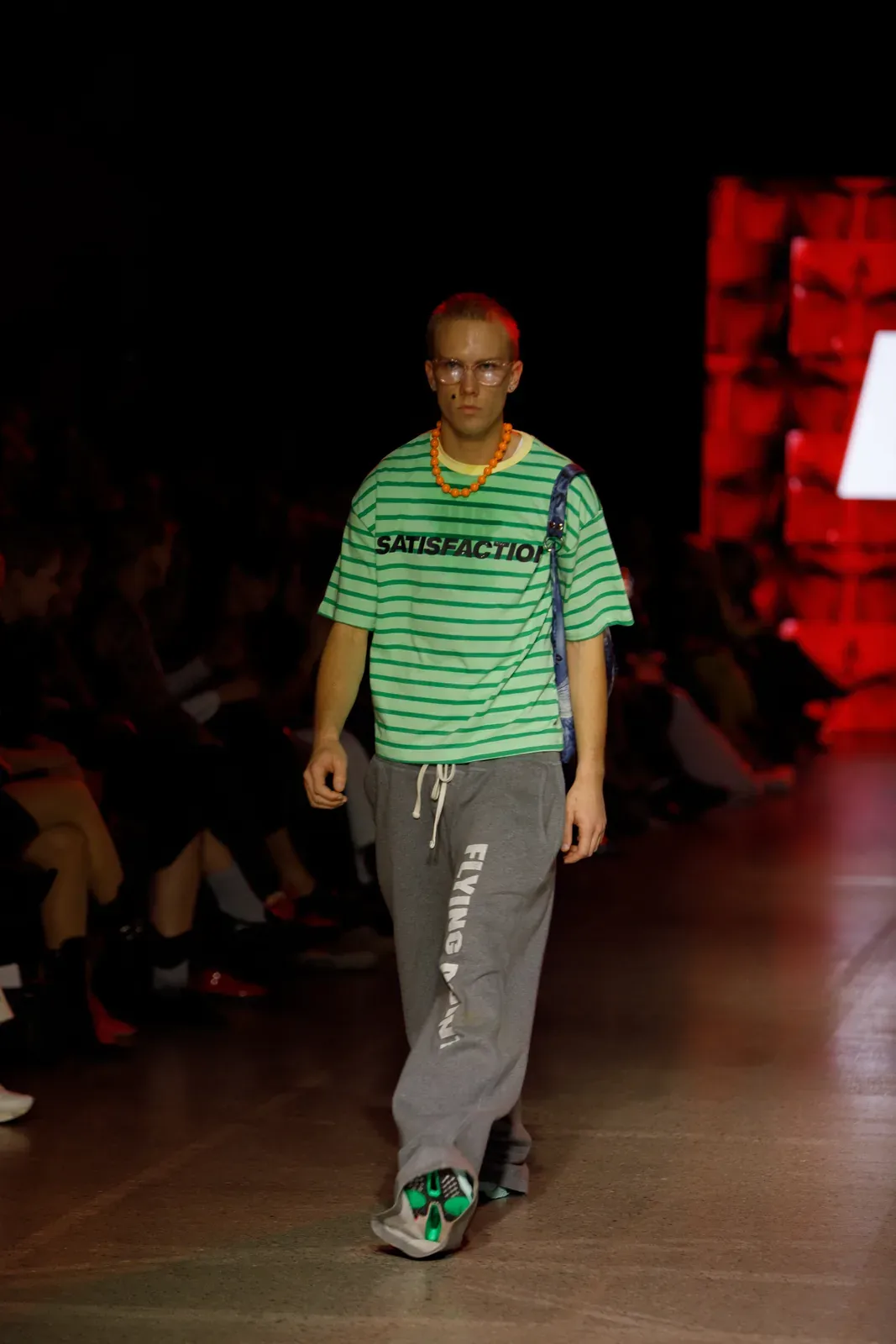
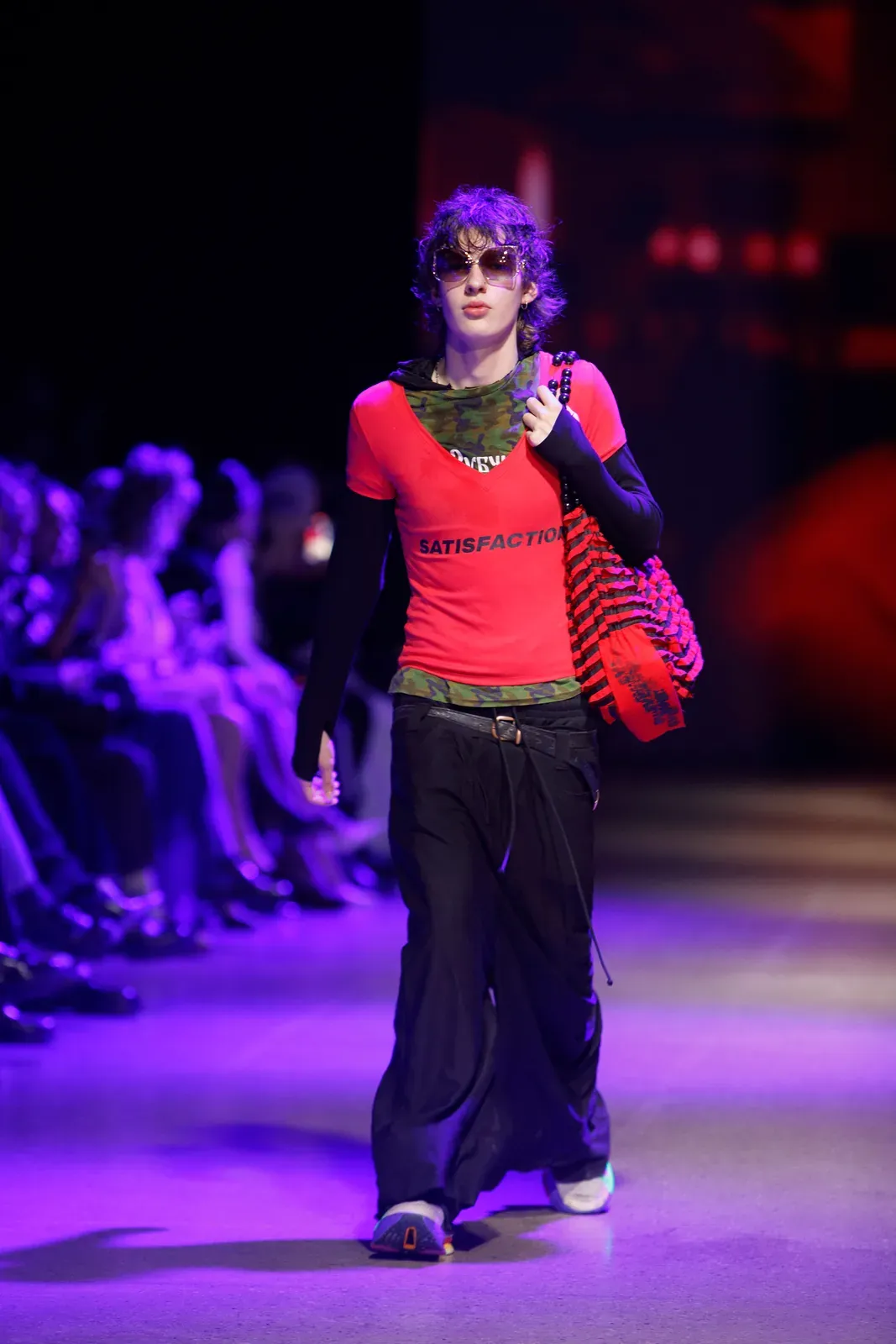
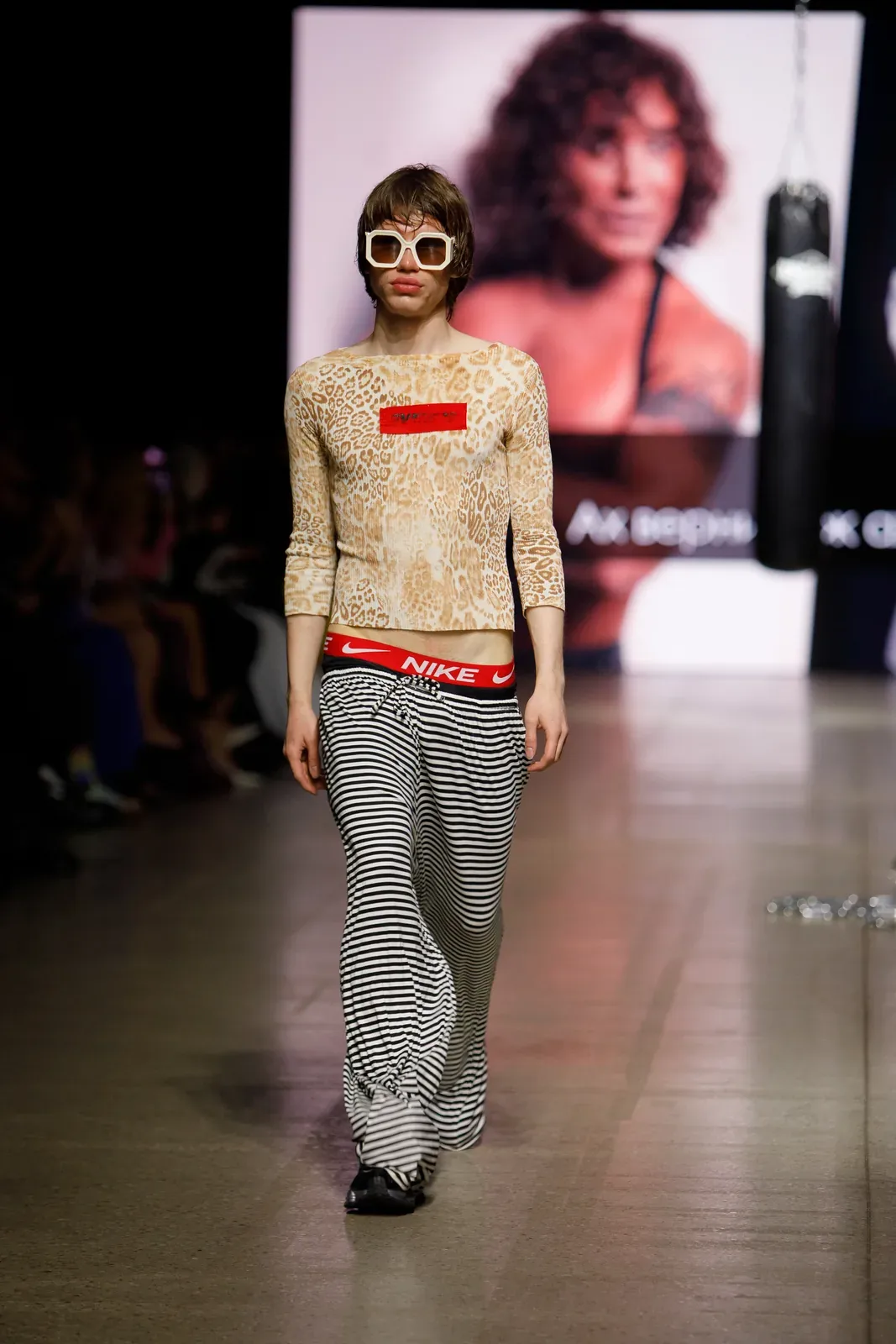
In retrospect, Riga Fashion Week seems to understand its clientele, catering to specific audiences through ready-to-wear collections. However, it is also worth noting the limited diversity in casting choices. While most collections appear well aligned with audience expectations and the identities of the brands, the models selected to present the garments on the runway do not fully reflect the diverse and multicultural reality of the present day. That said, we finished the schedule of events and shows with a positive impression, having confirmed that the event continues to strengthen its position within the international fashion scene.
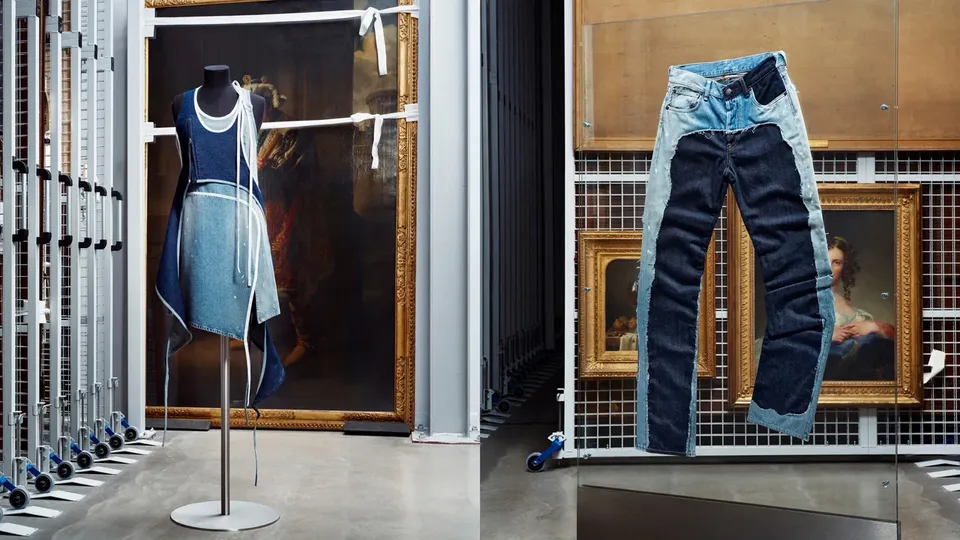
We cannot overlook the extensive exhibition programme offered by the Latvian fashion event, which is certainly worth recommending: the fashion photography exhibition Asnate Smeltere. Continuity at the Ola Foundation, the exhibition Art Deco to This Day. Design and Craftsmanship in France at the Museum of Decorative Arts and Design, and a visit to the Riga Fashion Museum, featuring a curated archive of pieces worn by notable figures, from Maggie Smith to Kim Kardashian.
It was a week filled with exciting events, and we leave the Latvian capital on a sweet note – and with a fun afterparty. We’ll stay tuned to the next Riga Fashion Week!