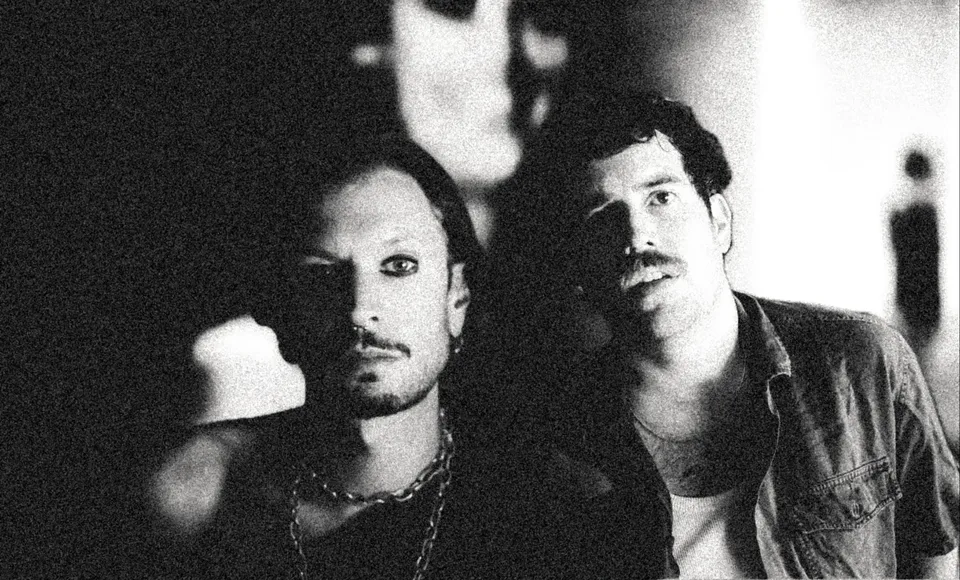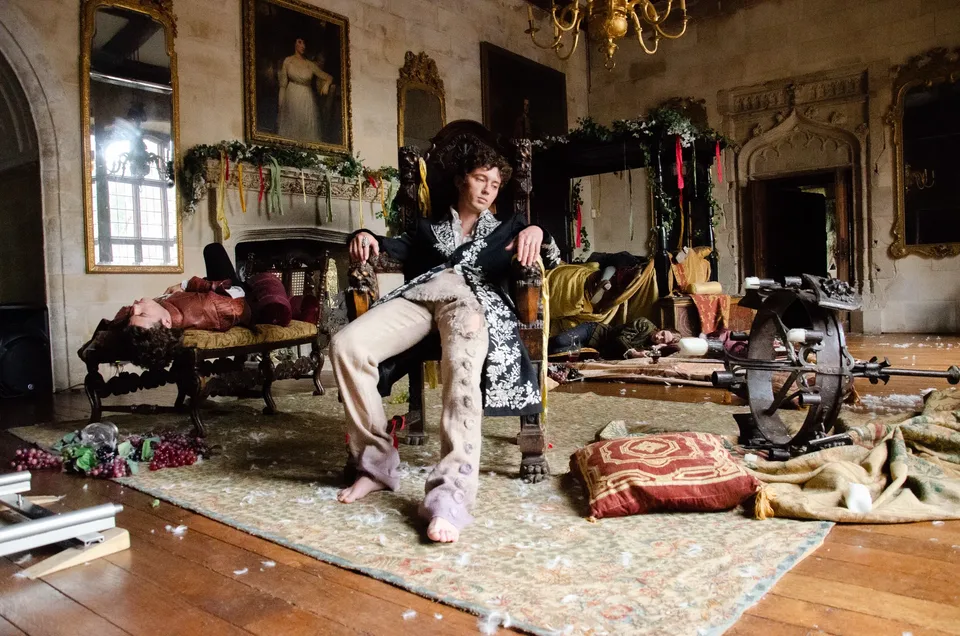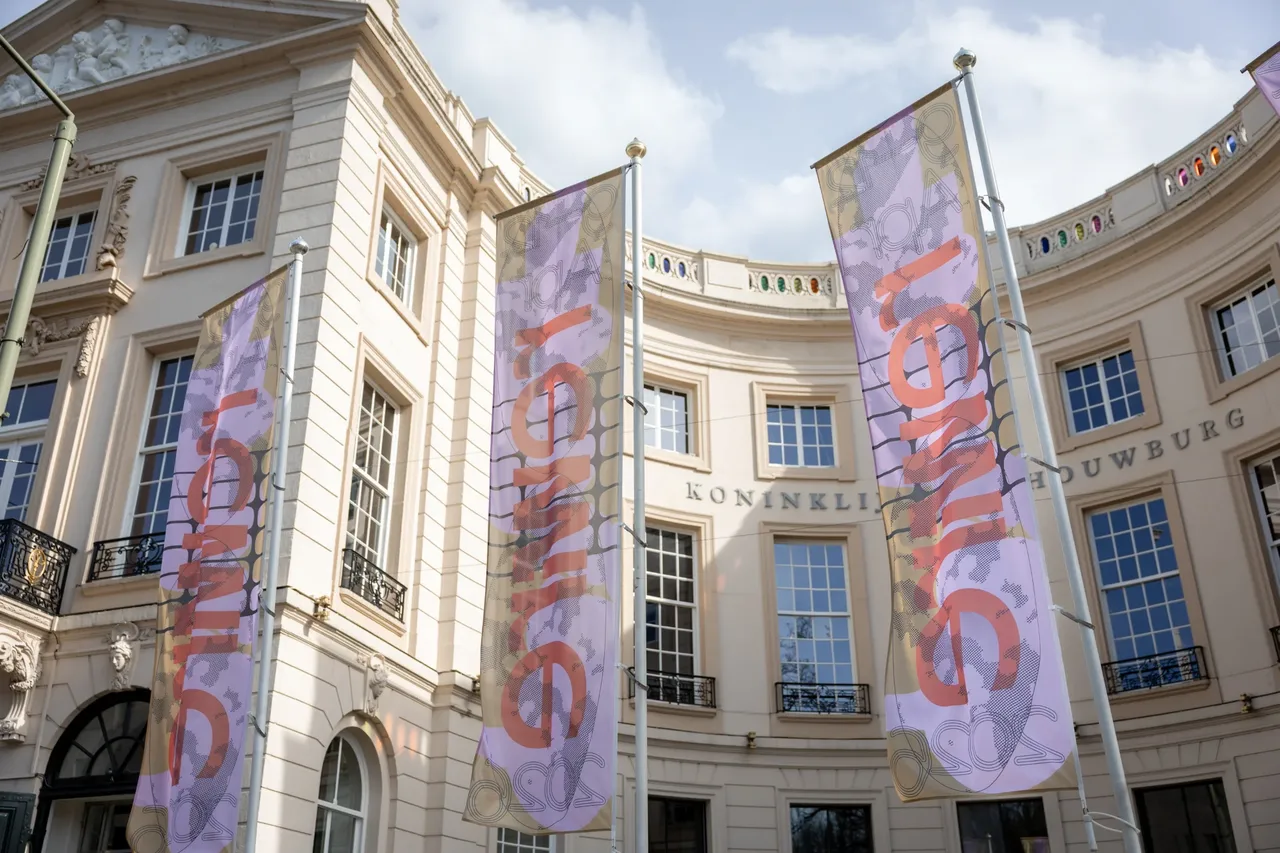
The Hague is not a city whose reputation rests on cultural glamour. Its prestige is largely juridical, tied to tribunals, ministries, embassies, and the polished language of international order. However, fifteen years on from its twenty-nine-artist-strong opening gambit, Rewire Festival has cemented an equally serious counter-narrative for Den Haag’s tourist board: Europe’s richest ecology of sound happens here.
An independent, non-profit festival long past its growing pains and now well into its teenage years, Rewire has thickened into a self-assured world of its own. This year marked its most extensive programme to date, with more than two hundred events staged across twenty-five close-knit concert halls, clubs, churches, bookshops, and galleries. On my third visit, that self-described “adventurous” programme, a little to my surprise, still kept me on my toes, engendering a trust that wherever I stumbled, I would encounter something that made me feel more alive; whether heartfelt, absurd, adrenaline-pumping, or simply beyond the edge of my musical purview.
One of my strongest emotional reactions came during Friday’s 1 am slot at the Lutherse Kerk, where Raül Refree and Niño de Elche often sat with casual tenderness, chairs turned towards one another and a hand draped over their neighbour’s nearest shoulder, as if a pair of old friends caught in a drunken, after-hours confessional. Refree’s dreamlike collision of flamenco, electronic jitters and bass-heavy ambience gave Niño’s voice room to surge from intimate murmur to something booming and near-spiritual, as he swayed in and out of his microphone’s orbit so the vocals could swell and recede. In a type of venue that once symbolised only the tedium of church-going, such awe-inspiring vocal experimentation, in a genre I’m not the most au fait with, was overwhelmingly thrilling.
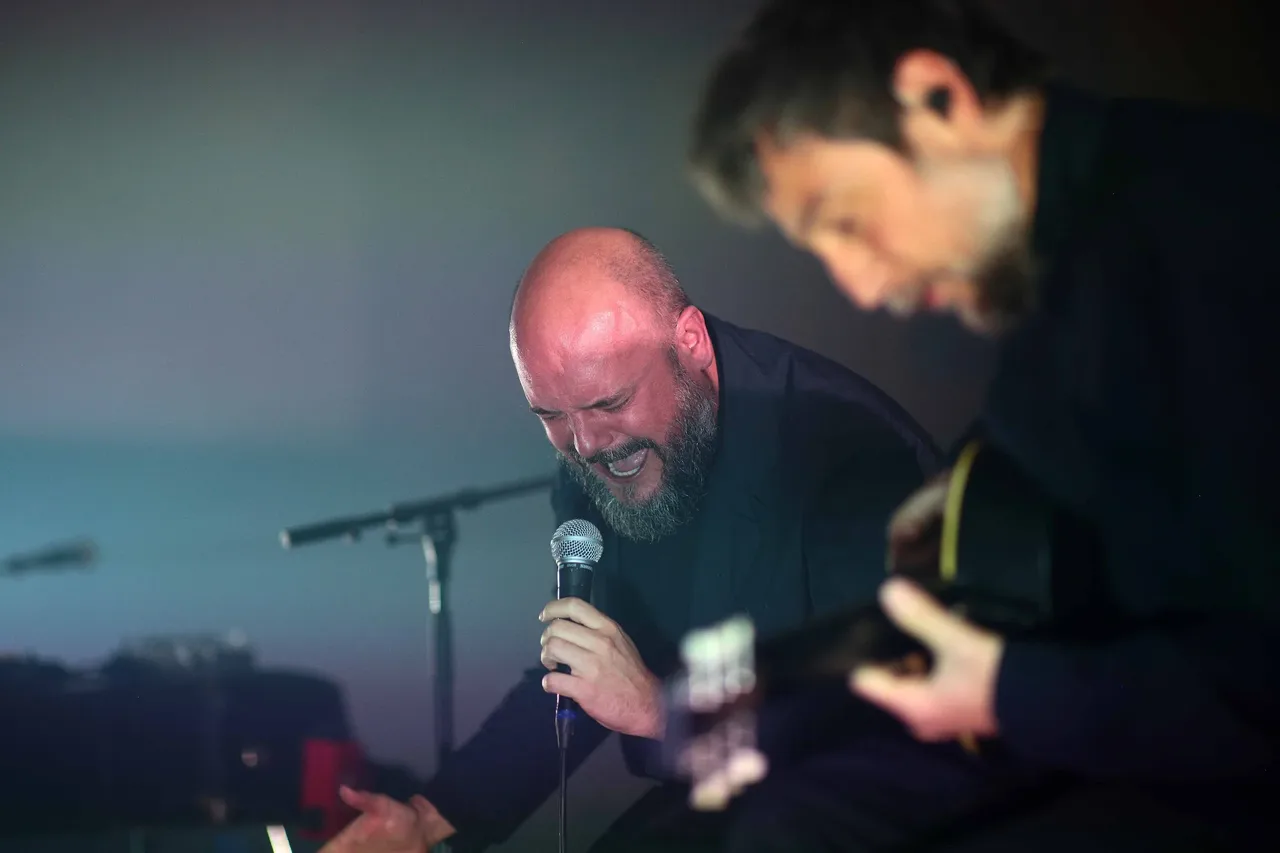
Raül Refree & Niño de Elche @ Lutherse Kerk - Photo Maurice Haak
Xiu Xiu’s audio-visual performance, inspired by David Lynch’s Eraserhead, went in the opposite direction, embracing the grotesque and the theatrical as if entirely to provoke. Clucking chickens, the smacking of hollow tubing, and their snarling, sometimes screaming, voices were set to eerie pitch-shifting keys that had a whiff of the circus. Clad in identical suits, Xiu Xiu looked as though they were pitching their obscure sound sources, and uncanny monochrome images of plasticky dolls and undead statues, to a boardroom audience pinned to the Amare Danstheater’s lengthy rows. At times, it felt like a modern-day brainrot binder meme reaesthetised for a Lynchian crowd. The climactic tilt rested on a smashing of beer bottles into a wheely bin, which was an apt junk ritual to end Xiu Xiu’s typically unique and captivating near-hour set, before releasing us back into the rest of the programme.
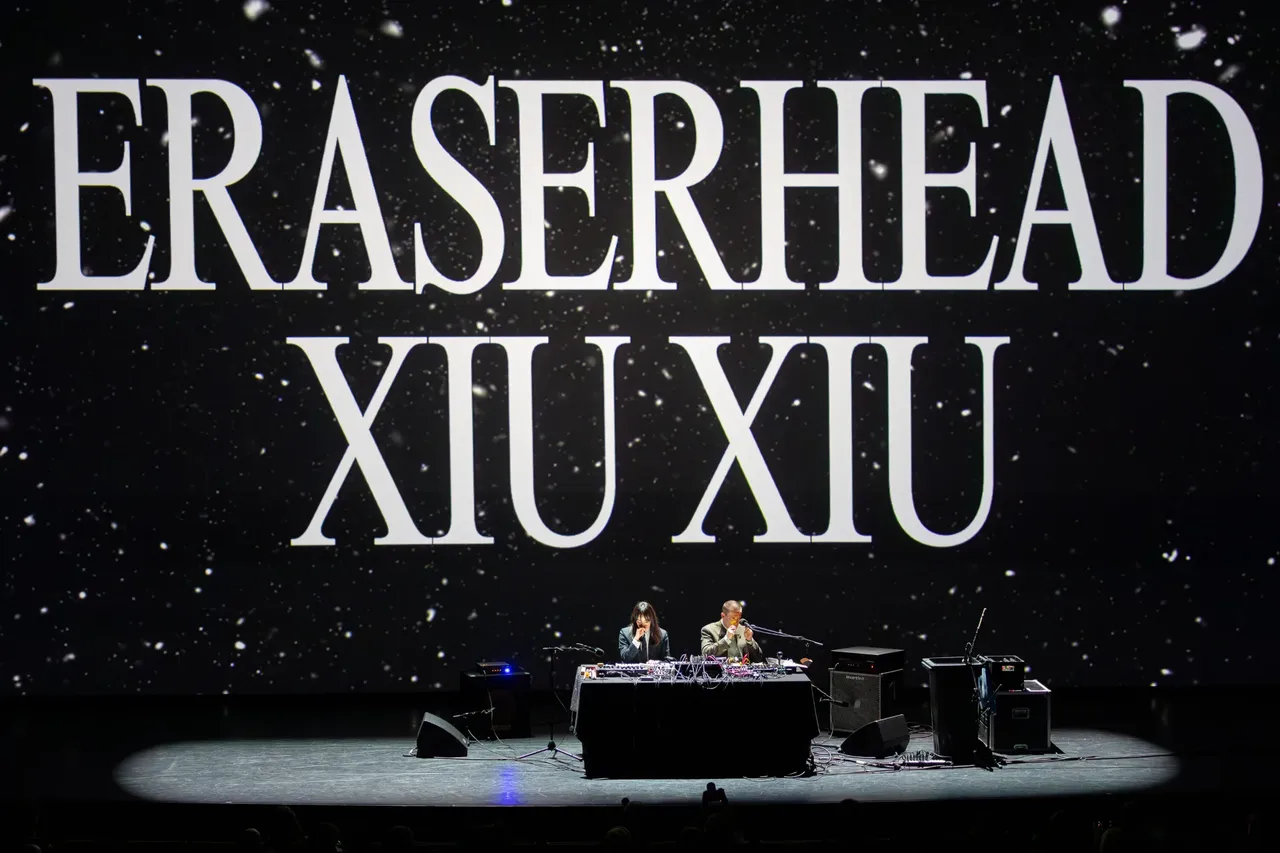
Eraserhead x Xiu Xiu - Photo: Jan Rijk
For those wanting to push further into the weird and wonderful, Tianzhuo Chen’s Physis was just one flight of stairs away. A mammoth eight-hour odyssey, the ritual showcase created by his collective Asian Dope Boys ran from 6 pm to 2 am on Saturday, and inside Amare’s Studio I found myself drawn in all directions, trying to make sense of what, exactly, was happening. I’m greeted with platters of fruit by the several performers circulating the venue’s floor on arrival, one of them entirely naked. Minutes later, anguished cries and crunchy guitar lines tear through the main stage, as performers and guests convulse around it like participants in some shamanic rite. Several of these ephemeral moments materialise before falling away, while you stand expectantly for the next provocotation from interlopers like Dis Fig and Goth Trad. Less compelling than Xiu Xiu’s more defined disruptions just prior perhaps, but its protracted, un/ordered chaos still set itself apart as something to inhabit, and even participate in, rather than merely watch. A kind of sprawling, unstable experience you rarely find on the programme of a city-based music festival, even if Rewire’s pace leaves little time to absorb all eight hours.
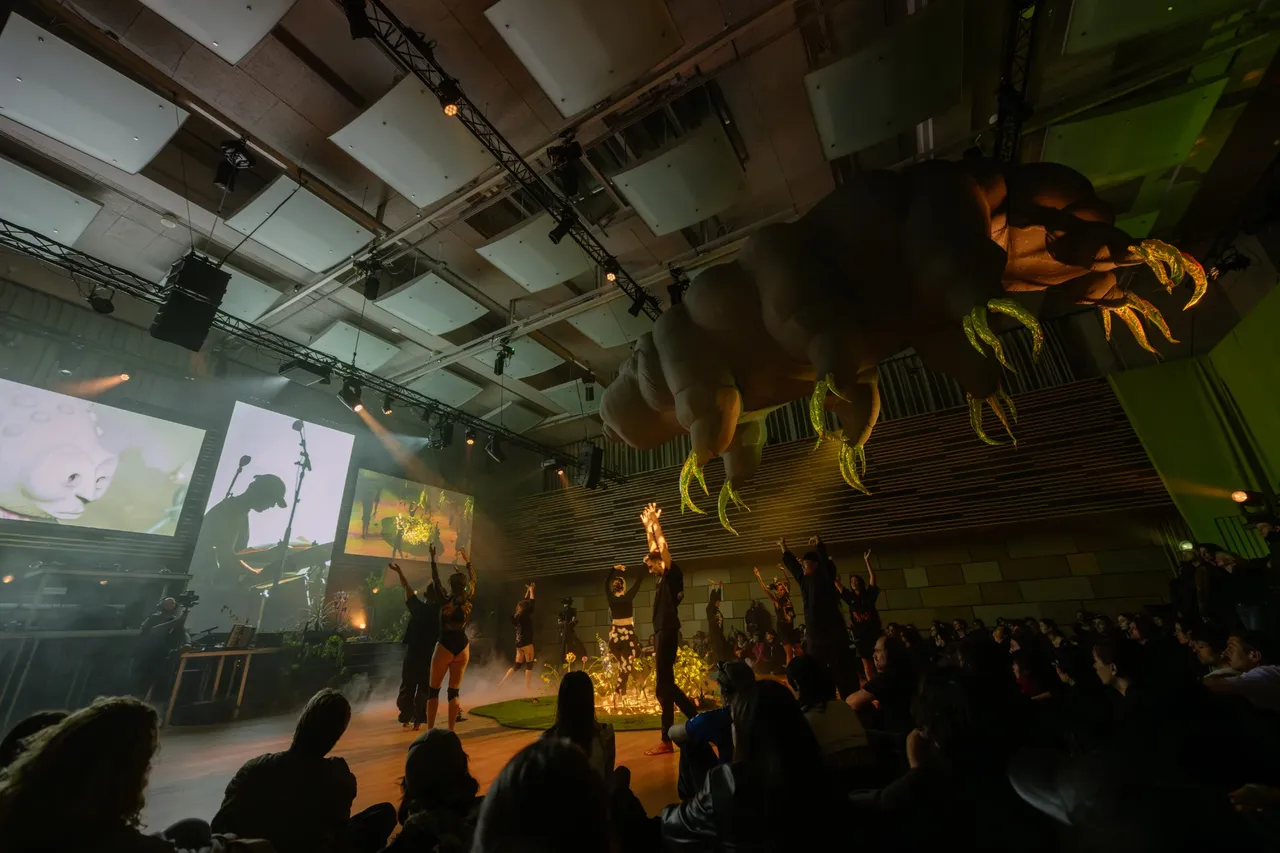
Asian Dope Boys 'PHYSIS' - Photo: Camille Blake
Duty-bound to keep moving, I also drop into 33 who bring a camp, theatre-rock volatility to Theater aan het Spui, their set lurching between cabaret, folk pageant and manic art-pop. One standout, Babymusicc, played like a queer, sea-shanty-adjacent murder ballad warped through internet-age absurdity, with singer Ivan Cheng turning lines about “gamer twinks”, sisters, husbands and social success into something both humorous and faintly deranged. Having only heard of the project through its association with Bill John Bultheel, I headed in with no preconceptions, but it was light-hearted, theatrical fun in the best sense.
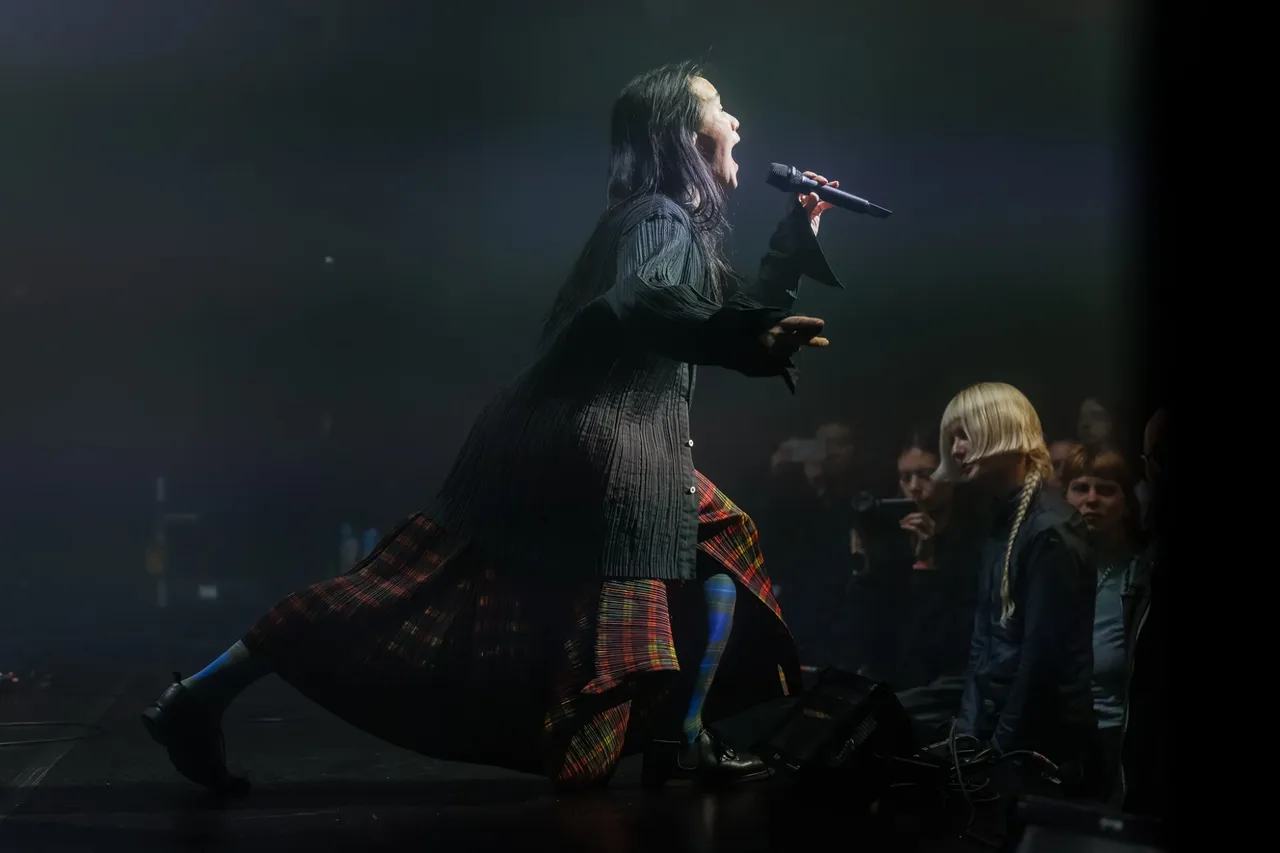
33 - Photo: Wouter Vellekoop
Noise-legend Aaron Dilloway’s challenging set is another that makes some memorable turns. In attempts to out-do Xiu Xiu on the odd-instrument front, he opened with wooden hangers that he used in a creaking sawing action, audibly similar to a grass strimmer, before deep-throating a microphone that saw some attendees head straight for the door. Need I say more?
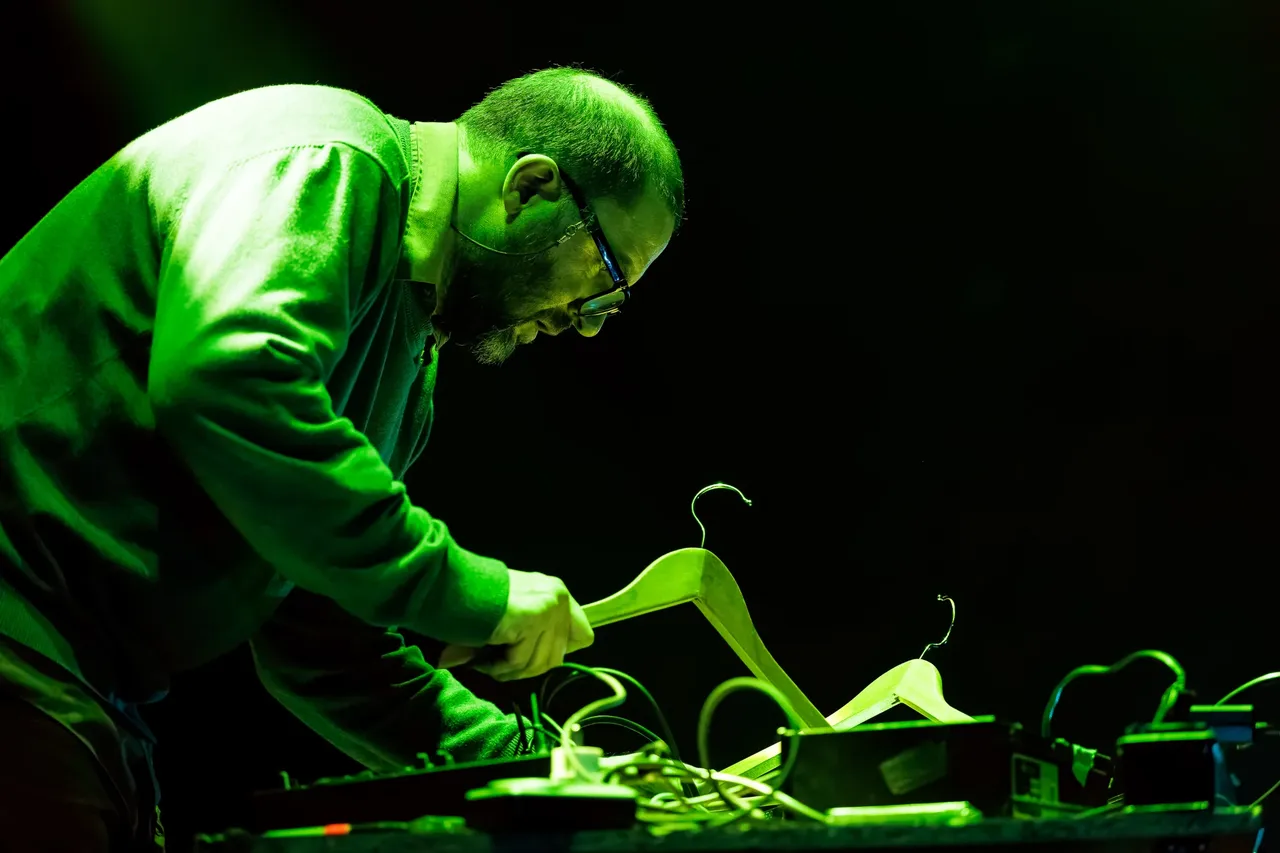
Aaron Dilloway - Photo: Wouter Vellekoop
While much of the music I felt most vividly at Rewire hit through such surprise and novelty, not all enjoyable music needs to be so obviously outlandish. One artist I was particularly keen to catch was Ouri, who thankfully played twice on consecutive days for those troubled by a programme clash. I opted for the first showing at Korzo’s Studio, where aside from a rendition of Paris, a surging earworm from her latest album, Daisy Cutter, Ouri turned the room inward and reflective. Aided by a minimal lighting setup and close quarters staging, she created a sense crystalline intimacy through delicate vocals, cello plucks, piano lines and live processing that made you more attentive to her small changes in texture, breath and pressure. As if to visually underline that control, she adeptly prodded her loop pedal with a pair of enormous heels on several occasions; an impressive feat in its own right.
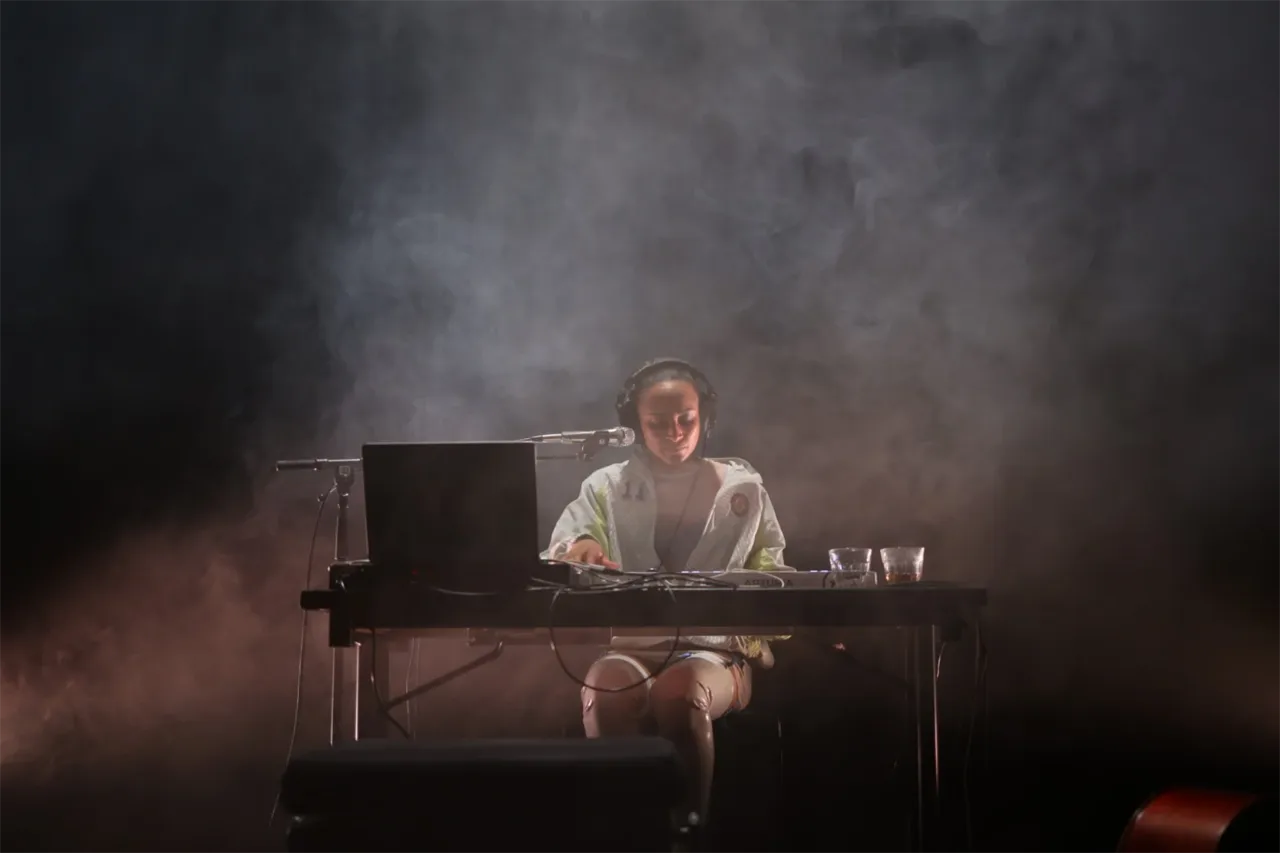
Ouri - Photo: Matt Reed
A more dance-laden slice of pop came via Tracey, a duo I’d had on my wishlist since the release of their menacing, low-slung bass hit Sex Life last year. For those unfamiliar, it is an utterly addictive track, built around chopped-up female vocals reassembled into the phrase “All I wanna do is fuck.” In a knowingly cheeky move, Tracey teased the crowd by slowly circling their most clear-cut banger through funk-leaning reworks of its central motif, before finally letting it land. I overheard one half of the duo say it was the “best crowd we’ve ever had” the next morning at our hotel’s breakfast, and certainly the room was moving in ways I hadn’t seen anywhere else across the weekend.
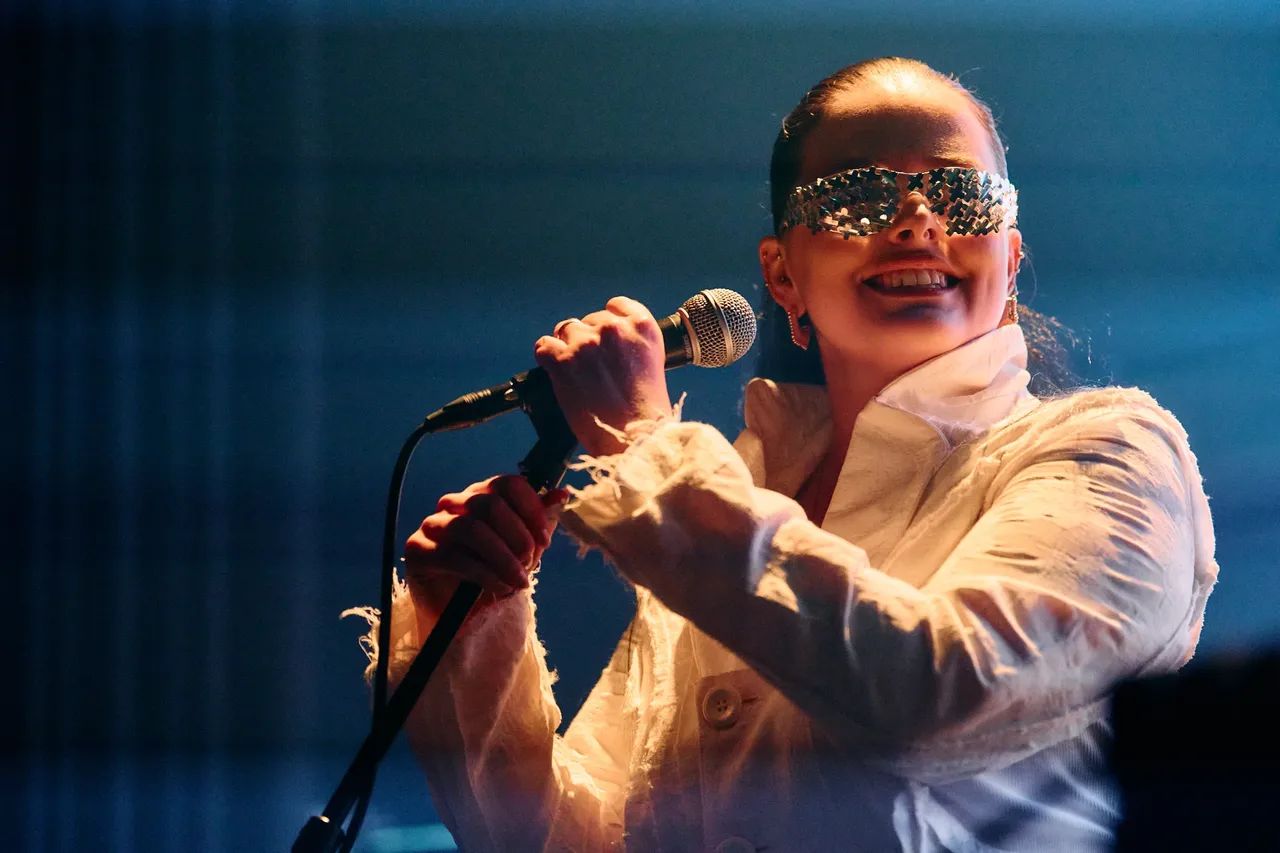
Tracey - Photo: Parcifal Werkman
Naturally, with so much on the Rewire menu and so little distance between it, there was rarely time to linger on such big picture thoughts. I quite literally jumped into weed420, whose happy-go-lucky set of maximalist vaporwave and lo-fi clutter felt all the sweeter given the young, four-piece had only first met in person last year. Juana Molina had Paard’s larger room in a smiley groove, her elastic electro-pop lifted further by immaculate drumming by Diego López de Arcaute, while Devon Rexi and John T. Gast turned things thrillingly murkier with their dub-heavy, motorik pulls over in the more compressed Koorenhuis sat opposite. Fine, meanwhile, was far more than just that, shifting between country-tinged aches and a shoegaze-y ballad that were warming to the heart. At Rewire, even a rushed few hours can feel absurdly full – and you still have to eat to stay sane. (I recommend the delicious JST Kebab, if only because I ran into two members of Standing on The Corner there trying, with no success, to explain the €8 falafel wrap advertised outside to the man behind the counter).
For some artists though, you cannot help but feel compelled to see their whole set through: Joshua Chuquimia Crampton is one of them. As with his work in Los Thuthanaka alongside sibling Chuquimamani-Condori, you get lost in repeated guitar lines that do not so much develop in obvious stages as slowly decay and reroute themselves in distorted, recursive loops with almost trance-like persistence, especially amongst a disorientatingly packed crowd.
The same is true of Purelink, who I now think I can never afford to miss live. I had an unexpectedly teary response to Tommy Paslaski, Ben Paulson and Akeem Asani at Berlin Atonal last autumn, where their hypnotic low-end throbs physically enveloped me and seemed to do something to my psyche. At Rewire, their set took a different shape: beneath Mika Oki’s familiarly smoky, all-encompassing sunrise of a light show, two members swapped laptops for an electric cello and guitar, pulling the trio towards something closer to post-rock of bands like Tortoise, who coincidentally (or perhaps not) also played this year. Closed by a stirring vocal turn from guest vocalist Angelina Nonaj, Purelink are a group still evolving at pace, and perhaps edging towards more concrete terrain than previously.
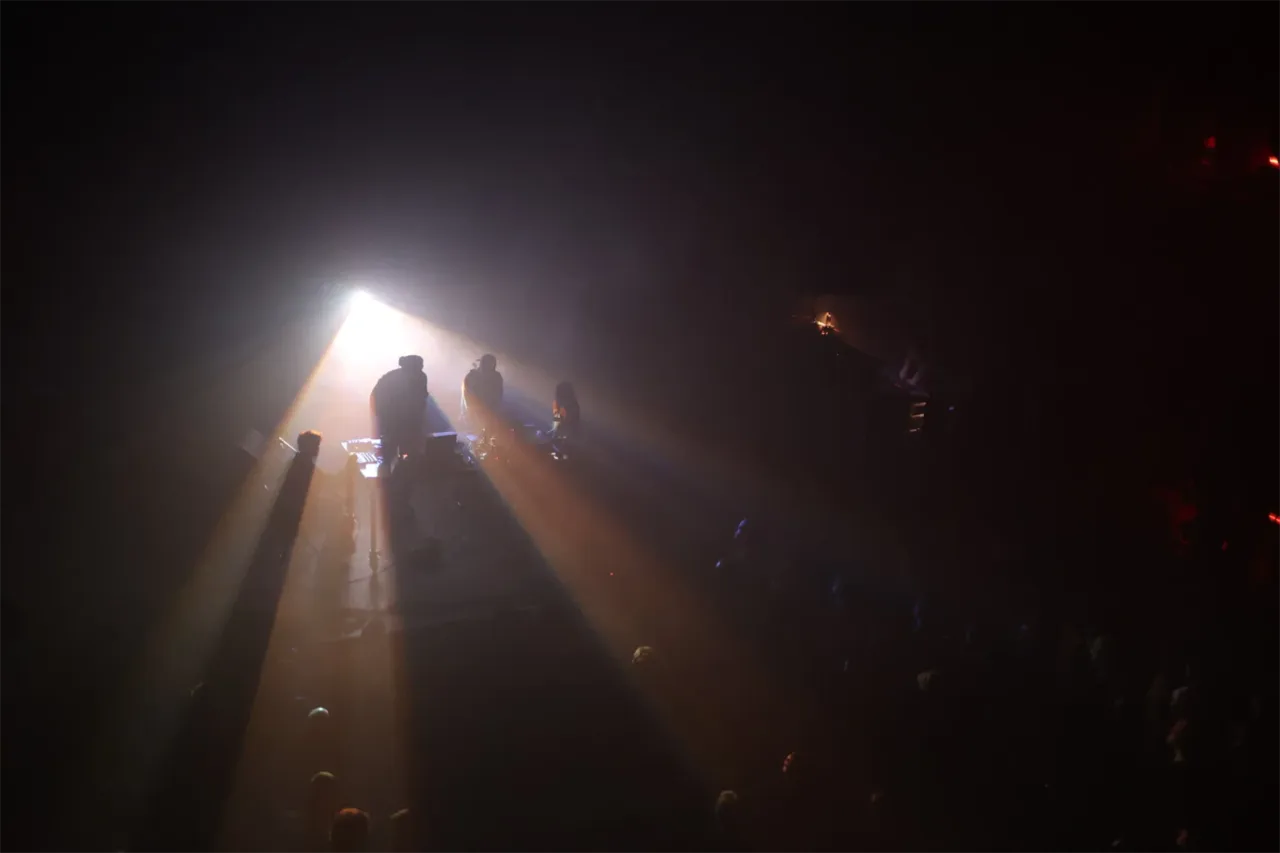
Purelink- Photo: Matt Reed
By day two or three, your legs are shot from clocking twenty thousand steps a day, but if you want to experience Rewire’s full gamut, a few hard yards are unavoidable. Albeit, some are harder than others. Laak Club was a welcome addition to this year’s festival: a warehouse-style venue in Den Haag’s eponymous Laak district, best known internationally through Torus’ Laser Club series, and a good thirty-minute walk from the nearest other Rewire stop. At 4 am or later, Dutch attendees were probably better off grabbing local OV-fiets bikes, assuming they’re of sound mind, with non-natives better splitting a taxi. Despite these logistical hurdles, the place was close to overflowing with people looking to eke out the last of Saturday night’s hedonism, as Torus went B2B with Buttechno, before OK Williams added low-end, high-energy thump to the morning birdsong and keep bodies moving a little longer.
On its fifteenth anniversary, Rewire’s collaboration with Laak Club feels like a timely gesture towards the future, set within an edition notably alert to how adventurous music is inherited, re-read and carried forward. Xiu Xiu’s aforementioned performance, for instance, returned to David Lynch a decade after their 2016 Twin Peaks set, while Ensemble Klang opened Friday with Occam Delta XXIII, a tribute to the recently deceased Éliane Radigue, whose patient, intergenerational approach to sound has profoundly shaped contemporary experimental listening, and whose work has been carried forward through long collaboration with the Hague ensemble itself.
Elsewhere, Buchla modular synth legend Suzanne Ciani appeared in active dialogue with the present, revisiting the oceanic premise of her 1982 Seven Waves through Concrète Waves with the mind-boggling, more modern-day musician Actress, while Beverly Glenn-Copeland, whose Keyboard Fantasies now reads as startlingly prescient nearly four decades on, presented both his celebrated catalogue and new work with Elizabeth Copeland. Even the long-awaited Rewire debut of Einstürzende Neubauten reinforced the sense of a festival interested in showing how the past moves through the present.
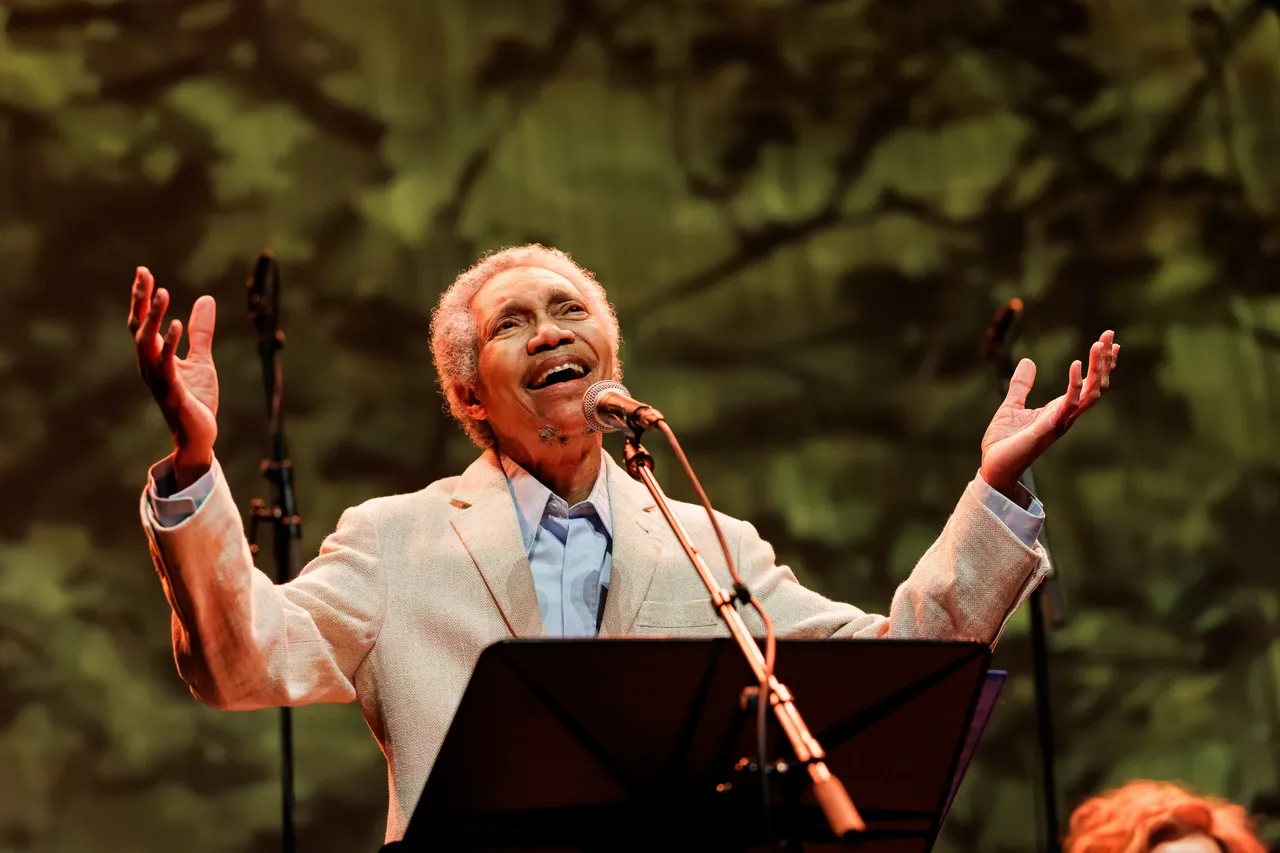
Beverly Glenn-Copeland - Photo: Wouter Vellekoop
That concern with how the past persists in the present also ran through an edition attentive to sound’s capacity to carry witness, territory and political memory. Closing the festival, Mayssa Jallad offered a pointed reminder of how fortunate those in attendance, and in the warless West more broadly, are. Recalling a question she had asked herself while walking The Hague’s quaint streets earlier that day, “how do we all live under the same sun?,” she spoke of missiles raining on Lebanon and the devastating genocide in Palestine, and of her hope that one day there might be justice, between a stunning collision of Civilistjävel!’s icy tech-ambience and the warm, searching clarity of her voice back in Lutherse Kerk.
The wider context and film programmes sharpened that same impulse, with Lawrence Abu Hamdan discussing in his talk at The Grey Space in the Middle how he and Earshot, a not-for-profit organisation dedicated to the study of audio for human rights and environmental advocacy, use sound to bear witness where other forms fail, helping make a person into a provable witness. Rewire’s achievement is not that it solves any of this. That is, after all, the work of the criminal courts that sit just across the city. Rather, its achievement lies in refusing to ignore the political realities it operates in, and insists on keeping them present.
Today, Europe’s live music landscape is getting narrower, more fragile and more concentrated. Live DMA and Reset! report that one hundred and fifty of Europe’s biggest festivals are tied to just four groups, while more than half of Dutch pop venues ran at a loss in 2024, and the Netherlands saw a record number of festival cancellations outside the pandemic years. In that light, Rewire’s openness feels hard-won; the product of fifteen years spent building trust in adventurous sound. Whatever its internal workings over that time, today it certainly has the confidence to hold pleasure, difficulty, politics and discovery within a single long-weekend, without sanding any of them down for ease or broad appeal. It matters for listeners, too, at a time when music can feel increasingly difficult to navigate with conviction with too much of it, too little context, and too much hype sometimes masquerading as organic discovery. Come to Rewire, and you may just leave feeling that music is still capable of surprise, and that the world, through it, can feel larger, stranger and newly possible.
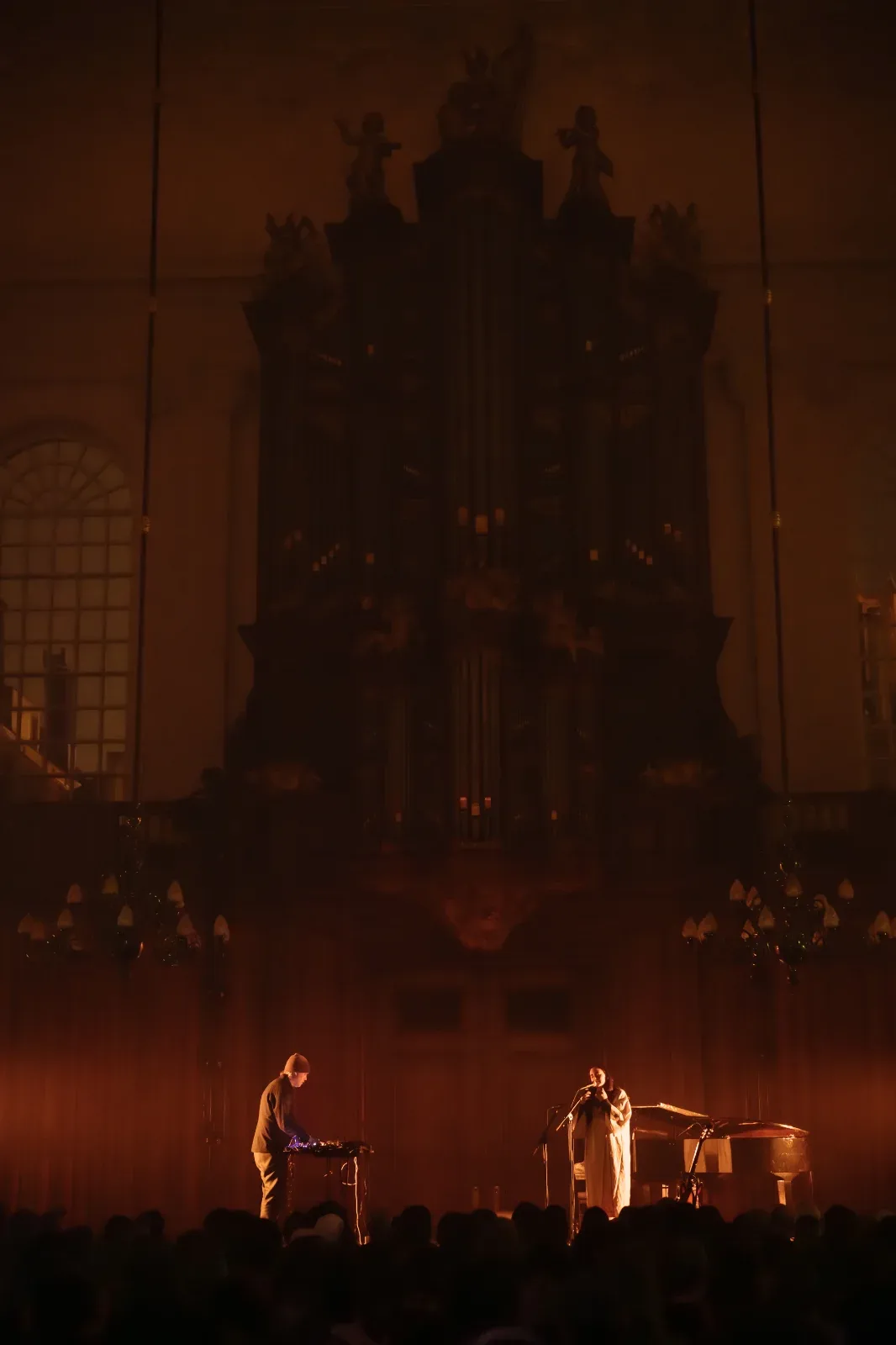
Civilistjävel! & Mayssa Jallad - Photo: Camille Blake