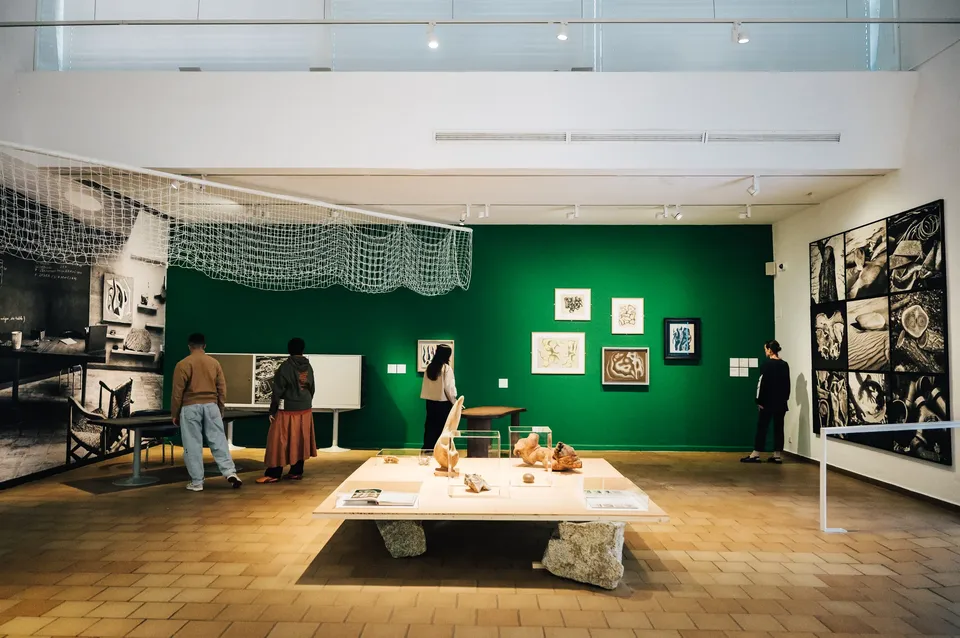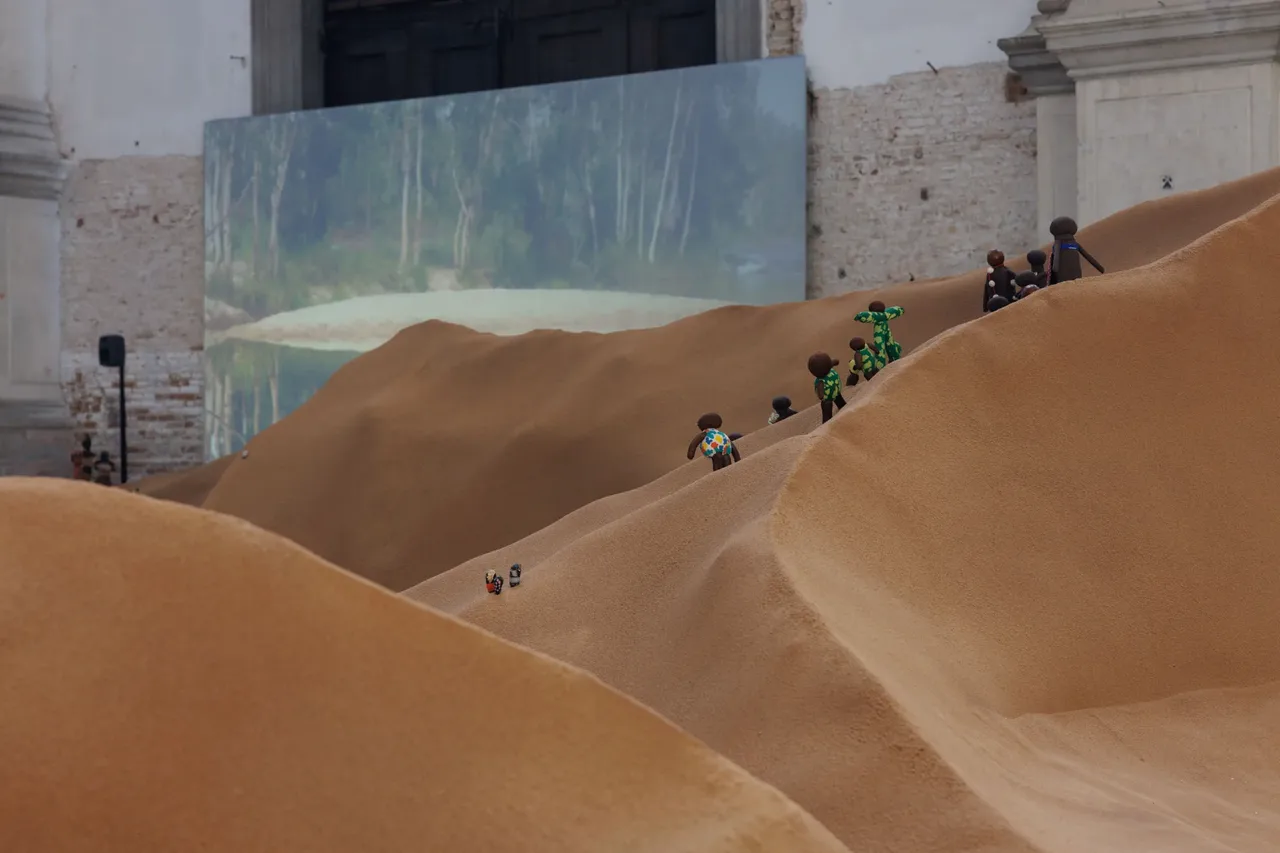
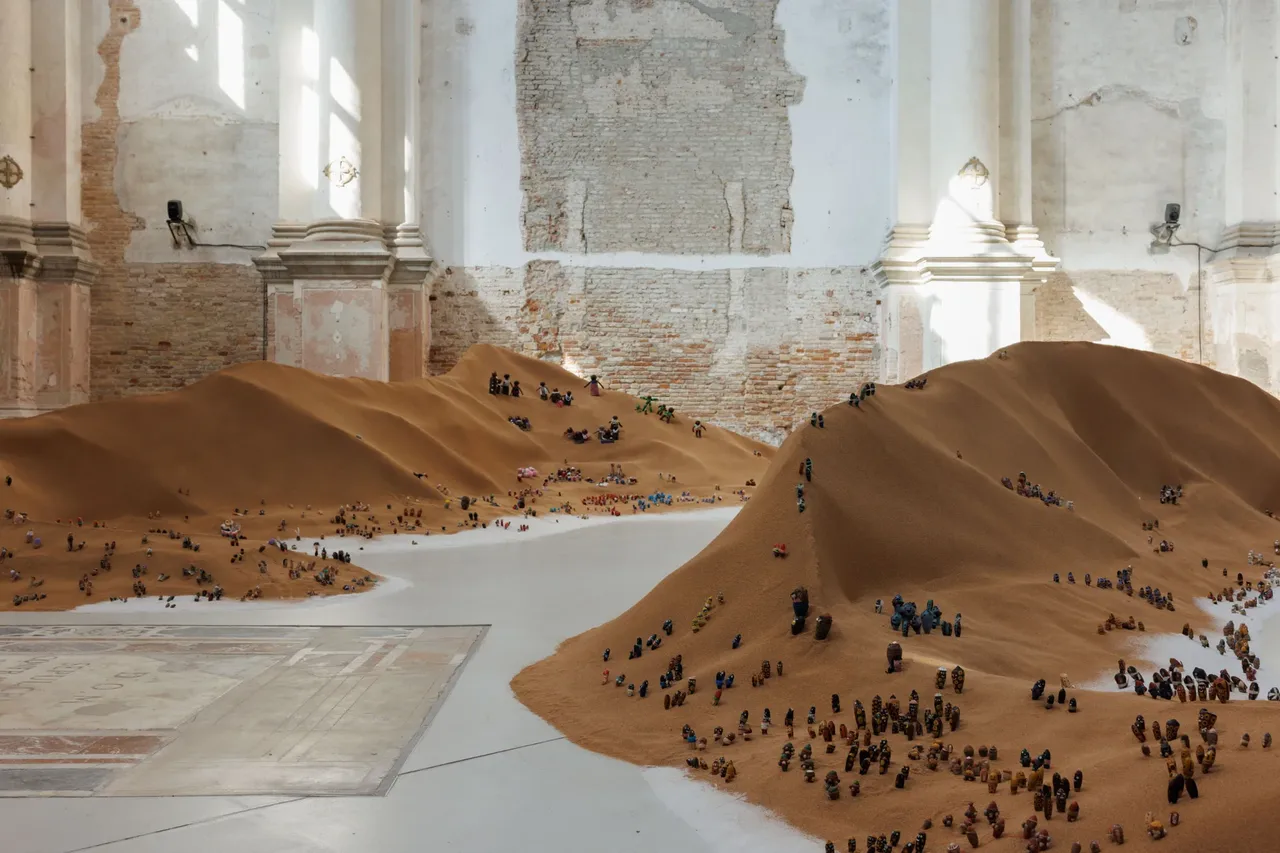
From March 28 to October 11, the city of canals is hosting the exhibition Tide of Returns, two site-specific installations designed to highlight and explore the processes and role of repatriation. In order to mark the seventh anniversary of Ocean Space, the complex restored by TBA21 in the former Church of San Lorenzo in Venice, Italy, showcases the artistic research of a collective of artists from the Pacific, Northern Australia, Southern and Western Africa, Europe, and Latin America. Through two installations occupying the two naves, these works embody the artists’ ecological wisdom and care, exploring the potential to overcome cultural, social, and environmental violence.
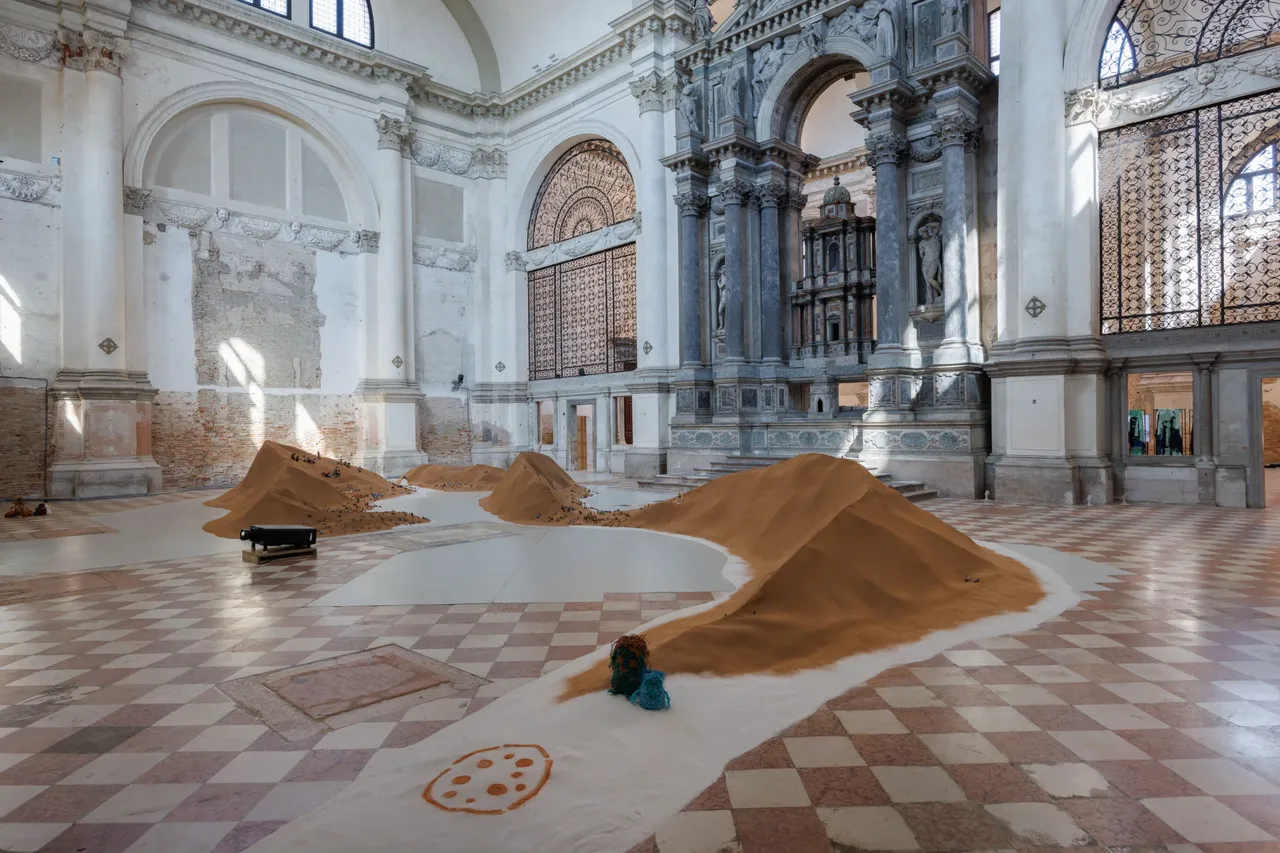
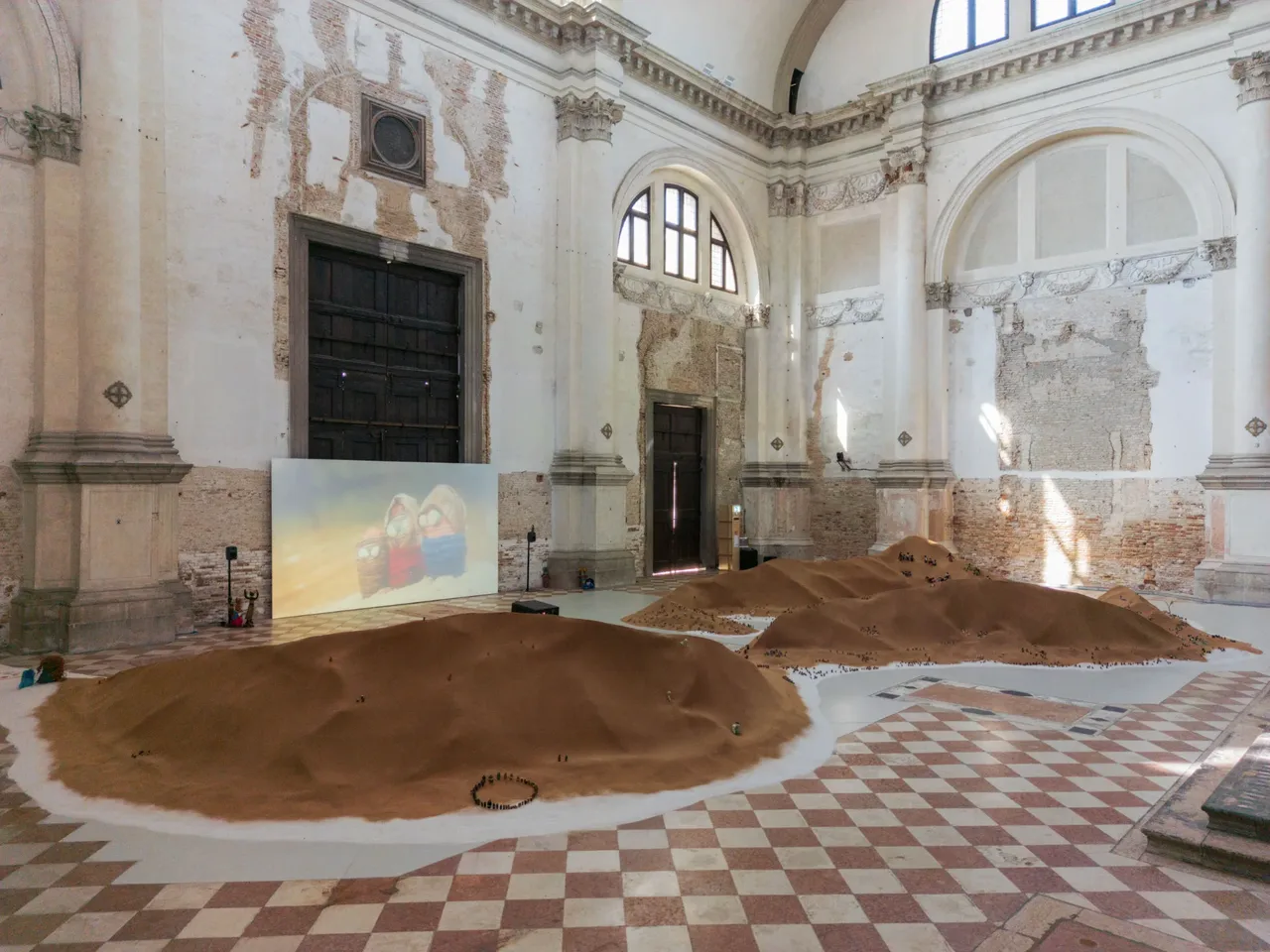
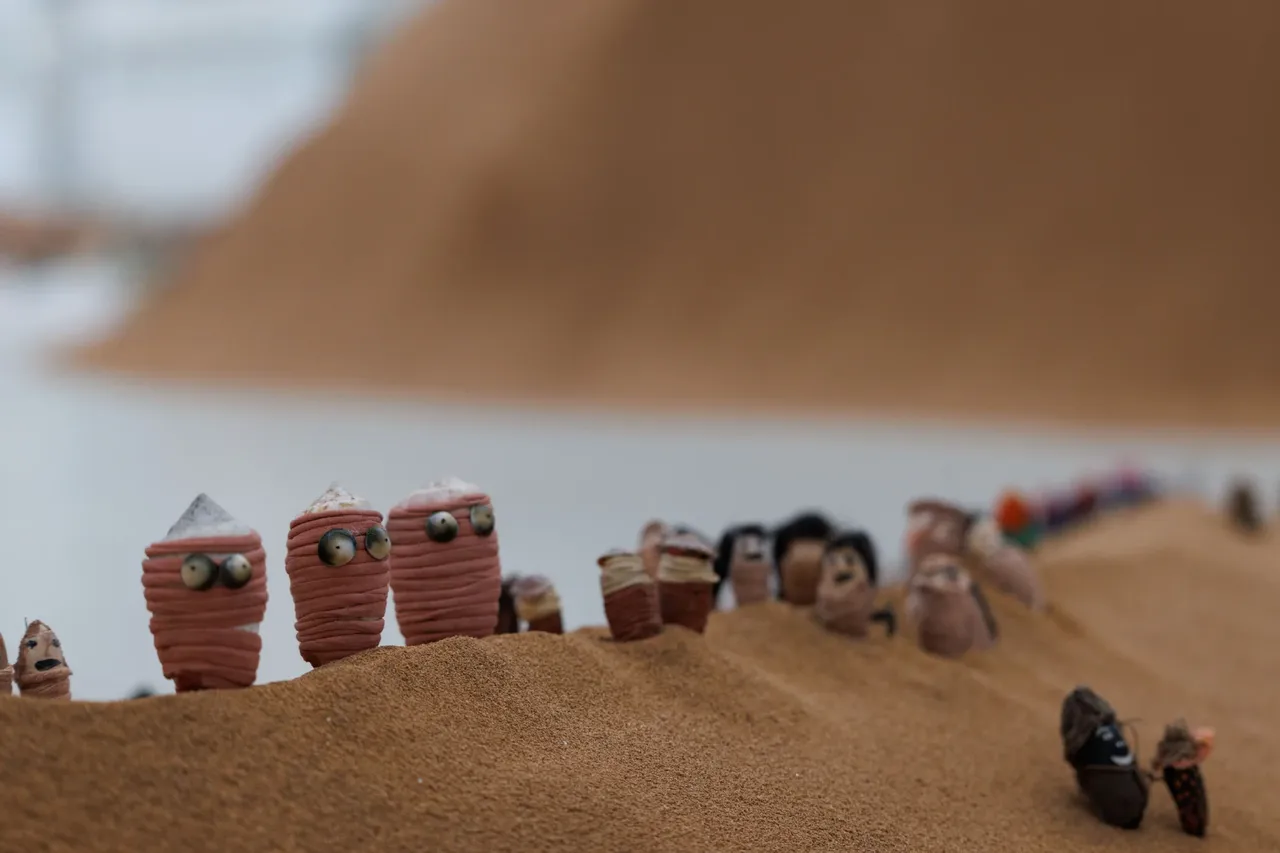
From My Mother’s Country (2026), the first work in this exhibition, invites us to go beyond activism through an installation composed of enormous quantities of sand from the Gulf of Carpentaria and thousands of figures made of shells and textiles. The dunes serve as a meeting place for these traditional dolls from Indigenous communities in Namibia and Australia, which are used to teach children about the cycles of life and the importance of honoring the wisdom of their ancestors. Considered living beings by the women who craft them, these Dadikwakwa-kwa dolls pass down pre-colonial knowledge and practices. These dolls make no sense without considering that in 2022 and 2023, the Ethnological Museum in Berlin and the Manchester Museum returned 23 and 174 cultural heritage objects, respectively, in response to the community campaign, thereby embodying the spirit of Indigenous resistance.
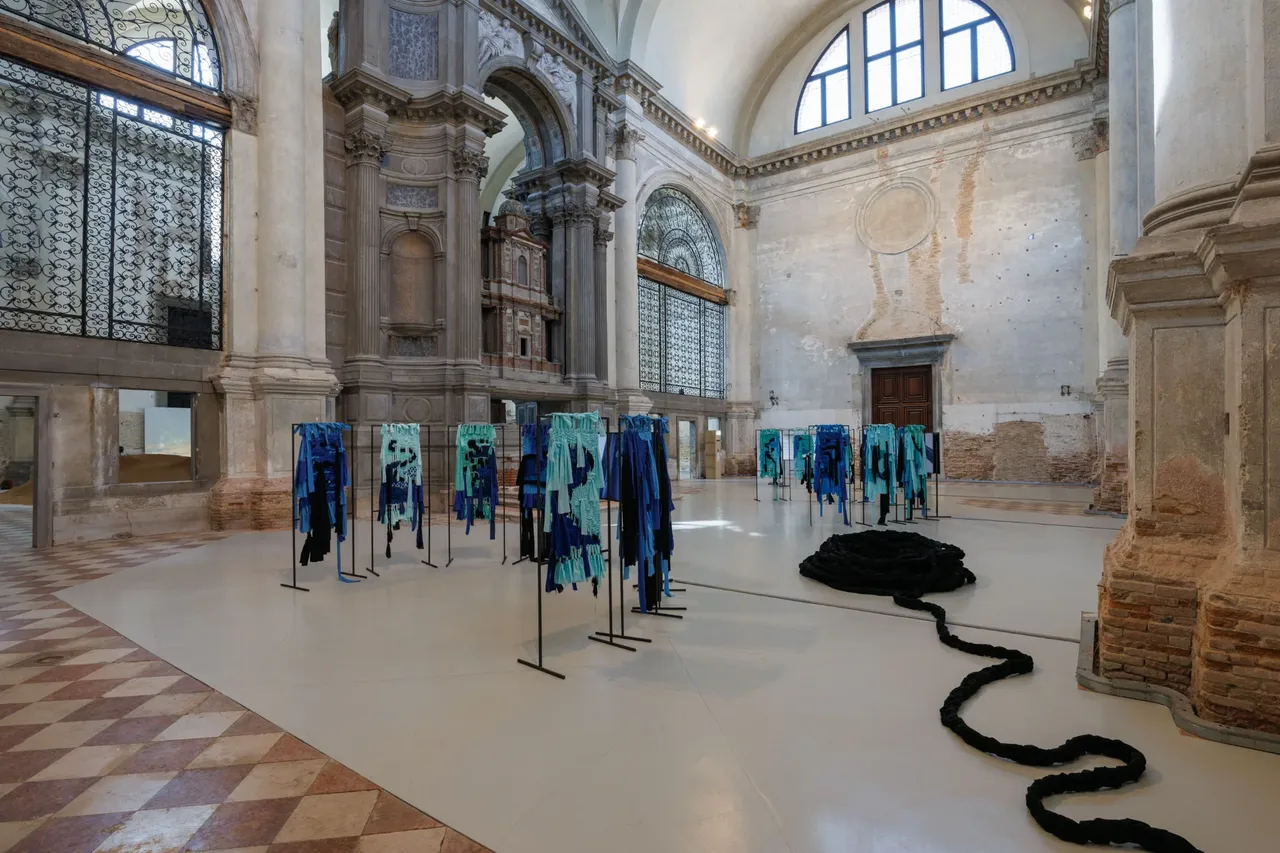
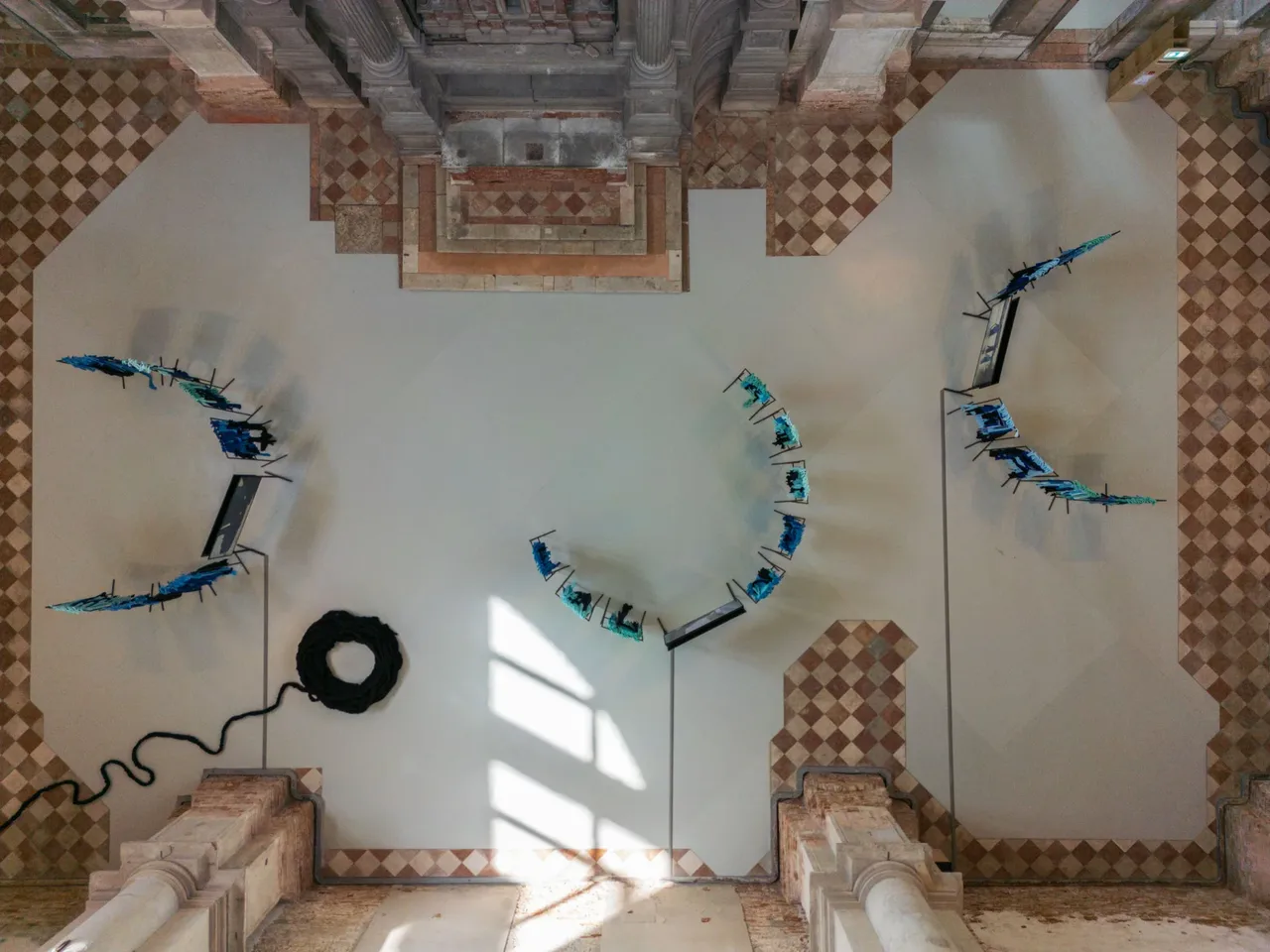
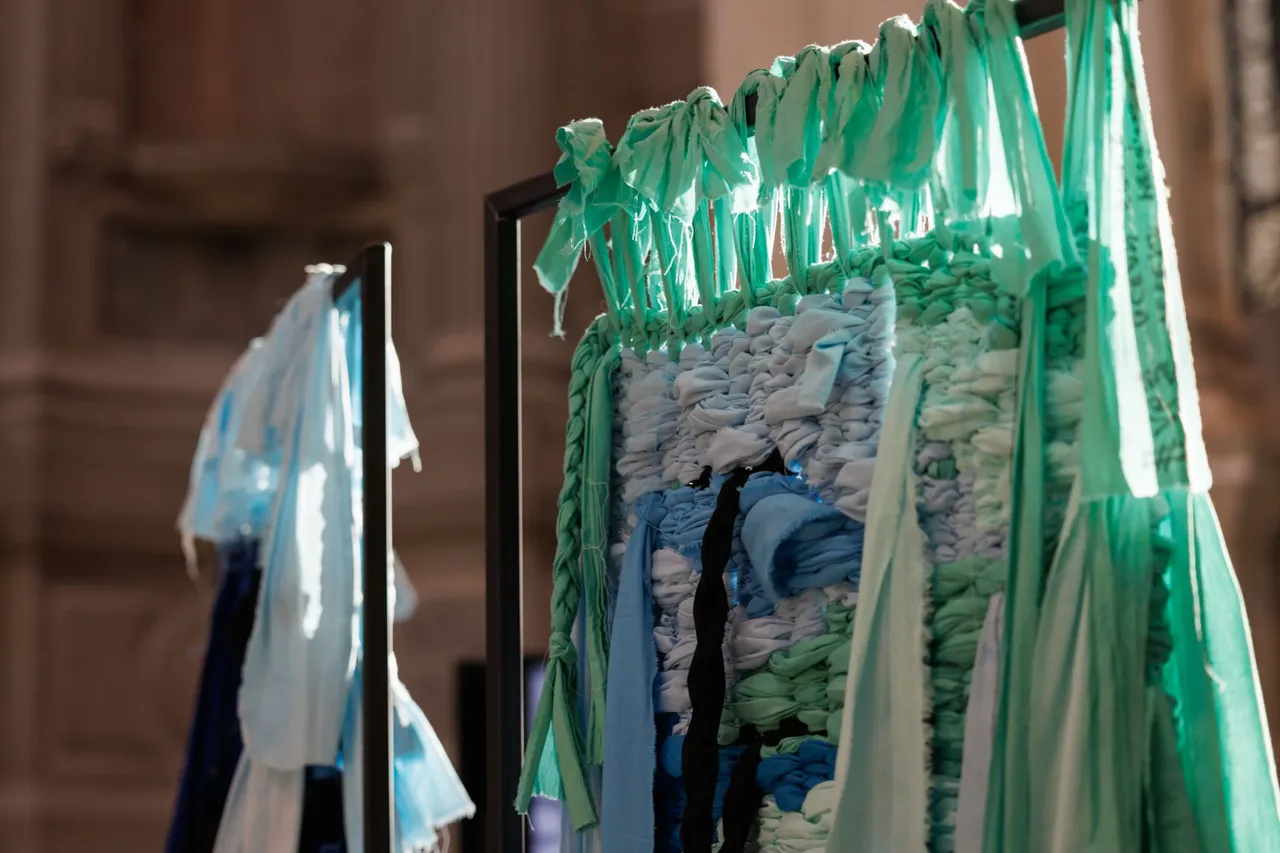
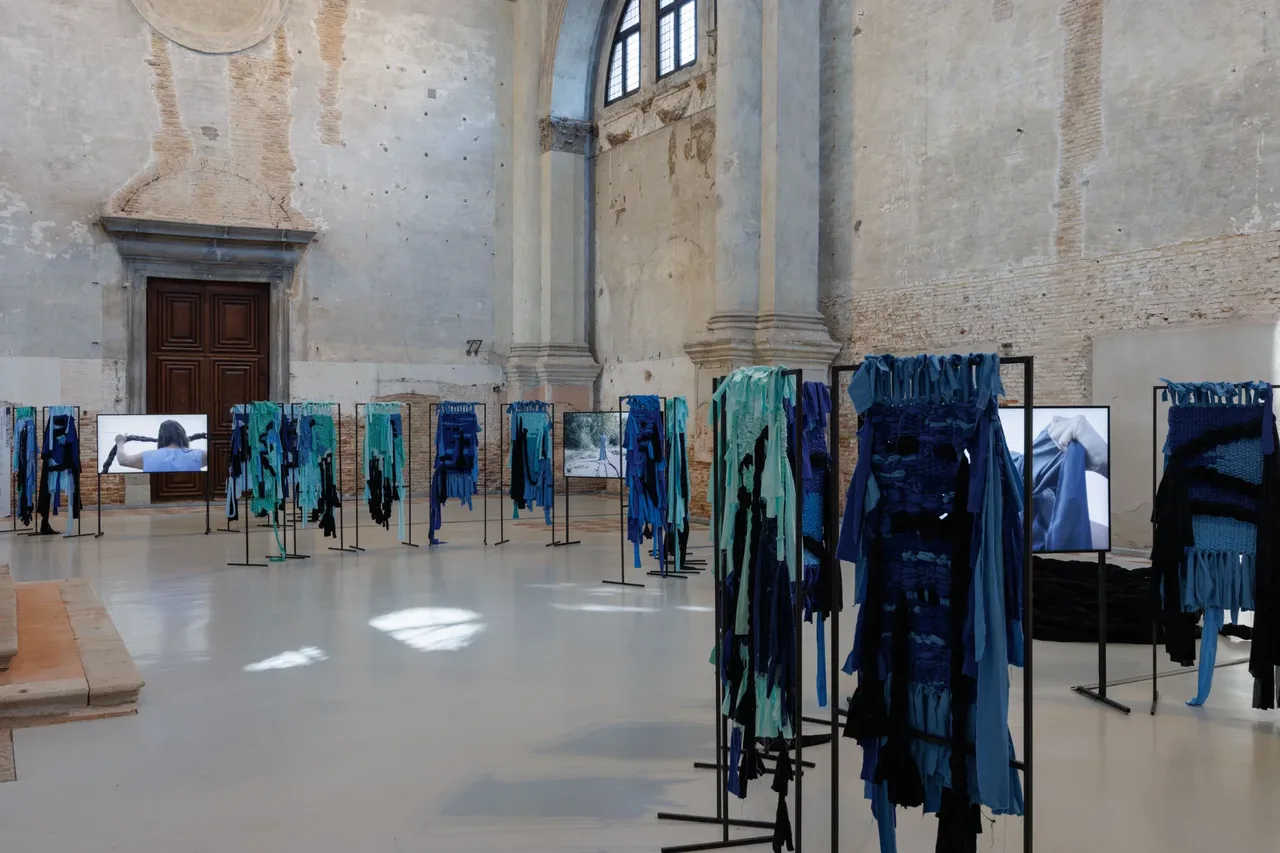
In the East Hall, Verena Melgarejo Weinandt’s video-textile installation, Weaving Connections, features braids woven in various shades of blue that symbolise the flow and unity of water, words, and the idea of community. The German-Bolivian artist reflects on how, without solidarity, we have less power in today’s conflicts.
Her work illustrates how, just as braids come together to form a bond, we as a community should follow their example. The work is part of the artist’s long-term project, a series of performative films and research projects that explores how the cultural imagination in Germany has represented and objectified Indigenous peoples in the country’s media. Her work confronts the forms of violence associated with German colonialism’s impact on Indigenous communities.
Tide of Returns emerges at a turbulent time and addresses a topic relevant to all of us: exploring the idea of national identities and how they are constructed. The exhibition, the curator Khadija von Zinnenburg Carroll, and the artists challenge us, the viewers, to rethink the way we see art, the world, and how we engage with the issues around us.
The stories told at Ocean Space are shaped by the language of the land, the ocean, and the bodies that tell them. As experiments in the possible relationships between humans and the ocean, the works in this exhibition tell the stories of communities: their families, their customs, and their ancestors. Using materials washed ashore by the sea, from nets to shells, these artists showcase new ways of living and working in the wake of the legacy of colonial rule and extractive economies.
The exhibition Tide of Returns is on view through October 11 at Ocean Space, Chiesa di San Lorenzo, Venice, Italy.