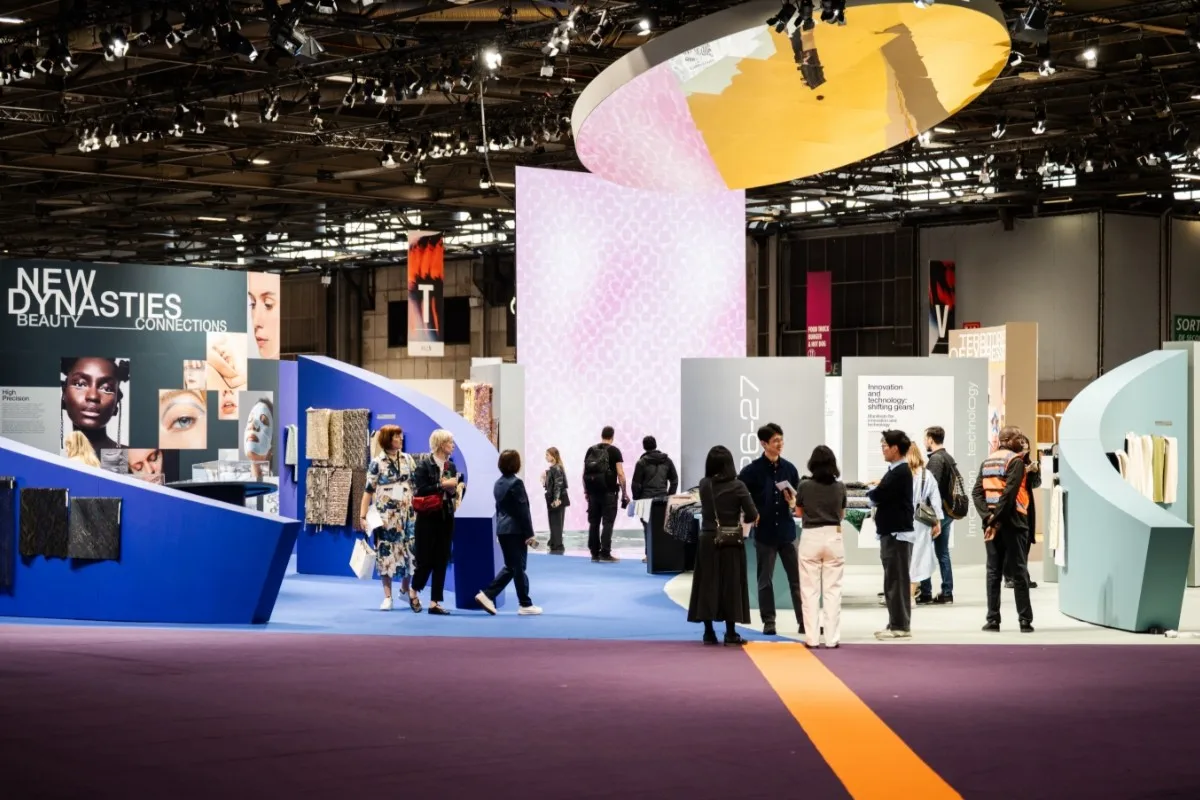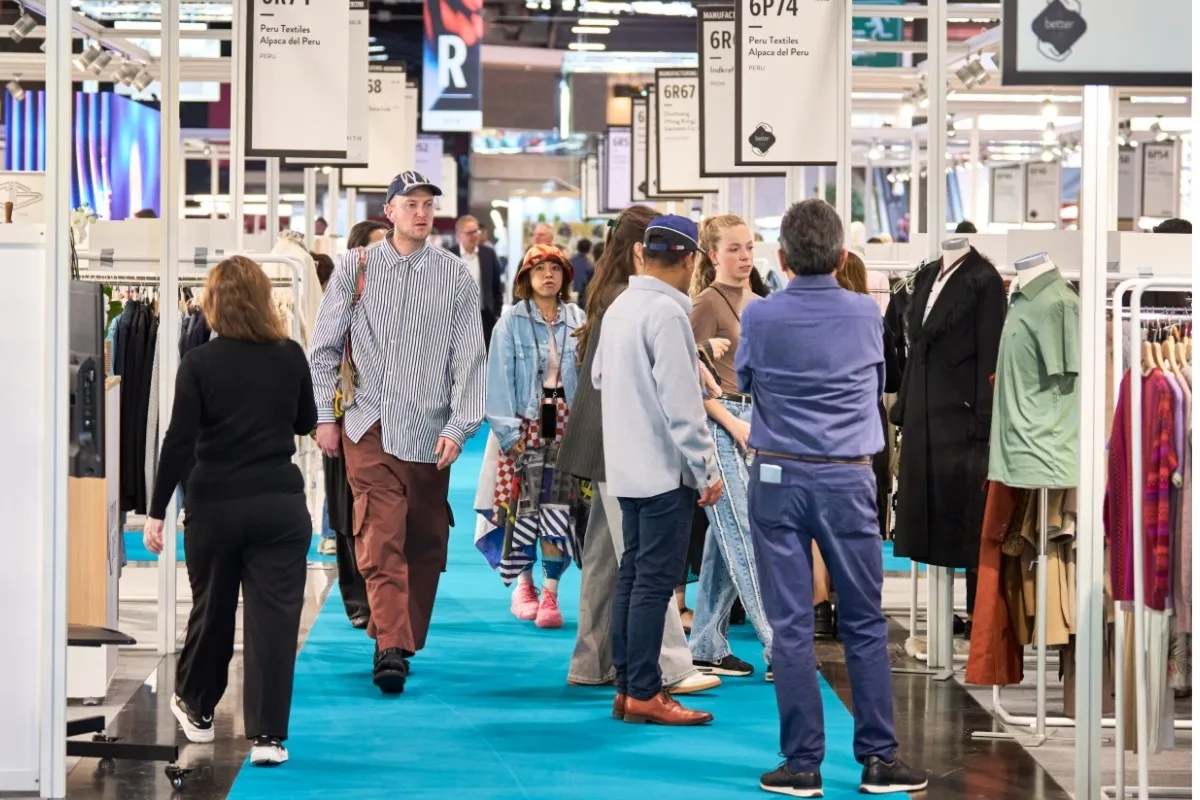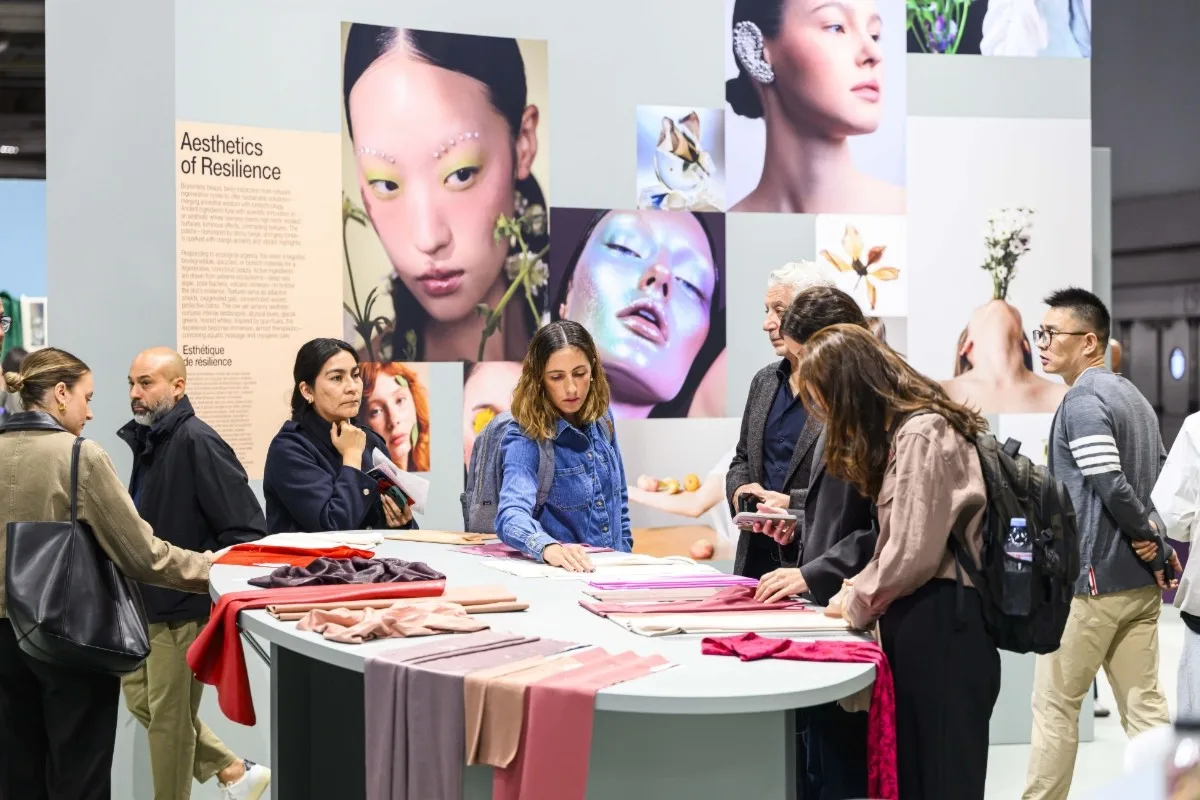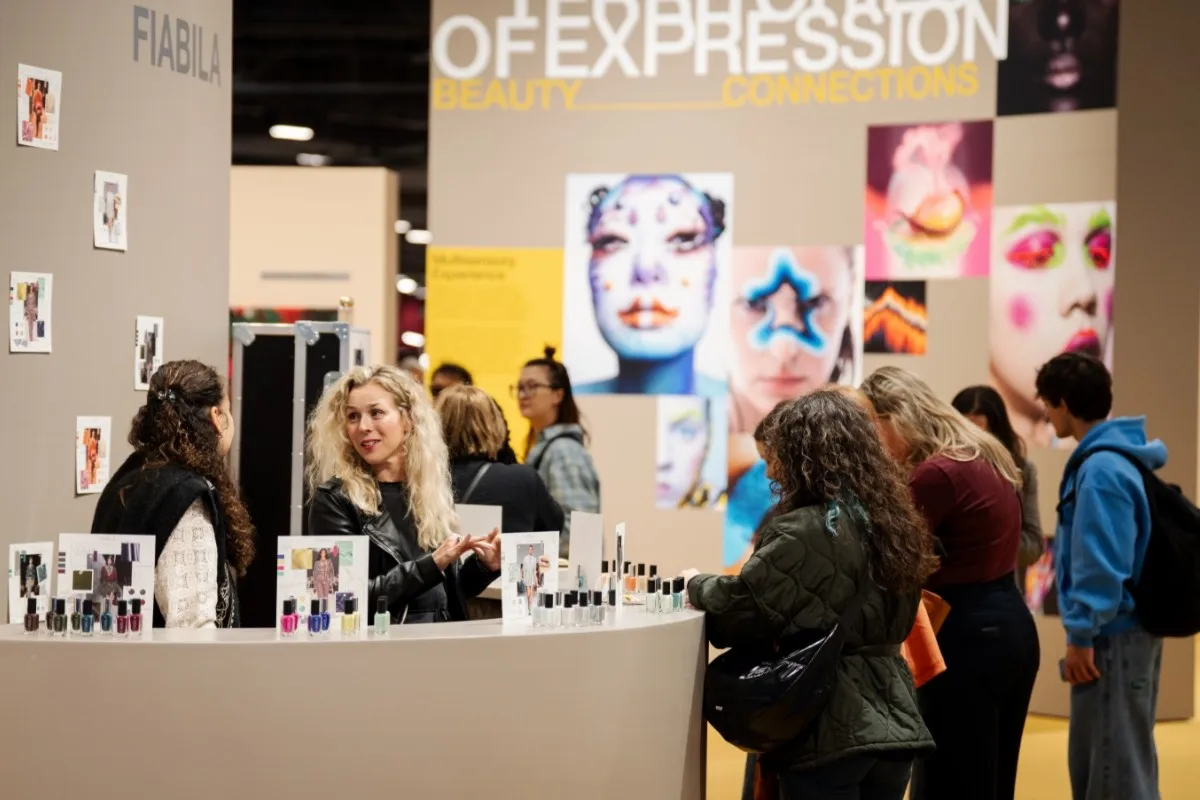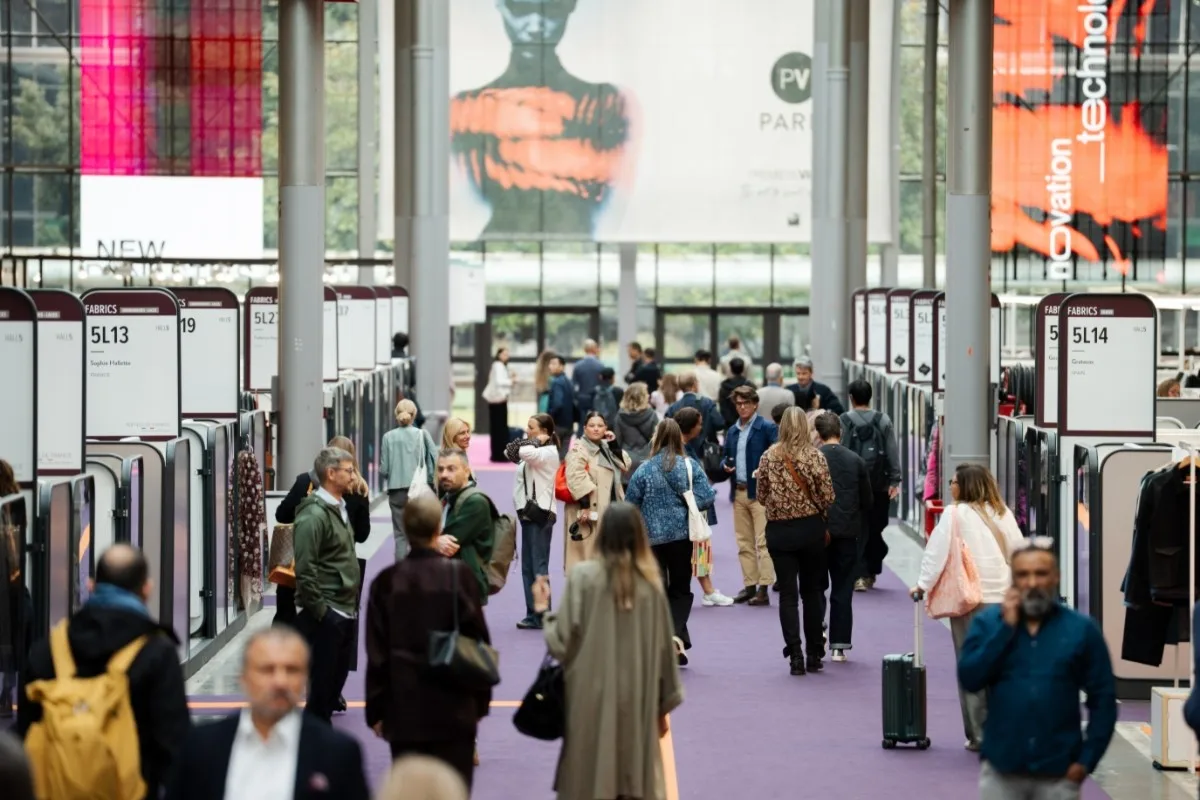
From February 3 to 5, Première Vision returns to Paris with an edition that looks closely at where fashion is actually made. This season, the focus turns to three territories with strong and very different textile identities: France, Japan, and Portugal, treating these countries as living environments where savoir-faire continues to evolve through people, places, and daily practice.
In a moment when global supply chains are being reconsidered and production models are under pressure, Première Vision proposes a shift in perspective. The February edition frames territories as sources of knowledge and continuity, places where memory and innovation move together. From Villepinte, the exhibition unfolds as a journey through textile cultures, inviting visitors to rethink scale, proximity, and the value of what already exists.
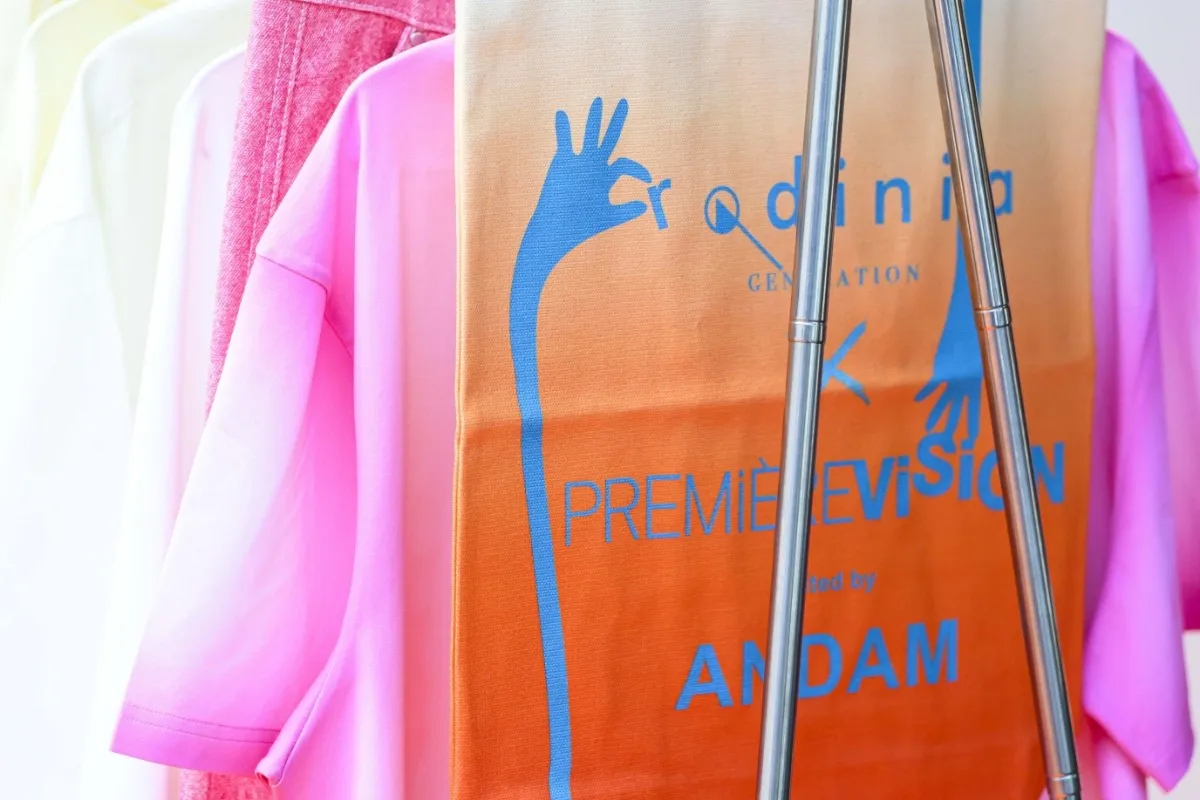
France appears as a territory shaped by contrast and constant reinvention. Deeply rooted in fashion history, it continues to nurture workshops, artisans, designers, and manufacturers within a dense creative ecosystem. Traditional techniques such as Leavers lace and embroidery from Calais and Caudry remain active today, while a new generation of creators challenges how these skills are used and understood. Paris plays a central role in this dynamic. Beyond couture houses and ateliers, the city brings together schools, museums, students, and emerging initiatives, creating a space where craftsmanship is continuously adapted and reinterpreted.
Portugal is presented as a territory built on commitment and long-term vision. Over the past years, it has developed a highly integrated textile ecosystem, particularly in the north of the country, where production clusters allow close control over the entire chain, from yarn to finished garment. Sustainability is not treated as an add-on but as a structural framework. Reduced water consumption, energy efficiency, short supply chains, and circular processes are part of everyday practice. Alongside this, manufacturers have invested in technology, digital traceability, and flexible production models, positioning Portugal as a key partner for designers working toward more responsible fashion.
Japan brings a different rhythm to the conversation. Its textile culture is shaped by a long relationship with nature and with time. Artisans work with natural and heritage fibres, revisiting techniques such as indigo dyeing, repair, knotting, and braiding. Objects are valued not only for their function but also for their presence, their ageing, and the marks left by use. From Kyoto to Osaka, traditional craft practices coexist with highly precise manufacturing, creating a balance between continuity and change. This approach continues to attract artisans and designers from around the world who are drawn to a slower, more attentive way of working with textiles.
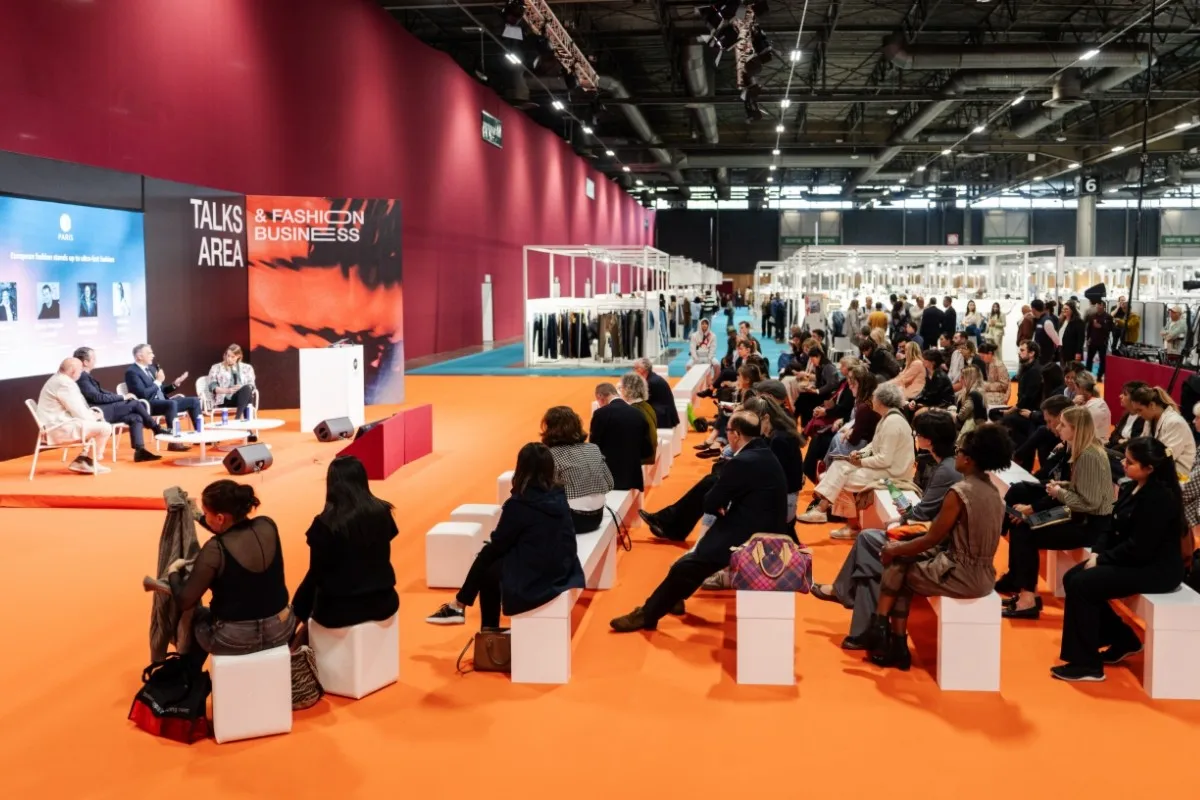
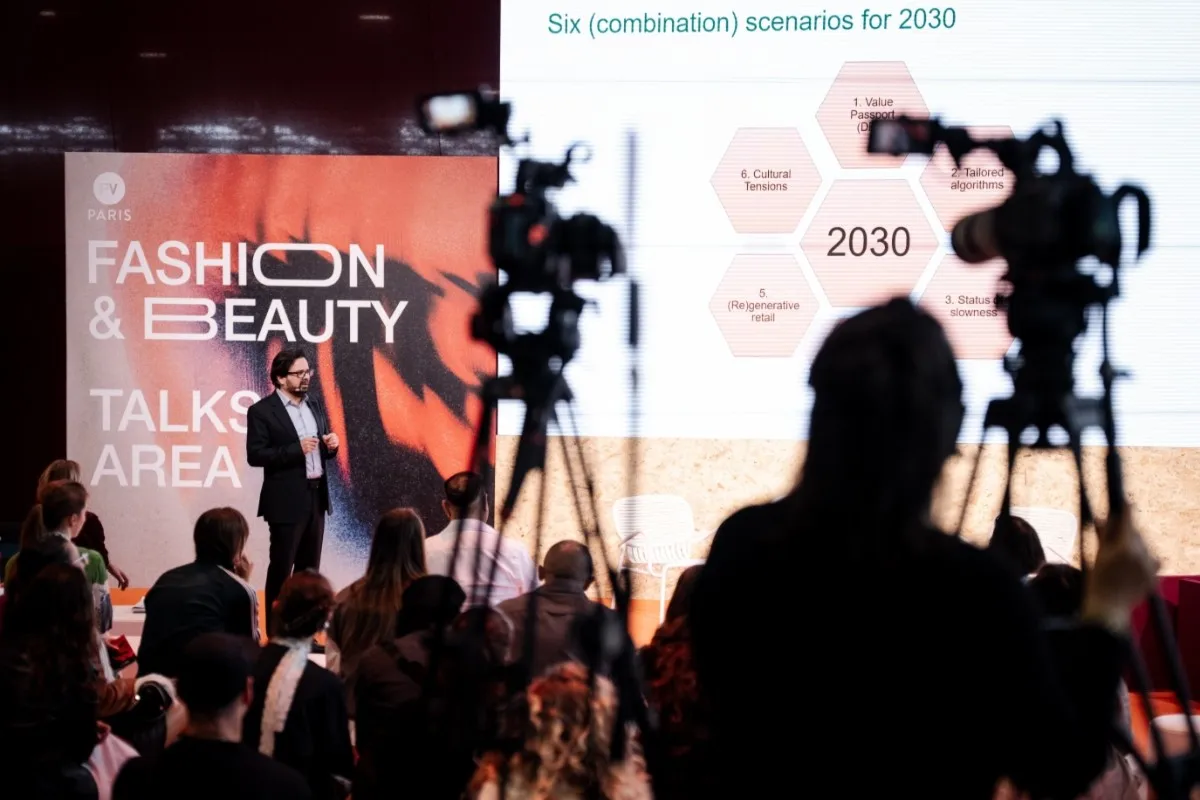
Across these three territories, Première Vision highlights savoir-faire as a human and cultural resource. Conferences, talks, and dedicated routes within the exhibition create space for dialogue, allowing different practices and perspectives to meet. The focus is not on celebrating craftsmanship as an idealised past but on understanding how it operates today and how it can shape what comes next. If you don’t want to miss the next edition of the fair, starting in less than a week, registration is now open.