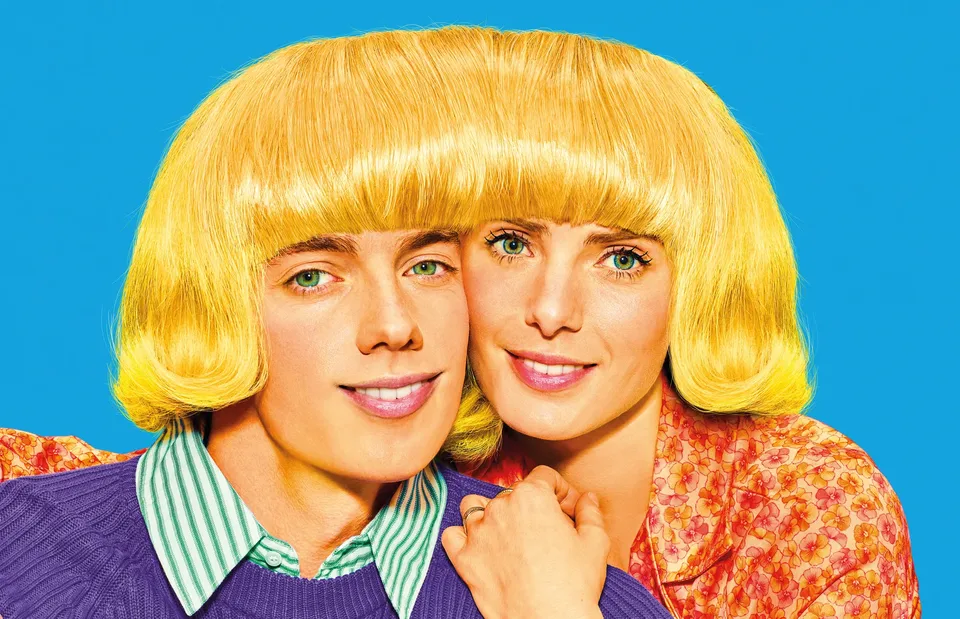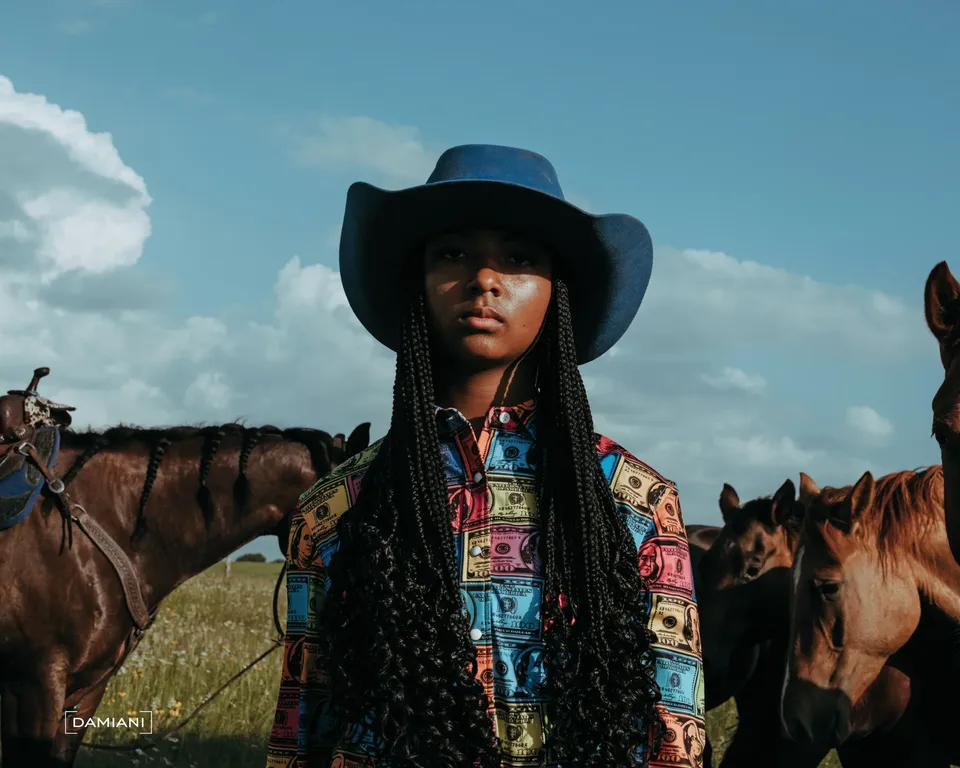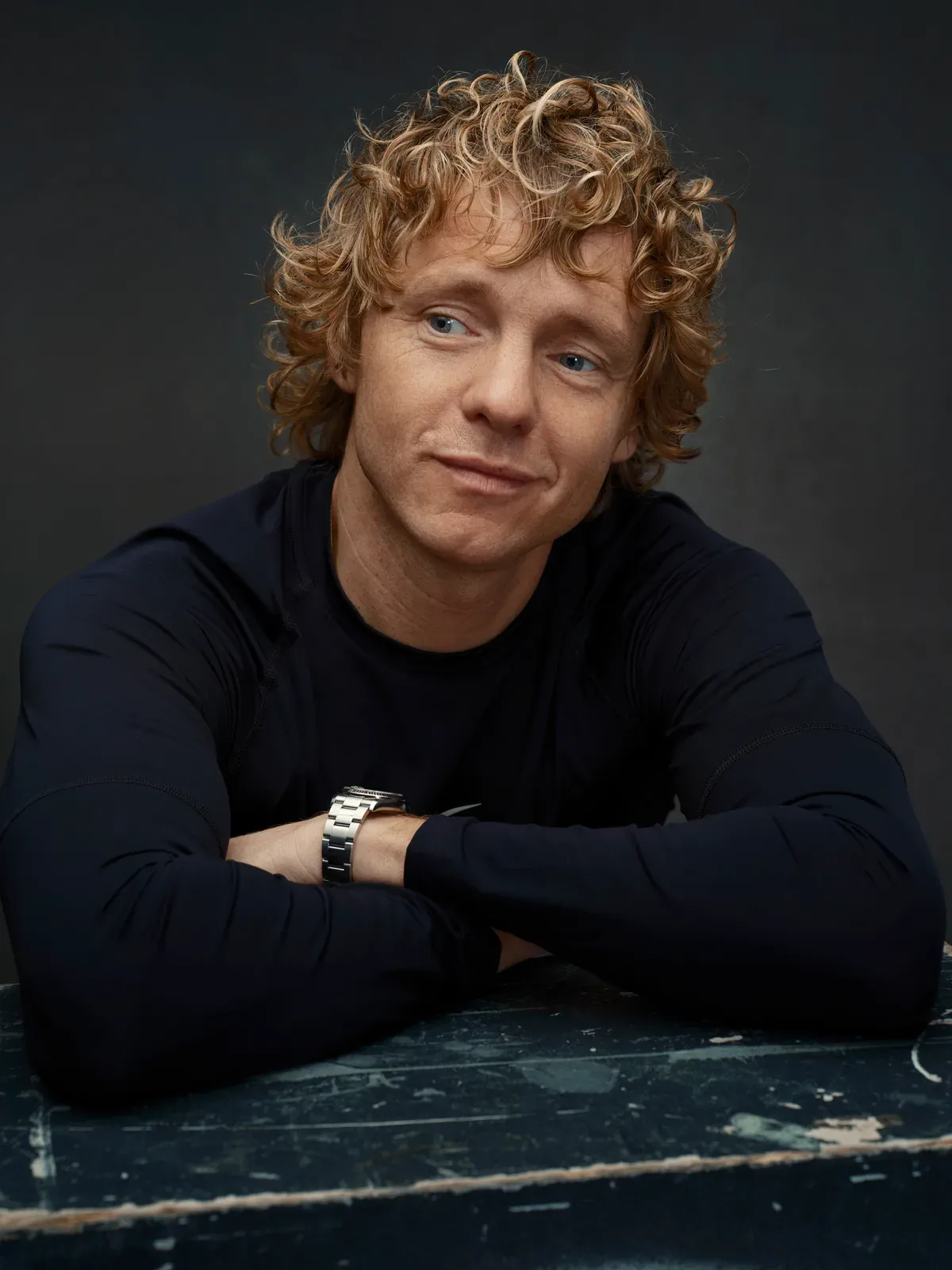
Every generation gets written off by the one before it. Pieter Henket, a Dutch photographer who grew up in a very different kind of world, never quite bought that. What began as Birds in New York, a series born from his fascination with young people who carried themselves with a rare, unforced freedom, eventually led him to Mexico City, where that same spirit felt charged with even greater weight.
The result is Birds of Mexico City, a photobook published by Damiani that moves through identity, culture, and visibility in a city of contradictions. We sit down with Henket to relive his shoots and development of the book, meet the people in it, and what it means to truly be seen. For those in NYC, he’ll be signing at Rizzoli Books on the 19th of May from 6pm, and his photos will also travel to Amsterdam’s Bildhalle Gallery from the 12th of June to the 8th of August.
You started Birds in New York during the pandemic. What were you actually seeing in young people that made you want to photograph them?
In 2018, I started noticing something. When older people talked about the new generation, it was often dismissive. They would say young people weren’t interesting anymore. But what I kept seeing was the opposite. I met young people who were very present. Free in how they expressed themselves. They weren’t trying to fit into a group or a label. Everyone felt very much like their own person. The way they dressed, the way they carried themselves, it didn’t feel forced. That stayed with me. It also made me think about my own youth. I grew up in the south of the Netherlands in a much more structured environment. There were clear ideas of how you were supposed to be, especially as a young man. And I followed those rules. So, when I started meeting this generation, I recognised something I didn’t have at their age. That’s what made me want to photograph them. At the time, I was in New York, so that’s where it began.
Why did you start calling them birds?
It came quite naturally. I kept looking at them and thinking, they feel like birds. Not in a literal way, but in how they move through the world. There’s a lightness, a kind of independence. They don’t ask for permission in the same way. They just are. At the same time, there’s also something vulnerable about it. Being that open, that visible, it also means you can be judged or misunderstood. The word birds held both for me. The freedom, but also the fragility.
What brought you to Mexico City, and when did you realise this had to be its own book and not just a continuation of the New York work?
I’ve always had a deep connection to Mexico. I love the people, the culture, the colours, the creativity, the light. Every time I was there, I kept meeting young people who I was so inspired by. I saw young people in a city full of machismo being themselves. That’s when I connected with Chino Castilla and we started creating. On the first day, I photographed a young woman called Ixchel Paz. She’s a full-figured woman, incredibly present, wearing a lucha libre mask. I placed her very still in the space, and she held herself with this quiet power. The mask is such a strong symbol of masculinity, and she was completely claiming it as her own. I remember taking that portrait and getting that feeling you get as an artist when you know you created something special. After that, we decided to come back and do a second round, much bigger. That’s when it started to grow into a series, with the idea that maybe one day it could become a book.
You financed the project entirely through Boom Productions, your own company. How did that change the kind of book this became?
Financing it through Boom Productions meant we could build it exactly the way we wanted. Boom Productions is used to producing at a high level, so we brought that same level of care into this project. It gave us independence. We could take our time, work with the right people, and really support the team behind it. That was important to me, that the process itself felt strong and respectful for everyone involved. At the same time, it’s a project with a bigger life. I’m very open to collaborating with partners or institutions who connect to the work and want to help bring it to a wider audience.
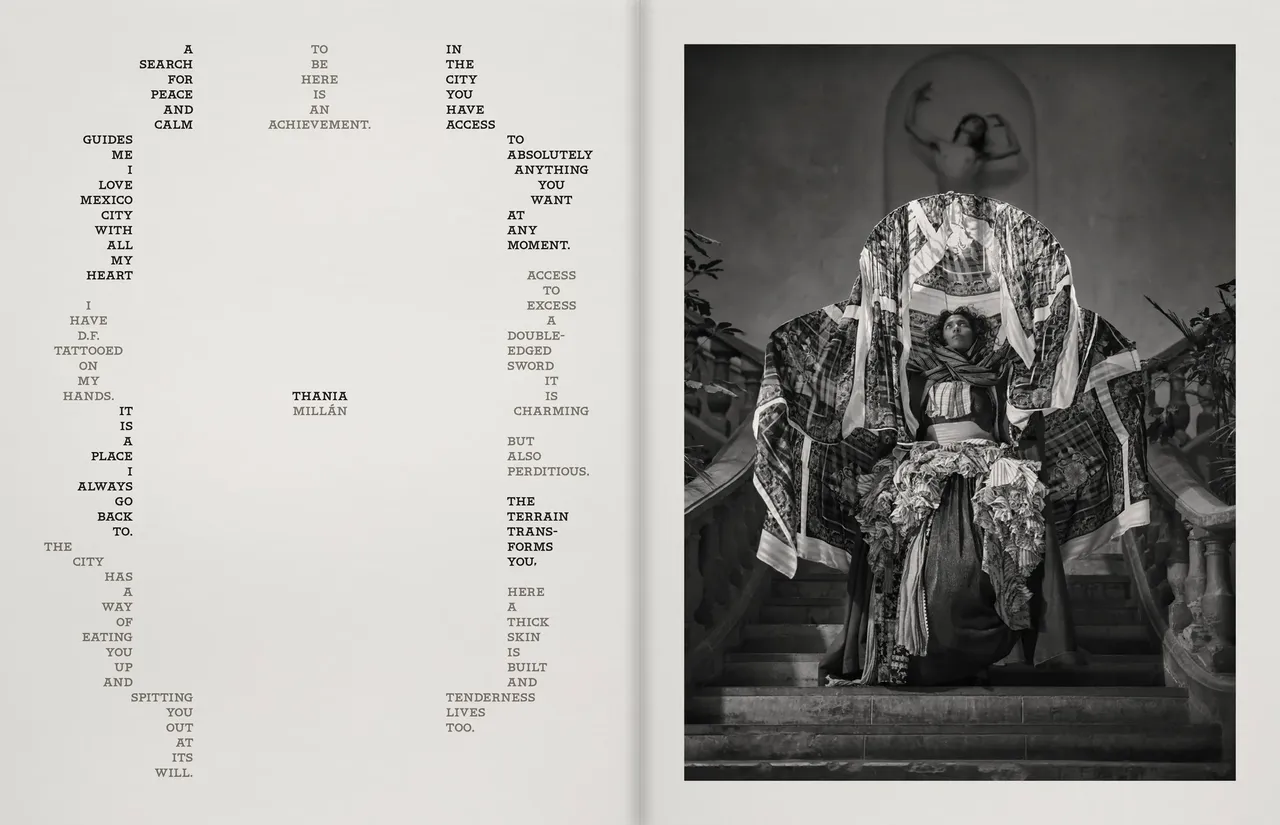
Clothing carries a lot of the dialogue in these portraits. How did you meet Chino, and how did the two of you build your way of working?
I met Chino on that first trip to Mexico City, and it clicked quickly. We were looking at things in a similar way. From the start it wasn’t about styling in the usual sense. The clothing really comes out of Chino and his team’s own world. Their references, their culture, their experiences. That’s what shapes it. We were in constant dialogue, all of us. Looking at the person together, talking, making things, adjusting. It was very much built together in the moment. There was a whole team working for weeks on building the pieces. A lot of it was made from scratch. For me, the clothing and the person are always connected. It doesn’t feel like something added on top. It comes from the same place.
How did the casting work? How did you find your birds?
For the first round I did it together with Saúl Escalante. We would find people in parks, through friends, through Chino and his team, or people they had worked with before. For the second round we linked up with our friends at Momoroom, who helped us find amazing birds. Some are dancers, models, performers, creatives, and sometimes it’s just someone you meet, like a guy selling lollipops in the park. What connects them is that sense of freedom. When I would meet someone like that, you could feel it right away.
You’ve talked about how in Mexico City, the freedom to express yourself openly still carries real weight, and that for some of the people you photographed, simply being seen is already brave. Did any of them open up to you about what that costs them?
People would talk quite openly. One trans woman I photographed is an incredibly talented artist. She told me how hard it is for her to get work, simply because she’s trans. And just moving through the city, she has to think about her safety in a way most people don’t. Mexico City can feel very open, but at the same time there are still real risks, especially for trans women. You feel that when you talk to people. That’s part of the reality around the work.
Lucha libre masks, the Xolo, lace, religious symbols. How did you go about weaving Mexico into the visual world of the book?
It was never about bringing Mexico in from the outside. It was already there. All those elements come from the people we were working with, from Chino and his team, from their world. The lucha libre mask, religious symbols, lace, the Xolo, these are things that are part of their world. Not as decoration, but as something lived. Things that carry meaning, history, identity. Some of it came very naturally, and some of it we chose more consciously. But it always came from the same place. From conversations, from what people brought in, what felt right.
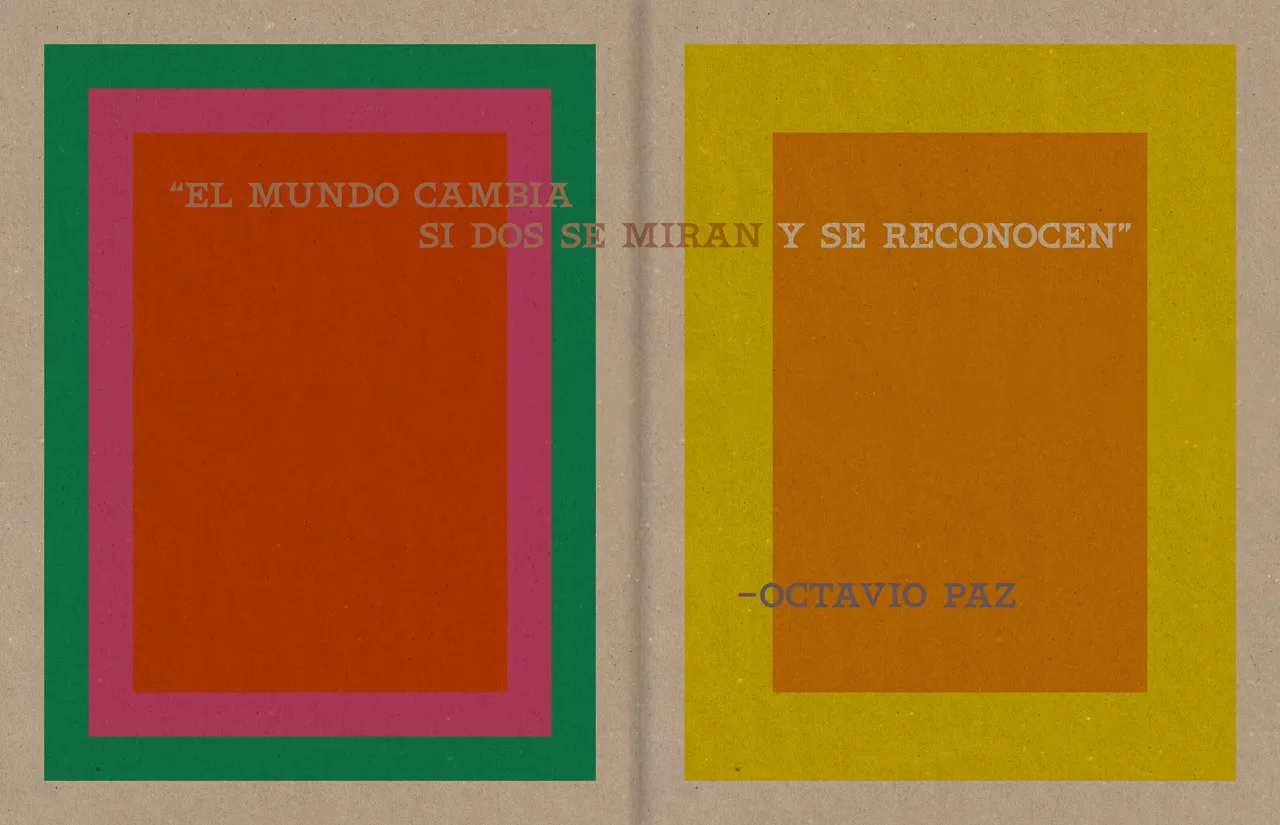
Every portrait feels different, but there’s a clear thread tying them together. What is that thread for you, and did you have it from the start or did it build itself as you went?
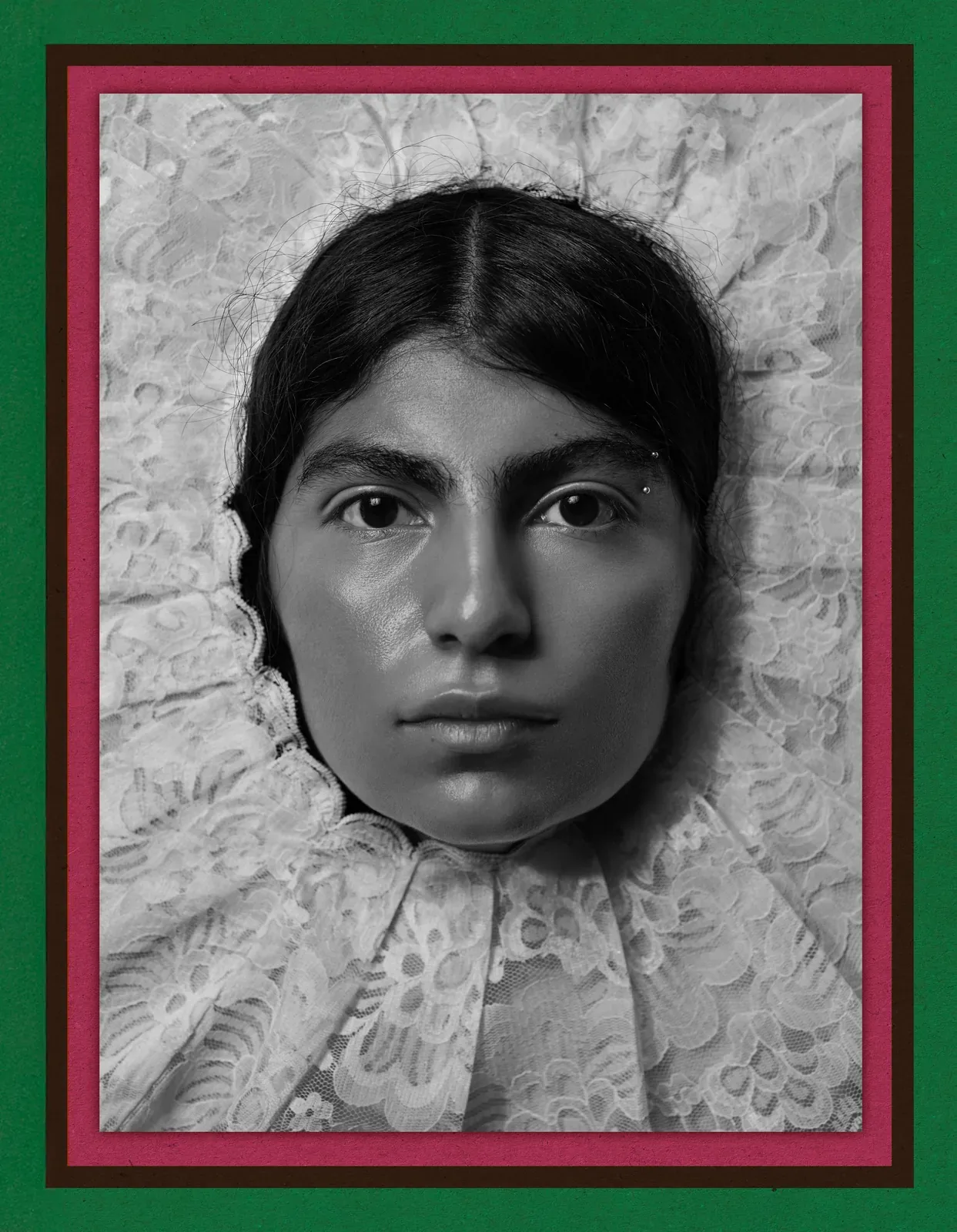
For me the thread is the person. Everything is built around that. The images are all quite different, but the way I photograph them stays consistent. I place people in a very controlled space, very minimal. Even when someone is moving or dancing, it still holds a kind of stillness because of that space. There’s not much distraction, so your attention goes straight to the person. The face, the eyes and how they carry themselves. When I start a series, I try to find that language and when I know I have it, I build on it.
Almost every image in the book is in black and white. In such a colourful country like Mexico, why did you choose this style?
Mexico is incredibly rich in colour, and that’s exactly why I chose to work in black and white. There’s so much happening in the clothing, in the references, in the people themselves. If I added colour on top of that, it becomes a different kind of image. Black and white simplifies it. It brings everything back to the person.
The poems by Renata Juárez have an amazing visual composition. How did that treatment of the text come about in your book?
I had some really beautiful meetings with Renata. We talked a lot about the project. Then she would disappear for a while and come back with poems. That was her way of working. She also spent time with the birds themselves, talking with them, and from there started shaping texts together. So, it wasn’t something fixed from the start. It grew over time, in her own rhythm.
The book is split into three parts: The Divine Feminine, The Masculine, and Mexican Culture and Artifacts. Tell us more about it.
That structure really came from working with Justin Gaspar, the book’s editor and writer of the chapters. We had all the images and the poetry, but they were still open. Justin came in and started spending real time with them. He saw connections we were not naming yet. The presence of the feminine, masculinity, cultural symbols, how all of that moves through the work. A lot of that comes from his own background. He grew up queer, Filipino American, within a Catholic tradition, so he connects to ritual, symbolism, those kinds of layers in a very personal way. From there he began grouping the images. The Divine Feminine, the Masculine, and Mexican Culture and Artifacts. That’s how the structure came together.
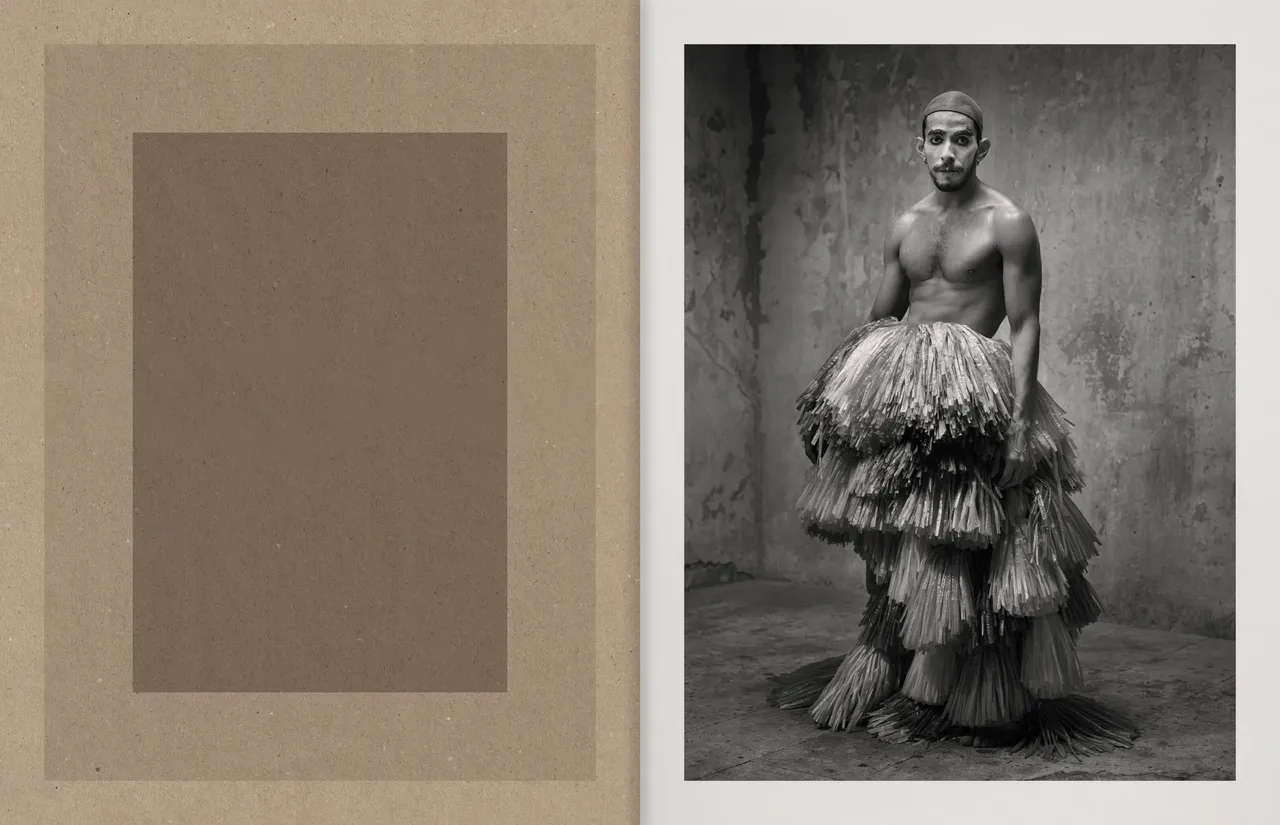
The cover hits hard, deep green and red around a black and white portrait. Where did that palette come from?
The starting point was Mexico City itself. I was very interested in the concrete there, the buildings, the way colour sits on those surfaces. Especially the work of Luis Barragán, and how those colours fade over time because of the light and the pollution. I wanted the book to carry that feeling. I brought that to Odilon Coutarel, and then we went into a long process together. Endless conversations, late nights, really building it step by step. Odilon is a true artist. The way he thinks, the way he works, it’s very precise but also very free. He pushed the idea much further. He started to see the book as a physical object, almost like a concrete block. And the colour being used very deliberately, framing the images rather than competing with them.
Your father wrote the epilogue. How did that come about?
This is something Justin Gaspar came with. He suggested bringing in someone from outside the project, someone from a different generation, to look at the work and respond to it. My father Hubert-Jan Henket has always been a mentor to me. He’s eighty-six, has travelled the world, and has a deep understanding of different cultures. In my opinion he is one of the wisest people I know, always curious and open-minded. I’ve always wanted to collaborate with him, so when Justin proposed it, it felt right. He comes to the work with a completely different perspective. A bit more distance. For me, this project is very close to my heart, so having my father be part of it means a lot.
Have any of the birds seen the book yet? What did they say?
Some have seen it, but the book is still being released as we speak. From what I’ve heard so far, they like it.
If you had to pick one portrait from the book that holds everything Birds of Mexico City is about, which one would it be?
It would be Ixchel. There’s something very direct about that image. The way she stands, the stillness, the presence. And then the lucha libre mask. A symbol that’s so strongly connected to masculinity, and she takes it and makes it her own without hesitation. For me, that image holds a lot of what the work is about.
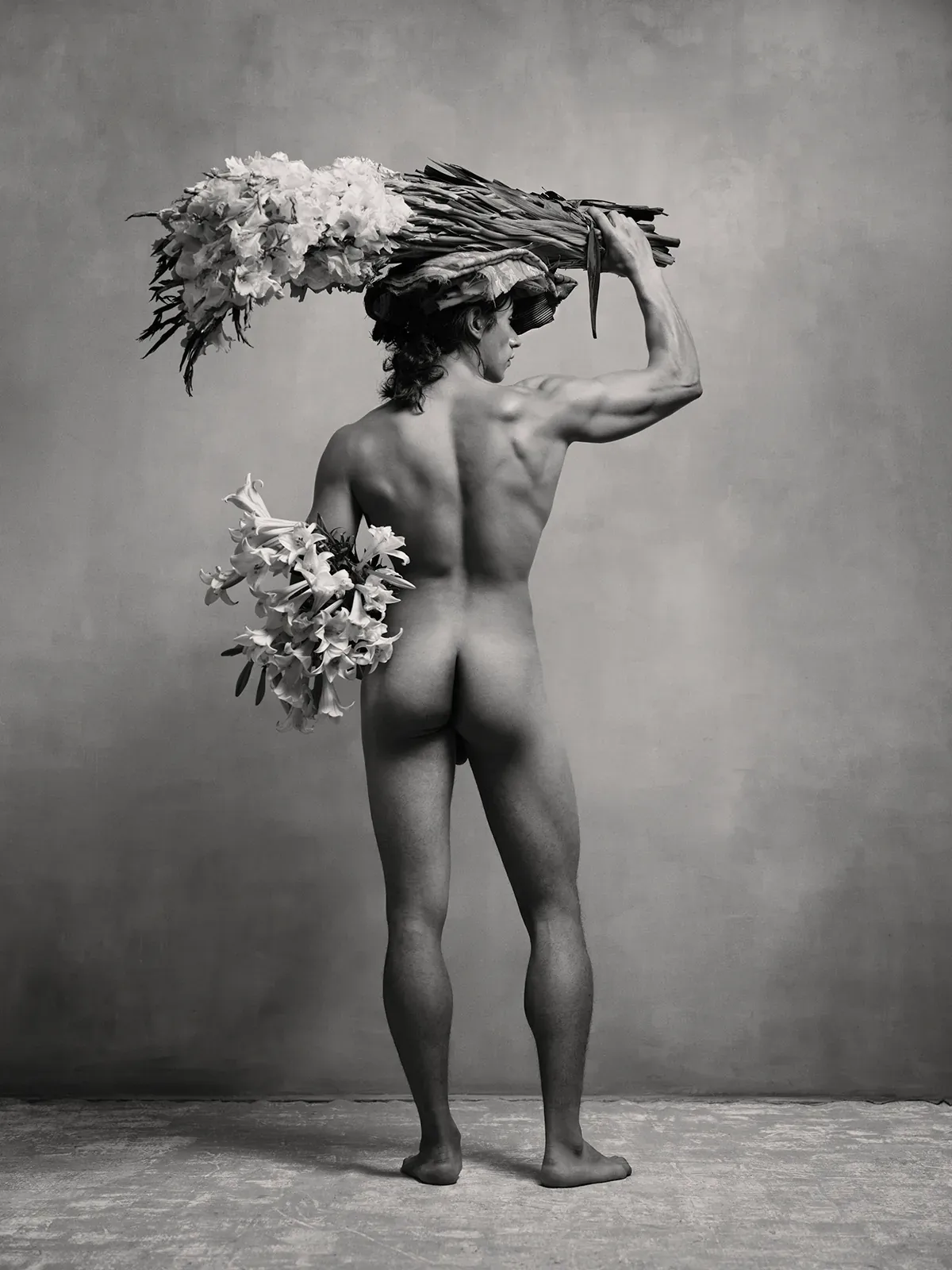
Abel, 2021 © Pieter Henket
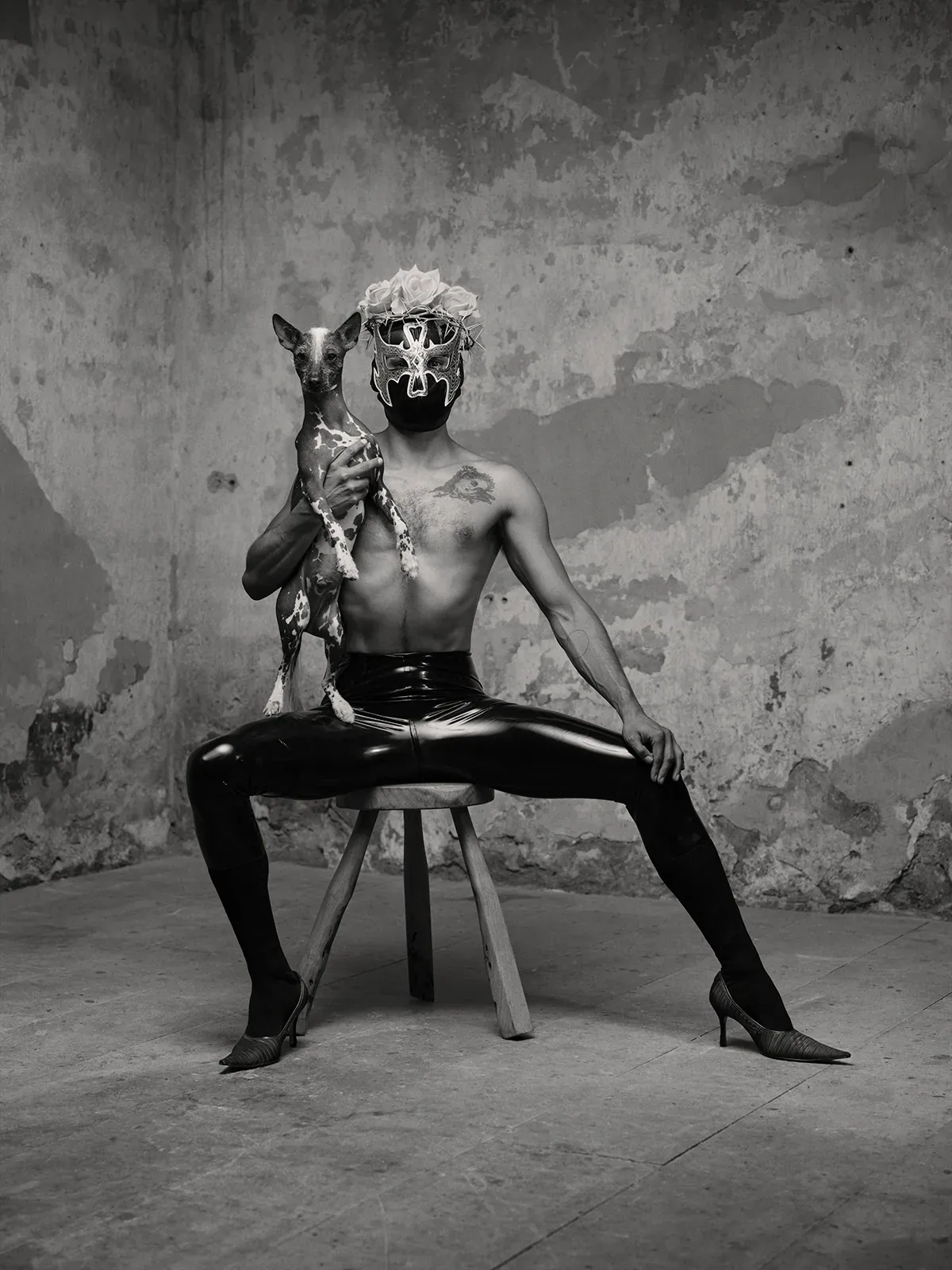
Chisme, 2021 © Pieter Henket
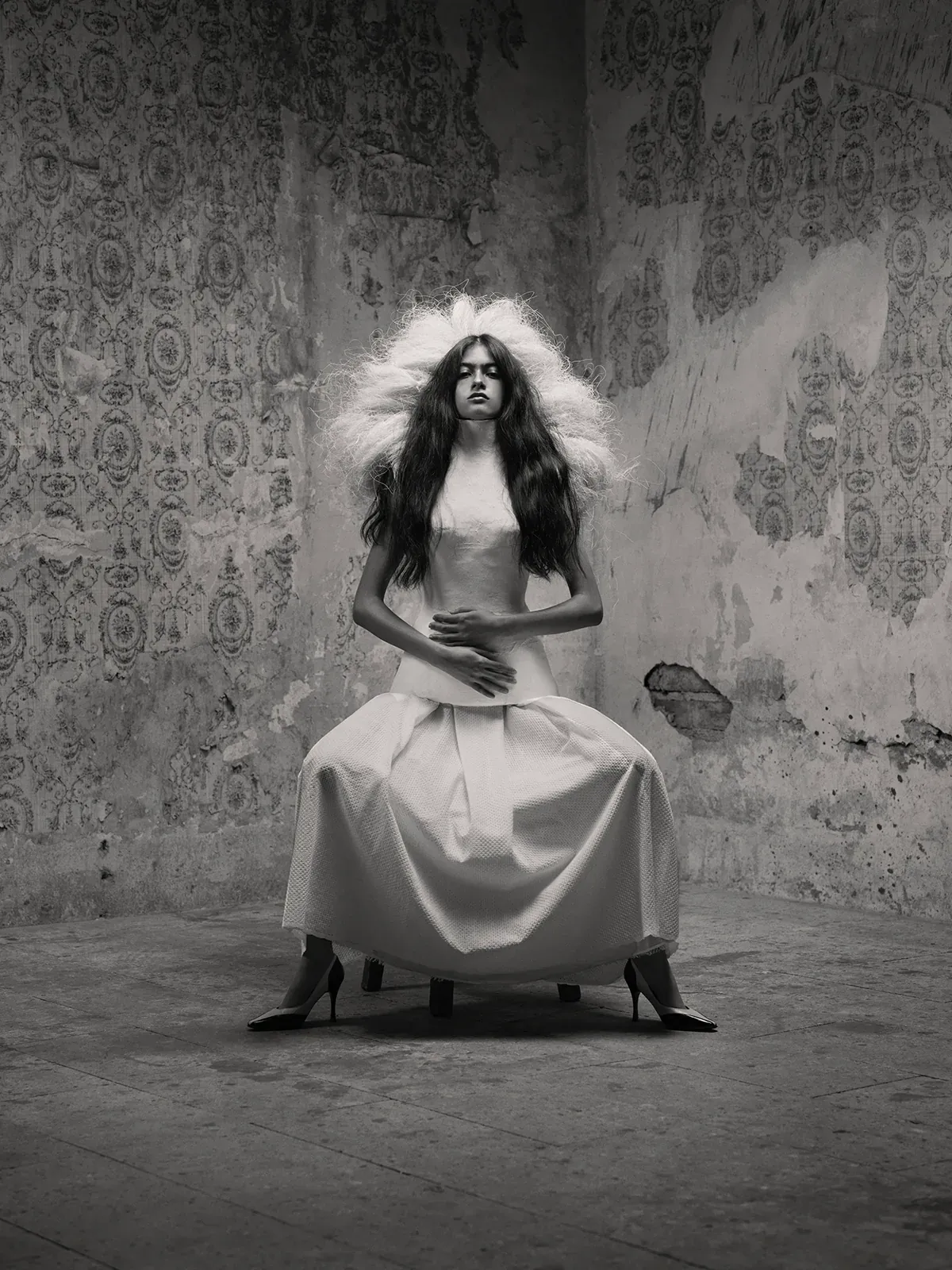
Confinamiento, 2021 © Pieter Henket
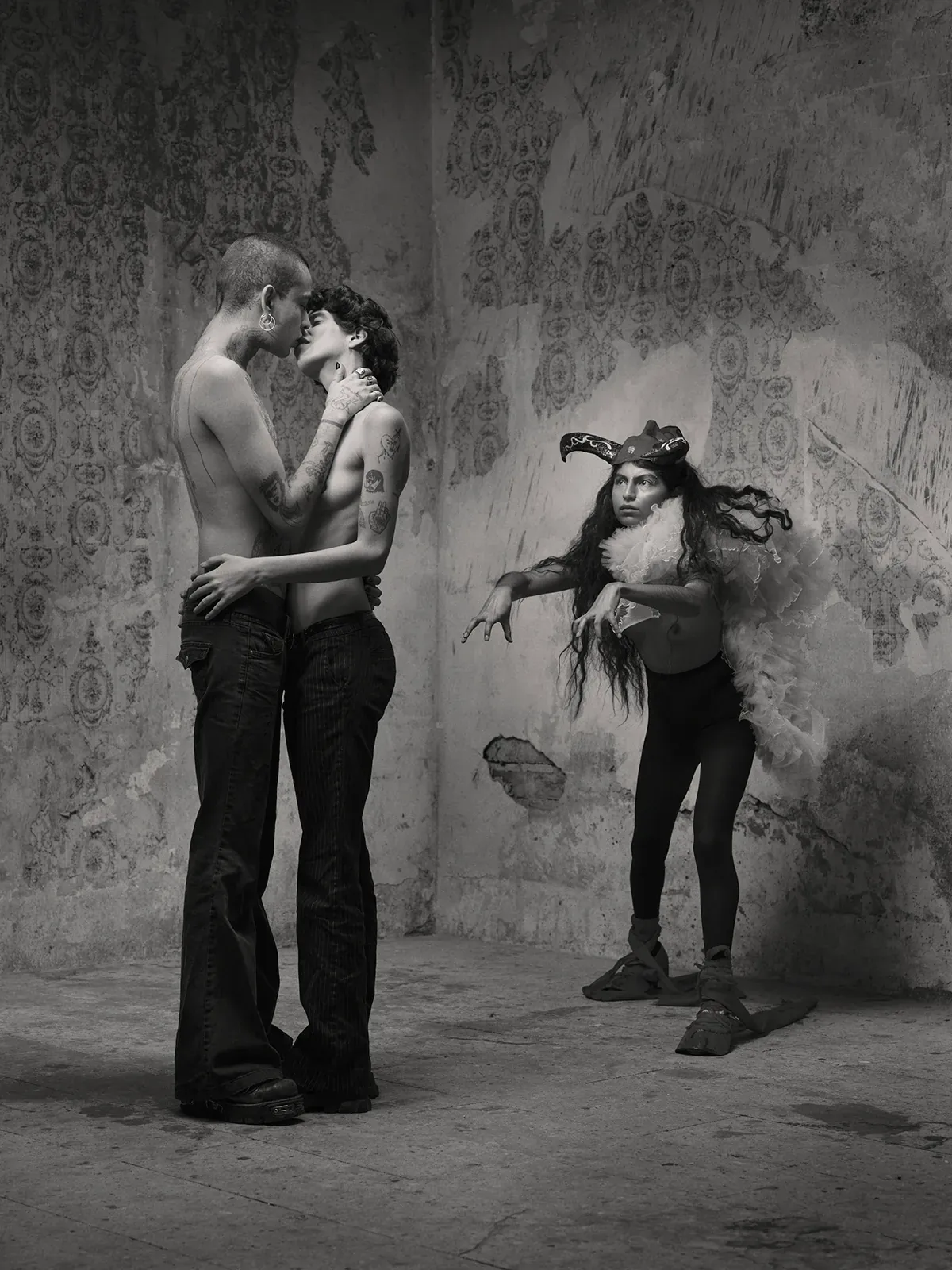
El Cuerno, 2021 © Pieter Henket
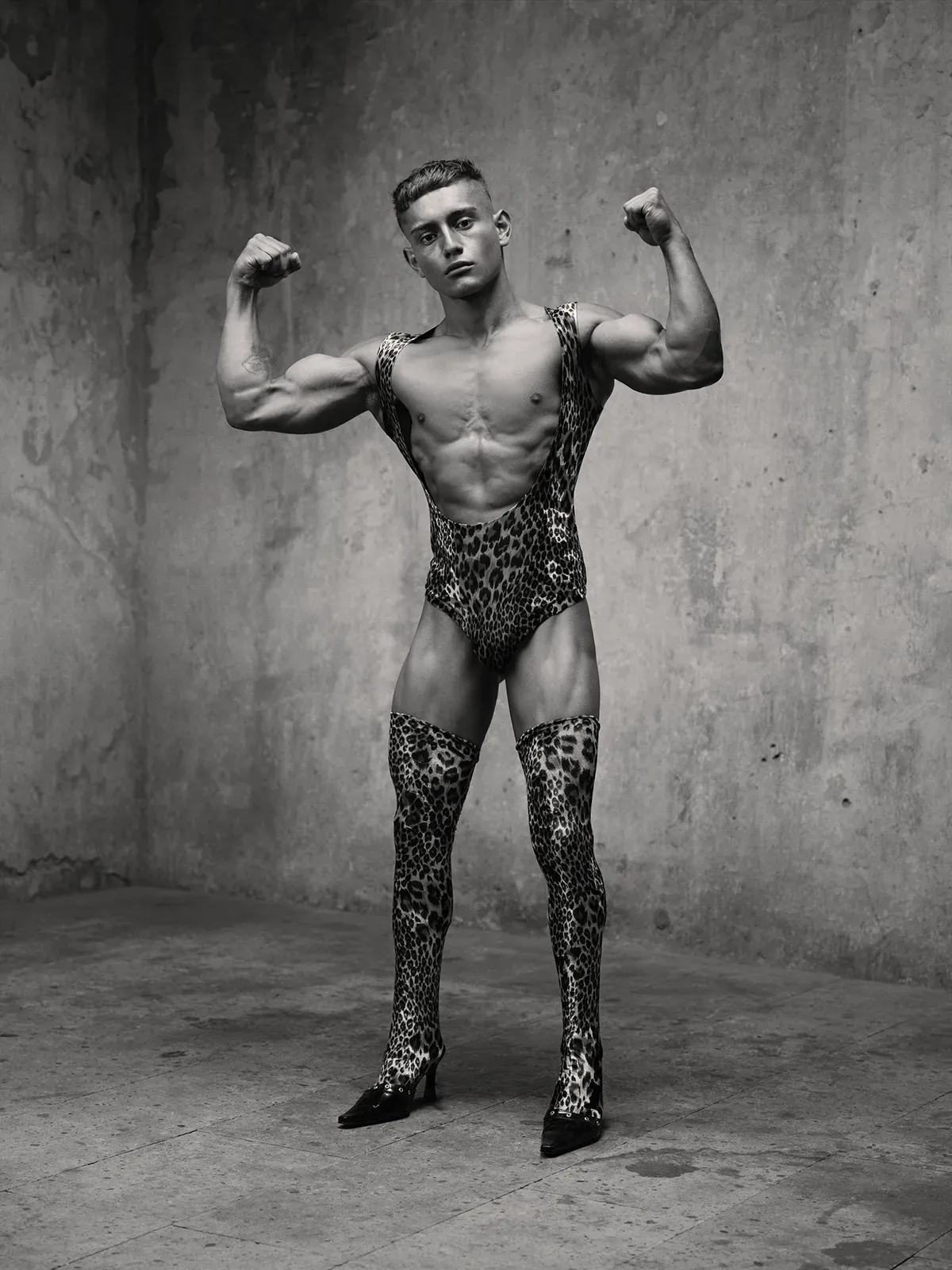
Fuerza, 2021 © Pieter Henket
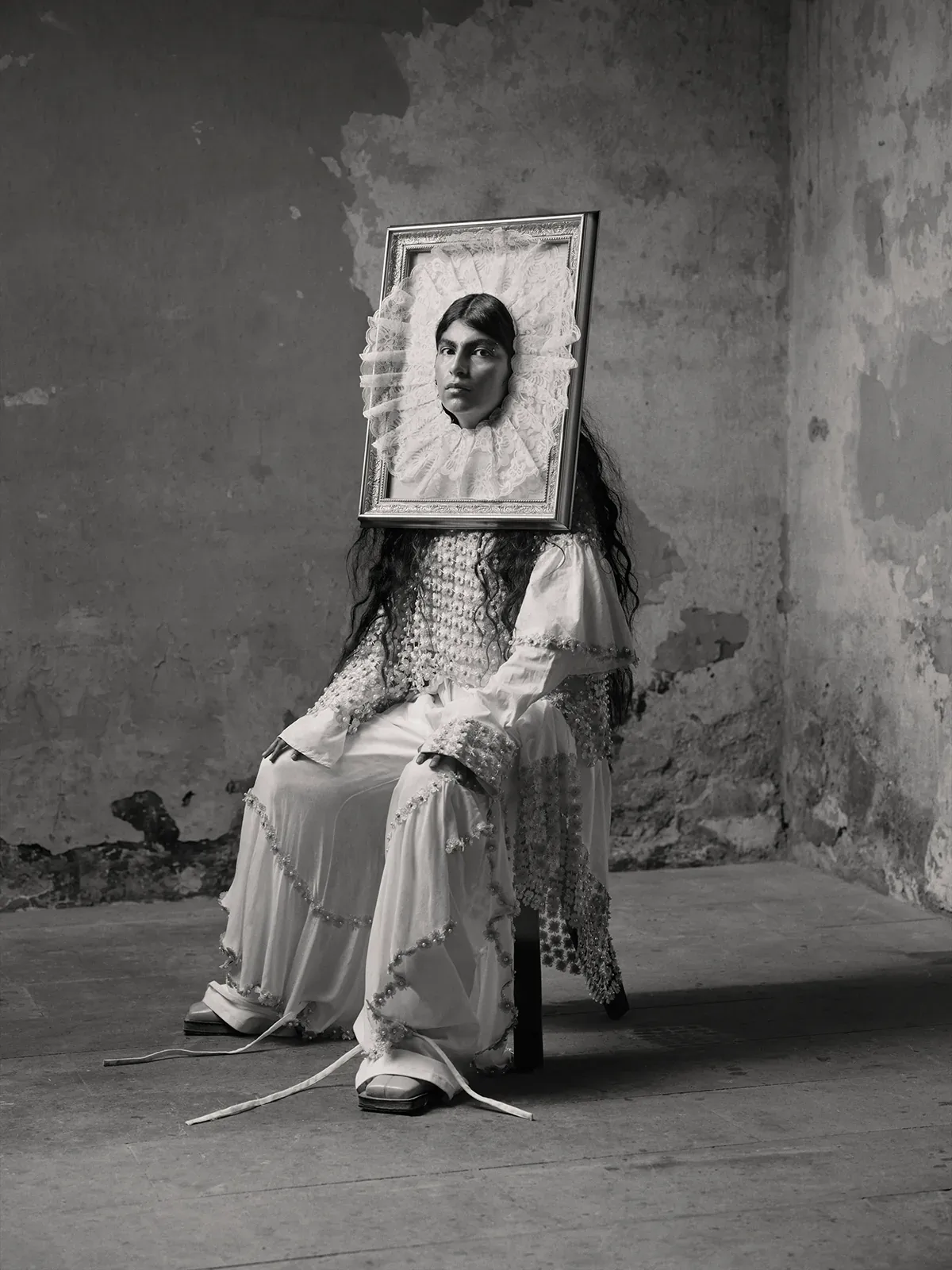
Flor de Mayo, 2021 © Pieter Henket
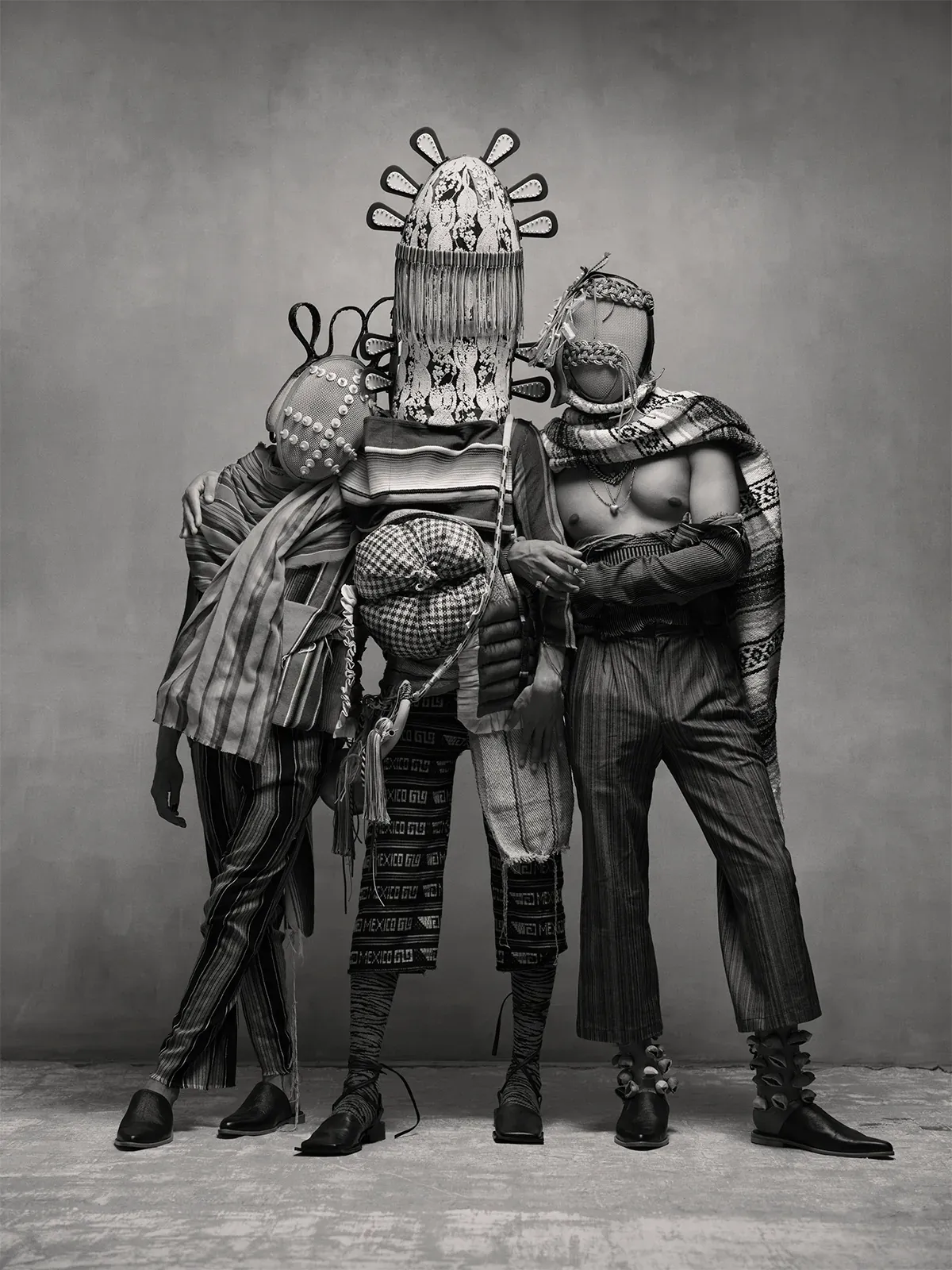
La Familia, 2021 © Pieter Henket
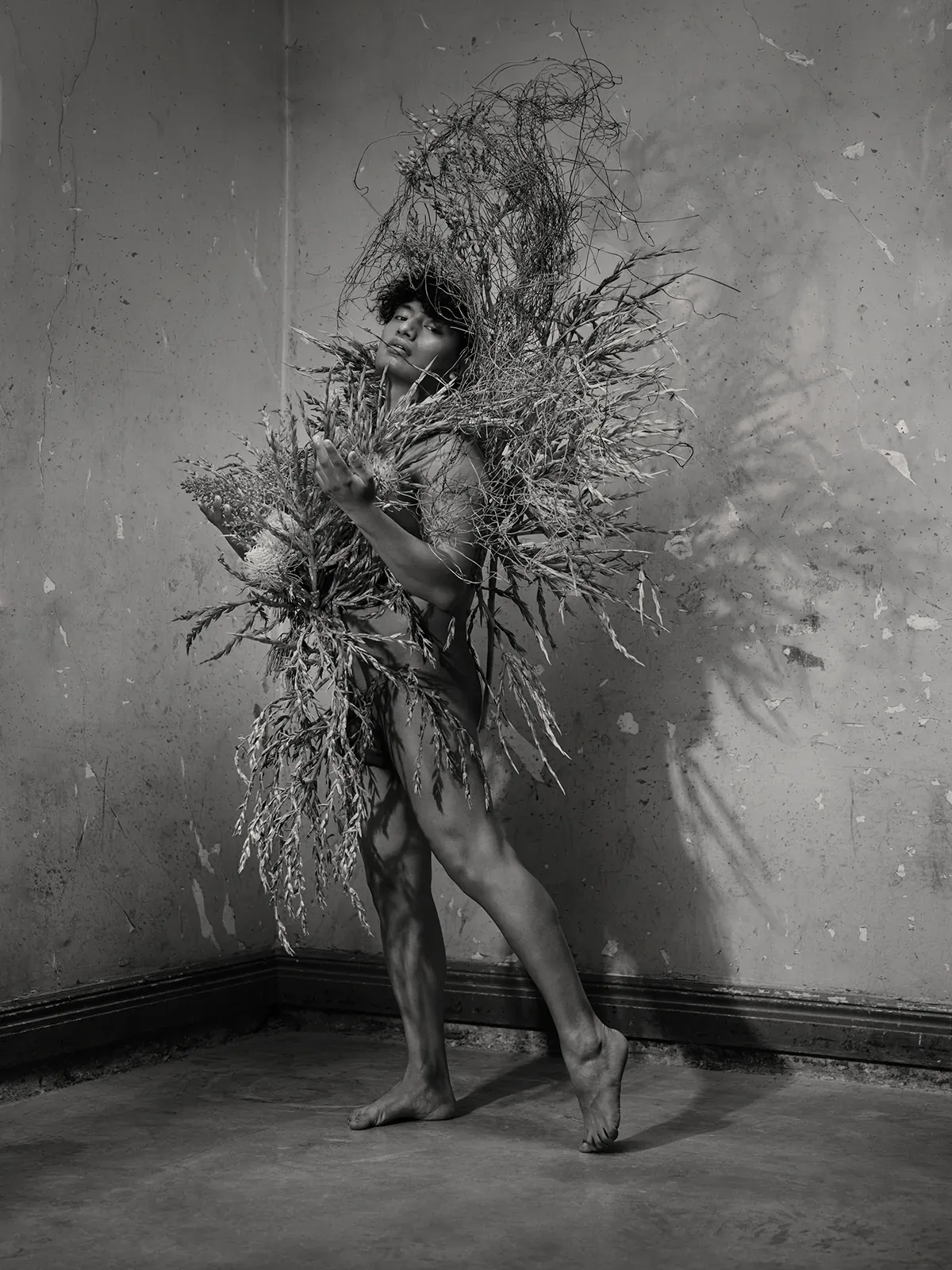
La Raizl, 2021 © Pieter Henket
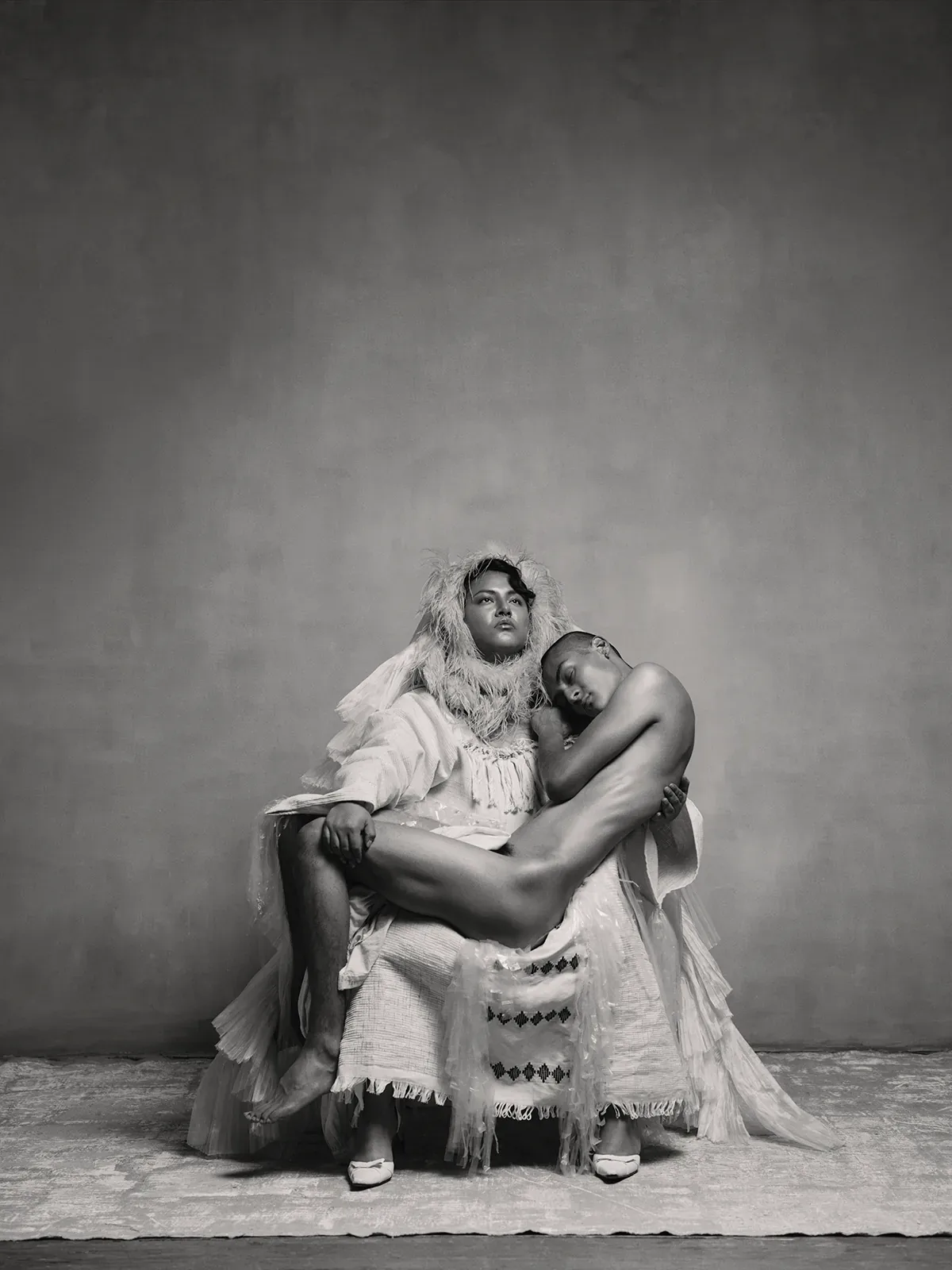
La Madre, 2021 © Pieter Henket
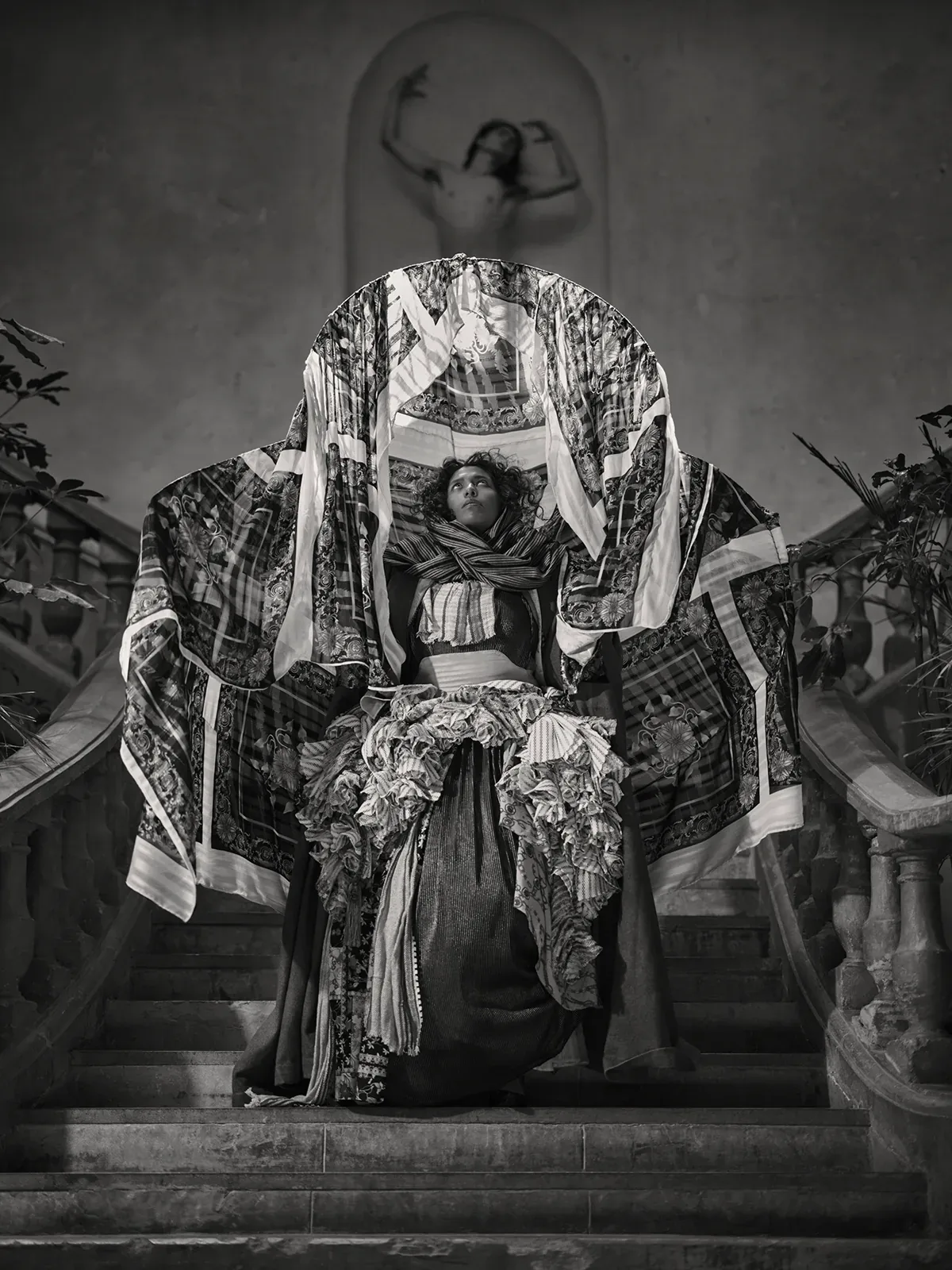
Tatuajes ocultos, 2021 © Pieter Henket