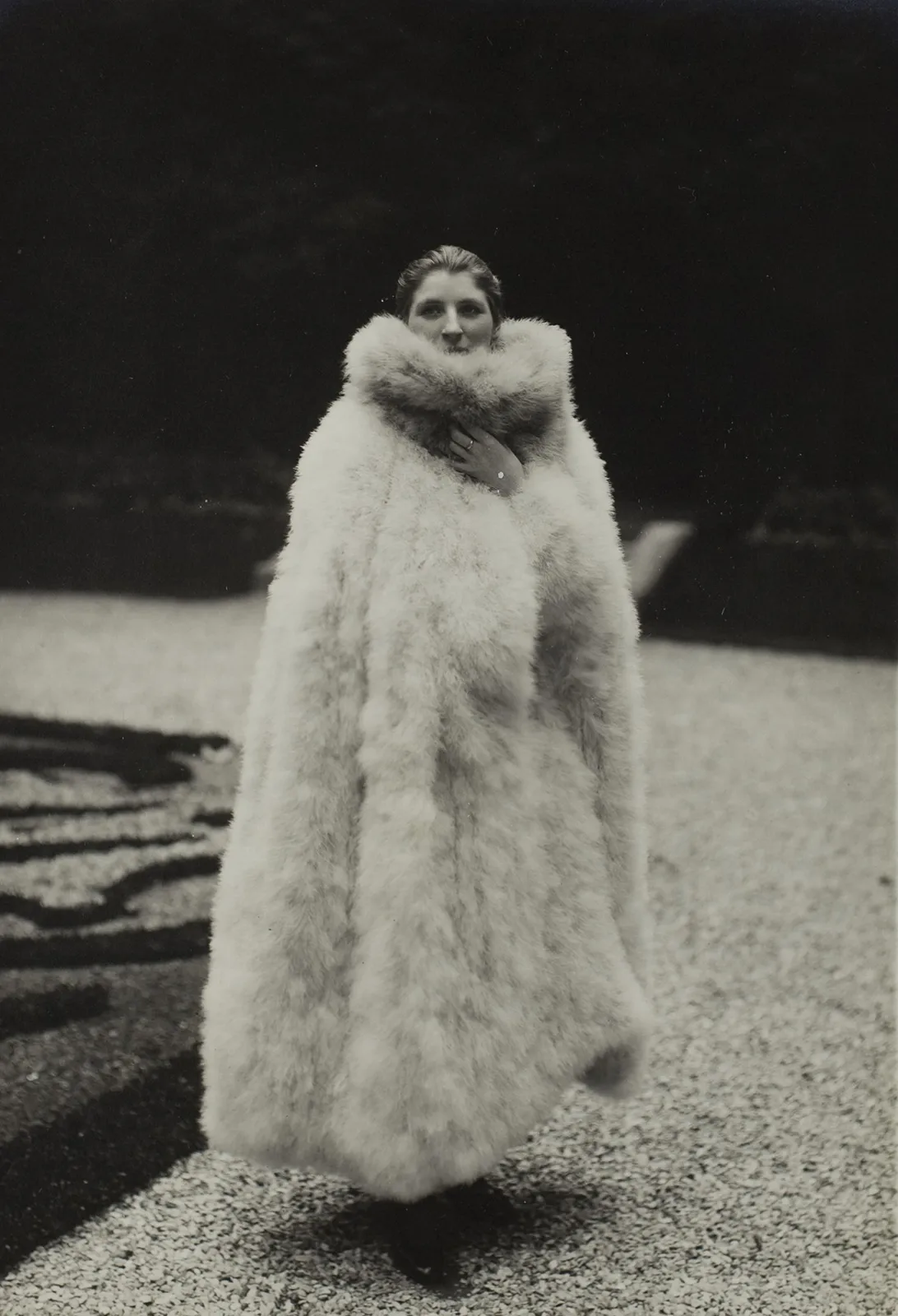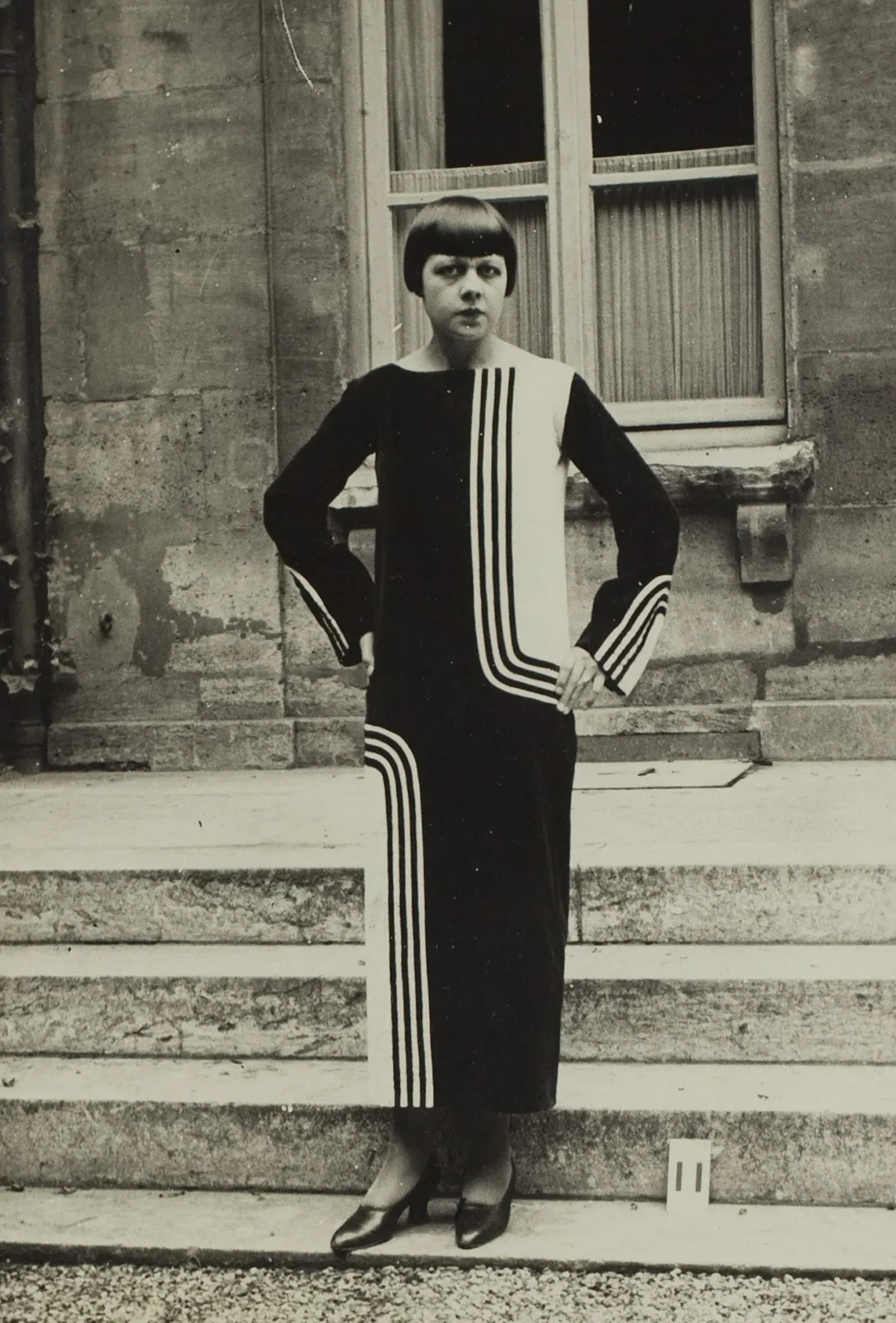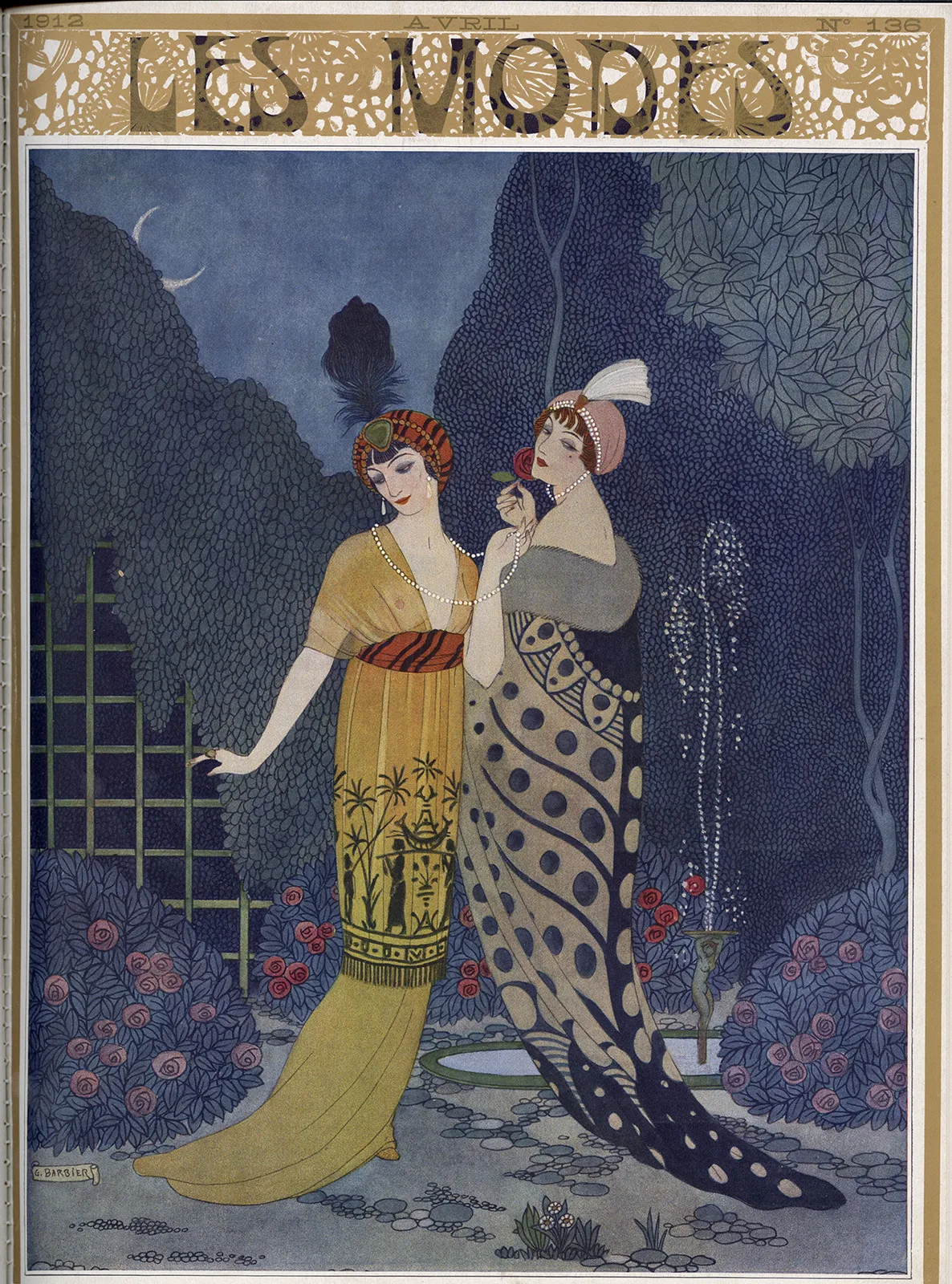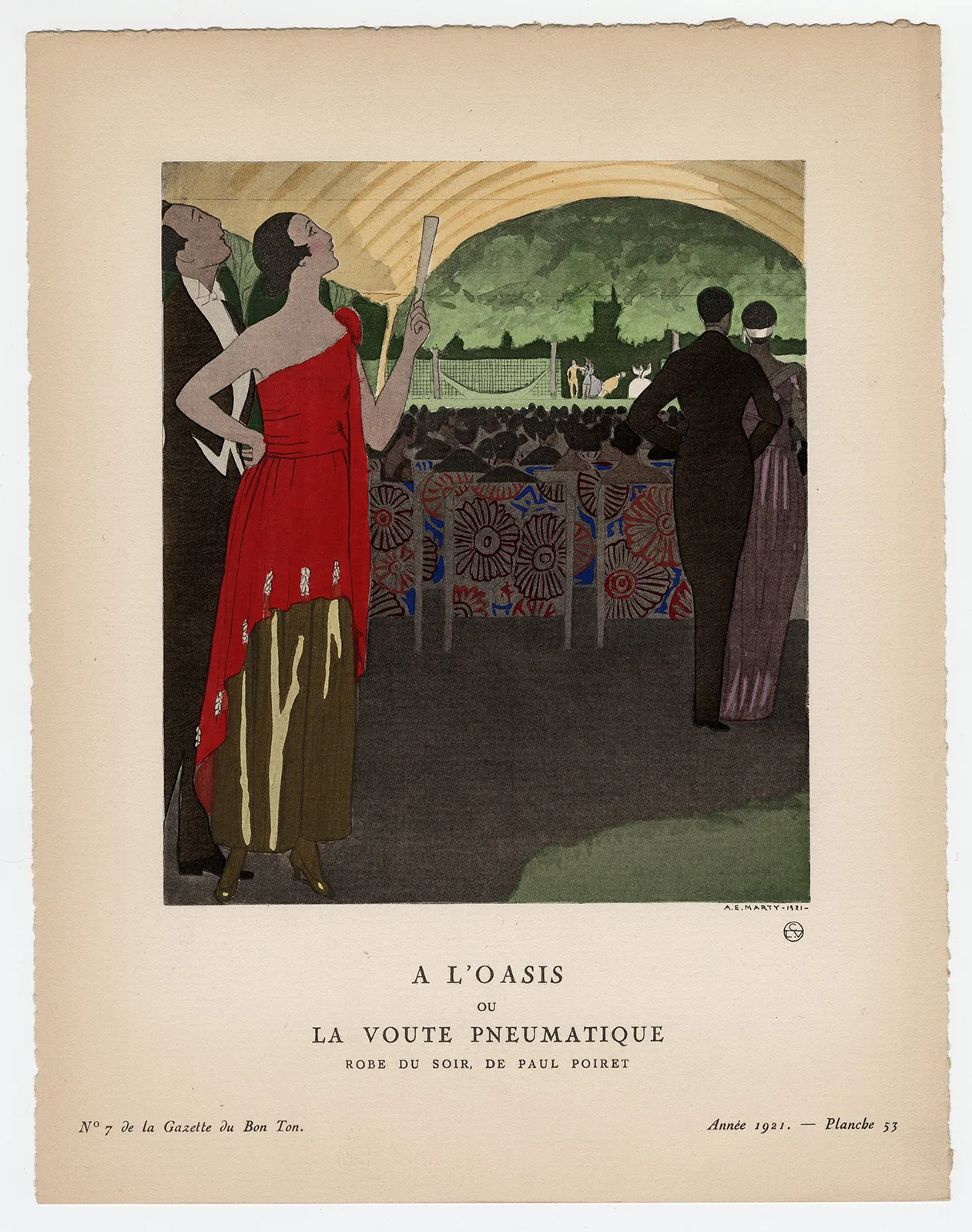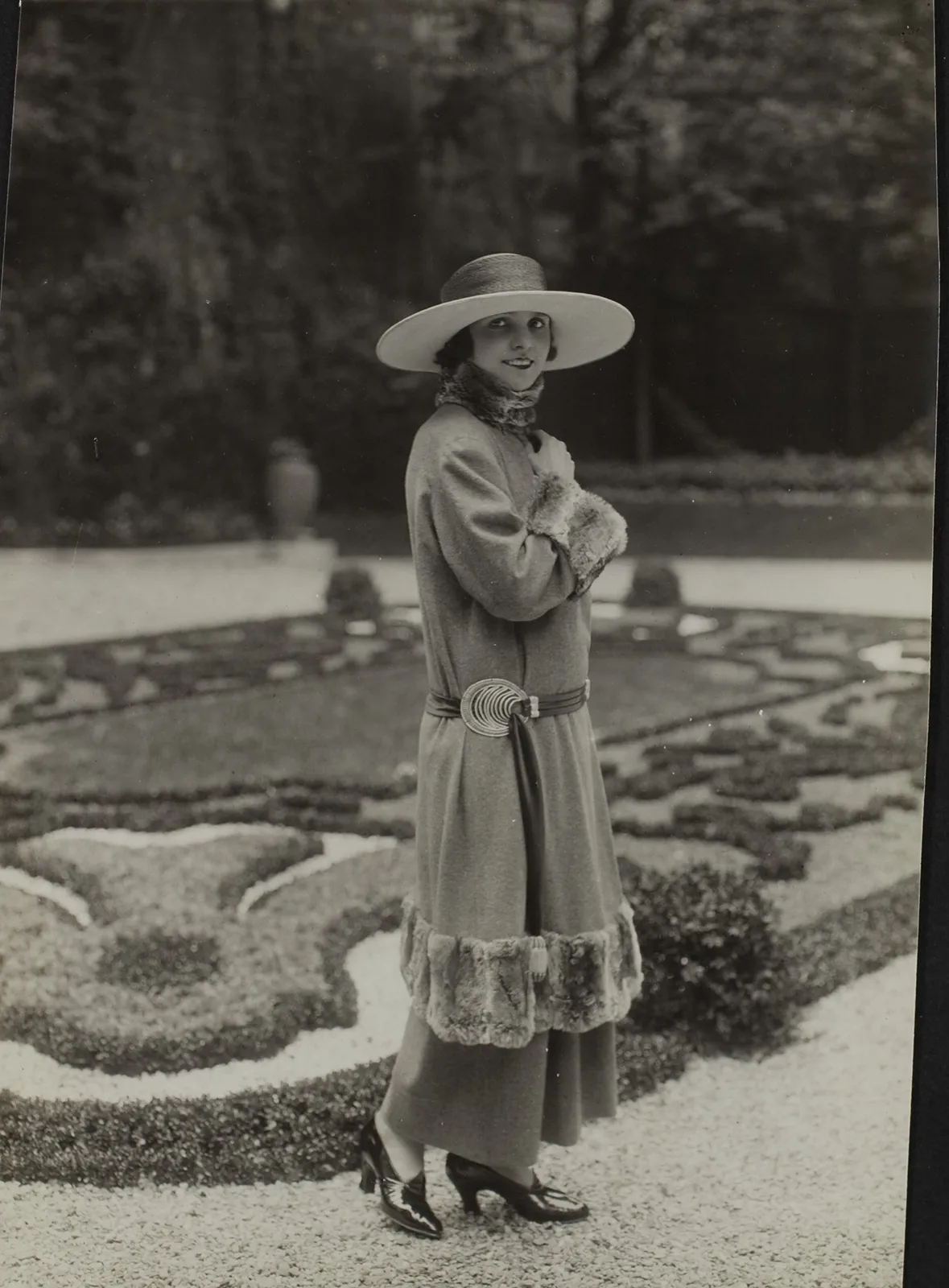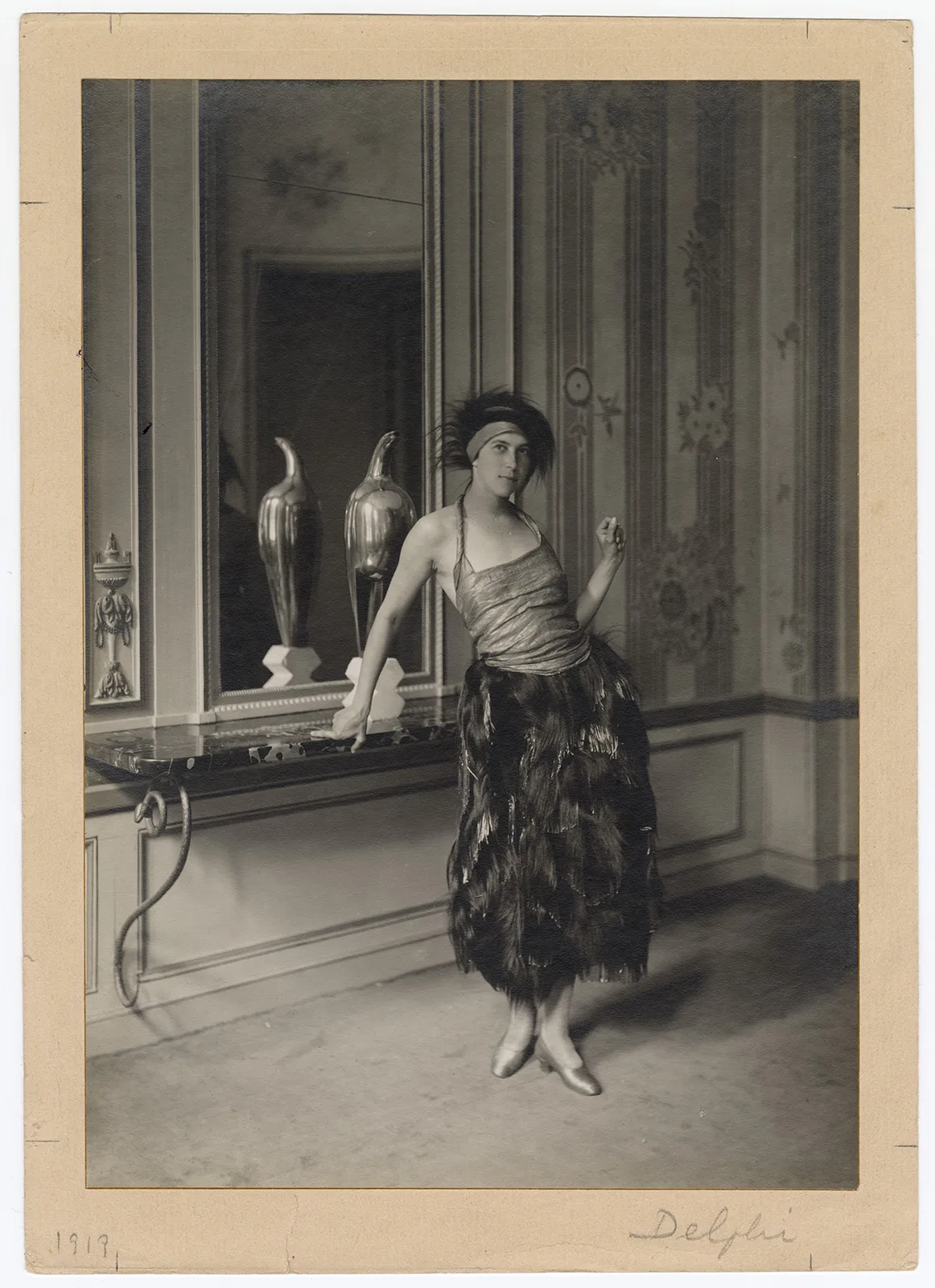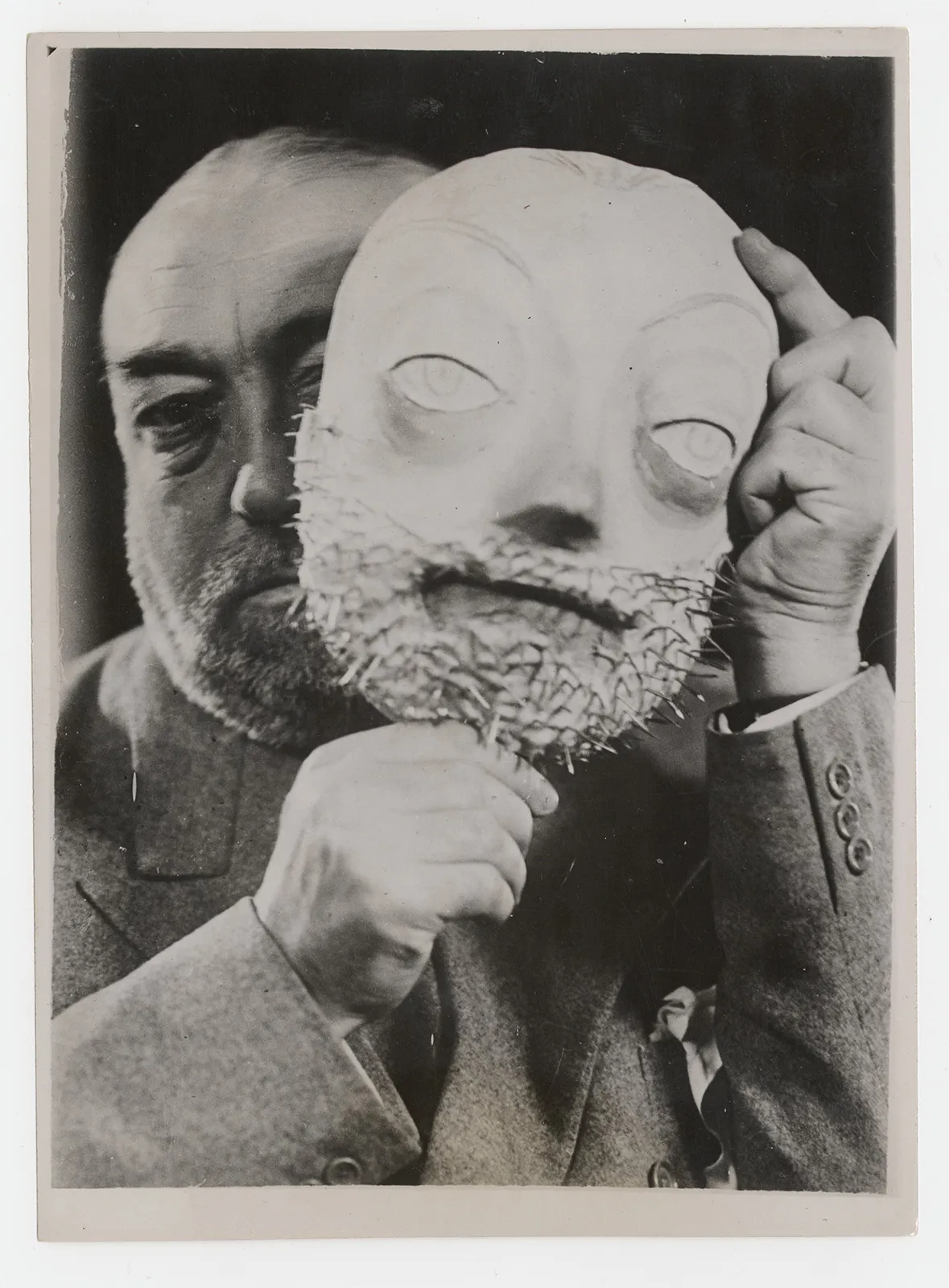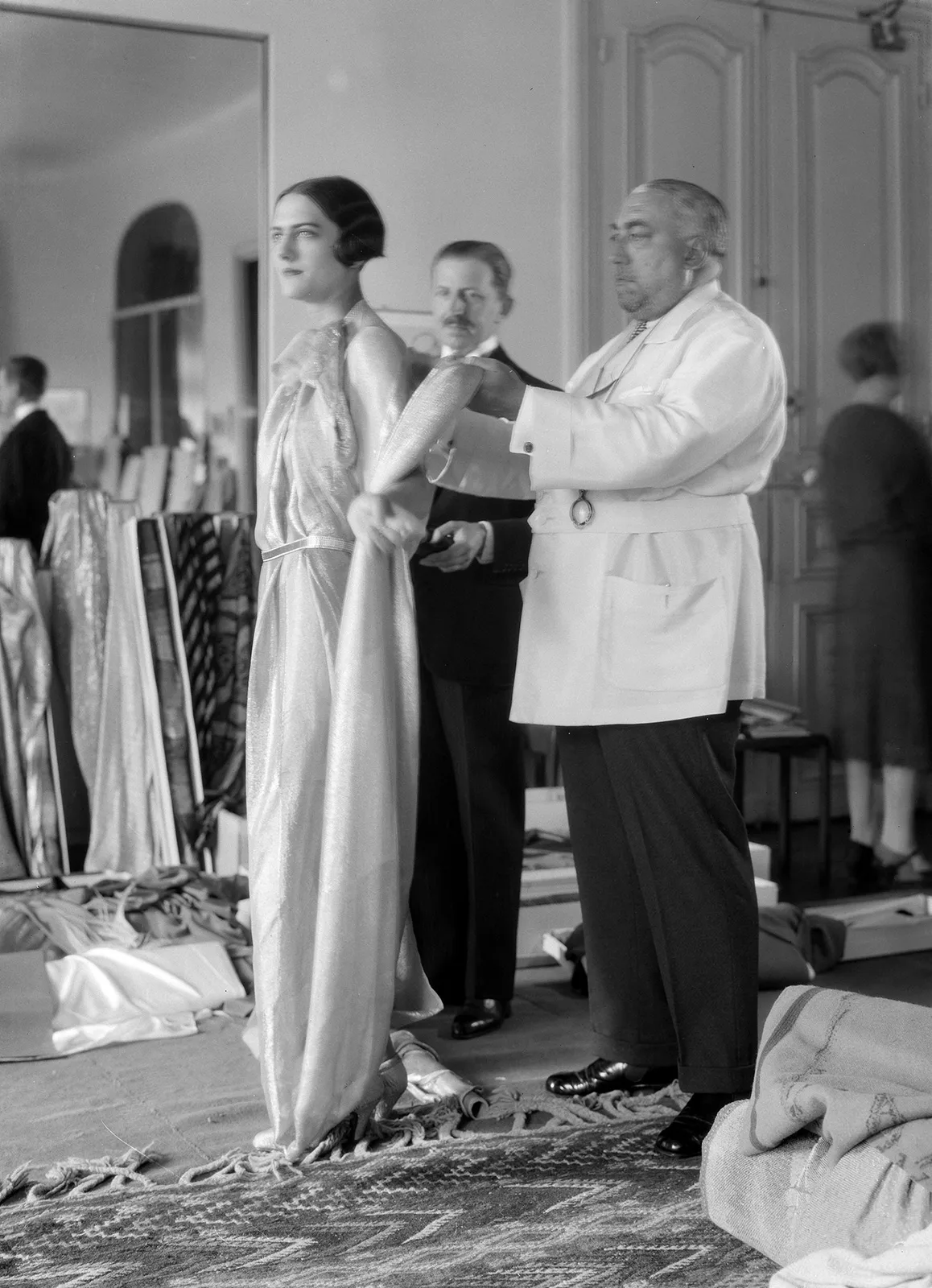
Paul Poiret was more than a designer; he was a visionary or, as he liked to call himself, an artist. A character who understood fashion as an art of living. Now, the Musée des Arts Décoratifs in Paris pays tribute to him with Paul Poiret. La mode est une fête, an immersive exhibition curated by Marie-Sophie Carron de la Carrière that can be visited until 11 January 2026. And yes, we're saying it right now: it's a must-see for any design or art enthusiast.
The exhibition offers a journey through the creative universe that Christian Dior said “changed fashion completely.” Poiret not only liberated the female body from the corset but also turned fashion into an experience ranging from perfume to the scenography of a party. His cross-cutting approach distanced him from the image of the couturier that had existed up to that time. He did not dress bodies; he designed universes and lifestyles. And it is precisely this world that the MAD reconstructs through eleven rooms and five hundred and fifty pieces (dresses, accessories, paintings, perfumes, photography, sketches).
The journey begins in his early years, when a young apprentice in Paris was dazzled by the Universal Exhibition of 1889. He learnt his trade in the houses of Doucet and Worth and in 1903 founded his own, with a disruptive vision that transformed the female silhouette into a free, fluid, and modern figure. From there, the visitor moves through the different stages of his life chronologically: his collaborations with artists such as Dufy and Lepape, his passion for dance, and his travels in Europe and North Africa. All this with a set design by Paf Atelier and under the artistic direction of Anette Lenz.
One of the highlights of the journey is the section dedicated to his legendary parties. Like that Night of the Thousand and One Nights in 1922 or his famous Festes de Bacchus, where dance, fashion, music, and gastronomy were fused together. Because Poiret was also a cook, actor, publisher, and perfumer. A whimsical aesthete who, like a good orchestra conductor, created visual symphonies in each of his projects.
Each room reveals a different facet of the couturier. We are exposed to the entrepreneur who revolutionised the business with Martine with his design school-atelier for young women and with Les Parfums de Rosine, the first perfume line created by a designer. Also the tireless traveller who travelled around Europe with his models to present his collections as if they were itinerant performances, and the dreamer who, in 1925, opted for three barges anchored in the Seine to exhibit his universe during the International Exhibition of Decorative Arts: an economic failure that would accelerate his downfall, but which today may seem to us like a pioneering artistic installation.
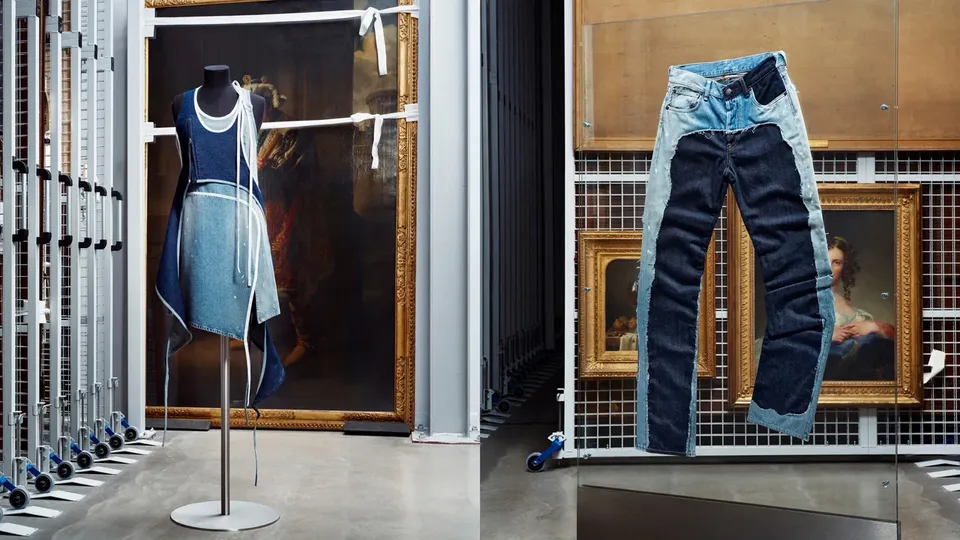
The last part of the exhibition focuses on the legacy of Paul Poiret. His style and concepts continue to resonate a century later in names such as Yves Saint Laurent, John Galliano, Christian Lacroix, and Alphonse Maitrepierre. He was the precursor of collaborations between fashion and art, of fashion shows as spectacle; of the sensorial storytelling that is so desired today.
This exhibition is a journey to a Paris in full artistic ferment, to a fashion that was thought from art to the universe of a man who knew how to combine talent, provocation, and sensitivity. “Fashion is a party,” said Poiret. And the MAD invites us to join in.