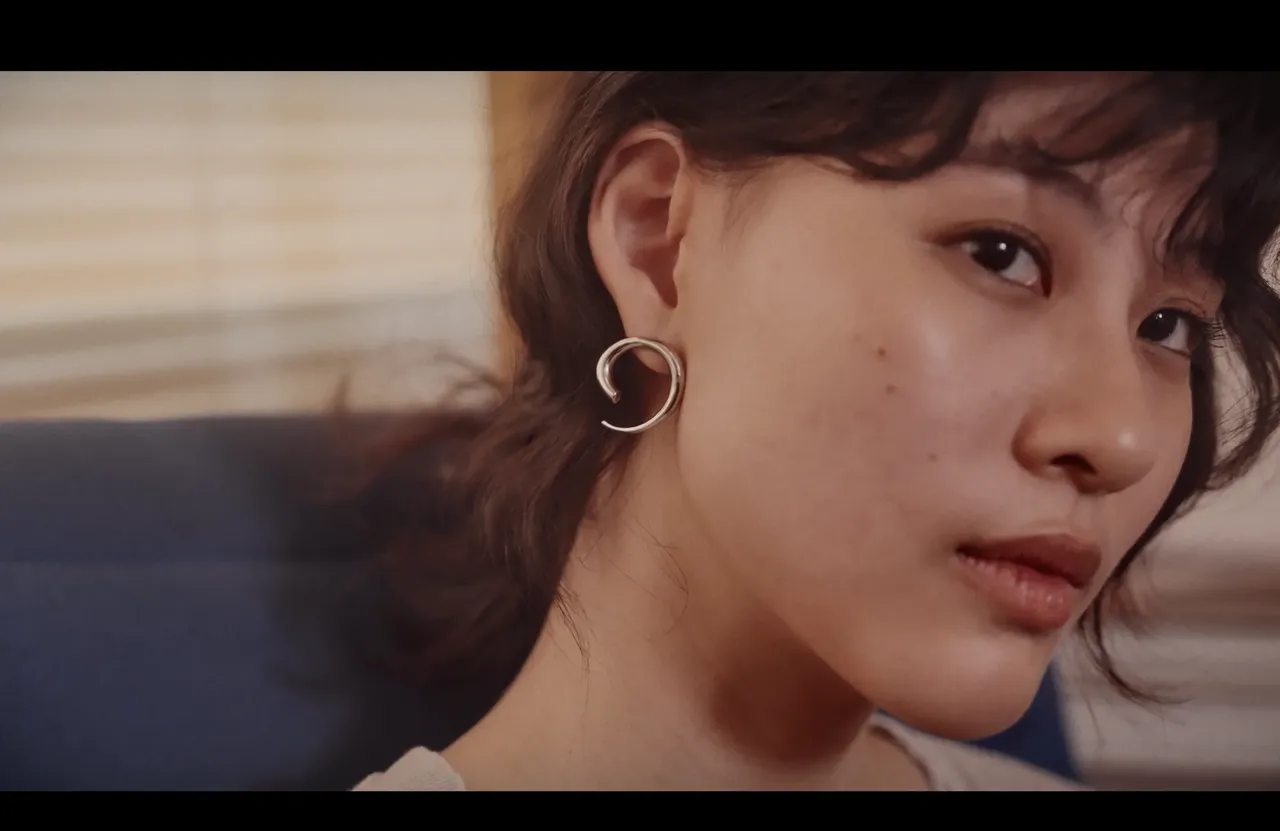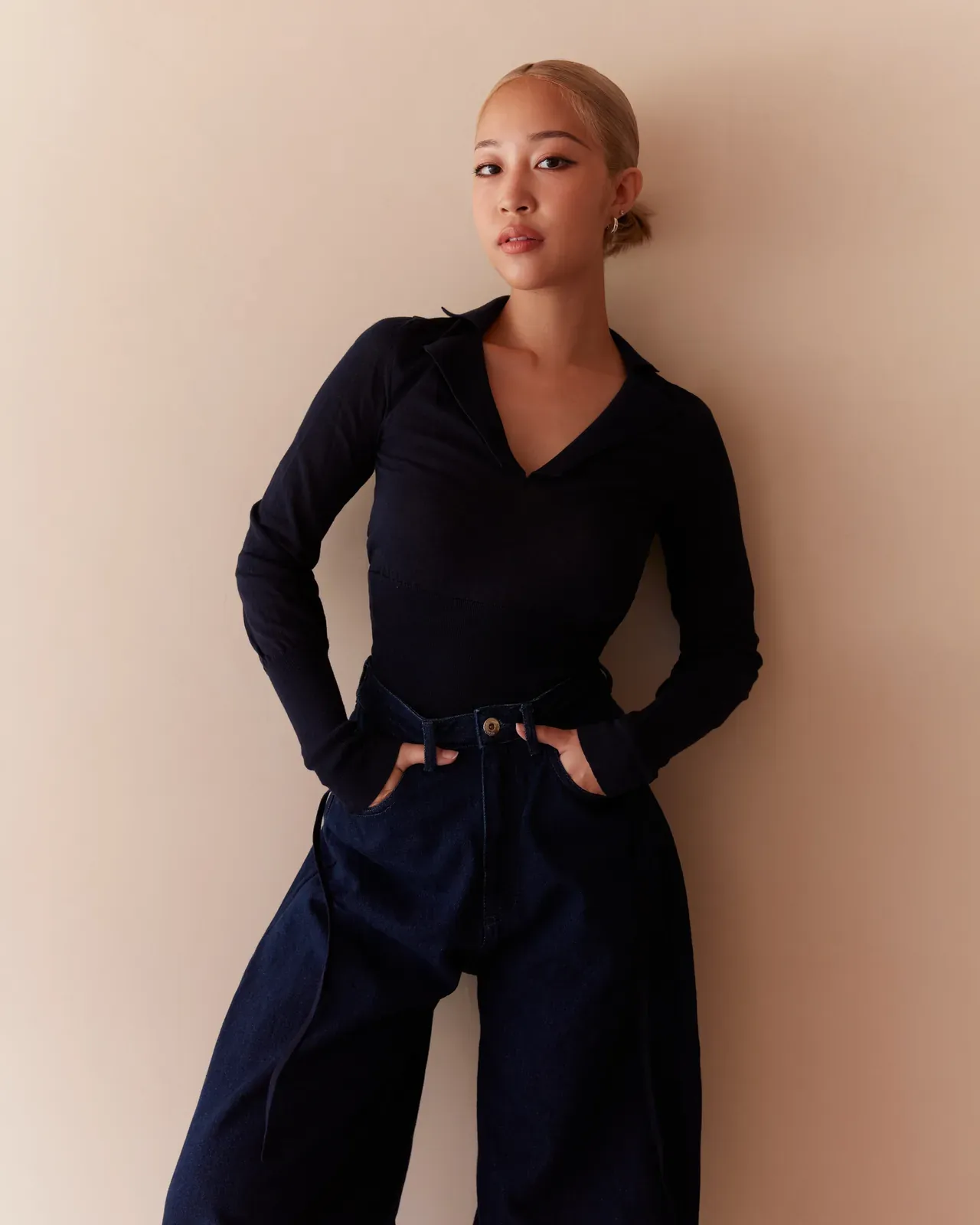
The most valuable thing about PATTARAPHAN cannot be measured in gemstones or celebrity endorsements. It is personal. Every collection begins with a memory, every silhouette with a story, and every piece carries the imprint of its founder, Pattaraphan "Nok" Salirathavibhaga. Long before it became fashionable to build a "Thai brand," she was already looking to home for inspiration, embracing both its beauty and its contradictions while creating a language entirely her own.
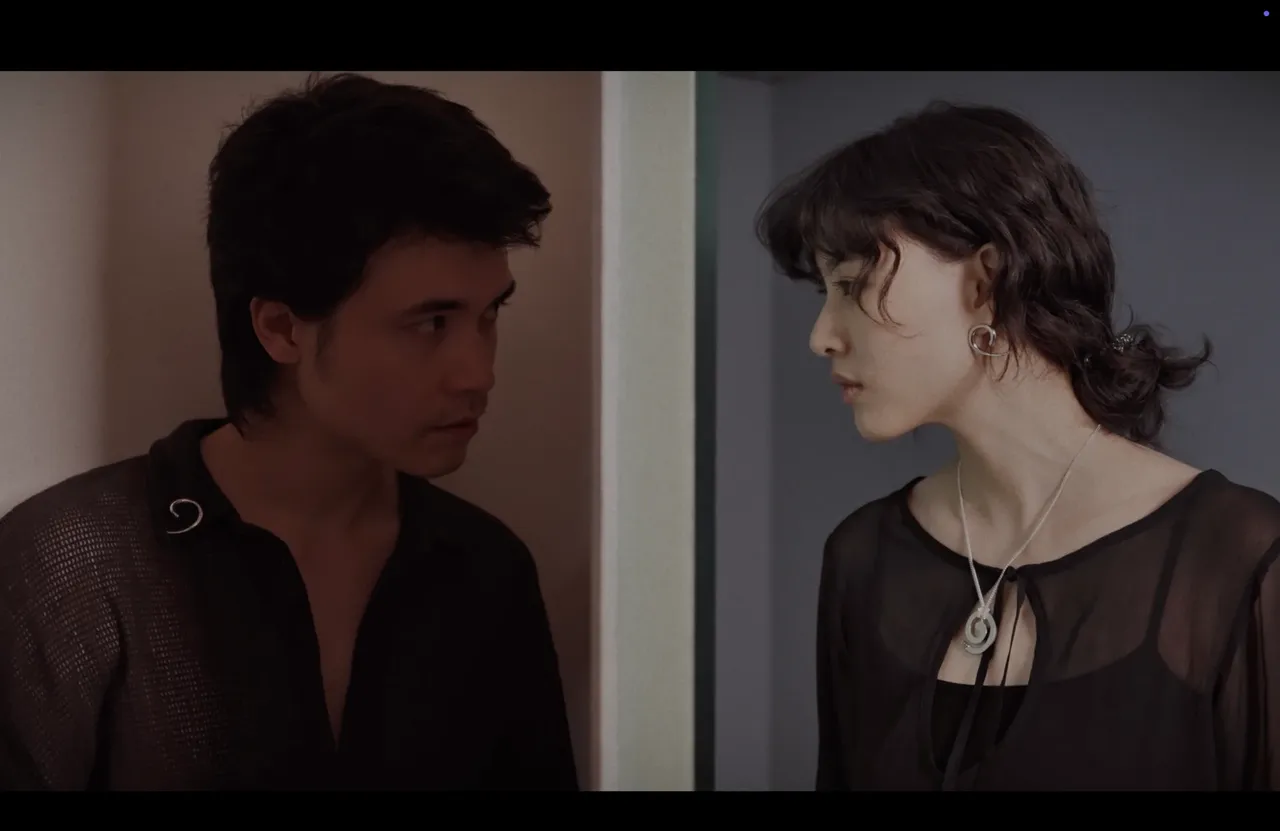
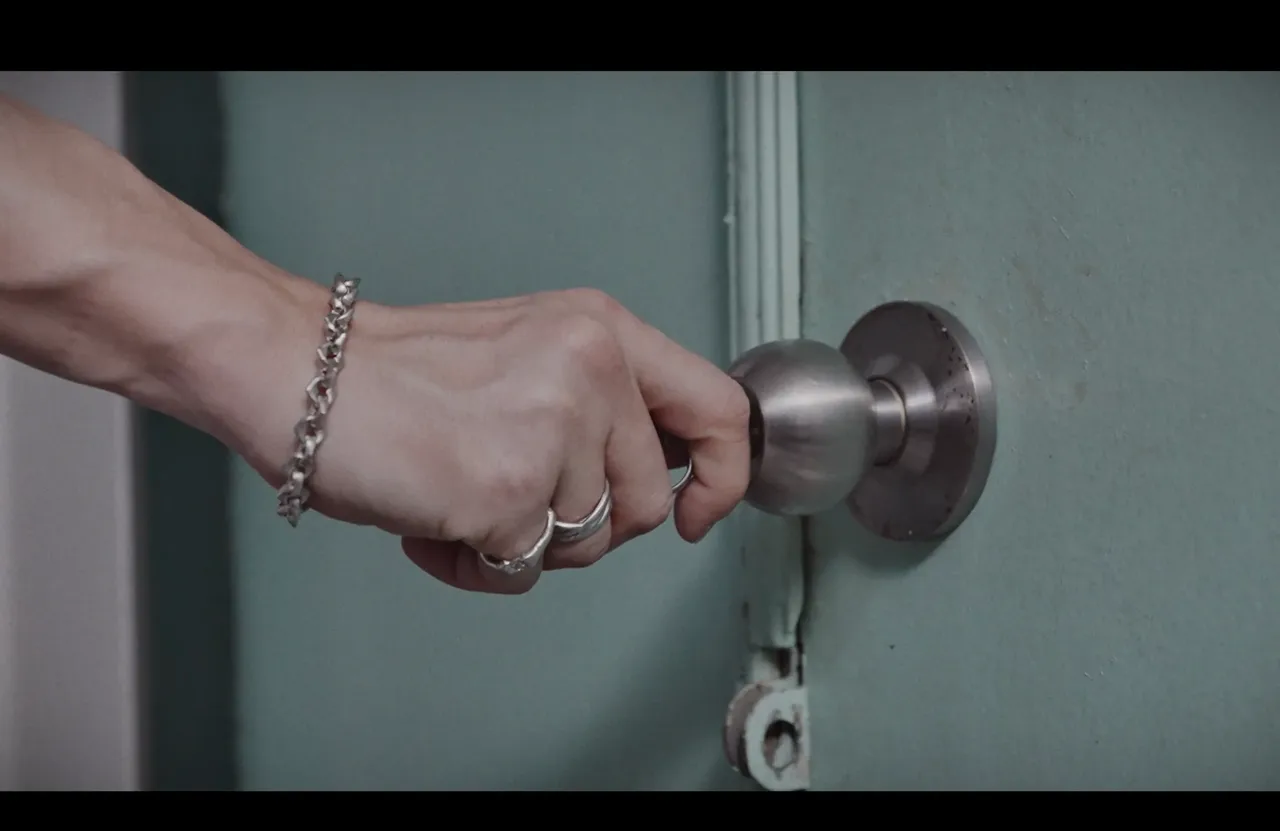
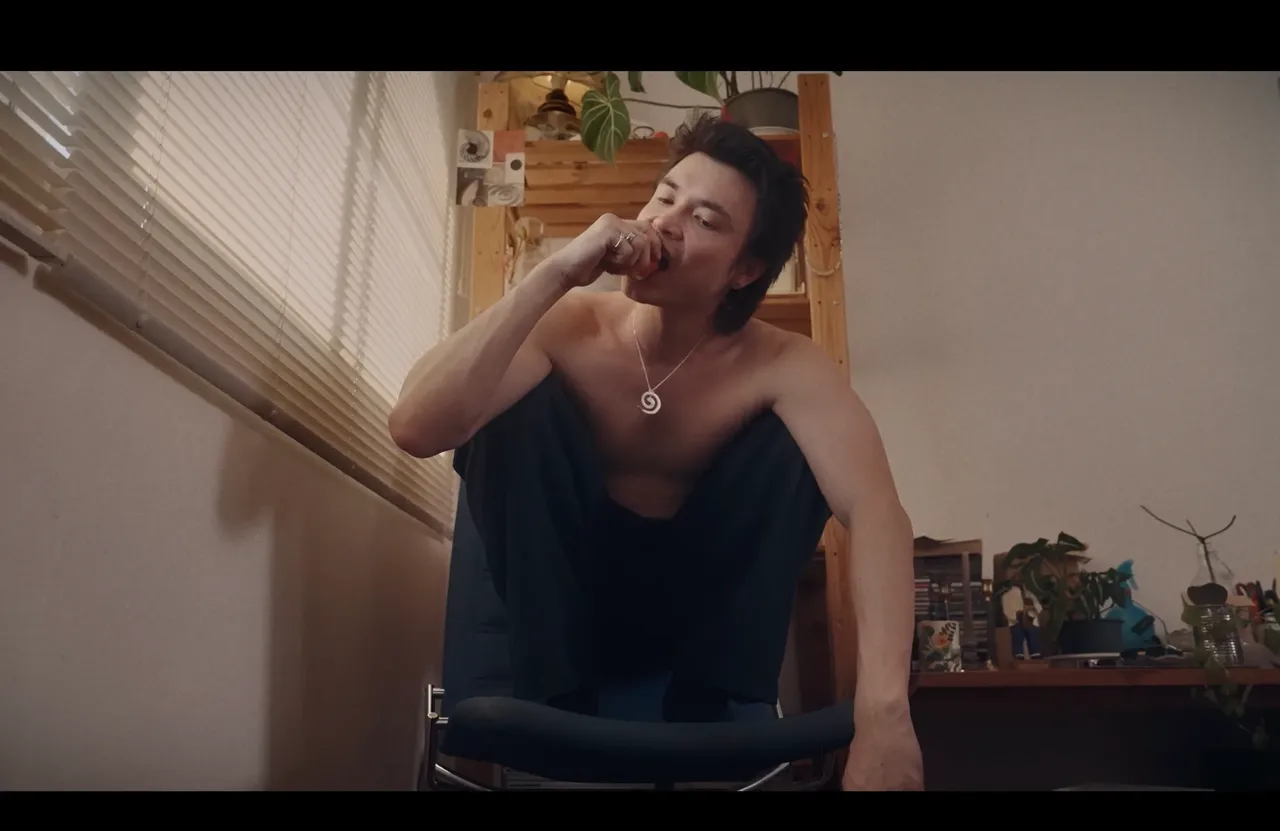
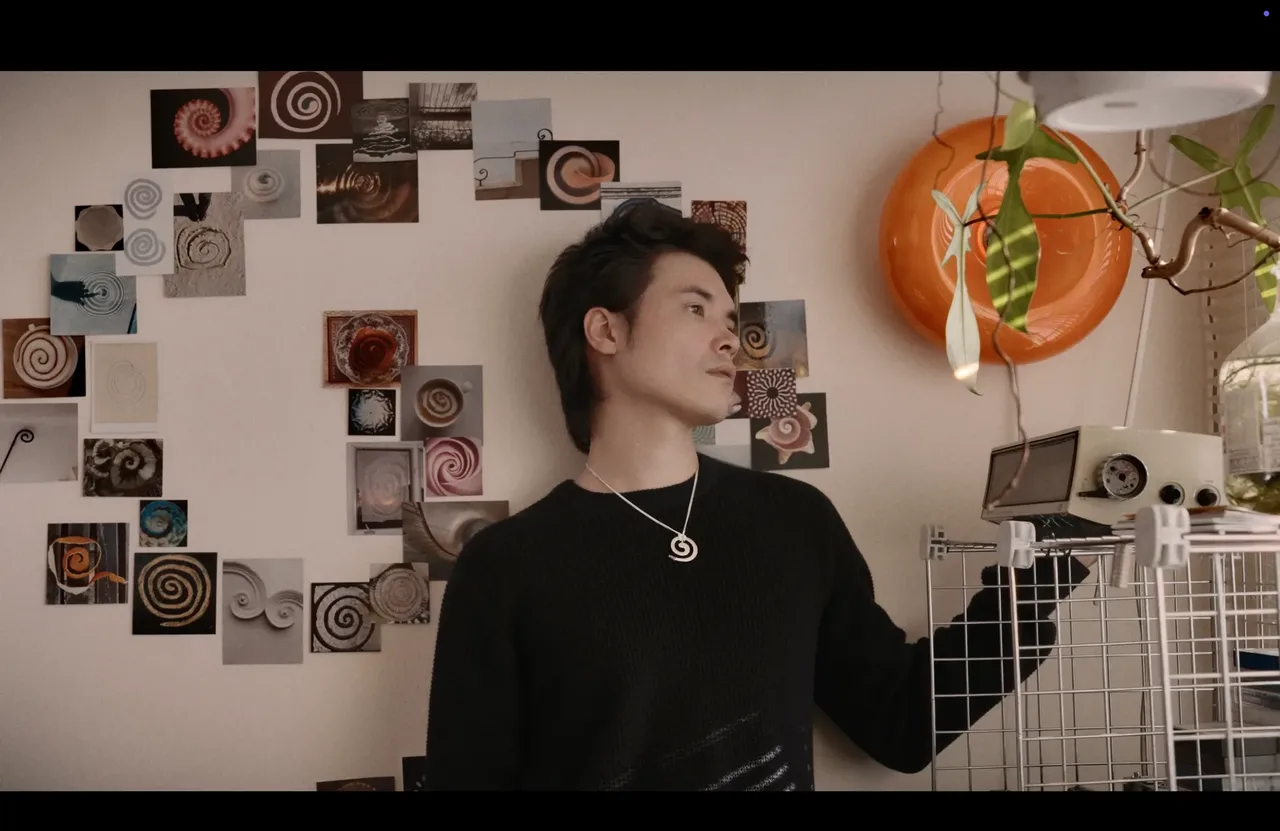
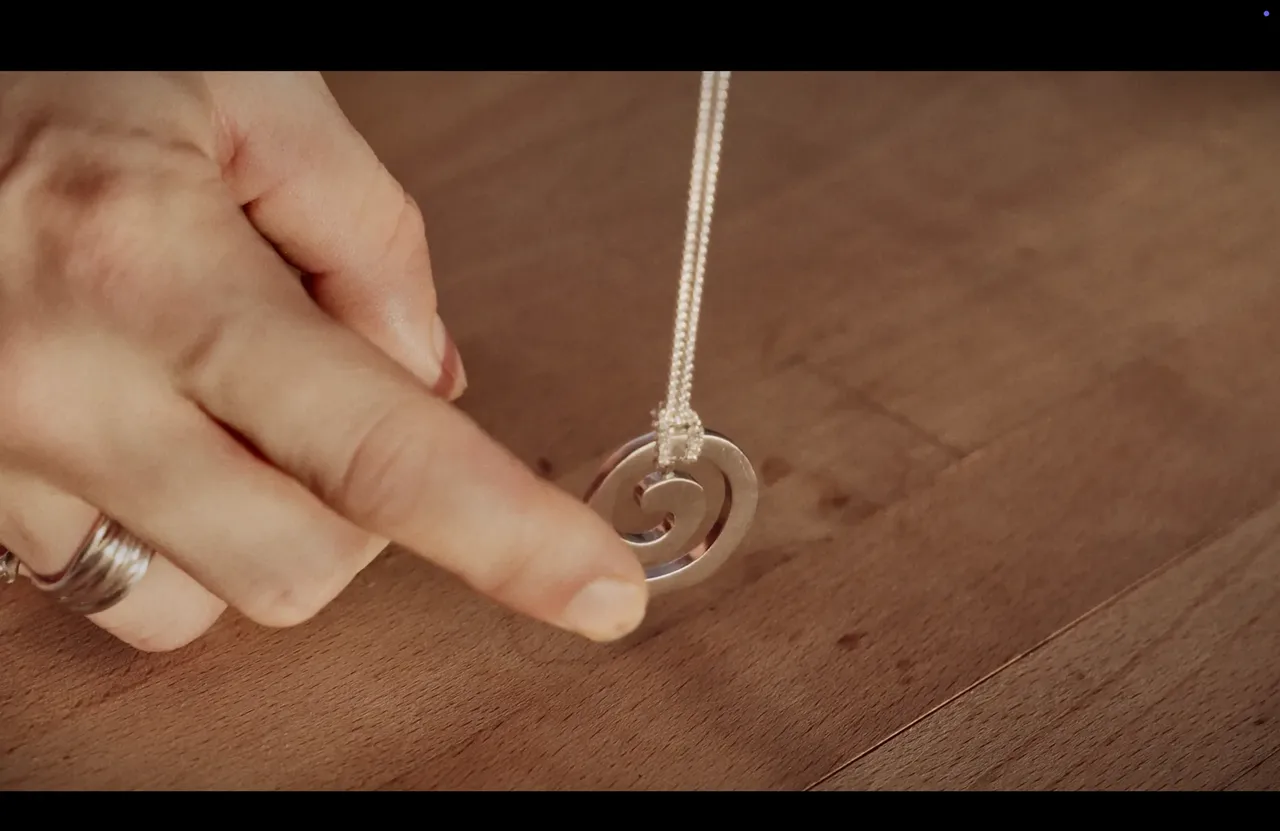
The brand takes its name from the Thai expression for "beautiful skin," a philosophy that speaks less about appearance than intimacy: jewellery designed to become a natural extension of the body. Crafted alongside artisans in Bangkok, every piece remains deeply connected to its place of origin, drawing from the richness of Thai culture, its rituals and symbolism. Fall/Winter 2026 follows that same instinct, transforming the familiar spiral of a mosquito coil into a reflection on memory and impermanence.
Nearly a decade after launching PATTARAPHAN, Nok has never chased trends, choosing instead to build a project with an unmistakable identity that has found its place on the global stage, worn by artists including FKA twigs and Bella Hadid. "The real work is staying true to yourself on the days when nothing feels like it's working," she tells us. That conviction runs through everything she creates, as does another idea that defines the brand: "I want to create something that travels across generations, across expectations, and lands somewhere true."
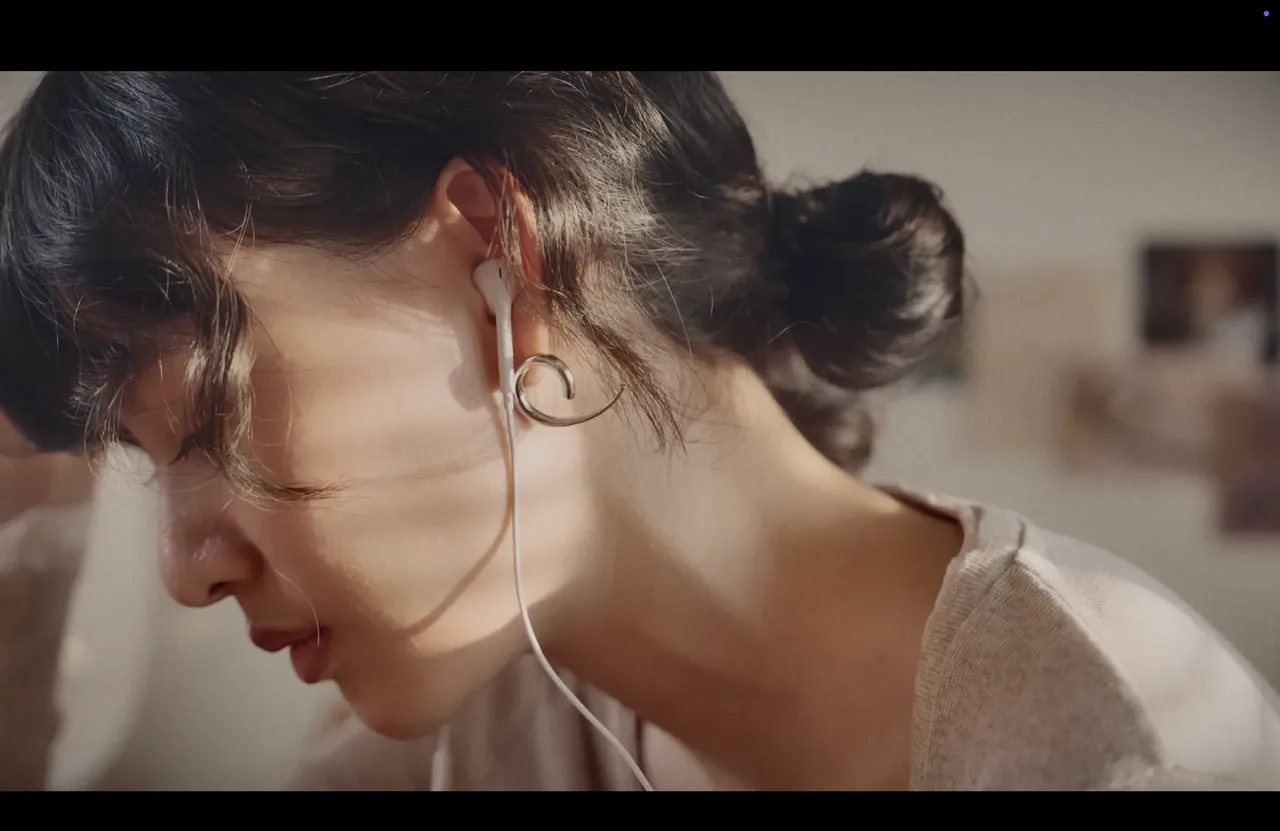
Nok, for those who may be discovering PATTARAPHAN today, how would you introduce the brand in just a couple of sentences?
My first name means "beautiful skin" in Thai, and PATTARAPHAN grew out of that entirely. It's a genderless fine jewellery brand rooted in my stories and Thai heritage, but always through a personal lens: finding beauty and new meaning in things personal to me, like a mosquito coil, a matchstick, a soda tab or bones. These silhouettes become the language of PATTARAPHAN, handcrafted by Thai artisans and designed to feel good on the body. The brand is part of my story, but ultimately I want each piece to become part of the wearer's.
Before anyone else knew PATTARAPHAN, it only existed in your head. Do you still recognise that version of yourself, or has building the brand changed you in ways you never expected?
I recognise her; I think I'm still her in many ways. I find it hard to fully take in milestones, so I still feel like a novice. What changed is the relationship with uncertainty. That girl believed everything would unfold easily once she committed to chasing her passion, not foreseeing the emotional weight of it all. What I know now is that commitment is only the beginning; the real work is staying true to yourself on the days when nothing feels like it's working. I am still learning not to be so hard on myself and to appreciate all the obstacles that I managed to get through. I don't think that early version of me had that grit yet.
The Fall/Winter 2026 collection begins with something as ordinary as a mosquito-repellent coil before unfolding into a broader reflection on memory and impermanence. At what point did you realise this collection was becoming about much more than its original inspiration?
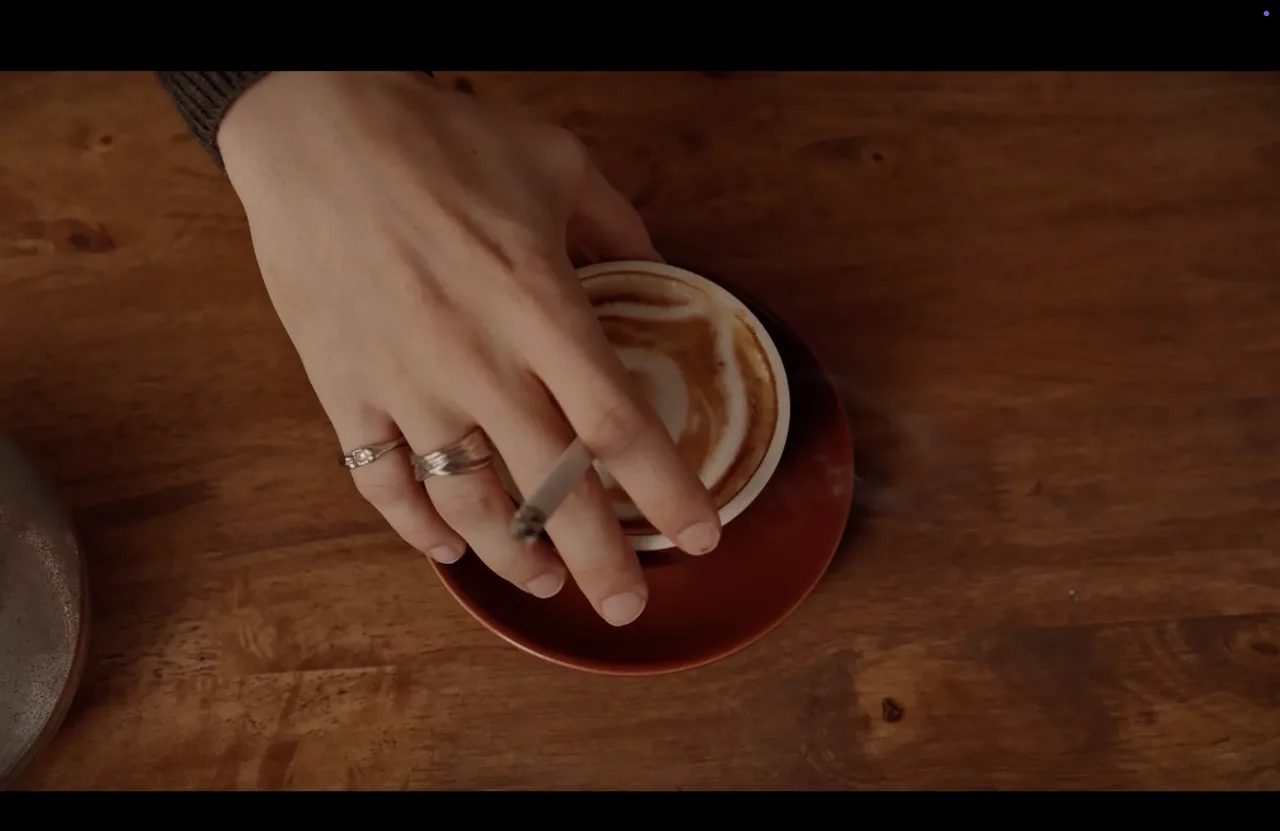
It was in the sketching. When I began drawing the spiral of the mosquito coil, my mind started to see beyond it: connections to nature, to other shapes that carry the same spirit. But somewhere in that process, I also became aware of what a mosquito coil actually does: it burns slowly and quietly, and then it's gone. Only the memory of it remains: the scent, Bangkok evenings, the feeling of being somewhere safe and home. That's when the collection became about something more than a silhouette. A lot of PATTARAPHAN pieces work that way for me; they are tokens of memories, objects that hold a feeling in place long after the moment has passed. What I love about design is that something deeply personal can open into an entire world of meaning. The possibilities are endless, but discernment is everything: knowing which thread is true to you, and following only that.
Growing up in Thailand seems to remain an endless source of inspiration for your work. Looking back today, what parts of your childhood or your culture do you find yourself returning to most naturally?
It's a push and pull between childhood memories and more recent experiences, though childhood seems to take up more space. Thailand is culture, it is heritage, and there are so many memories I keep returning to naturally in my work because there is so much to it. There are so many layers to Thailand, let alone the specifics of my stories. You could say that I'm in love with my home country, and I see both the beauty and the bad of it before it was cool to make a "Thai brand." We've always been unapologetically Thai. I don't think I could make work the way I do without having grown up where I did. Ultimately, I don't force myself to showcase Thailand; the right memories seem to surface when they're ready, and somehow they lead back to my heritage.
I've read that PATTARAPHAN was founded after returning to Bangkok from New York because you couldn't find the kind of jewellery you wanted to wear. Looking back now, how do you remember those early days?
The groundwork really started in New York, while I was working there after college. Looking back, I was a sponge, trying to absorb everything I could about the jewellery industry so I could create my own space within it. I knew I wanted to have my pieces made in Thailand, and I wanted to be close to the heart of the brand; Bangkok was the only way. Returning to Thailand, I saw a gap I could fill. There was no "designer brand" for jewellery as such; it was either fine traditional jewellery houses, brand names, or fashion and costume jewellery. So starting my own brand fully was exciting, but the early days also meant constantly having to explain the brand and myself, because there was simply nothing like it.
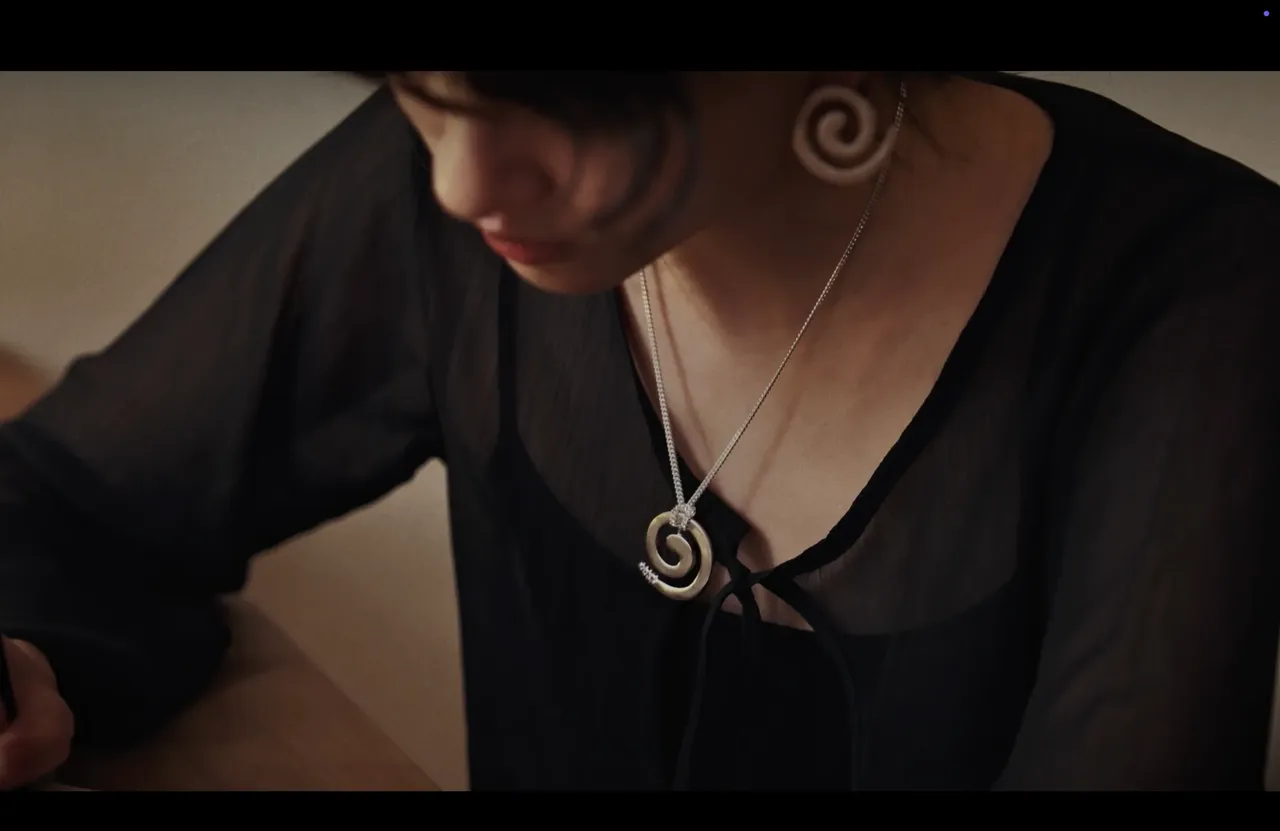
One of your strongest statements is that PATTARAPHAN creates "jewellery that feels good on your skin." Beyond comfort, what does that philosophy really mean to you, and how do you translate it into every collection?
To me, this philosophy means creating something that is an extension of my story, and hopefully something other people can connect with when we put it out into the world. It's an expansion of my name and everything it carries. My name means "beautiful skin" in Thai, and naming the brand after myself was intentional. It is my heritage, my identity, my stories, worn openly. Choosing a long Thai name makes PATTARAPHAN a bit of a disruptor; however, when I translate my stories into jewellery through my lens honestly and without compromise, it feels true no matter how unconventional the designs and motifs become.
That honesty and closeness extend to every stage: from design to development, production and campaign, I'm hands-on throughout. So for me, feeling good on your skin is not just a tactile experience; it's the intimacy of the whole process, the intentionality and all the layers behind the creation that ultimately make a design from PATTARAPHAN feel that extra special.
That honesty and closeness extend to every stage: from design to development, production and campaign, I'm hands-on throughout. So for me, feeling good on your skin is not just a tactile experience; it's the intimacy of the whole process, the intentionality and all the layers behind the creation that ultimately make a design from PATTARAPHAN feel that extra special.
Every collection introduces new forms while still feeling unmistakably PATTARAPHAN. Was there a particular piece that made you realise you were no longer designing individual objects, but building a recognisable language of your own?
All the designs and motifs come from my heart, and I'm a stubborn minimalist. Minimalist in the sense that everything is considered and distilled, with every detail intact. It's more the overarching thread that makes PATTARAPHAN's design language distinct: making something that feels true to myself. That narrows all the design possibilities down, and on top of that, we execute through that same eye of minimalism. That's what connects all the different motifs, from soda tabs and mushrooms to matchsticks and dice, no matter how different they are from each other.
Your campaign imagery always feels incredibly cinematic. How do those visual worlds come together, and how important is storytelling within your creative process?
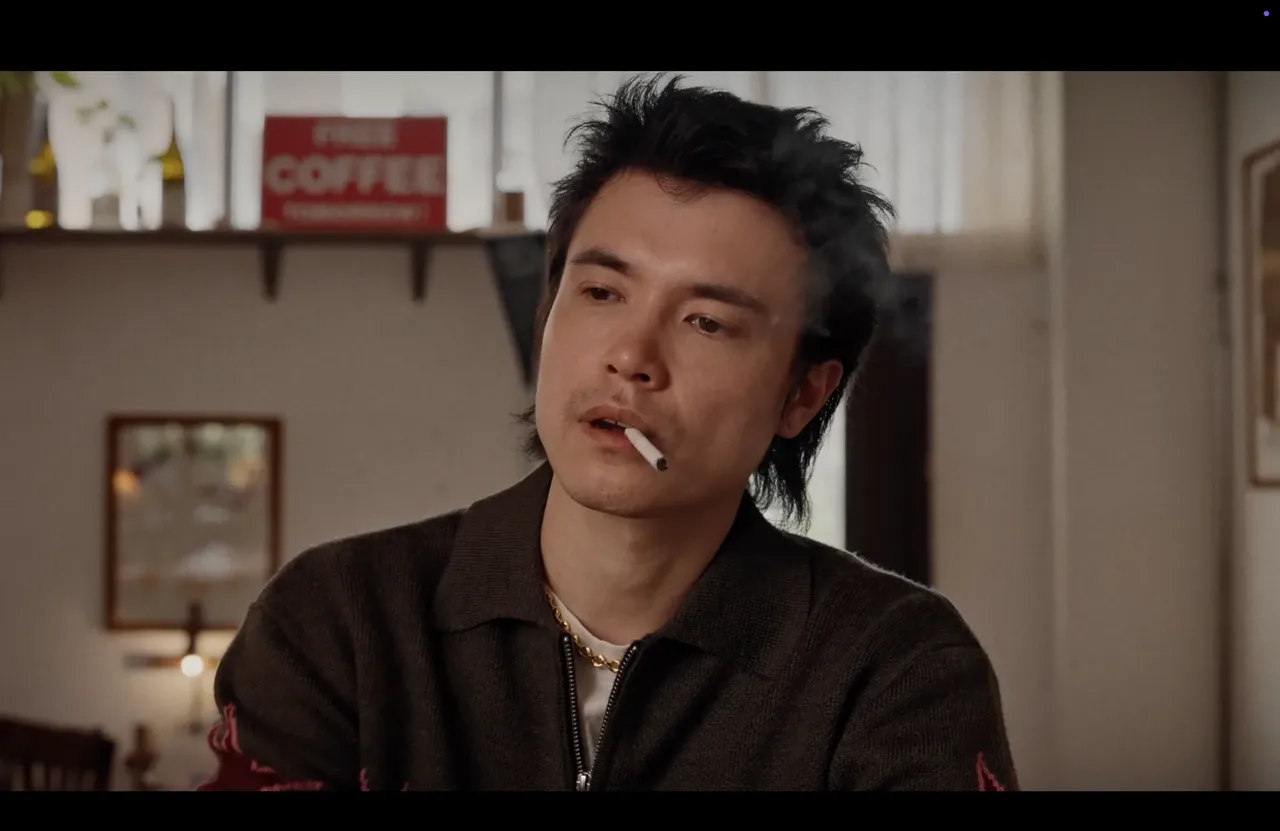
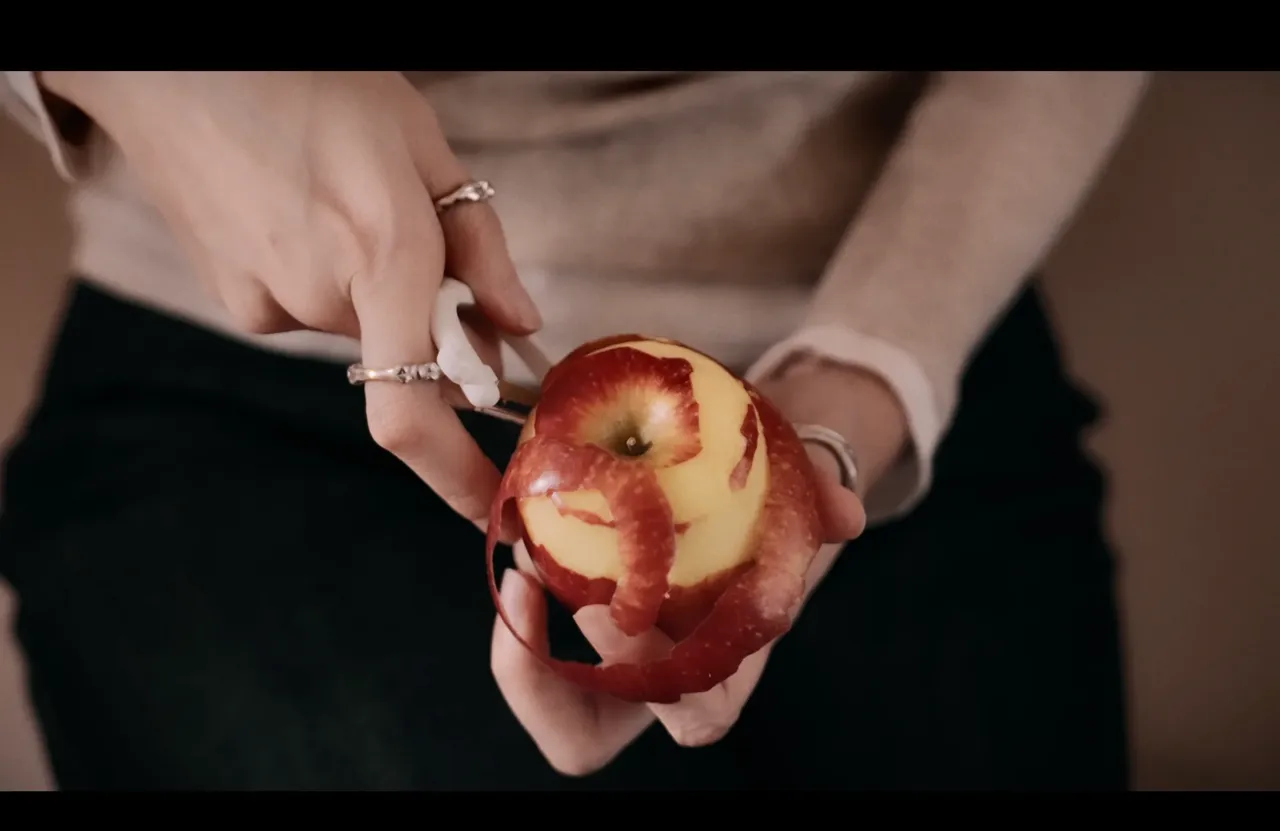
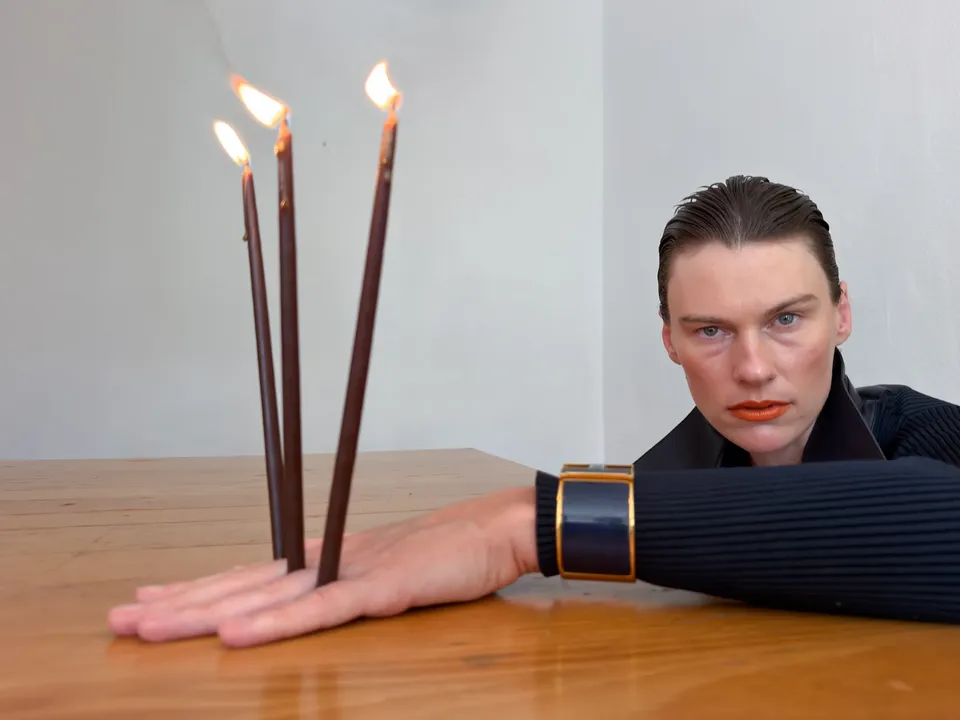
Because I see jewellery as a medium to express myself and my stories, this approach naturally bleeds into everything else we do; the campaign is part of that story too. In my mind, PATTARAPHAN has always existed in the realm of dark romance. A bit of poetry, a bit of edginess. The way we take something like soda tabs, bones and mushrooms and make them something wearable: there is a bit of poetry in that, because I really do see the beauty in those silhouettes and symbolisms, not just because they look "cool." To translate that vision, our visual language must always carry a sense of storytelling and poetry. We start with a story, whether for a collection or even a single piece, and that makes it easier to continue the narrative into the campaign. The image and the object are never separate things. They all tell a story.
Nature, spirituality, memory and the body all seem to coexist within your collections without ever competing for attention. How do you know when an idea belongs in the PATTARAPHAN universe, and when it doesn't?
It has to feel true to me first. I think it's helpful in a creative space that I'm someone who can only work with what I like or find interesting. PATTARAPHAN has always come from a personal place, and I think that's what keeps everything cohesive even when the motifs are wildly different from each other. A soda tab and a mosquito coil have nothing in common on the surface, but they both came from a real place in my story. When an idea arrives, I'm asking myself whether it's something I genuinely see beauty in, whether it carries a story worth telling, and whether I feel excited to expand on that idea into a design. If the answer is yes to all of that, it belongs in our world.
PATTARAPHAN has been worn by artists including FKA twigs, Hailey Bieber, Bella Hadid and Joe Jonas. What does it actually feel like when you wake up and discover that someone you've admired has chosen to wear one of your pieces?
It always feels surreal. There's a moment of disbelief every time, no matter how many times it happens. But what I feel most is gratitude, and not just for myself. It means so much to everyone who makes it happen: my team, the craftspeople in Bangkok who pour their hands into every piece. When PATTARAPHAN shows up in the world on people we admire, that recognition travels all the way back to them. That's what makes it feel bigger than a moment on a screen. It belongs to all of us.
How do those moments usually happen? Is there already an ongoing conversation with their stylists and creative teams, or do you sometimes discover it at exactly the same time as everyone else?
It depends. Sometimes I find out the same way everyone else does: someone sends it to me, and I see it in real time. Other times our PR team catches it first. There's no single way it happens. Either way, you might catch me screaming anytime it happens!
If you had to choose one person, real or fictional, living or not, who do you think best embodies the spirit of PATTARAPHAN today? What is it about them that feels so closely connected to the brand?
Both of my grandmothers. They were strong, independent women who appreciated beautiful things but were each fiercely their own person. In many ways, they taught me to carry my identity without apology. That is as close to the spirit of PATTARAPHAN as anything I know. I would hope that something in every collection resonates with them.
There was a moment with my maternal grandmother, not long before she passed away, where she nodded towards our Remnants Bracelet, which I was wearing on my wrist, and said, "beautiful." I never expected someone of her generation to look at something like a bones bracelet and find beauty in it rather than grunginess. That is probably the proudest moment I've had with this brand. It's what I'm always reaching for with
PATTARAPHAN: yes, our designs and approach may be edgy and irreverent, but I want to create something that travels across generations, across expectations, and lands somewhere true.
There was a moment with my maternal grandmother, not long before she passed away, where she nodded towards our Remnants Bracelet, which I was wearing on my wrist, and said, "beautiful." I never expected someone of her generation to look at something like a bones bracelet and find beauty in it rather than grunginess. That is probably the proudest moment I've had with this brand. It's what I'm always reaching for with
PATTARAPHAN: yes, our designs and approach may be edgy and irreverent, but I want to create something that travels across generations, across expectations, and lands somewhere true.
Looking back over the past seven years, what has been the happiest moment of this journey?
Opening our expanded flagship last year. It gave us more space for the jewellery to breathe, for our clients to connect with the work properly, and for our community to gather. I do have other moments that are more sentimental, but what that space represented felt like a different kind of milestone: proof that PATTARAPHAN had grown into something that needed room. Seeing the pieces live in that environment, and seeing people move through it and enjoy the space, made me very happy.
And on the other hand, what has been the greatest challenge you've had to overcome while building an independent brand?
There are always a lot of things happening at once, and we are learning as we grow, which means sometimes the building and the running are happening at the same time. It's a lot to hold for a founder with multiple hats. But I've come to see it as a good problem to have, because it means PATTARAPHAN is moving and that my passion is still there to keep pushing. The challenge is managing the day-to-day while still making room for improvements and growth.
Every piece is handcrafted in Thailand by local artisans in limited batches. In an industry increasingly driven by speed and scale, what does staying rooted in Thai craftsmanship allow you to protect?
Producing in Bangkok means I can walk into the workshop, touch the piece at every stage, speak directly with the people making it. That directness is the soul of the brand. It means the piece that arrives on your skin carries the full attention of everyone who held it. It also protects something less tangible: the tradition itself. Thai jewellery-making carries centuries of knowledge in its hands. We are a contemporary brand, but we are also quietly, deliberately an act of preservation. We chose something slower, and that slowness is a value, not a limitation.
When someone discovers PATTARAPHAN for the very first time, which piece would you instinctively place in their hands?
This is a difficult question. I think all the pieces have a life of their own. But if I had to choose, it would be something from the Remnants collection. It was our first signature motif, and in many ways it still defines us. But I'd also choose it because bones are quite literally something everyone has, human and real. That's what makes it feel bigger than just a part of PATTARAPHAN. PATTARAPHAN is very much mine, but there is a sort of softness, an intimacy and vulnerability to placing something that's universal, something more than ours, into someone's hands.
Many people dream of launching their own brand, but very few understand what that journey truly demands. Looking back at everything you've learned since founding PATTARAPHAN, what advice would you give to someone who's just about to take that first step?
I always tell people: if you find a company you love and believe in, where you can grow and do meaningful work, don't underestimate that. Having your own brand is not always the dream it appears to be from the outside. Everything falls on your shoulders, and you question yourself constantly. That never really goes away. So if you're about to take that first step, go in with clear eyes. Know your why: not just what you want to make, but why it has to exist, why it has to be you, and why you're willing to carry it on the days when everything feels uncertain. If the answer to all of that is still yes, then take that step and give it everything you've got!