Art Basel Paris is over. Since end of October to be specific. But if you thought you could sit back, relax and take a break from the hustle and bustle inside the Grand Palais (a break from the big crowds, the networking, the art and captivating storytelling), you’re wrong. Luckily. Because can we ever really get enough? Obviously, not. So, this month, from November 13th to 16th, the fun and exciting schedule continues with another unique meeting point for artists, curators, buyers and culture enthusiasts from all over the world: the Paris Photo fair.
With 222 exhibitors and 179 galleries, this fair is, as the name already reveals, dedicated to photography and image-based art. 222 exhibitors and 179 galleries showcasing the work of new voices in the scene alongside prominent names such as Paolo Roversi, Martin Parr, and Erwin Olaf, Lin Zhipeng and Camila Falquez. 222 exhibitors and 179 galleries from New Delhi, Dubai, Warsaw, Munich, Tokyo, Barcelona, New York, Jeddah. From all over the world, basically. All featuring large format photography, solo shows, group shows, digital work and exhibits that sometimes even come close to video art.
As you can see, there is a lot to discover. So, to make it easier for you, to organise these 222 exhibitors and 179 galleries and to create a fun overview, we’ve selected ten artists you have to look out for. But not just any artists. No. We’ve selected the ten most irresistible portraiture photographers, from Hassan Hajjaj’s colourful portrayal of Alicia Keys and Swizz Beatz to Yatreda, the family-based collective of artists from Ethiopia. From Koto Bolofo, who captured Sibusiso Mbhele and his fish helicopter, to Yorgos Lanthimos’ work on the set of the Oscar-winning movie Poor Things. With this list, you’ll definitely know the highlights. Promise.
Camila Falquez
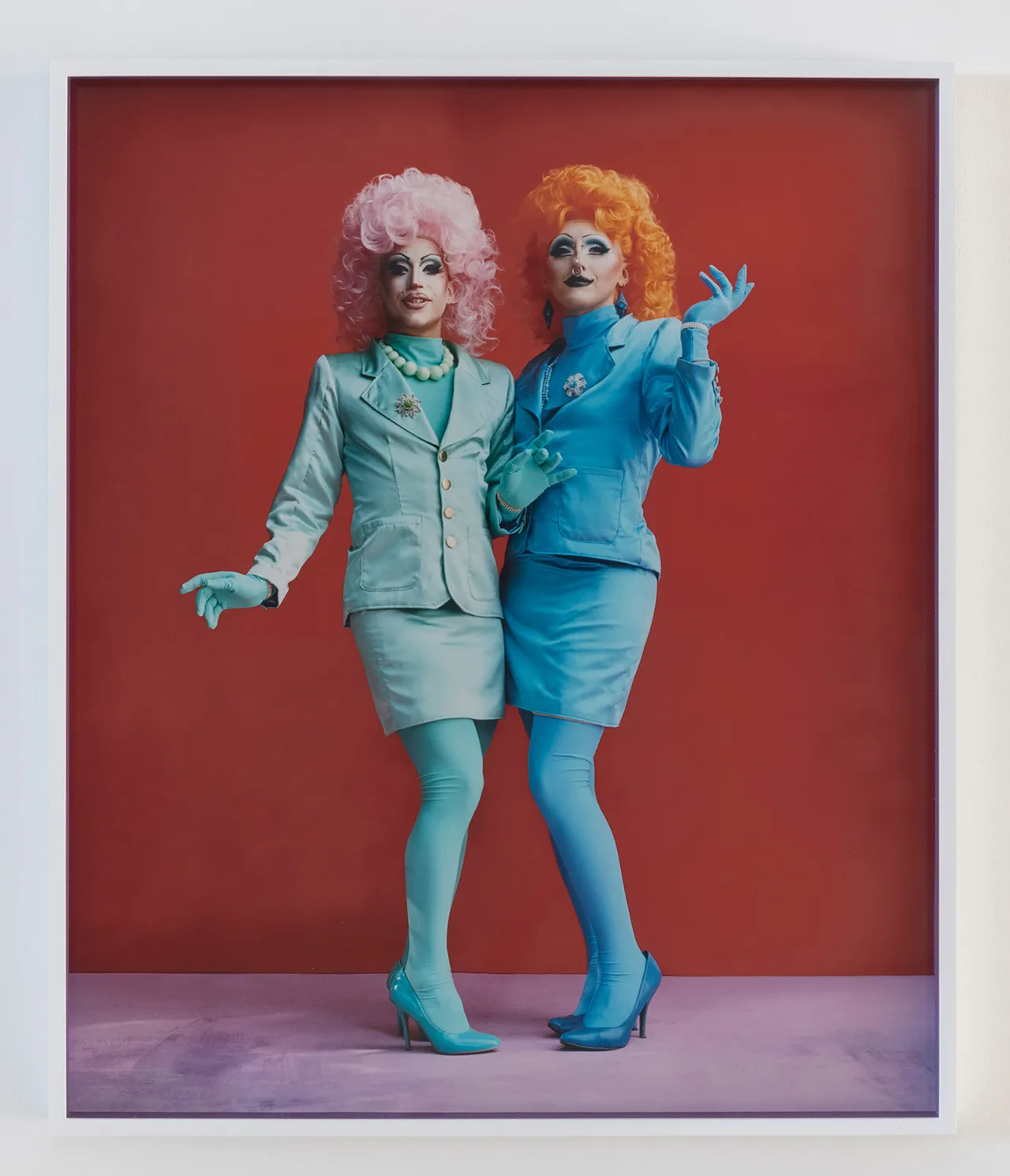
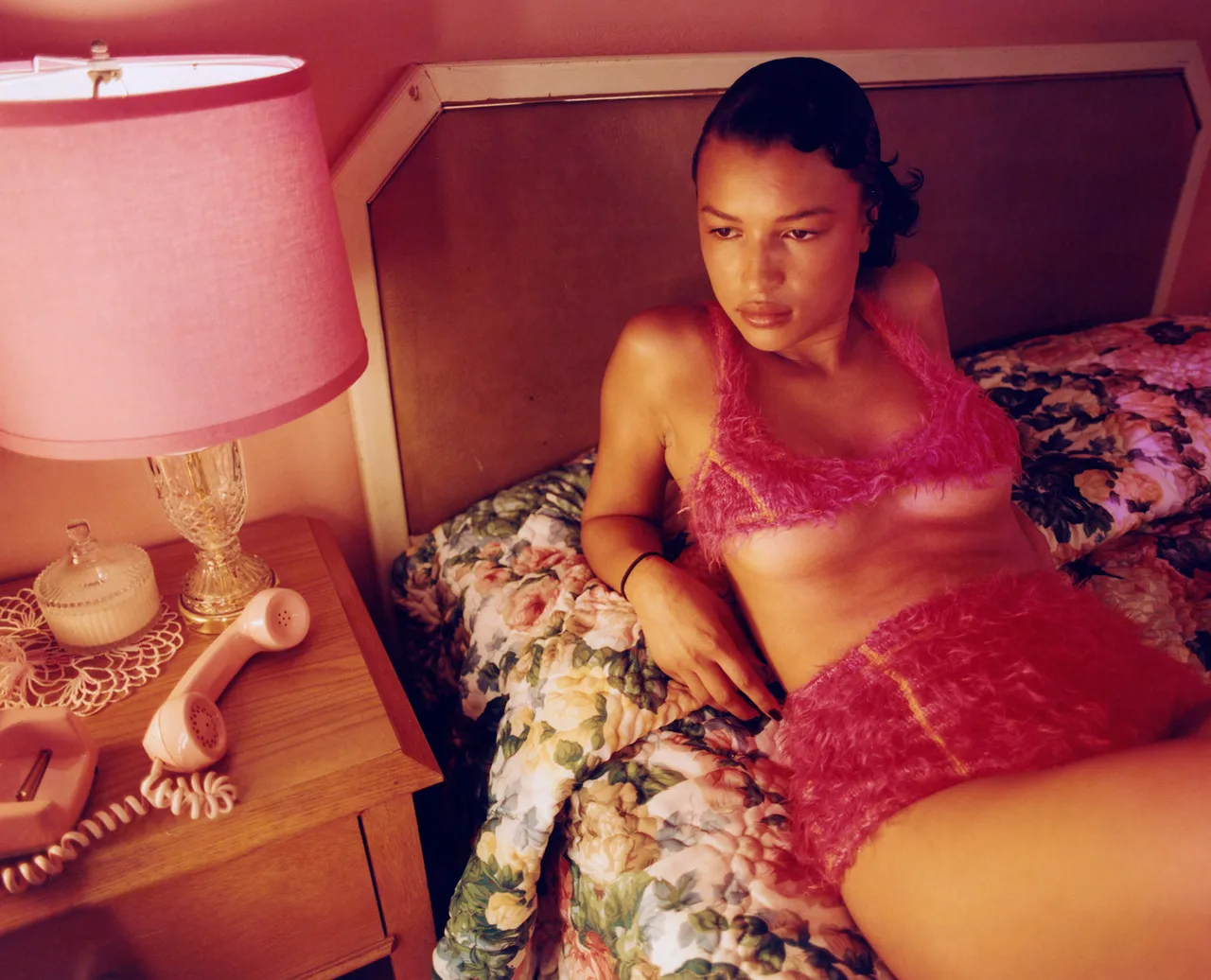
While you’re in the Grand Palais exploring this fun melting pot of styles, messages, visions and characters, you definitely must have a look at Camila Falquez’s solo show at Hannah Traore Gallery. The photographer who was born in Mexico City and raised in Barcelona by Colombian parents. The photographer who is now based in Brooklyn and portrayed prominent figures like Zendaya, Anya Taylor-Joy, and Kamala Harris. And above all: The photographer who is known for fashion and portrait images that reflect the beauty of contemporary social and gender diversity.
When you look at her work, you see bold, vibrant colour-blocking that empowers her subjects. You see marginalised communities and BIPOC bodies getting the stage they deserve. You see, among others, Josue Hart captured like a Venus with pink hair and golden scarf. Sherry Poppins and Qhrist AlMighty dressed in matching monochrome ensembles. We can assure you that here, there’s a lot to discover and even more to be inspired by.
Yorgos Lanthimos
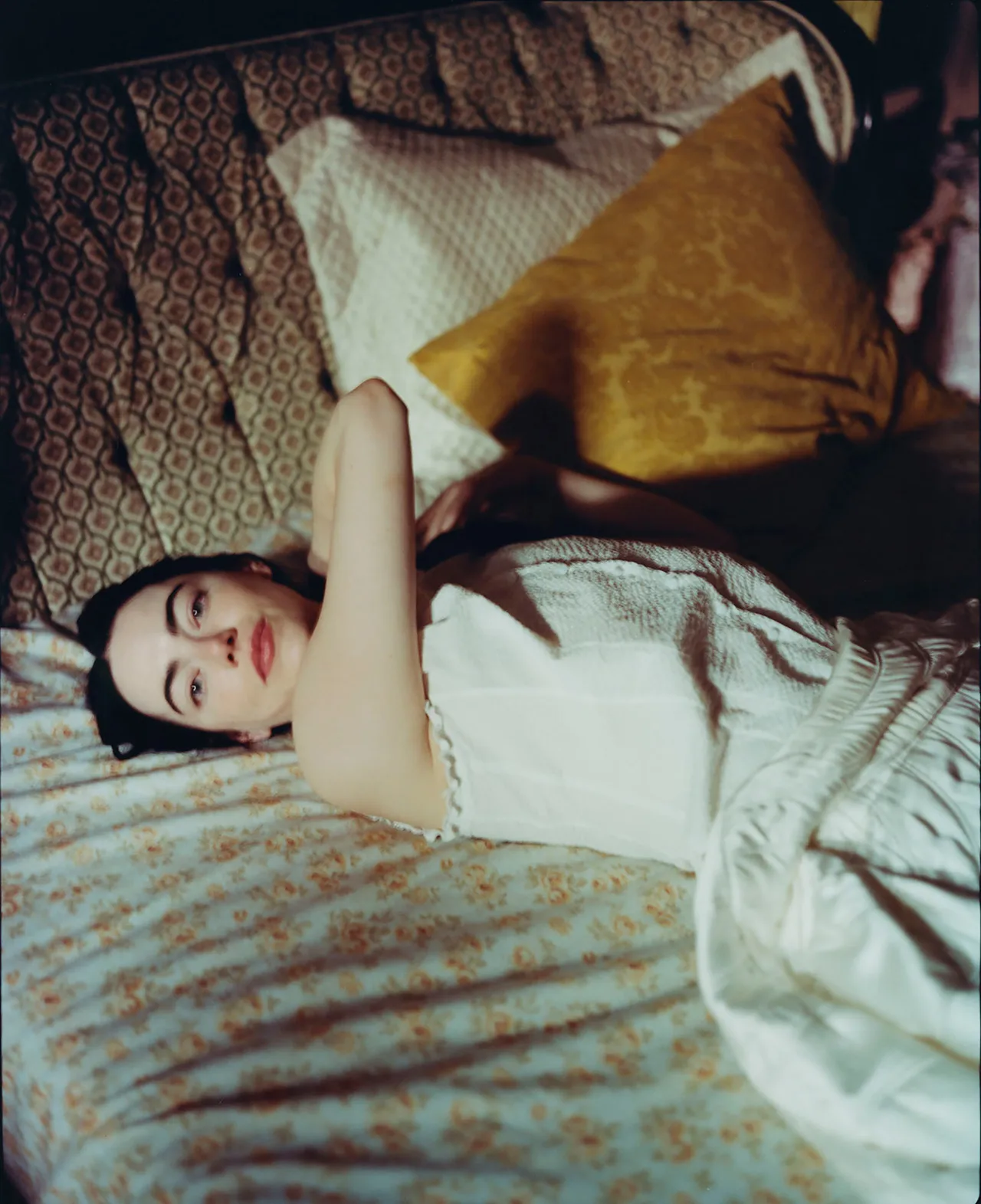
If you’ve seen the Academy Award-winning movie Poor Things, you probably left the cinema a bit disturbed. A bit speechless and definitely captivated by all the colours, the acting, the costumes, the grotesque atmosphere. If you haven’t watched it, to cut it really short, it’s the story of Bella Baxter exploring the world, femininity, and sexuality.
Now, at Paris Photo, at the booth of art-house published Void, you have the opportunity to discover the world of this movie from an entirely new perspective: a perspective that is behind the scenes. Because, on set in Budapest, no one else than the director Yorgos Lanthimos took his camera to capture an entire series that shows a separate world, untethered from time and place that creates endless layers between dream and reality. Through wide angles, you can see the constructions of the set design of 19th -century versions of Lisbon, London, Marseille and a cruise ship, with a focus on stillness, tonality, and light. It’s mediative, calm, raw and reminds a bit of Matisse’s surrealistic paintings, where nothing is where it should be. So, Lanthimos published this entire photo book, titled Dear God, the Parthenon Is Still Broken, which you can find at the fair.
Olga Sokal
If you look at Olga Sokal’s Untitled from Pink (2024), you see a woman lying on the bottom of an empty pool. Her pink dress spread around her, like a fallen angel. Like Icarus, who fell from the sky because he came too close to the sun. It’s a dreamy image. A bit lonely. You could even say a bit surreal, dystopian if you look at the wide, empty yet organic surface of the concrete floor. The darkened trees in the background. Of course, that depends on your own interpretation. But just as every other work by the Polish-born visual artist, this photography explores themes like identity, human connection and the convergence of diverse worlds. Her visual language is dominated by a cinematic atmosphere, merging film and fine art into her own personal style. Untitled from Pink is part of a group show alongside Mike Brodie, Greg Girard and Daniel Arnold, hosted by Berlin’s Kominek Gallery.
Hassan Hajjaj
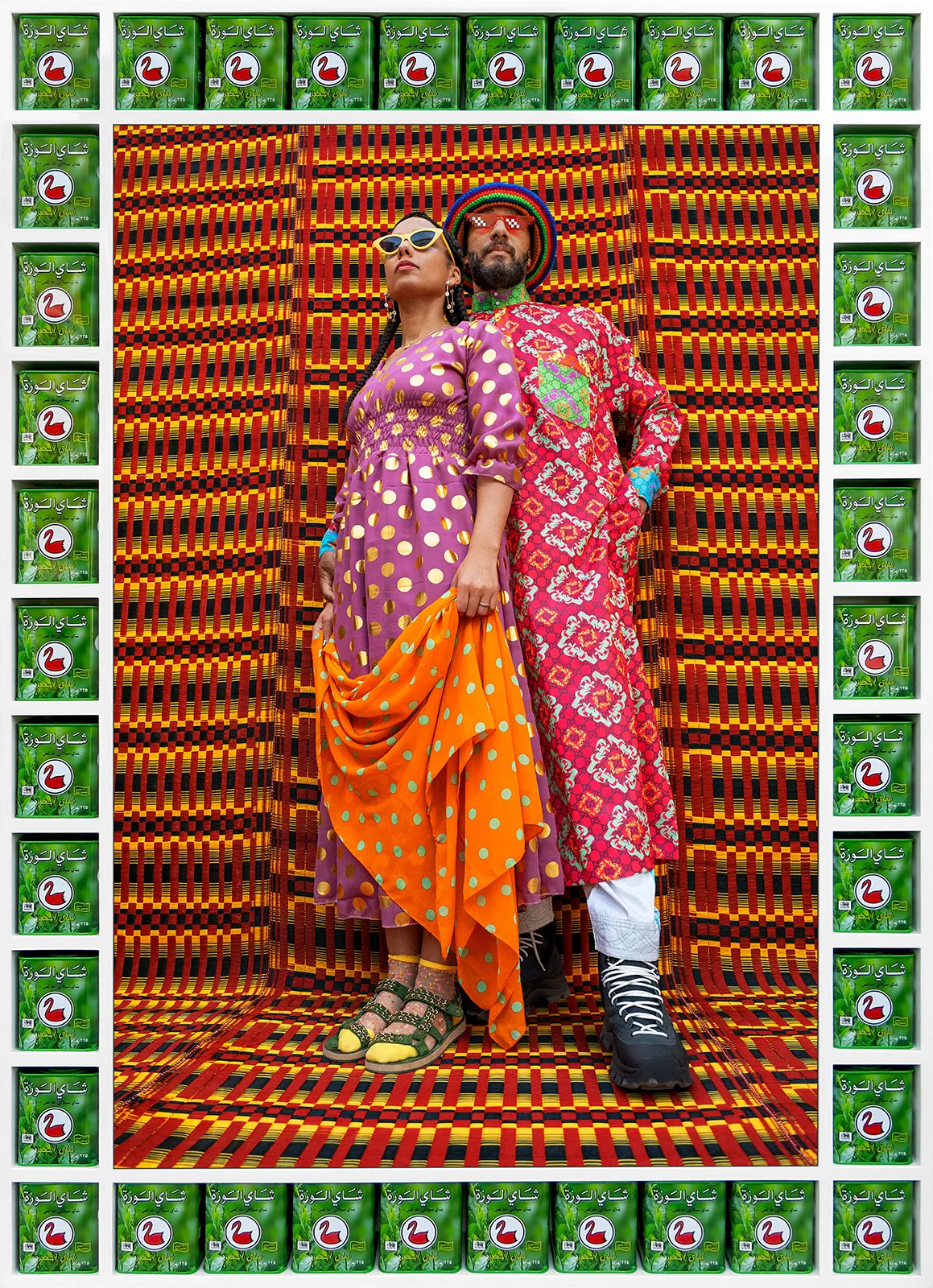
If you don’t know this name yet, you should definitely start remembering it now. Because Hassan Hajjaj’s vibrant, colourful portraits have this kind of vibe we need to see more often: Tender mixed with humour and humility. Honesty, pride and cultural fluidity. Traditional Moroccan elements with modern streetwear influences. The vibrancy of urban life. With backgrounds, temporary street-studios, constructed of North African textiles, everyday materials, plastic mats, woven rugs, traditional instruments, and even motorbikes.
His work reflects on the complexities and challenges of post-colonial identity in a modern, interconnected, fast-paced and gentrified world by drawing from his own Moroccan heritage and his childhood in London. Sometimes he just captures legs. Sometimes he captures musicians, artists. And sometimes he captures friends. One highlight of Paris Photo, for example, is his portrayal of Alicia Keys and her partner Swizz Beatz, dressed in bold looks that were designed by the multimedia contemporary artist himself. It’s a bit of pop art. A bit like a mosaic. And for sure something to have a look at while strolling around 193 Gallery’s booth.
Yatreda
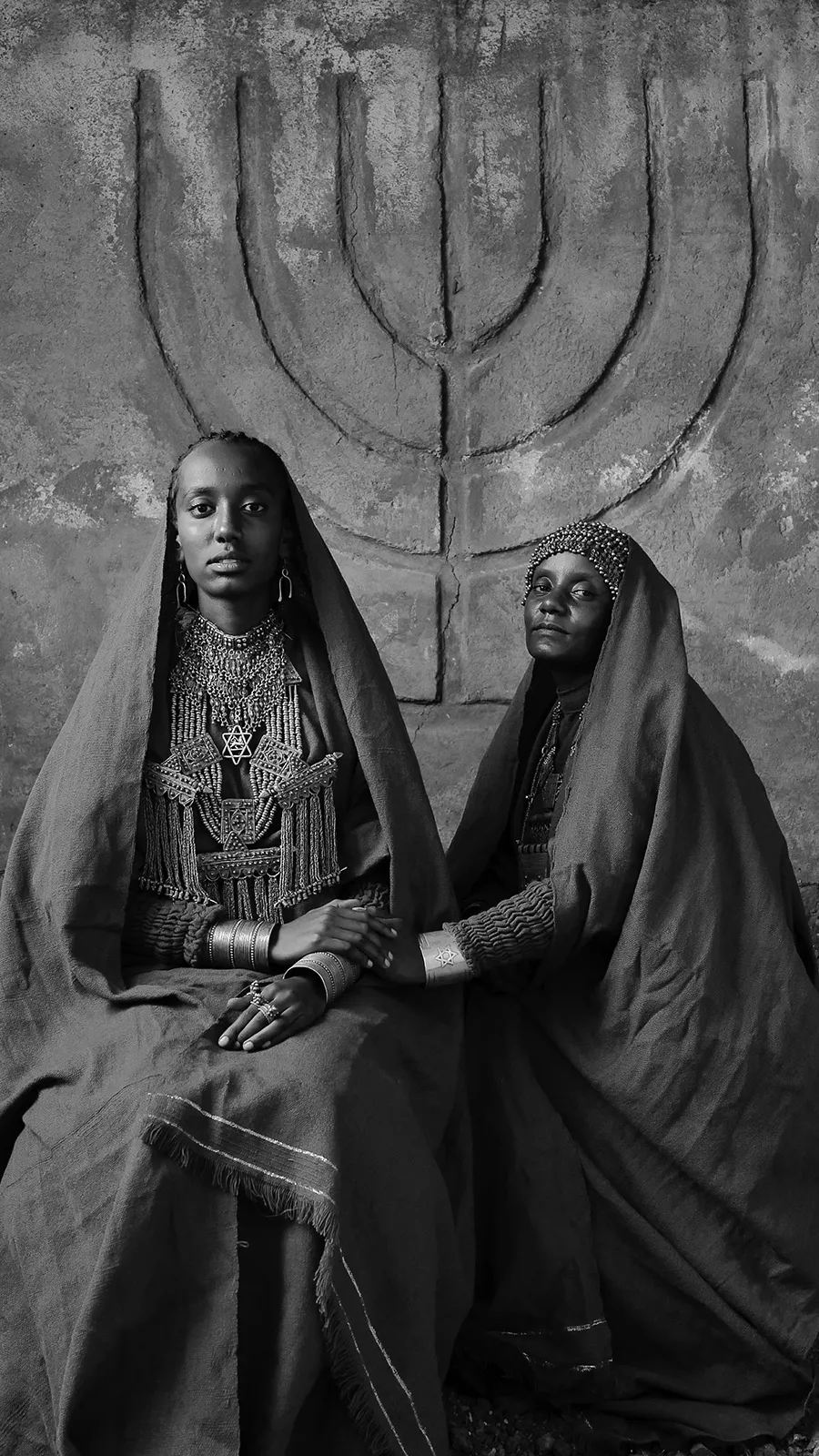
Yatreda is not a single artist. No. Yatreda is a family-based collective from Ethiopia, led by creative director Kiya Tadele. Their deep, meditative, slightly moving digital artworks are all about fusing tradition and innovation. About celebrating culture now while preserving it for eternity: legends, historical figures, folk dances, childhood musings, endangered cultural elements all explored through the style of tizita — a style that is characterised by the profound sense of nostalgia and the longing for the past.
But as their work shows, they are not stuck in the past. Instead, they invite diving into the cyclical nature of history, connecting generations with the fast-paced world we’re living in by minting their artworks on the blockchain. So, during the fair, you have the chance to stop by the booth of the gallery Nguyen Wahed and take a long look at their work. Yatreda’s approach is unique, visionary, and deserves every single moment of attention.
Lin Zhipeng
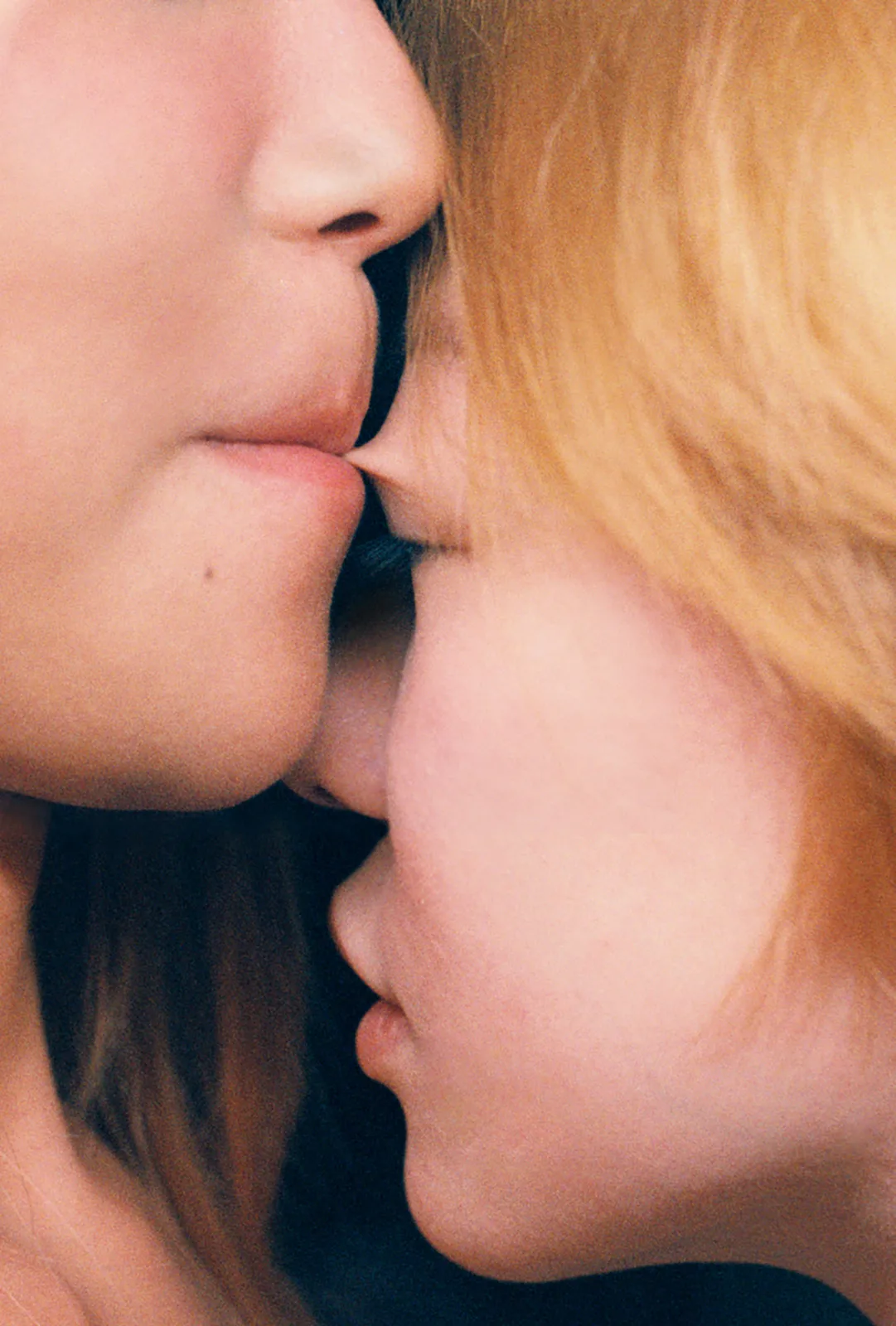
Whoever has been an insider of the web community in 2003, has high chances to remember the blog North Latitude 23. The blog Lin Zhipeng became famous with. Here, the Chinese-born photographer daily published pictures he took, accompanied by short texts. A blog that received millions of views in a short time. Since then, Lin has published books in China, France, Canada, Japan, Italy, Norway and turned out to be one of the leading figures of new Chinese photography. His images act as a collective diary of a generation that wants to escape social pressures, that is longing for the pleasures of life in a world that is continuously rapidly evolving. It’s a zeitgeist of the post ‘80s and ‘90s youth culture in China, but feels more relevant than ever before. Just thinking about AI, politics, climate change…
At Paris Photo, you can dive into Lin’s visual language: sensual, intimate, human, nostalgic with strong filters and colour-grading. Bodies, skin and vulnerability. A pit of punk. A bit of pop. And an emotional, poetic ambiguity of love and fantasy, chaos, eroticism, and myriad patterns. Of carefreeness, playful innocence, optimism and hedonism. As you can see, it’s a lot of emotions, a lot of room for interpretation. And definitely one highlight to stumble across in the Stieglitz19 booth.
Dias & Riedweg
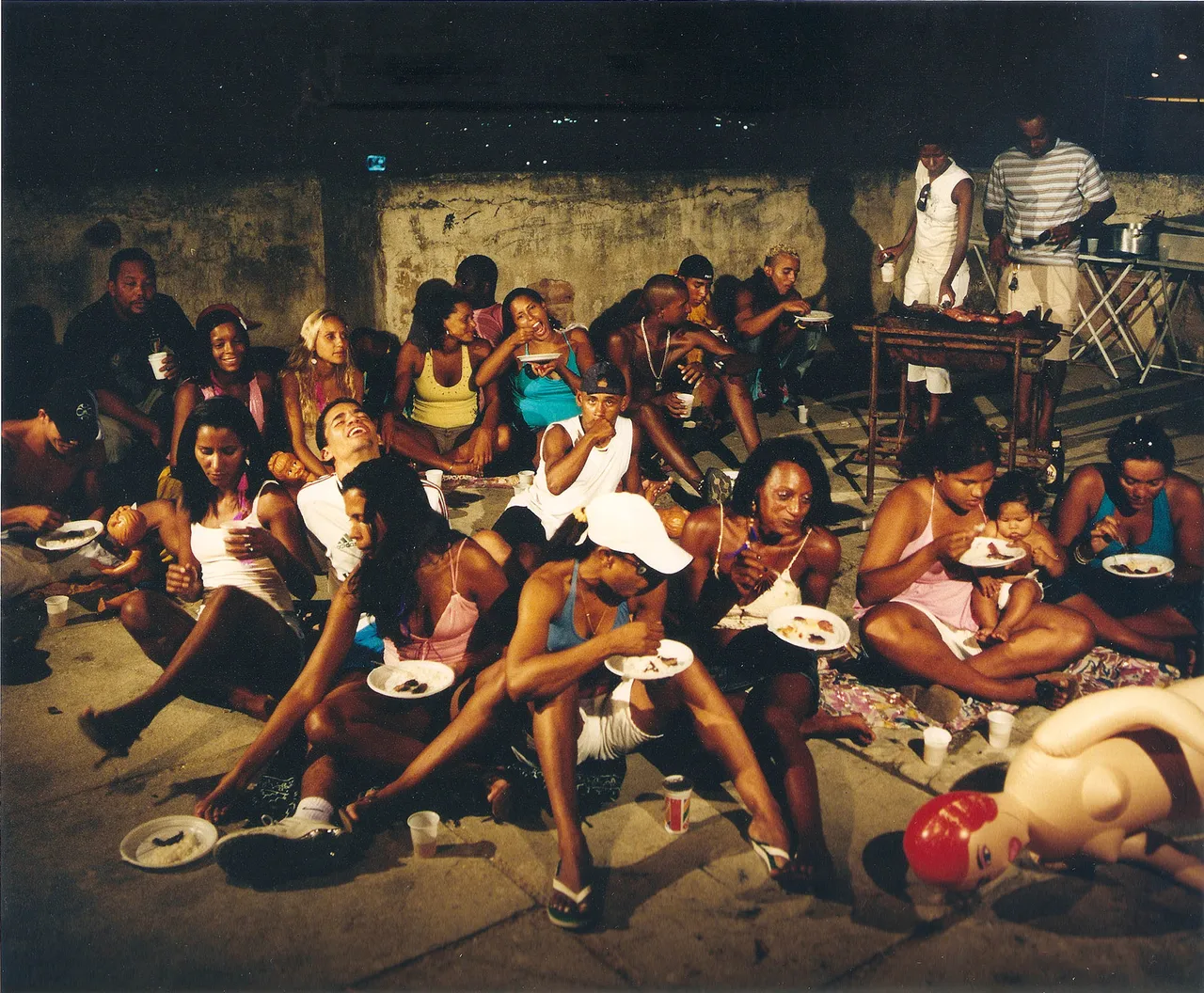
As the name Dias & Riedweg already suggests, we’re talking about an artist duo: Mauricio Dias, who was born in Rio de Janeiro, and Walter Riedweg, who was born in Lucerne. They work together since 1993, have won awards like the Video Brazil Jury Prize and exhibited in Madrid, Zurich, Los Angeles, Rio de Janeiro, Barcelona, Bahia, Houston and Helsinki. So, for decades now, this duo has been successfully presenting polarising projects in fields of installation, video, performance, photography and public art in shared places. Because of that, Dias & Riedweg, are part of New Genre Public Art that doesn’t focus on the surrounding of its placement. No. Instead, it focuses on specific topics and marginalised social groups. In 2007 for example, they filmed multiple interviews with chaperos, male sex workers with immigration background in Barcelona’s queer scene. During Paris Photo, the duo is part of a group show of Bendana | Pinel Art Contemporain.
Koto Bolofo
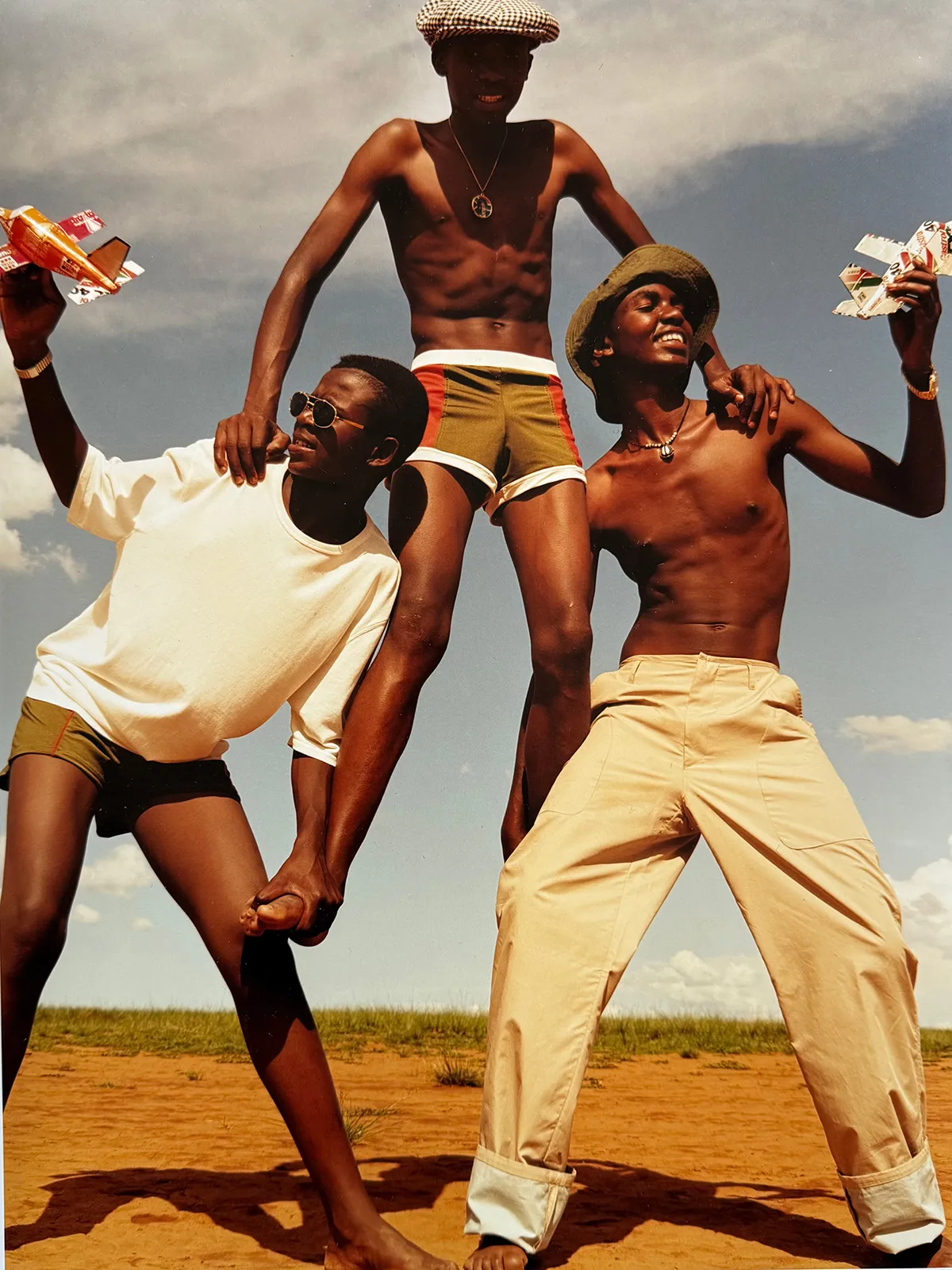
Koto Bolofo is definitely one of the most known names in our list. The renowned South African photographer and filmmaker has worked with big brands such as Louis Vuitton, Loewe, Chanel, and Dior. He has published captivating fashion editorials in some of the most esteemed magazines there are, has worked in photojournalism, documentary, art and advertising — everything self-trained! Now, In camera galerie presents a solo show of his photography, with works that are characterised by timeless beauty, almost dream-like compositions and a sense of intimacy.
One part of this solo show is Sibusiso Mbhele and his Fish Helicopter, captured in 2000. It’s a photo that shows the (also) South African artist Mbhele, sitting on a horse with one of his whimsical metallic sculptures in his hand. It’s part of a whole series, of an entire book that offers a cinematic look at Mbhele’s life as he faced rejection from his own community for his art and was forced to flee his home. Other images show the artist in front of three planes or held up by two friends. But that’s not all. If you visit In camera’s booth, there are others just as stunning photos taken by Bolofo you can discover.
Gilleam Trapenberg
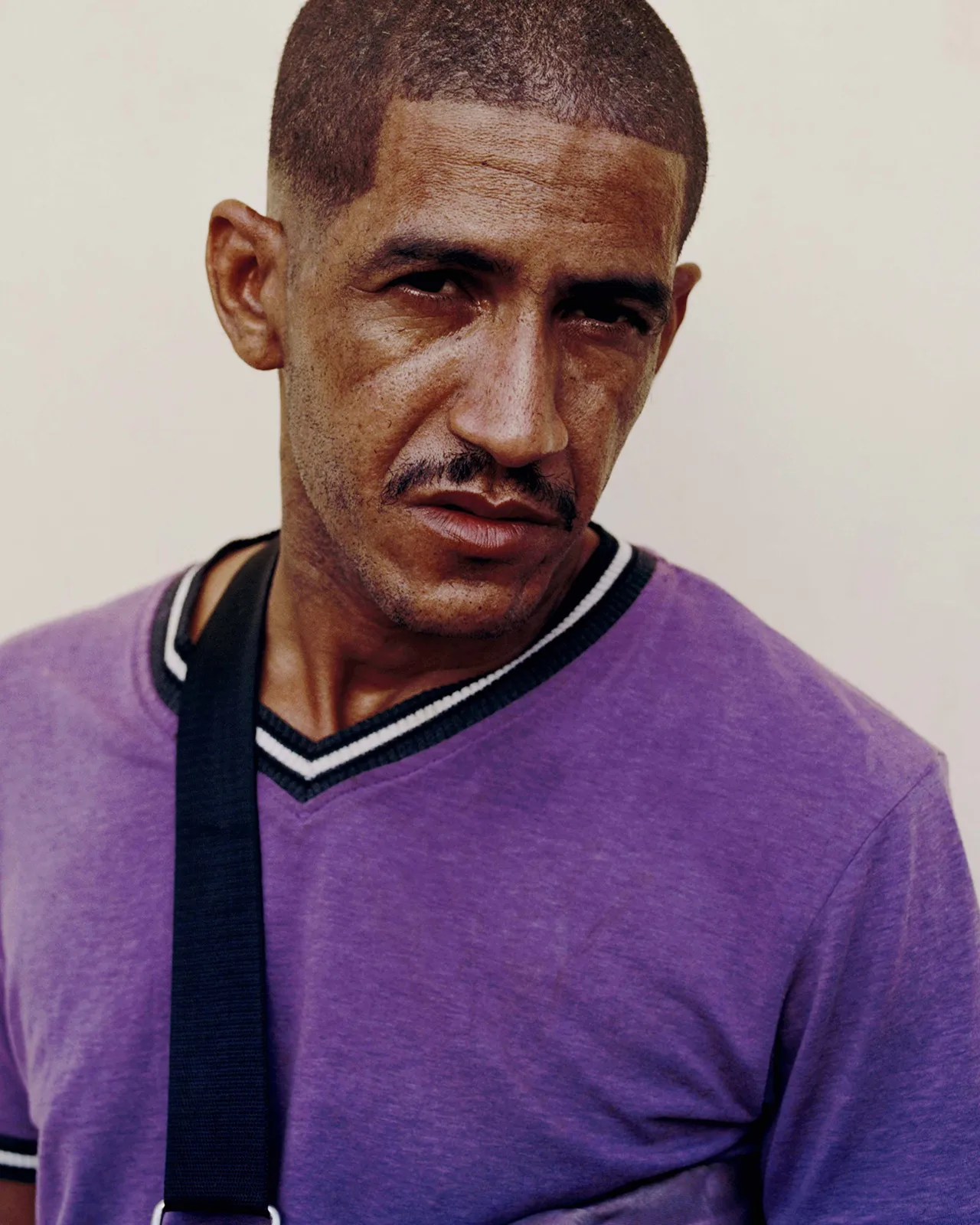
Visual artist, Gilleam Trapenberg, focuses on especially one theme: the tension and balance between two places that are connected by colonialism, by import, export and mass tourism. The connection between Willemstad, Curaçao (in the Caribbean, where he grew up), and The Hague (where he studied), and Amsterdam, where he still lives and works from. Therefore, Trapenberg’s images are characterised by a certain sense of nostalgia and longing. Where perspectives evolve, change and turn. And where the memories of home have become a romanticised picture.
It’s a reflection on Curaçao’s social landscape, on the many paradoxes and on the stereotypical portrayals of Caribbean life that dominate especially Western media cycles. How? By creating necessary counter-images. Overall, it’s an extremely personal and honest part of Paris Photo, and if you have the time to stop by Ron Mandos’ booth, you additionally get a glimpse at Erwin Olaf’s work, which is showcased alongside Trapenberg’s. Both a must-see, for sure.
Rania Matar
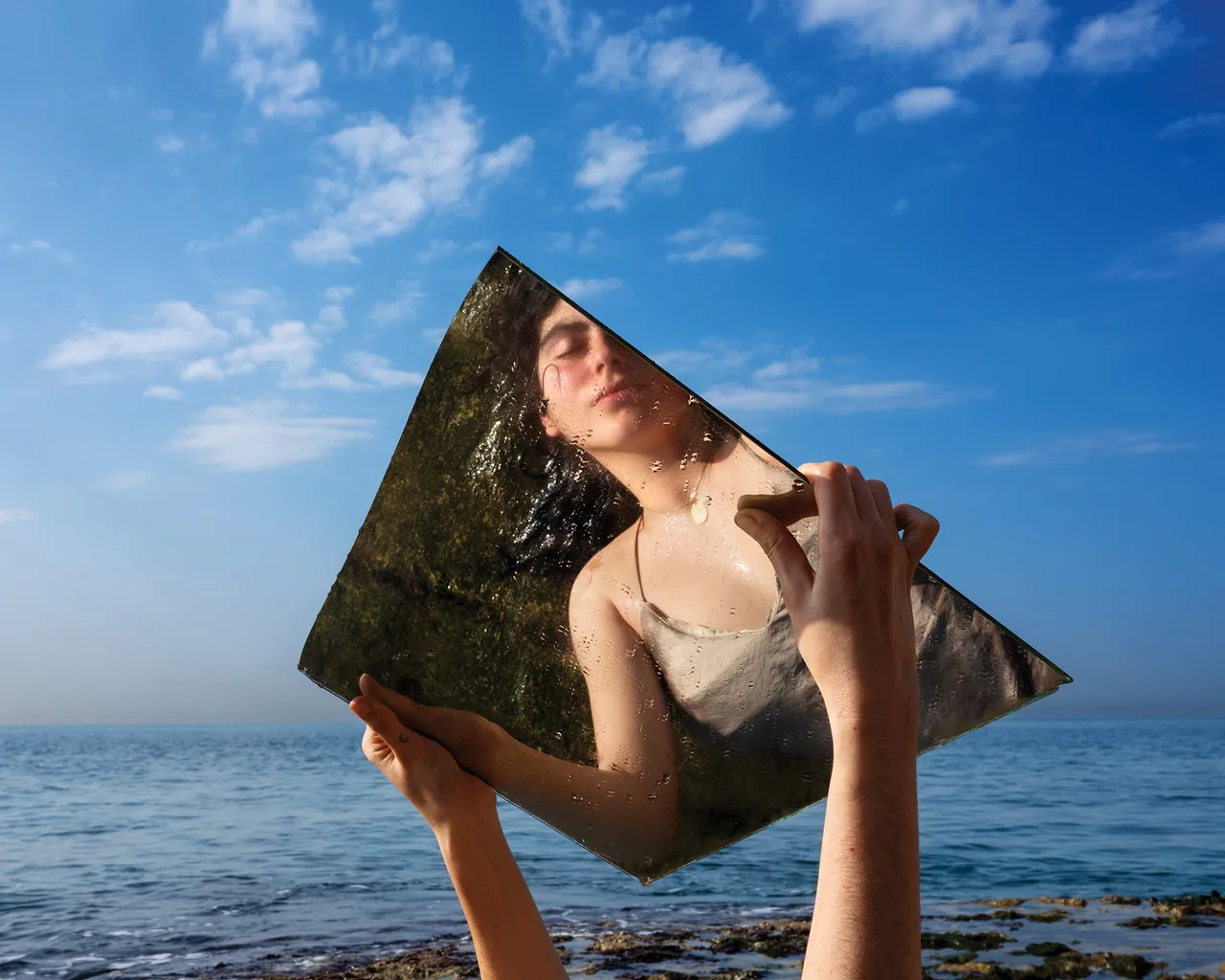
By looking at Rania Matar, the Lebanese-born American/Palestinian artist’s work, you’re going to be immersed into a visual story of cultural backgrounds, cross-cultural experiences, the tension between personal and collective identity as well as adolescence and womanhood. The artist who was born and raised in Lebanon and lives in the US since the ‘80s is known for photography that is raw, vulnerable and political. In front of abandoned backgrounds or in nature. With female subjects from all around the world that have the chance to tell their own personal stories yet create an overpowering sense of community, mutual understanding and shared knowledge of what it means to be a woman in today’s world. Alongside Matar’s work, Galerie Tanit showcases images by Giulio Rimondi, Ranfa Mirza and Stephen Waddell among others and therefore uses the photo fair as a successful stage to introduce art that takes place between Northern America, Munich and Beirut — a unique and important exchange of visual storytelling.