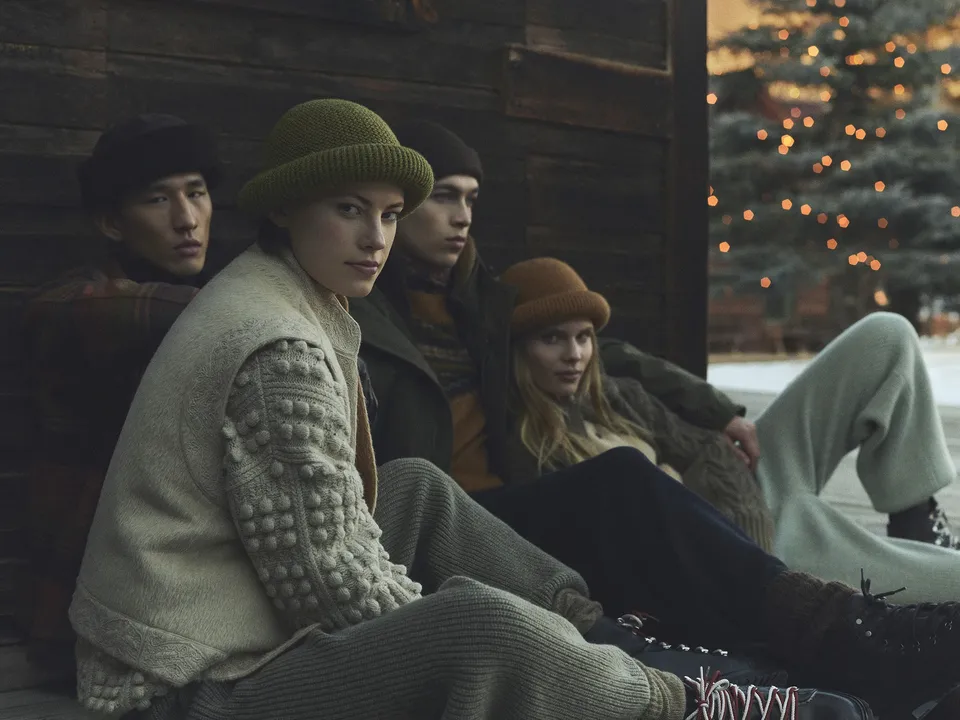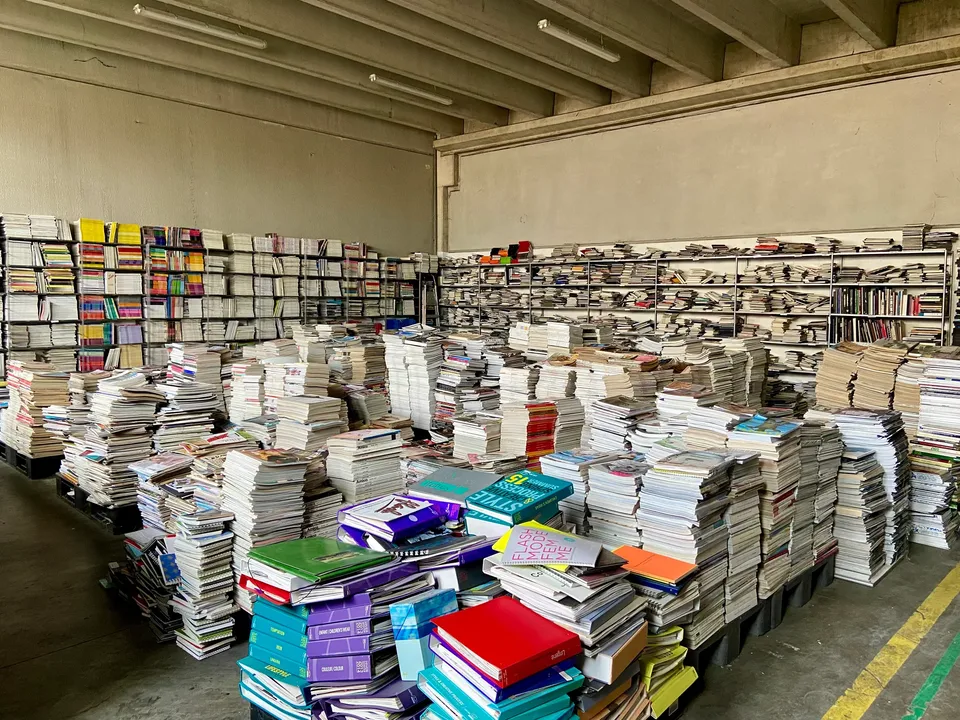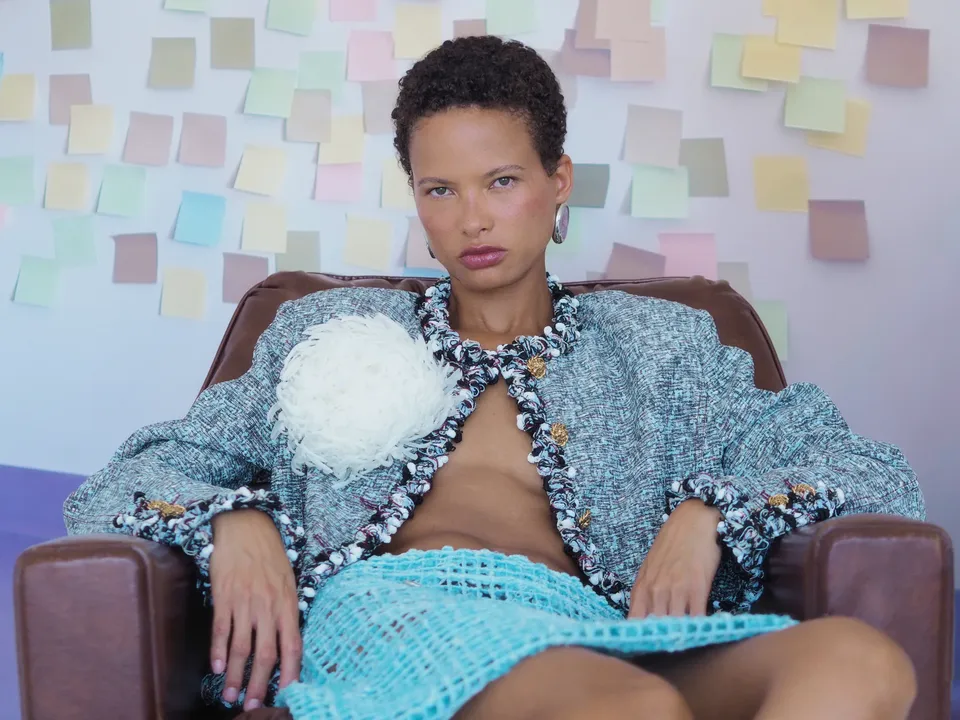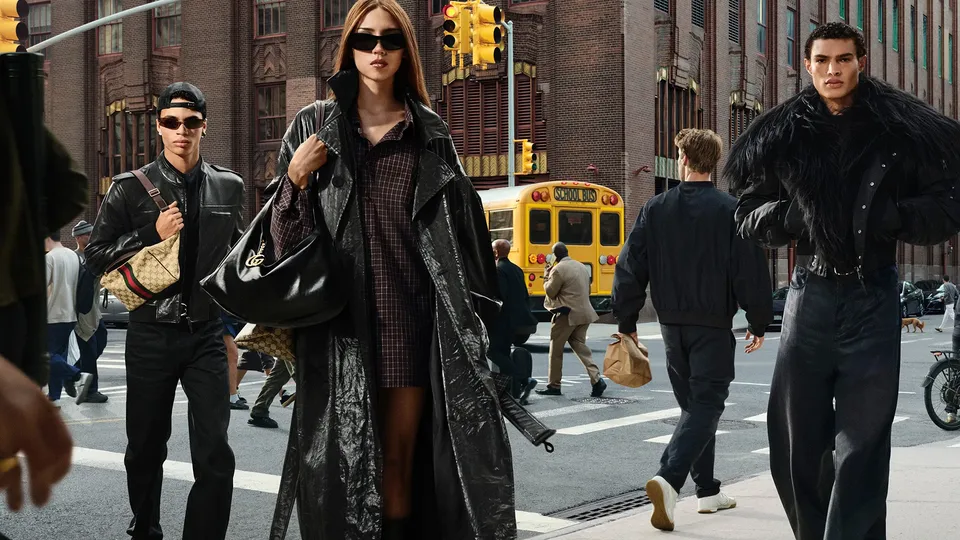
The music that hits you at just the right moment, the lighting that transforms the room, the atmosphere that makes everything feel almost unreal, the space that holds it all together. Suddenly, you are no longer simply looking at a collection. You are feeling it. And perhaps that is what makes a fashion show truly unforgettable.
Sometimes, you cannot quite explain why something moves you so deeply. Why a certain moment makes your heart feel a little heavier, fills your eyes with tears, or sends shivers down your spine. A fashion show can do exactly that. Of course, it might be the clothes passing in front of you, each look more extraordinary than the last. But sometimes, the emotion comes from somewhere else entirely.
This season’s Fashion Weeks have been particularly captivating in the way each space has brought a different fashion universe to life. Through carefully conceived environments, designers and their teams have allowed us to step inside their creative imaginations, turning collections into worlds we could almost touch, hear and feel. Everything felt organic, as though the clothes and their surroundings belonged to one another from the very beginning. The result was something far beyond a visual experience: a sensory encounter capable of shifting the way we perceive a collection, even long after the show is over.
New York Fashion Week
New York undoubtedly stood out this season for the attention to detail in each show’s setting, proving that the space surrounding a collection can be just as thoughtful and expressive as the clothes themselves. Thom Browne, however, took this idea one step further, turning his Spring/Summer 2027 show into a fairy tale that felt almost too beautiful to be real. The garden-like setting, extraordinary lighting and references to nature made the collection even more captivating. Butterflies seemed to emerge, transform and come to life within this imaginary world, turning the runway into a performance that blurred the lines between fashion, nature and fantasy.
An outdoor runway? Absolutely. Collina Strada embraced the beauty of imperfection, allowing wind, live music, surrounding sounds and the movement of the audience to become part of the experience. Nothing felt overly controlled, and that was precisely the point. The natural landscape complemented the collection’s flowing ruffles and fantastical silhouettes, creating something organic, spontaneous and wonderfully real.
Luar went monumental this season. With the Unisphere as its backdrop, the show took on an almost mythical quality, its enormous scale and carefully considered lighting creating an unforgettable spectacle. The globe’s circular geometry evoked classical proportions and Renaissance ideals, bringing to mind Leonardo da Vinci’s fascination with symmetry and the human relationship with architecture. Epic, timeless and larger than life.
In a more intimate setting, Conner Ives created a world that felt warm, luminous and quietly sensual. There was something almost nostalgic about it, evoking California dreaming, afternoons in Palm Springs and the effortless glamour of Miami. The space found its place somewhere between minimalism and excess, never trying too hard to impress.
Tory Burch understood the power of light, colour and architectural context. Presented at Isamu Noguchi’s Sunken Garden in Manhattan, the show played with contrasts between darkness and brightness, stone and colour, and classical architecture and contemporary fashion. The vibrant set elements stood out without feeling disconnected from their surroundings.
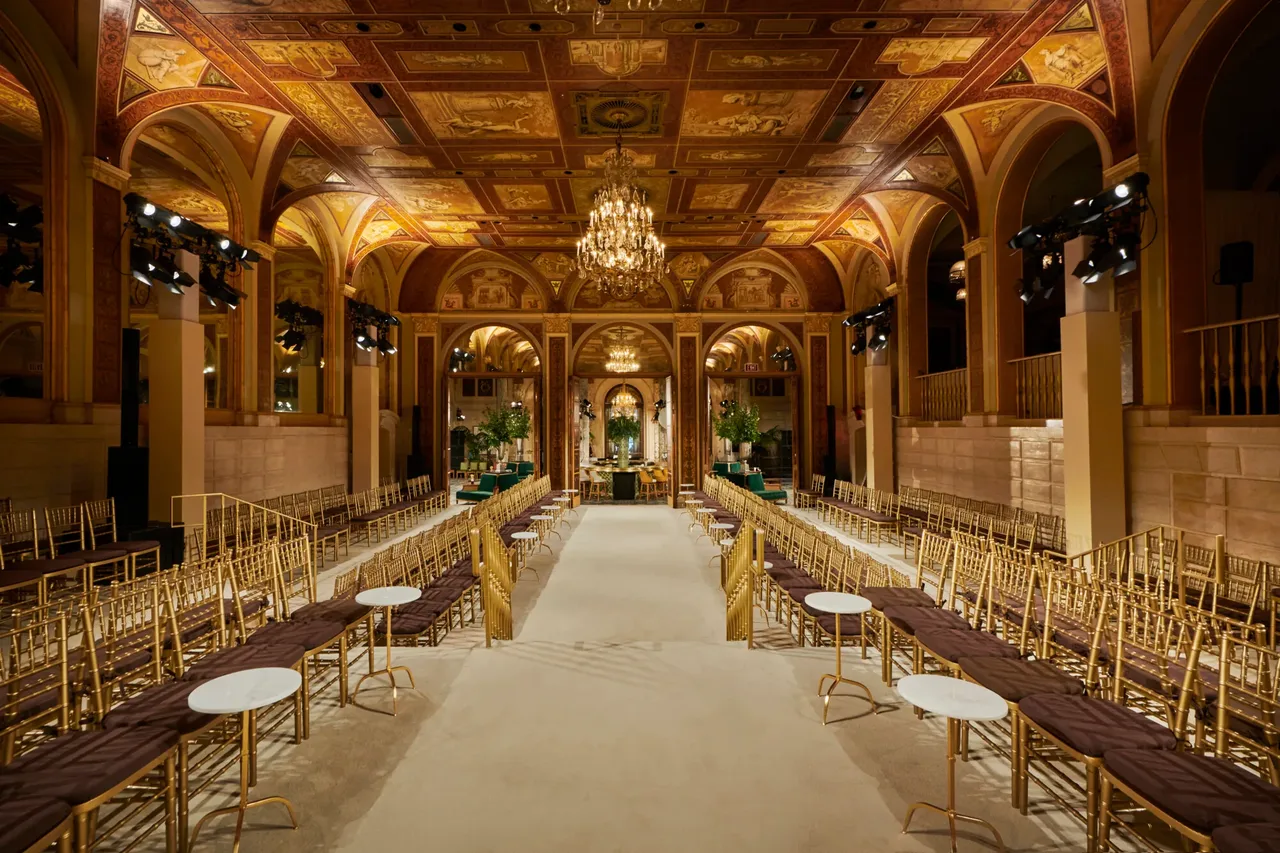
Tommy Hilfiger transformed The Plaza Hotel into an inviting world of classic New York glamour. Gigi Hadid’s opening sequence, walking through the hotel before entering the runway, made the show feel like arriving at a destination rather than simply attending a fashion presentation. The richly decorated interiors, warm lighting and live music evoked the atmosphere of a hotel bar, where guests might gather for a drink and stay awhile.
Darkness, silence and a moment to take it all in. Bad Binch TongTong created an atmosphere that allowed the garments to command every ounce of attention. Against a predominantly black setting, the sculptural pieces became the centre of the entire experience, while the illuminated ceiling introduced movement and another layer of theatricality. The contrast was extraordinary: a dark, almost empty canvas that made every detail feel even more striking.
Carolina Herrera brought a garden indoors, filling the setting at Lincoln Center with thousands of yellow tulips and sculptural floral arrangements. The result was exceptionally polished, sophisticated and beautifully composed. Clean lines met the softness of the flowers, while the bright yet warm lighting preserved the freshness of the setting without making it feel cold. Everything felt intentional, from the placement of each bloom to the overall colour palette. Classic, feminine and impeccably executed.
Paris Fashion Week
Some of the season’s most memorable sets unfolded in the French capital, where fashion houses turned their surroundings into worlds of their own. Wow. Chanel was simply breathtaking. There is something about this house, with its history and unmistakable identity, that makes every detail feel meaningful. Beneath the Grand Palais roof, a glowing moon and a flock of illuminated birds transformed the space into something almost otherworldly. The lighting, the atmosphere and the relationship between the architecture and the set were extraordinary. It felt like a night in which nature had come alive, suspended above us in a world of its own. With Britney on the soundtrack and Nicole Kidman’s narration framing the show, the entire experience felt cinematic. And seeing Coco Chanel’s own 1955 bag made it all the more special. Simply beautiful, in a way that leaves you breathless.
What can I say about Valentino? The entire concept was brilliant. Staging the show in a historic library and bringing books into the experience felt both romantic and genuinely meaningful. Alessandro Michele’s idea extended beyond the setting itself, connecting the collection to the stories, ideas and possibilities that books hold. The extraordinary ceilings, the architectural grandeur and the carefully considered lighting made the location speak for itself. It was as though the building carried its own narrative, one that the collection could step into rather than compete with.
Dior gave us a spectacular contrast between futuristic, almost nuclear-white elements and the lush green of nature, with the Eiffel Tower in the distance. Set outdoors in the Tuileries Garden, the show felt monumental, as though its scale reflected the house itself. Yet what made it so powerful was the kind of grandeur it embraced: not dark, imposing or traditionally masculine, but bright, feminine and full of light. The mist drifting through the landscape added movement and mystery without taking away from the clarity of the setting. Everything felt immaculate, from the composition of the space to the way the collection moved through it. Epic in scale, but light in spirit. A powerful vision of femininity that felt perfectly at home in Jonathan Anderson’s Dior universe.
Some shows are beautiful to look at. Others make you feel something that stays with you long after they end. Matières Fécales did both. Staged at Place de la République, a public square rather than an exclusive fashion venue, the show challenged the boundaries of who gets to participate in fashion. The designers opened the experience to members of the public who had not received formal invitations, bringing ordinary people into a space that so often remains inaccessible. That decision made the location more than a backdrop: it became part of the message. The contrast between the brand’s confrontational aesthetic and the familiarity of a public monument was incredibly powerful. Then came the smoke, the music and the emotionally charged finale, which felt almost like a scene from a film. Nothing seemed to exist simply for the sake of aesthetics. Every element carried meaning. This was fashion as art, as expression and, above all, as something deeply human. A genuinely moving experience.
Darkness, gold and the Eiffel Tower. Saint Laurent understood exactly how to create an atmosphere that feels both intimate and monumental. Enormous golden chandeliers hung above the runway, facing the illuminated Eiffel Tower, creating the illusion that the two belonged to the same architectural composition. The result was pure Parisian glamour, with a maximalist elegance that never tipped into excess. The warm glow of the chandeliers softened the darkness, while the seductive soundtrack made the entire setting feel even more immersive. There was something almost hypnotic about it: you could simply stand there and take it all in.
Elie Saab played with the contrast between darkness and light, softness and sensuality. Inside the venue, floral arrangements became an essential part of the scenography, bringing a sense of romance and femininity to the space. The flowers felt carefully chosen and placed, never simply decorative; their presence complemented the collection’s own balance between sweetness and seduction. There was a sophisticated restraint to the whole composition, allowing the flowers to speak without overwhelming the clothes. Romantic, polished and quietly sensual.
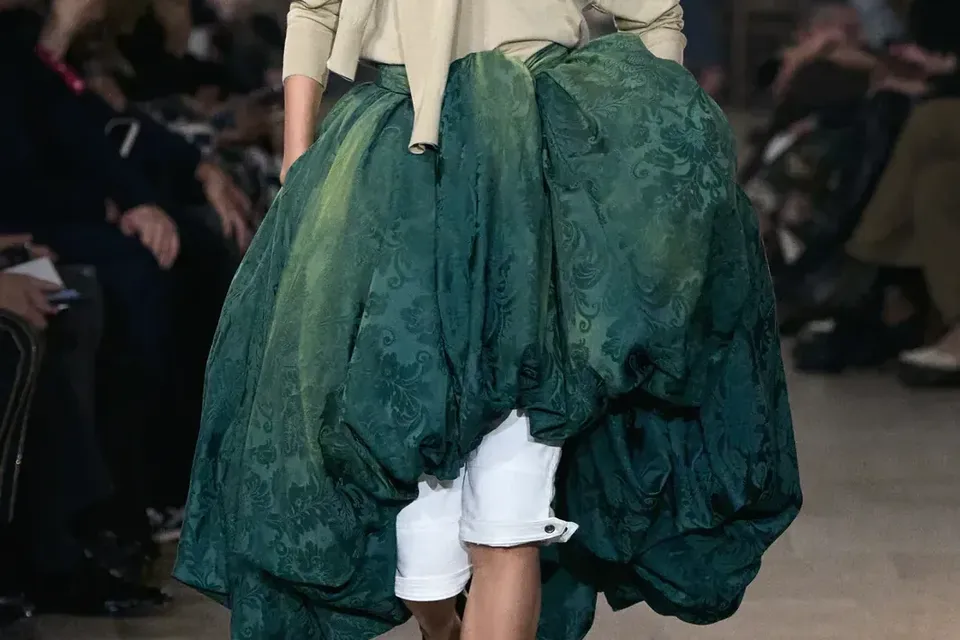
Louis Vuitton transformed the Cour Carrée of the Louvre into a futuristic cityscape, where concept cars appeared to hover above a grey, urban landscape. The contrast between the historic architecture and the imagined city of tomorrow was striking, creating a setting that felt both sophisticated and slightly surreal. The grey palette gave the space a sense of continuity, allowing the cars and their deep bottle-green tones to stand out while evoking the movement of traffic through a city.
Milan Fashion Week
Milan, on the other hand, offered a different take on the relationship between fashion and its surroundings. Demna did not simply build a runway for Gucci; he invited us into a whole new vision of luxury retail. The Store was conceived as a full-scale replica of an imagined Gucci flagship, complete with marble columns, elegant display cases, racks of clothing and accessories arranged as though they were waiting to be discovered. The lighting was classic yet undeniably sexy, bringing back that old-school sense of glamour that makes luxury feel like an experience in itself. Models moved through the space as if they were customers, stopping to look at the bags and accessories on display, while the audience became part of the illusion.
Onitsuka Tiger turned the runway into a series of familiar urban spaces, bringing everyday places into the fashion show. The Energy Station concept drew on the places we pass through without giving them much thought: a café, a laundromat, a supermarket and a service station. What made the idea so compelling was how naturally it connected to the collection. These were clothes designed to move between different environments, just like the people who wear them. The result felt spontaneous and grounded, with the energy of a city in constant motion. Fashion was not separated from real life; it was right there in the middle of it.
I suppose we can all agree that fashion does not simply meet art — fashion is art. This is reflected in the remarkable pieces that come to life through thought, design and craftsmanship. But when it comes to presenting a collection, the setting already shapes how we perceive it. Those attending a show arrive with a sense of excitement and admiration, eager to discover each piece as well as the ideas, concepts and values behind it.
Set design, then, is by no means detached from this experience. It embraces the collection, framing it in a way that can complete its vision and elevate its meaning or, if poorly conceived, diminish its impact. Because fashion is never just about the clothes. It is also about the world built around them.