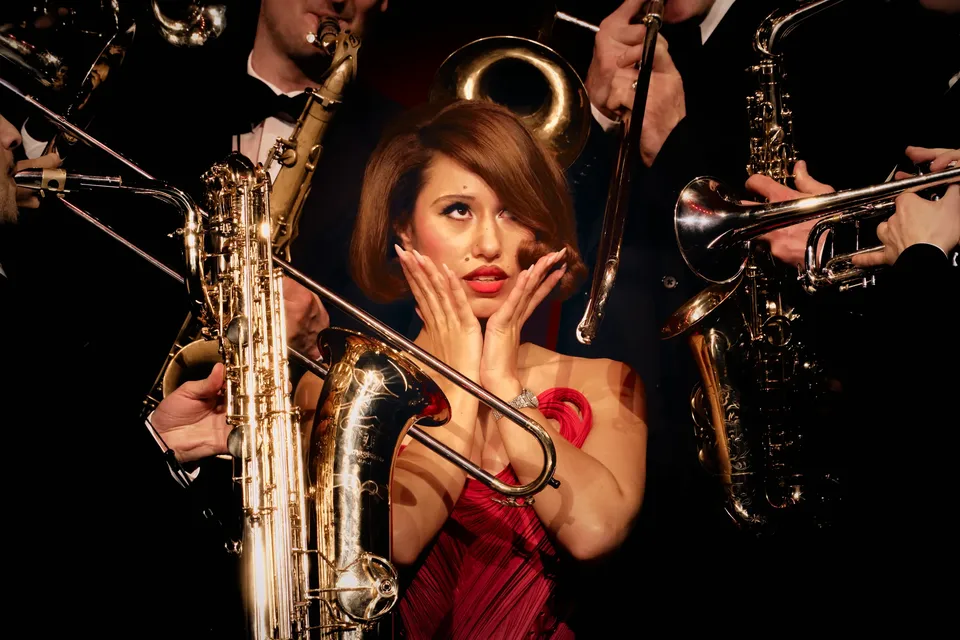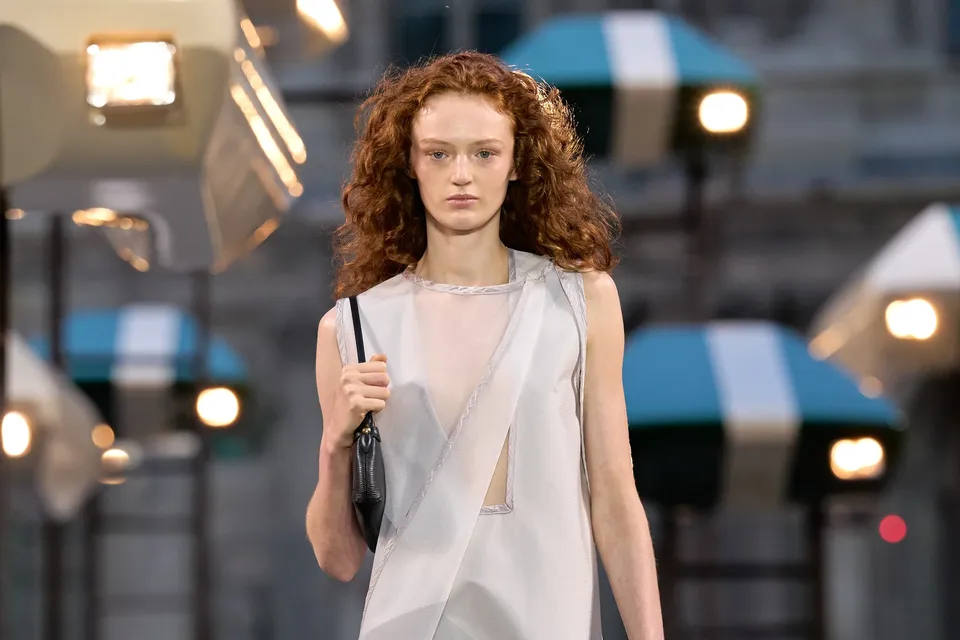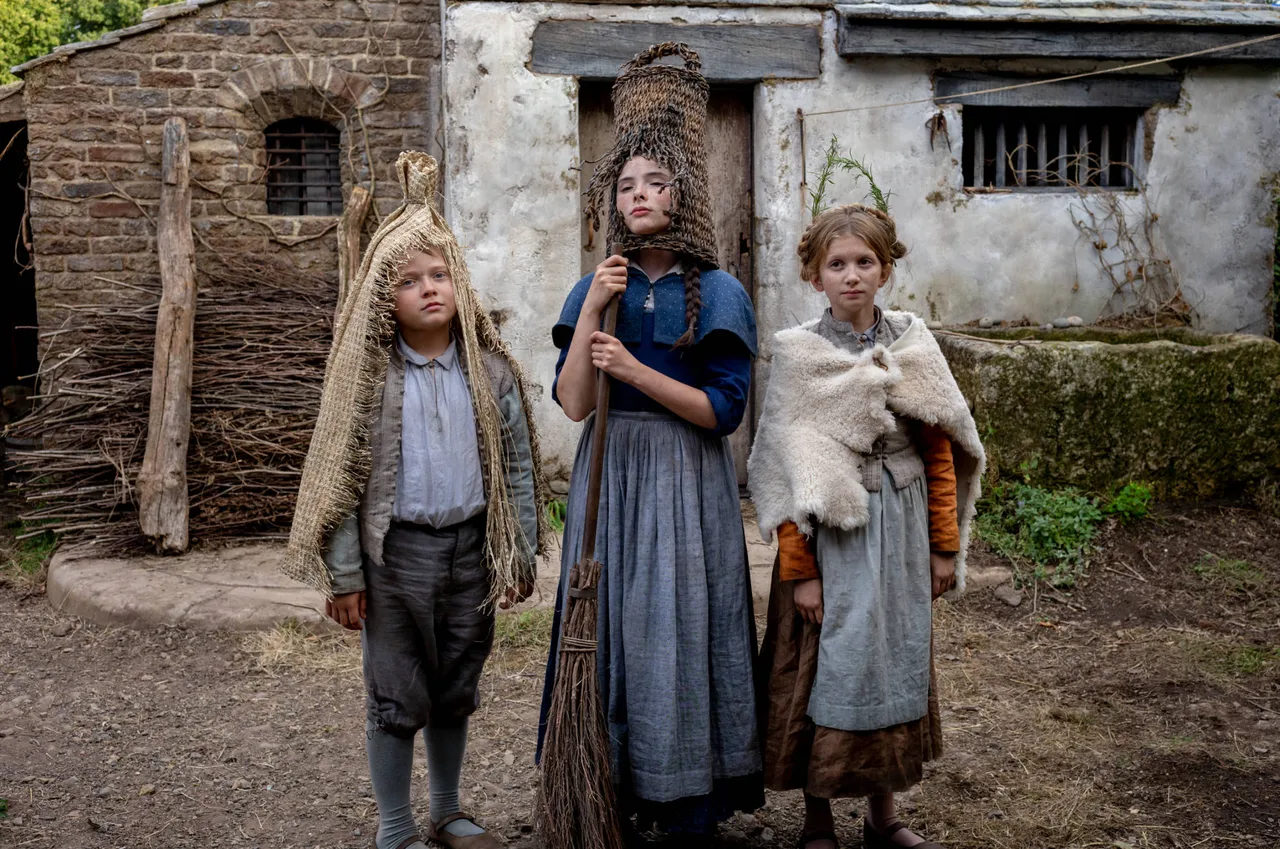
With the 2026 Oscar nominations now announced, we focus on other disciplines that contribute to a film beyond acting and directing, such as costume design. This discipline has become one of the most influential visual languages, capable of defining identities, atmospheres, and universes from the very first scene. This year’s five nominated films highlight the role of costume design, combining research, technique, and sensitivity. It is work that the audience perceives immediately, but whose process often remains in the background. These are this year’s five protagonists: Deborah L. Scott (Avatar: Fire and Ash), Kate Hawley (Frankenstein), Malgosia Turzanska (Hamnet), Miyako Bellizzi (Marty Supreme), and Ruth E. Carter (Sinners).
Connection is essential for us to feel part of a story, and costumes are one of the first tools used to build it. Before understanding a character by what they say or do, we read them through what they wear. Colours, fabrics, volumes, and textures bring us closer to or further away from characters, generating empathy or aversion towards them. Costume design helps to define identities, establish hierarchies, anticipate conflicts, and condition our perception. Through their clothing, a character can appear intimidating, vulnerable, or familiar without saying a single word.
However, costume design is still not one of the most important award categories for cinephiles, when in fact it is one of the most influential elements in how we understand and connect with a film and its characters. The five nominees this year continue to prove that dressing a character is about telling a story and accompanying them on their journey within the narrative.
Deborah L. Scott for Avatar: Fire and Ash
Winner of an Oscar for her work on Titanic, also directed by James Cameron, Deborah L. Scott once again manages to magnify the visual imagery of Pandora through her costume design. Her process begins by studying the script and getting a deep understanding of the space, the story, and the movement. The costume design features custom-made garments created using highly complex technical processes. In the case of the military uniforms, Scott wanted to rethink them to achieve a more organic shape, with a less rigid pattern and a colour palette taken directly from the leaves and the natural environment.
Each garment and every detail was made individually and then scanned and recorded in different situations of movement, serving as a direct reference for the visual effects team. The costumes are an essential part of the characters’ cultural identity and their way of inhabiting Pandora, even influencing the way the actors move and behave on stage.
Kate Hawley for Frankenstein
Kate Hawley designed the costumes for Guillermo del Toro’s film from an emotional and transformative perspective. This is not a one-off collaboration: Frankenstein marks the third time Hawley has worked with del Toro on the big screen, following Pacific Rim (2013) and Crimson Peak (2015). Set in the 1850s, the costumes incorporate references to Romanticism, classical art, and the scientific advances of the period, visible in details and materials. The colour red emerges as a prominent symbol at the beginning and end, creating tension between life and death.
The Creature’s costume moves away from traditional monster clichés, opting for a fragile and vulnerable image through vaporous fabrics, translucent skin, and delicate silhouettes that express his most sensitive side. Hawley combines historical elements with a contemporary approach, introducing textures, layers, and patterns inspired by biology and entomology. She manages to create a visual language that accompanies transformation, obsession, and melancholy—key themes that drive the story. Oh, and let’s not forget: the incredible jewellery pieces are from Tiffany & Co.’s impressive archive.
Malgosia Turzanska for Hamnet
With Hamnet, Malgosia Turzanska receives her first Academy Award nomination, marking her first time working with Chloé Zhao, although the two knew each other from the Tisch School of the Arts in New York. For Turzanska, the priority was to translate the story and the characters’ emotions into the costumes, as well as researching and understanding the Elizabethan era in which the film is set.
The colour palette reflects the emotional baggage of the characters; Agnes goes from reds and oranges to earthy tones and purples, while Will starts with greens and blues that fade to greys after the death of his son. The pieces are made from innovative materials, from laser-textured mushroom-derived leather, oak gall ink, and African bark fabrics to cracked clay, allowing the costumes to breathe, deteriorate, and transform with the characters. One of the moments in which the costumes play an important role is when we see Will covered in cracked white clay—a scene where we can interpret how all the traumas and sadness crack and break, leaving room for liberation.
Miyako Bellizzi for Marty Supreme
Young designer Miyako Bellizzi signs her third collaboration with Josh Safdie after Good Time and Uncut Gems, consolidating a creative relationship that blends trust and friendship. In Marty Supreme, set in 1952, Bellizzi focuses on a moment of transition after the Second World War, exploring how immigrant communities on the Lower East Side coexisted in a context of change and modernity.
Much of the wardrobe was custom-made and combined with vintage pieces. Visual inspiration included documentary references from the period, such as Ken Jacobs’ film found at MoMA by Safdie. Details such as the red gloves emerged from spontaneity and experimentation during filming. Checked suits, Marty’s undershirts, patterned ties, uniforms, and vintage pieces all contribute to the film’s visual universe feeling authentic and full of character.
Ruth E. Carter for Sinners
The American designer receives her fifth Academy Award nomination, consolidating her position as one of the leading figures in contemporary costume design. After winning two statuettes for Black Panther and Black Panther: Wakanda Forever, she is once again collaborating with Ryan Coogler on a horror film set in the Mississippi Delta during the era of segregation. Carter approaches costume design with an ambition to protect and preserve the lives of the Black working class in the southern United States, drawing inspiration from Eudora Welty’s photographs from the 1920s and 1930s.
The costumes reflect worn, patched, and adapted clothing, where hems, improvised folds, and second-hand pieces form part of the narrative. Although the film falls within the gothic horror genre, Carter designed from a cultural context: blues, migration, sharecroppers, and collective memory. The colour palette sticks to red, white, and blue. Hats, vintage jewellery, and pieces such as Ankara striped skirts or the pale knitted dress worn by Mary create an ensemble that celebrates identity and heritage.