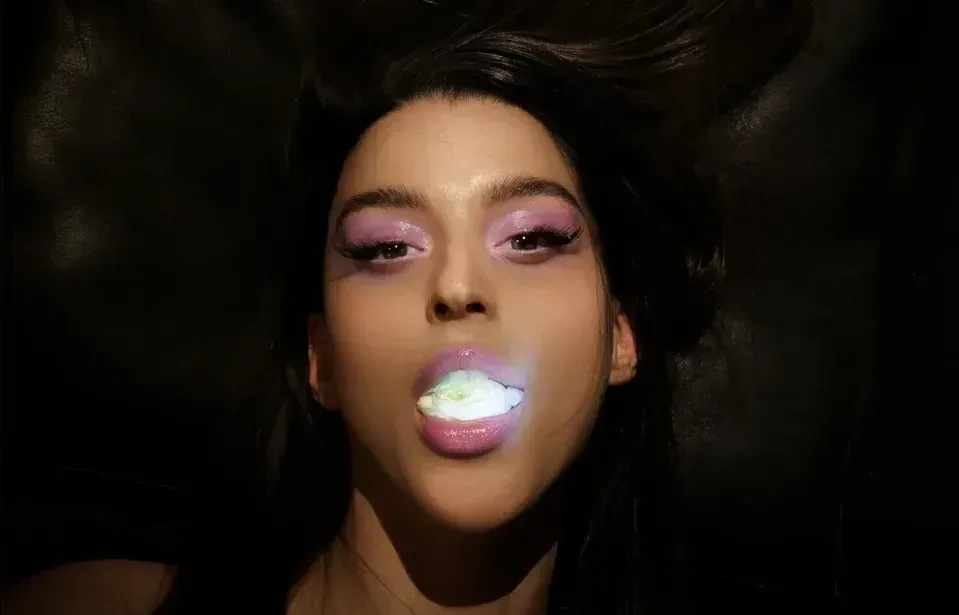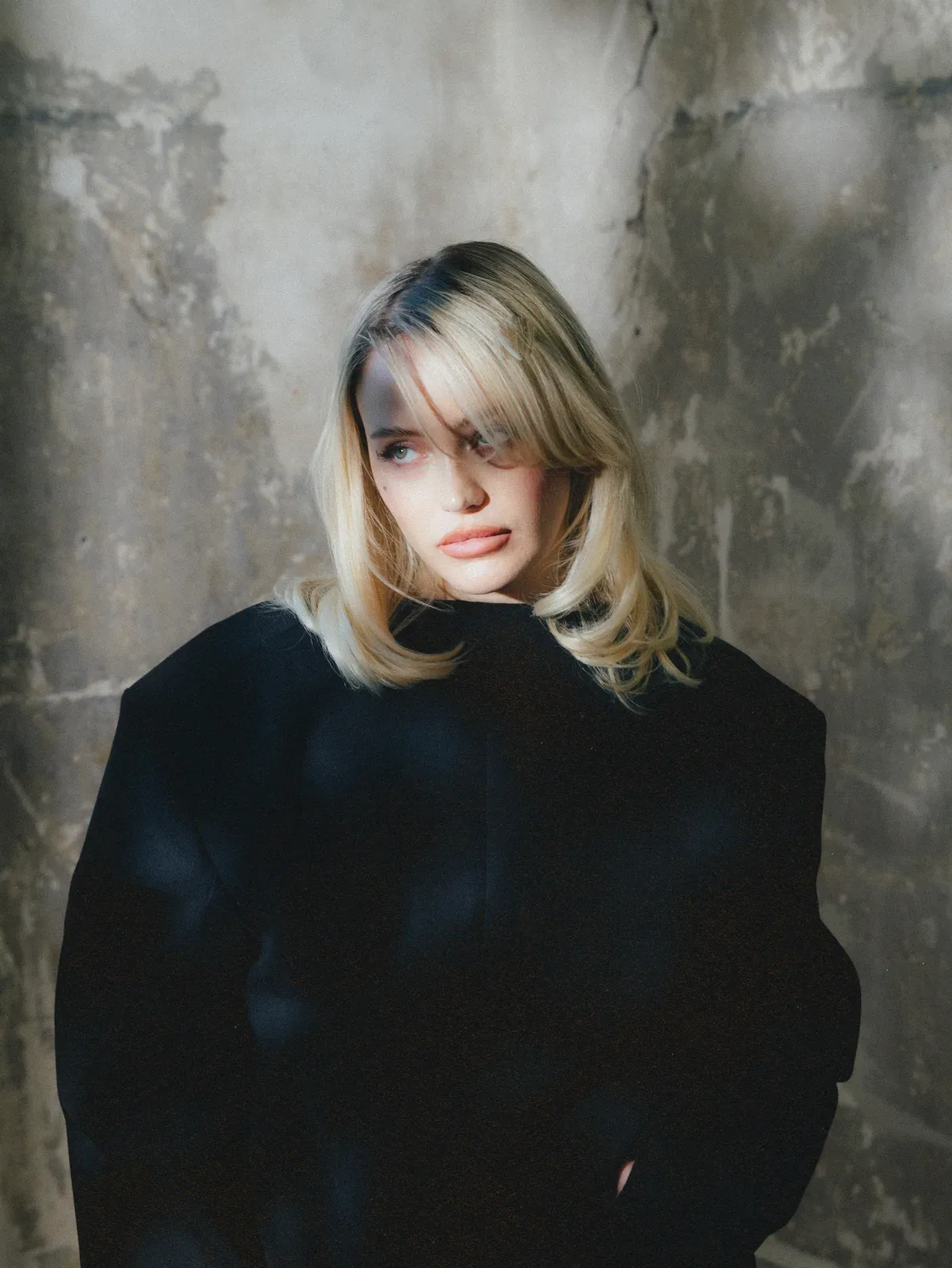
After presenting the project just hours ago at a launch party in Stockholm, it’s now time to let it go. In All Of My Tomorrows is out today, and with it, ORKID shares a body of work that feels close and personal, with each track holding onto the moments and people behind it.
Two years ago, when we last spoke with her, ORKID was beginning to shape that space with Proud and Bed of Roses, songs that would later become Where Flowers Grow. Back then, we described a voice that could turn grief into something almost luminous, something soft but grounded. That same feeling is still here but has slightly shifted. “Grief doesn’t disappear; it changes shape,” she says, and that idea runs quietly through this new release.
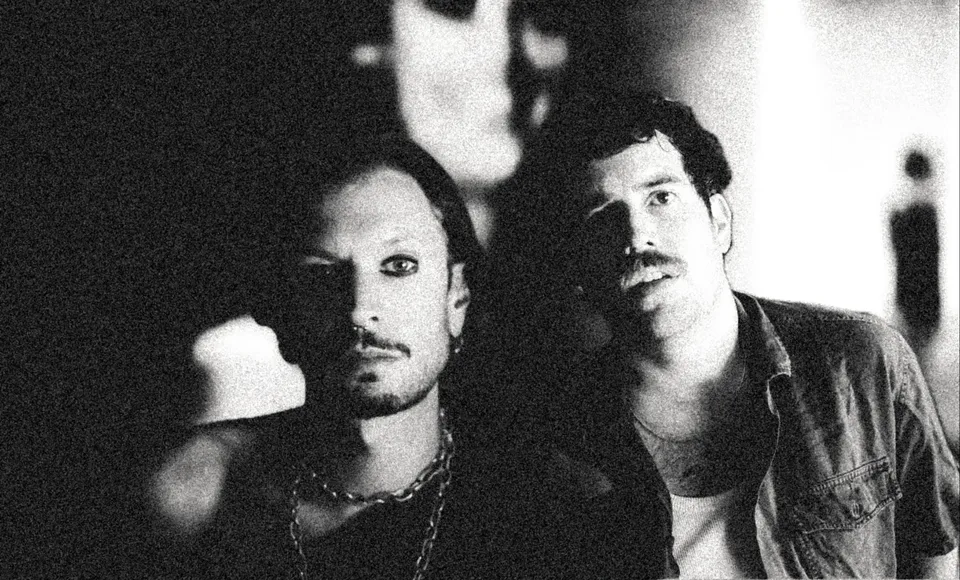
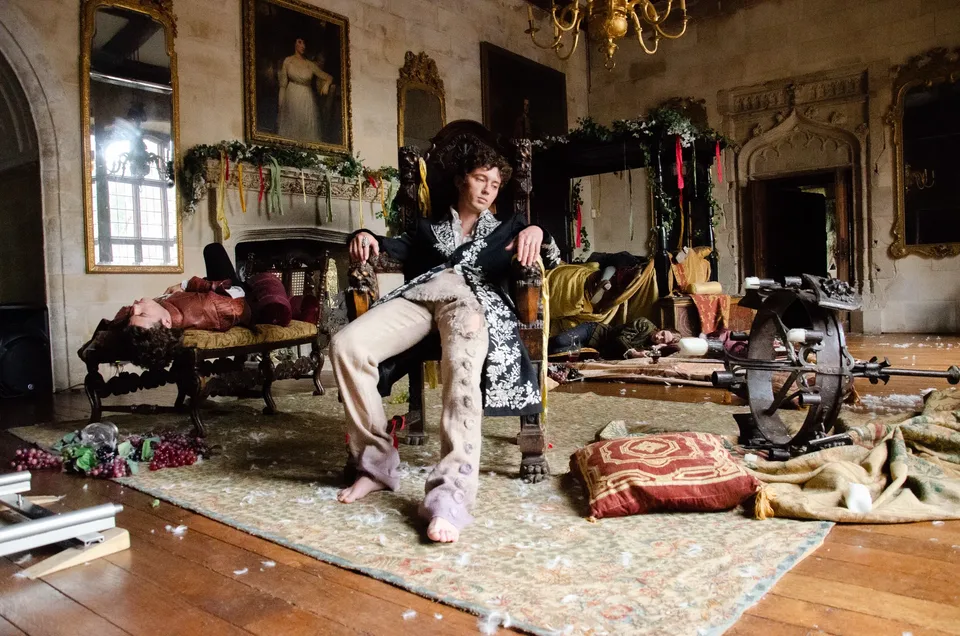
Earlier this week, the artist shared a glimpse into her process on social media, posting a vision board for the EP alongside a message that felt as direct as the music: “I couldn’t be more grateful for the life I get to live and the music I get to create… just magic humans.” She also took the time to highlight the people behind the project, the friends and collaborators who shaped it along the way, recalling early sessions in Sweden and how the EP kept growing from there.
Over the past year, she’s picked up a P3 Guld award, a Swedish Grammy nomination for Best New Artist, strong national radio support and major TV appearances that place her in a much wider landscape. Still, none of that pulls focus from the music itself. It sits more like a backdrop to what she’s building.
Across its five tracks, In All Of My Tomorrows, Ethereal, EDEN, Fight or Flight and Steep Hills, the EP moves through different states without losing its centre. There’s a sense of continuity in how it unfolds, each track adding something without breaking the flow. Sonically, there’s a subtle expansion. The atmospheric base remains, but a stronger electronic layer runs through the record, adding movement without pulling it away from its core. Her voice stays central, steady and clear, holding everything together as the production opens up around it. There’s more space, but also more intention in how that space is used.