What makes a creative space feel truly alive? Not simply functional or visually impressive, but somewhere that holds energy long after the session ends. The kind of place where conversations slowly become songs, where people stay longer than planned because the atmosphere feels right, and where collaboration happens naturally instead of strategically. In a music industry increasingly dominated by speed and overstimulation, onehand Studios feels important precisely because it was built from something much more human: friendship.
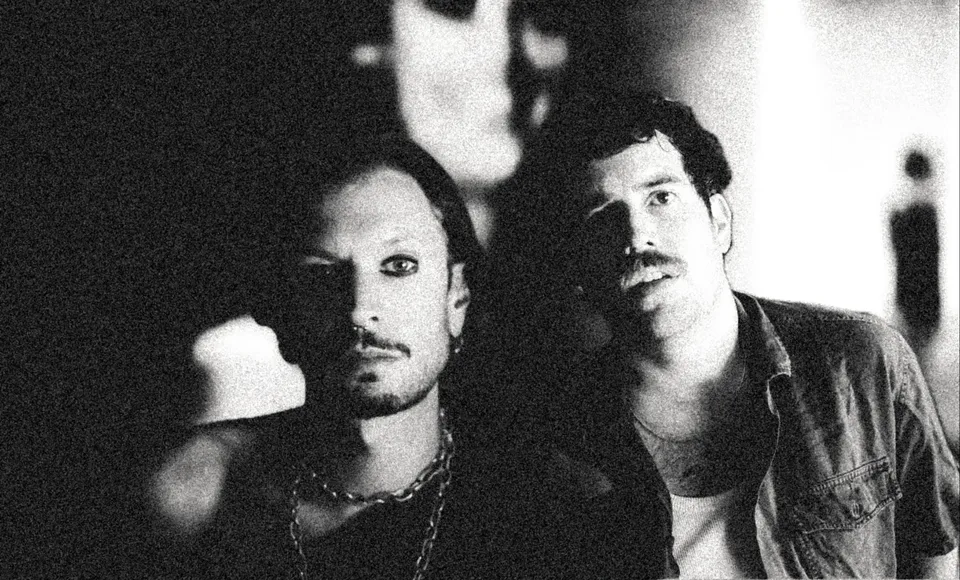
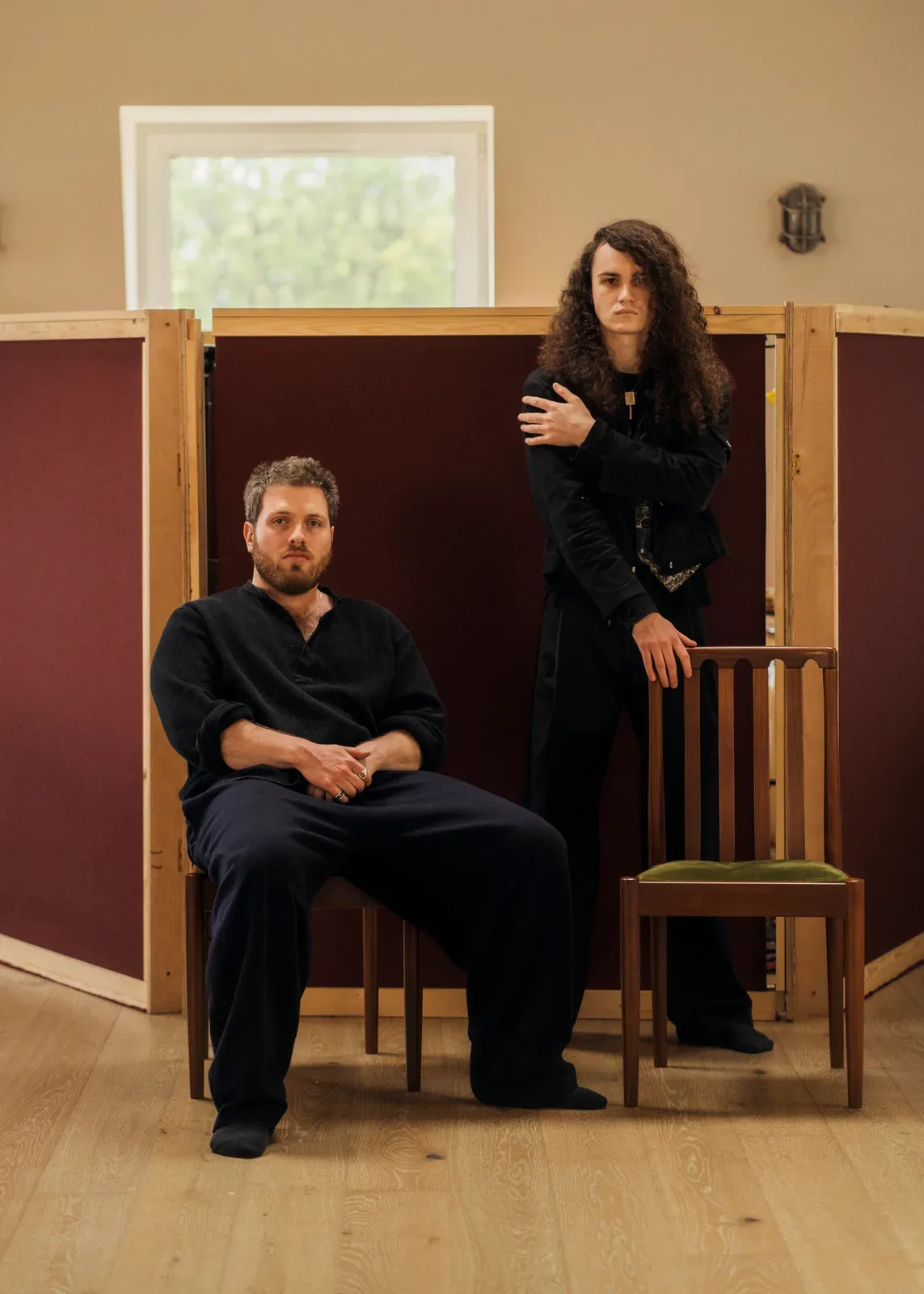
The story of onehand starts years before the studio officially existed. Five years ago, Brian moved to London from Los Angeles via Kenya, searching for a different creative rhythm and a deeper connection with the city’s music scene. Soon after arriving, he met Sol, who was already deeply connected to London’s evolving underground landscape. Music was not even the focus at first. “We were just friends,” they explain. “We didn’t even fully understand each other’s backgrounds at first.” Brian came from film scoring, analogue recording and live instrumentation, while Sol had carved his own path through London’s underground scene with a more digital and collaborative approach to production. Slowly, those two worlds began to overlap.
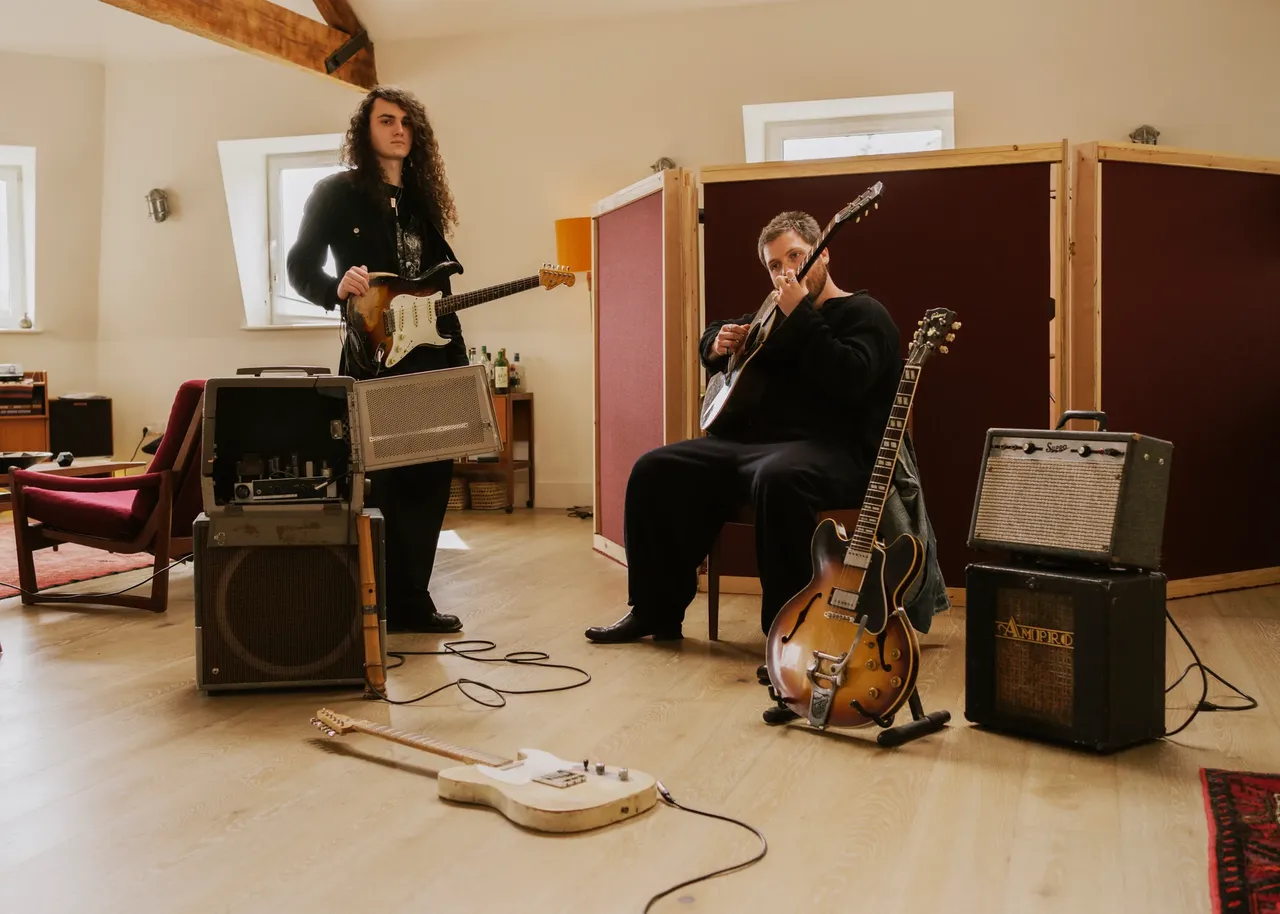
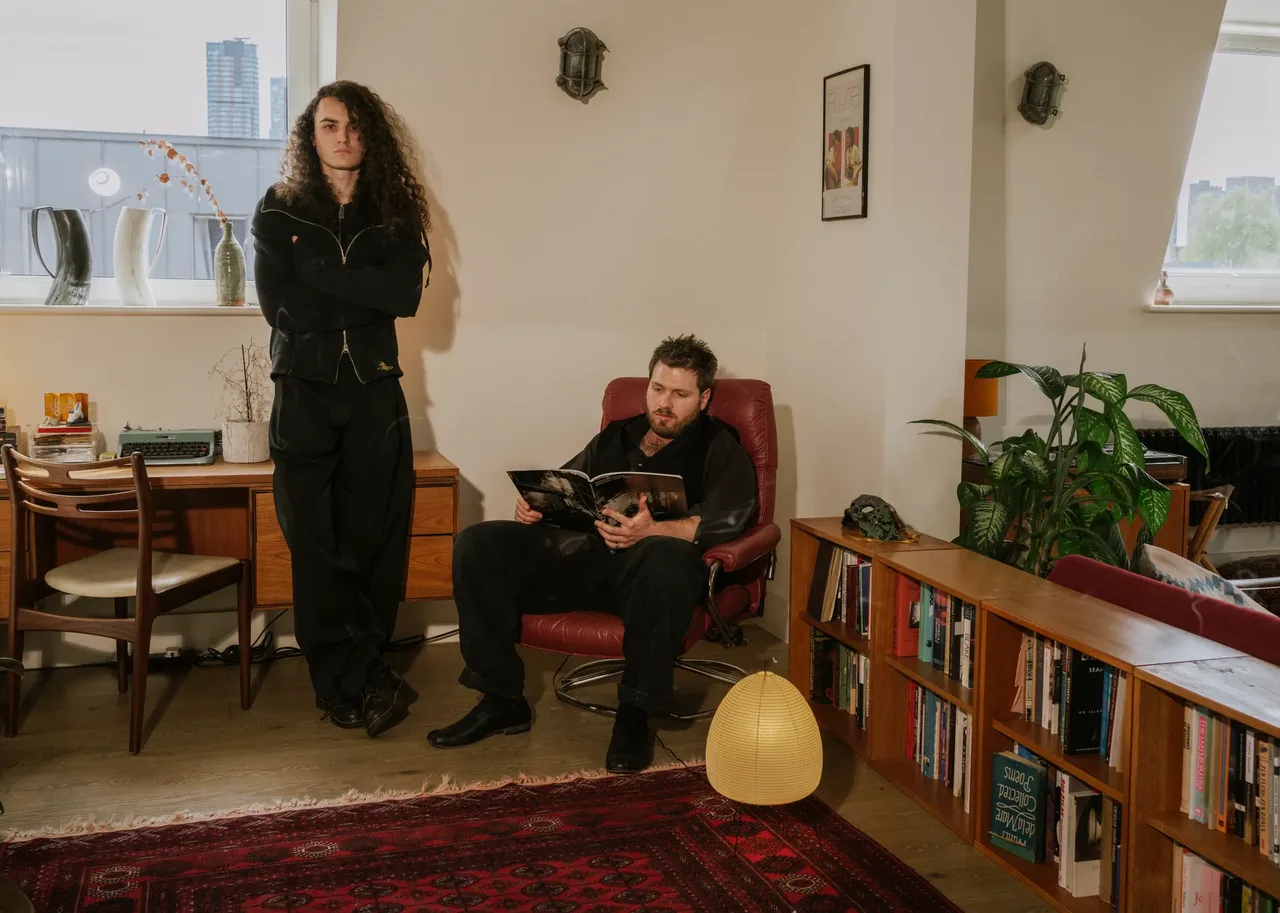
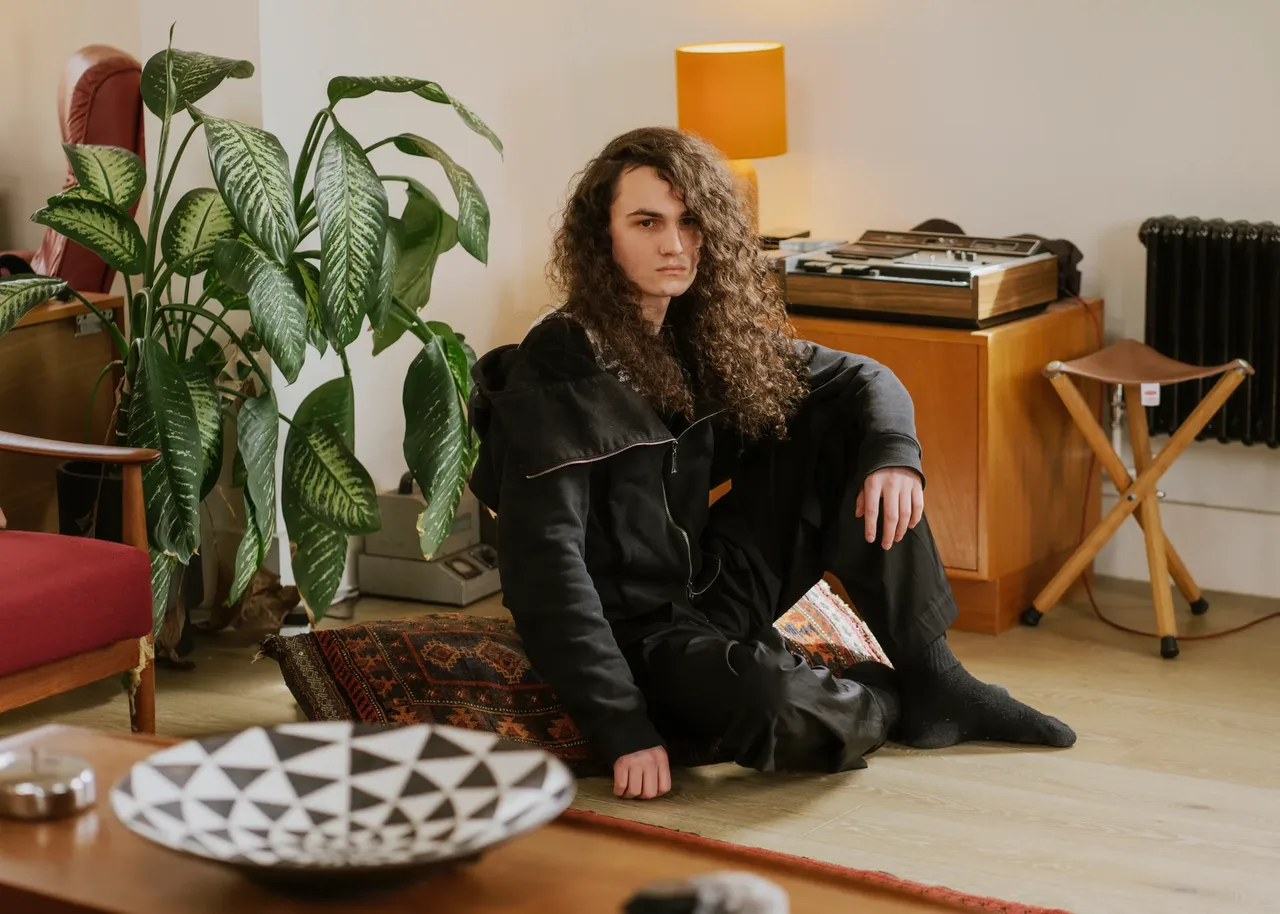
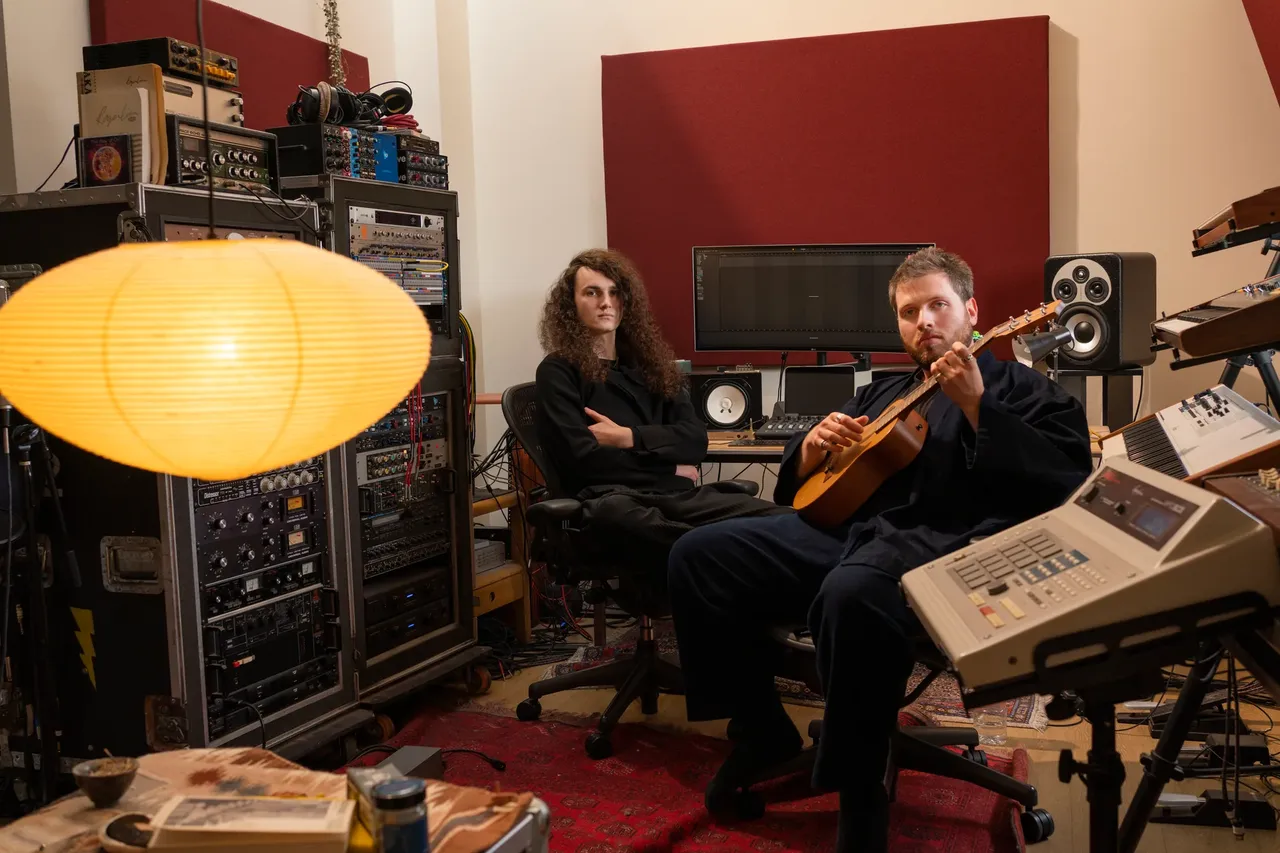
That organic evolution still defines onehand now. Nothing about the studio feels forced or overly polished. Even the space itself, a light-filled East London penthouse filled with analogue equipment and warm textures, feels closer to a home than a traditional studio, and maybe that distinction matters more than ever. A house and a home are not the same thing. In the same way, not every studio becomes a safe environment for creativity. onehand seems deeply aware of that difference.
“The artist makes their best work when they forget that they are, in fact, an artist,” Brian and Sol explain. That sentence quietly shapes everything happening inside the space. Sessions are designed around openness rather than pressure. Reflection matters; silence matters; time matters. “We believe in organic creation,” they say. “Building a team for each project made up of gifted musicians who share a love for an organic workflow.” Instead of reducing artists to isolated sessions behind a laptop, onehand slowly built a network of musicians who genuinely wanted to be part of the creative process itself. “Most people in the industry only go somewhere if there’s a clear incentive financially or a guaranteed release,” they explain. “What we wanted was different.”
That difference became clear early on. After Brian fully set up the studio, he and Sol spent months working almost nonstop with different artists while shaping their own production language together. Very quickly, they realised they wanted to make “live records” with real bands, making full use of the space they had built. Jam sessions organised alongside collaborator Benjamin Totten eventually brought together some of London’s finest session musicians and live players, many of whom became part of an evolving creative community around the studio. What onehand offers now feels increasingly rare: access to high-level live recording environments without the impossible financial barriers usually attached to them.
At its core, onehand functions as something fluid: part recording studio, part creative hub, and more than anything, a philosophy. The name itself comes from the Zen koan “What is the sound of one hand clapping?” a question designed to move beyond logic and invite a deeper awareness. That same energy runs through the studio’s approach. Artists are encouraged to sit with uncertainty instead of rushing toward immediate answers. “We remove the dependence on the plugged-in world from the equation,” they explain, “and allow creativity to progress naturally.” The goal is simple: creating an environment where artists feel relaxed enough to “push boundaries and create their best, most authentic work rather than whatever they think will be most lucrative.”
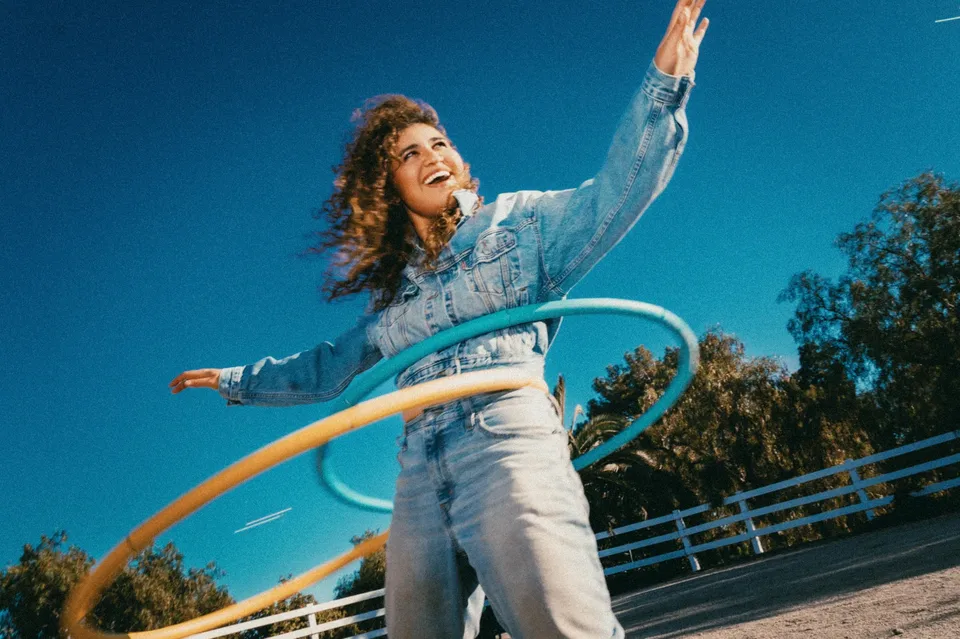
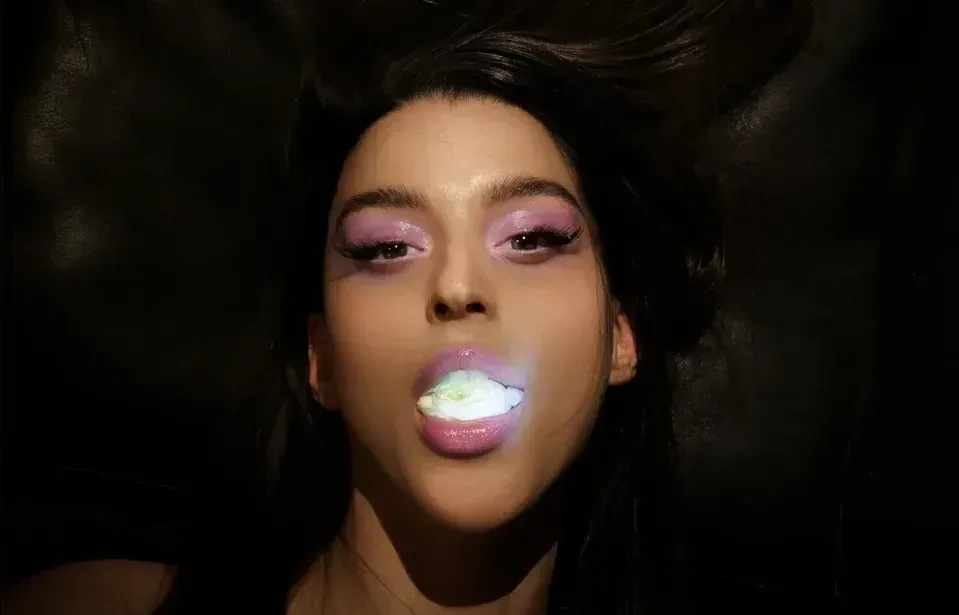
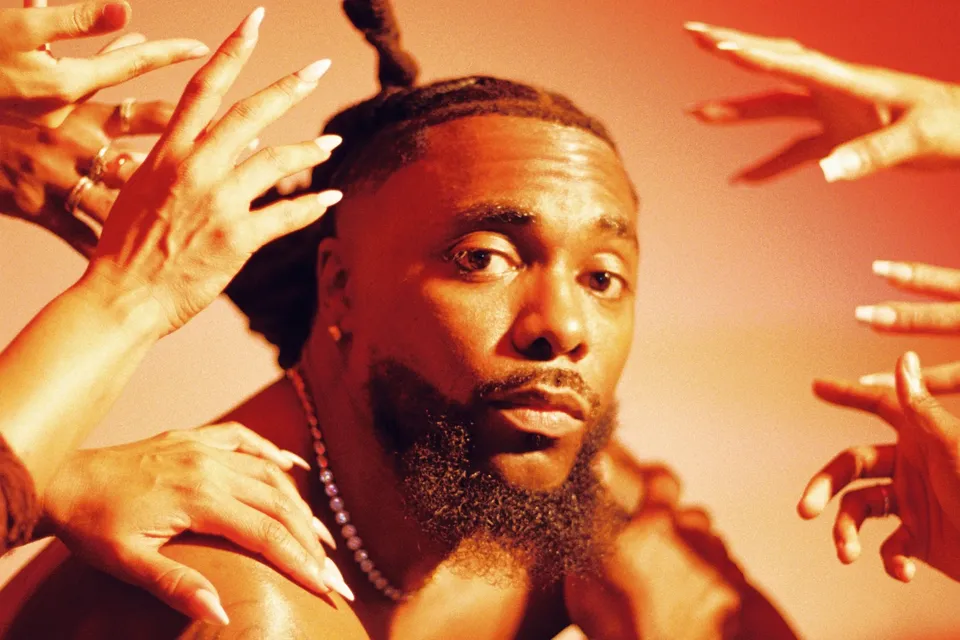
The studio has already welcomed artists including Lava La Rue, Tendai, IAMDDB, Kamal, Santino Le Saint, Tay Iwar and 070 Shake, each contributing to the studio’s constantly evolving identity and sense of community. But for Brian and Sol, onehand was never meant to remain limited to a single physical space in East London. “We want to continue working in the way we do now,” they explain, “eventually opening studios globally that continue the work we are starting in London.”
More than expansion, though, what they seem interested in preserving is a feeling. A way of creating that values presence over pressure and instinct over expectation. In that sense, onehand feels less like a studio and more like proof that creative communities still matter, that friendship still matters, and that sometimes the most valuable thing a space can offer artists is simply enough calm to hear themselves clearly again.